The peppered moth.
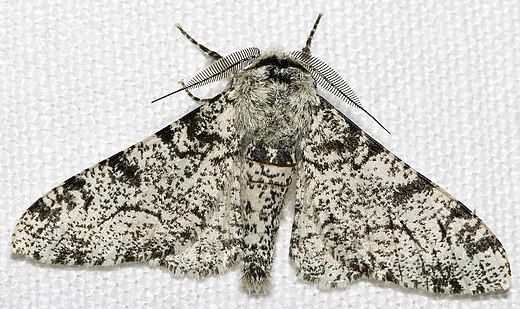
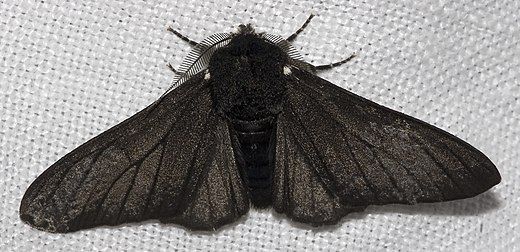
In the early 19th century, most peppered moths in England were light-coloured. This was because they were well-camouflaged against the light-coloured tree bark on which they lived. However, during the Industrial Revolution, many trees became blackened by soot from factories. As a result, dark-coloured peppered moths became better camouflaged and were more likely to survive and reproduce. Over time, the frequency of the gene for dark coloration increased in the population, and the peppered moth population became predominantly dark-coloured.
Dead leaf moth
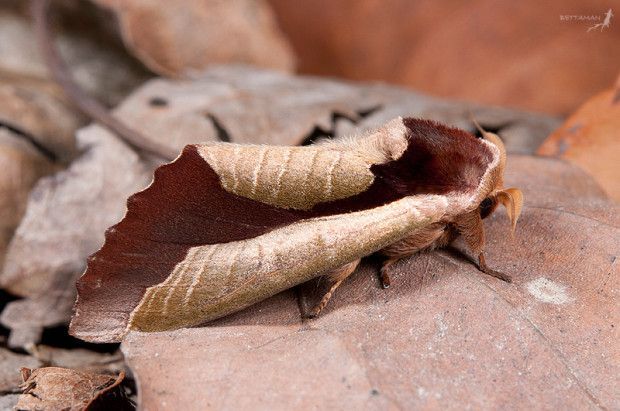
Imagine a fallen leaf, brown and veined, curled up on the forest floor. Now, picture that leaf suddenly unfolding into a beautiful moth! That’s the dead leaf moth in action. Its wings mimic a dead leaf with remarkable precision, complete with brown and green hues, vein-like markings, and even a curled-up appearance.
Vampire moth
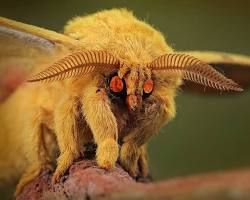
Believe it or not, some moths, like the Vampire Moth, feed on the tears and blood of sleeping mammals! They use their long proboscis to pierce the skin and lap up the fluids, a truly macabre adaptation.
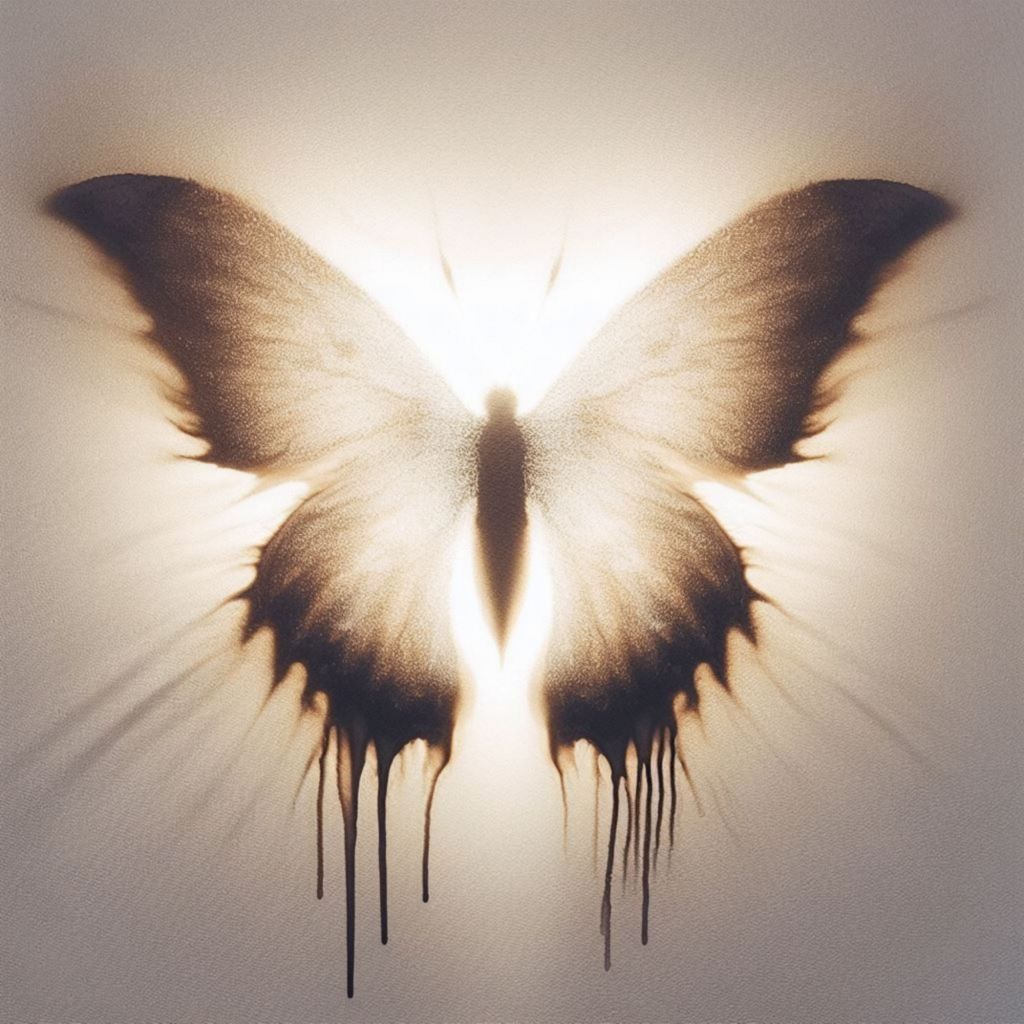
And I thought moths were just fuzzy nightlights, flitting erratically around porch lamps. What a glorious underestimation that was! From the dead leaf moth’s uncanny leaf mimicry to the vampire moth’s liquid midnight feasts, these winged wonders have shattered my simplistic moth-conception

- Darkness, Power and Beauty
 Horse’s steady gazeStrengthful eyes that dare to meetChallenge accepted Courage is the strength to face… Read more: Darkness, Power and Beauty
 - The Daffodil’s Song: A Lyrical Tribute to the Wonders of Spring
 Daffodil so brightGolden petals, sunshine’s kissHope blooms anew As I wander through the garden, the… Read more: The Daffodil’s Song: A Lyrical Tribute to the Wonders of Spring
 - Acanthus: A Versatile Plant with a Rich Cultural Heritage
 The Graceful Lines of an Acanthus Leaf. Acanthus is a genus of flowering plants native… Read more: Acanthus: A Versatile Plant with a Rich Cultural Heritage
 Anthony's Literary Lens
Leave a comment