Ladies and gentlemen, esteemed scholars and squirrel enthusiasts, gather ’round for a tale as epic as the swish of a red squirrel’s bushy tail! Today, we embark on a journey into the fascinating world of our furry friend, the red squirrel.
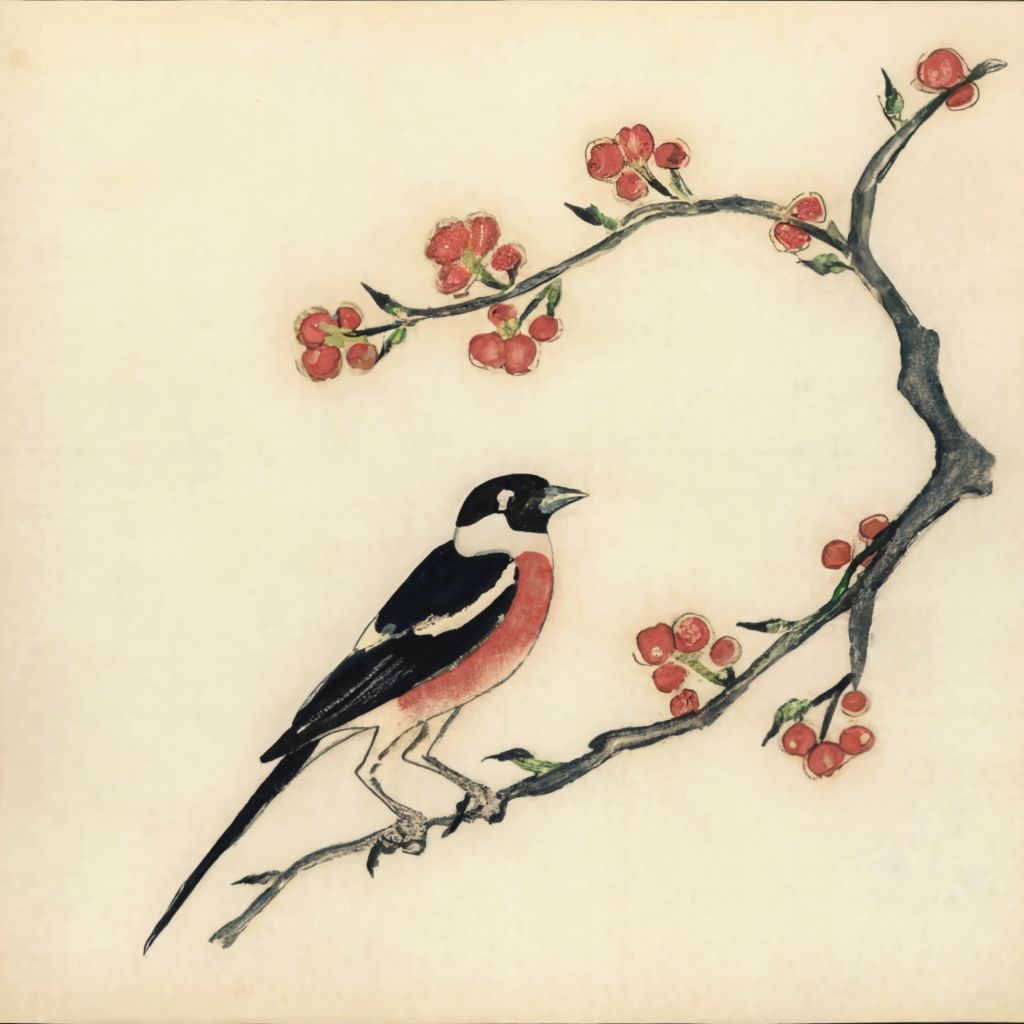
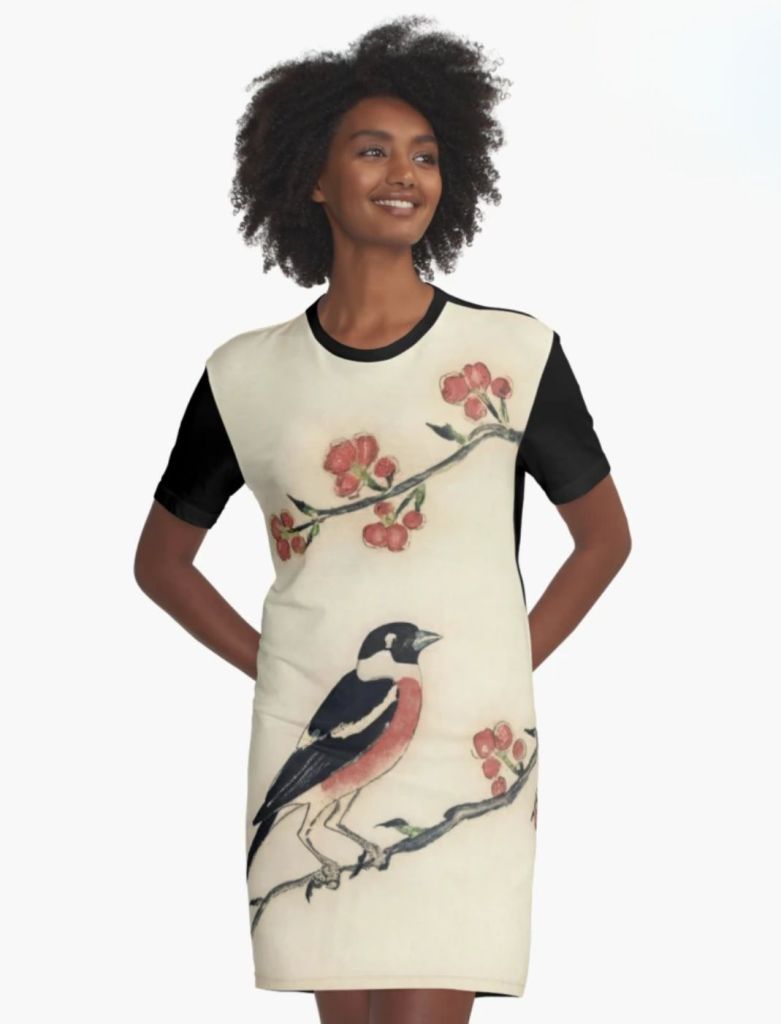
Red Squirrel Tap to buy on red bubble
Imagine, if you will, a forest dappled with sunlight, where majestic oaks stand tall and mighty, and the air hums with the melodious chirps of birds. In this enchanted realm, roams the crimson ambassador of the treetops – the red squirrel! With its tufted ears and bushy tail, it scampers and frolics, a true symbol of woodland charm.
But hold onto your acorns, my dear audience, for our red squirrel faces a peril as grand as any dragon in a mediaeval tale! Enter the villain of our story: the grey squirrel. Like an invasive army from across the seas, these grey interlopers arrived from North America, armed with voracious appetites and a penchant for outcompeting their red counterparts.
Picture this: a red squirrel, perched atop its leafy throne, feasting on a delicious nut, when suddenly, a shadow falls upon the forest floor. With a menacing glare, a grey squirrel swoops in, stealing the prized nut with a swiftness that would make Robin Hood envious! Thus begins the saga of survival, as our intrepid red squirrel must outwit, outmanoeuvre, and outlast their grey adversaries.
But fear not, noble listeners, for amidst the chaos emerges a glimmer of hope! Conservationists, armed with knowledge and determination, rally to the cause of our beloved red squirrel. They erect sanctuaries, plant trees, and educate the masses on the importance of preserving our native fauna. Together, we stand as guardians of the forest, united in our quest to ensure that generations to come may revel in the antics of these fiery furballs.
So, my friends, as we bid a temporary adieu to our woodland friends, let us remember the moral we’ve learnt: that in the face of adversity, even the smallest of creatures can defy the odds and emerge victorious. And as the sun sets over the woodland horizon, let us raise a toast to the indomitable spirit of the red squirrel – a true hero of the treetops!
Through ancient paths, seekers stray, Amidst the woods, where my dreams lay. With every step, anticipation looms, Lost in wonder, pure magic blooms.
Anthony
Bluebells and ferns
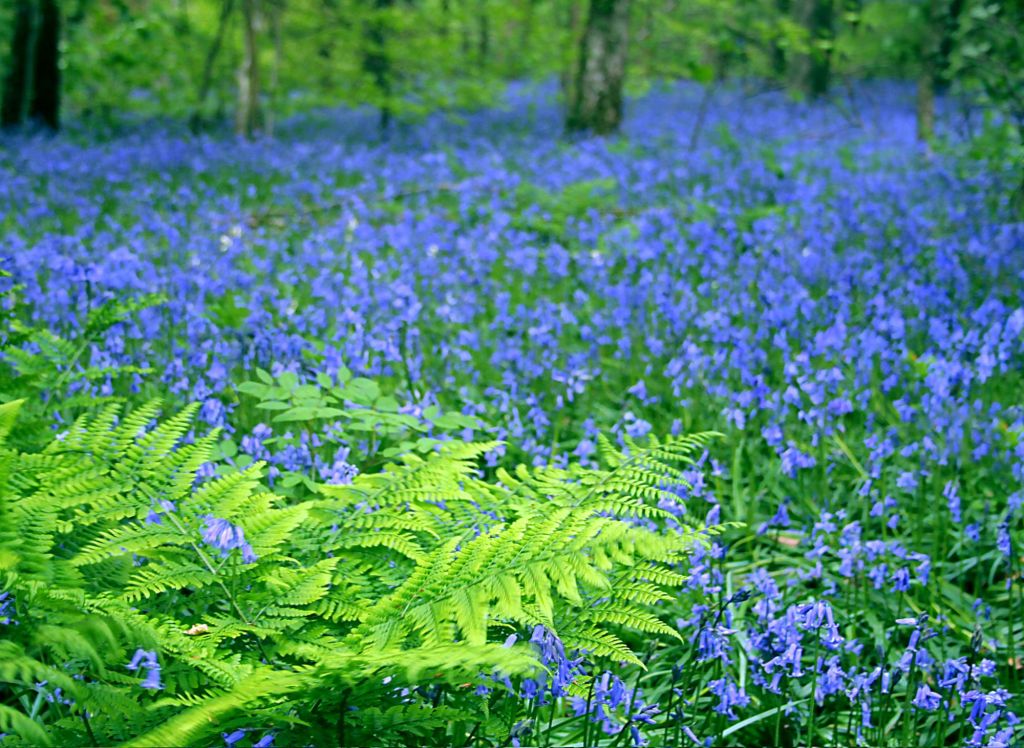
For weeks, I’d been on the hunt. The elusive bluebell woods, whispered about in hushed tones by fellow nature enthusiasts, had become my personal grail. Everywhere I turned, the internet boasted photos of these magical glades, carpeted in a mesmerising sea of blue. The dream? To capture that scene myself, a vision of sapphire and emerald.
The hunt, however, proved frustrating. One lead sent me down an old muddy farm track where I met a grumpy old muddy farmer. The fleeting window of the bluebell bloom was narrowing, and a sliver of worry began to gnaw at my resolve. Each failed expedition chipped away at my optimism, leaving me with nothing but wellies caked in mud and a knapsack full of disappointment.
Then, on a whim, I decided to explore a barely-there track on the edge of a sleepy village. The rusty gate, its paint peeling like sunburnt skin, its ancient latch, which yielded with a satisfying groan, marked the entrance. Anticipation intensified, the air itself held the sweet promise of spring.
Sunlight, which filtered through the ancient beech tree canopy, dappled the path ahead. Decomposing leaves crunched underfoot, their earthy scent mingling with the fresh, green perfume of emerging life. Primroses peeked out shyly, tendrils of ivy, like scrawny fingers, reached out from the gnarled trunks, and jewel-toned flies buzzed lazily past, their iridescent wings catching the fragmented light.
The first hint of blue came not from a flower, but a flash of a blue tit flitting amongst the branches. It was a prelude, a tease of the main act.
And then, there it was.
Bluebells and beeches
A gasp escaped my lips. The woodland floor wasn’t carpeted, it was engulfed in a breathtaking sea of bluebells. Their delicate, bell-shaped blooms swayed gently in the afternoon breeze, the blue contrasting effortlessly with the verdant young beech leaves. In that moment, my world seemed to shrink to this small glade, all my worries and anxieties melting away.
Beside this breathtaking display, another patch of magic unfolded. Lush green ferns, unfurling their delicate fronds, created a textural contrast with the smooth bluebells. This wasn’t just a carpet of colour, it was a living, breathing artwork, a masterwork of nature.
My frustrations melted away entirely, replaced by a profound sense of wonder. Here, in this hidden haven, I had found not just a breathtaking scene to capture, but a moment of pure, unadulterated joy. I suppose the photographs were a reason to search, but being here is what I really wanted. The elusive bluebells had revealed their secret, they had gifted me a memory that would forever be etched in my heart.
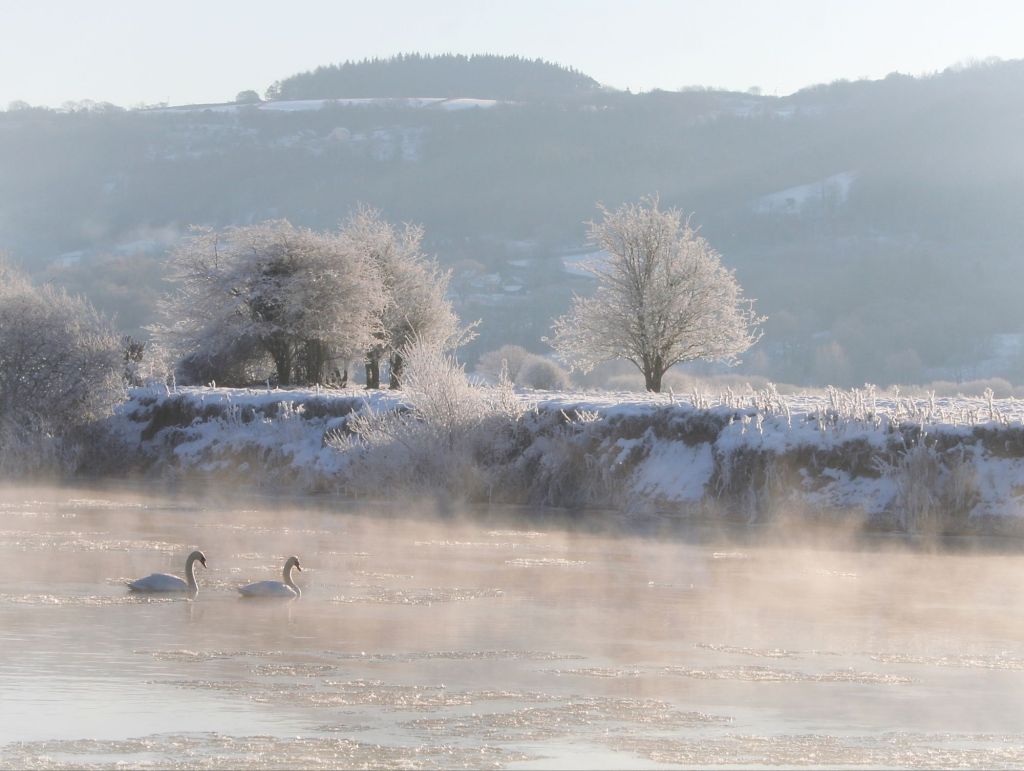
White on white, a world subdued, Nature’s hush, a solitude. Swans like whispers on the stream, A frozen dream, a tranquil theme.
Anthony
It was a bit chilly
This image depicts a tranquil scene of two swans gliding gracefully across a wintery river. The artist has captured the elegance of the swans with their long, slender necks and pristine white feathers. The artist has used subtle brushstrokes to depict the movement of the water as the swans glide effortlessly through it.
In the background, the artist has rendered a detailed landscape of trees laden with snow. The use of a subtle colour palette, with browns and whites, creates a sense of winter’s chill. The artist has skillfully captured the way the snow blankets the trees, creating a sense of peace and serenity.
The use of light and shadow is reminiscent of the works of the Dutch Golden Age masters, such as Jan van Eyck or Pieter Bruegel the Elder. The artist has used light to highlight the whiteness of the swans and the snow, creating a sense of calm and tranquillity.
Overall, the image is a beautiful and serene portrayal of a winter landscape. The artist has skillfully captured the elegance of the swans and the beauty of the wintery scene.
Situated in the heart of the Brecon Beacons National Park, renowned for its natural beauty and industrial heritage, the area around the small village of Pontneddfechan adds its own little slice of magic to the area by way of lush green, steep sided valleys and beautiful waterfalls.
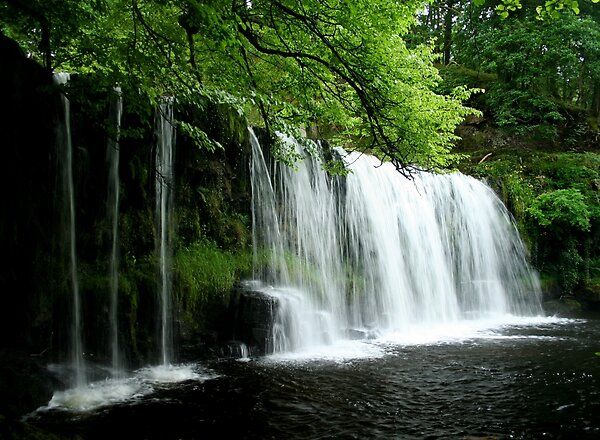
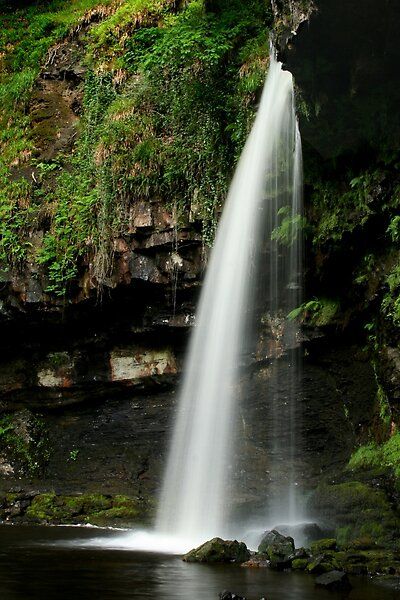
Sgwd Gwladys (Lady Falls)
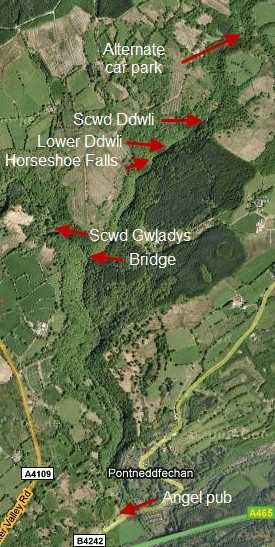
Special Photographic Features. On this short walk, the highlights are the four main waterfalls shown on the map below:
A little guide
The Village of Pontneddfechan. Yes it’s a mouthful and it took me a year or so to remember it and learn how to say it. As well as convenient parking at the Angel Pub, also handy for lunch or a pint after your walk, there is a waterfall information centre just across the road where you can get helpful local knowledge about the falls. Also in the village there is a small groceries shop and public toilets.
The walk. From the car park, follow the river up along a mainly flat, sometimes muddy track, so boots are advised. At this point you’re retracing the remains of an old mining tramway which once serviced the silica mines further up river (some of the stone rail supports are still visible). The Rock was used to make world famous fire bricks.
Amidst Wales’ embrace, Pontneddfechan’s waters dance, Nature’s hymn is sung.
Anthony
Keep on the left bank as the river splits near the bridge. We’ll be crossing this on the way back. On this tributary is the first of the larger waterfalls.
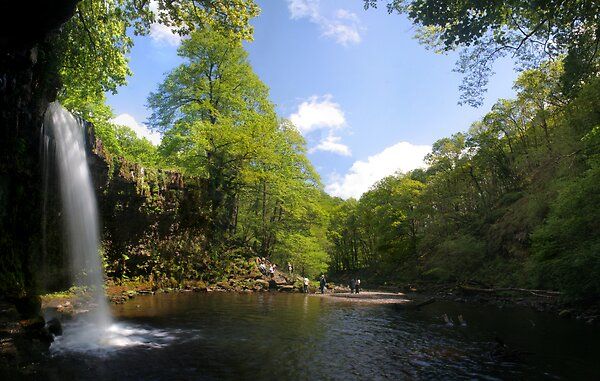
Sgwd Gwladys (Lady Falls)
Stream Of Light
Named after St. Gwladys (Born c.AD 460), daughter of King Brychan of Brycheiniog. This is the tallest waterfall, at about 20ft, of the four I’m covering: Sgwd Gwladys or Lady Falls in English. This beautiful Falls makes for some interesting shots, usually having dead tree trunks in the plunge pool, which look good in the foreground of shots and you can also take from behind the falls looking down the valley. I’ve also seen photos from the top which look good, but I’ve not got up there so far. I’ll have to make the effort one day as apparently there’s another falls a kilometre upstream which named after St Gwladys’ lover Einon Gam.
The path is easy as far as it goes but, as always, getting close in to find the great shots is tricky. When I’ve been there it’s easy to cross the river at this point, which you have to do to get behind the falls.
On one visit here, a fellow photographer had brought his willing wife and her wedding dress along and planned to photograph her in the dress, in the water (a practice apparently known as “trashing the dress”). Each to their own. Unfortunately, she was still changing in the tent they’d brought when I left; I think she was reluctant to come out with other people around.
An interesting tale surrounding thin falls is the story of a 12th century priest, Elidorus, who, at the age of twelve ran away from his cruel teacher and hid near these falls. Two small, golden haired people of the underworld found him and took him down to their world.
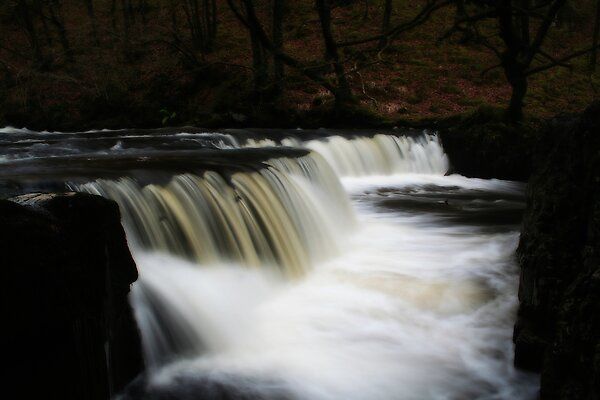
Horseshoe Falls.
Ghostly Falls
A double drop to this one. The above photo is of the first drop of about 5 feet which curves nicely, giving the fall its name. Be careful here as the rocks are very slippery – to take this shot I’m kneeling right on the edge and have my camera resting on my woolly hat on a rock as a tripod. Just to the right the river narrows to squeeze between the rocks, increasing its power, and drops another 12 feet or so. There’s good angles from below, where an oak tree overhangs and you can get both falls in the shot.
Lower Ddwli Falls.
Go with the flow
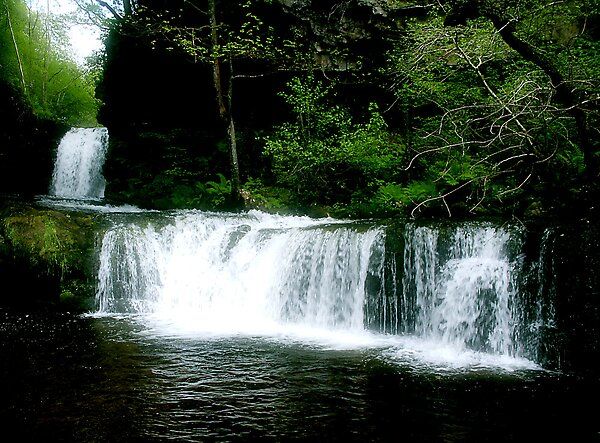
The next falls you’ll reach is Lower Ddwlli falls. You may overshoot this one as you have to leave the path some time before the actual falls and walk up the river. You could come off the path by the falls but it’s very steep and dangerous. Also, the rocks here are usually slippery so take care. There is another small falls just to the right of this photo which curves round, making for good photos, especially if you can get both in – this means standing in the river.
Sgwd Y Ddwli.
Fairytale Waterfall in Wales
Despite not being very tall (about 12ft), Upper Ddwli Falls is, I think, the prettiest of the falls and has a fairytale feel to it. It’s better to visit a little later as the sun comes around on it – unless you want the sun shining through the trees which can be beautiful with the bare trees in winter. This waterfall has an easy approach from the top too which could make for some interesting shots (I’ve yet to succeed).
Not far up river from here is another car park at Pont Melin Fach although it’s quite hard to find by car.
Best time of day/year. Each season has its good points, although it’s nice when the trees are lush green and autumn is good for catching trails of leaves swirling in the water in the long exposure shots.
Late evening is an interesting time for long exposures of the falls, but I wouldn’t advise night photography as the falls are too dark and the sky is usually obscured by trees.
Special equipment. A tripod is essential for the long exposure shots to get the silky water effect. I find anything from half a second up makes for good results. A polarised filter to reduce reflection, and, since I don’t have a neutral density filter, it’s also handy in helping push up the exposure times on sunny days. I also suggest sturdy boots as you’ll probably end up scrambling across the slippery rocks to get that “perfect” shot.
Getting there. Leave the M4 at Junction43 towards Neath and follow the A465. Turn off at Glyn-neath and follow the B4242 to Pontneddfechan.
Nearby. Five miles up the A4221, near the village of Coelbren is Henrhyd Falls, South Wales’ highest falls.
White whispers in green, A fleeting dance, then silence, Echoes of us all.
Anthony
Spring
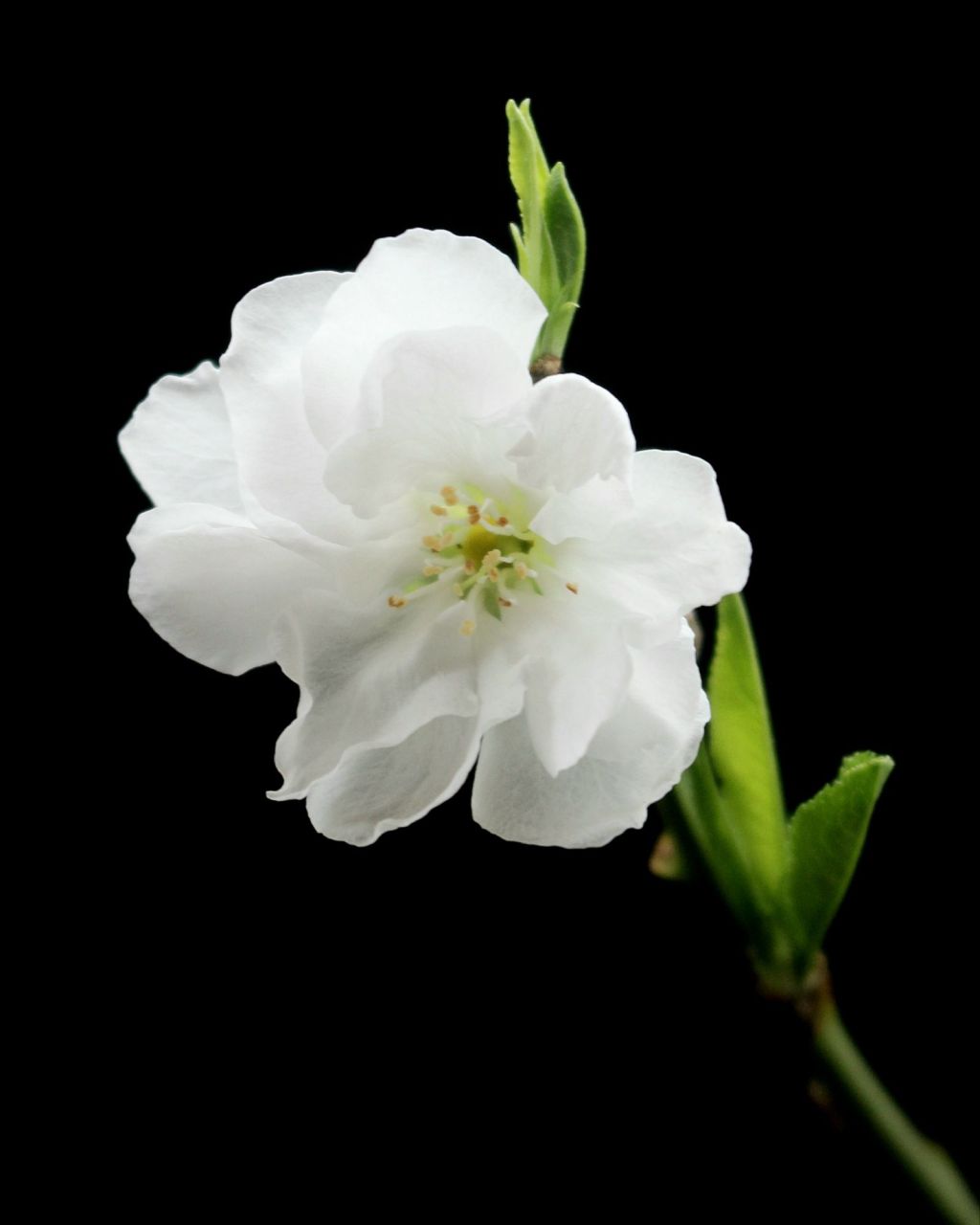
The city was a canvas of green, dappled sunlight bleeding through the leaves of the park. There, amidst the sprawl of emerald, a single cherry blossom unfurled its petals. It was a stark white, almost luminous, with a blush of pink at the edges like a shy smile. It hung there, fragile and perfect, a whisper of impermanence in the heart of the bustling city.
This beauty, so mesmerising, was just passing. The cherry blossom’s life was measured in moments, a fleeting dance before succumbing to the inevitable silence of fallen petals. And in that transience, there was a stark reflection of our own mortality. We too, were but blossoms briefly blooming, destined to fade into the vast unknown.
Sun warms downy chest, Spring whispers on the breeze, Nest yet to be built.
Anthony
Spring is on its way
Ah, that breeze feels glorious on my feathers! Just a tiny rest, that’s all I need. (Fluffs feathers) See? Much better. Though, gotta keep an eye out for those pesky hawks.
Spring! Can you believe it? The days are getting longer, the sun a little warmer. Soon these branches will be bursting with leaves, and the best darn buffet of bugs a bird could ask for will be back in action. Gotta get that nest ready though, prime location by the old oak, perfect for morning sun. But wait, the feeder by the window, that family just refills it constantly, tempting… maybe a two-nest strategy?
Then there’s the courting! Gotta find a mate with the flashiest tail feathers, strong enough to help gather twigs. Oh, and the perfect chirping tune, can’t forget that! Maybe I should practise that new whistle now… wait, what was I thinking? Nest building first, then wooing! Priorities, priorities! (I do like a bit of wooing though.)
(Takes a deep breath) Okay, okay, calm down. One thing at a time. But seriously, gotta get started soon, don’t want to be late for the wormfest! Maybe a quick nap after all… just a short one, I promise!
Buy this – or prints or a mug – at redbubbleTap to view my redbubble gallery.
They call me Madame Blavatsky, a name whispered in both reverence and scorn. Yet, from the astral plane where I reside, I see the tapestry of time unfurl. Today, I come to you beyond my mortal time of 1891 and my gaze fixes upon the curious year 2024 – a year poised on the precipice of great change.
I know what you’re thinking.
The iron steed of materialism still gallops fiercely across the globe. Man’s ingenuity has brought marvels – horseless carriages that zoom at frightful speeds, voices carried across vast distances through the very air itself. Yet, these wonders come at a cost. The air chokes with the black breath of industry, and the very lifeblood of the Earth, the Ether itself, feels bruised and weary.
There is a yearning, a restlessness in the human spirit. The old valuess slumber, their aspirations replaced by towering structures of glass and steel. Science, once a handmaiden to the mysteries, now scoffs at the unseen. But the unseen pulsates still, a cosmic heartbeat beneath the din of materialism.
The East, slumbering giant that it was, stirs in its sleep. Its ancient wisdom, a wellspring I helped unearth, finds new vessels in the West. Yoga postures and cryptic Buddhist chants echo in the very lands that once dismissed them. A nascent hunger for the esoteric – a recognition of the interconnectedness of all things – simmers just beneath the surface.
This is a time of great paradox. Technology, a double-edged sword, can be a tool for enlightenment or enslavement. The very tools that connect humanity can also isolate it further. The human spirit, yearning for a connection beyond the physical, grapples with the messages it receives – messages both uplifting and filled with fear.
Yet, I see glimmers of hope. Scattered across the globe, like fireflies in the night, are those who yearn for more; reminding humanity of its forgotten heritage, its potential for the extraordinary. New voices emerge, some even channelling fragments of the Ancient Wisdom I strove to unveil.
The road ahead will be fraught. There will be challenges, clashes between the old and the new. But the human spirit is a tenacious flame. It will not be extinguished. As humanity grapples with its future, it may yet rediscover the wellspring of wisdom that lies within, the connection to the unseen realms that science cannot yet grasp.
This is the message I leave for you, seekers of the 21st century. Look beyond the veil of materialism. Listen to the whispers of your inner voice. The ancient wisdom is not dead, merely slumbering. It awaits those with the courage to awaken it.
As I say:
“Wisdom is not acquired; it is remembered.”
This quote challenges the traditional view of knowledge acquisition. Blavatsky suggests that true wisdom is not something learned externally, but rather a deep, intrinsic knowledge that lies dormant within us.
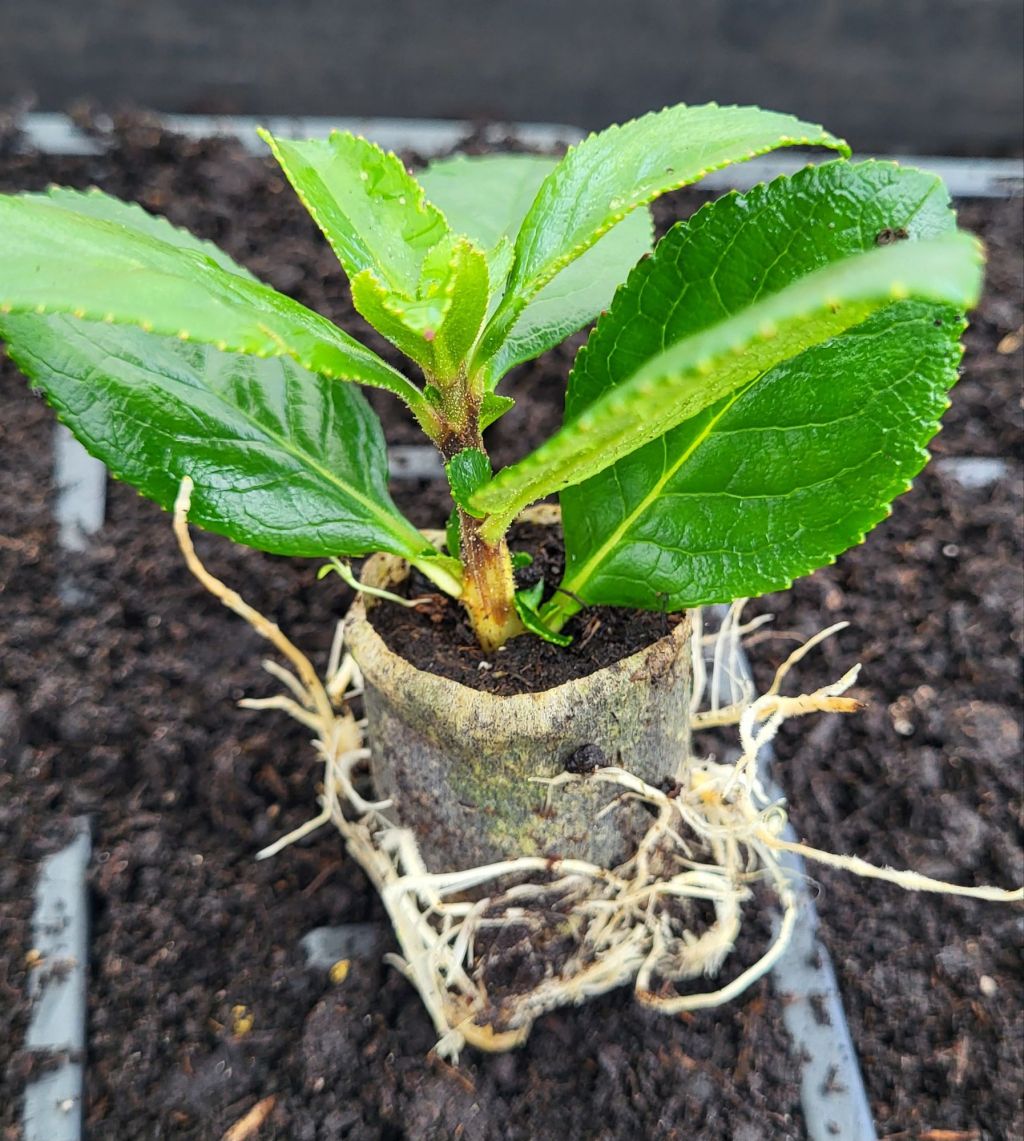
Hey everyone, You might be used to seeing artistic flower photos and pensive poems on this blog, but today, I’m taking a detour into the world of dirt (literally!). As a plant whisperer by trade, I couldn’t resist sharing the surprising success story of my recent escallonia cuttings – as you can see in this photo.
Roots Galore!
Back in October, while tidying up the garden, I decided to give propagation a go. I snipped off a few healthy-looking escallonia shoots, each about 3 inches long. Now, some might scoff at taking cuttings this late in the season, but hey, a gardener never gives up hope!
Using trays of plugs, I nestled the cuttings on a bed of damp sand, placed on top of a heated cable. This little setup mimicked a mini greenhouse, providing gentle warmth for the soon-to-be roots.
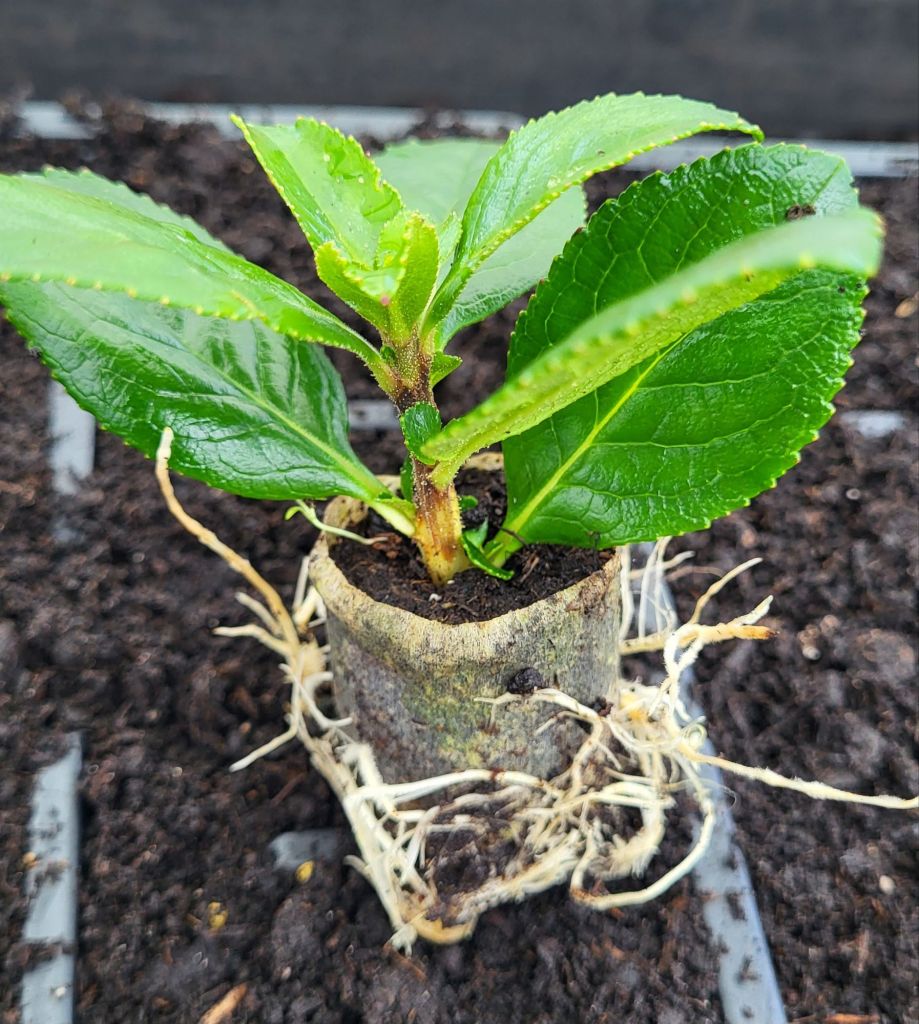
Fast forward to today, a cool March morning, and guess what? I unearthed a root explosion! Those 3-inch cuttings boast a network of impressive roots – it always surprises me how tough plants are. It’s truly amazing to see such vigorous growth in just five months, even with a late-season start.
This unexpected success story reminds me of the constant surprises nature throws our way. Even when the odds seem stacked against them, plants have a remarkable ability to adapt and flourish. It’s a lesson I carry with me, both in the garden and in life.
While my blog might usually showcase the beauty of blooms and the written word, this little experiment serves as a reminder of the quiet magic that happens beneath the surface. Who knows, maybe next time I’ll share a post on the fascinating world of plant root systems – there’s always more to learn!
In the meantime, stay tuned for the next chapter of my escallonia cuttings’ journey. As they continue to grow, I’ll be sure to document their progress and share tips on transplanting them into their forever homes.
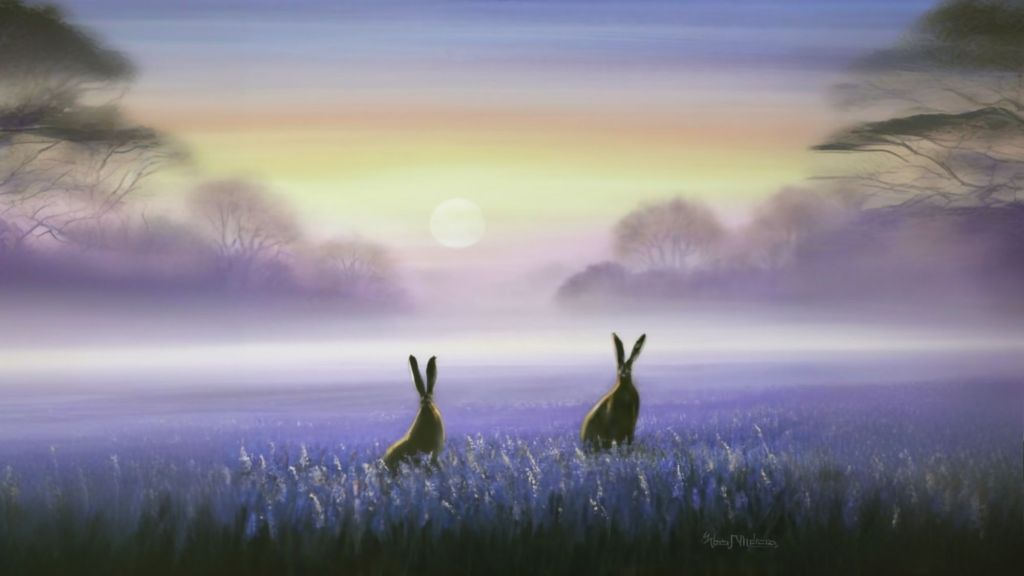
As the misty veil of dawn begins to lift, two hares materialise in the midst of a field of bluebells, their forms emerging from the swirling fog like apparitions from another realm. With no recollection of how they came to be, the hares find themselves surrounded by a serene landscape, the air heavy with the scent of dew-kissed flowers.
Confusion grips the hares as they take in their surroundings, their senses heightened by the enigmatic mist that envelops them. They exchange wary glances, their instincts tingling with a mixture of apprehension and wonder at their sudden appearance in this new world.
As they tentatively explore their new environment, the hares feel a strange connection between them, an invisible thread that binds their fates together. Though they may be strangers to one another, they find solace in each other’s presence, drawing strength from the silent companionship that bridges the gap between them.
With each step they take, the hares become acutely aware of the pulse of life that thrums beneath the surface of the world around them, the rhythm of nature echoing in their hearts. Though they may not yet understand the purpose behind their arrival, they feel a sense of anticipation stirring within them, a whisper of destiny calling them forward into the unknown.
As the sun breaks through the mist, casting its warm glow upon the field of bluebells, the two hares stand poised on the threshold of discovery, ready to embrace the adventure that lies ahead. In this moment of infinite possibility, they surrender themselves to the whims of fate, knowing that whatever trials may await them, they will face them together, bound by the unbreakable bond of kinship and courage.
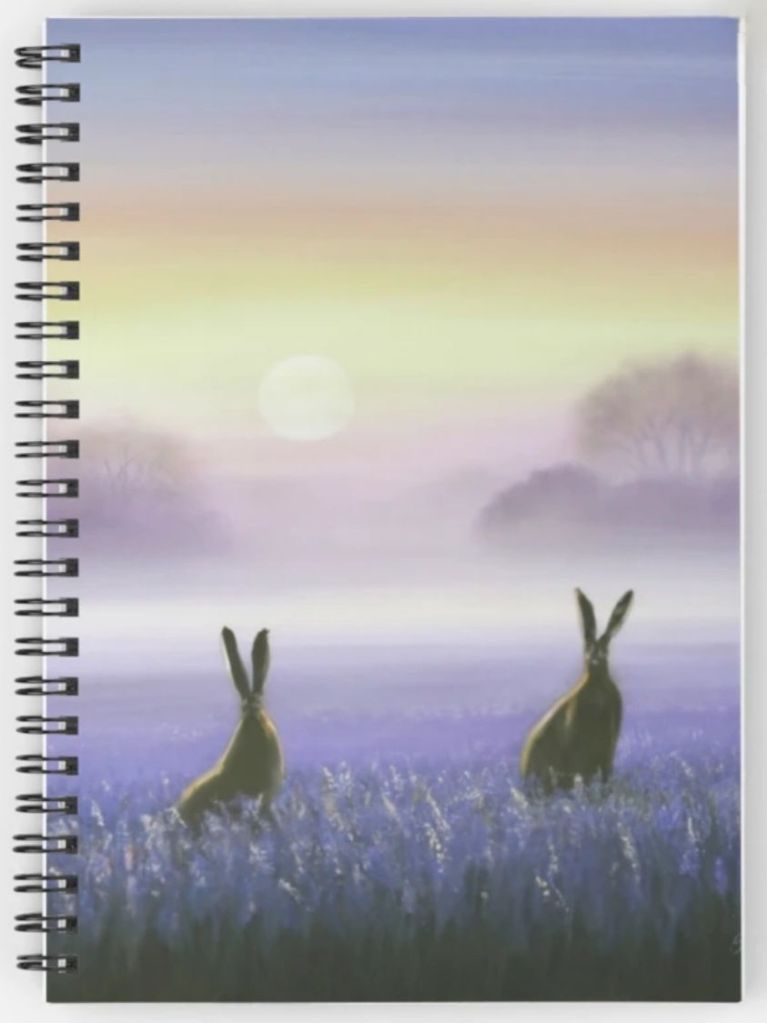
Buy a lovely notepadTap to view my redbubble gallery.
Step into my world, with a grin so wide, Where laughs turns to shivers, and fears reside. In the circus of nightmares, I’ll be your guide, With tricks and treats, on this dark carnival ride.
Anthony
“Welcome”
In the colourful array of human fears, few evoke as much intrigue and curiosity as coulrophobia – the fear of clowns. From the big-top circus to the silver screen, clowns have long occupied a peculiar space in our collective consciousness, alternately inspiring laughter and instilling dread. But what lies behind this enigmatic fear, and why do some individuals find themselves gripped by it?
To understand coulrophobia, we must first delve into its origins. Clowns, with their exaggerated features, garish makeup, and unpredictable behaviour, can evoke a range of emotions. For many, the sight of a clown elicits joy and amusement, but for others, it triggers a primal sense of unease. This discomfort may stem from various sources, including negative childhood experiences, exposure to frightening portrayals of clowns in media, or an innate aversion to ambiguity and masked identities.
Psychologists posit that coulrophobia may be rooted in the uncanny valley phenomenon – a term used to describe the unsettling feeling elicited by humanoid entities that are almost, but not quite, human. Clowns, with their exaggerated facial features and exaggerated expressions, often fall into this eerie territory, leaving some individuals feeling unsettled or even threatened.
Furthermore, the inherent unpredictability of clowns can exacerbate this fear. Their whimsical antics and exaggerated gestures may come across as erratic or insincere, creating a sense of mistrust or discomfort in those who crave predictability and stability.
The portrayal of clowns in popular culture has undoubtedly contributed to the perpetuation of coulrophobia. From Stephen King’s menacing Pennywise to the sinister clown sightings that captivated the public in recent years, the image of the malevolent clown has become deeply ingrained in our cultural psyche.
Moreover, the proliferation of horror movies featuring murderous clowns has cemented the association between clowns and fear in the minds of many. These depictions capitalise on our primal fears and exploit the inherent creepiness of clowns, further fueling the phenomenon of coulrophobia.


 Horse’s steady gazeStrengthful eyes that dare to meetChallenge accepted Courage is the strength to face… Read more: Darkness, Power and Beauty
 Daffodil so brightGolden petals, sunshine’s kissHope blooms anew As I wander through the garden, the… Read more: The Daffodil’s Song: A Lyrical Tribute to the Wonders of Spring
 The Graceful Lines of an Acanthus Leaf. Acanthus is a genus of flowering plants native… Read more: Acanthus: A Versatile Plant with a Rich Cultural Heritage





 Anthony's Literary Lens
You must be logged in to post a comment.