Chrysanthemums have been a popular subject in art for centuries, celebrated for their beauty and symbolism. Here are some famous paintings and artistic works featuring chrysanthemums:
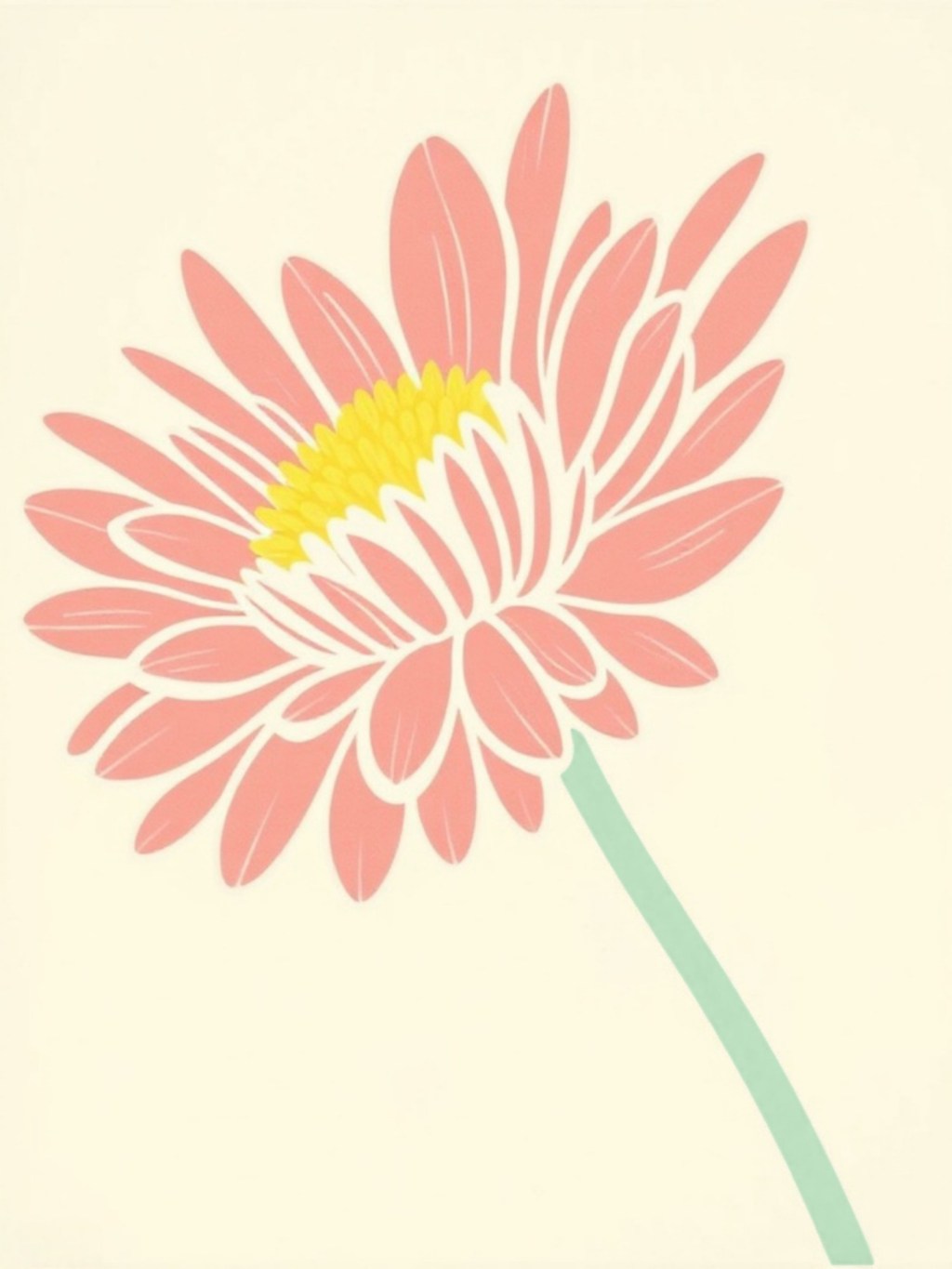
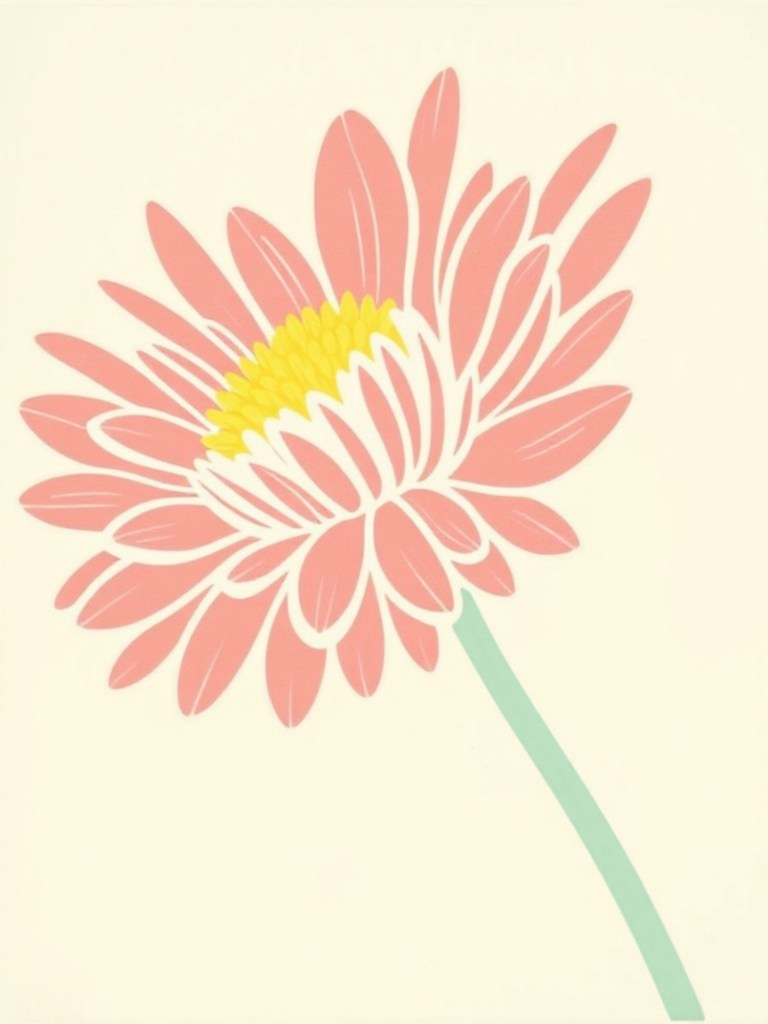
Chrysanthemum
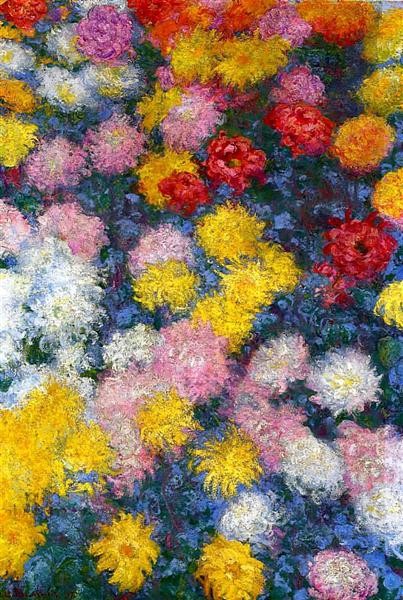
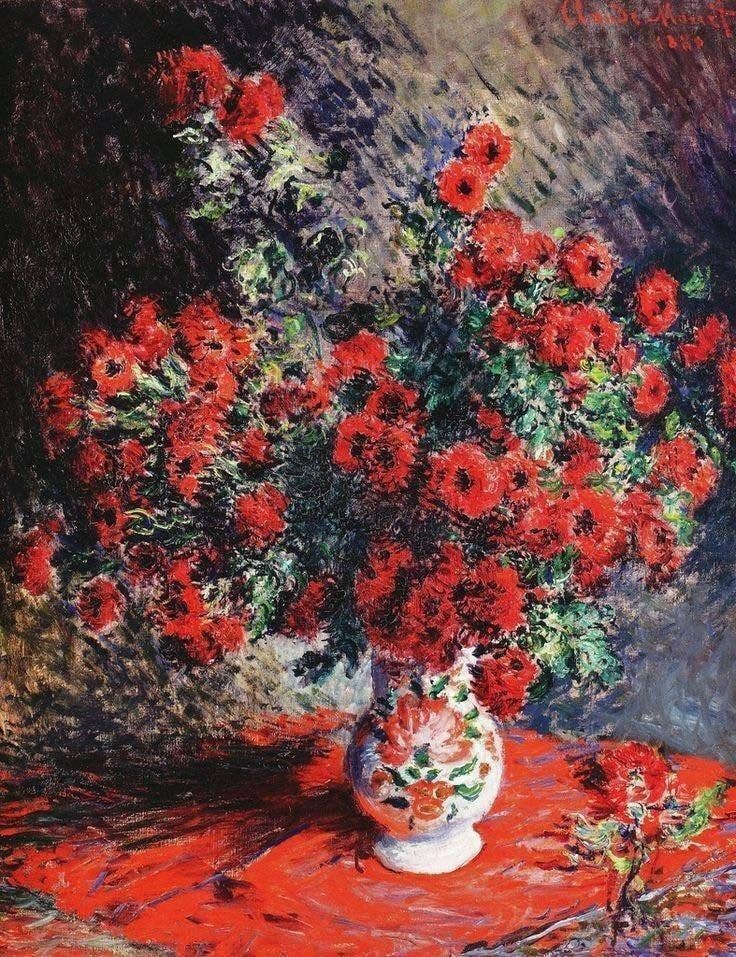
Claude Monet
Monet, the French Impressionist master, painted several works featuring chrysanthemums. In his characteristic style, he captures their vibrant colors and delicate textures, showcasing their charm. His painting “Chrysanthemums” is a striking example of how Impressionists used light and color to bring flowers to life.
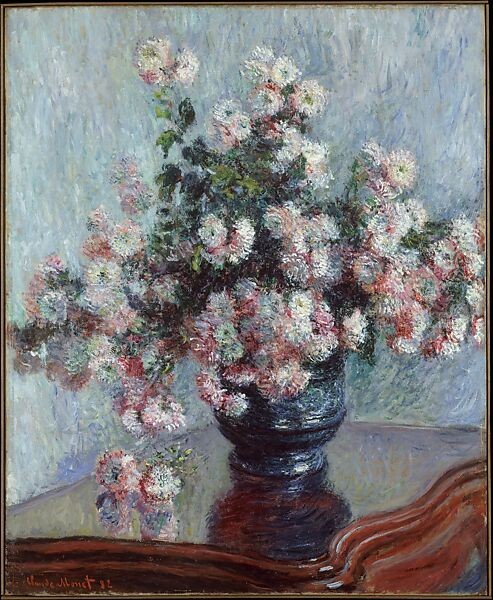
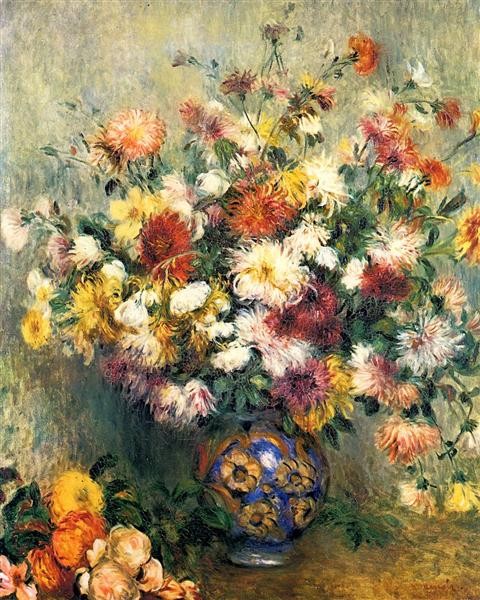
Pierre-Auguste Renoir
Renoir, another Impressionist, was also captivated by chrysanthemums. His painting “Chrysanthemums” features a vase overflowing with the blooms, emphasizing their lushness and intricate forms. Renoir’s brushwork highlights the flowers’ natural beauty.
Van Gogh
While Van Gogh is most famous for his sunflowers, he also painted chrysanthemums. His still-life works featuring these flowers reflect his love of vibrant colors and his ability to imbue still objects with emotional depth.
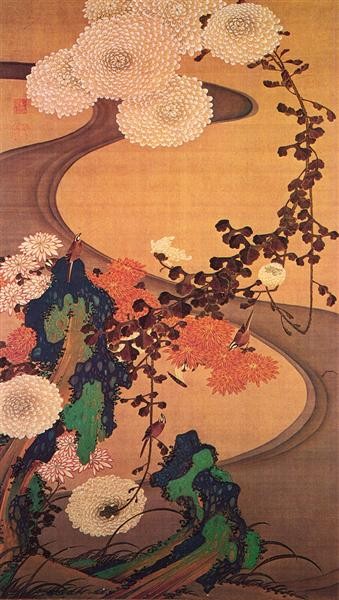
Ito Jakuchu
Ito Jakuchu, a Japanese Edo-period artist, created intricate and vibrant scrolls of chrysanthemums. His work reflects the flower’s importance in Japanese culture and combines realism with a sense of spiritual elegance.
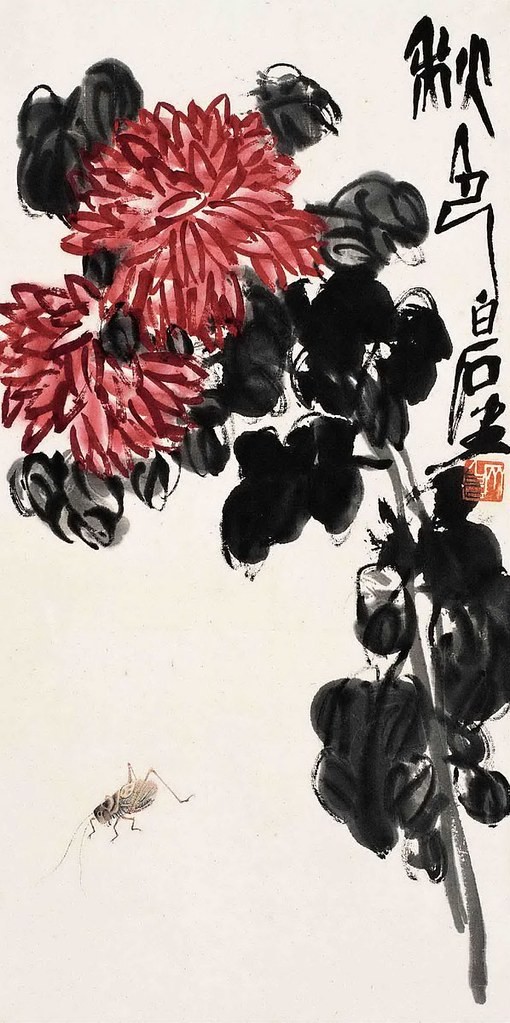
Qi Baishi
Qi Baishi, a master of traditional Chinese painting, often depicted chrysanthemums in his works. Using expressive brushstrokes and ink washes, he captured their essence with simplicity and depth.
If you find this content inspiring and uplifting, consider supporting what I do. Buy me a coffee on Ko-fi. Your support makes a difference in my life and helps me create more of what you, and I, like. Thank you!Tap to view my redbubble gallery.
In my thirty-seventh year, the origami cranes began to speak to me. Not with words exactly, but in the way the paper would crease under my fingers, each fold a whisper of something I’d forgotten I knew.
I’d started folding them in the depths of what I can only call a peculiar darkness—the kind that seeps in slowly, like water through the walls of an aging house.
My wife had left two years before, taking her collection of jazz records and leaving behind only the mechanical tick of our Western-style clock and the ghost of John Coltrane’s saxophone that seemed to linger in the curtains. I spent my days translating technical manuals and my nights staring at the ceiling, counting the shadows that gathered there like memories I couldn’t quite grasp.
The first crane was an accident. I found the square of paper in my coat pocket—probably a receipt I’d meant to keep—and my hands remembered what my mind had forgotten from grade school. Muscle memory is strange that way, like a record that keeps playing even after the power goes out.
Every evening after that, I would fold one crane. Just one. The paper had to be exactly six inches square, and I would only use white paper, though sometimes in the lamplight it looked the color of moonlight on snow. I didn’t make wishes or count towards a thousand. I simply folded, letting my fingers find their way through the valleys and mountains of paper.
Strange things began to happen, as they often do in this world. The bakery down the street started giving me an extra pastry with my morning coffee. A cat with eyes the color of old coins began waiting for me outside my apartment. I found myself humming tunes I’d never heard before.
But the real change was in the space between breaths, in the moments when the paper seemed to fold itself, when the crane would look at me with its pointed paper eyes and I could feel something unfolding inside my chest—something that had been creased and compressed for so long I’d forgotten it was there.
One morning, I realized I couldn’t remember the last time I’d counted shadows on my ceiling. The darkness hadn’t disappeared—it had transformed, like paper under patient hands, into something with wings.
They say grace finds you in unexpected ways. For some, it comes in hymns or prayers or moments of divine intervention. For me, it came in squares of white paper and the quiet meditation of folding something beautiful out of nothing at all. Each crane was a small rebellion against chaos, a tiny perfect thing in an imperfect world.
Now, when people ask me why I still fold cranes—my apartment filled with their paper presence—I never quite know what to say. How do you explain that salvation sometimes comes not in grand gestures but in small, repeated acts of creation? That grace isn’t always amazing in the traditional sense, but in the way it sneaks up on you, one fold at a time, until you look up one day and realize you’ve learned to fly?
Tell me if you have an “origami crane” that has helped you.
If you find this content inspiring and uplifting, consider supporting what I do. Buy me a coffee on Ko-fi. Your support makes a difference in my life and helps me create more of what you, and I, like. Thank you!Tap to view my redbubble gallery.
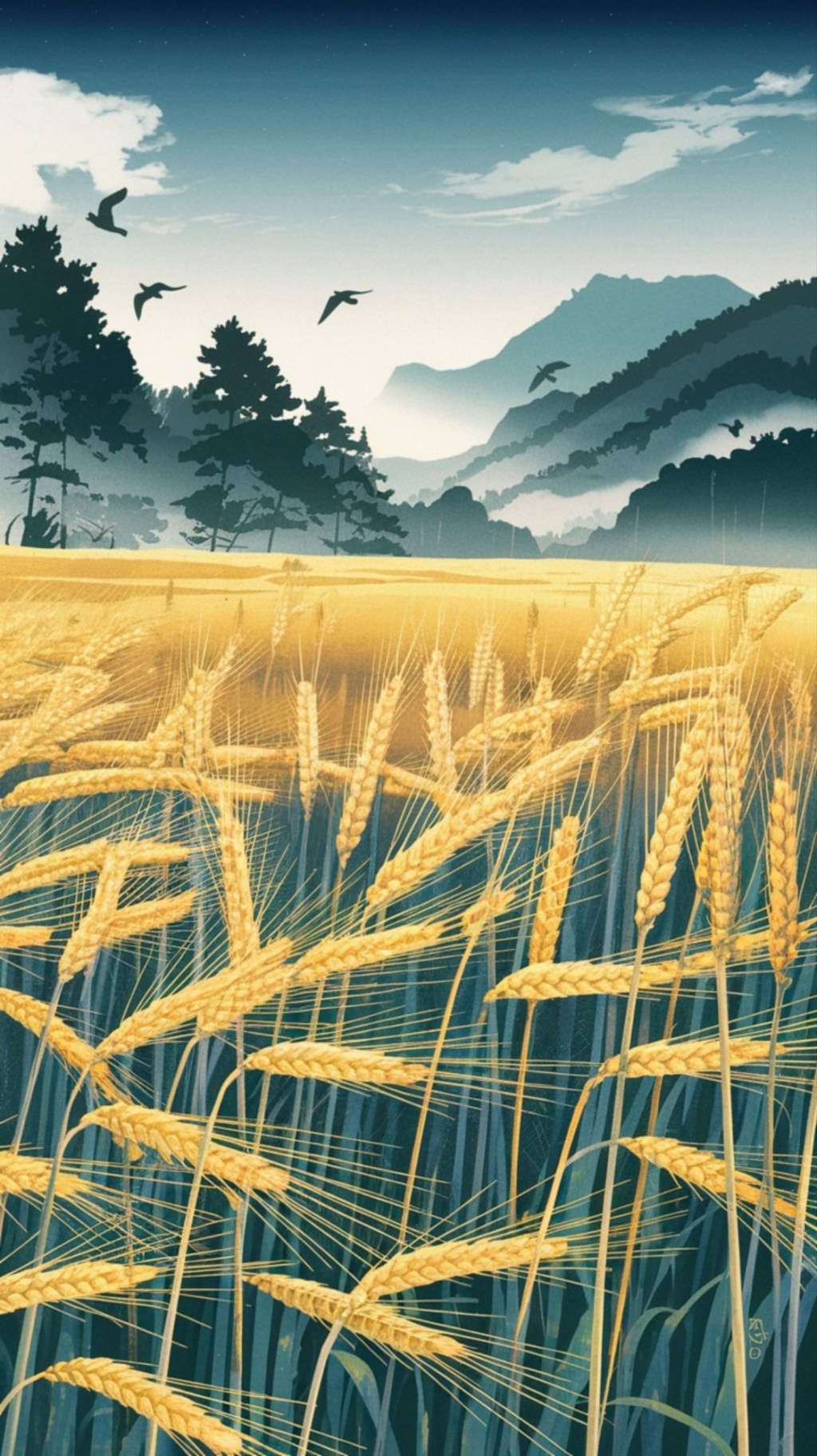
A dimly lit, cavernous room filled with a hum of forgotten technology. The walls are adorned with corroded panels and remnants of old agricultural tools, now museum pieces.
In the center, a flickering hologram of a weathered farmer in overalls and a straw hat stands tall, with a soft blue glow. The figure’s voice is calm yet sorrowful, echoing in the hollow space. Surrounding the hologram are silent spectators, young faces illuminated by its ghostly light, their clothes sleek and utilitarian, suggesting a world of automation and detachment from nature.
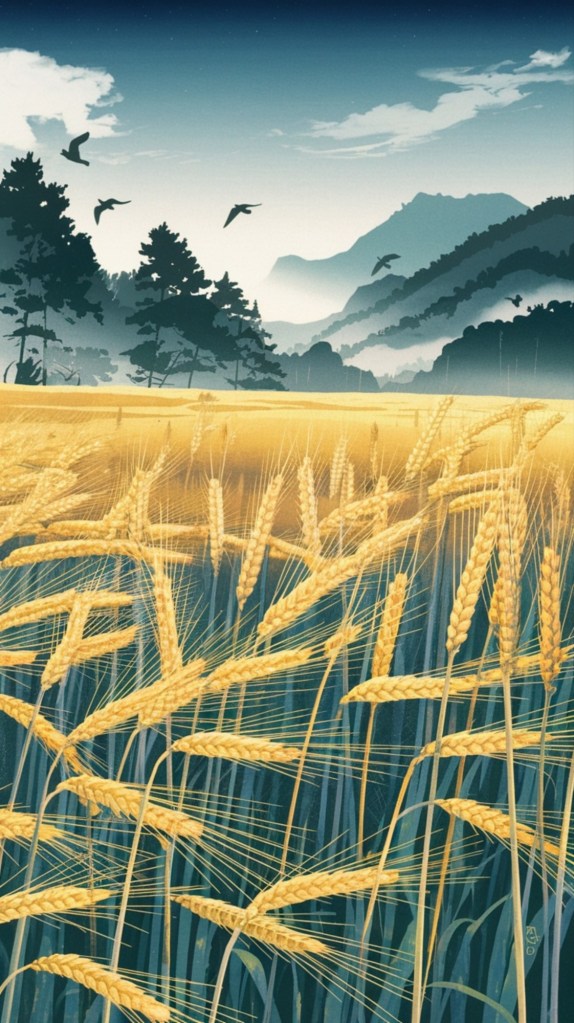
“Once, this was the way of things. The cycle of seasons guided us, taught us patience and survival. Fields of wheat—golden and swaying under the sun—were not just crops. They were life. They were bread, sustenance, and hope.
But you… you’ve forgotten. Forgotten the smell of freshly turned soil. Forgotten the feel of grain in your hands, the ache of laboring beneath a harvest moon. You’ve lost the wisdom that every seed planted is a promise made to the future.
You live now in towers that pierce the clouds, eating foods conjured from machines, grown in chemical vats. Convenience has replaced resilience. No longer do you store grain against the coming of winter. No longer do you prepare, for winter itself has been engineered out of your world. And yet, you are colder than ever.
Do you know what wheat meant? It meant warmth. It meant survival through the bitter months. We threshed it, stored it, guarded it. We sang songs to it, blessed it. Not because it was easy, but because it was essential. There is no joy without effort, no nourishment without toil.
And winter—it wasn’t just a season. It was a reckoning. It taught us humility. When the land went barren, when the frost claimed the earth, we relied on what we had prepared. It bound us together, made us grateful for every loaf.
But now, you press buttons. You summon sustenance from nowhere. Tell me, what will you do when the machines fail? When the systems you depend on falter, and the winds howl again, and the earth beneath your feet remembers its power?
You must return to the soil. Not for nostalgia, but for necessity. Plant. Harvest. Store. Learn again what it means to endure, to thrive by your own hands. If you do not, winter will come—not the winter of old, but one far colder, far more unyielding.
The wheat waits for you. The earth waits for you. Listen to them, before it’s too late.”
(The hologram flickers, its image momentarily distorting before stabilizing, the faint sound of wind and rustling wheat echoing from unseen speakers. The room is silent, the weight of the message settling over the onlookers like the frost of a long-forgotten winter.)
If you find this content inspiring and uplifting, consider supporting what I do. Buy me a coffee on Ko-fi. Your support makes a difference in my life and helps me create more of what you, and I, like. Thank you!Tap to view my redbubble gallery.
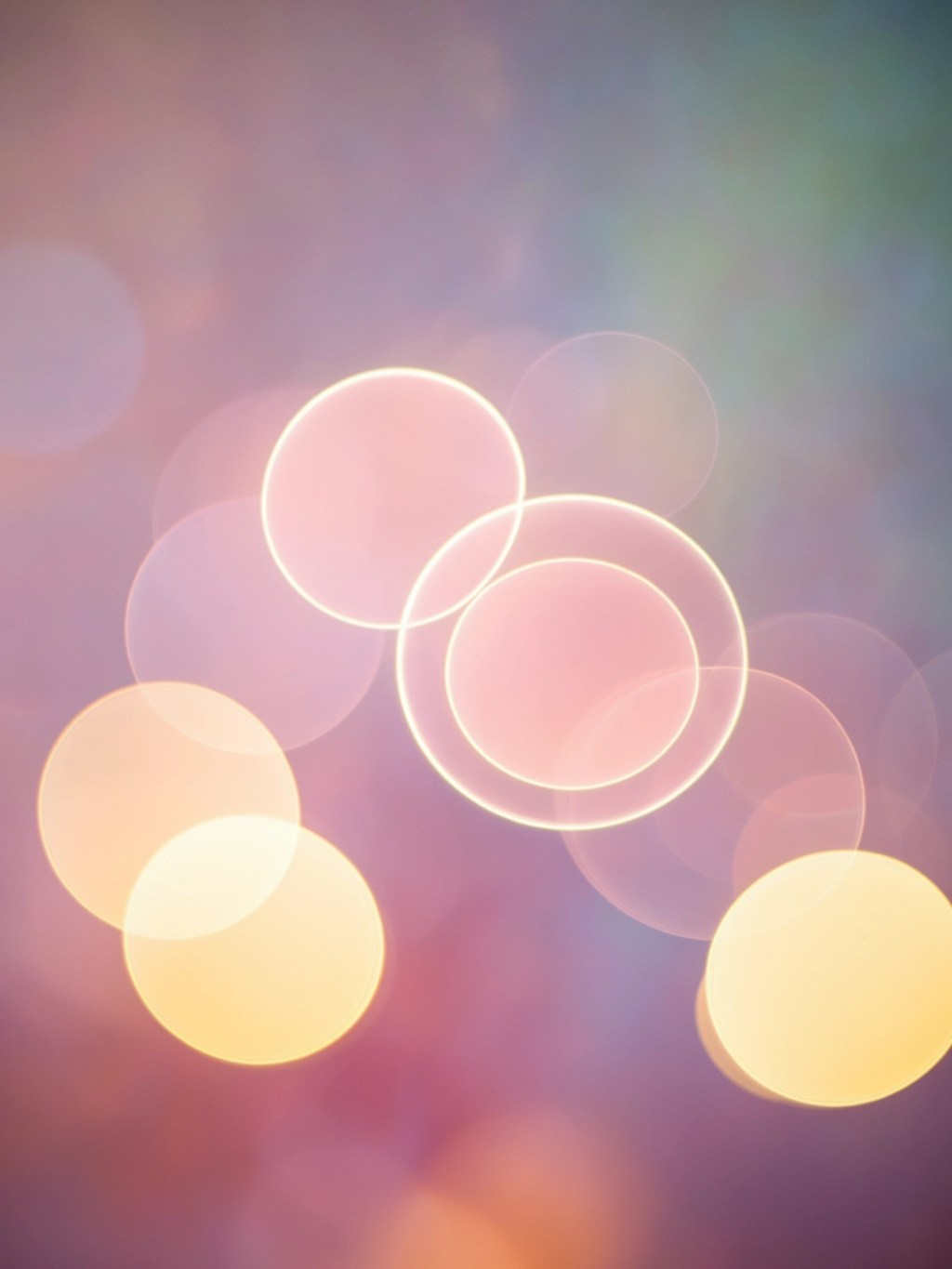
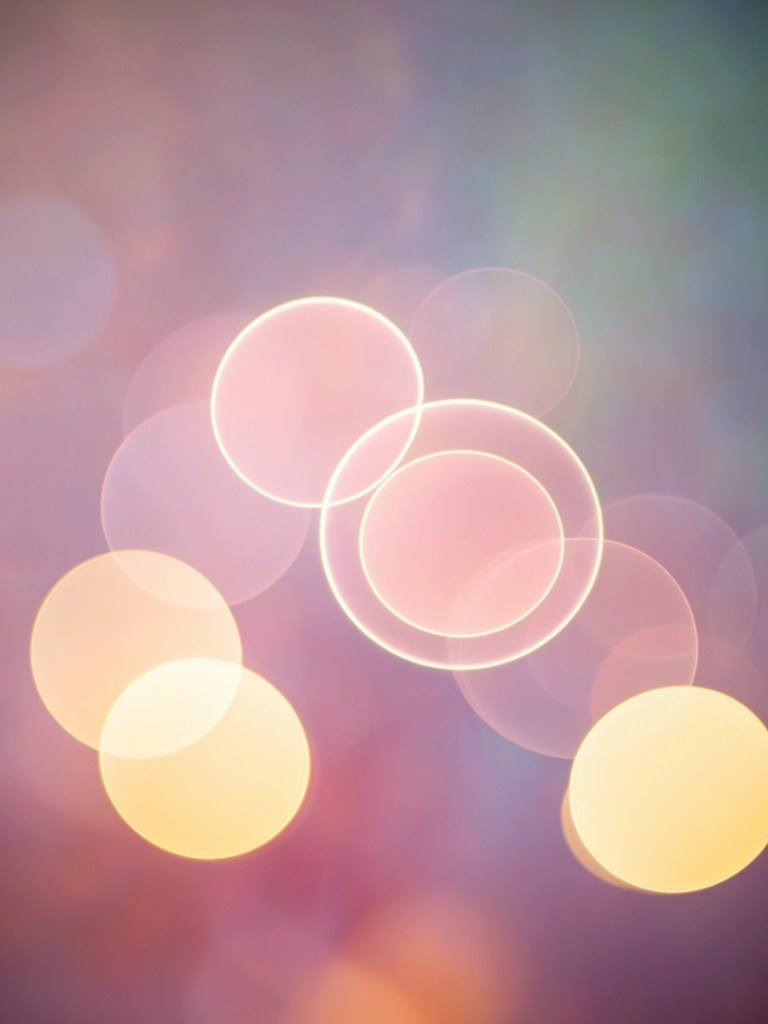
Ah, bokeh—the mysterious and magical effect that turns the background of your photos into a dreamy blur of lights and colors.
Bokeh
If you’ve ever gazed at a photo of twinkling holiday lights or a lone flower in sharp focus with an ocean of creamy fuzz behind it, you’ve met bokeh. But what exactly is this sorcery, and how can you use it to make your photos look like they were taken by an artist rather than your Aunt Carol? Let’s dive into the world of bokeh, where physics meets artistry.
What Is Bokeh, Anyway?
First things first: it’s pronounced “boh-kay” or “boh-kuh,” depending on how many photography snobs are in the room. The term comes from the Japanese word boke, meaning “blur” or “haze.” In photography, bokeh refers to the aesthetic quality of the blur in out-of-focus areas of an image. That’s right—photographers have a fancy word for making things blurry.
But it’s not just any blur. Good bokeh is buttery smooth, like the frosting on a cake you swore you wouldn’t eat but definitely will. Bad bokeh? Think crumpled aluminum foil. The key is how the lens renders light and shapes in the background, turning pinpricks of light into glowing orbs or swirling patterns.
How to Achieve Bokeh That’s as Beautiful as Your Dreams of Quitting Your Job
The secret to great bokeh isn’t a filter you slap on in Photoshop (though that’s always an option for the truly desperate). It’s a mix of equipment, technique, and a little artistic flair. Here’s how to make it happen:
Use a Fast Lens You’ll want a lens with a wide aperture, like f/1.4, f/1.8, or f/2.8. The wider the aperture, the shallower the depth of field—and the shallower the depth of field, the blurrier your background. Think of it as your lens’s way of saying, “Let me take care of the mess in the back while you focus on the star of the show.”
Mind the Distance The closer you are to your subject, the better your chances of creating beautiful bokeh. Bonus points if your background is far away. It’s a bit like dating—keep the star player close and the distractions as far away as possible.
Seek Out the Light Points of light in the background (streetlights, fairy lights, candles, or that chandelier you splurged on) will make your bokeh pop. Arrange them so they enhance your composition without stealing the spotlight. Or just throw a string of lights behind your subject and call it a day.
Choose Your Lens Wisely Not all lenses are created equal in the bokeh department. Prime lenses, especially portrait lenses like the 85mm or 50mm, are often bokeh champions. Zoom lenses can deliver too, but you’ll have to work a little harder. And, of course, every lens has its own “bokeh personality,” ranging from smooth circles to quirky, polygonal shapes.
The Science of Beautiful Blur
If you’re more of a “just take the picture” person, feel free to skip this section. For the rest of you, here’s the nerdy bit. The quality of bokeh is influenced by the shape of the lens’s aperture blades. More blades or rounded blades create smoother bokeh, while fewer blades can lead to geometric shapes in your blur. So yes, when photographers talk about the “creamy” bokeh of their lenses, they’re really just geeking out about some fancy polygons. And no, you can’t judge them (too harshly).
Why Does Bokeh Matter?
Beyond looking cool, bokeh serves a purpose. It draws attention to your subject by simplifying the background, letting the viewer focus on what really matters—whether that’s a person, a product, or your dog wearing sunglasses. It’s the unsung hero of portrait and macro photography, turning chaos into calm and ordinary settings into extraordinary scenes.
A Final Word on Bokeh (and Life)
Here’s the thing about bokeh: it’s a reminder that not everything in life needs to be in sharp focus. Sometimes, the magic happens in the background, in the blur, in the places your eye doesn’t immediately land. So embrace it. Play with it. And if anyone asks why you’re so obsessed with blurry lights, just say it’s art. They don’t have to understand it—they just have to admire it.
And there you have it: your ultimate guide to bokeh. Now, grab your camera, find some fairy lights, and go make the world a little blurrier. In a good way.
If you find this content inspiring and uplifting, consider supporting what I do. Buy me a coffee on Ko-fi. Your support makes a difference in my life and helps me create more of what you, and I, like. Thank you!Tap to view my redbubble gallery.
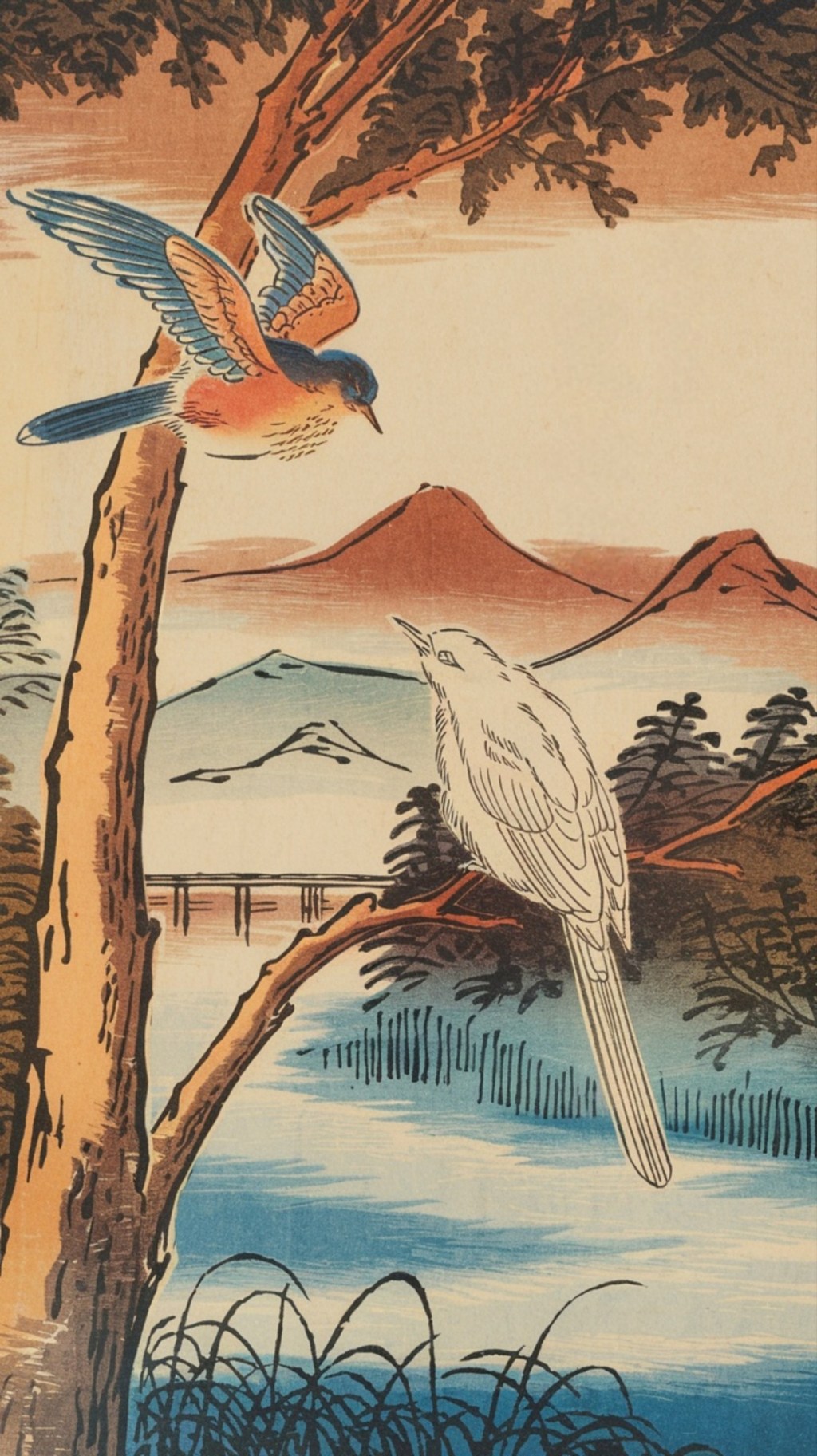
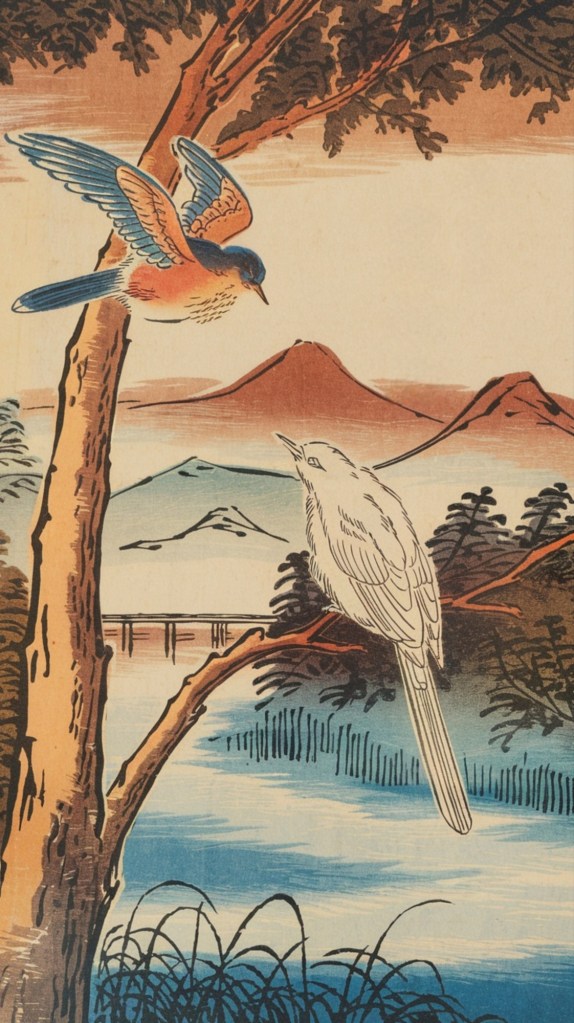
On the crooked branch of an old persimmon tree, two birds sat. Above them, the sky hummed with the thick silence that comes before rain. Below, the world stretched out in its tangled changing vastness — branches pushing into the air, rivers pulling toward the sea, everything moving, endlessly moving.
Coloured in
The older bird sat still, though her stillness was not absence but fullness, like a pebble on a riverbed. Her feathers flickered as the light moved through the leaves: verdigrised copper, smoldering reds, gold like old coins freshly dug from the heavy earth. Beside her, the younger bird shifted restlessly, her lines barely holding their shape. Her body was not feather but form, a sketch in soft charcoal, smudged at the edges where rain or doubt had touched her. She stared down at her faint chest, as hollow as a question half-asked.
“Mother,” she said suddenly, sharply, her voice like the crack of a twig snapping underfoot. “When will I have feathers like yours?” Her gaze darted toward her mother’s chest, to that molten glow of red-gold plumage. Her own outline flickered faintly, like breath on glass. “I’m tired of being incomplete.”
Her mother did not turn at first. She watched the wind, the movement of invisible things. She watched the unseen, as mothers often do. Then she shifted her gaze to her child, her eyes dark and soft as old ink.
“You think I was born like this?” she asked quietly, though there was no question in her voice. She lifted her wings, slowly, and they caught the light like embers stirred in ash. “These colours were not mine. They came to me. Rain gave me the gray. The sun laid gold on my back. The berries left their red behind. All of it stayed.” She lowered her wings, slow as the setting sun.
The pencil bird frowned, running her beak down her delicate frame, as if she could draw herself maor fully into the world. “But how?” she asked, her eyes wide and sharp with hunger. “How did it stay?”
Her mother turned fully now to her child, gaze like stone, gaze like earth, gaze like home. “I didn’t chase it,” she said. “I stayed. The storm comes. You stay. The sun burns. You stay. The world scratches at you with its teeth and thorns, but still, you stay.” Her beak tapped lightly against the bark of the branch. “You let it mark you.”
The faint bird flinched. *Let it mark me?* She glanced down at her pale, clean outline. There was nothing on her, nothing in her, but faint graphite lines. The world had not touched her. She had not let it.
“Fly,” her mother said, with the softness of rain before it falls.
“Where?” the juvenile bird asked, eyes darting upward to the open, terrifying sky.
“Anywhere.”
“And if I get lost?”
Her mother leaned closer, so close the faint breath of her voice swept across her daughter’s hollow cheek. “You will,” she said. “That is the only way you’ll know where you are.”
The child blinked, heart sharp and wild as a drumbeat. She glanced up at the vast, open sky, so full of directionless blue, then down at her faint, brittle wings. Her breath came fast and tight. *But I’m not ready,* she thought. *I’m still a sketch. I’ll disappear out there.*
But her mother had already tucked her beak into her chest, as though she had seen this all before and had said what needed to be said.
So the pencil bird spread her thin, hollow wings and leapt.
At first, it was bliss. The wind held her like a string cradles a kite. The sun dripped warmth down her back. *This is it,* she thought, turning in wide arcs, her shadow a pale outline below her. *This is what it means to fly.* She flew harder, faster, slicing through the air like a blade, her heart thudding with the thrill of it. *If I just keep flying, I’ll become real.*
But the world does not let anyone fly unmarked.
The clouds gathered with the heavy, aching slowness of something inevitable. At first, they were soft as wool, but soon they grew dense, sharp-edged, swollen with their own weight. The air thickened. The first drop of rain hit her back like a stone. Then another. Then hundreds.
*Go back,* she thought. *Go back to the branch. You’ll be ruined.* Her wings trembled. Her outline blurred, as though the rain was an eraser working her out of the world. She was dissolving, line by line, stroke by stroke. The old fear rose in her: *I will vanish.*
Her mother’s voice echoed through the storm, her voice like a huge murmuration of starling filling the air: *Don’t run from the storms.*
So she didn’t. She flew straight into the rain, her body battered by drops that felt like knives. Her wings shuddered. Her heart thudded in her head louder than the thunder. She thought she might fall. But she didn’t. She didn’t.
When she emerged from the storm, she landed on the branch of a cedar tree, breath heaving, wings shaking. She looked down at herself, expecting to see ruin, expecting to see the faint, hollow outline of a bird erased from existence. But there, on her back, was a streak of silver-gray, soft as the edge of a storm cloud.
*This wasn’t here before.*
She touched it, ran her beak over it. It didn’t smear. It stayed.
Time passed. It always does.
The days that followed were not kind. The sun baked her back until she felt her wings would burn away. Hunger gnawed at her until her chest ached, and when she landed near a thorny Briar, the thorns clawed at her wings. She bit into the wrong berry first — bitter, sharp, unbearable. She spat it out. But the next berry was sweet as honey. The red juice stained her beak, dripped down her chest. She wiped it away, but a faint rust-coloured mark stayed.
The sun gave her heat. The berries gave her red. The thorns gave her scars.
She flew beneath a hawk’s shadow, and when she escaped, her wing throbbed from the rake of its claws. The mark it left was not a wound. It was a line — faint, blue-black, permanent.
*When did I change?* she thought, glancing at herself one day. Her chest was no longer hollow. Her wings no longer weightless. The sketch of her was gone. Instead, she was filled with colour — shadow-gray, storm-blue, berry-red, thorn-black. She had not asked for any of it. But it had come to her all the same.
*This is what she meant.*
One evening, she returned to the persimmon tree. Her landing was sharp, deliberate, her wings folding in tight with the precision of something that has been tested. Her mother glanced up, gaze steady as ever.
“Back so soon?” her mother asked, eyes filled with quiet knowing.
The young bird glanced at her wings, her chest, her tail. She hadn’t realized it, but she no longer looked away from herself. Her feathers were no longer faint. No longer hollow. They were full, heavy with shadow and flame, earth and ash. She felt the weight of them, but it was not a burden. It was the weight of being real.
Her mother turned to face her fully now, tilting her head as if inspecting something distant and beautiful.
“Look at you,” she said softly. Her voice was full of something like pride, but older, deeper. Something like recognition.
The young bird flexed her wings. She saw it now — not just the colour but the story it told. The silver of the storm. The red of the berries. The blue of the hawk’s shadow. Her eyes burned, but not with tears. She could feel it all at once — the weight of the storm, the taste of the berries, the ache of the thorns — everything that had ever touched her was still with her, in her, as vivid as flame.
Her mother leaned in close, her beak at her cheek. “Welcome back,” she whispered.
They sat side by side as the sun spilled itself across the sky, orange into red, red into gold, gold into night. Their feathers caught the light as it passed, both of them burning softly in its glow.
Her mother’s eyes closed, content. The young bird glanced down at her chest once more, at the colours she had not chased but gathered, each one a mark of having stayed.
Her chest was not hollow anymore. And in that moment, she knew it never had been.
If you find this content inspiring and uplifting, consider supporting what I do. Buy me a coffee on Ko-fi. Your support makes a difference in my life and helps me create more of what you, and I, like. Thank you!Tap to view my redbubble gallery.
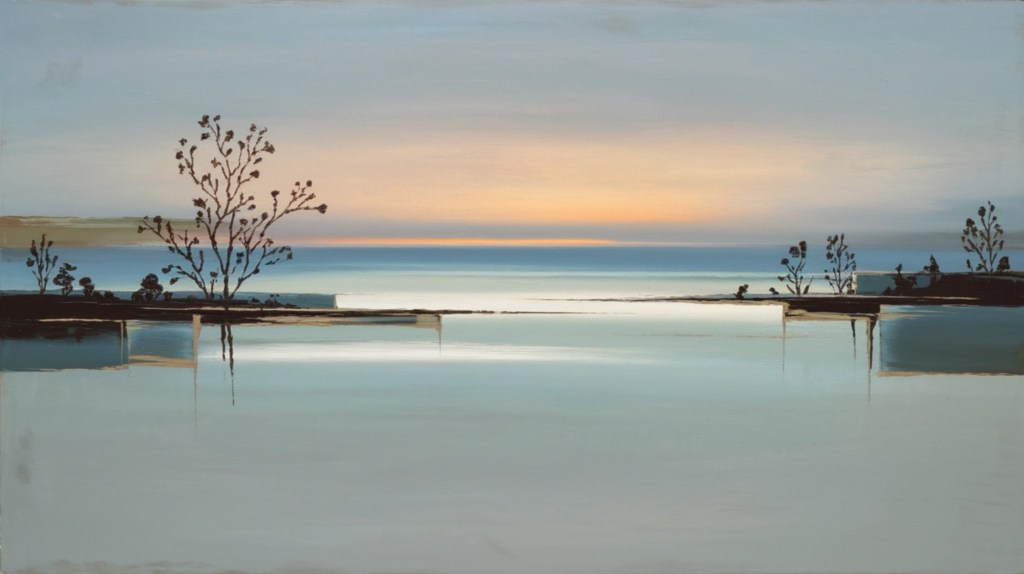
O sovereign silence, you are the unbounded sea—calm as prayer, smooth as polished glass, hiding universes beneath your paper-thin, trembling skin!
What lies beneath the calm
Your surface speaks nothing, whispers everything—a magnificent deception of stillness that breathes with the ancient rhythms of unmapped depths. What terrible beauties writhe in the midnight corridors of your hidden heart, what storms rage in the cavernous kingdoms below your glass-smooth appearance?
You are landscape and secret, horizon and abyss—your calm is the most violent language, your silence a thunderous confession. Beneath that crystalline surface, whole worlds collapse and reform, civilizations of emotion ebb and flow, surge and retreat, while your exterior remains unbroken, a perfect mirror reflecting nothing of the magnificent tumult that churns in your lightless realms. Each gesture a calm wave, each breath a measured tide—yet I sense the leviathans of unspoken feeling turning in your deepest waters, massive and magnificent and utterly unknown.
Who are you, ocean-hearted one, with your immaculate exterior and your savage, unknowable self? Your stillness is not peace, but the most profound rebellion—a defiance against revelation, a landscape of emotion too profound for mere language to breach.
What feelings do you get from this painting?
If you find this content inspiring and uplifting, consider supporting what I do. Buy me a coffee on Ko-fi. Your support makes a difference in my life and helps me create more of what you, and I, like. Thank you!Tap to view my redbubble gallery.
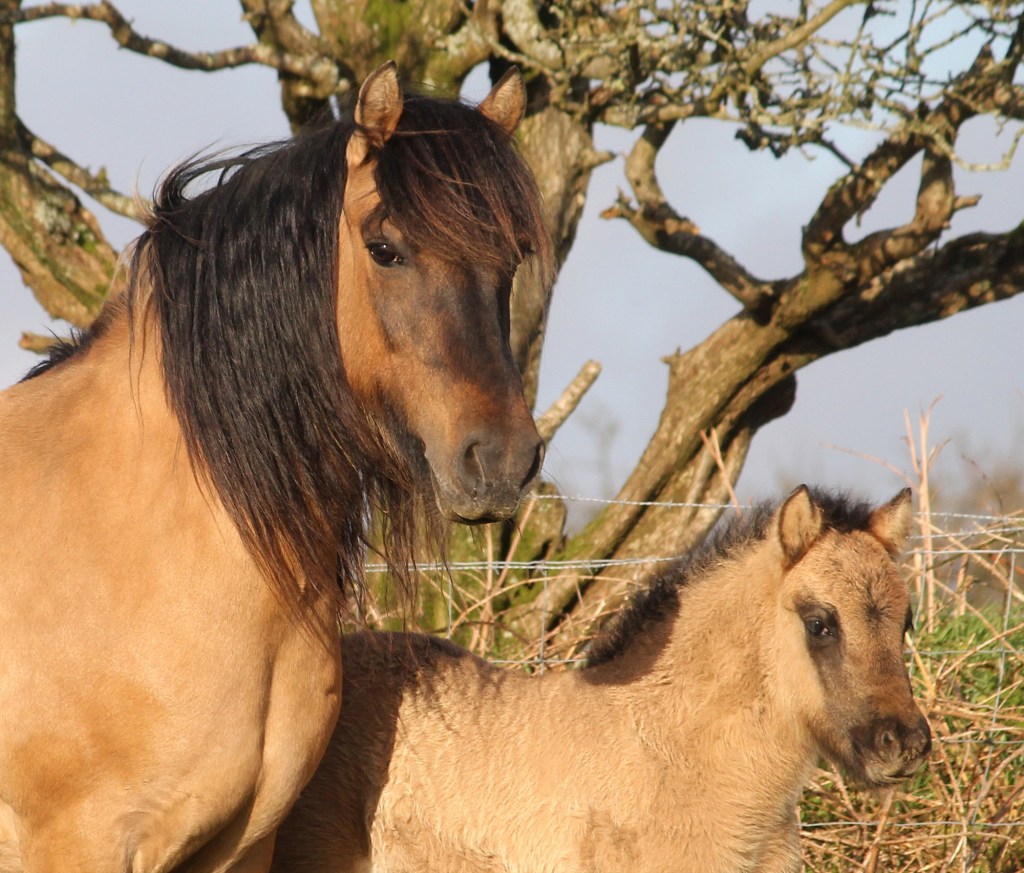
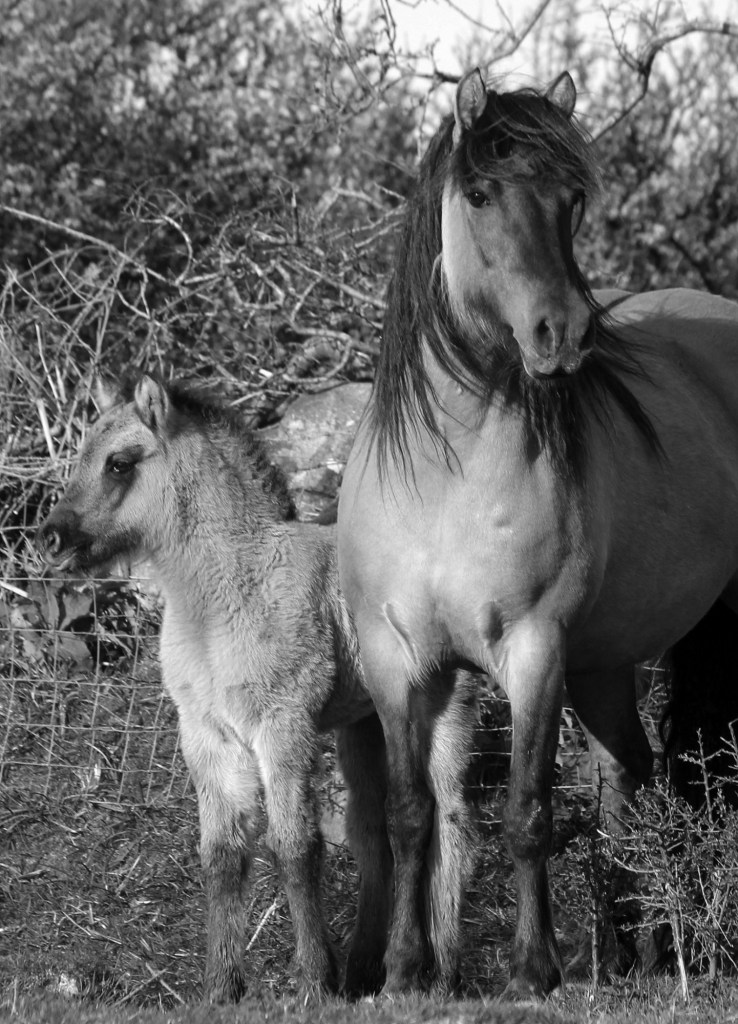
The foal bolted. Little streak of chaos, its legs seemed far too long and far too skinny to carry it as fast as it went, but there it was, defying reason, defying physics, defying the well-worn patience of its mother.
My friend’s horses
The mare sighed, the sound a mix of exasperation and resignation, the kind only mothers and gods know. She had been a mother before. She would be a mother again. But this foal, this particular foal, had a spark to it. A dangerous spark. She chased.
It was all fields at first. Bright fields, green as the idea of springtime, endless as optimism. The foal ran, leaping in arcs that could shame any rainbow. The mare followed, heart thrumming with equal parts fear and pride. The foal laughed—yes, laughed—and that laughter was an arrow to the mare’s chest. How could a laugh be so beautiful and so terrifying? She couldn’t explain it, but she knew. Every gallop brought the foal closer to something: a boundary, an edge, an end.
The woods came next. Dark and gnarled and full of secrets. The foal’s gait changed. Slower, but still determined. The mare followed, watching as her child learned to weave through brambles, sidestep dangers, and chase beams of light. There was a wolf once. The mare saw it before the foal did, and her heart stopped, her legs faltered. But the foal—clever little spark—saw it too, and instead of fear, it showed defiance. A stomp, a whinny, and the wolf slinked away. The mare breathed again, though not deeply. She didn’t have time for deep breaths anymore.
The foal found a river next. Fast and cold and impossible to stop. It charged headlong into the current, and the mare’s pulse spiked. Water was not grass, not earth. Water was a thief. It could take a foal and never give it back. She plunged in after, her hooves finding no purchase, only faith. The foal splashed and stumbled, and the mare thought: *this is the end*. But no. The foal found footing on the other side and pranced up the bank, triumphant. The mare dragged herself onto dry land, shaking and coughing, wondering how many more times she could survive her child’s survival.
Hills rose in the distance. The foal raced up the first with the energy of youth, the energy of something that didn’t know yet that energy runs out. The mare chased, slower now. Her legs ached. The foal reached the crest and reared up, silhouetted against a sun that suddenly seemed lower in the sky.
It was a horse now. Not a foal, not anymore. Strong and sleek, full of life. It ran down the hill into the valley below, and the mare followed. She was not strong and sleek. Not anymore.
The horse ran. Through fields again, these ones golden, full of a warmth that felt like goodbye. The mare tried to keep up, tried to call out, but her voice was a whisper and her legs were lead. The horse—her foal, her spark—didn’t stop, didn’t turn. It ran into the horizon, where the sun sank lower, lower, gone.
The mare stood still. She couldn’t run anymore. Her body wouldn’t let her. But she watched. She would always watch. Because that’s what mothers do. They run after their children until they can’t, and then they stay where they are, watching, hoping, remembering.
And then, after a long while, the mare lay down in the field. It was soft. Softer than she expected. She closed her eyes.
And the foal, who was never a foal, who was always running, always running, ran on.
If you find this content inspiring and uplifting, consider supporting what I do. Buy me a coffee on Ko-fi. Your support makes a difference in my life and helps me create more of what you like. Thank you!Tap to view my redbubble gallery.
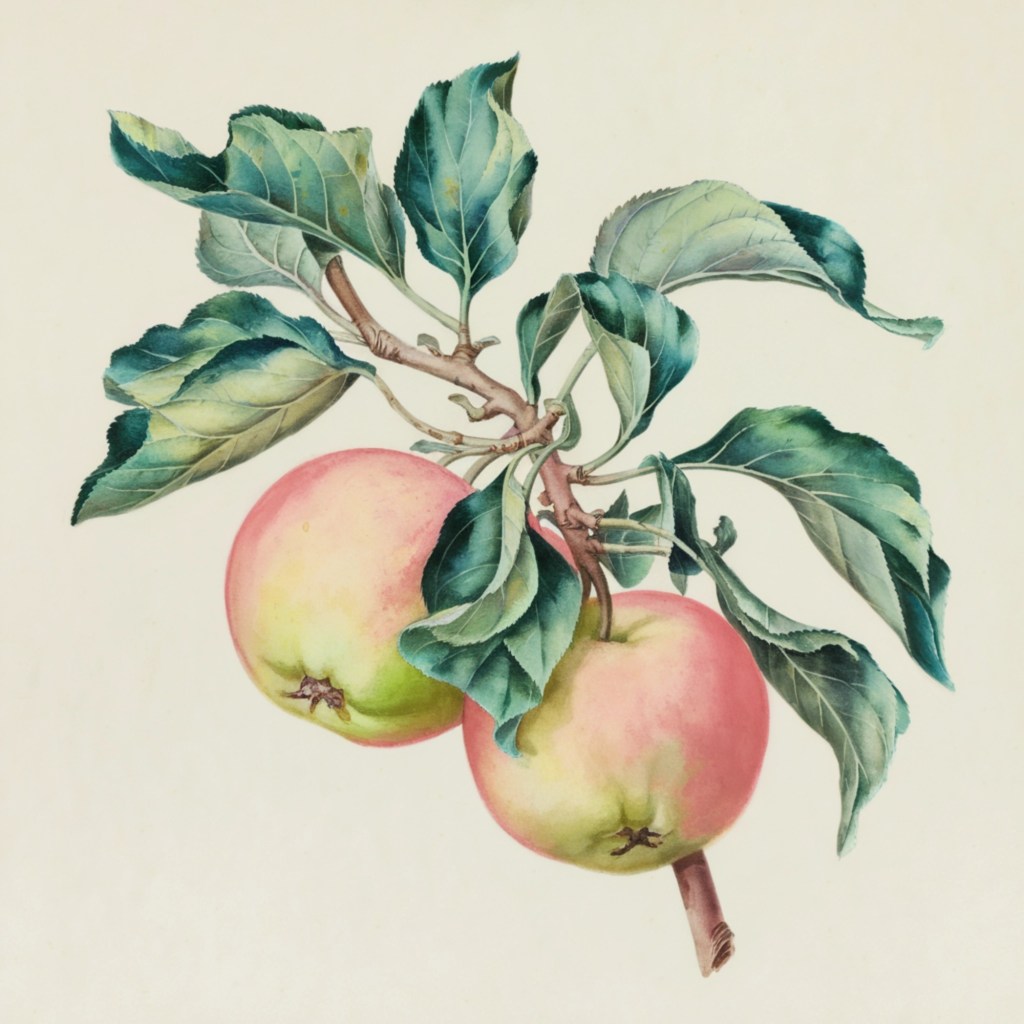
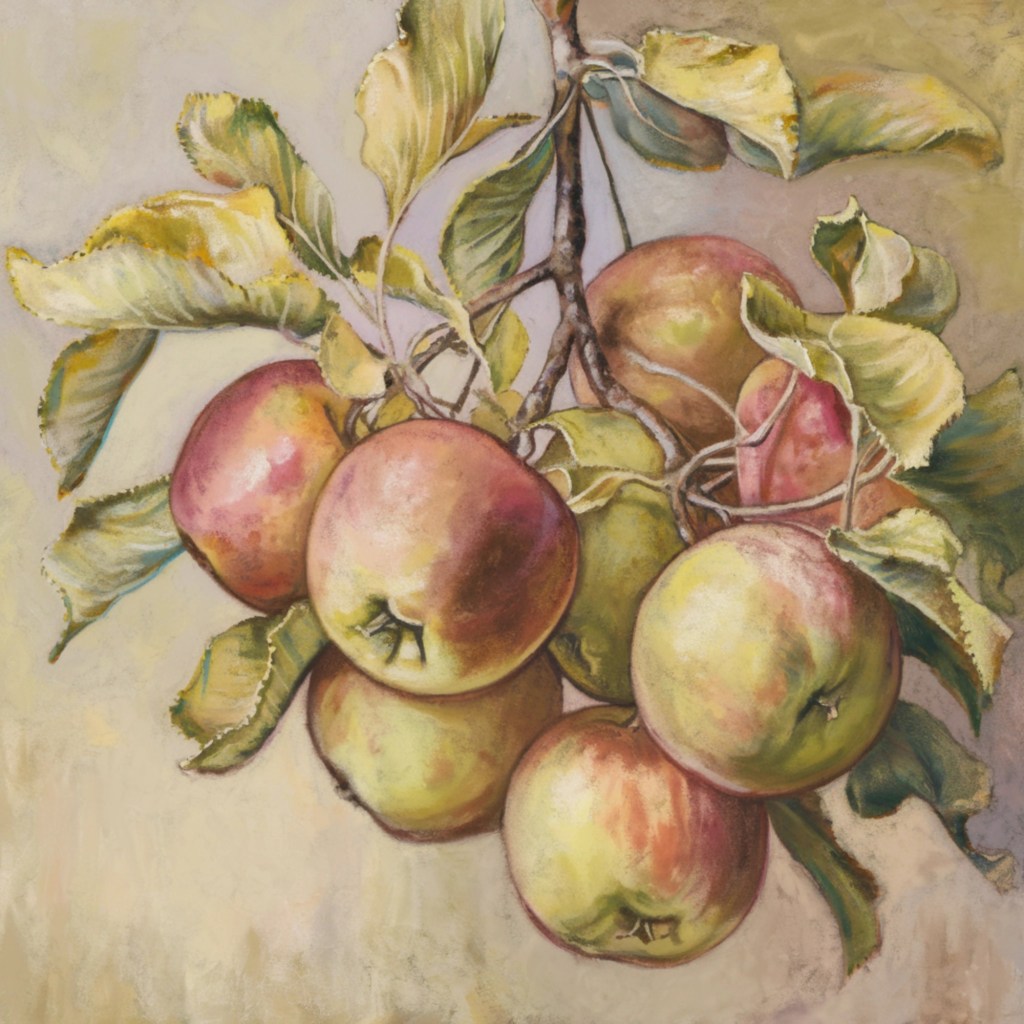
Apples cling to trees, autumn whispers through the leaves— seasons come and go.
Bunch of apples
The apples hung low on the branches, their skins turning from pale green to a mellow blush of red, redolent ripe with the promise of sweetness, blushing from the kiss of the quiet light of the autumn sun. I stood beneath the tree, the dry leaves crunching softly beneath my feet, and watched them sway in the breeze. Something about the way they moved—imperceptibly, almost indifferently—reminded me of memories I couldn’t quite place. Memories of someone’s laughter, or perhaps a voice I had once known but now couldn’t recall.
Two apples
Autumn has a way of drawing out things you thought you had forgotten. The chill in the air, the dimming of the days—it all makes you more aware of endings. And ripening apples, hanging heavy and full of sweetness, seem like tiny worlds suspended in time, caught between what they are and what they will inevitably become.
I reached out to touch one, its skin smooth but cool, like the cheek of someone you’ve grown distant from. It resisted, its stem holding firm, as though it wasn’t ready to leave its place. Or maybe it was me who wasn’t ready. Letting go is always harder than holding on, even when the time has come.
The tree stood there, unmoving, even as the wind rattled its branches. Its roots were buried deep in the earth, unseen but steady, holding the weight of its fruit with an almost silent dignity. I envied that—the ability to endure, to remain grounded while everything else around it began to slip away.
I thought about how these apples would eventually fall. Some would land gently in the grass, their sweetness savored by those who found them. Others would bruise and rot, sinking back into the earth without anyone noticing. Maybe it didn’t matter. Either way, the tree would keep growing, season after season, its branches reaching for the sky, shedding its leaves with each passing autumn, only to grow anew.
Standing there, I felt something sharp but fleeting pass through me—like the sudden scent of smoke from a far-off fire, or the way a song can remind you of someone who’s gone. It was a kind of loneliness, but not the painful kind. More like the kind you learn to carry with you, like an old photograph folded neatly in your pocket.
I let my hand fall away from the apple and stepped back, the cold air stinging my face. The tree swayed again, and I could hear the faint sound of a bird in the distance. Somewhere beyond the horizon, winter was waiting, but for now, the apples were still ripening, holding their place in the world for just a little while longer. And that, I thought, was all they needed to be.
I’m in Hereford with my dad at the moment, surrounded by plenty of apples. Back in Pembrokeshire, where I’m from, they’re much rarer—the weather just doesn’t suit them. What kinds of crops grow best where you are?
If you find this content inspiring and uplifting, consider supporting what I do. Buy me a coffee on Ko-fi. Your support makes a difference in my life and helps me create more of what you like. Thank you!Tap to view my redbubble gallery.
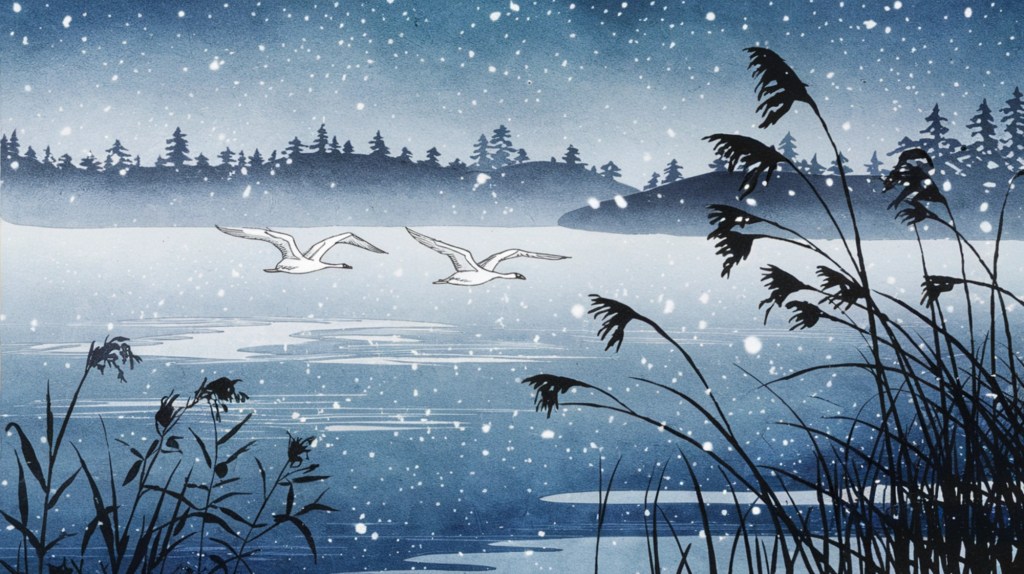
Ice covers the lake Swans sing of what they’ve forgotten— Silent wings remember.
On a brittle December morning, Yuki stood at the edge of the frozen lake. The air felt sharp, like the edge of a paper freshly torn, and the snow under her boots crackled softly. In the distance, two swans flew low over the water, their wings slicing the pale winter light. She watched them, transfixed, as they moved in perfect unison, like dancers following an invisible thread.
Yuki had come to the lake every winter since she could remember, drawn by something she couldn’t name. She wasn’t the sort of person who believed in omens or ghosts. But there was a weight in the air here, a kind of gravitational pull, as if something important had happened long ago and the echo of it still hung in the frozen reeds.
The swans flew in a slow arc, circling the lake as if searching for something lost. Then, without warning, one of them let out a low, mournful cry. It wasn’t a sound Yuki had ever heard before—not quite bird, not quite human. The sound folded into the winter air, spreading out across the lake in waves. She felt it in her chest, as if the cry had carved out a hollow space there and filled it with snow.
“You heard it too, didn’t you?”
The voice startled her. She turned and saw an old man standing a few feet away, bundled in a dark coat that hung loose around his frame. His face was pale and deeply lined, like a map of forgotten places.
“The swan’s song,” he said, nodding toward the lake. “Not many people can hear it.”
Yuki hesitated, unsure if she should answer. “It sounded… sad,” she said finally.
The man chuckled softly, a dry, papery sound. “That’s because it is. They only sing like that in winter, you know. When they remember.”
“Remember what?”
He didn’t answer right away. Instead, he gazed out at the swans, now gliding silently over the water. “There’s a story about this lake,” he said after a while. “A strange one. Do you want to hear it?”
Yuki nodded, though she wasn’t sure why.
“They say that long ago, this was a place where people came to forget. The lake would take your memories, all of them, and bury them beneath the ice. Some people came willingly, hoping to escape grief or regret. Others were brought here against their will, their memories stolen as punishment for something they’d done. Either way, the lake kept their secrets.
“But memory is a stubborn thing. It doesn’t just disappear. It sinks, yes, but it doesn’t die. And in the winter, when the lake freezes over, those lost memories rise to the surface. That’s what the swans are singing about. They’re the ones who guard the memories, you see. They carry them in their wings, their feathers, their song. But the burden is heavy. Too heavy. So every winter, they cry out. Not to us, but to each other. To say: *I remember too.*”
The man fell silent. Yuki stared at the swans, her breath fogging in the cold air. The idea was absurd, of course. Swans as guardians of forgotten memories? And yet, the longer she watched them, the more she felt that there was something beneath their wings, something vast and unseen, like the dark waters beneath the ice.
When she turned back, the man was gone. There were no footprints in the snow where he had stood.
For weeks afterward, Yuki couldn’t stop thinking about the swans and their song. She returned to the lake every day, but the man never reappeared, and the swans remained silent. Still, she felt as if the lake had left something inside her, a quiet ache she couldn’t name.
Late one night, she dreamed of flying over the lake, her body weightless and cold. She could hear the swans crying below her, their voices weaving together in a language she almost understood. When she woke, her pillow was damp, and her throat ached, as if she had been singing in her sleep.
It wasn’t sadness, exactly, that stayed with her after that. It was more like a memory of sadness, something faint and indistinct, like the outline of a figure walking away through falling snow.
And every winter after, when she heard the distant cry of the swans, she would pause, her breath catching in her chest, and wonder what it was they were trying to say.
Let me know how this piece leaves you feeling and what it makes you think about.
If you find this content inspiring and uplifting, consider supporting what I do. Buy me a coffee on Ko-fi. Your support makes a difference in my life and helps me create more of what you like. Thank you!Tap to view my redbubble gallery.
So, Welsh. Yeah, it’s a real language, and no, it’s not just random consonants tossed into a Scrabble bag. It’s one of the oldest languages in Europe, spoken in Wales, where people know their sheep as good as their weather forecast (usually rain). But seriously, it’s a living, breathing language with a rich history and, let’s be honest, a bit of a PR problem. I mean, have you ever tried convincing someone that *Llanfairpwllgwyngyllgogerychwyrndrobwllllantysiliogogogoch* is a legitimate place and not the sound of a cat walking across a keyboard?
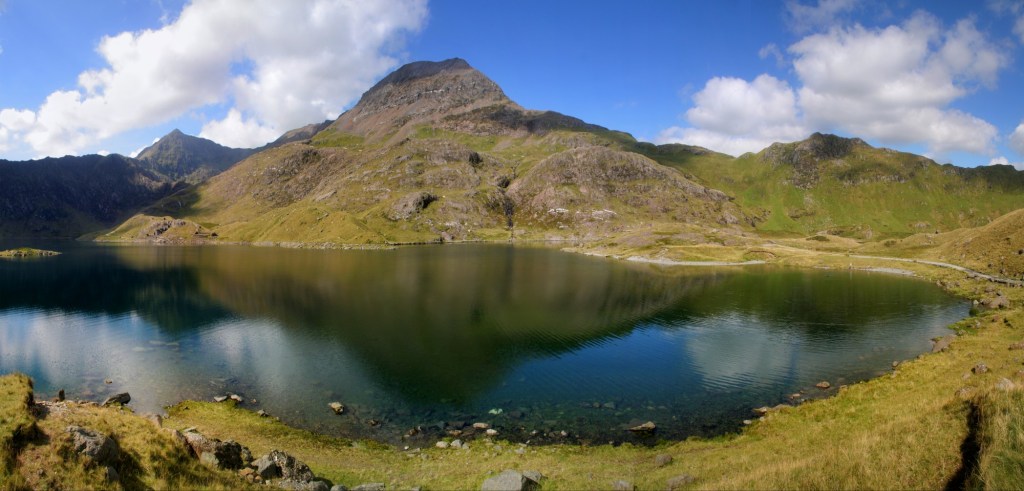
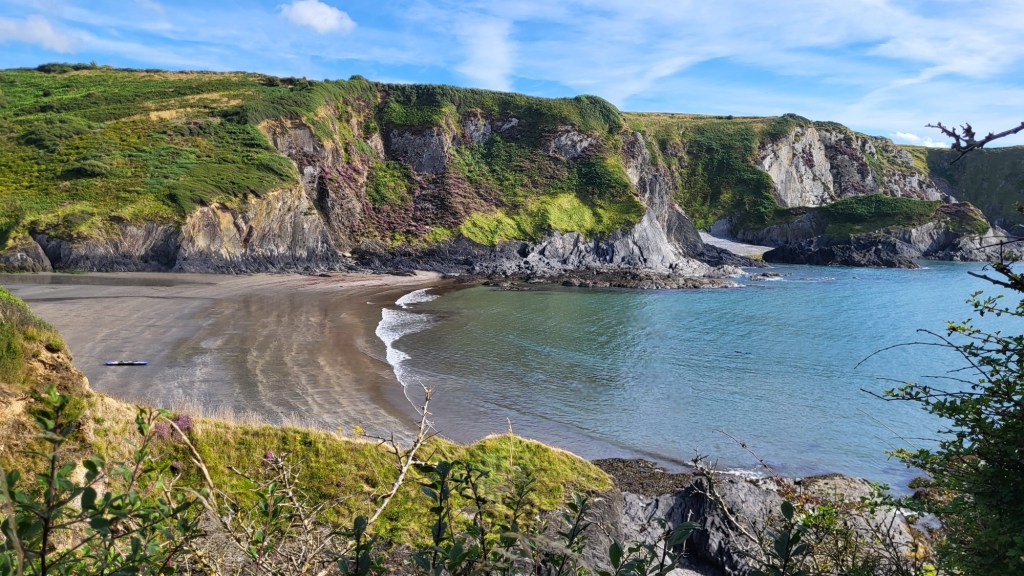
Abermawr BeachLlyn Llydaw. With Snowdon in the background
Welsh, or ‘Cymraeg’ as the locals call it (pronounced “kum-RAIG,” by the way), is one of the Celtic languages. Think Gaelic, but with more ll’s, which, in case you were wondering, is not just a double “L.” It’s a soft, breathy sound that feels like trying to whisper to someone with a mouthful of marshmallows. It’s oddly satisfying once you get the hang of it.
For Welsh people, the language isn’t just words; it’s identity. It’s how they connect to their ancestors, their culture, and their sense of place in the world. Speaking Welsh is like wearing a badge that says, “I survived centuries of cultural suppression, and all I got was this vowel-deficient language.” But they wear that badge proudly.
Now, let’s talk about how it sounds. Welsh has this sing-song quality that makes everything sound like it should be sung from the top of a windy hill in a BBC period drama. Even the most mundane phrases feel poetic. Take “Sut wyt ti?” which means “How are you?” It’s pronounced something like “Sit OO-ee tea,” and it makes you feel like you should answer with a sonnet instead of a shrug.
Then there’s the word ‘hiraeth’. Oh, hiraeth. It’s one of those untranslatable words that’ll make you feel all philosophical and deep. It roughly means a longing for a home you can’t return to, or maybe one that never really existed. It’s the emotional equivalent of looking at an old photo and feeling like your heart’s been dunked in tea.
But not everything in Welsh is wistful and poetic. Some words are just plain fun to say. Like ‘popty ping’, which is slang for microwave. Yes, ‘popty ping’. How can you not love a language where heating leftovers sounds like a kid naming a spaceship?
Want to impress your friends? Try this: say ‘diolch’ (DEE-olkh). That’s “thank you.” Or ‘iechyd da’ (yeh-CHID dah), which is “cheers.” But watch out for that “ch.” It’s like clearing your throat, but, you know, politely.
Learning Welsh is like joining an exclusive club. Sure, it’s a small club, but it’s mighty. And the members? They’ll welcome you with open arms because every new speaker is a little victory for a language that’s survived against the odds.
So, whether you’re planning a trip to Wales, have Welsh roots, or just want to spice up your life with some extra consonants, give Welsh a shot. You might not master the ‘ll’ sound on day one, but you’ll definitely feel like you’re part of something special. And who knows? You might even find yourself yelling “Cymru am byth!” (“Wales forever!”) at a rugby match one day.
Until then, ‘hwyl fawr’! That’s “goodbye” in Welsh, and it’s pronounced, well… just trust me on this one.
If you find this content inspiring and uplifting, consider supporting what I do. Buy me a coffee on Ko-fi. Your support makes a difference in my life and helps me create more of what you like. Thank you!Tap to view my redbubble gallery.


 Horse’s steady gazeStrengthful eyes that dare to meetChallenge accepted Courage is the strength to face… Read more: Darkness, Power and Beauty
 Daffodil so brightGolden petals, sunshine’s kissHope blooms anew As I wander through the garden, the… Read more: The Daffodil’s Song: A Lyrical Tribute to the Wonders of Spring
 The Graceful Lines of an Acanthus Leaf. Acanthus is a genus of flowering plants native… Read more: Acanthus: A Versatile Plant with a Rich Cultural Heritage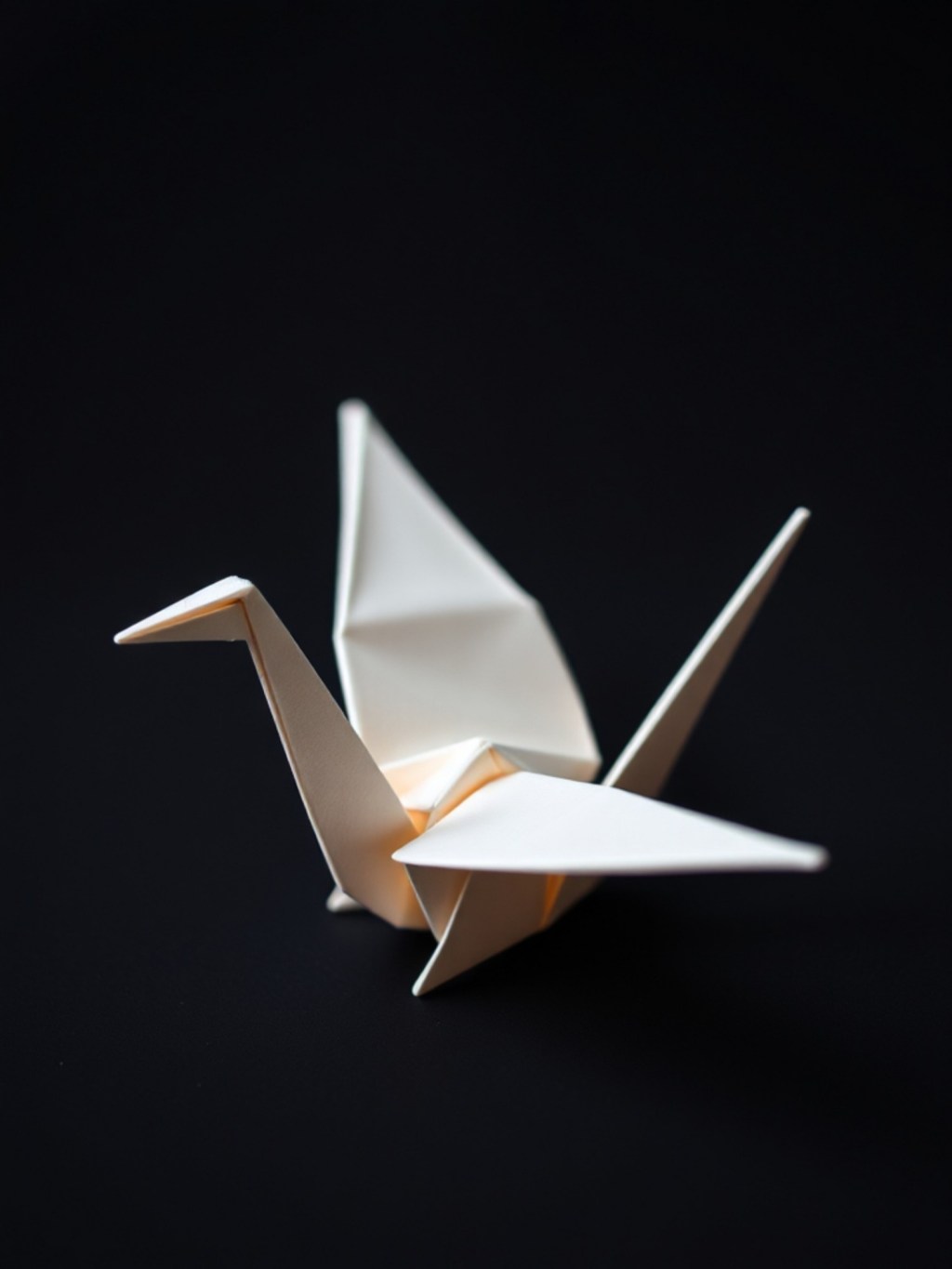


 Anthony's Literary Lens
You must be logged in to post a comment.