Category: photography

  • Biodiversity Snapshot at Chester Zoo

    Biodiversity Snapshot at Chester Zoo

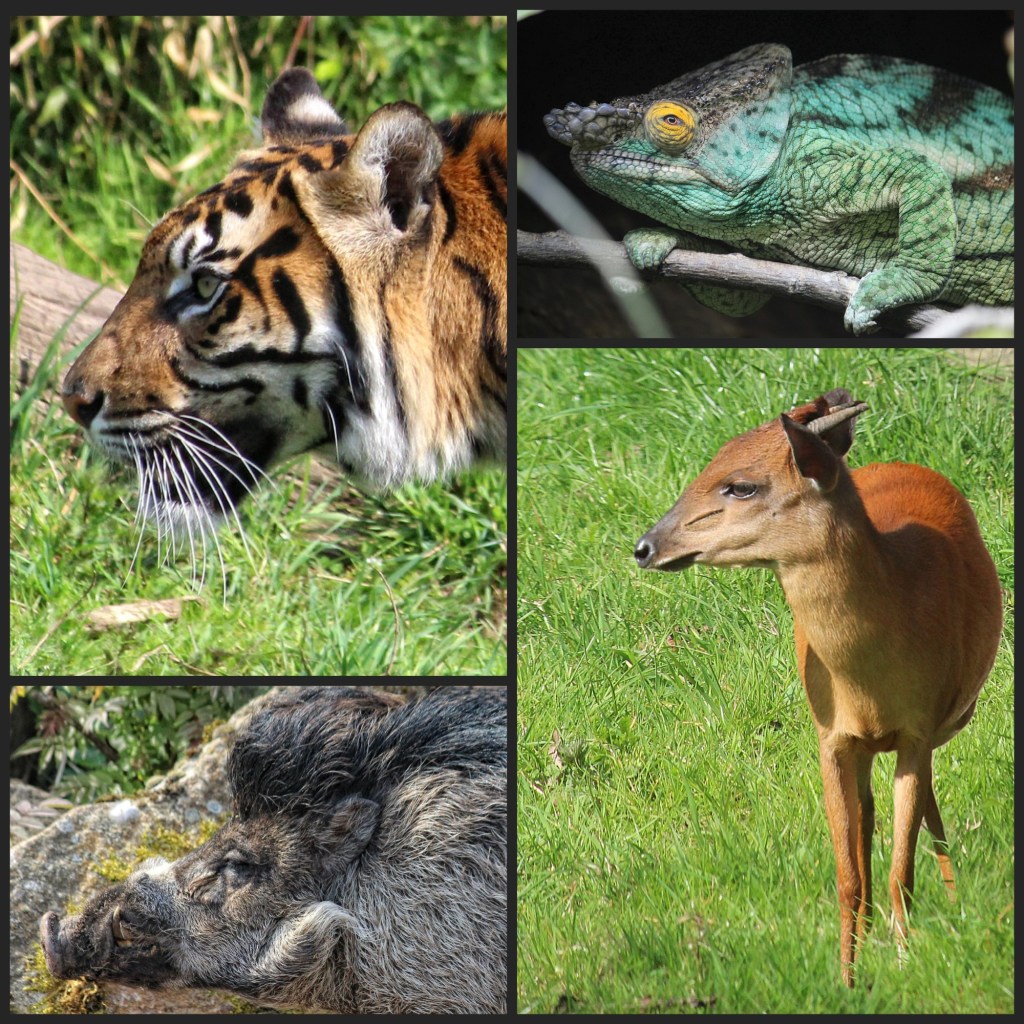
    So, I’ve been working on a little project, a visual reminder of a fantastic day I spent at Chester Zoo. I’ve created a collage of some of the incredible animals I encountered, and looking at it now, it strikes me just how wonderfully diverse the animal kingdom is. Let me tell you a little bit about the stars of my zoo adventure!
    Biodiversity

    First up, the magnificent Sumatran Tiger. Just look at those bold, black stripes against the fiery orange – a true masterpiece of nature’s design! Did you know that these tigers are critically endangered, with fewer than 400 estimated to be left in the wild? Their stripes aren’t just for show either; like human fingerprints, no two tigers have the same pattern, helping them blend seamlessly into the dappled light of their rainforest home in Indonesia. Seeing one up close is both breathtaking and a stark reminder of the urgent need for conservation.

    Next in my collage is the almost otherworldly Parson’s Chameleon. This guy was a serious showstopper! Hailing from the island of Madagascar, these chameleons are among the largest in the world, and their colour-changing abilities are simply mesmerizing. But here’s a cool fact: they don’t change colour to camouflage themselves as much as to communicate! Their skin reflects their mood, temperature, and even their mating intentions. And those incredible, independently moving eyes? They can look in two different directions at once, giving them a full 360-degree view of their surroundings – talk about being aware of your environment!

    Then we have the surprisingly charismatic Wild Boar. Often seen as a more common creature, these sturdy animals are actually incredibly intelligent and play a vital role in their ecosystems, from Europe to Asia. Their tough snouts are powerful tools for rooting around in the soil for food, and they live in complex social groups called sounders, often led by a dominant female. They’re a reminder that even the creatures we might see as less “exotic” have fascinating lives and intricate social structures.

    Finally, my collage features the elegant Red Forest Duiker. This beautiful antelope, with its rich, reddish-brown coat, is a more secretive resident of the forests of Central and West Africa. Their name “duiker” comes from the Afrikaans word for “diver,” which perfectly describes their habit of diving into dense undergrowth when threatened. They’re also surprisingly adaptable, with a diet that includes fruits, leaves, and even insects. Spotting one of these shy creatures felt like a real privilege, a glimpse into the quieter corners of the zoo’s diverse collection.

    Putting this collage together has been a lovely way to relive my day at Chester Zoo and to really appreciate the sheer variety of life our planet supports. It’s a powerful reminder of the importance of zoos in conservation, education, and inspiring us all to care for these incredible animals and their fragile habitats. What animals have you encountered that have left a lasting impression? I’d love to hear about your own wild adventures!

    List of 100 Endangered Species.

    Tap here for a list of 100 endangered animals and plants.

    100 Endangered plant and animal species

    * Abies beshanzuensis (Baishan fir) – Plant (Tree) – Baishanzu Mountain, Zhejiang, China – Three mature individuals

    * Actinote zikani – Insect (butterfly) – Near São Paulo, Atlantic forest, Brazil – Unknown numbers

    * Aipysurus foliosquama (Leaf scaled sea-snake) – Reptile – Ashmore Reef and Hibernia Reef, Timor Sea – Unknown numbers

    * Amanipodagrion gilliesi (Amani flatwing) – Insect (damselfly) – Amani-Sigi Forest, Usamabara Mountains, Tanzania – < 500 individuals

    * Antisolabis seychellensis – Insect – Morne Blanc, Mahé island, Seychelles – Unknown numbers

    * Antilophia bokermanni (Araripe manakin) – Bird – Chapado do Araripe, South Ceará, Brazil – 779 individuals

    * Aphanius transgrediens (Aci Göl toothcarp) – Fish – south-eastern shore of former Lake Aci, Turkey – Few hundred pairs

    * Aproteles bulmerae (Bulmer’s fruit bat) – Mammal – Luplupwintern Cave, Western Province, Papua New Guinea – 150

    * Ardea insignis (White bellied heron) – Bird – Bhutan, North East India and Myanmar – 70–400 individuals

    * Ardeotis nigriceps (Great Indian bustard) – Bird – Rajasthan, Gujarat, Maharashtra, Andhra Pradesh, Karnataka and Madhya, India – 50–249 mature individuals

    * Astrochelys yniphora (Ploughshare tortoise) – Reptile – Baly Bay region, northwestern Madagascar – 440–770

    * Atelopus balios (Rio Pescado stubfoot toad) – Amphibian – Azuay, Cañar and Guyas provinces, south-western Ecuador – Unknown numbers

    * Aythya innotata (Madagascar pochard) – Bird – volcanic lakes north of Bealanana, Madagascar – 80 mature individuals

    * Azurina eupalama (Galapagos damsel fish) – Fish – Unknown numbers – Unknown numbers

    * Bahaba taipingensis (Giant yellow croaker) – Fish – Chinese coast from Yangtze River, China to Hong Kong – Unknown numbers

    * Batagur baska (Common batagur) – Reptile (turtle) – Bangladesh, Cambodia, India, Indonesia and Malaysia – Unknown numbers

    * Bazzania bhutanica – Plant – Budini and Lafeti Khola, Bhutan – 2 sub-populations

    * Beatragus hunteri (Hirola) – Mammal (antelope) – South-east Kenya and possibly south-west Somalia – < 1,000 individuals

    * Bombus franklini (Franklin’s bumblebee) – Insect (bee) – Oregon and California – Unknown numbers

    * Brachyteles hypoxanthus (Northern muriqui / Woolly spider monkey) – Mammal (primate) – Atlantic forest, south-eastern Brazil – < 1,000

    * Bradypus pygmaeus (Pygmy three-toed sloth) – Mammal – Isla Escudo de Veraguas, Panama – < 500

    * Callitriche pulchra – Plant (freshwater) – pool on Gavdos, Greece – Unknown numbers

    * Calumma tarzan (Tarzan’s chameleon) – Reptile – Anosibe An’Ala region, eastern Madagascar – < 100

    * Cavia intermedia (Santa Catarina’s guinea pig) – Mammal (rodent) – Moleques do Sul Island, Santa Catarina, Brazil – 40–60

    * Cercopithecus roloway (Roloway guenon) – Mammal (primate) – Côte d’Ivoire – Unknown numbers

    * Coleura seychellensis (Seychelles sheath-tailed bat) – Mammal (bat) – Two small caves on Silhouette and Mahé, Seychelles – < 100

    * Cryptomyces maximus (Willow blister) – Fungi – Pembrokeshire, United Kingdom – Unknown numbers

    * Cryptotis nelsoni (Nelson’s small-eared shrew) – Mammal (shrew) – Volcán San Martín Tuxtla, Veracruz, Mexico – Unknown numbers

    * Cyclura collei (Jamaican iguana / Jamaican rock iguana) – Reptile – Hellshire Hills, Jamaica – Unknown numbers

    * Daubentonia madagascariensis (Aye-aye) – Mammal (primate) – Deciduous forest, East Madagascar – Unknown numbers

    * Dendrophylax fawcettii (Cayman Islands ghost orchid) – Plant (orchid) – Ironwood Forest, George Town, Grand Cayman – Unknown numbers

    * Dicerorhinus sumatrensis (Sumatran rhino) – Mammal (rhino) – Sabah, Sarawak and Peninsular Malaysia, Kalimantan and Sumatra, Indonesia – < 100 (more recent estimates suggest 34-47)

    * Diomedea amsterdamensis (Amsterdam albatross) – Bird – Breeds on Plateuau des Tourbières, Amsterdam Island, Indian Ocean. – 100 mature individuals

    * Dioscorea strydomiana (Wild yam) – Plant – Oshoek area, Mpumalanga, South Africa – 200

    * Diospyros katendei – Plant (tree) – Kasyoha-Kitomi Forest Reserve, Uganda – 20 individuals in a single population

    * Dipterocarpus lamellatus – Plant (tree) – Siangau Forest Reserve, Sabah, Malaysia – 12 individuals

    * Discoglossus nigriventer (Hula painted frog) – Amphibian – Hula Valley, Israel – Unknown numbers

    * Dombeya mauritiana – Plant – Mauritius – Unknown numbers * Elaeocarpus bojeri (Bois Dentelle) – Plant (tree) – Grand Bassin, Mauritius – < 10 individuals

    * Eleutherodactylus glandulifer (La Hotte glanded frog) – Amphibian – Massif de la Hotte, Haiti – Unknown numbers

    * Eleutherodactylus thorectes (Macaya breast-spot frog) – Amphibian – Formon and Macaya peaks, Masif de la Hotte, Haiti – Unknown numbers

    * Eriosyce chilensis (Chilenito (cactus)) – Plant – Pta Molles and Pichidungui, Chile – < 500 individuals

    * Erythrina schliebenii (Coral tree) – Plant – Namatimbili-Ngarama Forest, Tanzania – < 50 individuals

    * Euphorbia tanaensis – Plant (tree) – Witu Forest Reserve, Kenya – 4 mature individuals

    * Eurynorhyncus pygmeus (Spoon-billed sandpiper) – Bird – Breeds in Russia, migrates along the East Asian-Australasian Flyway to wintering grounds in India, Bangladesh and Myanmar – 100 breeding pairs

    * Ficus katendei – Plant – Kasyoha-Kitomi Forest Reserve, Ishasha River, Uganda – < 50 mature individuals

    * Geronticus eremita (Northern bald ibis) – Bird – Breeds in Morocco, Turkey and Syria. Syrian population winters in central Ethiopia. – About 3000 individuals

    * Gigasiphon macrosiphon – Plant (flower) – Kaya Muhaka, Gongoni and Mrima Forest Reserves, Kenya, Amani Nature Reserve, West Kilombero Scarp Forest Reserve, and Kihansi Gorge, Tanzania – 33

    * Gocea ohridana – Mollusc – Lake Ohrid, Macedonia – Unknown numbers

    * Heleophryne rosei (Table mountain ghost frog) – Amphibian – Table Mountain, Western Cape Province, South Africa – Unknown numbers

    * Hemicycla paeteliana – Mollusc (land snail) – Jandia peninsula, Fuerteventura, Canary Islands – Unknown numbers

    * Heteromirafa sidamoensis (Liben lark) – Bird – Liben Plains, southern Ethiopia – 90–256

    * Hibiscadelphus woodii – Plant (tree) – Kalalau Valley, Hawaii – Unknown numbers

    * Hucho perryi (Sakhalin taimen) – Fish – Russian and Japanese rivers, Pacific Ocean between Russia and Japan – Unknown numbers

    * Johora singaporensis (Singapore freshwater crab) – Crustacean – Bukit Timah Nature Reserve and streamlet near Bukit Batok, Singapore – Unknown numbers

    * Lathyrus belinensis (Belin vetchling) – Plant – Outskirts of Belin village, Antalya, Turkey – < 1,000

    * Leiopelma archeyi (Archey’s frog) – Amphibian – Coromandel peninsula and Whareorino Forest, New Zealand – Unknown numbers

    * Lithobates sevosus (Dusky gopher frog) – Amphibian – Harrison County, Mississippi, USA – 60–100

    * Lophura edwardsi (Edwards’s pheasant) – Bird – Quang Binh, Quang Tri and Thua Thien-Hue, Viet Nam – Unknown numbers

    * Magnolia wolfii – Plant (tree) – Risaralda, Colombia – 3

    * Margaritifera marocana – Mollusc – Oued Denna, Oued Abid and Oued Beth, Morocco – < 250

    * Moominia willii – Mollusc (snail) – Silhouette Island, Seychelles – < 500

    * Natalus primus (Cuban greater funnel eared bat) – Mammal (bat) – Cueva La Barca, Isle of Pines, Cuba – < 100

    * Nepenthes attenboroughii (Attenborough’s pitcher plant) – Plant – Mount Victoria, Palawan, Philippines – Unknown numbers

    * Nomascus hainanus (Hainan black crested gibbon) – Mammal (primate) – Hainan Island, China – 20

    * Neurergus kaiseri (Luristan newt) – Amphibian – Zagros Mountains, Lorestan, Iran – < 1,000

    * Oreocnemis phoenix (Mulanje red damsel) – Insect (damselfly) – Mulanje Plateau, Malawi – Unknown numbers

    * Pangasius sanitwongsei (Pangasid catfish) – Fish – Chao Phraya and Mekong basins in Cambodia, China, Lao PDR, Thailand and Viet Nam – Unknown numbers

    * Parides burchellanus – Insect (butterfly) – Cerrado, Brazil – < 100

    * Phocoena sinus (Vaquita) – Mammal (porpoise) – Northern Gulf of California, Mexico – 12

    * Picea neoveitchii (Type of spruce tree) – Plant (tree) – Qinling Range, China – Unknown numbers

    * Pinus squamata (Qiaojia pine) – Plant (tree) – Qiaojia, Yunnan, China – < 25

    * Poecilotheria metallica (Gooty tarantula / Metallic tarantula / Peacock tarantula / Salepurgu) – Spider – Nandyal and Giddalur, Andhra Pradesh, India – Unknown numbers

    * Pomarea whitneyi (Fatuhiva monarch) – Bird – Fatu Hiva, Marquesas Islands, French Polynesia – 50

    * Pristis pristis (Common sawfish) – Fish – Coastal tropical and subtropical waters of Indo-Pacific and Atlantic Oceans. Currently largely restricted to northern Australia – Unknown numbers

    * Hapalemur simus (Greater bamboo lemur) – Mammal (primate) – Southeastern and southcentral rainforests of Madagascar – 500

    * Propithecus candidus (Silky sifaka) – Mammal (primate) – Maroantsetra to Andapa basin, and Marojeju Massif, Madagascar – 100–1,000

    * Psammobates geometricus (Geometric tortoise) – Reptile – Western Cape Province, South Africa – Unknown numbers

    * Pseudoryx nghetinhensis (Saola) – Mammal – Annamite mountains, on the Viet Nam – PDR Laos border – Unknown numbers

    * Psiadia cataractae – Plant – Mauritius – Unknown numbers

    * Psorodonotus ebneri (Beydaglari bush-cricket) – Insect – Beydaglari range, Antalaya, Turkey – Unknown numbers

    * Rafetus swinhoei (Red River giant softshell turtle) – Reptile – Hoan Kiem Lake and Dong Mo Lake, Viet Nam, and Suzhou Zoo, China – 3

    * Rhinoceros sondaicus (Javan rhino) – Mammal (rhino) – Ujung Kulon National Park, Java, Indonesia – < 100

    * Rhinopithecus avunculus (Tonkin snub-nosed monkey) – Mammal (primate) – Northeastern Vietnam – < 200

    * Rhizanthella gardneri (West Australian underground orchid) – Plant (orchid) – Western Australia, Australia – < 100

    * Rhynchocyon spp. (Boni giant sengi) – Mammal – Boni-Dodori Forest, Lamu area, Kenya – Unknown numbers

    * Risiocnemis seidenschwarzi (Cebu frill-wing) – Insect (damselfly) – Rivulet beside the Kawasan River, Cebu, Philippines – Unknown numbers

    * Rosa arabica – Plant – St Katherine Mountains, Egypt – Unknown numbers, 10 sub-populations

    * Salanoia durrelli (Durrell’s vontsira) – Mammal (mongoose) – Marshes of Lake Alaotra, Madagascar – Unknown numbers

    * Santamartamys rufodorsalis (Red crested tree rat) – Mammal (rodent) – Sierra Nevada de Santa Marta, Colombia – Unknown numbers

    * Scaturiginichthys vermeilipinnis (Red-finned blue-eye) – Fish – Edgbaston Station, central western Queensland, Australia – 2,000–4,000

    * Squatina squatina (Angel shark) – Fish – Canary Islands – Unknown numbers

    * Sterna bernsteini (Chinese crested tern) – Bird – Breeding in Zhejiang and Fujian, China. Outside breeding season in Indonesia, Malaysia, Philippines, Taiwan, Thailand. – < 50

    * Syngnathus watermeyeri (Estuarine pipefish) – Fish – Kariega Estuary to East Kleinemonde Estuary, Eastern Cape Province, South Africa – Unknown numbers

    * Tahina spectabilis (Suicide palm / Dimaka) – Plant – Analalava district, north-western Madagascar – 90

    * Telmatobufo bullocki (Bullock’s false toad) – Amphibian (frog) – Nahuelbuta, Arauco Province, Chile – Unknown numbers

    * Tokudaia muenninki (Okinawa spiny rat) – Mammal (rodent) – Okinawa Island, Japan – Unknown numbers

    * Trigonostigma somphongsi (Somphongs’s rasbora) – Fish – Mae Khlong basin, Thailand – Unknown numbers

    * Valencia letourneuxi – Fish – Southern Albania and Western Greece – Unknown numbers

    * Voanioala gerardii (Forest coconut) – Plant – Masoala peninsula, Madagascar – < 10

    * Zaglossus attenboroughi (Attenborough’s echidna) – Mammal – Cyclops Mountains, Papua Province, Indonesia – Unknown numbers


    Here are some other Chester Zoo posts: Crocodiles, Cats at the Zoo.


    If you find my photography or my writing inspiring and uplifting, consider supporting what I do. Buy me a coffee on Ko-fi.
    Your support makes a difference in my life and helps me create more of what you, and I, like. Thank you!

    Tap to view my redbubble gallery.
  • A Meditation on Bluebells and Beech Leaves

    A Meditation on Bluebells and Beech Leaves

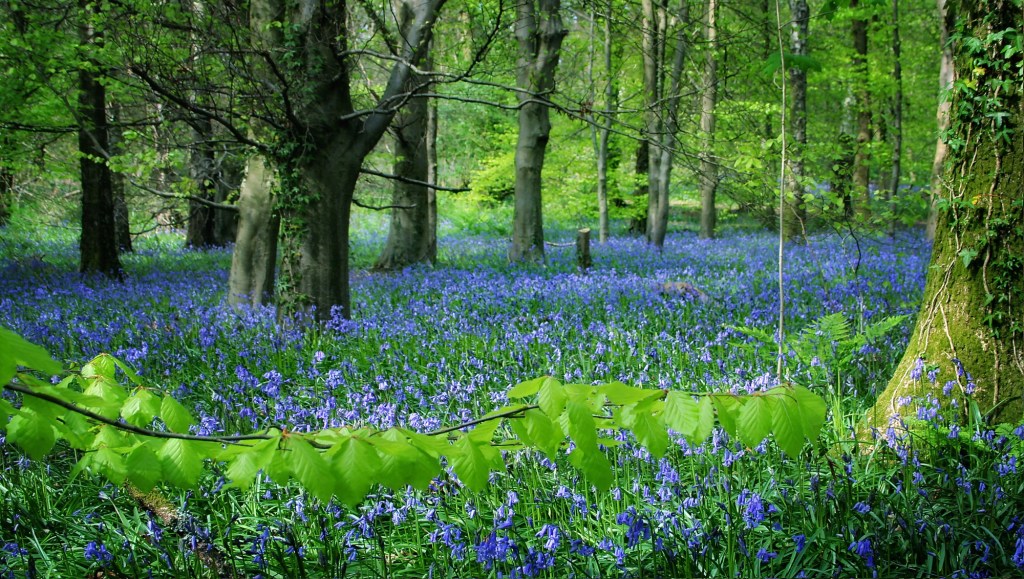
    In this sweet season when the year unfolds its tender promise, when Nature, stirring from her wintry sleep, adorns the woodlands with her gentlest hues, I wander aimlessly along pathways where the bluebells keep their soft silent vigil.

    Bluebells


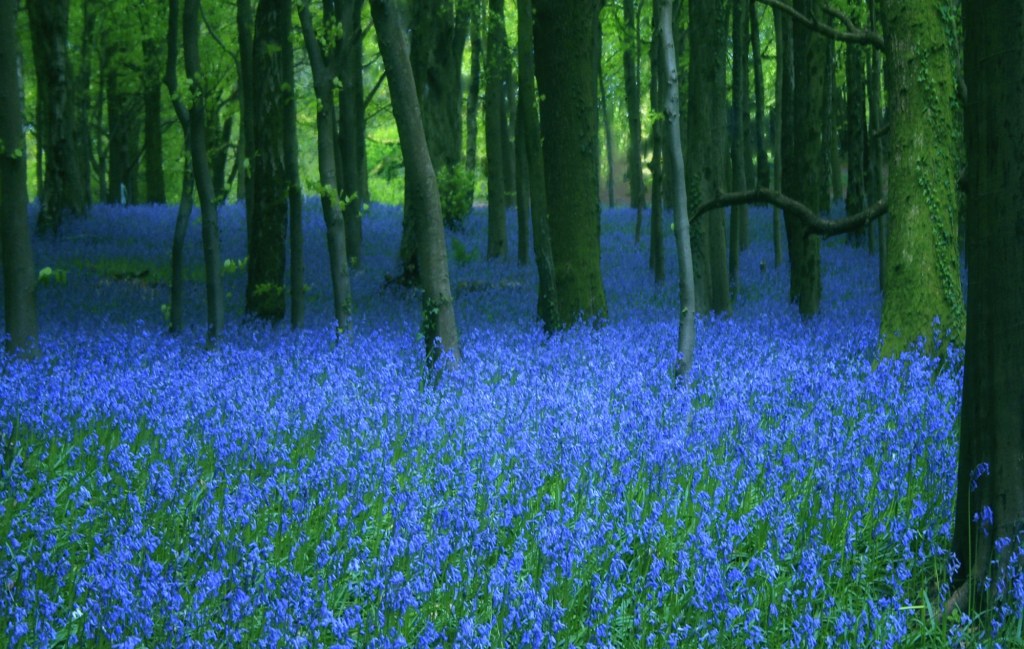
    How fair these azure bells that bow their heads in modest splendor! They carpet the ancient forest floor as a sea of heavenly blue, each delicate bloom trembling with the faintest breath of wind. Each one a miracle of divine craftsmanship yet humble in its transient glory.

    I have looked upon the lapis gardens of noble estates and witnessed the ultramarine depths of mountain lakes, yet never do I find such perfection of shade as in these humble woodland flowers. They are not mere terrestrial blooms but seem messengers from the empyrean realm, bringing down to earth fragments of the firmamental blue that arches high above our temporal dwelling. Their celestial tint speaks to something eternal in the human breast—a recognition of beauty that transcends our brief existence.

    And there in the shadowed wood, the beech trees offer up their fresh young leaves, translucent as finest parchment when held against the vernal sun. How tender is their green! How perfect each unfolding leaf, emerging from its winter bud with a slow and patient certainty that speaks of quiet confidence in renewal. These infant leaves, untouched by summer’s hardening rays or autumn’s gilding hand, possess a purity of essence that stirs within the contemplative mind a sense of wonder at creation’s ceaseless cycle.

    What blessed communion exists between the bluebell’s heaven-reflecting hue and the beech leaf’s innocent green! Together they form a harmony that no earthly musician could compose, a visual poetry that transcends the feeble efforts of human verse. In their glowing presence, my soul, so often clouded by the vapors of worldly care, finds refreshment and illumination, as if some divine voice speaks through these simple woodland treasures, reminding me of truths profound yet easily forgotten in the tumult of our busy days.

    Bluebells

    My other bluebell blogs: My Elusive Dream, Dawn Unveils.


    If you find my photography or my writing inspiring and uplifting, consider supporting what I do. Buy me a coffee on Ko-fi.
    Your support makes a difference in my life and helps me create more of what you, and I, like. Thank you!
    Tap to view my redbubble gallery.
  • The Lichen’s Perspective

    The Lichen’s Perspective

    I am neither plant, nor fungus, nor alga alone – I am lichen, a symbiotic partnership thriving where others cannot survive.

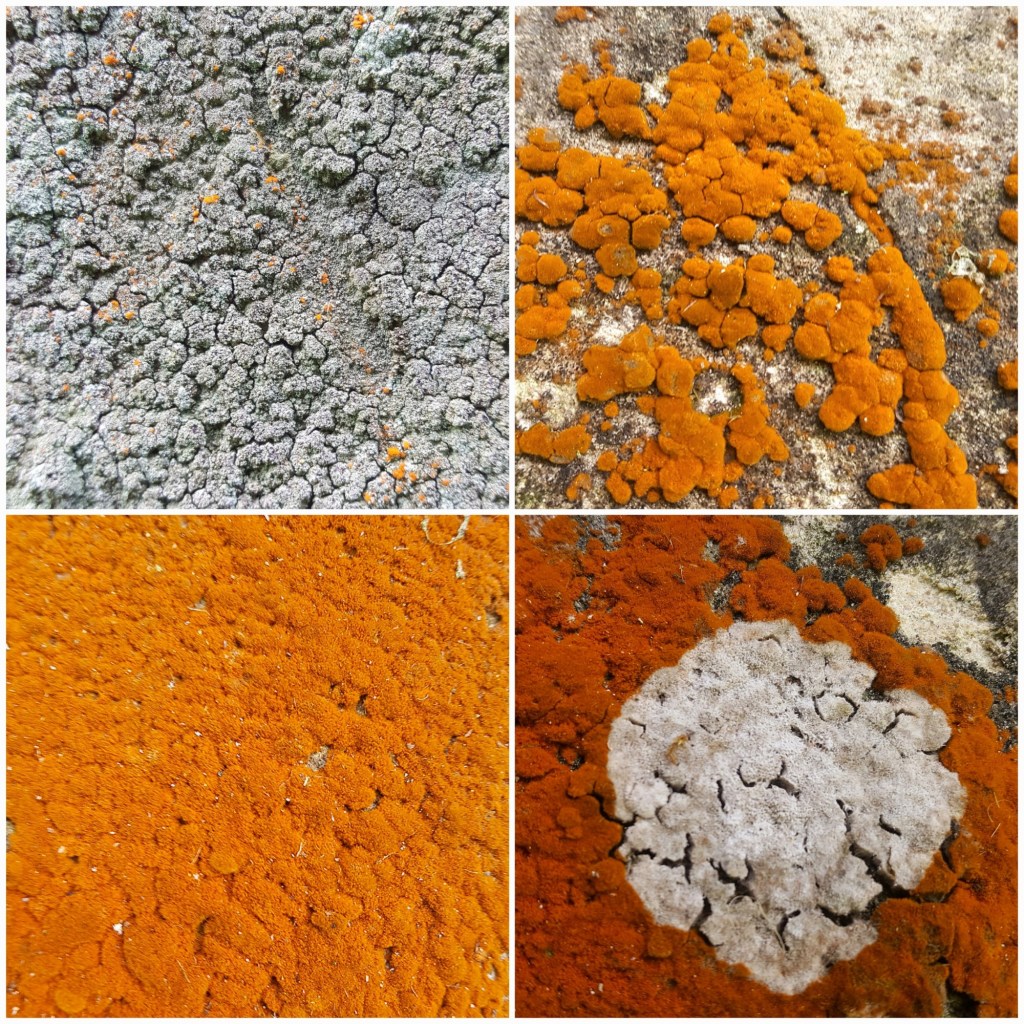
    Photos of Lichen I’ve taken

    Within my body, my fungal partner provides shelter while my photosynthetic companion creates food. We demonstrate that survival often depends on collaboration, not competition.

    Time moves differently for me. While animals live brief lives and trees last centuries, some of my relatives have existed for 4,500 years, silently witnessing the rise and fall of human civilizations.

    I am a pioneer, first to colonize bare surfaces after disturbances. My acids break down rock into soil, creating footholds for other plants. In harsh environments – scorching deserts, frigid peaks, even the vacuum of space – I demonstrate remarkable resilience, becoming dormant until conditions improve.

    To reindeer, I am vital winter food. To insects, I provide shelter. To humans, I serve as medicine, dye, and environmental indicator – my presence or absence reveals air quality.

    My success comes not from strength or speed, but from finding the right partners and adapting to extreme conditions. On the edge of habitability, you’ll find me quietly thriving through cooperation and the slow power of persistence.


    If you find my photography or my writing inspiring and uplifting, consider supporting what I do. Buy me a coffee on Ko-fi.
    Your support makes a difference in my life and helps me create more of what you, and I, like. Thank you!
    Tap to view my redbubble gallery.
  • Dreamy waterfall

    Dreamy waterfall

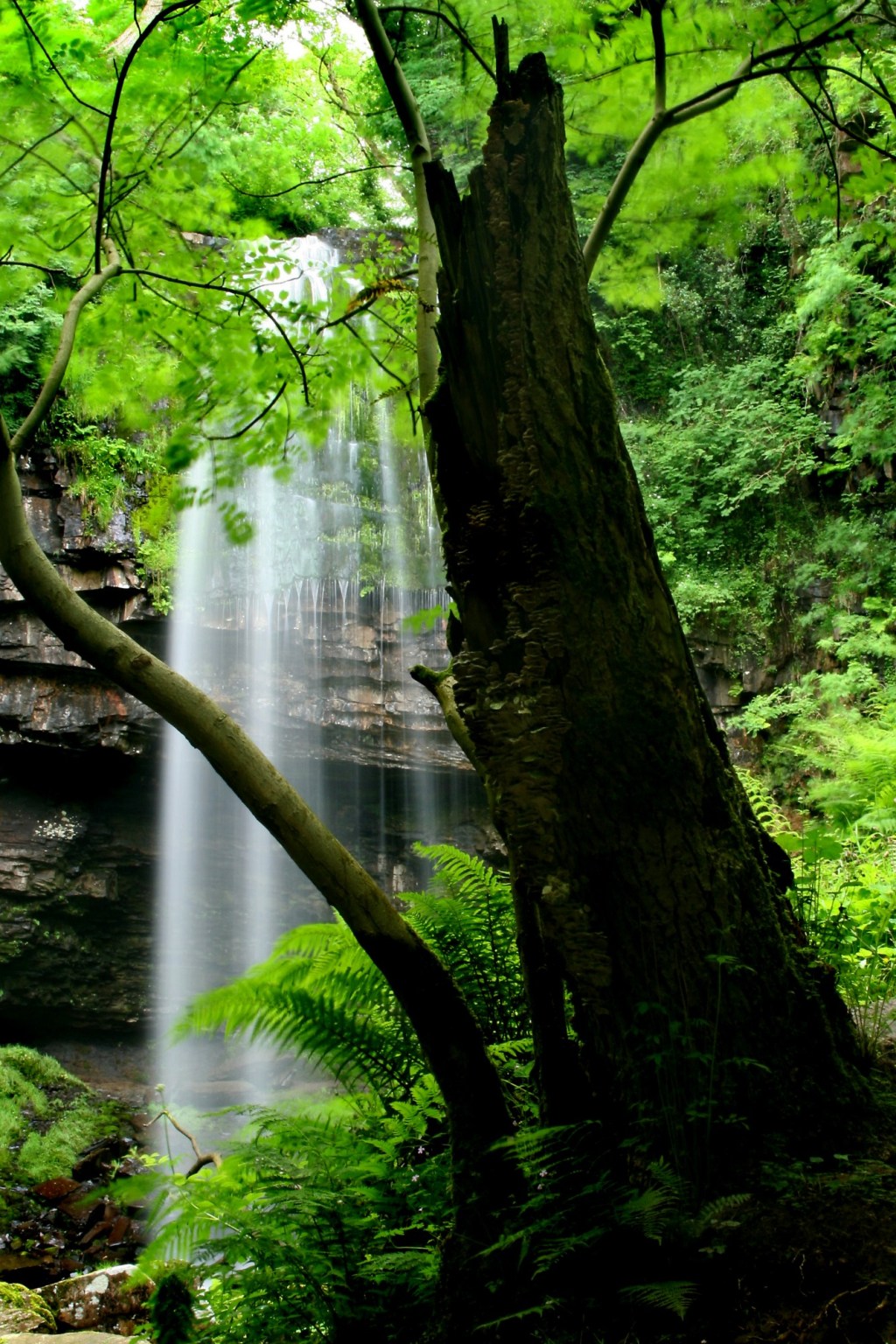
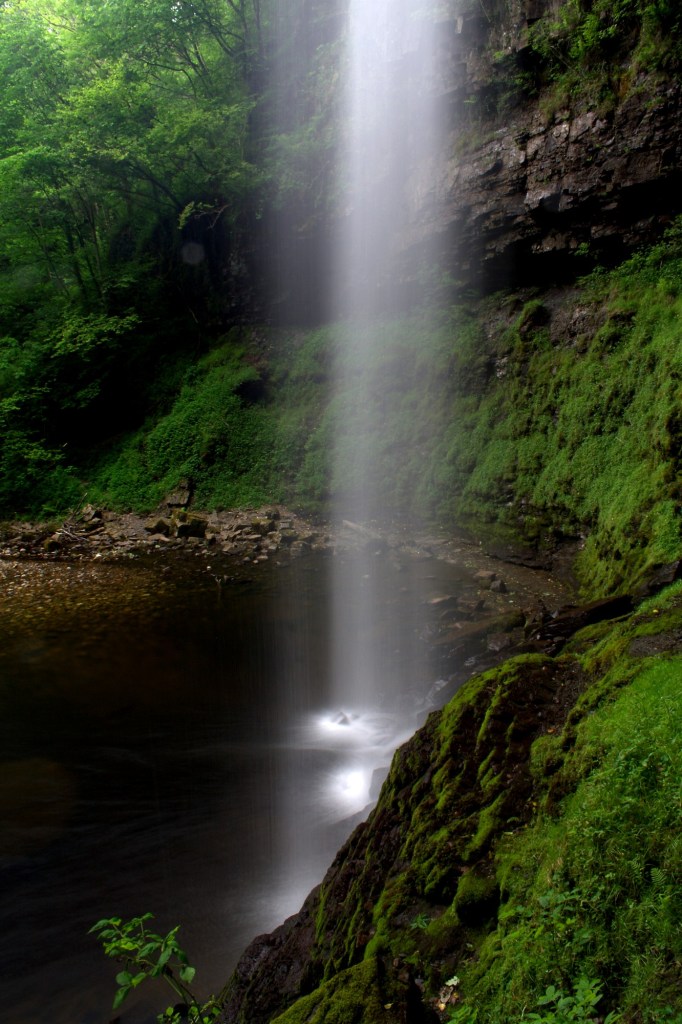
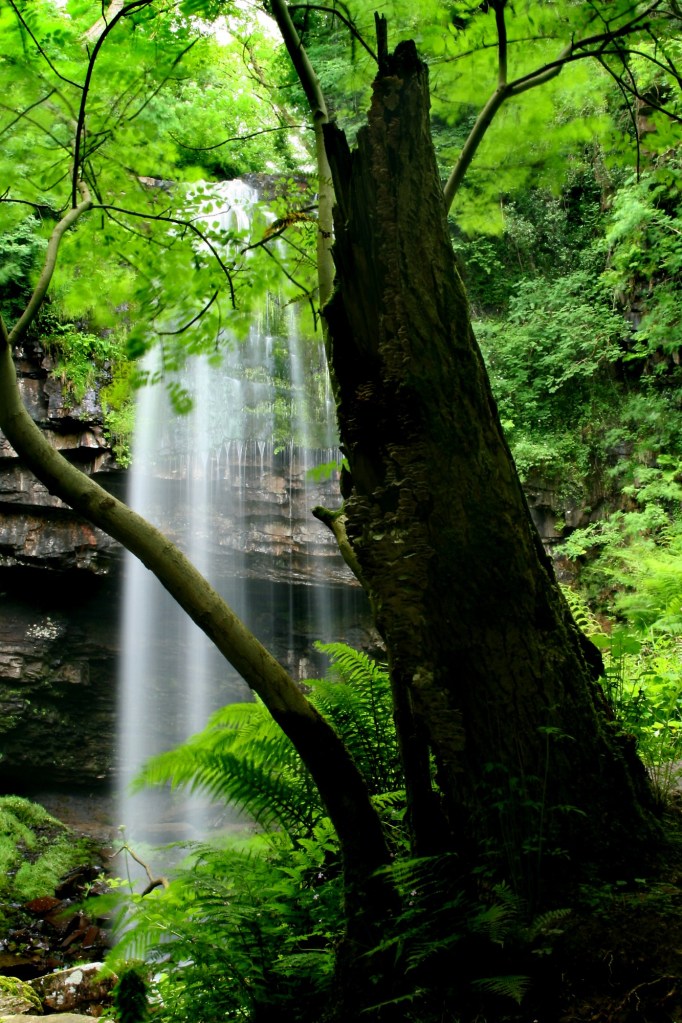
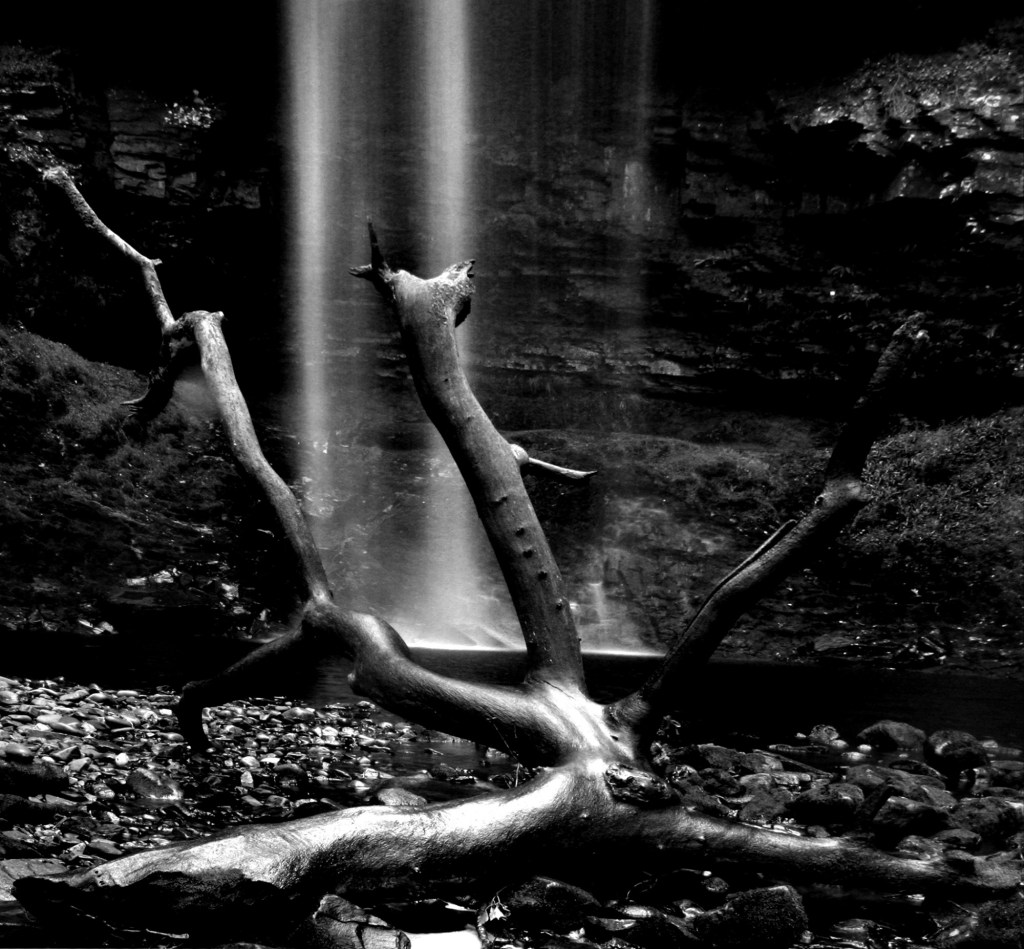
    Behind falls I stand,
    curtain of light, rushing sound,
    moment lost in time.

    Henrhyd, Waterfall

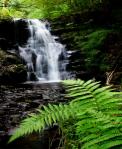
    Henrhyd Waterfall, the tallest waterfall in South Wales, is a stunning hidden gem in the Brecon Beacons. Tucked away in a lush wooded valley, it takes a short but steep walk to reach—but the effort is well worth it. The 90-foot cascade is especially impressive after heavy rain, creating a powerful curtain of water that you can even walk behind. The surrounding area, part of the National Trust’s Nant Llech nature reserve, adds to the secluded and peaceful feel. Whether you’re visiting for photography, a scenic walk, or just to enjoy the natural beauty, Henrhyd Waterfall is a must-see spot.

    Henrhyd Waterfall
    Henrhyd Waterfall

    If you find my photography or my writing inspiring and uplifting, consider supporting what I do. Buy me a coffee on Ko-fi.
    Your support makes a difference in my life and helps me create more of what you, and I, like. Thank you!
    Tap to view my redbubble gallery.
  • Roses are red

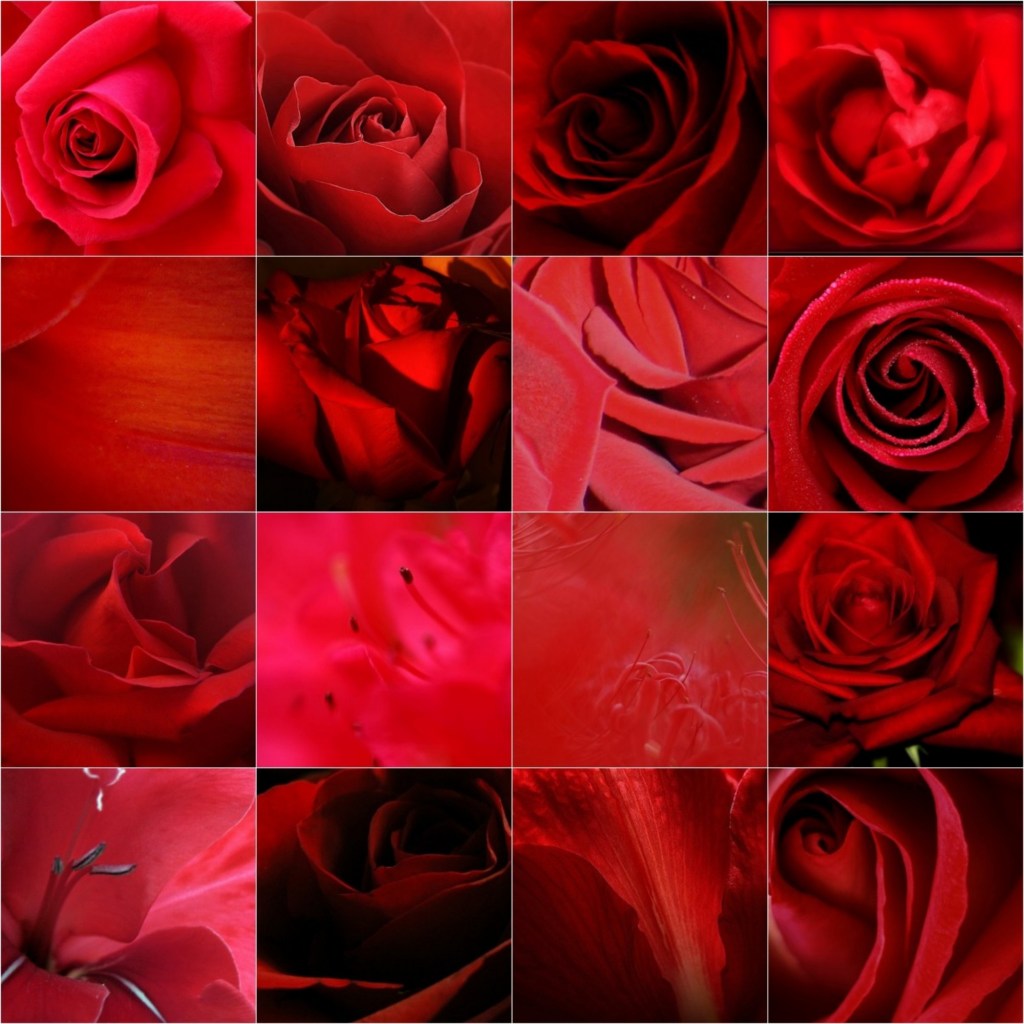
    Roses are red

    Among the roses, breathing deep and slow,
    I found a peace I never thought to know.
    Each crimson bloom a lesson to impart:
    That beauty heals a once broken heart.

    Red roses

    Sarah clutched the wilted bouquet, her fingers trembling against the cellophane wrapper that had seemed so perfect just hours ago. The thorns pressed against her palm, but she barely noticed the sting. It felt fitting somehow, this small pain, after David’s words had torn through her heart: “I just don’t feel the same way anymore.”

    The botanical garden’s iron gates stood before her, a refuge she hadn’t planned to visit today. She had walked aimlessly after leaving his apartment, and now here she was, standing before the entrance where she and David had shared their first kiss last spring. The irony wasn’t lost on her.

    Inside, the late afternoon sun cast long shadows across the winding paths. She walked without purpose until she found herself in the rose garden, surrounded by hundreds of blooming red roses. Their perfume hung heavy in the air, and for a moment, she couldn’t breathe. Every flower seemed to mock her, echoing the dozen roses she had presented to David earlier that day, along with her heart.

    “Beautiful, aren’t they?”

    Sarah turned to find an elderly woman in a wide-brimmed hat, pruning shears in hand. Her name tag read “Eleanor – Garden Volunteer.”

    “I used to hate them,” Eleanor continued, snipping away at dead heads with practiced ease. “My husband proposed to me with red roses. When he passed away three months later, I couldn’t stand to look at them. But here I am, forty years later, tending to them every Tuesday and Thursday.”

    Something in Eleanor’s voice made Sarah stay. She found herself returning the next week, and the week after that. Eleanor taught her how to deadhead the spent blooms, how to identify the different varieties: ‘Mr. Lincoln,’ ‘Chrysler Imperial,’ ‘Veterans’ Honor.’ Sarah learned that each rose had its own character, its own story.

    Seasons passed. She watched the roses go dormant in winter, helped Eleanor bed them with mulch against the frost. In spring, she witnessed their resurrection, the first tender shoots appearing, the soil still cold with winter’s memory. Summer brought their glory, and autumn their final, fierce blooming.

    The garden became her sanctuary, then her classroom, and finally her joy. She learned that love, like gardening, required patience and care. That beauty could emerge from decay. That endings were also beginnings.

    Five years after that first day, Sarah stood in the rose garden again, this time in a white dress. Her bouquet was a cascade of red roses, each one grown and tended by her own hands. Beside her stood Michael, the landscape architect she had met while taking a botanical illustration class at the garden. Eleanor sat in the front row, beaming beneath her signature wide-brimmed hat.

    As Sarah exchanged her vows, the roses nodded in the gentle breeze, their fragrance no longer a reminder of loss but a celebration of growth. She had learned what Eleanor knew: that sometimes the things that break our hearts can also heal them, if we’re brave enough to let them.

    Years later, as the setting sun painted the garden in shades of amber and gold, Sarah, now the bearer of knowledge at the garden, found a quiet moment to walk among the roses. She touched a velvet petal, remembering the broken-hearted girl who had stumbled into this garden years ago. The roses had taught her that love, like their blooms, was cyclical – that each ending carried within it the seeds of a new beginning.

    She plucked a single perfect bloom and placed it on Eleanor’s empty chair, a thank you for the wisdom shared between the thorny stems. Above her, the first stars appeared in the darkening sky, and somewhere in the garden, a nightingale began to sing.

    If you find my photography or my writing inspiring and uplifting, consider supporting what I do. Buy me a coffee on Ko-fi.
    Your support makes a difference in my life and helps me create more of what you, and I, like. Thank you!
    Tap to view my redbubble gallery.
  • Still waters

    Still waters

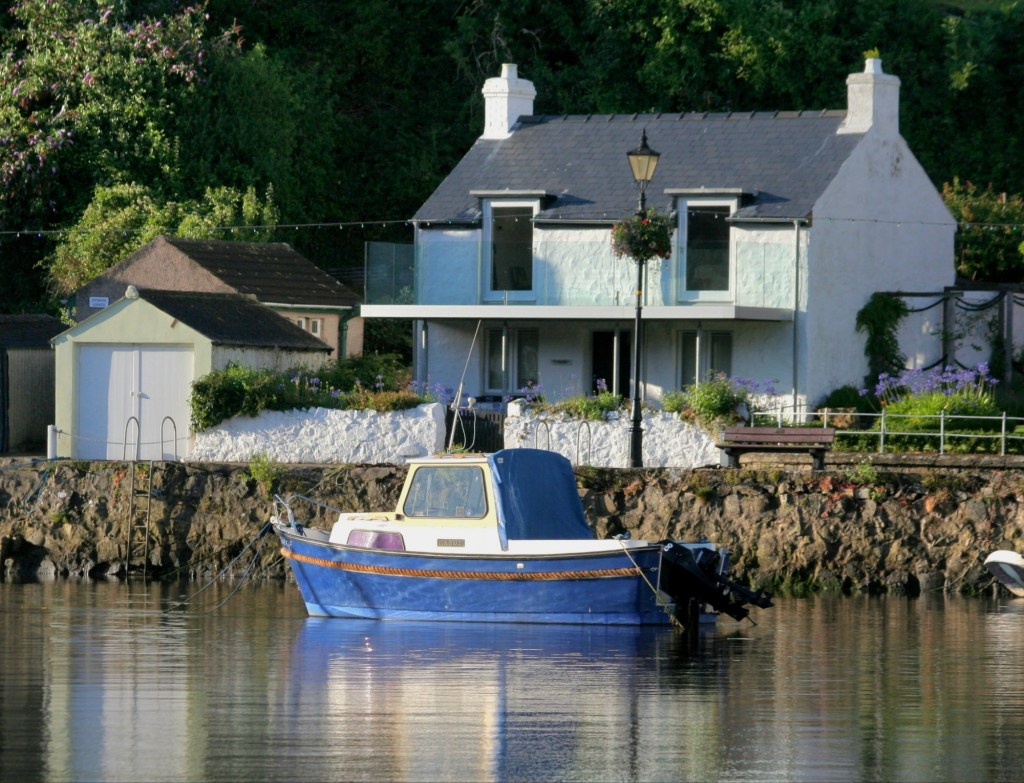
    The blue boat sits alone,
    Quiet on the glassy sea,
    No ripples, just the tone
    Of stillness setting free.

    Taken at Fishguard quay

    In the city, Isabelle’s palette was dictated by quarterly reports. Her canvases were billboards, her medium, marketing slogans. She painted desires, not dreams. Once, art had been her sanctuary, a place where she could lose herself in colour and form, but now it was a transaction—each brushstroke carefully calculated for maximum impact. The aggressive red of SALE, the sterile blue of TRUST, the shimmering gold of LUXURY—they weren’t colours, they were commands.

    Her studio, a pristine white cube perched above a canyon of concrete and steel, was as lifeless as the work she produced. Outside, the city pulsed with a restless urgency, but inside, she sat staring at her latest commission, feeling nothing. Had it always been like this? Had she always felt this hollow? She couldn’t remember the last time she painted something just because she wanted to.

    When she first saw the cottage in the online listing, it was nothing more than a blurry thumbnail, yet something about it stopped her scrolling. It wasn’t charming in the way holiday rentals usually were. The walls leaned slightly, weather-beaten and unapologetic. The loch behind it stretched out into the mist, quiet, infinite. It was not picturesque, but it was still. And suddenly, stillness was all she wanted.
    The journey there felt like shedding a second skin. As the train rattled away from the city, the skyline fading into the distance, something inside her loosened, though she wasn’t sure what. At first, she kept reaching for her phone—out of habit more than anything—but the further she got from mobile towers, the quieter her mind became. It wasn’t just the absence of notifications, emails, deadlines. It was a deeper silence, like a pond settling after a stone has been thrown in.

    The cottage smelled of damp wood and time. It creaked when she walked through it, like an old thing waking up. There was no WiFi, no signal. Just the steady lap of the loch against the shore, the whispering reeds, the occasional call of a distant bird. At first, the quiet unnerved her. She found herself pacing, feeling the itch of a life spent in perpetual motion. Her mind kept trying to measure productivity, to assign value to this pause. What are you doing? Wasting time? What if they forget you? What if you come back and there’s nothing left?
    On the third day, restless and aimless, she wandered down to the shore, her boots sinking slightly into the wet earth. The loch stretched out before her, a perfect mirror of the grey sky. And there, in the shallow water, rocked a small blue boat. Faded, chipped at the edges, the kind of blue that had been softened by years of wind and rain. Something about it pulled at her. It wasn’t just a boat. It was a contrast—a quiet rebellion against the greyness of everything around it.

    She crouched by the water’s edge, picking up a smooth grey stone and rolling it between her fingers. She thought of the screens she used to touch every day, the digital world she had lived in. The cool weight of the stone was real, solid in a way the city never was.

    The next morning, she woke to the sound of rain, soft and insistent against the slate roof. She stood by the window, watching the loch blur and ripple under the downpour. The blue boat rocked gently, unfazed. It was such a small thing, and yet she couldn’t look away. The colours before her weren’t the ones she used in the city—no neon, no artificial sheen. Just deep, shifting greys, softened greens, the quiet persistence of the blue.

    She picked up a brush without thinking. Not the sleek, expensive sable she used for client work, but a worn-out one she found in a drawer. There was no canvas, so she used a piece of driftwood. She didn’t try to replicate the scene exactly. Instead, she let the colours guide her, pulling from something deeper than observation—something she had ignored for too long. The grey of the sky bled into the grey of her exhaustion. The green of the hills became a longing for something real. The blue of the boat—steady, resilient—was a hope she hadn’t known she still carried.

    When she stepped back, her breath caught. It wasn’t a masterpiece. It was raw, uneven, imperfect. But it was hers. A tear slid down her cheek, but she didn’t wipe it away. It wasn’t sadness. It was something closer to relief.

    Not all days were easy. Some mornings she stared at a blank page for hours, frustration gnawing at her ribs. Some nights, the city’s voice whispered in her ear, reminding her of deadlines and expectations, of the career she was leaving behind. What if you never make it back? What if this is a mistake?
    But then there were moments—standing by the loch, feeling the wind in her hair, watching the way light changed the water—that made it clear she was exactly where she needed to be.

    Her work began to shift. She stopped thinking about what people wanted and started painting what she felt. She no longer cared about marketability. She cared about honesty. The colours on her brush became softer, more grounded, pulled from the land around her rather than the demands of a client brief. She painted the hush of the loch at dawn, the weight of the rain-heavy clouds, the steadfast blue of the little boat that never drifted too far.

    She wasn’t painting products anymore. She was painting silence. She was painting solitude. She was painting her way back to herself.


    If you find my photography or my writing inspiring and uplifting, consider supporting what I do. Buy me a coffee on Ko-fi.
    Your support makes a difference in my life and helps me create more of what you, and I, like. Thank you!
    Tap to view my redbubble gallery.
  • The Timeless Beauty of Ewenny Priory

    The Timeless Beauty of Ewenny Priory

    A haven of peace where the past and
    present converge in a timeless story of
    beauty and history.

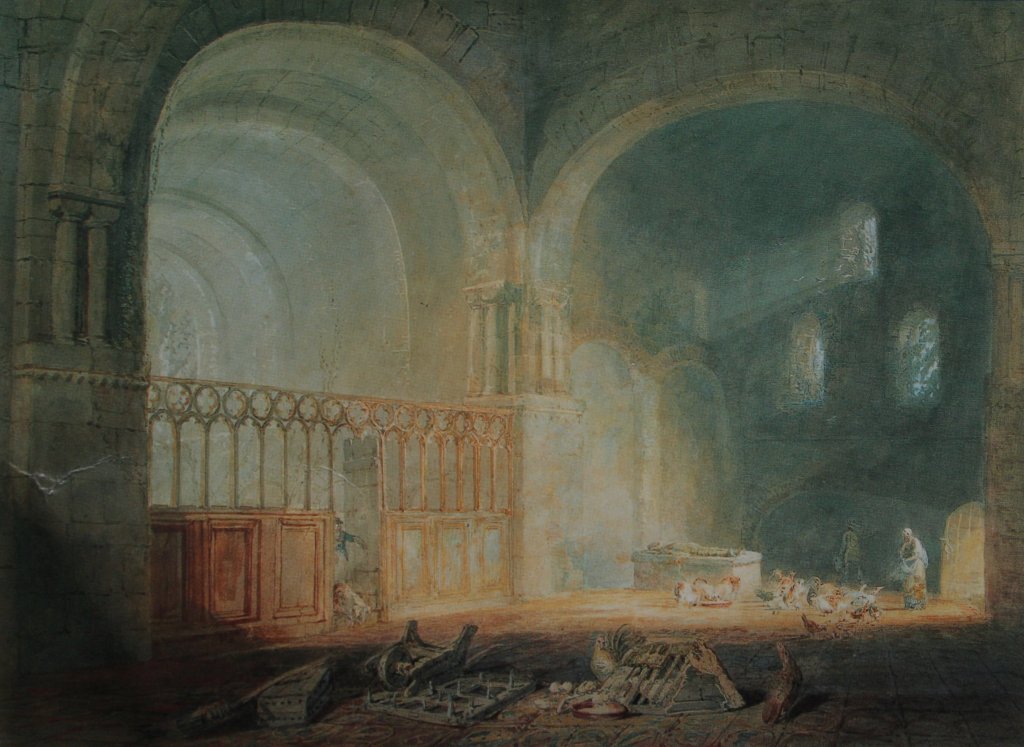
    J.M.W. Turner’s Brush with Ewenny Priory (1797)
    Ewenny Priory
    My Version
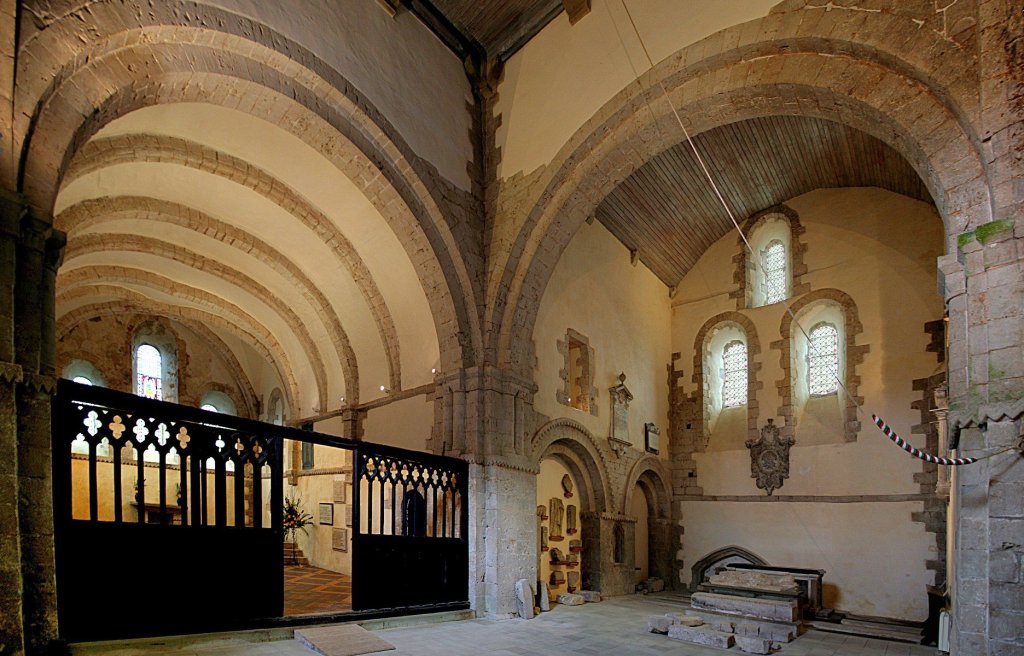
    Tried to capture the light

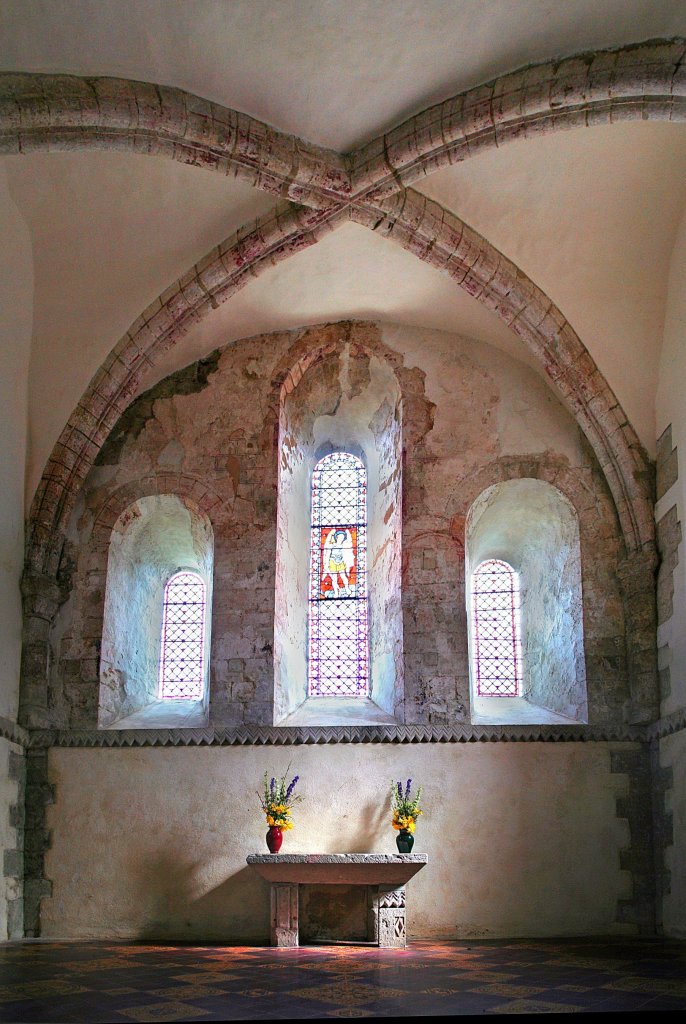
    Boo! Greetings, dear mortals. I am Brother Eustace, the ghost of a Benedictine monk haunting the Ewenny Priory, one of the most picturesque and historically rich places in South Wales. It’s been centuries since I left my earthly body, but I still keep a watchful eye on this place, observing the comings and goings of visitors and tourists.

    Ewenny Priory
    The Light Divine
    That centre window just draws me in

    One thing that always tickles my ghostly bones is the story of J.M.W. Turner having painted the Ewenny Priory. I must admit, I had no idea who that man was until some of the livelier visitors started chattering about it. Apparently, he was a famous artist who had a thing for capturing landscapes and religious buildings in his paintings. And, of course, he couldn’t resist the charm of our humble priory.

    Ewenny Priory
    Perfect – Don’t Alter A Thing
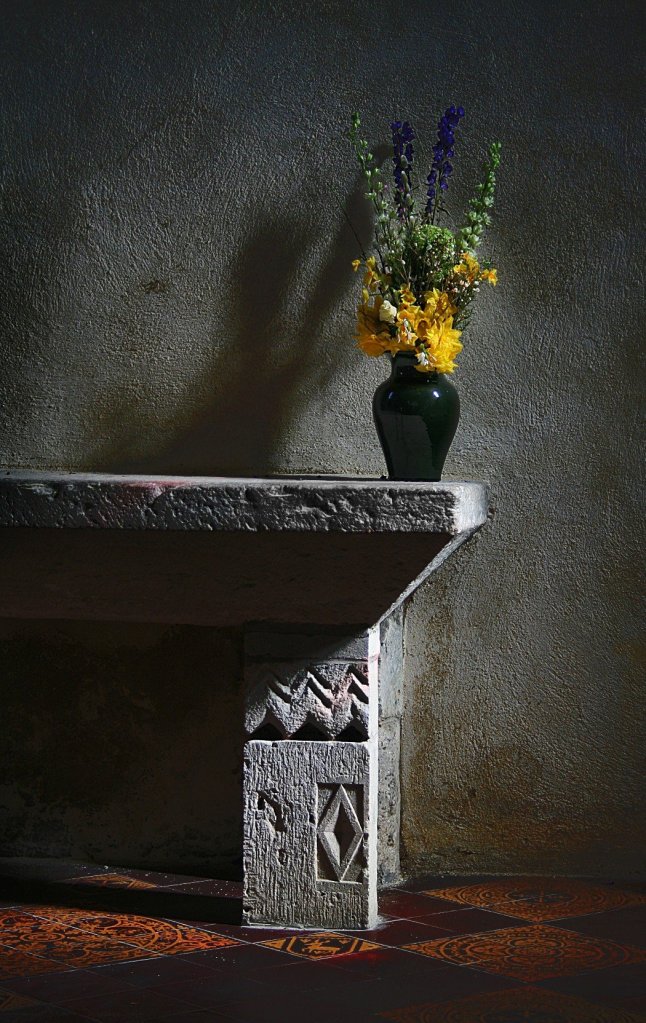
    I love the textures in this

    I remember the day he came here vividly, as if it were yesterday. He carried a big wooden box with all sorts of brushes, colours, and canvases, muttering to himself as he looked around for the perfect spot to set up his easel. I couldn’t help but chuckle at the sight of this man, dressed in fancy clothes and sporting a ridiculous top hat, trying to blend in with the solemn atmosphere of the priory.

    He spent hours sketching and painting, dabbing his brushes in different colours and stepping back every now and then to admire his work. Seeing as it was already a ruin and being used to keep animals in 1795 when he visited, I must say, he did a decent job of capturing the essence of the priory, with its sturdy stone walls, arched windows, and overgrown gardens. It’s in a better state now, so it’s no wonder people still come here to take photos and admire the scenery.

    As for me, I’m just happy to keep watching and haunting, floating through the corridors and whispering secrets to the curious souls who dare to listen. And who knows, maybe one day another famous artist will come and paint the Ewenny Priory once again, immortalising its beauty for generations to come (or maybe it’ll be you with your fancy smartphone). Until then, I’ll be here, keeping a close eye on things and enjoying the occasional chuckle at the antics of the living. Cheers!

    If you find my photography or my writing inspiring and uplifting, consider supporting what I do. Buy me a coffee on Ko-fi.
    Your support makes a difference in my life and helps me create more of what you, and I, like. Thank you!
    Tap to view my redbubble gallery.

    More interesting posts

  • The shadow self

    The shadow self

    There’s something peculiar about shadows that I never noticed until that Tuesday afternoon in September. I was sitting at my usual coffee shop, the one where the barista always remembers to make my americano with exactly three ice cubes, when I saw it behaving strangely.

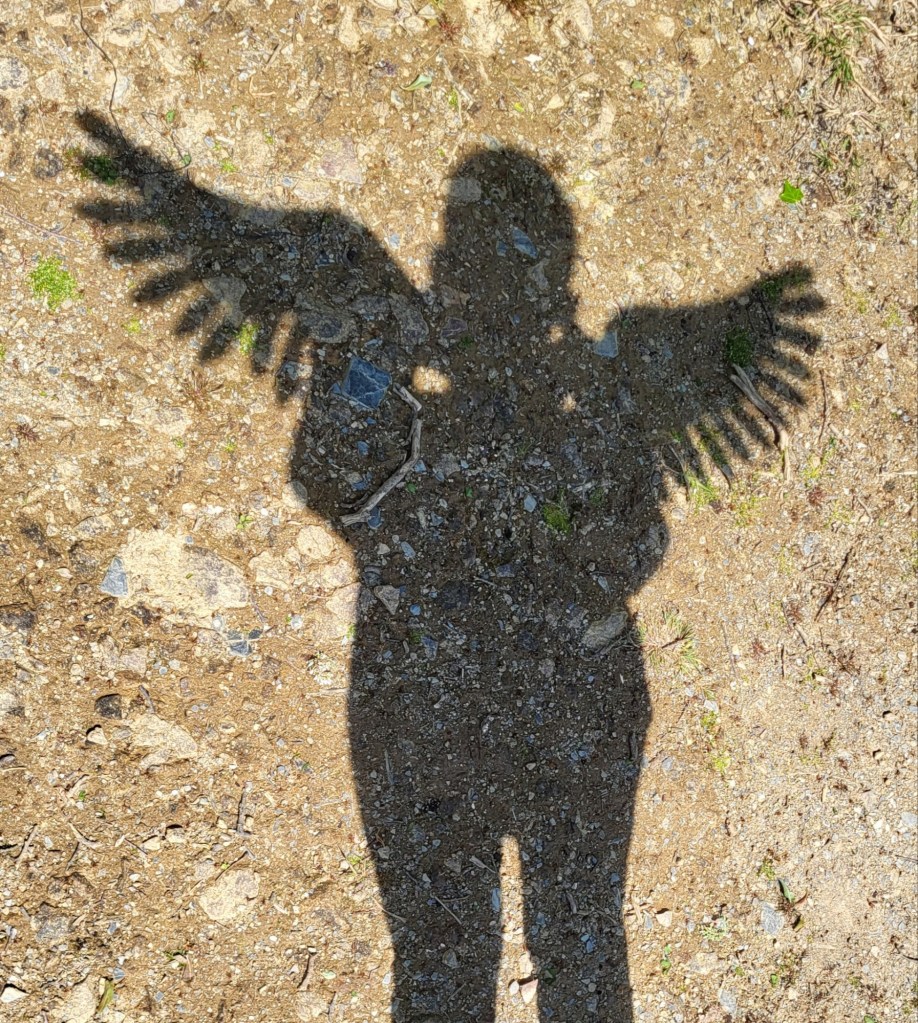
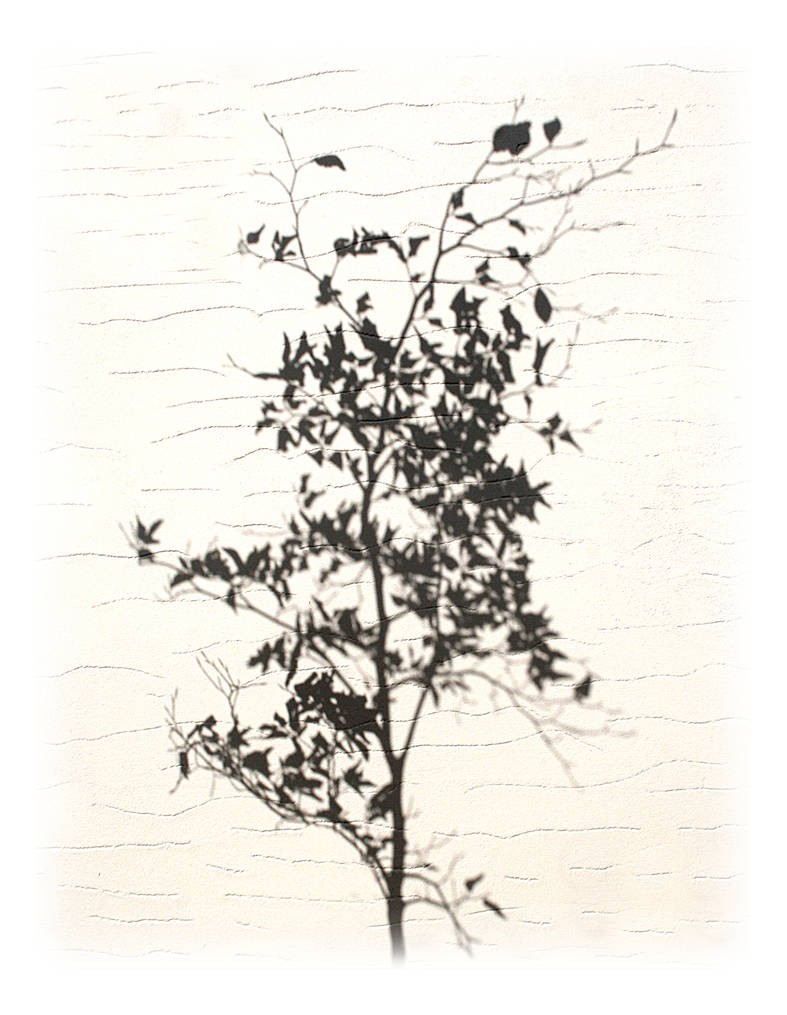
    The simple shadow of a beach tree on my garage wall.

    My shadow wasn’t following my movements anymore. When I lifted my cup, it kept its arms firmly planted on the table. When I turned my head to look at the clock on the wall, it continued staring straight ahead. It was subtle at first, like the way you might notice a photograph hanging slightly crooked on a wall but convince yourself it’s just your imagination.

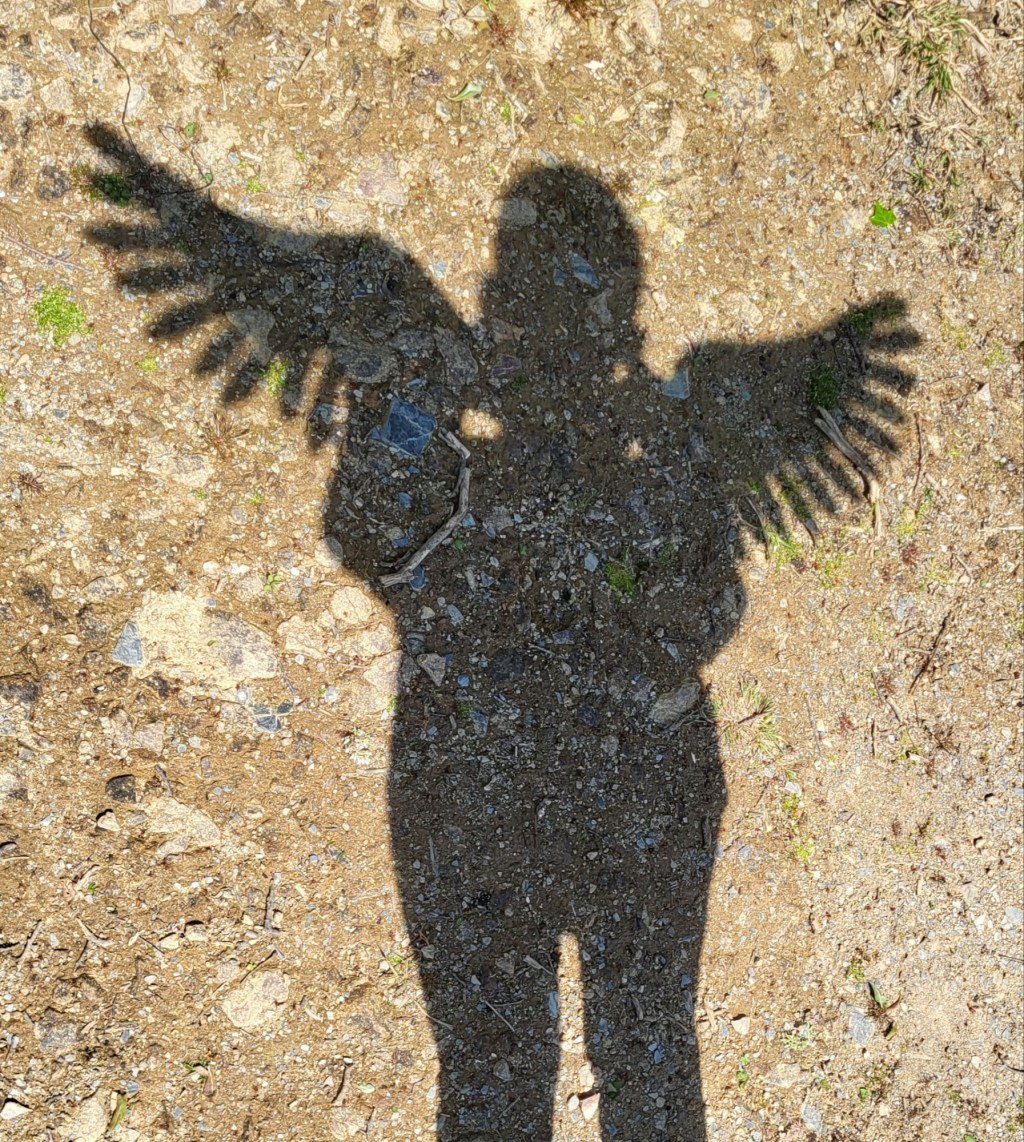
    Me pretending to be an angel

    The thing about shadows is that they’re honest in a way we can never be. They don’t pretend to smile when they’re sad. They don’t hide their true shape behind carefully chosen clothes or practiced postures. They simply are.

    I started watching my shadow more closely after that day. Sometimes, late at night, I’d catch it dancing when I was perfectly still, or reaching for things I’d been wanting but was too afraid to grasp. It was as if it knew all my secrets, all the desires I’d buried so deep I’d forgotten they were there.

    One morning, I found a note on my desk written in a hand that looked like mine but wasn’t quite right. It said: “I am what you are when no one is watching. I am the you that exists in empty rooms and dark corners. I am the truth you hide from the world.”

    The strange thing wasn’t finding the note. The strange thing was realizing that every word was true.

    Now, whenever light falls across my path and stretches my shadow long and dark against the ground, I wonder which one of us is more real – the carefully constructed person I present to the world, or that dark silhouette that moves with its own will and knows every truth I’ve ever tried to hide.

    Sometimes, in the moments between sleeping and waking, I think I can feel us merging – the shadow and I – like water flowing into water. But then morning comes, and once again, we are separate: me walking through the world, and my shadow dancing just at the edge of sight, reminding me of everything I could be if I just dared to face it directly.

    The barista at my coffee shop doesn’t make me americano anymore. She says I never ordered one. She says I’ve been ordering black coffee, straight and bitter, every day for years. Maybe my shadow knew this all along.


    If you find my photography or my writing inspiring and uplifting, consider supporting what I do. Buy me a coffee on Ko-fi.
    Your support makes a difference in my life and helps me create more of what you, and I, like. Thank you!
    Tap to view my redbubble gallery.
  • The Whispering Berries: A Tale of Hawthorns and Time

    The Whispering Berries: A Tale of Hawthorns and Time

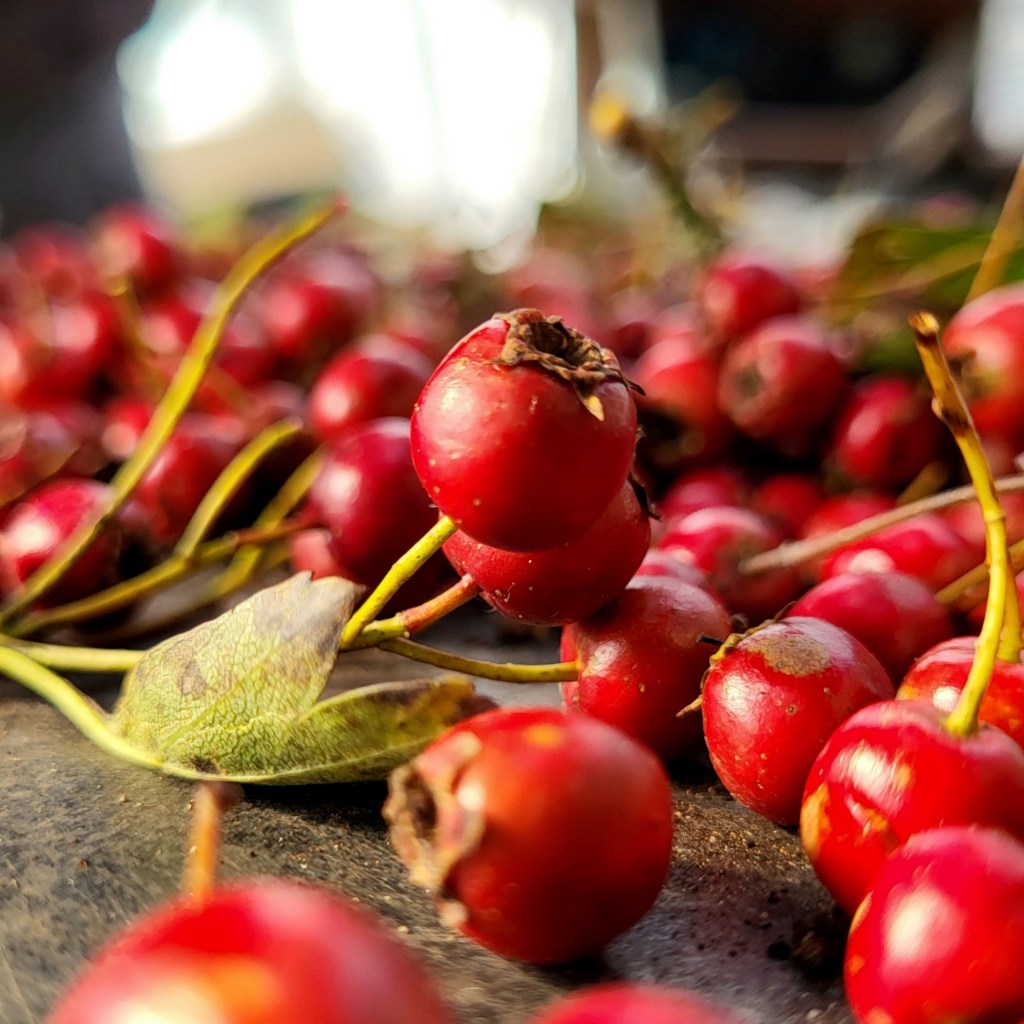
    In the quietude of an autumn afternoon, as the sun cast a gentle, melancholic glow over the garden, I found myself standing before a humble tub, a handful of hawthorn berries cradled in my palm. The berries, vibrant and red, seemed to pulsate with a life of their own, whispering secrets of the seasons and the cycles of time.

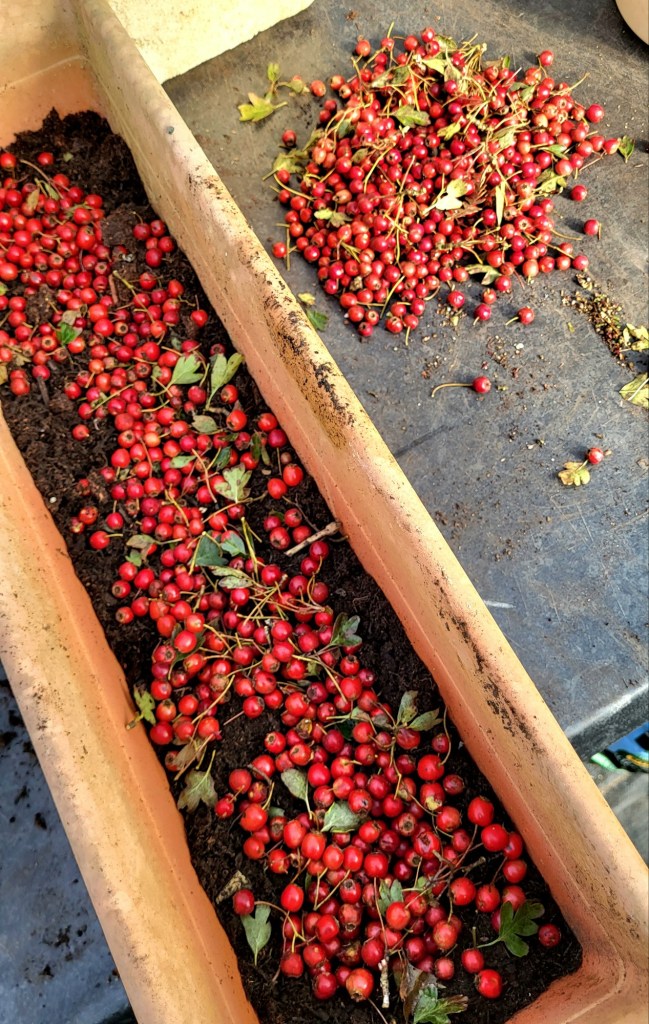
    A tub of hope

    The decision to plant these berries had come to me in a dream, or perhaps it was a memory, blurred at the edges like an old photograph. I had been walking through a forest, the air crisp and cool, when I stumbled upon a hawthorn tree, its branches laden with crimson fruit. The tree seemed to beckon me, its thorns glinting in the dappled sunlight, and I knew then that I must bring a piece of this wild, untamed beauty into my own small world.

    I had always been drawn to hawthorns, with their delicate white flowers in spring and their fiery berries in autumn. They seemed to embody the duality of life—beauty and pain, growth and decay, all intertwined in a dance as old as time itself. And so, with a sense of reverence, I began to plant the berries, each one a tiny promise of life to come.

    The tub, a simple vessel of earth and possibility, sat before me like an altar. I knelt down, feeling the cool soil between my fingers, and began to press the berries gently into the ground. Each one seemed to sigh softly as it settled into its new home, a quiet acceptance of the journey ahead. I wondered what dreams they might hold, what stories they might tell as they grew and changed with the passing of the seasons.

    As I worked, my mind wandered, as it often does, to the strange and wondrous paths that life can take. I thought of the hawthorn trees that had stood for centuries, silently watching the ebb and flow of human existence. I thought of the birds that would one day feast on the berries, their songs echoing through the garden like ancient melodies. And I thought of the quiet, unassuming beauty of growth—the slow, steady unfurling of life from the smallest of seeds.

    The hawthorn, I knew, was a symbol of hope and protection in many cultures. It was said to guard against evil spirits, to bring good fortune, and to heal the heart. As I planted the berries, I found myself hoping for all these things and more. I hoped for the courage to face the unknown, for the strength to endure the storms of life, and for the wisdom to appreciate the beauty in the everyday.

    And so, with the berries planted and the tub nestled in a sunny corner of the garden, I stepped back and took a deep breath. The air was filled with the scent of earth and the faintest hint of something more—a promise, perhaps, or a whisper of things to come. I knew that the journey of these hawthorn berries was only just beginning, and I looked forward to the days and seasons ahead with a sense of anticipation and wonder.

    In the quiet moments that followed, as the sun dipped lower in the sky and the shadows lengthened, I felt a profound sense of connection—to the earth, to the cycles of life, and to the mysterious, unknowable forces that guide us all. And as I turned to walk back into the house, leaving the berries to their dreams and their destiny, I knew that I, too, was a part of this vast and wondrous tapestry, forever intertwined with the whispering hawthorns and the dance of time.


    If you find my photography or my writing inspiring and uplifting, consider supporting what I do. Buy me a coffee on Ko-fi.
    Your support makes a difference in my life and helps me create more of what you, and I, like. Thank you!
    Tap to view my redbubble gallery.
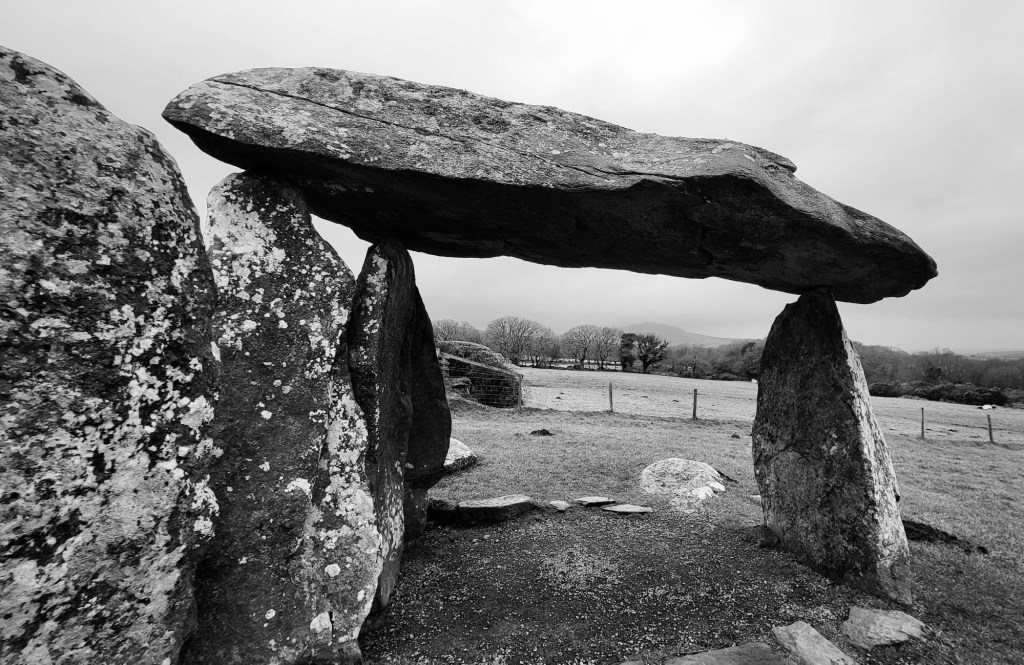
  • Pentre Ifan, Pembrokeshire – The Great Undertaking

    Pentre Ifan, Pembrokeshire – The Great Undertaking

    Journal of Caradoc the Builder

    Pembrokeshire, Pentre Ifan,
    6000 years old and home to the fairies 🙂

    Day 1 – The Command

    The chieftain has spoken. A great tomb must be built—one that will stand for generations, a place where the spirits of our ancestors may rest in peace. I, Caradoc, have been chosen to oversee the task. It is an honor, but also a burden. The stones are vast, heavier than any man should be able to move. How can we, with mere hands and ropes, shape such a monument?

    I wish the fair folk would aid us. The elders say the Tylwyth Teg, the fairies of the hills, move stones with ease, whispering to them in a tongue only the earth understands. If only they would come to our aid, lift these great rocks into place, and spare us the toil ahead. But the fair folk are fickle, appearing only when they choose. We must struggle on without them.

    Day 5 – The Stones Resist Us

    The men are weary. We have stripped the strongest oaks to make rollers, twisted the toughest hides into ropes. Yet the stones barely shift. The great capstone, the largest of them all, refuses to move. It is as if the land itself grips it, unwilling to let it rise.

    The night is cold, the wind howling over the hills. I swear I hear laughter in the dark, soft voices on the wind. The fair folk are watching. Do they mock us, or do they test our resolve? If they wished, they could lift the stones as if they were feathers. Yet they remain silent, unseen, leaving the burden to us.

    Day 12 – The Earth Swallows Our Efforts

    The rains have come, turning our labor into a futile struggle. The earth drinks the water greedily, turning to mud, swallowing our stones and filling the pits we have dug. We lose men to exhaustion, to wounds from failing ropes and shifting rock. The tomb fights us at every step.

    At dusk, I leave an offering—honey, fresh milk, and bread—on the highest stone, a gift for the Tylwyth Teg. If they have any mercy, if they still care for the deeds of men, let them aid us now.

    Day 20 – A Change in Fortune

    Something is different. The rains have ceased, the ground has hardened. The men move with renewed strength. Today, we raised the last of the uprights, the stones sliding into place as if the earth finally allows it. Perhaps our offerings have been accepted, or perhaps the fair folk simply tired of watching us struggle.

    Tonight, as the fire crackles, I hear the faintest laughter again, carried on the wind. A whisper, almost playful. Did they push the stones when we were not looking? Or did they merely lift our spirits, lending us unseen strength? I do not know. But I feel their presence all the same.

    Day 25 – The Final Stone

    The capstone rests upon its pillars at last. A gateway between worlds, standing as it should. The tomb is complete. The men cheer, but I say nothing. In the silence of the evening, I sense something beyond us, something watching.

    Perhaps it was never just our strength that built this place. Perhaps, when we were at our weakest, unseen hands helped us. Or perhaps the fair folk simply wished to remind us—magic is not only in the whispers of the wind, but in the determination of men who dare to move the unmovable.

    If you find this content inspiring and uplifting, consider supporting what I do. Buy me a coffee on Ko-fi.
    Your support makes a difference in my life and helps me create more of what you, and I, like. Thank you!
    Tap to view my redbubble gallery.
Design a site like this with WordPress.com
Get started