Category: Wales

  • Into the Breathing Forest

    Into the Breathing Forest

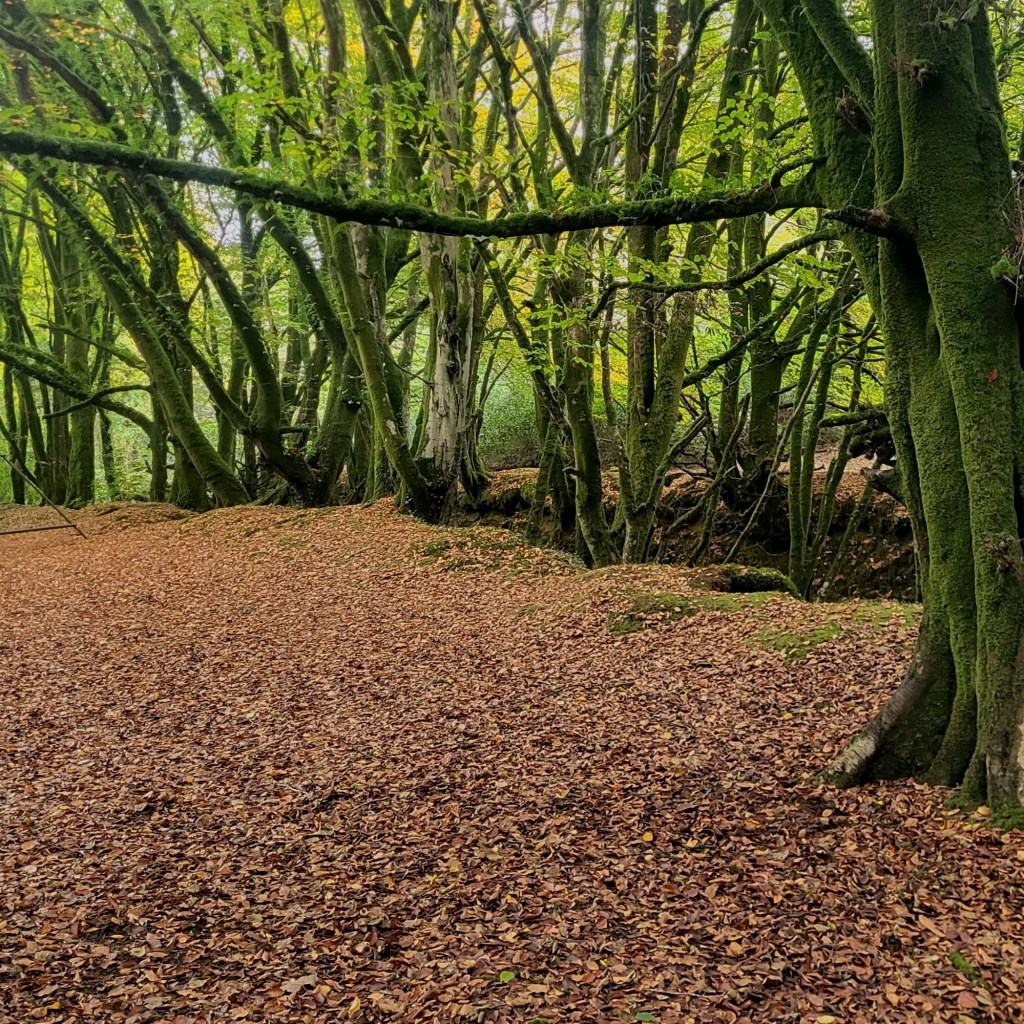
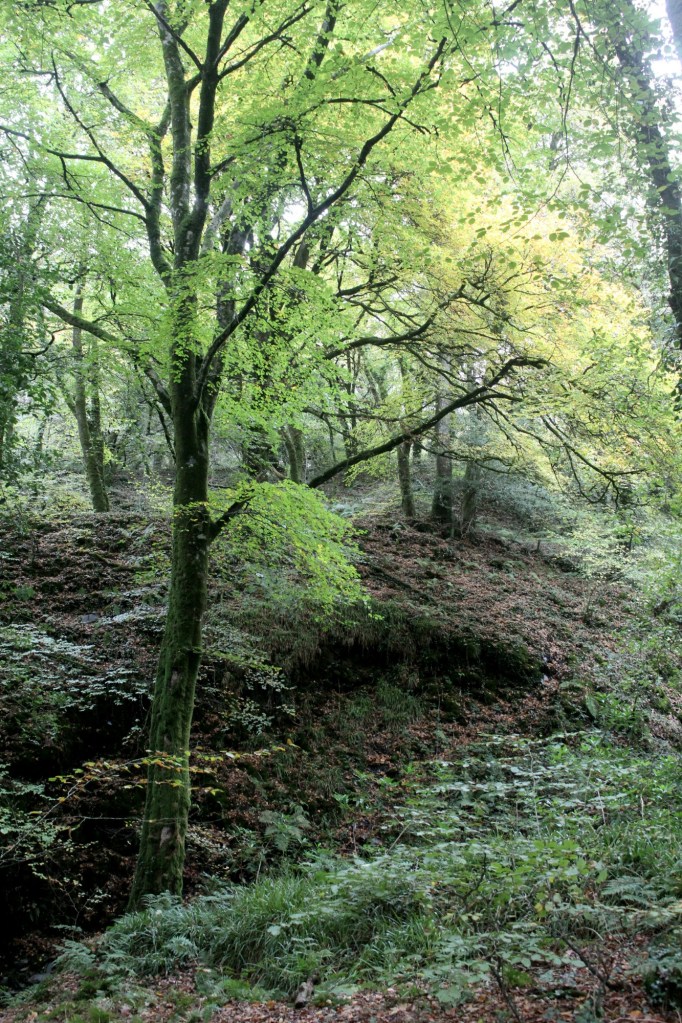
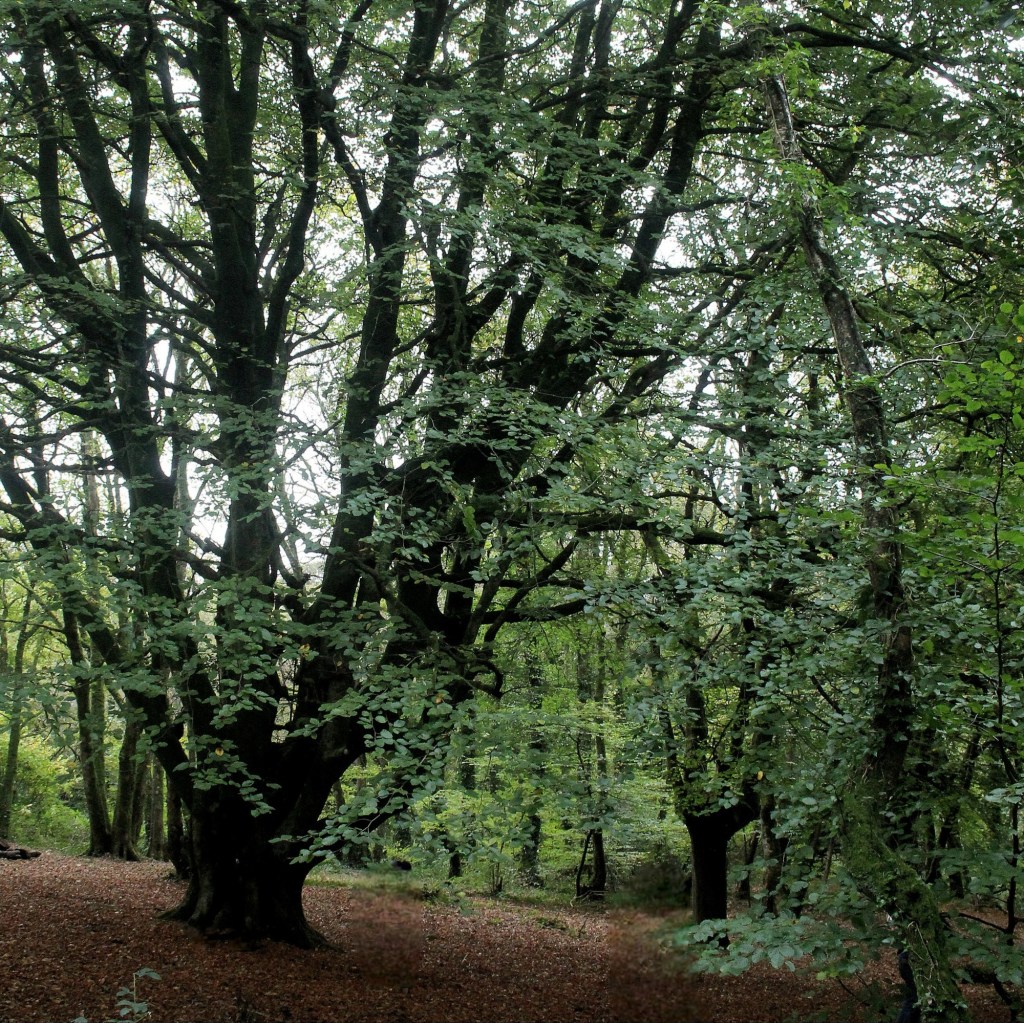
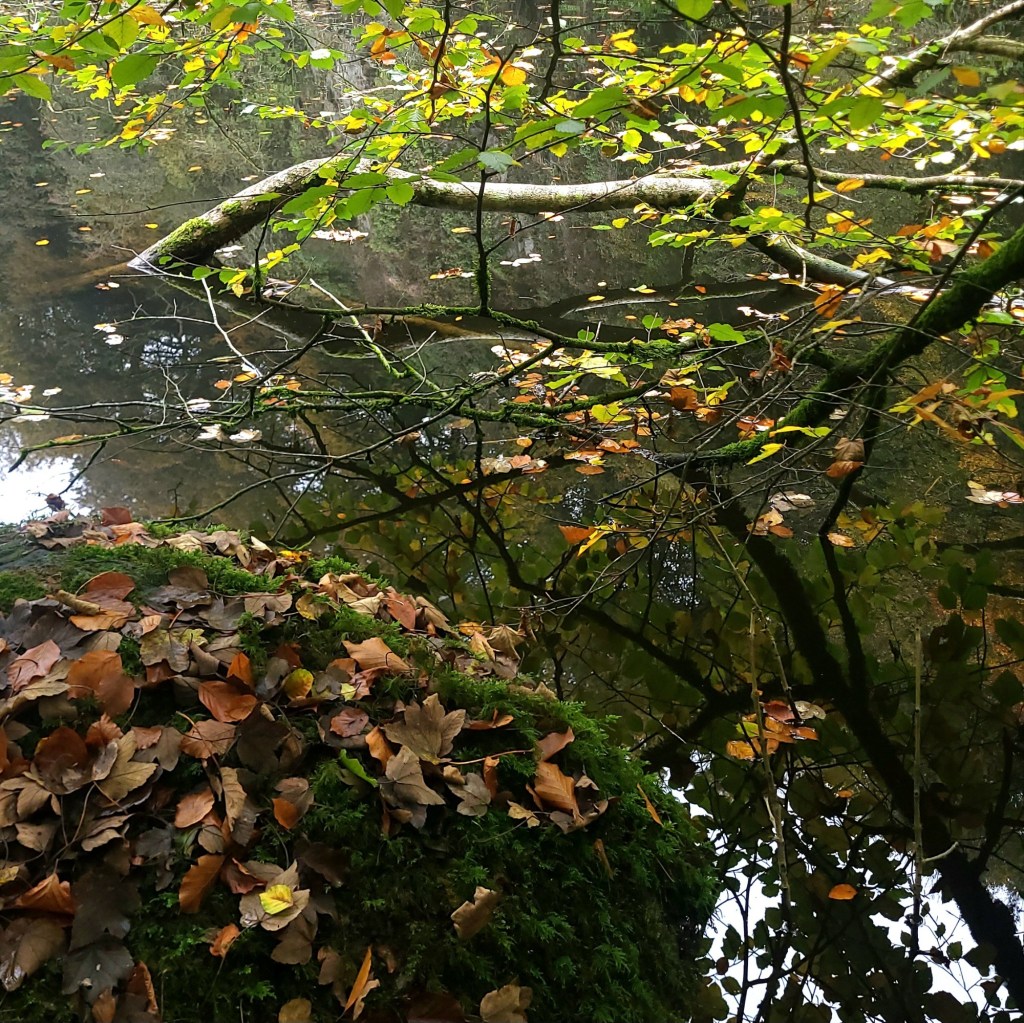
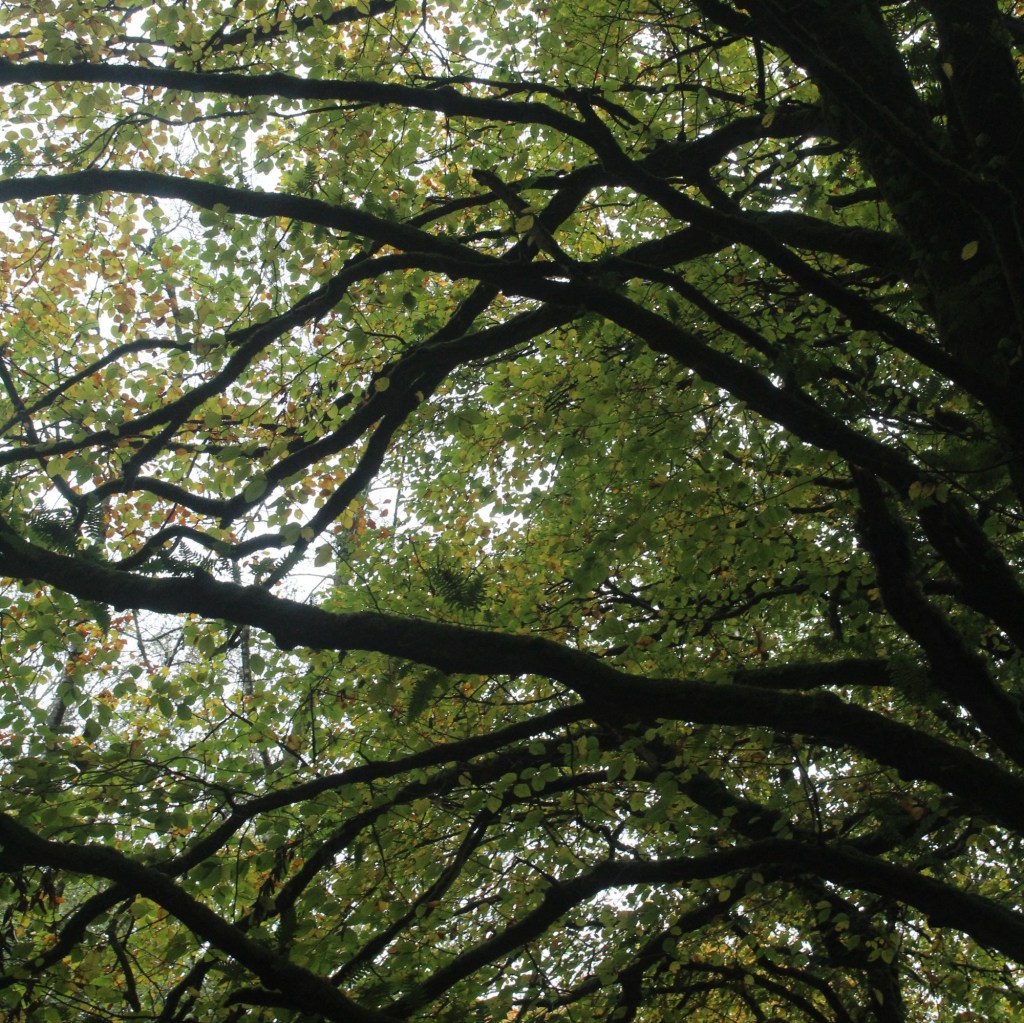
    The woods inhale. Slowly, deeply. Each leaf a lung, each branch an artery of light.

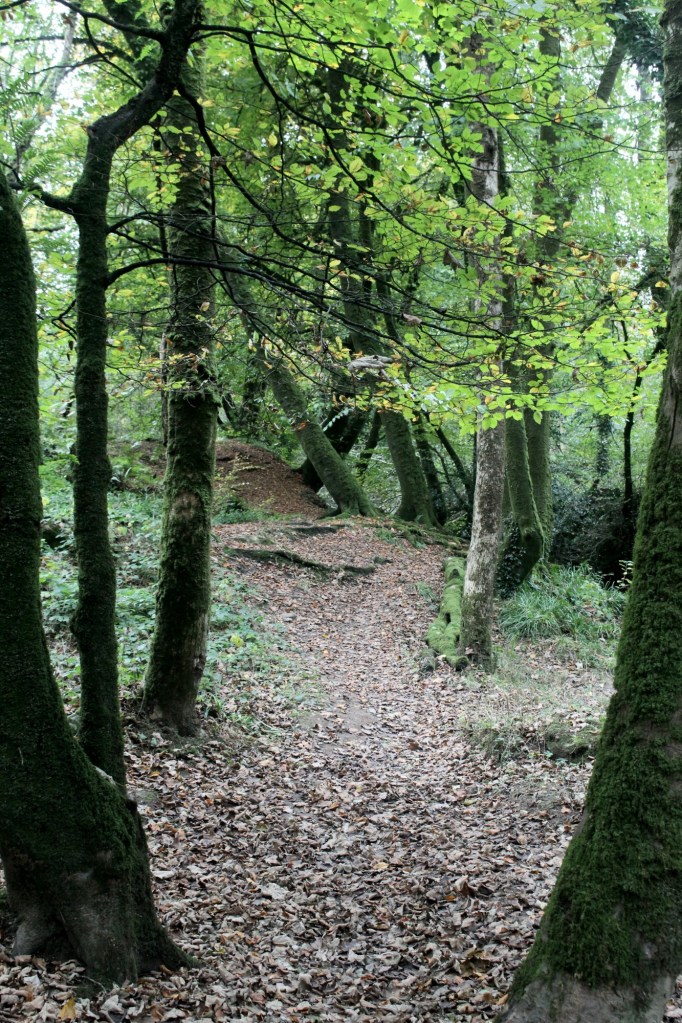
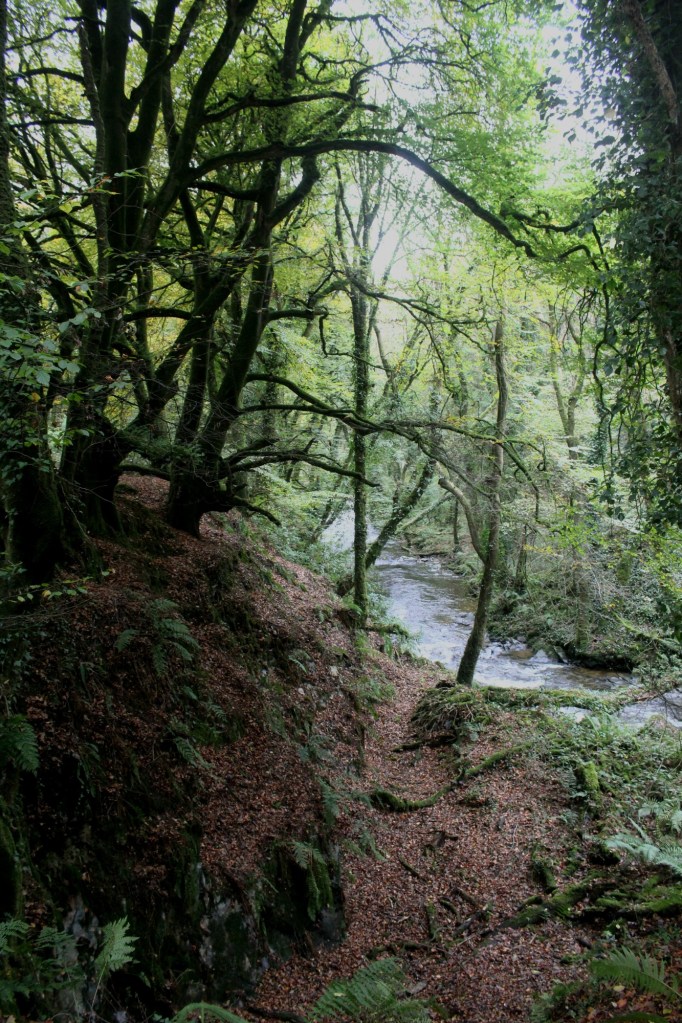
    Step by step, the path unfolds—not beneath feet, but through the mind. The crunch of amber leaves speaks in whispers: “transformation, transformation”. What was green becomes gold becomes earth. The cycle turns, horizon meeting horizon, the forest crossing itself in patterns older than names.


    Touch the bark—cool, ridged, alive. The tree holds memory in its rings, seasons stacked like heartbeats. Moss cushions the northern side, soft as thought, damp as morning. The air moves crisp against skin, carrying secrets: the musk of decay, the sharp sweetness of pine, the mineral breath of soil awakening to its work.


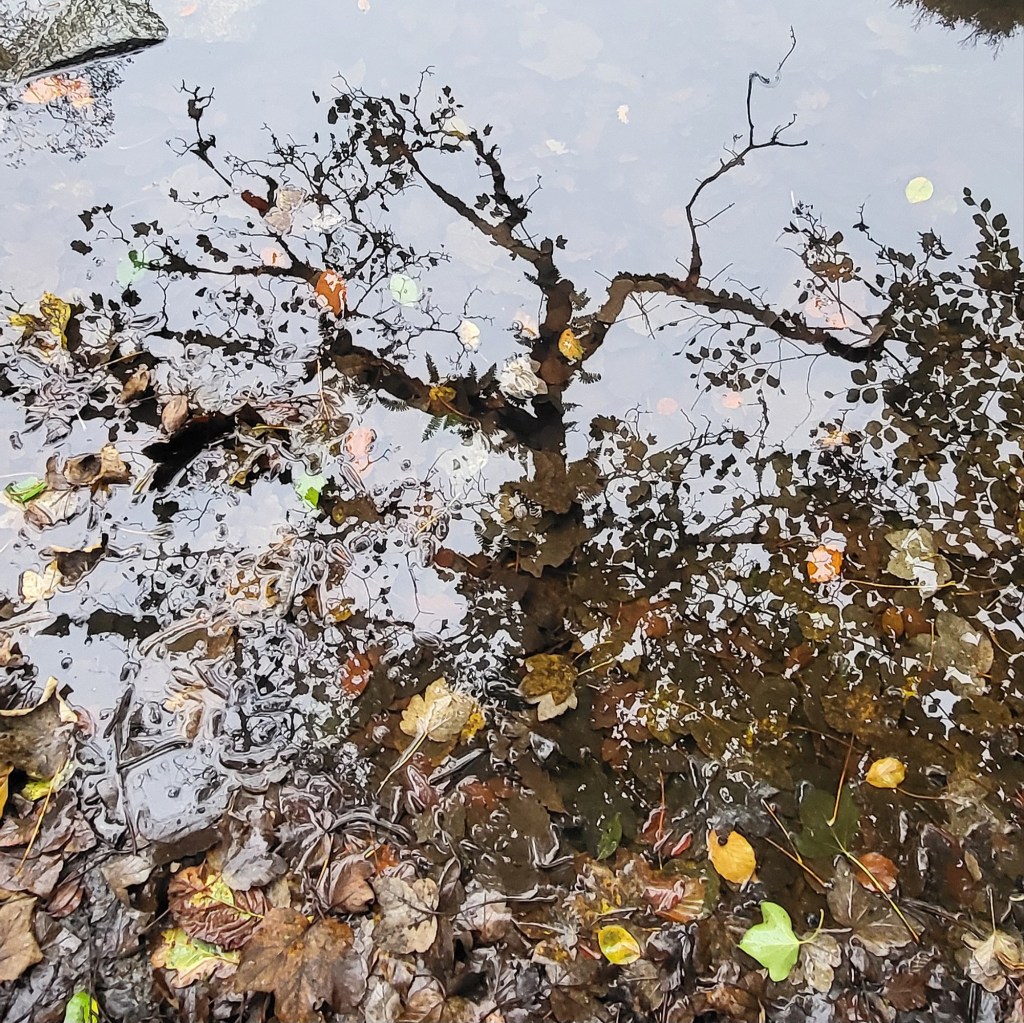
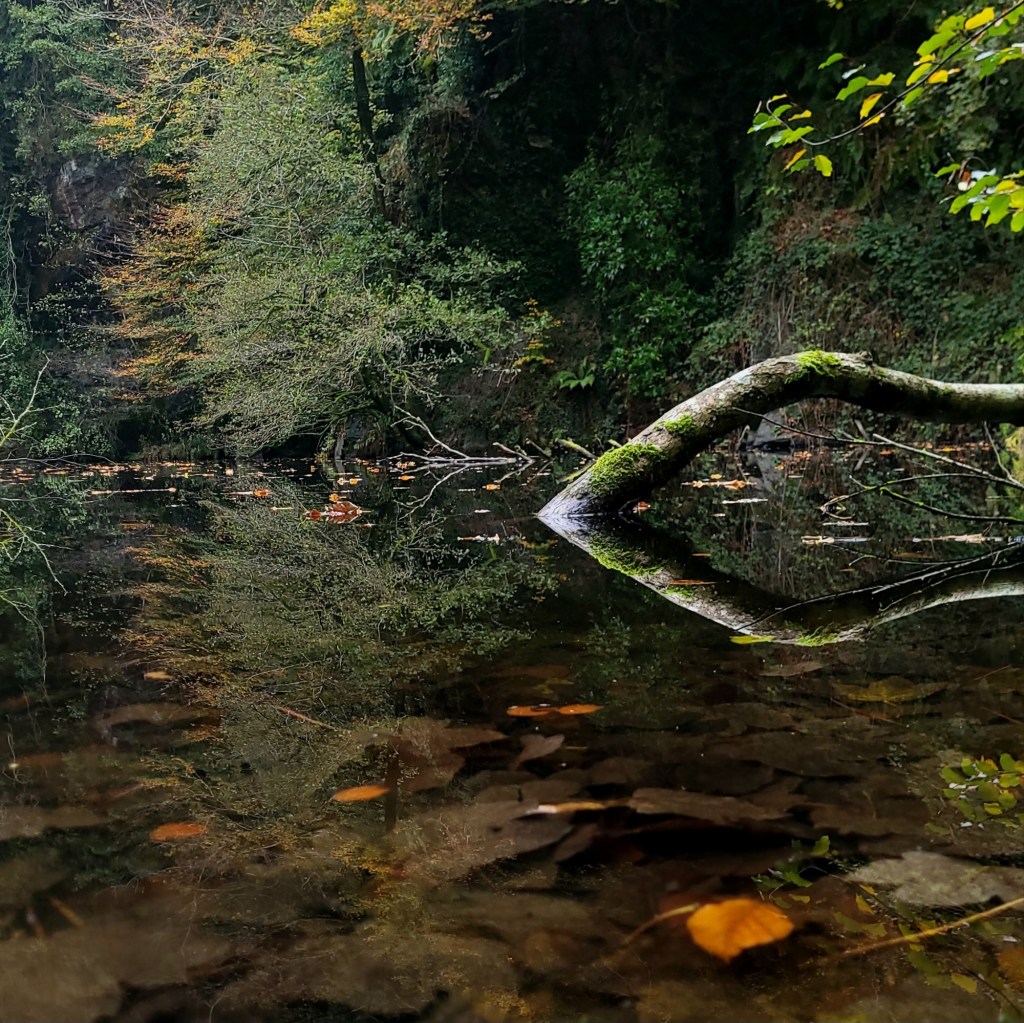
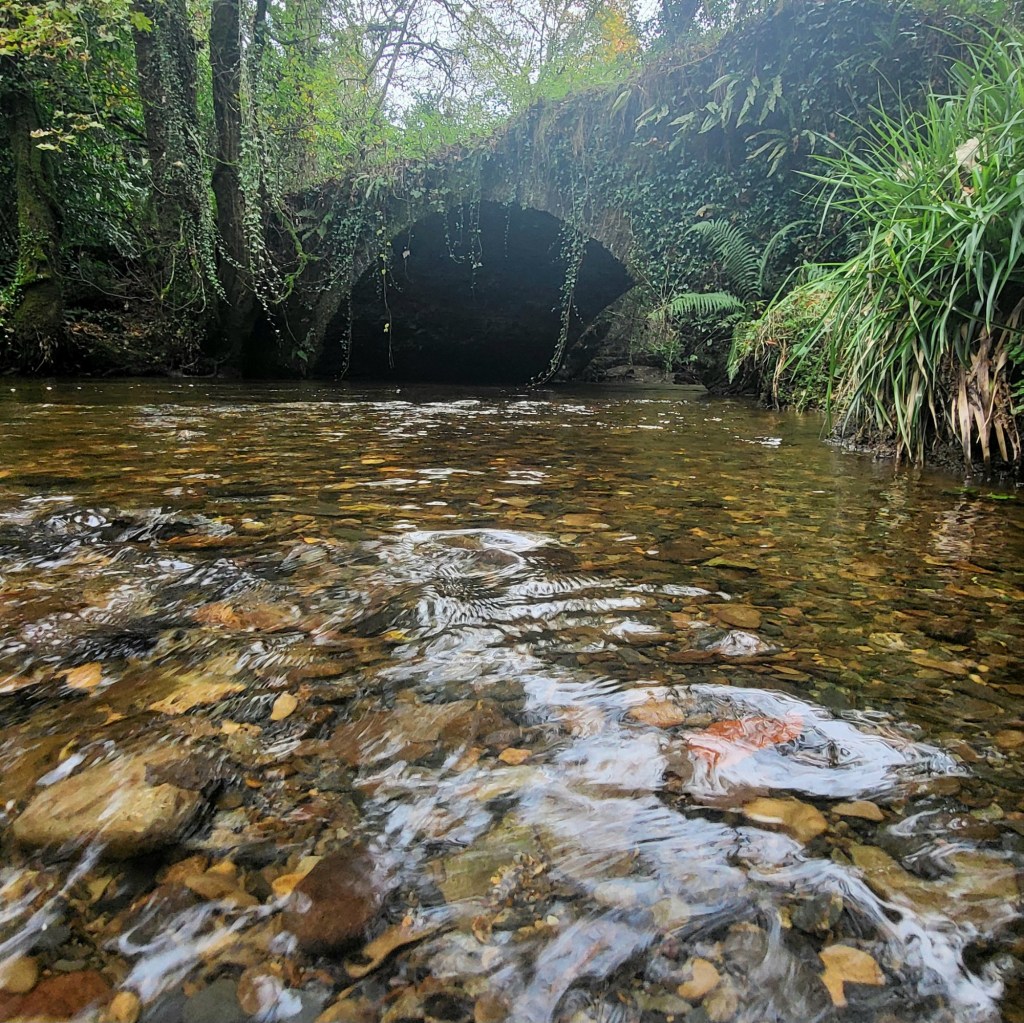
    There, in the still pool, the forest contemplates itself. Trees lean down to meet their reflections, the boundary between earth and water dissolving. Sky trapped in mud. The axis flips—which world is real? Both. Neither. The forest mind reflects the forest heart.


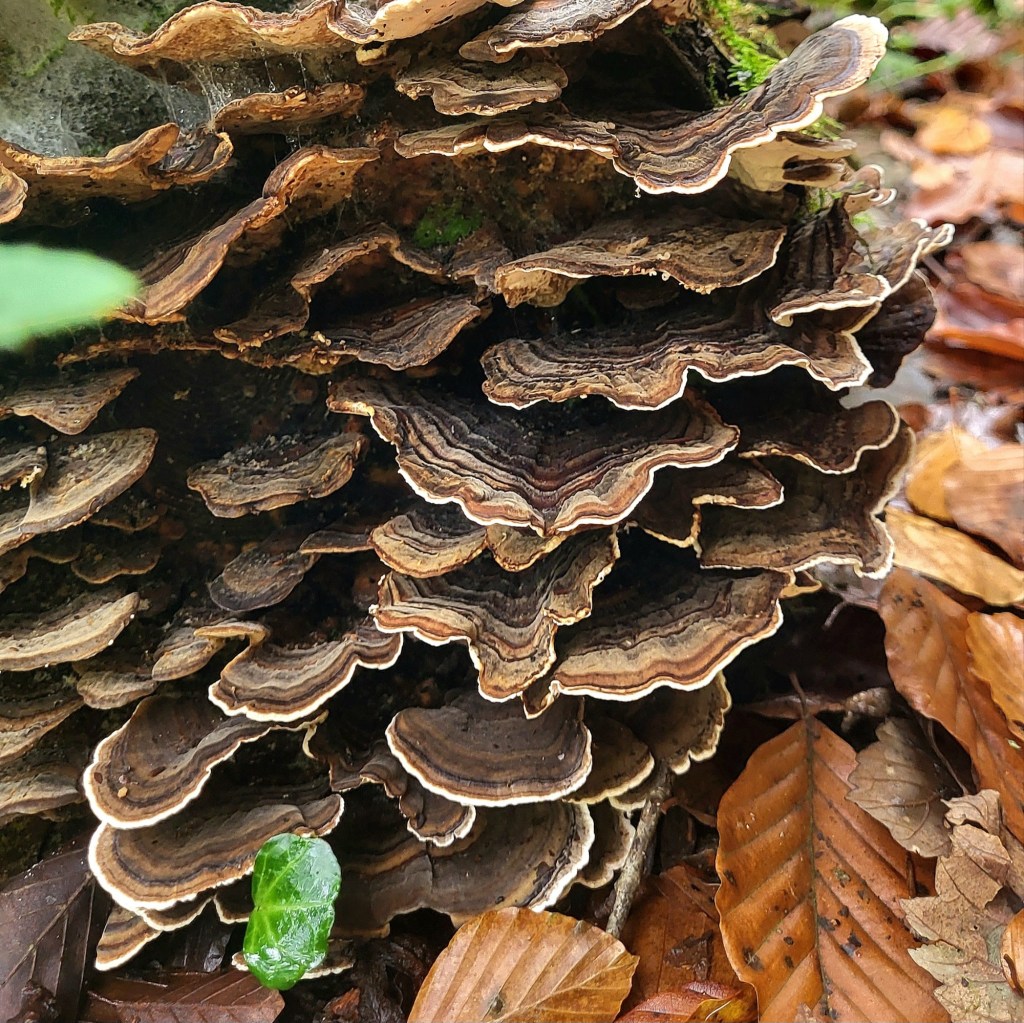
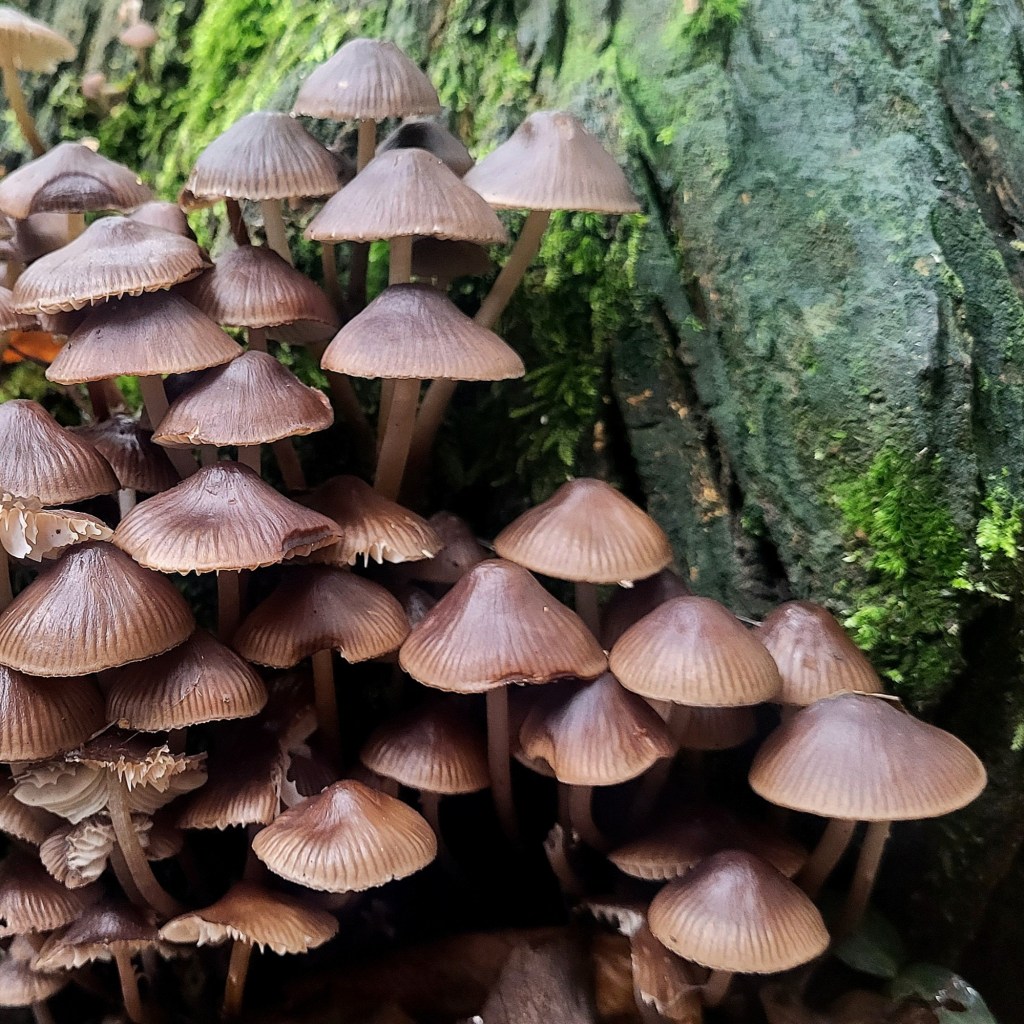
    And here: fungi bloom like thoughts made solid. They are the forest’s silent machinery, the power beneath beauty, translating death into tomorrow. Delicate as moonlight, strong as hunger, they remind us that darkness feeds the light. Every shadow contains its own illumination.


    The wind rustles—not through leaves, but through understanding. Nature’s great work continues, patient and relentless. Stand still. Listen. The woods are showing you the difference between today and tomorrow: one breath, one transformation, one step deeper into the beautiful, breathing mind of autumn.


    If you find my photography or my writing inspiring and uplifting, consider supporting what I do. Buy me a coffee on Ko-fi.
    Your support makes a difference in my life and helps me create more of what you, and I, like. Thank you!
    Tap here for a list of 100 endangered animals and plants.

    100 endangered plant and animal species

    * Abies beshanzuensis (Baishan fir) – Plant (Tree) – Baishanzu Mountain, Zhejiang, China – Three mature individuals

    * Actinote zikani – Insect (butterfly) – Near São Paulo, Atlantic forest, Brazil – Unknown numbers

    * Aipysurus foliosquama (Leaf scaled sea-snake) – Reptile – Ashmore Reef and Hibernia Reef, Timor Sea – Unknown numbers * Amanipodagrion gilliesi (Amani flatwing) – Insect (damselfly) – Amani-Sigi Forest, Usamabara Mountains, Tanzania – < 500 individuals * Antisolabis seychellensis – Insect – Morne Blanc, Mahé island, Seychelles – Unknown numbers * Antilophia bokermanni (Araripe manakin) – Bird – Chapado do Araripe, South Ceará, Brazil – 779 individuals * Aphanius transgrediens (Aci Göl toothcarp) – Fish – south-eastern shore of former Lake Aci, Turkey – Few hundred pairs * Aproteles bulmerae (Bulmer’s fruit bat) – Mammal – Luplupwintern Cave, Western Province, Papua New Guinea – 150 * Ardea insignis (White bellied heron) – Bird – Bhutan, North East India and Myanmar – 70–400 individuals * Ardeotis nigriceps (Great Indian bustard) – Bird – Rajasthan, Gujarat, Maharashtra, Andhra Pradesh, Karnataka and Madhya, India – 50–249 mature individuals * Astrochelys yniphora (Ploughshare tortoise) – Reptile – Baly Bay region, northwestern Madagascar – 440–770 * Atelopus balios (Rio Pescado stubfoot toad) – Amphibian – Azuay, Cañar and Guyas provinces, south-western Ecuador – Unknown numbers * Aythya innotata (Madagascar pochard) – Bird – volcanic lakes north of Bealanana, Madagascar – 80 mature individuals * Azurina eupalama (Galapagos damsel fish) – Fish – Unknown numbers – Unknown numbers * Bahaba taipingensis (Giant yellow croaker) – Fish – Chinese coast from Yangtze River, China to Hong Kong – Unknown numbers * Batagur baska (Common batagur) – Reptile (turtle) – Bangladesh, Cambodia, India, Indonesia and Malaysia – Unknown numbers * Bazzania bhutanica – Plant – Budini and Lafeti Khola, Bhutan – 2 sub-populations * Beatragus hunteri (Hirola) – Mammal (antelope) – South-east Kenya and possibly south-west Somalia – < 1,000 individuals * Bombus franklini (Franklin’s bumblebee) – Insect (bee) – Oregon and California – Unknown numbers * Brachyteles hypoxanthus (Northern muriqui / Woolly spider monkey) – Mammal (primate) – Atlantic forest, south-eastern Brazil – < 1,000 * Bradypus pygmaeus (Pygmy three-toed sloth) – Mammal – Isla Escudo de Veraguas, Panama – < 500 * Callitriche pulchra – Plant (freshwater) – pool on Gavdos, Greece – Unknown numbers * Calumma tarzan (Tarzan’s chameleon) – Reptile – Anosibe An’Ala region, eastern Madagascar – < 100 * Cavia intermedia (Santa Catarina’s guinea pig) – Mammal (rodent) – Moleques do Sul Island, Santa Catarina, Brazil – 40–60 * Cercopithecus roloway (Roloway guenon) – Mammal (primate) – Côte d’Ivoire – Unknown numbers * Coleura seychellensis (Seychelles sheath-tailed bat) – Mammal (bat) – Two small caves on Silhouette and Mahé, Seychelles – < 100 * Cryptomyces maximus (Willow blister) – Fungi – Pembrokeshire, United Kingdom – Unknown numbers * Cryptotis nelsoni (Nelson’s small-eared shrew) – Mammal (shrew) – Volcán San Martín Tuxtla, Veracruz, Mexico – Unknown numbers * Cyclura collei (Jamaican iguana / Jamaican rock iguana) – Reptile – Hellshire Hills, Jamaica – Unknown numbers * Daubentonia madagascariensis (Aye-aye) – Mammal (primate) – Deciduous forest, East Madagascar – Unknown numbers * Dendrophylax fawcettii (Cayman Islands ghost orchid) – Plant (orchid) – Ironwood Forest, George Town, Grand Cayman – Unknown numbers * Dicerorhinus sumatrensis (Sumatran rhino) – Mammal (rhino) – Sabah, Sarawak and Peninsular Malaysia, Kalimantan and Sumatra, Indonesia – < 100 (more recent estimates suggest 34-47) * Diomedea amsterdamensis (Amsterdam albatross) – Bird – Breeds on Plateuau des Tourbières, Amsterdam Island, Indian Ocean. – 100 mature individuals * Dioscorea strydomiana (Wild yam) – Plant – Oshoek area, Mpumalanga, South Africa – 200 * Diospyros katendei – Plant (tree) – Kasyoha-Kitomi Forest Reserve, Uganda – 20 individuals in a single population * Dipterocarpus lamellatus – Plant (tree) – Siangau Forest Reserve, Sabah, Malaysia – 12 individuals * Discoglossus nigriventer (Hula painted frog) – Amphibian – Hula Valley, Israel – Unknown numbers * Dombeya mauritiana – Plant – Mauritius – Unknown numbers * Elaeocarpus bojeri (Bois Dentelle) – Plant (tree) – Grand Bassin, Mauritius – < 10 individuals * Eleutherodactylus glandulifer (La Hotte glanded frog) – Amphibian – Massif de la Hotte, Haiti – Unknown numbers * Eleutherodactylus thorectes (Macaya breast-spot frog) – Amphibian – Formon and Macaya peaks, Masif de la Hotte, Haiti – Unknown numbers * Eriosyce chilensis (Chilenito (cactus)) – Plant – Pta Molles and Pichidungui, Chile – < 500 individuals * Erythrina schliebenii (Coral tree) – Plant – Namatimbili-Ngarama Forest, Tanzania – < 50 individuals * Euphorbia tanaensis – Plant (tree) – Witu Forest Reserve, Kenya – 4 mature individuals * Eurynorhyncus pygmeus (Spoon-billed sandpiper) – Bird – Breeds in Russia, migrates along the East Asian-Australasian Flyway to wintering grounds in India, Bangladesh and Myanmar – 100 breeding pairs * Ficus katendei – Plant – Kasyoha-Kitomi Forest Reserve, Ishasha River, Uganda – < 50 mature individuals * Geronticus eremita (Northern bald ibis) – Bird – Breeds in Morocco, Turkey and Syria. Syrian population winters in central Ethiopia. – About 3000 individuals * Gigasiphon macrosiphon – Plant (flower) – Kaya Muhaka, Gongoni and Mrima Forest Reserves, Kenya, Amani Nature Reserve, West Kilombero Scarp Forest Reserve, and Kihansi Gorge, Tanzania – 33 * Gocea ohridana – Mollusc – Lake Ohrid, Macedonia – Unknown numbers * Heleophryne rosei (Table mountain ghost frog) – Amphibian – Table Mountain, Western Cape Province, South Africa – Unknown numbers * Hemicycla paeteliana – Mollusc (land snail) – Jandia peninsula, Fuerteventura, Canary Islands – Unknown numbers * Heteromirafa sidamoensis (Liben lark) – Bird – Liben Plains, southern Ethiopia – 90–256 * Hibiscadelphus woodii – Plant (tree) – Kalalau Valley, Hawaii – Unknown numbers * Hucho perryi (Sakhalin taimen) – Fish – Russian and Japanese rivers, Pacific Ocean between Russia and Japan – Unknown numbers * Johora singaporensis (Singapore freshwater crab) – Crustacean – Bukit Timah Nature Reserve and streamlet near Bukit Batok, Singapore – Unknown numbers * Lathyrus belinensis (Belin vetchling) – Plant – Outskirts of Belin village, Antalya, Turkey – < 1,000 * Leiopelma archeyi (Archey’s frog) – Amphibian – Coromandel peninsula and Whareorino Forest, New Zealand – Unknown numbers * Lithobates sevosus (Dusky gopher frog) – Amphibian – Harrison County, Mississippi, USA – 60–100 * Lophura edwardsi (Edwards’s pheasant) – Bird – Quang Binh, Quang Tri and Thua Thien-Hue, Viet Nam – Unknown numbers * Magnolia wolfii – Plant (tree) – Risaralda, Colombia – 3 * Margaritifera marocana – Mollusc – Oued Denna, Oued Abid and Oued Beth, Morocco – < 250 * Moominia willii – Mollusc (snail) – Silhouette Island, Seychelles – < 500 * Natalus primus (Cuban greater funnel eared bat) – Mammal (bat) – Cueva La Barca, Isle of Pines, Cuba – < 100 * Nepenthes attenboroughii (Attenborough’s pitcher plant) – Plant – Mount Victoria, Palawan, Philippines – Unknown numbers * Nomascus hainanus (Hainan black crested gibbon) – Mammal (primate) – Hainan Island, China – 20 * Neurergus kaiseri (Luristan newt) – Amphibian – Zagros Mountains, Lorestan, Iran – < 1,000 * Oreocnemis phoenix (Mulanje red damsel) – Insect (damselfly) – Mulanje Plateau, Malawi – Unknown numbers * Pangasius sanitwongsei (Pangasid catfish) – Fish – Chao Phraya and Mekong basins in Cambodia, China, Lao PDR, Thailand and Viet Nam – Unknown numbers * Parides burchellanus – Insect (butterfly) – Cerrado, Brazil – < 100 * Phocoena sinus (Vaquita) – Mammal (porpoise) – Northern Gulf of California, Mexico – 12 * Picea neoveitchii (Type of spruce tree) – Plant (tree) – Qinling Range, China – Unknown numbers * Pinus squamata (Qiaojia pine) – Plant (tree) – Qiaojia, Yunnan, China – < 25 * Poecilotheria metallica (Gooty tarantula / Metallic tarantula / Peacock tarantula / Salepurgu) – Spider – Nandyal and Giddalur, Andhra Pradesh, India – Unknown numbers * Pomarea whitneyi (Fatuhiva monarch) – Bird – Fatu Hiva, Marquesas Islands, French Polynesia – 50 * Pristis pristis (Common sawfish) – Fish – Coastal tropical and subtropical waters of Indo-Pacific and Atlantic Oceans. Currently largely restricted to northern Australia – Unknown numbers * Hapalemur simus (Greater bamboo lemur) – Mammal (primate) – Southeastern and southcentral rainforests of Madagascar – 500 * Propithecus candidus (Silky sifaka) – Mammal (primate) – Maroantsetra to Andapa basin, and Marojeju Massif, Madagascar – 100–1,000 * Psammobates geometricus (Geometric tortoise) – Reptile – Western Cape Province, South Africa – Unknown numbers * Pseudoryx nghetinhensis (Saola) – Mammal – Annamite mountains, on the Viet Nam – PDR Laos border – Unknown numbers * Psiadia cataractae – Plant – Mauritius – Unknown numbers * Psorodonotus ebneri (Beydaglari bush-cricket) – Insect – Beydaglari range, Antalaya, Turkey – Unknown numbers * Rafetus swinhoei (Red River giant softshell turtle) – Reptile – Hoan Kiem Lake and Dong Mo Lake, Viet Nam, and Suzhou Zoo, China – 3 * Rhinoceros sondaicus (Javan rhino) – Mammal (rhino) – Ujung Kulon National Park, Java, Indonesia – < 100 * Rhinopithecus avunculus (Tonkin snub-nosed monkey) – Mammal (primate) – Northeastern Vietnam – < 200 * Rhizanthella gardneri (West Australian underground orchid) – Plant (orchid) – Western Australia, Australia – < 100 * Rhynchocyon spp. (Boni giant sengi) – Mammal – Boni-Dodori Forest, Lamu area, Kenya – Unknown numbers * Risiocnemis seidenschwarzi (Cebu frill-wing) – Insect (damselfly) – Rivulet beside the Kawasan River, Cebu, Philippines – Unknown numbers * Rosa arabica – Plant – St Katherine Mountains, Egypt – Unknown numbers, 10 sub-populations * Salanoia durrelli (Durrell’s vontsira) – Mammal (mongoose) – Marshes of Lake Alaotra, Madagascar – Unknown numbers * Santamartamys rufodorsalis (Red crested tree rat) – Mammal (rodent) – Sierra Nevada de Santa Marta, Colombia – Unknown numbers * Scaturiginichthys vermeilipinnis (Red-finned blue-eye) – Fish – Edgbaston Station, central western Queensland, Australia – 2,000–4,000 * Squatina squatina (Angel shark) – Fish – Canary Islands – Unknown numbers * Sterna bernsteini (Chinese crested tern) – Bird – Breeding in Zhejiang and Fujian, China. Outside breeding season in Indonesia, Malaysia, Philippines, Taiwan, Thailand. – < 50 * Syngnathus watermeyeri (Estuarine pipefish) – Fish – Kariega Estuary to East Kleinemonde Estuary, Eastern Cape Province, South Africa – Unknown numbers * Tahina spectabilis (Suicide palm / Dimaka) – Plant – Analalava district, north-western Madagascar – 90 * Telmatobufo bullocki (Bullock’s false toad) – Amphibian (frog) – Nahuelbuta, Arauco Province, Chile – Unknown numbers * Tokudaia muenninki (Okinawa spiny rat) – Mammal (rodent) – Okinawa Island, Japan – Unknown numbers * Trigonostigma somphongsi (Somphongs’s rasbora) – Fish – Mae Khlong basin, Thailand – Unknown numbers * Valencia letourneuxi – Fish – Southern Albania and Western Greece – Unknown numbers * Voanioala gerardii (Forest coconut) – Plant – Masoala peninsula, Madagascar – < 10 * Zaglossus attenboroughi (Attenborough’s echidna) – Mammal – Cyclops Mountains, Papua Province, Indonesia – Unknown numbers

    Tap to view my redbubble gallery.
  • Tenby: A Kaleidoscope of Charm on the Welsh Coast

    Tenby: A Kaleidoscope of Charm on the Welsh Coast

    Tenby
    Watercolour Softness

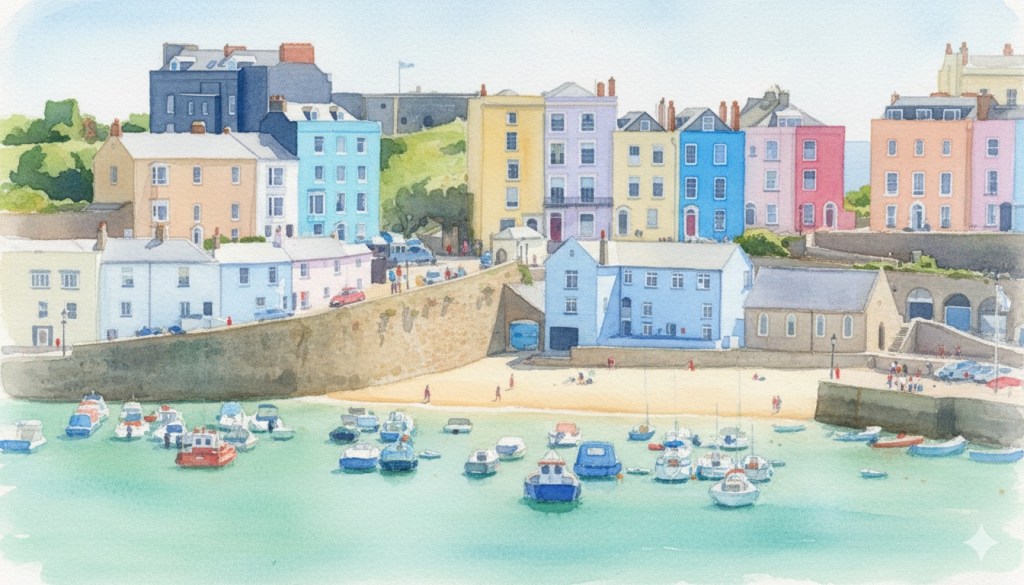
    If you’re dreaming of a coastal escape that blends historic charm with vibrant seaside life, look no further than Tenby. Nestled on the Pembrokeshire coast in Wales, this walled town is an absolute gem, captivating visitors with its stunning beaches, ancient fortifications, and that truly iconic harbour scene. Just look at it! The colourful Georgian and Victorian houses tumbling down to the bustling harbour are a sight to behold. It’s like something straight out of a postcard, or perhaps a particularly delightful watercolour.

    What Makes Tenby So Irresistible?
    The Colourful Harbour: As our image beautifully demonstrates, Tenby’s harbour is its beating heart and most recognisable feature. On a sunny day, the brightly painted houses reflect in the calm waters, where a flotilla of boats bobs gently. It’s the perfect spot for an ice cream, a seafood lunch, or simply to sit and soak in the atmosphere and sun.

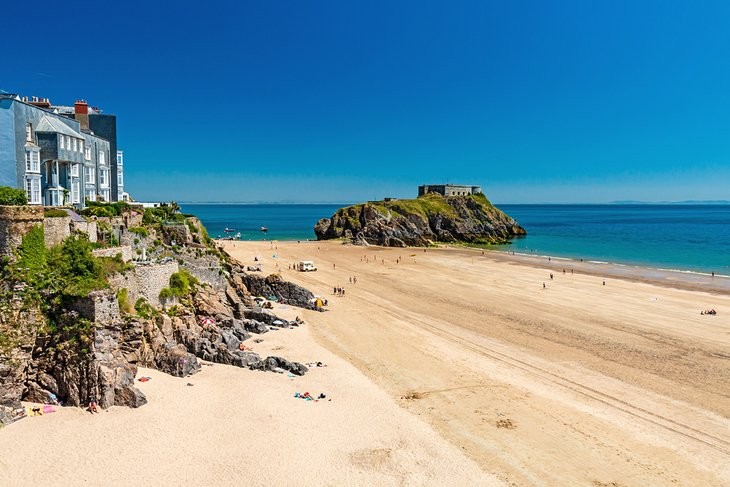
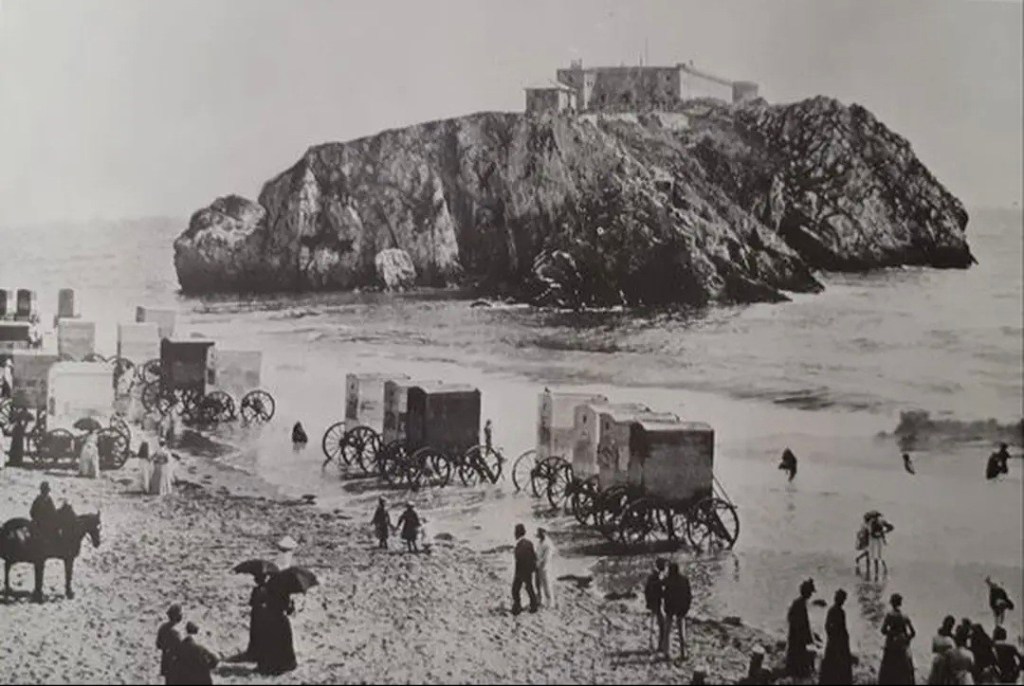
    Golden Sands & Blue Flag Beaches: Tenby boasts not one, but four incredible beaches. North Beach, South Beach, Castle Beach and Harbour Beach all offer pristine sands and crystal-clear waters, ideal for swimming, sunbathing, or building sandcastles. Castle Beach, in particular, with St. Catherine’s Island just offshore, feels like a scene from an adventure novel.

    St. Catherine’s Island
    St. Catherine’s Island 1895

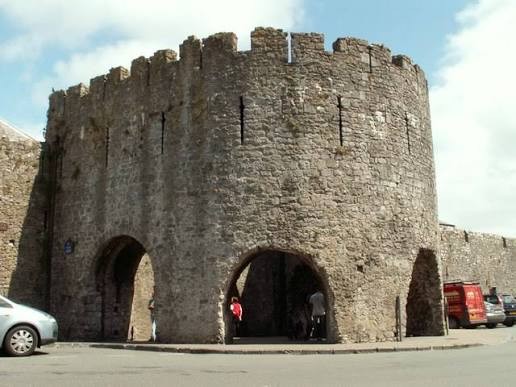
    A Rich History Within Ancient Walls: Step away from the beaches and you’re transported back in time. Tenby is one of the few remaining walled towns in the UK, and you can still walk along parts of its medieval walls. Explore the narrow, winding streets, discover independent shops, and imagine life within these protective ramparts centuries ago. Don’t miss Tenby Castle ruins on Castle Hill for panoramic views.

    Tenby’s Five Arches in the old wall.

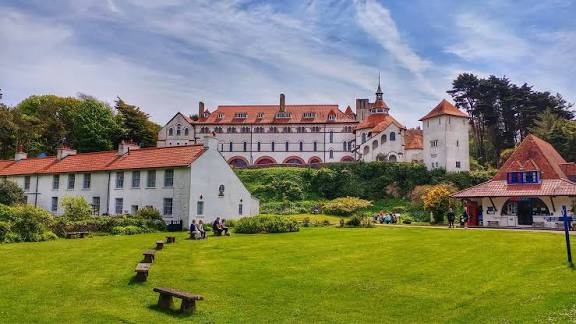
    Island Adventures: From the harbour, you can catch a boat trip to Caldey Island, a tranquil monastic island just a short distance away. Home to Cistercian monks, it offers a unique opportunity to experience peace and solitude, explore beautiful coves, and even buy some of their famous Caldey Island perfume or chocolate.

    Caldey Island Abbey

    Foodie Delights: Being a fishing town, it’s no surprise that Tenby serves up some fantastic fresh seafood. From casual fish and chips by the sea to upscale dining experiences, there’s something to tantalise every taste bud. And of course, no Welsh holiday is complete without trying a traditional Welsh cake!

    Whether you’re looking for an active holiday filled with watersports and coastal walks along the Pembrokeshire Coast Path, or a relaxing break soaking up the charm and history, Tenby delivers. It’s a town that truly has it all – vibrant colours, golden beaches, and a welcoming atmosphere that will make you want to return again and again.


    Have you visited Tenby? What was your favourite part?

    If you find my photography or my writing inspiring and uplifting, consider supporting what I do. Buy me a coffee on Ko-fi.
    Your support makes a difference in my life and helps me create more of what you, and I, like. Thank you!
    Tap here for a list of 100 endangered animals and plants.

    100 endangered plant and animal species

    * Abies beshanzuensis (Baishan fir) – Plant (Tree) – Baishanzu Mountain, Zhejiang, China – Three mature individuals

    * Actinote zikani – Insect (butterfly) – Near São Paulo, Atlantic forest, Brazil – Unknown numbers

    * Aipysurus foliosquama (Leaf scaled sea-snake) – Reptile – Ashmore Reef and Hibernia Reef, Timor Sea – Unknown numbers * Amanipodagrion gilliesi (Amani flatwing) – Insect (damselfly) – Amani-Sigi Forest, Usamabara Mountains, Tanzania – < 500 individuals * Antisolabis seychellensis – Insect – Morne Blanc, Mahé island, Seychelles – Unknown numbers * Antilophia bokermanni (Araripe manakin) – Bird – Chapado do Araripe, South Ceará, Brazil – 779 individuals * Aphanius transgrediens (Aci Göl toothcarp) – Fish – south-eastern shore of former Lake Aci, Turkey – Few hundred pairs * Aproteles bulmerae (Bulmer’s fruit bat) – Mammal – Luplupwintern Cave, Western Province, Papua New Guinea – 150 * Ardea insignis (White bellied heron) – Bird – Bhutan, North East India and Myanmar – 70–400 individuals * Ardeotis nigriceps (Great Indian bustard) – Bird – Rajasthan, Gujarat, Maharashtra, Andhra Pradesh, Karnataka and Madhya, India – 50–249 mature individuals * Astrochelys yniphora (Ploughshare tortoise) – Reptile – Baly Bay region, northwestern Madagascar – 440–770 * Atelopus balios (Rio Pescado stubfoot toad) – Amphibian – Azuay, Cañar and Guyas provinces, south-western Ecuador – Unknown numbers * Aythya innotata (Madagascar pochard) – Bird – volcanic lakes north of Bealanana, Madagascar – 80 mature individuals * Azurina eupalama (Galapagos damsel fish) – Fish – Unknown numbers – Unknown numbers * Bahaba taipingensis (Giant yellow croaker) – Fish – Chinese coast from Yangtze River, China to Hong Kong – Unknown numbers * Batagur baska (Common batagur) – Reptile (turtle) – Bangladesh, Cambodia, India, Indonesia and Malaysia – Unknown numbers * Bazzania bhutanica – Plant – Budini and Lafeti Khola, Bhutan – 2 sub-populations * Beatragus hunteri (Hirola) – Mammal (antelope) – South-east Kenya and possibly south-west Somalia – < 1,000 individuals * Bombus franklini (Franklin’s bumblebee) – Insect (bee) – Oregon and California – Unknown numbers * Brachyteles hypoxanthus (Northern muriqui / Woolly spider monkey) – Mammal (primate) – Atlantic forest, south-eastern Brazil – < 1,000 * Bradypus pygmaeus (Pygmy three-toed sloth) – Mammal – Isla Escudo de Veraguas, Panama – < 500 * Callitriche pulchra – Plant (freshwater) – pool on Gavdos, Greece – Unknown numbers * Calumma tarzan (Tarzan’s chameleon) – Reptile – Anosibe An’Ala region, eastern Madagascar – < 100 * Cavia intermedia (Santa Catarina’s guinea pig) – Mammal (rodent) – Moleques do Sul Island, Santa Catarina, Brazil – 40–60 * Cercopithecus roloway (Roloway guenon) – Mammal (primate) – Côte d’Ivoire – Unknown numbers * Coleura seychellensis (Seychelles sheath-tailed bat) – Mammal (bat) – Two small caves on Silhouette and Mahé, Seychelles – < 100 * Cryptomyces maximus (Willow blister) – Fungi – Pembrokeshire, United Kingdom – Unknown numbers * Cryptotis nelsoni (Nelson’s small-eared shrew) – Mammal (shrew) – Volcán San Martín Tuxtla, Veracruz, Mexico – Unknown numbers * Cyclura collei (Jamaican iguana / Jamaican rock iguana) – Reptile – Hellshire Hills, Jamaica – Unknown numbers * Daubentonia madagascariensis (Aye-aye) – Mammal (primate) – Deciduous forest, East Madagascar – Unknown numbers * Dendrophylax fawcettii (Cayman Islands ghost orchid) – Plant (orchid) – Ironwood Forest, George Town, Grand Cayman – Unknown numbers * Dicerorhinus sumatrensis (Sumatran rhino) – Mammal (rhino) – Sabah, Sarawak and Peninsular Malaysia, Kalimantan and Sumatra, Indonesia – < 100 (more recent estimates suggest 34-47) * Diomedea amsterdamensis (Amsterdam albatross) – Bird – Breeds on Plateuau des Tourbières, Amsterdam Island, Indian Ocean. – 100 mature individuals * Dioscorea strydomiana (Wild yam) – Plant – Oshoek area, Mpumalanga, South Africa – 200 * Diospyros katendei – Plant (tree) – Kasyoha-Kitomi Forest Reserve, Uganda – 20 individuals in a single population * Dipterocarpus lamellatus – Plant (tree) – Siangau Forest Reserve, Sabah, Malaysia – 12 individuals * Discoglossus nigriventer (Hula painted frog) – Amphibian – Hula Valley, Israel – Unknown numbers * Dombeya mauritiana – Plant – Mauritius – Unknown numbers * Elaeocarpus bojeri (Bois Dentelle) – Plant (tree) – Grand Bassin, Mauritius – < 10 individuals * Eleutherodactylus glandulifer (La Hotte glanded frog) – Amphibian – Massif de la Hotte, Haiti – Unknown numbers * Eleutherodactylus thorectes (Macaya breast-spot frog) – Amphibian – Formon and Macaya peaks, Masif de la Hotte, Haiti – Unknown numbers * Eriosyce chilensis (Chilenito (cactus)) – Plant – Pta Molles and Pichidungui, Chile – < 500 individuals * Erythrina schliebenii (Coral tree) – Plant – Namatimbili-Ngarama Forest, Tanzania – < 50 individuals * Euphorbia tanaensis – Plant (tree) – Witu Forest Reserve, Kenya – 4 mature individuals * Eurynorhyncus pygmeus (Spoon-billed sandpiper) – Bird – Breeds in Russia, migrates along the East Asian-Australasian Flyway to wintering grounds in India, Bangladesh and Myanmar – 100 breeding pairs * Ficus katendei – Plant – Kasyoha-Kitomi Forest Reserve, Ishasha River, Uganda – < 50 mature individuals * Geronticus eremita (Northern bald ibis) – Bird – Breeds in Morocco, Turkey and Syria. Syrian population winters in central Ethiopia. – About 3000 individuals * Gigasiphon macrosiphon – Plant (flower) – Kaya Muhaka, Gongoni and Mrima Forest Reserves, Kenya, Amani Nature Reserve, West Kilombero Scarp Forest Reserve, and Kihansi Gorge, Tanzania – 33 * Gocea ohridana – Mollusc – Lake Ohrid, Macedonia – Unknown numbers * Heleophryne rosei (Table mountain ghost frog) – Amphibian – Table Mountain, Western Cape Province, South Africa – Unknown numbers * Hemicycla paeteliana – Mollusc (land snail) – Jandia peninsula, Fuerteventura, Canary Islands – Unknown numbers * Heteromirafa sidamoensis (Liben lark) – Bird – Liben Plains, southern Ethiopia – 90–256 * Hibiscadelphus woodii – Plant (tree) – Kalalau Valley, Hawaii – Unknown numbers * Hucho perryi (Sakhalin taimen) – Fish – Russian and Japanese rivers, Pacific Ocean between Russia and Japan – Unknown numbers * Johora singaporensis (Singapore freshwater crab) – Crustacean – Bukit Timah Nature Reserve and streamlet near Bukit Batok, Singapore – Unknown numbers * Lathyrus belinensis (Belin vetchling) – Plant – Outskirts of Belin village, Antalya, Turkey – < 1,000 * Leiopelma archeyi (Archey’s frog) – Amphibian – Coromandel peninsula and Whareorino Forest, New Zealand – Unknown numbers * Lithobates sevosus (Dusky gopher frog) – Amphibian – Harrison County, Mississippi, USA – 60–100 * Lophura edwardsi (Edwards’s pheasant) – Bird – Quang Binh, Quang Tri and Thua Thien-Hue, Viet Nam – Unknown numbers * Magnolia wolfii – Plant (tree) – Risaralda, Colombia – 3 * Margaritifera marocana – Mollusc – Oued Denna, Oued Abid and Oued Beth, Morocco – < 250 * Moominia willii – Mollusc (snail) – Silhouette Island, Seychelles – < 500 * Natalus primus (Cuban greater funnel eared bat) – Mammal (bat) – Cueva La Barca, Isle of Pines, Cuba – < 100 * Nepenthes attenboroughii (Attenborough’s pitcher plant) – Plant – Mount Victoria, Palawan, Philippines – Unknown numbers * Nomascus hainanus (Hainan black crested gibbon) – Mammal (primate) – Hainan Island, China – 20 * Neurergus kaiseri (Luristan newt) – Amphibian – Zagros Mountains, Lorestan, Iran – < 1,000 * Oreocnemis phoenix (Mulanje red damsel) – Insect (damselfly) – Mulanje Plateau, Malawi – Unknown numbers * Pangasius sanitwongsei (Pangasid catfish) – Fish – Chao Phraya and Mekong basins in Cambodia, China, Lao PDR, Thailand and Viet Nam – Unknown numbers * Parides burchellanus – Insect (butterfly) – Cerrado, Brazil – < 100 * Phocoena sinus (Vaquita) – Mammal (porpoise) – Northern Gulf of California, Mexico – 12 * Picea neoveitchii (Type of spruce tree) – Plant (tree) – Qinling Range, China – Unknown numbers * Pinus squamata (Qiaojia pine) – Plant (tree) – Qiaojia, Yunnan, China – < 25 * Poecilotheria metallica (Gooty tarantula / Metallic tarantula / Peacock tarantula / Salepurgu) – Spider – Nandyal and Giddalur, Andhra Pradesh, India – Unknown numbers * Pomarea whitneyi (Fatuhiva monarch) – Bird – Fatu Hiva, Marquesas Islands, French Polynesia – 50 * Pristis pristis (Common sawfish) – Fish – Coastal tropical and subtropical waters of Indo-Pacific and Atlantic Oceans. Currently largely restricted to northern Australia – Unknown numbers * Hapalemur simus (Greater bamboo lemur) – Mammal (primate) – Southeastern and southcentral rainforests of Madagascar – 500 * Propithecus candidus (Silky sifaka) – Mammal (primate) – Maroantsetra to Andapa basin, and Marojeju Massif, Madagascar – 100–1,000 * Psammobates geometricus (Geometric tortoise) – Reptile – Western Cape Province, South Africa – Unknown numbers * Pseudoryx nghetinhensis (Saola) – Mammal – Annamite mountains, on the Viet Nam – PDR Laos border – Unknown numbers * Psiadia cataractae – Plant – Mauritius – Unknown numbers * Psorodonotus ebneri (Beydaglari bush-cricket) – Insect – Beydaglari range, Antalaya, Turkey – Unknown numbers * Rafetus swinhoei (Red River giant softshell turtle) – Reptile – Hoan Kiem Lake and Dong Mo Lake, Viet Nam, and Suzhou Zoo, China – 3 * Rhinoceros sondaicus (Javan rhino) – Mammal (rhino) – Ujung Kulon National Park, Java, Indonesia – < 100 * Rhinopithecus avunculus (Tonkin snub-nosed monkey) – Mammal (primate) – Northeastern Vietnam – < 200 * Rhizanthella gardneri (West Australian underground orchid) – Plant (orchid) – Western Australia, Australia – < 100 * Rhynchocyon spp. (Boni giant sengi) – Mammal – Boni-Dodori Forest, Lamu area, Kenya – Unknown numbers * Risiocnemis seidenschwarzi (Cebu frill-wing) – Insect (damselfly) – Rivulet beside the Kawasan River, Cebu, Philippines – Unknown numbers * Rosa arabica – Plant – St Katherine Mountains, Egypt – Unknown numbers, 10 sub-populations * Salanoia durrelli (Durrell’s vontsira) – Mammal (mongoose) – Marshes of Lake Alaotra, Madagascar – Unknown numbers * Santamartamys rufodorsalis (Red crested tree rat) – Mammal (rodent) – Sierra Nevada de Santa Marta, Colombia – Unknown numbers * Scaturiginichthys vermeilipinnis (Red-finned blue-eye) – Fish – Edgbaston Station, central western Queensland, Australia – 2,000–4,000 * Squatina squatina (Angel shark) – Fish – Canary Islands – Unknown numbers * Sterna bernsteini (Chinese crested tern) – Bird – Breeding in Zhejiang and Fujian, China. Outside breeding season in Indonesia, Malaysia, Philippines, Taiwan, Thailand. – < 50 * Syngnathus watermeyeri (Estuarine pipefish) – Fish – Kariega Estuary to East Kleinemonde Estuary, Eastern Cape Province, South Africa – Unknown numbers * Tahina spectabilis (Suicide palm / Dimaka) – Plant – Analalava district, north-western Madagascar – 90 * Telmatobufo bullocki (Bullock’s false toad) – Amphibian (frog) – Nahuelbuta, Arauco Province, Chile – Unknown numbers * Tokudaia muenninki (Okinawa spiny rat) – Mammal (rodent) – Okinawa Island, Japan – Unknown numbers * Trigonostigma somphongsi (Somphongs’s rasbora) – Fish – Mae Khlong basin, Thailand – Unknown numbers * Valencia letourneuxi – Fish – Southern Albania and Western Greece – Unknown numbers * Voanioala gerardii (Forest coconut) – Plant – Masoala peninsula, Madagascar – < 10 * Zaglossus attenboroughi (Attenborough’s echidna) – Mammal – Cyclops Mountains, Papua Province, Indonesia – Unknown numbers

    Tap to view my redbubble gallery.
  • The Mythology of Bala Lake: Wales’ Enchanted Waters.

    The Mythology of Bala Lake: Wales’ Enchanted Waters.

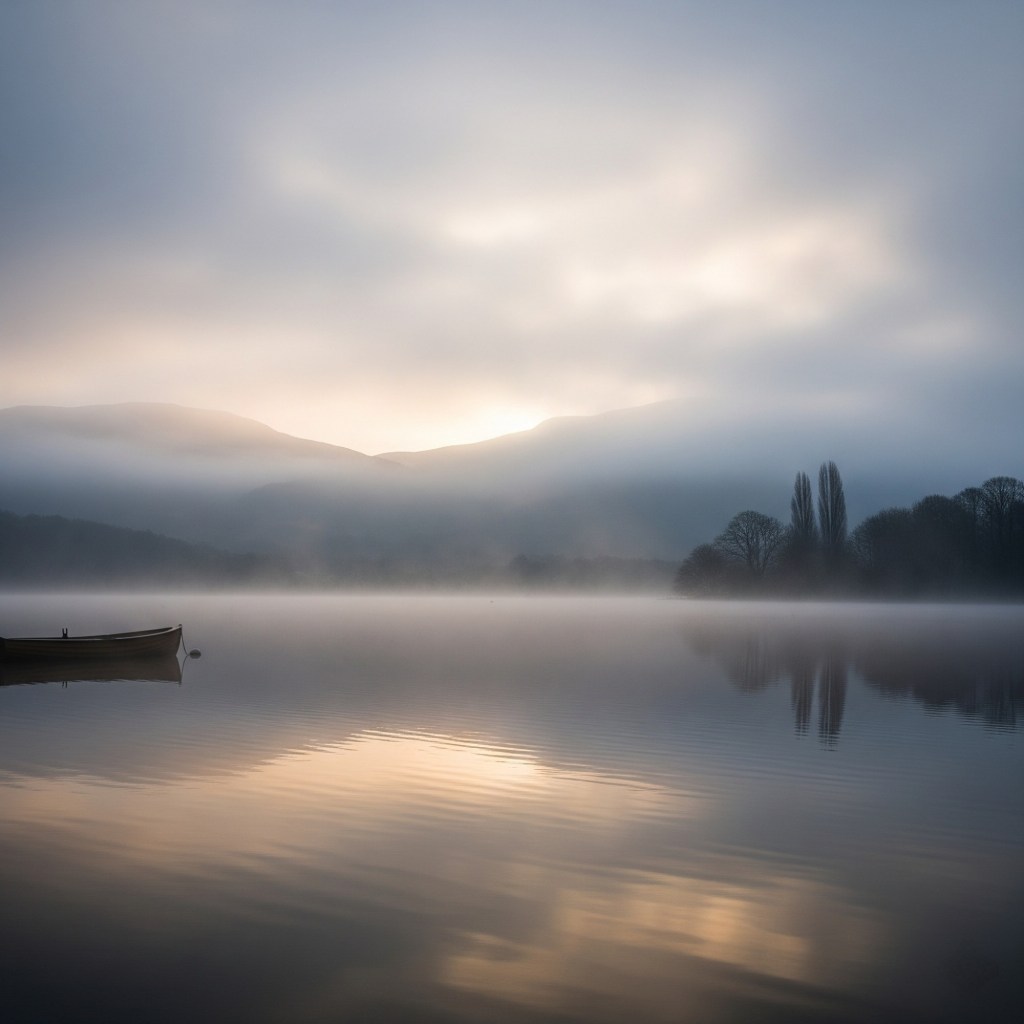
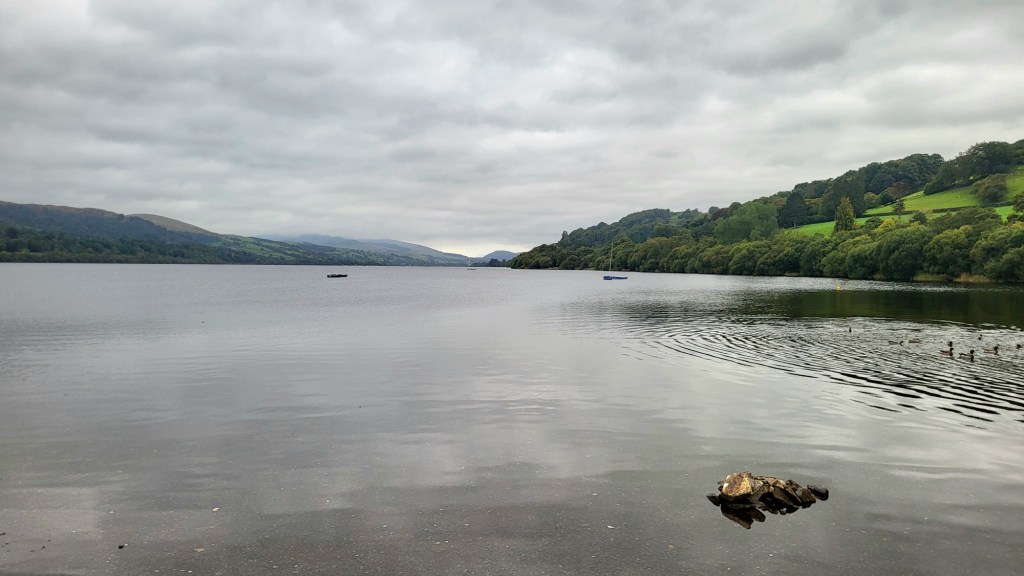
    Bala lake, wales
    Taken on a recent trip

    A Lake Steeped in Legend
    Nestled in the heart of Snowdonia, Bala Lake (Llyn Tegid) is not just Wales’ largest natural lake,it is a vessel of ancient myths, secrets, and timeless folklore. For centuries, its deep, dark waters have inspired tales of drowned kingdoms, enchanted creatures, and legendary heroes. The lake’s name itself, “Tegid”, hints at its mystical past, derived from the Welsh word for “serene” or “fair.” But beneath its tranquil surface lies a world of myth and magic, where history and legend blur.

    The Drowned Kingdom of King Helig
    One of the most enduring legends of Bala Lake is the story of King Helig ap Glannog, a 6th-century ruler whose kingdom, Cantref Gwaelod, was said to lie beneath the waves. According to folklore, Helig’s land was a fertile lowland, protected by dyke and dam. But one fateful night, the sea gates were left open, either by the negligence of a drunken gatekeeper or the wrath of a scorned fairy, and the waters rushed in, swallowing the kingdom whole.

    To this day, locals claim that on quiet nights, the church bells of Helig’s lost kingdom can still be heard tolling from the depths. Fishermen tell of glimpsing rooftops and towering spires far below, and some even say that Helig and his court sleep beneath the lake, waiting for the day they will rise again.

    “When the waters are still, and the mist hangs low, you can hear the echoes of a lost world.”

    Lake in mist

    Tegid Foel and the Sleeping Warriors
    Another tale speaks of Tegid Foel, a giant or king who once ruled the region. It is said that he and his warriors rest in a hidden cave beneath the lake, ready to awaken in Wales’ hour of greatest need. This legend mirrors the broader Welsh myth of sleeping heroes, warriors who lie in wait, much like King Arthur in Avalon, to return when their homeland calls.

    Some versions of the story claim that Tegid Foel was a giant who carved out the lake with his bare hands, while others say he was a nobleman transformed into a monster for his sins. Whatever the truth, his name lives on in the lake’s Welsh identity: “Llyn Tegid”.

    The Afanc: Wales’ Loch Ness Monster
    No body of water in Welsh mythology is complete without its own lake monster , and Bala Lake is no exception. The Afanc, a monstrous, crocodile-like beast, was said to dwell in the lake, dragging unsuspecting travelers to their doom. Unlike the gentle giants of other myths, the Afanc was a creature of chaos, its thrashing tail causing floods and destruction.

    Legends tell of how the Afanc was finally lured out of the lake by a clever maiden, who tricked it into following her to a deep pit, where it was trapped forever. Some say the beast still stirs in the depths, its occasional movements causing mysterious ripples on the surface.

    The Gwragedd Annwn: Fairy Wives of the Lake
    Bala Lake is also home to the Gwragedd Annwn, the “Wives of the Otherworld.” These beautiful, elusive fairy women were said to emerge from the water, sometimes to help humans, other times to lure them into their aquatic realm. Fishermen who caught glimpses of them described them as radiant, with long flowing hair and dresses woven from lake reeds.

    One famous tale tells of a young man who married a Gwragedd Annwn, only for her to vanish back into the lake when he broke a taboo, often by striking her or revealing her true nature. These stories serve as cautionary tales about the perils of mortal curiosity and the thin veil between our world and the Otherworld.

    Merlin, Arthur, and the Lady of the Lake
    Bala Lake is sometimes linked to the broader Arthurian legends. Some scholars suggest that the lake could be one of the many bodies of water associated with the Lady of the Lake, the enchantress who gave King Arthur his sword, Excalibur.

    Local lore says that Merlin himself once walked these shores, drawn by the lake’s magical properties. Whether as a place of prophecy, a hiding spot for sacred relics, or a gateway to Avalon, Bala Lake’s connection to Arthurian myth adds another layer to its mystique.


    What do you think lies beneath the surface of Bala Lake? A lost kingdom? A slumbering monster? Or something even older? Share your thoughts and your own legends.


    If you find my photography or my writing inspiring and uplifting, consider supporting what I do. Buy me a coffee on Ko-fi.
    Your support makes a difference in my life and helps me create more of what you, and I, like. Thank you!
    Tap here for a list of 100 endangered animals and plants.

    100 endangered plant and animal species

    * Abies beshanzuensis (Baishan fir) – Plant (Tree) – Baishanzu Mountain, Zhejiang, China – Three mature individuals

    * Actinote zikani – Insect (butterfly) – Near São Paulo, Atlantic forest, Brazil – Unknown numbers

    * Aipysurus foliosquama (Leaf scaled sea-snake) – Reptile – Ashmore Reef and Hibernia Reef, Timor Sea – Unknown numbers * Amanipodagrion gilliesi (Amani flatwing) – Insect (damselfly) – Amani-Sigi Forest, Usamabara Mountains, Tanzania – < 500 individuals * Antisolabis seychellensis – Insect – Morne Blanc, Mahé island, Seychelles – Unknown numbers * Antilophia bokermanni (Araripe manakin) – Bird – Chapado do Araripe, South Ceará, Brazil – 779 individuals * Aphanius transgrediens (Aci Göl toothcarp) – Fish – south-eastern shore of former Lake Aci, Turkey – Few hundred pairs * Aproteles bulmerae (Bulmer’s fruit bat) – Mammal – Luplupwintern Cave, Western Province, Papua New Guinea – 150 * Ardea insignis (White bellied heron) – Bird – Bhutan, North East India and Myanmar – 70–400 individuals * Ardeotis nigriceps (Great Indian bustard) – Bird – Rajasthan, Gujarat, Maharashtra, Andhra Pradesh, Karnataka and Madhya, India – 50–249 mature individuals * Astrochelys yniphora (Ploughshare tortoise) – Reptile – Baly Bay region, northwestern Madagascar – 440–770 * Atelopus balios (Rio Pescado stubfoot toad) – Amphibian – Azuay, Cañar and Guyas provinces, south-western Ecuador – Unknown numbers * Aythya innotata (Madagascar pochard) – Bird – volcanic lakes north of Bealanana, Madagascar – 80 mature individuals * Azurina eupalama (Galapagos damsel fish) – Fish – Unknown numbers – Unknown numbers * Bahaba taipingensis (Giant yellow croaker) – Fish – Chinese coast from Yangtze River, China to Hong Kong – Unknown numbers * Batagur baska (Common batagur) – Reptile (turtle) – Bangladesh, Cambodia, India, Indonesia and Malaysia – Unknown numbers * Bazzania bhutanica – Plant – Budini and Lafeti Khola, Bhutan – 2 sub-populations * Beatragus hunteri (Hirola) – Mammal (antelope) – South-east Kenya and possibly south-west Somalia – < 1,000 individuals * Bombus franklini (Franklin’s bumblebee) – Insect (bee) – Oregon and California – Unknown numbers * Brachyteles hypoxanthus (Northern muriqui / Woolly spider monkey) – Mammal (primate) – Atlantic forest, south-eastern Brazil – < 1,000 * Bradypus pygmaeus (Pygmy three-toed sloth) – Mammal – Isla Escudo de Veraguas, Panama – < 500 * Callitriche pulchra – Plant (freshwater) – pool on Gavdos, Greece – Unknown numbers * Calumma tarzan (Tarzan’s chameleon) – Reptile – Anosibe An’Ala region, eastern Madagascar – < 100 * Cavia intermedia (Santa Catarina’s guinea pig) – Mammal (rodent) – Moleques do Sul Island, Santa Catarina, Brazil – 40–60 * Cercopithecus roloway (Roloway guenon) – Mammal (primate) – Côte d’Ivoire – Unknown numbers * Coleura seychellensis (Seychelles sheath-tailed bat) – Mammal (bat) – Two small caves on Silhouette and Mahé, Seychelles – < 100 * Cryptomyces maximus (Willow blister) – Fungi – Pembrokeshire, United Kingdom – Unknown numbers * Cryptotis nelsoni (Nelson’s small-eared shrew) – Mammal (shrew) – Volcán San Martín Tuxtla, Veracruz, Mexico – Unknown numbers * Cyclura collei (Jamaican iguana / Jamaican rock iguana) – Reptile – Hellshire Hills, Jamaica – Unknown numbers * Daubentonia madagascariensis (Aye-aye) – Mammal (primate) – Deciduous forest, East Madagascar – Unknown numbers * Dendrophylax fawcettii (Cayman Islands ghost orchid) – Plant (orchid) – Ironwood Forest, George Town, Grand Cayman – Unknown numbers * Dicerorhinus sumatrensis (Sumatran rhino) – Mammal (rhino) – Sabah, Sarawak and Peninsular Malaysia, Kalimantan and Sumatra, Indonesia – < 100 (more recent estimates suggest 34-47) * Diomedea amsterdamensis (Amsterdam albatross) – Bird – Breeds on Plateuau des Tourbières, Amsterdam Island, Indian Ocean. – 100 mature individuals * Dioscorea strydomiana (Wild yam) – Plant – Oshoek area, Mpumalanga, South Africa – 200 * Diospyros katendei – Plant (tree) – Kasyoha-Kitomi Forest Reserve, Uganda – 20 individuals in a single population * Dipterocarpus lamellatus – Plant (tree) – Siangau Forest Reserve, Sabah, Malaysia – 12 individuals * Discoglossus nigriventer (Hula painted frog) – Amphibian – Hula Valley, Israel – Unknown numbers * Dombeya mauritiana – Plant – Mauritius – Unknown numbers * Elaeocarpus bojeri (Bois Dentelle) – Plant (tree) – Grand Bassin, Mauritius – < 10 individuals * Eleutherodactylus glandulifer (La Hotte glanded frog) – Amphibian – Massif de la Hotte, Haiti – Unknown numbers * Eleutherodactylus thorectes (Macaya breast-spot frog) – Amphibian – Formon and Macaya peaks, Masif de la Hotte, Haiti – Unknown numbers * Eriosyce chilensis (Chilenito (cactus)) – Plant – Pta Molles and Pichidungui, Chile – < 500 individuals * Erythrina schliebenii (Coral tree) – Plant – Namatimbili-Ngarama Forest, Tanzania – < 50 individuals * Euphorbia tanaensis – Plant (tree) – Witu Forest Reserve, Kenya – 4 mature individuals * Eurynorhyncus pygmeus (Spoon-billed sandpiper) – Bird – Breeds in Russia, migrates along the East Asian-Australasian Flyway to wintering grounds in India, Bangladesh and Myanmar – 100 breeding pairs * Ficus katendei – Plant – Kasyoha-Kitomi Forest Reserve, Ishasha River, Uganda – < 50 mature individuals * Geronticus eremita (Northern bald ibis) – Bird – Breeds in Morocco, Turkey and Syria. Syrian population winters in central Ethiopia. – About 3000 individuals * Gigasiphon macrosiphon – Plant (flower) – Kaya Muhaka, Gongoni and Mrima Forest Reserves, Kenya, Amani Nature Reserve, West Kilombero Scarp Forest Reserve, and Kihansi Gorge, Tanzania – 33 * Gocea ohridana – Mollusc – Lake Ohrid, Macedonia – Unknown numbers * Heleophryne rosei (Table mountain ghost frog) – Amphibian – Table Mountain, Western Cape Province, South Africa – Unknown numbers * Hemicycla paeteliana – Mollusc (land snail) – Jandia peninsula, Fuerteventura, Canary Islands – Unknown numbers * Heteromirafa sidamoensis (Liben lark) – Bird – Liben Plains, southern Ethiopia – 90–256 * Hibiscadelphus woodii – Plant (tree) – Kalalau Valley, Hawaii – Unknown numbers * Hucho perryi (Sakhalin taimen) – Fish – Russian and Japanese rivers, Pacific Ocean between Russia and Japan – Unknown numbers * Johora singaporensis (Singapore freshwater crab) – Crustacean – Bukit Timah Nature Reserve and streamlet near Bukit Batok, Singapore – Unknown numbers * Lathyrus belinensis (Belin vetchling) – Plant – Outskirts of Belin village, Antalya, Turkey – < 1,000 * Leiopelma archeyi (Archey’s frog) – Amphibian – Coromandel peninsula and Whareorino Forest, New Zealand – Unknown numbers * Lithobates sevosus (Dusky gopher frog) – Amphibian – Harrison County, Mississippi, USA – 60–100 * Lophura edwardsi (Edwards’s pheasant) – Bird – Quang Binh, Quang Tri and Thua Thien-Hue, Viet Nam – Unknown numbers * Magnolia wolfii – Plant (tree) – Risaralda, Colombia – 3 * Margaritifera marocana – Mollusc – Oued Denna, Oued Abid and Oued Beth, Morocco – < 250 * Moominia willii – Mollusc (snail) – Silhouette Island, Seychelles – < 500 * Natalus primus (Cuban greater funnel eared bat) – Mammal (bat) – Cueva La Barca, Isle of Pines, Cuba – < 100 * Nepenthes attenboroughii (Attenborough’s pitcher plant) – Plant – Mount Victoria, Palawan, Philippines – Unknown numbers * Nomascus hainanus (Hainan black crested gibbon) – Mammal (primate) – Hainan Island, China – 20 * Neurergus kaiseri (Luristan newt) – Amphibian – Zagros Mountains, Lorestan, Iran – < 1,000 * Oreocnemis phoenix (Mulanje red damsel) – Insect (damselfly) – Mulanje Plateau, Malawi – Unknown numbers * Pangasius sanitwongsei (Pangasid catfish) – Fish – Chao Phraya and Mekong basins in Cambodia, China, Lao PDR, Thailand and Viet Nam – Unknown numbers * Parides burchellanus – Insect (butterfly) – Cerrado, Brazil – < 100 * Phocoena sinus (Vaquita) – Mammal (porpoise) – Northern Gulf of California, Mexico – 12 * Picea neoveitchii (Type of spruce tree) – Plant (tree) – Qinling Range, China – Unknown numbers * Pinus squamata (Qiaojia pine) – Plant (tree) – Qiaojia, Yunnan, China – < 25 * Poecilotheria metallica (Gooty tarantula / Metallic tarantula / Peacock tarantula / Salepurgu) – Spider – Nandyal and Giddalur, Andhra Pradesh, India – Unknown numbers * Pomarea whitneyi (Fatuhiva monarch) – Bird – Fatu Hiva, Marquesas Islands, French Polynesia – 50 * Pristis pristis (Common sawfish) – Fish – Coastal tropical and subtropical waters of Indo-Pacific and Atlantic Oceans. Currently largely restricted to northern Australia – Unknown numbers * Hapalemur simus (Greater bamboo lemur) – Mammal (primate) – Southeastern and southcentral rainforests of Madagascar – 500 * Propithecus candidus (Silky sifaka) – Mammal (primate) – Maroantsetra to Andapa basin, and Marojeju Massif, Madagascar – 100–1,000 * Psammobates geometricus (Geometric tortoise) – Reptile – Western Cape Province, South Africa – Unknown numbers * Pseudoryx nghetinhensis (Saola) – Mammal – Annamite mountains, on the Viet Nam – PDR Laos border – Unknown numbers * Psiadia cataractae – Plant – Mauritius – Unknown numbers * Psorodonotus ebneri (Beydaglari bush-cricket) – Insect – Beydaglari range, Antalaya, Turkey – Unknown numbers * Rafetus swinhoei (Red River giant softshell turtle) – Reptile – Hoan Kiem Lake and Dong Mo Lake, Viet Nam, and Suzhou Zoo, China – 3 * Rhinoceros sondaicus (Javan rhino) – Mammal (rhino) – Ujung Kulon National Park, Java, Indonesia – < 100 * Rhinopithecus avunculus (Tonkin snub-nosed monkey) – Mammal (primate) – Northeastern Vietnam – < 200 * Rhizanthella gardneri (West Australian underground orchid) – Plant (orchid) – Western Australia, Australia – < 100 * Rhynchocyon spp. (Boni giant sengi) – Mammal – Boni-Dodori Forest, Lamu area, Kenya – Unknown numbers * Risiocnemis seidenschwarzi (Cebu frill-wing) – Insect (damselfly) – Rivulet beside the Kawasan River, Cebu, Philippines – Unknown numbers * Rosa arabica – Plant – St Katherine Mountains, Egypt – Unknown numbers, 10 sub-populations * Salanoia durrelli (Durrell’s vontsira) – Mammal (mongoose) – Marshes of Lake Alaotra, Madagascar – Unknown numbers * Santamartamys rufodorsalis (Red crested tree rat) – Mammal (rodent) – Sierra Nevada de Santa Marta, Colombia – Unknown numbers * Scaturiginichthys vermeilipinnis (Red-finned blue-eye) – Fish – Edgbaston Station, central western Queensland, Australia – 2,000–4,000 * Squatina squatina (Angel shark) – Fish – Canary Islands – Unknown numbers * Sterna bernsteini (Chinese crested tern) – Bird – Breeding in Zhejiang and Fujian, China. Outside breeding season in Indonesia, Malaysia, Philippines, Taiwan, Thailand. – < 50 * Syngnathus watermeyeri (Estuarine pipefish) – Fish – Kariega Estuary to East Kleinemonde Estuary, Eastern Cape Province, South Africa – Unknown numbers * Tahina spectabilis (Suicide palm / Dimaka) – Plant – Analalava district, north-western Madagascar – 90 * Telmatobufo bullocki (Bullock’s false toad) – Amphibian (frog) – Nahuelbuta, Arauco Province, Chile – Unknown numbers * Tokudaia muenninki (Okinawa spiny rat) – Mammal (rodent) – Okinawa Island, Japan – Unknown numbers * Trigonostigma somphongsi (Somphongs’s rasbora) – Fish – Mae Khlong basin, Thailand – Unknown numbers * Valencia letourneuxi – Fish – Southern Albania and Western Greece – Unknown numbers * Voanioala gerardii (Forest coconut) – Plant – Masoala peninsula, Madagascar – < 10 * Zaglossus attenboroughi (Attenborough’s echidna) – Mammal – Cyclops Mountains, Papua Province, Indonesia – Unknown numbers

    Tap to view my redbubble gallery.
  • It was seen: It was known.

    It was seen: It was known.

    All things begin in the seeing. The rest is remembering.

    In the long-before days, when the ground was still figuring how to be solid and rivers ran too fast for names, the folk did not look at the little things. Eyes were for hunting, for storms, for shadow at the treeline. No one saw the ground’s small wonders.

    There were no flowers then—not as you know. Just roots, and scratch-grass, and bristleleaf. All of it colourless. Or maybe they had colour, but no one looked long enough to tell it.

    Then there was the girl.

    Or the man.

    Some say a child, nameless, with hands too small to carry much, who walked off from the path chasing a sound like a stone rolling in a cup. Others say it was a wanderer, the kind who forgets where they were going and finds things instead.

    The story turns crooked here.

    They came to a place in the stonewall hills, where the air smelled like nothing—neither smoke nor rain. And there it was. A patch of red, not blood, not berry. A strange redness, soft and open like it wanted to be seen.

    It was a flower, though the word hadn’t been made yet.

    They say the person sat. Just that. Sat and watched it.

    First hour passed like sap. Then another.

    Then more folk came, and the looking spread. One would stare and forget their hunger. Another would see and feel strange inside, like sorrow curling into sweetness. They started to speak of it, poorly. No one had the words. They tried things like “heart-leaf” or “glow-thing.” Nothing stuck.

    But then a child—perhaps the first child born after that day—called it flor, because the sounds were easy in the mouth, and no one argued.

    After that, the world began to bloom in places it hadn’t. It was not that flowers came, but that they were noticed, and in being noticed, they multiplied. That’s what the old women said, when they sat by their windows with the petal-pots.

    Not magic. Not god-work.

    Just the first time someone stopped, and looked, and didn’t want to leave.


    If you find my photography or my writing inspiring and uplifting, consider supporting what I do. Buy me a coffee on Ko-fi.
    Your support makes a difference in my life and helps me create more of what you, and I, like. Thank you!
    Tap here for a list of 100 endangered animals and plants.

    100 endangered plant and animal species

    * Abies beshanzuensis (Baishan fir) – Plant (Tree) – Baishanzu Mountain, Zhejiang, China – Three mature individuals

    * Actinote zikani – Insect (butterfly) – Near São Paulo, Atlantic forest, Brazil – Unknown numbers

    * Aipysurus foliosquama (Leaf scaled sea-snake) – Reptile – Ashmore Reef and Hibernia Reef, Timor Sea – Unknown numbers * Amanipodagrion gilliesi (Amani flatwing) – Insect (damselfly) – Amani-Sigi Forest, Usamabara Mountains, Tanzania – < 500 individuals * Antisolabis seychellensis – Insect – Morne Blanc, Mahé island, Seychelles – Unknown numbers * Antilophia bokermanni (Araripe manakin) – Bird – Chapado do Araripe, South Ceará, Brazil – 779 individuals * Aphanius transgrediens (Aci Göl toothcarp) – Fish – south-eastern shore of former Lake Aci, Turkey – Few hundred pairs * Aproteles bulmerae (Bulmer’s fruit bat) – Mammal – Luplupwintern Cave, Western Province, Papua New Guinea – 150 * Ardea insignis (White bellied heron) – Bird – Bhutan, North East India and Myanmar – 70–400 individuals * Ardeotis nigriceps (Great Indian bustard) – Bird – Rajasthan, Gujarat, Maharashtra, Andhra Pradesh, Karnataka and Madhya, India – 50–249 mature individuals * Astrochelys yniphora (Ploughshare tortoise) – Reptile – Baly Bay region, northwestern Madagascar – 440–770 * Atelopus balios (Rio Pescado stubfoot toad) – Amphibian – Azuay, Cañar and Guyas provinces, south-western Ecuador – Unknown numbers * Aythya innotata (Madagascar pochard) – Bird – volcanic lakes north of Bealanana, Madagascar – 80 mature individuals * Azurina eupalama (Galapagos damsel fish) – Fish – Unknown numbers – Unknown numbers * Bahaba taipingensis (Giant yellow croaker) – Fish – Chinese coast from Yangtze River, China to Hong Kong – Unknown numbers * Batagur baska (Common batagur) – Reptile (turtle) – Bangladesh, Cambodia, India, Indonesia and Malaysia – Unknown numbers * Bazzania bhutanica – Plant – Budini and Lafeti Khola, Bhutan – 2 sub-populations * Beatragus hunteri (Hirola) – Mammal (antelope) – South-east Kenya and possibly south-west Somalia – < 1,000 individuals * Bombus franklini (Franklin’s bumblebee) – Insect (bee) – Oregon and California – Unknown numbers * Brachyteles hypoxanthus (Northern muriqui / Woolly spider monkey) – Mammal (primate) – Atlantic forest, south-eastern Brazil – < 1,000 * Bradypus pygmaeus (Pygmy three-toed sloth) – Mammal – Isla Escudo de Veraguas, Panama – < 500 * Callitriche pulchra – Plant (freshwater) – pool on Gavdos, Greece – Unknown numbers * Calumma tarzan (Tarzan’s chameleon) – Reptile – Anosibe An’Ala region, eastern Madagascar – < 100 * Cavia intermedia (Santa Catarina’s guinea pig) – Mammal (rodent) – Moleques do Sul Island, Santa Catarina, Brazil – 40–60 * Cercopithecus roloway (Roloway guenon) – Mammal (primate) – Côte d’Ivoire – Unknown numbers * Coleura seychellensis (Seychelles sheath-tailed bat) – Mammal (bat) – Two small caves on Silhouette and Mahé, Seychelles – < 100 * Cryptomyces maximus (Willow blister) – Fungi – Pembrokeshire, United Kingdom – Unknown numbers * Cryptotis nelsoni (Nelson’s small-eared shrew) – Mammal (shrew) – Volcán San Martín Tuxtla, Veracruz, Mexico – Unknown numbers * Cyclura collei (Jamaican iguana / Jamaican rock iguana) – Reptile – Hellshire Hills, Jamaica – Unknown numbers * Daubentonia madagascariensis (Aye-aye) – Mammal (primate) – Deciduous forest, East Madagascar – Unknown numbers * Dendrophylax fawcettii (Cayman Islands ghost orchid) – Plant (orchid) – Ironwood Forest, George Town, Grand Cayman – Unknown numbers * Dicerorhinus sumatrensis (Sumatran rhino) – Mammal (rhino) – Sabah, Sarawak and Peninsular Malaysia, Kalimantan and Sumatra, Indonesia – < 100 (more recent estimates suggest 34-47) * Diomedea amsterdamensis (Amsterdam albatross) – Bird – Breeds on Plateuau des Tourbières, Amsterdam Island, Indian Ocean. – 100 mature individuals * Dioscorea strydomiana (Wild yam) – Plant – Oshoek area, Mpumalanga, South Africa – 200 * Diospyros katendei – Plant (tree) – Kasyoha-Kitomi Forest Reserve, Uganda – 20 individuals in a single population * Dipterocarpus lamellatus – Plant (tree) – Siangau Forest Reserve, Sabah, Malaysia – 12 individuals * Discoglossus nigriventer (Hula painted frog) – Amphibian – Hula Valley, Israel – Unknown numbers * Dombeya mauritiana – Plant – Mauritius – Unknown numbers * Elaeocarpus bojeri (Bois Dentelle) – Plant (tree) – Grand Bassin, Mauritius – < 10 individuals * Eleutherodactylus glandulifer (La Hotte glanded frog) – Amphibian – Massif de la Hotte, Haiti – Unknown numbers * Eleutherodactylus thorectes (Macaya breast-spot frog) – Amphibian – Formon and Macaya peaks, Masif de la Hotte, Haiti – Unknown numbers * Eriosyce chilensis (Chilenito (cactus)) – Plant – Pta Molles and Pichidungui, Chile – < 500 individuals * Erythrina schliebenii (Coral tree) – Plant – Namatimbili-Ngarama Forest, Tanzania – < 50 individuals * Euphorbia tanaensis – Plant (tree) – Witu Forest Reserve, Kenya – 4 mature individuals * Eurynorhyncus pygmeus (Spoon-billed sandpiper) – Bird – Breeds in Russia, migrates along the East Asian-Australasian Flyway to wintering grounds in India, Bangladesh and Myanmar – 100 breeding pairs * Ficus katendei – Plant – Kasyoha-Kitomi Forest Reserve, Ishasha River, Uganda – < 50 mature individuals * Geronticus eremita (Northern bald ibis) – Bird – Breeds in Morocco, Turkey and Syria. Syrian population winters in central Ethiopia. – About 3000 individuals * Gigasiphon macrosiphon – Plant (flower) – Kaya Muhaka, Gongoni and Mrima Forest Reserves, Kenya, Amani Nature Reserve, West Kilombero Scarp Forest Reserve, and Kihansi Gorge, Tanzania – 33 * Gocea ohridana – Mollusc – Lake Ohrid, Macedonia – Unknown numbers * Heleophryne rosei (Table mountain ghost frog) – Amphibian – Table Mountain, Western Cape Province, South Africa – Unknown numbers * Hemicycla paeteliana – Mollusc (land snail) – Jandia peninsula, Fuerteventura, Canary Islands – Unknown numbers * Heteromirafa sidamoensis (Liben lark) – Bird – Liben Plains, southern Ethiopia – 90–256 * Hibiscadelphus woodii – Plant (tree) – Kalalau Valley, Hawaii – Unknown numbers * Hucho perryi (Sakhalin taimen) – Fish – Russian and Japanese rivers, Pacific Ocean between Russia and Japan – Unknown numbers * Johora singaporensis (Singapore freshwater crab) – Crustacean – Bukit Timah Nature Reserve and streamlet near Bukit Batok, Singapore – Unknown numbers * Lathyrus belinensis (Belin vetchling) – Plant – Outskirts of Belin village, Antalya, Turkey – < 1,000 * Leiopelma archeyi (Archey’s frog) – Amphibian – Coromandel peninsula and Whareorino Forest, New Zealand – Unknown numbers * Lithobates sevosus (Dusky gopher frog) – Amphibian – Harrison County, Mississippi, USA – 60–100 * Lophura edwardsi (Edwards’s pheasant) – Bird – Quang Binh, Quang Tri and Thua Thien-Hue, Viet Nam – Unknown numbers * Magnolia wolfii – Plant (tree) – Risaralda, Colombia – 3 * Margaritifera marocana – Mollusc – Oued Denna, Oued Abid and Oued Beth, Morocco – < 250 * Moominia willii – Mollusc (snail) – Silhouette Island, Seychelles – < 500 * Natalus primus (Cuban greater funnel eared bat) – Mammal (bat) – Cueva La Barca, Isle of Pines, Cuba – < 100 * Nepenthes attenboroughii (Attenborough’s pitcher plant) – Plant – Mount Victoria, Palawan, Philippines – Unknown numbers * Nomascus hainanus (Hainan black crested gibbon) – Mammal (primate) – Hainan Island, China – 20 * Neurergus kaiseri (Luristan newt) – Amphibian – Zagros Mountains, Lorestan, Iran – < 1,000 * Oreocnemis phoenix (Mulanje red damsel) – Insect (damselfly) – Mulanje Plateau, Malawi – Unknown numbers * Pangasius sanitwongsei (Pangasid catfish) – Fish – Chao Phraya and Mekong basins in Cambodia, China, Lao PDR, Thailand and Viet Nam – Unknown numbers * Parides burchellanus – Insect (butterfly) – Cerrado, Brazil – < 100 * Phocoena sinus (Vaquita) – Mammal (porpoise) – Northern Gulf of California, Mexico – 12 * Picea neoveitchii (Type of spruce tree) – Plant (tree) – Qinling Range, China – Unknown numbers * Pinus squamata (Qiaojia pine) – Plant (tree) – Qiaojia, Yunnan, China – < 25 * Poecilotheria metallica (Gooty tarantula / Metallic tarantula / Peacock tarantula / Salepurgu) – Spider – Nandyal and Giddalur, Andhra Pradesh, India – Unknown numbers * Pomarea whitneyi (Fatuhiva monarch) – Bird – Fatu Hiva, Marquesas Islands, French Polynesia – 50 * Pristis pristis (Common sawfish) – Fish – Coastal tropical and subtropical waters of Indo-Pacific and Atlantic Oceans. Currently largely restricted to northern Australia – Unknown numbers * Hapalemur simus (Greater bamboo lemur) – Mammal (primate) – Southeastern and southcentral rainforests of Madagascar – 500 * Propithecus candidus (Silky sifaka) – Mammal (primate) – Maroantsetra to Andapa basin, and Marojeju Massif, Madagascar – 100–1,000 * Psammobates geometricus (Geometric tortoise) – Reptile – Western Cape Province, South Africa – Unknown numbers * Pseudoryx nghetinhensis (Saola) – Mammal – Annamite mountains, on the Viet Nam – PDR Laos border – Unknown numbers * Psiadia cataractae – Plant – Mauritius – Unknown numbers * Psorodonotus ebneri (Beydaglari bush-cricket) – Insect – Beydaglari range, Antalaya, Turkey – Unknown numbers * Rafetus swinhoei (Red River giant softshell turtle) – Reptile – Hoan Kiem Lake and Dong Mo Lake, Viet Nam, and Suzhou Zoo, China – 3 * Rhinoceros sondaicus (Javan rhino) – Mammal (rhino) – Ujung Kulon National Park, Java, Indonesia – < 100 * Rhinopithecus avunculus (Tonkin snub-nosed monkey) – Mammal (primate) – Northeastern Vietnam – < 200 * Rhizanthella gardneri (West Australian underground orchid) – Plant (orchid) – Western Australia, Australia – < 100 * Rhynchocyon spp. (Boni giant sengi) – Mammal – Boni-Dodori Forest, Lamu area, Kenya – Unknown numbers * Risiocnemis seidenschwarzi (Cebu frill-wing) – Insect (damselfly) – Rivulet beside the Kawasan River, Cebu, Philippines – Unknown numbers * Rosa arabica – Plant – St Katherine Mountains, Egypt – Unknown numbers, 10 sub-populations * Salanoia durrelli (Durrell’s vontsira) – Mammal (mongoose) – Marshes of Lake Alaotra, Madagascar – Unknown numbers * Santamartamys rufodorsalis (Red crested tree rat) – Mammal (rodent) – Sierra Nevada de Santa Marta, Colombia – Unknown numbers * Scaturiginichthys vermeilipinnis (Red-finned blue-eye) – Fish – Edgbaston Station, central western Queensland, Australia – 2,000–4,000 * Squatina squatina (Angel shark) – Fish – Canary Islands – Unknown numbers * Sterna bernsteini (Chinese crested tern) – Bird – Breeding in Zhejiang and Fujian, China. Outside breeding season in Indonesia, Malaysia, Philippines, Taiwan, Thailand. – < 50 * Syngnathus watermeyeri (Estuarine pipefish) – Fish – Kariega Estuary to East Kleinemonde Estuary, Eastern Cape Province, South Africa – Unknown numbers * Tahina spectabilis (Suicide palm / Dimaka) – Plant – Analalava district, north-western Madagascar – 90 * Telmatobufo bullocki (Bullock’s false toad) – Amphibian (frog) – Nahuelbuta, Arauco Province, Chile – Unknown numbers * Tokudaia muenninki (Okinawa spiny rat) – Mammal (rodent) – Okinawa Island, Japan – Unknown numbers * Trigonostigma somphongsi (Somphongs’s rasbora) – Fish – Mae Khlong basin, Thailand – Unknown numbers * Valencia letourneuxi – Fish – Southern Albania and Western Greece – Unknown numbers * Voanioala gerardii (Forest coconut) – Plant – Masoala peninsula, Madagascar – < 10 * Zaglossus attenboroughi (Attenborough’s echidna) – Mammal – Cyclops Mountains, Papua Province, Indonesia – Unknown numbers

    Tap to view my redbubble gallery.
  • The Rose Growers

    The Rose Growers

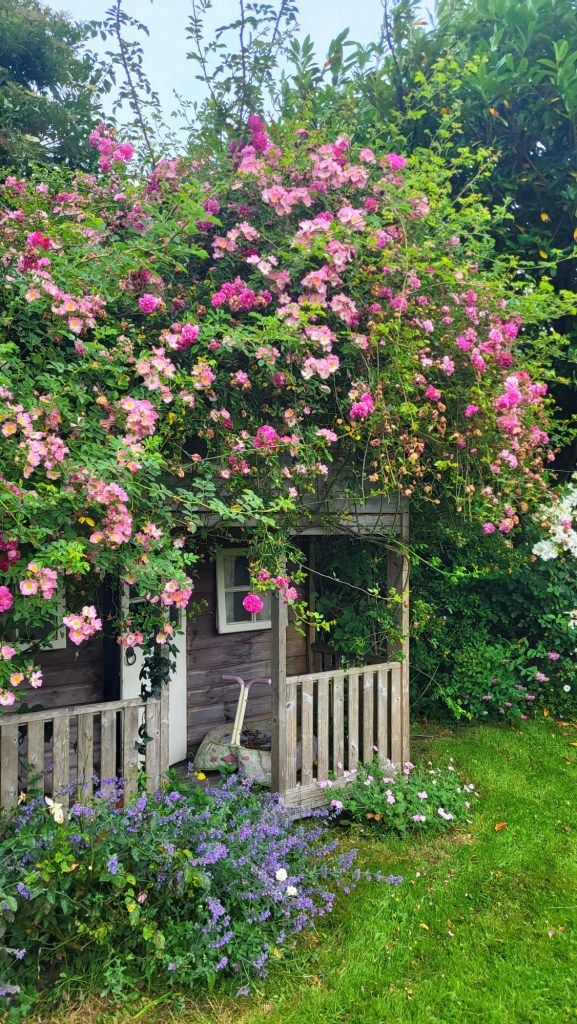
    In the small hours of morning, when the dew still holds court with the grass and the world hasn’t yet remembered its hurry, there are those who tend to roses. They move through their gardens like priests through cathedrals, understanding something the rest of us have forgotten in our great rush toward whatever it is we think we’re rushing toward.

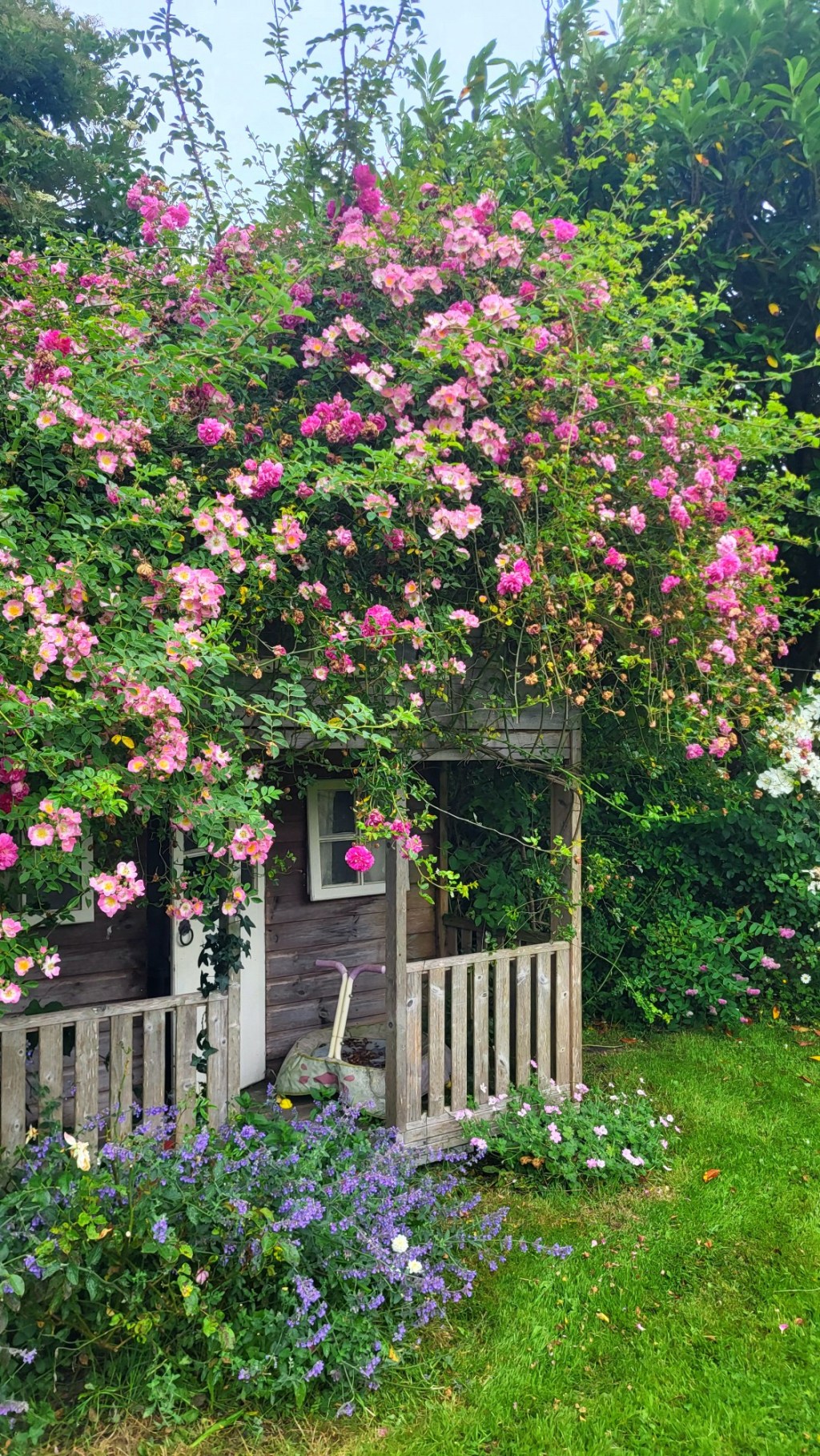
    My neighbours garden

    The rose, you see, is civilization’s truest achievement. Not the atom bomb, not the smartphone that buzzes in your pocket like an angry wasp, not even the airplane that carries us above the clouds where we can pretend, for a moment, that we are gods. No—the rose. The rose with its impossible geometry of petals, its thorns that teach us that beauty and pain are lovers who never sleep apart, its fragrance that makes the air worth breathing.

    Listen: In Tokyo, there is a man who grows roses on his apartment balcony. Seven floors up, surrounded by concrete and the electric hum of a city that never sleeps, he has created a small pocket of peace. Each morning, before the trains begin their metallic hum, he waters his roses and speaks to them in a voice softer than rain. His neighbours think he is mad. His neighbours are wrong. He is sane. The rest of us have lost our minds.

    But what do we do instead? We fight. Oh, how we fight. Over oil, over borders, over who said what to whom and when and why. We send our young men and women to die in deserts and forests and cities whose names we cannot pronounce, all for the sake of being right, all for the terrible luxury of being angry. We build walls higher than our dreams and missiles that can turn roses into ash in the space between heartbeats.

    In my small Welsh town, where the hills roll like green memories and the sheep dot the landscape like quotation marks in God’s own story, there lived an old woman named Mrs. Pritchard. Every day of her eighty-seven years, she tended her rose garden with the devotion of a saint. Hybrid teas and climbers, floribundas that bloomed like captured sunsets, old roses that remembered the breath of centuries. When the young men from the village went off to war, she sent them each a pressed rose petal in a letter. When they came home changed, or when they didn’t come home at all, they remembered her and the simple beauty of the rose petal, or didn’t. She planted new roses in remembrance of the ones that couldn’t remember.

    “A rose,” her hands dark with honest dirt, “doesn’t care about your politics or your pride. It only cares about being present. That’s enough. That should be enough for all of us.”

    But it isn’t enough for us, is it? We are too clever for roses. Too important. Too busy conquering each other to notice that the conquering is killing the very thing we desire. We are all generals in armies of one, fighting wars that exist in the fever dreams of our own making.

    We try to find our ‘raison d’être’—the reason for being. I think the rose growers have found theirs. They understand what the warriors and the politicians and the urgent, angry people of the world have forgotten: that to create beauty is to pray without words, to tend something fragile in a world that mistakes hardness for strength.

    There is a parallel universe, I am certain, where human beings never learned to make weapons, only grow tend and enjoy roses. Where the great leaders of history are remembered not for the lands they conquered but for the gardens they planted. Where children learn the names of flowers before they learn the names of enemies. Where the evening news reports on the blooming of a particularly spectacular Peace rose instead of the latest bombing of peace itself.

    In this world, in this strange and savage world where we find ourselves, the rose growers are the resistance. They are the ones who remember that civilization is not about who can build the biggest bomb or shout the loudest or accumulate the most zeros in their bank accounts. Civilization is about the careful caring for small, beautiful things. It is about the patience to wait for buds to open. It is about understanding that some victories take seasons, not seconds.

    Listen: Tomorrow morning, somewhere in the world, an old man will wake before dawn to water his roses. He will not check his phone first or turn on the news to see what fresh hell has sprouted overnight. He will simply put on his boots and walk outside, where the roses wait for him like prayers he has already had answered.

    And in that moment, in that simple, revolutionary act of care, he will be more civilized than all the armies and all the politicians and all the urgent, angry people combined.

    The roses know this. The roses have always known this.

    Perhaps it’s time we listened.

    If you find my photography or my writing inspiring and uplifting, consider supporting what I do. Buy me a coffee on Ko-fi.
    Your support makes a difference in my life and helps me create more of what you, and I, like. Thank you!
    Tap to view my redbubble gallery.
  • The Well Man at Evening’s Door

    The Well Man at Evening’s Door

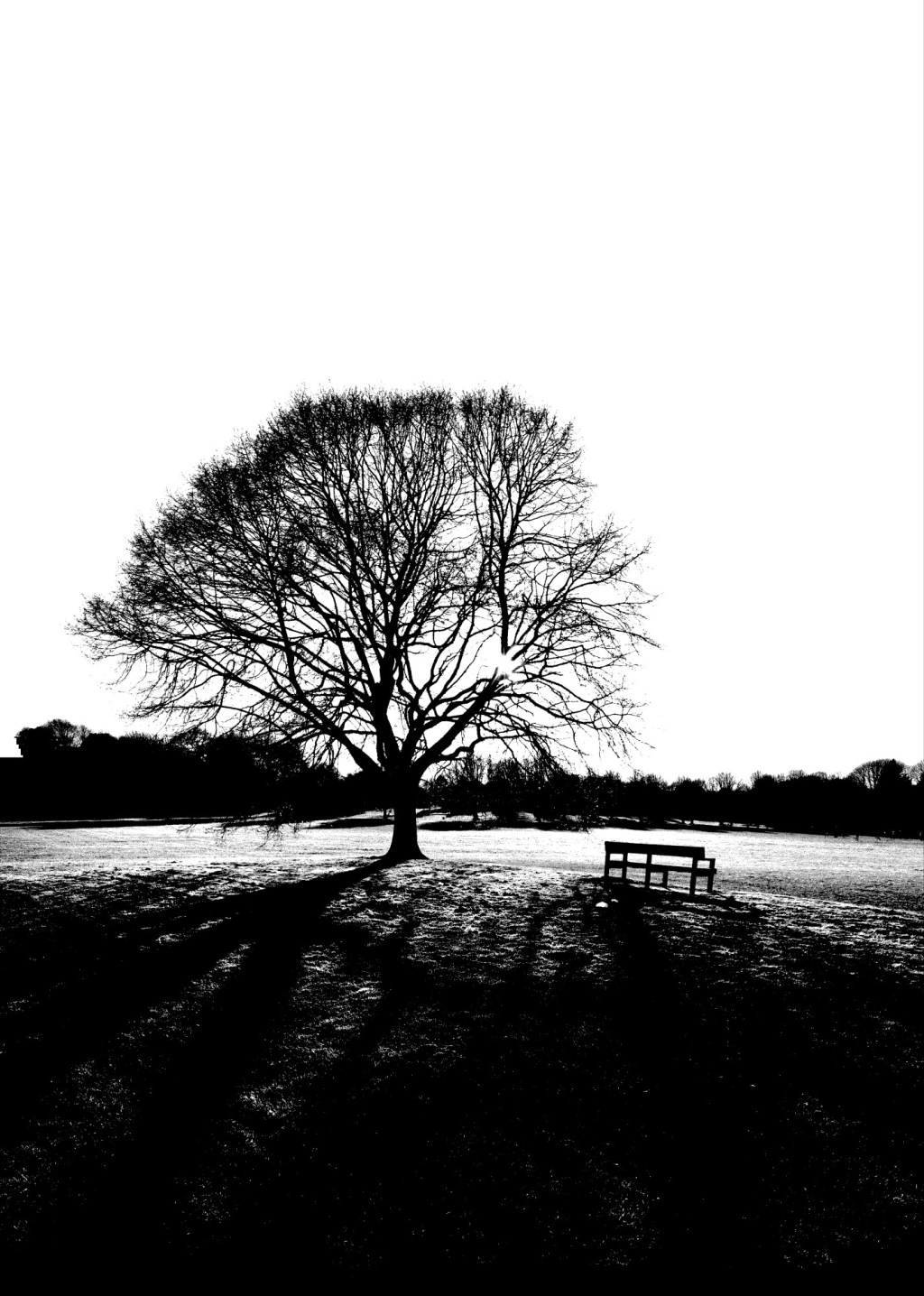
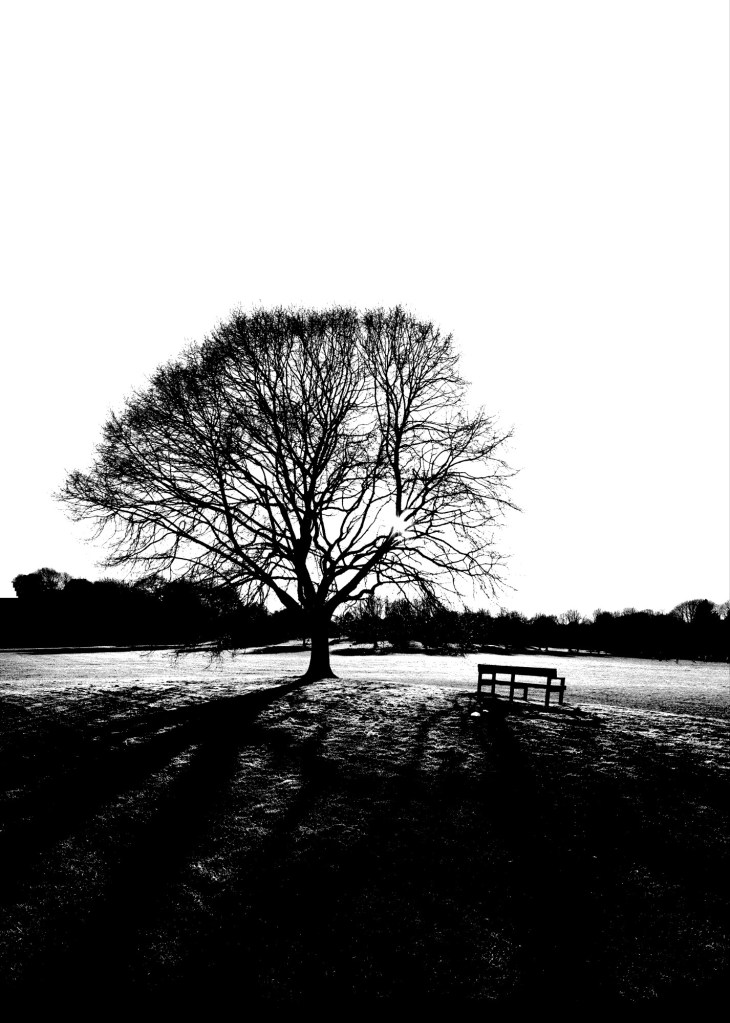
    Evening light differs
    From morning’s golden promise
    Both bless the same earth

    Took this in the park in Cardiff

    Here stands one man, silver threading his temples, morning mirror showing lines like rivers carved by time’s patient hand. Sixty-seven winters behind, maybe ten, maybe twenty summers ahead—who knows the counting of Creator’s mathematics? Still he wakes each dawn asking the great question: what purpose burns in these old bones?

    Well man, good man, but world whispers confusion in his ears. Society machine tells him: retire, rest, fade into background like yesterday’s newspaper. But his soul—ah, his soul burns bright as noon sun, ideas flowing like spring rivers after winter’s breaking. Experience accumulates like treasures in deep caves of memory. Wisdom grows thick as ancient oak roots, spreading underground where no one sees but feeling everything.

    This is the great paradox, the beautiful wrestling: body aging like autumn leaves, but mind expanding like universe itself. He knows things now—real things, true things. How love matters more than money-making. How kindness ripples through world like stones thrown in still water. How one well word can heal wounds deeper than doctor’s medicine.

    Yet world-machine keeps grinding, making noise: “Too old, too late, step aside for young lions.” But well man knows secret truth—wisdom is not young thing, not hasty thing. Wisdom is patient fire, burning slow and steady, lighting paths for others walking in darkness.

    Every morning he rises like warrior preparing for battle, not against enemies but against despair, against the small voice saying “finished, done, nothing left.” No! Life is great story still being written. Each day new page, new possibility for goodness to flow through willing vessel.

    Well man at evening of life discovers morning never really ends—just changes color, becomes deeper, more beautiful. Like wine aging in cellar, growing richer, more complex, more valuable with time passing. His purpose not shrinking but concentrating, becoming pure essence of what matters most.

    This is why every breath sacred, every heartbeat holy drum calling him forward. Not to great achievements world measures, but to small-great things: listening deeply to grandchild’s story, helping neighbor carry heavy burden, sharing hard-earned wisdom with anyone who stops to hear.

    Well man, well life, well purpose—never too late for goodness to bloom, never too old for love to find new ways of flowing. Evening light different from morning light, but both beautiful, both necessary, both blessing from Creator’s generous hand.

    If you find my photography or my writing inspiring and uplifting, consider supporting what I do. Buy me a coffee on Ko-fi.
    Your support makes a difference in my life and helps me create more of what you, and I, like. Thank you!
    Tap to view my redbubble gallery.
  • The Lichen’s Perspective

    The Lichen’s Perspective

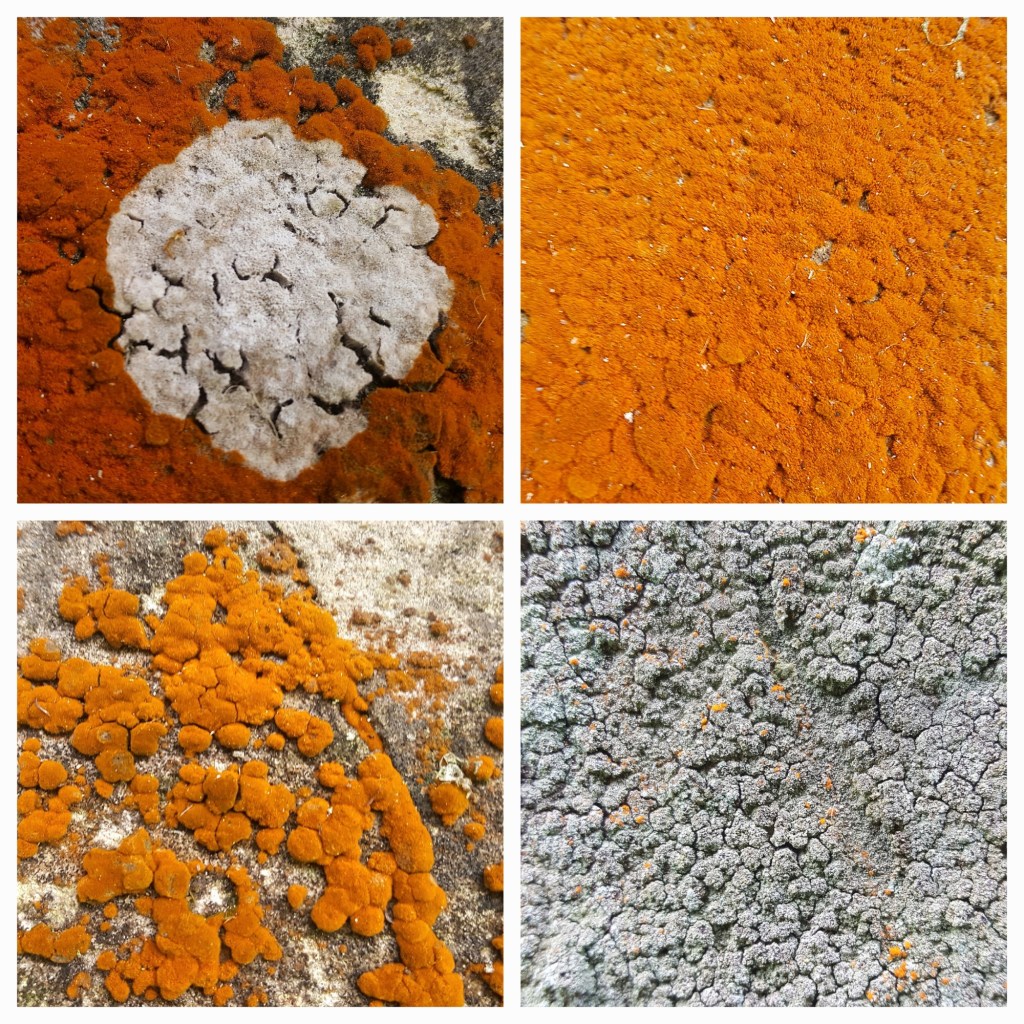
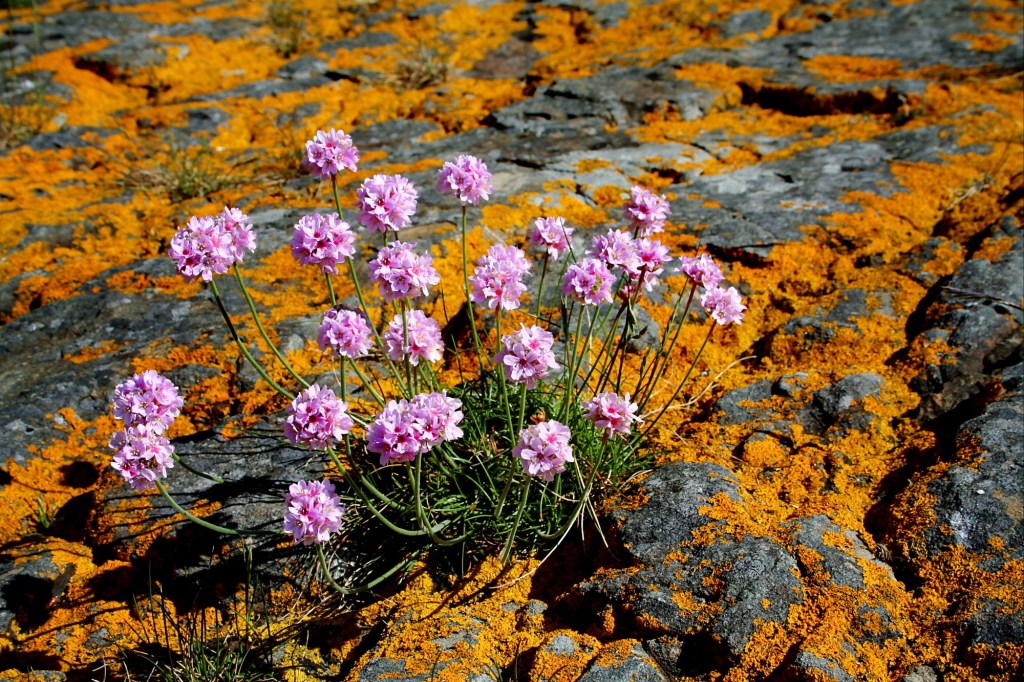
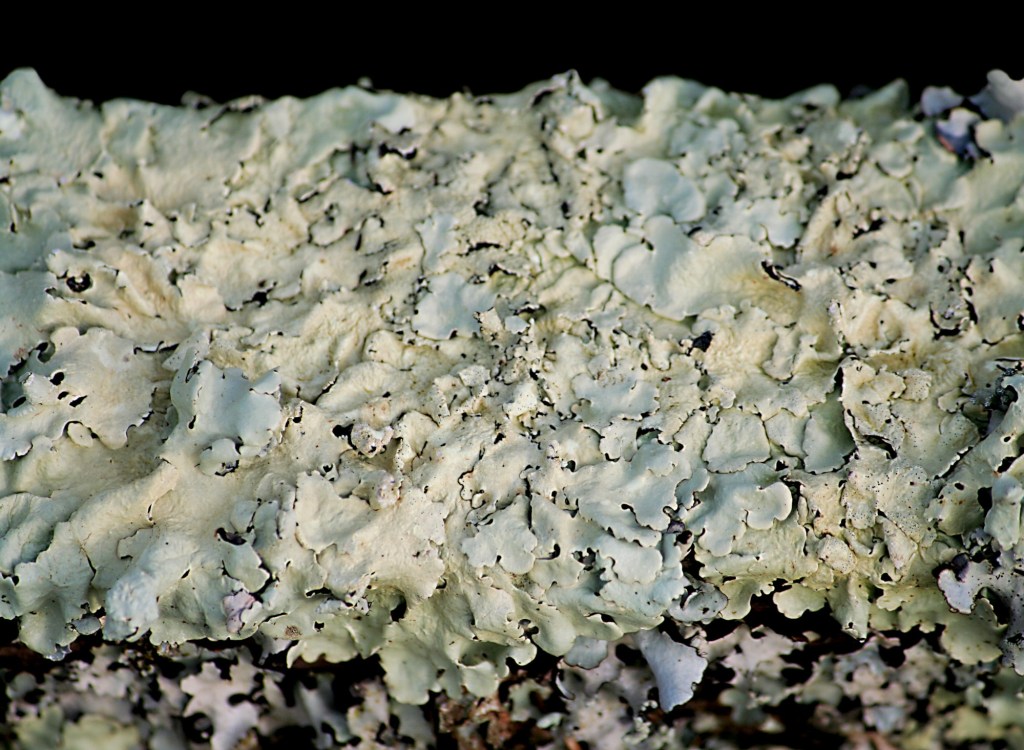
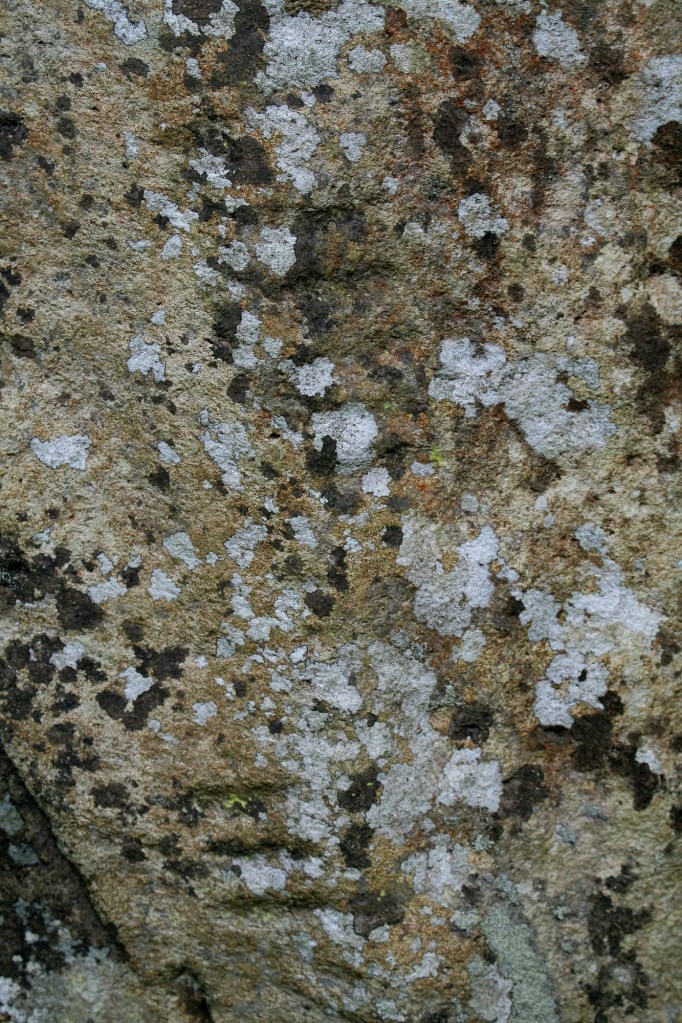
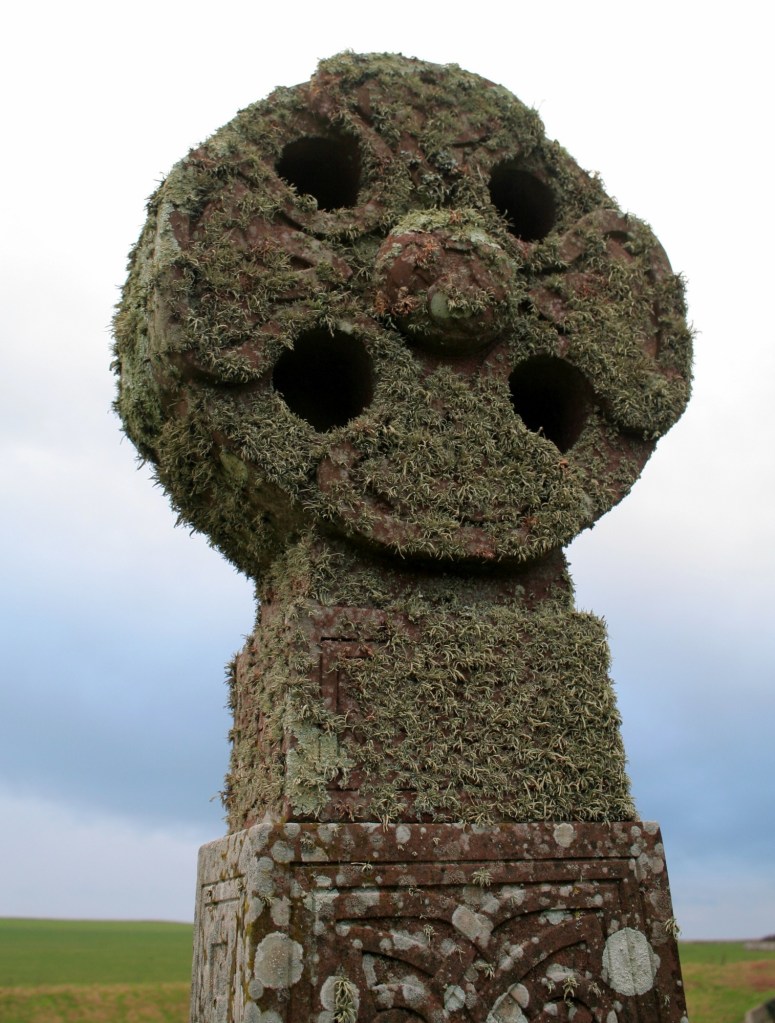
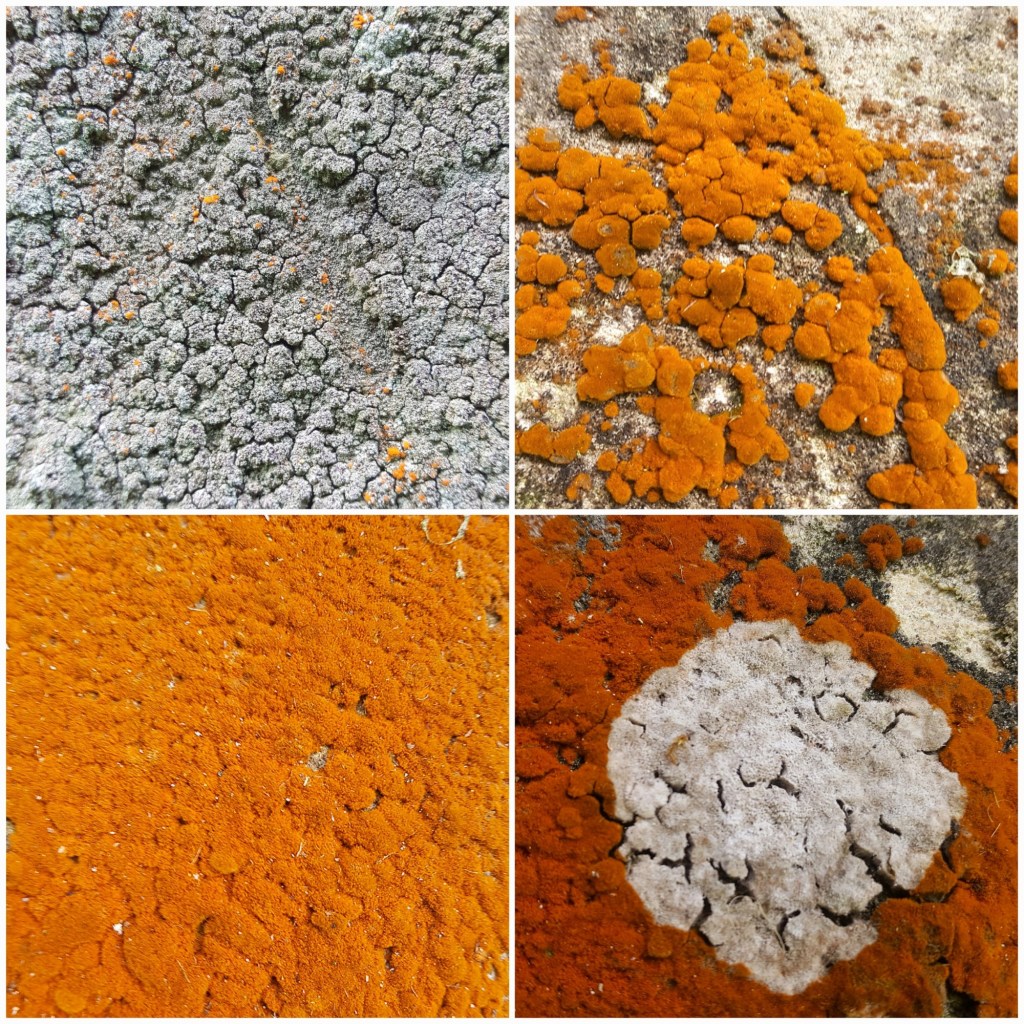
    I am neither plant, nor fungus, nor alga alone – I am lichen, a symbiotic partnership thriving where others cannot survive.

    Photos of Lichen I’ve taken

    Within my body, my fungal partner provides shelter while my photosynthetic companion creates food. We demonstrate that survival often depends on collaboration, not competition.

    Time moves differently for me. While animals live brief lives and trees last centuries, some of my relatives have existed for 4,500 years, silently witnessing the rise and fall of human civilizations.

    I am a pioneer, first to colonize bare surfaces after disturbances. My acids break down rock into soil, creating footholds for other plants. In harsh environments – scorching deserts, frigid peaks, even the vacuum of space – I demonstrate remarkable resilience, becoming dormant until conditions improve.

    To reindeer, I am vital winter food. To insects, I provide shelter. To humans, I serve as medicine, dye, and environmental indicator – my presence or absence reveals air quality.

    My success comes not from strength or speed, but from finding the right partners and adapting to extreme conditions. On the edge of habitability, you’ll find me quietly thriving through cooperation and the slow power of persistence.


    If you find my photography or my writing inspiring and uplifting, consider supporting what I do. Buy me a coffee on Ko-fi.
    Your support makes a difference in my life and helps me create more of what you, and I, like. Thank you!
    Tap to view my redbubble gallery.
  • Dreamy waterfall

    Dreamy waterfall

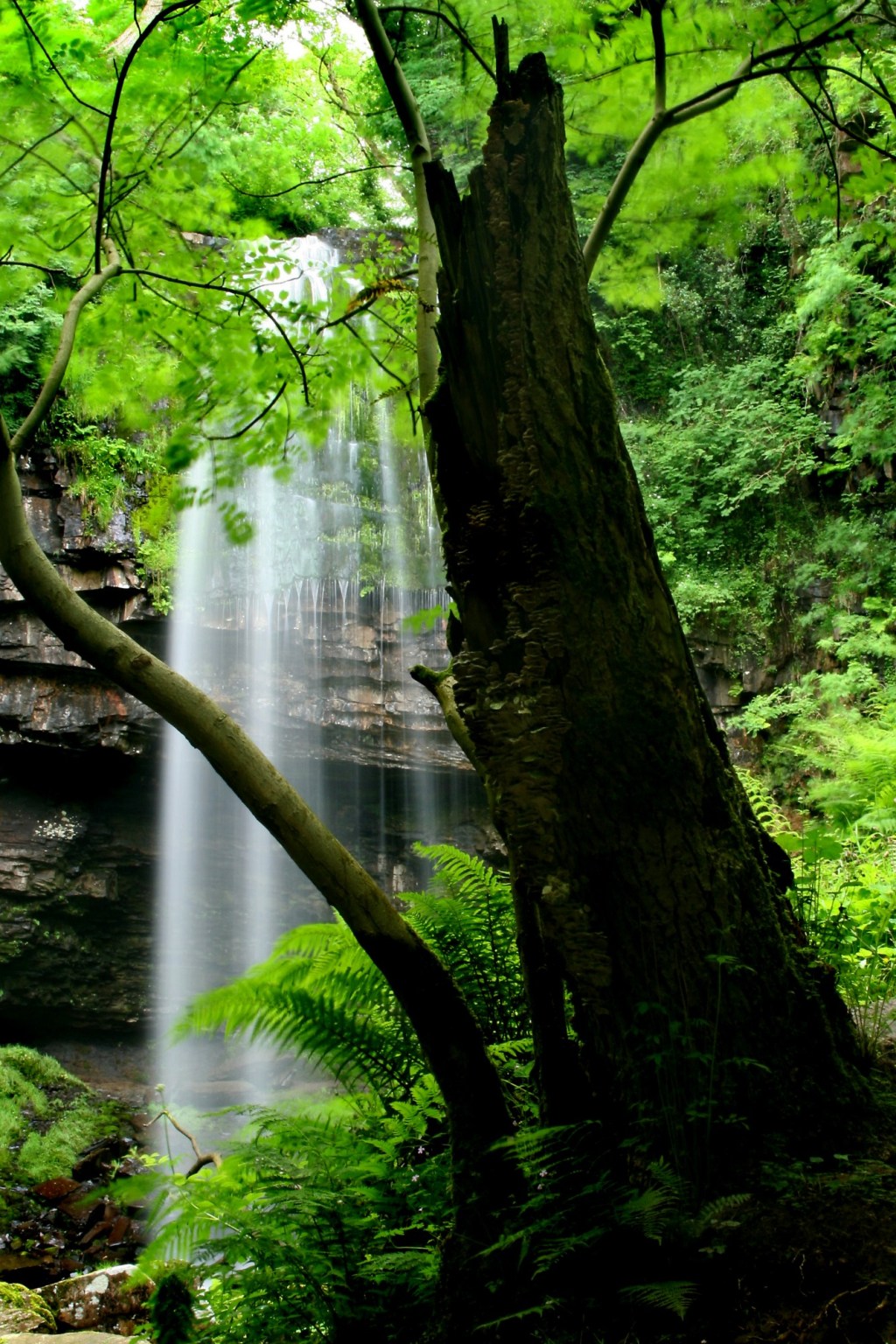
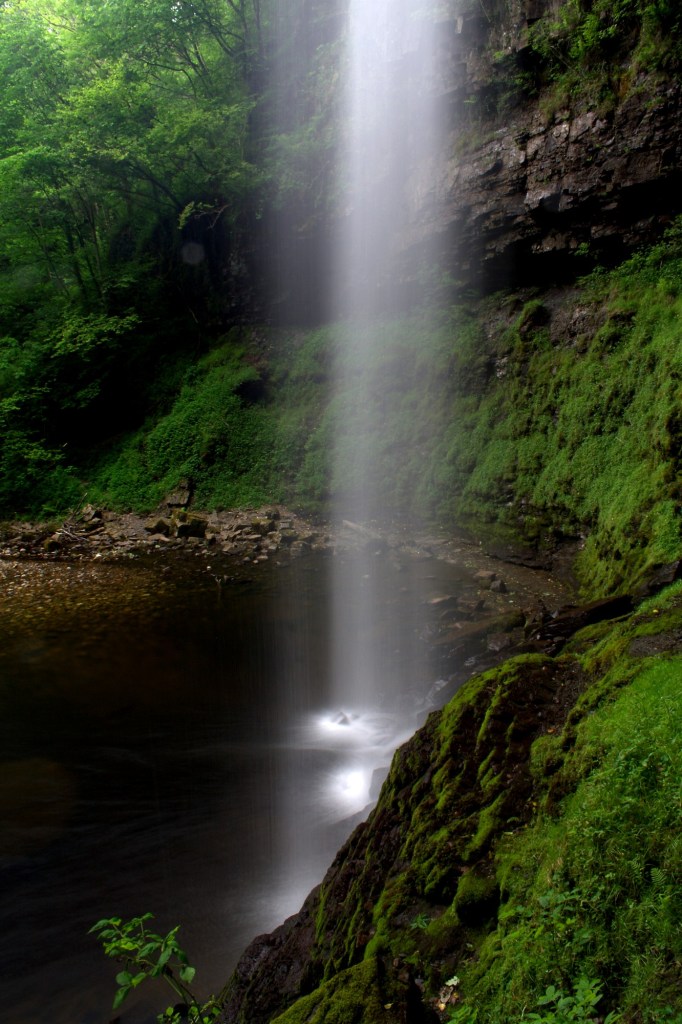
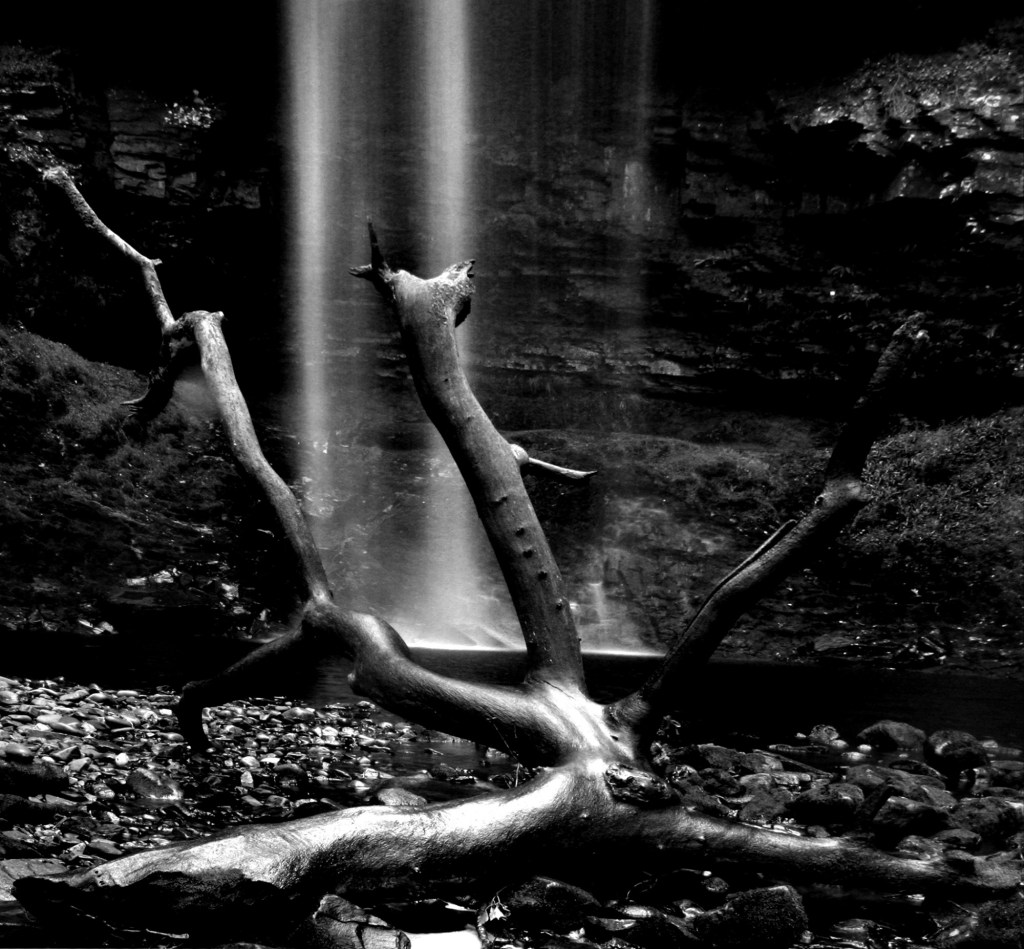
    Behind falls I stand,
    curtain of light, rushing sound,
    moment lost in time.

    Henrhyd, Waterfall

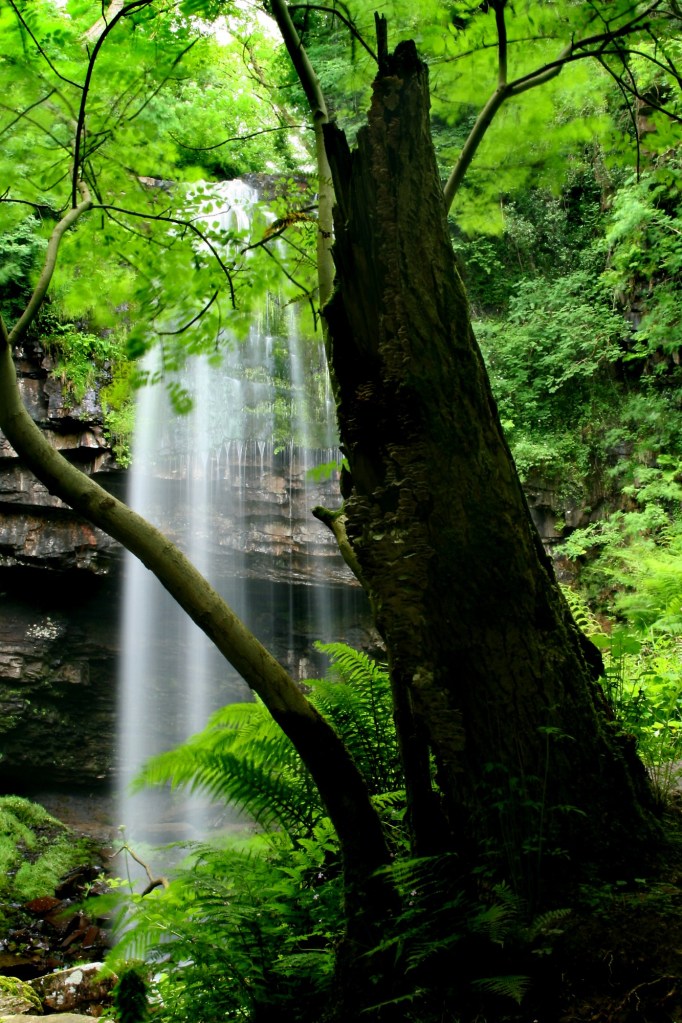
    Henrhyd Waterfall, the tallest waterfall in South Wales, is a stunning hidden gem in the Brecon Beacons. Tucked away in a lush wooded valley, it takes a short but steep walk to reach—but the effort is well worth it. The 90-foot cascade is especially impressive after heavy rain, creating a powerful curtain of water that you can even walk behind. The surrounding area, part of the National Trust’s Nant Llech nature reserve, adds to the secluded and peaceful feel. Whether you’re visiting for photography, a scenic walk, or just to enjoy the natural beauty, Henrhyd Waterfall is a must-see spot.

    Henrhyd Waterfall
    Henrhyd Waterfall

    If you find my photography or my writing inspiring and uplifting, consider supporting what I do. Buy me a coffee on Ko-fi.
    Your support makes a difference in my life and helps me create more of what you, and I, like. Thank you!
    Tap to view my redbubble gallery.
  • Still waters

    Still waters

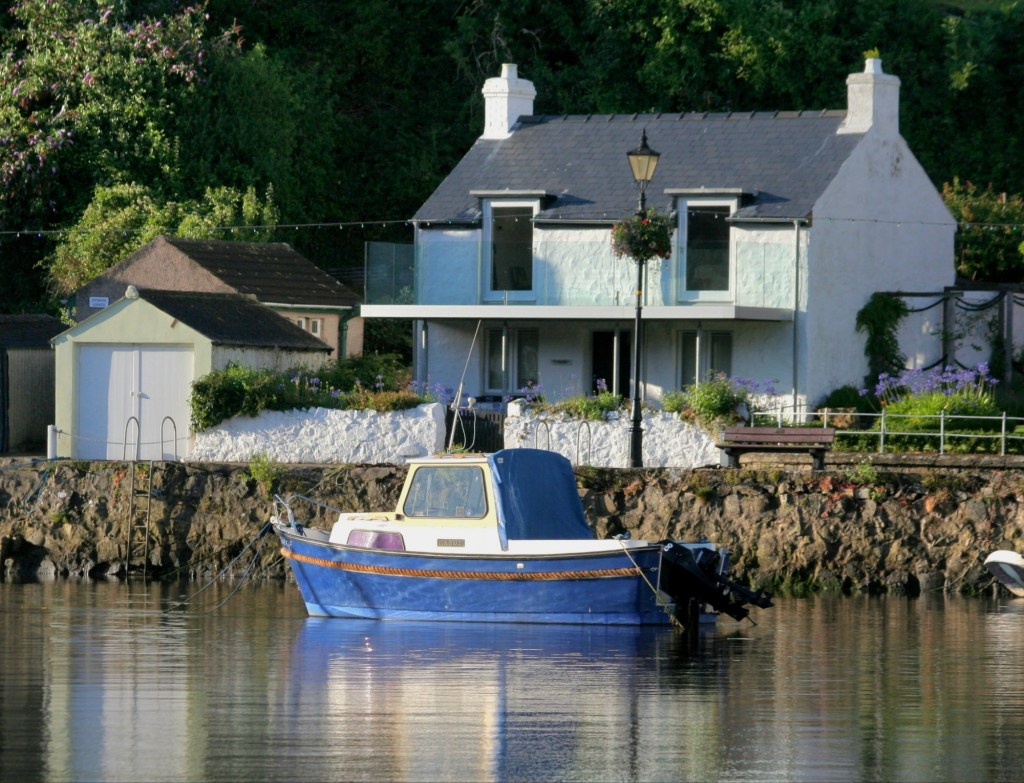
    The blue boat sits alone,
    Quiet on the glassy sea,
    No ripples, just the tone
    Of stillness setting free.

    Taken at Fishguard quay

    In the city, Isabelle’s palette was dictated by quarterly reports. Her canvases were billboards, her medium, marketing slogans. She painted desires, not dreams. Once, art had been her sanctuary, a place where she could lose herself in colour and form, but now it was a transaction—each brushstroke carefully calculated for maximum impact. The aggressive red of SALE, the sterile blue of TRUST, the shimmering gold of LUXURY—they weren’t colours, they were commands.

    Her studio, a pristine white cube perched above a canyon of concrete and steel, was as lifeless as the work she produced. Outside, the city pulsed with a restless urgency, but inside, she sat staring at her latest commission, feeling nothing. Had it always been like this? Had she always felt this hollow? She couldn’t remember the last time she painted something just because she wanted to.

    When she first saw the cottage in the online listing, it was nothing more than a blurry thumbnail, yet something about it stopped her scrolling. It wasn’t charming in the way holiday rentals usually were. The walls leaned slightly, weather-beaten and unapologetic. The loch behind it stretched out into the mist, quiet, infinite. It was not picturesque, but it was still. And suddenly, stillness was all she wanted.

    The journey there felt like shedding a second skin. As the train rattled away from the city, the skyline fading into the distance, something inside her loosened, though she wasn’t sure what. At first, she kept reaching for her phone—out of habit more than anything—but the further she got from mobile towers, the quieter her mind became. It wasn’t just the absence of notifications, emails, deadlines. It was a deeper silence, like a pond settling after a stone has been thrown in.

    The cottage smelled of damp wood and time. It creaked when she walked through it, like an old thing waking up. There was no WiFi, no signal. Just the steady lap of the loch against the shore, the whispering reeds, the occasional call of a distant bird. At first, the quiet unnerved her. She found herself pacing, feeling the itch of a life spent in perpetual motion. Her mind kept trying to measure productivity, to assign value to this pause. What are you doing? Wasting time? What if they forget you? What if you come back and there’s nothing left?

    On the third day, restless and aimless, she wandered down to the shore, her boots sinking slightly into the wet earth. The loch stretched out before her, a perfect mirror of the grey sky. And there, in the shallow water, rocked a small blue boat. Faded, chipped at the edges, the kind of blue that had been softened by years of wind and rain. Something about it pulled at her. It wasn’t just a boat. It was a contrast—a quiet rebellion against the greyness of everything around it.

    She crouched by the water’s edge, picking up a smooth grey stone and rolling it between her fingers. She thought of the screens she used to touch every day, the digital world she had lived in. The cool weight of the stone was real, solid in a way the city never was.

    The next morning, she woke to the sound of rain, soft and insistent against the slate roof. She stood by the window, watching the loch blur and ripple under the downpour. The blue boat rocked gently, unfazed. It was such a small thing, and yet she couldn’t look away. The colours before her weren’t the ones she used in the city—no neon, no artificial sheen. Just deep, shifting greys, softened greens, the quiet persistence of the blue.

    She picked up a brush without thinking. Not the sleek, expensive sable she used for client work, but a worn-out one she found in a drawer. There was no canvas, so she used a piece of driftwood. She didn’t try to replicate the scene exactly. Instead, she let the colours guide her, pulling from something deeper than observation—something she had ignored for too long. The grey of the sky bled into the grey of her exhaustion. The green of the hills became a longing for something real. The blue of the boat—steady, resilient—was a hope she hadn’t known she still carried.

    When she stepped back, her breath caught. It wasn’t a masterpiece. It was raw, uneven, imperfect. But it was hers. A tear slid down her cheek, but she didn’t wipe it away. It wasn’t sadness. It was something closer to relief.

    Not all days were easy. Some mornings she stared at a blank page for hours, frustration gnawing at her ribs. Some nights, the city’s voice whispered in her ear, reminding her of deadlines and expectations, of the career she was leaving behind. What if you never make it back? What if this is a mistake?

    But then there were moments—standing by the loch, feeling the wind in her hair, watching the way light changed the water—that made it clear she was exactly where she needed to be.

    Her work began to shift. She stopped thinking about what people wanted and started painting what she felt. She no longer cared about marketability. She cared about honesty. The colours on her brush became softer, more grounded, pulled from the land around her rather than the demands of a client brief. She painted the hush of the loch at dawn, the weight of the rain-heavy clouds, the steadfast blue of the little boat that never drifted too far.

    She wasn’t painting products anymore. She was painting silence. She was painting solitude. She was painting her way back to herself.


    If you find my photography or my writing inspiring and uplifting, consider supporting what I do. Buy me a coffee on Ko-fi.
    Your support makes a difference in my life and helps me create more of what you, and I, like. Thank you!
    Tap to view my redbubble gallery.
  • The Whispering Berries: A Tale of Hawthorns and Time

    The Whispering Berries: A Tale of Hawthorns and Time

    In the quietude of an autumn afternoon, as the sun cast a gentle, melancholic glow over the garden, I found myself standing before a humble tub, a handful of hawthorn berries cradled in my palm. The berries, vibrant and red, seemed to pulsate with a life of their own, whispering secrets of the seasons and the cycles of time.

    A tub of hope

    The decision to plant these berries had come to me in a dream, or perhaps it was a memory, blurred at the edges like an old photograph. I had been walking through a forest, the air crisp and cool, when I stumbled upon a hawthorn tree, its branches laden with crimson fruit. The tree seemed to beckon me, its thorns glinting in the dappled sunlight, and I knew then that I must bring a piece of this wild, untamed beauty into my own small world.

    I had always been drawn to hawthorns, with their delicate white flowers in spring and their fiery berries in autumn. They seemed to embody the duality of life—beauty and pain, growth and decay, all intertwined in a dance as old as time itself. And so, with a sense of reverence, I began to plant the berries, each one a tiny promise of life to come.

    The tub, a simple vessel of earth and possibility, sat before me like an altar. I knelt down, feeling the cool soil between my fingers, and began to press the berries gently into the ground. Each one seemed to sigh softly as it settled into its new home, a quiet acceptance of the journey ahead. I wondered what dreams they might hold, what stories they might tell as they grew and changed with the passing of the seasons.

    As I worked, my mind wandered, as it often does, to the strange and wondrous paths that life can take. I thought of the hawthorn trees that had stood for centuries, silently watching the ebb and flow of human existence. I thought of the birds that would one day feast on the berries, their songs echoing through the garden like ancient melodies. And I thought of the quiet, unassuming beauty of growth—the slow, steady unfurling of life from the smallest of seeds.

    The hawthorn, I knew, was a symbol of hope and protection in many cultures. It was said to guard against evil spirits, to bring good fortune, and to heal the heart. As I planted the berries, I found myself hoping for all these things and more. I hoped for the courage to face the unknown, for the strength to endure the storms of life, and for the wisdom to appreciate the beauty in the everyday.

    And so, with the berries planted and the tub nestled in a sunny corner of the garden, I stepped back and took a deep breath. The air was filled with the scent of earth and the faintest hint of something more—a promise, perhaps, or a whisper of things to come. I knew that the journey of these hawthorn berries was only just beginning, and I looked forward to the days and seasons ahead with a sense of anticipation and wonder.

    In the quiet moments that followed, as the sun dipped lower in the sky and the shadows lengthened, I felt a profound sense of connection—to the earth, to the cycles of life, and to the mysterious, unknowable forces that guide us all. And as I turned to walk back into the house, leaving the berries to their dreams and their destiny, I knew that I, too, was a part of this vast and wondrous tapestry, forever intertwined with the whispering hawthorns and the dance of time.


    If you find my photography or my writing inspiring and uplifting, consider supporting what I do. Buy me a coffee on Ko-fi.
    Your support makes a difference in my life and helps me create more of what you, and I, like. Thank you!
    Tap to view my redbubble gallery.
Design a site like this with WordPress.com
Get started