Category: Wales

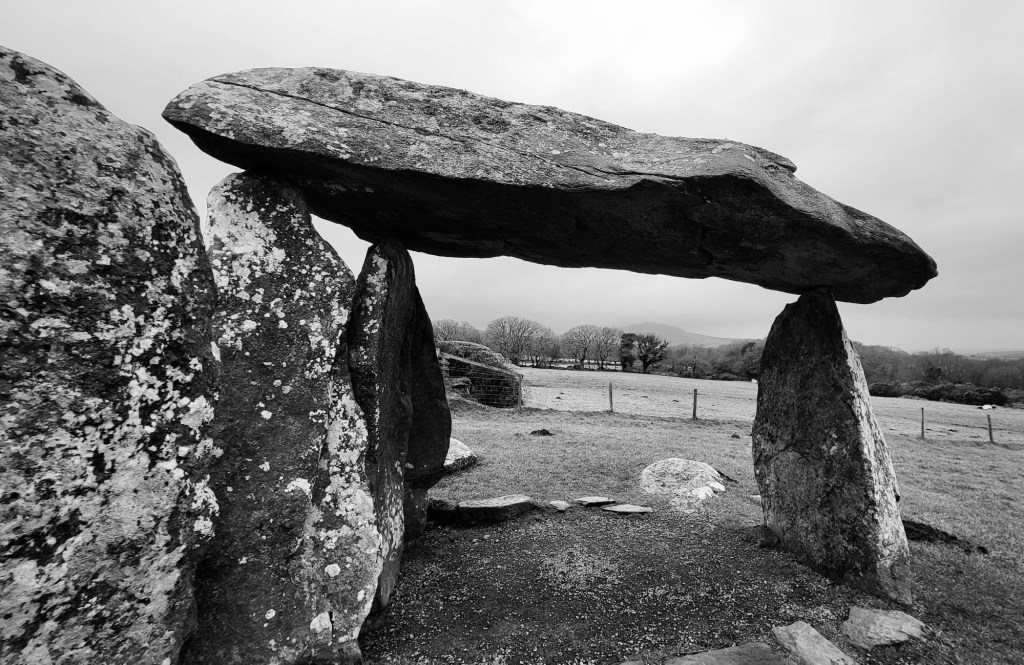
  • Pentre Ifan, Pembrokeshire – The Great Undertaking

    Pentre Ifan, Pembrokeshire – The Great Undertaking

    Journal of Caradoc the Builder

    Pembrokeshire, Pentre Ifan,
    6000 years old and home to the fairies 🙂

    Day 1 – The Command

    The chieftain has spoken. A great tomb must be built—one that will stand for generations, a place where the spirits of our ancestors may rest in peace. I, Caradoc, have been chosen to oversee the task. It is an honor, but also a burden. The stones are vast, heavier than any man should be able to move. How can we, with mere hands and ropes, shape such a monument?

    I wish the fair folk would aid us. The elders say the Tylwyth Teg, the fairies of the hills, move stones with ease, whispering to them in a tongue only the earth understands. If only they would come to our aid, lift these great rocks into place, and spare us the toil ahead. But the fair folk are fickle, appearing only when they choose. We must struggle on without them.

    Day 5 – The Stones Resist Us

    The men are weary. We have stripped the strongest oaks to make rollers, twisted the toughest hides into ropes. Yet the stones barely shift. The great capstone, the largest of them all, refuses to move. It is as if the land itself grips it, unwilling to let it rise.

    The night is cold, the wind howling over the hills. I swear I hear laughter in the dark, soft voices on the wind. The fair folk are watching. Do they mock us, or do they test our resolve? If they wished, they could lift the stones as if they were feathers. Yet they remain silent, unseen, leaving the burden to us.

    Day 12 – The Earth Swallows Our Efforts

    The rains have come, turning our labor into a futile struggle. The earth drinks the water greedily, turning to mud, swallowing our stones and filling the pits we have dug. We lose men to exhaustion, to wounds from failing ropes and shifting rock. The tomb fights us at every step.

    At dusk, I leave an offering—honey, fresh milk, and bread—on the highest stone, a gift for the Tylwyth Teg. If they have any mercy, if they still care for the deeds of men, let them aid us now.

    Day 20 – A Change in Fortune

    Something is different. The rains have ceased, the ground has hardened. The men move with renewed strength. Today, we raised the last of the uprights, the stones sliding into place as if the earth finally allows it. Perhaps our offerings have been accepted, or perhaps the fair folk simply tired of watching us struggle.

    Tonight, as the fire crackles, I hear the faintest laughter again, carried on the wind. A whisper, almost playful. Did they push the stones when we were not looking? Or did they merely lift our spirits, lending us unseen strength? I do not know. But I feel their presence all the same.

    Day 25 – The Final Stone

    The capstone rests upon its pillars at last. A gateway between worlds, standing as it should. The tomb is complete. The men cheer, but I say nothing. In the silence of the evening, I sense something beyond us, something watching.

    Perhaps it was never just our strength that built this place. Perhaps, when we were at our weakest, unseen hands helped us. Or perhaps the fair folk simply wished to remind us—magic is not only in the whispers of the wind, but in the determination of men who dare to move the unmovable.

    If you find this content inspiring and uplifting, consider supporting what I do. Buy me a coffee on Ko-fi.
    Your support makes a difference in my life and helps me create more of what you, and I, like. Thank you!

    Tap to view my redbubble gallery.
  • At Nevern, Time Doesn’t Pass—It Pools Around Your Feet

    At Nevern, Time Doesn’t Pass—It Pools Around Your Feet

    A lone traveler stands beneath the towering yew tree in the churchyard of Nevern, Pembrokeshire. The air is thick with the scent of damp earth and resin, and the soft hush of wind through the branches is the only sound. A second figure stands beside them, clothed in a long woolen cloak, feet calloused from the road, eyes bright with devotion. Though centuries separate them, they see the same sacred place, feel the same weight of history pressing on their shoulders.

    “Do you see?” The medieval pilgrim gestures toward the Bleeding Yew, the deep red sap weeping from its bark. “They say it bleeds for justice, and it will not stop until the world is fair.” Their voice is heavy with belief.

    The modern visitor runs a hand over the rough bark, watching the slow seep of crimson. “I’ve read about it—some say it’s just a natural phenomenon, something about the tree’s resin reacting to wounds. But still… standing here, it feels like more than that.” They hesitate, then add, “Maybe it does bleed for something. Maybe it always will.”

    The pilgrim nods, satisfied. “Come. There is more to take in.”

    Never, yew tree
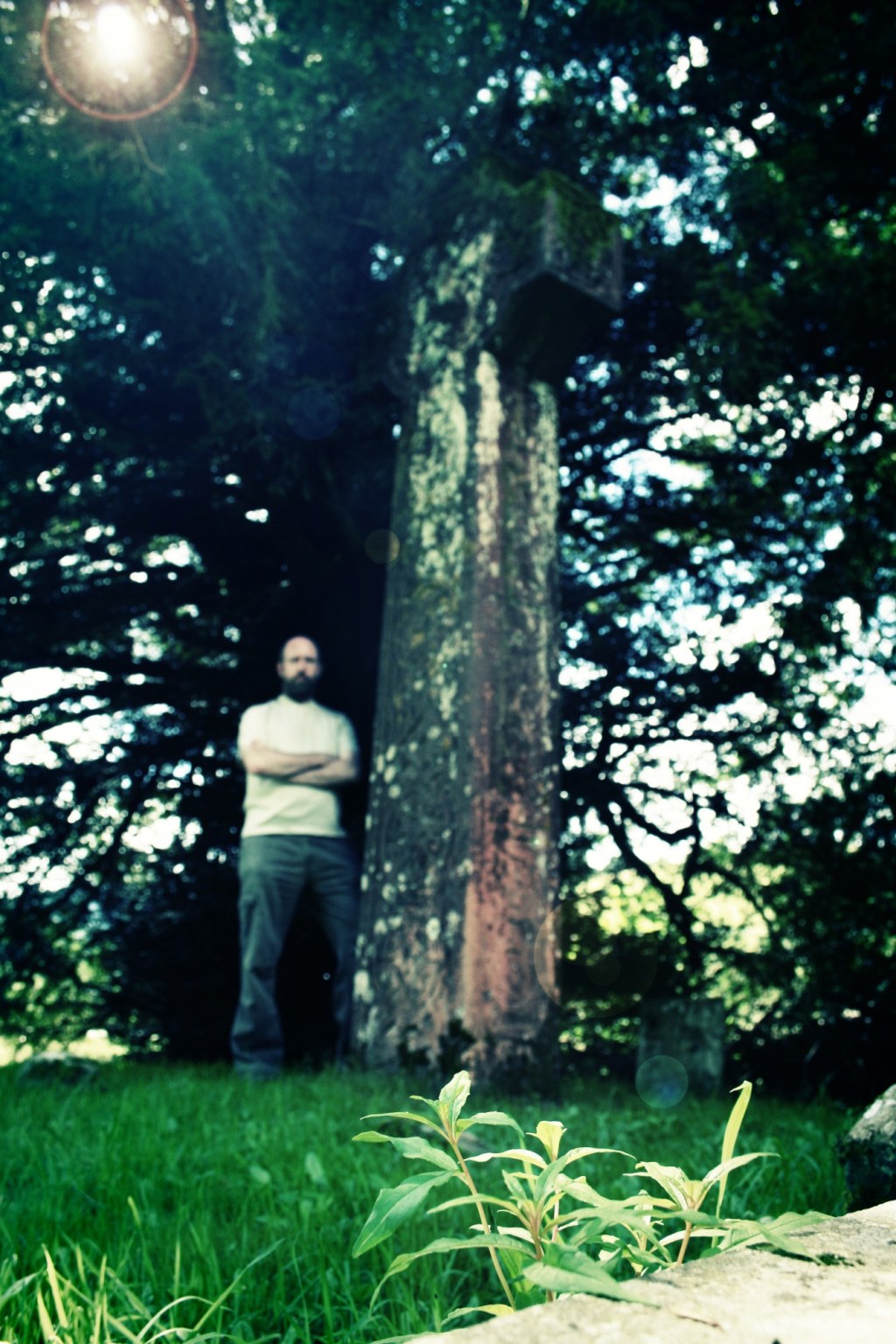
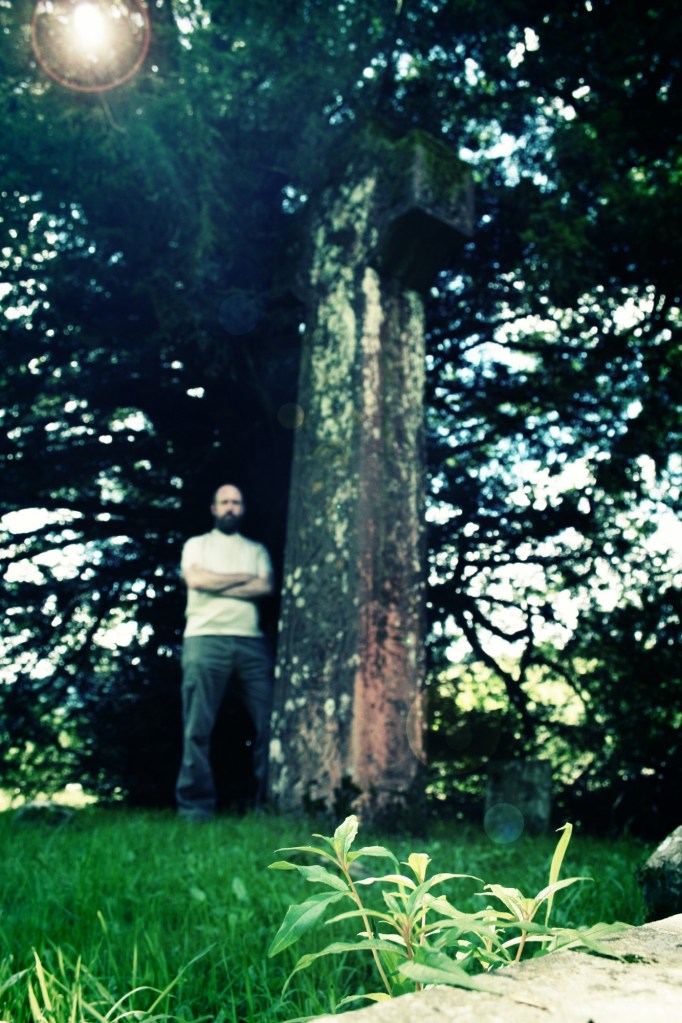
    Me and the great Celtic cross

    Together, they walk toward the Great Celtic Cross, its weathered stone rising 13 feet defiantly into the sky. The pilgrim reaches out, tracing the loops and knots carved into its surface. “This is eternity,” they murmur. “No beginning, no end. Just faith, winding on forever.”

    The visitor studies the carvings, fingers brushing lightly over the stone. “It’s amazing. To think of the hands that made this, how many people must have stood before it, just like we are now. Even after all this time, it still stands.”

    “As it should,” the pilgrim replies. “A signpost for those on the road to St David’s. A beacon for the weary pilgrim.”

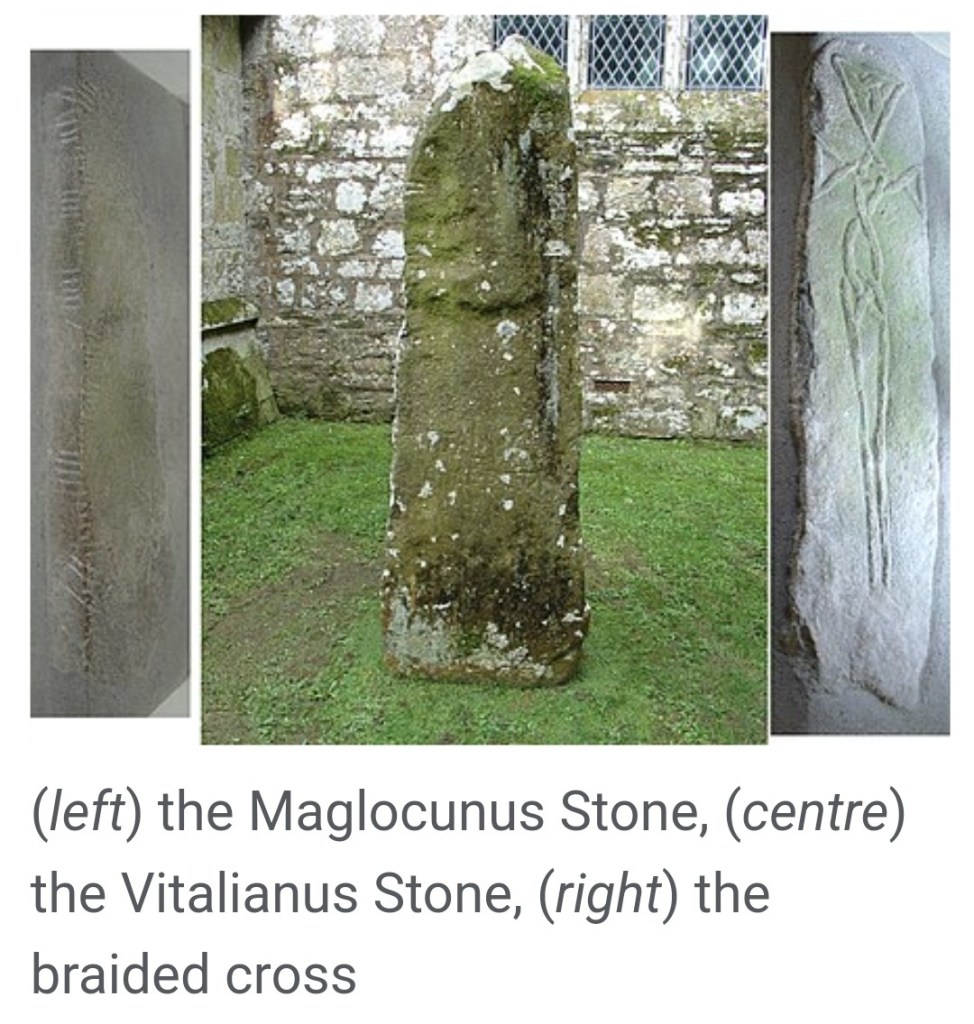
    Just outside the church. The Vitalianus Stone, carved into a pillar in Ogham and Latin the words “VITALIANI EMERTO” suggests the resting place of an important man named Vitaliani. The two languages hint at ancient connections between pagans and Christians. Its inscriptions whispering secrets from the past that we may never understand. The pilgrim kneels before it, tracing the letters. “He was a leader once, a man of faith and strength. His name endures in stone, even as his body has long turned to dust.”

    The visitor leans in, examining the Latin and Ogham script. “It’s strange. We carve our names into things, thinking it will make us last forever. But in the end, it’s the stories that survive, not the physical marks.”

    The pilgrim smiles. “You understand.”

    Inside the church, cool air wraps around them, thick with the scent of wax and old stone.  On one of the windowsills, they see the Megalocnus Stone, where the marks of the older tongue carve deep into the rock. Megalocnus is referenced as far back as the sixth century, affirming the stone’s age. The visitor shakes their head in wonder. “This writing—Ogham—it’s like the language of the land itself, growing up from the stone.”

    The pilgrim rests a hand against it. “We mark the world, and the world marks us.”

    On another windowsill, they find the Pilgrim’s Cross, shallowly etched into the stone. The modern visitor touches the carving, feeling its rough edges. “So many hands must have traced this over the years.”

    “I made my own mark,” the pilgrim admits, voice quiet. “And those after me, and those after them. We all do. All hoping to pass through life, to the next, peacefully.”

    They pause before the Norman-era Rood Screen, its carved wood forming a delicate boundary between the sacred and the earthly. The visitor runs their hand along its surface. “It’s so intricate. So much work must have gone into this.”

    “Devotion is in the small detail as well as the bigger view,” the pilgrim replies. “In all things, we find the divine.”

    At the 700 year old Medieval Baptismal Font, the pilgrim dips their fingers, letting the cool water trickle over their skin. “A new beginning,” they whisper.

    The visitor hesitates, then does the same. The water is cold against their fingertips, sending a shiver through them. “Some things never change,” they murmur.

    Outside, the old Sundial catches the last light of the afternoon. The visitor laughs softly. “Hundreds of years ago, someone stood right here, checking the time by the same sun we’re looking at now.”

    The pilgrim nods. “And after another thousand, others will do the same.”

    A short walk uphill leads them to the second Pilgrim’s Cross, carved deep into the rock behind the church. The view stretches below them, the land rolling away toward the river. The pilgrim kneels, bowing their head in prayer.

    The visitor stands in silence, breathing in the crisp air. “It must have been hard,” they say at last. “Walking so far, carrying all your hopes with you.”

    The pilgrim exhales, voice full of quiet conviction. “Hope is never a burden. It is the reason we walk.”

    As they walk toward the ruins of Nevern Castle, the shadows grow long. The stones stand witness to battles and prayers lingering in the air.

    “Time is strange here,” the visitor muses. “It doesn’t feel like it’s passing. It just… is.”

    The pilgrim smiles. “At Nevern, time doesn’t pass—it pools around your feet.”

    The modern traveller, now seeped in the church’s history, looking down to their feet, feels a pull to join the age-old pilgrimage. Looking up, they see the ancient pilgrim is making their way–fading into the distance. “God bless!”

    (not my photo)
    If you find my photography or my writing inspiring and uplifting, consider supporting what I do. Buy me a coffee on Ko-fi.
    Your support makes a difference in my life and helps me create more of what you, and I, like. Thank you!
    Tap to view my redbubble gallery.
  • Ramble to the summit of life

    Ramble to the summit of life

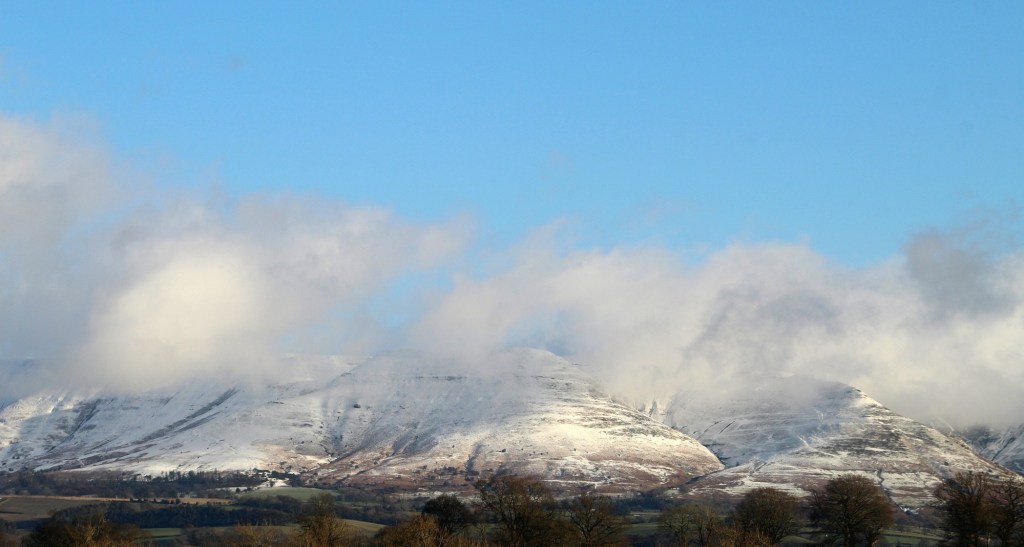
    The Brecon Beacons loomed in the distance, their snow-capped peaks smudged by a veil of mist. I snapped a picture from the base, and the image felt as though I was staring at an unattainable dream—a far-off cathedral built for gods, not mortals like me.

    Brecon Beacons January 2025

    The peaks seemed untouchable, enshrined in a kind of holy fog, as if they were hiding some secret I wasn’t meant to know. But what else could I do? I tightened my laces and started walking.

    The trail began innocently enough, a gradual incline, a whisper of mud clinging to my boots, and the wind humming a tune, as if to say ‘this place is not for you’. Step by step, the Beacons grew taller and stranger. The snowline hovered above me like an unspoken threat, a reminder that everything good in life comes with its sharp edges and cold hands. I wondered if I’d even make it. I wondered now why I’d started at all.

    Somewhere just below the snowline, I stopped to catch my breath. That’s when I saw it. A deer. Small, delicate, its legs like question marks frozen in mid-thought. It stared at me for a moment, eyes wide, then leapt away into the trees, vanishing like a memory you can’t quite hold onto. I watched the spot where it disappeared, as if waiting for it to come back and explain itself. But it didn’t. And why should it? Some things are meant to be glimpsed, not understood.

    Snow-capped peaks above,
    Cold trials test weary feet—
    I walk through the doubt.

    The higher I climbed, the thicker the mist became. I felt like I was walking into a dream, one of those nonsensical ones where the setting changes as soon as you think you’ve figured it out. The snow crunched under my boots, and the world shrank to the size of my next step. The peaks I had seen from below were gone, swallowed by the fog. For a while, I thought I might be swallowed, too.

    It was harder than I thought it would be, and I wasn’t sure I’d make it. But isn’t that how life feels sometimes? Like you’re staring up at some impossibly high peak, the path ahead hidden in mist, and every step forward feels like a gamble. But still, you keep going. Not because you’re sure you’ll make it, but because there’s nowhere to turn back to.

    Then, suddenly, I was there. The mist broke like a spell lifting, and the summit unfolded in front of me. The snow glittered in the sunlight, and the peaks stretched out like an unrolled map. It was vast and beautiful and sharp-edged, and for the first time in hours, I felt like I could breathe.

    Looking back down the trail, I thought of the image I’d taken at the base. That distant, unreachable peak was now beneath my feet. The mist that had seemed so impenetrable was gone, burned away by nothing more than time and effort. I thought about the deer, how it had stopped just long enough to remind me that there is beauty in the world and how it had raised my spirits to keep going.

    The walk back down was easier, as it always is. But I couldn’t stop thinking about how the summit had felt. Like a small, personal victory. Like proof that the peaks in life—the ones that feel impossibly far away, hidden by fog and fear—are often closer than we think.

    You just have to keep walking.


    If you find this content inspiring and uplifting, consider supporting what I do. Buy me a coffee on Ko-fi.
    Your support makes a difference in my life and helps me create more of what you, and I, like. Thank you!
    Tap to view my redbubble gallery.
  • Breath of the Forest

    Breath of the Forest

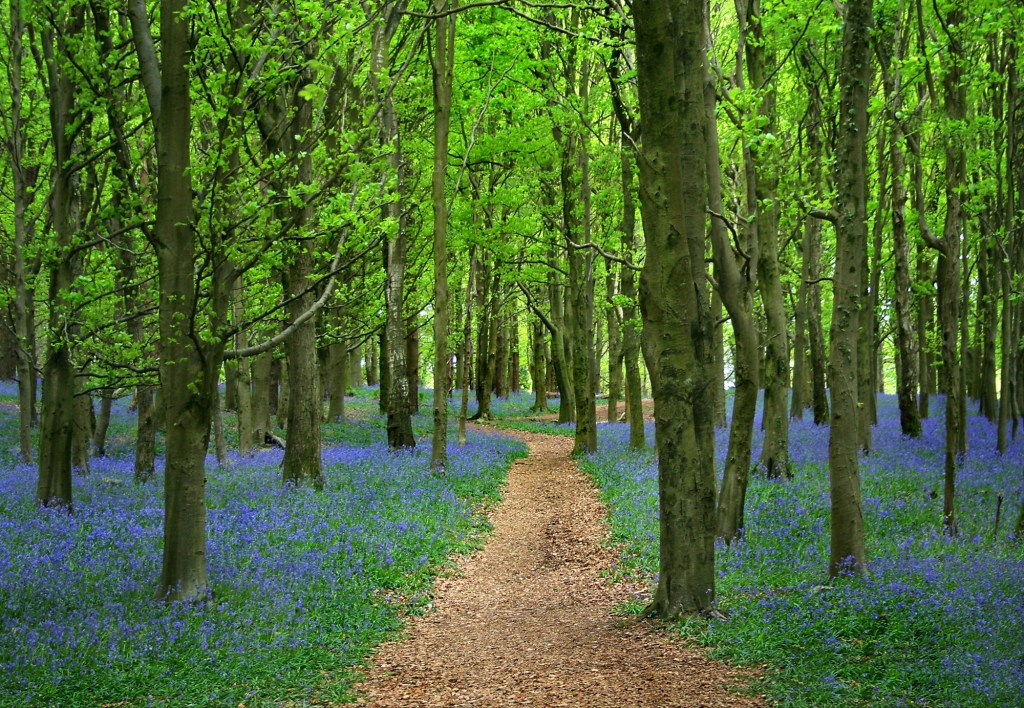
    The air—it’s alive. It hums, doesn’t it? Or maybe it’s in my head. No, no, it’s real, vibrating in my chest, crawling through my skin like tiny electric sparks. Is this how air used to feel? Clean, wet, soft like velvet. Not the choking, recycled stuff, scraped thin by machines. My chest feels raw, unprepared for it, like I’ve swallowed something too pure for my body.

    Pure Bliss

    And the trees—heavens, the trees. They stretch forever, all the way up, vanishing into green shadows and sunlight, folding together like lace. Too tall. Too wide. Too much. My eyes can’t hold them all at once. I try. I can’t. I blink, and they shift, ripple, like they’re breathing. The bark, cracked and grooved like skin—no, like stone—but warmer, alive, alive, alive. My fingers press against it. It presses back. Does it know I’m here? Does it care?

    I don’t trust this. It’s too perfect. Too much light, too much green, too much life. It’s like a story I heard when I was a kid. Forests with wolves and deer and wind that whispers. People who walked barefoot on the dirt, dirt that smelled like rain. It was a bedtime lie, wasn’t it? They said we killed it. Burned it. Paved it over and left it for dead. And yet here it is, here I am, knees sinking into the moss. Moss—soft like the fabric of dreams, cool under my palms.

    Dream. Yes, that’s it. This is a dream. It has to be. A glitch. My mind spinning out, a defense mechanism. The tether’s broken, I see the matrix. I’ll wake up. I’ll wake up back in the gray, the hum of machines in my ears. No birds. No birds there. But I hear them here—high, sharp, calling out into the endless green. Birds. I almost laugh. They’re real. Or I’ve invented them. Can I invent sound this beautiful?

    The smell—merciful earth, what is that smell? It’s dirt, yes, but sweeter, richer, like something blooming. Flowers? Do flowers have a smell? Not the ones we grew in the domes, sterile and waxy, pretty but hollow. These are alive, pulsing like veins in the air, like a thousand tiny hearts opening up at once. Too much. It’s too much. I close my eyes, but the forest doesn’t leave. It presses into me, through me, like it wants to crawl inside my lungs, nestle into my ribs

    Woods Imagined

    I can’t go back. How can I go back? They’ll laugh. They won’t understand. They’ll say, Oh, Aaron, the tether scrambled your mind. Forests? Sure. We had those. Once. And what did they do for us? They won’t smell this, feel this. They’ll never know how it moves, how it whispers. I could try to tell them, but the words wouldn’t come. They’re caught in my throat, tangled like the vines wrapping around the trees, twisting upward, desperate for the light.

    The wind. It moves like a sigh, brushing my skin. It knows me. Does it know what I’ve come from? What I’ve left behind? I taste salt, but I’m not crying. Am I? Maybe the forest is crying. Maybe it remembers what’s coming. What’s already happened. Or maybe it’s laughing, laughing at me, a man from the hollow future, standing here like a ghost in a world too alive to make sense.

    I sit. No, I collapse. My legs are shaking, useless. The moss takes me, cradles me like it’s been waiting. The air is thicker now, heavier, like it’s wrapping around me. A cocoon. I want to stay here. Let it swallow me whole. Let it keep me. The tether can break, and I’ll drift here forever, lost in this green dream.

    A sound—a bird, maybe? Or a branch snapping. Too sharp to be the wind. I twist, searching, but there’s nothing, only more trees. Endless trees. Watching me. Whispering to me. I think I hear words. No, not words. Something older, deeper. The pulse of roots in the soil. The creak of branches holding the sky. They know. They know what we’ve done.

    “I’m sorry,” I say aloud, my voice thin, swallowed by the forest. It feels like a lie. The words aren’t enough. Nothing is enough. My hand touches the ground—soft, cool, alive—and I want to sink into it, vanish into the earth like water. Let me stay. Let me forget what we became.

    The wind rises again, stronger this time, carrying the scent of leaves and damp earth. It washes over me, through me. My head is heavy. My eyes close. I’m floating. No—sinking. Sinking into the moss, the soil, the hum of the trees. The air thickens around me, soft as a blanket.

    “Let me stay,” I whisper, though I don’t know who I’m asking. The forest answers with silence, the kind that hums, vibrates, breathes. My chest aches with it. My heart beats too fast. Or maybe it’s slowing. Or maybe it’s the forest’s heart now, and mine is gone.

    I’ll wake up soon, back in the gray. Won’t I? But the wind doesn’t let go. The moss holds tight. The light filters through my eyelids, green and gold, and I think—maybe I won’t wake up. Maybe I was never awake at all.

    If you find this content inspiring and uplifting, consider supporting what I do. Buy me a coffee on Ko-fi.
    Your support makes a difference in my life and helps me create more of what you, and I, like. Thank you!
    Tap to view my redbubble gallery.
  • The Mare Eternal

    The Mare Eternal

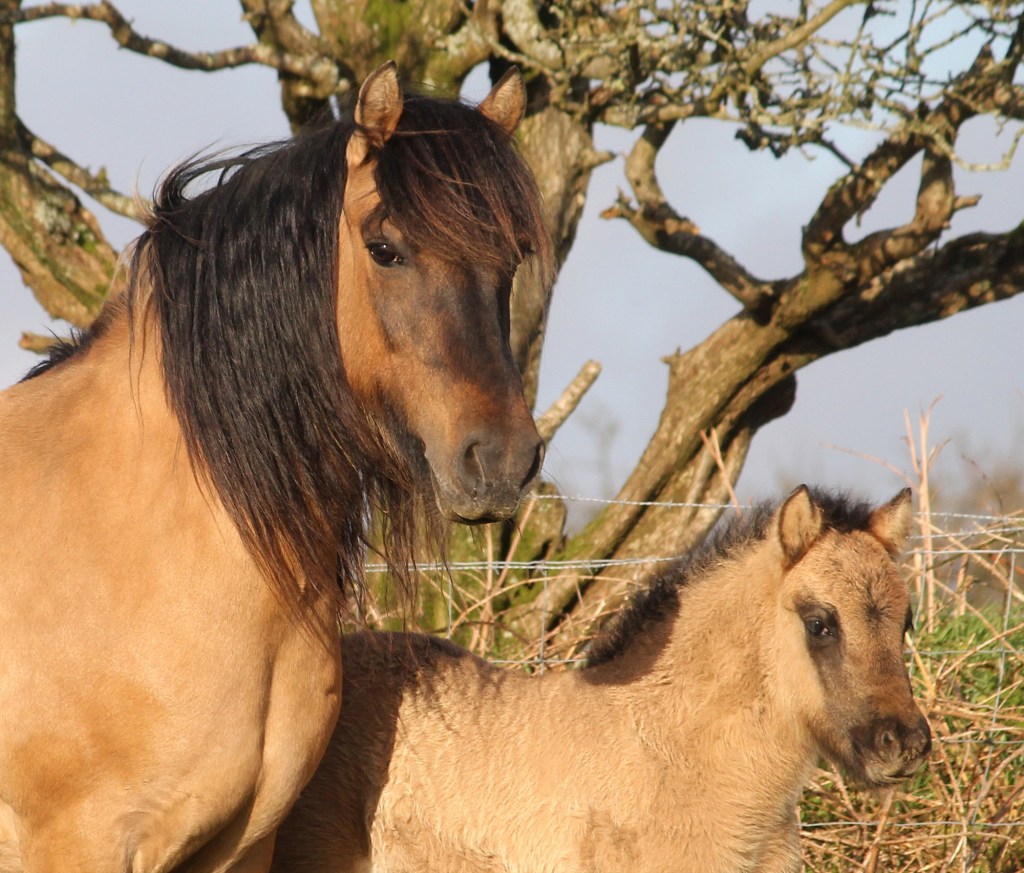
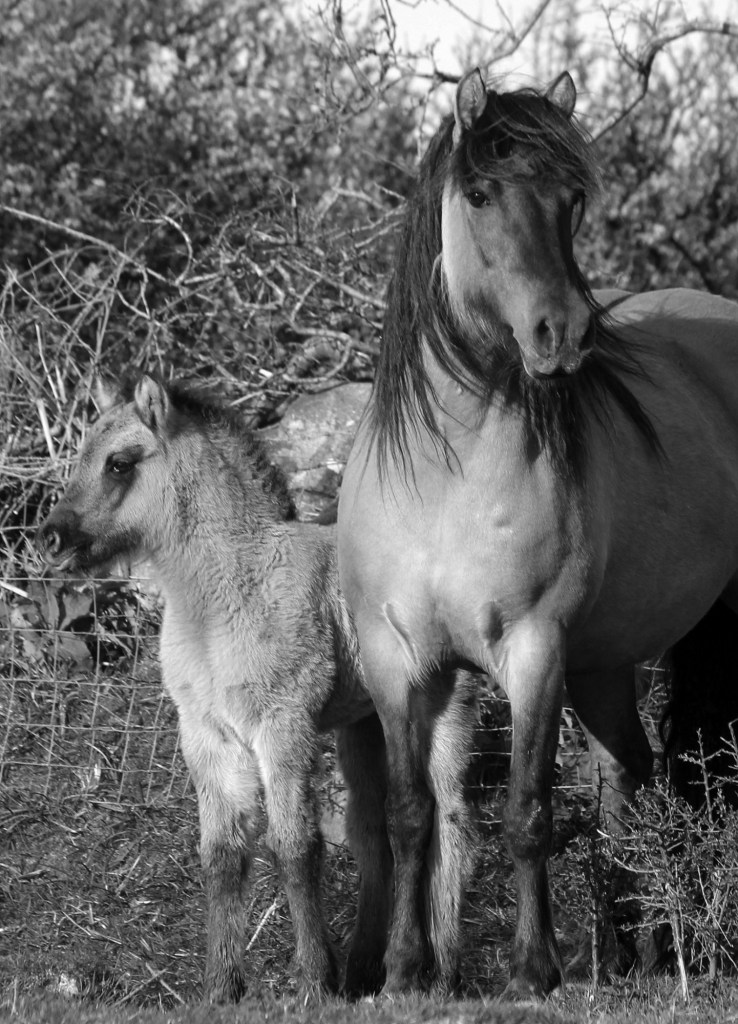
    The foal bolted. Little streak of chaos, its legs seemed far too long and far too skinny to carry it as fast as it went, but there it was, defying reason, defying physics, defying the well-worn patience of its mother.

    Mare, horse,foal
    My friend’s horses

    The mare sighed, the sound a mix of exasperation and resignation, the kind only mothers and gods know. She had been a mother before. She would be a mother again. But this foal, this particular foal, had a spark to it. A dangerous spark. She chased.

    It was all fields at first. Bright fields, green as the idea of springtime, endless as optimism. The foal ran, leaping in arcs that could shame any rainbow. The mare followed, heart thrumming with equal parts fear and pride. The foal laughed—yes, laughed—and that laughter was an arrow to the mare’s chest. How could a laugh be so beautiful and so terrifying? She couldn’t explain it, but she knew. Every gallop brought the foal closer to something: a boundary, an edge, an end.

    The woods came next. Dark and gnarled and full of secrets. The foal’s gait changed. Slower, but still determined. The mare followed, watching as her child learned to weave through brambles, sidestep dangers, and chase beams of light. There was a wolf once. The mare saw it before the foal did, and her heart stopped, her legs faltered. But the foal—clever little spark—saw it too, and instead of fear, it showed defiance. A stomp, a whinny, and the wolf slinked away. The mare breathed again, though not deeply. She didn’t have time for deep breaths anymore. 

    The foal found a river next. Fast and cold and impossible to stop. It charged headlong into the current, and the mare’s pulse spiked. Water was not grass, not earth. Water was a thief. It could take a foal and never give it back. She plunged in after, her hooves finding no purchase, only faith. The foal splashed and stumbled, and the mare thought: *this is the end*. But no. The foal found footing on the other side and pranced up the bank, triumphant. The mare dragged herself onto dry land, shaking and coughing, wondering how many more times she could survive her child’s survival.

    Hills rose in the distance. The foal raced up the first with the energy of youth, the energy of something that didn’t know yet that energy runs out. The mare chased, slower now. Her legs ached. The foal reached the crest and reared up, silhouetted against a sun that suddenly seemed lower in the sky.

    It was a horse now. Not a foal, not anymore. Strong and sleek, full of life. It ran down the hill into the valley below, and the mare followed. She was not strong and sleek. Not anymore.

    The horse ran. Through fields again, these ones golden, full of a warmth that felt like goodbye. The mare tried to keep up, tried to call out, but her voice was a whisper and her legs were lead. The horse—her foal, her spark—didn’t stop, didn’t turn. It ran into the horizon, where the sun sank lower, lower, gone.

    The mare stood still. She couldn’t run anymore. Her body wouldn’t let her. But she watched. She would always watch. Because that’s what mothers do. They run after their children until they can’t, and then they stay where they are, watching, hoping, remembering.

    And then, after a long while, the mare lay down in the field. It was soft. Softer than she expected. She closed her eyes.

    And the foal, who was never a foal, who was always running, always running, ran on.


    永遠の牝馬。

    子馬が駆け出した。小さな混沌の閃光のように、足はあまりにも細く、あまりにも長すぎて、そんな速さで走れるはずがないのに、そこにいた。理屈を超え、物理を超え、そして母親の擦り減った忍耐をも超えて。

    Mare, horse,foal
    私の友達の馬たち。

    牝馬はため息をついた。その音は、呆れと諦めが入り混じったもので、母親と神様だけが知っているような響きだった。彼女はこれまでにも母親だったことがある。そしてこれからも母親になるだろう。だが、この子馬、この特別な子馬には何かがあった。危うい火花のようなものが。それが気になって、彼女は追いかけた。

    最初は一面の野原だった。明るい野原、春のイメージそのもののような緑、楽観主義のように果てしない広がり。子馬は走った。虹も顔負けの見事な弧を描いて跳ね回った。牝馬はそれを追いかけた。胸の鼓動は恐れと誇りが半々だった。子馬は笑った――そう、笑ったのだ。その笑い声は、牝馬の胸を射抜く矢だった。どうして笑い声がこんなにも美しく、そして恐ろしいのだろうか。彼女には説明できなかったが、分かっていた。ひとつの確信があった。子馬のひと駆けごとに、何かに近づいていたのだ――境界線、端、あるいは終わりのようなものに。

    次に現れたのは森だった。暗く、ねじれ、秘密に満ちた森。子馬の足取りは変わった。遅くなったが、それでもなお、確固たる決意があった。牝馬は後を追い、子がいばらをすり抜け、危険をかわし、木漏れ日を追いかけるのを見守った。一度、狼が現れた。牝馬は子馬よりも先にその姿を見つけた。心臓が止まり、足がすくんだ。だが、子馬――あの賢い小さな火花――も狼に気づいていた。そして恐れる代わりに、反抗を見せた。踏み鳴らし、いななき、狼は身をひそめて去っていった。牝馬は再び息をついたが、深くは吸えなかった。もはや、深呼吸する時間はなかった。

    次に子馬が見つけたのは川だった。速く、冷たく、止めることができない流れ。子馬はためらうことなくその流れに飛び込んだ。牝馬の脈は跳ね上がった。水は草ではない、土でもない。水は泥棒だ。子馬をさらって二度と返さないかもしれない。彼女も後を追い、飛び込んだが、ひづめはどこにも支えを見つけられなかった。ただの信念だけが彼女を支えていた。子馬は水しぶきを上げ、つまずき、牝馬は思った。「これが終わりだ」と。だが、そうではなかった。子馬は流れの向こう岸で足場を見つけ、岸に駆け上がった。その姿は勝利そのものだった。牝馬はやっとの思いで陸に上がり、体を震わせ、水をはらい、咳き込みながら考えた。*あと何回、子の生存に付き合って自分が生き延びられるのだろうか*と。

    遠くに丘が見えた。子馬は一番手前の丘を、若さのエネルギーのままに駆け上がった。まだ、エネルギーが尽きるということを知らない生き物のエネルギーで。牝馬は後を追ったが、もはやその速度は遅かった。脚は痛みで悲鳴を上げていた。子馬は丘の頂上にたどり着き、太陽を背にして後ろ脚で立ち上がった。そのシルエットは、なぜか少し太陽が低くなったように見えた。

    それはもう子馬ではなかった。馬だった。もはや子馬ではなく、強く、しなやかで、命そのものが溢れていた。その馬は丘を駆け下り、谷へと消えた。牝馬は後を追ったが、自分が強くしなやかだった頃はもう遠い過去だった。

    馬は走った。また野原が現れたが、今度の野原は黄金色だった。別れの温もりを感じさせるような黄金の光に満ちていた。牝馬は必死で追いかけ、呼びかけようとしたが、声はかすれたささやきにしかならず、脚は鉛のように重かった。馬――彼女の子馬、彼女の火花――は止まらなかった。振り返りもしなかった。そのまま、地平線へと走り去った。太陽がさらに低く、低くなり、ついに沈んだ。

    牝馬は立ち尽くしていた。もう走れなかった。体がそれを許さなかった。だが彼女は見守った。これからもずっと見守るのだ。なぜなら、それが母親というものだからだ。母親は子を追いかけ続ける。自分の脚が止まるまで、止まった後も、そこに留まり、見つめ、祈り、思い出し続けるのだ。

    そして、しばらくしてから、牝馬は野原に身を横たえた。そこは思ったよりも柔らかかった。目を閉じた。

    かつては子馬で、しかし一度も本当の意味で「ただの子馬」ではなかったもの――走り続けたその存在は、今もどこかで走り続けていた。


    If you find this content inspiring and uplifting, consider supporting what I do. Buy me a coffee on Ko-fi.
    Your support makes a difference in my life and helps me create more of what you like. Thank you!
    Tap to view my redbubble gallery.
  • Popty Ping and Other Reasons to Love Welsh

    Popty Ping and Other Reasons to Love Welsh

    So, Welsh. Yeah, it’s a real language, and no, it’s not just random consonants tossed into a Scrabble bag. It’s one of the oldest languages in Europe, spoken in Wales, where people know their sheep as good as their weather forecast (usually rain). But seriously, it’s a living, breathing language with a rich history and, let’s be honest, a bit of a PR problem. I mean, have you ever tried convincing someone that *Llanfairpwllgwyngyllgogerychwyrndrobwllllantysiliogogogoch* is a legitimate place and not the sound of a cat walking across a keyboard?

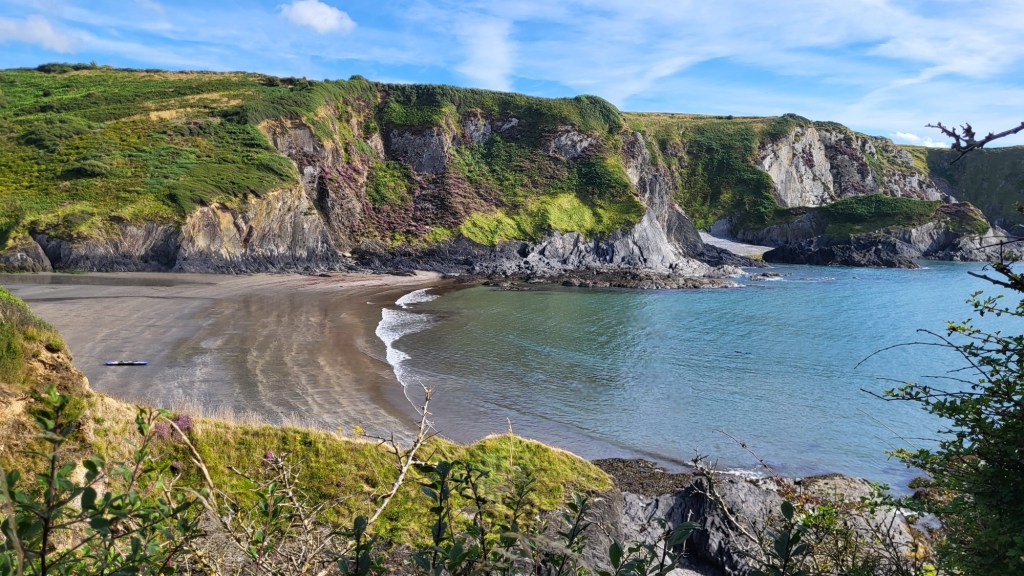
    Abermawr Beach
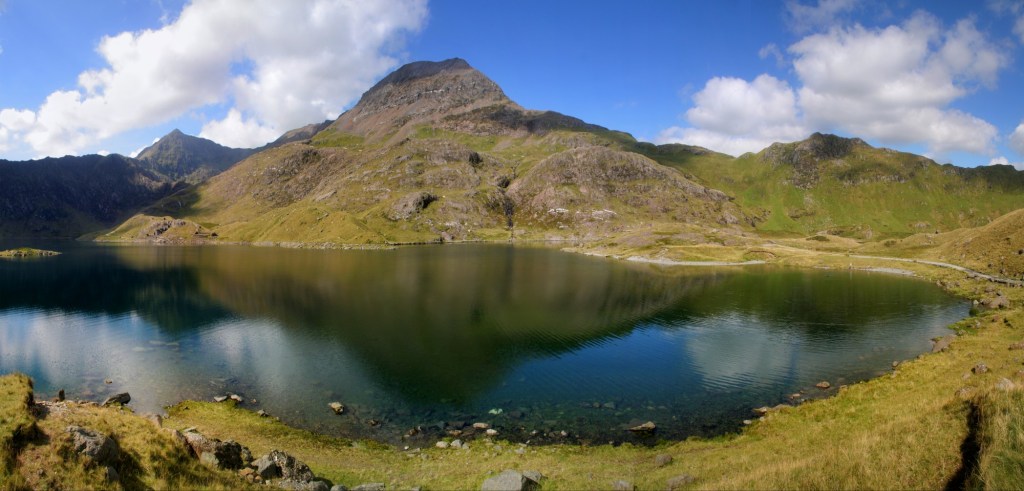
    Llyn Llydaw. With Snowdon in the background

    Welsh, or ‘Cymraeg’ as the locals call it (pronounced “kum-RAIG,” by the way), is one of the Celtic languages. Think Gaelic, but with more ll’s, which, in case you were wondering, is not just a double “L.” It’s a soft, breathy sound that feels like trying to whisper to someone with a mouthful of marshmallows. It’s oddly satisfying once you get the hang of it. 

    For Welsh people, the language isn’t just words; it’s identity. It’s how they connect to their ancestors, their culture, and their sense of place in the world. Speaking Welsh is like wearing a badge that says, “I survived centuries of cultural suppression, and all I got was this vowel-deficient language.” But they wear that badge proudly. 

    Now, let’s talk about how it sounds. Welsh has this sing-song quality that makes everything sound like it should be sung from the top of a windy hill in a BBC period drama. Even the most mundane phrases feel poetic. Take “Sut wyt ti?” which means “How are you?” It’s pronounced something like “Sit OO-ee tea,” and it makes you feel like you should answer with a sonnet instead of a shrug. 

    Then there’s the word ‘hiraeth’. Oh, hiraeth. It’s one of those untranslatable words that’ll make you feel all philosophical and deep. It roughly means a longing for a home you can’t return to, or maybe one that never really existed. It’s the emotional equivalent of looking at an old photo and feeling like your heart’s been dunked in tea. 

    But not everything in Welsh is wistful and poetic. Some words are just plain fun to say. Like ‘popty ping’, which is slang for microwave. Yes, ‘popty ping’. How can you not love a language where heating leftovers sounds like a kid naming a spaceship? 

    Want to impress your friends? Try this: say ‘diolch’ (DEE-olkh). That’s “thank you.” Or ‘iechyd da’ (yeh-CHID dah), which is “cheers.” But watch out for that “ch.” It’s like clearing your throat, but, you know, politely. 

    Learning Welsh is like joining an exclusive club. Sure, it’s a small club, but it’s mighty. And the members? They’ll welcome you with open arms because every new speaker is a little victory for a language that’s survived against the odds. 

    So, whether you’re planning a trip to Wales, have Welsh roots, or just want to spice up your life with some extra consonants, give Welsh a shot. You might not master the ‘ll’ sound on day one, but you’ll definitely feel like you’re part of something special. And who knows? You might even find yourself yelling “Cymru am byth!” (“Wales forever!”) at a rugby match one day. 

    Until then, ‘hwyl fawr’! That’s “goodbye” in Welsh, and it’s pronounced, well… just trust me on this one.

    If you find this content inspiring and uplifting, consider supporting what I do. Buy me a coffee on Ko-fi.
    Your support makes a difference in my life and helps me create more of what you like. Thank you!
    Tap to view my redbubble gallery.
  • A Snapshot of Welsh Tranquility

    A Snapshot of Welsh Tranquility

    Wales in stillness breathes,
    Sheep beneath the twisted tree,
    Time folds into now.

    Sheep, Stones, and Sunlight

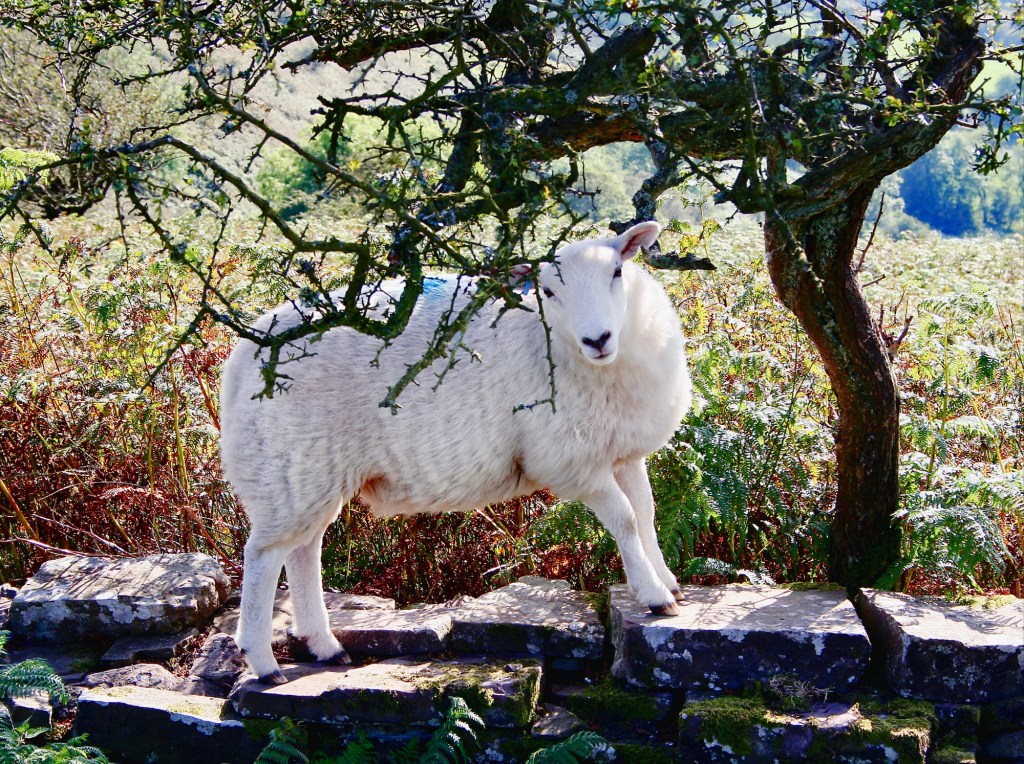
    There is a moment in every journey where time seems to pause. For me, it happened in the quiet Welsh countryside, where a simple sheep under a gnarled tree stopped me in my tracks. The air was crisp, carrying the scent of moss and bracken, and the landscape stretched wide, untamed yet inviting. This single, unassuming scene—of stone walls, dappled sunlight, and the curious gaze of an animal—felt like a distillation of everything Wales represents. 

    The sheep, a quintessential emblem of this land, stood framed by a spindly tree that clung to the rocky ground. It had the air of an accidental guardian, standing atop ancient stones as if overseeing a realm where history, nature, and humanity blend seamlessly. It didn’t flee or flinch when I approached with my camera, just watched with an intensity that made me feel like the visitor I was. And in that exchange, wordless and fleeting, I felt an unexpected sense of calm. 

    It’s easy to rush through life, ticking off sights and experiences like items on a to-do list. But here, in this quiet moment, I was reminded of the value of stillness. Of the beauty in ordinary things. The lichen-covered stones beneath the sheep’s hooves hinted at stories far older than mine—walls built by hands long gone, dividing fields that have seen generations of life. The sunlight filtering through the tree branches cast shifting patterns on the ground, a reminder of time’s gentle, inevitable flow. 

    Wales has a way of grounding you. Its hills and valleys aren’t just landscapes; they’re vessels of memory. The sheep, as ubiquitous as they are, embody this spirit. They are not just creatures grazing absentmindedly—they are part of the rhythm of the land, living symbols of its enduring character. 

    As I walked away from the scene, I felt lighter. The world seemed a little quieter, my thoughts a little clearer. That single sheep, perched on its stone stage, had given me something unexpected: perspective. It reminded me that not all moments need to be grand to be meaningful. Sometimes, it’s in the simplest of scenes that we find what we didn’t know we were looking for. 

    And that’s the magic of Wales—a place where even the smallest details invite you to slow down, look closer, and feel more deeply.

    If you find this content inspiring and uplifting, consider supporting what I do. Buy me a coffee on Ko-fi.
    Your support makes a difference in my life and helps me create more of what you like. Thank you!
    Tap to view my redbubble gallery.
  • The UK miners’ strike of 1984–85

    The UK miners’ strike of 1984–85

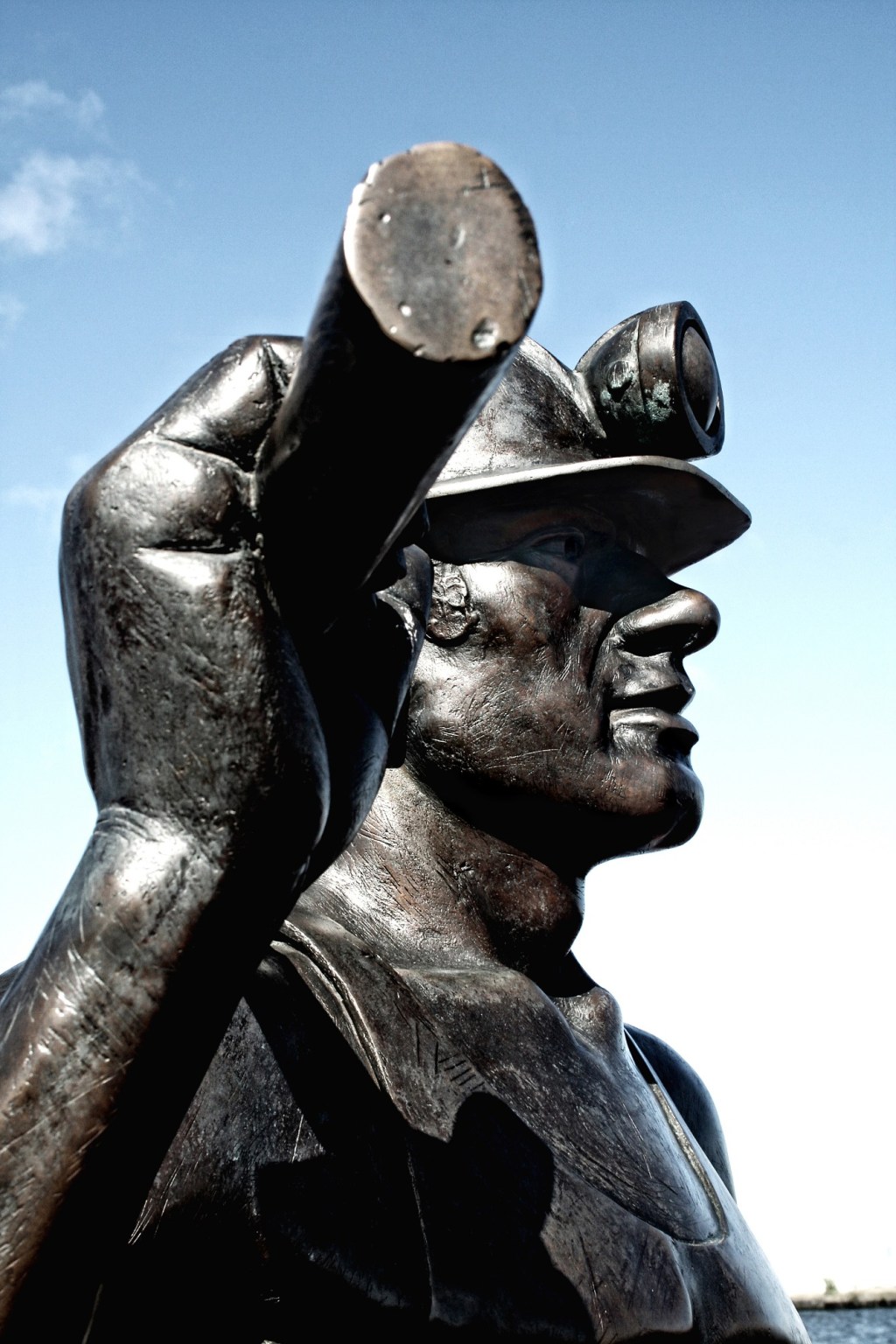
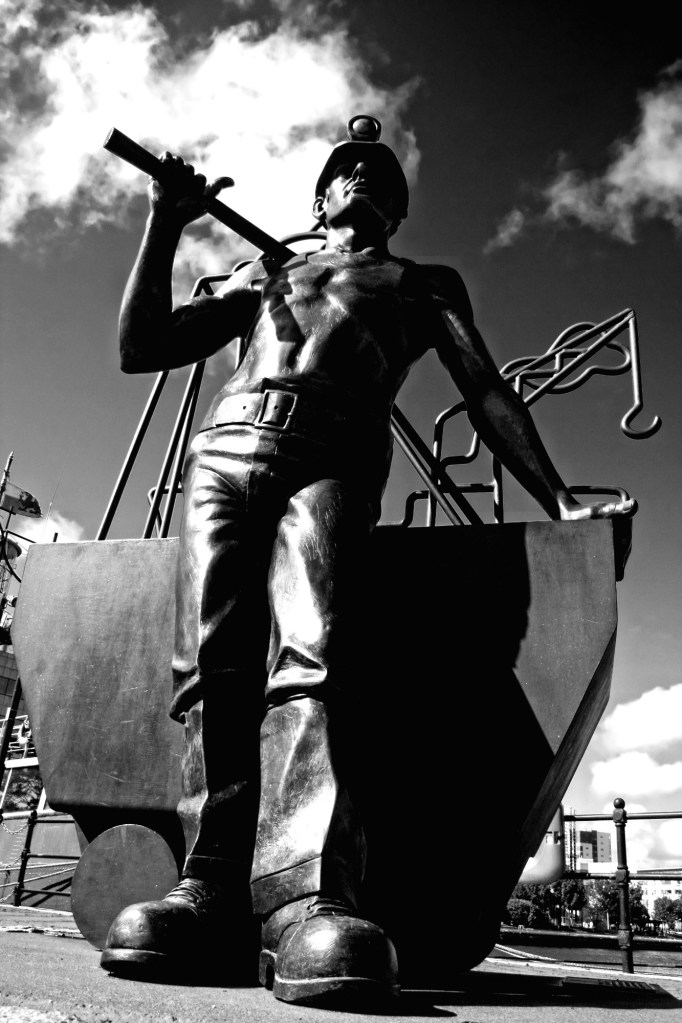
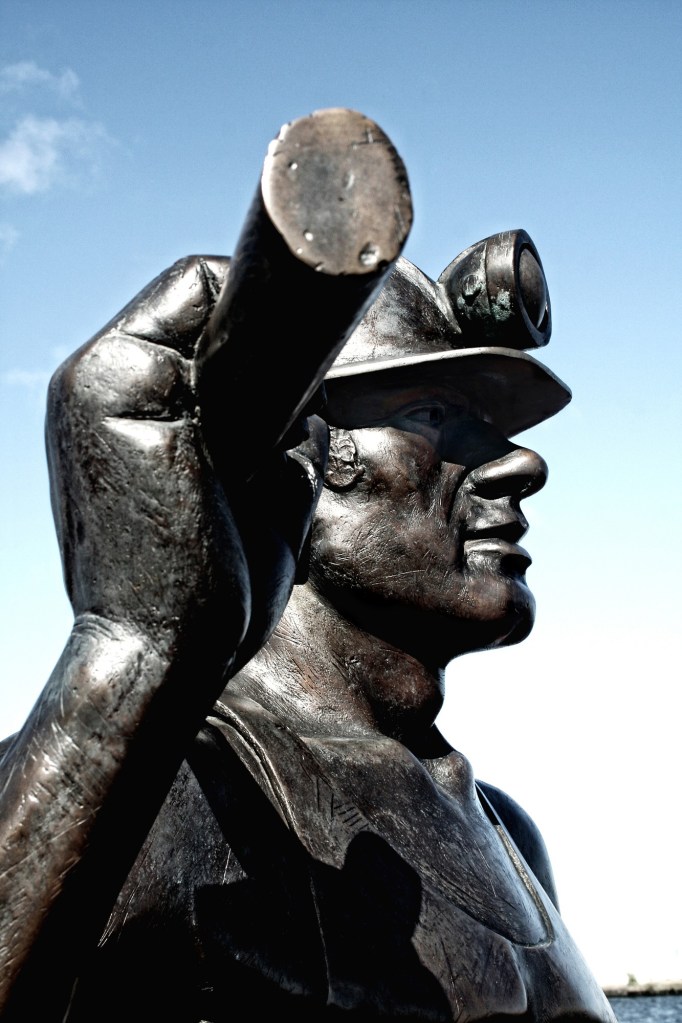
    Statue at Cardiff Bay

    The Miners’ Strike: Thatcher’s War on Britain’s Backbone

    The miners’ strike of 1984–85 was more than a labour dispute—it was a defining battle in Britain’s socio-political history, pitting the working class against the iron will of Margaret Thatcher. What started as a fight to save coal jobs turned into a bruising war of attrition that reshaped the nation. 

    Strong Worker

    Thatcher’s government framed the strike as a necessary showdown against union power. Her target was the National Union of Mineworkers (NUM) and its leader, Arthur Scargill. For her, defeating the miners was about cementing a free-market economy unshackled from militant unionism. But for the miners, the strike was about survival—defending communities built on coal and livelihoods handed down for generations. 

    The strike was brutal. Police clashed with picketers in scenes reminiscent of civil war. Families faced hunger, hardship, and the fracturing of entire towns. The government stockpiled coal and deployed police forces as though miners were an internal enemy. Meanwhile, the NUM leadership failed to call a national ballot, fracturing the movement and alienating public support. 

    When the strike collapsed after a year, Thatcher had won—but at what cost? The coal industry was gutted, and with it, the social fabric of mining towns. Entire communities were abandoned to unemployment and decay. Once-thriving villages became ghost towns as young people fled in search of work, leaving behind fractured families and a profound sense of betrayal. 

    Today, many former mining areas are still grappling with the fallout. Decades later, unemployment, poverty, and poor health are entrenched in places where coal once fueled the economy. Drug abuse, mental health struggles, and a lingering sense of hopelessness plague some of these communities. People who lived through the strike recall it as a time of deep division—not just between miners and the government, but within their own families, as desperation forced people to make impossible choices. 

    For some, the scars remain visible: empty streets, derelict buildings, and the absence of the industry that once united and sustained entire towns. Thatcher’s victory symbolised the triumph of neoliberalism, but it also left a generation of workers and their families to shoulder the burden of its consequences. 

    The miners’ strike wasn’t just a defeat for labour; it was a death knell for solidarity in the face of growing economic inequality. The echoes of that struggle still resonate, a stark reminder of the cost of ideological warfare against the working class—and the communities it continues to hollow out.

    If you find this content inspiring and uplifting, consider supporting what I do. Buy me a coffee on Ko-fi.
    Your support makes a difference in my life and helps me create more of what you like. Thank you!
    Tap to view my redbubble gallery.
  • Capturing The Contrast

    Capturing The Contrast

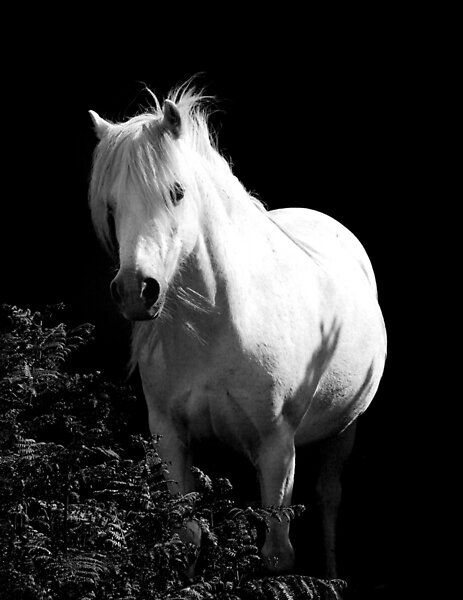
    Black and white horse
    Who me?

    You know, sometimes a photo just grabs you and won’t let go. That’s what happened with this shot of my white horse against the dark background. I’ve taken thousands of horse photos – trust me, my phone’s storage is crying about it – but there’s something about this one that feels different. It’s like catching magic in a moment, if magic wore a mane and had a tendency to sneeze on your camera lens.

    I decided to go with black and white for this one, and I’ll tell you why. There’s this gorgeous tension between light and shadow that color sometimes masks – like when you’re wearing a really great outfit but your statement necklace is stealing all the attention. In black and white, you can really see how my horse’s coat practically glows against that velvet-dark background. It’s not just white; it’s this luminous, ethereal kind of white that makes you wonder if maybe, just maybe, unicorns aren’t such a far-fetched idea after all.

    And can we talk about that little bit of foliage peeking in? It’s doing the heavy lifting of keeping this photo grounded in reality, like that one sensible friend who reminds you that no, you probably shouldn’t get bangs at 2 AM. Without it, the horse might look like it’s floating in space – which, cool concept, but not what I was going for here.

    The contrast between black and white creates this almost theatrical backdrop, like nature decided to set up its own spotlight. My horse didn’t get the memo about being dramatic though – they’re just standing there, being their authentic self, probably thinking about their next snack. But that’s what makes it work, right? That completely unposed, natural moment caught in this stark, artistic frame.

    I’ve noticed that some of my favorite photos are the ones that make you lean in a little closer, the ones that play with the line between simplicity and drama. This shot does that for me. It’s like the photographic equivalent of a really good whisper – quiet but impossible to ignore. And while I’d love to say I planned every element of this composition, sometimes the best photos are the ones where you’re just lucky enough to be there with your camera when the light, the moment, and yes, even the cooperative positioning of a horse, all decide to play nice together.

    And yes, before you ask, I absolutely have this printed and hanging on my wall. Because some photos just deserve to graduate from the endless scroll of our camera rolls, don’t you think?


    If you find this content inspiring and uplifting, consider supporting what I do. Buy me a coffee on Ko-fi.
    Your support makes a difference in my life and helps me create more of what you like. Thank you!
    Tap to view my redbubble gallery.
  • The grounding ground.

    The grounding ground.

    Basil, mint, and thyme—
    scent of soil and sunlight’s warmth,
    roots finding their way.

    Hands deep in the earth, I feel the quiet pulse of life beat beneath my fingers—a slow, steady rhythm that grounds me in a way few things do. Roots twist below, unseen threads tying me to this moment, reminding me that sometimes the most meaningful connections are the ones you can’t quite see. In the green silence around me, everything slows. I breathe with the soil, the earthy scent filling my lungs as if I’m taking in the very essence of the garden itself.

    Sunlight warms my skin, each ray another gentle reminder that life continues, grows, even when no one’s watching. There’s a comfort in the hum of it all: the small, tireless work of nature happening at its own perfect pace. My thoughts start to settle, sinking down into the soil with the roots, each breath drawing me deeper into the present. Here, lost in this quiet rhythm, I feel whole, as if I, too, am planted right where I’m meant to be.

    Bare feet touch the grass,
    the hum of soil grounding me—
    sunlight warms my skin.


    What garden have you got and how does it help you.


    If you find this content inspiring and uplifting, consider supporting what I do. Buy me a coffee on Ko-fi.
    Your support makes a difference in my life and helps me create more of what you like. Thank you!
    Tap to view my redbubble gallery.

Design a site like this with WordPress.com
Get started