Category: Wales

  • Where Do Dreams Lead?

    Where Do Dreams Lead?

    I had been traveling for months, seeking adventure and new experiences. I had seen many wonders and met many people, but I also felt a growing longing for my home. I missed the green hills, the gentle breeze, and the familiar faces of my family and friends. I wondered if they still remembered me, or if I had become a stranger to them.

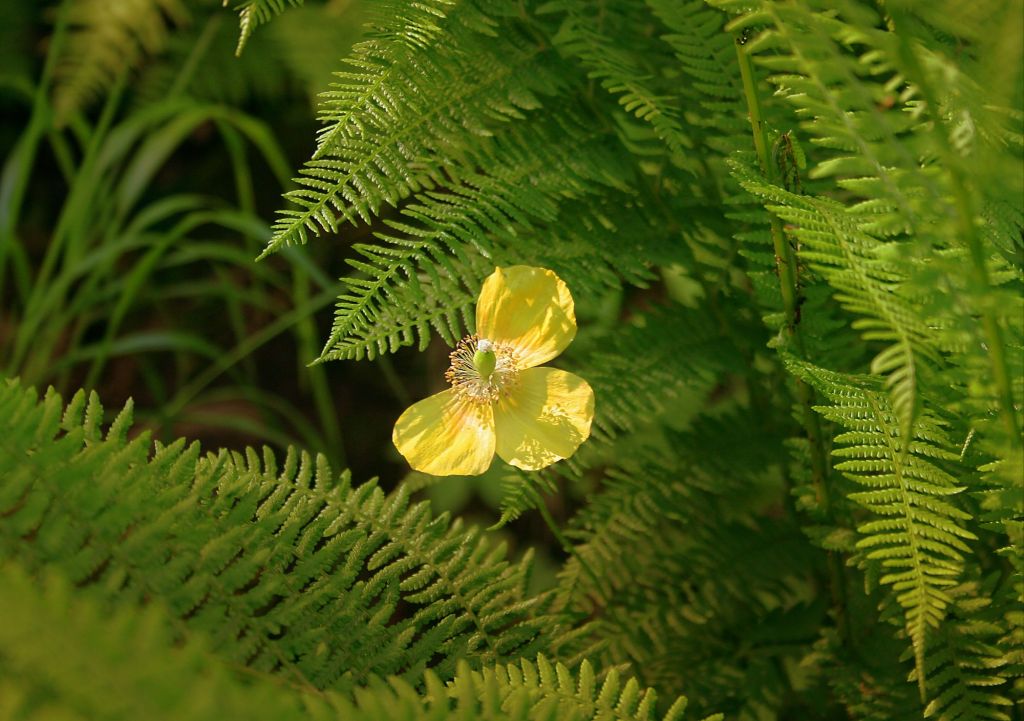
    Life among the ferns

    Distant sun’s bright call,
    Dreams bloom in a foreign land,
    Homeland whispers near.

    Anthony

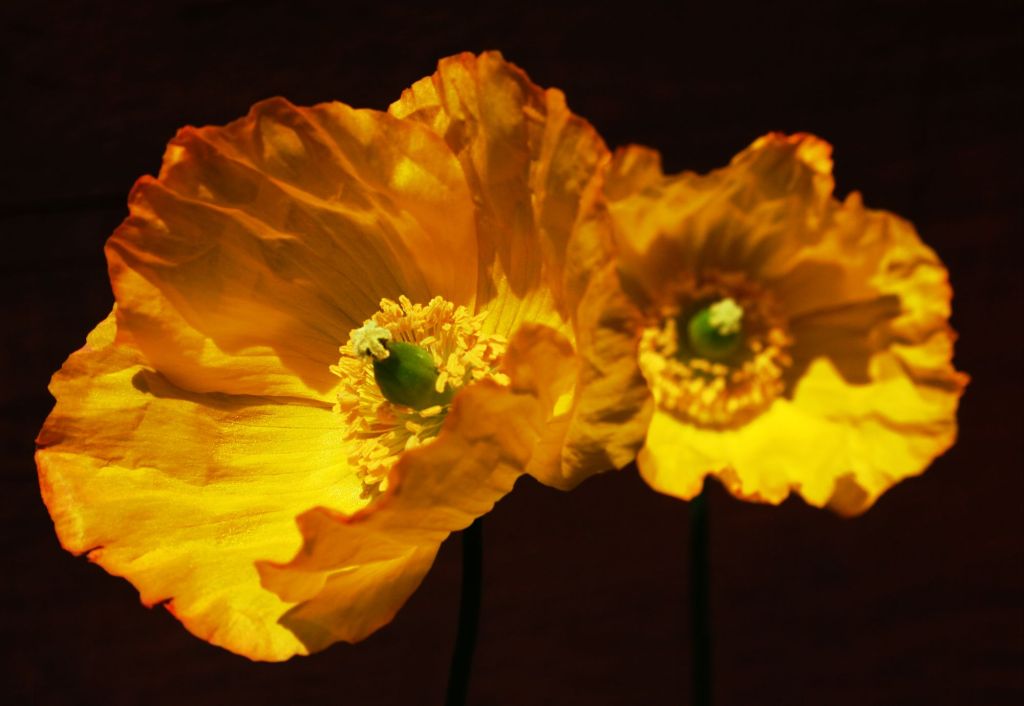
    One day, I came across a small market in a foreign town. I browsed through the stalls, looking for something to buy as a souvenir. I saw a bunch of flowers that caught my eye. They were bright yellow, with four petals and a sparkling center. They looked like miniature suns, radiating warmth and joy. I asked the seller what they were called.

    “Aye, Welsh poppies those are, like the ones dancin’ wild in the hills back home,” the seller chuckled, his voice warm with a lilt like wind through barley. “Tough little buggers, they are, sproutin’ up anywhere you look. But special, mind you, with a magic all their own. Some say they hold the cure for hiraeth, that ache in your heart for the land you miss. Sleep with one o’ these beauties tucked beside you, and even in the farthest corner of the world, you’ll dream of home, green and sweet and familiar as your mam’s lullaby.”

    I felt a surge of emotion. I had not seen a Welsh poppy before, nor had I dreamed of my homeland. I felt a sudden urge to buy one and see if the seller’s words were true. I paid a few coins and took a single flower. I thanked the seller and left the market.

    That night, I found a quiet spot to camp. I laid down my sleeping bag and placed the Welsh poppy next to my pillow. I closed my eyes and hoped for a good dream.

    Green hills in slumber’s grasp,
    Ancestors’ warm embrace,
    Roots rediscovered.

    Anthony

    I woke up in a meadow. I felt the soft grass under my body and the fresh air in my lungs. I opened my eyes and saw a blue sky above me, dotted with white clouds. I sat up and looked around. I recognized the landscape. I was in my homeland.

    I felt a wave of happiness and disbelief. I wondered if I was still dreaming, or if I had somehow been transported here. I got up and walked towards a nearby hill. I saw a familiar sight. A stone cottage, with a thatched roof and a chimney. Smoke was rising from it, and a warm light glowed in the window. Somehow I knew who lived there. My ancestors.

    I ran towards the cottage, eager to see them. I knocked on the door and waited. The door opened, and I saw a face I had only seen in old photographs. My great-grandfather, who had died before I was born. He looked just like my father, but older and wiser. He smiled and greeted me.

    “Hello, my boy. I’ve been expecting you. Come in, come in. You must be hungry and tired. We have plenty of cawl and a warm hearth for you. You are welcome here. You are one of us.”

    Tears welled up in my eyes. I hugged my great-grandfather and thanked him. I entered the cottage and saw more familiar faces. My great-grandmother, my great-uncles and aunts, my cousins. They all welcomed me with open arms and kind words. They made me feel at home.

    I spent the day with them, talking, laughing, and sharing stories. I learned about their lives, their struggles, and their joys. I felt a connection with them that I had never felt before. I felt a sense of belonging and purpose. I felt like I had found my roots.

    I stayed with them for a while, enjoying their company and their hospitality. I felt happy and peaceful. I did not want to leave. I wished I could stay with them forever.

    But this was not my time to stay, I knew I had to go. I had a life of my own, a life I had chosen. I had a world to explore, a world I loved. I had to wake up and continue my journey.

    I said goodbye to my ancestors, promising to visit them again. They hugged me and wished me well. They gave me a gift. A Welsh poppy, to remind me of my homeland and my heritage. They told me to keep it close to my heart, and to never forget who I was and where I came from.

    I thanked them and left the cottage. I walked back to the meadow, where I had awoken. I lay down on the grass and closed my eyes. I felt the Welsh poppy in my hand, and the warmth of my family in my soul.

    I woke up in my sleeping bag. I felt the cold ground under my body and the crisp air in my lungs. I opened my eyes and saw a dark sky above me, sprinkled with stars. I sat up and looked around. I was back in the foreign land, far away from my home.

    I felt a mix of emotions. I felt sad and nostalgic, but also grateful and inspired. I had just had the most amazing dream of my life, a dream that had changed me. I had seen my homeland, and met my ancestors. I had learned about my past, and gained a new perspective on my present and future.

    I got up and packed my things. I took the Welsh poppy and put it in my pocket. I felt its magic and its meaning. I smiled and continued my journey.

    I was a traveller, but I also had a home, and I had a family. I had a dream, and I had a reality. I had a Welsh poppy, and I had a heart.

    Poppy’s magic fades,
    Stars guide a thankful heart,
    Journey onward calls.

    Anthony

    Where do your dreams take you?

    Welsh Poppy

    Hiraeth
    “Hiraeth” is a beautiful and complex Welsh word that does not have a direct English translation. While sometimes described as “homesickness”, it carries a much deeper and nuanced meaning. Here’s a breakdown:

    Not just homesickness: While it has elements of longing for a place, hiraeth encompasses more than just missing somewhere you used to live. It touches on:
    Nostalgia: A yearning for a past time, often idealised, that may not even have existed.
    Grief and loss: A melancholic feeling for something irretrievably lost, whether a person, place, or a sense of belonging.
    Longing for something intangible: A yearning for a connection to something beyond the physical world, like heritage, community, or a sense of belonging.
    Uniquely Welsh: Hiraeth is deeply rooted in Welsh culture and history, reflecting the complex relationship between the Welsh people and their land. It captures a specific yearning for Wales, its landscapes, and its cultural identity.
    No perfect translation: Due to its nuanced nature, hiraeth is difficult to translate directly into English. It requires context and understanding of the cultural significance to truly grasp its meaning.

    Here are some similar concepts in other languages that capture different aspects of hiraeth:

    Saudade (Portuguese): A melancholic longing for something missing, often accompanied by a sense of incompleteness.
    Sehnsucht (German): A deep yearning for something unattainable, often accompanied by a sense of dissatisfaction with the present.
    Tizita (Amharic): A complex emotion encompassing longing, nostalgia, and bittersweet joy, often associated with specific cultural experiences.

    Hiraeth is a beautiful and evocative word that captures a unique emotional experience. Understanding its full meaning requires appreciating its cultural context and the complex emotions it carries.

    Tap to view my redbubble gallery.
  • Misty Realms

    Misty Realms

    “Mist veils ancient tales,
    Gwrach y Rhibyn whispers doom,
    Welsh hearts etched in fear”

    Anthony
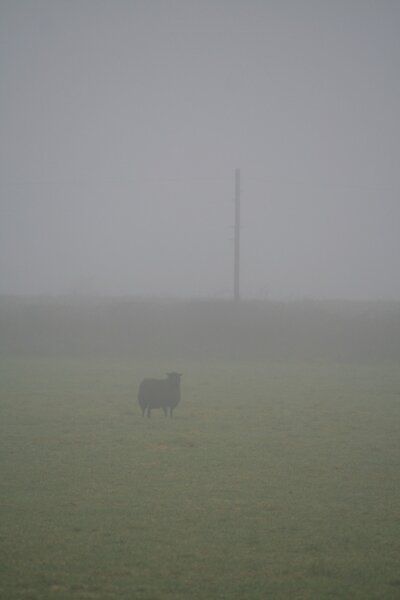
    Black sheep

    Hag of the Mist

    In the mist-shrouded realm of Welsh folklore, there exists the haunting spectre known as Gwrach y Rhibyn—the Hag of the Mist. This malevolent entity, draped in the cloak of death, emerges when the air thickens with an ominous fog. Gwrach y Rhibyn, a wretched crone with ancient secrets and supernatural powers, casts an unsettling shadow upon those unlucky enough to cross her path. Her appearance forebodes impending tragedy, and the mist itself seems to whisper tales of doom. In the misty veil between the living and the supernatural, Gwrach y Rhibyn innokes a chilling narrative, leaving a lingering sense of fear etched into the hearts of the Welsh people.

    Gwrach y Rhibyn

    Yn y byd cysegredig wedi’i wympasu â niwl yn chwedloniaeth Gymreig, mae yna ysbryd frawychus o’r enw Gwrach y Rhibyn— hag of the Mist. Cyfentrodd ysbryd niweidiol hwn, wedi’i wisgo mewn mantell angau, pan fydd yr awyr yn trwchus gyda niwl dywyll. Gwrach y Rhibyn, hen wrgi â chyfrinachau hynafol a phŵerau dychmygol, sy’n taflu cysgod anghyson ar y rhai anffawdus sy’n croesi ei lwybr. Mae ei hystyr yn rhagweld trais sy’n agosáu, ac mae’r niwl ei hun yn ymddangos fel bod yn sibrwd chwedlau o ddinistr. Yn y llenni niwlog rhwng y byw a’r gorllyd, mae Gwrach y Rhibyn yn ennyn naratif o oeri, gan adael teimlad parhaus o ofn wedi’i ysgrifennu yn llygaid pobl Cymru.

    Tap to view my redbubble gallery.
  • First Welsh Photo

    First Welsh Photo

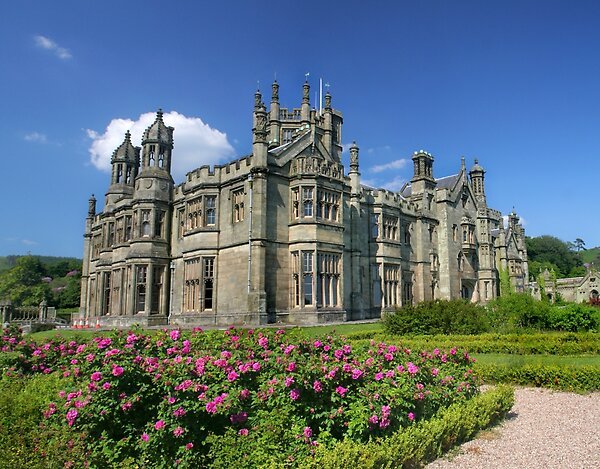
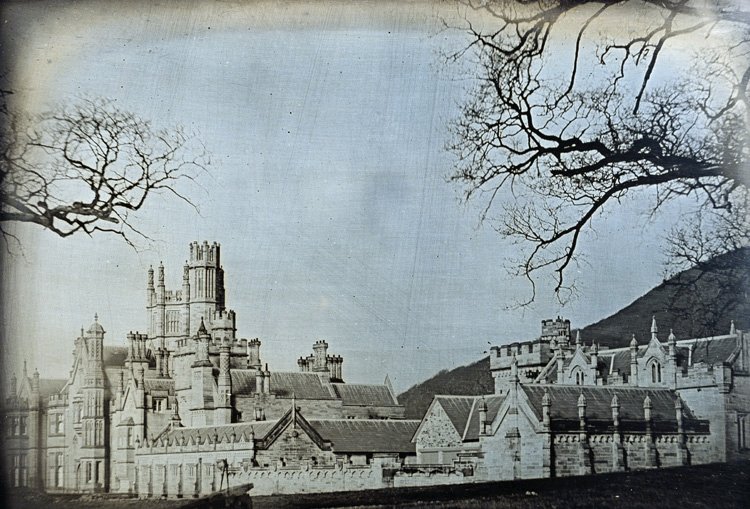
    The first photo to be taken in Wales at Margam park, Port Talbot

    It’s interesting to be taking photos here as very few people know Margam Park was the location of the earliest known Welsh photograph. It was a daguerreotype of the castle taken on 9 March 1841 by the Reverend Calvert Richard Jones. A daguerreotype is an early type of photograph that was produced on a silver-plated copper sheet. The Reverend Jones was a pioneer of photography and a friend of William Henry Fox Talbot, who was also a frequent visitor to Margam Park and experimented with his own photographic methods. The Margam daguerreotype is now kept at the National Library of Wales and is considered a valuable historical document.

    Took this photo of Margam Park a few years ago.
    Tap to see my red bubble gallery

    In the early 19th century, the estate passed to the Talbot family, who built “Margam Castle”c a neo-Gothic country house that was designed by Thomas Hopper and completed in 1840. The castle was the seat of the Talbot family until the end of the Second World War, when it was used by the army and suffered from neglect and vandalism.

    In 1973, the Margam Estate was acquired by Glamorgan County Council, and in 1977, the park was opened to the public. Since then, the park has been restored and enhanced, offering a variety of attractions and activities for visitors, such as a sculpture park, a farm trail, a narrow gauge railway, a fairytale village, and a discovery centre.

    Margam Park is a place of exceptional historic and scenic value, and has some of the country’s finest architectural treasures in its magnificent setting. It is a rare and valuable learning resource and a heritage attraction of considerable distinction.

    I hope you enjoyed learning about its history. 😊

    Tap to view my redbubble gallery.
  • Nature’s Whisper Amidst Ruins

    Nature’s Whisper Amidst Ruins

    “In the crevices of despair, nature composes a ballad of renewal, each leaf a lyric in the unwritten song of life’s enduring melody.”

    Anthony
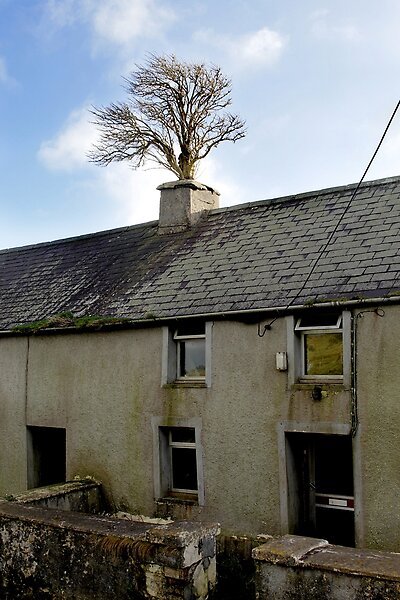
    Took this photo in the Welsh hills. I love how nature reclaims man’s constructions.
    Tap to view my redbubble gallery

    In the gloomy recesses of our fractured existence, where the shadows of despair lengthen and the echoes of discord reverberate, there exists a profound truth—nature, that eternal force, ceaselessly endeavours to reclaim dominion over the desolation we’ve wrought. Through the fractures and crevices of our broken world, it weaves its resilient tendrils, a manifestation of the indomitable spirit of life.

    Oh, the lamentable tale of our folly, where progress has become the architect of its own undoing. The ceaseless march of industry, the relentless pursuit of mastery over the elements, has left our once-vibrant world battered and bruised. Yet, in the midst of this man-made labyrinth, nature persists, an undaunted force that refuses to be silenced.

    Behold the tenacity of the weed, that humble interloper pushing through the unforgiving concrete. A symbol of defiance against the cold hand of human order. Through the cracks in the pavement, nature extends a green rebellion, reclaiming its birthright inch by persistent inch. It is as if the earth itself, wearied by our excesses, whispers a quiet protest, reminding us that it, too, has a voice—a voice echoing through the crevices of our misguided endeavours.

    In the murk of our industrialization, nature’s resilience becomes a beacon of hope, a reminder that despite our ceaseless march towards progress, there exists a sublime balance we dare not disrupt. The wind through the shattered windows, the wildflowers in the neglected corners, each a chorus singing the hymn of an untamed world seeking to endure.

    And so, as we stand amidst the ruins of our own creation, let us not forget that nature, in its quiet rebellion, persists—a testimony to a world that always finds a way to push back against the encroaching darkness, through the cracks and crevices of our broken existence.

    Tap to view my redbubble gallery.
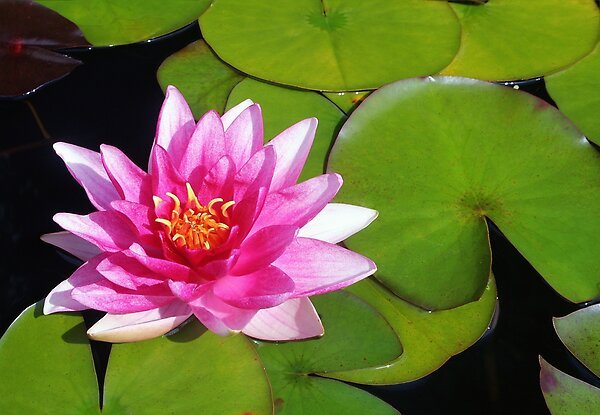
  • Lily Pads: Nature’s Art

    Lily Pads: Nature’s Art

    “Canvas of stillness
    Water lily’s quiet dance,
    Monet’s brush whispers”

    Anthony
    Took this photo at the botanical garden Wales.
    Tap to see my redbubble gallery

    Monet’s Musings

    Monet: Ah, my dear water lily, you seem to have mastered the art of silent reflection. Your petals, a palette of nature’s finest hues.

    Water Lily: Thank you, Monsieur Monet. Your artistry has captured my essence, immortalising the dance of light upon the water.

    Monet: Your presence transforms the pond into a living masterpiece. How do you maintain such serenity amidst the ripples of life?

    Water Lily: It is in stillness that I find my strength. Embracing the water’s surface, I learn to dance with both the sunlight and the shadows.

    Monet: A dance indeed, and with every ripple, a new verse is written. Tell me, do you converse with the frogs and dragonflies?

    Water Lily: In whispers, Monsieur. The frogs share their tales of the land, and dragonflies speak of the breeze’s adventures. We form an opus of nature’s secrets.

    Monet: Nature’s symphony, a melody only few can hear. Your petals, a delicate crescendo in this harmonious composition.

    Water Lily: And your brush, Monsieur, orchestrates the colours of our aquatic ballet. Each stroke a note of our shared existence.

    Monet: Together, we create a timeless duet – you, the muse of stillness, and I, the humble composer of your liquid stage.

    Water Lily: A duet that echoes through ponds and galleries alike, uniting the realms of art and nature.

    Monet: Merci, my dear water lily, for gracing my palette with your quiet elegance. Together, we paint the poetry of a tranquil pond.

    Tap to view my redbubble gallery.
  • Millennium stadium Cardiff Wales

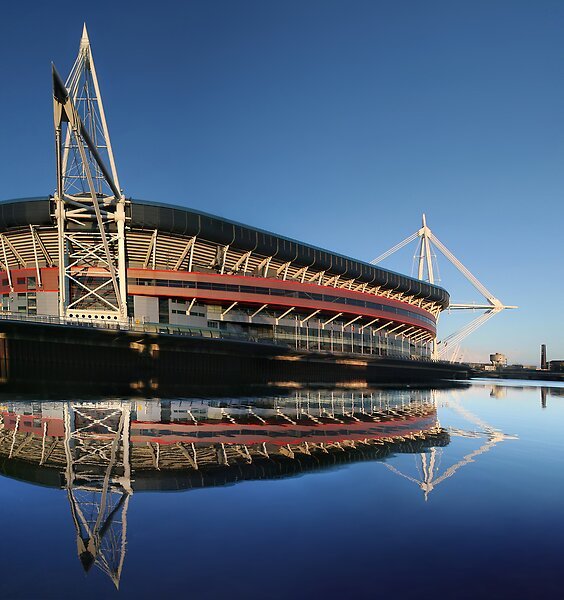
    Millennium stadium Cardiff Wales

    I thought that give some different facts about the millennium stadium that usually go under the radar.

    “In the heart of Cardiff, where hawks dance in the sky, and bells ring tales of friendship, the Millennium Stadium stands as a modern ode to sport and spectacle—a stage for the chorus of cheers echoing through time.”

    Anthony
    Managed to get the perfect day for this photo.
    Tap to see my red bubble gallery

    Guardian of the Stadium. The stadium has a resident hawk named Darcy, who is trained to scare away pigeons and other birds that might damage the pitch or the roof. Darcy is a Harris hawk, a species native to North and South America, and she has been working at the stadium since 2000. She flies around the stadium before and after events, and sometimes during breaks.

    Secret Tunnel. The stadium has a hidden tunnel that connects it to the nearby Cardiff Castle. The tunnel was originally built in the 19th century as part of the castle’s defence system, and it was later used as a shelter during World War II. The tunnel is now used by VIP guests and performers who want to avoid the crowds and enter the stadium discreetly.

    The Bell of Friendship. The stadium has a special bell that is rung before every rugby match. The bell was donated by the Llanelli Rugby Club in 1999, as a gesture of goodwill and friendship. The bell is made of bronze and weighs 107 kilograms (236 pounds). It is inscribed with the words “Cofiwch Dryweryn”, which means “Remember Tryweryn” in Welsh. This is a reference to the flooding of a Welsh village in 1965 to create a reservoir for Liverpool.

    Historic Cricket Match. The stadium hosted the first ever indoor cricket match in 2002, when England played India in a one-day international. The match was played under the closed roof due to bad weather, and England won by 31 runs. The roof also helped to amplify the noise of the crowd, creating a unique atmosphere.

    Harmony in Voices. The stadium was the venue for the world’s largest ever choir performance in 2007, when 10,000 singers from 220 choirs gathered to sing in the Festival of Voice. The event was organised by the Welsh Music Foundation and featured songs in Welsh, English, and other languages. The singers performed in front of a packed audience of 60,000 people.

    I hope you enjoyed these facts.🙂

    Tap to view my redbubble gallery.
  • Cardiff Castle: A Grand Opportunity {not really}

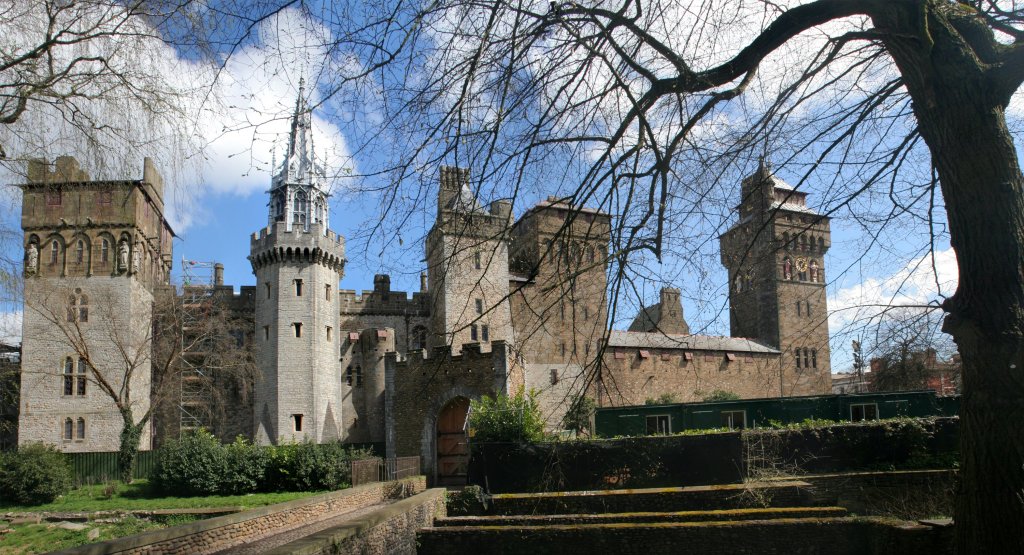
    Cardiff Castle: A Grand Opportunity {not really}

    Cardiff Castle is a truly unique and historic property, now available for purchase. (NOT actually for sale! 🙂). This magnificent castle dates back to the 11th century and has been home to many notable figures throughout history, including the Normans, the Tudors, and the Butes.

    Tap to view my redbubble gallery.

    The castle is set in the heart of Cardiff, just a short walk from the city centre and all of its amenities. It is also conveniently located close to major road and rail links, making it easy to get to and from the city.

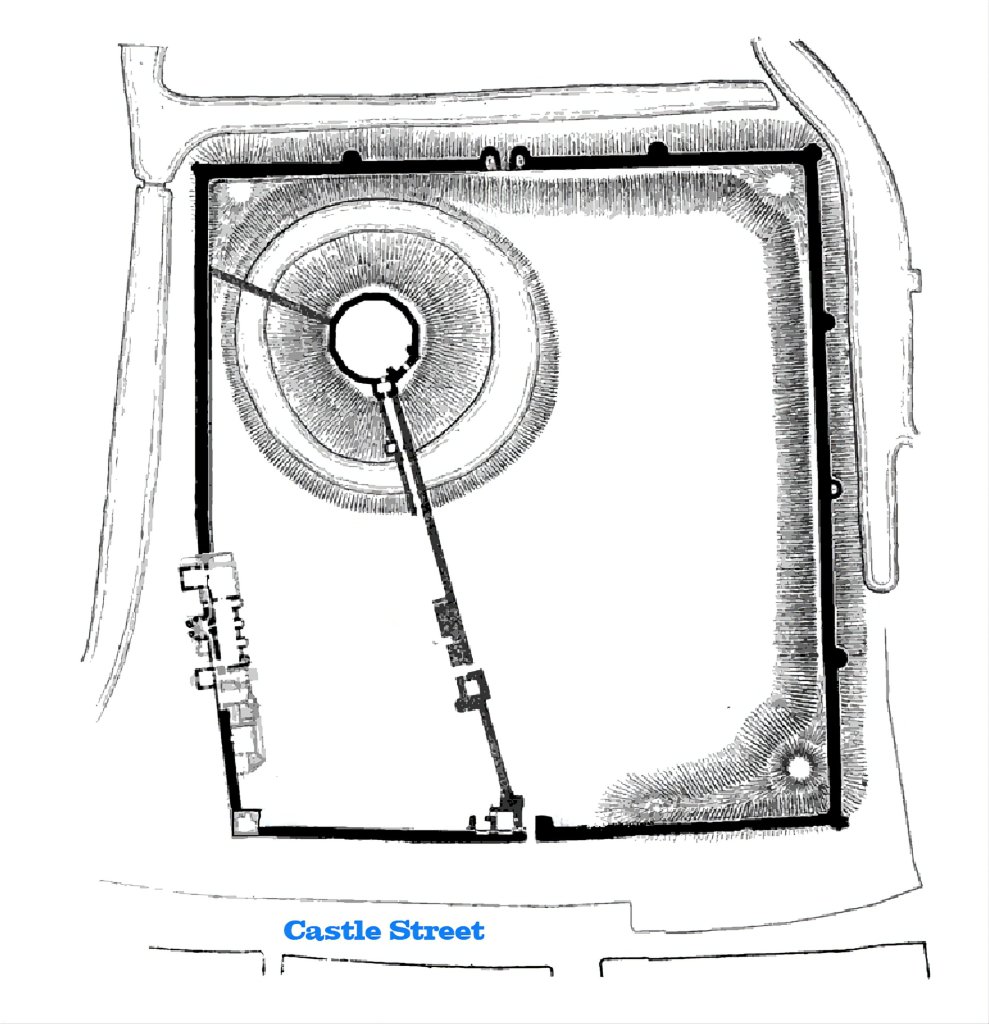
    The castle itself is a sprawling complex of buildings and grounds, covering over 21 acres. The main castle building is a Norman keep, with thick stone walls and towers. Inside, the castle is decorated in a variety of styles, from mediaeval to Victorian.

    The castle grounds are also extensive and include a variety of features, such as a moat, a drawbridge, a courtyard, and gardens. There is also a castle museum, which houses a collection of artefacts and exhibits on the history of the castle and its inhabitants.

    Cardiff Castle is a truly unique and special property, and it would be the perfect home for someone who appreciates history, architecture, and luxury.

    Not actually for sale

    Floor Plan

    The main castle building is divided into three floors:

    • Ground floor: The ground floor houses the castle’s main entrance hall, as well as a number of other staterooms, including the Great Hall, the Dining Room, and the Drawing Room.
    • First floor: The first floor houses the castle’s private apartments, including the bedrooms, bathrooms, and dressing rooms.
    • Second floor: The second floor houses the castle’s servants’ quarters, as well as a number of other rooms, such as the library, the chapel, and the ballroom.

    Features

    • Historic Norman keep
    • Beautifully decorated staterooms
    • Extensive grounds with moat, drawbridge, courtyard, and gardens
    • Castle museum housing a collection of artefacts and exhibits
    • Convenient location in the heart of Cardiff

    Price

    Cardiff Castle is available for purchase at a guide price of POA. (Not actually for sale! 🙂)

    Contact Us

    If you are interested in purchasing Cardiff Castle, please contact us today to arrange a viewing. We would be delighted to show you this magnificent property and answer any questions you may have. (Please do not contact anyone! 🙂).

    P.S. We are [NOT] offering a special discount to buyers who are willing to pay in bitcoin.

    Tap to view my redbubble gallery.
  • Llandeilo’s arching achievement

    Llandeilo’s arching achievement

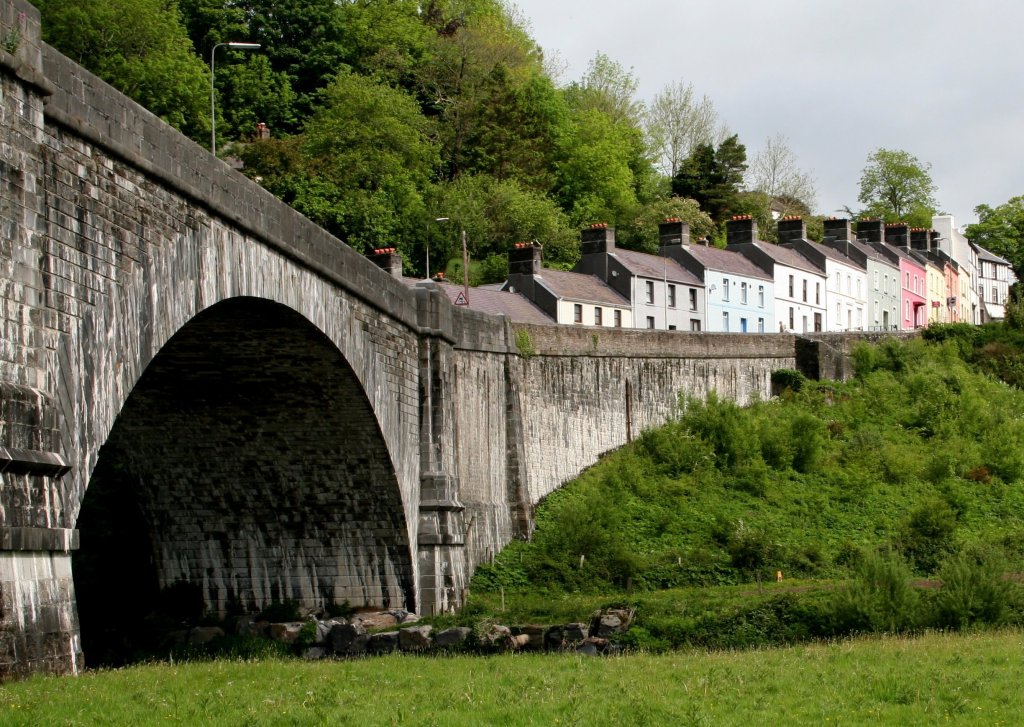
    Hello there! Let me tell you about the charming bridge at Llandeilo. It’s a Grade II* listed road bridge that gracefully spans the River Towy in the picturesque town of Llandeilo, nestled in Carmarthenshire, Wales. This bridge is a vital link for the A483 road heading towards Ffairfach.

    Tap to view my redbubble gallery.

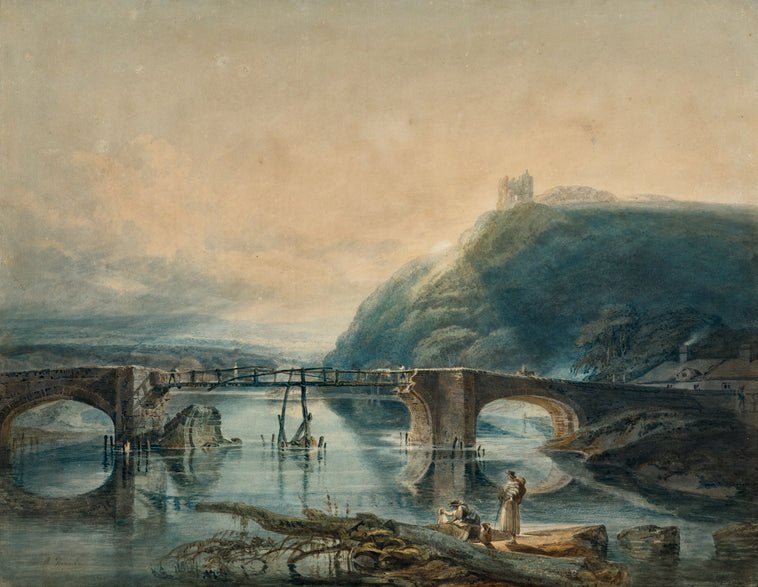
    The story behind this bridge is quite fascinating. The brilliant William Williams, Llandeilo’s very own county bridge surveyor, designed this single-arch wonder. Its construction took place between 1843 and 1848, a project that replaced a previous three-arched bridge. This older structure had itself replaced a mediaeval seven-arch bridge that sadly collapsed back in 1795.

    J.M.W. Turner painted Llandeilo Bridge and Dinefwr Castle in 1795.

    William Williams initially led the project, but the complexities of building on challenging foundations drained the budget entirely, leading to his dismissal. Unfortunately, he passed away before the bridge’s completion. In 1846, Edward Haycock stepped in to finish the job, though the cost had escalated significantly to a staggering £23,000.

    The new bridge was a vast improvement over its predecessor, with enough room for a double carriageway. Its single arch impressively stretched 143 feet across the river, rising 35 feet above it, which was quite a feat at the time and made it the third longest single arch bridge in Britain. This height also reduced the road’s gradient towards the town, making it more accessible.

    The bridge’s architectural details are a reflection of its craftsmanship. The bridge, arch soffits, parapets, and buttresses are adorned with chisel- or hammer-dressed masonry. The voussoirs of the arch are lengthy and finely finished with ashlar. The bridge is also flanked by substantial stone buttresses at each end of the arch, which extend in both directions to support the lengthy causeways leading to Llandeilo and Ffairfach. It’s not just a bridge; it’s a piece of Llandeilo’s rich history.

    Tap to view my redbubble gallery.
  • Flowing through Time

    Flowing through Time

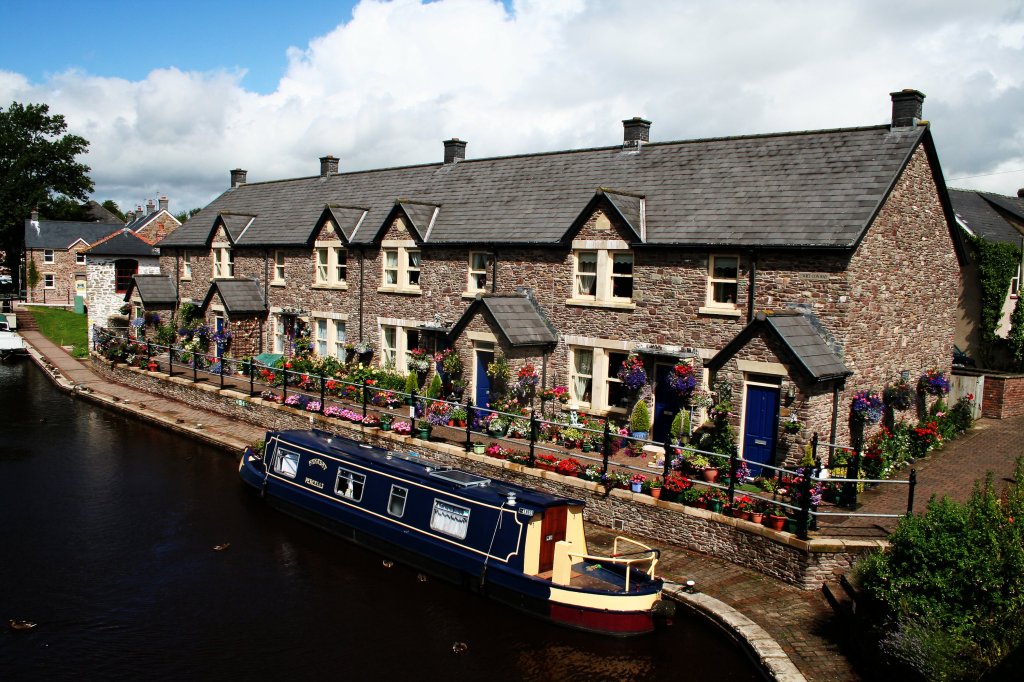
    In the heyday of the Brecon Canal, life as a canal man was a world unto itself. The waterways were the lifeblood of our community, and I was a humble steward of this liquid highway, where tales of toil and camaraderie flowed as freely as the water beneath our narrowboat’s hull.

    Brecon canal
    Tap to view my redbubble gallery.

    Each morning, well before the sun could kiss the Welsh hills, I’d begin my day by stoking the coal stove, its warming glow chasing away the chill. The calloused hands of a canal man were well-acquainted with ropes and capstans, and as the first light broke, I’d cast off, my trusty steed of waterways setting forth on another journey.

    The Brecon Canal wove a serpentine path through stunning countryside, with rolling green hills and quiet villages dotting the landscape. The echoing clip-clop of our horse’s hooves on the towpath, our loyal four-legged companion, was a soothing soundtrack to the day’s work. We were a team, the horse, the boat, and I, moving in harmony with the ebb and flow of life along the water.

    We navigated a complex network of locks, each one a different puzzle to solve. The rhythmic turning of the lock gate winches and the gushing of water was a dance, one that only those who spent their lives on these canals truly understood.

    The real charm of being a canal man lay in the camaraderie with fellow travellers. At the end of the day, we’d moor in a quiet spot, and often a pub was not far off. The tales spun in those dimly lit corners, fueled by pints of ale, were like treasures of the canal. Stories of cargo, mishaps, and chance encounters with colourful characters all found their place in the oral history of the waterway.

    As night descended and the stars painted the sky, I’d lay in my bunk, the gentle rocking of the boat beneath me, and feel a profound sense of peace. Life as a canal man was simple, yet it held the beauty of a bygone era.

    The Brecon Canal in its heyday was more than just a transport route; it was a way of life. I was a humble navigator of those waters, and in return, they revealed to me the quiet majesty of the Welsh countryside and the enduring spirit of those who plied their trade on its tranquil surface.

    Tap to view my redbubble gallery.
  • Norwegian Church

    Norwegian Church

    The Norwegian Church in Cardiff Bay is a historic and cultural landmark in Cardiff, Wales. It was originally built in 1868 to serve the growing Norwegian community in the area, many of whom were involved in the shipping and coal trading industries. The church played a vital role in the community, serving as a place of worship and a social centre for Norwegians living in

    Norwegian Church in Cardiff Bay
    Tap to view my redbubble gallery.

    In the late 20th century, the church fell into disuse, but it was later renovated and reopened as a cultural and arts centre. Interestingly, in 1916, the world-famous author Roald Dahl, who was born in Cardiff and whose parents were Norwegian, was baptised in the Norwegian Church. This historical connection adds to its significance.

    Today, it hosts various events, exhibitions, and performances, making it a hub for cultural and artistic activities in Cardiff. It also has a cafe with beautiful waterfront views. The Norwegian Church is an important part of the cultural heritage of Cardiff and the broader history of the Welsh-Norwegian connection in the city

    Tap to view my redbubble gallery.
Design a site like this with WordPress.com
Get started