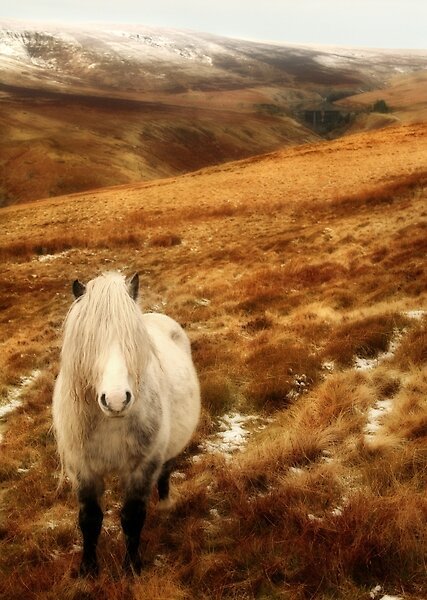
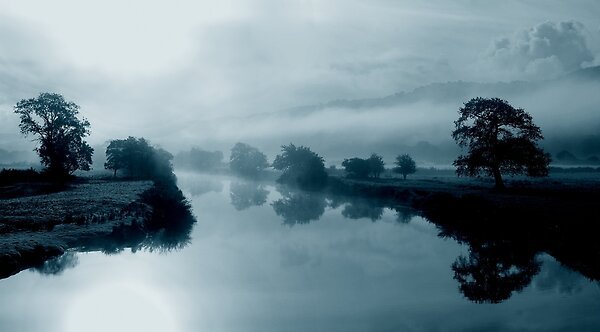
In the heart of the Forgotten Fairyland, where dreams once danced on gossamer wings, there lies a lament of enchantment lost to time. The unicorn, a symbol of our pure and youthful spirit, roams these forgotten meadows, seeking the treasure of its stolen horn, which mirrors the innocence we’ve left behind.
Forgotten fairytale, Castle crumbles, river weeps, Innocence betrayed.
– Anthony
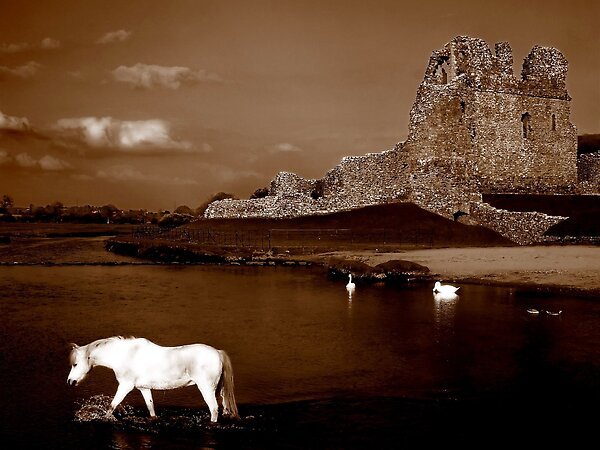
I haven’t changed this photo apart from the sepia. I was so lucky to get the horse, swans and castle in one. Tap to view my redbubble gallery.
The castle, once a haven of dreams in our youthful hearts, now crumbles in sorrow as the river’s woeful song carries tales of our fading memories away. Moss-covered walls whisper with the laughter of forgotten playmates, and ivy-clad turrets conceal the secrets we once shared.
Ruined castle weeps, Beside the river’s sullen flow, Fading tales of old.
– Anthony
Gone are the days of boundless imagination and radiant sunsets over the emerald hills of our youth. The skies above the Forgotten Fairyland remain gray, and the stars withhold their nightly stories, much like the stories of our innocent past. A veil of melancholy cloaks this land, where the unicorn, hornless and yearning, embarks on a quest through the realms of our forgotten childhood dreams.
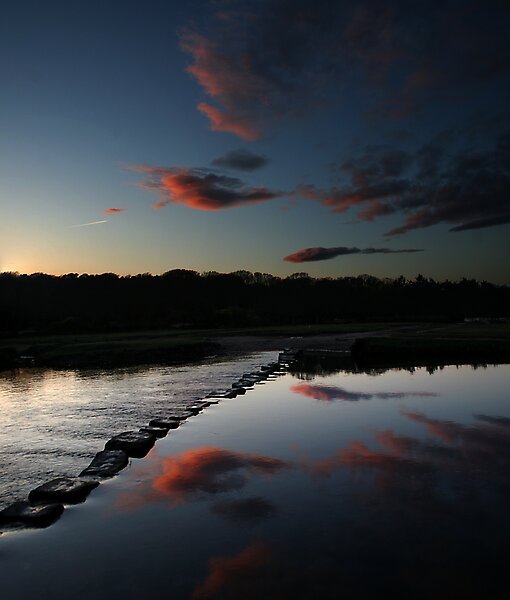
Amidst the tranquil embrace of twilight, a photograph captures a river adorned with stepping stones, a scene that mirrors the path of life itself. As the sun descends, casting long shadows and enveloping the world in darkness, these stepping stones emerge as metaphors for our journey through life.
Tap to view my redbubble gallery. Taken at Ogmore castle.
Each stone symbolizes a choice, a decision to be made, and an opportunity to move forward. With the sun setting, we are reminded that sometimes we must traverse our path in the dimness of uncertainty, embracing the obscurity that shrouds our way. Just as in life, we often find ourselves walking into the unknown, with danger lurking in the shadows.
The river, a symbol of time and change, flows beneath the stepping stones, a constant reminder of the ever-moving nature of existence. In our quest to cross it, we must tread carefully, for there are hidden perils, just as there are unforeseen challenges in our personal journeys.
Yet, it is in these moments of darkness and danger that we truly discover our resilience and courage. We take each step, firmly planting our feet on the stones, acknowledging the uncertainty and fear that may accompany us. The journey is not without its risks, but it is in these challenges that we grow, learn, and evolve.
As the sun sets on the photograph, it also rises on our understanding of life’s complexities. With each step on the stepping stones, we not only confront the darkness but also illuminate our path with the light of our own determination. It is in these moments that we come to realize that, just like the river, life keeps flowing, and we must keep moving forward, one stepping stone at a time.
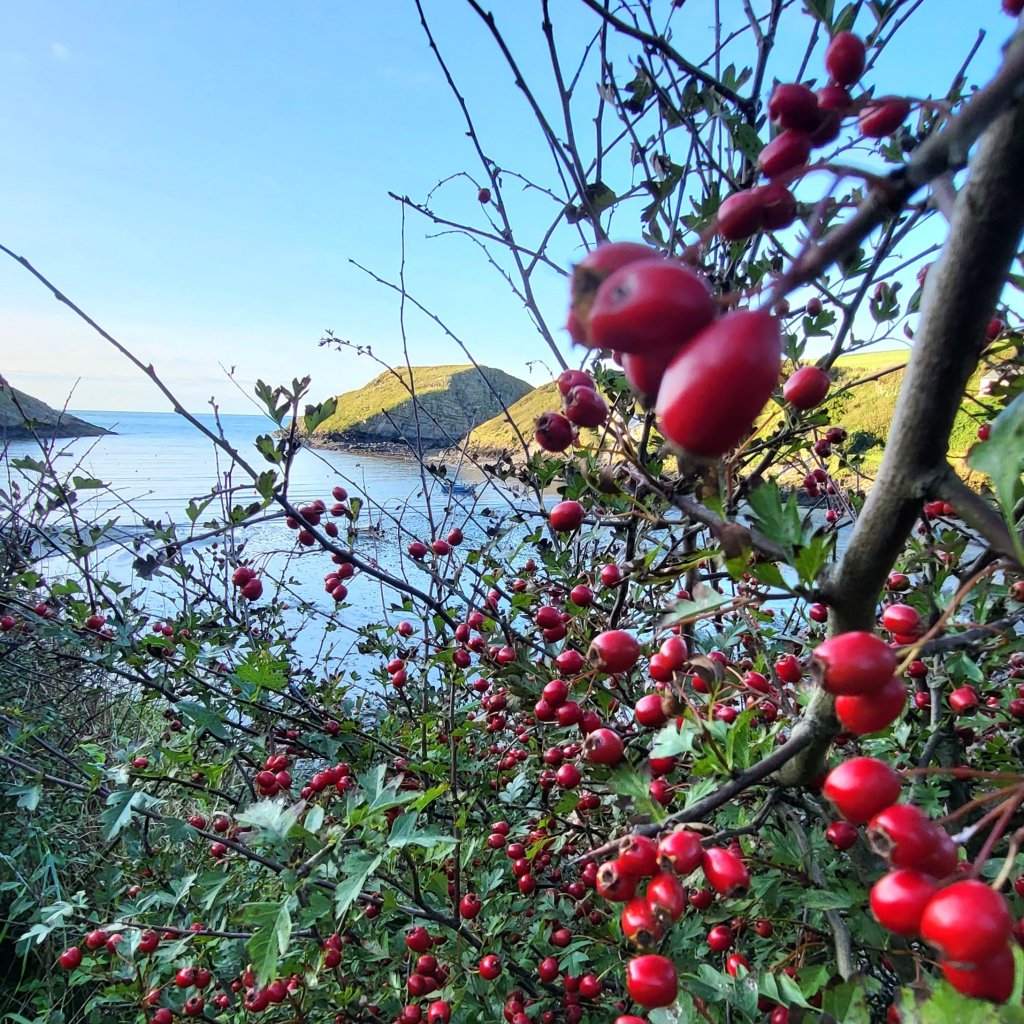
In the heart of autumn, when hawthorn trees offer their bountiful red berries, there’s an opportunity to create something truly special – Hawthorn Berry Chutney. This unique and tangy condiment combines the vibrant flavours of hawthorn berries with a delightful blend of spices. Whether you have a hawthorn tree in your backyard or you’ve foraged these crimson jewels from the wild, making your own hawthorn chutney is a rewarding culinary adventure.
Hawthorn at Abercastle, Pembrokeshire
This chutney is a perfect balance of sweet and tart, with a hint of warm spices like cinnamon and cloves. It can be used as a versatile condiment, adding a touch of elegance to your dishes. Spread it on sandwiches, serve it alongside roasted meats, or use it as a dipping sauce – its possibilities are as limitless as your culinary imagination.
Let’s dive into this enchanting recipe that transforms hawthorn berries into a delectable chutney, capturing the essence of the autumn season in every spoonful.
Ingredients – 2 cups hawthorn berries – 1/2 cup sugar – 1/4 cup apple cider vinegar – 1/4 cup water – 1/2 teaspoon ground cloves – 1/2 teaspoon ground cinnamon – 1/4 teaspoon ground allspice – Pinch of salt
Instructions 1. Wash and clean the hawthorn berries, removing stems and any leaves. 2. In a saucepan, combine the hawthorn berries, sugar, apple cider vinegar, and water. 3. Simmer the mixture over low heat until the berries are soft and easily mashed, about 20-30 minutes. 4. Using a potato masher or a fork, mash the berries and sieve to remove any stones and tough pieces of skin. 5. Add the ground cloves, cinnamon, allspice, and a pinch of salt. Stir well. 6. Continue to simmer for another 10-15 minutes, allowing the mixture to thicken. 7. Taste and adjust the sweetness or spices to your liking. 8. Remove from heat and let it cool. 9. Once cool, transfer the chutney to a blender or food processor and blend until smooth. 10. Pour the hawthorn chutney into a sterilised jar or bottle, and refrigerate. It can be used as a condiment for various dishes or as a unique dipping sauce.
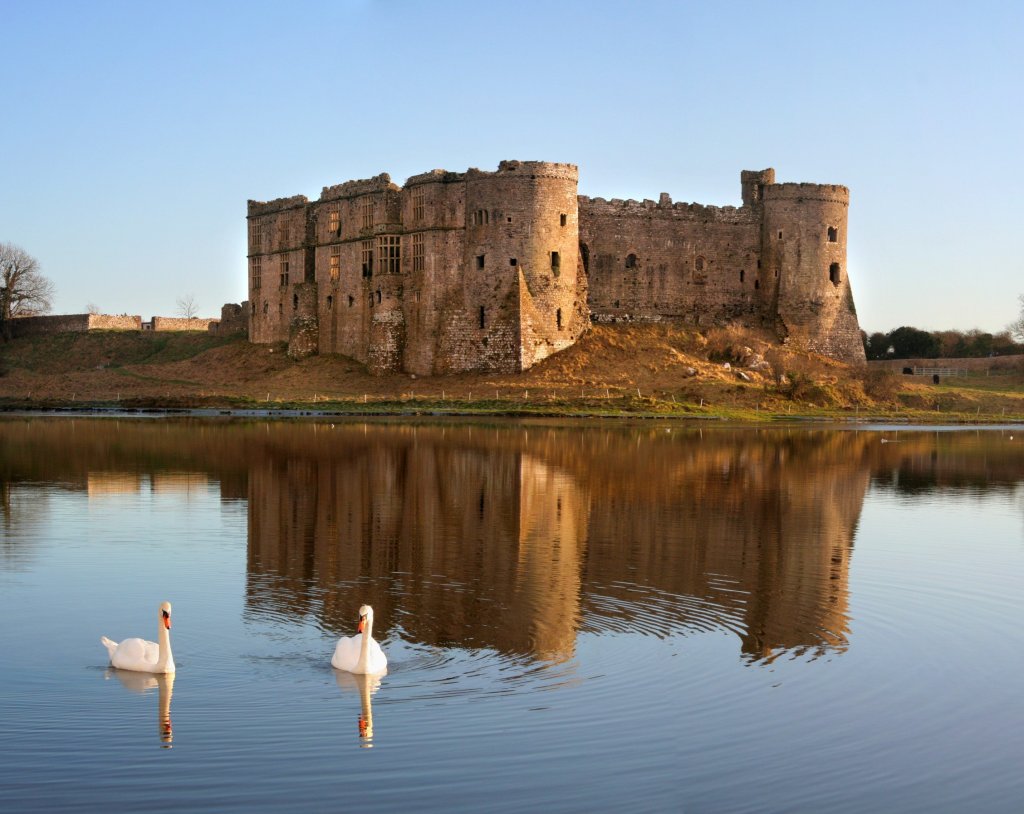
A Graceful Journey Through Time. Greetings, dear visitors. We are your guides for today, a loving swan couple who have called the mill pond in front of Carew Castle our home for generations. As you join us on this serene tour, we’ll take you through the history of the castle, the surrounding Pembrokeshire area, and our own story, seamlessly woven into this enchanting tapestry of time.
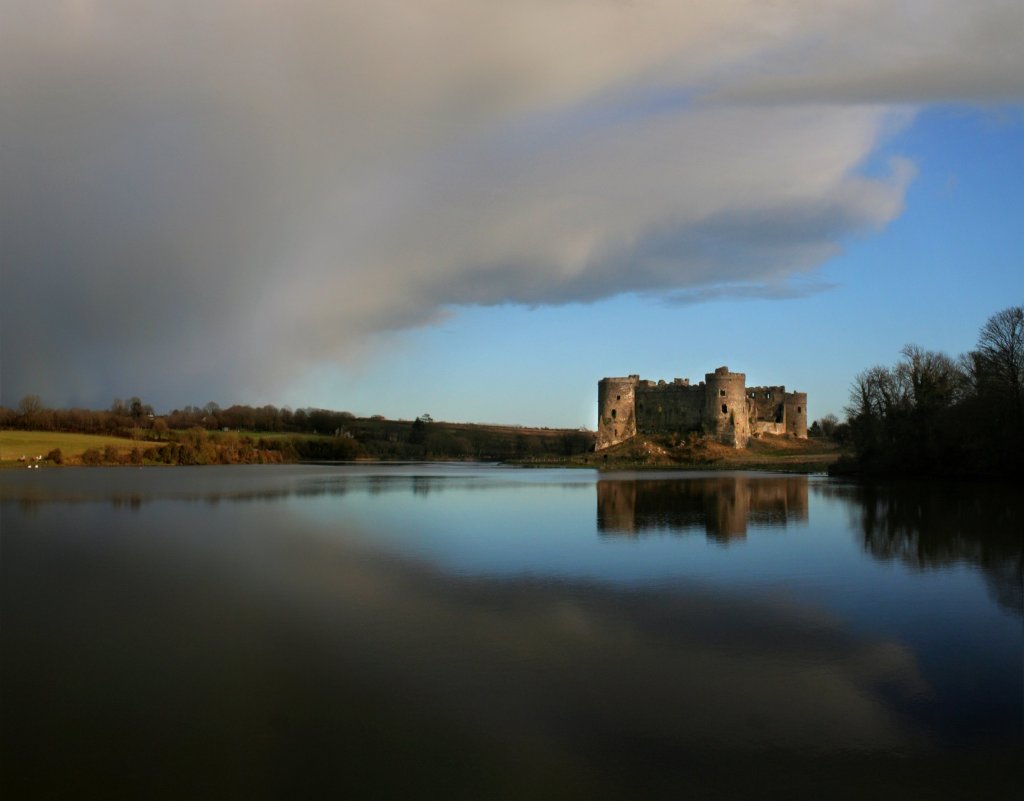
Stormy History. Tap to buy prints and more.
Swan Tales by the Castle. As you take this journey through history, remember that we, the swans, have our own story here. Our family’s devotion to this place has mirrored the enduring spirit of the castle. We’ve seen generations come and go, always returning to our mill pond, just as visitors return to Carew Castle.
Peaceful Times. Tap to buy prints and more.
Carew Castle – A Timeless Fortress. As you gaze upon the stately Carew Castle, let us share its history with you. This mighty fortress has seen centuries come and go. It was first raised by the Normans in the 11th century, serving as a powerful symbol of conquest in Pembrokeshire. Throughout the mediaeval period, it played a vital role in regional politics, a time when knights in shining armour and grand feasts graced its halls.
The Castle’s Turbulent Tale. The castle witnessed its fair share of turmoil during the English Civil War in the 17th century. Parliamentarian troops took control, and much of its grandeur was lost. However, like us, the swans, Carew Castle rose from the ashes. In the 1660s, Sir Nicholas de Carew initiated its restoration, creating a unique blend of mediaeval and Jacobean architecture.
A Picturesque Pond and Gardens. The stunning mill pond surrounding the castle is a sight to behold. The serene waters mirror the grandeur of the castle, inviting you to reflect on the past. Its gentle flow connects us, the swans, to the history of the castle, as we’ve swum in its embrace for centuries. The castle’s gardens, adorned with vibrant flora, add to the picturesque charm.
The Enchanting Pembrokeshire Region. Look beyond the castle’s walls, and you’ll discover the beauty of Pembrokeshire. This region is known for its rugged coastline, sandy beaches, and ancient landscapes. Explore the coastal paths and secret coves that bear witness to countless stories of fishermen and adventurers, just as we have our own stories to tell.
A Timeless Journey of Discovery. As we wrap up our guided tour, we hope you’ve enjoyed this unique perspective on Carew Castle and Pembrokeshire, seen through the eyes of the swans. Just as history weaves its narrative into the stones of the castle and the landscapes of Pembrokeshire, our presence, too, reflects the enduring bond between nature and history in this captivating corner of Wales. Come visit, explore, and perhaps catch a glimpse of us, the swan couple, as we continue our timeless journey alongside the rich history of Carew Castle and the enchanting beauty of Pembrokeshire.
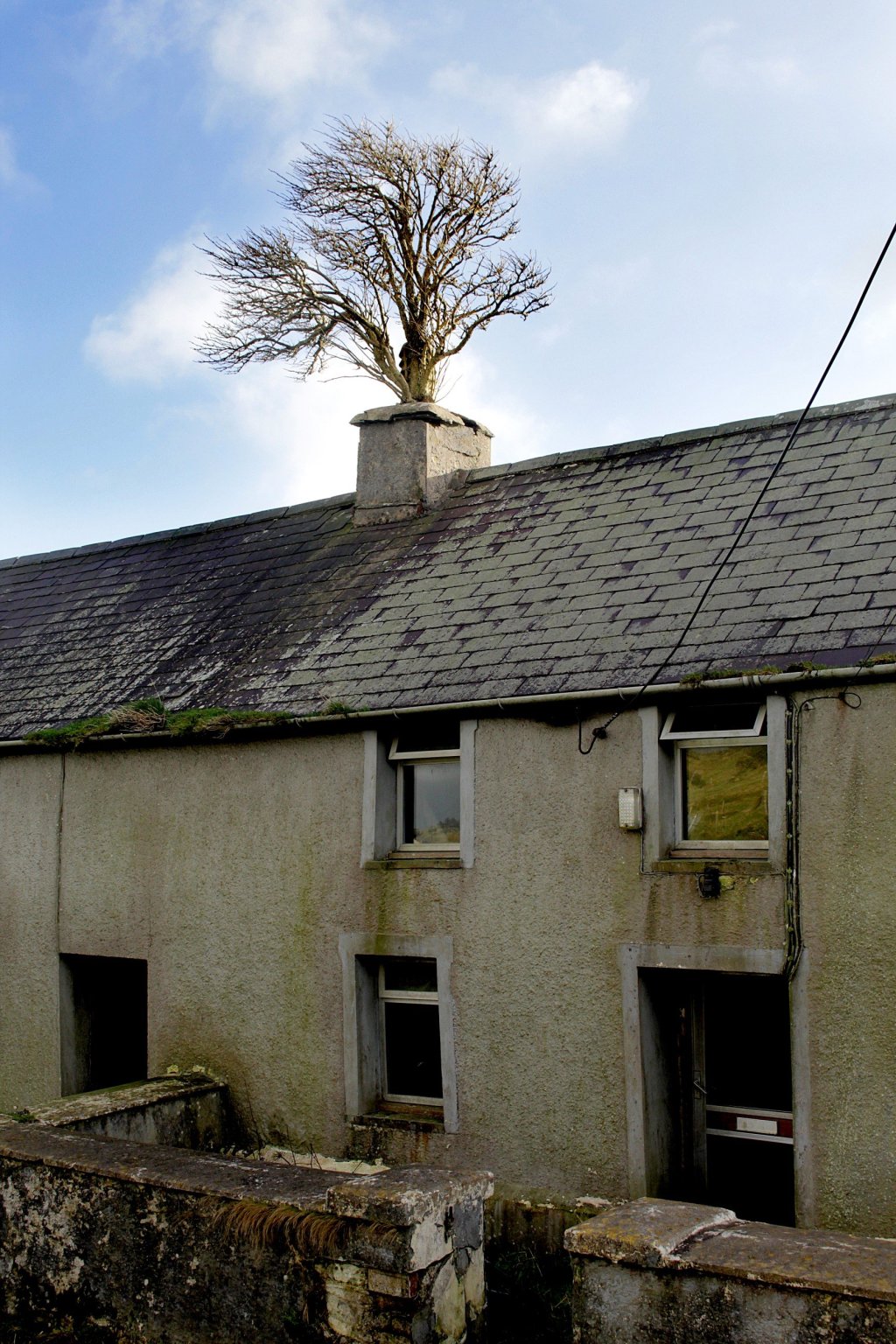
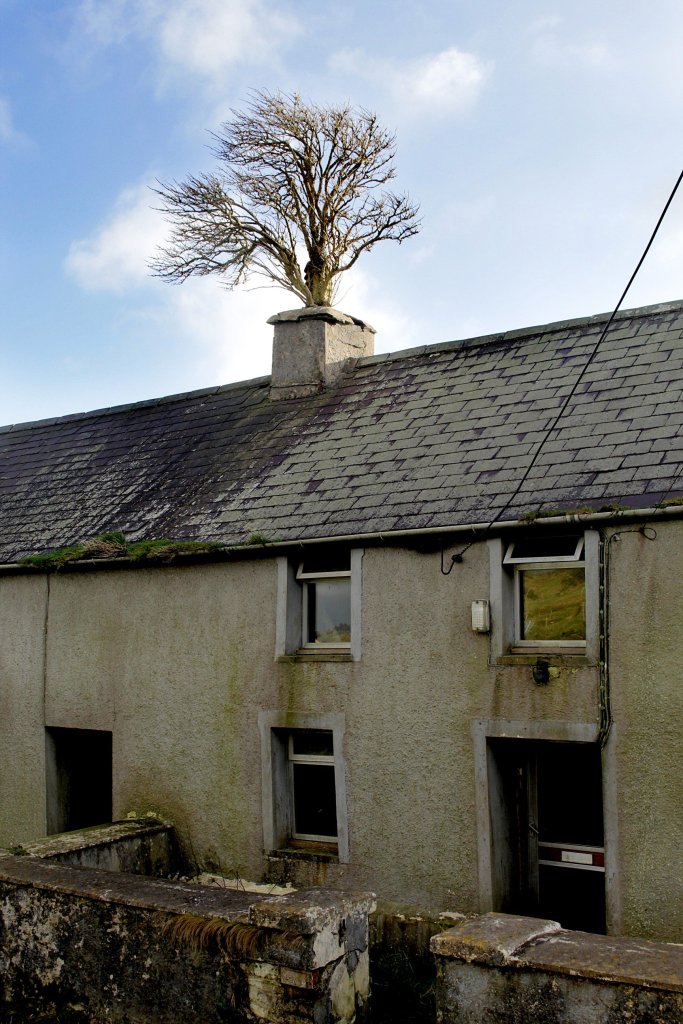
Driving down a quiet country road in Wales, something caught my attention: an old abandoned house with a tree growing out of the chimney. The sight was so striking that I had to stop and take a photo. As I stood there, marvelling at the sight, I couldn’t help but think about the incredible power of nature to reclaim what is hers.
There’s something awe-inspiring about seeing nature slowly take over man-made structures. It’s a reminder that no matter how much we may try to control our environment, nature will always have the final say. This tree is a perfect example of this. The house had clearly been abandoned for some time, and the tree had found its way into the chimney, with no apparent soil, taking root and growing tall.
As I looked closer, I noticed that other parts of the house were also being reclaimed by nature. Ivy was creeping up the walls, and a group of pigeons were perched on the windowsill. They seemed to have made themselves at home in the living room, where the windows had been broken and the door hung off its hinges. It was a stark reminder that everything is temporary, and that we are just a small part of a much larger ecosystem.
It’s not just abandoned buildings that nature reclaims though. We see it happening all around us, in small ways and big ways. Cracks in the pavement allow for tiny weeds to grow, and fallen leaves and branches break down and become soil for new growth. It’s a never-ending cycle of life, death, and renewal that has been happening for billions of years.
This natural reclamation can also be seen in the aftermath of natural disasters, like hurricanes or wildfires. In the wake of these events, we see plants and animals begin to return to the areas that were destroyed, slowly rebuilding and renewing the ecosystem.
As I stood there, watching the tree sway in the breeze, I felt a sense of calm wash over me. It was a reminder that no matter what happens in the world around us, nature will always find a way to thrive. It’s a powerful lesson that we can all learn from, especially in times of uncertainty.
As I got back into my car and continued down the road, I couldn’t help but think about the incredible resilience of nature. It’s a force to be reckoned with, and one that we should all respect and appreciate. So if you ever see a tree growing out of a chimney or a patch of wildflowers in an unexpected place, take a moment to appreciate the beauty and power of nature reclamation.
Horse’s steady gazeStrengthful eyes that dare to meetChallenge accepted Courage is the strength to face our fears, determination… Read more: Darkness, Power and Beauty
As a miner, or collier I should say, I stand here as part of the “Pit to Port” sculpture, symbolising the vital link between the Welsh coal industry and the Cardiff docks. I am proud to represent the hardworking men and women who spent their lives extracting coal from the depths of the Welsh earth.
From Pit to Port Tap to view in my redbubble gallery
For over a century, the Welsh coal industry was a driving force behind the country’s economy, providing employment for hundreds of thousands of people and producing millions of tons of coal each year. This coal was transported to the ports of South Wales, including Cardiff, where it was loaded onto ships and sent all over the world.
Welsh anthracite was considered the best coal in the world due to its superior quality, bright flame, long-lasting burn, and low smoke and ash levels. It was exported worldwide for use in heating and energy. The Welsh coal industry was built on this high-quality product and remains a source of pride for the Welsh people.
Cardiff docks were a major destination for the coal we mined, and the city’s prosperity was built on the back of our industry. It was the vision of the 3rd Marquess of Bute, John Patrick Crichton-Stuart, that transformed the docks into a thriving hub of commerce. Lord Bute invested heavily in the docks, building new docks and upgrading existing ones, and his efforts were instrumental in establishing Cardiff as one of the largest coal-exporting ports in the world.
Although the decline of the Welsh coal industry and the Cardiff docks in the latter half of the 20th century brought great challenges to our communities, I am proud to be remembered through this sculpture as a symbol of our collective history and heritage. The “Pit to Port” statue is a tribute to the miners and dock workers who worked tirelessly to extract coal and transport it to the world, and it serves as a reminder of the important role that our industry played in the development of Wales and its people.
Tap to view my redbubble gallery.Tap to view my redbubble gallery.
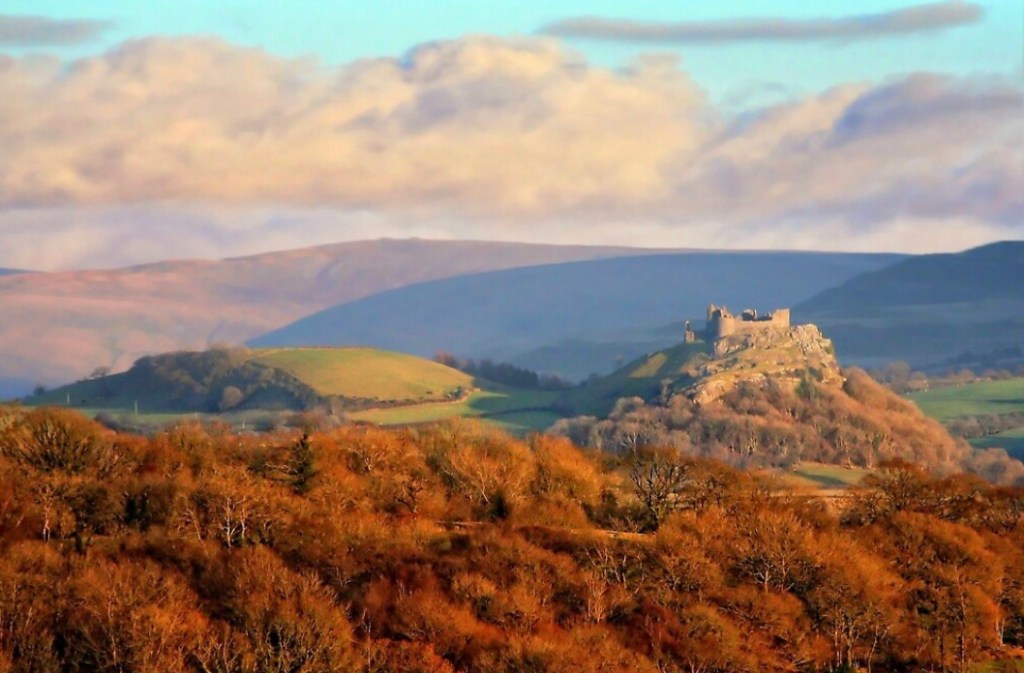
A Castle With a View Tap to view my redbubble gallery.
Carreg Cennen Castle is a mediaeval fortification located in the picturesque village of Trapp, near Llandeilo in Carmarthenshire, Wales. The castle is set on an isolated limestone outcropping overlooking the River Cennen and is considered one of the most spectacularly located castles in Wales.
The castle was built in the 12th century by the lords of Senghennydd and was later taken over by the Welsh princes of Deheubarth. The castle was then captured by the English in 1277 and was subsequently rebuilt and strengthened in the 14th century.
One of the most notable features of Carreg Cennen Castle is its impressive curtain wall, which is built on the cliff of 90m(300ft), and stands over 9m (30ft) tall in places. The castle also has a great hall, a chapel, and a number of towers, including the impressive twin-towered gatehouse.
Despite its formidable defenses, Carreg Cennen Castle fell to the forces of Owain Glyndwr in the 15th century during the Welsh Revolt. After that the Castle was abandoned and left to ruin.
Today, the castle is in the care of Cadw, the Welsh government’s historic environment service, and is open to the public. Visitors can explore the ruins of the castle and take in the stunning views of the surrounding countryside. The castle is also a popular spot for picnics and walks, and is a great place to learn about Wales’ rich history and culture.
Horse’s steady gazeStrengthful eyes that dare to meetChallenge accepted Courage is the strength to face our fears, determination is the will… Read more: Darkness, Power and Beauty
You must be logged in to post a comment.