Blog

  • Where Do Dreams Lead?

    Where Do Dreams Lead?

    I had been traveling for months, seeking adventure and new experiences. I had seen many wonders and met many people, but I also felt a growing longing for my home. I missed the green hills, the gentle breeze, and the familiar faces of my family and friends. I wondered if they still remembered me, or if I had become a stranger to them.
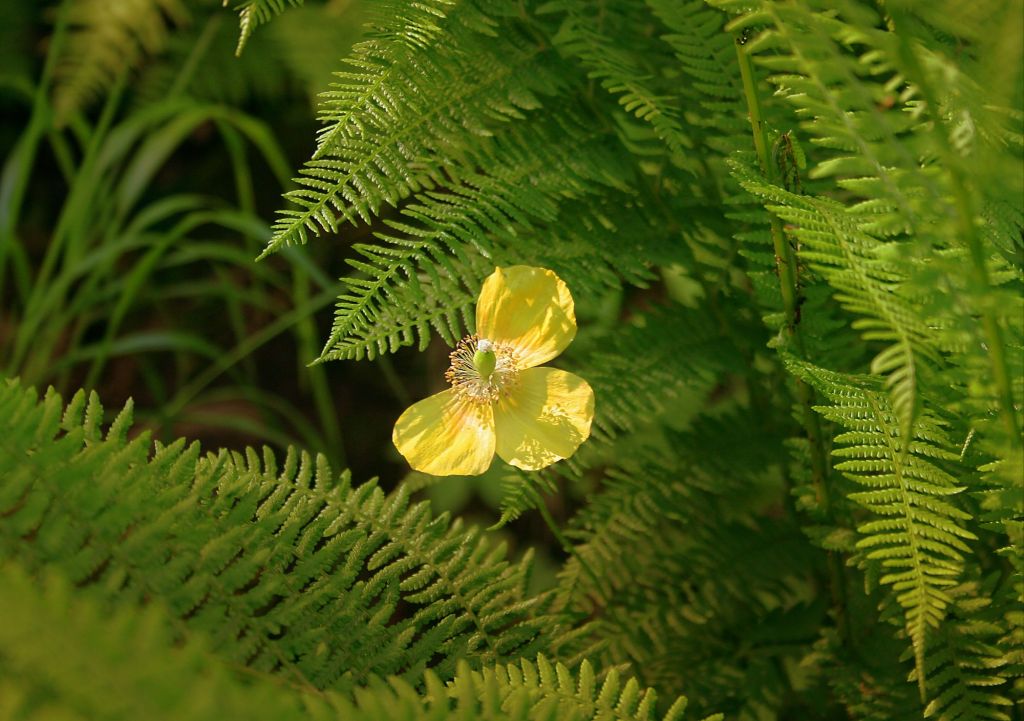
    Life among the ferns

    Distant sun’s bright call,
    Dreams bloom in a foreign land,
    Homeland whispers near.

    Anthony

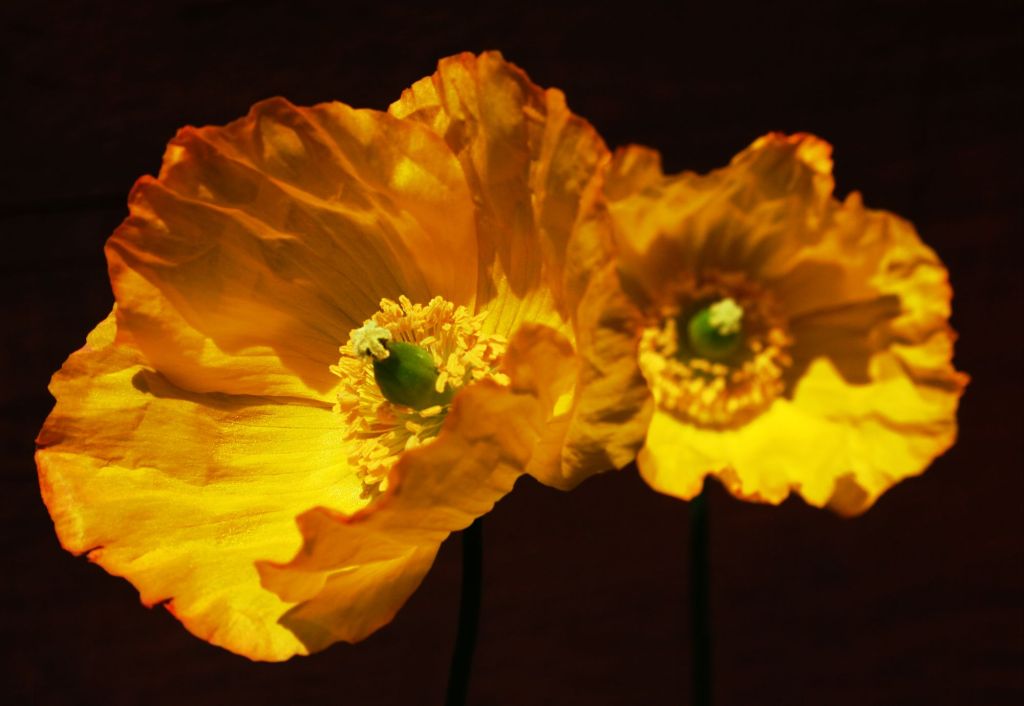
    One day, I came across a small market in a foreign town. I browsed through the stalls, looking for something to buy as a souvenir. I saw a bunch of flowers that caught my eye. They were bright yellow, with four petals and a sparkling center. They looked like miniature suns, radiating warmth and joy. I asked the seller what they were called.

    “Aye, Welsh poppies those are, like the ones dancin’ wild in the hills back home,” the seller chuckled, his voice warm with a lilt like wind through barley. “Tough little buggers, they are, sproutin’ up anywhere you look. But special, mind you, with a magic all their own. Some say they hold the cure for hiraeth, that ache in your heart for the land you miss. Sleep with one o’ these beauties tucked beside you, and even in the farthest corner of the world, you’ll dream of home, green and sweet and familiar as your mam’s lullaby.”

    I felt a surge of emotion. I had not seen a Welsh poppy before, nor had I dreamed of my homeland. I felt a sudden urge to buy one and see if the seller’s words were true. I paid a few coins and took a single flower. I thanked the seller and left the market.

    That night, I found a quiet spot to camp. I laid down my sleeping bag and placed the Welsh poppy next to my pillow. I closed my eyes and hoped for a good dream.

    Green hills in slumber’s grasp,
    Ancestors’ warm embrace,
    Roots rediscovered.

    Anthony

    I woke up in a meadow. I felt the soft grass under my body and the fresh air in my lungs. I opened my eyes and saw a blue sky above me, dotted with white clouds. I sat up and looked around. I recognized the landscape. I was in my homeland.

    I felt a wave of happiness and disbelief. I wondered if I was still dreaming, or if I had somehow been transported here. I got up and walked towards a nearby hill. I saw a familiar sight. A stone cottage, with a thatched roof and a chimney. Smoke was rising from it, and a warm light glowed in the window. Somehow I knew who lived there. My ancestors.

    I ran towards the cottage, eager to see them. I knocked on the door and waited. The door opened, and I saw a face I had only seen in old photographs. My great-grandfather, who had died before I was born. He looked just like my father, but older and wiser. He smiled and greeted me.

    “Hello, my boy. I’ve been expecting you. Come in, come in. You must be hungry and tired. We have plenty of cawl and a warm hearth for you. You are welcome here. You are one of us.”

    Tears welled up in my eyes. I hugged my great-grandfather and thanked him. I entered the cottage and saw more familiar faces. My great-grandmother, my great-uncles and aunts, my cousins. They all welcomed me with open arms and kind words. They made me feel at home.

    I spent the day with them, talking, laughing, and sharing stories. I learned about their lives, their struggles, and their joys. I felt a connection with them that I had never felt before. I felt a sense of belonging and purpose. I felt like I had found my roots.

    I stayed with them for a while, enjoying their company and their hospitality. I felt happy and peaceful. I did not want to leave. I wished I could stay with them forever.

    But this was not my time to stay, I knew I had to go. I had a life of my own, a life I had chosen. I had a world to explore, a world I loved. I had to wake up and continue my journey.

    I said goodbye to my ancestors, promising to visit them again. They hugged me and wished me well. They gave me a gift. A Welsh poppy, to remind me of my homeland and my heritage. They told me to keep it close to my heart, and to never forget who I was and where I came from.

    I thanked them and left the cottage. I walked back to the meadow, where I had awoken. I lay down on the grass and closed my eyes. I felt the Welsh poppy in my hand, and the warmth of my family in my soul.

    I woke up in my sleeping bag. I felt the cold ground under my body and the crisp air in my lungs. I opened my eyes and saw a dark sky above me, sprinkled with stars. I sat up and looked around. I was back in the foreign land, far away from my home.

    I felt a mix of emotions. I felt sad and nostalgic, but also grateful and inspired. I had just had the most amazing dream of my life, a dream that had changed me. I had seen my homeland, and met my ancestors. I had learned about my past, and gained a new perspective on my present and future.

    I got up and packed my things. I took the Welsh poppy and put it in my pocket. I felt its magic and its meaning. I smiled and continued my journey.

    I was a traveller, but I also had a home, and I had a family. I had a dream, and I had a reality. I had a Welsh poppy, and I had a heart.

    Poppy’s magic fades,
    Stars guide a thankful heart,
    Journey onward calls.

    Anthony

    Where do your dreams take you?

    Welsh Poppy

    Hiraeth
    “Hiraeth” is a beautiful and complex Welsh word that does not have a direct English translation. While sometimes described as “homesickness”, it carries a much deeper and nuanced meaning. Here’s a breakdown:

    Not just homesickness: While it has elements of longing for a place, hiraeth encompasses more than just missing somewhere you used to live. It touches on:
    Nostalgia: A yearning for a past time, often idealised, that may not even have existed.
    Grief and loss: A melancholic feeling for something irretrievably lost, whether a person, place, or a sense of belonging.
    Longing for something intangible: A yearning for a connection to something beyond the physical world, like heritage, community, or a sense of belonging.
    Uniquely Welsh: Hiraeth is deeply rooted in Welsh culture and history, reflecting the complex relationship between the Welsh people and their land. It captures a specific yearning for Wales, its landscapes, and its cultural identity.
    No perfect translation: Due to its nuanced nature, hiraeth is difficult to translate directly into English. It requires context and understanding of the cultural significance to truly grasp its meaning.

    Here are some similar concepts in other languages that capture different aspects of hiraeth:

    Saudade (Portuguese): A melancholic longing for something missing, often accompanied by a sense of incompleteness.
    Sehnsucht (German): A deep yearning for something unattainable, often accompanied by a sense of dissatisfaction with the present.
    Tizita (Amharic): A complex emotion encompassing longing, nostalgia, and bittersweet joy, often associated with specific cultural experiences.

    Hiraeth is a beautiful and evocative word that captures a unique emotional experience. Understanding its full meaning requires appreciating its cultural context and the complex emotions it carries.

    Tap to view my redbubble gallery.
  • The Negroni: A Taste of Italian Elegance and Sophistication

    The Negroni: A Taste of Italian Elegance and Sophistication

    The Negroni is a classic cocktail with a rich history and a simple yet sophisticated flavour profile. Its origin dates back to early 20th century Italy, specifically Florence, where it was created by Count Camillo Negroni. This cocktail is renowned for its perfect balance of bitter, sweet, and herbal notes, making it a favourite among cocktail enthusiasts worldwide.

    Pascal-Olivier de Negroni
    A French general. He led the charge of Cuirassiers in the Battle of Reichshoffen during the Franco-Prussian War of 1870.
    Negroni

    You will need:

    Gin: The base spirit of the Negroni, typically London dry gin, contributes its juniper-forward botanical flavours. Gin originated in the Netherlands in the 17th century and gained popularity in England during the 18th century.

    Campari: This bright red Italian liqueur provides the Negroni with its signature bitter taste and vibrant colour. Campari is made from a blend of herbs and fruits, including bitter orange, rhubarb, and ginseng, among others. It was invented by Gaspare Campari in the 19th century.

    Sweet Vermouth: Sweet vermouth adds a touch of sweetness and complexity to the Negroni. Vermouth is a fortified wine flavoured with various botanicals, including herbs, roots, and spices. It originated in Turin, Italy, in the late 18th century.

    To craft a Negroni, simply combine equal parts gin, Campari, and sweet vermouth in a mixing glass filled with ice. Stir gently until well-chilled, then strain into a chilled rocks glass over a large ice cube. Garnish with a twist of orange peel, expressing its oils over the drink before dropping it into the glass.

    Adding a sprig of fresh herb can elevate the Negroni with an additional layer of aroma and flavour. One herb that pairs exceptionally well with the Negroni is rosemary. The earthy and piney notes of rosemary beautifully complement the bitter and herbal qualities of the cocktail. Simply garnish your Negroni with a small sprig of fresh rosemary, lightly bruising the leaves to release its aromatic oils, and enjoy the delightful infusion of flavours as you sip your cocktail.

    Whether savoured at a bustling cocktail bar or crafted with care at home, the Negroni invites you to indulge in its timeless elegance and complex flavours. With each sip, allow yourself to be transported to the streets of Florence, where its story began, or simply relish in the moment of relaxation and sophistication it brings. However you choose to enjoy it, the Negroni promises a delightful experience that is as vibrant and captivating as its bold crimson hue. Cheers to the Negroni, a true classic that never fails to delight the senses.

    Tap to view my redbubble gallery.
  • The Enigmatic Barn Owl: Guardian of the Night

    The Enigmatic Barn Owl: Guardian of the Night

    Silent ghost of night,
    Barn owl glides with whispered grace,
    Wisdom’s silent flight.

    Anthony
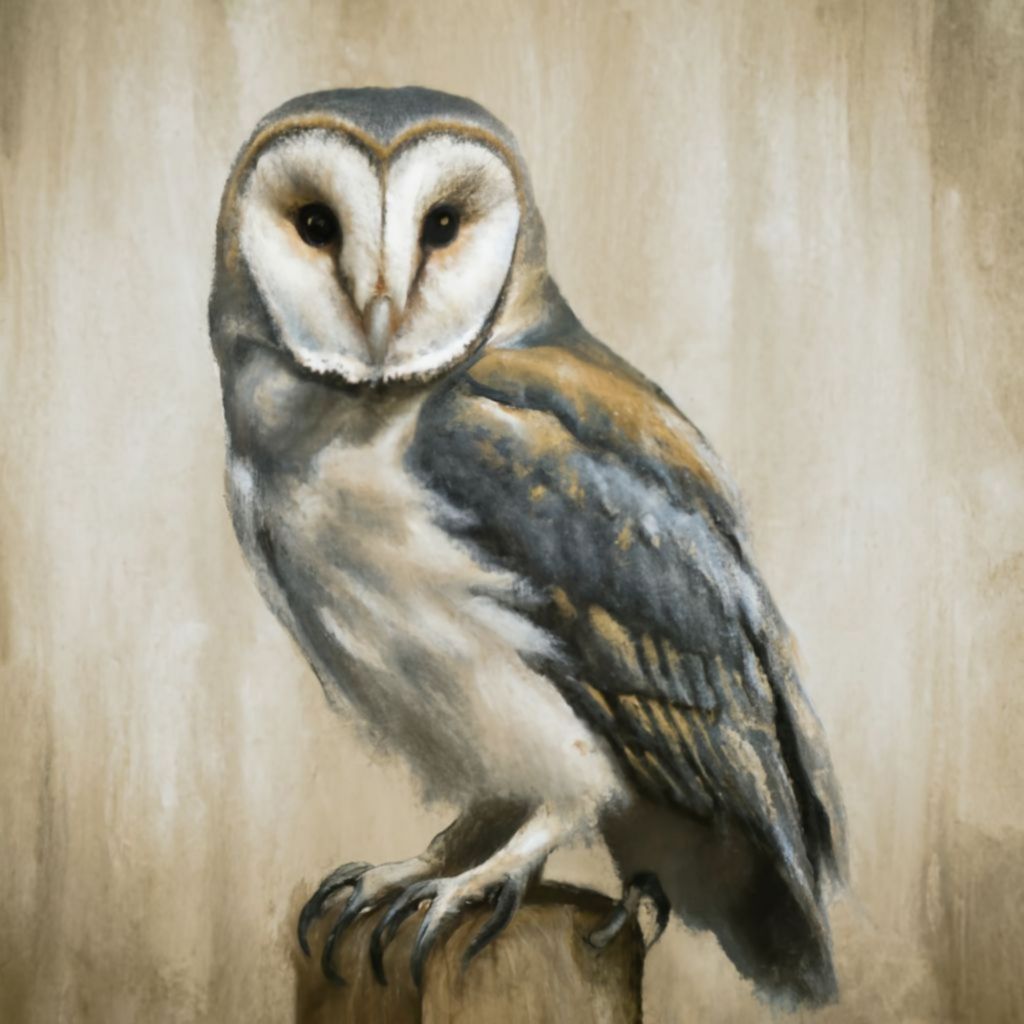
    Barn owl – Tyto alba

    In the mysterious realm of the night, where darkness cloaks the land and silence reigns supreme, one creature emerges as a symbol of wisdom, stealth, and elegance—the barn owl. With its heart-shaped face, ghostly white feathers, and silent flight, the barn owl has captured the imagination of humans for centuries, inspiring myths, folklore, and reverence.

    The Silent Hunter
    Unlike its diurnal counterparts, barn owls are nocturnal hunters, employing a remarkable set of adaptations to navigate the night sky with unparalleled precision. Their feathers are specially designed to muffle the sound of their flight, allowing them to approach their prey with stealthy silence. Armed with keen eyesight and acute hearing, barn owls are formidable hunters, capable of detecting the slightest movement or rustle of prey in the darkness.

    In many cultures, the barn owl is revered as a guardian spirit, watching over fields, barns, and homesteads. Farmers throughout history have welcomed the presence of barn owls on their land, recognizing their role as natural pest controllers. By preying on rodents such as mice and voles, barn owls help to keep agricultural pests in check, contributing to the balance of ecosystems and the health of crops.

    In English folklore, the barn owl is often associated with mystery, magic, and death. One popular myth depicts the barn owl as a harbinger of doom, its eerie call foretelling impending misfortune or even death. According to legend, hearing the screech of a barn owl outside one’s window at night was considered a grim omen, signalling the imminent passing of a loved one.

    Despite its ominous reputation, the barn owl also holds a place of honour in English mythology as a symbol of wisdom and insight. In Celtic tradition, the barn owl was associated with the goddess Cailleach, who possessed the gift of foresight and prophetic vision. Similarly, in mediaeval Europe, the barn owl was often depicted as a companion to wise old wizards and seers, offering guidance and counsel in times of need.

    The barn owl, with its ethereal beauty and enigmatic presence, continues to captivate the human imagination, inspiring awe, reverence, and a sense of wonder. As guardians of the night and symbols of wisdom, barn owls remind us of the delicate balance of nature and the balance of all living beings. By honouring and protecting these magnificent creatures, we not only preserve a vital component of our natural heritage but also reaffirm our commitment to coexisting harmoniously with the creatures that share our world.

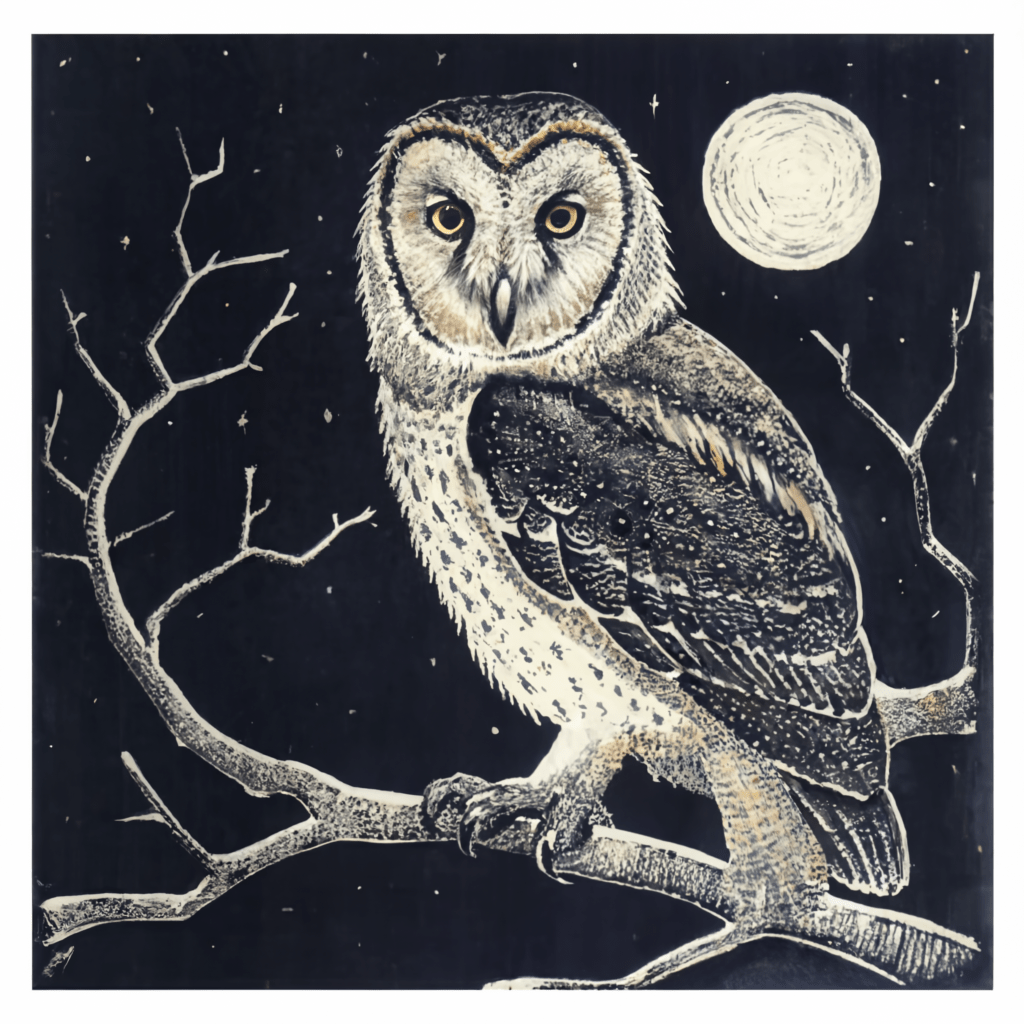
    Wise old owl
    Tap to view my redbubble gallery.
  • A watery journey to inner peace

    A watery journey to inner peace

    TikTok

    Settle into a comfortable space, let your mind relax. Close your eyes and imagine a tranquil pool, its surface undisturbed. As drops of water delicately descend, visualise each ripple creating soothing patterns, nature’s intricate dance.

    Breathe in deeply, allowing the soothing sounds to guide your breath. Feel the gentle caress of a calm breeze as you immerse yourself in this peaceful scene. With each drop, a harmonious echo resonates as you invite tranquillity into your being.

    Picture the concentric circles expanding gracefully, forming ephemeral artwork on the water’s surface. As you observe, release any tension as you exhale, letting go of worries like ripples dispersing into the calm pool.

    Allow the rhythmic melody of water droplets to guide you into a state of serenity. Embrace the simplicity of this moment, finding solace in the gentle descent of each droplet, creating a pool of calmness within your body and mind.

    In this sacred space, detach from the outside world, sinking into the calm water and the quiet patterns of the drops. As you continue to breathe in harmony with the natural rhythm, feel nature’s gentle embrace enveloping you.

    Tranquil pool whispers,
    Nature’s dance in liquid grace,
    Ripples breathe solace.

    Anthony
    Tap to view my redbubble gallery.
  • Where Wild Flames Play, Untamed by Time

    Where Wild Flames Play, Untamed by Time

    Crackling embers glow,
    Serpents dance in twilight’s hush,
    Whispers turn to ash.

    Anthony
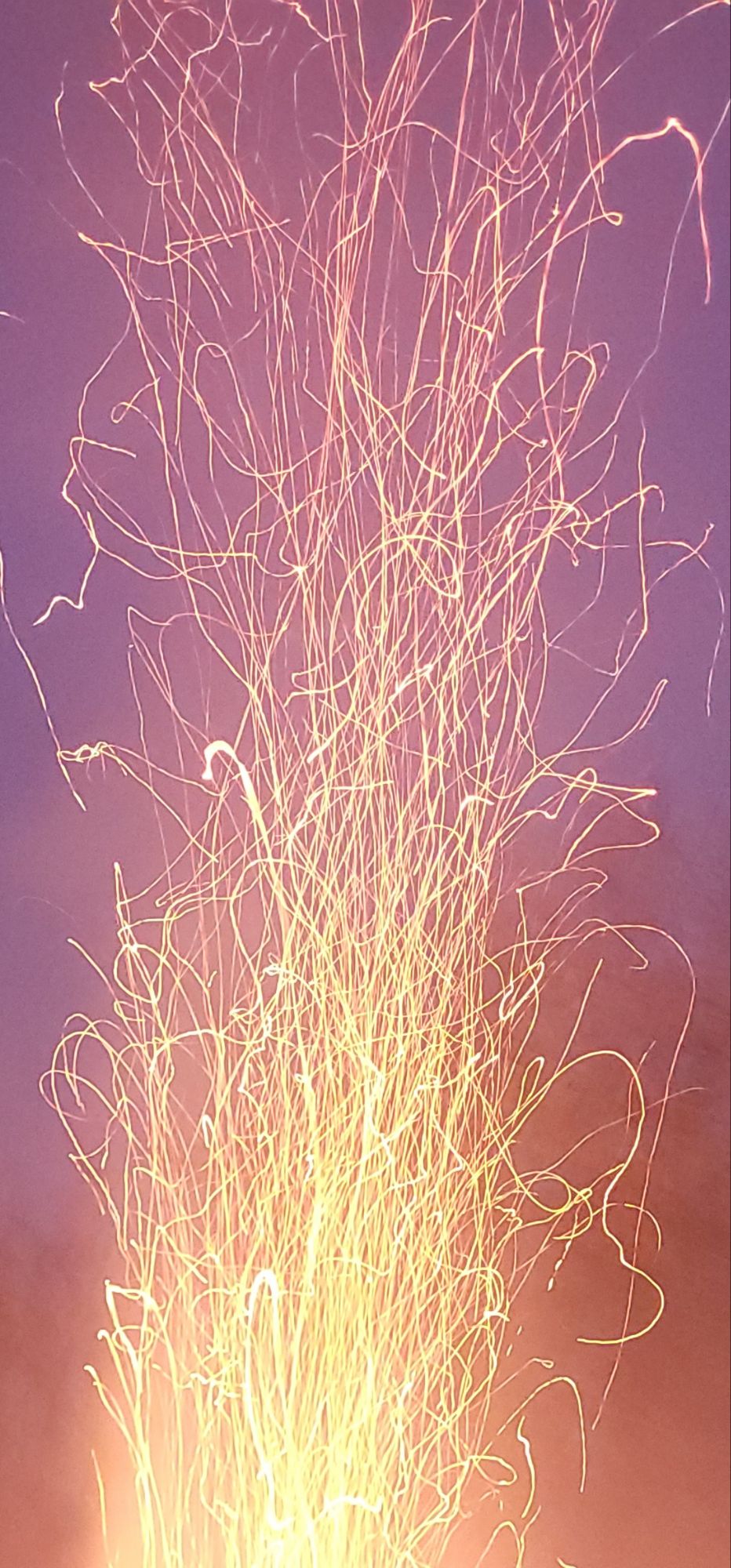
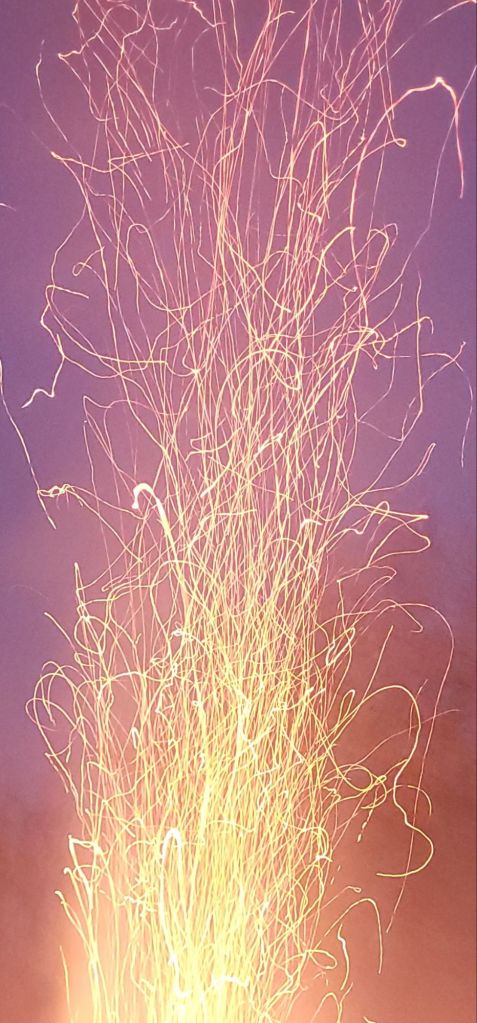
    Sparky!

    Ah, but the fire, my friend, it is no simple flicker of light, no mundane dance of embers. It is a bard on a fiery stage, a tempestuous singer in the velvet choir of night! Look closer, let your eyes be washed clean by the molten gold, and see the tales it spins, the secrets it whispers in tongues of flame.

    The twilight drapes its dusky shawl upon the world, and in its hushed embrace, the fire awakens. It stretches its fiery limbs, each crackle a drumbeat, each spark a cymbal clash. The logs, once stolid wood, become writhing serpents, their scales of bark kissed by the inferno’s touch. They hiss and sigh, their sap turned to molten tears that drip like rubies into the hungry maw of the flames.

    And the colours, oh, the colours! Scarlet banners unfurl against the night’s ebony canvas, saffron pennants flutter in the draft’s capricious hand. Emerald spears pierce the darkness, sapphire whispers in the embers’ glow. It is a kaleidoscope of life, a molten rainbow spilled from the heavens themselves.

    The flames, they leap and twist like souls set free, a celestial ballet choreographed by the wild wind. They waltz with shadows, tango with smoke, pirouette in a whirlwind of their own making. They are stallions of fire, maned with smoke, hooves striking sparks upon the stone hearth. They are phoenixes reborn, wings of flame unfurling to paint the night with fleeting brilliance.

    But listen, for the fire tells its tale not just in light, but in sound. It crackles and pops, a chorus of whispers and shouts. It roars and sighs, a dragon’s mournful song. It is the lullaby of ancient forests, the drumbeat of the primal heart. It is the music of life, its rhythm etched in the very fabric of existence.

    And in the embers’ soft, dying fall, there is a beauty as poignant as the flames themselves. They glow like fallen stars, embers of dreams, whispers of stories half-told. They drift on the wind, a ghostly caravan bound for the shores of dawn.

    So let the fire sing its song, let it wash over you, cleanse you, make you one with the primal dance of light and shadow. In its flickering breath, find the echo of your own heart, the spark of your own soul. The fire, it is not just warmth, it is a window to eternity, a glimpse of the ever-burning furnace that keeps the universe alight.

    And remember, as you turn away from the dying embers, that the fire lives on within you. It lives in the warmth of your blood, the light in your eyes, the passion in your heart. Let it burn on, my friend, let it illuminate your own path, your own dance in the grand theatre of life.

    Tap to view my redbubble gallery.
  • Beautiful things don’t ask for attention

    Beautiful things don’t ask for attention

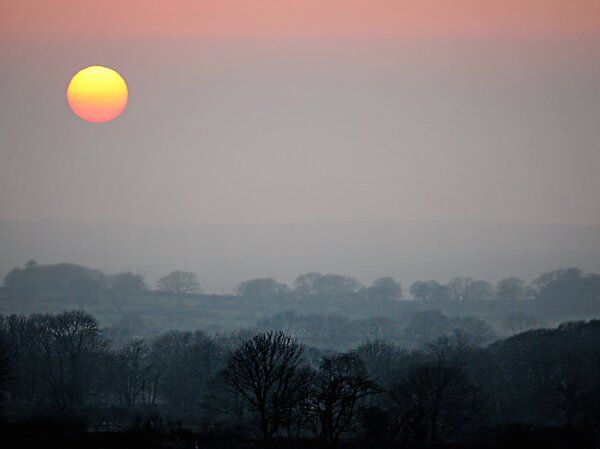
    Crimson bleeds to gold,
    Sun whispers to hushed mountains,
    Beauty knows its worth.

    Anthony

    The world is a chorus of demands. Voices clamour, tweets shriek, billboards bellow. I used to mistake grand gestures for grandeur. My own life was a performance, a desperate bid for applause. Loud words, ostentatious acts, a constant yearning for the spotlight. But the hollowness within echoed loudest.

    It was in the hush of introspection that I stumbled upon the secret garden of the quiet ones. A solitary sunflower, facing the sun with quiet majesty, a dewdrop clinging to a leaf, refracting rainbows unseen, the rustle of wind through ancient pines, composing concertos for no human audience.

    These hidden jewels taught me. Beauty doesn’t beg for notice, it simply “is”. It doesn’t compete, it merely exists in its own fullness. A whisper in the night, a star’s faint ember, a child’s smile unprompted, each radiating a gentle luminosity that asks no payment and seeps into your soul.

    Learning from the silent becomes an act of unlearning. Stripping away the layers of noise, the need for validation, the desperate thirst for external approval. It’s about cultivating an inner garden, where quietude nourishes the seeds of authenticity.

    It’s letting go of the need to impress, to explain, to justify. It’s trusting that what you are, what you create, in its contented serenity, resonates with those meant to find it. It’s the artist painting unseen, the writer pouring their heart into lines that may never find readers, the musician composing only for their own ears.

    In the silence, we discover the depths of our own being. We hear the whispers of our true selves, unadulterated by the need to please. We find a strength that doesn’t need to roar, a wisdom that speaks in soft murmurs, a love that radiates like moonlight, warming without burning.

    The world will continue its clamour, but within us, a sanctuary awaits. A space where beauty blooms in the quiet, where the soul whispers its own song, where we learn to be, simply and authentically, enough. And perhaps, in that quietness, we too become like the hidden jewels of the world, radiating a beauty that needs no spotlight, yet illuminates the lives of those who stumble upon it.

    Soft moonlight
    If you find this content inspiring and uplifting, consider supporting what I do. Buy me a coffee on Ko-fi.
    Your support makes a difference in my life and helps me create more of what you, and I, like. Thank you!

    Tap to view my redbubble gallery.

  • Shark tooth fossil

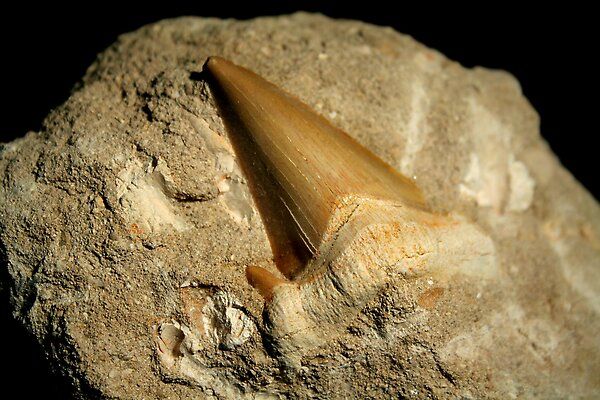
    Shark tooth fossil

    Shark tooth fossils can range in age from hundreds of thousands to millions of years old.

    The brown shiny bit is about 5 cm long.
    One of my prized possessions 🙂

    How fossils are formed

    Dude, check it out – fossils are like rock stars of the past. So, here’s the deal: when a rad critter kicks the bucket, and it gets buried in the dirt, the underground party begins. Minerals from the Earth’s VIP list start sneaking into the remains, swapping out the organic vibes for hardcore mineral beats. It’s like a slow-motion transformation, man. Molecule by molecule, the original stuff gets the boot, and the minerals take center stage.

    Before you know it, you’ve got a fossil – a rock-solid relic of the ancient scene. It’s like nature’s remix, where the original material gets replaced by these mineral maestros. And bam, you’ve got a fossil that’s tougher than Ozzy Osbourne. It’s the way the fossil rocks roll, dude! 🤘

    Tap to view my redbubble gallery.
  • Moth odd balls

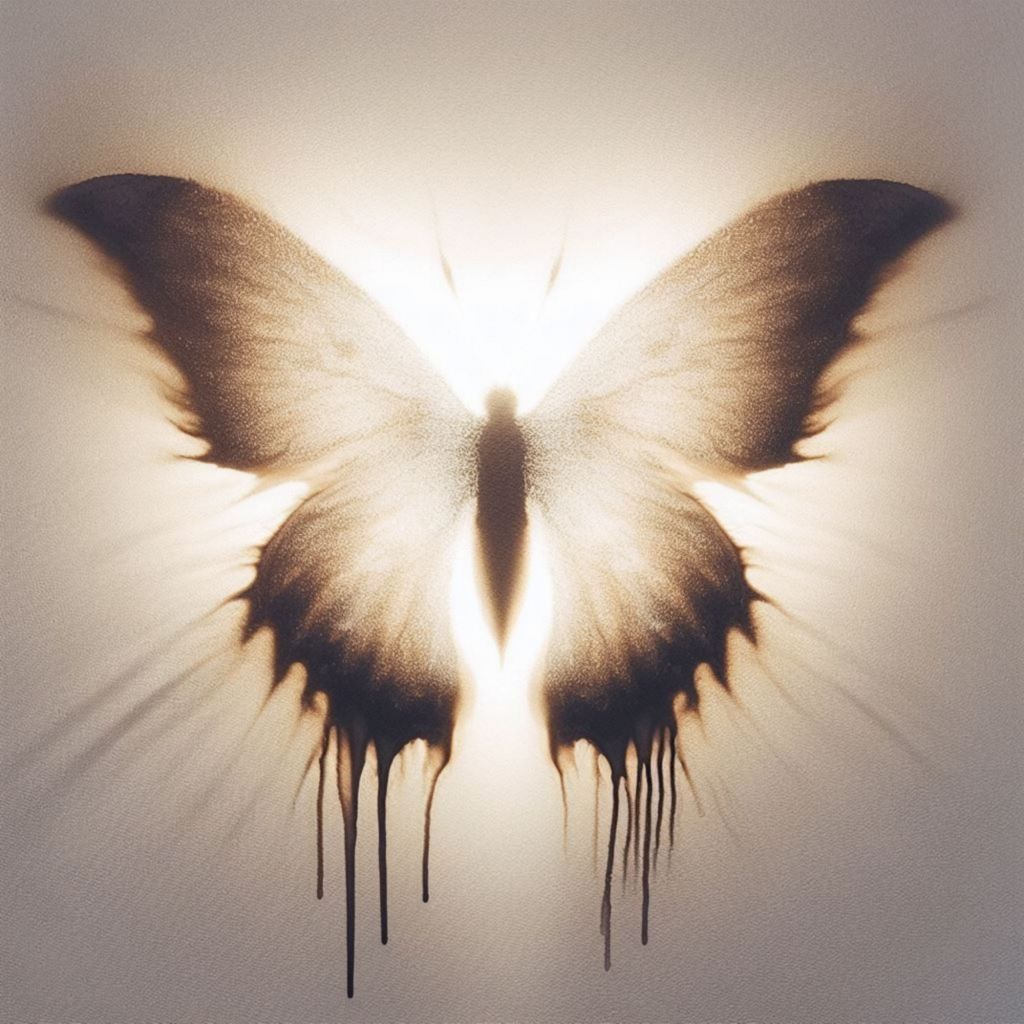
    Moth odd balls

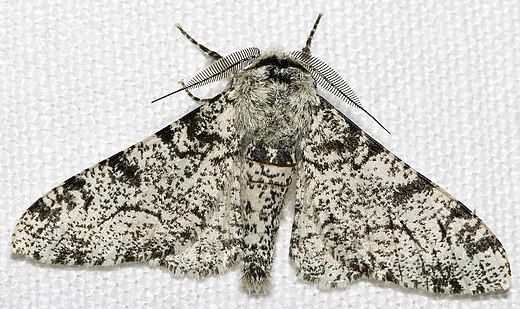
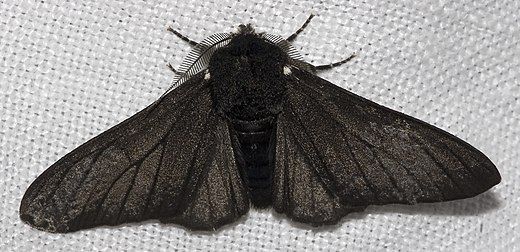
    The peppered moth.

    Before pollution
    After pollution


    In the early 19th century, most peppered moths in England were light-coloured. This was because they were well-camouflaged against the light-coloured tree bark on which they lived. However, during the Industrial Revolution, many trees became blackened by soot from factories. As a result, dark-coloured peppered moths became better camouflaged and were more likely to survive and reproduce. Over time, the frequency of the gene for dark coloration increased in the population, and the peppered moth population became predominantly dark-coloured.

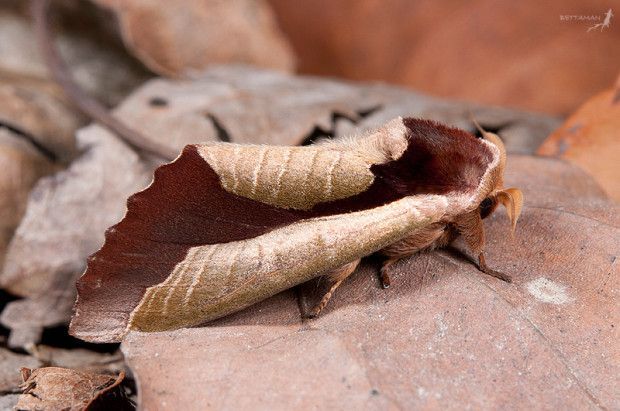
    Dead leaf moth

    Wow!

    Imagine a fallen leaf, brown and veined, curled up on the forest floor. Now, picture that leaf suddenly unfolding into a beautiful moth! That’s the dead leaf moth in action. Its wings mimic a dead leaf with remarkable precision, complete with brown and green hues, vein-like markings, and even a curled-up appearance.

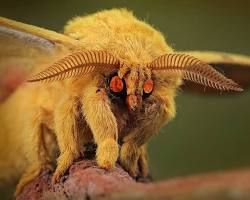
    Vampire moth

    Looks so cuddly!

    Believe it or not, some moths, like the Vampire Moth, feed on the tears and blood of sleeping mammals! They use their long proboscis to pierce the skin and lap up the fluids, a truly macabre adaptation.

    Tap to view this image in red bubble

    And I thought moths were just fuzzy nightlights, flitting erratically around porch lamps. What a glorious underestimation that was! From the dead leaf moth’s uncanny leaf mimicry to the vampire moth’s liquid midnight feasts, these winged wonders have shattered my simplistic moth-conception

    Tap to view my redbubble gallery.
  • Misty Realms

    Misty Realms

    “Mist veils ancient tales,
    Gwrach y Rhibyn whispers doom,
    Welsh hearts etched in fear”

    Anthony
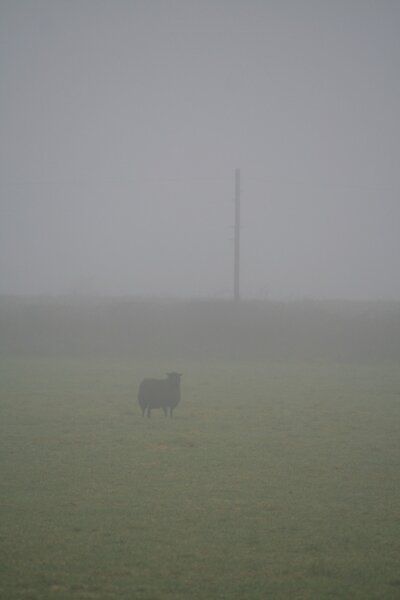
    Black sheep

    Hag of the Mist

    In the mist-shrouded realm of Welsh folklore, there exists the haunting spectre known as Gwrach y Rhibyn—the Hag of the Mist. This malevolent entity, draped in the cloak of death, emerges when the air thickens with an ominous fog. Gwrach y Rhibyn, a wretched crone with ancient secrets and supernatural powers, casts an unsettling shadow upon those unlucky enough to cross her path. Her appearance forebodes impending tragedy, and the mist itself seems to whisper tales of doom. In the misty veil between the living and the supernatural, Gwrach y Rhibyn innokes a chilling narrative, leaving a lingering sense of fear etched into the hearts of the Welsh people.

    Gwrach y Rhibyn

    Yn y byd cysegredig wedi’i wympasu â niwl yn chwedloniaeth Gymreig, mae yna ysbryd frawychus o’r enw Gwrach y Rhibyn— hag of the Mist. Cyfentrodd ysbryd niweidiol hwn, wedi’i wisgo mewn mantell angau, pan fydd yr awyr yn trwchus gyda niwl dywyll. Gwrach y Rhibyn, hen wrgi â chyfrinachau hynafol a phŵerau dychmygol, sy’n taflu cysgod anghyson ar y rhai anffawdus sy’n croesi ei lwybr. Mae ei hystyr yn rhagweld trais sy’n agosáu, ac mae’r niwl ei hun yn ymddangos fel bod yn sibrwd chwedlau o ddinistr. Yn y llenni niwlog rhwng y byw a’r gorllyd, mae Gwrach y Rhibyn yn ennyn naratif o oeri, gan adael teimlad parhaus o ofn wedi’i ysgrifennu yn llygaid pobl Cymru.

    Tap to view my redbubble gallery.
  • Be Still

    Be Still

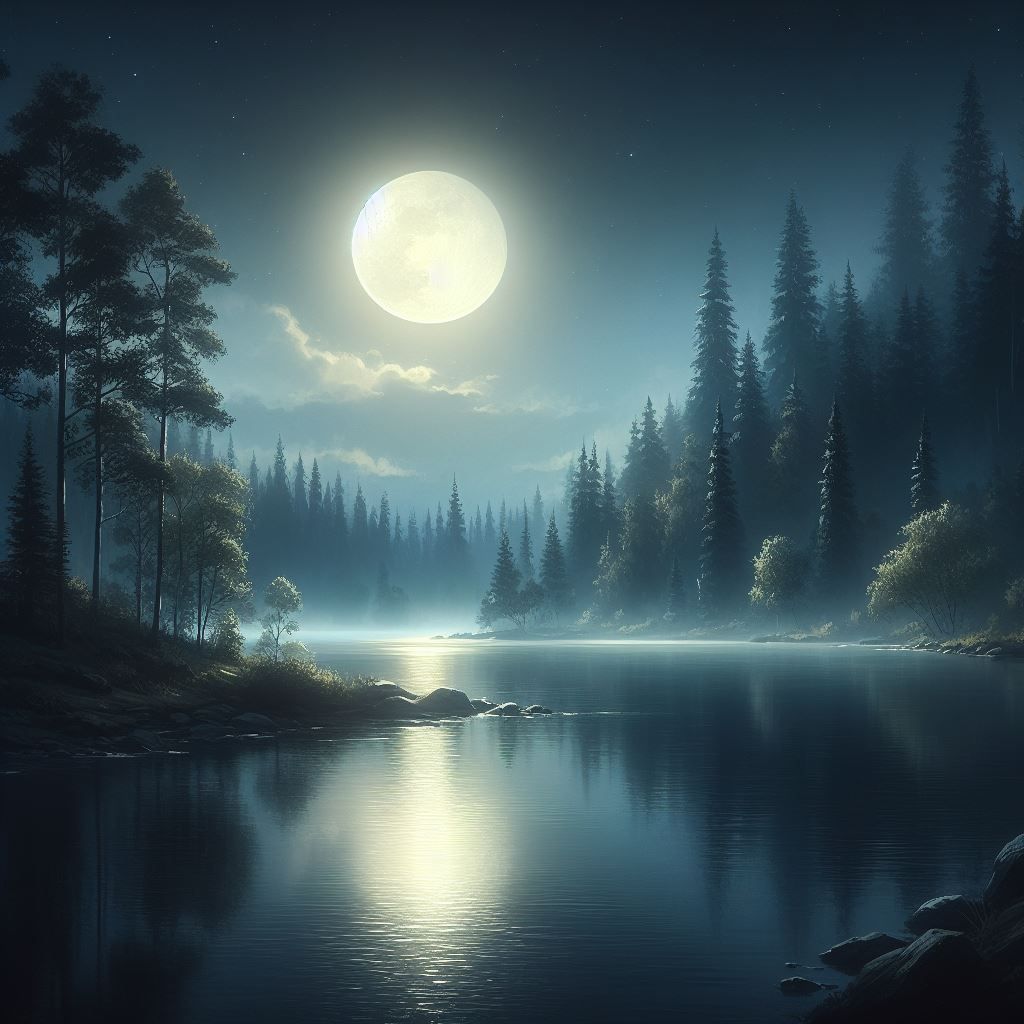
    “Moonlit tides obey,
    Leader holds a steady hand,
    Stillness guides the way”

    Anthony
    Peace

    The river whispers to the willow, “Be still,” as its current bends, caressing the slender limbs. The mountain murmurs to the pine, “Be still,” as the wind carves its ageless form against the sky.

    Be still, child of the earth, and let the ripples of desire recede within the pool of your mind. Breathe as the lotus, slow and deep, rooting you in the mud of the everyday. Chase not the shiny, flitting dragonfly of distraction, but gather the dewdrops of wisdom from the silent dawn.

    Be still, scholar of virtue, and let the clamour of opinions fade into the distant hills. Hone your character as the craftsman polishes sacred jade, stroke by patient stroke, until the inner light shines true. Let the ink of understanding flow not from borrowed vessels, but from the wellspring of your own quiet contemplation.

    Be still, leader of men, and let the reins of ambition slacken in your grasp. As the moon guides the tides with its gentle pull, so govern with a heart attuned to the rhythm of your people. Seek not to control the waters, but to navigate them with wisdom, a quiet rudder in the storm.

    Be still, wanderer of the earth, and let the whispers of the world wash over you like leaves on a stream. Seek not meaning in every gust of wind, but in the rooted stillness of the ancient tree. The path unfolds beneath your feet, not in the shouts of distant travellers, but in the echo of your own mindful steps.

    For in the stillness, the wise man hears his inner whisper, a sense beyond words, a guiding light in the heart. Be still, and let the silence of the universe resonate within your soul.

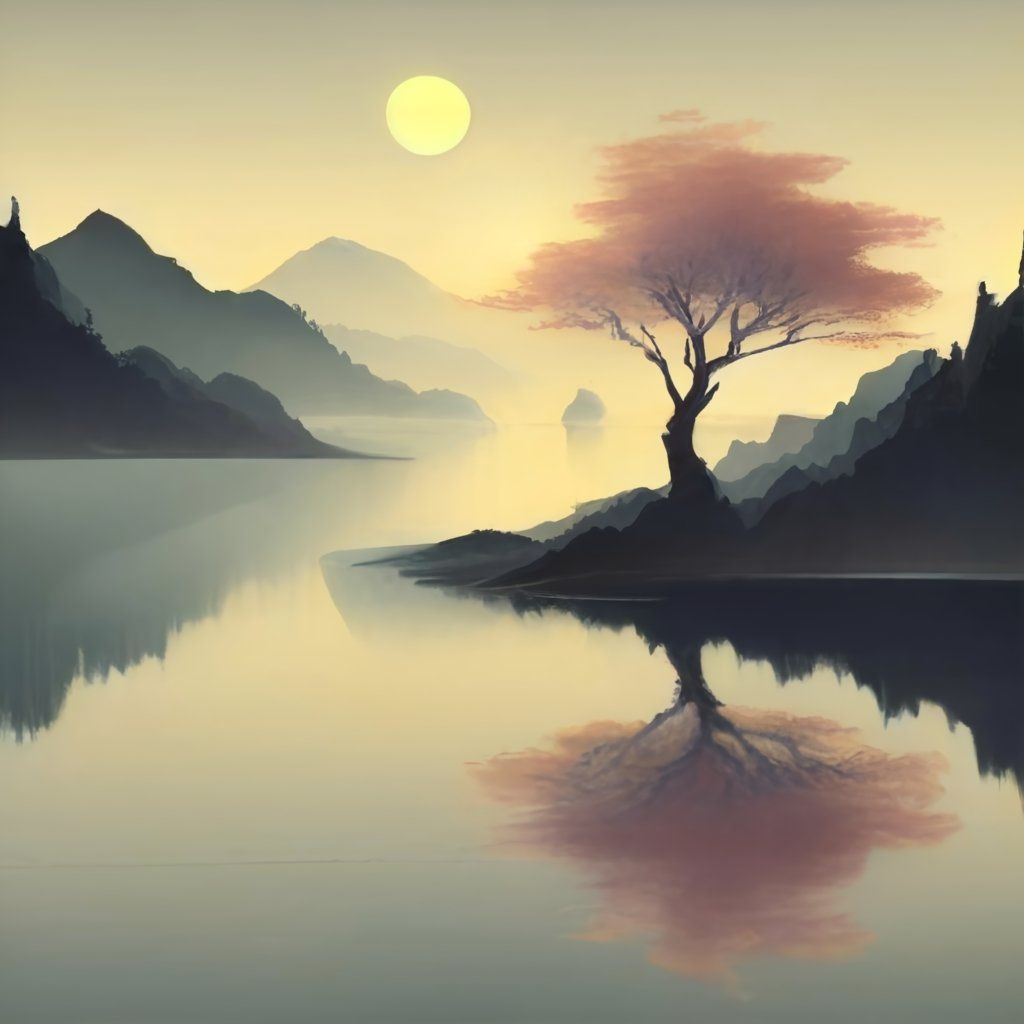
    Shanshui style painting
    Tap to view my redbubble gallery.
Design a site like this with WordPress.com
Get started