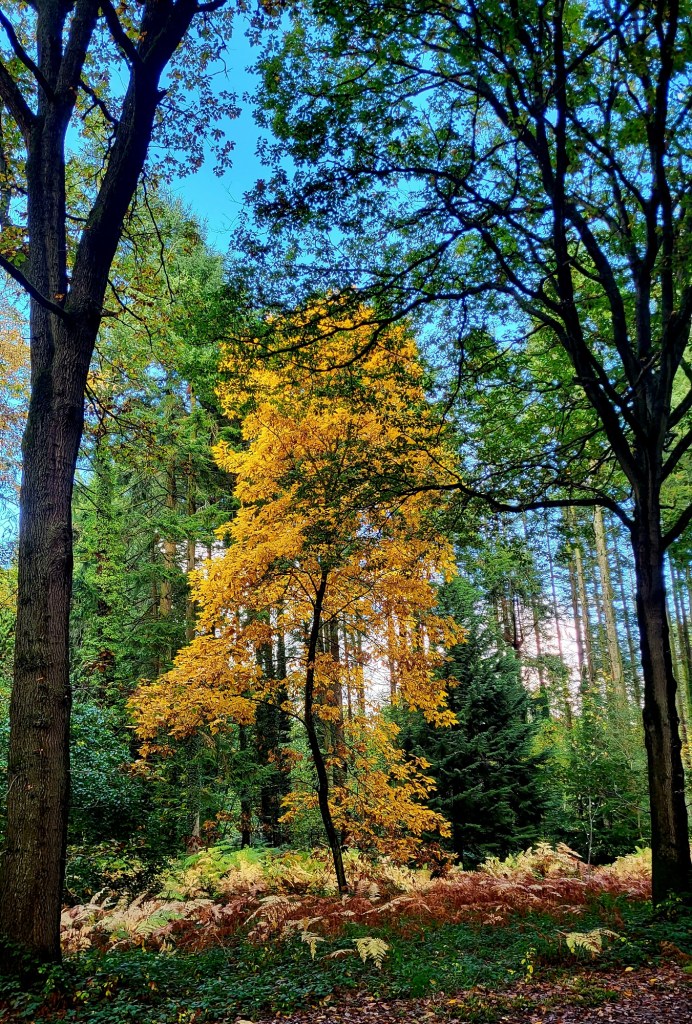
Tag: autumn

  • Into the Breathing Forest

    Into the Breathing Forest

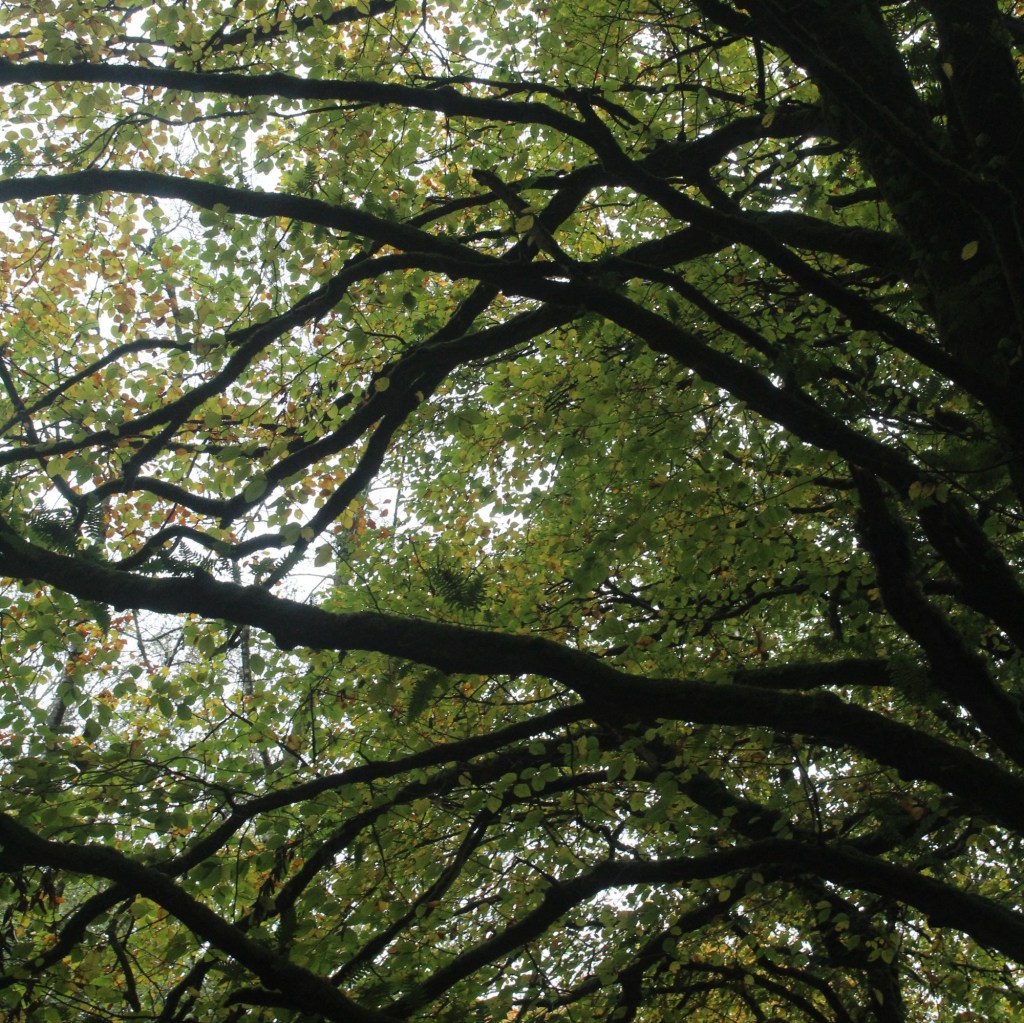
    The woods inhale. Slowly, deeply. Each leaf a lung, each branch an artery of light.
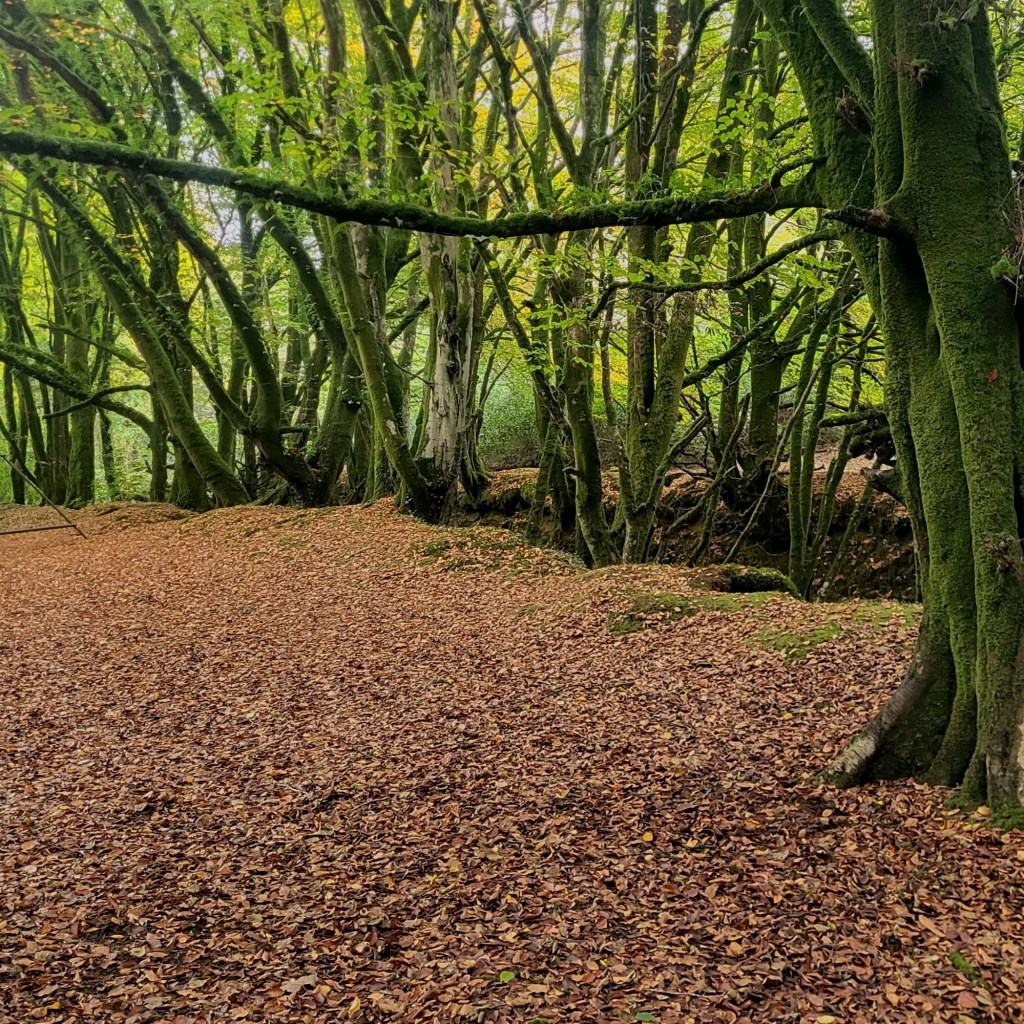
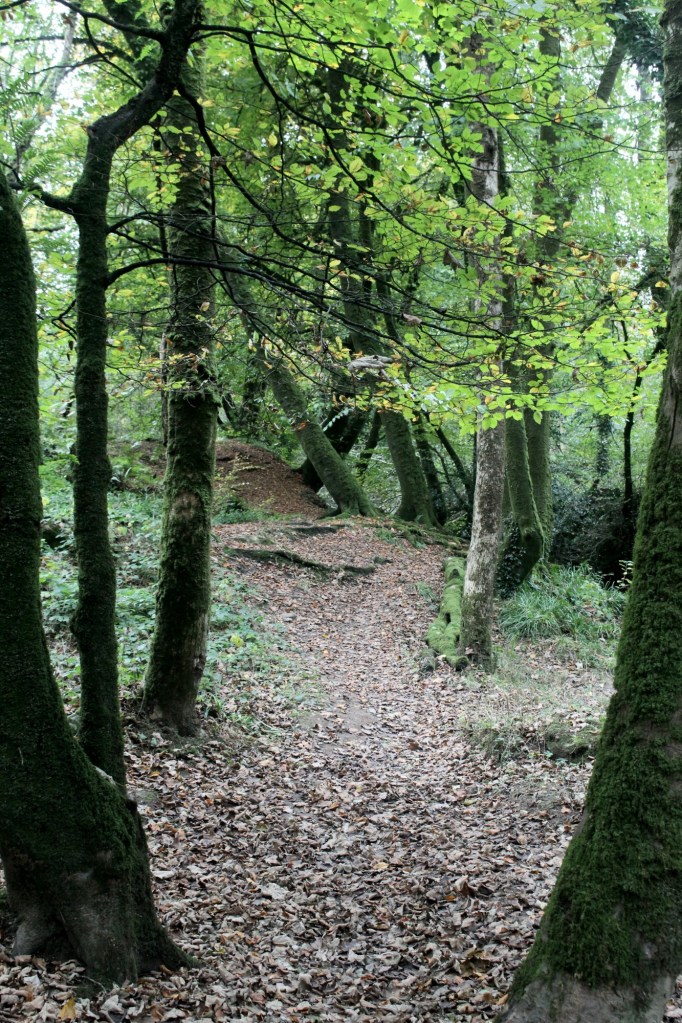
    Step by step, the path unfolds—not beneath feet, but through the mind. The crunch of amber leaves speaks in whispers: “transformation, transformation”. What was green becomes gold becomes earth. The cycle turns, horizon meeting horizon, the forest crossing itself in patterns older than names.
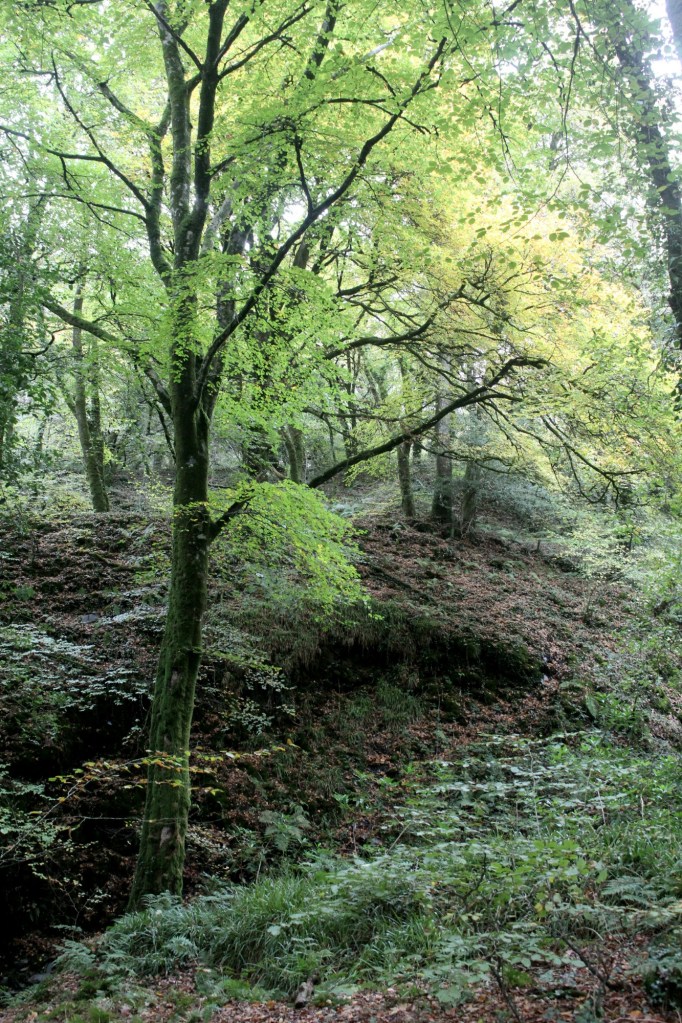
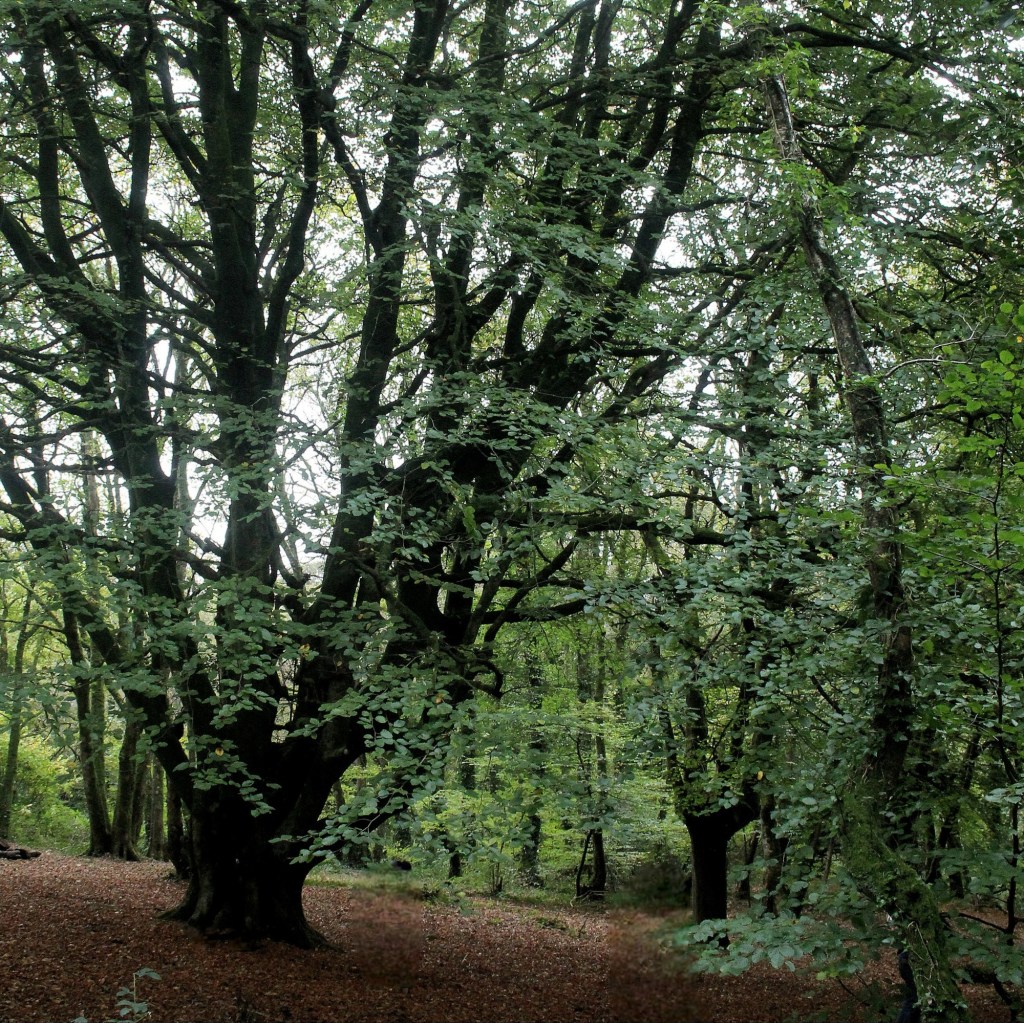
    Touch the bark—cool, ridged, alive. The tree holds memory in its rings, seasons stacked like heartbeats. Moss cushions the northern side, soft as thought, damp as morning. The air moves crisp against skin, carrying secrets: the musk of decay, the sharp sweetness of pine, the mineral breath of soil awakening to its work.
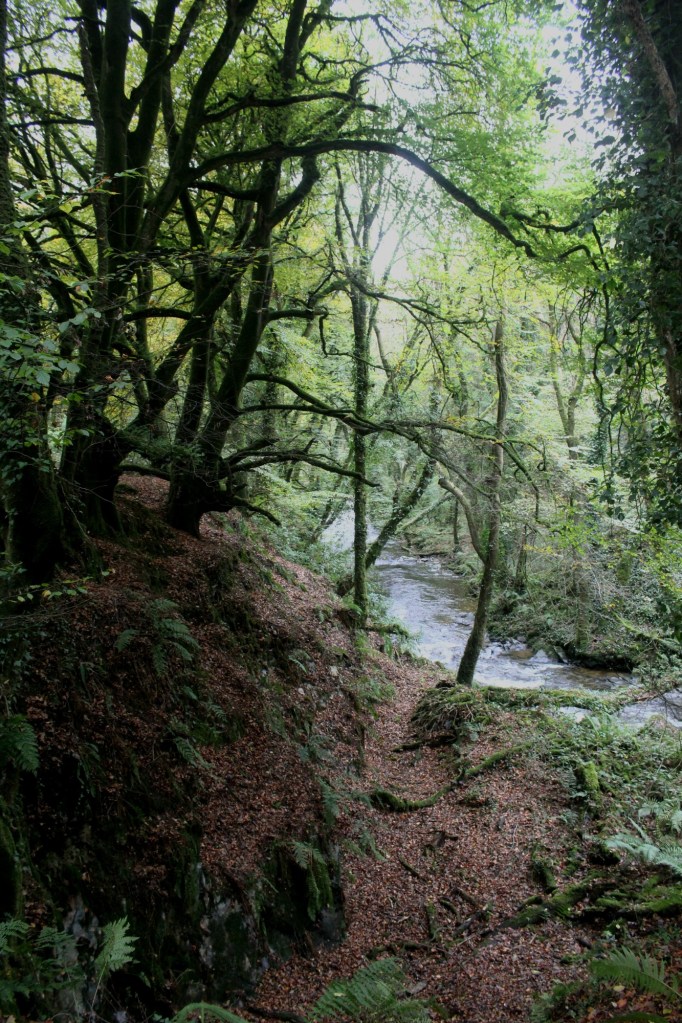
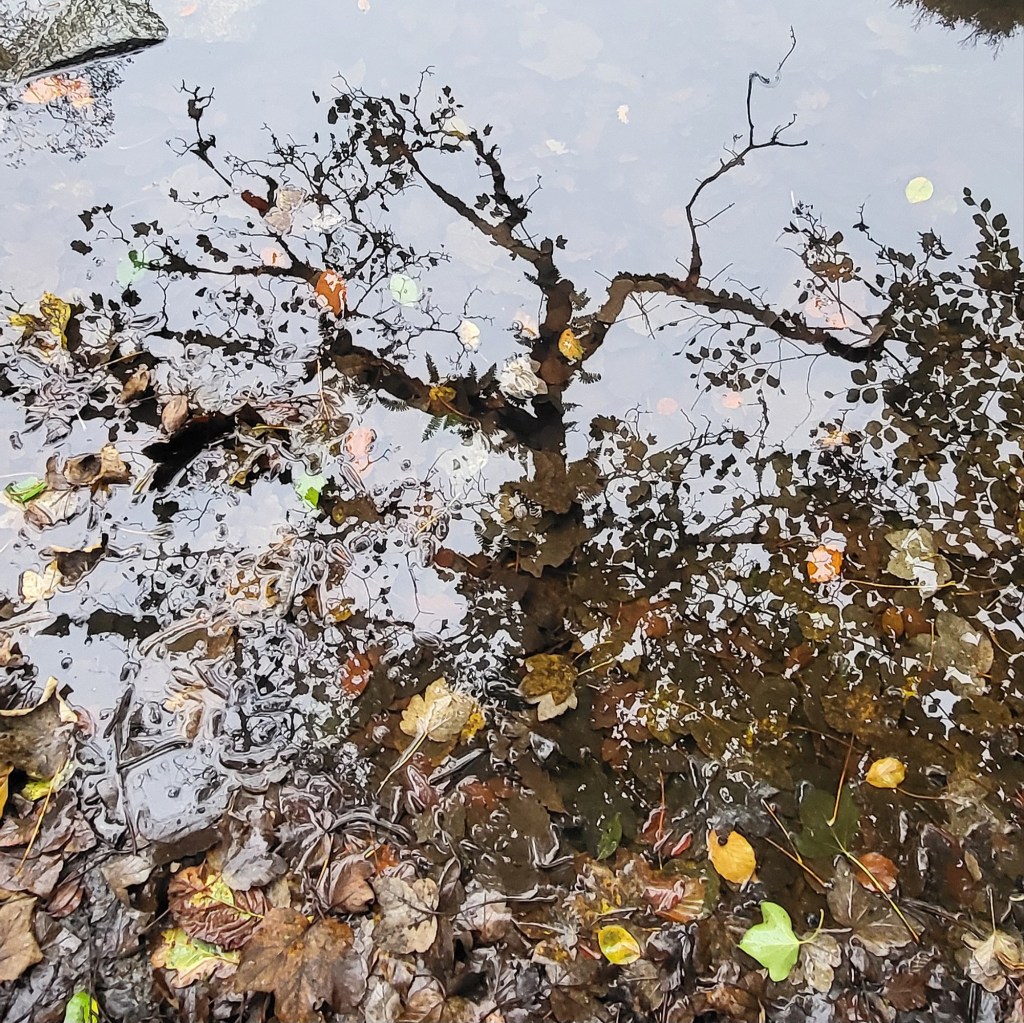
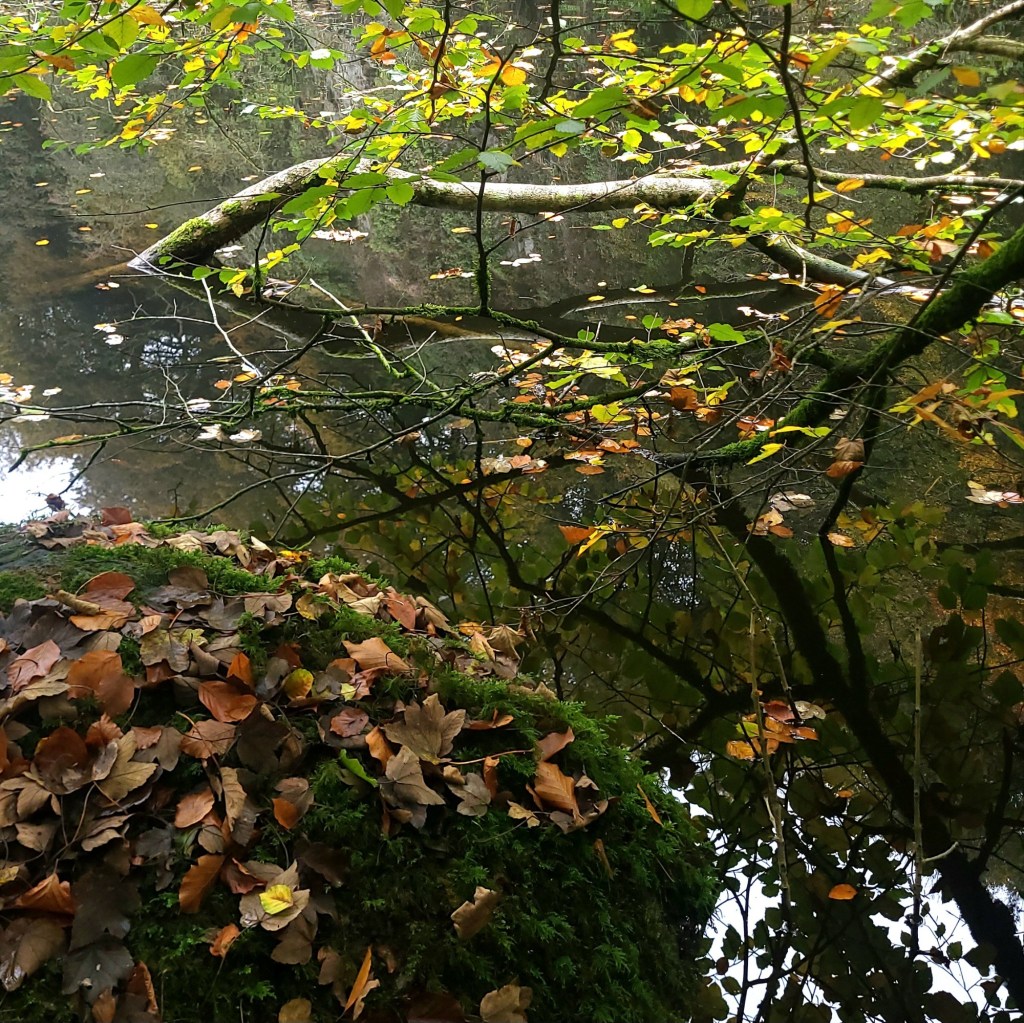
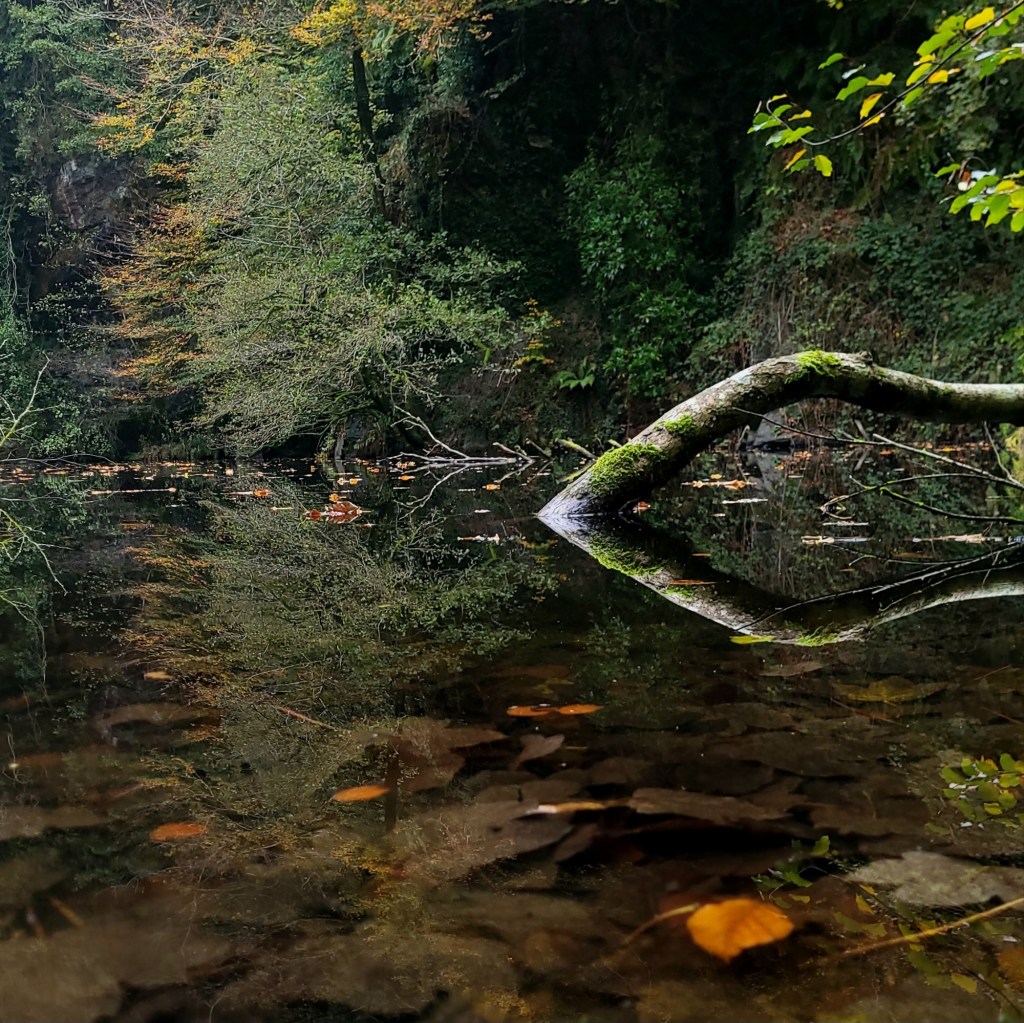
    There, in the still pool, the forest contemplates itself. Trees lean down to meet their reflections, the boundary between earth and water dissolving. Sky trapped in mud. The axis flips—which world is real? Both. Neither. The forest mind reflects the forest heart.
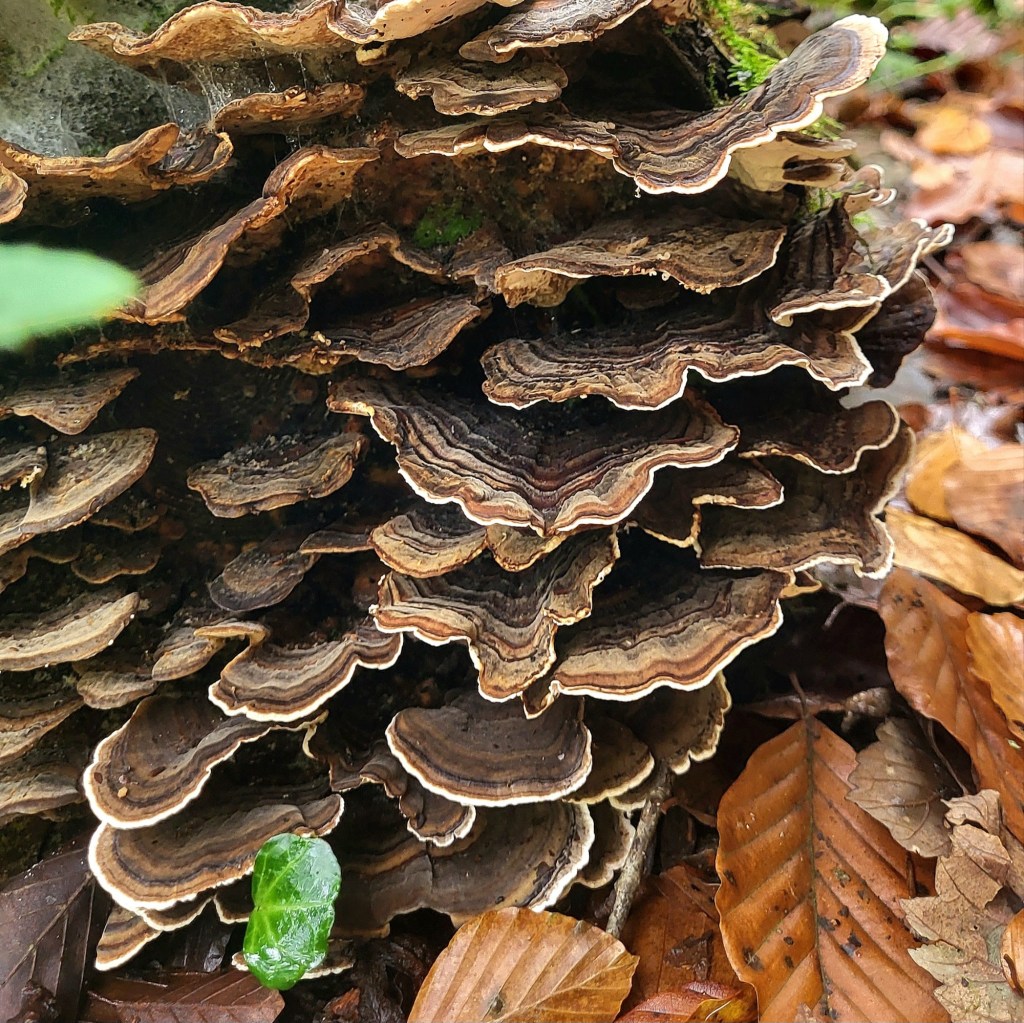
    And here: fungi bloom like thoughts made solid. They are the forest’s silent machinery, the power beneath beauty, translating death into tomorrow. Delicate as moonlight, strong as hunger, they remind us that darkness feeds the light. Every shadow contains its own illumination.
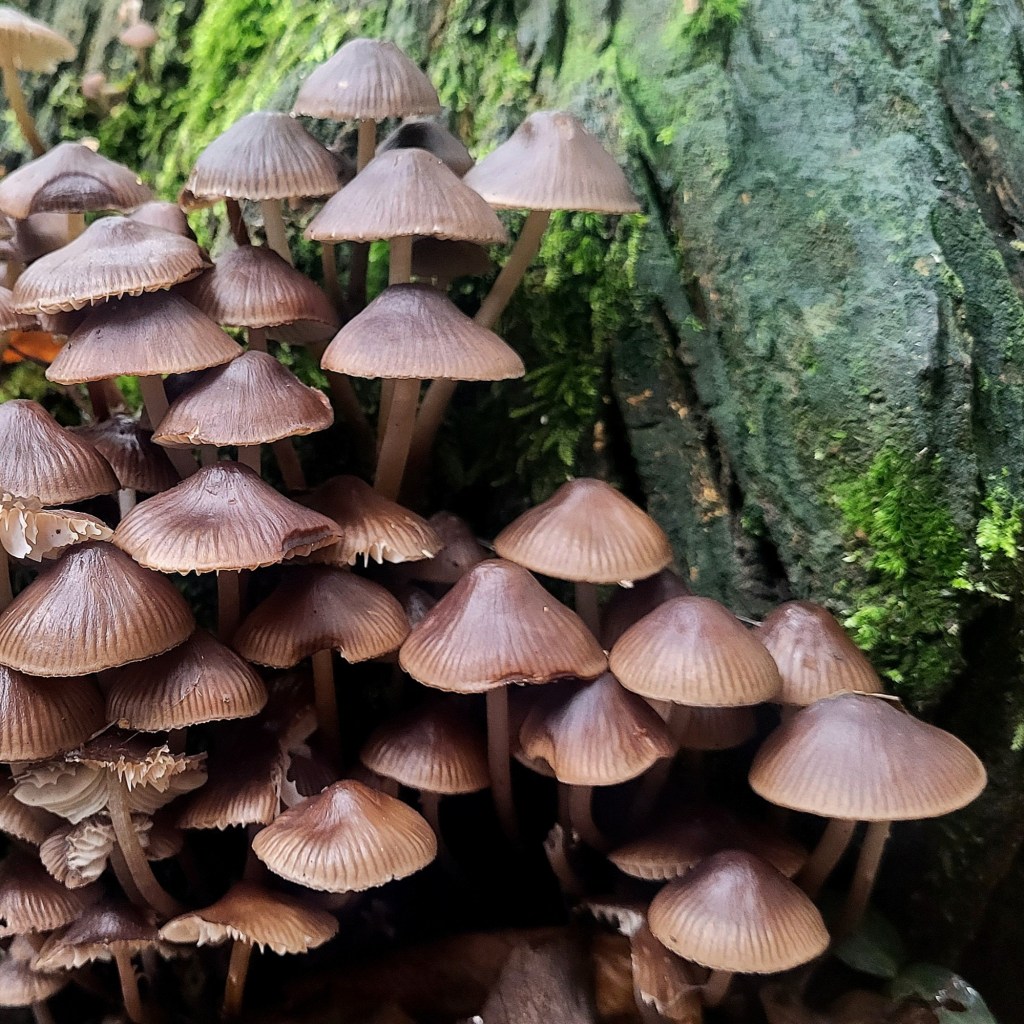

    The wind rustles—not through leaves, but through understanding. Nature’s great work continues, patient and relentless. Stand still. Listen. The woods are showing you the difference between today and tomorrow: one breath, one transformation, one step deeper into the beautiful, breathing mind of autumn.

    If you find my photography or my writing inspiring and uplifting, consider supporting what I do. Buy me a coffee on Ko-fi.
    Your support makes a difference in my life and helps me create more of what you, and I, like. Thank you!
    Tap here for a list of 100 endangered animals and plants.

    100 endangered plant and animal species

    * Abies beshanzuensis (Baishan fir) – Plant (Tree) – Baishanzu Mountain, Zhejiang, China – Three mature individuals

    * Actinote zikani – Insect (butterfly) – Near São Paulo, Atlantic forest, Brazil – Unknown numbers

    * Aipysurus foliosquama (Leaf scaled sea-snake) – Reptile – Ashmore Reef and Hibernia Reef, Timor Sea – Unknown numbers * Amanipodagrion gilliesi (Amani flatwing) – Insect (damselfly) – Amani-Sigi Forest, Usamabara Mountains, Tanzania – < 500 individuals * Antisolabis seychellensis – Insect – Morne Blanc, Mahé island, Seychelles – Unknown numbers * Antilophia bokermanni (Araripe manakin) – Bird – Chapado do Araripe, South Ceará, Brazil – 779 individuals * Aphanius transgrediens (Aci Göl toothcarp) – Fish – south-eastern shore of former Lake Aci, Turkey – Few hundred pairs * Aproteles bulmerae (Bulmer’s fruit bat) – Mammal – Luplupwintern Cave, Western Province, Papua New Guinea – 150 * Ardea insignis (White bellied heron) – Bird – Bhutan, North East India and Myanmar – 70–400 individuals * Ardeotis nigriceps (Great Indian bustard) – Bird – Rajasthan, Gujarat, Maharashtra, Andhra Pradesh, Karnataka and Madhya, India – 50–249 mature individuals * Astrochelys yniphora (Ploughshare tortoise) – Reptile – Baly Bay region, northwestern Madagascar – 440–770 * Atelopus balios (Rio Pescado stubfoot toad) – Amphibian – Azuay, Cañar and Guyas provinces, south-western Ecuador – Unknown numbers * Aythya innotata (Madagascar pochard) – Bird – volcanic lakes north of Bealanana, Madagascar – 80 mature individuals * Azurina eupalama (Galapagos damsel fish) – Fish – Unknown numbers – Unknown numbers * Bahaba taipingensis (Giant yellow croaker) – Fish – Chinese coast from Yangtze River, China to Hong Kong – Unknown numbers * Batagur baska (Common batagur) – Reptile (turtle) – Bangladesh, Cambodia, India, Indonesia and Malaysia – Unknown numbers * Bazzania bhutanica – Plant – Budini and Lafeti Khola, Bhutan – 2 sub-populations * Beatragus hunteri (Hirola) – Mammal (antelope) – South-east Kenya and possibly south-west Somalia – < 1,000 individuals * Bombus franklini (Franklin’s bumblebee) – Insect (bee) – Oregon and California – Unknown numbers * Brachyteles hypoxanthus (Northern muriqui / Woolly spider monkey) – Mammal (primate) – Atlantic forest, south-eastern Brazil – < 1,000 * Bradypus pygmaeus (Pygmy three-toed sloth) – Mammal – Isla Escudo de Veraguas, Panama – < 500 * Callitriche pulchra – Plant (freshwater) – pool on Gavdos, Greece – Unknown numbers * Calumma tarzan (Tarzan’s chameleon) – Reptile – Anosibe An’Ala region, eastern Madagascar – < 100 * Cavia intermedia (Santa Catarina’s guinea pig) – Mammal (rodent) – Moleques do Sul Island, Santa Catarina, Brazil – 40–60 * Cercopithecus roloway (Roloway guenon) – Mammal (primate) – Côte d’Ivoire – Unknown numbers * Coleura seychellensis (Seychelles sheath-tailed bat) – Mammal (bat) – Two small caves on Silhouette and Mahé, Seychelles – < 100 * Cryptomyces maximus (Willow blister) – Fungi – Pembrokeshire, United Kingdom – Unknown numbers * Cryptotis nelsoni (Nelson’s small-eared shrew) – Mammal (shrew) – Volcán San Martín Tuxtla, Veracruz, Mexico – Unknown numbers * Cyclura collei (Jamaican iguana / Jamaican rock iguana) – Reptile – Hellshire Hills, Jamaica – Unknown numbers * Daubentonia madagascariensis (Aye-aye) – Mammal (primate) – Deciduous forest, East Madagascar – Unknown numbers * Dendrophylax fawcettii (Cayman Islands ghost orchid) – Plant (orchid) – Ironwood Forest, George Town, Grand Cayman – Unknown numbers * Dicerorhinus sumatrensis (Sumatran rhino) – Mammal (rhino) – Sabah, Sarawak and Peninsular Malaysia, Kalimantan and Sumatra, Indonesia – < 100 (more recent estimates suggest 34-47) * Diomedea amsterdamensis (Amsterdam albatross) – Bird – Breeds on Plateuau des Tourbières, Amsterdam Island, Indian Ocean. – 100 mature individuals * Dioscorea strydomiana (Wild yam) – Plant – Oshoek area, Mpumalanga, South Africa – 200 * Diospyros katendei – Plant (tree) – Kasyoha-Kitomi Forest Reserve, Uganda – 20 individuals in a single population * Dipterocarpus lamellatus – Plant (tree) – Siangau Forest Reserve, Sabah, Malaysia – 12 individuals * Discoglossus nigriventer (Hula painted frog) – Amphibian – Hula Valley, Israel – Unknown numbers * Dombeya mauritiana – Plant – Mauritius – Unknown numbers * Elaeocarpus bojeri (Bois Dentelle) – Plant (tree) – Grand Bassin, Mauritius – < 10 individuals * Eleutherodactylus glandulifer (La Hotte glanded frog) – Amphibian – Massif de la Hotte, Haiti – Unknown numbers * Eleutherodactylus thorectes (Macaya breast-spot frog) – Amphibian – Formon and Macaya peaks, Masif de la Hotte, Haiti – Unknown numbers * Eriosyce chilensis (Chilenito (cactus)) – Plant – Pta Molles and Pichidungui, Chile – < 500 individuals * Erythrina schliebenii (Coral tree) – Plant – Namatimbili-Ngarama Forest, Tanzania – < 50 individuals * Euphorbia tanaensis – Plant (tree) – Witu Forest Reserve, Kenya – 4 mature individuals * Eurynorhyncus pygmeus (Spoon-billed sandpiper) – Bird – Breeds in Russia, migrates along the East Asian-Australasian Flyway to wintering grounds in India, Bangladesh and Myanmar – 100 breeding pairs * Ficus katendei – Plant – Kasyoha-Kitomi Forest Reserve, Ishasha River, Uganda – < 50 mature individuals * Geronticus eremita (Northern bald ibis) – Bird – Breeds in Morocco, Turkey and Syria. Syrian population winters in central Ethiopia. – About 3000 individuals * Gigasiphon macrosiphon – Plant (flower) – Kaya Muhaka, Gongoni and Mrima Forest Reserves, Kenya, Amani Nature Reserve, West Kilombero Scarp Forest Reserve, and Kihansi Gorge, Tanzania – 33 * Gocea ohridana – Mollusc – Lake Ohrid, Macedonia – Unknown numbers * Heleophryne rosei (Table mountain ghost frog) – Amphibian – Table Mountain, Western Cape Province, South Africa – Unknown numbers * Hemicycla paeteliana – Mollusc (land snail) – Jandia peninsula, Fuerteventura, Canary Islands – Unknown numbers * Heteromirafa sidamoensis (Liben lark) – Bird – Liben Plains, southern Ethiopia – 90–256 * Hibiscadelphus woodii – Plant (tree) – Kalalau Valley, Hawaii – Unknown numbers * Hucho perryi (Sakhalin taimen) – Fish – Russian and Japanese rivers, Pacific Ocean between Russia and Japan – Unknown numbers * Johora singaporensis (Singapore freshwater crab) – Crustacean – Bukit Timah Nature Reserve and streamlet near Bukit Batok, Singapore – Unknown numbers * Lathyrus belinensis (Belin vetchling) – Plant – Outskirts of Belin village, Antalya, Turkey – < 1,000 * Leiopelma archeyi (Archey’s frog) – Amphibian – Coromandel peninsula and Whareorino Forest, New Zealand – Unknown numbers * Lithobates sevosus (Dusky gopher frog) – Amphibian – Harrison County, Mississippi, USA – 60–100 * Lophura edwardsi (Edwards’s pheasant) – Bird – Quang Binh, Quang Tri and Thua Thien-Hue, Viet Nam – Unknown numbers * Magnolia wolfii – Plant (tree) – Risaralda, Colombia – 3 * Margaritifera marocana – Mollusc – Oued Denna, Oued Abid and Oued Beth, Morocco – < 250 * Moominia willii – Mollusc (snail) – Silhouette Island, Seychelles – < 500 * Natalus primus (Cuban greater funnel eared bat) – Mammal (bat) – Cueva La Barca, Isle of Pines, Cuba – < 100 * Nepenthes attenboroughii (Attenborough’s pitcher plant) – Plant – Mount Victoria, Palawan, Philippines – Unknown numbers * Nomascus hainanus (Hainan black crested gibbon) – Mammal (primate) – Hainan Island, China – 20 * Neurergus kaiseri (Luristan newt) – Amphibian – Zagros Mountains, Lorestan, Iran – < 1,000 * Oreocnemis phoenix (Mulanje red damsel) – Insect (damselfly) – Mulanje Plateau, Malawi – Unknown numbers * Pangasius sanitwongsei (Pangasid catfish) – Fish – Chao Phraya and Mekong basins in Cambodia, China, Lao PDR, Thailand and Viet Nam – Unknown numbers * Parides burchellanus – Insect (butterfly) – Cerrado, Brazil – < 100 * Phocoena sinus (Vaquita) – Mammal (porpoise) – Northern Gulf of California, Mexico – 12 * Picea neoveitchii (Type of spruce tree) – Plant (tree) – Qinling Range, China – Unknown numbers * Pinus squamata (Qiaojia pine) – Plant (tree) – Qiaojia, Yunnan, China – < 25 * Poecilotheria metallica (Gooty tarantula / Metallic tarantula / Peacock tarantula / Salepurgu) – Spider – Nandyal and Giddalur, Andhra Pradesh, India – Unknown numbers * Pomarea whitneyi (Fatuhiva monarch) – Bird – Fatu Hiva, Marquesas Islands, French Polynesia – 50 * Pristis pristis (Common sawfish) – Fish – Coastal tropical and subtropical waters of Indo-Pacific and Atlantic Oceans. Currently largely restricted to northern Australia – Unknown numbers * Hapalemur simus (Greater bamboo lemur) – Mammal (primate) – Southeastern and southcentral rainforests of Madagascar – 500 * Propithecus candidus (Silky sifaka) – Mammal (primate) – Maroantsetra to Andapa basin, and Marojeju Massif, Madagascar – 100–1,000 * Psammobates geometricus (Geometric tortoise) – Reptile – Western Cape Province, South Africa – Unknown numbers * Pseudoryx nghetinhensis (Saola) – Mammal – Annamite mountains, on the Viet Nam – PDR Laos border – Unknown numbers * Psiadia cataractae – Plant – Mauritius – Unknown numbers * Psorodonotus ebneri (Beydaglari bush-cricket) – Insect – Beydaglari range, Antalaya, Turkey – Unknown numbers * Rafetus swinhoei (Red River giant softshell turtle) – Reptile – Hoan Kiem Lake and Dong Mo Lake, Viet Nam, and Suzhou Zoo, China – 3 * Rhinoceros sondaicus (Javan rhino) – Mammal (rhino) – Ujung Kulon National Park, Java, Indonesia – < 100 * Rhinopithecus avunculus (Tonkin snub-nosed monkey) – Mammal (primate) – Northeastern Vietnam – < 200 * Rhizanthella gardneri (West Australian underground orchid) – Plant (orchid) – Western Australia, Australia – < 100 * Rhynchocyon spp. (Boni giant sengi) – Mammal – Boni-Dodori Forest, Lamu area, Kenya – Unknown numbers * Risiocnemis seidenschwarzi (Cebu frill-wing) – Insect (damselfly) – Rivulet beside the Kawasan River, Cebu, Philippines – Unknown numbers * Rosa arabica – Plant – St Katherine Mountains, Egypt – Unknown numbers, 10 sub-populations * Salanoia durrelli (Durrell’s vontsira) – Mammal (mongoose) – Marshes of Lake Alaotra, Madagascar – Unknown numbers * Santamartamys rufodorsalis (Red crested tree rat) – Mammal (rodent) – Sierra Nevada de Santa Marta, Colombia – Unknown numbers * Scaturiginichthys vermeilipinnis (Red-finned blue-eye) – Fish – Edgbaston Station, central western Queensland, Australia – 2,000–4,000 * Squatina squatina (Angel shark) – Fish – Canary Islands – Unknown numbers * Sterna bernsteini (Chinese crested tern) – Bird – Breeding in Zhejiang and Fujian, China. Outside breeding season in Indonesia, Malaysia, Philippines, Taiwan, Thailand. – < 50 * Syngnathus watermeyeri (Estuarine pipefish) – Fish – Kariega Estuary to East Kleinemonde Estuary, Eastern Cape Province, South Africa – Unknown numbers * Tahina spectabilis (Suicide palm / Dimaka) – Plant – Analalava district, north-western Madagascar – 90 * Telmatobufo bullocki (Bullock’s false toad) – Amphibian (frog) – Nahuelbuta, Arauco Province, Chile – Unknown numbers * Tokudaia muenninki (Okinawa spiny rat) – Mammal (rodent) – Okinawa Island, Japan – Unknown numbers * Trigonostigma somphongsi (Somphongs’s rasbora) – Fish – Mae Khlong basin, Thailand – Unknown numbers * Valencia letourneuxi – Fish – Southern Albania and Western Greece – Unknown numbers * Voanioala gerardii (Forest coconut) – Plant – Masoala peninsula, Madagascar – < 10 * Zaglossus attenboroughi (Attenborough’s echidna) – Mammal – Cyclops Mountains, Papua Province, Indonesia – Unknown numbers

    Tap to view my redbubble gallery.
  • Of Mushrooms and Maples

    Of Mushrooms and Maples

    Wet leaves underfoot,
    that earthy perfume of rot,
    red and gold decay

    Autumn leaves maple

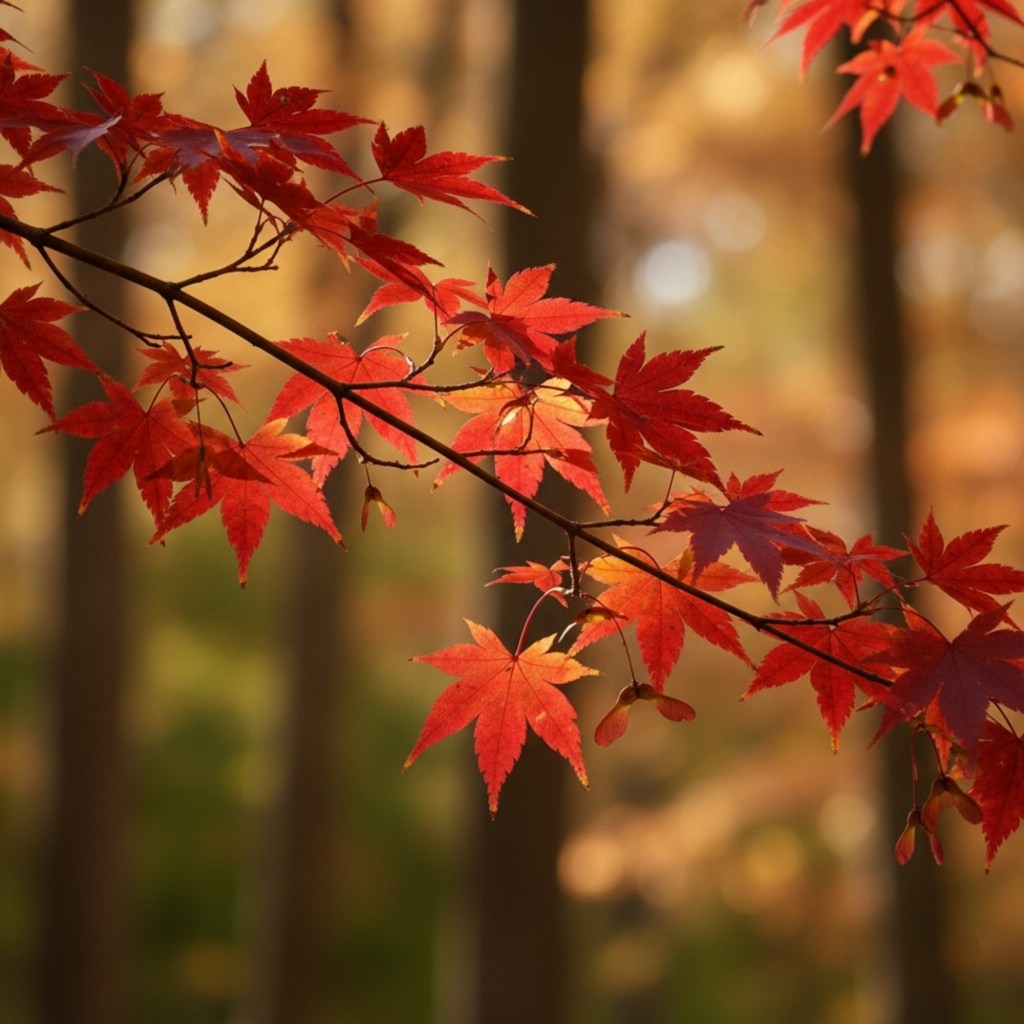
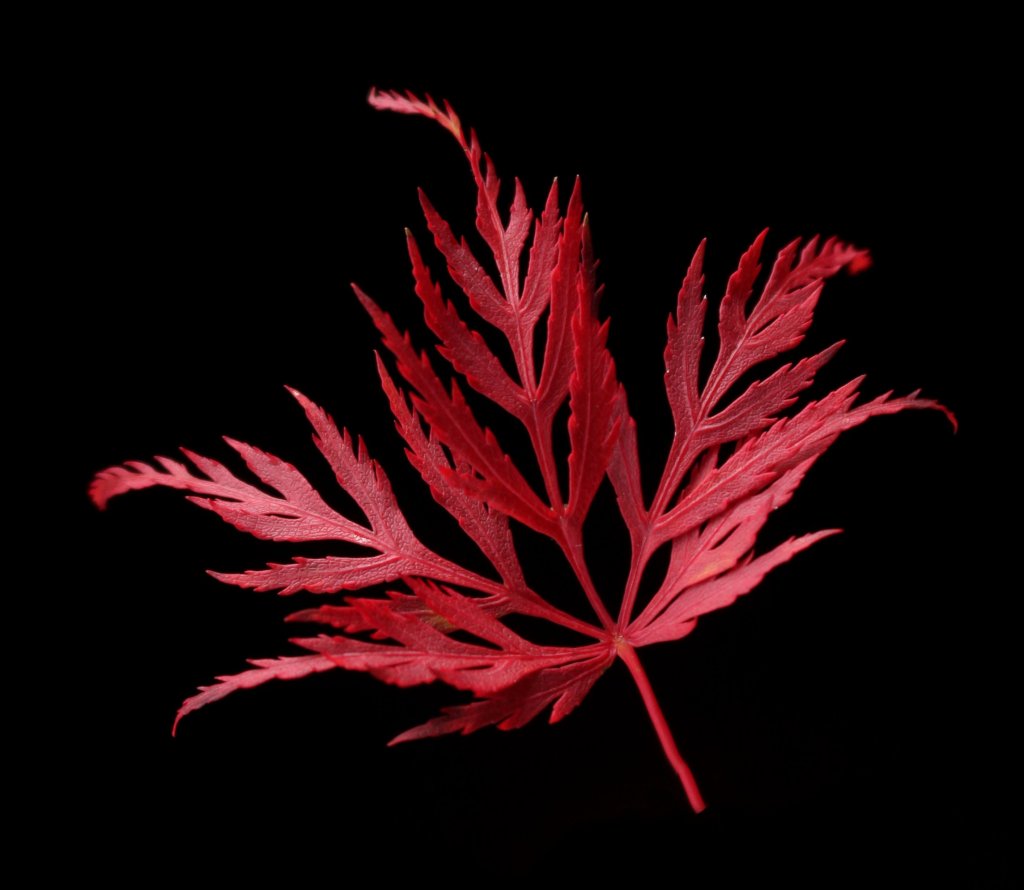
    The Japanese maple (*Acer palmatum*) achieves its crimson through a process that is, essentially, an act of calculated abandonment. As daylight shortens and temperatures drop, the tree stops producing chlorophyll—that green workhorse molecule—and begins withdrawing nutrients from its leaves back into the branches and trunk, a kind of metabolic retreat before winter. What remains visible are the anthocyanins, pigments that were there all along but masked by the chlorophyll’s dominance. Dr. Sarah Berkowitz, a plant physiologist I spoke with at the Arnold Arboretum, told me that the intensity of red depends on several factors: cold nights, sunny days, and the tree’s own genetics. “You can have two maples side by side,” she said, “same species, same conditions, and one will go scarlet while the other barely manages orange.” The blurred background in photographs of autumn leaves—that bokeh effect photographers prize—mimics what the tree itself is doing: bringing certain things into sharp focus while letting everything else fall away into soft irrelevance. By November, these leaves will be on the ground, brown and brittle, their sugars fully reabsorbed, their work done.


    Mushroom

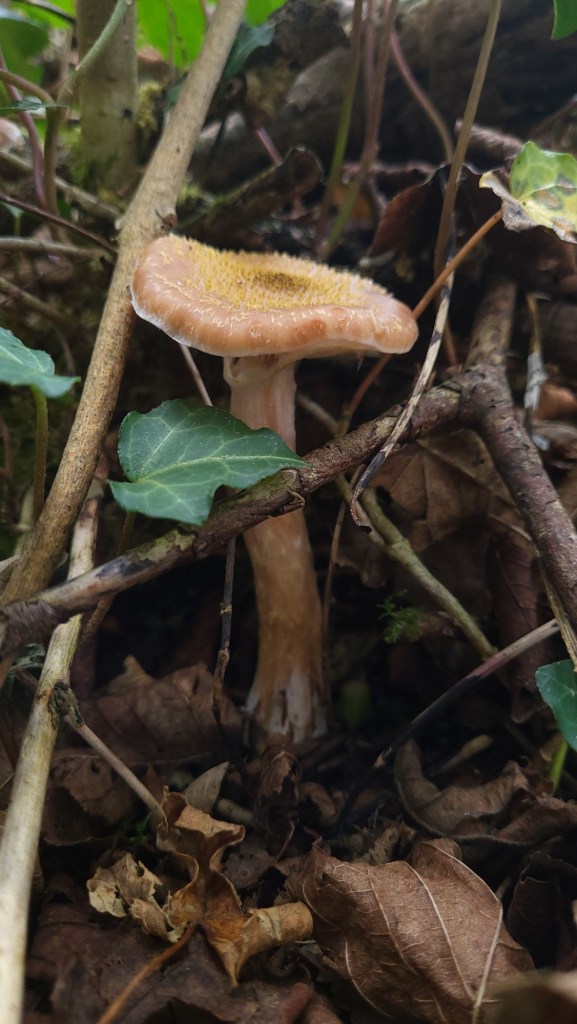
    I found it growing in the scraggly bit behind the garden shed—not even a proper woods, really, just where we’ve let things go to seed and tangle. A single mushroom, pale as butter left too long on the counter, with that fuzzy yellow cap like something wearing its best coat against the cold. I should have photographed it more carefully, or looked it up in one of those field guides I’m always meaning to buy, but instead I just crouched there getting mud on my knees, thinking about how it had pushed up through all those wet leaves without anyone noticing. My grandmother would have known its name immediately, and whether it was good for eating, and probably would have had some story about finding ones like it during the war when there wasn’t much else. I have none of her knowledge, only this habit of stopping to look at things, which is its own small inheritance, I suppose. The dog was waiting for me, patient in that impatient way dogs have, and the light was going, but I stayed another moment. Sometimes that’s all you can do—stay another moment with something beautiful and probably useless, growing in the abandoned corner of things.


    If you find my photography or my writing inspiring and uplifting, consider supporting what I do. Buy me a coffee on Ko-fi.
    Your support makes a difference in my life and helps me create more of what you, and I, like. Thank you!
    Tap here for a list of 100 endangered animals and plants.

    100 endangered plant and animal species

    * Abies beshanzuensis (Baishan fir) – Plant (Tree) – Baishanzu Mountain, Zhejiang, China – Three mature individuals

    * Actinote zikani – Insect (butterfly) – Near São Paulo, Atlantic forest, Brazil – Unknown numbers

    * Aipysurus foliosquama (Leaf scaled sea-snake) – Reptile – Ashmore Reef and Hibernia Reef, Timor Sea – Unknown numbers * Amanipodagrion gilliesi (Amani flatwing) – Insect (damselfly) – Amani-Sigi Forest, Usamabara Mountains, Tanzania – < 500 individuals * Antisolabis seychellensis – Insect – Morne Blanc, Mahé island, Seychelles – Unknown numbers * Antilophia bokermanni (Araripe manakin) – Bird – Chapado do Araripe, South Ceará, Brazil – 779 individuals * Aphanius transgrediens (Aci Göl toothcarp) – Fish – south-eastern shore of former Lake Aci, Turkey – Few hundred pairs * Aproteles bulmerae (Bulmer’s fruit bat) – Mammal – Luplupwintern Cave, Western Province, Papua New Guinea – 150 * Ardea insignis (White bellied heron) – Bird – Bhutan, North East India and Myanmar – 70–400 individuals * Ardeotis nigriceps (Great Indian bustard) – Bird – Rajasthan, Gujarat, Maharashtra, Andhra Pradesh, Karnataka and Madhya, India – 50–249 mature individuals * Astrochelys yniphora (Ploughshare tortoise) – Reptile – Baly Bay region, northwestern Madagascar – 440–770 * Atelopus balios (Rio Pescado stubfoot toad) – Amphibian – Azuay, Cañar and Guyas provinces, south-western Ecuador – Unknown numbers * Aythya innotata (Madagascar pochard) – Bird – volcanic lakes north of Bealanana, Madagascar – 80 mature individuals * Azurina eupalama (Galapagos damsel fish) – Fish – Unknown numbers – Unknown numbers * Bahaba taipingensis (Giant yellow croaker) – Fish – Chinese coast from Yangtze River, China to Hong Kong – Unknown numbers * Batagur baska (Common batagur) – Reptile (turtle) – Bangladesh, Cambodia, India, Indonesia and Malaysia – Unknown numbers * Bazzania bhutanica – Plant – Budini and Lafeti Khola, Bhutan – 2 sub-populations * Beatragus hunteri (Hirola) – Mammal (antelope) – South-east Kenya and possibly south-west Somalia – < 1,000 individuals * Bombus franklini (Franklin’s bumblebee) – Insect (bee) – Oregon and California – Unknown numbers * Brachyteles hypoxanthus (Northern muriqui / Woolly spider monkey) – Mammal (primate) – Atlantic forest, south-eastern Brazil – < 1,000 * Bradypus pygmaeus (Pygmy three-toed sloth) – Mammal – Isla Escudo de Veraguas, Panama – < 500 * Callitriche pulchra – Plant (freshwater) – pool on Gavdos, Greece – Unknown numbers * Calumma tarzan (Tarzan’s chameleon) – Reptile – Anosibe An’Ala region, eastern Madagascar – < 100 * Cavia intermedia (Santa Catarina’s guinea pig) – Mammal (rodent) – Moleques do Sul Island, Santa Catarina, Brazil – 40–60 * Cercopithecus roloway (Roloway guenon) – Mammal (primate) – Côte d’Ivoire – Unknown numbers * Coleura seychellensis (Seychelles sheath-tailed bat) – Mammal (bat) – Two small caves on Silhouette and Mahé, Seychelles – < 100 * Cryptomyces maximus (Willow blister) – Fungi – Pembrokeshire, United Kingdom – Unknown numbers * Cryptotis nelsoni (Nelson’s small-eared shrew) – Mammal (shrew) – Volcán San Martín Tuxtla, Veracruz, Mexico – Unknown numbers * Cyclura collei (Jamaican iguana / Jamaican rock iguana) – Reptile – Hellshire Hills, Jamaica – Unknown numbers * Daubentonia madagascariensis (Aye-aye) – Mammal (primate) – Deciduous forest, East Madagascar – Unknown numbers * Dendrophylax fawcettii (Cayman Islands ghost orchid) – Plant (orchid) – Ironwood Forest, George Town, Grand Cayman – Unknown numbers * Dicerorhinus sumatrensis (Sumatran rhino) – Mammal (rhino) – Sabah, Sarawak and Peninsular Malaysia, Kalimantan and Sumatra, Indonesia – < 100 (more recent estimates suggest 34-47) * Diomedea amsterdamensis (Amsterdam albatross) – Bird – Breeds on Plateuau des Tourbières, Amsterdam Island, Indian Ocean. – 100 mature individuals * Dioscorea strydomiana (Wild yam) – Plant – Oshoek area, Mpumalanga, South Africa – 200 * Diospyros katendei – Plant (tree) – Kasyoha-Kitomi Forest Reserve, Uganda – 20 individuals in a single population * Dipterocarpus lamellatus – Plant (tree) – Siangau Forest Reserve, Sabah, Malaysia – 12 individuals * Discoglossus nigriventer (Hula painted frog) – Amphibian – Hula Valley, Israel – Unknown numbers * Dombeya mauritiana – Plant – Mauritius – Unknown numbers * Elaeocarpus bojeri (Bois Dentelle) – Plant (tree) – Grand Bassin, Mauritius – < 10 individuals * Eleutherodactylus glandulifer (La Hotte glanded frog) – Amphibian – Massif de la Hotte, Haiti – Unknown numbers * Eleutherodactylus thorectes (Macaya breast-spot frog) – Amphibian – Formon and Macaya peaks, Masif de la Hotte, Haiti – Unknown numbers * Eriosyce chilensis (Chilenito (cactus)) – Plant – Pta Molles and Pichidungui, Chile – < 500 individuals * Erythrina schliebenii (Coral tree) – Plant – Namatimbili-Ngarama Forest, Tanzania – < 50 individuals * Euphorbia tanaensis – Plant (tree) – Witu Forest Reserve, Kenya – 4 mature individuals * Eurynorhyncus pygmeus (Spoon-billed sandpiper) – Bird – Breeds in Russia, migrates along the East Asian-Australasian Flyway to wintering grounds in India, Bangladesh and Myanmar – 100 breeding pairs * Ficus katendei – Plant – Kasyoha-Kitomi Forest Reserve, Ishasha River, Uganda – < 50 mature individuals * Geronticus eremita (Northern bald ibis) – Bird – Breeds in Morocco, Turkey and Syria. Syrian population winters in central Ethiopia. – About 3000 individuals * Gigasiphon macrosiphon – Plant (flower) – Kaya Muhaka, Gongoni and Mrima Forest Reserves, Kenya, Amani Nature Reserve, West Kilombero Scarp Forest Reserve, and Kihansi Gorge, Tanzania – 33 * Gocea ohridana – Mollusc – Lake Ohrid, Macedonia – Unknown numbers * Heleophryne rosei (Table mountain ghost frog) – Amphibian – Table Mountain, Western Cape Province, South Africa – Unknown numbers * Hemicycla paeteliana – Mollusc (land snail) – Jandia peninsula, Fuerteventura, Canary Islands – Unknown numbers * Heteromirafa sidamoensis (Liben lark) – Bird – Liben Plains, southern Ethiopia – 90–256 * Hibiscadelphus woodii – Plant (tree) – Kalalau Valley, Hawaii – Unknown numbers * Hucho perryi (Sakhalin taimen) – Fish – Russian and Japanese rivers, Pacific Ocean between Russia and Japan – Unknown numbers * Johora singaporensis (Singapore freshwater crab) – Crustacean – Bukit Timah Nature Reserve and streamlet near Bukit Batok, Singapore – Unknown numbers * Lathyrus belinensis (Belin vetchling) – Plant – Outskirts of Belin village, Antalya, Turkey – < 1,000 * Leiopelma archeyi (Archey’s frog) – Amphibian – Coromandel peninsula and Whareorino Forest, New Zealand – Unknown numbers * Lithobates sevosus (Dusky gopher frog) – Amphibian – Harrison County, Mississippi, USA – 60–100 * Lophura edwardsi (Edwards’s pheasant) – Bird – Quang Binh, Quang Tri and Thua Thien-Hue, Viet Nam – Unknown numbers * Magnolia wolfii – Plant (tree) – Risaralda, Colombia – 3 * Margaritifera marocana – Mollusc – Oued Denna, Oued Abid and Oued Beth, Morocco – < 250 * Moominia willii – Mollusc (snail) – Silhouette Island, Seychelles – < 500 * Natalus primus (Cuban greater funnel eared bat) – Mammal (bat) – Cueva La Barca, Isle of Pines, Cuba – < 100 * Nepenthes attenboroughii (Attenborough’s pitcher plant) – Plant – Mount Victoria, Palawan, Philippines – Unknown numbers * Nomascus hainanus (Hainan black crested gibbon) – Mammal (primate) – Hainan Island, China – 20 * Neurergus kaiseri (Luristan newt) – Amphibian – Zagros Mountains, Lorestan, Iran – < 1,000 * Oreocnemis phoenix (Mulanje red damsel) – Insect (damselfly) – Mulanje Plateau, Malawi – Unknown numbers * Pangasius sanitwongsei (Pangasid catfish) – Fish – Chao Phraya and Mekong basins in Cambodia, China, Lao PDR, Thailand and Viet Nam – Unknown numbers * Parides burchellanus – Insect (butterfly) – Cerrado, Brazil – < 100 * Phocoena sinus (Vaquita) – Mammal (porpoise) – Northern Gulf of California, Mexico – 12 * Picea neoveitchii (Type of spruce tree) – Plant (tree) – Qinling Range, China – Unknown numbers * Pinus squamata (Qiaojia pine) – Plant (tree) – Qiaojia, Yunnan, China – < 25 * Poecilotheria metallica (Gooty tarantula / Metallic tarantula / Peacock tarantula / Salepurgu) – Spider – Nandyal and Giddalur, Andhra Pradesh, India – Unknown numbers * Pomarea whitneyi (Fatuhiva monarch) – Bird – Fatu Hiva, Marquesas Islands, French Polynesia – 50 * Pristis pristis (Common sawfish) – Fish – Coastal tropical and subtropical waters of Indo-Pacific and Atlantic Oceans. Currently largely restricted to northern Australia – Unknown numbers * Hapalemur simus (Greater bamboo lemur) – Mammal (primate) – Southeastern and southcentral rainforests of Madagascar – 500 * Propithecus candidus (Silky sifaka) – Mammal (primate) – Maroantsetra to Andapa basin, and Marojeju Massif, Madagascar – 100–1,000 * Psammobates geometricus (Geometric tortoise) – Reptile – Western Cape Province, South Africa – Unknown numbers * Pseudoryx nghetinhensis (Saola) – Mammal – Annamite mountains, on the Viet Nam – PDR Laos border – Unknown numbers * Psiadia cataractae – Plant – Mauritius – Unknown numbers * Psorodonotus ebneri (Beydaglari bush-cricket) – Insect – Beydaglari range, Antalaya, Turkey – Unknown numbers * Rafetus swinhoei (Red River giant softshell turtle) – Reptile – Hoan Kiem Lake and Dong Mo Lake, Viet Nam, and Suzhou Zoo, China – 3 * Rhinoceros sondaicus (Javan rhino) – Mammal (rhino) – Ujung Kulon National Park, Java, Indonesia – < 100 * Rhinopithecus avunculus (Tonkin snub-nosed monkey) – Mammal (primate) – Northeastern Vietnam – < 200 * Rhizanthella gardneri (West Australian underground orchid) – Plant (orchid) – Western Australia, Australia – < 100 * Rhynchocyon spp. (Boni giant sengi) – Mammal – Boni-Dodori Forest, Lamu area, Kenya – Unknown numbers * Risiocnemis seidenschwarzi (Cebu frill-wing) – Insect (damselfly) – Rivulet beside the Kawasan River, Cebu, Philippines – Unknown numbers * Rosa arabica – Plant – St Katherine Mountains, Egypt – Unknown numbers, 10 sub-populations * Salanoia durrelli (Durrell’s vontsira) – Mammal (mongoose) – Marshes of Lake Alaotra, Madagascar – Unknown numbers * Santamartamys rufodorsalis (Red crested tree rat) – Mammal (rodent) – Sierra Nevada de Santa Marta, Colombia – Unknown numbers * Scaturiginichthys vermeilipinnis (Red-finned blue-eye) – Fish – Edgbaston Station, central western Queensland, Australia – 2,000–4,000 * Squatina squatina (Angel shark) – Fish – Canary Islands – Unknown numbers * Sterna bernsteini (Chinese crested tern) – Bird – Breeding in Zhejiang and Fujian, China. Outside breeding season in Indonesia, Malaysia, Philippines, Taiwan, Thailand. – < 50 * Syngnathus watermeyeri (Estuarine pipefish) – Fish – Kariega Estuary to East Kleinemonde Estuary, Eastern Cape Province, South Africa – Unknown numbers * Tahina spectabilis (Suicide palm / Dimaka) – Plant – Analalava district, north-western Madagascar – 90 * Telmatobufo bullocki (Bullock’s false toad) – Amphibian (frog) – Nahuelbuta, Arauco Province, Chile – Unknown numbers * Tokudaia muenninki (Okinawa spiny rat) – Mammal (rodent) – Okinawa Island, Japan – Unknown numbers * Trigonostigma somphongsi (Somphongs’s rasbora) – Fish – Mae Khlong basin, Thailand – Unknown numbers * Valencia letourneuxi – Fish – Southern Albania and Western Greece – Unknown numbers * Voanioala gerardii (Forest coconut) – Plant – Masoala peninsula, Madagascar – < 10 * Zaglossus attenboroughi (Attenborough’s echidna) – Mammal – Cyclops Mountains, Papua Province, Indonesia – Unknown numbers

    Tap to view my redbubble gallery.
  • The Sweetness of Passing Time

    The Sweetness of Passing Time

    Apples cling to trees,
    autumn whispers through the leaves—
    seasons come and go.

    Apples
    Bunch of apples

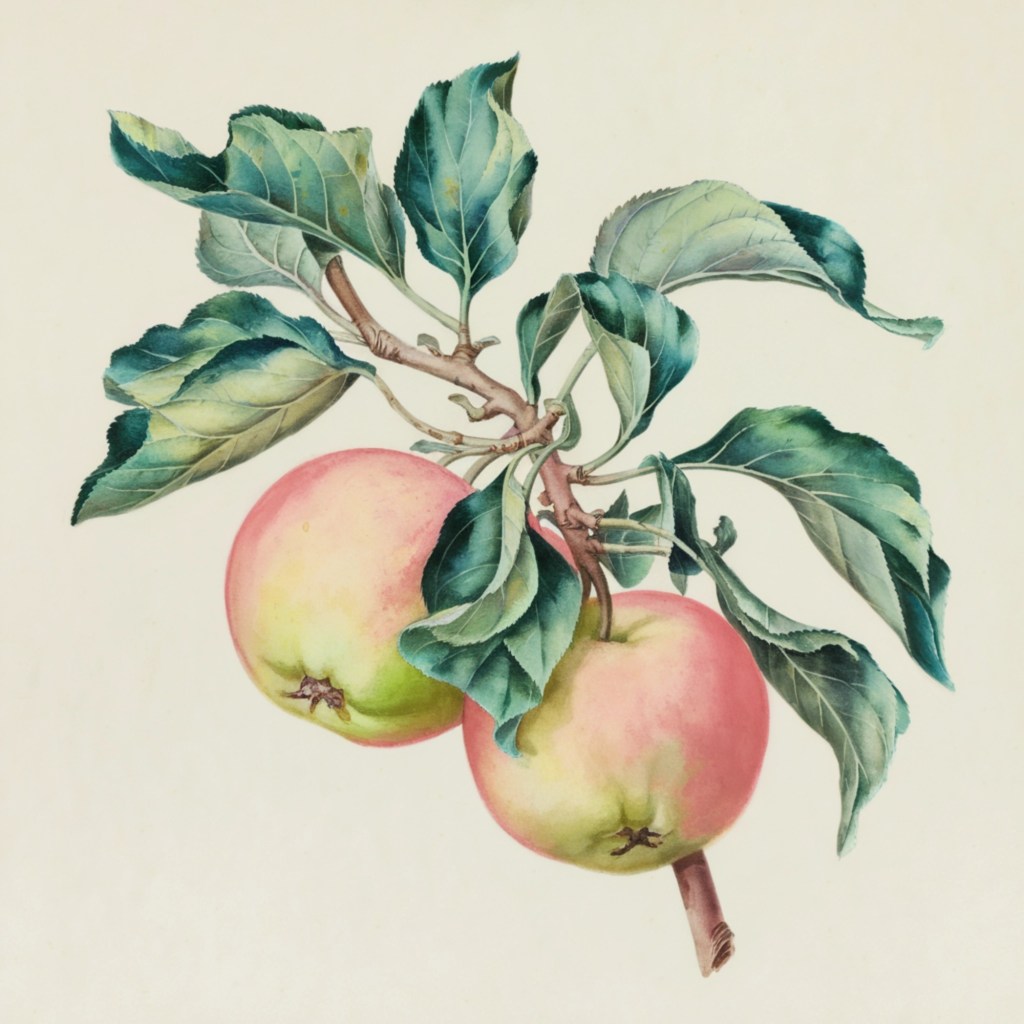
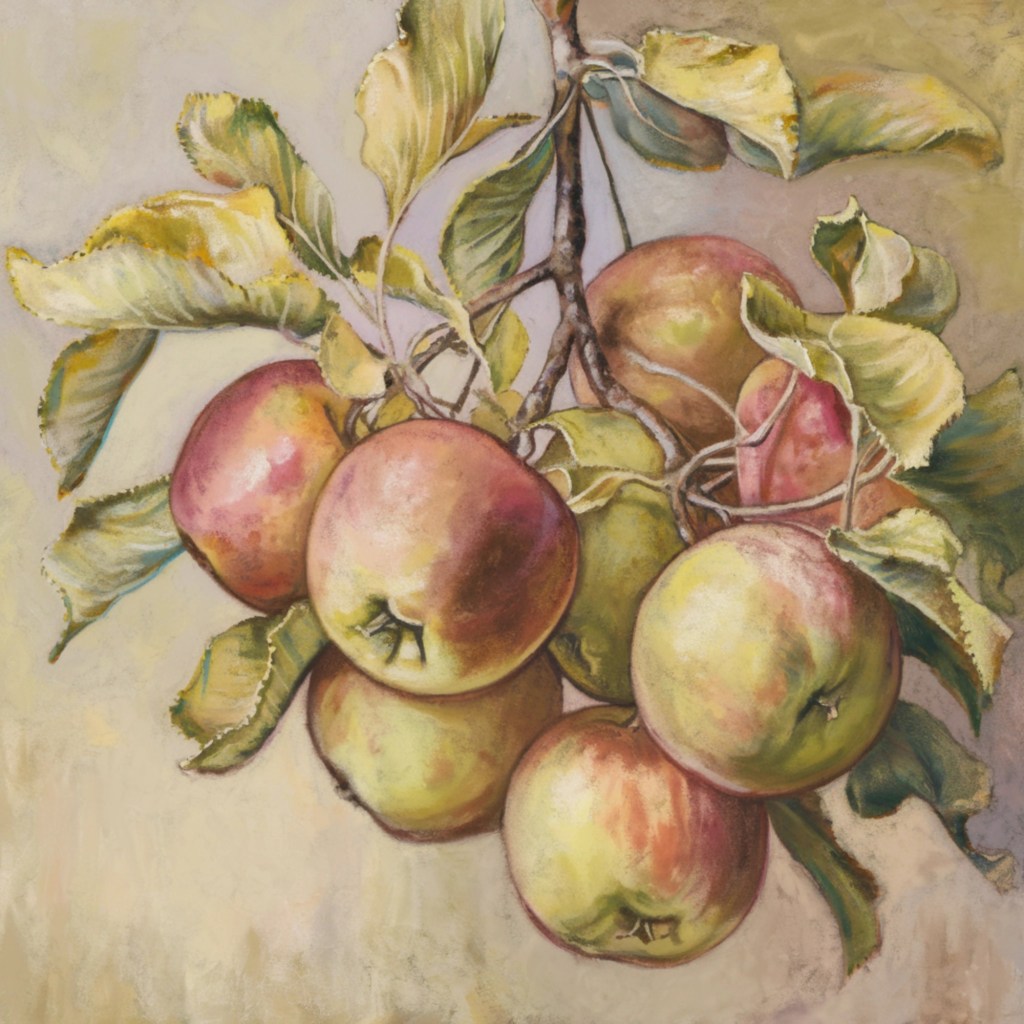
    The apples hung low on the branches, their skins turning from pale green to a mellow blush of red, redolent ripe with the promise of sweetness, blushing from the kiss of the quiet light of the autumn sun. I stood beneath the tree, the dry leaves crunching softly beneath my feet, and watched them sway in the breeze. Something about the way they moved—imperceptibly, almost indifferently—reminded me of memories I couldn’t quite place. Memories of someone’s laughter, or perhaps a voice I had once known but now couldn’t recall. 

    Apples
    Two apples

    Autumn has a way of drawing out things you thought you had forgotten. The chill in the air, the dimming of the days—it all makes you more aware of endings. And ripening apples, hanging heavy and full of sweetness, seem like tiny worlds suspended in time, caught between what they are and what they will inevitably become. 

    I reached out to touch one, its skin smooth but cool, like the cheek of someone you’ve grown distant from. It resisted, its stem holding firm, as though it wasn’t ready to leave its place. Or maybe it was me who wasn’t ready. Letting go is always harder than holding on, even when the time has come. 

    The tree stood there, unmoving, even as the wind rattled its branches. Its roots were buried deep in the earth, unseen but steady, holding the weight of its fruit with an almost silent dignity. I envied that—the ability to endure, to remain grounded while everything else around it began to slip away. 

    I thought about how these apples would eventually fall. Some would land gently in the grass, their sweetness savored by those who found them. Others would bruise and rot, sinking back into the earth without anyone noticing. Maybe it didn’t matter. Either way, the tree would keep growing, season after season, its branches reaching for the sky, shedding its leaves with each passing autumn, only to grow anew.

    Standing there, I felt something sharp but fleeting pass through me—like the sudden scent of smoke from a far-off fire, or the way a song can remind you of someone who’s gone. It was a kind of loneliness, but not the painful kind. More like the kind you learn to carry with you, like an old photograph folded neatly in your pocket. 

    I let my hand fall away from the apple and stepped back, the cold air stinging my face. The tree swayed again, and I could hear the faint sound of a bird in the distance. Somewhere beyond the horizon, winter was waiting, but for now, the apples were still ripening, holding their place in the world for just a little while longer. And that, I thought, was all they needed to be.


    I’m in Hereford with my dad at the moment, surrounded by plenty of apples. Back in Pembrokeshire, where I’m from, they’re much rarer—the weather just doesn’t suit them. What kinds of crops grow best where you are?

    If you find this content inspiring and uplifting, consider supporting what I do. Buy me a coffee on Ko-fi.
    Your support makes a difference in my life and helps me create more of what you like. Thank you!
    Tap to view my redbubble gallery.
  • Japanese Maples: A Cultural and Horticultural Treasure

    Japanese Maples: A Cultural and Horticultural Treasure

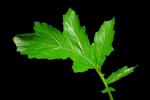
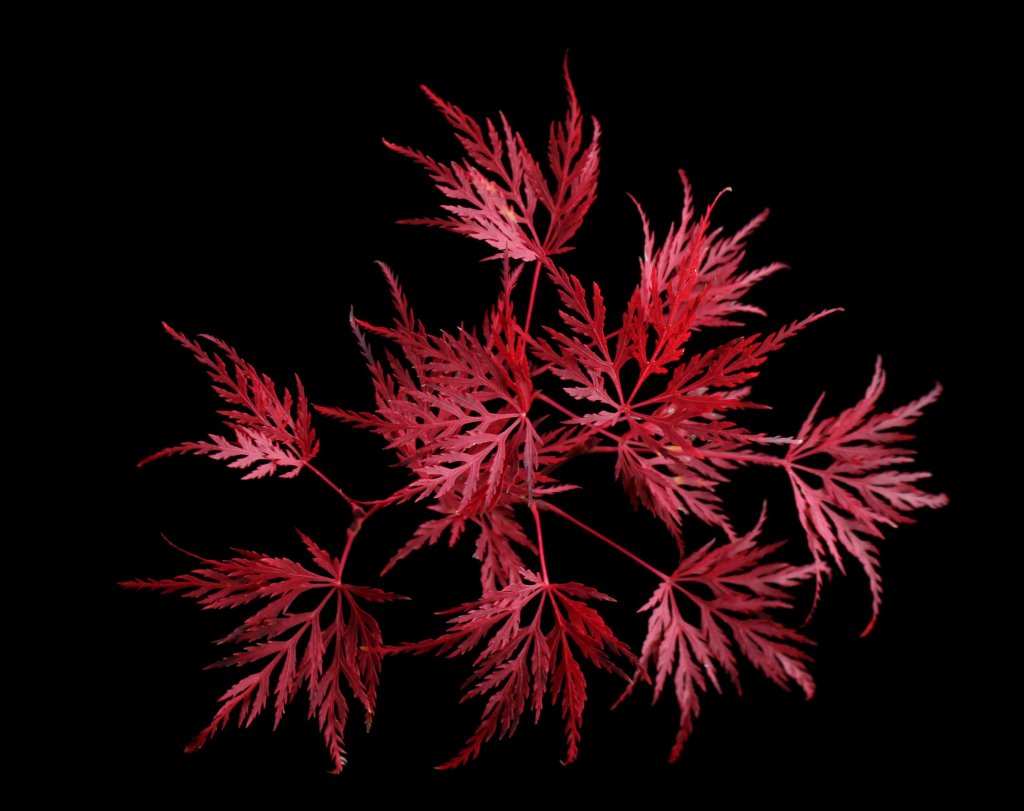
    The Japanese maple, known as “Acer palmatum” in botanical terms, has a long and rich history in Japan. It is native to Japan, Korea, and China, and its cultivation and appreciation in Japan can be traced back for centuries.

    This tree is looking lovely in my garden at the moment.
    Tap to view my redbubble gallery.

    Momiji’s embrace,
    A season’s fiery farewell,
    Maple leaves ablaze.

    Anthony
    [Momiji (紅葉) – The changing colors of autumn leaves]
    Not the easiest photograph to take – a proper black background.
    Tap to view my redbubble gallery.
    • Ancient Roots: Japanese maple trees have been cultivated in Japan for over a thousand years. They are believed to have been introduced to Japan from China or Korea during the early Heian period (794-1185).
    • Symbolism: In Japanese culture, the Japanese maple has symbolic significance. It is often associated with tranquillity, beauty, and change, which are important themes in Japanese aesthetics. The changing colours of the leaves during the fall have been a source of inspiration for many forms of art, including painting and poetry.
    • Bonsai and Niwaki: Japanese maple trees are commonly used in bonsai and niwaki (a form of ornamental pruning). Their small leaves and graceful branches make them well-suited for these artistic practices. This tradition has been passed down through generations.
    • Modern Appreciation: Japanese maples continue to be highly regarded in Japan and around the world. They are commonly used in landscaping and gardening for their ornamental value, and their stunning foliage is admired in both public and private gardens.
    • Varieties: There are numerous cultivars of Japanese maple, each with its own characteristics. Some popular varieties include the “Acer palmatum dissectum” with finely dissected leaves and the “Acer palmatum atropurpureum” with deep purple leaves.

    The Japanese maple’s long history in Japan reflects its enduring cultural significance and aesthetic value in the country. Today, it remains a beloved and iconic tree in Japanese gardens and landscapes.

    Higan’s gentle light,
    Maple leaves drift to the earth,
    Ancestor’s embrace.

    Anthony
    [Higan (彼岸) – autumn equinox]
    Tap to view my redbubble gallery.
  • Autumn around the world

    Autumn around the world

    In autumn’s embrace, leaves don their fiery attire,
    A crisp breeze whispers tales of change in the air.
    Nature’s canvas, awash in hues so bright,
    In the season of falling leaves, we find pure delight.

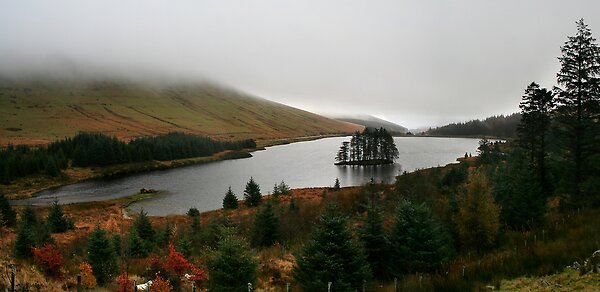
    Beacons reservoir in the Brecon beacons Wales. Tap to view my redbubble gallery.

    **Brecon Beacons: Autumn Beauty**
    Close your eyes and imagine yourself in the Brecon Beacons Wales, where autumn’s splendour unfurls like a secret treasure. As you stand there, the air is laced with a crispness that invigorates your very soul, and the only sound is the leaves whispering their secrets in the gentle breeze. A sense of profound peace and tranquillity envelops you, instilling your heart with longing.

    The trees, adorned in hues of red, orange, and gold, stand tall and proud, their vibrant reflections mirroring perfection in the tranquil water below. It’s as if the world has paused to witness the metamorphosis of nature, and you are the privileged witness to this grand transformation.

    But this is only the beginning of your yearning journey. In this odyssey, we will traverse the globe, chasing the elusive beauty of autumn. We’ll explore hidden forests, ascend majestic mountains, and behold serene lakes, all of which transform into landscapes straight from a dream during this enchanting season.

    As we journey together, I will be your guide, revealing secrets of where to find these pockets of autumn’s magic. Come, my fellow traveler, and let’s embark on this voyage to embrace the beauty of autumn in a way you’ve never imagined before.

    **A Melodic Overture in the Heart of New England**
    Our sojourn takes us to the United States, where we embark on an epic road trip through the captivating landscapes of New England. Vermont, with its poetic moniker as the “Green Mountain State,” bursts into a symphony of reds and oranges, courtesy of the sugar maple trees. As we wind along the roads, nature’s brushstrokes become the heart’s delight. Towns like Stowe and Woodstock offer their charming streets adorned with trees that have donned their finest autumn attire.

    **A Whispered Elegance in the Pocono Mountains**
    Our wanderlust then beckons us to the Pocono Mountains in Pennsylvania. Here, we commence a serene hike along the Delaware Water Gap National Recreation Area. The Appalachian Trail, flanked by trees swathed in brilliant reds and golds, transports us to a realm of ancient myths and legends. The leaves underfoot create a melodious tune, and the crisp air carries the earthy scent of the season, resonating deep within our hearts.

    **A Canadian Love Affair in Algonquin Park**
    We then head north to Canada, finding ourselves nestled in the heart of Ontario’s Algonquin Provincial Park. This unspoiled wilderness is a treasure chest of autumn’s wonders. As we paddle along the park’s tranquil lakes, surrounded by maples, oaks, and birches ablaze with color, we embark on a transcendental journey. Vibrant reflections dance on the water’s surface, creating a mirror image of fall’s radiant beauty.

    **The Enchantment of Kyoto, Japan**
    Our autumn expedition carries us across the oceans to Kyoto, Japan. Here, the ginkgo trees of Tofuku-ji Temple create golden tunnels of leaves, casting an otherworldly glow over the pathways. The ancient temples and gardens are steeped in history and tradition, weaving a harmonious tapestry of the old and the new. It’s a place where time itself seems to slow down in reverence for nature’s grandeur.

    **Vivid Dreams in Acadia National Park**
    Our final chapter unfolds at Acadia National Park, nestled along the rugged coast of Maine. The fiery foliage against the deep blue of the Atlantic Ocean is a sight beyond words. From the vantage point of Cadillac Mountain, we witness a sunrise that etches a vibrant tapestry below. The world below is awash in rich hues, a spectacle that will forever linger in our memories.

    As our journey through these enchanting places to witness autumn’s vibrant transformation reaches its conclusion, we’re left with a profound appreciation for the beauty of this season. Each location has its unique charm, yet they all share one unifying trait: the magic of nature’s brush, turning the world into a breathtaking masterpiece and leaving indelible memories and photographs etched in our hearts.

    Tap to view my redbubble gallery.
  • Beneath the Blue Canopy

    Beneath the Blue Canopy

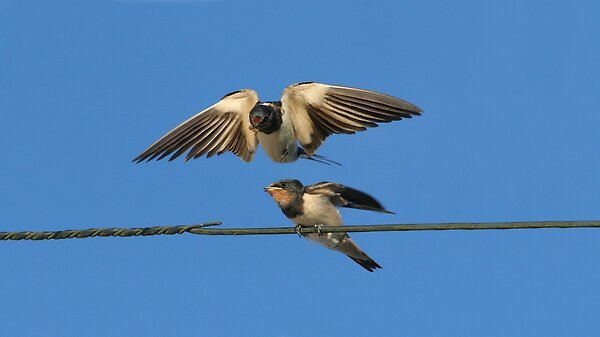
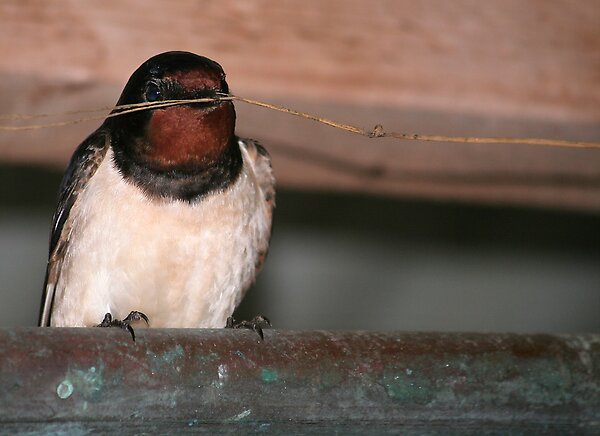
    Swallow migration is a fascinating natural phenomenon that typically occurs during this time of year. These agile birds, like the ones in my photo, embark on long journeys from their breeding grounds to warmer regions for the winter.

    I sat for half an hour to capture this

    My image of a swallow in flight feeding its baby is a heartwarming depiction of their parental care. Swallows often feed their young while in flight, catching insects mid-air and delivering them to their offspring. This is a crucial part of their life cycle as they prepare for the arduous migration ahead.

    During their migration, swallows cover thousands of miles, crossing continents and oceans. Their ability to navigate such vast distances is still a subject of scientific study and wonder. They follow environmental cues, like temperature and daylight, and often travel in flocks for safety and efficiency.

    Tap to buy on redbubble

    As the seasons change, swallows bid farewell to their breeding grounds and will return again in the spring. Their migratory journeys are a testament to the resilience and wonder of the natural world, and they remind us of the world’s fine climatic balance.

    Tap to view my redbubble gallery.
  • Hawthorn Chutney Recipe

    Hawthorn Chutney Recipe

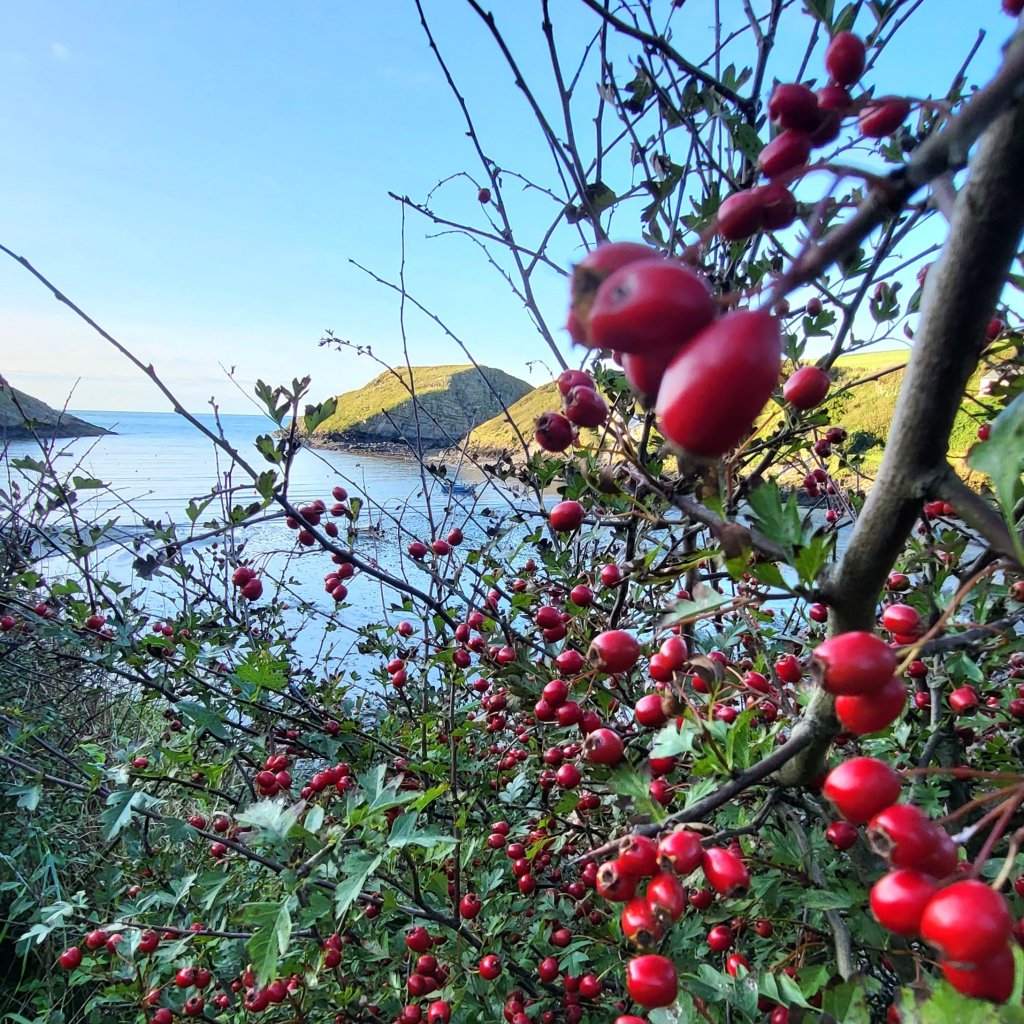
    In the heart of autumn, when hawthorn trees offer their bountiful red berries, there’s an opportunity to create something truly special – Hawthorn Berry Chutney. This unique and tangy condiment combines the vibrant flavours of hawthorn berries with a delightful blend of spices. Whether you have a hawthorn tree in your backyard or you’ve foraged these crimson jewels from the wild, making your own hawthorn chutney is a rewarding culinary adventure.

    Hawthorn at Abercastle, Pembrokeshire

    This chutney is a perfect balance of sweet and tart, with a hint of warm spices like cinnamon and cloves. It can be used as a versatile condiment, adding a touch of elegance to your dishes. Spread it on sandwiches, serve it alongside roasted meats, or use it as a dipping sauce – its possibilities are as limitless as your culinary imagination.

    Let’s dive into this enchanting recipe that transforms hawthorn berries into a delectable chutney, capturing the essence of the autumn season in every spoonful.

    Ingredients
    – 2 cups hawthorn berries
    – 1/2 cup sugar
    – 1/4 cup apple cider vinegar
    – 1/4 cup water
    – 1/2 teaspoon ground cloves
    – 1/2 teaspoon ground cinnamon
    – 1/4 teaspoon ground allspice
    – Pinch of salt

    Instructions
    1. Wash and clean the hawthorn berries, removing stems and any leaves.
    2. In a saucepan, combine the hawthorn berries, sugar, apple cider vinegar, and water.
    3. Simmer the mixture over low heat until the berries are soft and easily mashed, about 20-30 minutes.
    4. Using a potato masher or a fork, mash the berries and sieve to remove any stones and tough pieces of skin.
    5. Add the ground cloves, cinnamon, allspice, and a pinch of salt. Stir well.
    6. Continue to simmer for another 10-15 minutes, allowing the mixture to thicken.
    7. Taste and adjust the sweetness or spices to your liking.
    8. Remove from heat and let it cool.
    9. Once cool, transfer the chutney to a blender or food processor and blend until smooth.
    10. Pour the hawthorn chutney into a sterilised jar or bottle, and refrigerate. It can be used as a condiment for various dishes or as a unique dipping sauce.

    Hope you relish your homemade hawthorn chutney.

    Tap to view my redbubble gallery.
  • A Single Tree in the Woods: A Golden Nugget of Beauty

    A Single Tree in the Woods: A Golden Nugget of Beauty

    Nature’s Artistree
    Tap to view in red bubble.

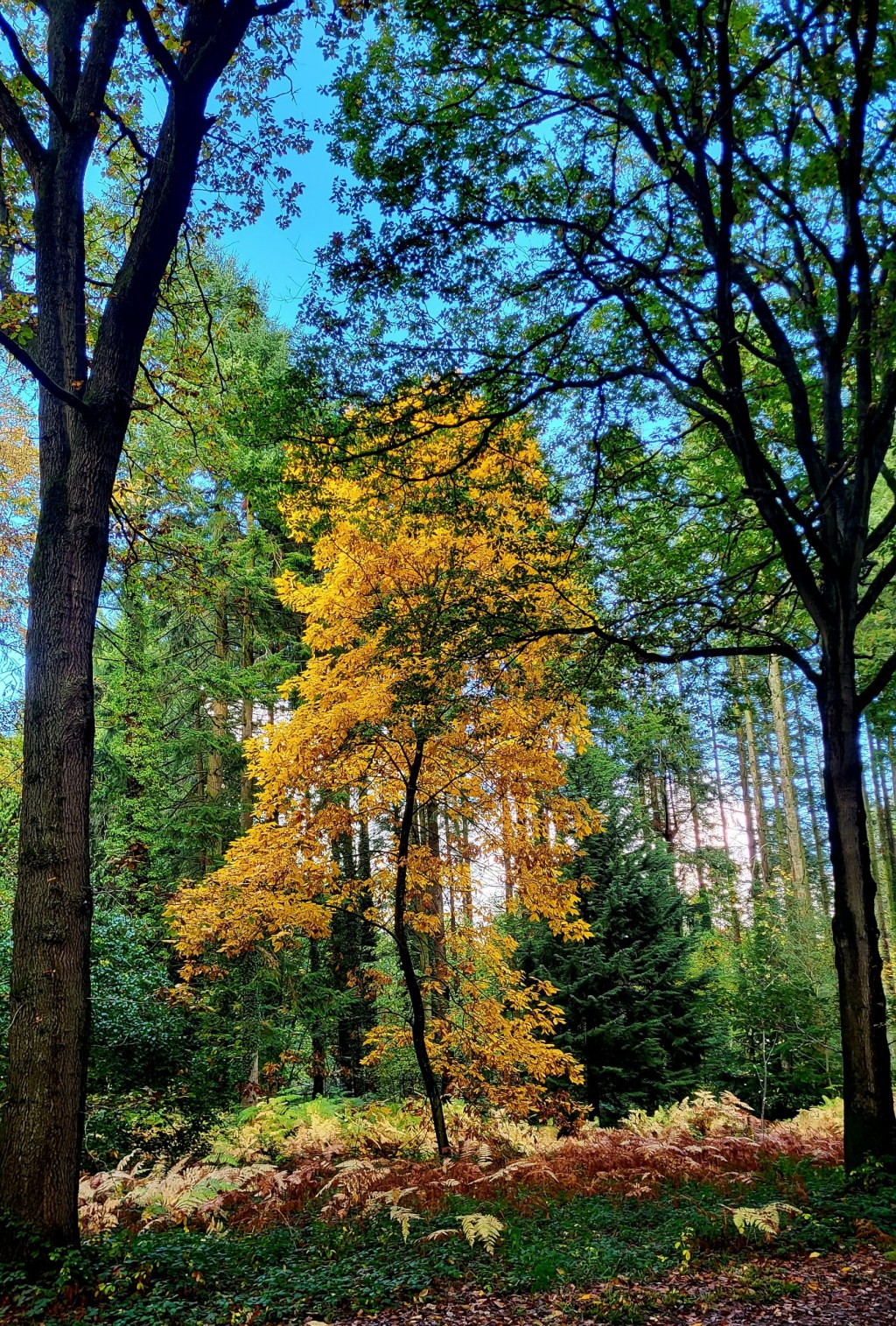
    As I walked through the woods on a crisp autumnal day, a single golden tree caught my eye. Its leaves, a vibrant shade of yellow, seemed to glow in the sunlight filtering through the trees. It was like a beacon of warmth and beauty amidst the sea of green and brown that surrounded it.

    I couldn’t help but stop and admire the tree for a moment. Its branches were adorned with a canopy of golden leaves, each one shimmering in the sunlight. The tree seemed to radiate a sense of peace and tranquility, inviting me to sit and bask in its glow.

    As I stood there, I couldn’t help but feel a sense of awe at the beauty of nature. The golden tree was a reminder of the cyclical nature of life, as the seasons come and go and the trees change with them. It was a small but powerful reminder to appreciate the simple things in life and to take a moment to savor the beauty that surrounds us.

    So if you ever find yourself in the woods on a beautiful autumn day, take a moment to appreciate the golden trees that dot the landscape. They are a testament to the wonder and majesty of nature, and a reminder to take a moment to appreciate the beauty that surrounds us.

    Tap view my redbubble gallery.
Design a site like this with WordPress.com
Get started