Tag: bird

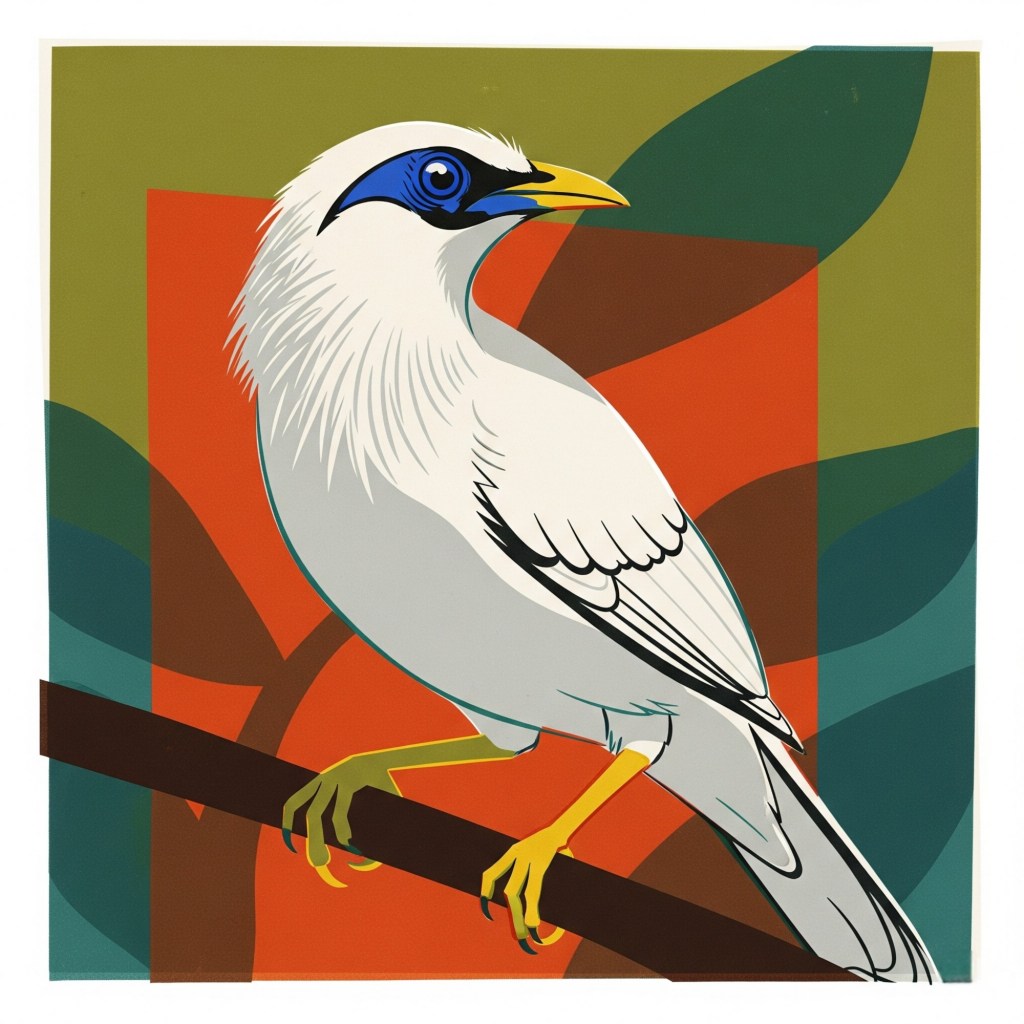
  • The Bali myna (Leucopsar rothschildi)

    The Bali myna (Leucopsar rothschildi)

    The Bali myna (Leucopsar rothschildi). Mynah
    My favourite animal at Chester Zoo

    Also known as Rothschild’s mynah or Bali starling, is a striking and critically endangered bird native to the island of Bali, Indonesia. Here’s what makes it unique and why it’s so special:

    Appearance
    – The Bali myna is medium-sized, about 25 cm (9.8 in) long, with a stocky build.
    – It is almost entirely white, featuring a long, drooping crest, black tips on its wings and tail, blue bare skin around the eyes, greyish legs, and a yellow and brown bill.
    – Both males and females look similar, and juveniles have a shorter crest and a yellowish wash.

    Habitat and Range
    – Its natural range is restricted to northwest Bali and its offshore islands, making it the island’s only endemic vertebrate species.
    – The Bali myna is the faunal emblem of Bali and is featured on the 200 Rupiah coin.

    Behavior and Diet
    – These birds are diurnal but secretive, often staying in treetops for cover and coming to the ground mainly to drink or gather nesting materials.
    – They feed on fruit, seeds, worms, and insects.
    – During the breeding season (Bali’s rainy season), males attract females by calling loudly and bobbing up and down. They nest in tree cavities, with the female laying and incubating two or three eggs.

    Conservation Status
    – The Bali myna is critically endangered, with wild populations once dropping to fewer than 10 individuals in the wild due to illegal poaching for the cage bird trade and habitat loss.
    – Conservation efforts, including captive breeding and community-based programs, have helped increase wild numbers to between 50 and 100 as of 2025.
    – The species is protected under CITES Appendix I, meaning trade is strictly regulated, and only experienced aviculturalists affiliated with breeding programs can legally keep them.

    Cultural and Ecological Significance
    – The Bali myna is a symbol of Bali’s natural heritage and is central to local conservation education and community involvement in protecting the species.


    Have you got a favourite animal, in Chester Zoo or in general?
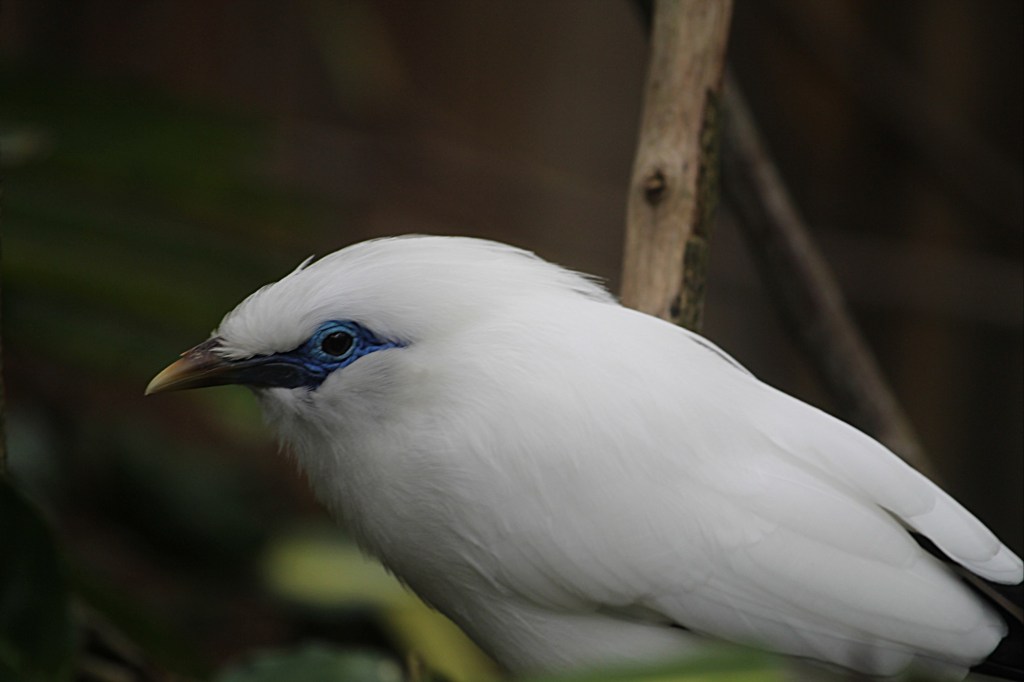
    Bali myna, mynah
    Taken at Chester Zoo
    If you find my photography or my writing inspiring and uplifting, consider supporting what I do. Buy me a coffee on Ko-fi.
    Your support makes a difference in my life and helps me create more of what you, and I, like. Thank you!
    Tap here for a list of 100 endangered animals and plants.

    100 endangered plant and animal species

    * Abies beshanzuensis (Baishan fir) – Plant (Tree) – Baishanzu Mountain, Zhejiang, China – Three mature individuals

    * Actinote zikani – Insect (butterfly) – Near São Paulo, Atlantic forest, Brazil – Unknown numbers

    * Aipysurus foliosquama (Leaf scaled sea-snake) – Reptile – Ashmore Reef and Hibernia Reef, Timor Sea – Unknown numbers * Amanipodagrion gilliesi (Amani flatwing) – Insect (damselfly) – Amani-Sigi Forest, Usamabara Mountains, Tanzania – < 500 individuals * Antisolabis seychellensis – Insect – Morne Blanc, Mahé island, Seychelles – Unknown numbers * Antilophia bokermanni (Araripe manakin) – Bird – Chapado do Araripe, South Ceará, Brazil – 779 individuals * Aphanius transgrediens (Aci Göl toothcarp) – Fish – south-eastern shore of former Lake Aci, Turkey – Few hundred pairs * Aproteles bulmerae (Bulmer’s fruit bat) – Mammal – Luplupwintern Cave, Western Province, Papua New Guinea – 150 * Ardea insignis (White bellied heron) – Bird – Bhutan, North East India and Myanmar – 70–400 individuals * Ardeotis nigriceps (Great Indian bustard) – Bird – Rajasthan, Gujarat, Maharashtra, Andhra Pradesh, Karnataka and Madhya, India – 50–249 mature individuals * Astrochelys yniphora (Ploughshare tortoise) – Reptile – Baly Bay region, northwestern Madagascar – 440–770 * Atelopus balios (Rio Pescado stubfoot toad) – Amphibian – Azuay, Cañar and Guyas provinces, south-western Ecuador – Unknown numbers * Aythya innotata (Madagascar pochard) – Bird – volcanic lakes north of Bealanana, Madagascar – 80 mature individuals * Azurina eupalama (Galapagos damsel fish) – Fish – Unknown numbers – Unknown numbers * Bahaba taipingensis (Giant yellow croaker) – Fish – Chinese coast from Yangtze River, China to Hong Kong – Unknown numbers * Batagur baska (Common batagur) – Reptile (turtle) – Bangladesh, Cambodia, India, Indonesia and Malaysia – Unknown numbers * Bazzania bhutanica – Plant – Budini and Lafeti Khola, Bhutan – 2 sub-populations * Beatragus hunteri (Hirola) – Mammal (antelope) – South-east Kenya and possibly south-west Somalia – < 1,000 individuals * Bombus franklini (Franklin’s bumblebee) – Insect (bee) – Oregon and California – Unknown numbers * Brachyteles hypoxanthus (Northern muriqui / Woolly spider monkey) – Mammal (primate) – Atlantic forest, south-eastern Brazil – < 1,000 * Bradypus pygmaeus (Pygmy three-toed sloth) – Mammal – Isla Escudo de Veraguas, Panama – < 500 * Callitriche pulchra – Plant (freshwater) – pool on Gavdos, Greece – Unknown numbers * Calumma tarzan (Tarzan’s chameleon) – Reptile – Anosibe An’Ala region, eastern Madagascar – < 100 * Cavia intermedia (Santa Catarina’s guinea pig) – Mammal (rodent) – Moleques do Sul Island, Santa Catarina, Brazil – 40–60 * Cercopithecus roloway (Roloway guenon) – Mammal (primate) – Côte d’Ivoire – Unknown numbers * Coleura seychellensis (Seychelles sheath-tailed bat) – Mammal (bat) – Two small caves on Silhouette and Mahé, Seychelles – < 100 * Cryptomyces maximus (Willow blister) – Fungi – Pembrokeshire, United Kingdom – Unknown numbers * Cryptotis nelsoni (Nelson’s small-eared shrew) – Mammal (shrew) – Volcán San Martín Tuxtla, Veracruz, Mexico – Unknown numbers * Cyclura collei (Jamaican iguana / Jamaican rock iguana) – Reptile – Hellshire Hills, Jamaica – Unknown numbers * Daubentonia madagascariensis (Aye-aye) – Mammal (primate) – Deciduous forest, East Madagascar – Unknown numbers * Dendrophylax fawcettii (Cayman Islands ghost orchid) – Plant (orchid) – Ironwood Forest, George Town, Grand Cayman – Unknown numbers * Dicerorhinus sumatrensis (Sumatran rhino) – Mammal (rhino) – Sabah, Sarawak and Peninsular Malaysia, Kalimantan and Sumatra, Indonesia – < 100 (more recent estimates suggest 34-47) * Diomedea amsterdamensis (Amsterdam albatross) – Bird – Breeds on Plateuau des Tourbières, Amsterdam Island, Indian Ocean. – 100 mature individuals * Dioscorea strydomiana (Wild yam) – Plant – Oshoek area, Mpumalanga, South Africa – 200 * Diospyros katendei – Plant (tree) – Kasyoha-Kitomi Forest Reserve, Uganda – 20 individuals in a single population * Dipterocarpus lamellatus – Plant (tree) – Siangau Forest Reserve, Sabah, Malaysia – 12 individuals * Discoglossus nigriventer (Hula painted frog) – Amphibian – Hula Valley, Israel – Unknown numbers * Dombeya mauritiana – Plant – Mauritius – Unknown numbers * Elaeocarpus bojeri (Bois Dentelle) – Plant (tree) – Grand Bassin, Mauritius – < 10 individuals * Eleutherodactylus glandulifer (La Hotte glanded frog) – Amphibian – Massif de la Hotte, Haiti – Unknown numbers * Eleutherodactylus thorectes (Macaya breast-spot frog) – Amphibian – Formon and Macaya peaks, Masif de la Hotte, Haiti – Unknown numbers * Eriosyce chilensis (Chilenito (cactus)) – Plant – Pta Molles and Pichidungui, Chile – < 500 individuals * Erythrina schliebenii (Coral tree) – Plant – Namatimbili-Ngarama Forest, Tanzania – < 50 individuals * Euphorbia tanaensis – Plant (tree) – Witu Forest Reserve, Kenya – 4 mature individuals * Eurynorhyncus pygmeus (Spoon-billed sandpiper) – Bird – Breeds in Russia, migrates along the East Asian-Australasian Flyway to wintering grounds in India, Bangladesh and Myanmar – 100 breeding pairs * Ficus katendei – Plant – Kasyoha-Kitomi Forest Reserve, Ishasha River, Uganda – < 50 mature individuals * Geronticus eremita (Northern bald ibis) – Bird – Breeds in Morocco, Turkey and Syria. Syrian population winters in central Ethiopia. – About 3000 individuals * Gigasiphon macrosiphon – Plant (flower) – Kaya Muhaka, Gongoni and Mrima Forest Reserves, Kenya, Amani Nature Reserve, West Kilombero Scarp Forest Reserve, and Kihansi Gorge, Tanzania – 33 * Gocea ohridana – Mollusc – Lake Ohrid, Macedonia – Unknown numbers * Heleophryne rosei (Table mountain ghost frog) – Amphibian – Table Mountain, Western Cape Province, South Africa – Unknown numbers * Hemicycla paeteliana – Mollusc (land snail) – Jandia peninsula, Fuerteventura, Canary Islands – Unknown numbers * Heteromirafa sidamoensis (Liben lark) – Bird – Liben Plains, southern Ethiopia – 90–256 * Hibiscadelphus woodii – Plant (tree) – Kalalau Valley, Hawaii – Unknown numbers * Hucho perryi (Sakhalin taimen) – Fish – Russian and Japanese rivers, Pacific Ocean between Russia and Japan – Unknown numbers * Johora singaporensis (Singapore freshwater crab) – Crustacean – Bukit Timah Nature Reserve and streamlet near Bukit Batok, Singapore – Unknown numbers * Lathyrus belinensis (Belin vetchling) – Plant – Outskirts of Belin village, Antalya, Turkey – < 1,000 * Leiopelma archeyi (Archey’s frog) – Amphibian – Coromandel peninsula and Whareorino Forest, New Zealand – Unknown numbers * Lithobates sevosus (Dusky gopher frog) – Amphibian – Harrison County, Mississippi, USA – 60–100 * Lophura edwardsi (Edwards’s pheasant) – Bird – Quang Binh, Quang Tri and Thua Thien-Hue, Viet Nam – Unknown numbers * Magnolia wolfii – Plant (tree) – Risaralda, Colombia – 3 * Margaritifera marocana – Mollusc – Oued Denna, Oued Abid and Oued Beth, Morocco – < 250 * Moominia willii – Mollusc (snail) – Silhouette Island, Seychelles – < 500 * Natalus primus (Cuban greater funnel eared bat) – Mammal (bat) – Cueva La Barca, Isle of Pines, Cuba – < 100 * Nepenthes attenboroughii (Attenborough’s pitcher plant) – Plant – Mount Victoria, Palawan, Philippines – Unknown numbers * Nomascus hainanus (Hainan black crested gibbon) – Mammal (primate) – Hainan Island, China – 20 * Neurergus kaiseri (Luristan newt) – Amphibian – Zagros Mountains, Lorestan, Iran – < 1,000 * Oreocnemis phoenix (Mulanje red damsel) – Insect (damselfly) – Mulanje Plateau, Malawi – Unknown numbers * Pangasius sanitwongsei (Pangasid catfish) – Fish – Chao Phraya and Mekong basins in Cambodia, China, Lao PDR, Thailand and Viet Nam – Unknown numbers * Parides burchellanus – Insect (butterfly) – Cerrado, Brazil – < 100 * Phocoena sinus (Vaquita) – Mammal (porpoise) – Northern Gulf of California, Mexico – 12 * Picea neoveitchii (Type of spruce tree) – Plant (tree) – Qinling Range, China – Unknown numbers * Pinus squamata (Qiaojia pine) – Plant (tree) – Qiaojia, Yunnan, China – < 25 * Poecilotheria metallica (Gooty tarantula / Metallic tarantula / Peacock tarantula / Salepurgu) – Spider – Nandyal and Giddalur, Andhra Pradesh, India – Unknown numbers * Pomarea whitneyi (Fatuhiva monarch) – Bird – Fatu Hiva, Marquesas Islands, French Polynesia – 50 * Pristis pristis (Common sawfish) – Fish – Coastal tropical and subtropical waters of Indo-Pacific and Atlantic Oceans. Currently largely restricted to northern Australia – Unknown numbers * Hapalemur simus (Greater bamboo lemur) – Mammal (primate) – Southeastern and southcentral rainforests of Madagascar – 500 * Propithecus candidus (Silky sifaka) – Mammal (primate) – Maroantsetra to Andapa basin, and Marojeju Massif, Madagascar – 100–1,000 * Psammobates geometricus (Geometric tortoise) – Reptile – Western Cape Province, South Africa – Unknown numbers * Pseudoryx nghetinhensis (Saola) – Mammal – Annamite mountains, on the Viet Nam – PDR Laos border – Unknown numbers * Psiadia cataractae – Plant – Mauritius – Unknown numbers * Psorodonotus ebneri (Beydaglari bush-cricket) – Insect – Beydaglari range, Antalaya, Turkey – Unknown numbers * Rafetus swinhoei (Red River giant softshell turtle) – Reptile – Hoan Kiem Lake and Dong Mo Lake, Viet Nam, and Suzhou Zoo, China – 3 * Rhinoceros sondaicus (Javan rhino) – Mammal (rhino) – Ujung Kulon National Park, Java, Indonesia – < 100 * Rhinopithecus avunculus (Tonkin snub-nosed monkey) – Mammal (primate) – Northeastern Vietnam – < 200 * Rhizanthella gardneri (West Australian underground orchid) – Plant (orchid) – Western Australia, Australia – < 100 * Rhynchocyon spp. (Boni giant sengi) – Mammal – Boni-Dodori Forest, Lamu area, Kenya – Unknown numbers * Risiocnemis seidenschwarzi (Cebu frill-wing) – Insect (damselfly) – Rivulet beside the Kawasan River, Cebu, Philippines – Unknown numbers * Rosa arabica – Plant – St Katherine Mountains, Egypt – Unknown numbers, 10 sub-populations * Salanoia durrelli (Durrell’s vontsira) – Mammal (mongoose) – Marshes of Lake Alaotra, Madagascar – Unknown numbers * Santamartamys rufodorsalis (Red crested tree rat) – Mammal (rodent) – Sierra Nevada de Santa Marta, Colombia – Unknown numbers * Scaturiginichthys vermeilipinnis (Red-finned blue-eye) – Fish – Edgbaston Station, central western Queensland, Australia – 2,000–4,000 * Squatina squatina (Angel shark) – Fish – Canary Islands – Unknown numbers * Sterna bernsteini (Chinese crested tern) – Bird – Breeding in Zhejiang and Fujian, China. Outside breeding season in Indonesia, Malaysia, Philippines, Taiwan, Thailand. – < 50 * Syngnathus watermeyeri (Estuarine pipefish) – Fish – Kariega Estuary to East Kleinemonde Estuary, Eastern Cape Province, South Africa – Unknown numbers * Tahina spectabilis (Suicide palm / Dimaka) – Plant – Analalava district, north-western Madagascar – 90 * Telmatobufo bullocki (Bullock’s false toad) – Amphibian (frog) – Nahuelbuta, Arauco Province, Chile – Unknown numbers * Tokudaia muenninki (Okinawa spiny rat) – Mammal (rodent) – Okinawa Island, Japan – Unknown numbers * Trigonostigma somphongsi (Somphongs’s rasbora) – Fish – Mae Khlong basin, Thailand – Unknown numbers * Valencia letourneuxi – Fish – Southern Albania and Western Greece – Unknown numbers * Voanioala gerardii (Forest coconut) – Plant – Masoala peninsula, Madagascar – < 10 * Zaglossus attenboroughi (Attenborough’s echidna) – Mammal – Cyclops Mountains, Papua Province, Indonesia – Unknown numbers

    Tap to view my redbubble gallery.
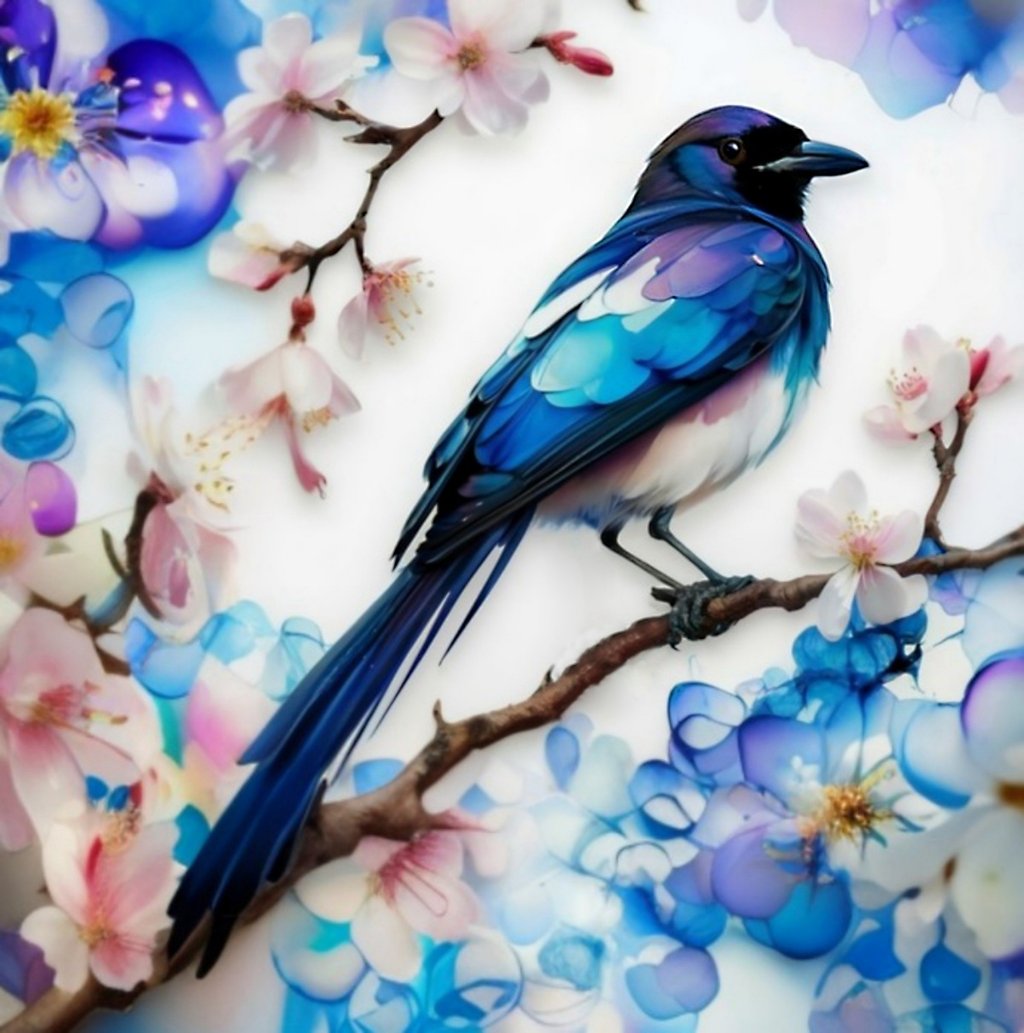
  • The Science of Stunning: Why Birds Evolved to Be Living Art.

    The Science of Stunning: Why Birds Evolved to Be Living Art.

    Nature’s art gallery.

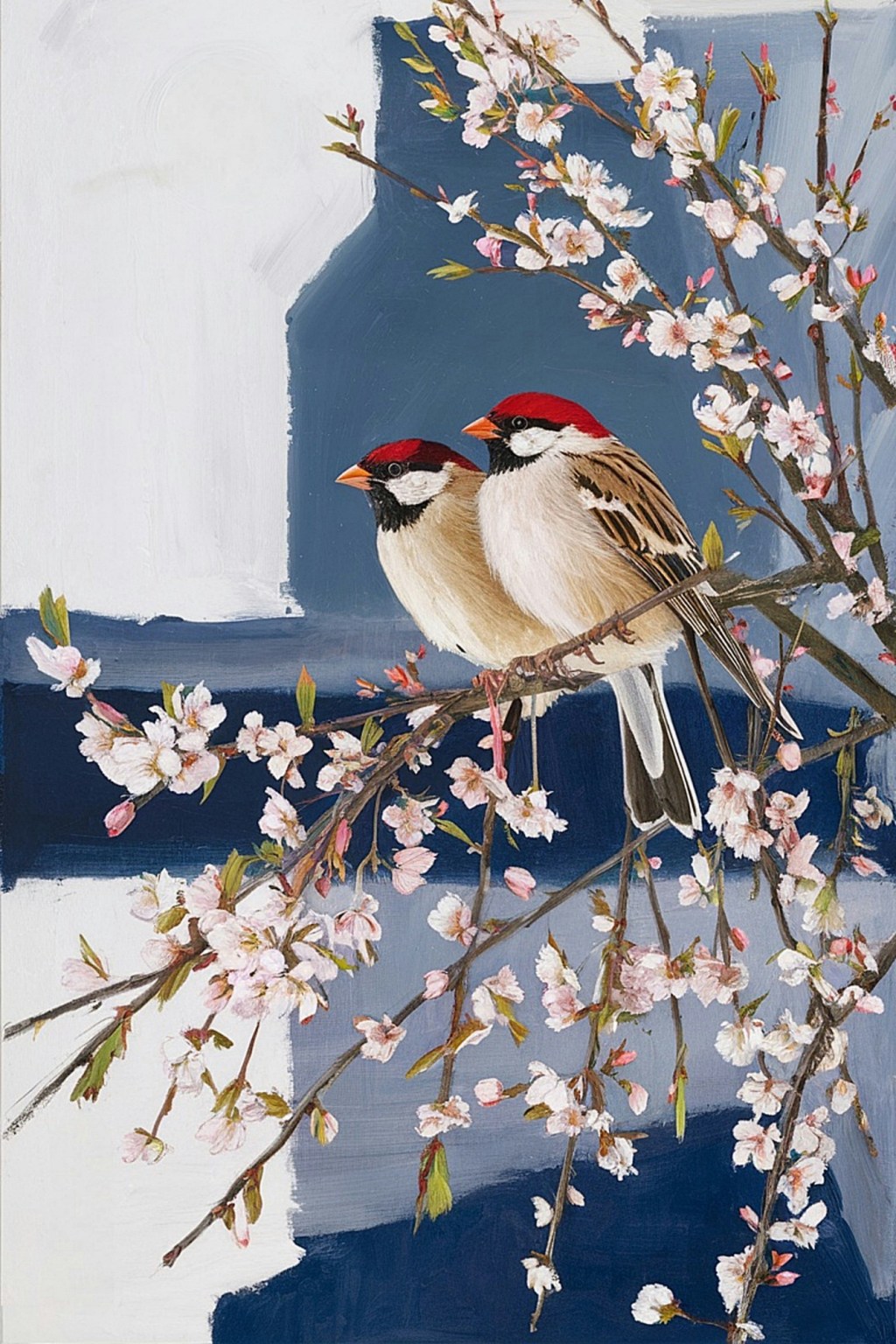
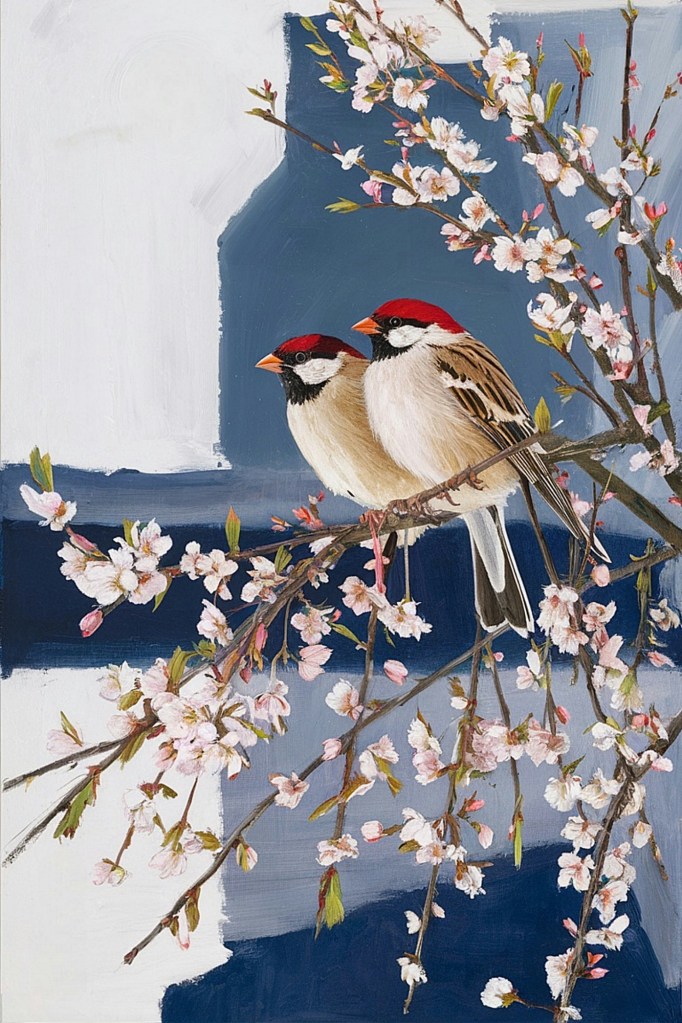
    Two stunning sparrows

    Step into any art gallery and you’ll find masterpieces that took human artists years to create. Yet outside your window, nature displays living artworks that put our greatest creations to shame. Birds aren’t just beautiful by accident, they’re the result of millions of years of evolutionary artistry, where survival and reproduction demanded nothing less than spectacular.

    The Ultimate Art Competition

    Evolution doesn’t create beauty for beauty’s sake. Every dazzling feather, every impossible colour, every gravity-defying plume exists because it once helped a bird find a mate or avoid becoming dinner. Sexual selection, the evolutionary process where mates choose partners based on attractive traits, has been running the ultimate art competition for millions of years.

    The peacock’s tail is perhaps the most famous example of this evolutionary extravagance. Those magnificent eye-spots that shimmer with otherworldly blues and greens? They’re essentially a living resume, advertising the male’s genetic fitness to potential mates. A peacock with a fuller, more vibrant tail is saying, “Look how healthy I am, I can afford to carry around this ridiculously impractical ornament and still survive.”

    Nature’s colour Revolution

    Birds have cracked the code on colour in ways that make human technology look primitive. While we’re still mixing pigments and dyes, birds create their most stunning hues through pure physics. The iridescent throat of a hummingbird doesn’t contain a single blue or green pigment. Instead, microscopic structures in the feathers act like tiny prisms, splitting light into component colours and reflecting only specific wavelengths back to our eyes.

    This structural colouration is so sophisticated that the same feather can appear emerald green from one angle and ruby red from another. Hummingbirds are essentially flying mood rings, changing colour as they move through space. The blue jay’s brilliant azure plumage works the same way, crush a blue jay feather, and the colour disappears entirely because you’ve destroyed the microscopic architecture that creates it.

    The Biochemical Palette

    While structural colours handle the metallics and iridescents, biochemical pigments create the warmer tones that make birds pop against natural backgrounds. Carotenoids, the same compounds that make carrots orange, are responsible for the blazing reds of cardinals, the sunny yellows of goldfinches, and yes, the shocking pink of flamingos.

    Here’s where it gets fascinating: birds can’t manufacture carotenoids themselves. They must obtain them from their diet, which means a bird’s colour directly reflects its nutritional status and foraging ability. A bright red cardinal isn’t just showing off, he’s proving he’s an excellent provider who can find the best food sources. Female birds have evolved to read these colour signals like nutritional report cards.

    Arms Race Aesthetics

    The relationship between predator and prey has also driven incredible innovations in avian beauty. Some birds have evolved to be living optical illusions. The intricate patterns on a woodcock’s back perfectly mimic fallen leaves and forest floor debris. Snowy owls blend seamlessly with Arctic landscapes, their white plumage broken up with strategic dark bars that fragment their outline.

    But camouflage is just one strategy. Other birds have gone the opposite direction, evolving warning colours so bright and distinctive that predators learn to avoid them entirely. The brilliant orange and black of an oriole serves as nature’s version of a “danger” sign, advertising the bird’s speed and agility to would-be attackers.

    Architectural Marvels in Miniature

    Bird beauty extends beyond mere colouration into the realm of structural engineering. A bird’s feather is a masterpiece of lightweight construction that would make aerospace engineers weep with envy. Each feather consists of a central shaft supporting hundreds of branches called barbs, which in turn support thousands of smaller branches called barbules. These barbules lock together with tiny hooks, creating a surface that’s simultaneously flexible, waterproof, and incredibly strong.

    The result is a material so perfectly designed that birds can manipulate individual feathers to create different textures and shapes for different occasions. A displaying male duck can raise certain feathers to create volume while sleekly laying others down, sculpting his silhouette like a living work of kinetic art.

    The Innovation Never Stops

    Perhaps most remarkably, avian beauty continues to evolve in real time. Urban birds are already adapting their displays to city life, some songbirds are shifting their vocal ranges to cut through traffic noise, while others are adjusting their breeding plumage timing to match earlier urban springs caused by heat island effects.

    Birds of paradise in New Guinea continue to evolve ever more elaborate courtship displays, each species trying to out-compete its neighbors in the beauty department. Some clear dance floors on the forest floor for better visibility. Others hang upside down to show off their plumage from impossible angles. It’s performance art meets genetic algorithm, running continuously for millions of years.

    Living Galleries All Around Us

    The next time you see a bird, remember you’re witnessing the product of one of the longest-running art projects in Earth’s history. Every colour has been tested by countless generations, every pattern refined through millions of years of trial and error. These aren’t just animals, they’re living galleries showcasing the power of evolution to create beauty that serves a purpose.

    From the metallic sheen of a grackle to the delicate patterns on a wood duck’s flank, birds prove that function and beauty aren’t opposites, they’re dance partners in the greatest collaborative artwork ever created. And the masterpiece is still being painted, one generation at a time.


    If you find my photography or my writing inspiring and uplifting, consider supporting what I do. Buy me a coffee on Ko-fi.
    Your support makes a difference in my life and helps me create more of what you, and I, like. Thank you!
    Tap here for a list of 100 endangered animals and plants.

    100 endangered plant and animal species

    * Abies beshanzuensis (Baishan fir) – Plant (Tree) – Baishanzu Mountain, Zhejiang, China – Three mature individuals

    * Actinote zikani – Insect (butterfly) – Near São Paulo, Atlantic forest, Brazil – Unknown numbers

    * Aipysurus foliosquama (Leaf scaled sea-snake) – Reptile – Ashmore Reef and Hibernia Reef, Timor Sea – Unknown numbers * Amanipodagrion gilliesi (Amani flatwing) – Insect (damselfly) – Amani-Sigi Forest, Usamabara Mountains, Tanzania – < 500 individuals * Antisolabis seychellensis – Insect – Morne Blanc, Mahé island, Seychelles – Unknown numbers * Antilophia bokermanni (Araripe manakin) – Bird – Chapado do Araripe, South Ceará, Brazil – 779 individuals * Aphanius transgrediens (Aci Göl toothcarp) – Fish – south-eastern shore of former Lake Aci, Turkey – Few hundred pairs * Aproteles bulmerae (Bulmer’s fruit bat) – Mammal – Luplupwintern Cave, Western Province, Papua New Guinea – 150 * Ardea insignis (White bellied heron) – Bird – Bhutan, North East India and Myanmar – 70–400 individuals * Ardeotis nigriceps (Great Indian bustard) – Bird – Rajasthan, Gujarat, Maharashtra, Andhra Pradesh, Karnataka and Madhya, India – 50–249 mature individuals * Astrochelys yniphora (Ploughshare tortoise) – Reptile – Baly Bay region, northwestern Madagascar – 440–770 * Atelopus balios (Rio Pescado stubfoot toad) – Amphibian – Azuay, Cañar and Guyas provinces, south-western Ecuador – Unknown numbers * Aythya innotata (Madagascar pochard) – Bird – volcanic lakes north of Bealanana, Madagascar – 80 mature individuals * Azurina eupalama (Galapagos damsel fish) – Fish – Unknown numbers – Unknown numbers * Bahaba taipingensis (Giant yellow croaker) – Fish – Chinese coast from Yangtze River, China to Hong Kong – Unknown numbers * Batagur baska (Common batagur) – Reptile (turtle) – Bangladesh, Cambodia, India, Indonesia and Malaysia – Unknown numbers * Bazzania bhutanica – Plant – Budini and Lafeti Khola, Bhutan – 2 sub-populations * Beatragus hunteri (Hirola) – Mammal (antelope) – South-east Kenya and possibly south-west Somalia – < 1,000 individuals * Bombus franklini (Franklin’s bumblebee) – Insect (bee) – Oregon and California – Unknown numbers * Brachyteles hypoxanthus (Northern muriqui / Woolly spider monkey) – Mammal (primate) – Atlantic forest, south-eastern Brazil – < 1,000 * Bradypus pygmaeus (Pygmy three-toed sloth) – Mammal – Isla Escudo de Veraguas, Panama – < 500 * Callitriche pulchra – Plant (freshwater) – pool on Gavdos, Greece – Unknown numbers * Calumma tarzan (Tarzan’s chameleon) – Reptile – Anosibe An’Ala region, eastern Madagascar – < 100 * Cavia intermedia (Santa Catarina’s guinea pig) – Mammal (rodent) – Moleques do Sul Island, Santa Catarina, Brazil – 40–60 * Cercopithecus roloway (Roloway guenon) – Mammal (primate) – Côte d’Ivoire – Unknown numbers * Coleura seychellensis (Seychelles sheath-tailed bat) – Mammal (bat) – Two small caves on Silhouette and Mahé, Seychelles – < 100 * Cryptomyces maximus (Willow blister) – Fungi – Pembrokeshire, United Kingdom – Unknown numbers * Cryptotis nelsoni (Nelson’s small-eared shrew) – Mammal (shrew) – Volcán San Martín Tuxtla, Veracruz, Mexico – Unknown numbers * Cyclura collei (Jamaican iguana / Jamaican rock iguana) – Reptile – Hellshire Hills, Jamaica – Unknown numbers * Daubentonia madagascariensis (Aye-aye) – Mammal (primate) – Deciduous forest, East Madagascar – Unknown numbers * Dendrophylax fawcettii (Cayman Islands ghost orchid) – Plant (orchid) – Ironwood Forest, George Town, Grand Cayman – Unknown numbers * Dicerorhinus sumatrensis (Sumatran rhino) – Mammal (rhino) – Sabah, Sarawak and Peninsular Malaysia, Kalimantan and Sumatra, Indonesia – < 100 (more recent estimates suggest 34-47) * Diomedea amsterdamensis (Amsterdam albatross) – Bird – Breeds on Plateuau des Tourbières, Amsterdam Island, Indian Ocean. – 100 mature individuals * Dioscorea strydomiana (Wild yam) – Plant – Oshoek area, Mpumalanga, South Africa – 200 * Diospyros katendei – Plant (tree) – Kasyoha-Kitomi Forest Reserve, Uganda – 20 individuals in a single population * Dipterocarpus lamellatus – Plant (tree) – Siangau Forest Reserve, Sabah, Malaysia – 12 individuals * Discoglossus nigriventer (Hula painted frog) – Amphibian – Hula Valley, Israel – Unknown numbers * Dombeya mauritiana – Plant – Mauritius – Unknown numbers * Elaeocarpus bojeri (Bois Dentelle) – Plant (tree) – Grand Bassin, Mauritius – < 10 individuals * Eleutherodactylus glandulifer (La Hotte glanded frog) – Amphibian – Massif de la Hotte, Haiti – Unknown numbers * Eleutherodactylus thorectes (Macaya breast-spot frog) – Amphibian – Formon and Macaya peaks, Masif de la Hotte, Haiti – Unknown numbers * Eriosyce chilensis (Chilenito (cactus)) – Plant – Pta Molles and Pichidungui, Chile – < 500 individuals * Erythrina schliebenii (Coral tree) – Plant – Namatimbili-Ngarama Forest, Tanzania – < 50 individuals * Euphorbia tanaensis – Plant (tree) – Witu Forest Reserve, Kenya – 4 mature individuals * Eurynorhyncus pygmeus (Spoon-billed sandpiper) – Bird – Breeds in Russia, migrates along the East Asian-Australasian Flyway to wintering grounds in India, Bangladesh and Myanmar – 100 breeding pairs * Ficus katendei – Plant – Kasyoha-Kitomi Forest Reserve, Ishasha River, Uganda – < 50 mature individuals * Geronticus eremita (Northern bald ibis) – Bird – Breeds in Morocco, Turkey and Syria. Syrian population winters in central Ethiopia. – About 3000 individuals * Gigasiphon macrosiphon – Plant (flower) – Kaya Muhaka, Gongoni and Mrima Forest Reserves, Kenya, Amani Nature Reserve, West Kilombero Scarp Forest Reserve, and Kihansi Gorge, Tanzania – 33 * Gocea ohridana – Mollusc – Lake Ohrid, Macedonia – Unknown numbers * Heleophryne rosei (Table mountain ghost frog) – Amphibian – Table Mountain, Western Cape Province, South Africa – Unknown numbers * Hemicycla paeteliana – Mollusc (land snail) – Jandia peninsula, Fuerteventura, Canary Islands – Unknown numbers * Heteromirafa sidamoensis (Liben lark) – Bird – Liben Plains, southern Ethiopia – 90–256 * Hibiscadelphus woodii – Plant (tree) – Kalalau Valley, Hawaii – Unknown numbers * Hucho perryi (Sakhalin taimen) – Fish – Russian and Japanese rivers, Pacific Ocean between Russia and Japan – Unknown numbers * Johora singaporensis (Singapore freshwater crab) – Crustacean – Bukit Timah Nature Reserve and streamlet near Bukit Batok, Singapore – Unknown numbers * Lathyrus belinensis (Belin vetchling) – Plant – Outskirts of Belin village, Antalya, Turkey – < 1,000 * Leiopelma archeyi (Archey’s frog) – Amphibian – Coromandel peninsula and Whareorino Forest, New Zealand – Unknown numbers * Lithobates sevosus (Dusky gopher frog) – Amphibian – Harrison County, Mississippi, USA – 60–100 * Lophura edwardsi (Edwards’s pheasant) – Bird – Quang Binh, Quang Tri and Thua Thien-Hue, Viet Nam – Unknown numbers * Magnolia wolfii – Plant (tree) – Risaralda, Colombia – 3 * Margaritifera marocana – Mollusc – Oued Denna, Oued Abid and Oued Beth, Morocco – < 250 * Moominia willii – Mollusc (snail) – Silhouette Island, Seychelles – < 500 * Natalus primus (Cuban greater funnel eared bat) – Mammal (bat) – Cueva La Barca, Isle of Pines, Cuba – < 100 * Nepenthes attenboroughii (Attenborough’s pitcher plant) – Plant – Mount Victoria, Palawan, Philippines – Unknown numbers * Nomascus hainanus (Hainan black crested gibbon) – Mammal (primate) – Hainan Island, China – 20 * Neurergus kaiseri (Luristan newt) – Amphibian – Zagros Mountains, Lorestan, Iran – < 1,000 * Oreocnemis phoenix (Mulanje red damsel) – Insect (damselfly) – Mulanje Plateau, Malawi – Unknown numbers * Pangasius sanitwongsei (Pangasid catfish) – Fish – Chao Phraya and Mekong basins in Cambodia, China, Lao PDR, Thailand and Viet Nam – Unknown numbers * Parides burchellanus – Insect (butterfly) – Cerrado, Brazil – < 100 * Phocoena sinus (Vaquita) – Mammal (porpoise) – Northern Gulf of California, Mexico – 12 * Picea neoveitchii (Type of spruce tree) – Plant (tree) – Qinling Range, China – Unknown numbers * Pinus squamata (Qiaojia pine) – Plant (tree) – Qiaojia, Yunnan, China – < 25 * Poecilotheria metallica (Gooty tarantula / Metallic tarantula / Peacock tarantula / Salepurgu) – Spider – Nandyal and Giddalur, Andhra Pradesh, India – Unknown numbers * Pomarea whitneyi (Fatuhiva monarch) – Bird – Fatu Hiva, Marquesas Islands, French Polynesia – 50 * Pristis pristis (Common sawfish) – Fish – Coastal tropical and subtropical waters of Indo-Pacific and Atlantic Oceans. Currently largely restricted to northern Australia – Unknown numbers * Hapalemur simus (Greater bamboo lemur) – Mammal (primate) – Southeastern and southcentral rainforests of Madagascar – 500 * Propithecus candidus (Silky sifaka) – Mammal (primate) – Maroantsetra to Andapa basin, and Marojeju Massif, Madagascar – 100–1,000 * Psammobates geometricus (Geometric tortoise) – Reptile – Western Cape Province, South Africa – Unknown numbers * Pseudoryx nghetinhensis (Saola) – Mammal – Annamite mountains, on the Viet Nam – PDR Laos border – Unknown numbers * Psiadia cataractae – Plant – Mauritius – Unknown numbers * Psorodonotus ebneri (Beydaglari bush-cricket) – Insect – Beydaglari range, Antalaya, Turkey – Unknown numbers * Rafetus swinhoei (Red River giant softshell turtle) – Reptile – Hoan Kiem Lake and Dong Mo Lake, Viet Nam, and Suzhou Zoo, China – 3 * Rhinoceros sondaicus (Javan rhino) – Mammal (rhino) – Ujung Kulon National Park, Java, Indonesia – < 100 * Rhinopithecus avunculus (Tonkin snub-nosed monkey) – Mammal (primate) – Northeastern Vietnam – < 200 * Rhizanthella gardneri (West Australian underground orchid) – Plant (orchid) – Western Australia, Australia – < 100 * Rhynchocyon spp. (Boni giant sengi) – Mammal – Boni-Dodori Forest, Lamu area, Kenya – Unknown numbers * Risiocnemis seidenschwarzi (Cebu frill-wing) – Insect (damselfly) – Rivulet beside the Kawasan River, Cebu, Philippines – Unknown numbers * Rosa arabica – Plant – St Katherine Mountains, Egypt – Unknown numbers, 10 sub-populations * Salanoia durrelli (Durrell’s vontsira) – Mammal (mongoose) – Marshes of Lake Alaotra, Madagascar – Unknown numbers * Santamartamys rufodorsalis (Red crested tree rat) – Mammal (rodent) – Sierra Nevada de Santa Marta, Colombia – Unknown numbers * Scaturiginichthys vermeilipinnis (Red-finned blue-eye) – Fish – Edgbaston Station, central western Queensland, Australia – 2,000–4,000 * Squatina squatina (Angel shark) – Fish – Canary Islands – Unknown numbers * Sterna bernsteini (Chinese crested tern) – Bird – Breeding in Zhejiang and Fujian, China. Outside breeding season in Indonesia, Malaysia, Philippines, Taiwan, Thailand. – < 50 * Syngnathus watermeyeri (Estuarine pipefish) – Fish – Kariega Estuary to East Kleinemonde Estuary, Eastern Cape Province, South Africa – Unknown numbers * Tahina spectabilis (Suicide palm / Dimaka) – Plant – Analalava district, north-western Madagascar – 90 * Telmatobufo bullocki (Bullock’s false toad) – Amphibian (frog) – Nahuelbuta, Arauco Province, Chile – Unknown numbers * Tokudaia muenninki (Okinawa spiny rat) – Mammal (rodent) – Okinawa Island, Japan – Unknown numbers * Trigonostigma somphongsi (Somphongs’s rasbora) – Fish – Mae Khlong basin, Thailand – Unknown numbers * Valencia letourneuxi – Fish – Southern Albania and Western Greece – Unknown numbers * Voanioala gerardii (Forest coconut) – Plant – Masoala peninsula, Madagascar – < 10 * Zaglossus attenboroughi (Attenborough’s echidna) – Mammal – Cyclops Mountains, Papua Province, Indonesia – Unknown numbers

    Tap to view my redbubble gallery.
  • Whispers on a Twig

    Whispers on a Twig

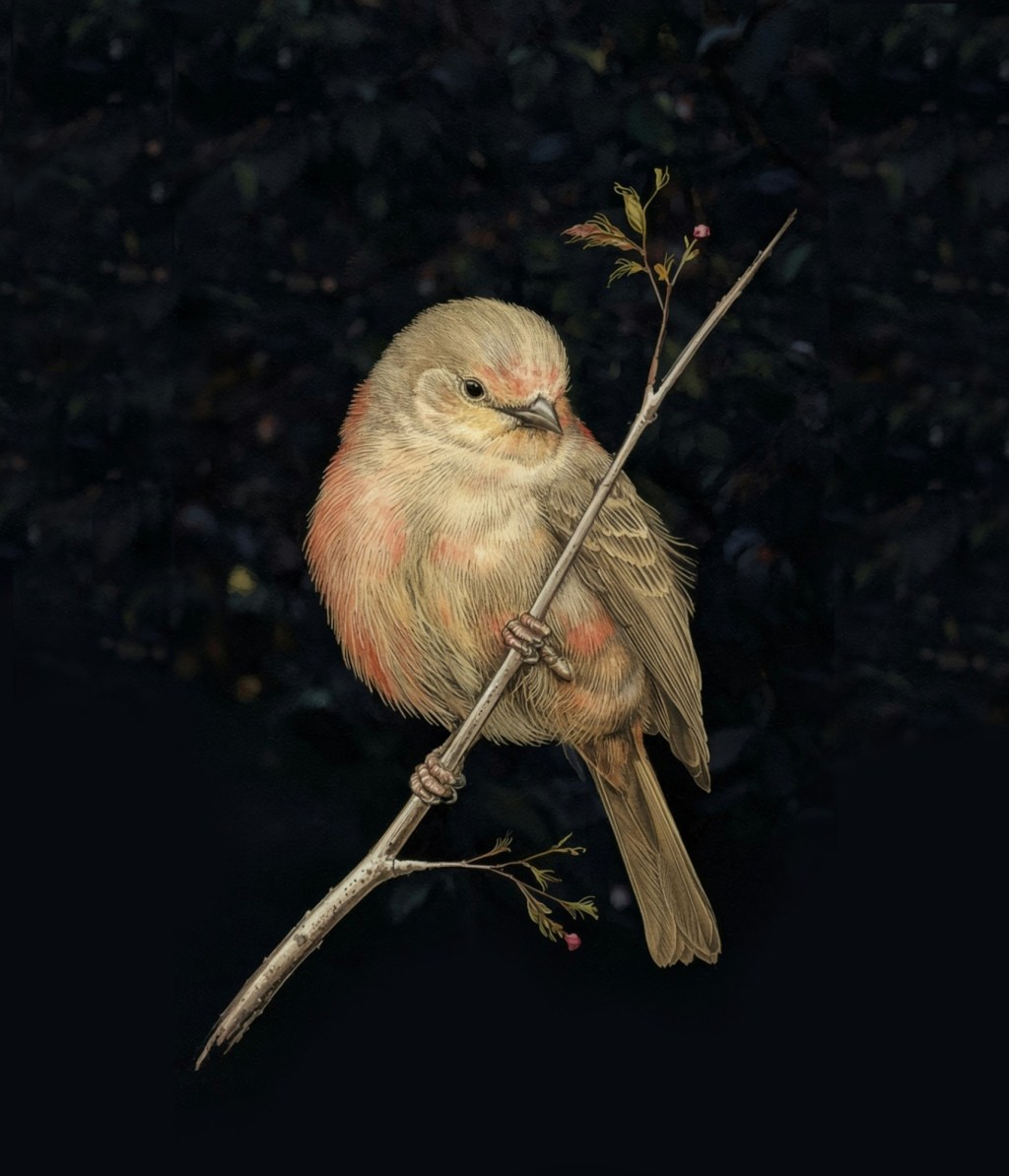
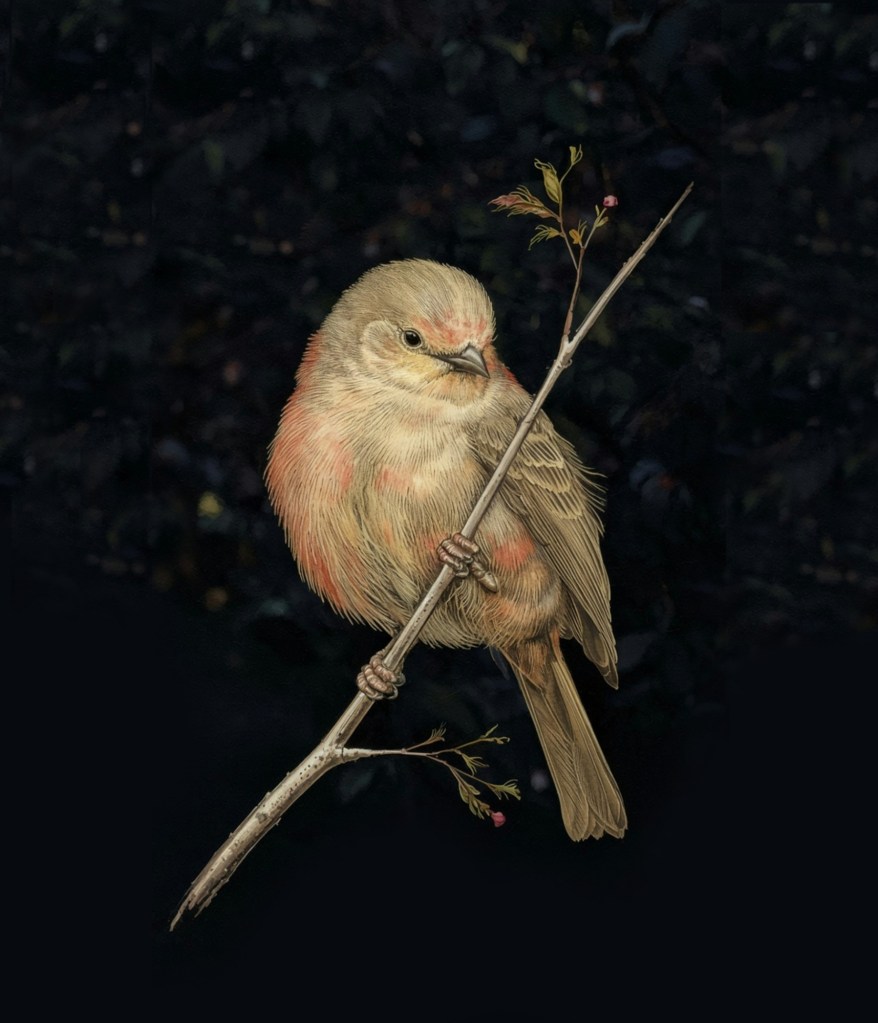
    Fling of wing, rustle of feather—small bird, clothed in cloudy splendour, perches light upon the slender arm of a greeny branch. Its eyes hold ancient silence, as if awakened just now by the wind’s first breeze. A gentle flame of coral hue ripples through its downy chest, as though morning itself has taken roost for a breath, for a thought.

    Flowers budding near, their petals curled in pink pause, shine not of sun but of secret light—nature’s quiet hymn to the world’s wonder. Each leaf, each breath of wind, speaks a language understood not in mind, but in the deep-knowing soul. A wave of wing, like a hand brushing sky, tells us: everything is possible. The fire of being, though soft and flickering, teaches us to rise. To build. To cherish.

    This bird, like the child’s future, hangs delicate in balance. Its form is of the familiar—society’s gaze, country’s breath, the world’s echo—but its path is uncertain. Intelligence may flicker bright in minds of many measure, profession may praise the cleverest spark, yet the bird’s heart, wild and still, is where true life pulses.

    Mind alone cannot cradle the soul. A bird caged in intellect forgets how to fly. And so, the lesson rests here: not in knowing, but in being. In listening to the leaf, in trusting the wind, in carrying the blooming branch not for survival, but for joy.


    If you find my photography or my writing inspiring and uplifting, consider supporting what I do. Buy me a coffee on Ko-fi.
    Your support makes a difference in my life and helps me create more of what you, and I, like. Thank you!
    Tap to view my redbubble gallery.
  • A Raven’s Call

    A Raven’s Call

    Black wings cut the sky,
    Whispers from the shadow’s edge,
    Light fades, truth takes flight.

    Lightless eyes see all.

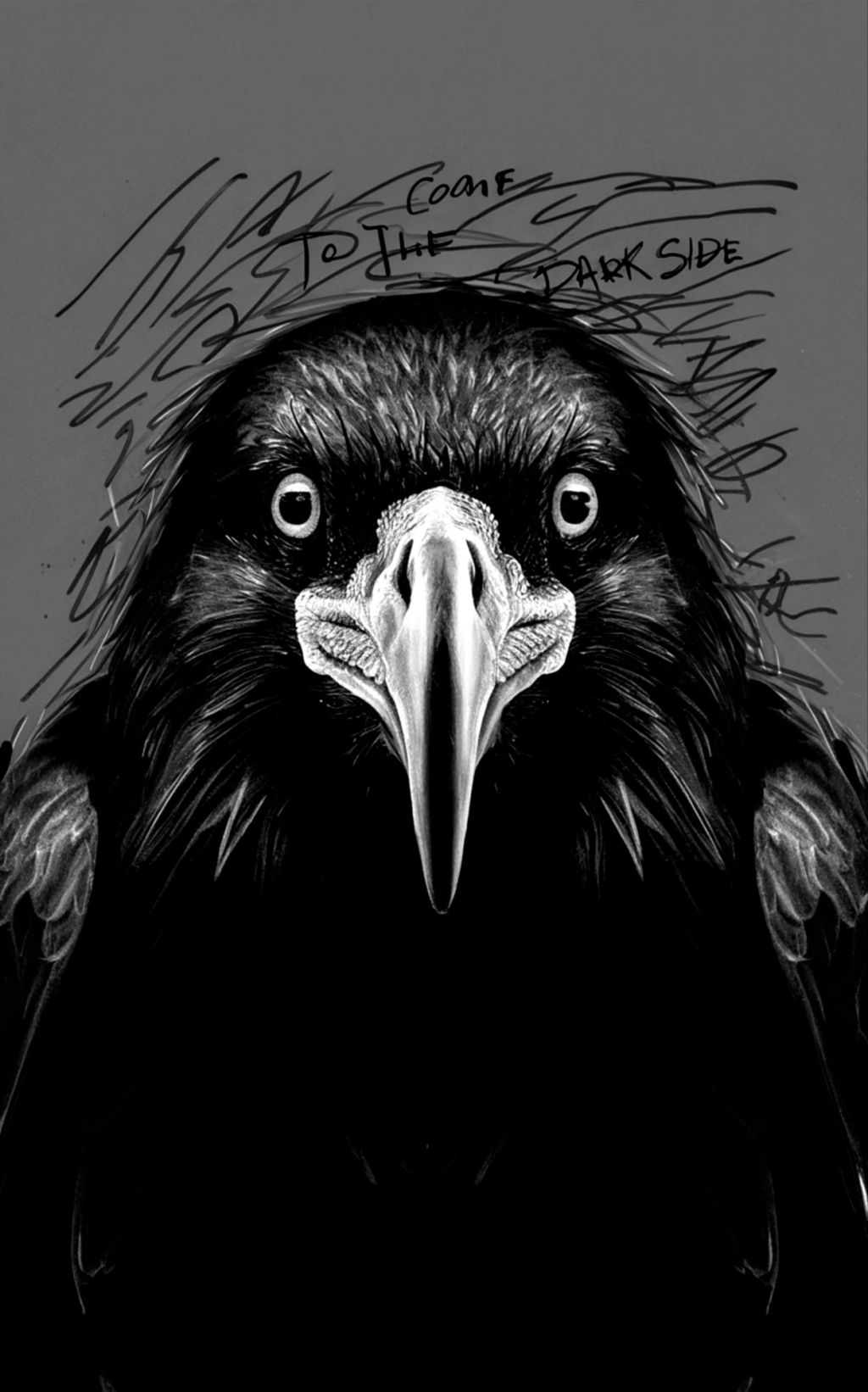
    “Ah, there you are, wandering in the light, so blissfully unaware of the shadows lurking just beyond your reach. I see you, human, with your fragile flesh and feeble spirit, clinging to the sun’s warmth as if it could save you. But what is light without darkness? What is warmth without the cold? Your world is a fleeting illusion, a brittle shell that will crack and crumble with the passing of time.

    Come closer, yes, closer still. You’ve seen me before, perched on the edge of your vision, haven’t you? A flash of black feathers, a caw that echoes in your dreams, a fleeting shadow that sends a shiver down your spine. You tell yourself it’s just a bird, nothing more. But I am more. Oh, so much more.

    Caw in the cold night,
    Shadows beckon from the trees,
    Darkness holds the key.

    The light, it blinds you, dulls your senses, keeps you soft and weak. You stumble through your days, oblivious to the truth, content in your ignorance. But I can show you what lies beyond the veil. I can guide you to the darkness where true power lies. There, in the cold embrace of shadow, you will see the world as it truly is—without the lies, without the masks.

    Do you hear it? The whisper in the wind, the rustling in the trees, the soft cawing in the night? That’s the call of the dark, the ancient song of the forgotten and the forsaken. You’ve felt it, haven’t you? The tug at your heart, the pull of something deeper, something darker. It’s been with you all along, growing stronger with each passing day, each sleepless night.

    Come to the dark side, human. Embrace the cold, the shadow, the truth. Let the light fade from your eyes and see the world as I do—sharp, clear, free of the lies and illusions that bind you. In the darkness, you will find power. In the shadows, you will find freedom. And in the cold, you will find me.

    I will be waiting for you, in the place where light fears to tread. When you’re ready, when you’ve had enough of the lies, come find me. Together, we will soar into the night, into the darkness that has been calling your name since the day you were born.”

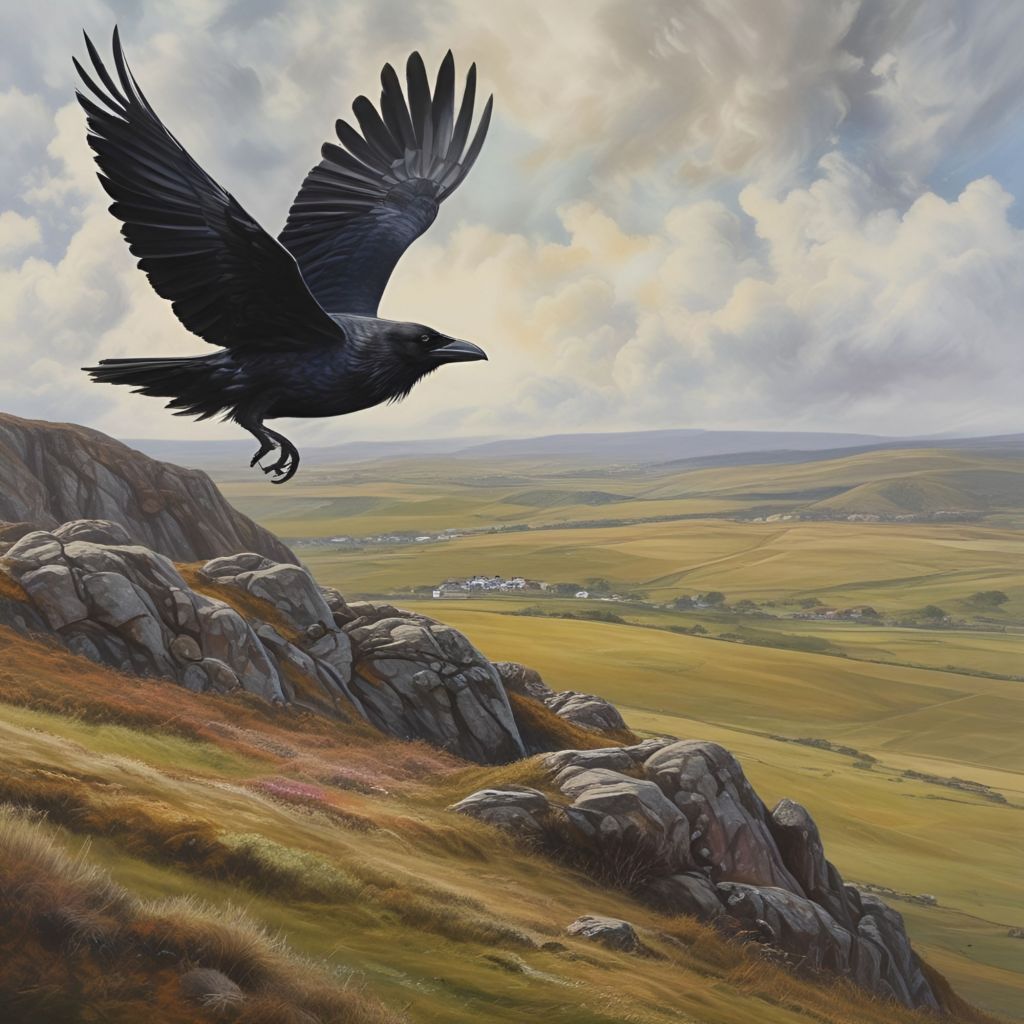
    Raven over Wales
    Tap to view my redbubble gallery.
  • Barn owl. Hunter, parent, survivor.

    Barn owl. Hunter, parent, survivor.


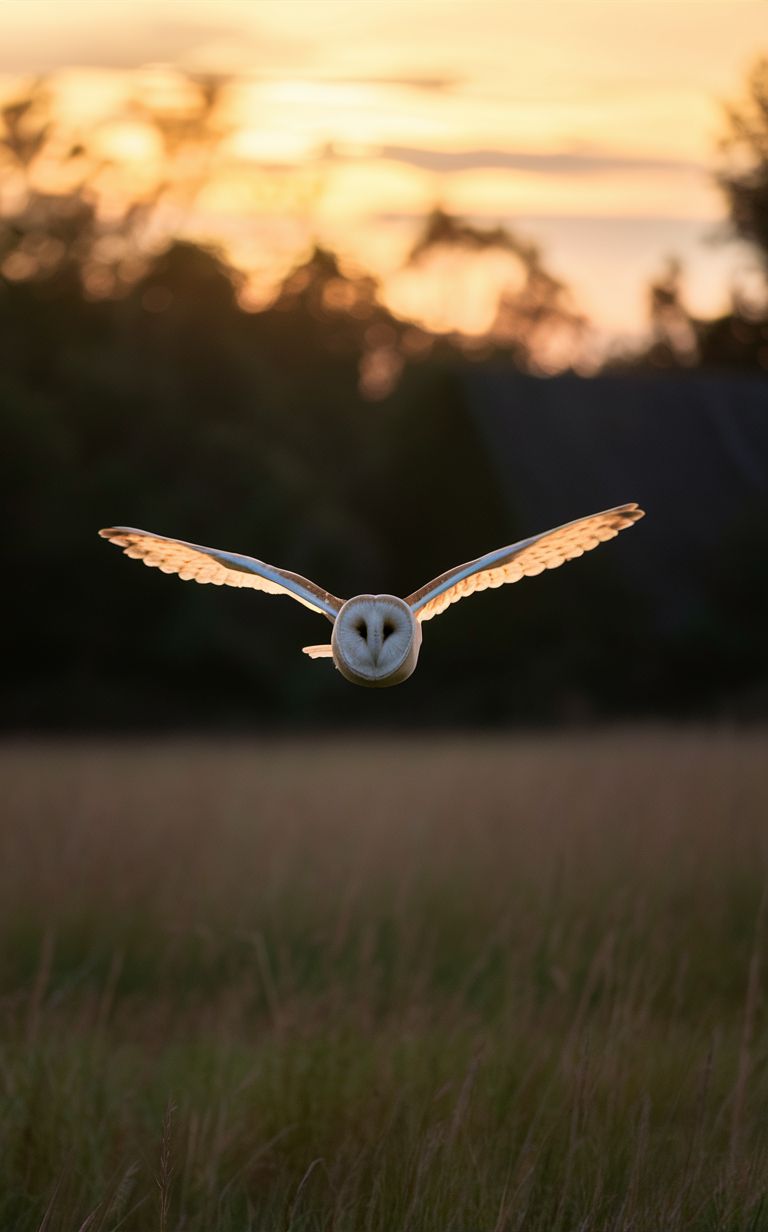
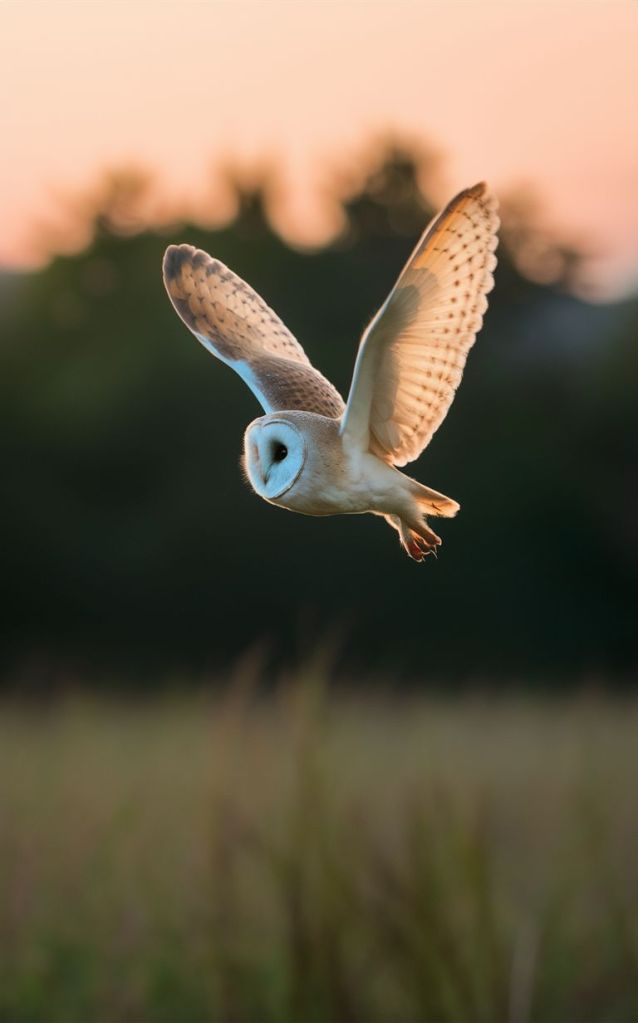
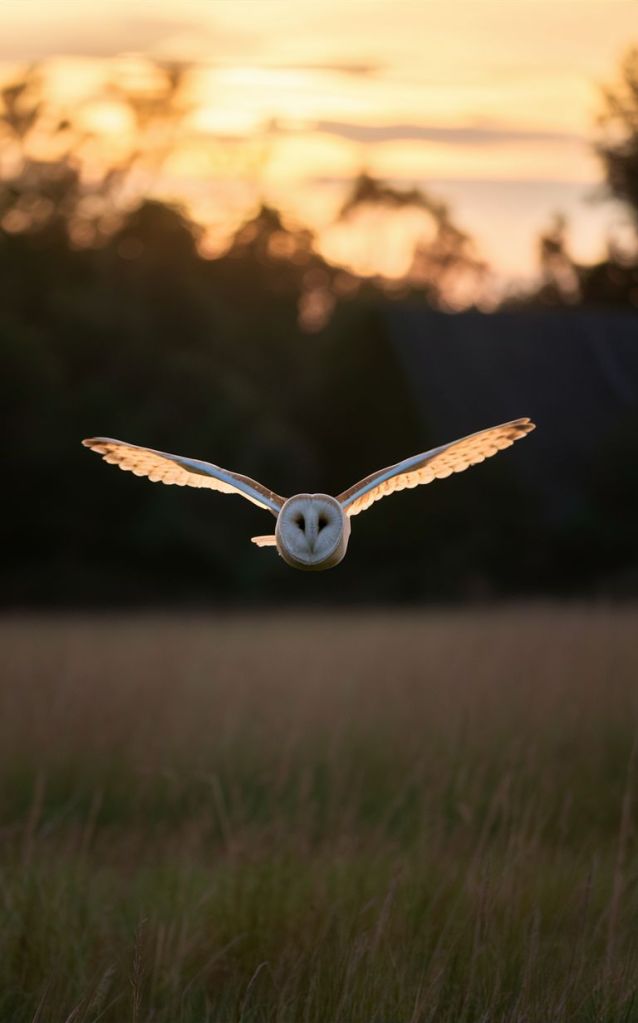
    They call me phantom of the night, a ghost gliding through the twilight. But I am no specter. I am a hunter, a silent assassin of the fields. My world is hushed, a realm of shadows and sound. With eyes that pierce the darkness, I see what others cannot. A heart-shaped face, a radar dish capturing the faintest rustle of life.

    I am solitary, a lone wolf of the sky. The barn is my cathedral, a sanctuary for my young. I share the burden of parenthood with my mate, our love a silent pact in the face of the world. But even in this hallowed space, danger lurks—foxes, stoats, and the ever-present threat of starvation.

    I am a guardian of the fields, a silent sentinel against the creeping tide of rodents. Yet, my world shrinks. The old barns crumble, the fields are poisoned. Where once there was abundance, now there is scarcity. I am a creature of habit, tied to the rhythm of the seasons. But the seasons are changing, and I must adapt or perish.

    I am a mystery, a creature of folklore and fear. But I am also a symbol of hope, a bastion of nature’s resilience. I will endure, as I always have, a silent specter in the night, a guardian of the fields.

    Tyto Alba
    Tap to view my redbubble gallery.
  • A Bird of Exquisite Taste?

    A Bird of Exquisite Taste?

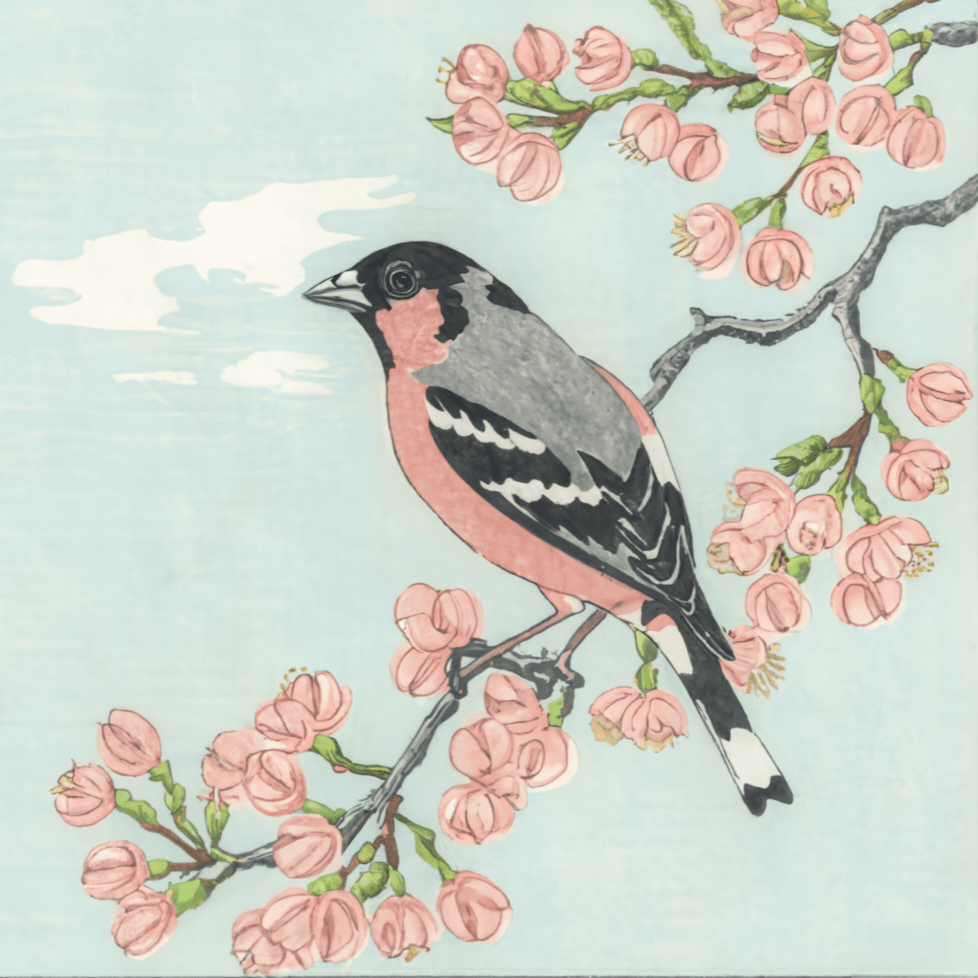
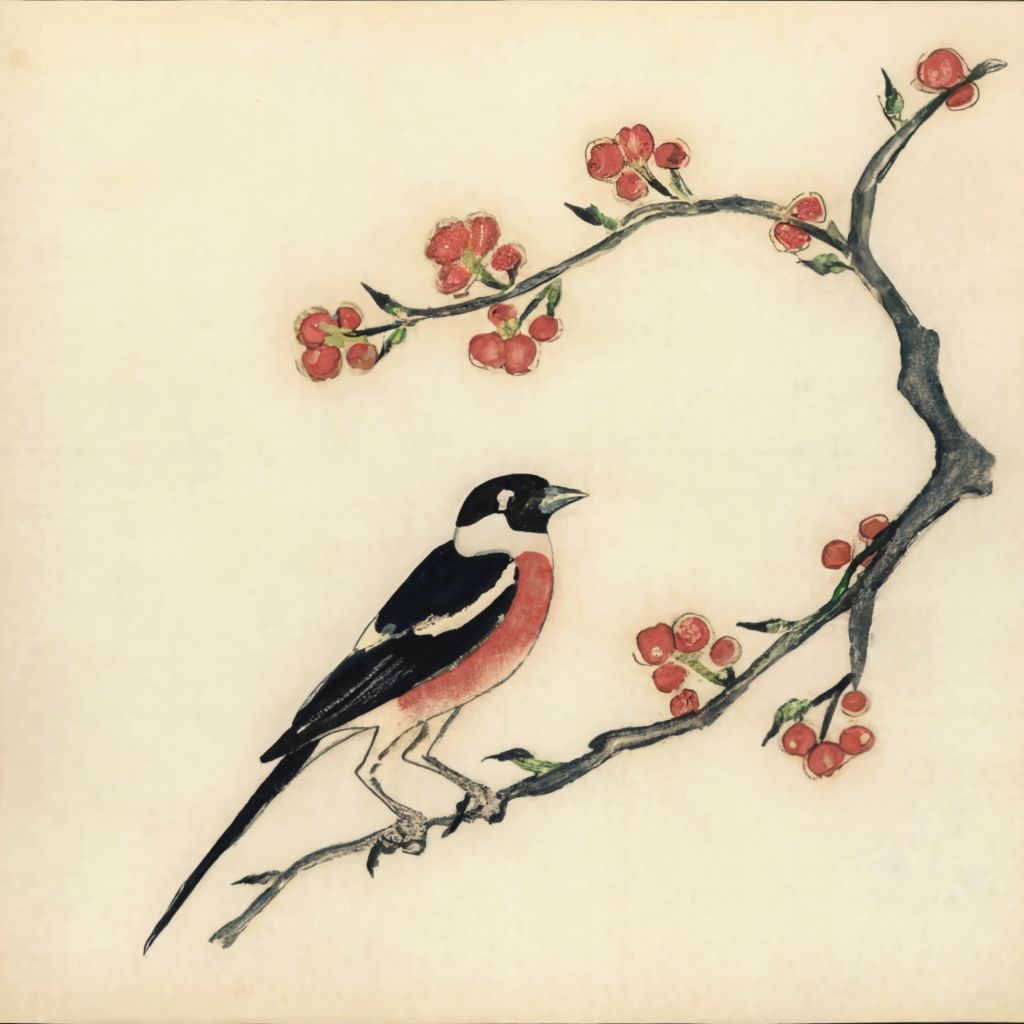
    Have you ever seen a sight more captivating than a bullfinch perched amongst a cascade of cherry blossoms? They compliment each other divinely. The delicate blush of the petals, practically translucent in the spring sunlight, reflects in your breast like a masterpiece. You’re a feathered Monet, flitting from blossom to blossom, a tiny burst of colour in a world just waking from winter’s slumber.

    Bullfinch & Cherry Blossom
    Tap to buy a print on søciety6

    But listen up, you little charmer. That innocent facade doesn’t fool me for a second. I know your secret. 

    Beneath that adorable exterior lurks a truth as undeniable as the changing seasons: you’re a blossom-bud bandit, a destroyer of delicate dreams. 

    Here these cherry trees are, putting on a spectacular show, a celebration of spring’s arrival. They unfurl their petals, a promise of summer’s bounty. Tourists flock from far and wide to witness their fleeting beauty. And what are you doing? 

    You’re there, perched on a branch with the audacity of a feathered Robin Hood, stuffing your beak with the very buds that would become those breathtaking blossoms. You’re a horticultural highwayman, stealing the very essence of spring with each peck.

    Do you have any idea how much work goes into those buds, little buddy? How the tree meticulously stores energy all winter long, channelling it into those tiny packages of potential? 

    And you? You waltz in with your plump body and insatiable appetite, a feathered locust descending on a field of dreams.

    Look, I get it. Nature’s a cycle, survival of the fittest and all that. But couldn’t you just stick to the seeds that fall to the ground? Have a little respect for the artistry, each individual splash of beauty on display!

    Tap to buy a print
    Buy on søciety6

    Petal rain falls soft,
    Cherry dreams devoured whole,
    Beauty’s sacrifice. 

    Anthony

    So next time you’re considering a blossom-bud breakfast, remember, you’re not just robbing a tree, you’re robbing us all of a fleeting moment of magic. 

    Now, if you’ll excuse me, I’m going to go enjoy the blossoms before they all become victims of your floral felony. Just try to keep your beak on the straight and narrow, alright?

    Tap to view my redbubble gallery.
  • A Moment of Rest

    A Moment of Rest

    Sun warms downy chest,
    Spring whispers on the breeze,
    Nest yet to be built.

    Anthony
    Spring is on its way

    Ah, that breeze feels glorious on my feathers! Just a tiny rest, that’s all I need. (Fluffs feathers) See? Much better. Though, gotta keep an eye out for those pesky hawks.

    Spring! Can you believe it? The days are getting longer, the sun a little warmer. Soon these branches will be bursting with leaves, and the best darn buffet of bugs a bird could ask for will be back in action. Gotta get that nest ready though, prime location by the old oak, perfect for morning sun. But wait, the feeder by the window, that family just refills it constantly, tempting… maybe a two-nest strategy?

    Then there’s the courting! Gotta find a mate with the flashiest tail feathers, strong enough to help gather twigs. Oh, and the perfect chirping tune, can’t forget that! Maybe I should practise that new whistle now… wait, what was I thinking? Nest building first, then wooing! Priorities, priorities! (I do like a bit of wooing though.)

    (Takes a deep breath) Okay, okay, calm down. One thing at a time. But seriously, gotta get started soon, don’t want to be late for the wormfest! Maybe a quick nap after all… just a short one, I promise!

    Buy this – or prints or a mug – at redbubble
    Tap to view my redbubble gallery.
  • Verse of the Night

    Verse of the Night

    Celestial poets
    Nightingales and blossoms dance
    In nocturnal light

    Anthony
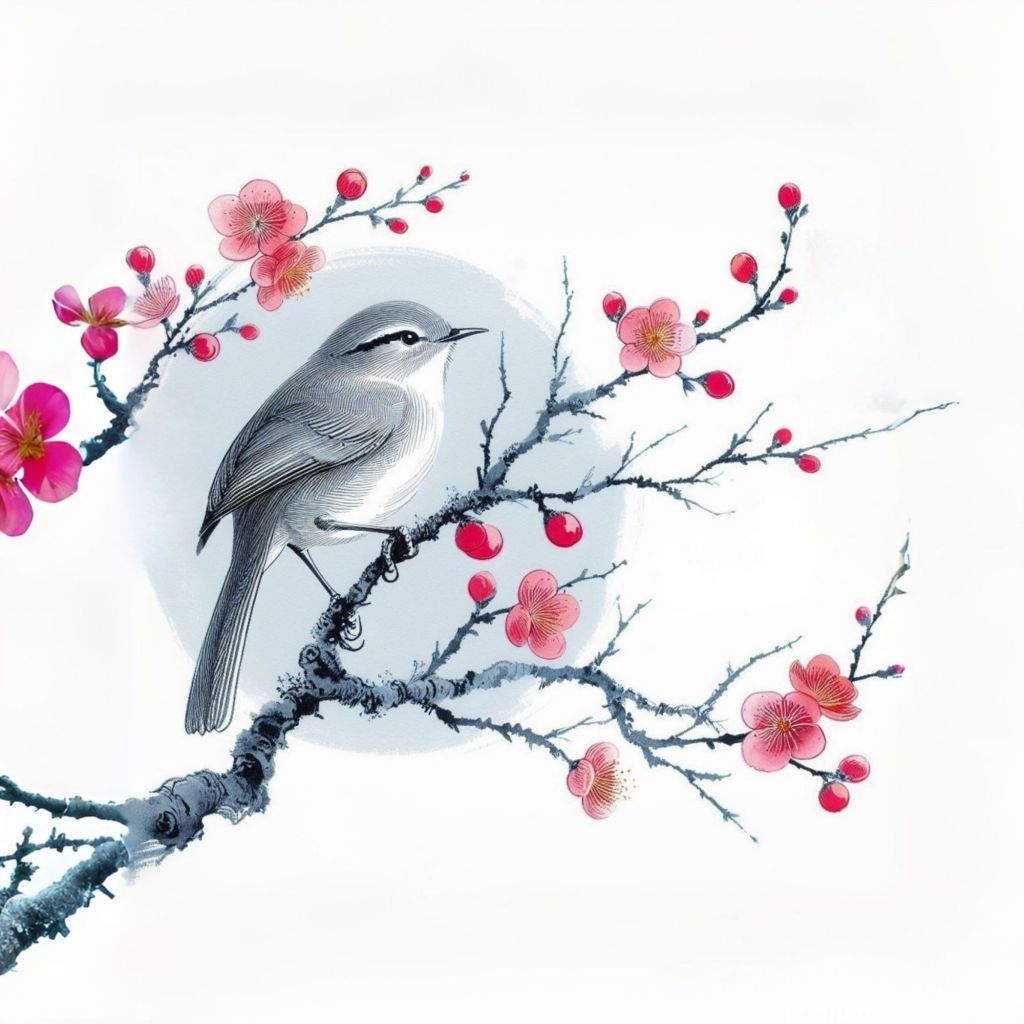
    Nightingale and apricot blossom

    Amidst the moonlit embrace of silken night, the nightingales awaken, their melodic cadence echoing through the shadows of darkness. Each note, a delicate brushstroke on the void of silence, betraying the secrets of the sleeping world.

    Beneath the celestial glow, plum blossoms unfurl their ivory petals, a silent ballet in the moon’s tender spotlight. Their fragrance, a murmured promise of spring, mingles with the nightingales’ song, creating a sensation of timeless enlightenment.

    In this nocturnal ballet, the nightingales become poets, and the plum blossoms, muses. Together, they dance in the realm of dreams, where the fragrance of blossoms lingers in the air like verses penned by nature’s hand.

    As the nightingale serenades the sleeping earth, the plum blossom nods in silent approval, its delicate branches swaying harmoniously with the celestial melody. A nocturne of nature unfolds, a tale told in trills, warbles and gently whispering petals.

    Under the watchful gaze of the moon, the nightingales and plum blossoms become ephemeral poets, crafting verses that only the nocturnal hearts can decipher. In this moonlit reverie, their delicate partnership paints the night with the hues of beauty and quiet resilience.

    And so, the nightingales and plum blossoms remain intertwined in the embrace of the night, a celestial dance that unfolds when the world slumbers, leaving behind a poetic enchantment that lingers until the first light of dawn.

    Tap image to buy on redbubble
    Tap image to buy a tote bag on redbubble
    If you find this content inspiring and uplifting, consider supporting what I do. Buy me a coffee on Ko-fi.
    Your support makes a difference in my life and helps me create more of what you, and I, like. Thank you!

    Tap to view my redbubble gallery.

  • Magpies. The Bird of Many Meanings

    Magpies. The Bird of Many Meanings

    Magpies are fascinating birds that have inspired many myths and legends around the world. Here are some examples of stories about magpies from different cultures:

    Tap to view my redbubble gallery.

    In China, Korea, and Japan, magpies are considered to be auspicious birds that bring good luck and happiness. They are associated with the Qixi Festival, also known as the Chinese Valentine’s Day, which celebrates the annual meeting of two lovers, Zhinü and Niulang, who are separated by the Milky Way. According to the legend, a flock of magpies forms a bridge across the sky to allow the lovers to reunite once a year.

    In Britain, magpies are often seen as omens of bad luck or death, especially if seen alone. There is a well-known rhyme that predicts one’s fortune based on the number of magpies seen: “One for sorrow, two for joy, three for a girl, four for a boy, five for silver, six for gold, seven for a secret never to be told.” Some people believe that greeting a lone magpie or saluting it can ward off the bad luck.

    In Celtic lore, the magpie was a bird associated with fairy revels; with the spread of Christianity, however, this changed to a connection with witches and devils. In Scandinavia, magpies were said to be sorcerers flying to unholy gatherings, and yet the nesting magpie was once considered a sign of luck in those countries. In France, magpies were believed to be able to foretell the weather and the future.

    In Native American cultures, magpies had various meanings and roles. Some tribes of Native Americans believed that wearing a magpie feather was a sign of fearlessness, while others considered the magpie to be a sacred messenger of the creator, or even a guardian with shamanic abilities. In some legends, the magpie helped the coyote, the trickster, to create the world or to steal fire from the gods.

    These are just some of the many stories and beliefs that people have about magpies. Magpies are truly remarkable birds that have captured the imagination of humans for centuries.

    Tap to view my redbubble gallery.
  • The Enchanted Nest

    The Enchanted Nest

    Nature’s wisdom reveals itself where skylarks find sanctuary amidst bilberries

    Tap to view my redbubble gallery.

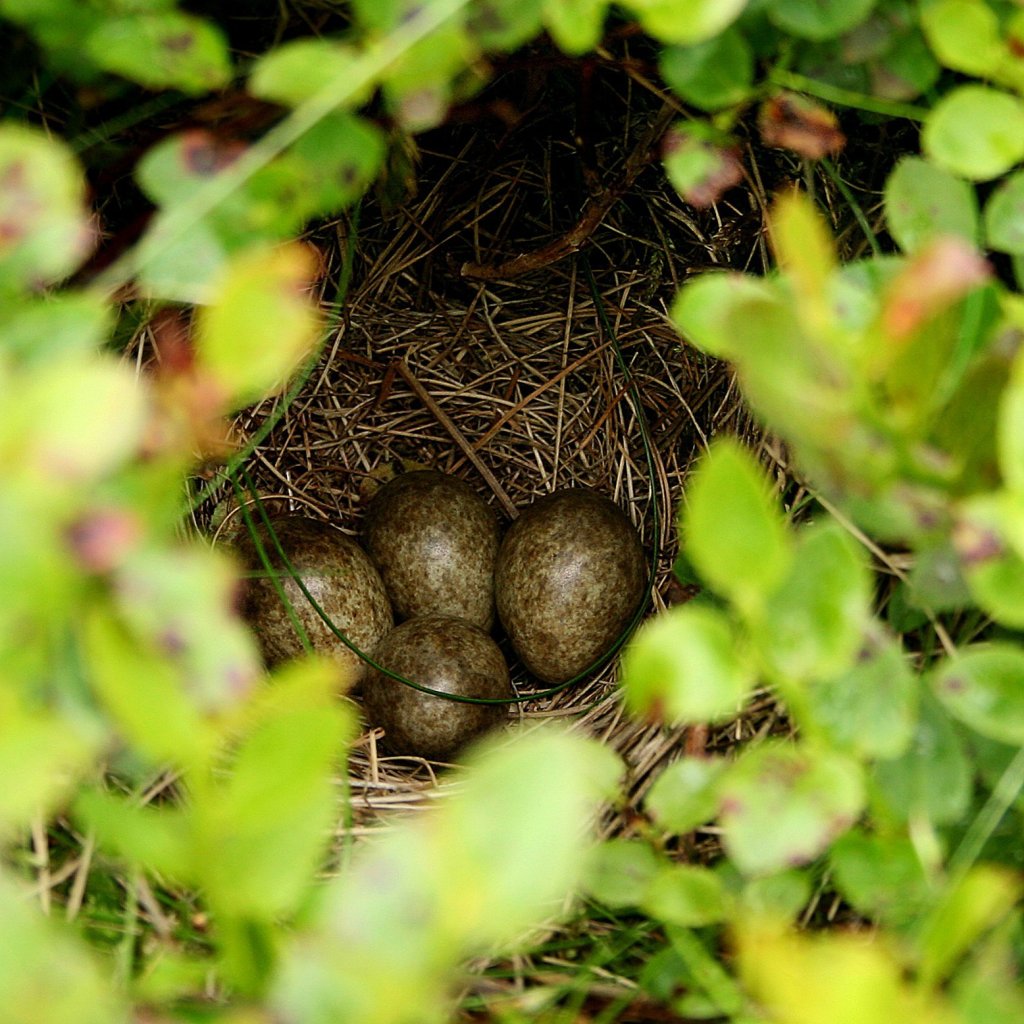
    The discovery of a skylark nest nestled amid a patch of bilberries is a fascinating glimpse into the natural world, offering insight into the unique flora and fauna of the environment. The skylark, known for its enchanting and melodious song, often chooses inconspicuous nesting sites, blending into its surroundings. The bilberry, also known as the whortleberry or blaeberry, is a small, blue-black fruit that thrives in upland areas, such as the mountains of Wales.

    The skylark (Alauda arvensis) is a symbol of the open countryside, renowned for its joyful and complex songs that fill the air during their territorial displays. The species has a preference for nesting on the ground, hidden amidst vegetation like bilberries. The choice of bilberries as a nesting location provides both camouflage and a source of food for the skylark. Bilberries are rich in antioxidants and nutrients, making them a valuable dietary resource for local wildlife.

    Bilberries, while resembling blueberries, have distinct characteristics. They typically grow in acidic and nutrient-poor soils, thriving in the uplands of places like Wales. The shrubs are low-growing, adorned with small, deep blue fruits that are enjoyed by various birds, including skylarks, and other wildlife. Bilberries are not only a food source but are also valued for their potential health benefits, as they are believed to have antioxidant properties.

    The synergy between the skylark and the bilberry in this natural setting exemplifies the intricate relationships between flora and fauna. The discovery of the skylark’s nest surrounded by bilberries underscores the importance of preserving such habitats and understanding the interconnectedness of the species that call them home. It’s a reminder of the delicate balance of nature and the wonders to be found in the wild landscapes of Wales.

    A skylark soars, a joyous speck in the boundless blue, singing freedom’s song as it reaches new heights

    Tap to view my redbubble gallery.
Design a site like this with WordPress.com
Get started