Cathedrals stand as towering achievements of architectural innovation, spiritual devotion, and cultural identity. Their majestic presence has shaped skylines and cities for centuries, and the evolution of cathedral architecture is a testament to the progression of human engineering, artistic prowess, and religious expression. In this article, we will explore the fascinating journey of cathedral architecture from its early origins to the marvels of the present day.
Tap to see it in my red bubble gallery
**Origins and Early Forms:**
The roots of cathedral architecture can be traced back to ancient religious structures, such as the temples of Mesopotamia and Egypt. However, it was in the early Christian era that the cathedral, or “cathedra,” Latin for the bishop’s seat, took on its distinctive form. Early Christian basilicas, characterized by a rectangular plan and a central nave with aisles, provided the blueprint for the earliest cathedrals.
**Romanesque Majesty:**
The Romanesque period, which spanned from the 10th to the 12th century, witnessed the development of more elaborate cathedral architecture. These structures featured rounded arches, thick walls, and small windows, creating a sense of strength and solidity. The Romanesque cathedrals, such as St. Sernin in Toulouse, France, and the Speyer Cathedral in Germany, displayed a harmonious blend of spirituality and fortress-like grandeur.
**Gothic Elegance:**
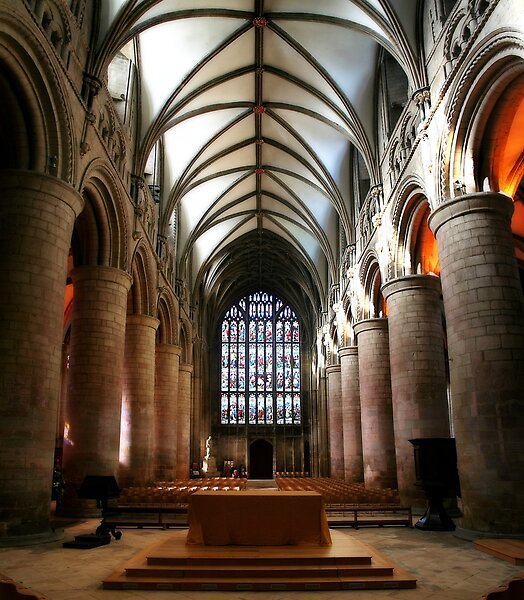
The Gothic era, beginning in the 12th century, brought about a remarkable transformation in cathedral design. Innovations like the ribbed vault, flying buttresses, and pointed arches allowed for taller and more intricate structures. The magnificent Chartres Cathedral and Notre-Dame de Paris exemplify the Gothic style’s emphasis on height and light, with their soaring spires and stunning stained glass windows.
**Renaissance Refinement:**
As the Renaissance dawned in the 15th century, cathedral architecture shifted towards a more balanced and harmonious approach. The use of classical elements, such as columns and domes, was prevalent in cathedrals like St. Peter’s Basilica in the Vatican. This era marked a departure from the verticality of the Gothic period and embraced a sense of symmetry and proportion.
**Baroque Extravagance:**
The Baroque period that followed in the 17th century was characterized by ornate decoration and grandeur. Cathedrals like St. Paul’s Cathedral in London featured opulent facades and extravagant interiors. The Baroque style emphasized the dramatic and the emotional, making these cathedrals places of overwhelming sensory experiences.
**Modern and Beyond:**
In the modern era, cathedral architecture has continued to evolve. Architectural styles have become more diverse, reflecting the pluralistic nature of our societies. Contemporary cathedrals, like the Cathedral of Our Lady of the Angels in Los Angeles, blend traditional elements with innovative materials and designs.
Sustainability has also become a paramount concern in contemporary cathedral construction. Many new cathedrals incorporate eco-friendly materials and energy-efficient systems to meet the challenges of the 21st century.
Cathedral architecture stands as a testament to the artistic, engineering, and spiritual evolution of humanity. From the early basilicas to the towering Gothic masterpieces and the refined elegance of the Renaissance, cathedrals have showcased the changing aspirations and beliefs of their times. Today, modern cathedrals continue to be a source of inspiration, reflecting our ever-evolving relationship with the divine and the world of design.
As we look to the future, one can only wonder what new innovations and architectural marvels will grace the skylines of our cities while honoring the timeless tradition of cathedral architecture. The grand evolution of cathedrals is a living testament to the enduring power of human creativity and spirituality.

- Darkness, Power and Beauty
 Horse’s steady gazeStrengthful eyes that dare to meetChallenge accepted Courage is the strength to face… Read more: Darkness, Power and Beauty
 - The Daffodil’s Song: A Lyrical Tribute to the Wonders of Spring
 Daffodil so brightGolden petals, sunshine’s kissHope blooms anew As I wander through the garden, the… Read more: The Daffodil’s Song: A Lyrical Tribute to the Wonders of Spring
 - Acanthus: A Versatile Plant with a Rich Cultural Heritage
 The Graceful Lines of an Acanthus Leaf. Acanthus is a genus of flowering plants native… Read more: Acanthus: A Versatile Plant with a Rich Cultural Heritage












 Anthony's Literary Lens
You must be logged in to post a comment.