Tap to view in my redbubble gallery.
Architectural Wondes
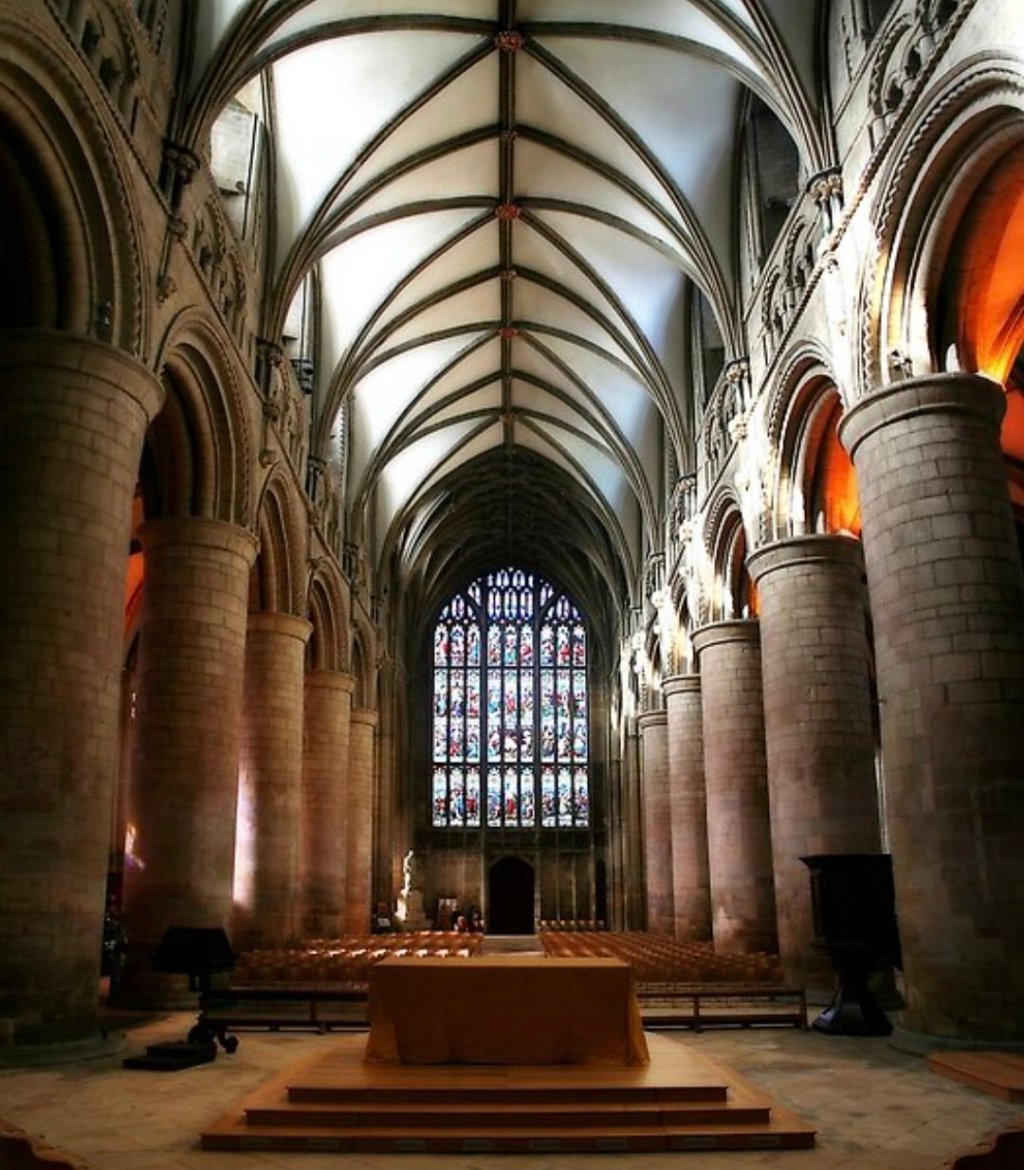
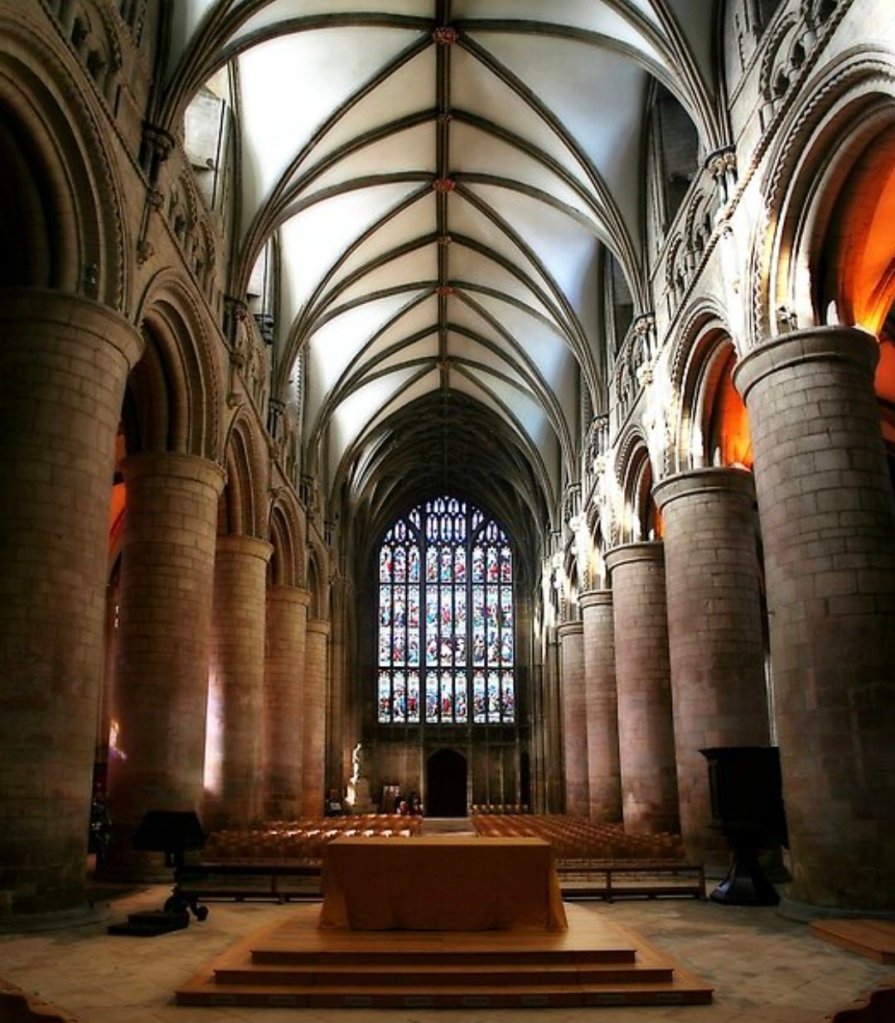
Located in the heart of Gloucester, England, the Cathedral Church of St. Peter and the Holy and Indivisible Trinity, better known as Gloucester Cathedral, is a stunning example of medieval architecture. With a history dating back to the 11th century, the cathedral has stood the test of time, surviving wars, fires, and the test of time. In this article, we will take a tour through the architectural wonders of this magnificent building.
From Roman Times to the Present
The history of Gloucester Cathedral dates back to the Roman era, when a temple dedicated to the god Nodens stood on the site. The temple was later replaced by a Saxon church, which was then rebuilt in the 11th century as a Norman cathedral. Over the centuries, the cathedral has undergone many changes, including the addition of chapels, cloisters, and a magnificent stained glass window. The most significant addition, however, was the construction of the Eastern Lady Chapel in the 14th century, which is considered one of the finest examples of Perpendicular Gothic architecture in England.
The Beauty of the Stained Glass Windows
One of the most striking features of Gloucester Cathedral is its collection of stained glass windows. The earliest of these date back to the 13th century, and they depict scenes from the Bible, as well as images of saints and other religious figures. The most famous of these windows is the Great East Window, which was completed in the 14th century. It is the largest medieval stained glass window in England and depicts the Last Judgement. The window is a masterpiece of medieval art and is considered one of the most important examples of medieval stained glass in the world.
The Tomb of King Edward II: A Hidden Gem
Gloucester Cathedral is home to many interesting and significant tombs, but one of the most interesting is that of King Edward II. He was the son of King Edward I and was King of England from 1307 until he was deposed in 1327. He was later murdered in Berkeley Castle, and his body was brought to Gloucester Cathedral for burial. His tomb is located in the sanctuary of the cathedral and is a simple stone slab with a brass plate that bears his name.
The Role of Gloucester Cathedral in Medieval England
During the Middle Ages, Gloucester Cathedral played a significant role in the religious and political life of England. The cathedral was a center of pilgrimage and was home to a community of monks who played an important role in the community. In addition, the cathedral was an important site for royal ceremonies, including the coronation of King Henry III in 1216. The cathedral also served as a sanctuary for people seeking refuge from persecution or injustice.
Secrets of the Cloisters
The cloisters of Gloucester Cathedral are a peaceful and serene place to explore. These covered walkways were originally built in the 14th century as a place for the monks to meditate and pray. Today, they provide a peaceful retreat from the hustle and bustle of the city. The cloisters are home to many interesting carvings and sculptures, including a
The Organ: A Musical Treasure
One of the most impressive features of Gloucester Cathedral is its organ. It is considered one of the finest examples of a medieval organ in England and is still in use today. The organ was built in the 14th century and has undergone several renovations throughout its history. It is renowned for its beautiful tone and is considered a musical treasure. Visitors can hear the organ being played during services or during special organ recitals.
The Monastic Life: A Look into the Past
The monastic life played a significant role in the history of Gloucester Cathedral. The cathedral was home to a community of monks, who lived and worked within the walls of the cathedral. They were responsible for the daily worship, the maintenance of the cathedral, and the education of the local people. Visitors can still see the remains of the monastic living quarters, including the dormitory, refectory, and chapter house. These spaces provide a fascinating glimpse into the daily life of the monks who once called Gloucester Cathedral home.
Preserving the Legacy: Conservation Challenges
Gloucester Cathedral has stood the test of time for over 900 years, and it is important that its legacy is preserved for future generations. The cathedral is a Grade I listed building, which means that it is of exceptional architectural or historic interest. The cathedral’s conservation team works tirelessly to ensure that the building is in the best possible condition. This includes regular maintenance, cleaning, and restoration work. However, preserving such an ancient building is not without its challenges. The team must balance the need for preservation with the need for accessibility, and they must also find ways to fund the ongoing conservation work. It is a true testament to the skill and dedication of the people who built and continue to care for this historic site.

More interesting posts
- Darkness, Power and Beauty
 Horse’s steady gazeStrengthful eyes that dare to meetChallenge accepted Courage… Read more: Darkness, Power and Beauty
 - The Daffodil’s Song: A Lyrical Tribute to the Wonders of Spring
 Daffodil so brightGolden petals, sunshine’s kissHope blooms anew As I… Read more: The Daffodil’s Song: A Lyrical Tribute to the Wonders of Spring
 - Acanthus: A Versatile Plant with a Rich Cultural Heritage
 The Graceful Lines of an Acanthus Leaf. Acanthus is a… Read more: Acanthus: A Versatile Plant with a Rich Cultural Heritage
 - Sailing Through the Haze: A Day on the Water.
 Hazy sun aboveCalm sea, gentle rocking boatPeaceful, tranquil day There’s… Read more: Sailing Through the Haze: A Day on the Water.
 - The Case of the Robin and the Gnome
 It was a sunny afternoon in the city, and I,… Read more: The Case of the Robin and the Gnome
 - The Golden Sun and the Dewy Grass: A Morning Meditation
 “Dew-kissed grass glistensGolden sun paints a new dayBreathless beauty found“… Read more: The Golden Sun and the Dewy Grass: A Morning Meditation
 - The Beauty of the Storm: Huge Waves Crashing Against the Lighthouse
 Waves crash and roarLighthouse stands, a sturdy towerNature’s raw power… Read more: The Beauty of the Storm: Huge Waves Crashing Against the Lighthouse
 - The Magic of Horses in the Early Morning Sun
 Golden coats gleam brightPeaceful morn, a gentle breezeHorses graze with… Read more: The Magic of Horses in the Early Morning Sun
 Anthony's Literary Lens
You must be logged in to post a comment.