Autumn’s golden gift
Anthony
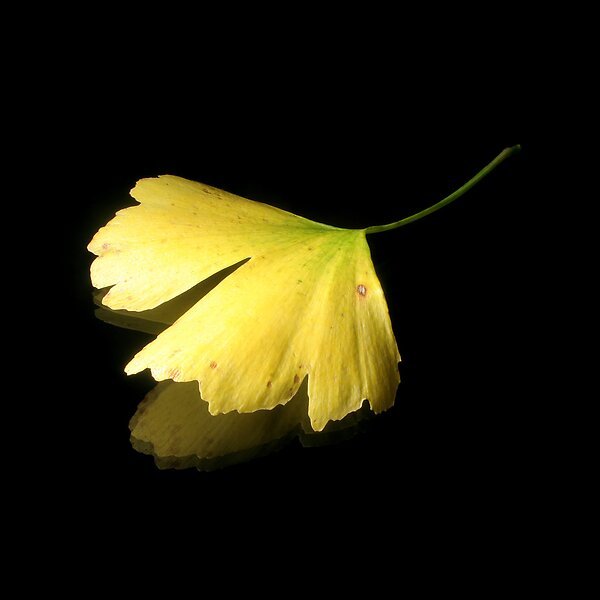
Ginkgo’s fan-shaped leaves descend
Cycles never end
Tap to view in my red bubble gallery
Deeper roots. In the heart of Japanese landscapes, the Ginkgo biloba tree, known as “icho,” stands as a representation of endurance, resilience, and a deep-rooted connection to history. This ancient tree, with its distinctive fan-shaped leaves, not only graces the surroundings with its unique beauty but also carries profound cultural significance in Japan.
Resilience Amidst Adversity. The Ginkgo biloba tree has earned its place in Japanese culture as a symbol of resilience. Planted near temples and shrines, these trees have weathered the tests of time, standing tall even in the face of environmental challenges. One notable example is the Ginkgo at the Anrakuji
Temple, a living witness to the atomic bomb’s devastation in 1945. Despite the destruction, this Ginkgo tree not only survived but continues to grow, becoming a powerful symbol of hope and the indomitable spirit of life.
The Spirit of Endurance. The Ginkgo is a dioecious tree, existing in male and female forms. The female trees, although producing seeds with a distinctive, somewhat pungent odour, symbolise fertility and the cycle of life. However, it’s the male trees that are often preferred for landscaping due to their cleaner appearance and the absence of seeds.
Connecting Past and Present. Beyond its physical endurance, the Ginkgo biloba is a living fossil, dating back around 270 million years. Its presence in gardens and landscapes serves as a bridge between the past and the present, emphasising the importance of preserving history and the natural world. The Ginkgo’s longevity echoes the cultural values of tradition and the interconnectedness of all living things.
Medicinal and Cultural Significance. In addition to its cultural symbolism, the Ginkgo biloba holds medicinal significance in traditional Japanese medicine. Extracts from its leaves are believed to enhance cognitive function, although scientific consensus on its efficacy remains varied. This dual role as a cultural icon and a potential source of healing adds layers to the Ginkgo’s importance in Japanese society.
On to the future. As the Ginkgo biloba graces the landscapes of Japan, its symbolism goes beyond mere aesthetics. It embodies the resilience of a nation, the endurance of nature, and the hope for a harmonious future. In the shadows of temples, amidst the bustling urban centres, the Ginkgo stands as a silent but powerful reminder of the intertwined threads of history, culture, and the indomitable spirit of life.

- Darkness, Power and Beauty
 Horse’s steady gazeStrengthful eyes that dare to meetChallenge accepted Courage is the strength to face… Read more: Darkness, Power and Beauty
 - The Daffodil’s Song: A Lyrical Tribute to the Wonders of Spring
 Daffodil so brightGolden petals, sunshine’s kissHope blooms anew As I wander through the garden, the… Read more: The Daffodil’s Song: A Lyrical Tribute to the Wonders of Spring
 - Acanthus: A Versatile Plant with a Rich Cultural Heritage
 The Graceful Lines of an Acanthus Leaf. Acanthus is a genus of flowering plants native… Read more: Acanthus: A Versatile Plant with a Rich Cultural Heritage
 Anthony's Literary Lens
You must be logged in to post a comment.