Tag: history

  • The Rise and Fall of Cardigan Quay

    The Rise and Fall of Cardigan Quay

    A Tale of Tides and Fortunes

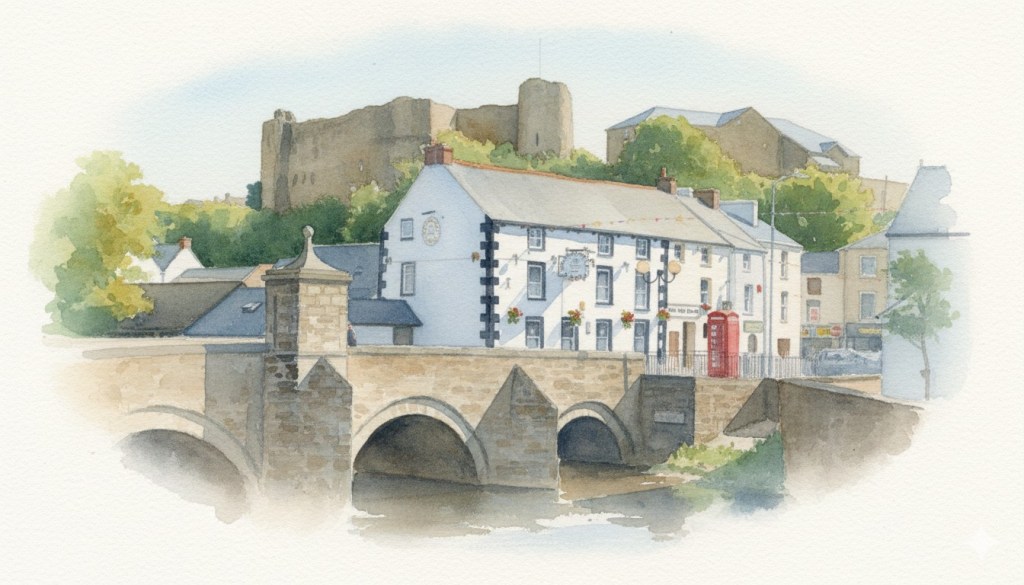
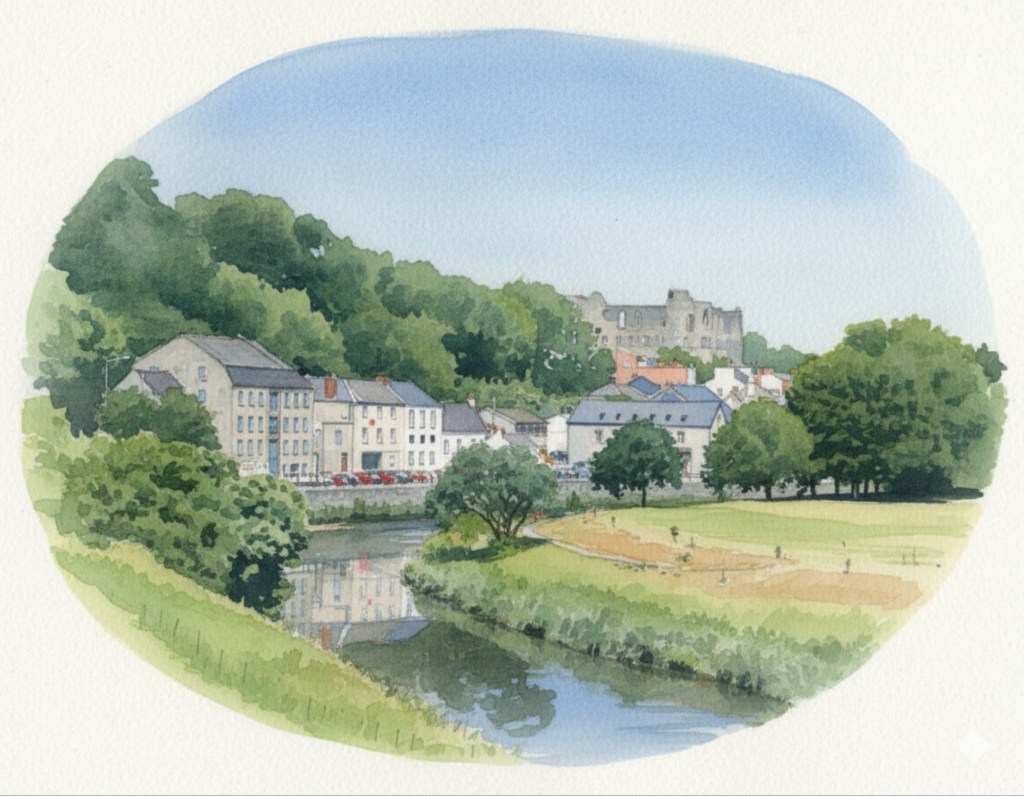
    Standing on the banks of the Teifi today, looking toward the old stone bridge and the quiet buildings, it is almost impossible to imagine the noise.

    Cardigan Quay and Bridge
    Cardigan Quay and Bridge. Taken a few years ago.

    Today, the loudest sound here is the clinking of coffee cups, the call of a seabird, or the gentle lapping of water against the stone walls. It is a scene of serene beauty – a postcard of Welsh tranquility.

    But if you could peel back the layers of time to 1840, this silence would be shattered.

    You would be deafened by the screech of saws cutting timber, the roar of lime kilns, the hammering of shipwrights, and the shouting of sailors in Welsh, English, French, and Norwegian. You would smell tar, raw wood, and coal dust.

    This wasn’t just a riverbank; it was an engine room. And at the heart of this engine stood a man whose life perfectly mirrored the fortunes of the town itself: Thomas Davies.

    The High Tide: The Merchant King of Bridge Street
    To understand Cardigan’s golden age, you have to look past the buildings and see the man who walked between them. Thomas Davies lived right here on Bridge Street, just steps from the water.

    In the mid-19th century, Cardigan was a titan. It was one of the grandest ports in Great Britain, a hub of international commerce that rivaled major cities. And Thomas Davies was its “Merchant King.” He was the master of Mercantile Quay. While other wharves handled local coal or passengers, Davies had his eyes on the horizon. He brought in massive shipments of timber from the Baltic and North America. He was a shipowner, a Lloyd’s agent, and eventually the Mayor.

    But he was more than a businessman; he was the town’s patriarch. It is said he trained over thirty young men in his counting house, mentoring a generation of merchants who would go on to find success in London and Cardiff.
    When the tide was high for Thomas Davies, the tide was high for Cardigan. The town was rich, busy, and confident.

    The Turning of the Tide
    But tides, by their very nature, must turn.
    The fall of Cardigan Quay wasn’t a sudden explosion; it was a slow, heartbreaking drift – much like the silt that began to choke the river mouth.

    Two forces conspired against the town and its Merchant King: geography and progress. The Teifi estuary began to silt up, making it dangerous for the larger, modern ships to dock. At the same time, the “Iron Horse” – the railway – was marching across Wales, threatening to render the old sailing ports obsolete.
    As the river slowed, so did the flow of money.

    The parallel between the town and the man is haunting. Just as the port began its irreversible decline, Thomas Davies’ empire crumbled. In 1872, the man who had built so much of the town’s prosperity was declared bankrupt.

    It was the end of an era. The bustle of the rope makers faded. The shipyards at Netpool fell silent. The great warehouses that held timber from the New World emptied out.

    The Serenity After the Storm
    History often calls this a “decline,” but looking at this photograph today, it feels more like a deep exhale.

    The industrial clamor has vanished, leaving behind the stunning stone skeletons of the past. The Granary and the warehouses on the southwest side still stand, but they no longer house the sweat of industry. Instead, they provide a backdrop for leisure and appreciation.
    Thomas Davies and the great ships are gone, but they left us a gift. They built the bones of a town that, stripped of its industrial grit, revealed itself to be one of the most beautiful spots in Wales.

    When you walk across the bridge today, spare a thought for the Merchant King of Bridge Street. His fortune may have fallen with the tide, but the beauty of the quay remains permanent.


    If you find my photography or my writing inspiring and uplifting, consider supporting what I do. Buy me a coffee on Ko-fi.
    Your support makes a difference in my life and helps me create more of what you, and I, like. Thank you!
    Tap here for a list of 100 endangered animals and plants.

    100 endangered plant and animal species

    * Abies beshanzuensis (Baishan fir) – Plant (Tree) – Baishanzu Mountain, Zhejiang, China – Three mature individuals

    * Actinote zikani – Insect (butterfly) – Near São Paulo, Atlantic forest, Brazil – Unknown numbers

    * Aipysurus foliosquama (Leaf scaled sea-snake) – Reptile – Ashmore Reef and Hibernia Reef, Timor Sea – Unknown numbers * Amanipodagrion gilliesi (Amani flatwing) – Insect (damselfly) – Amani-Sigi Forest, Usamabara Mountains, Tanzania – < 500 individuals * Antisolabis seychellensis – Insect – Morne Blanc, Mahé island, Seychelles – Unknown numbers * Antilophia bokermanni (Araripe manakin) – Bird – Chapado do Araripe, South Ceará, Brazil – 779 individuals * Aphanius transgrediens (Aci Göl toothcarp) – Fish – south-eastern shore of former Lake Aci, Turkey – Few hundred pairs * Aproteles bulmerae (Bulmer’s fruit bat) – Mammal – Luplupwintern Cave, Western Province, Papua New Guinea – 150 * Ardea insignis (White bellied heron) – Bird – Bhutan, North East India and Myanmar – 70–400 individuals * Ardeotis nigriceps (Great Indian bustard) – Bird – Rajasthan, Gujarat, Maharashtra, Andhra Pradesh, Karnataka and Madhya, India – 50–249 mature individuals * Astrochelys yniphora (Ploughshare tortoise) – Reptile – Baly Bay region, northwestern Madagascar – 440–770 * Atelopus balios (Rio Pescado stubfoot toad) – Amphibian – Azuay, Cañar and Guyas provinces, south-western Ecuador – Unknown numbers * Aythya innotata (Madagascar pochard) – Bird – volcanic lakes north of Bealanana, Madagascar – 80 mature individuals * Azurina eupalama (Galapagos damsel fish) – Fish – Unknown numbers – Unknown numbers * Bahaba taipingensis (Giant yellow croaker) – Fish – Chinese coast from Yangtze River, China to Hong Kong – Unknown numbers * Batagur baska (Common batagur) – Reptile (turtle) – Bangladesh, Cambodia, India, Indonesia and Malaysia – Unknown numbers * Bazzania bhutanica – Plant – Budini and Lafeti Khola, Bhutan – 2 sub-populations * Beatragus hunteri (Hirola) – Mammal (antelope) – South-east Kenya and possibly south-west Somalia – < 1,000 individuals * Bombus franklini (Franklin’s bumblebee) – Insect (bee) – Oregon and California – Unknown numbers * Brachyteles hypoxanthus (Northern muriqui / Woolly spider monkey) – Mammal (primate) – Atlantic forest, south-eastern Brazil – < 1,000 * Bradypus pygmaeus (Pygmy three-toed sloth) – Mammal – Isla Escudo de Veraguas, Panama – < 500 * Callitriche pulchra – Plant (freshwater) – pool on Gavdos, Greece – Unknown numbers * Calumma tarzan (Tarzan’s chameleon) – Reptile – Anosibe An’Ala region, eastern Madagascar – < 100 * Cavia intermedia (Santa Catarina’s guinea pig) – Mammal (rodent) – Moleques do Sul Island, Santa Catarina, Brazil – 40–60 * Cercopithecus roloway (Roloway guenon) – Mammal (primate) – Côte d’Ivoire – Unknown numbers * Coleura seychellensis (Seychelles sheath-tailed bat) – Mammal (bat) – Two small caves on Silhouette and Mahé, Seychelles – < 100 * Cryptomyces maximus (Willow blister) – Fungi – Pembrokeshire, United Kingdom – Unknown numbers * Cryptotis nelsoni (Nelson’s small-eared shrew) – Mammal (shrew) – Volcán San Martín Tuxtla, Veracruz, Mexico – Unknown numbers * Cyclura collei (Jamaican iguana / Jamaican rock iguana) – Reptile – Hellshire Hills, Jamaica – Unknown numbers * Daubentonia madagascariensis (Aye-aye) – Mammal (primate) – Deciduous forest, East Madagascar – Unknown numbers * Dendrophylax fawcettii (Cayman Islands ghost orchid) – Plant (orchid) – Ironwood Forest, George Town, Grand Cayman – Unknown numbers * Dicerorhinus sumatrensis (Sumatran rhino) – Mammal (rhino) – Sabah, Sarawak and Peninsular Malaysia, Kalimantan and Sumatra, Indonesia – < 100 (more recent estimates suggest 34-47) * Diomedea amsterdamensis (Amsterdam albatross) – Bird – Breeds on Plateuau des Tourbières, Amsterdam Island, Indian Ocean. – 100 mature individuals * Dioscorea strydomiana (Wild yam) – Plant – Oshoek area, Mpumalanga, South Africa – 200 * Diospyros katendei – Plant (tree) – Kasyoha-Kitomi Forest Reserve, Uganda – 20 individuals in a single population * Dipterocarpus lamellatus – Plant (tree) – Siangau Forest Reserve, Sabah, Malaysia – 12 individuals * Discoglossus nigriventer (Hula painted frog) – Amphibian – Hula Valley, Israel – Unknown numbers * Dombeya mauritiana – Plant – Mauritius – Unknown numbers * Elaeocarpus bojeri (Bois Dentelle) – Plant (tree) – Grand Bassin, Mauritius – < 10 individuals * Eleutherodactylus glandulifer (La Hotte glanded frog) – Amphibian – Massif de la Hotte, Haiti – Unknown numbers * Eleutherodactylus thorectes (Macaya breast-spot frog) – Amphibian – Formon and Macaya peaks, Masif de la Hotte, Haiti – Unknown numbers * Eriosyce chilensis (Chilenito (cactus)) – Plant – Pta Molles and Pichidungui, Chile – < 500 individuals * Erythrina schliebenii (Coral tree) – Plant – Namatimbili-Ngarama Forest, Tanzania – < 50 individuals * Euphorbia tanaensis – Plant (tree) – Witu Forest Reserve, Kenya – 4 mature individuals * Eurynorhyncus pygmeus (Spoon-billed sandpiper) – Bird – Breeds in Russia, migrates along the East Asian-Australasian Flyway to wintering grounds in India, Bangladesh and Myanmar – 100 breeding pairs * Ficus katendei – Plant – Kasyoha-Kitomi Forest Reserve, Ishasha River, Uganda – < 50 mature individuals * Geronticus eremita (Northern bald ibis) – Bird – Breeds in Morocco, Turkey and Syria. Syrian population winters in central Ethiopia. – About 3000 individuals * Gigasiphon macrosiphon – Plant (flower) – Kaya Muhaka, Gongoni and Mrima Forest Reserves, Kenya, Amani Nature Reserve, West Kilombero Scarp Forest Reserve, and Kihansi Gorge, Tanzania – 33 * Gocea ohridana – Mollusc – Lake Ohrid, Macedonia – Unknown numbers * Heleophryne rosei (Table mountain ghost frog) – Amphibian – Table Mountain, Western Cape Province, South Africa – Unknown numbers * Hemicycla paeteliana – Mollusc (land snail) – Jandia peninsula, Fuerteventura, Canary Islands – Unknown numbers * Heteromirafa sidamoensis (Liben lark) – Bird – Liben Plains, southern Ethiopia – 90–256 * Hibiscadelphus woodii – Plant (tree) – Kalalau Valley, Hawaii – Unknown numbers * Hucho perryi (Sakhalin taimen) – Fish – Russian and Japanese rivers, Pacific Ocean between Russia and Japan – Unknown numbers * Johora singaporensis (Singapore freshwater crab) – Crustacean – Bukit Timah Nature Reserve and streamlet near Bukit Batok, Singapore – Unknown numbers * Lathyrus belinensis (Belin vetchling) – Plant – Outskirts of Belin village, Antalya, Turkey – < 1,000 * Leiopelma archeyi (Archey’s frog) – Amphibian – Coromandel peninsula and Whareorino Forest, New Zealand – Unknown numbers * Lithobates sevosus (Dusky gopher frog) – Amphibian – Harrison County, Mississippi, USA – 60–100 * Lophura edwardsi (Edwards’s pheasant) – Bird – Quang Binh, Quang Tri and Thua Thien-Hue, Viet Nam – Unknown numbers * Magnolia wolfii – Plant (tree) – Risaralda, Colombia – 3 * Margaritifera marocana – Mollusc – Oued Denna, Oued Abid and Oued Beth, Morocco – < 250 * Moominia willii – Mollusc (snail) – Silhouette Island, Seychelles – < 500 * Natalus primus (Cuban greater funnel eared bat) – Mammal (bat) – Cueva La Barca, Isle of Pines, Cuba – < 100 * Nepenthes attenboroughii (Attenborough’s pitcher plant) – Plant – Mount Victoria, Palawan, Philippines – Unknown numbers * Nomascus hainanus (Hainan black crested gibbon) – Mammal (primate) – Hainan Island, China – 20 * Neurergus kaiseri (Luristan newt) – Amphibian – Zagros Mountains, Lorestan, Iran – < 1,000 * Oreocnemis phoenix (Mulanje red damsel) – Insect (damselfly) – Mulanje Plateau, Malawi – Unknown numbers * Pangasius sanitwongsei (Pangasid catfish) – Fish – Chao Phraya and Mekong basins in Cambodia, China, Lao PDR, Thailand and Viet Nam – Unknown numbers * Parides burchellanus – Insect (butterfly) – Cerrado, Brazil – < 100 * Phocoena sinus (Vaquita) – Mammal (porpoise) – Northern Gulf of California, Mexico – 12 * Picea neoveitchii (Type of spruce tree) – Plant (tree) – Qinling Range, China – Unknown numbers * Pinus squamata (Qiaojia pine) – Plant (tree) – Qiaojia, Yunnan, China – < 25 * Poecilotheria metallica (Gooty tarantula / Metallic tarantula / Peacock tarantula / Salepurgu) – Spider – Nandyal and Giddalur, Andhra Pradesh, India – Unknown numbers * Pomarea whitneyi (Fatuhiva monarch) – Bird – Fatu Hiva, Marquesas Islands, French Polynesia – 50 * Pristis pristis (Common sawfish) – Fish – Coastal tropical and subtropical waters of Indo-Pacific and Atlantic Oceans. Currently largely restricted to northern Australia – Unknown numbers * Hapalemur simus (Greater bamboo lemur) – Mammal (primate) – Southeastern and southcentral rainforests of Madagascar – 500 * Propithecus candidus (Silky sifaka) – Mammal (primate) – Maroantsetra to Andapa basin, and Marojeju Massif, Madagascar – 100–1,000 * Psammobates geometricus (Geometric tortoise) – Reptile – Western Cape Province, South Africa – Unknown numbers * Pseudoryx nghetinhensis (Saola) – Mammal – Annamite mountains, on the Viet Nam – PDR Laos border – Unknown numbers * Psiadia cataractae – Plant – Mauritius – Unknown numbers * Psorodonotus ebneri (Beydaglari bush-cricket) – Insect – Beydaglari range, Antalaya, Turkey – Unknown numbers * Rafetus swinhoei (Red River giant softshell turtle) – Reptile – Hoan Kiem Lake and Dong Mo Lake, Viet Nam, and Suzhou Zoo, China – 3 * Rhinoceros sondaicus (Javan rhino) – Mammal (rhino) – Ujung Kulon National Park, Java, Indonesia – < 100 * Rhinopithecus avunculus (Tonkin snub-nosed monkey) – Mammal (primate) – Northeastern Vietnam – < 200 * Rhizanthella gardneri (West Australian underground orchid) – Plant (orchid) – Western Australia, Australia – < 100 * Rhynchocyon spp. (Boni giant sengi) – Mammal – Boni-Dodori Forest, Lamu area, Kenya – Unknown numbers * Risiocnemis seidenschwarzi (Cebu frill-wing) – Insect (damselfly) – Rivulet beside the Kawasan River, Cebu, Philippines – Unknown numbers * Rosa arabica – Plant – St Katherine Mountains, Egypt – Unknown numbers, 10 sub-populations * Salanoia durrelli (Durrell’s vontsira) – Mammal (mongoose) – Marshes of Lake Alaotra, Madagascar – Unknown numbers * Santamartamys rufodorsalis (Red crested tree rat) – Mammal (rodent) – Sierra Nevada de Santa Marta, Colombia – Unknown numbers * Scaturiginichthys vermeilipinnis (Red-finned blue-eye) – Fish – Edgbaston Station, central western Queensland, Australia – 2,000–4,000 * Squatina squatina (Angel shark) – Fish – Canary Islands – Unknown numbers * Sterna bernsteini (Chinese crested tern) – Bird – Breeding in Zhejiang and Fujian, China. Outside breeding season in Indonesia, Malaysia, Philippines, Taiwan, Thailand. – < 50 * Syngnathus watermeyeri (Estuarine pipefish) – Fish – Kariega Estuary to East Kleinemonde Estuary, Eastern Cape Province, South Africa – Unknown numbers * Tahina spectabilis (Suicide palm / Dimaka) – Plant – Analalava district, north-western Madagascar – 90 * Telmatobufo bullocki (Bullock’s false toad) – Amphibian (frog) – Nahuelbuta, Arauco Province, Chile – Unknown numbers * Tokudaia muenninki (Okinawa spiny rat) – Mammal (rodent) – Okinawa Island, Japan – Unknown numbers * Trigonostigma somphongsi (Somphongs’s rasbora) – Fish – Mae Khlong basin, Thailand – Unknown numbers * Valencia letourneuxi – Fish – Southern Albania and Western Greece – Unknown numbers * Voanioala gerardii (Forest coconut) – Plant – Masoala peninsula, Madagascar – < 10 * Zaglossus attenboroughi (Attenborough’s echidna) – Mammal – Cyclops Mountains, Papua Province, Indonesia – Unknown numbers

    Tap to view my redbubble gallery.
  • THE SECRET HISTORY WALKING TOUR OF HAVERFORDWEST

    THE SECRET HISTORY WALKING TOUR OF HAVERFORDWEST

    A journey through Little Flanders
    This circular walk (approximately 2 miles) takes you through the hidden Flemish heart of Haverfordwest, from medieval violence to Tudor ambition. Wear comfortable shoes — the town is built on hills — and prepare for a different kind of history lesson.


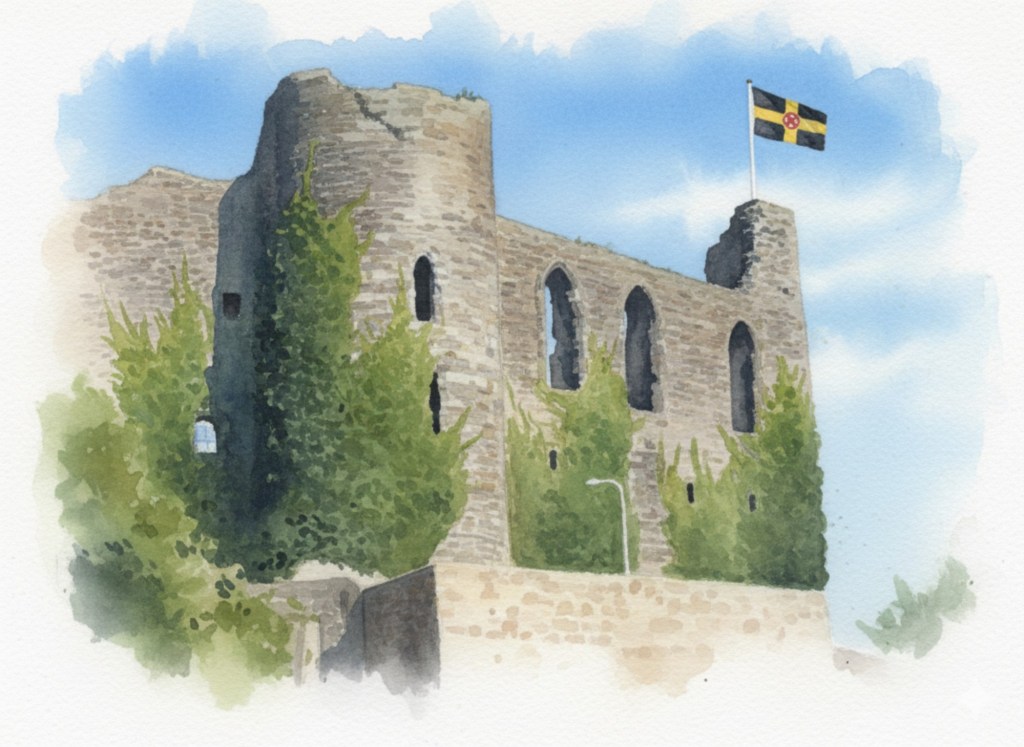
    Haverfordwest castle
    Historic ruins of Haverfordwest Castle

    STOP 1: THE CASTLE RUINS
    Stand at the base of the castle ruins and look out over the town. This is where it all began — but not with the Welsh, and not quite with the Normans.

    THE FLEMISH SECRET
    In the 12th century, Henry I didn’t trust English or Norman lords to hold this strategic position. Instead, he planted Flemish settlers here — refugees and mercenaries from what is now Belgium. The castle’s first “Lord” wasn’t a baron in fancy armour but Tancred the Fleming, a hard man for a hard border.

    For centuries, Haverfordwest was a linguistic island. Walk north five miles and you’d hear Welsh. Walk through the town gates and you’d hear a unique dialect — English, yes, but thick with Flemish words and rhythms. This was Little Flanders, not Little England.

    Look for the remains of the castle’s twin-towered gatehouse. Imagine Flemish merchants, not Welsh princes, walking beneath it.


    Scenic view of Haverfordwest, a Welsh town
    Harfordwest. Scenic view of the Welsh town

    STOP 2: FRIARS LANE & THE BLACK FRIARS SITE
    From the castle, walk down Castle Square toward High Street, then turn left down Bridge Street. Look for Friars Lane on your right.

    This narrow lane once led to the Black Friars monastery, dissolved by Henry VIII in 1538. But what archaeologists found here was far from peaceful.

    THE CRIME SCENE
    Over 300 skeletons were excavated from this site. Many showed signs of severe head trauma — not from battle, but from tavern brawls, street fights, and “urban violence.” Medieval Haverfordwest was a frontier boomtown, and it seems the monks buried more than just their brothers.

    THE HOLE IN THE WALL
    Local legend speaks of a literal hole in the monastery wall where friars would pass bread and ale to the poor — a medieval soup kitchen. Today, the pubs of Haverfordwest continue that tradition in spirit, if not in charity.

    Modern landmark: Look for the “Friars Vaults” or any old stonework that hints at monastic foundations.


    St Martin Street Haverfordwest Pembrokeshire
    St Martin Street Haverfordwest Pembrokeshire with the castle in the background

    STOP 3: THE OLD BRIDGE (ST MARTIN’S BRIDGE)
    Continue down Bridge Street to the river. Cross via the newer bridge, then walk downstream to view the Old Bridge from the riverside path.

    This unassuming stone bridge is where a dynasty was born.

    THE TUDOR MARCH
    On August 7, 1485, Henry Tudor landed at Mill Bay with a ragtag army of French mercenaries and Welsh supporters. He needed to reach England fast, before Richard III could crush him. His route? Straight through Haverfordwest and across this ford.

    The bridge you see today dates from 1726, but it sits on the exact crossing point where Henry VII — grandfather of Elizabeth I, founder of the Tudor line — marched toward Bosworth Field and the throne of England. Every British monarch since has descended from the man who crossed this river.

    Pause here. You’re standing where history changed.


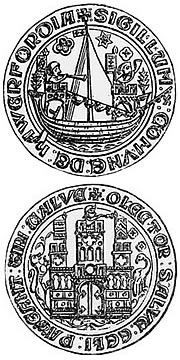
    Haverfordwest borough town seal

    STOP 4: THE GUILDHALL / TOWN HALL
    Retrace your steps back up Bridge Street toward High Street. The Guildhall is near the town centre.

    Most towns have modest seals — a lion, maybe a ship. Haverfordwest went absolutely wild.

    THE BONKERS TOWN SEAL
    Carved into civic memory is one of the most chaotic heraldic designs in Wales: A ship with mariners blowing trumpets
    A castle with a man on the tower also blowing trumpets
    A wyvern (two-legged dragon)
    A lion
    An eagle
    And a Latin inscription that translates roughly to: “O reader, hail! May the gates of Heaven stand open for thee.”

    It’s part warning, part boast, part prayer. This was a town that needed to announce itself loudly — because it was surrounded by people who spoke a different language and followed different lords.

    If the Guildhall is open, ask to see the seal or historical displays inside.


    STOP 5: THE “HAUNTED” HOUSE MYSTERY
    Exact location withheld — but it’s a normal-looking terraced house somewhere in the residential streets off High Street.

    Haverfordwest’s ghosts aren’t confined to the castle. In the late 1980s and early 1990s, a local family documented their experiences in a book titled The Haunting of Haverfordwest — accounts of “shadow men,” unexplained phenomena, and genuine terror in a modern home.

    Why this matters: In a town this old, where Flemish merchants haggled, monks buried brawlers, and a future king crossed the river in secret, the past doesn’t always stay buried. History has layers here, and sometimes those layers bleed through.

    The tour rule: We don’t point out the house. If you live somewhere this old, you learn to live with its ghosts.


    TOUR END
    Return to Castle Square. You’ve circled the heart of Haverfordwest — Flemish capital, Tudor crossroads, frontier boomtown, and haunted survivor. Finish at one of the pubs near the castle — they’re continuing a 900-year-old tradition.

    FINAL THOUGHT
    Most tourists rush through on their way to the beaches. But Haverfordwest isn’t a stop — it’s a story. And now you know the version they don’t put in the guidebooks.


    If you find my photography or my writing inspiring and uplifting, consider supporting what I do. Buy me a coffee on Ko-fi.
    Your support makes a difference in my life and helps me create more of what you, and I, like. Thank you!
    Tap here for a list of 100 endangered animals and plants.

    100 endangered plant and animal species

    * Abies beshanzuensis (Baishan fir) – Plant (Tree) – Baishanzu Mountain, Zhejiang, China – Three mature individuals

    * Actinote zikani – Insect (butterfly) – Near São Paulo, Atlantic forest, Brazil – Unknown numbers

    * Aipysurus foliosquama (Leaf scaled sea-snake) – Reptile – Ashmore Reef and Hibernia Reef, Timor Sea – Unknown numbers * Amanipodagrion gilliesi (Amani flatwing) – Insect (damselfly) – Amani-Sigi Forest, Usamabara Mountains, Tanzania – < 500 individuals * Antisolabis seychellensis – Insect – Morne Blanc, Mahé island, Seychelles – Unknown numbers * Antilophia bokermanni (Araripe manakin) – Bird – Chapado do Araripe, South Ceará, Brazil – 779 individuals * Aphanius transgrediens (Aci Göl toothcarp) – Fish – south-eastern shore of former Lake Aci, Turkey – Few hundred pairs * Aproteles bulmerae (Bulmer’s fruit bat) – Mammal – Luplupwintern Cave, Western Province, Papua New Guinea – 150 * Ardea insignis (White bellied heron) – Bird – Bhutan, North East India and Myanmar – 70–400 individuals * Ardeotis nigriceps (Great Indian bustard) – Bird – Rajasthan, Gujarat, Maharashtra, Andhra Pradesh, Karnataka and Madhya, India – 50–249 mature individuals * Astrochelys yniphora (Ploughshare tortoise) – Reptile – Baly Bay region, northwestern Madagascar – 440–770 * Atelopus balios (Rio Pescado stubfoot toad) – Amphibian – Azuay, Cañar and Guyas provinces, south-western Ecuador – Unknown numbers * Aythya innotata (Madagascar pochard) – Bird – volcanic lakes north of Bealanana, Madagascar – 80 mature individuals * Azurina eupalama (Galapagos damsel fish) – Fish – Unknown numbers – Unknown numbers * Bahaba taipingensis (Giant yellow croaker) – Fish – Chinese coast from Yangtze River, China to Hong Kong – Unknown numbers * Batagur baska (Common batagur) – Reptile (turtle) – Bangladesh, Cambodia, India, Indonesia and Malaysia – Unknown numbers * Bazzania bhutanica – Plant – Budini and Lafeti Khola, Bhutan – 2 sub-populations * Beatragus hunteri (Hirola) – Mammal (antelope) – South-east Kenya and possibly south-west Somalia – < 1,000 individuals * Bombus franklini (Franklin’s bumblebee) – Insect (bee) – Oregon and California – Unknown numbers * Brachyteles hypoxanthus (Northern muriqui / Woolly spider monkey) – Mammal (primate) – Atlantic forest, south-eastern Brazil – < 1,000 * Bradypus pygmaeus (Pygmy three-toed sloth) – Mammal – Isla Escudo de Veraguas, Panama – < 500 * Callitriche pulchra – Plant (freshwater) – pool on Gavdos, Greece – Unknown numbers * Calumma tarzan (Tarzan’s chameleon) – Reptile – Anosibe An’Ala region, eastern Madagascar – < 100 * Cavia intermedia (Santa Catarina’s guinea pig) – Mammal (rodent) – Moleques do Sul Island, Santa Catarina, Brazil – 40–60 * Cercopithecus roloway (Roloway guenon) – Mammal (primate) – Côte d’Ivoire – Unknown numbers * Coleura seychellensis (Seychelles sheath-tailed bat) – Mammal (bat) – Two small caves on Silhouette and Mahé, Seychelles – < 100 * Cryptomyces maximus (Willow blister) – Fungi – Pembrokeshire, United Kingdom – Unknown numbers * Cryptotis nelsoni (Nelson’s small-eared shrew) – Mammal (shrew) – Volcán San Martín Tuxtla, Veracruz, Mexico – Unknown numbers * Cyclura collei (Jamaican iguana / Jamaican rock iguana) – Reptile – Hellshire Hills, Jamaica – Unknown numbers * Daubentonia madagascariensis (Aye-aye) – Mammal (primate) – Deciduous forest, East Madagascar – Unknown numbers * Dendrophylax fawcettii (Cayman Islands ghost orchid) – Plant (orchid) – Ironwood Forest, George Town, Grand Cayman – Unknown numbers * Dicerorhinus sumatrensis (Sumatran rhino) – Mammal (rhino) – Sabah, Sarawak and Peninsular Malaysia, Kalimantan and Sumatra, Indonesia – < 100 (more recent estimates suggest 34-47) * Diomedea amsterdamensis (Amsterdam albatross) – Bird – Breeds on Plateuau des Tourbières, Amsterdam Island, Indian Ocean. – 100 mature individuals * Dioscorea strydomiana (Wild yam) – Plant – Oshoek area, Mpumalanga, South Africa – 200 * Diospyros katendei – Plant (tree) – Kasyoha-Kitomi Forest Reserve, Uganda – 20 individuals in a single population * Dipterocarpus lamellatus – Plant (tree) – Siangau Forest Reserve, Sabah, Malaysia – 12 individuals * Discoglossus nigriventer (Hula painted frog) – Amphibian – Hula Valley, Israel – Unknown numbers * Dombeya mauritiana – Plant – Mauritius – Unknown numbers * Elaeocarpus bojeri (Bois Dentelle) – Plant (tree) – Grand Bassin, Mauritius – < 10 individuals * Eleutherodactylus glandulifer (La Hotte glanded frog) – Amphibian – Massif de la Hotte, Haiti – Unknown numbers * Eleutherodactylus thorectes (Macaya breast-spot frog) – Amphibian – Formon and Macaya peaks, Masif de la Hotte, Haiti – Unknown numbers * Eriosyce chilensis (Chilenito (cactus)) – Plant – Pta Molles and Pichidungui, Chile – < 500 individuals * Erythrina schliebenii (Coral tree) – Plant – Namatimbili-Ngarama Forest, Tanzania – < 50 individuals * Euphorbia tanaensis – Plant (tree) – Witu Forest Reserve, Kenya – 4 mature individuals * Eurynorhyncus pygmeus (Spoon-billed sandpiper) – Bird – Breeds in Russia, migrates along the East Asian-Australasian Flyway to wintering grounds in India, Bangladesh and Myanmar – 100 breeding pairs * Ficus katendei – Plant – Kasyoha-Kitomi Forest Reserve, Ishasha River, Uganda – < 50 mature individuals * Geronticus eremita (Northern bald ibis) – Bird – Breeds in Morocco, Turkey and Syria. Syrian population winters in central Ethiopia. – About 3000 individuals * Gigasiphon macrosiphon – Plant (flower) – Kaya Muhaka, Gongoni and Mrima Forest Reserves, Kenya, Amani Nature Reserve, West Kilombero Scarp Forest Reserve, and Kihansi Gorge, Tanzania – 33 * Gocea ohridana – Mollusc – Lake Ohrid, Macedonia – Unknown numbers * Heleophryne rosei (Table mountain ghost frog) – Amphibian – Table Mountain, Western Cape Province, South Africa – Unknown numbers * Hemicycla paeteliana – Mollusc (land snail) – Jandia peninsula, Fuerteventura, Canary Islands – Unknown numbers * Heteromirafa sidamoensis (Liben lark) – Bird – Liben Plains, southern Ethiopia – 90–256 * Hibiscadelphus woodii – Plant (tree) – Kalalau Valley, Hawaii – Unknown numbers * Hucho perryi (Sakhalin taimen) – Fish – Russian and Japanese rivers, Pacific Ocean between Russia and Japan – Unknown numbers * Johora singaporensis (Singapore freshwater crab) – Crustacean – Bukit Timah Nature Reserve and streamlet near Bukit Batok, Singapore – Unknown numbers * Lathyrus belinensis (Belin vetchling) – Plant – Outskirts of Belin village, Antalya, Turkey – < 1,000 * Leiopelma archeyi (Archey’s frog) – Amphibian – Coromandel peninsula and Whareorino Forest, New Zealand – Unknown numbers * Lithobates sevosus (Dusky gopher frog) – Amphibian – Harrison County, Mississippi, USA – 60–100 * Lophura edwardsi (Edwards’s pheasant) – Bird – Quang Binh, Quang Tri and Thua Thien-Hue, Viet Nam – Unknown numbers * Magnolia wolfii – Plant (tree) – Risaralda, Colombia – 3 * Margaritifera marocana – Mollusc – Oued Denna, Oued Abid and Oued Beth, Morocco – < 250 * Moominia willii – Mollusc (snail) – Silhouette Island, Seychelles – < 500 * Natalus primus (Cuban greater funnel eared bat) – Mammal (bat) – Cueva La Barca, Isle of Pines, Cuba – < 100 * Nepenthes attenboroughii (Attenborough’s pitcher plant) – Plant – Mount Victoria, Palawan, Philippines – Unknown numbers * Nomascus hainanus (Hainan black crested gibbon) – Mammal (primate) – Hainan Island, China – 20 * Neurergus kaiseri (Luristan newt) – Amphibian – Zagros Mountains, Lorestan, Iran – < 1,000 * Oreocnemis phoenix (Mulanje red damsel) – Insect (damselfly) – Mulanje Plateau, Malawi – Unknown numbers * Pangasius sanitwongsei (Pangasid catfish) – Fish – Chao Phraya and Mekong basins in Cambodia, China, Lao PDR, Thailand and Viet Nam – Unknown numbers * Parides burchellanus – Insect (butterfly) – Cerrado, Brazil – < 100 * Phocoena sinus (Vaquita) – Mammal (porpoise) – Northern Gulf of California, Mexico – 12 * Picea neoveitchii (Type of spruce tree) – Plant (tree) – Qinling Range, China – Unknown numbers * Pinus squamata (Qiaojia pine) – Plant (tree) – Qiaojia, Yunnan, China – < 25 * Poecilotheria metallica (Gooty tarantula / Metallic tarantula / Peacock tarantula / Salepurgu) – Spider – Nandyal and Giddalur, Andhra Pradesh, India – Unknown numbers * Pomarea whitneyi (Fatuhiva monarch) – Bird – Fatu Hiva, Marquesas Islands, French Polynesia – 50 * Pristis pristis (Common sawfish) – Fish – Coastal tropical and subtropical waters of Indo-Pacific and Atlantic Oceans. Currently largely restricted to northern Australia – Unknown numbers * Hapalemur simus (Greater bamboo lemur) – Mammal (primate) – Southeastern and southcentral rainforests of Madagascar – 500 * Propithecus candidus (Silky sifaka) – Mammal (primate) – Maroantsetra to Andapa basin, and Marojeju Massif, Madagascar – 100–1,000 * Psammobates geometricus (Geometric tortoise) – Reptile – Western Cape Province, South Africa – Unknown numbers * Pseudoryx nghetinhensis (Saola) – Mammal – Annamite mountains, on the Viet Nam – PDR Laos border – Unknown numbers * Psiadia cataractae – Plant – Mauritius – Unknown numbers * Psorodonotus ebneri (Beydaglari bush-cricket) – Insect – Beydaglari range, Antalaya, Turkey – Unknown numbers * Rafetus swinhoei (Red River giant softshell turtle) – Reptile – Hoan Kiem Lake and Dong Mo Lake, Viet Nam, and Suzhou Zoo, China – 3 * Rhinoceros sondaicus (Javan rhino) – Mammal (rhino) – Ujung Kulon National Park, Java, Indonesia – < 100 * Rhinopithecus avunculus (Tonkin snub-nosed monkey) – Mammal (primate) – Northeastern Vietnam – < 200 * Rhizanthella gardneri (West Australian underground orchid) – Plant (orchid) – Western Australia, Australia – < 100 * Rhynchocyon spp. (Boni giant sengi) – Mammal – Boni-Dodori Forest, Lamu area, Kenya – Unknown numbers * Risiocnemis seidenschwarzi (Cebu frill-wing) – Insect (damselfly) – Rivulet beside the Kawasan River, Cebu, Philippines – Unknown numbers * Rosa arabica – Plant – St Katherine Mountains, Egypt – Unknown numbers, 10 sub-populations * Salanoia durrelli (Durrell’s vontsira) – Mammal (mongoose) – Marshes of Lake Alaotra, Madagascar – Unknown numbers * Santamartamys rufodorsalis (Red crested tree rat) – Mammal (rodent) – Sierra Nevada de Santa Marta, Colombia – Unknown numbers * Scaturiginichthys vermeilipinnis (Red-finned blue-eye) – Fish – Edgbaston Station, central western Queensland, Australia – 2,000–4,000 * Squatina squatina (Angel shark) – Fish – Canary Islands – Unknown numbers * Sterna bernsteini (Chinese crested tern) – Bird – Breeding in Zhejiang and Fujian, China. Outside breeding season in Indonesia, Malaysia, Philippines, Taiwan, Thailand. – < 50 * Syngnathus watermeyeri (Estuarine pipefish) – Fish – Kariega Estuary to East Kleinemonde Estuary, Eastern Cape Province, South Africa – Unknown numbers * Tahina spectabilis (Suicide palm / Dimaka) – Plant – Analalava district, north-western Madagascar – 90 * Telmatobufo bullocki (Bullock’s false toad) – Amphibian (frog) – Nahuelbuta, Arauco Province, Chile – Unknown numbers * Tokudaia muenninki (Okinawa spiny rat) – Mammal (rodent) – Okinawa Island, Japan – Unknown numbers * Trigonostigma somphongsi (Somphongs’s rasbora) – Fish – Mae Khlong basin, Thailand – Unknown numbers * Valencia letourneuxi – Fish – Southern Albania and Western Greece – Unknown numbers * Voanioala gerardii (Forest coconut) – Plant – Masoala peninsula, Madagascar – < 10 * Zaglossus attenboroughi (Attenborough’s echidna) – Mammal – Cyclops Mountains, Papua Province, Indonesia – Unknown numbers

    Tap to view my redbubble gallery.
  • The Eternal City in Black & White

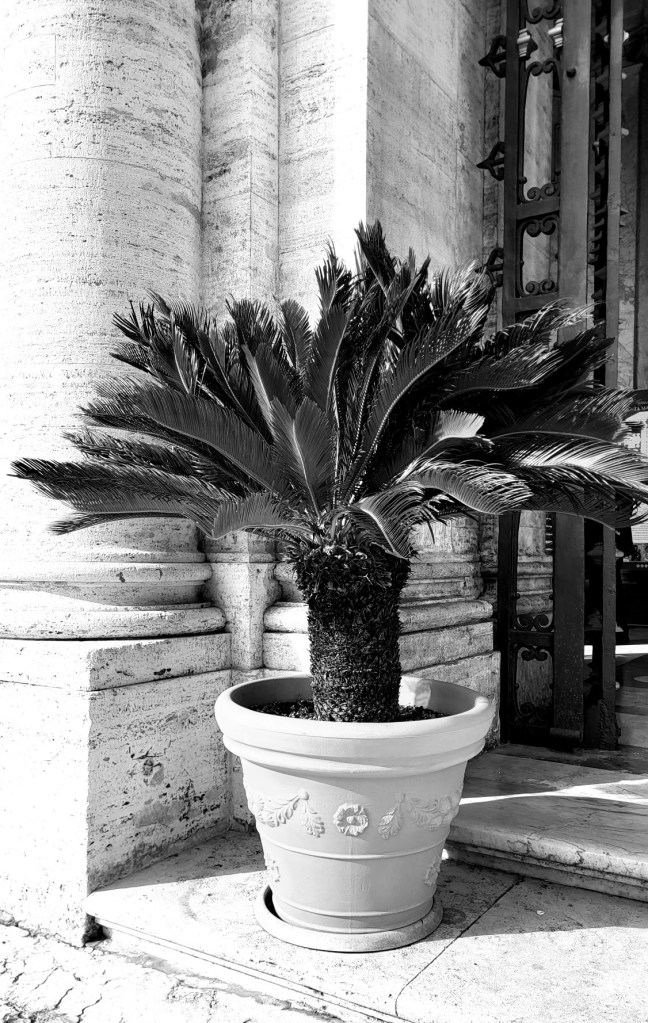
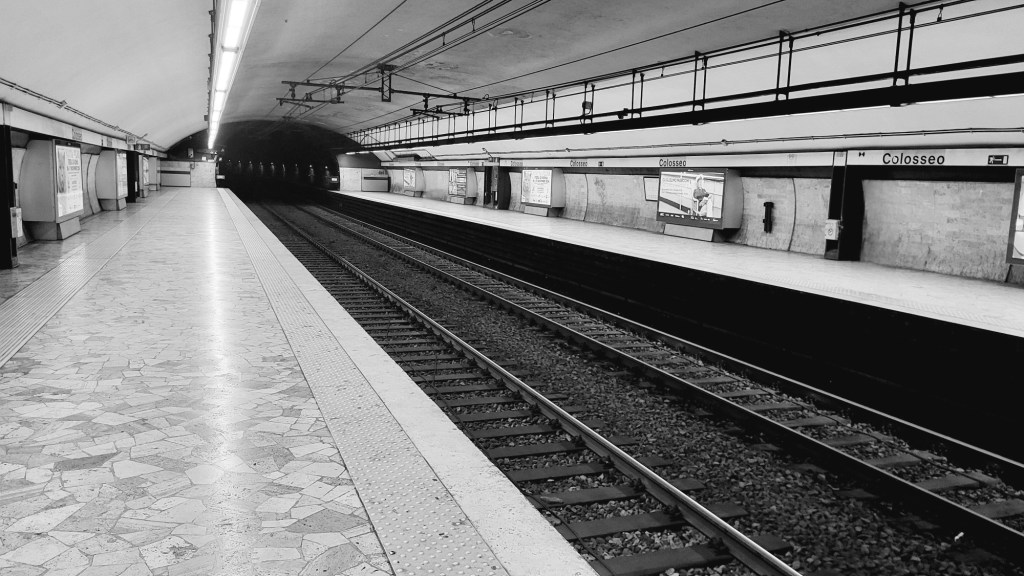
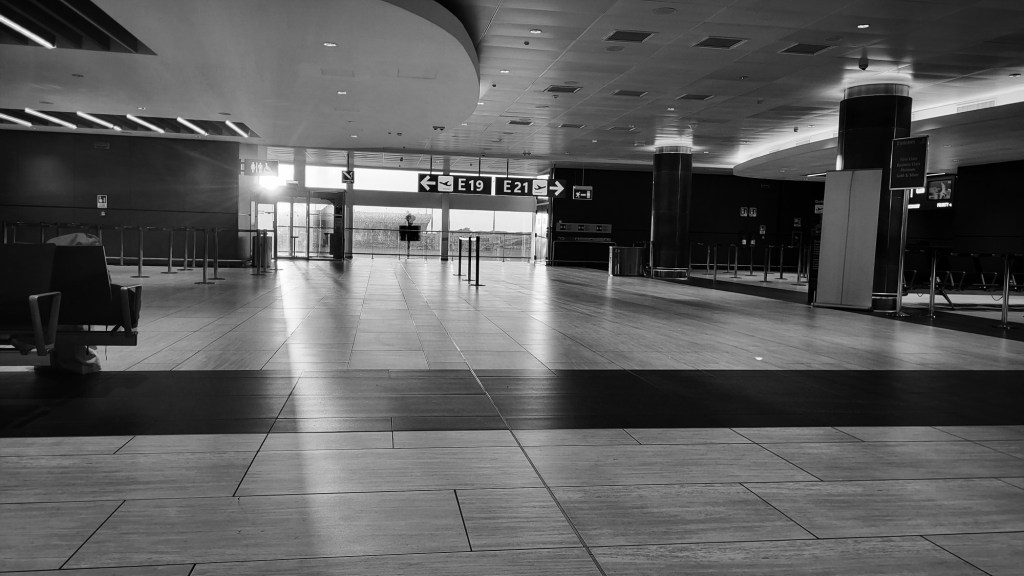
    The Eternal City in Black & White

    Why Rome Captured My Soul.

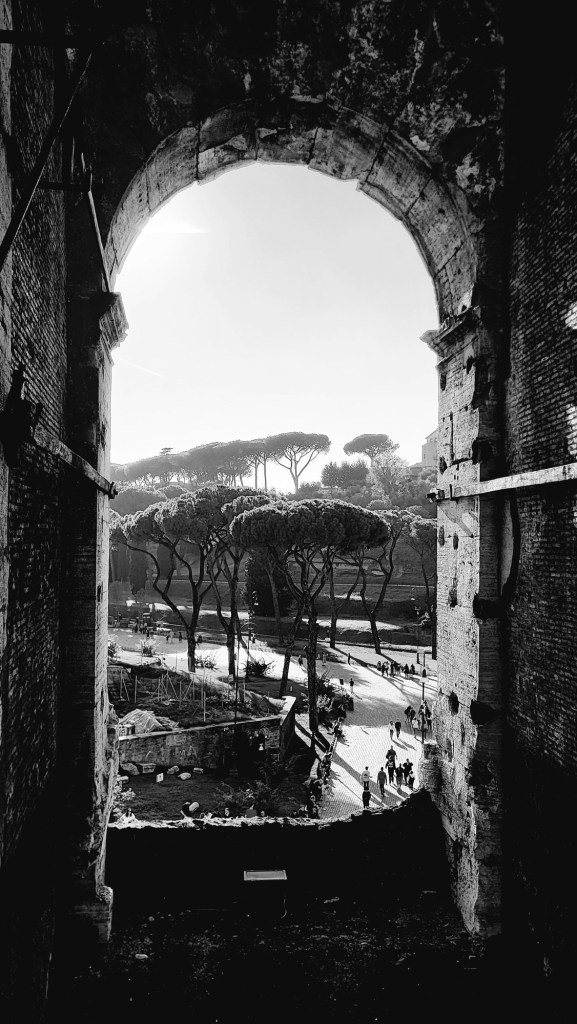
    There are cities you visit, and then there is Rome. To walk its ancient streets is to step into a time machine, where 2,000 years of history isn’t tucked away in museums—it simply is.

    And yet, it’s not the sheer age that makes Rome so wonderful; it’s the seamless blend of the monumental and the mundane.
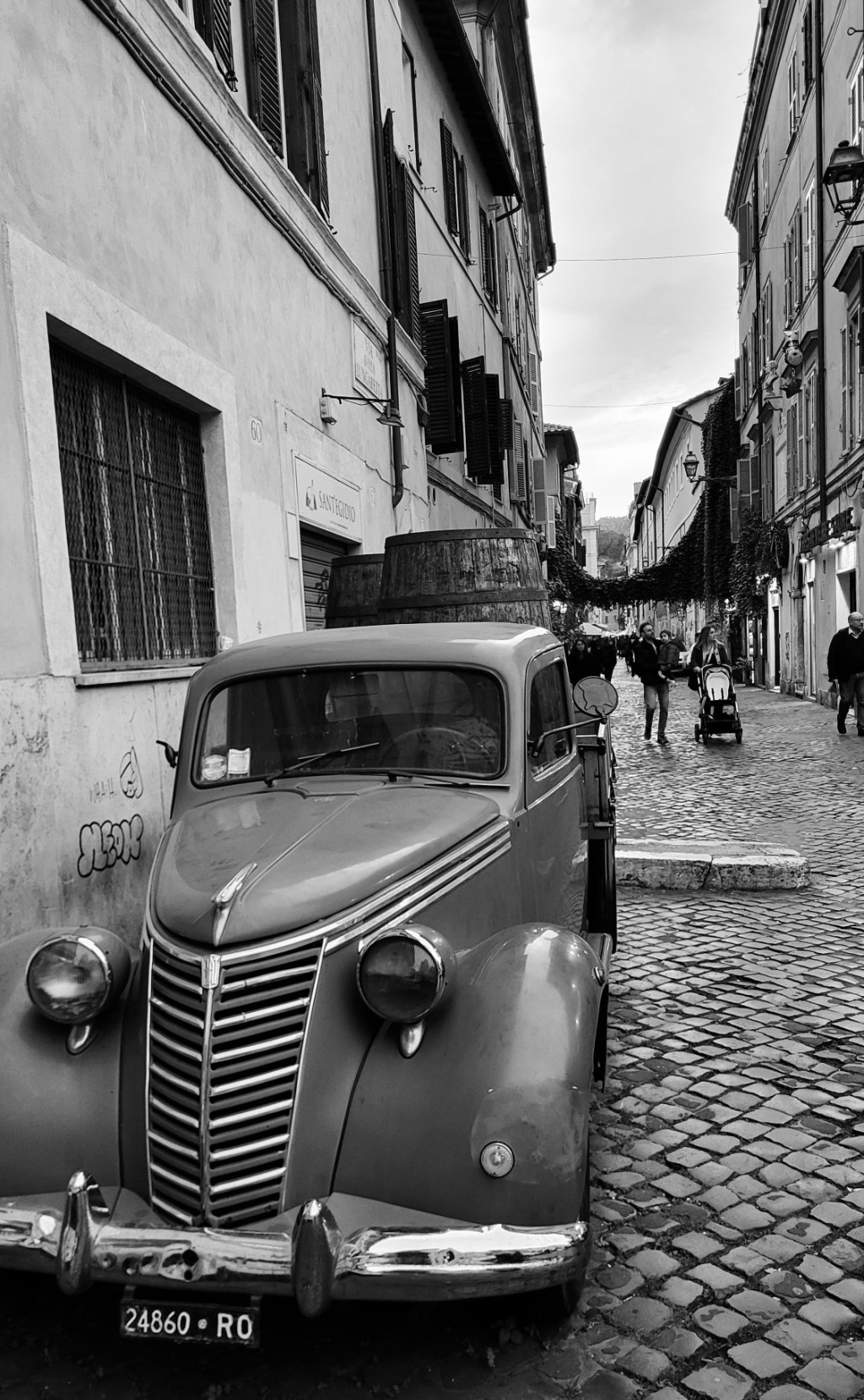
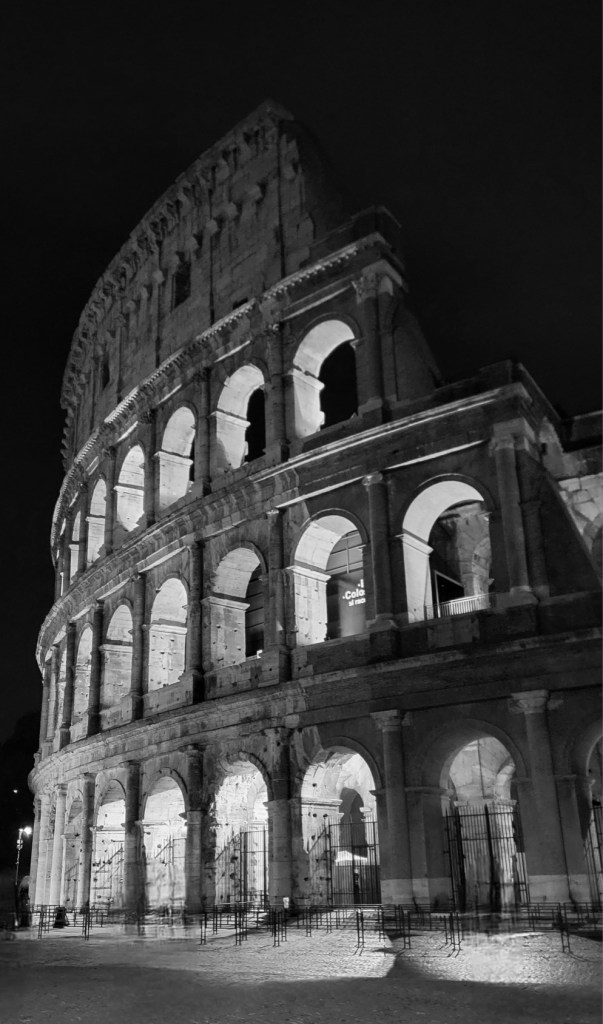
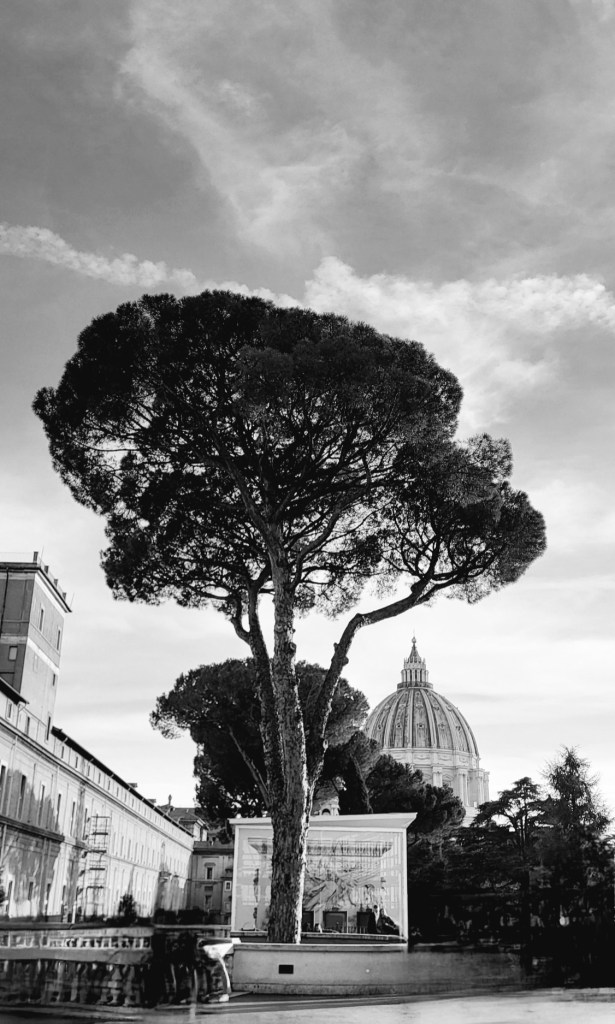
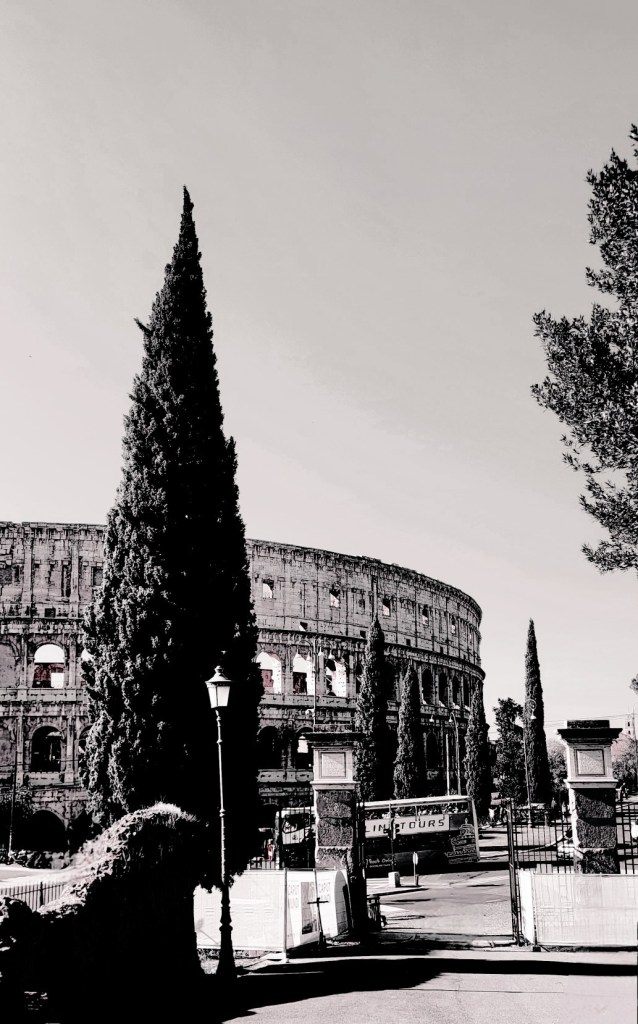
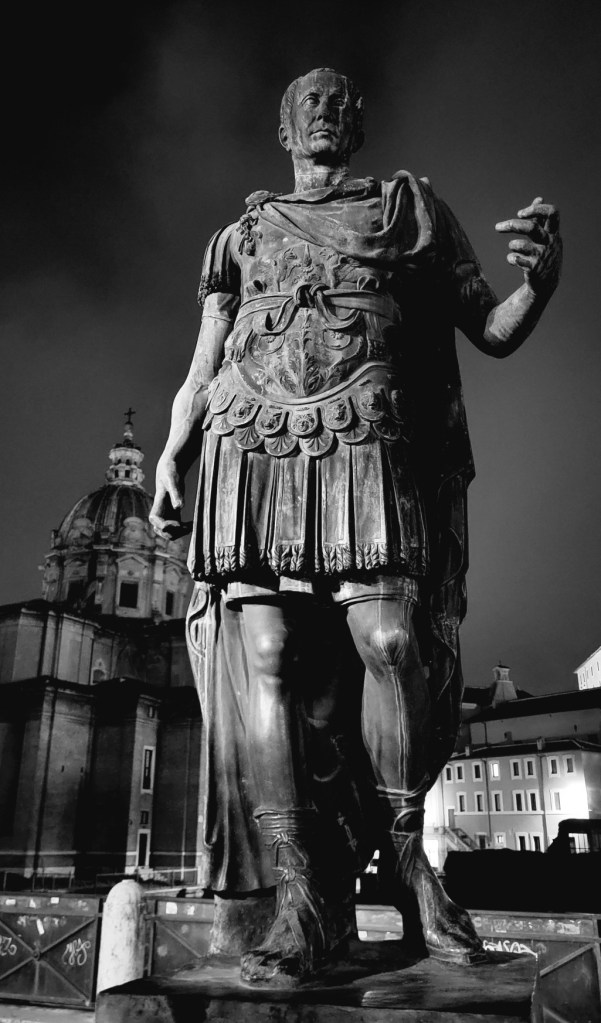
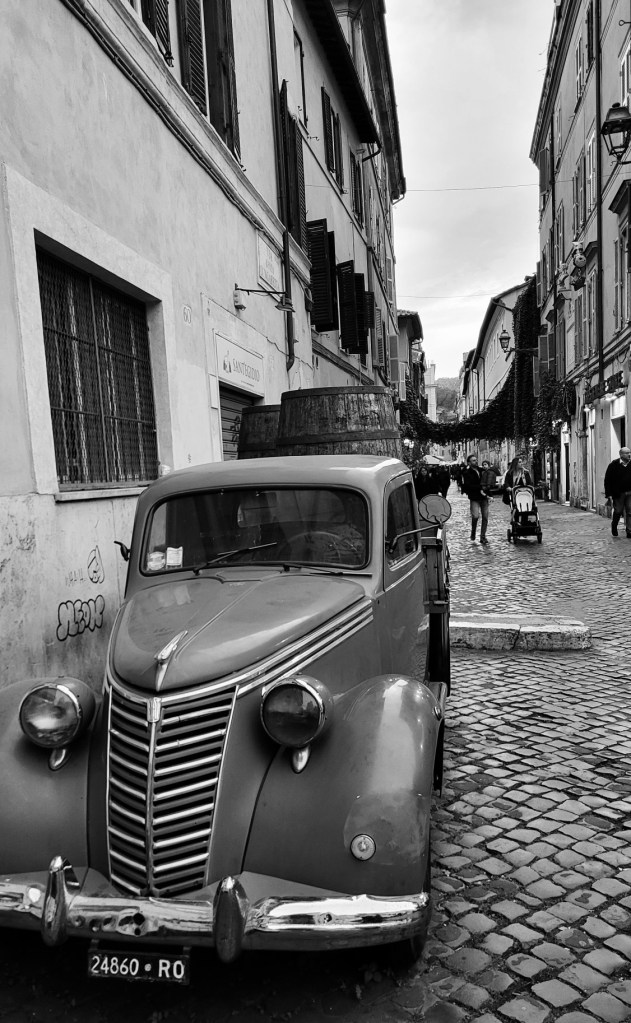
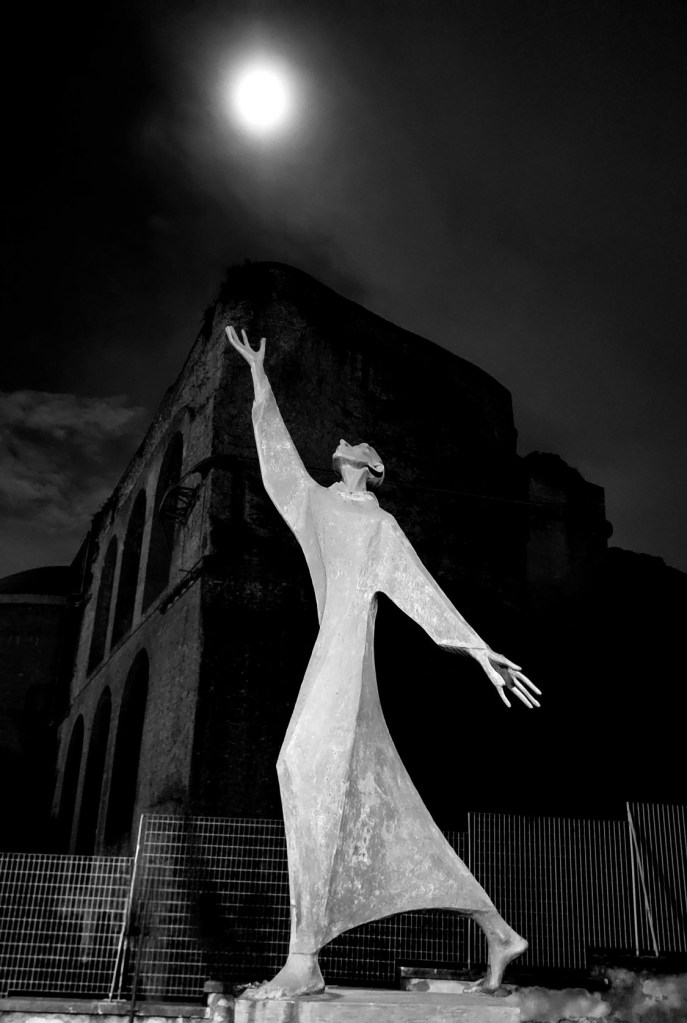
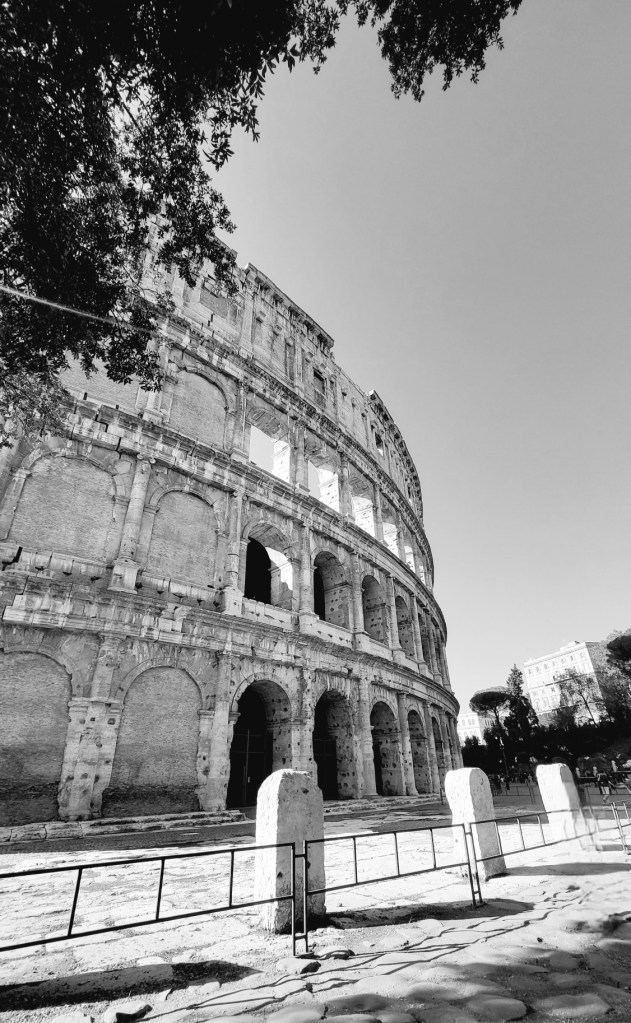
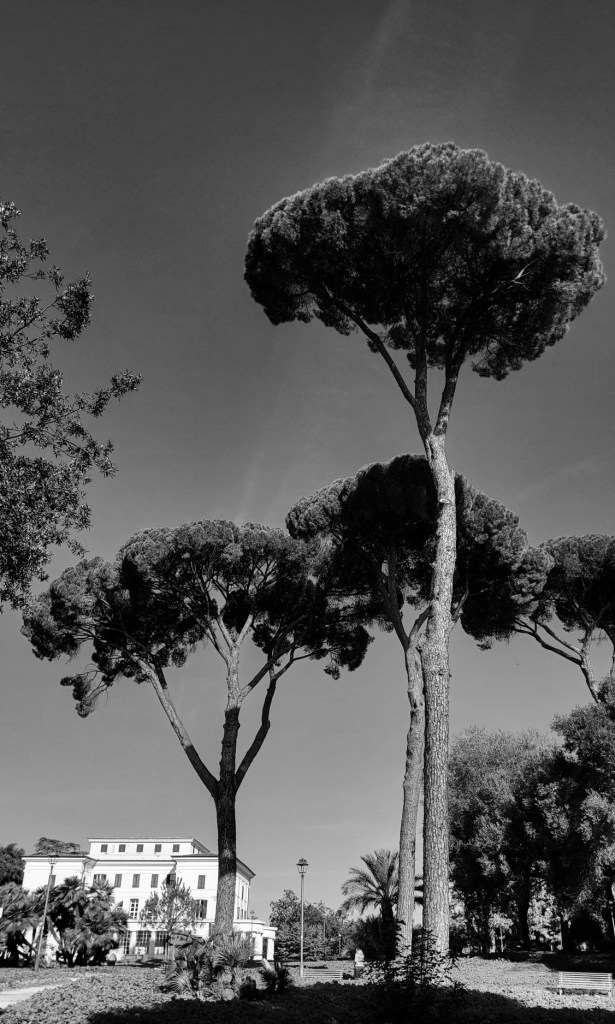
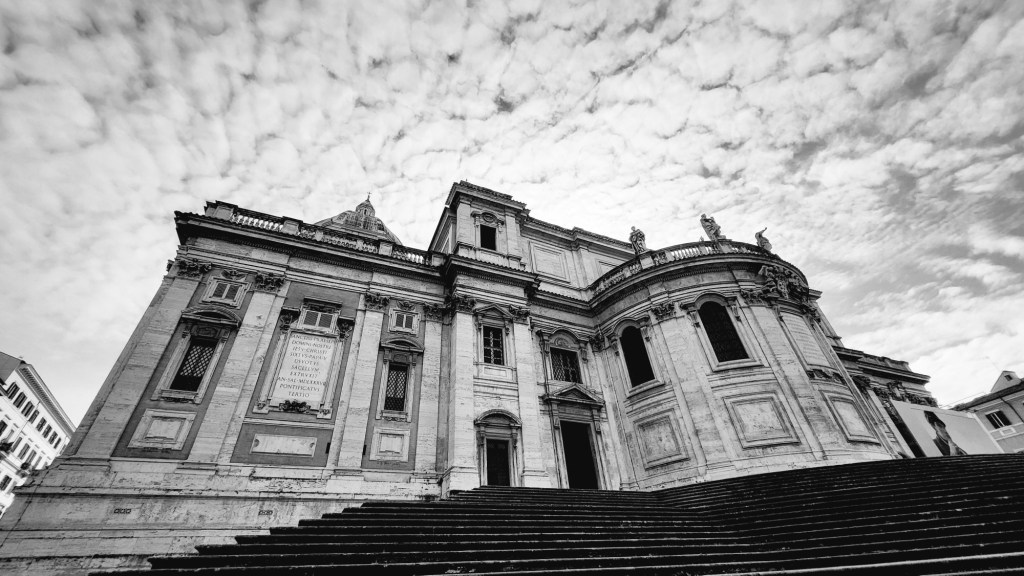
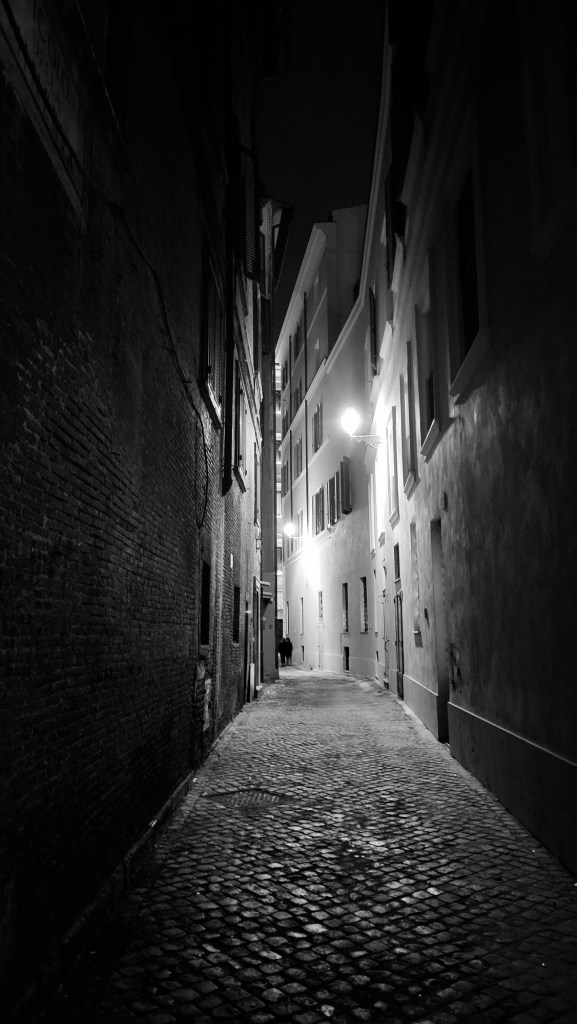
    In my recent trip, I chose to photograph the Eternal City in black and white, and the results revealed a profound truth: Rome’s beauty is inherent, stripped bare of the vibrant colours, it’s the texture, light, and form that tell the story.
    A Masterpiece in Monochome
    Imagine the scene:
    * The raw, weathered stone of the Colosseum or the Roman Forum, standing as a powerful, immutable silhouette against the sky.
    * The delicate play of light and shadow across a Baroque fountain, like the Trevi, transforming its rushing water into a shimmering, ethereal mist.
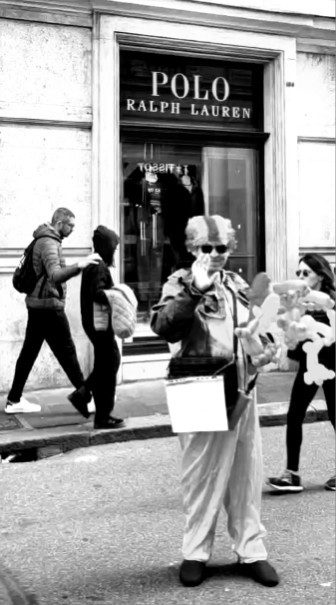
    * The contrast between a thousand-year-old pillar and the contemporary Roman sipping espresso at its base.
    Rome is an open-air museum, yes, but it’s also a living, breathing, bustling home. You can witness a laundry line strung between ancient buildings or see Vespa headlights carving streaks of light through a narrow alley in Trastevere.
    It’s in these contrasts—the immortal ruins juxtaposed with fleeting, everyday moments—that Rome truly works its magic. It is a city that reminds us that everything changes, yet the human spirit, and the beauty we create, can endure.
    Why Rome is Wonderful:
    * The Depth of Time: Every street corner holds a surprise, a piece of ancient art, or a fragment of a lost world.
    * The Food & Spirit: It is a city that insists you slow down, enjoy a simple, perfect cacio e pepe, and savour the moment.
    * The Unexpected Beauty: From grand basilicas to crumbling archways, grandeur is simply the backdrop to daily life.
    To look through my black and white photos is to see the soul of Rome—timeless, powerful, and utterly captivating. It’s a city that stays with you, long after you’ve left its cobblestones behind.

    If you find my photography or my writing inspiring and uplifting, consider supporting what I do. Buy me a coffee on Ko-fi.
    Your support makes a difference in my life and helps me create more of what you, and I, like. Thank you!
    Tap here for a list of 100 endangered animals and plants.

    100 endangered plant and animal species

    * Abies beshanzuensis (Baishan fir) – Plant (Tree) – Baishanzu Mountain, Zhejiang, China – Three mature individuals

    * Actinote zikani – Insect (butterfly) – Near São Paulo, Atlantic forest, Brazil – Unknown numbers

    * Aipysurus foliosquama (Leaf scaled sea-snake) – Reptile – Ashmore Reef and Hibernia Reef, Timor Sea – Unknown numbers * Amanipodagrion gilliesi (Amani flatwing) – Insect (damselfly) – Amani-Sigi Forest, Usamabara Mountains, Tanzania – < 500 individuals * Antisolabis seychellensis – Insect – Morne Blanc, Mahé island, Seychelles – Unknown numbers * Antilophia bokermanni (Araripe manakin) – Bird – Chapado do Araripe, South Ceará, Brazil – 779 individuals * Aphanius transgrediens (Aci Göl toothcarp) – Fish – south-eastern shore of former Lake Aci, Turkey – Few hundred pairs * Aproteles bulmerae (Bulmer’s fruit bat) – Mammal – Luplupwintern Cave, Western Province, Papua New Guinea – 150 * Ardea insignis (White bellied heron) – Bird – Bhutan, North East India and Myanmar – 70–400 individuals * Ardeotis nigriceps (Great Indian bustard) – Bird – Rajasthan, Gujarat, Maharashtra, Andhra Pradesh, Karnataka and Madhya, India – 50–249 mature individuals * Astrochelys yniphora (Ploughshare tortoise) – Reptile – Baly Bay region, northwestern Madagascar – 440–770 * Atelopus balios (Rio Pescado stubfoot toad) – Amphibian – Azuay, Cañar and Guyas provinces, south-western Ecuador – Unknown numbers * Aythya innotata (Madagascar pochard) – Bird – volcanic lakes north of Bealanana, Madagascar – 80 mature individuals * Azurina eupalama (Galapagos damsel fish) – Fish – Unknown numbers – Unknown numbers * Bahaba taipingensis (Giant yellow croaker) – Fish – Chinese coast from Yangtze River, China to Hong Kong – Unknown numbers * Batagur baska (Common batagur) – Reptile (turtle) – Bangladesh, Cambodia, India, Indonesia and Malaysia – Unknown numbers * Bazzania bhutanica – Plant – Budini and Lafeti Khola, Bhutan – 2 sub-populations * Beatragus hunteri (Hirola) – Mammal (antelope) – South-east Kenya and possibly south-west Somalia – < 1,000 individuals * Bombus franklini (Franklin’s bumblebee) – Insect (bee) – Oregon and California – Unknown numbers * Brachyteles hypoxanthus (Northern muriqui / Woolly spider monkey) – Mammal (primate) – Atlantic forest, south-eastern Brazil – < 1,000 * Bradypus pygmaeus (Pygmy three-toed sloth) – Mammal – Isla Escudo de Veraguas, Panama – < 500 * Callitriche pulchra – Plant (freshwater) – pool on Gavdos, Greece – Unknown numbers * Calumma tarzan (Tarzan’s chameleon) – Reptile – Anosibe An’Ala region, eastern Madagascar – < 100 * Cavia intermedia (Santa Catarina’s guinea pig) – Mammal (rodent) – Moleques do Sul Island, Santa Catarina, Brazil – 40–60 * Cercopithecus roloway (Roloway guenon) – Mammal (primate) – Côte d’Ivoire – Unknown numbers * Coleura seychellensis (Seychelles sheath-tailed bat) – Mammal (bat) – Two small caves on Silhouette and Mahé, Seychelles – < 100 * Cryptomyces maximus (Willow blister) – Fungi – Pembrokeshire, United Kingdom – Unknown numbers * Cryptotis nelsoni (Nelson’s small-eared shrew) – Mammal (shrew) – Volcán San Martín Tuxtla, Veracruz, Mexico – Unknown numbers * Cyclura collei (Jamaican iguana / Jamaican rock iguana) – Reptile – Hellshire Hills, Jamaica – Unknown numbers * Daubentonia madagascariensis (Aye-aye) – Mammal (primate) – Deciduous forest, East Madagascar – Unknown numbers * Dendrophylax fawcettii (Cayman Islands ghost orchid) – Plant (orchid) – Ironwood Forest, George Town, Grand Cayman – Unknown numbers * Dicerorhinus sumatrensis (Sumatran rhino) – Mammal (rhino) – Sabah, Sarawak and Peninsular Malaysia, Kalimantan and Sumatra, Indonesia – < 100 (more recent estimates suggest 34-47) * Diomedea amsterdamensis (Amsterdam albatross) – Bird – Breeds on Plateuau des Tourbières, Amsterdam Island, Indian Ocean. – 100 mature individuals * Dioscorea strydomiana (Wild yam) – Plant – Oshoek area, Mpumalanga, South Africa – 200 * Diospyros katendei – Plant (tree) – Kasyoha-Kitomi Forest Reserve, Uganda – 20 individuals in a single population * Dipterocarpus lamellatus – Plant (tree) – Siangau Forest Reserve, Sabah, Malaysia – 12 individuals * Discoglossus nigriventer (Hula painted frog) – Amphibian – Hula Valley, Israel – Unknown numbers * Dombeya mauritiana – Plant – Mauritius – Unknown numbers * Elaeocarpus bojeri (Bois Dentelle) – Plant (tree) – Grand Bassin, Mauritius – < 10 individuals * Eleutherodactylus glandulifer (La Hotte glanded frog) – Amphibian – Massif de la Hotte, Haiti – Unknown numbers * Eleutherodactylus thorectes (Macaya breast-spot frog) – Amphibian – Formon and Macaya peaks, Masif de la Hotte, Haiti – Unknown numbers * Eriosyce chilensis (Chilenito (cactus)) – Plant – Pta Molles and Pichidungui, Chile – < 500 individuals * Erythrina schliebenii (Coral tree) – Plant – Namatimbili-Ngarama Forest, Tanzania – < 50 individuals * Euphorbia tanaensis – Plant (tree) – Witu Forest Reserve, Kenya – 4 mature individuals * Eurynorhyncus pygmeus (Spoon-billed sandpiper) – Bird – Breeds in Russia, migrates along the East Asian-Australasian Flyway to wintering grounds in India, Bangladesh and Myanmar – 100 breeding pairs * Ficus katendei – Plant – Kasyoha-Kitomi Forest Reserve, Ishasha River, Uganda – < 50 mature individuals * Geronticus eremita (Northern bald ibis) – Bird – Breeds in Morocco, Turkey and Syria. Syrian population winters in central Ethiopia. – About 3000 individuals * Gigasiphon macrosiphon – Plant (flower) – Kaya Muhaka, Gongoni and Mrima Forest Reserves, Kenya, Amani Nature Reserve, West Kilombero Scarp Forest Reserve, and Kihansi Gorge, Tanzania – 33 * Gocea ohridana – Mollusc – Lake Ohrid, Macedonia – Unknown numbers * Heleophryne rosei (Table mountain ghost frog) – Amphibian – Table Mountain, Western Cape Province, South Africa – Unknown numbers * Hemicycla paeteliana – Mollusc (land snail) – Jandia peninsula, Fuerteventura, Canary Islands – Unknown numbers * Heteromirafa sidamoensis (Liben lark) – Bird – Liben Plains, southern Ethiopia – 90–256 * Hibiscadelphus woodii – Plant (tree) – Kalalau Valley, Hawaii – Unknown numbers * Hucho perryi (Sakhalin taimen) – Fish – Russian and Japanese rivers, Pacific Ocean between Russia and Japan – Unknown numbers * Johora singaporensis (Singapore freshwater crab) – Crustacean – Bukit Timah Nature Reserve and streamlet near Bukit Batok, Singapore – Unknown numbers * Lathyrus belinensis (Belin vetchling) – Plant – Outskirts of Belin village, Antalya, Turkey – < 1,000 * Leiopelma archeyi (Archey’s frog) – Amphibian – Coromandel peninsula and Whareorino Forest, New Zealand – Unknown numbers * Lithobates sevosus (Dusky gopher frog) – Amphibian – Harrison County, Mississippi, USA – 60–100 * Lophura edwardsi (Edwards’s pheasant) – Bird – Quang Binh, Quang Tri and Thua Thien-Hue, Viet Nam – Unknown numbers * Magnolia wolfii – Plant (tree) – Risaralda, Colombia – 3 * Margaritifera marocana – Mollusc – Oued Denna, Oued Abid and Oued Beth, Morocco – < 250 * Moominia willii – Mollusc (snail) – Silhouette Island, Seychelles – < 500 * Natalus primus (Cuban greater funnel eared bat) – Mammal (bat) – Cueva La Barca, Isle of Pines, Cuba – < 100 * Nepenthes attenboroughii (Attenborough’s pitcher plant) – Plant – Mount Victoria, Palawan, Philippines – Unknown numbers * Nomascus hainanus (Hainan black crested gibbon) – Mammal (primate) – Hainan Island, China – 20 * Neurergus kaiseri (Luristan newt) – Amphibian – Zagros Mountains, Lorestan, Iran – < 1,000 * Oreocnemis phoenix (Mulanje red damsel) – Insect (damselfly) – Mulanje Plateau, Malawi – Unknown numbers * Pangasius sanitwongsei (Pangasid catfish) – Fish – Chao Phraya and Mekong basins in Cambodia, China, Lao PDR, Thailand and Viet Nam – Unknown numbers * Parides burchellanus – Insect (butterfly) – Cerrado, Brazil – < 100 * Phocoena sinus (Vaquita) – Mammal (porpoise) – Northern Gulf of California, Mexico – 12 * Picea neoveitchii (Type of spruce tree) – Plant (tree) – Qinling Range, China – Unknown numbers * Pinus squamata (Qiaojia pine) – Plant (tree) – Qiaojia, Yunnan, China – < 25 * Poecilotheria metallica (Gooty tarantula / Metallic tarantula / Peacock tarantula / Salepurgu) – Spider – Nandyal and Giddalur, Andhra Pradesh, India – Unknown numbers * Pomarea whitneyi (Fatuhiva monarch) – Bird – Fatu Hiva, Marquesas Islands, French Polynesia – 50 * Pristis pristis (Common sawfish) – Fish – Coastal tropical and subtropical waters of Indo-Pacific and Atlantic Oceans. Currently largely restricted to northern Australia – Unknown numbers * Hapalemur simus (Greater bamboo lemur) – Mammal (primate) – Southeastern and southcentral rainforests of Madagascar – 500 * Propithecus candidus (Silky sifaka) – Mammal (primate) – Maroantsetra to Andapa basin, and Marojeju Massif, Madagascar – 100–1,000 * Psammobates geometricus (Geometric tortoise) – Reptile – Western Cape Province, South Africa – Unknown numbers * Pseudoryx nghetinhensis (Saola) – Mammal – Annamite mountains, on the Viet Nam – PDR Laos border – Unknown numbers * Psiadia cataractae – Plant – Mauritius – Unknown numbers * Psorodonotus ebneri (Beydaglari bush-cricket) – Insect – Beydaglari range, Antalaya, Turkey – Unknown numbers * Rafetus swinhoei (Red River giant softshell turtle) – Reptile – Hoan Kiem Lake and Dong Mo Lake, Viet Nam, and Suzhou Zoo, China – 3 * Rhinoceros sondaicus (Javan rhino) – Mammal (rhino) – Ujung Kulon National Park, Java, Indonesia – < 100 * Rhinopithecus avunculus (Tonkin snub-nosed monkey) – Mammal (primate) – Northeastern Vietnam – < 200 * Rhizanthella gardneri (West Australian underground orchid) – Plant (orchid) – Western Australia, Australia – < 100 * Rhynchocyon spp. (Boni giant sengi) – Mammal – Boni-Dodori Forest, Lamu area, Kenya – Unknown numbers * Risiocnemis seidenschwarzi (Cebu frill-wing) – Insect (damselfly) – Rivulet beside the Kawasan River, Cebu, Philippines – Unknown numbers * Rosa arabica – Plant – St Katherine Mountains, Egypt – Unknown numbers, 10 sub-populations * Salanoia durrelli (Durrell’s vontsira) – Mammal (mongoose) – Marshes of Lake Alaotra, Madagascar – Unknown numbers * Santamartamys rufodorsalis (Red crested tree rat) – Mammal (rodent) – Sierra Nevada de Santa Marta, Colombia – Unknown numbers * Scaturiginichthys vermeilipinnis (Red-finned blue-eye) – Fish – Edgbaston Station, central western Queensland, Australia – 2,000–4,000 * Squatina squatina (Angel shark) – Fish – Canary Islands – Unknown numbers * Sterna bernsteini (Chinese crested tern) – Bird – Breeding in Zhejiang and Fujian, China. Outside breeding season in Indonesia, Malaysia, Philippines, Taiwan, Thailand. – < 50 * Syngnathus watermeyeri (Estuarine pipefish) – Fish – Kariega Estuary to East Kleinemonde Estuary, Eastern Cape Province, South Africa – Unknown numbers * Tahina spectabilis (Suicide palm / Dimaka) – Plant – Analalava district, north-western Madagascar – 90 * Telmatobufo bullocki (Bullock’s false toad) – Amphibian (frog) – Nahuelbuta, Arauco Province, Chile – Unknown numbers * Tokudaia muenninki (Okinawa spiny rat) – Mammal (rodent) – Okinawa Island, Japan – Unknown numbers * Trigonostigma somphongsi (Somphongs’s rasbora) – Fish – Mae Khlong basin, Thailand – Unknown numbers * Valencia letourneuxi – Fish – Southern Albania and Western Greece – Unknown numbers * Voanioala gerardii (Forest coconut) – Plant – Masoala peninsula, Madagascar – < 10 * Zaglossus attenboroughi (Attenborough’s echidna) – Mammal – Cyclops Mountains, Papua Province, Indonesia – Unknown numbers

    Tap to view my redbubble gallery.
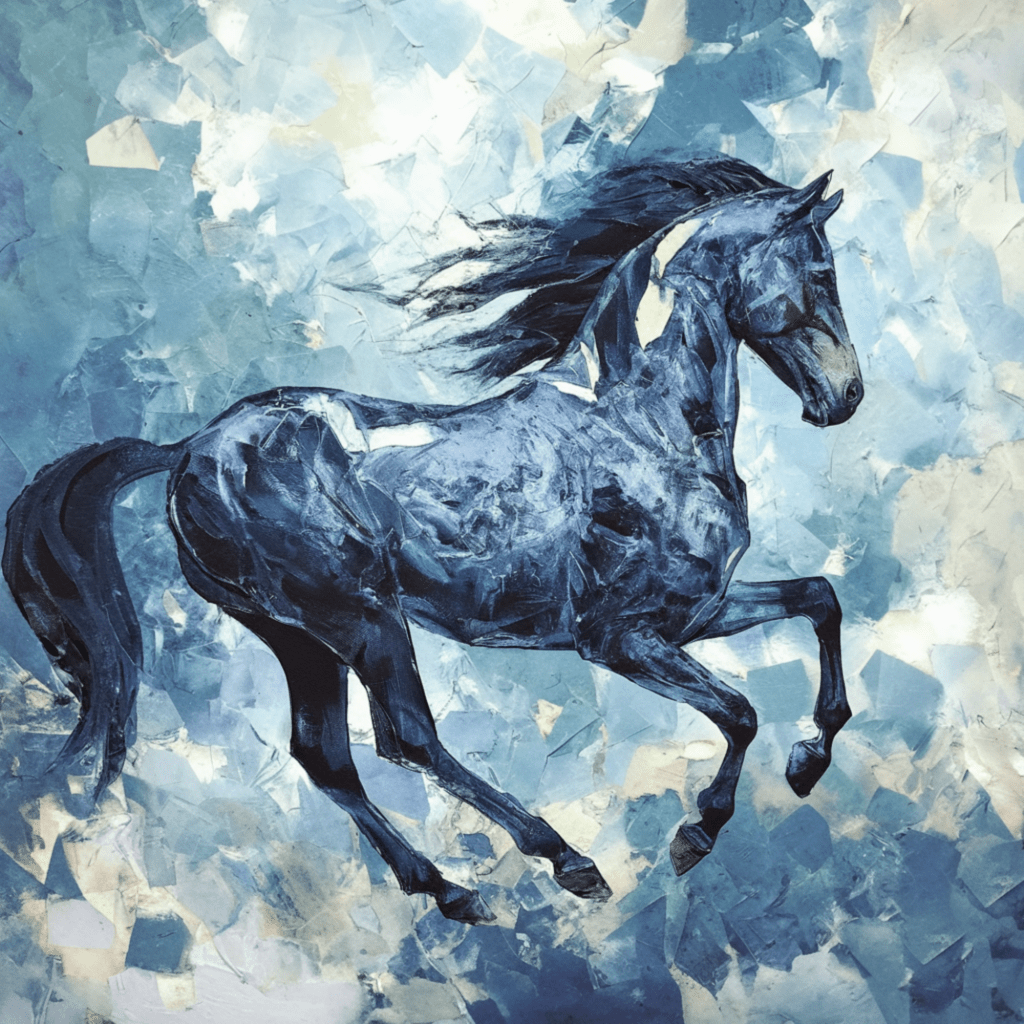
  • Horse’s Journey Through Time

    Horse’s Journey Through Time

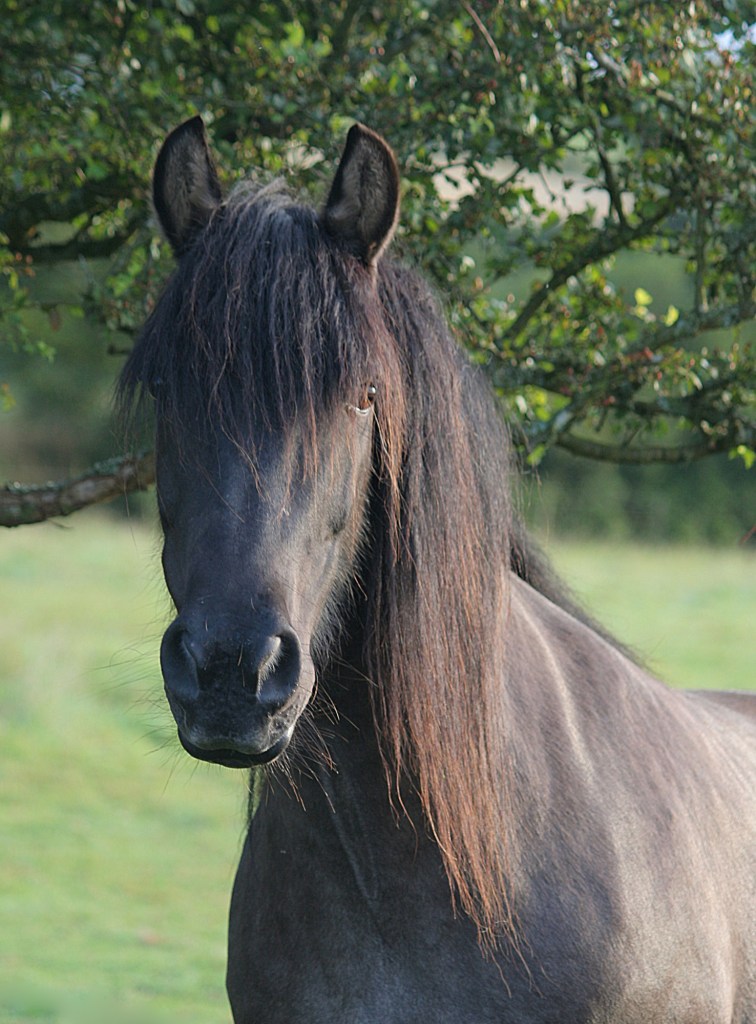
    Eyes that hold the stars,
    Speak of wisdom, trust, and time,
    Timeless bond remains.

    Spirit of the horse

    I have roamed the earth since the dawn of humanity, my hooves carving paths into the soil of history. I am the spirit of the horse, a flicker of wild grace and unbroken strength that moves through the ages. From the plains where men first cast their shadows beside mine, to the battlefields where their cries mingled with my breath, I have stood witness to the delicate dance of trust between us. 

    Man and horse. 
    Horse and man. 
    Bound by something older than words, 
    Deeper than any sea.

    I remember the first ones. They were wary, their hands trembling as they reached out, offering me grain, their voices soft with the caution of new beginnings. I was wild then, untamed as the wind that raked the tall grass. They saw in me something they could not name but knew they needed. Strength. Freedom.

    And so, they tamed me. But not with chains. No, they tamed me with the whisper of promise: _”Come with me, and together we will run farther than the horizon.”

    I ran with them into battlefields drenched in blood, my heart pounding against the war cries of men. I carried warriors clad in iron, their swords raised high, their hopes resting on my shoulders. They whispered prayers into my ears before the charge, and I bore their fears as much as their weight. When they fell, I stood guard, refusing to leave their side. I knew what they meant when they called me “brother.” 

    But I also knew gentler days. 
    The quiet fields of farmers. 
    The laughter of children as they clutched my mane. 
    The soft hands of women weaving flowers into my bridle. 

    I pulled plows through soil rich with promise, feeling the rhythm of life in every furrow. I was the strength they leaned on, the constant in their seasons. They sang songs to me, songs of gratitude and kinship, their melodies blending with the rustle of wheat and the murmur of streams. 

    Through centuries, I watched as the bond between us changed. Machines rose to take my place, their cold precision replacing the warmth of my breath. I was no longer the heart of their progress, but still, they found me in the wild places. They sought me out to feel alive, to remember what it meant to run free. 

    There is something eternal in our connection, something that even the hum of engines cannot erase. It is in the way a rider leans into my rhythm, their heartbeat syncing with mine. It is in the way they look into my eyes and see something ancient, something untamed but trusting. 

    Man and horse. 
    Horse and man. 
    Together, we have crossed deserts and rivers, 
    faced storms and sunrises. 

    You have given me purpose, and I have given you wings. 

    Even now, as the world spins faster than it ever has, I feel your need for me. You come to me with your burdens, your silent fears, and I take them from you, if only for a while. You whisper to me of things you cannot say aloud, and I listen. I always listen. 

    I am the spirit of the horse, and I will endure. 
    For as long as you seek freedom, 
    for as long as your soul longs to run, 
    I will be there. 

    Together, we are more than the sum of our parts. 
    Together, we are a story, 
    written in the dust of ancient trails 
    and carried on the wind of endless tomorrows.

    If you find this content inspiring and uplifting, consider supporting what I do. Buy me a coffee on Ko-fi.
    Your support makes a difference in my life and helps me create more of what you like. Thank you!
    Tap to view my redbubble gallery.
  • Welsh Castles

    Welsh Castles

    Wales is often called the “land of castles” – and for a good reason. There are over 400 castles in this small country, ranging from ancient earthworks and stone ruins to magnificent fortresses and stately homes. In this blog post, I will explore some of the history and features of these castles, and why they are such an important part of Welsh culture and heritage.

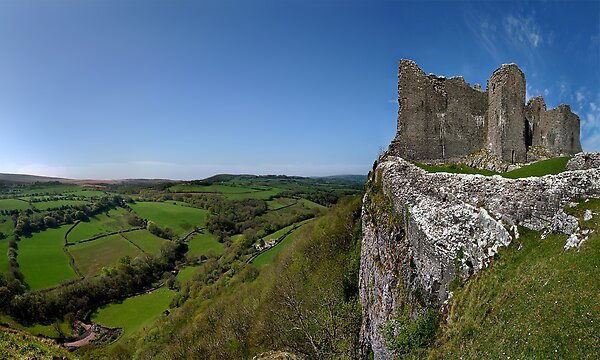
    Carreg Cennen Castle
    Tap to see my red bubble gallery

    “Within the weathered stones of Welsh castles, whispers of ancient magic linger, transporting the imagination to realms of enchantment and wonder.”

    Anthony

    The earliest castles in Wales date back to the Iron Age, when the Celtic tribes built hillforts and defended settlements across the land. Some of these sites, such as Dinas Emrys and Tre’r Ceiri, are still visible today. The Romans also built forts and walls in Wales, such as Segontium and Caerleon, to protect their province of Britannia from the native Britons and the invading Saxons.

    The Norman conquest of England in 1066 brought a new wave of castle building in Wales, as the Normans and their allies sought to extend their control and influence over the Welsh kingdoms. They built motte-and-bailey castles, which consisted of a wooden tower on a raised mound (motte) and a walled courtyard (bailey), often surrounded by a ditch. Some of the most famous examples of these castles are Chepstow, Cardiff, and Pembroke. The Normans also rebuilt and enlarged some of the existing Roman and Welsh fortifications, such as Caerphilly and Caernarfon.

    The Welsh princes and lords resisted the Norman invasion and expansion, and built their own castles to defend their territories and assert their authority. These castles were often made of stone, and had distinctive features such as round towers, gatehouses, and curtain walls. Some of the most impressive Welsh castles are Dolwyddelan, Castell y Bere, and Carreg Cennen (photoed). The Welsh castles also reflected the culture and identity of their builders, and often incorporated elements of Welsh art and architecture, such as carvings, sculptures, and inscriptions.

    The 13th century saw the rise of King Edward I of England, who launched a series of campaigns to conquer Wales and end the Welsh resistance. He built a ring of massive and sophisticated castles along the north and west coast of Wales, such as Conwy, Beaumaris, Harlech, and Criccieth. These castles were designed to dominate the landscape and intimidate the Welsh population, and were also symbols of royal power and prestige. They were built by master masons and engineers, and had advanced features such as concentric walls, moats, drawbridges, portcullises, and arrow slits. These castles are considered to be some of the finest examples of medieval military architecture in Europe, and are part of the UNESCO World Heritage Site of the Castles and Town Walls of King Edward in Gwynedd.
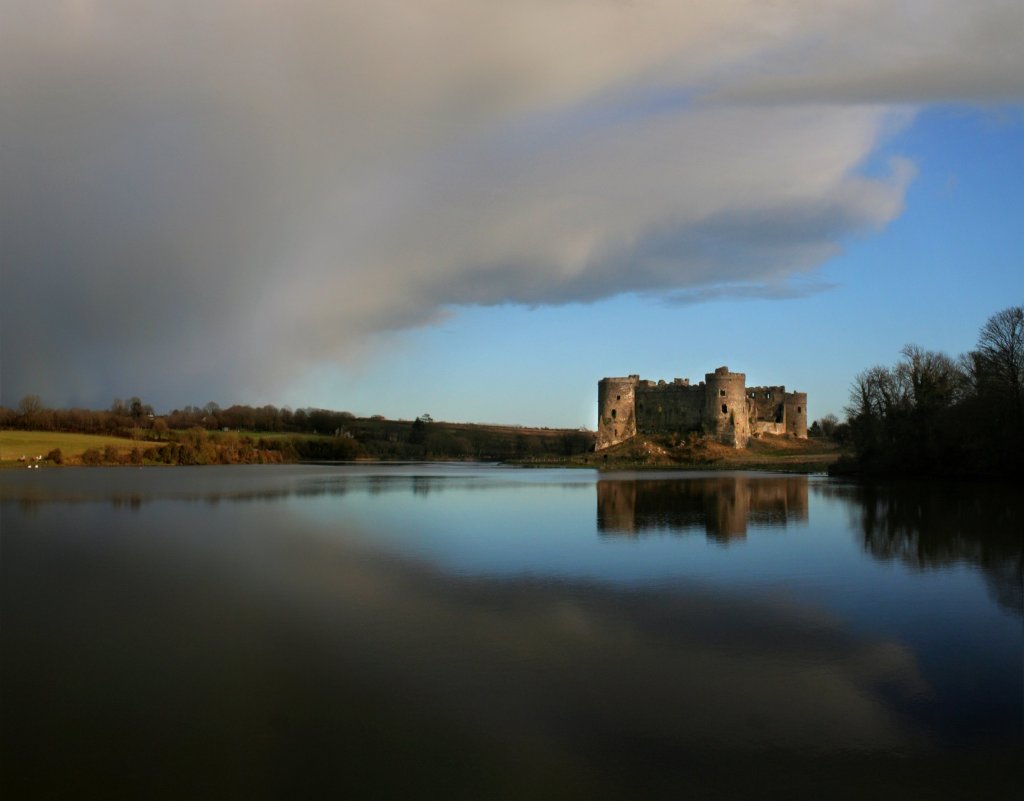
    The 15th century saw the emergence of a Welsh hero, Owain Glyndŵr, who led a rebellion against English rule and proclaimed himself Prince of Wales. He captured and destroyed many of the English and Norman castles, and built his own castles, such as Sycharth and Dolbadarn, to rally his supporters and allies. His rebellion was ultimately unsuccessful, but he inspired generations of Welsh patriots and nationalists.

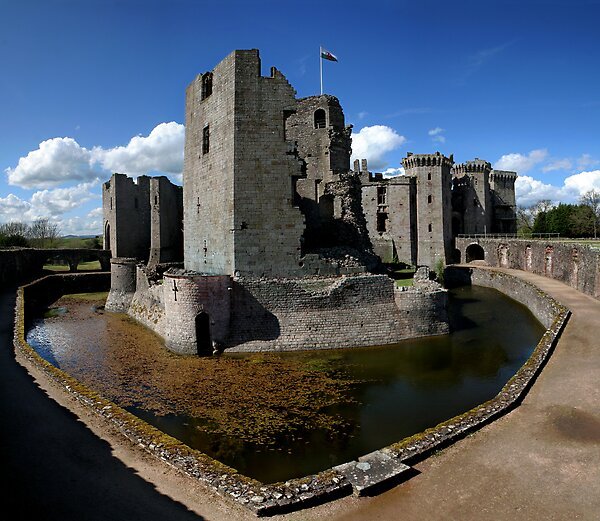
    The 16th century saw the Tudor dynasty come to power in England, which had Welsh origins. The Tudors brought a period of relative peace and stability to Wales, and also enacted the Laws in Wales Acts, which integrated Wales into the English legal and administrative system. The Tudors also patronized and renovated some of the Welsh castles, such as Raglan and Carew, and transformed them into comfortable and elegant residences. The Tudors also adopted the Welsh dragon as part of their heraldry and flag, which is still used today as the national emblem of Wales.

    The 17th century saw the outbreak of the English Civil War, which divided the country between the Royalists and the Parliamentarians. Many of the Welsh castles were involved in the conflict, and changed hands several times. Some of the castles were besieged, damaged, or demolished, such as Denbigh, Holt, and Chirk. Some of the castles were also used as prisons, garrisons, or headquarters, such as Caerphilly, Powis, and Ludlow.

    The 18th and 19th centuries saw the rise of the Industrial Revolution, which transformed the economy and society of Wales. Many of the Welsh castles were neglected, abandoned, or sold, and some of them were used as quarries, factories, or mines, such as Flint, Kidwelly, and Caldicot. Some of the castles were also restored, preserved, or rebuilt, by wealthy landowners, antiquarians, or architects, such as Penrhyn, Castell Coch, and Penhow. Some of the castles were also donated, leased, or sold to the public, the state, or charitable organizations, such as Tretower, Dinefwr, and Plas Mawr.

    The 20th and 21st centuries saw the growth of tourism, education, and conservation in Wales. Many of the Welsh castles are now open to visitors, and are managed by various bodies, such as Cadw, the National Trust, and local authorities. The castles are also used for various events, activities, and exhibitions, such as festivals, concerts, weddings, and re-enactments. The castles are also sources of research, learning, and inspiration, for historians, archaeologists, students, and artists. The castles are also part of the national identity and pride of Wales, and are celebrated in literature, music, and art.

    The castles of Wales are a rich and diverse legacy of the past, and a living and vibrant part of the present. They tell the stories of the people, events, and ideas that shaped the history and culture of Wales, and also reflect the changes and challenges that faced the country over the centuries. They are also monuments of beauty, skill, and creativity, and showcase the architectural and engineering achievements of their builders and designers. They are also places of wonder, mystery, and romance, and invite us to explore, discover, and enjoy them. They are, in short, the treasures of Wales.

    Tap to view my redbubble gallery.
  • Flowing through Time

    Flowing through Time

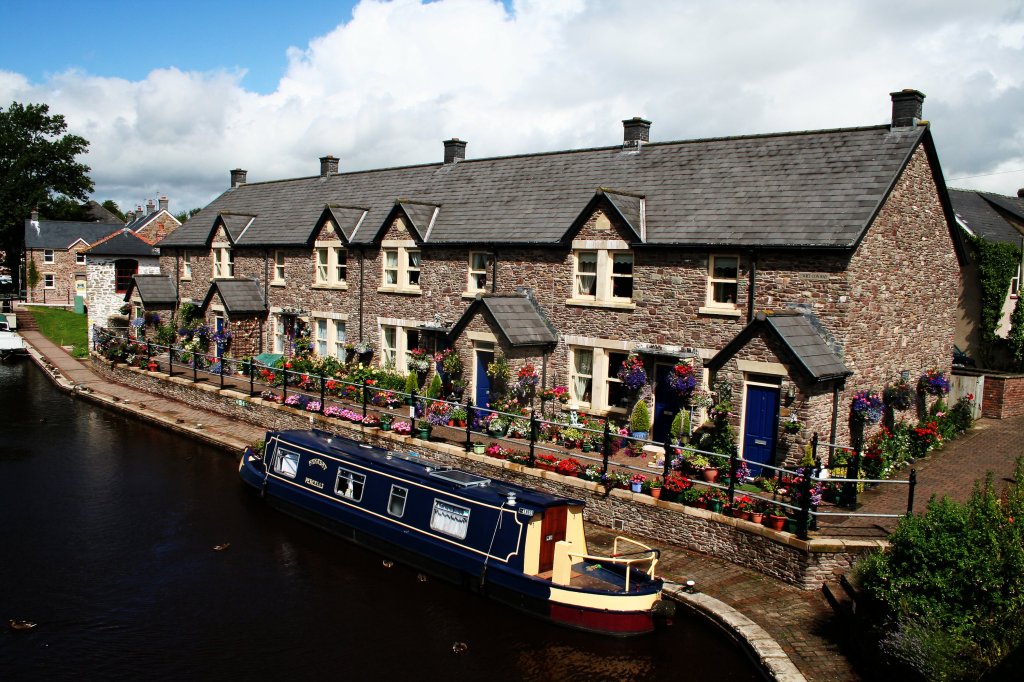
    In the heyday of the Brecon Canal, life as a canal man was a world unto itself. The waterways were the lifeblood of our community, and I was a humble steward of this liquid highway, where tales of toil and camaraderie flowed as freely as the water beneath our narrowboat’s hull.

    Brecon canal
    Tap to view my redbubble gallery.

    Each morning, well before the sun could kiss the Welsh hills, I’d begin my day by stoking the coal stove, its warming glow chasing away the chill. The calloused hands of a canal man were well-acquainted with ropes and capstans, and as the first light broke, I’d cast off, my trusty steed of waterways setting forth on another journey.

    The Brecon Canal wove a serpentine path through stunning countryside, with rolling green hills and quiet villages dotting the landscape. The echoing clip-clop of our horse’s hooves on the towpath, our loyal four-legged companion, was a soothing soundtrack to the day’s work. We were a team, the horse, the boat, and I, moving in harmony with the ebb and flow of life along the water.

    We navigated a complex network of locks, each one a different puzzle to solve. The rhythmic turning of the lock gate winches and the gushing of water was a dance, one that only those who spent their lives on these canals truly understood.

    The real charm of being a canal man lay in the camaraderie with fellow travellers. At the end of the day, we’d moor in a quiet spot, and often a pub was not far off. The tales spun in those dimly lit corners, fueled by pints of ale, were like treasures of the canal. Stories of cargo, mishaps, and chance encounters with colourful characters all found their place in the oral history of the waterway.

    As night descended and the stars painted the sky, I’d lay in my bunk, the gentle rocking of the boat beneath me, and feel a profound sense of peace. Life as a canal man was simple, yet it held the beauty of a bygone era.

    The Brecon Canal in its heyday was more than just a transport route; it was a way of life. I was a humble navigator of those waters, and in return, they revealed to me the quiet majesty of the Welsh countryside and the enduring spirit of those who plied their trade on its tranquil surface.

    Tap to view my redbubble gallery.
  • Raglan Castle: Echoing Through Time

    Raglan Castle: Echoing Through Time

    In the heart of the lush Welsh countryside, there stood a castle unlike any other. Its name was whispered in awe and reverence across the land – Raglan Castle. The castle’s history was a tapestry woven with threads of valour, intrigue, and timeless beauty.

    Tap to view my redbubble gallery.

    The very walls of Raglan Castle seemed to carry echoes of the 12th century, when the earliest stones were laid. As the centuries passed, its destiny was irrevocably entwined with the Herbert family. Sir William ap Thomas, a man of vision and ambition, took it upon himself to transform Raglan into a fortress fit for a noble dynasty.

    The castle’s defining feature, the “Yellow Tower of Gwent,” rose proudly into the sky, its hexagonal shape defying convention and capturing the imagination of all who beheld it. Raglan Castle’s grandeur was further accentuated by its double-towered gatehouse and the shimmering moat that encircled it.

    But Raglan Castle was not merely an architectural marvel. It was a stage upon which history unfolded. The Herberts played their part in the Wars of the Roses, their legacy forever etched in the stone walls of Raglan. As the castle reached its zenith, it was a symbol of power, influence, and unyielding loyalty.

    However, as fate would have it, the English Civil War descended upon the land, casting a shadow of conflict and change. Raglan Castle found itself at the epicentre of a fierce struggle. When the Royalists and Parliamentarians clashed, the castle stood defiant, its spirit unbroken.

    The year was 1646, and the siege was relentless. But the indomitable fortress of Raglan withstood all assaults, a testament to the courage of its defenders. Eventually, the winds of change blew, and the Royalist cause faltered. The castle fell, and its defiance was silenced.

    Now, in the modern age, Raglan Castle stands in picturesque ruin. The echoes of its past resonate in every stone, in the grand tower that still reaches for the heavens, and in the waters of the moat that once protected it. It is a place of wonder and contemplation, a living testament to the enduring spirit of Wales and the castles that define its history.

    Raglan Castle, with its dramatic past and timeless beauty, remains a beacon for those who seek to glimpse the shadows of history and feel the echoes of a bygone era.

    Tap to view my redbubble gallery.
  • The Grand Evolution of Cathedral Architecture

    The Grand Evolution of Cathedral Architecture

    Cathedrals stand as towering achievements of architectural innovation, spiritual devotion, and cultural identity. Their majestic presence has shaped skylines and cities for centuries, and the evolution of cathedral architecture is a testament to the progression of human engineering, artistic prowess, and religious expression. In this article, we will explore the fascinating journey of cathedral architecture from its early origins to the marvels of the present day.

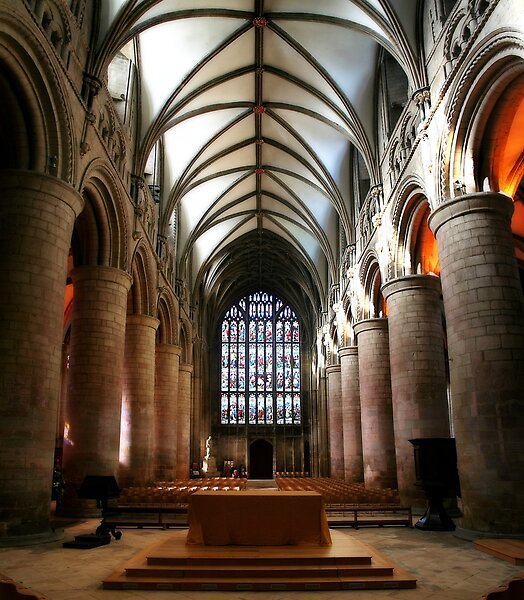
    I took this photo in the magnificent Gloucester cathedral, also known as the Cathedral Church of St Peter and the Holy and Indivisible Trinity. It is an example of Gothic Elegance.
    Tap to see it in my red bubble gallery

    **Origins and Early Forms:**
    The roots of cathedral architecture can be traced back to ancient religious structures, such as the temples of Mesopotamia and Egypt. However, it was in the early Christian era that the cathedral, or “cathedra,” Latin for the bishop’s seat, took on its distinctive form. Early Christian basilicas, characterized by a rectangular plan and a central nave with aisles, provided the blueprint for the earliest cathedrals.

    **Romanesque Majesty:**
    The Romanesque period, which spanned from the 10th to the 12th century, witnessed the development of more elaborate cathedral architecture. These structures featured rounded arches, thick walls, and small windows, creating a sense of strength and solidity. The Romanesque cathedrals, such as St. Sernin in Toulouse, France, and the Speyer Cathedral in Germany, displayed a harmonious blend of spirituality and fortress-like grandeur.

    **Gothic Elegance:**
    The Gothic era, beginning in the 12th century, brought about a remarkable transformation in cathedral design. Innovations like the ribbed vault, flying buttresses, and pointed arches allowed for taller and more intricate structures. The magnificent Chartres Cathedral and Notre-Dame de Paris exemplify the Gothic style’s emphasis on height and light, with their soaring spires and stunning stained glass windows.

    **Renaissance Refinement:**
    As the Renaissance dawned in the 15th century, cathedral architecture shifted towards a more balanced and harmonious approach. The use of classical elements, such as columns and domes, was prevalent in cathedrals like St. Peter’s Basilica in the Vatican. This era marked a departure from the verticality of the Gothic period and embraced a sense of symmetry and proportion.

    **Baroque Extravagance:**
    The Baroque period that followed in the 17th century was characterized by ornate decoration and grandeur. Cathedrals like St. Paul’s Cathedral in London featured opulent facades and extravagant interiors. The Baroque style emphasized the dramatic and the emotional, making these cathedrals places of overwhelming sensory experiences.

    **Modern and Beyond:**
    In the modern era, cathedral architecture has continued to evolve. Architectural styles have become more diverse, reflecting the pluralistic nature of our societies. Contemporary cathedrals, like the Cathedral of Our Lady of the Angels in Los Angeles, blend traditional elements with innovative materials and designs.

    Sustainability has also become a paramount concern in contemporary cathedral construction. Many new cathedrals incorporate eco-friendly materials and energy-efficient systems to meet the challenges of the 21st century.

    Cathedral architecture stands as a testament to the artistic, engineering, and spiritual evolution of humanity. From the early basilicas to the towering Gothic masterpieces and the refined elegance of the Renaissance, cathedrals have showcased the changing aspirations and beliefs of their times. Today, modern cathedrals continue to be a source of inspiration, reflecting our ever-evolving relationship with the divine and the world of design.

    As we look to the future, one can only wonder what new innovations and architectural marvels will grace the skylines of our cities while honoring the timeless tradition of cathedral architecture. The grand evolution of cathedrals is a living testament to the enduring power of human creativity and spirituality.

    Tap to view my redbubble gallery.
  • Carew Castle, Pembrokeshire

    Carew Castle, Pembrokeshire

    A Swan’s Tour.

    A Graceful Journey Through Time.
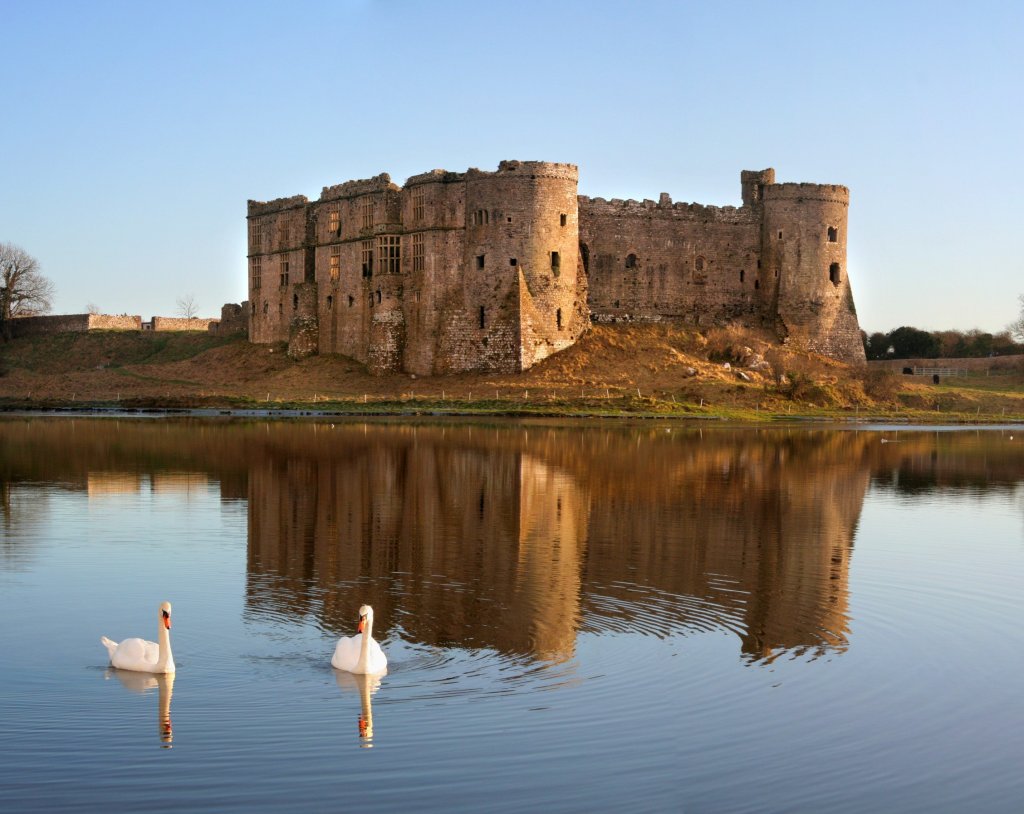
    Greetings, dear visitors. We are your guides for today, a loving swan couple who have called the mill pond in front of Carew Castle our home for generations. As you join us on this serene tour, we’ll take you through the history of the castle, the surrounding Pembrokeshire area, and our own story, seamlessly woven into this enchanting tapestry of time.

    Stormy History. Tap to buy prints and more.

    Swan Tales by the Castle.
    As you take this journey through history, remember that we, the swans, have our own story here. Our family’s devotion to this place has mirrored the enduring spirit of the castle. We’ve seen generations come and go, always returning to our mill pond, just as visitors return to Carew Castle.

    Peaceful Times. Tap to buy prints and more.

    Carew Castle – A Timeless Fortress.
    As you gaze upon the stately Carew Castle, let us share its history with you. This mighty fortress has seen centuries come and go. It was first raised by the Normans in the 11th century, serving as a powerful symbol of conquest in Pembrokeshire. Throughout the mediaeval period, it played a vital role in regional politics, a time when knights in shining armour and grand feasts graced its halls.

    The Castle’s Turbulent Tale.
    The castle witnessed its fair share of turmoil during the English Civil War in the 17th century. Parliamentarian troops took control, and much of its grandeur was lost. However, like us, the swans, Carew Castle rose from the ashes. In the 1660s, Sir Nicholas de Carew initiated its restoration, creating a unique blend of mediaeval and Jacobean architecture.

    A Picturesque Pond and Gardens.
    The stunning mill pond surrounding the castle is a sight to behold. The serene waters mirror the grandeur of the castle, inviting you to reflect on the past. Its gentle flow connects us, the swans, to the history of the castle, as we’ve swum in its embrace for centuries. The castle’s gardens, adorned with vibrant flora, add to the picturesque charm.

    The Enchanting Pembrokeshire Region.
    Look beyond the castle’s walls, and you’ll discover the beauty of Pembrokeshire. This region is known for its rugged coastline, sandy beaches, and ancient landscapes. Explore the coastal paths and secret coves that bear witness to countless stories of fishermen and adventurers, just as we have our own stories to tell.

    A Timeless Journey of Discovery.
    As we wrap up our guided tour, we hope you’ve enjoyed this unique perspective on Carew Castle and Pembrokeshire, seen through the eyes of the swans. Just as history weaves its narrative into the stones of the castle and the landscapes of Pembrokeshire, our presence, too, reflects the enduring bond between nature and history in this captivating corner of Wales. Come visit, explore, and perhaps catch a glimpse of us, the swan couple, as we continue our timeless journey alongside the rich history of Carew Castle and the enchanting beauty of Pembrokeshire.

    Tap to view my redbubble gallery.
  • The Sweet Sweet Chestnut

    The Sweet Sweet Chestnut

    Big Tree!
    Tap to view in my redbubble gallery.

    In the midst of all the historical events that took place 1000 years ago, a small but significant act occurred: a seed was planted in the ground, the beginning of what would eventually grow into a towering tree that has stood the test of time. This 1000-year-old tree, with its roots firmly planted in the earth set me thinking: it has watched as empires rose and fell, as cultures and societies evolved and changed.

    The Byzantine Empire was at war with the Bulgarian Empire, with both sides fighting for control over the Balkans.

    The Holy Roman Emperor Henry II, also known as Saint Henry the Exuberant, was consolidating his power in Germany, and was beginning to expand his influence into Italy.

    The Fatimid Caliphate was in control of Egypt and parts of North Africa, and was at odds with the Abbasid Caliphate in Baghdad.

    The Song Dynasty was in power in China, and was beginning to establish itself as a major force in East Asia.

    In the Americas, the Mayan civilization was still thriving in Central America, while the Ancestral Puebloans were building impressive structures in what is now the southwestern United States.

    The Vikings were raiding and trading throughout Europe, with many of them settling in areas such as Ireland and Scotland

    History is a complex tapestry of events and people that have shaped our world into what it is today. Throughout the ages, civilizations have risen and fallen, empires have come and gone, and technologies have advanced at an incredible pace. Despite all of these changes, however, there are certain fundamental aspects of human experience that remain constant. Love, grief, greed, joy, and loss are just a few examples of the universal emotions that have always been a part of the human experience, and that will continue to be so in the future. The physical world may change, but the essence of what it means to be human remains the same, and it is this common thread that ties us to the past, present, and future.

    Tap to view my redbubble gallery.

    More interesting posts

Design a site like this with WordPress.com
Get started