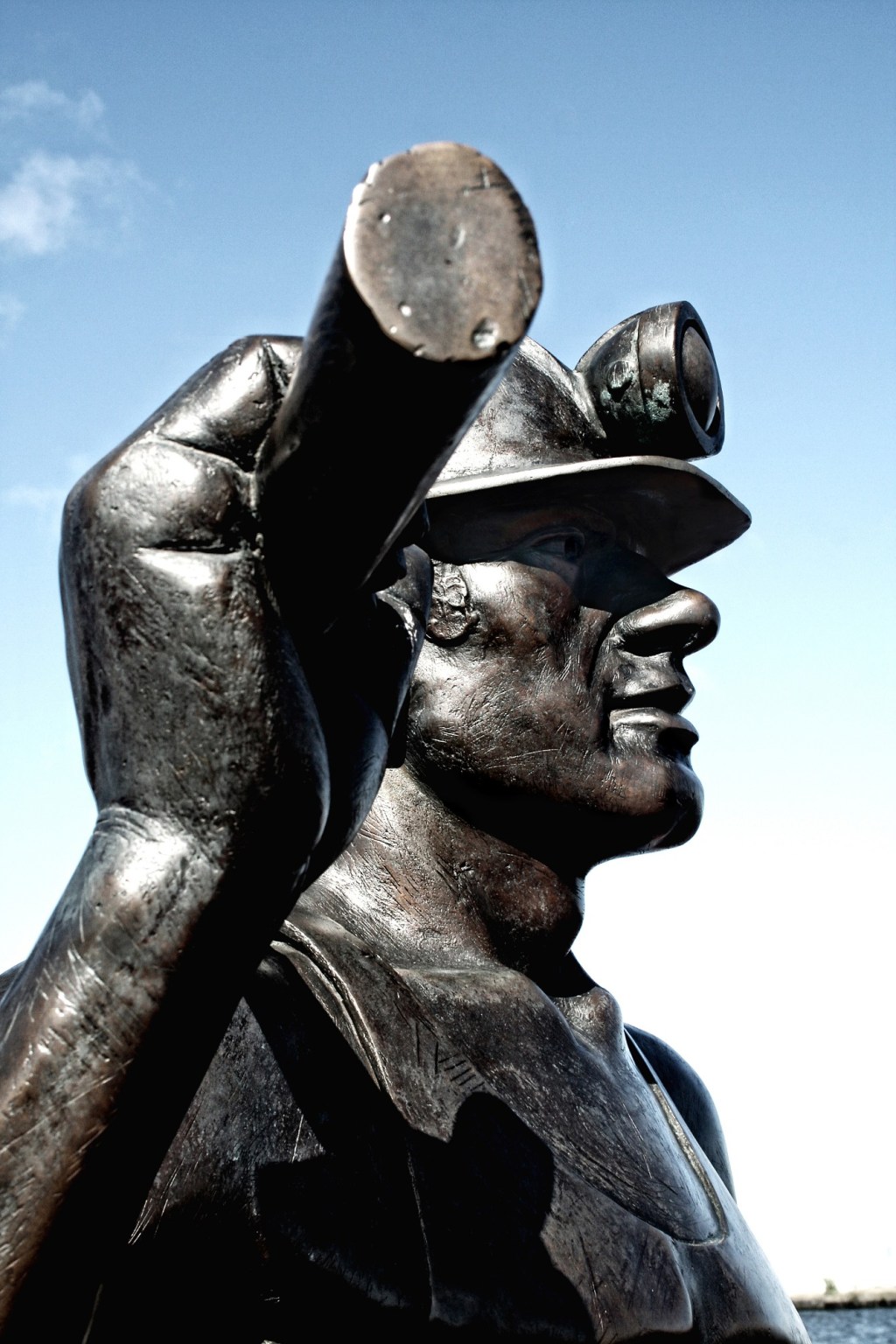
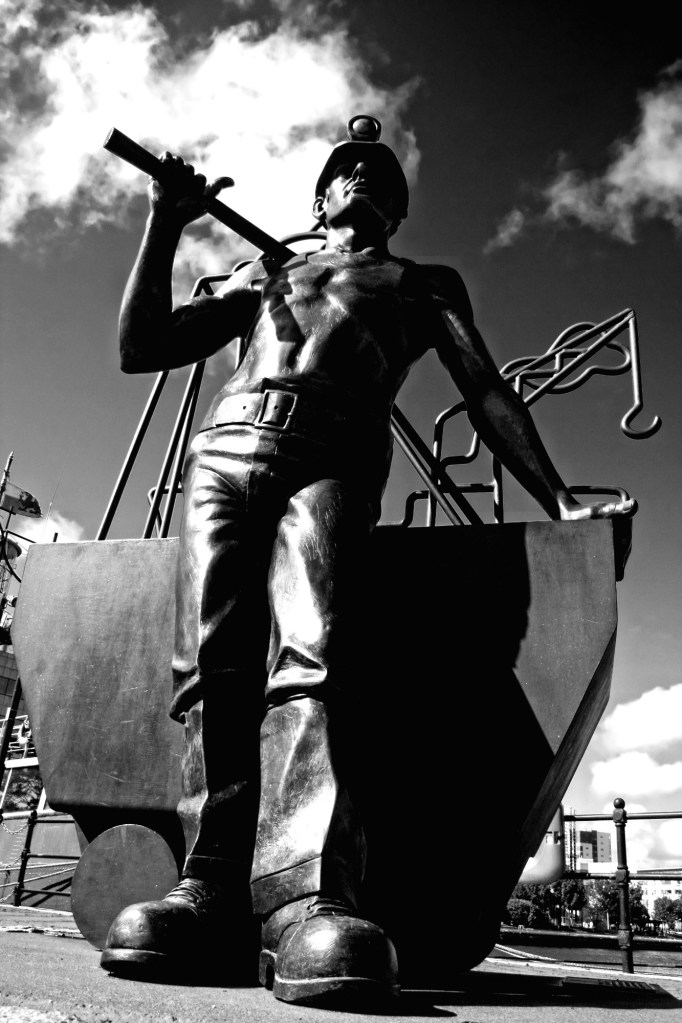
The Miners’ Strike: Thatcher’s War on Britain’s Backbone
The miners’ strike of 1984–85 was more than a labour dispute—it was a defining battle in Britain’s socio-political history, pitting the working class against the iron will of Margaret Thatcher. What started as a fight to save coal jobs turned into a bruising war of attrition that reshaped the nation.
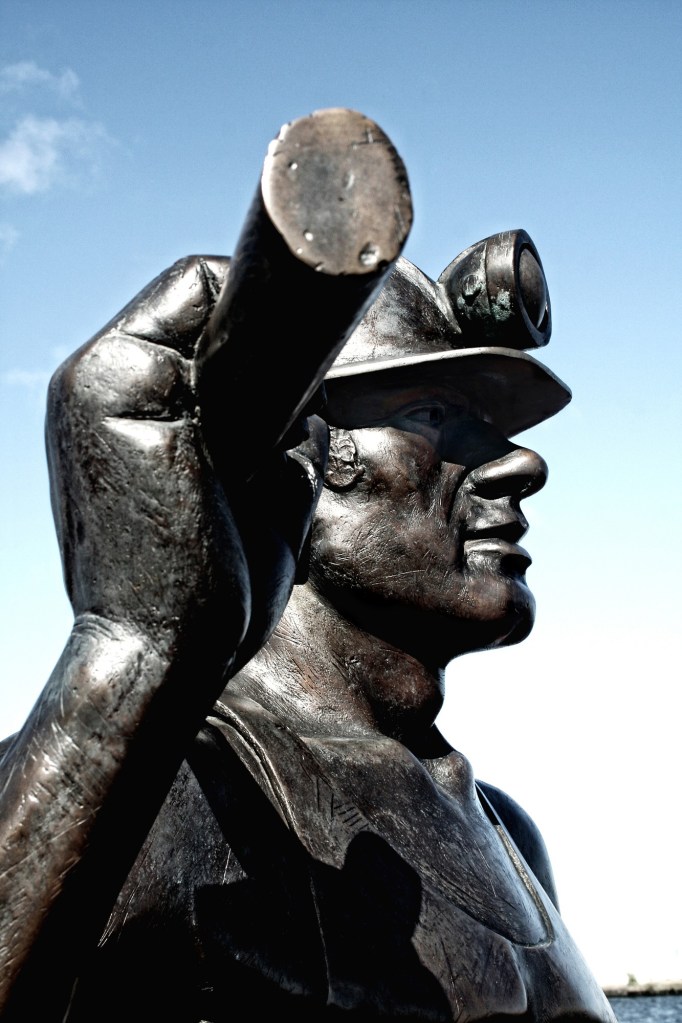
Thatcher’s government framed the strike as a necessary showdown against union power. Her target was the National Union of Mineworkers (NUM) and its leader, Arthur Scargill. For her, defeating the miners was about cementing a free-market economy unshackled from militant unionism. But for the miners, the strike was about survival—defending communities built on coal and livelihoods handed down for generations.
The strike was brutal. Police clashed with picketers in scenes reminiscent of civil war. Families faced hunger, hardship, and the fracturing of entire towns. The government stockpiled coal and deployed police forces as though miners were an internal enemy. Meanwhile, the NUM leadership failed to call a national ballot, fracturing the movement and alienating public support.
When the strike collapsed after a year, Thatcher had won—but at what cost? The coal industry was gutted, and with it, the social fabric of mining towns. Entire communities were abandoned to unemployment and decay. Once-thriving villages became ghost towns as young people fled in search of work, leaving behind fractured families and a profound sense of betrayal.
Today, many former mining areas are still grappling with the fallout. Decades later, unemployment, poverty, and poor health are entrenched in places where coal once fueled the economy. Drug abuse, mental health struggles, and a lingering sense of hopelessness plague some of these communities. People who lived through the strike recall it as a time of deep division—not just between miners and the government, but within their own families, as desperation forced people to make impossible choices.
For some, the scars remain visible: empty streets, derelict buildings, and the absence of the industry that once united and sustained entire towns. Thatcher’s victory symbolised the triumph of neoliberalism, but it also left a generation of workers and their families to shoulder the burden of its consequences.
The miners’ strike wasn’t just a defeat for labour; it was a death knell for solidarity in the face of growing economic inequality. The echoes of that struggle still resonate, a stark reminder of the cost of ideological warfare against the working class—and the communities it continues to hollow out.

Your support makes a difference in my life and helps me create more of what you like. Thank you!

- Darkness, Power and Beauty
 Horse’s steady gazeStrengthful eyes that dare to meetChallenge accepted Courage is the strength to face… Read more: Darkness, Power and Beauty
 - The Daffodil’s Song: A Lyrical Tribute to the Wonders of Spring
 Daffodil so brightGolden petals, sunshine’s kissHope blooms anew As I wander through the garden, the… Read more: The Daffodil’s Song: A Lyrical Tribute to the Wonders of Spring
 - Acanthus: A Versatile Plant with a Rich Cultural Heritage
 The Graceful Lines of an Acanthus Leaf. Acanthus is a genus of flowering plants native… Read more: Acanthus: A Versatile Plant with a Rich Cultural Heritage







 Anthony's Literary Lens
You must be logged in to post a comment.