Tag: nature

  • The Science of Stunning: Why Birds Evolved to Be Living Art.

    The Science of Stunning: Why Birds Evolved to Be Living Art.

    Nature’s art gallery.
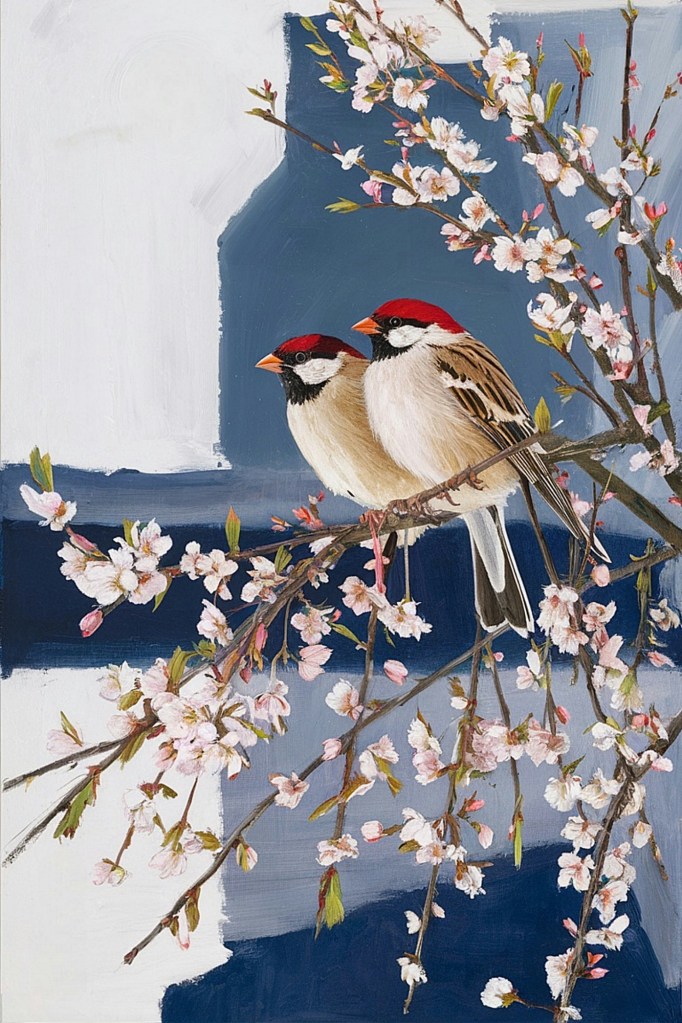
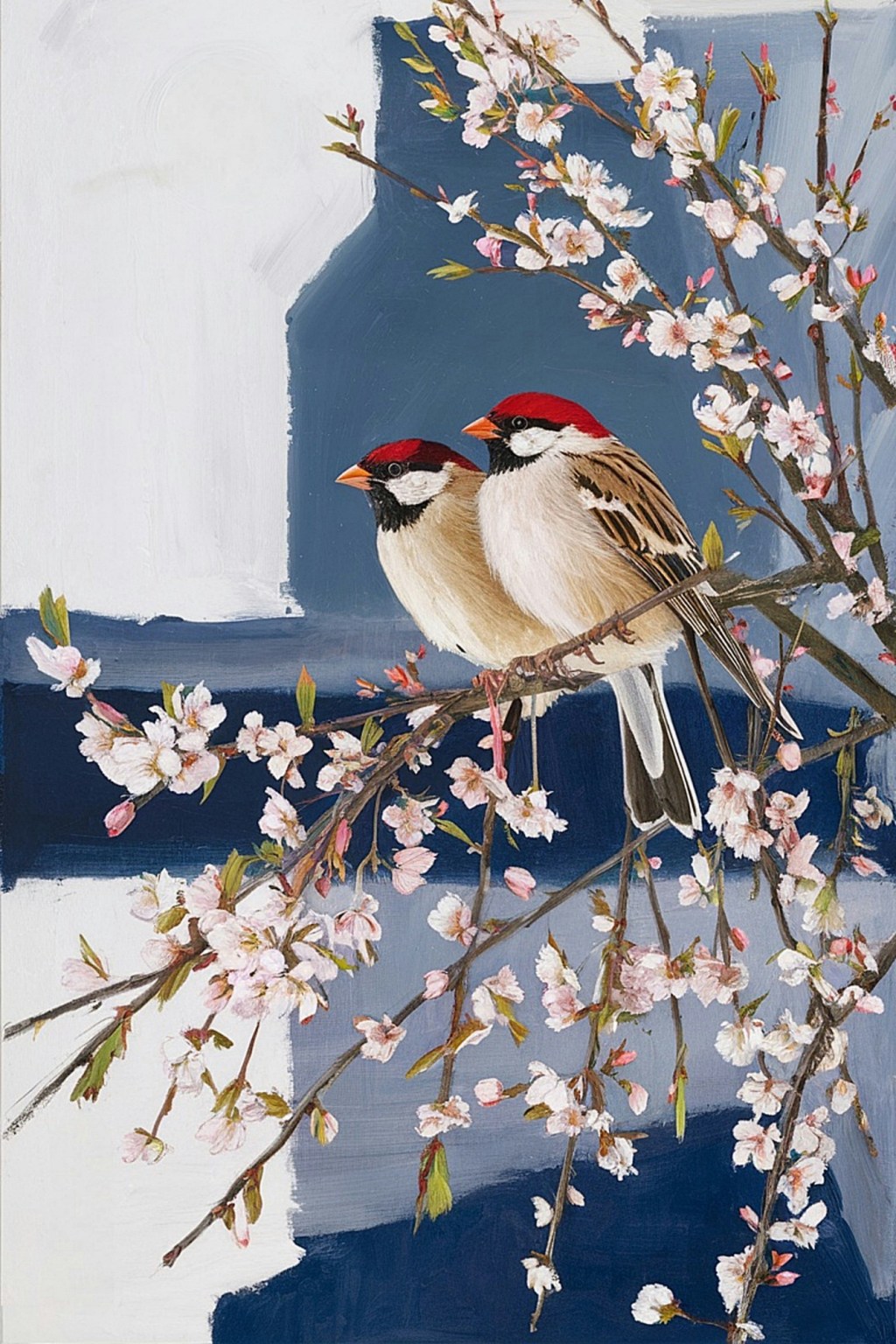
    Two stunning sparrows

    Step into any art gallery and you’ll find masterpieces that took human artists years to create. Yet outside your window, nature displays living artworks that put our greatest creations to shame. Birds aren’t just beautiful by accident, they’re the result of millions of years of evolutionary artistry, where survival and reproduction demanded nothing less than spectacular.

    The Ultimate Art Competition

    Evolution doesn’t create beauty for beauty’s sake. Every dazzling feather, every impossible colour, every gravity-defying plume exists because it once helped a bird find a mate or avoid becoming dinner. Sexual selection, the evolutionary process where mates choose partners based on attractive traits, has been running the ultimate art competition for millions of years.

    The peacock’s tail is perhaps the most famous example of this evolutionary extravagance. Those magnificent eye-spots that shimmer with otherworldly blues and greens? They’re essentially a living resume, advertising the male’s genetic fitness to potential mates. A peacock with a fuller, more vibrant tail is saying, “Look how healthy I am, I can afford to carry around this ridiculously impractical ornament and still survive.”

    Nature’s colour Revolution

    Birds have cracked the code on colour in ways that make human technology look primitive. While we’re still mixing pigments and dyes, birds create their most stunning hues through pure physics. The iridescent throat of a hummingbird doesn’t contain a single blue or green pigment. Instead, microscopic structures in the feathers act like tiny prisms, splitting light into component colours and reflecting only specific wavelengths back to our eyes.

    This structural colouration is so sophisticated that the same feather can appear emerald green from one angle and ruby red from another. Hummingbirds are essentially flying mood rings, changing colour as they move through space. The blue jay’s brilliant azure plumage works the same way, crush a blue jay feather, and the colour disappears entirely because you’ve destroyed the microscopic architecture that creates it.

    The Biochemical Palette

    While structural colours handle the metallics and iridescents, biochemical pigments create the warmer tones that make birds pop against natural backgrounds. Carotenoids, the same compounds that make carrots orange, are responsible for the blazing reds of cardinals, the sunny yellows of goldfinches, and yes, the shocking pink of flamingos.

    Here’s where it gets fascinating: birds can’t manufacture carotenoids themselves. They must obtain them from their diet, which means a bird’s colour directly reflects its nutritional status and foraging ability. A bright red cardinal isn’t just showing off, he’s proving he’s an excellent provider who can find the best food sources. Female birds have evolved to read these colour signals like nutritional report cards.

    Arms Race Aesthetics

    The relationship between predator and prey has also driven incredible innovations in avian beauty. Some birds have evolved to be living optical illusions. The intricate patterns on a woodcock’s back perfectly mimic fallen leaves and forest floor debris. Snowy owls blend seamlessly with Arctic landscapes, their white plumage broken up with strategic dark bars that fragment their outline.

    But camouflage is just one strategy. Other birds have gone the opposite direction, evolving warning colours so bright and distinctive that predators learn to avoid them entirely. The brilliant orange and black of an oriole serves as nature’s version of a “danger” sign, advertising the bird’s speed and agility to would-be attackers.

    Architectural Marvels in Miniature

    Bird beauty extends beyond mere colouration into the realm of structural engineering. A bird’s feather is a masterpiece of lightweight construction that would make aerospace engineers weep with envy. Each feather consists of a central shaft supporting hundreds of branches called barbs, which in turn support thousands of smaller branches called barbules. These barbules lock together with tiny hooks, creating a surface that’s simultaneously flexible, waterproof, and incredibly strong.

    The result is a material so perfectly designed that birds can manipulate individual feathers to create different textures and shapes for different occasions. A displaying male duck can raise certain feathers to create volume while sleekly laying others down, sculpting his silhouette like a living work of kinetic art.

    The Innovation Never Stops

    Perhaps most remarkably, avian beauty continues to evolve in real time. Urban birds are already adapting their displays to city life, some songbirds are shifting their vocal ranges to cut through traffic noise, while others are adjusting their breeding plumage timing to match earlier urban springs caused by heat island effects.

    Birds of paradise in New Guinea continue to evolve ever more elaborate courtship displays, each species trying to out-compete its neighbors in the beauty department. Some clear dance floors on the forest floor for better visibility. Others hang upside down to show off their plumage from impossible angles. It’s performance art meets genetic algorithm, running continuously for millions of years.

    Living Galleries All Around Us

    The next time you see a bird, remember you’re witnessing the product of one of the longest-running art projects in Earth’s history. Every colour has been tested by countless generations, every pattern refined through millions of years of trial and error. These aren’t just animals, they’re living galleries showcasing the power of evolution to create beauty that serves a purpose.

    From the metallic sheen of a grackle to the delicate patterns on a wood duck’s flank, birds prove that function and beauty aren’t opposites, they’re dance partners in the greatest collaborative artwork ever created. And the masterpiece is still being painted, one generation at a time.


    If you find my photography or my writing inspiring and uplifting, consider supporting what I do. Buy me a coffee on Ko-fi.
    Your support makes a difference in my life and helps me create more of what you, and I, like. Thank you!
    Tap here for a list of 100 endangered animals and plants.

    100 endangered plant and animal species

    * Abies beshanzuensis (Baishan fir) – Plant (Tree) – Baishanzu Mountain, Zhejiang, China – Three mature individuals

    * Actinote zikani – Insect (butterfly) – Near São Paulo, Atlantic forest, Brazil – Unknown numbers

    * Aipysurus foliosquama (Leaf scaled sea-snake) – Reptile – Ashmore Reef and Hibernia Reef, Timor Sea – Unknown numbers * Amanipodagrion gilliesi (Amani flatwing) – Insect (damselfly) – Amani-Sigi Forest, Usamabara Mountains, Tanzania – < 500 individuals * Antisolabis seychellensis – Insect – Morne Blanc, Mahé island, Seychelles – Unknown numbers * Antilophia bokermanni (Araripe manakin) – Bird – Chapado do Araripe, South Ceará, Brazil – 779 individuals * Aphanius transgrediens (Aci Göl toothcarp) – Fish – south-eastern shore of former Lake Aci, Turkey – Few hundred pairs * Aproteles bulmerae (Bulmer’s fruit bat) – Mammal – Luplupwintern Cave, Western Province, Papua New Guinea – 150 * Ardea insignis (White bellied heron) – Bird – Bhutan, North East India and Myanmar – 70–400 individuals * Ardeotis nigriceps (Great Indian bustard) – Bird – Rajasthan, Gujarat, Maharashtra, Andhra Pradesh, Karnataka and Madhya, India – 50–249 mature individuals * Astrochelys yniphora (Ploughshare tortoise) – Reptile – Baly Bay region, northwestern Madagascar – 440–770 * Atelopus balios (Rio Pescado stubfoot toad) – Amphibian – Azuay, Cañar and Guyas provinces, south-western Ecuador – Unknown numbers * Aythya innotata (Madagascar pochard) – Bird – volcanic lakes north of Bealanana, Madagascar – 80 mature individuals * Azurina eupalama (Galapagos damsel fish) – Fish – Unknown numbers – Unknown numbers * Bahaba taipingensis (Giant yellow croaker) – Fish – Chinese coast from Yangtze River, China to Hong Kong – Unknown numbers * Batagur baska (Common batagur) – Reptile (turtle) – Bangladesh, Cambodia, India, Indonesia and Malaysia – Unknown numbers * Bazzania bhutanica – Plant – Budini and Lafeti Khola, Bhutan – 2 sub-populations * Beatragus hunteri (Hirola) – Mammal (antelope) – South-east Kenya and possibly south-west Somalia – < 1,000 individuals * Bombus franklini (Franklin’s bumblebee) – Insect (bee) – Oregon and California – Unknown numbers * Brachyteles hypoxanthus (Northern muriqui / Woolly spider monkey) – Mammal (primate) – Atlantic forest, south-eastern Brazil – < 1,000 * Bradypus pygmaeus (Pygmy three-toed sloth) – Mammal – Isla Escudo de Veraguas, Panama – < 500 * Callitriche pulchra – Plant (freshwater) – pool on Gavdos, Greece – Unknown numbers * Calumma tarzan (Tarzan’s chameleon) – Reptile – Anosibe An’Ala region, eastern Madagascar – < 100 * Cavia intermedia (Santa Catarina’s guinea pig) – Mammal (rodent) – Moleques do Sul Island, Santa Catarina, Brazil – 40–60 * Cercopithecus roloway (Roloway guenon) – Mammal (primate) – Côte d’Ivoire – Unknown numbers * Coleura seychellensis (Seychelles sheath-tailed bat) – Mammal (bat) – Two small caves on Silhouette and Mahé, Seychelles – < 100 * Cryptomyces maximus (Willow blister) – Fungi – Pembrokeshire, United Kingdom – Unknown numbers * Cryptotis nelsoni (Nelson’s small-eared shrew) – Mammal (shrew) – Volcán San Martín Tuxtla, Veracruz, Mexico – Unknown numbers * Cyclura collei (Jamaican iguana / Jamaican rock iguana) – Reptile – Hellshire Hills, Jamaica – Unknown numbers * Daubentonia madagascariensis (Aye-aye) – Mammal (primate) – Deciduous forest, East Madagascar – Unknown numbers * Dendrophylax fawcettii (Cayman Islands ghost orchid) – Plant (orchid) – Ironwood Forest, George Town, Grand Cayman – Unknown numbers * Dicerorhinus sumatrensis (Sumatran rhino) – Mammal (rhino) – Sabah, Sarawak and Peninsular Malaysia, Kalimantan and Sumatra, Indonesia – < 100 (more recent estimates suggest 34-47) * Diomedea amsterdamensis (Amsterdam albatross) – Bird – Breeds on Plateuau des Tourbières, Amsterdam Island, Indian Ocean. – 100 mature individuals * Dioscorea strydomiana (Wild yam) – Plant – Oshoek area, Mpumalanga, South Africa – 200 * Diospyros katendei – Plant (tree) – Kasyoha-Kitomi Forest Reserve, Uganda – 20 individuals in a single population * Dipterocarpus lamellatus – Plant (tree) – Siangau Forest Reserve, Sabah, Malaysia – 12 individuals * Discoglossus nigriventer (Hula painted frog) – Amphibian – Hula Valley, Israel – Unknown numbers * Dombeya mauritiana – Plant – Mauritius – Unknown numbers * Elaeocarpus bojeri (Bois Dentelle) – Plant (tree) – Grand Bassin, Mauritius – < 10 individuals * Eleutherodactylus glandulifer (La Hotte glanded frog) – Amphibian – Massif de la Hotte, Haiti – Unknown numbers * Eleutherodactylus thorectes (Macaya breast-spot frog) – Amphibian – Formon and Macaya peaks, Masif de la Hotte, Haiti – Unknown numbers * Eriosyce chilensis (Chilenito (cactus)) – Plant – Pta Molles and Pichidungui, Chile – < 500 individuals * Erythrina schliebenii (Coral tree) – Plant – Namatimbili-Ngarama Forest, Tanzania – < 50 individuals * Euphorbia tanaensis – Plant (tree) – Witu Forest Reserve, Kenya – 4 mature individuals * Eurynorhyncus pygmeus (Spoon-billed sandpiper) – Bird – Breeds in Russia, migrates along the East Asian-Australasian Flyway to wintering grounds in India, Bangladesh and Myanmar – 100 breeding pairs * Ficus katendei – Plant – Kasyoha-Kitomi Forest Reserve, Ishasha River, Uganda – < 50 mature individuals * Geronticus eremita (Northern bald ibis) – Bird – Breeds in Morocco, Turkey and Syria. Syrian population winters in central Ethiopia. – About 3000 individuals * Gigasiphon macrosiphon – Plant (flower) – Kaya Muhaka, Gongoni and Mrima Forest Reserves, Kenya, Amani Nature Reserve, West Kilombero Scarp Forest Reserve, and Kihansi Gorge, Tanzania – 33 * Gocea ohridana – Mollusc – Lake Ohrid, Macedonia – Unknown numbers * Heleophryne rosei (Table mountain ghost frog) – Amphibian – Table Mountain, Western Cape Province, South Africa – Unknown numbers * Hemicycla paeteliana – Mollusc (land snail) – Jandia peninsula, Fuerteventura, Canary Islands – Unknown numbers * Heteromirafa sidamoensis (Liben lark) – Bird – Liben Plains, southern Ethiopia – 90–256 * Hibiscadelphus woodii – Plant (tree) – Kalalau Valley, Hawaii – Unknown numbers * Hucho perryi (Sakhalin taimen) – Fish – Russian and Japanese rivers, Pacific Ocean between Russia and Japan – Unknown numbers * Johora singaporensis (Singapore freshwater crab) – Crustacean – Bukit Timah Nature Reserve and streamlet near Bukit Batok, Singapore – Unknown numbers * Lathyrus belinensis (Belin vetchling) – Plant – Outskirts of Belin village, Antalya, Turkey – < 1,000 * Leiopelma archeyi (Archey’s frog) – Amphibian – Coromandel peninsula and Whareorino Forest, New Zealand – Unknown numbers * Lithobates sevosus (Dusky gopher frog) – Amphibian – Harrison County, Mississippi, USA – 60–100 * Lophura edwardsi (Edwards’s pheasant) – Bird – Quang Binh, Quang Tri and Thua Thien-Hue, Viet Nam – Unknown numbers * Magnolia wolfii – Plant (tree) – Risaralda, Colombia – 3 * Margaritifera marocana – Mollusc – Oued Denna, Oued Abid and Oued Beth, Morocco – < 250 * Moominia willii – Mollusc (snail) – Silhouette Island, Seychelles – < 500 * Natalus primus (Cuban greater funnel eared bat) – Mammal (bat) – Cueva La Barca, Isle of Pines, Cuba – < 100 * Nepenthes attenboroughii (Attenborough’s pitcher plant) – Plant – Mount Victoria, Palawan, Philippines – Unknown numbers * Nomascus hainanus (Hainan black crested gibbon) – Mammal (primate) – Hainan Island, China – 20 * Neurergus kaiseri (Luristan newt) – Amphibian – Zagros Mountains, Lorestan, Iran – < 1,000 * Oreocnemis phoenix (Mulanje red damsel) – Insect (damselfly) – Mulanje Plateau, Malawi – Unknown numbers * Pangasius sanitwongsei (Pangasid catfish) – Fish – Chao Phraya and Mekong basins in Cambodia, China, Lao PDR, Thailand and Viet Nam – Unknown numbers * Parides burchellanus – Insect (butterfly) – Cerrado, Brazil – < 100 * Phocoena sinus (Vaquita) – Mammal (porpoise) – Northern Gulf of California, Mexico – 12 * Picea neoveitchii (Type of spruce tree) – Plant (tree) – Qinling Range, China – Unknown numbers * Pinus squamata (Qiaojia pine) – Plant (tree) – Qiaojia, Yunnan, China – < 25 * Poecilotheria metallica (Gooty tarantula / Metallic tarantula / Peacock tarantula / Salepurgu) – Spider – Nandyal and Giddalur, Andhra Pradesh, India – Unknown numbers * Pomarea whitneyi (Fatuhiva monarch) – Bird – Fatu Hiva, Marquesas Islands, French Polynesia – 50 * Pristis pristis (Common sawfish) – Fish – Coastal tropical and subtropical waters of Indo-Pacific and Atlantic Oceans. Currently largely restricted to northern Australia – Unknown numbers * Hapalemur simus (Greater bamboo lemur) – Mammal (primate) – Southeastern and southcentral rainforests of Madagascar – 500 * Propithecus candidus (Silky sifaka) – Mammal (primate) – Maroantsetra to Andapa basin, and Marojeju Massif, Madagascar – 100–1,000 * Psammobates geometricus (Geometric tortoise) – Reptile – Western Cape Province, South Africa – Unknown numbers * Pseudoryx nghetinhensis (Saola) – Mammal – Annamite mountains, on the Viet Nam – PDR Laos border – Unknown numbers * Psiadia cataractae – Plant – Mauritius – Unknown numbers * Psorodonotus ebneri (Beydaglari bush-cricket) – Insect – Beydaglari range, Antalaya, Turkey – Unknown numbers * Rafetus swinhoei (Red River giant softshell turtle) – Reptile – Hoan Kiem Lake and Dong Mo Lake, Viet Nam, and Suzhou Zoo, China – 3 * Rhinoceros sondaicus (Javan rhino) – Mammal (rhino) – Ujung Kulon National Park, Java, Indonesia – < 100 * Rhinopithecus avunculus (Tonkin snub-nosed monkey) – Mammal (primate) – Northeastern Vietnam – < 200 * Rhizanthella gardneri (West Australian underground orchid) – Plant (orchid) – Western Australia, Australia – < 100 * Rhynchocyon spp. (Boni giant sengi) – Mammal – Boni-Dodori Forest, Lamu area, Kenya – Unknown numbers * Risiocnemis seidenschwarzi (Cebu frill-wing) – Insect (damselfly) – Rivulet beside the Kawasan River, Cebu, Philippines – Unknown numbers * Rosa arabica – Plant – St Katherine Mountains, Egypt – Unknown numbers, 10 sub-populations * Salanoia durrelli (Durrell’s vontsira) – Mammal (mongoose) – Marshes of Lake Alaotra, Madagascar – Unknown numbers * Santamartamys rufodorsalis (Red crested tree rat) – Mammal (rodent) – Sierra Nevada de Santa Marta, Colombia – Unknown numbers * Scaturiginichthys vermeilipinnis (Red-finned blue-eye) – Fish – Edgbaston Station, central western Queensland, Australia – 2,000–4,000 * Squatina squatina (Angel shark) – Fish – Canary Islands – Unknown numbers * Sterna bernsteini (Chinese crested tern) – Bird – Breeding in Zhejiang and Fujian, China. Outside breeding season in Indonesia, Malaysia, Philippines, Taiwan, Thailand. – < 50 * Syngnathus watermeyeri (Estuarine pipefish) – Fish – Kariega Estuary to East Kleinemonde Estuary, Eastern Cape Province, South Africa – Unknown numbers * Tahina spectabilis (Suicide palm / Dimaka) – Plant – Analalava district, north-western Madagascar – 90 * Telmatobufo bullocki (Bullock’s false toad) – Amphibian (frog) – Nahuelbuta, Arauco Province, Chile – Unknown numbers * Tokudaia muenninki (Okinawa spiny rat) – Mammal (rodent) – Okinawa Island, Japan – Unknown numbers * Trigonostigma somphongsi (Somphongs’s rasbora) – Fish – Mae Khlong basin, Thailand – Unknown numbers * Valencia letourneuxi – Fish – Southern Albania and Western Greece – Unknown numbers * Voanioala gerardii (Forest coconut) – Plant – Masoala peninsula, Madagascar – < 10 * Zaglossus attenboroughi (Attenborough’s echidna) – Mammal – Cyclops Mountains, Papua Province, Indonesia – Unknown numbers

    Tap to view my redbubble gallery.
  • Capturing Nature in Words

    Capturing Nature in Words

    There’s something endlessly fascinating about trying to capture nature in words. It’s not just about describing a mountain, a forest, or the way sunlight hits a river (or a flamingo); it’s about getting to the essence of what those things make us feel. Nature isn’t static—it’s full of life, sound, and motion—and trying to pin that down with language can be both beautiful and frustrating.

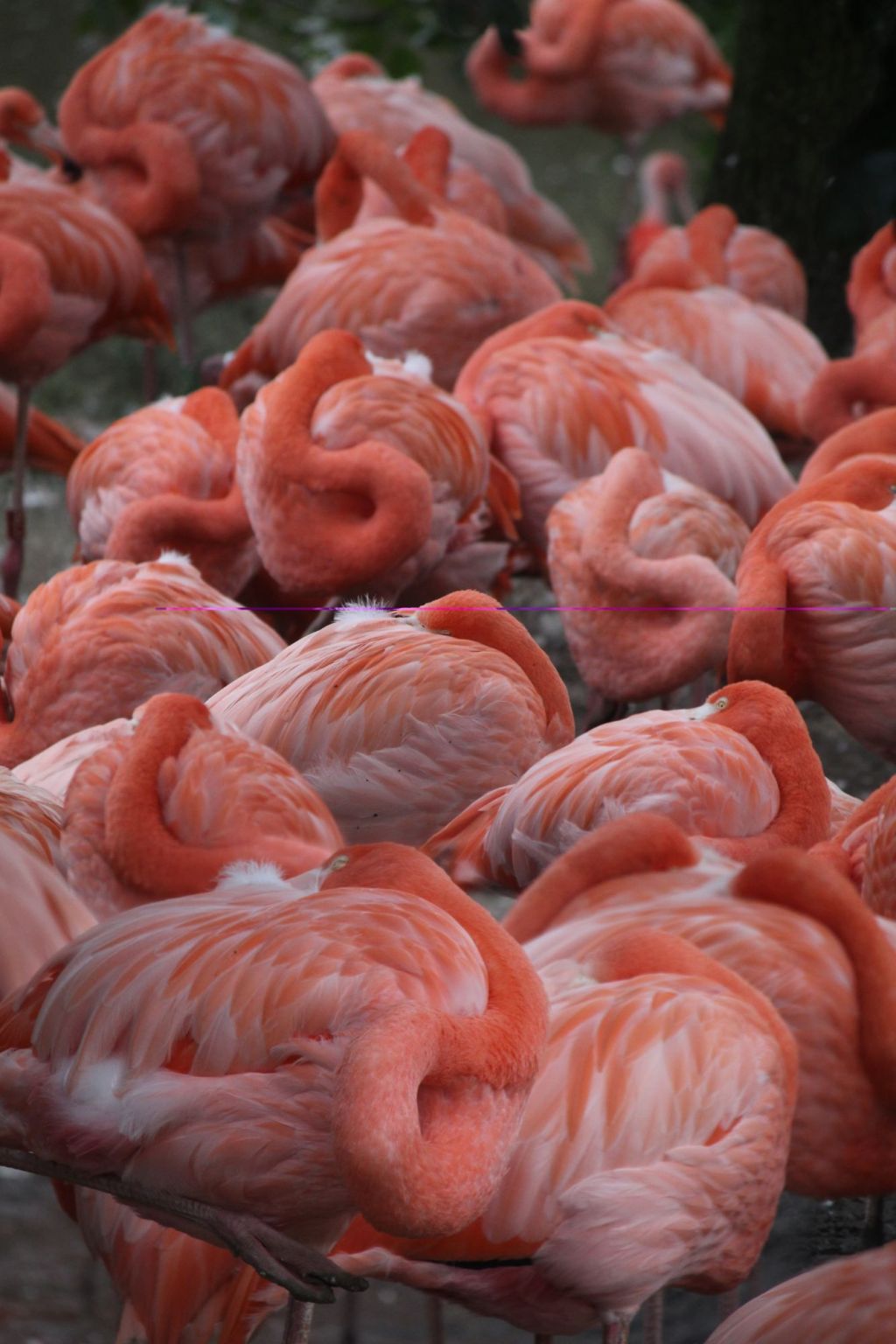
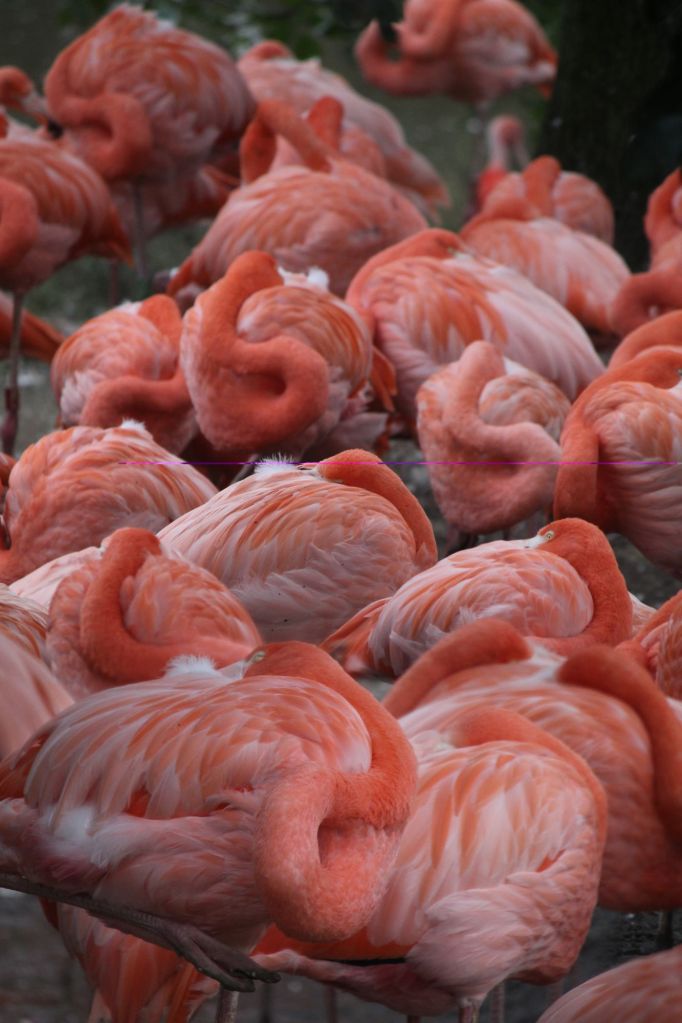
    Flamingo
    Abstract Flamingos at Chester Zoo

    Different writers have tried, each with their unique approach. From the poetic and romantic to the philosophical or even fantastical, nature on the page transforms depending on who’s writing it. Let’s take a look at how some of the greats—Wordsworth, Woolf, Hemingway, Thoreau, and Le Guin—have captured the natural world through their own distinctive lenses. Let’s try to capture it in their words:
    William Wordsworth’s Nature: An Ode to Spiritual Connection

    The hills rose gentle and vast before me, clad in the golden hue of a setting sun, their slopes a reflection of the ever-turning wheel of the seasons. Softly did the breeze stir the leaves, and in that gentle motion, I felt the spirit of the earth, that same force that moves through every flower and stream, uniting the soul with its Creator.

    In Wordsworth’s world, nature is alive with divine significance, a reflection of human emotion and spirit. As he gazes upon the landscape, there is no separation between man and nature—each is a reflection of the other, bound by something eternal and profound. The simple beauty of a daisy, the distant curve of a hill, these are not just parts of the world; they are symbols, carrying meaning far beyond their physical presence. Wordsworth’s nature is a place to reconnect with the divine, a space for meditation and self-discovery.

    Virginia Woolf’s Nature: A Flow of Consciousness

    The waves lapped rhythmically against the shore, a steady pulse, as though the sea itself were breathing. The sun, dipping below the horizon, cast long shadows that stretched and twisted across the sand. Was it only a moment, or had the light shifted so imperceptibly that time itself seemed to bend, losing its shape, melting into the folds of the evening?

    For Woolf, nature isn’t a static scene but a flowing, shifting experience, much like the workings of the mind. The waves aren’t just there; they pulse, breathe, and pull the observer into a contemplation of time, memory, and existence. Her style is often more about the fleeting impressions—the shifting of light, the slight change in air—capturing nature not as an object to be described, but as a feeling that washes over, constantly shifting as the observer’s thoughts and emotions shift.

    Ernest Hemingway’s Nature: Stark and Simple Beauty

    The river cut through the valley, clear and cold, its surface broken here and there by the silver flash of trout. Pine trees lined the banks, standing straight and still against the blue sky. There was no sound but the water and the occasional snap of a twig underfoot. It was good here, clean, the way things should be.

    Hemingway’s approach to nature is stripped down to its essentials. There’s no romanticising, no deep reflection on the meaning of it all—just the straightforward beauty of the world as it is. His nature is rugged, often harsh, but deeply satisfying in its simplicity. It’s a place where a man can be alone, think clearly, and confront life on its own terms. The river, the pine trees, the fish—they are not symbols of anything greater. They just *are*, and that’s enough.

    Henry David Thoreau’s Nature: A Manifesto of Wild Freedom

    The woods stretched out before me, deep and untrammelled, full of secrets only the wind and the animals knew. Each tree stood like a guardian, each blade of grass a symbol of the freedom that is our birthright, should we only recognize it. In these wild places, I feel my spirit rise, untethered from the confines of society, unburdened by the weight of civilization.

    Thoreau’s nature is more than a backdrop; it is a force of liberation. It represents freedom from the constraints of society and the artificial structures that human beings create. For him, being in nature is not just about enjoying its beauty—it’s a form of protest, a way of rejecting the complications and corruptions of civilization. In the woods, one can live deliberately, drawing closer to the truths of existence. Thoreau’s prose often reflects this sense of moral clarity, where every tree and animal is part of a larger, purer world.

    Ursula K. Le Guin’s Nature: An Element of Cosmic Wonder

    The mountains rose in the distance, their peaks lost in clouds that shimmered with a pale, unearthly light. The air here was different, touched by something ancient, as though the stones themselves remembered a time before humans walked the earth. Strange birds called from the trees, their notes echoing in the strange, purple dusk. It was a place both familiar and otherworldly, a reminder that nature, in all its forms, was not made for human understanding.

    Le Guin’s nature is both mystical and scientific, often intertwined with the themes of her speculative worlds. It is not merely the background for human events, but a powerful, autonomous force, shaped by forces beyond human comprehension. In her writing, nature often feels ancient, strange, and vast—a reminder of humanity’s smallness in the face of the cosmos. Her descriptions blend the real and the fantastical, inviting readers to see nature as something both wondrous and alien, as much a mystery as it is a source of beauty.


    If you find this content inspiring and uplifting, consider supporting what I do. Buy me a coffee on Ko-fi.
    Your support makes a difference in my life and helps me create more of what you like. Thank you!
    Tap to view my redbubble gallery.

  • Musings on Man and Nature

    Musings on Man and Nature

    Human heart connects,
    With nature’s rhythm, a bond,
    As one, beauty shines.

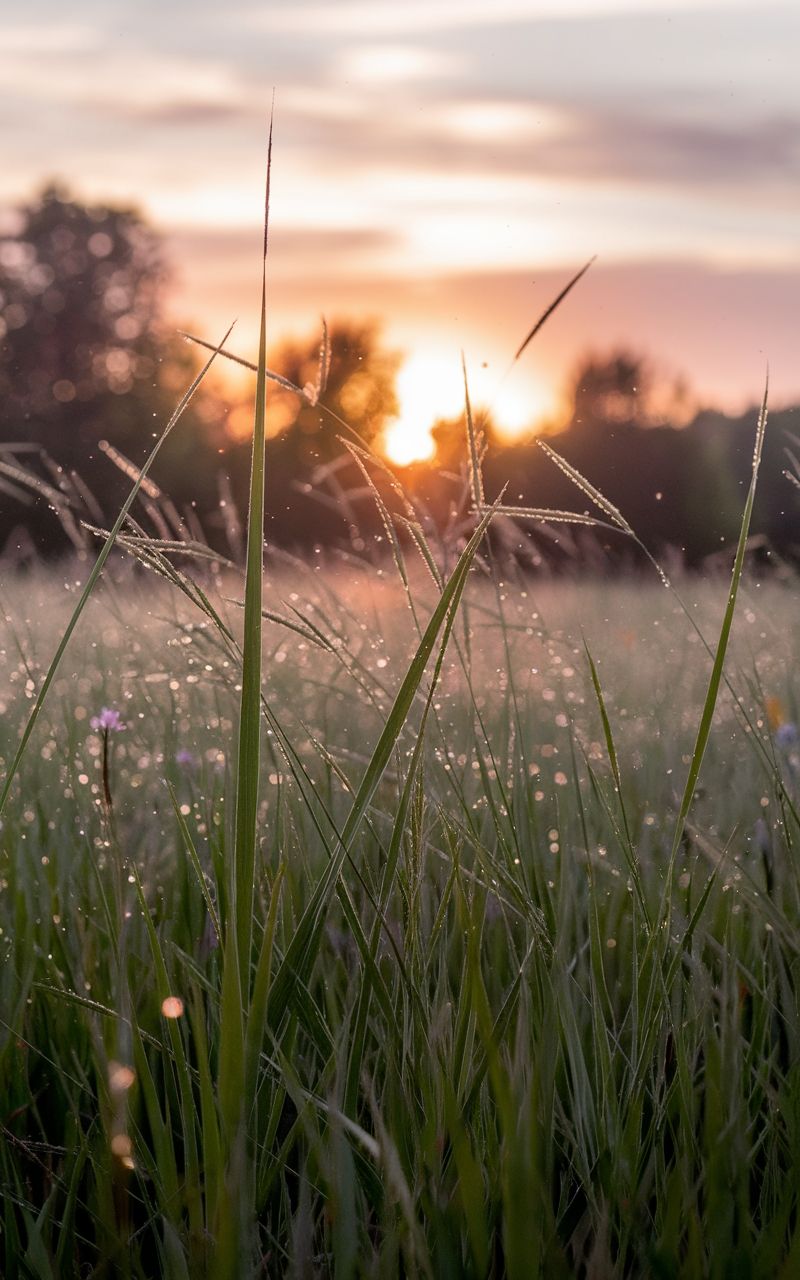
    The sun, a golden orb, painted the sky with hues of orange and pink as we strolled through the dew-kissed meadow. Blades of grass, tall and emerald, swayed gently in the morning breeze, their tips shimmering with tiny droplets of water. The air was filled with the sweet scent of wildflowers and the distant chirping of birds.

    See on TikTok

    As we walked, we pondered the complex and often contentious relationship between humans and the natural world. We discussed the ethical implications of our actions, from the exploitation of resources to the destruction of habitats. It was a delicate balance, we agreed, one that required careful consideration and a deep respect for all living things.

    Yet, amidst the challenges and complexities, there was a profound beauty to be found in nature. The intricate patterns of a spider’s web, the majestic flight of a hawk, the vibrant colours of a butterfly – each and every aspect of the natural world was a demonstration of  the wonder and diversity of life.

    We marvelled at the way the sunlight danced upon the blades of grass, creating a mesmerising spectacle of light and shadow. We listened to the symphony of sounds that filled the meadow, from the buzzing of bees to the rustling of leaves. And we felt a sense of peace and tranquillity as we connected with the rhythms of nature.

    It was a moment of profound reflection, a time to appreciate the fragility of our planet and the importance of preserving its beauty for future generations. As we continued our walk, we carried with us a renewed sense of wonder and a commitment to living in harmony with the natural world.


    If you find this content inspiring and uplifting, consider supporting what I do. Buy me a coffee on Ko-fi.
    Your support makes a difference in my life and helps me create more of what you like. Thank you!
    Tap to view my redbubble gallery.
  • Insights into the Water Rabbit Year

    Insights into the Water Rabbit Year

    “In the Year of the Rabbit, gentleness conquers where force fails, and fortune favours the heart at peace.”

    Anthony
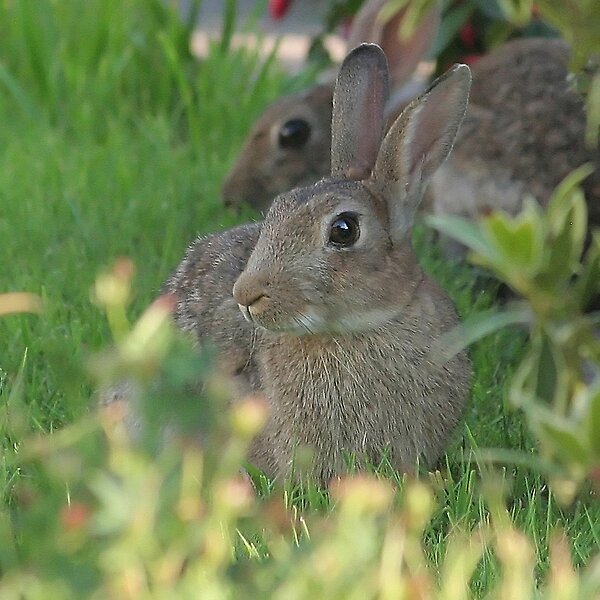
    Managed to get this photo when I was working in somebody’s garden.
    Tap to see my redbubble gallery

    The Year of the Rabbit in the Chinese zodiac is characterised by the gentle and graceful nature of the rabbit, combined with the influence of the element water in 2023. People born in this year are believed to possess qualities such as kindness, tact, and artistic sensibilities.

    The Rabbit is often seen as a symbol of good fortune and is associated with longevity in Chinese culture. Those born in the Year of the Rabbit are thought to lead a life of tranquility and charm. They are believed to be diplomatic individuals, capable of navigating social situations with ease due to their innate tact and grace.

    The element of Water further enhances these characteristics, adding a touch of adaptability and intuition to individuals born in 2023. Water is associated with fluidity and emotional depth, and it is believed to bring a sense of balance and harmony to the Rabbit’s inherent elegance.

    In Chinese folklore, the Rabbit is also associated with the Moon, contributing to its connection with creativity and artistic pursuits. People born in the Year of the Water Rabbit may find themselves drawn to creative endeavors, whether in the arts, literature, or other expressive outlets.

    Overall, the Year of the Water Rabbit is seen as a time when individuals may find success through a harmonious blend of sensitivity, diplomacy, and creative expression. It’s a year that encourages adaptability and the pursuit of artistic passions, all under the auspicious influence of the gentle and fortunate Rabbit.

    Tap to view my redbubble gallery.
  • Nature’s Whisper Amidst Ruins

    Nature’s Whisper Amidst Ruins

    “In the crevices of despair, nature composes a ballad of renewal, each leaf a lyric in the unwritten song of life’s enduring melody.”

    Anthony
    Took this photo in the Welsh hills. I love how nature reclaims man’s constructions.
    Tap to view my redbubble gallery

    In the gloomy recesses of our fractured existence, where the shadows of despair lengthen and the echoes of discord reverberate, there exists a profound truth—nature, that eternal force, ceaselessly endeavours to reclaim dominion over the desolation we’ve wrought. Through the fractures and crevices of our broken world, it weaves its resilient tendrils, a manifestation of the indomitable spirit of life.

    Oh, the lamentable tale of our folly, where progress has become the architect of its own undoing. The ceaseless march of industry, the relentless pursuit of mastery over the elements, has left our once-vibrant world battered and bruised. Yet, in the midst of this man-made labyrinth, nature persists, an undaunted force that refuses to be silenced.

    Behold the tenacity of the weed, that humble interloper pushing through the unforgiving concrete. A symbol of defiance against the cold hand of human order. Through the cracks in the pavement, nature extends a green rebellion, reclaiming its birthright inch by persistent inch. It is as if the earth itself, wearied by our excesses, whispers a quiet protest, reminding us that it, too, has a voice—a voice echoing through the crevices of our misguided endeavours.

    In the murk of our industrialization, nature’s resilience becomes a beacon of hope, a reminder that despite our ceaseless march towards progress, there exists a sublime balance we dare not disrupt. The wind through the shattered windows, the wildflowers in the neglected corners, each a chorus singing the hymn of an untamed world seeking to endure.

    And so, as we stand amidst the ruins of our own creation, let us not forget that nature, in its quiet rebellion, persists—a testimony to a world that always finds a way to push back against the encroaching darkness, through the cracks and crevices of our broken existence.

    Tap to view my redbubble gallery.
  • Through the Shutter’s Eye

    Through the Shutter’s Eye

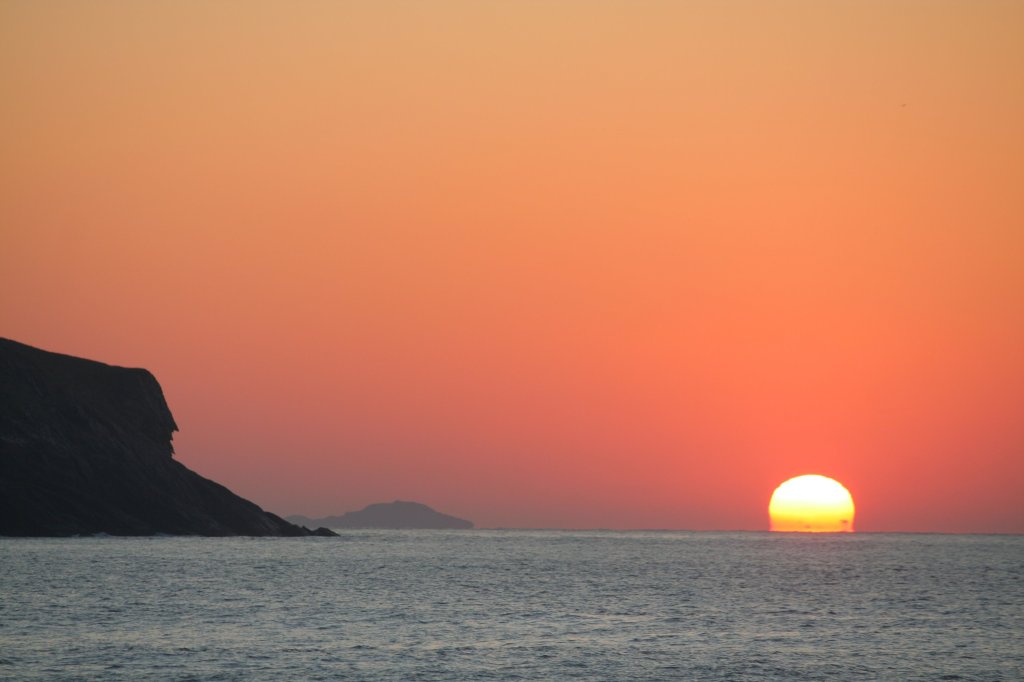
    Photography, at its core, is a dance with serendipity. It’s an art that thrives on capturing moments of beauty, wonder, and the unexpected. The magic of photography lies in being in the right place at the right time, a concept that couldn’t be more evident than in your two striking images.

    Sun kisses the sea
    Tap to view my redbubble gallery.

    In the first photograph, the sun seems to have carefully settled upon the water’s surface, casting a golden path that glistens like liquid fire. It’s a visual marvel that reminds us of the exquisite alignment of celestial bodies and the fleeting nature of light. To capture this moment required being present at that precise instant when the sun kissed the sea, illuminating both with a warm, ethereal glow. It’s as if nature conspired with the photographer, inviting them into its grand performance for a brief, exquisite encore.

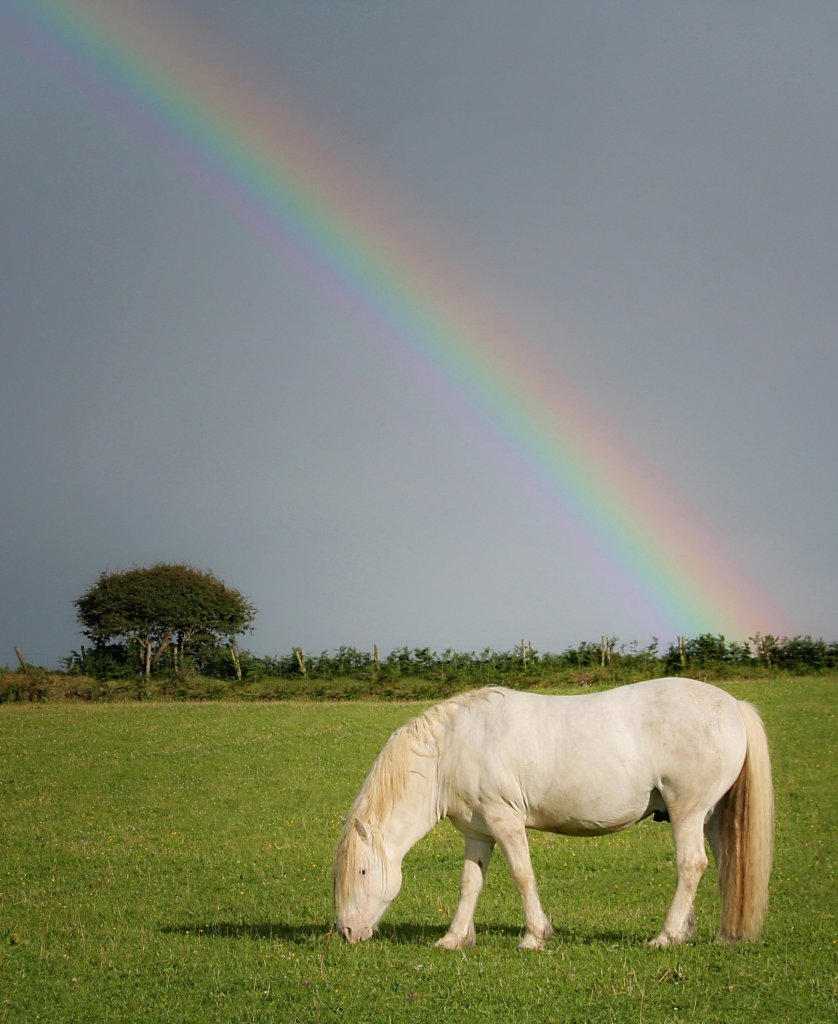
    Lucky White horse
    Tap to view my redbubble gallery.

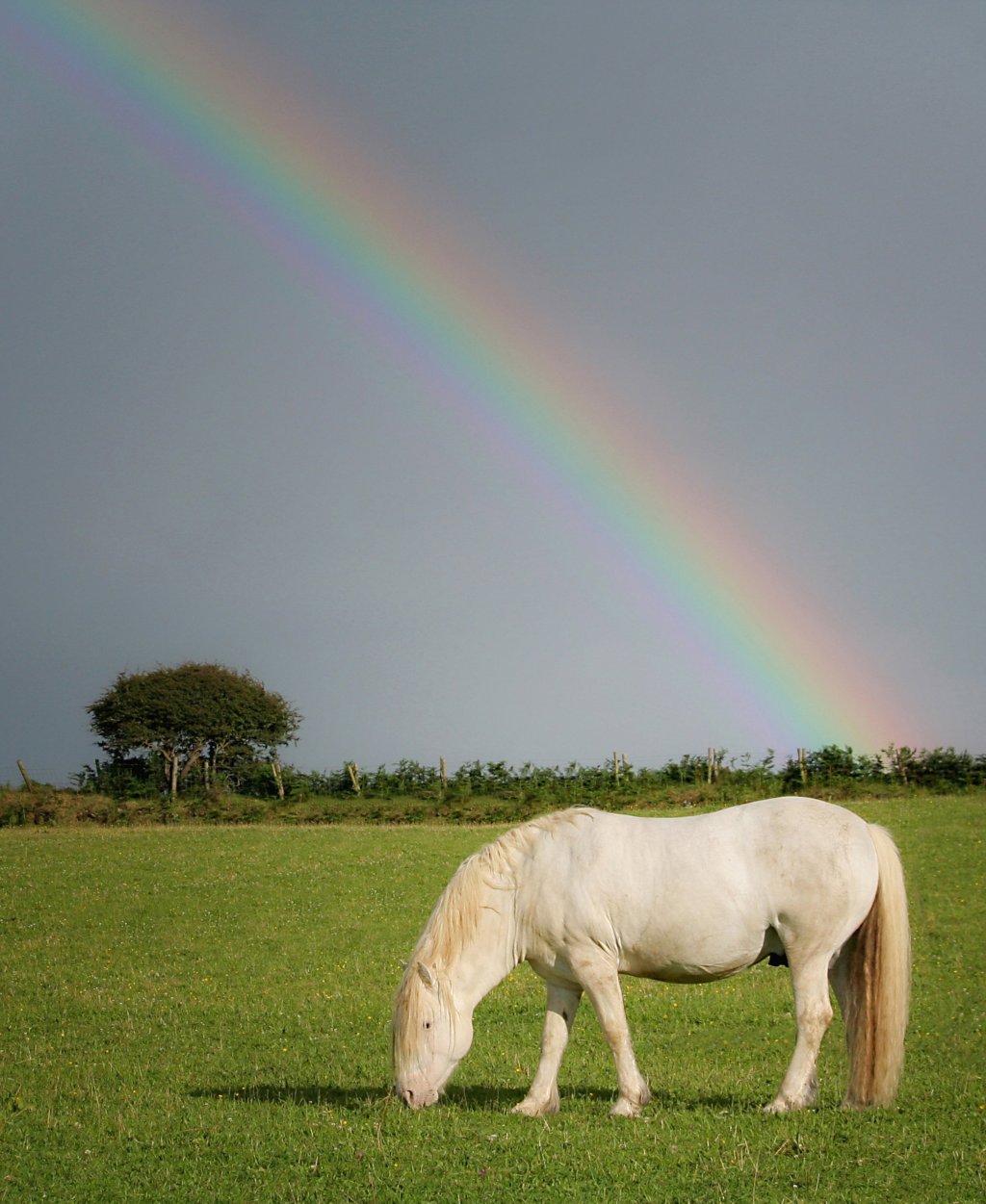
    The second image, featuring a rainbow emerging behind a white horse, is equally mesmerising. Rainbows have long held a mythical allure, symbolising hope, promise, and the ephemeral nature of beauty. In this instance, the horse, symbolising grace and freedom, stands at the confluence of earth and sky, while the rainbow, a harmonious blending of light, forms a breathtaking arch. To capture such a scene requires more than just photographic skill; it calls for patience and an almost spiritual connection with the world around us.

    In both instances, the photographer found themselves at the intersection of perfect timing and sheer luck. They harnessed the magic of the natural world and transformed it into two timeless images, reminding us that the beauty of our world is ever-present, but often hidden, waiting for us to be in the right place at the right time to reveal itself.

    But being in the right place at the right time is not solely a matter of happenstance. It requires patience and persistence, a willingness to wait for that perfect alignment of elements. It involves understanding that each moment carries its own unique narrative, waiting to be captured. The most captivating photographs often emerge when the photographer embraces the unpredictability of life.

    These photographs are a testament to the enchantment of the universe and the photographer’s gift for seeing the extraordinary in the ordinary. In a world that often moves too fast to notice the subtle wonders around us, they invite us to pause, to appreciate the beauty of happenstance, and to understand that the lens through which we view the world can often be our most powerful tool for capturing the fleeting moments that make life truly extraordinary.

    Tap to view my redbubble gallery.
  • Beneath the Weathered Bark

    Beneath the Weathered Bark

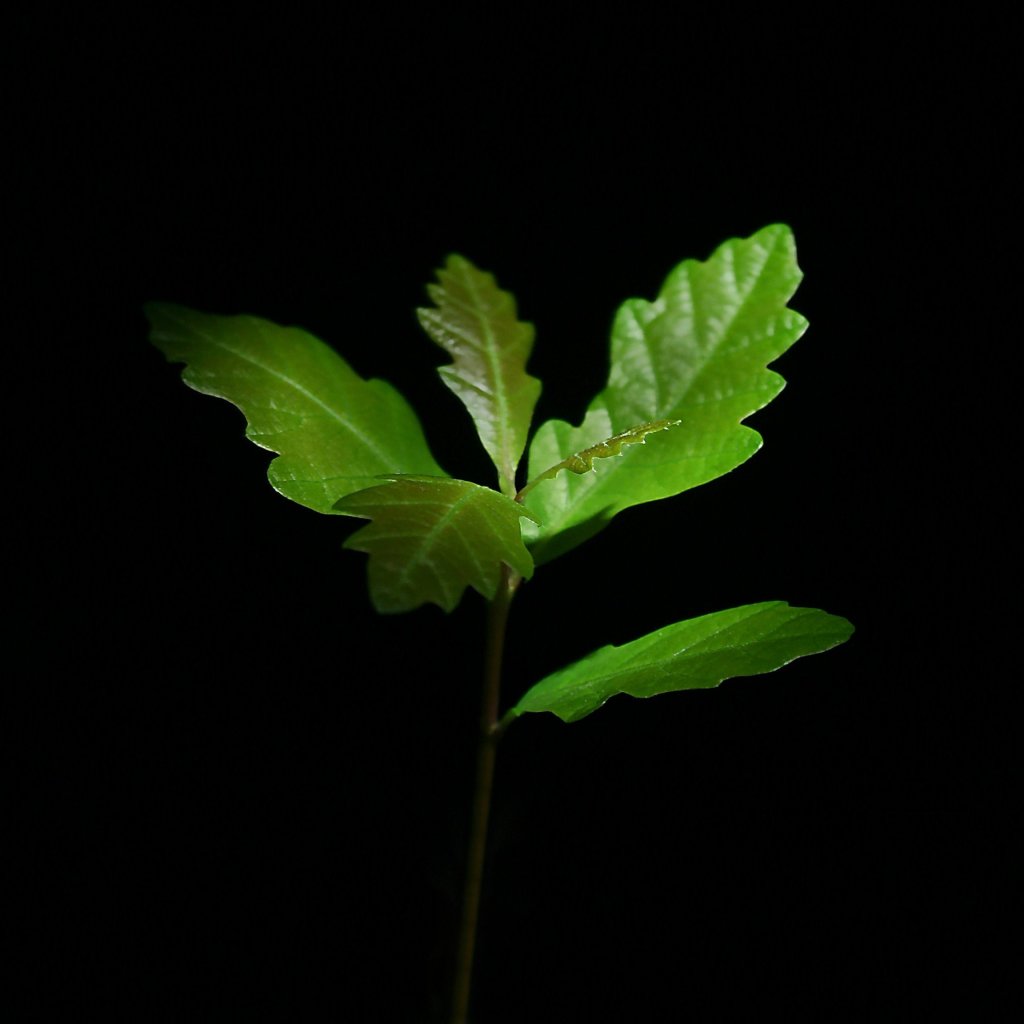
    In the quiet cradle of the forest’s breath, a humble oak seedling awakened, nestled within the varied canvas of emerald secrets. Time unfurled its leaves like pages in history, and as seasons pirouetted in the sunlight, the oak grew to touch the sky with wise, gnarled fingers.

    Tap to view my redbubble gallery.

    The ancients whispered to it of the world’s ephemeral dance. The secrets of mankind etched on its bark as the observer of folly and triumph, scarred witness to a tapestry of human ambition. From iron plough to steel skyscrapers, it bore witness to the voracious thirst for progress.

    Yet, in the dying whispers of leaves that once rustled with life, the oak’s enigmatic lament emerged. The legacy of mankind, etched deeply into its aged rings, bore the weight of sorrow and responsibility. As it withered, the world it knew crumbled, and the once-vibrant forest dwindled, overtaken by the encroachments of urban banality.

    Mankind, the same hands that shaped civilizations, now held the blade that carved the oak’s fading epitaph. The delicate balance of nature, once protected by reverence, now teetered on the precipice of oblivion. The silent oak, keeper of nature’s chronicle, grieved for the world it had known, a desperate commentary on humanity’s paradoxical journey—nurturer and destroyer, the hand that both planted and uprooted life.

    The oak’s final whispers carried a poignant warning—a riddle of choices made, a legacy on the brink of fading, and a plea for the world to heed the echoes that lingered in its fragile leaves, before the story ended, and all that remained was silence.

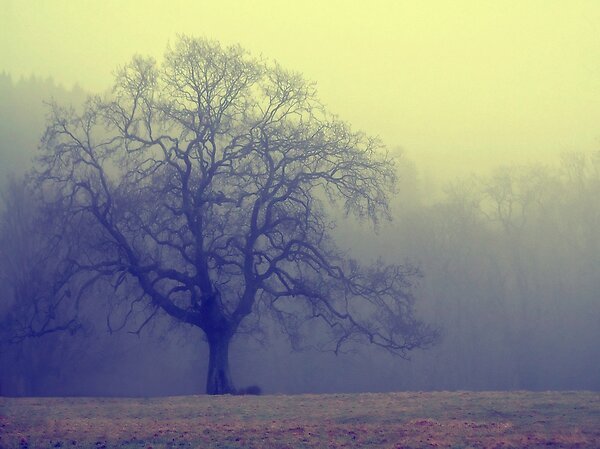
    Grand Oak. Tap to view my redbubble gallery.

    Oak tree, wise and old
    Witness to human folly
    Whispers in the wind

    Anthony
    Tap to view my redbubble gallery.
  • Nature finds a way

    Nature finds a way

    Tap to view in my redbubble gallery.

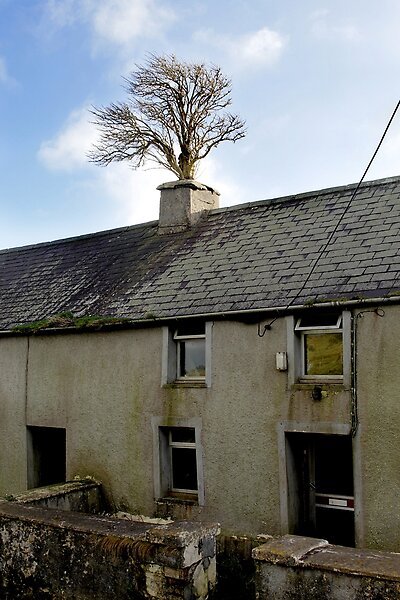
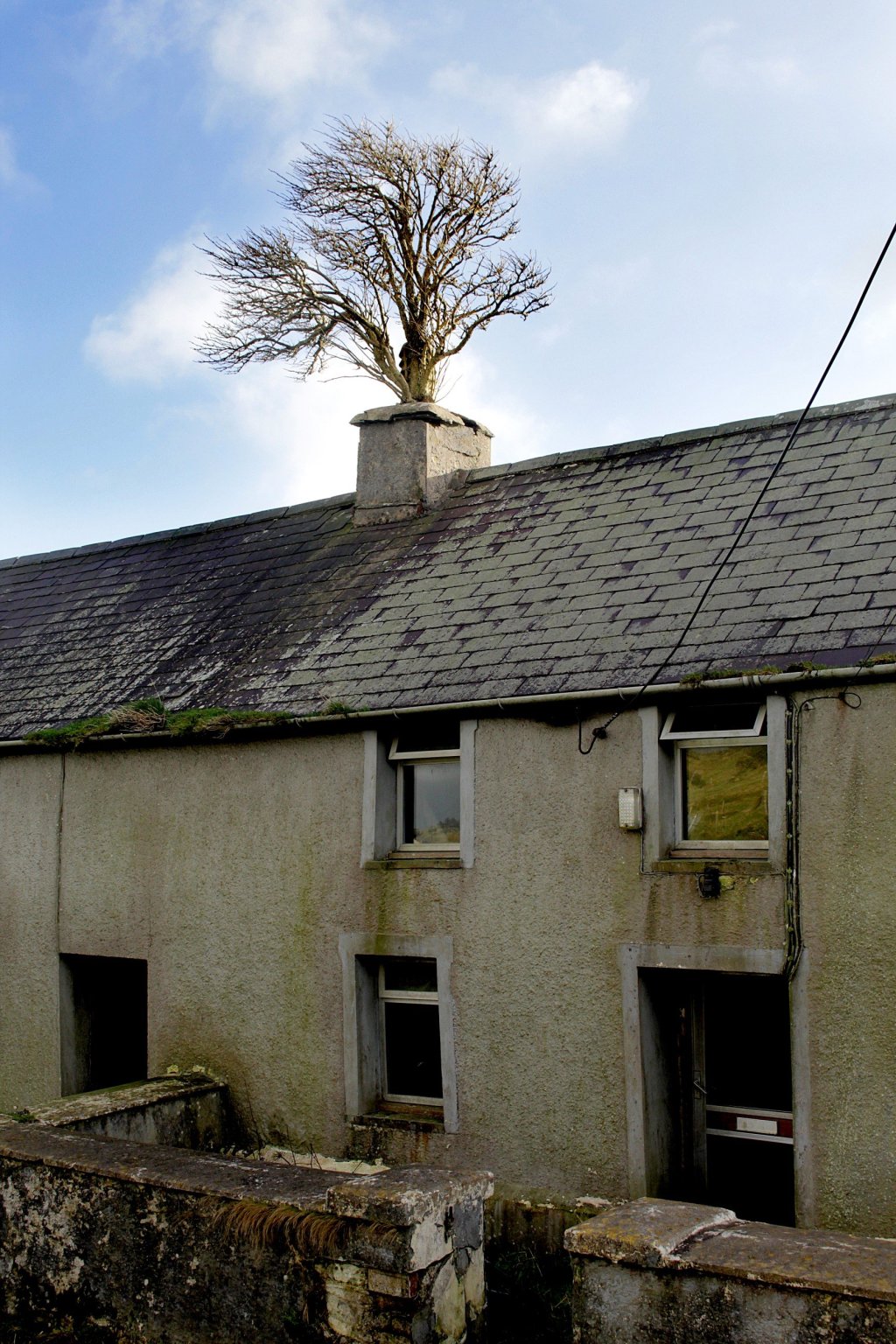
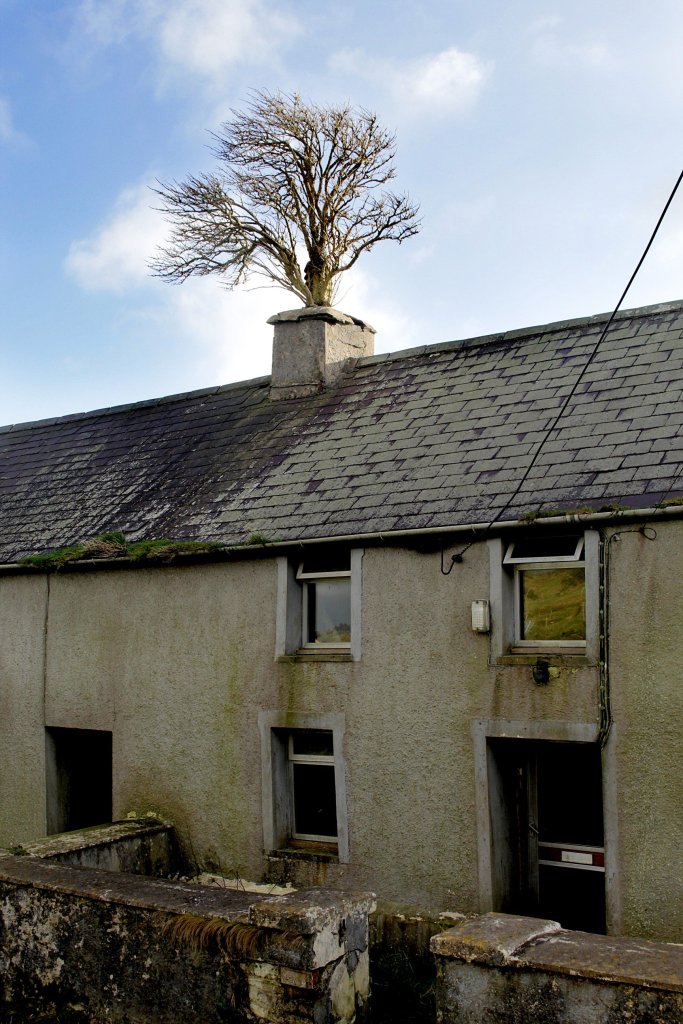
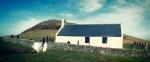
    Driving down a quiet country road in Wales, something caught my attention: an old abandoned house with a tree growing out of the chimney. The sight was so striking that I had to stop and take a photo. As I stood there, marvelling at the sight, I couldn’t help but think about the incredible power of nature to reclaim what is hers.

    There’s something awe-inspiring about seeing nature slowly take over man-made structures. It’s a reminder that no matter how much we may try to control our environment, nature will always have the final say. This tree is a perfect example of this. The house had clearly been abandoned for some time, and the tree had found its way into the chimney, with no apparent soil, taking root and growing tall.

    As I looked closer, I noticed that other parts of the house were also being reclaimed by nature. Ivy was creeping up the walls, and a group of pigeons were perched on the windowsill. They seemed to have made themselves at home in the living room, where the windows had been broken and the door hung off its hinges. It was a stark reminder that everything is temporary, and that we are just a small part of a much larger ecosystem.

    It’s not just abandoned buildings that nature reclaims though. We see it happening all around us, in small ways and big ways. Cracks in the pavement allow for tiny weeds to grow, and fallen leaves and branches break down and become soil for new growth. It’s a never-ending cycle of life, death, and renewal that has been happening for billions of years.

    This natural reclamation can also be seen in the aftermath of natural disasters, like hurricanes or wildfires. In the wake of these events, we see plants and animals begin to return to the areas that were destroyed, slowly rebuilding and renewing the ecosystem.

    As I stood there, watching the tree sway in the breeze, I felt a sense of calm wash over me. It was a reminder that no matter what happens in the world around us, nature will always find a way to thrive. It’s a powerful lesson that we can all learn from, especially in times of uncertainty.

    As I got back into my car and continued down the road, I couldn’t help but think about the incredible resilience of nature. It’s a force to be reckoned with, and one that we should all respect and appreciate. So if you ever see a tree growing out of a chimney or a patch of wildflowers in an unexpected place, take a moment to appreciate the beauty and power of nature reclamation.

    Tap to view my redbubble gallery.

    More interesting posts

  • The Sound of Life

    The Sound of Life

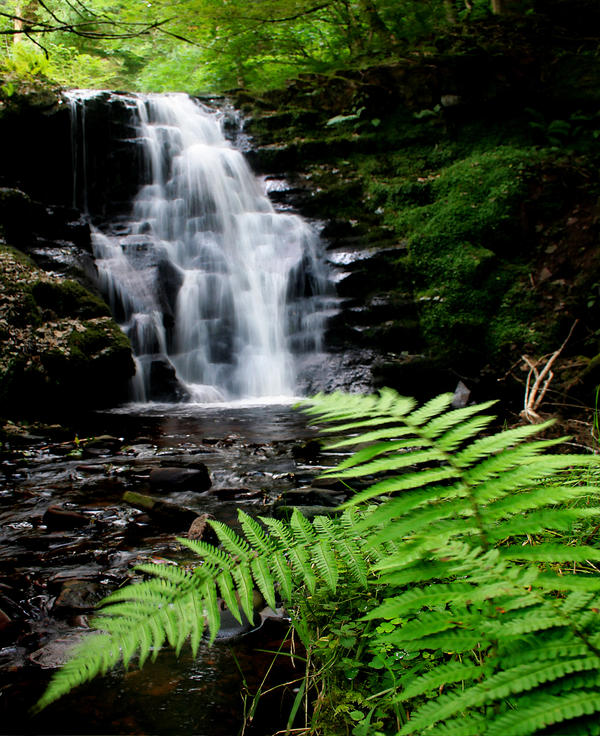
    Cascading Beauty

    Oh Waterfall, with your cascading flow
    From the mountain high, down to the valley below
    You sing a song of life, as you gush
    A symphony of sound, a sight to see, a rush to the senses

    The green ferns that surround you, a cloak of emerald hue
    Their delicate fronds, a dance in the breeze
    A natural wonder, a living tapestry
    A sight to behold, a treasure to pursue

    Oh Waterfall, with your misty spray
    A natural air conditioner, on a hot summer’s day
    A cool embrace, a welcome retreat
    From the heat of the sun, a comforting presence

    The green ferns that embrace you, a symbol of life and growth
    Their verdant leaves, a reminder of nature’s bounty
    A peaceful oasis, a natural wonder
    A sight to behold, a treasure to discover

    Oh Waterfall, with your sparkling flow
    A source of inspiration, a sight to behold
    A natural wonder, a living tapestry
    A treasure to pursue, a sight to see

    Oh Waterfall, with your cascading flow
    From the mountain high, down to the valley below
    You sing a song of life, as you gush
    A symphony of sound, a sight to see, a rush to the senses

    The green ferns that surround you, a cloak of emerald hue
    Their delicate fronds, a dance in the breeze
    A natural wonder, a living tapestry
    A sight to behold, a treasure to pursue

    Oh Waterfall, with your misty spray
    A natural air conditioner, on a hot summer’s day
    A cool embrace, a welcome retreat
    From the heat of the sun, a comforting presence

    The green ferns that embrace you, a symbol of life and growth
    Their verdant leaves, a reminder of nature’s bounty
    A peaceful oasis, a natural wonder
    A sight to behold, a treasure to discover

    Oh Waterfall, with your sparkling flow
    A source of inspiration, a sight to behold
    A natural wonder, a living tapestry
    A treasure to pursue, a sight to see

    Tap to view my redbubble gallery.

    More interesting posts

  • Fungi Fun for All: A Lighthearted Look at Mushrooms

    Fungi Fun for All: A Lighthearted Look at Mushrooms

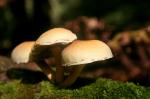
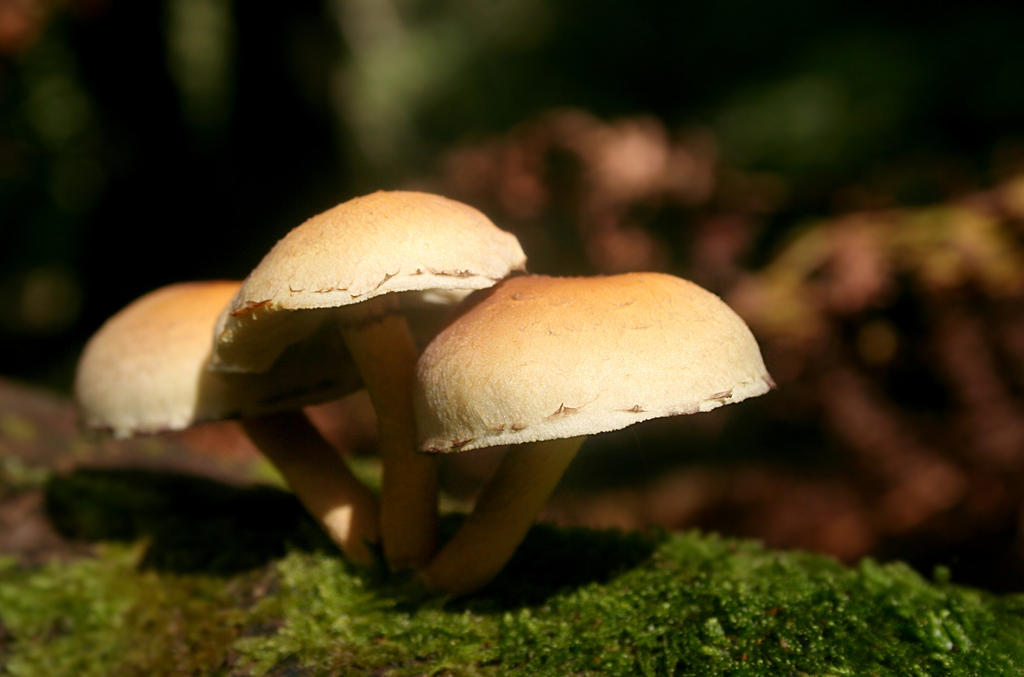
    Mushroom Magic

    Hey there mushroom lovers!

    Are you ready to dive into the wild and wacky world of fungi? If so, buckle up because we’re about to embark on a journey through the weird and wonderful world of mushrooms.

    First off, let’s talk about what mushrooms are. They’re a type of fungi that can be found just about anywhere on the planet. They come in all sorts of shapes, sizes, and colors, ranging from the tiny, unassuming button mushroom to the giant, otherworldly puffball. Some species of mushrooms are edible and delicious (hello, truffle mushrooms!), while others are downright poisonous and should be avoided at all costs.

    But what makes mushrooms so special, you ask? Well, for starters, they’re nature’s little recycling machines. Many species of mushrooms play important roles in breaking down organic matter and returning nutrients back to the soil, which helps to enrich the earth and support the growth of new plants. Without mushrooms, we’d be up to our eyeballs in dead leaves and logs!

    Mushrooms also have a long history of use in cooking and traditional medicine. Some of the most prized edible mushrooms include shiitake, oyster, and morel mushrooms, all of which are known for their delicious flavors and nutritional value. And if you’re into natural remedies, you’ll be pleased to know that some species of mushrooms are believed to have medicinal properties and are used to treat a wide range of health conditions.

    But here’s the thing: not all mushrooms are created equal. Some of them are deadly poisonous, so it’s important to be careful when collecting or consuming wild mushrooms. If you’re not sure if a mushroom is safe to eat, it’s always a good idea to consult with a knowledgeable expert or reference guide before chowing down.

    In conclusion, mushrooms are truly a mysterious and fascinating group of organisms. Whether you’re interested in their biology, cooking with them, or using them for their medicinal properties, there’s always something new to learn about these funky fungi. Happy mushroom hunting!

    Tap to view my redbubble gallery.

    More interesting posts

Design a site like this with WordPress.com
Get started