Tag: Wales

  • The Rise and Fall of Cardigan Quay

    The Rise and Fall of Cardigan Quay

    A Tale of Tides and Fortunes

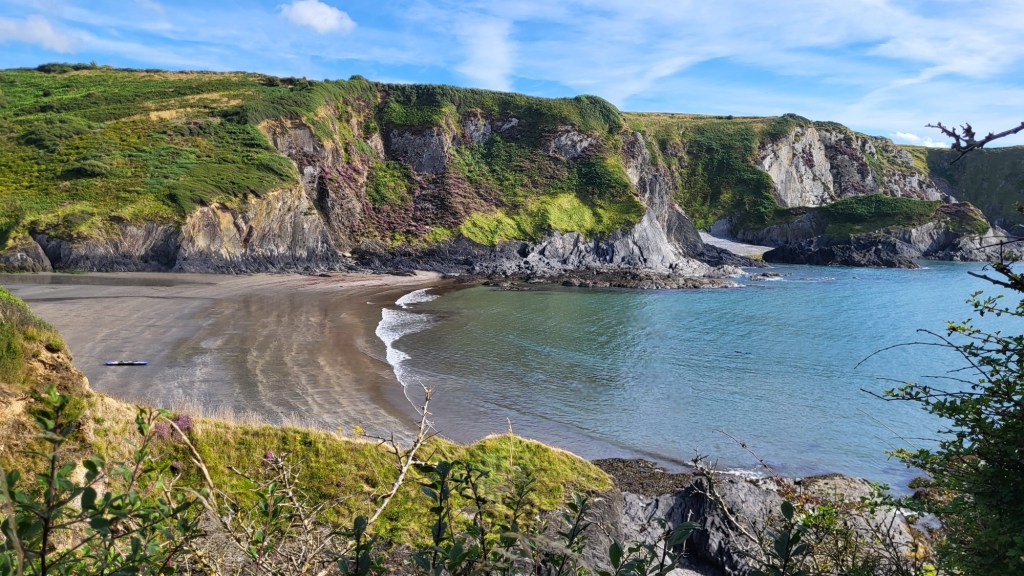
    Standing on the banks of the Teifi today, looking toward the old stone bridge and the quiet buildings, it is almost impossible to imagine the noise.

    Cardigan Quay and Bridge
    Cardigan Quay and Bridge. Taken a few years ago.

    Today, the loudest sound here is the clinking of coffee cups, the call of a seabird, or the gentle lapping of water against the stone walls. It is a scene of serene beauty – a postcard of Welsh tranquility.

    But if you could peel back the layers of time to 1840, this silence would be shattered.

    You would be deafened by the screech of saws cutting timber, the roar of lime kilns, the hammering of shipwrights, and the shouting of sailors in Welsh, English, French, and Norwegian. You would smell tar, raw wood, and coal dust.

    This wasn’t just a riverbank; it was an engine room. And at the heart of this engine stood a man whose life perfectly mirrored the fortunes of the town itself: Thomas Davies.

    The High Tide: The Merchant King of Bridge Street
    To understand Cardigan’s golden age, you have to look past the buildings and see the man who walked between them. Thomas Davies lived right here on Bridge Street, just steps from the water.

    In the mid-19th century, Cardigan was a titan. It was one of the grandest ports in Great Britain, a hub of international commerce that rivaled major cities. And Thomas Davies was its “Merchant King.” He was the master of Mercantile Quay. While other wharves handled local coal or passengers, Davies had his eyes on the horizon. He brought in massive shipments of timber from the Baltic and North America. He was a shipowner, a Lloyd’s agent, and eventually the Mayor.

    But he was more than a businessman; he was the town’s patriarch. It is said he trained over thirty young men in his counting house, mentoring a generation of merchants who would go on to find success in London and Cardiff.
    When the tide was high for Thomas Davies, the tide was high for Cardigan. The town was rich, busy, and confident.

    The Turning of the Tide
    But tides, by their very nature, must turn.
    The fall of Cardigan Quay wasn’t a sudden explosion; it was a slow, heartbreaking drift – much like the silt that began to choke the river mouth.

    Two forces conspired against the town and its Merchant King: geography and progress. The Teifi estuary began to silt up, making it dangerous for the larger, modern ships to dock. At the same time, the “Iron Horse” – the railway – was marching across Wales, threatening to render the old sailing ports obsolete.
    As the river slowed, so did the flow of money.

    The parallel between the town and the man is haunting. Just as the port began its irreversible decline, Thomas Davies’ empire crumbled. In 1872, the man who had built so much of the town’s prosperity was declared bankrupt.

    It was the end of an era. The bustle of the rope makers faded. The shipyards at Netpool fell silent. The great warehouses that held timber from the New World emptied out.

    The Serenity After the Storm
    History often calls this a “decline,” but looking at this photograph today, it feels more like a deep exhale.

    The industrial clamor has vanished, leaving behind the stunning stone skeletons of the past. The Granary and the warehouses on the southwest side still stand, but they no longer house the sweat of industry. Instead, they provide a backdrop for leisure and appreciation.
    Thomas Davies and the great ships are gone, but they left us a gift. They built the bones of a town that, stripped of its industrial grit, revealed itself to be one of the most beautiful spots in Wales.

    When you walk across the bridge today, spare a thought for the Merchant King of Bridge Street. His fortune may have fallen with the tide, but the beauty of the quay remains permanent.


    If you find my photography or my writing inspiring and uplifting, consider supporting what I do. Buy me a coffee on Ko-fi.
    Your support makes a difference in my life and helps me create more of what you, and I, like. Thank you!
    Tap here for a list of 100 endangered animals and plants.

    100 endangered plant and animal species

    * Abies beshanzuensis (Baishan fir) – Plant (Tree) – Baishanzu Mountain, Zhejiang, China – Three mature individuals

    * Actinote zikani – Insect (butterfly) – Near São Paulo, Atlantic forest, Brazil – Unknown numbers

    * Aipysurus foliosquama (Leaf scaled sea-snake) – Reptile – Ashmore Reef and Hibernia Reef, Timor Sea – Unknown numbers * Amanipodagrion gilliesi (Amani flatwing) – Insect (damselfly) – Amani-Sigi Forest, Usamabara Mountains, Tanzania – < 500 individuals * Antisolabis seychellensis – Insect – Morne Blanc, Mahé island, Seychelles – Unknown numbers * Antilophia bokermanni (Araripe manakin) – Bird – Chapado do Araripe, South Ceará, Brazil – 779 individuals * Aphanius transgrediens (Aci Göl toothcarp) – Fish – south-eastern shore of former Lake Aci, Turkey – Few hundred pairs * Aproteles bulmerae (Bulmer’s fruit bat) – Mammal – Luplupwintern Cave, Western Province, Papua New Guinea – 150 * Ardea insignis (White bellied heron) – Bird – Bhutan, North East India and Myanmar – 70–400 individuals * Ardeotis nigriceps (Great Indian bustard) – Bird – Rajasthan, Gujarat, Maharashtra, Andhra Pradesh, Karnataka and Madhya, India – 50–249 mature individuals * Astrochelys yniphora (Ploughshare tortoise) – Reptile – Baly Bay region, northwestern Madagascar – 440–770 * Atelopus balios (Rio Pescado stubfoot toad) – Amphibian – Azuay, Cañar and Guyas provinces, south-western Ecuador – Unknown numbers * Aythya innotata (Madagascar pochard) – Bird – volcanic lakes north of Bealanana, Madagascar – 80 mature individuals * Azurina eupalama (Galapagos damsel fish) – Fish – Unknown numbers – Unknown numbers * Bahaba taipingensis (Giant yellow croaker) – Fish – Chinese coast from Yangtze River, China to Hong Kong – Unknown numbers * Batagur baska (Common batagur) – Reptile (turtle) – Bangladesh, Cambodia, India, Indonesia and Malaysia – Unknown numbers * Bazzania bhutanica – Plant – Budini and Lafeti Khola, Bhutan – 2 sub-populations * Beatragus hunteri (Hirola) – Mammal (antelope) – South-east Kenya and possibly south-west Somalia – < 1,000 individuals * Bombus franklini (Franklin’s bumblebee) – Insect (bee) – Oregon and California – Unknown numbers * Brachyteles hypoxanthus (Northern muriqui / Woolly spider monkey) – Mammal (primate) – Atlantic forest, south-eastern Brazil – < 1,000 * Bradypus pygmaeus (Pygmy three-toed sloth) – Mammal – Isla Escudo de Veraguas, Panama – < 500 * Callitriche pulchra – Plant (freshwater) – pool on Gavdos, Greece – Unknown numbers * Calumma tarzan (Tarzan’s chameleon) – Reptile – Anosibe An’Ala region, eastern Madagascar – < 100 * Cavia intermedia (Santa Catarina’s guinea pig) – Mammal (rodent) – Moleques do Sul Island, Santa Catarina, Brazil – 40–60 * Cercopithecus roloway (Roloway guenon) – Mammal (primate) – Côte d’Ivoire – Unknown numbers * Coleura seychellensis (Seychelles sheath-tailed bat) – Mammal (bat) – Two small caves on Silhouette and Mahé, Seychelles – < 100 * Cryptomyces maximus (Willow blister) – Fungi – Pembrokeshire, United Kingdom – Unknown numbers * Cryptotis nelsoni (Nelson’s small-eared shrew) – Mammal (shrew) – Volcán San Martín Tuxtla, Veracruz, Mexico – Unknown numbers * Cyclura collei (Jamaican iguana / Jamaican rock iguana) – Reptile – Hellshire Hills, Jamaica – Unknown numbers * Daubentonia madagascariensis (Aye-aye) – Mammal (primate) – Deciduous forest, East Madagascar – Unknown numbers * Dendrophylax fawcettii (Cayman Islands ghost orchid) – Plant (orchid) – Ironwood Forest, George Town, Grand Cayman – Unknown numbers * Dicerorhinus sumatrensis (Sumatran rhino) – Mammal (rhino) – Sabah, Sarawak and Peninsular Malaysia, Kalimantan and Sumatra, Indonesia – < 100 (more recent estimates suggest 34-47) * Diomedea amsterdamensis (Amsterdam albatross) – Bird – Breeds on Plateuau des Tourbières, Amsterdam Island, Indian Ocean. – 100 mature individuals * Dioscorea strydomiana (Wild yam) – Plant – Oshoek area, Mpumalanga, South Africa – 200 * Diospyros katendei – Plant (tree) – Kasyoha-Kitomi Forest Reserve, Uganda – 20 individuals in a single population * Dipterocarpus lamellatus – Plant (tree) – Siangau Forest Reserve, Sabah, Malaysia – 12 individuals * Discoglossus nigriventer (Hula painted frog) – Amphibian – Hula Valley, Israel – Unknown numbers * Dombeya mauritiana – Plant – Mauritius – Unknown numbers * Elaeocarpus bojeri (Bois Dentelle) – Plant (tree) – Grand Bassin, Mauritius – < 10 individuals * Eleutherodactylus glandulifer (La Hotte glanded frog) – Amphibian – Massif de la Hotte, Haiti – Unknown numbers * Eleutherodactylus thorectes (Macaya breast-spot frog) – Amphibian – Formon and Macaya peaks, Masif de la Hotte, Haiti – Unknown numbers * Eriosyce chilensis (Chilenito (cactus)) – Plant – Pta Molles and Pichidungui, Chile – < 500 individuals * Erythrina schliebenii (Coral tree) – Plant – Namatimbili-Ngarama Forest, Tanzania – < 50 individuals * Euphorbia tanaensis – Plant (tree) – Witu Forest Reserve, Kenya – 4 mature individuals * Eurynorhyncus pygmeus (Spoon-billed sandpiper) – Bird – Breeds in Russia, migrates along the East Asian-Australasian Flyway to wintering grounds in India, Bangladesh and Myanmar – 100 breeding pairs * Ficus katendei – Plant – Kasyoha-Kitomi Forest Reserve, Ishasha River, Uganda – < 50 mature individuals * Geronticus eremita (Northern bald ibis) – Bird – Breeds in Morocco, Turkey and Syria. Syrian population winters in central Ethiopia. – About 3000 individuals * Gigasiphon macrosiphon – Plant (flower) – Kaya Muhaka, Gongoni and Mrima Forest Reserves, Kenya, Amani Nature Reserve, West Kilombero Scarp Forest Reserve, and Kihansi Gorge, Tanzania – 33 * Gocea ohridana – Mollusc – Lake Ohrid, Macedonia – Unknown numbers * Heleophryne rosei (Table mountain ghost frog) – Amphibian – Table Mountain, Western Cape Province, South Africa – Unknown numbers * Hemicycla paeteliana – Mollusc (land snail) – Jandia peninsula, Fuerteventura, Canary Islands – Unknown numbers * Heteromirafa sidamoensis (Liben lark) – Bird – Liben Plains, southern Ethiopia – 90–256 * Hibiscadelphus woodii – Plant (tree) – Kalalau Valley, Hawaii – Unknown numbers * Hucho perryi (Sakhalin taimen) – Fish – Russian and Japanese rivers, Pacific Ocean between Russia and Japan – Unknown numbers * Johora singaporensis (Singapore freshwater crab) – Crustacean – Bukit Timah Nature Reserve and streamlet near Bukit Batok, Singapore – Unknown numbers * Lathyrus belinensis (Belin vetchling) – Plant – Outskirts of Belin village, Antalya, Turkey – < 1,000 * Leiopelma archeyi (Archey’s frog) – Amphibian – Coromandel peninsula and Whareorino Forest, New Zealand – Unknown numbers * Lithobates sevosus (Dusky gopher frog) – Amphibian – Harrison County, Mississippi, USA – 60–100 * Lophura edwardsi (Edwards’s pheasant) – Bird – Quang Binh, Quang Tri and Thua Thien-Hue, Viet Nam – Unknown numbers * Magnolia wolfii – Plant (tree) – Risaralda, Colombia – 3 * Margaritifera marocana – Mollusc – Oued Denna, Oued Abid and Oued Beth, Morocco – < 250 * Moominia willii – Mollusc (snail) – Silhouette Island, Seychelles – < 500 * Natalus primus (Cuban greater funnel eared bat) – Mammal (bat) – Cueva La Barca, Isle of Pines, Cuba – < 100 * Nepenthes attenboroughii (Attenborough’s pitcher plant) – Plant – Mount Victoria, Palawan, Philippines – Unknown numbers * Nomascus hainanus (Hainan black crested gibbon) – Mammal (primate) – Hainan Island, China – 20 * Neurergus kaiseri (Luristan newt) – Amphibian – Zagros Mountains, Lorestan, Iran – < 1,000 * Oreocnemis phoenix (Mulanje red damsel) – Insect (damselfly) – Mulanje Plateau, Malawi – Unknown numbers * Pangasius sanitwongsei (Pangasid catfish) – Fish – Chao Phraya and Mekong basins in Cambodia, China, Lao PDR, Thailand and Viet Nam – Unknown numbers * Parides burchellanus – Insect (butterfly) – Cerrado, Brazil – < 100 * Phocoena sinus (Vaquita) – Mammal (porpoise) – Northern Gulf of California, Mexico – 12 * Picea neoveitchii (Type of spruce tree) – Plant (tree) – Qinling Range, China – Unknown numbers * Pinus squamata (Qiaojia pine) – Plant (tree) – Qiaojia, Yunnan, China – < 25 * Poecilotheria metallica (Gooty tarantula / Metallic tarantula / Peacock tarantula / Salepurgu) – Spider – Nandyal and Giddalur, Andhra Pradesh, India – Unknown numbers * Pomarea whitneyi (Fatuhiva monarch) – Bird – Fatu Hiva, Marquesas Islands, French Polynesia – 50 * Pristis pristis (Common sawfish) – Fish – Coastal tropical and subtropical waters of Indo-Pacific and Atlantic Oceans. Currently largely restricted to northern Australia – Unknown numbers * Hapalemur simus (Greater bamboo lemur) – Mammal (primate) – Southeastern and southcentral rainforests of Madagascar – 500 * Propithecus candidus (Silky sifaka) – Mammal (primate) – Maroantsetra to Andapa basin, and Marojeju Massif, Madagascar – 100–1,000 * Psammobates geometricus (Geometric tortoise) – Reptile – Western Cape Province, South Africa – Unknown numbers * Pseudoryx nghetinhensis (Saola) – Mammal – Annamite mountains, on the Viet Nam – PDR Laos border – Unknown numbers * Psiadia cataractae – Plant – Mauritius – Unknown numbers * Psorodonotus ebneri (Beydaglari bush-cricket) – Insect – Beydaglari range, Antalaya, Turkey – Unknown numbers * Rafetus swinhoei (Red River giant softshell turtle) – Reptile – Hoan Kiem Lake and Dong Mo Lake, Viet Nam, and Suzhou Zoo, China – 3 * Rhinoceros sondaicus (Javan rhino) – Mammal (rhino) – Ujung Kulon National Park, Java, Indonesia – < 100 * Rhinopithecus avunculus (Tonkin snub-nosed monkey) – Mammal (primate) – Northeastern Vietnam – < 200 * Rhizanthella gardneri (West Australian underground orchid) – Plant (orchid) – Western Australia, Australia – < 100 * Rhynchocyon spp. (Boni giant sengi) – Mammal – Boni-Dodori Forest, Lamu area, Kenya – Unknown numbers * Risiocnemis seidenschwarzi (Cebu frill-wing) – Insect (damselfly) – Rivulet beside the Kawasan River, Cebu, Philippines – Unknown numbers * Rosa arabica – Plant – St Katherine Mountains, Egypt – Unknown numbers, 10 sub-populations * Salanoia durrelli (Durrell’s vontsira) – Mammal (mongoose) – Marshes of Lake Alaotra, Madagascar – Unknown numbers * Santamartamys rufodorsalis (Red crested tree rat) – Mammal (rodent) – Sierra Nevada de Santa Marta, Colombia – Unknown numbers * Scaturiginichthys vermeilipinnis (Red-finned blue-eye) – Fish – Edgbaston Station, central western Queensland, Australia – 2,000–4,000 * Squatina squatina (Angel shark) – Fish – Canary Islands – Unknown numbers * Sterna bernsteini (Chinese crested tern) – Bird – Breeding in Zhejiang and Fujian, China. Outside breeding season in Indonesia, Malaysia, Philippines, Taiwan, Thailand. – < 50 * Syngnathus watermeyeri (Estuarine pipefish) – Fish – Kariega Estuary to East Kleinemonde Estuary, Eastern Cape Province, South Africa – Unknown numbers * Tahina spectabilis (Suicide palm / Dimaka) – Plant – Analalava district, north-western Madagascar – 90 * Telmatobufo bullocki (Bullock’s false toad) – Amphibian (frog) – Nahuelbuta, Arauco Province, Chile – Unknown numbers * Tokudaia muenninki (Okinawa spiny rat) – Mammal (rodent) – Okinawa Island, Japan – Unknown numbers * Trigonostigma somphongsi (Somphongs’s rasbora) – Fish – Mae Khlong basin, Thailand – Unknown numbers * Valencia letourneuxi – Fish – Southern Albania and Western Greece – Unknown numbers * Voanioala gerardii (Forest coconut) – Plant – Masoala peninsula, Madagascar – < 10 * Zaglossus attenboroughi (Attenborough’s echidna) – Mammal – Cyclops Mountains, Papua Province, Indonesia – Unknown numbers

    Tap to view my redbubble gallery.
  • The Neolithic Burial Chambers of Pembrokeshire

    The Neolithic Burial Chambers of Pembrokeshire

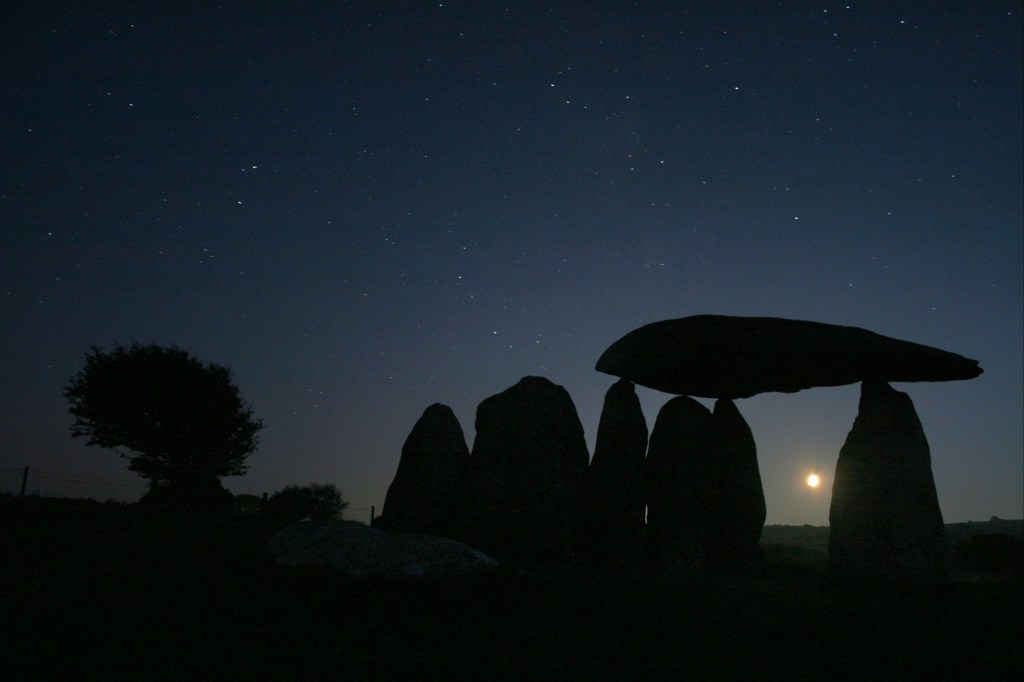
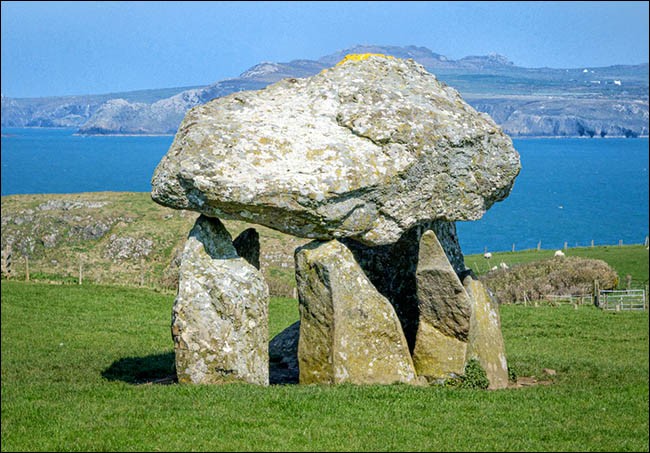
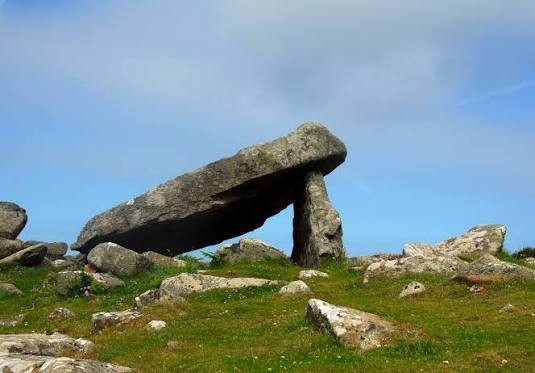
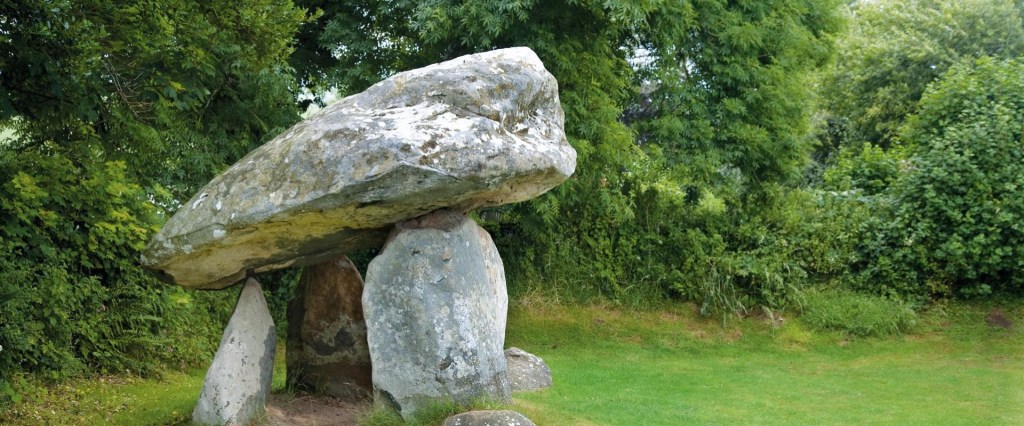
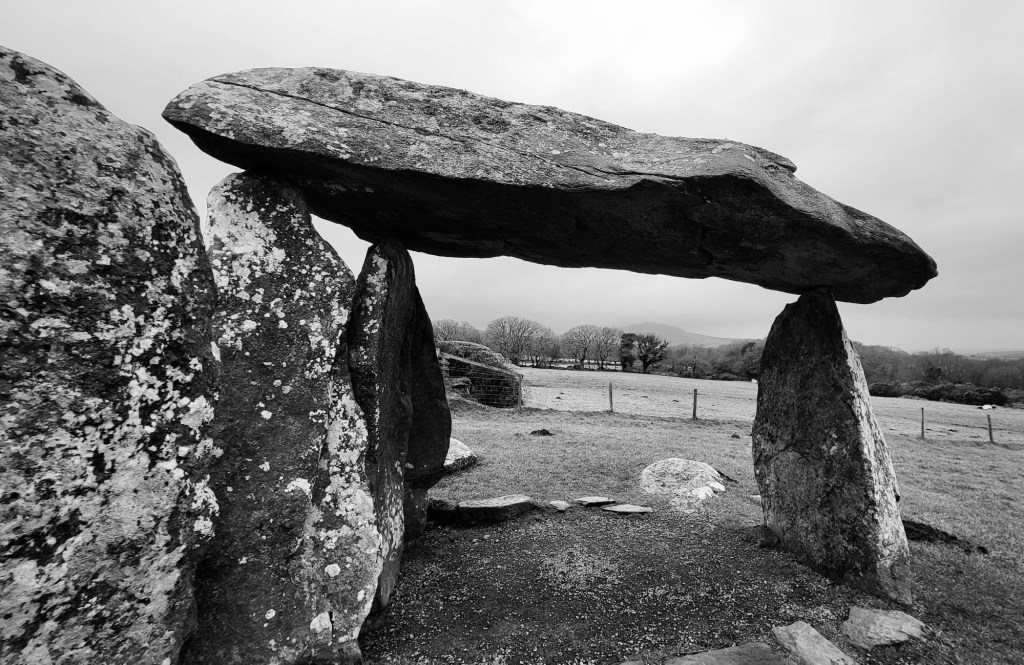
    Pembrokeshire is home to some of Wales’ most impressive ancient monuments. These Neolithic burial chambers were built by farming communities over 5,000 years ago, and they’re still standing today. From the famous Pentre Ifan with its massive capstone that seems to defy gravity, to the quirky Carreg Coetan Arthur tucked between houses in Newport. Each one tells us something about the people who lived here thousands of years before castles and churches existed.

    Pentre Ifan
    My own photo of Pentre Efan taken a few years ago

    Pentre Ifan
    The largest and best preserved Neolithic burial chamber in Wales, dating from around 3500 BC. Located near Newport in north Pembrokeshire, it features a giant 16½ft/5m capstone balanced on three uprights.

    King’s Quoit

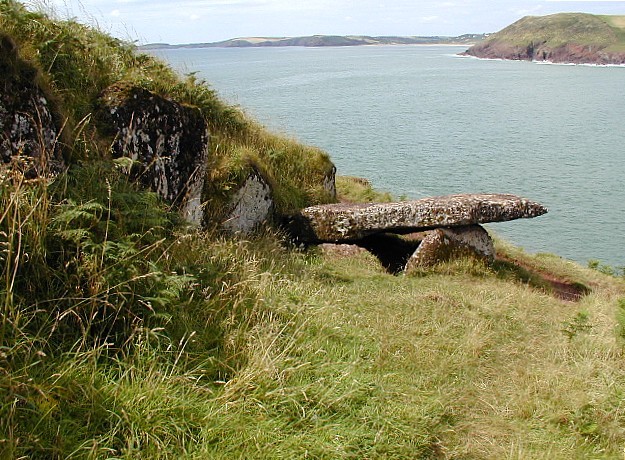
    King’s Quoit
    A Neolithic burial chamber located in Manorbier, 5 miles east of Pembroke. The capstone measures 4 metres by 2.5 metres and 0.5 metres thick, supported partly by rising ground and partly by two upright stones.

    Llech y Drybedd

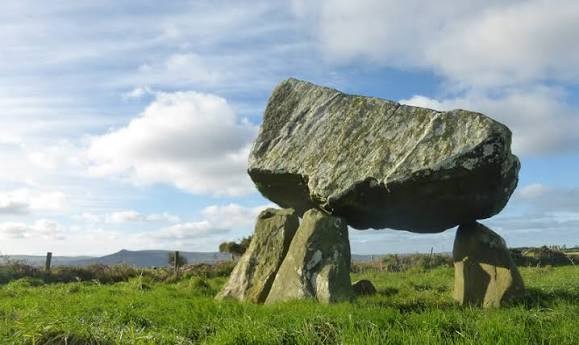
    Llech y Drybedd
    A Neolithic chambered tomb consisting of a huge capstone supported on three upright stones, located in a farm field just west of Moylgrove.

    Carreg Samson

    Carreg Samson
    One of the most impressive burial chambers in South Wales, constructed around 5,500 years ago near Abercastle. It has six upright stones, three of which support a massive capstone measuring 4.7 metres by 2.7 metres

    Coetan Arthur (Arthur’s Quoit)

    Coetan Arthur (Arthur’s Quoit)
    A Neolithic burial chamber from around 3,000 BC located on St David’s Head. The capstone measures 6 meters by 2.5 meters with the upright stone around 1.5 meters high.

    Carreg Coetan Arthur

    Carreg Coetan Arthur
    A small mushroom-like chamber in Newport, sitting amongst houses in a small enclosure, overlooking the estuary.


    If you find my photography or my writing inspiring and uplifting, consider supporting what I do. Buy me a coffee on Ko-fi.
    Your support makes a difference in my life and helps me create more of what you, and I, like. Thank you!
    Tap here for a list of 100 endangered animals and plants.

    100 endangered plant and animal species

    * Abies beshanzuensis (Baishan fir) – Plant (Tree) – Baishanzu Mountain, Zhejiang, China – Three mature individuals

    * Actinote zikani – Insect (butterfly) – Near São Paulo, Atlantic forest, Brazil – Unknown numbers

    * Aipysurus foliosquama (Leaf scaled sea-snake) – Reptile – Ashmore Reef and Hibernia Reef, Timor Sea – Unknown numbers * Amanipodagrion gilliesi (Amani flatwing) – Insect (damselfly) – Amani-Sigi Forest, Usamabara Mountains, Tanzania – < 500 individuals * Antisolabis seychellensis – Insect – Morne Blanc, Mahé island, Seychelles – Unknown numbers * Antilophia bokermanni (Araripe manakin) – Bird – Chapado do Araripe, South Ceará, Brazil – 779 individuals * Aphanius transgrediens (Aci Göl toothcarp) – Fish – south-eastern shore of former Lake Aci, Turkey – Few hundred pairs * Aproteles bulmerae (Bulmer’s fruit bat) – Mammal – Luplupwintern Cave, Western Province, Papua New Guinea – 150 * Ardea insignis (White bellied heron) – Bird – Bhutan, North East India and Myanmar – 70–400 individuals * Ardeotis nigriceps (Great Indian bustard) – Bird – Rajasthan, Gujarat, Maharashtra, Andhra Pradesh, Karnataka and Madhya, India – 50–249 mature individuals * Astrochelys yniphora (Ploughshare tortoise) – Reptile – Baly Bay region, northwestern Madagascar – 440–770 * Atelopus balios (Rio Pescado stubfoot toad) – Amphibian – Azuay, Cañar and Guyas provinces, south-western Ecuador – Unknown numbers * Aythya innotata (Madagascar pochard) – Bird – volcanic lakes north of Bealanana, Madagascar – 80 mature individuals * Azurina eupalama (Galapagos damsel fish) – Fish – Unknown numbers – Unknown numbers * Bahaba taipingensis (Giant yellow croaker) – Fish – Chinese coast from Yangtze River, China to Hong Kong – Unknown numbers * Batagur baska (Common batagur) – Reptile (turtle) – Bangladesh, Cambodia, India, Indonesia and Malaysia – Unknown numbers * Bazzania bhutanica – Plant – Budini and Lafeti Khola, Bhutan – 2 sub-populations * Beatragus hunteri (Hirola) – Mammal (antelope) – South-east Kenya and possibly south-west Somalia – < 1,000 individuals * Bombus franklini (Franklin’s bumblebee) – Insect (bee) – Oregon and California – Unknown numbers * Brachyteles hypoxanthus (Northern muriqui / Woolly spider monkey) – Mammal (primate) – Atlantic forest, south-eastern Brazil – < 1,000 * Bradypus pygmaeus (Pygmy three-toed sloth) – Mammal – Isla Escudo de Veraguas, Panama – < 500 * Callitriche pulchra – Plant (freshwater) – pool on Gavdos, Greece – Unknown numbers * Calumma tarzan (Tarzan’s chameleon) – Reptile – Anosibe An’Ala region, eastern Madagascar – < 100 * Cavia intermedia (Santa Catarina’s guinea pig) – Mammal (rodent) – Moleques do Sul Island, Santa Catarina, Brazil – 40–60 * Cercopithecus roloway (Roloway guenon) – Mammal (primate) – Côte d’Ivoire – Unknown numbers * Coleura seychellensis (Seychelles sheath-tailed bat) – Mammal (bat) – Two small caves on Silhouette and Mahé, Seychelles – < 100 * Cryptomyces maximus (Willow blister) – Fungi – Pembrokeshire, United Kingdom – Unknown numbers * Cryptotis nelsoni (Nelson’s small-eared shrew) – Mammal (shrew) – Volcán San Martín Tuxtla, Veracruz, Mexico – Unknown numbers * Cyclura collei (Jamaican iguana / Jamaican rock iguana) – Reptile – Hellshire Hills, Jamaica – Unknown numbers * Daubentonia madagascariensis (Aye-aye) – Mammal (primate) – Deciduous forest, East Madagascar – Unknown numbers * Dendrophylax fawcettii (Cayman Islands ghost orchid) – Plant (orchid) – Ironwood Forest, George Town, Grand Cayman – Unknown numbers * Dicerorhinus sumatrensis (Sumatran rhino) – Mammal (rhino) – Sabah, Sarawak and Peninsular Malaysia, Kalimantan and Sumatra, Indonesia – < 100 (more recent estimates suggest 34-47) * Diomedea amsterdamensis (Amsterdam albatross) – Bird – Breeds on Plateuau des Tourbières, Amsterdam Island, Indian Ocean. – 100 mature individuals * Dioscorea strydomiana (Wild yam) – Plant – Oshoek area, Mpumalanga, South Africa – 200 * Diospyros katendei – Plant (tree) – Kasyoha-Kitomi Forest Reserve, Uganda – 20 individuals in a single population * Dipterocarpus lamellatus – Plant (tree) – Siangau Forest Reserve, Sabah, Malaysia – 12 individuals * Discoglossus nigriventer (Hula painted frog) – Amphibian – Hula Valley, Israel – Unknown numbers * Dombeya mauritiana – Plant – Mauritius – Unknown numbers * Elaeocarpus bojeri (Bois Dentelle) – Plant (tree) – Grand Bassin, Mauritius – < 10 individuals * Eleutherodactylus glandulifer (La Hotte glanded frog) – Amphibian – Massif de la Hotte, Haiti – Unknown numbers * Eleutherodactylus thorectes (Macaya breast-spot frog) – Amphibian – Formon and Macaya peaks, Masif de la Hotte, Haiti – Unknown numbers * Eriosyce chilensis (Chilenito (cactus)) – Plant – Pta Molles and Pichidungui, Chile – < 500 individuals * Erythrina schliebenii (Coral tree) – Plant – Namatimbili-Ngarama Forest, Tanzania – < 50 individuals * Euphorbia tanaensis – Plant (tree) – Witu Forest Reserve, Kenya – 4 mature individuals * Eurynorhyncus pygmeus (Spoon-billed sandpiper) – Bird – Breeds in Russia, migrates along the East Asian-Australasian Flyway to wintering grounds in India, Bangladesh and Myanmar – 100 breeding pairs * Ficus katendei – Plant – Kasyoha-Kitomi Forest Reserve, Ishasha River, Uganda – < 50 mature individuals * Geronticus eremita (Northern bald ibis) – Bird – Breeds in Morocco, Turkey and Syria. Syrian population winters in central Ethiopia. – About 3000 individuals * Gigasiphon macrosiphon – Plant (flower) – Kaya Muhaka, Gongoni and Mrima Forest Reserves, Kenya, Amani Nature Reserve, West Kilombero Scarp Forest Reserve, and Kihansi Gorge, Tanzania – 33 * Gocea ohridana – Mollusc – Lake Ohrid, Macedonia – Unknown numbers * Heleophryne rosei (Table mountain ghost frog) – Amphibian – Table Mountain, Western Cape Province, South Africa – Unknown numbers * Hemicycla paeteliana – Mollusc (land snail) – Jandia peninsula, Fuerteventura, Canary Islands – Unknown numbers * Heteromirafa sidamoensis (Liben lark) – Bird – Liben Plains, southern Ethiopia – 90–256 * Hibiscadelphus woodii – Plant (tree) – Kalalau Valley, Hawaii – Unknown numbers * Hucho perryi (Sakhalin taimen) – Fish – Russian and Japanese rivers, Pacific Ocean between Russia and Japan – Unknown numbers * Johora singaporensis (Singapore freshwater crab) – Crustacean – Bukit Timah Nature Reserve and streamlet near Bukit Batok, Singapore – Unknown numbers * Lathyrus belinensis (Belin vetchling) – Plant – Outskirts of Belin village, Antalya, Turkey – < 1,000 * Leiopelma archeyi (Archey’s frog) – Amphibian – Coromandel peninsula and Whareorino Forest, New Zealand – Unknown numbers * Lithobates sevosus (Dusky gopher frog) – Amphibian – Harrison County, Mississippi, USA – 60–100 * Lophura edwardsi (Edwards’s pheasant) – Bird – Quang Binh, Quang Tri and Thua Thien-Hue, Viet Nam – Unknown numbers * Magnolia wolfii – Plant (tree) – Risaralda, Colombia – 3 * Margaritifera marocana – Mollusc – Oued Denna, Oued Abid and Oued Beth, Morocco – < 250 * Moominia willii – Mollusc (snail) – Silhouette Island, Seychelles – < 500 * Natalus primus (Cuban greater funnel eared bat) – Mammal (bat) – Cueva La Barca, Isle of Pines, Cuba – < 100 * Nepenthes attenboroughii (Attenborough’s pitcher plant) – Plant – Mount Victoria, Palawan, Philippines – Unknown numbers * Nomascus hainanus (Hainan black crested gibbon) – Mammal (primate) – Hainan Island, China – 20 * Neurergus kaiseri (Luristan newt) – Amphibian – Zagros Mountains, Lorestan, Iran – < 1,000 * Oreocnemis phoenix (Mulanje red damsel) – Insect (damselfly) – Mulanje Plateau, Malawi – Unknown numbers * Pangasius sanitwongsei (Pangasid catfish) – Fish – Chao Phraya and Mekong basins in Cambodia, China, Lao PDR, Thailand and Viet Nam – Unknown numbers * Parides burchellanus – Insect (butterfly) – Cerrado, Brazil – < 100 * Phocoena sinus (Vaquita) – Mammal (porpoise) – Northern Gulf of California, Mexico – 12 * Picea neoveitchii (Type of spruce tree) – Plant (tree) – Qinling Range, China – Unknown numbers * Pinus squamata (Qiaojia pine) – Plant (tree) – Qiaojia, Yunnan, China – < 25 * Poecilotheria metallica (Gooty tarantula / Metallic tarantula / Peacock tarantula / Salepurgu) – Spider – Nandyal and Giddalur, Andhra Pradesh, India – Unknown numbers * Pomarea whitneyi (Fatuhiva monarch) – Bird – Fatu Hiva, Marquesas Islands, French Polynesia – 50 * Pristis pristis (Common sawfish) – Fish – Coastal tropical and subtropical waters of Indo-Pacific and Atlantic Oceans. Currently largely restricted to northern Australia – Unknown numbers * Hapalemur simus (Greater bamboo lemur) – Mammal (primate) – Southeastern and southcentral rainforests of Madagascar – 500 * Propithecus candidus (Silky sifaka) – Mammal (primate) – Maroantsetra to Andapa basin, and Marojeju Massif, Madagascar – 100–1,000 * Psammobates geometricus (Geometric tortoise) – Reptile – Western Cape Province, South Africa – Unknown numbers * Pseudoryx nghetinhensis (Saola) – Mammal – Annamite mountains, on the Viet Nam – PDR Laos border – Unknown numbers * Psiadia cataractae – Plant – Mauritius – Unknown numbers * Psorodonotus ebneri (Beydaglari bush-cricket) – Insect – Beydaglari range, Antalaya, Turkey – Unknown numbers * Rafetus swinhoei (Red River giant softshell turtle) – Reptile – Hoan Kiem Lake and Dong Mo Lake, Viet Nam, and Suzhou Zoo, China – 3 * Rhinoceros sondaicus (Javan rhino) – Mammal (rhino) – Ujung Kulon National Park, Java, Indonesia – < 100 * Rhinopithecus avunculus (Tonkin snub-nosed monkey) – Mammal (primate) – Northeastern Vietnam – < 200 * Rhizanthella gardneri (West Australian underground orchid) – Plant (orchid) – Western Australia, Australia – < 100 * Rhynchocyon spp. (Boni giant sengi) – Mammal – Boni-Dodori Forest, Lamu area, Kenya – Unknown numbers * Risiocnemis seidenschwarzi (Cebu frill-wing) – Insect (damselfly) – Rivulet beside the Kawasan River, Cebu, Philippines – Unknown numbers * Rosa arabica – Plant – St Katherine Mountains, Egypt – Unknown numbers, 10 sub-populations * Salanoia durrelli (Durrell’s vontsira) – Mammal (mongoose) – Marshes of Lake Alaotra, Madagascar – Unknown numbers * Santamartamys rufodorsalis (Red crested tree rat) – Mammal (rodent) – Sierra Nevada de Santa Marta, Colombia – Unknown numbers * Scaturiginichthys vermeilipinnis (Red-finned blue-eye) – Fish – Edgbaston Station, central western Queensland, Australia – 2,000–4,000 * Squatina squatina (Angel shark) – Fish – Canary Islands – Unknown numbers * Sterna bernsteini (Chinese crested tern) – Bird – Breeding in Zhejiang and Fujian, China. Outside breeding season in Indonesia, Malaysia, Philippines, Taiwan, Thailand. – < 50 * Syngnathus watermeyeri (Estuarine pipefish) – Fish – Kariega Estuary to East Kleinemonde Estuary, Eastern Cape Province, South Africa – Unknown numbers * Tahina spectabilis (Suicide palm / Dimaka) – Plant – Analalava district, north-western Madagascar – 90 * Telmatobufo bullocki (Bullock’s false toad) – Amphibian (frog) – Nahuelbuta, Arauco Province, Chile – Unknown numbers * Tokudaia muenninki (Okinawa spiny rat) – Mammal (rodent) – Okinawa Island, Japan – Unknown numbers * Trigonostigma somphongsi (Somphongs’s rasbora) – Fish – Mae Khlong basin, Thailand – Unknown numbers * Valencia letourneuxi – Fish – Southern Albania and Western Greece – Unknown numbers * Voanioala gerardii (Forest coconut) – Plant – Masoala peninsula, Madagascar – < 10 * Zaglossus attenboroughi (Attenborough’s echidna) – Mammal – Cyclops Mountains, Papua Province, Indonesia – Unknown numbers

    Tap to view my redbubble gallery.
  • The Mythology of Bala Lake: Wales’ Enchanted Waters.

    The Mythology of Bala Lake: Wales’ Enchanted Waters.

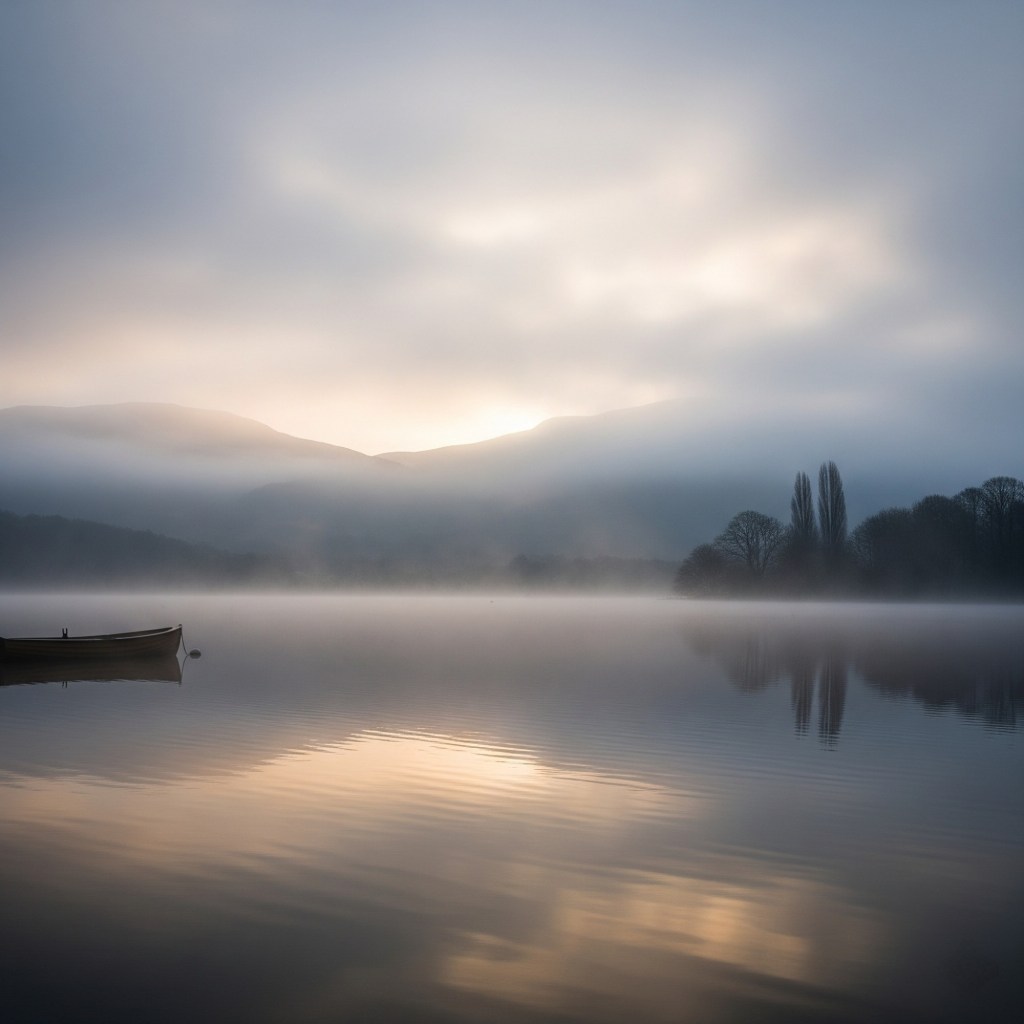
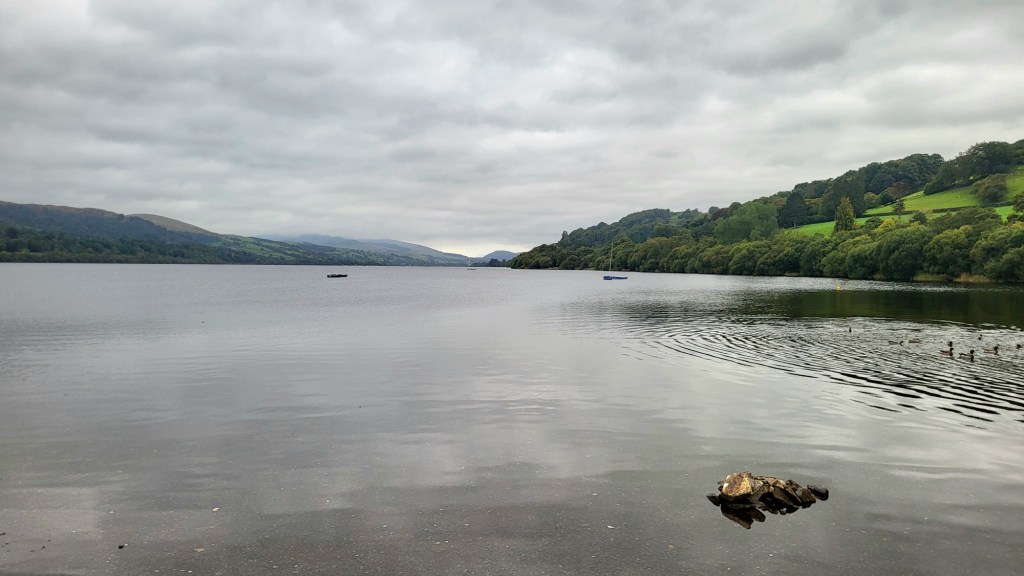
    Bala lake, wales
    Taken on a recent trip

    A Lake Steeped in Legend
    Nestled in the heart of Snowdonia, Bala Lake (Llyn Tegid) is not just Wales’ largest natural lake,it is a vessel of ancient myths, secrets, and timeless folklore. For centuries, its deep, dark waters have inspired tales of drowned kingdoms, enchanted creatures, and legendary heroes. The lake’s name itself, “Tegid”, hints at its mystical past, derived from the Welsh word for “serene” or “fair.” But beneath its tranquil surface lies a world of myth and magic, where history and legend blur.

    The Drowned Kingdom of King Helig
    One of the most enduring legends of Bala Lake is the story of King Helig ap Glannog, a 6th-century ruler whose kingdom, Cantref Gwaelod, was said to lie beneath the waves. According to folklore, Helig’s land was a fertile lowland, protected by dyke and dam. But one fateful night, the sea gates were left open, either by the negligence of a drunken gatekeeper or the wrath of a scorned fairy, and the waters rushed in, swallowing the kingdom whole.

    To this day, locals claim that on quiet nights, the church bells of Helig’s lost kingdom can still be heard tolling from the depths. Fishermen tell of glimpsing rooftops and towering spires far below, and some even say that Helig and his court sleep beneath the lake, waiting for the day they will rise again.

    “When the waters are still, and the mist hangs low, you can hear the echoes of a lost world.”

    Lake in mist

    Tegid Foel and the Sleeping Warriors
    Another tale speaks of Tegid Foel, a giant or king who once ruled the region. It is said that he and his warriors rest in a hidden cave beneath the lake, ready to awaken in Wales’ hour of greatest need. This legend mirrors the broader Welsh myth of sleeping heroes, warriors who lie in wait, much like King Arthur in Avalon, to return when their homeland calls.

    Some versions of the story claim that Tegid Foel was a giant who carved out the lake with his bare hands, while others say he was a nobleman transformed into a monster for his sins. Whatever the truth, his name lives on in the lake’s Welsh identity: “Llyn Tegid”.

    The Afanc: Wales’ Loch Ness Monster
    No body of water in Welsh mythology is complete without its own lake monster , and Bala Lake is no exception. The Afanc, a monstrous, crocodile-like beast, was said to dwell in the lake, dragging unsuspecting travelers to their doom. Unlike the gentle giants of other myths, the Afanc was a creature of chaos, its thrashing tail causing floods and destruction.

    Legends tell of how the Afanc was finally lured out of the lake by a clever maiden, who tricked it into following her to a deep pit, where it was trapped forever. Some say the beast still stirs in the depths, its occasional movements causing mysterious ripples on the surface.

    The Gwragedd Annwn: Fairy Wives of the Lake
    Bala Lake is also home to the Gwragedd Annwn, the “Wives of the Otherworld.” These beautiful, elusive fairy women were said to emerge from the water, sometimes to help humans, other times to lure them into their aquatic realm. Fishermen who caught glimpses of them described them as radiant, with long flowing hair and dresses woven from lake reeds.

    One famous tale tells of a young man who married a Gwragedd Annwn, only for her to vanish back into the lake when he broke a taboo, often by striking her or revealing her true nature. These stories serve as cautionary tales about the perils of mortal curiosity and the thin veil between our world and the Otherworld.

    Merlin, Arthur, and the Lady of the Lake
    Bala Lake is sometimes linked to the broader Arthurian legends. Some scholars suggest that the lake could be one of the many bodies of water associated with the Lady of the Lake, the enchantress who gave King Arthur his sword, Excalibur.

    Local lore says that Merlin himself once walked these shores, drawn by the lake’s magical properties. Whether as a place of prophecy, a hiding spot for sacred relics, or a gateway to Avalon, Bala Lake’s connection to Arthurian myth adds another layer to its mystique.


    What do you think lies beneath the surface of Bala Lake? A lost kingdom? A slumbering monster? Or something even older? Share your thoughts and your own legends.


    If you find my photography or my writing inspiring and uplifting, consider supporting what I do. Buy me a coffee on Ko-fi.
    Your support makes a difference in my life and helps me create more of what you, and I, like. Thank you!
    Tap here for a list of 100 endangered animals and plants.

    100 endangered plant and animal species

    * Abies beshanzuensis (Baishan fir) – Plant (Tree) – Baishanzu Mountain, Zhejiang, China – Three mature individuals

    * Actinote zikani – Insect (butterfly) – Near São Paulo, Atlantic forest, Brazil – Unknown numbers

    * Aipysurus foliosquama (Leaf scaled sea-snake) – Reptile – Ashmore Reef and Hibernia Reef, Timor Sea – Unknown numbers * Amanipodagrion gilliesi (Amani flatwing) – Insect (damselfly) – Amani-Sigi Forest, Usamabara Mountains, Tanzania – < 500 individuals * Antisolabis seychellensis – Insect – Morne Blanc, Mahé island, Seychelles – Unknown numbers * Antilophia bokermanni (Araripe manakin) – Bird – Chapado do Araripe, South Ceará, Brazil – 779 individuals * Aphanius transgrediens (Aci Göl toothcarp) – Fish – south-eastern shore of former Lake Aci, Turkey – Few hundred pairs * Aproteles bulmerae (Bulmer’s fruit bat) – Mammal – Luplupwintern Cave, Western Province, Papua New Guinea – 150 * Ardea insignis (White bellied heron) – Bird – Bhutan, North East India and Myanmar – 70–400 individuals * Ardeotis nigriceps (Great Indian bustard) – Bird – Rajasthan, Gujarat, Maharashtra, Andhra Pradesh, Karnataka and Madhya, India – 50–249 mature individuals * Astrochelys yniphora (Ploughshare tortoise) – Reptile – Baly Bay region, northwestern Madagascar – 440–770 * Atelopus balios (Rio Pescado stubfoot toad) – Amphibian – Azuay, Cañar and Guyas provinces, south-western Ecuador – Unknown numbers * Aythya innotata (Madagascar pochard) – Bird – volcanic lakes north of Bealanana, Madagascar – 80 mature individuals * Azurina eupalama (Galapagos damsel fish) – Fish – Unknown numbers – Unknown numbers * Bahaba taipingensis (Giant yellow croaker) – Fish – Chinese coast from Yangtze River, China to Hong Kong – Unknown numbers * Batagur baska (Common batagur) – Reptile (turtle) – Bangladesh, Cambodia, India, Indonesia and Malaysia – Unknown numbers * Bazzania bhutanica – Plant – Budini and Lafeti Khola, Bhutan – 2 sub-populations * Beatragus hunteri (Hirola) – Mammal (antelope) – South-east Kenya and possibly south-west Somalia – < 1,000 individuals * Bombus franklini (Franklin’s bumblebee) – Insect (bee) – Oregon and California – Unknown numbers * Brachyteles hypoxanthus (Northern muriqui / Woolly spider monkey) – Mammal (primate) – Atlantic forest, south-eastern Brazil – < 1,000 * Bradypus pygmaeus (Pygmy three-toed sloth) – Mammal – Isla Escudo de Veraguas, Panama – < 500 * Callitriche pulchra – Plant (freshwater) – pool on Gavdos, Greece – Unknown numbers * Calumma tarzan (Tarzan’s chameleon) – Reptile – Anosibe An’Ala region, eastern Madagascar – < 100 * Cavia intermedia (Santa Catarina’s guinea pig) – Mammal (rodent) – Moleques do Sul Island, Santa Catarina, Brazil – 40–60 * Cercopithecus roloway (Roloway guenon) – Mammal (primate) – Côte d’Ivoire – Unknown numbers * Coleura seychellensis (Seychelles sheath-tailed bat) – Mammal (bat) – Two small caves on Silhouette and Mahé, Seychelles – < 100 * Cryptomyces maximus (Willow blister) – Fungi – Pembrokeshire, United Kingdom – Unknown numbers * Cryptotis nelsoni (Nelson’s small-eared shrew) – Mammal (shrew) – Volcán San Martín Tuxtla, Veracruz, Mexico – Unknown numbers * Cyclura collei (Jamaican iguana / Jamaican rock iguana) – Reptile – Hellshire Hills, Jamaica – Unknown numbers * Daubentonia madagascariensis (Aye-aye) – Mammal (primate) – Deciduous forest, East Madagascar – Unknown numbers * Dendrophylax fawcettii (Cayman Islands ghost orchid) – Plant (orchid) – Ironwood Forest, George Town, Grand Cayman – Unknown numbers * Dicerorhinus sumatrensis (Sumatran rhino) – Mammal (rhino) – Sabah, Sarawak and Peninsular Malaysia, Kalimantan and Sumatra, Indonesia – < 100 (more recent estimates suggest 34-47) * Diomedea amsterdamensis (Amsterdam albatross) – Bird – Breeds on Plateuau des Tourbières, Amsterdam Island, Indian Ocean. – 100 mature individuals * Dioscorea strydomiana (Wild yam) – Plant – Oshoek area, Mpumalanga, South Africa – 200 * Diospyros katendei – Plant (tree) – Kasyoha-Kitomi Forest Reserve, Uganda – 20 individuals in a single population * Dipterocarpus lamellatus – Plant (tree) – Siangau Forest Reserve, Sabah, Malaysia – 12 individuals * Discoglossus nigriventer (Hula painted frog) – Amphibian – Hula Valley, Israel – Unknown numbers * Dombeya mauritiana – Plant – Mauritius – Unknown numbers * Elaeocarpus bojeri (Bois Dentelle) – Plant (tree) – Grand Bassin, Mauritius – < 10 individuals * Eleutherodactylus glandulifer (La Hotte glanded frog) – Amphibian – Massif de la Hotte, Haiti – Unknown numbers * Eleutherodactylus thorectes (Macaya breast-spot frog) – Amphibian – Formon and Macaya peaks, Masif de la Hotte, Haiti – Unknown numbers * Eriosyce chilensis (Chilenito (cactus)) – Plant – Pta Molles and Pichidungui, Chile – < 500 individuals * Erythrina schliebenii (Coral tree) – Plant – Namatimbili-Ngarama Forest, Tanzania – < 50 individuals * Euphorbia tanaensis – Plant (tree) – Witu Forest Reserve, Kenya – 4 mature individuals * Eurynorhyncus pygmeus (Spoon-billed sandpiper) – Bird – Breeds in Russia, migrates along the East Asian-Australasian Flyway to wintering grounds in India, Bangladesh and Myanmar – 100 breeding pairs * Ficus katendei – Plant – Kasyoha-Kitomi Forest Reserve, Ishasha River, Uganda – < 50 mature individuals * Geronticus eremita (Northern bald ibis) – Bird – Breeds in Morocco, Turkey and Syria. Syrian population winters in central Ethiopia. – About 3000 individuals * Gigasiphon macrosiphon – Plant (flower) – Kaya Muhaka, Gongoni and Mrima Forest Reserves, Kenya, Amani Nature Reserve, West Kilombero Scarp Forest Reserve, and Kihansi Gorge, Tanzania – 33 * Gocea ohridana – Mollusc – Lake Ohrid, Macedonia – Unknown numbers * Heleophryne rosei (Table mountain ghost frog) – Amphibian – Table Mountain, Western Cape Province, South Africa – Unknown numbers * Hemicycla paeteliana – Mollusc (land snail) – Jandia peninsula, Fuerteventura, Canary Islands – Unknown numbers * Heteromirafa sidamoensis (Liben lark) – Bird – Liben Plains, southern Ethiopia – 90–256 * Hibiscadelphus woodii – Plant (tree) – Kalalau Valley, Hawaii – Unknown numbers * Hucho perryi (Sakhalin taimen) – Fish – Russian and Japanese rivers, Pacific Ocean between Russia and Japan – Unknown numbers * Johora singaporensis (Singapore freshwater crab) – Crustacean – Bukit Timah Nature Reserve and streamlet near Bukit Batok, Singapore – Unknown numbers * Lathyrus belinensis (Belin vetchling) – Plant – Outskirts of Belin village, Antalya, Turkey – < 1,000 * Leiopelma archeyi (Archey’s frog) – Amphibian – Coromandel peninsula and Whareorino Forest, New Zealand – Unknown numbers * Lithobates sevosus (Dusky gopher frog) – Amphibian – Harrison County, Mississippi, USA – 60–100 * Lophura edwardsi (Edwards’s pheasant) – Bird – Quang Binh, Quang Tri and Thua Thien-Hue, Viet Nam – Unknown numbers * Magnolia wolfii – Plant (tree) – Risaralda, Colombia – 3 * Margaritifera marocana – Mollusc – Oued Denna, Oued Abid and Oued Beth, Morocco – < 250 * Moominia willii – Mollusc (snail) – Silhouette Island, Seychelles – < 500 * Natalus primus (Cuban greater funnel eared bat) – Mammal (bat) – Cueva La Barca, Isle of Pines, Cuba – < 100 * Nepenthes attenboroughii (Attenborough’s pitcher plant) – Plant – Mount Victoria, Palawan, Philippines – Unknown numbers * Nomascus hainanus (Hainan black crested gibbon) – Mammal (primate) – Hainan Island, China – 20 * Neurergus kaiseri (Luristan newt) – Amphibian – Zagros Mountains, Lorestan, Iran – < 1,000 * Oreocnemis phoenix (Mulanje red damsel) – Insect (damselfly) – Mulanje Plateau, Malawi – Unknown numbers * Pangasius sanitwongsei (Pangasid catfish) – Fish – Chao Phraya and Mekong basins in Cambodia, China, Lao PDR, Thailand and Viet Nam – Unknown numbers * Parides burchellanus – Insect (butterfly) – Cerrado, Brazil – < 100 * Phocoena sinus (Vaquita) – Mammal (porpoise) – Northern Gulf of California, Mexico – 12 * Picea neoveitchii (Type of spruce tree) – Plant (tree) – Qinling Range, China – Unknown numbers * Pinus squamata (Qiaojia pine) – Plant (tree) – Qiaojia, Yunnan, China – < 25 * Poecilotheria metallica (Gooty tarantula / Metallic tarantula / Peacock tarantula / Salepurgu) – Spider – Nandyal and Giddalur, Andhra Pradesh, India – Unknown numbers * Pomarea whitneyi (Fatuhiva monarch) – Bird – Fatu Hiva, Marquesas Islands, French Polynesia – 50 * Pristis pristis (Common sawfish) – Fish – Coastal tropical and subtropical waters of Indo-Pacific and Atlantic Oceans. Currently largely restricted to northern Australia – Unknown numbers * Hapalemur simus (Greater bamboo lemur) – Mammal (primate) – Southeastern and southcentral rainforests of Madagascar – 500 * Propithecus candidus (Silky sifaka) – Mammal (primate) – Maroantsetra to Andapa basin, and Marojeju Massif, Madagascar – 100–1,000 * Psammobates geometricus (Geometric tortoise) – Reptile – Western Cape Province, South Africa – Unknown numbers * Pseudoryx nghetinhensis (Saola) – Mammal – Annamite mountains, on the Viet Nam – PDR Laos border – Unknown numbers * Psiadia cataractae – Plant – Mauritius – Unknown numbers * Psorodonotus ebneri (Beydaglari bush-cricket) – Insect – Beydaglari range, Antalaya, Turkey – Unknown numbers * Rafetus swinhoei (Red River giant softshell turtle) – Reptile – Hoan Kiem Lake and Dong Mo Lake, Viet Nam, and Suzhou Zoo, China – 3 * Rhinoceros sondaicus (Javan rhino) – Mammal (rhino) – Ujung Kulon National Park, Java, Indonesia – < 100 * Rhinopithecus avunculus (Tonkin snub-nosed monkey) – Mammal (primate) – Northeastern Vietnam – < 200 * Rhizanthella gardneri (West Australian underground orchid) – Plant (orchid) – Western Australia, Australia – < 100 * Rhynchocyon spp. (Boni giant sengi) – Mammal – Boni-Dodori Forest, Lamu area, Kenya – Unknown numbers * Risiocnemis seidenschwarzi (Cebu frill-wing) – Insect (damselfly) – Rivulet beside the Kawasan River, Cebu, Philippines – Unknown numbers * Rosa arabica – Plant – St Katherine Mountains, Egypt – Unknown numbers, 10 sub-populations * Salanoia durrelli (Durrell’s vontsira) – Mammal (mongoose) – Marshes of Lake Alaotra, Madagascar – Unknown numbers * Santamartamys rufodorsalis (Red crested tree rat) – Mammal (rodent) – Sierra Nevada de Santa Marta, Colombia – Unknown numbers * Scaturiginichthys vermeilipinnis (Red-finned blue-eye) – Fish – Edgbaston Station, central western Queensland, Australia – 2,000–4,000 * Squatina squatina (Angel shark) – Fish – Canary Islands – Unknown numbers * Sterna bernsteini (Chinese crested tern) – Bird – Breeding in Zhejiang and Fujian, China. Outside breeding season in Indonesia, Malaysia, Philippines, Taiwan, Thailand. – < 50 * Syngnathus watermeyeri (Estuarine pipefish) – Fish – Kariega Estuary to East Kleinemonde Estuary, Eastern Cape Province, South Africa – Unknown numbers * Tahina spectabilis (Suicide palm / Dimaka) – Plant – Analalava district, north-western Madagascar – 90 * Telmatobufo bullocki (Bullock’s false toad) – Amphibian (frog) – Nahuelbuta, Arauco Province, Chile – Unknown numbers * Tokudaia muenninki (Okinawa spiny rat) – Mammal (rodent) – Okinawa Island, Japan – Unknown numbers * Trigonostigma somphongsi (Somphongs’s rasbora) – Fish – Mae Khlong basin, Thailand – Unknown numbers * Valencia letourneuxi – Fish – Southern Albania and Western Greece – Unknown numbers * Voanioala gerardii (Forest coconut) – Plant – Masoala peninsula, Madagascar – < 10 * Zaglossus attenboroughi (Attenborough’s echidna) – Mammal – Cyclops Mountains, Papua Province, Indonesia – Unknown numbers

    Tap to view my redbubble gallery.
  • Dreamy waterfall

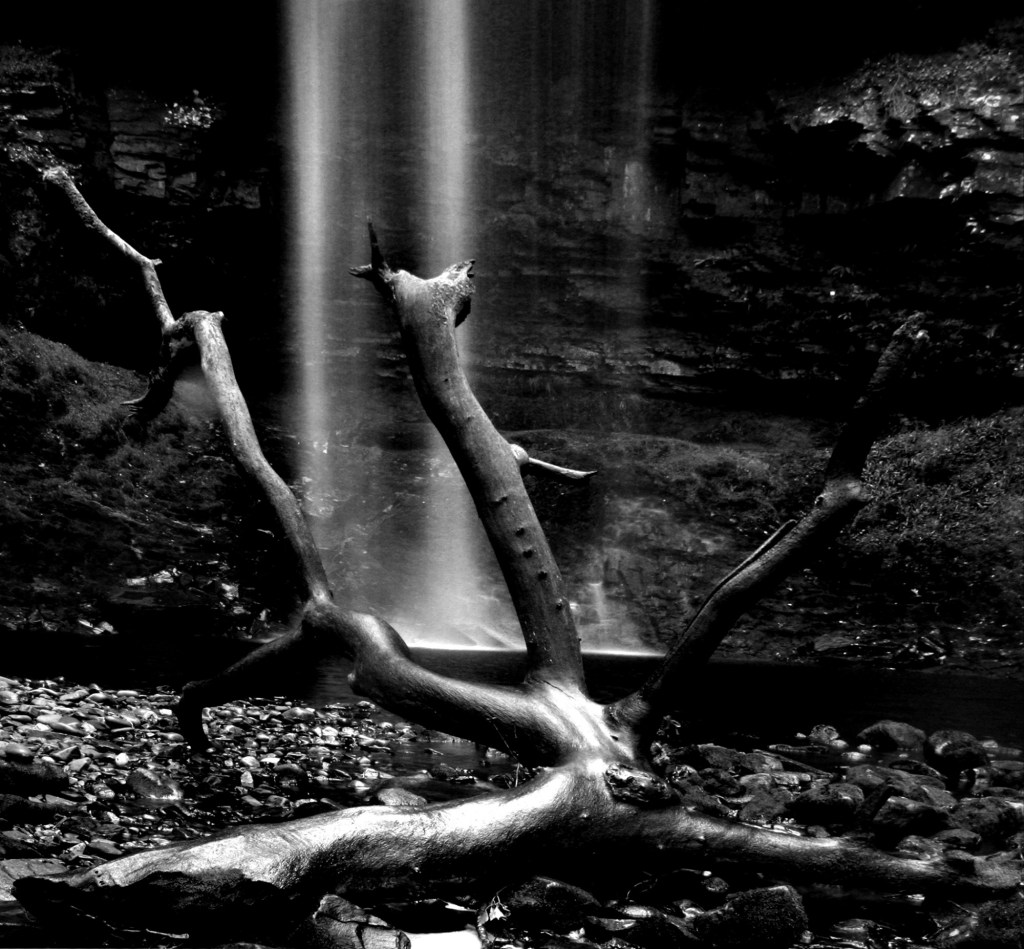
    Dreamy waterfall

    Behind falls I stand,
    curtain of light, rushing sound,
    moment lost in time.

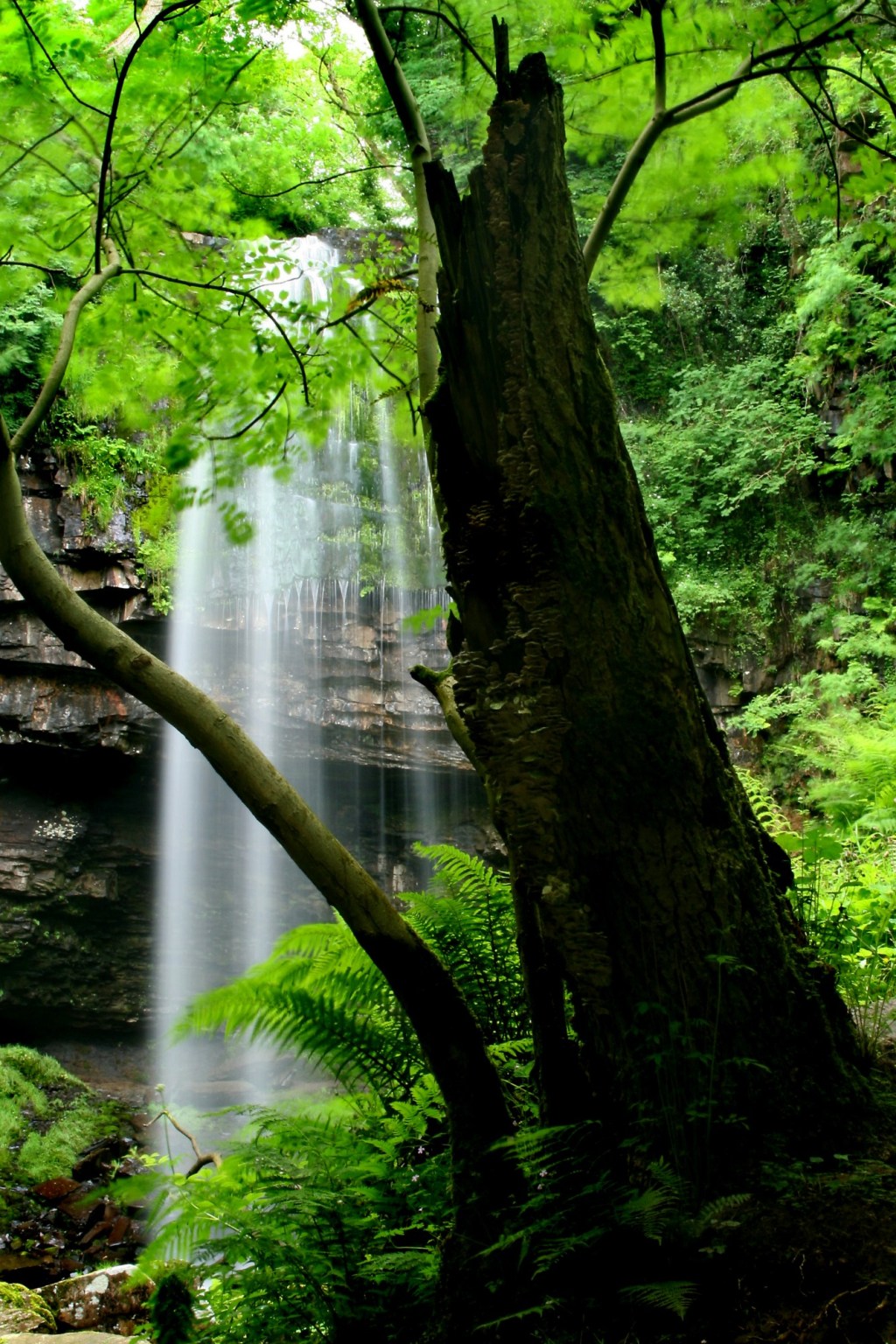
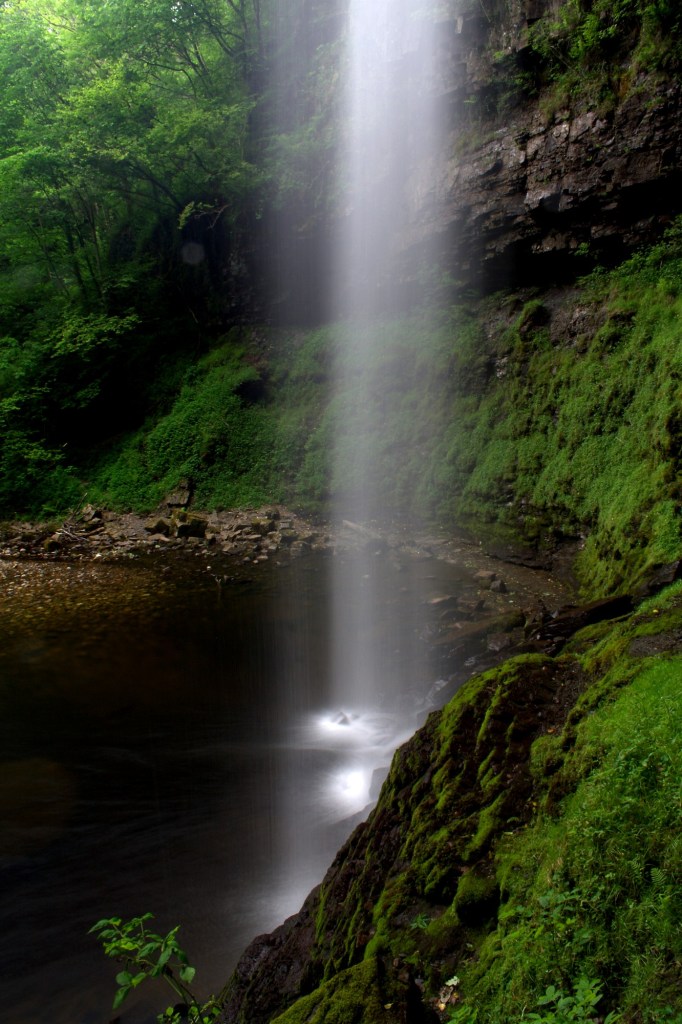
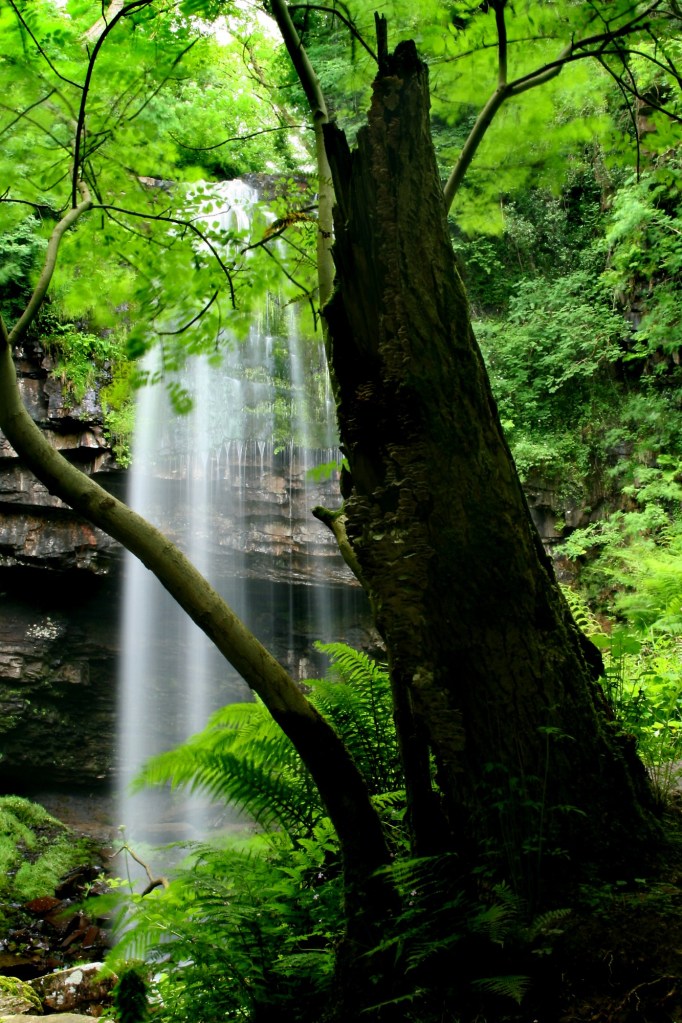
    Henrhyd, Waterfall

    Henrhyd Waterfall, the tallest waterfall in South Wales, is a stunning hidden gem in the Brecon Beacons. Tucked away in a lush wooded valley, it takes a short but steep walk to reach—but the effort is well worth it. The 90-foot cascade is especially impressive after heavy rain, creating a powerful curtain of water that you can even walk behind. The surrounding area, part of the National Trust’s Nant Llech nature reserve, adds to the secluded and peaceful feel. Whether you’re visiting for photography, a scenic walk, or just to enjoy the natural beauty, Henrhyd Waterfall is a must-see spot.

    Henrhyd Waterfall
    Henrhyd Waterfall

    If you find my photography or my writing inspiring and uplifting, consider supporting what I do. Buy me a coffee on Ko-fi.
    Your support makes a difference in my life and helps me create more of what you, and I, like. Thank you!
    Tap to view my redbubble gallery.
  • Pentre Ifan, Pembrokeshire – The Great Undertaking

    Pentre Ifan, Pembrokeshire – The Great Undertaking

    Journal of Caradoc the Builder

    Pembrokeshire, Pentre Ifan,
    6000 years old and home to the fairies 🙂

    Day 1 – The Command

    The chieftain has spoken. A great tomb must be built—one that will stand for generations, a place where the spirits of our ancestors may rest in peace. I, Caradoc, have been chosen to oversee the task. It is an honor, but also a burden. The stones are vast, heavier than any man should be able to move. How can we, with mere hands and ropes, shape such a monument?

    I wish the fair folk would aid us. The elders say the Tylwyth Teg, the fairies of the hills, move stones with ease, whispering to them in a tongue only the earth understands. If only they would come to our aid, lift these great rocks into place, and spare us the toil ahead. But the fair folk are fickle, appearing only when they choose. We must struggle on without them.

    Day 5 – The Stones Resist Us

    The men are weary. We have stripped the strongest oaks to make rollers, twisted the toughest hides into ropes. Yet the stones barely shift. The great capstone, the largest of them all, refuses to move. It is as if the land itself grips it, unwilling to let it rise.

    The night is cold, the wind howling over the hills. I swear I hear laughter in the dark, soft voices on the wind. The fair folk are watching. Do they mock us, or do they test our resolve? If they wished, they could lift the stones as if they were feathers. Yet they remain silent, unseen, leaving the burden to us.

    Day 12 – The Earth Swallows Our Efforts

    The rains have come, turning our labor into a futile struggle. The earth drinks the water greedily, turning to mud, swallowing our stones and filling the pits we have dug. We lose men to exhaustion, to wounds from failing ropes and shifting rock. The tomb fights us at every step.

    At dusk, I leave an offering—honey, fresh milk, and bread—on the highest stone, a gift for the Tylwyth Teg. If they have any mercy, if they still care for the deeds of men, let them aid us now.

    Day 20 – A Change in Fortune

    Something is different. The rains have ceased, the ground has hardened. The men move with renewed strength. Today, we raised the last of the uprights, the stones sliding into place as if the earth finally allows it. Perhaps our offerings have been accepted, or perhaps the fair folk simply tired of watching us struggle.

    Tonight, as the fire crackles, I hear the faintest laughter again, carried on the wind. A whisper, almost playful. Did they push the stones when we were not looking? Or did they merely lift our spirits, lending us unseen strength? I do not know. But I feel their presence all the same.

    Day 25 – The Final Stone

    The capstone rests upon its pillars at last. A gateway between worlds, standing as it should. The tomb is complete. The men cheer, but I say nothing. In the silence of the evening, I sense something beyond us, something watching.

    Perhaps it was never just our strength that built this place. Perhaps, when we were at our weakest, unseen hands helped us. Or perhaps the fair folk simply wished to remind us—magic is not only in the whispers of the wind, but in the determination of men who dare to move the unmovable.

    If you find this content inspiring and uplifting, consider supporting what I do. Buy me a coffee on Ko-fi.
    Your support makes a difference in my life and helps me create more of what you, and I, like. Thank you!
    Tap to view my redbubble gallery.
  • Ramble to the summit of life

    Ramble to the summit of life

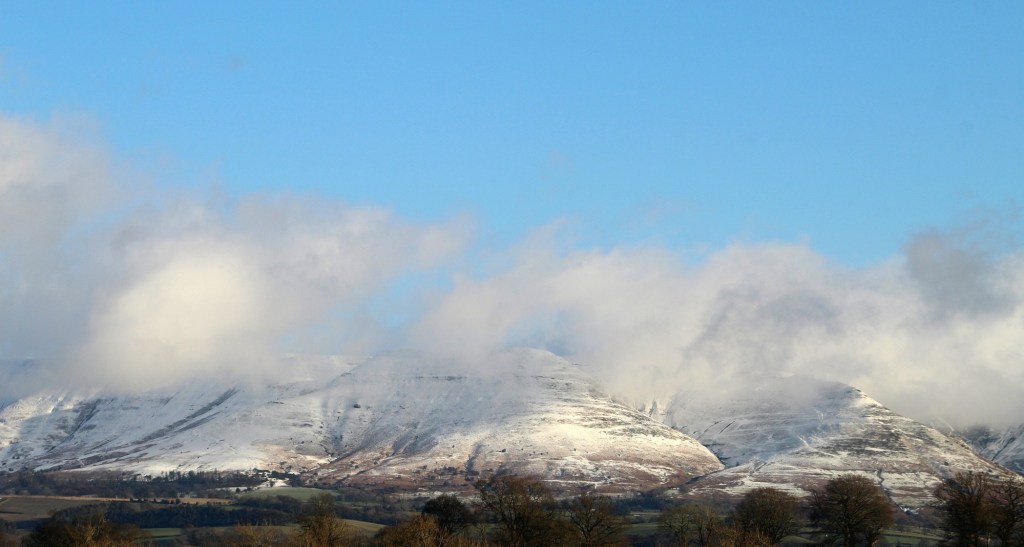
    The Brecon Beacons loomed in the distance, their snow-capped peaks smudged by a veil of mist. I snapped a picture from the base, and the image felt as though I was staring at an unattainable dream—a far-off cathedral built for gods, not mortals like me.

    Brecon Beacons January 2025

    The peaks seemed untouchable, enshrined in a kind of holy fog, as if they were hiding some secret I wasn’t meant to know. But what else could I do? I tightened my laces and started walking.

    The trail began innocently enough, a gradual incline, a whisper of mud clinging to my boots, and the wind humming a tune, as if to say ‘this place is not for you’. Step by step, the Beacons grew taller and stranger. The snowline hovered above me like an unspoken threat, a reminder that everything good in life comes with its sharp edges and cold hands. I wondered if I’d even make it. I wondered now why I’d started at all.

    Somewhere just below the snowline, I stopped to catch my breath. That’s when I saw it. A deer. Small, delicate, its legs like question marks frozen in mid-thought. It stared at me for a moment, eyes wide, then leapt away into the trees, vanishing like a memory you can’t quite hold onto. I watched the spot where it disappeared, as if waiting for it to come back and explain itself. But it didn’t. And why should it? Some things are meant to be glimpsed, not understood.

    Snow-capped peaks above,
    Cold trials test weary feet—
    I walk through the doubt.

    The higher I climbed, the thicker the mist became. I felt like I was walking into a dream, one of those nonsensical ones where the setting changes as soon as you think you’ve figured it out. The snow crunched under my boots, and the world shrank to the size of my next step. The peaks I had seen from below were gone, swallowed by the fog. For a while, I thought I might be swallowed, too.

    It was harder than I thought it would be, and I wasn’t sure I’d make it. But isn’t that how life feels sometimes? Like you’re staring up at some impossibly high peak, the path ahead hidden in mist, and every step forward feels like a gamble. But still, you keep going. Not because you’re sure you’ll make it, but because there’s nowhere to turn back to.

    Then, suddenly, I was there. The mist broke like a spell lifting, and the summit unfolded in front of me. The snow glittered in the sunlight, and the peaks stretched out like an unrolled map. It was vast and beautiful and sharp-edged, and for the first time in hours, I felt like I could breathe.

    Looking back down the trail, I thought of the image I’d taken at the base. That distant, unreachable peak was now beneath my feet. The mist that had seemed so impenetrable was gone, burned away by nothing more than time and effort. I thought about the deer, how it had stopped just long enough to remind me that there is beauty in the world and how it had raised my spirits to keep going.

    The walk back down was easier, as it always is. But I couldn’t stop thinking about how the summit had felt. Like a small, personal victory. Like proof that the peaks in life—the ones that feel impossibly far away, hidden by fog and fear—are often closer than we think.

    You just have to keep walking.


    If you find this content inspiring and uplifting, consider supporting what I do. Buy me a coffee on Ko-fi.
    Your support makes a difference in my life and helps me create more of what you, and I, like. Thank you!
    Tap to view my redbubble gallery.
  • Popty Ping and Other Reasons to Love Welsh

    Popty Ping and Other Reasons to Love Welsh

    So, Welsh. Yeah, it’s a real language, and no, it’s not just random consonants tossed into a Scrabble bag. It’s one of the oldest languages in Europe, spoken in Wales, where people know their sheep as good as their weather forecast (usually rain). But seriously, it’s a living, breathing language with a rich history and, let’s be honest, a bit of a PR problem. I mean, have you ever tried convincing someone that *Llanfairpwllgwyngyllgogerychwyrndrobwllllantysiliogogogoch* is a legitimate place and not the sound of a cat walking across a keyboard?

    Abermawr Beach
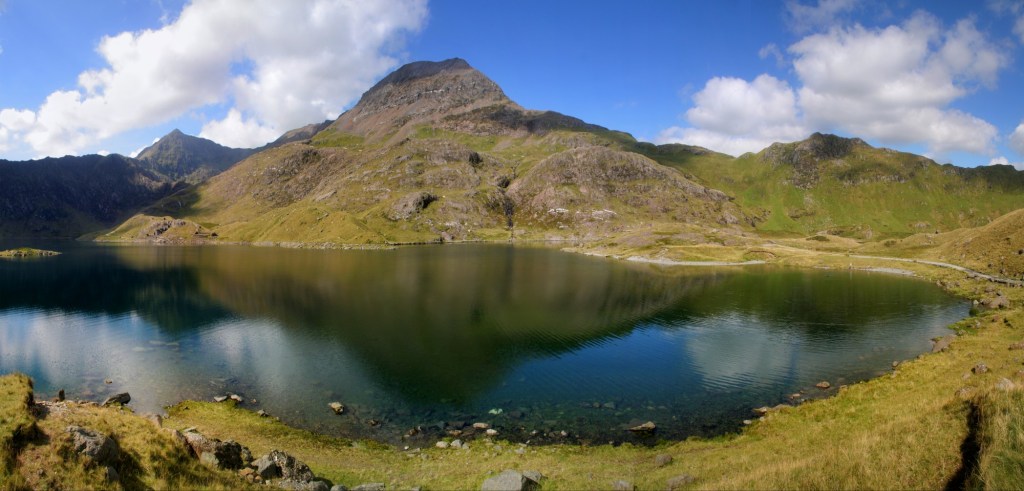
    Llyn Llydaw. With Snowdon in the background

    Welsh, or ‘Cymraeg’ as the locals call it (pronounced “kum-RAIG,” by the way), is one of the Celtic languages. Think Gaelic, but with more ll’s, which, in case you were wondering, is not just a double “L.” It’s a soft, breathy sound that feels like trying to whisper to someone with a mouthful of marshmallows. It’s oddly satisfying once you get the hang of it. 

    For Welsh people, the language isn’t just words; it’s identity. It’s how they connect to their ancestors, their culture, and their sense of place in the world. Speaking Welsh is like wearing a badge that says, “I survived centuries of cultural suppression, and all I got was this vowel-deficient language.” But they wear that badge proudly. 

    Now, let’s talk about how it sounds. Welsh has this sing-song quality that makes everything sound like it should be sung from the top of a windy hill in a BBC period drama. Even the most mundane phrases feel poetic. Take “Sut wyt ti?” which means “How are you?” It’s pronounced something like “Sit OO-ee tea,” and it makes you feel like you should answer with a sonnet instead of a shrug. 

    Then there’s the word ‘hiraeth’. Oh, hiraeth. It’s one of those untranslatable words that’ll make you feel all philosophical and deep. It roughly means a longing for a home you can’t return to, or maybe one that never really existed. It’s the emotional equivalent of looking at an old photo and feeling like your heart’s been dunked in tea. 

    But not everything in Welsh is wistful and poetic. Some words are just plain fun to say. Like ‘popty ping’, which is slang for microwave. Yes, ‘popty ping’. How can you not love a language where heating leftovers sounds like a kid naming a spaceship? 

    Want to impress your friends? Try this: say ‘diolch’ (DEE-olkh). That’s “thank you.” Or ‘iechyd da’ (yeh-CHID dah), which is “cheers.” But watch out for that “ch.” It’s like clearing your throat, but, you know, politely. 

    Learning Welsh is like joining an exclusive club. Sure, it’s a small club, but it’s mighty. And the members? They’ll welcome you with open arms because every new speaker is a little victory for a language that’s survived against the odds. 

    So, whether you’re planning a trip to Wales, have Welsh roots, or just want to spice up your life with some extra consonants, give Welsh a shot. You might not master the ‘ll’ sound on day one, but you’ll definitely feel like you’re part of something special. And who knows? You might even find yourself yelling “Cymru am byth!” (“Wales forever!”) at a rugby match one day. 

    Until then, ‘hwyl fawr’! That’s “goodbye” in Welsh, and it’s pronounced, well… just trust me on this one.

    If you find this content inspiring and uplifting, consider supporting what I do. Buy me a coffee on Ko-fi.
    Your support makes a difference in my life and helps me create more of what you like. Thank you!
    Tap to view my redbubble gallery.
  • A Snapshot of Welsh Tranquility

    A Snapshot of Welsh Tranquility

    Wales in stillness breathes,
    Sheep beneath the twisted tree,
    Time folds into now.

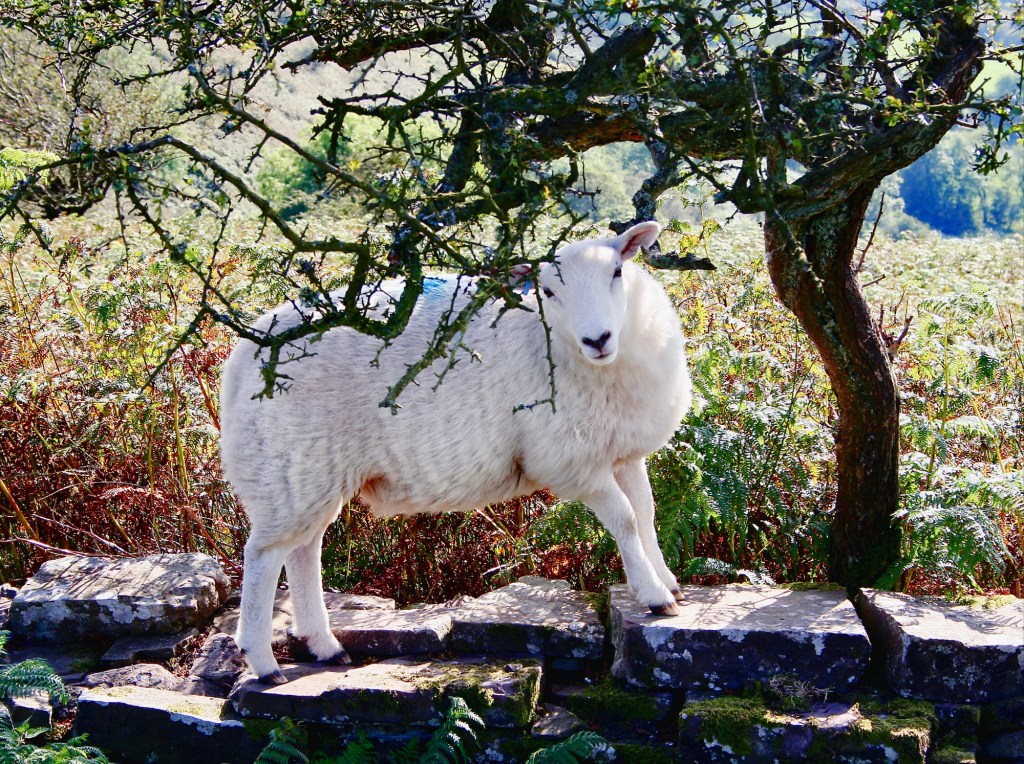
    Sheep, Stones, and Sunlight

    There is a moment in every journey where time seems to pause. For me, it happened in the quiet Welsh countryside, where a simple sheep under a gnarled tree stopped me in my tracks. The air was crisp, carrying the scent of moss and bracken, and the landscape stretched wide, untamed yet inviting. This single, unassuming scene—of stone walls, dappled sunlight, and the curious gaze of an animal—felt like a distillation of everything Wales represents. 

    The sheep, a quintessential emblem of this land, stood framed by a spindly tree that clung to the rocky ground. It had the air of an accidental guardian, standing atop ancient stones as if overseeing a realm where history, nature, and humanity blend seamlessly. It didn’t flee or flinch when I approached with my camera, just watched with an intensity that made me feel like the visitor I was. And in that exchange, wordless and fleeting, I felt an unexpected sense of calm. 

    It’s easy to rush through life, ticking off sights and experiences like items on a to-do list. But here, in this quiet moment, I was reminded of the value of stillness. Of the beauty in ordinary things. The lichen-covered stones beneath the sheep’s hooves hinted at stories far older than mine—walls built by hands long gone, dividing fields that have seen generations of life. The sunlight filtering through the tree branches cast shifting patterns on the ground, a reminder of time’s gentle, inevitable flow. 

    Wales has a way of grounding you. Its hills and valleys aren’t just landscapes; they’re vessels of memory. The sheep, as ubiquitous as they are, embody this spirit. They are not just creatures grazing absentmindedly—they are part of the rhythm of the land, living symbols of its enduring character. 

    As I walked away from the scene, I felt lighter. The world seemed a little quieter, my thoughts a little clearer. That single sheep, perched on its stone stage, had given me something unexpected: perspective. It reminded me that not all moments need to be grand to be meaningful. Sometimes, it’s in the simplest of scenes that we find what we didn’t know we were looking for. 

    And that’s the magic of Wales—a place where even the smallest details invite you to slow down, look closer, and feel more deeply.

    If you find this content inspiring and uplifting, consider supporting what I do. Buy me a coffee on Ko-fi.
    Your support makes a difference in my life and helps me create more of what you like. Thank you!
    Tap to view my redbubble gallery.
  • The UK miners’ strike of 1984–85

    The UK miners’ strike of 1984–85

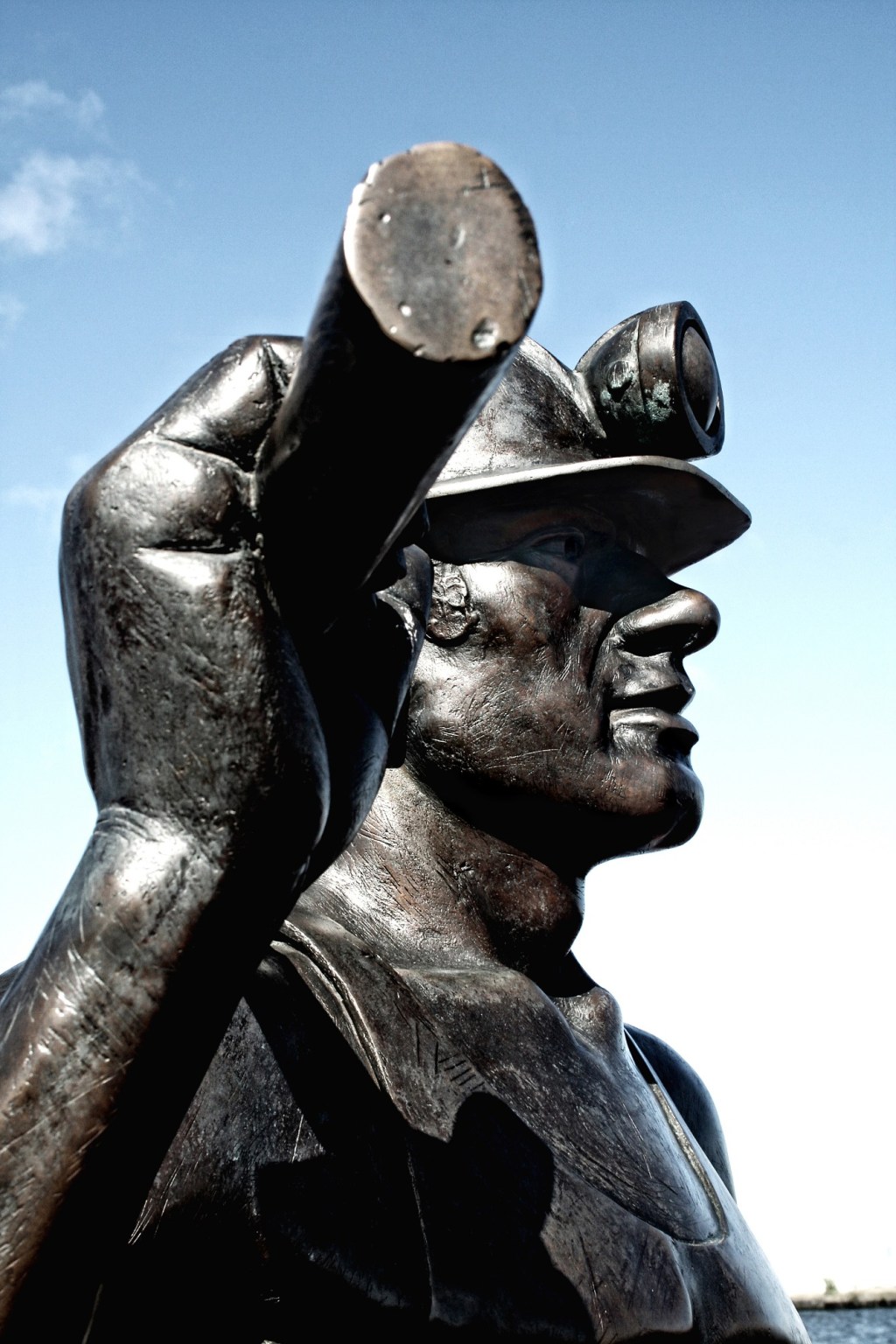
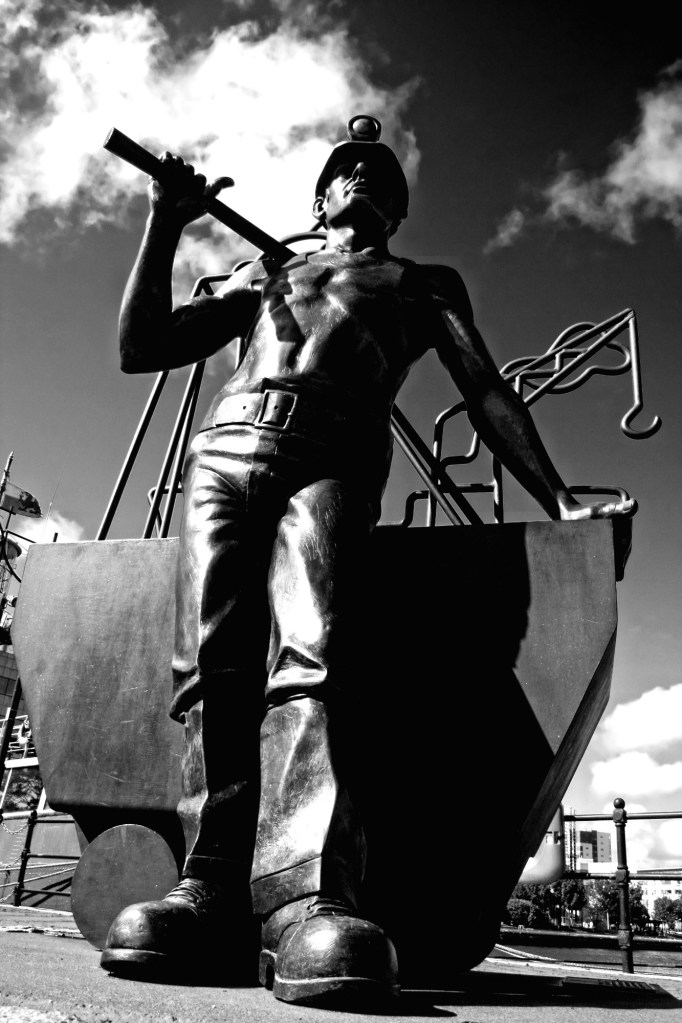
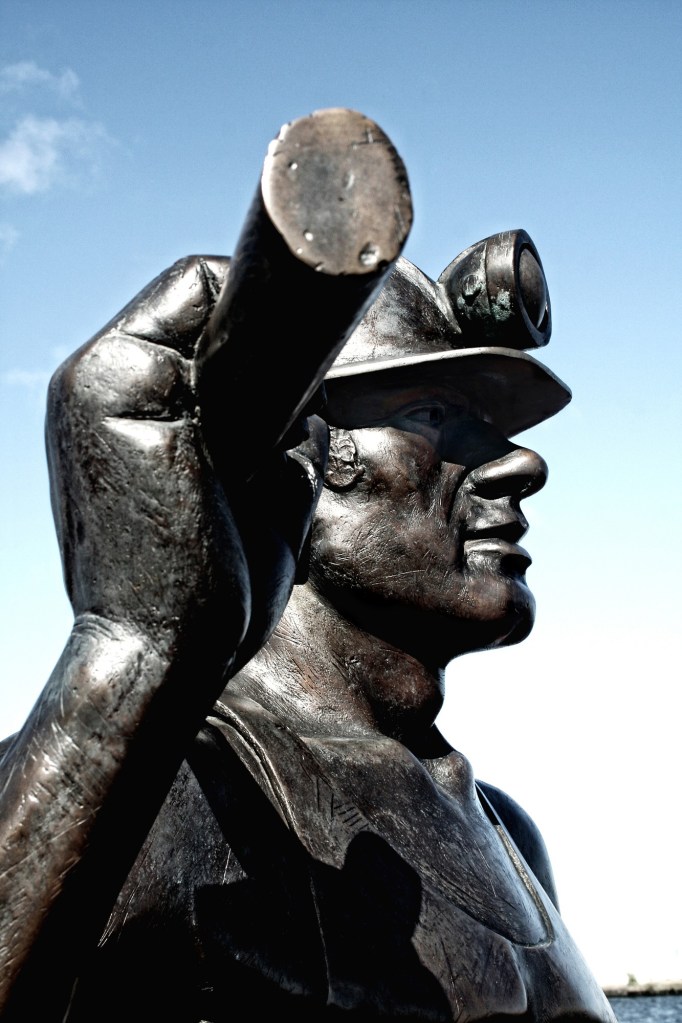
    Statue at Cardiff Bay

    The Miners’ Strike: Thatcher’s War on Britain’s Backbone

    The miners’ strike of 1984–85 was more than a labour dispute—it was a defining battle in Britain’s socio-political history, pitting the working class against the iron will of Margaret Thatcher. What started as a fight to save coal jobs turned into a bruising war of attrition that reshaped the nation. 

    Strong Worker

    Thatcher’s government framed the strike as a necessary showdown against union power. Her target was the National Union of Mineworkers (NUM) and its leader, Arthur Scargill. For her, defeating the miners was about cementing a free-market economy unshackled from militant unionism. But for the miners, the strike was about survival—defending communities built on coal and livelihoods handed down for generations. 

    The strike was brutal. Police clashed with picketers in scenes reminiscent of civil war. Families faced hunger, hardship, and the fracturing of entire towns. The government stockpiled coal and deployed police forces as though miners were an internal enemy. Meanwhile, the NUM leadership failed to call a national ballot, fracturing the movement and alienating public support. 

    When the strike collapsed after a year, Thatcher had won—but at what cost? The coal industry was gutted, and with it, the social fabric of mining towns. Entire communities were abandoned to unemployment and decay. Once-thriving villages became ghost towns as young people fled in search of work, leaving behind fractured families and a profound sense of betrayal. 

    Today, many former mining areas are still grappling with the fallout. Decades later, unemployment, poverty, and poor health are entrenched in places where coal once fueled the economy. Drug abuse, mental health struggles, and a lingering sense of hopelessness plague some of these communities. People who lived through the strike recall it as a time of deep division—not just between miners and the government, but within their own families, as desperation forced people to make impossible choices. 

    For some, the scars remain visible: empty streets, derelict buildings, and the absence of the industry that once united and sustained entire towns. Thatcher’s victory symbolised the triumph of neoliberalism, but it also left a generation of workers and their families to shoulder the burden of its consequences. 

    The miners’ strike wasn’t just a defeat for labour; it was a death knell for solidarity in the face of growing economic inequality. The echoes of that struggle still resonate, a stark reminder of the cost of ideological warfare against the working class—and the communities it continues to hollow out.

    If you find this content inspiring and uplifting, consider supporting what I do. Buy me a coffee on Ko-fi.
    Your support makes a difference in my life and helps me create more of what you like. Thank you!
    Tap to view my redbubble gallery.
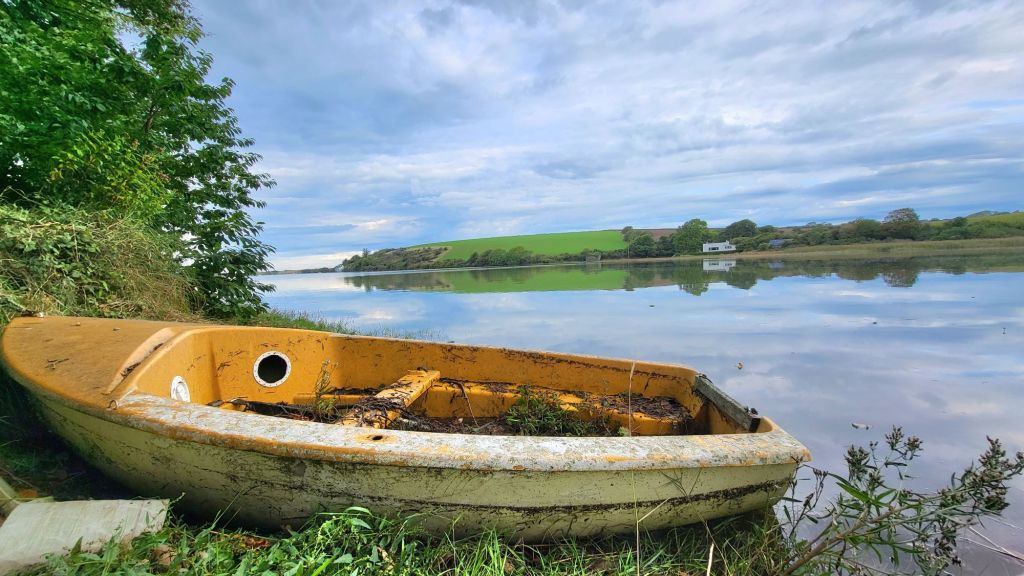
  • Wasted in Stagnation

    Wasted in Stagnation

    River flows away,
    Yet I linger, bound by sludge,
    Wasted, still, unseen.

    How do I even begin to explain it? I feel like a boat—one built to cut through waves, to explore uncharted waters, to sail under the open sky with the wind pushing me forward. I was designed to move, to journey, to experience life in all its unpredictability. But here I am, rotting in the mud at the side of the river, stuck in the stagnant shallows while the current of life rushes by without me.

    It’s infuriating. I’m meant to be out there, feeling the pull of the tide, facing storms and basking in the sunlight on my deck. But instead, I’m trapped in this pit of muck, with nothing but decay around me, sinking deeper into the filth. My hull was once sleek, my sails full of promise, but now? Now I’m just a forgotten vessel, rusted and brittle, abandoned to the elements.

    The river flows past, mocking me with every ripple. I should be part of that, navigating its twists and turns, but I’m stuck on the sidelines, watching as life carries on without me. Every day that passes is another day lost, another opportunity wasted, another inch deeper into this miserable sludge.

    I feel the weight of it all, the heaviness pressing down on me, and it’s suffocating. The dreams, the plans, the purpose—they’re all still there, buried deep inside, but they’re smothered by this mire that’s holding me back. It’s not that I’ve lost my will; it’s that I’m being choked by this godforsaken mud, this unrelenting stagnation.

    I wasn’t made for this! I wasn’t built to rot away in some forgotten corner, becoming part of the landscape of failure. But here I am, powerless against the relentless drag of this miserable place. It’s like being betrayed by your own potential, knowing you were meant for so much more but being held back by forces you can’t control, by circumstances that refuse to let you go.

    I’m angry—angry at the mud, angry at the river for carrying on without me, and most of all, angry at myself for not finding a way to break free. Because I know I was meant to sail, to thrive, to conquer the open waters of life. But instead, I’m left here to decay, to watch the world pass me by while I waste away in this stagnant, suffocating bog.


    If you find this content inspiring and uplifting, consider supporting what I do. Buy me a coffee on Ko-fi.
    Your support makes a difference in my life and helps me create more of what you like. Thank you!
    Tap to view my redbubble gallery.
Design a site like this with WordPress.com
Get started