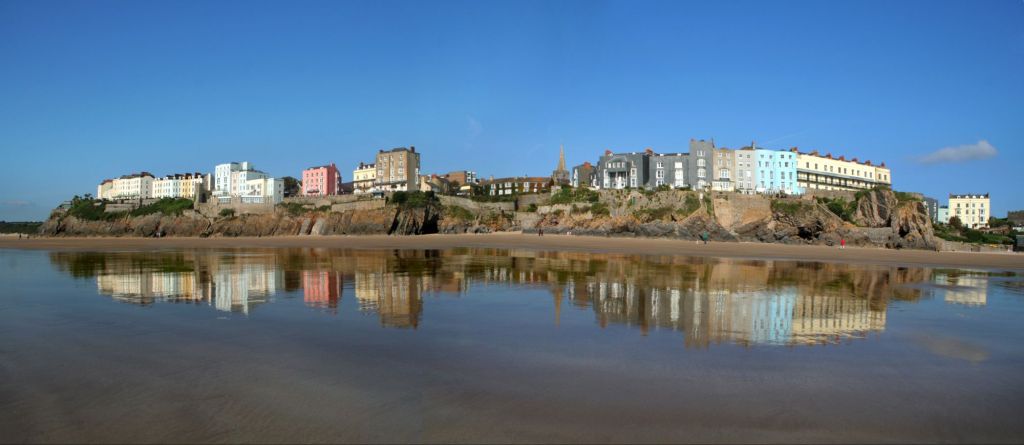
Candy-colored homes, Softly leaning toward the sea, Memories linger.
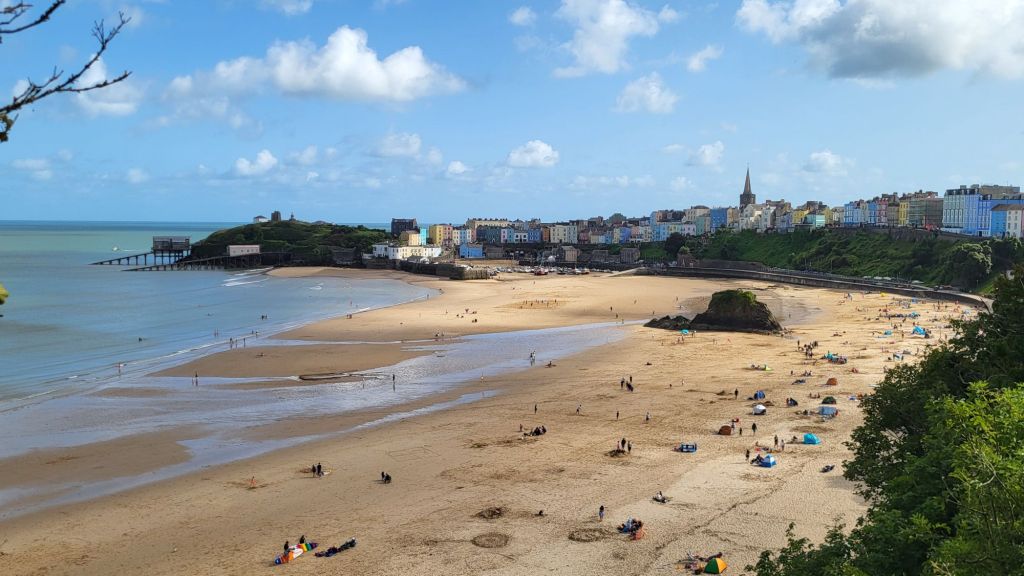
Tenby South Beach
Tenby. Charming? Yes. Confusing? Also, yes. Imagine, if you will, a seaside town that’s part postcard, part labyrinth. Pastel houses, almost edible. Like candy. But taller.
Wander. That’s the word. Wander through streets where every turn leads to something… unexpected. A fisherman’s cottage here, a mediaeval wall there. And did someone say castle? Oh yes, that too. Perched on a rock, casually guarding the coastline, as if to say, “Oh, this old thing? Just a relic from another era.”
Beaches—plural, of course. They couldn’t just have one. North Beach, with its perfect arc. South Beach, more of a rebel, stretching out like it owns the place. Sand? Golden. Water? Blue enough to make you question reality. And the island! You can walk to it. St. Catherine’s, with a fort that’s seen better days. But who hasn’t?
Ice cream. You’ll need it. Flavours you didn’t know existed, like “mango fruit ice” that tastes suspiciously like happiness. Don’t ask why, just go with it. And fish and chips. Obviously. Somewhere, a seagull plots to steal them. You’ve been warned.
Shops. Cute ones. With things you don’t need but will buy. A pirate hat? Sure. A painted rock? Why not? Everything smells like saltwater and sunscreen. Or is that just nostalgia?
Boat trip? Absolutely. Choppy seas, a mysterious island where monks create perfumes from the furze bushes, and seals that pop up like they’re in on some joke you’ll never understand. Laugh anyway. It’s contagious.
Tenby. Tiny streets, larger-than-life personality. Just when you think you’ve figured it out—bam! A secret garden or a pub that’s been there since forever. You’re not lost, you’re discovering.
And then, there’s the sky at sunset. All fiery and dramatic, as if Tenby needed more character. You could watch it forever—or at least until your ice cream melts. Decisions, decisions.
Leave? Eventually. But not without wondering if it was all real. Or just a very detailed, very enjoyable dream.
If you find this content inspiring and uplifting, consider supporting what I do. Buy me a coffee on Ko-fi. Your support makes a difference in my life and helps me create more of what you like. Thank you!Tap to view my redbubble gallery.
Abermawr, a place so charmingly isolated that it’s basically Wales’ version of the Shire, but with more pebbles and less hobbits. Imagine a beach so covered in stones, you’d need a geology degree to figure out which end is up. But hey, at least you’ll have strong ankles!
They say it’s got a rich history, involving some bloke called Brunel who wanted to turn it into a bustling port. Good luck with that, mate, when half the place is under water at high tide! Now it’s just a haven for seals, birds, and people who really, really enjoy the sound of their own footsteps.
It’s like nature said, “Let’s create a beach, but forget the sand. Pebbles? Tons of ’em!” And so, Abermawr was born. If you’re into solitary walks, seagull chatter, and the occasional seal popping up to say hello, then this is your kind of place. Just don’t expect a five-star hotel or even a decent chippy nearby. This is rugged, windswept Wales, people! But hey, the stars at night are incredible. If you can brave the cold, that is.
So if you’re looking for peace, quiet, and a whole lot of pebbles, Abermawr is your oyster. Or should we say, your pebble?
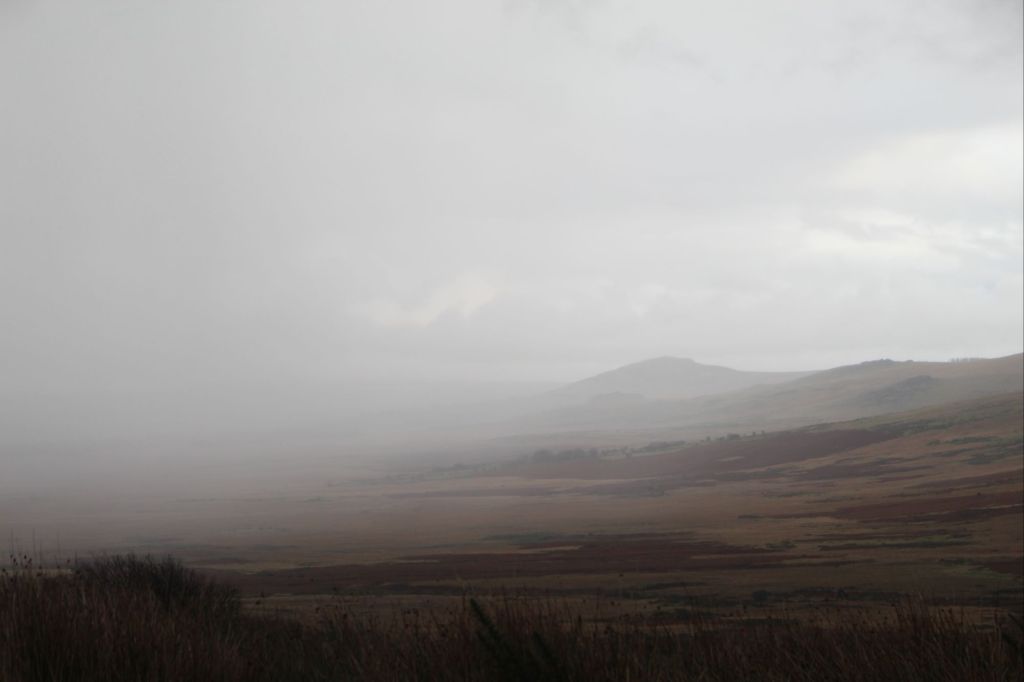
The author tapped their pen against the worn notebook, frowning at the blank page. Outside, the hills of west Wales slumbered in an afternoon lull. They were supposed to be writing about wild hills, about the way the mist rolled in, swallowing everything whole. But the words wouldn’t come. Was it because the real hills outside looked so tame, bathed in a weak spring sunshine? Or was it because the very idea of writing about the wildness, the untamed nature of the world, felt utterly inauthentic?
Preseli Hills, Pembrokeshire, Wales
Pen searches for truth, Wild landscape in the mind blooms, More real than the mist.
Anthony
In the fictional world they were trying to build, the mist rolled in with a purpose, a living entity driven by some unknown force. It wasn’t the kind of mist that rolled in most afternoons, shrouding the valleys in a milky haze. This mist was hungry, it devoured the landscape whole, leaving only the skeletal outlines of trees and the ghosts of forgotten ruins.
But here, in the real world, the mist ambled in, a lazy afterthought of a sea breeze. It did little more than dampen the enthusiasm of the ramblers, forcing them to pull on their waterproofs a little earlier. The author sighed. How could they write about a mist that devoured the world when the most dangerous thing the real mist devoured was a tourist’s picnic plans?
An idea flickered. What if the wildness wasn’t in the mist itself, but in the way it exposed the wildness within the characters it touched? The author started to write. The first line came easily: “The mist rolled in, uninvited, as it always did.” This time, the mist wasn’t a malevolent force, but a catalyst. It seeped into the cracks of their lives, revealing the buried anxieties, the unspoken desires. The characters, a young couple on a weekend retreat, found themselves arguing over neglected chores and unspoken resentments, their petty squabbles echoing in the muffled landscape.
The author smiled. The wildness wasn’t in the mist, but in the way it held up a mirror to the human heart. And perhaps, that was a wilder thing after all.
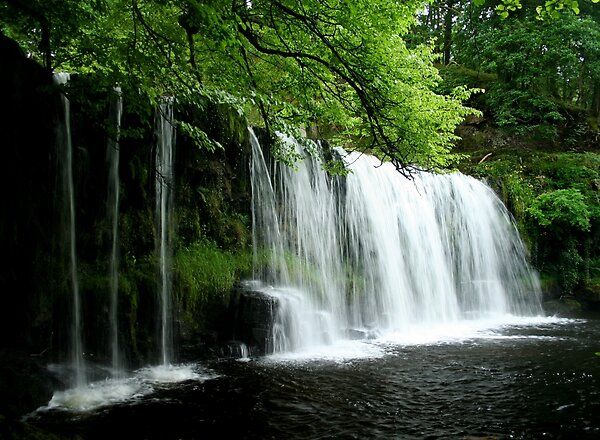
Situated in the heart of the Brecon Beacons National Park, renowned for its natural beauty and industrial heritage, the area around the small village of Pontneddfechan adds its own little slice of magic to the area by way of lush green, steep sided valleys and beautiful waterfalls.
Sgwd Gwladys (Lady Falls)
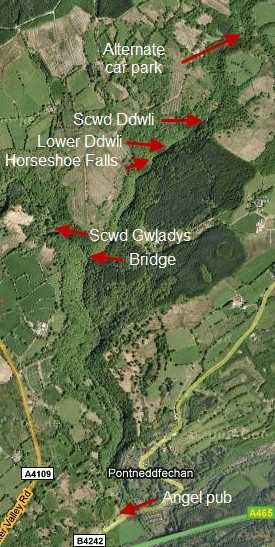
Special Photographic Features. On this short walk, the highlights are the four main waterfalls shown on the map below:
A little guide
The Village of Pontneddfechan. Yes it’s a mouthful and it took me a year or so to remember it and learn how to say it. As well as convenient parking at the Angel Pub, also handy for lunch or a pint after your walk, there is a waterfall information centre just across the road where you can get helpful local knowledge about the falls. Also in the village there is a small groceries shop and public toilets.
The walk. From the car park, follow the river up along a mainly flat, sometimes muddy track, so boots are advised. At this point you’re retracing the remains of an old mining tramway which once serviced the silica mines further up river (some of the stone rail supports are still visible). The Rock was used to make world famous fire bricks.
Amidst Wales’ embrace, Pontneddfechan’s waters dance, Nature’s hymn is sung.
Anthony
Keep on the left bank as the river splits near the bridge. We’ll be crossing this on the way back. On this tributary is the first of the larger waterfalls.
Sgwd Gwladys (Lady Falls)
Stream Of Light
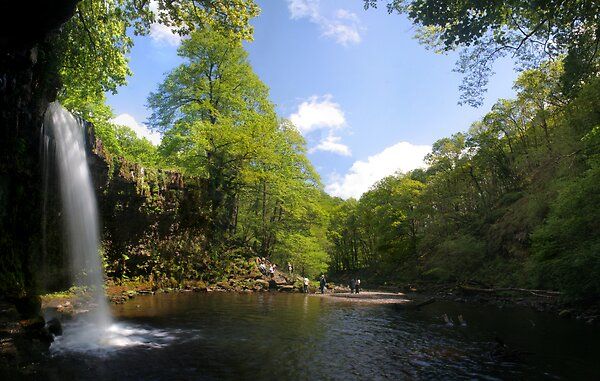
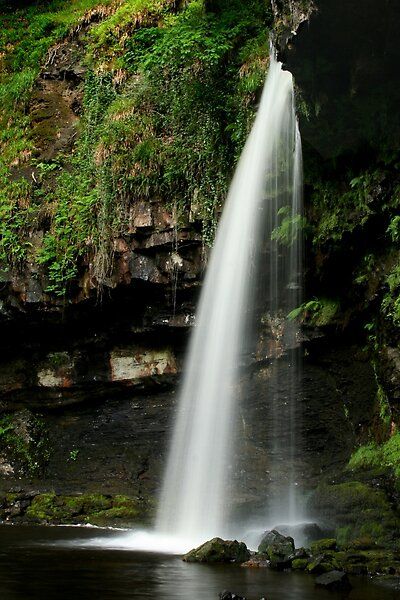
Named after St. Gwladys (Born c.AD 460), daughter of King Brychan of Brycheiniog. This is the tallest waterfall, at about 20ft, of the four I’m covering: Sgwd Gwladys or Lady Falls in English. This beautiful Falls makes for some interesting shots, usually having dead tree trunks in the plunge pool, which look good in the foreground of shots and you can also take from behind the falls looking down the valley. I’ve also seen photos from the top which look good, but I’ve not got up there so far. I’ll have to make the effort one day as apparently there’s another falls a kilometre upstream which named after St Gwladys’ lover Einon Gam.
The path is easy as far as it goes but, as always, getting close in to find the great shots is tricky. When I’ve been there it’s easy to cross the river at this point, which you have to do to get behind the falls.
On one visit here, a fellow photographer had brought his willing wife and her wedding dress along and planned to photograph her in the dress, in the water (a practice apparently known as “trashing the dress”). Each to their own. Unfortunately, she was still changing in the tent they’d brought when I left; I think she was reluctant to come out with other people around.
An interesting tale surrounding thin falls is the story of a 12th century priest, Elidorus, who, at the age of twelve ran away from his cruel teacher and hid near these falls. Two small, golden haired people of the underworld found him and took him down to their world.
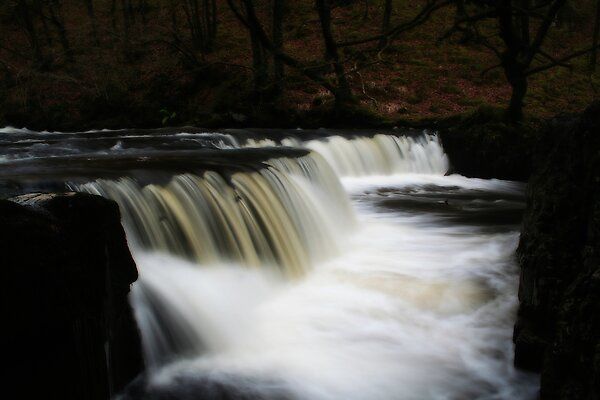
Horseshoe Falls.
Ghostly Falls
A double drop to this one. The above photo is of the first drop of about 5 feet which curves nicely, giving the fall its name. Be careful here as the rocks are very slippery – to take this shot I’m kneeling right on the edge and have my camera resting on my woolly hat on a rock as a tripod. Just to the right the river narrows to squeeze between the rocks, increasing its power, and drops another 12 feet or so. There’s good angles from below, where an oak tree overhangs and you can get both falls in the shot.
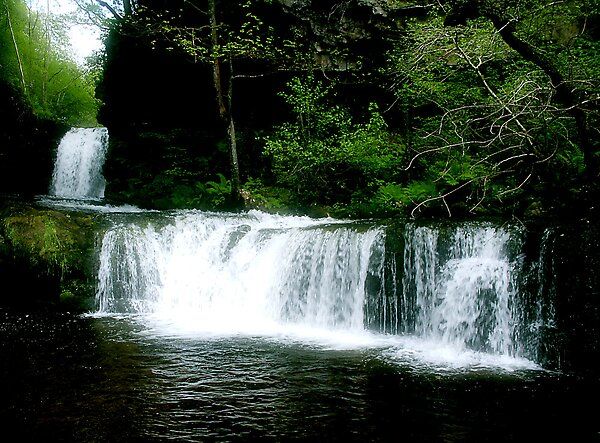
Lower Ddwli Falls.
Go with the flow
The next falls you’ll reach is Lower Ddwlli falls. You may overshoot this one as you have to leave the path some time before the actual falls and walk up the river. You could come off the path by the falls but it’s very steep and dangerous. Also, the rocks here are usually slippery so take care. There is another small falls just to the right of this photo which curves round, making for good photos, especially if you can get both in – this means standing in the river.
Sgwd Y Ddwli.
Fairytale Waterfall in Wales
Despite not being very tall (about 12ft), Upper Ddwli Falls is, I think, the prettiest of the falls and has a fairytale feel to it. It’s better to visit a little later as the sun comes around on it – unless you want the sun shining through the trees which can be beautiful with the bare trees in winter. This waterfall has an easy approach from the top too which could make for some interesting shots (I’ve yet to succeed).
Not far up river from here is another car park at Pont Melin Fach although it’s quite hard to find by car.
Best time of day/year. Each season has its good points, although it’s nice when the trees are lush green and autumn is good for catching trails of leaves swirling in the water in the long exposure shots.
Late evening is an interesting time for long exposures of the falls, but I wouldn’t advise night photography as the falls are too dark and the sky is usually obscured by trees.
Special equipment. A tripod is essential for the long exposure shots to get the silky water effect. I find anything from half a second up makes for good results. A polarised filter to reduce reflection, and, since I don’t have a neutral density filter, it’s also handy in helping push up the exposure times on sunny days. I also suggest sturdy boots as you’ll probably end up scrambling across the slippery rocks to get that “perfect” shot.
Getting there. Leave the M4 at Junction43 towards Neath and follow the A465. Turn off at Glyn-neath and follow the B4242 to Pontneddfechan.
Nearby. Five miles up the A4221, near the village of Coelbren is Henrhyd Falls, South Wales’ highest falls.
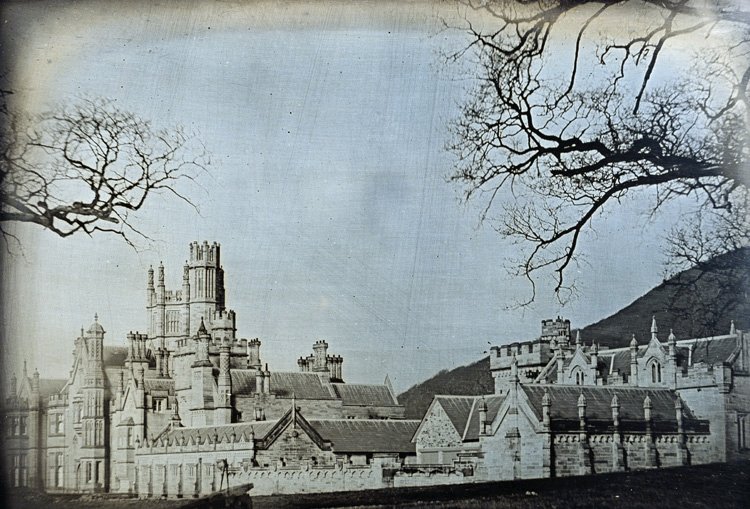
The first photo to be taken in Wales at Margam park, Port Talbot
It’s interesting to be taking photos here as very few people know Margam Park was the location of the earliest known Welsh photograph. It was a daguerreotype of the castle taken on 9 March 1841 by the Reverend Calvert Richard Jones. A daguerreotype is an early type of photograph that was produced on a silver-plated copper sheet. The Reverend Jones was a pioneer of photography and a friend of William Henry Fox Talbot, who was also a frequent visitor to Margam Park and experimented with his own photographic methods. The Margam daguerreotype is now kept at the National Library of Wales and is considered a valuable historical document.
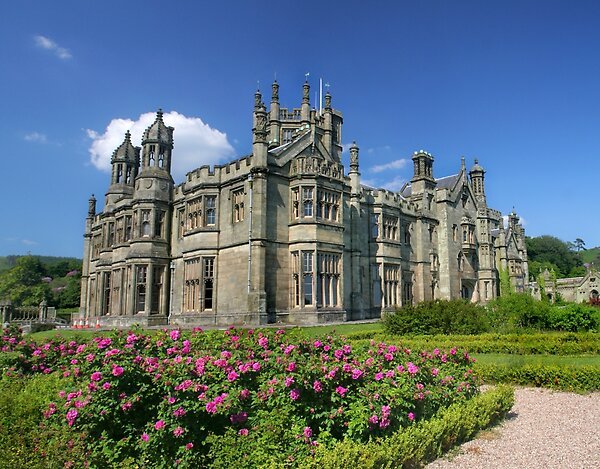
Took this photo of Margam Park a few years ago. Tap to see my red bubble gallery
In the early 19th century, the estate passed to the Talbot family, who built “Margam Castle”c a neo-Gothic country house that was designed by Thomas Hopper and completed in 1840. The castle was the seat of the Talbot family until the end of the Second World War, when it was used by the army and suffered from neglect and vandalism.
In 1973, the Margam Estate was acquired by Glamorgan County Council, and in 1977, the park was opened to the public. Since then, the park has been restored and enhanced, offering a variety of attractions and activities for visitors, such as a sculpture park, a farm trail, a narrow gauge railway, a fairytale village, and a discovery centre.
Margam Park is a place of exceptional historic and scenic value, and has some of the country’s finest architectural treasures in its magnificent setting. It is a rare and valuable learning resource and a heritage attraction of considerable distinction.
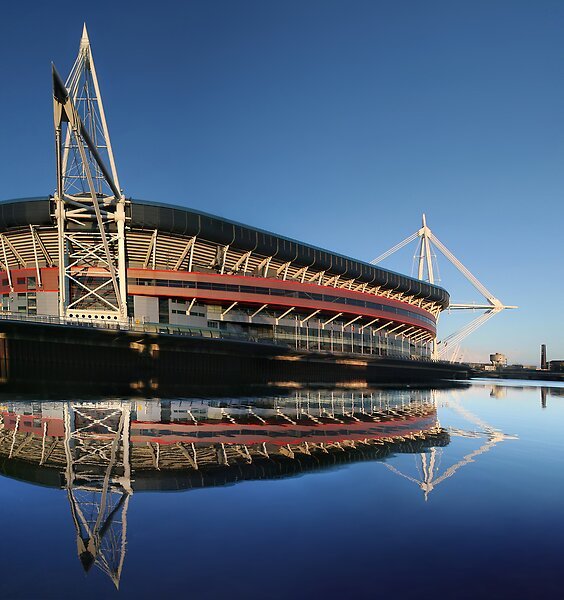
I thought that give some different facts about the millennium stadium that usually go under the radar.
“In the heart of Cardiff, where hawks dance in the sky, and bells ring tales of friendship, the Millennium Stadium stands as a modern ode to sport and spectacle—a stage for the chorus of cheers echoing through time.”
Anthony
Managed to get the perfect day for this photo. Tap to see my red bubble gallery
Guardian of the Stadium. The stadium has a resident hawk named Darcy, who is trained to scare away pigeons and other birds that might damage the pitch or the roof. Darcy is a Harris hawk, a species native to North and South America, and she has been working at the stadium since 2000. She flies around the stadium before and after events, and sometimes during breaks.
Secret Tunnel. The stadium has a hidden tunnel that connects it to the nearby Cardiff Castle. The tunnel was originally built in the 19th century as part of the castle’s defence system, and it was later used as a shelter during World War II. The tunnel is now used by VIP guests and performers who want to avoid the crowds and enter the stadium discreetly.
The Bell of Friendship. The stadium has a special bell that is rung before every rugby match. The bell was donated by the Llanelli Rugby Club in 1999, as a gesture of goodwill and friendship. The bell is made of bronze and weighs 107 kilograms (236 pounds). It is inscribed with the words “Cofiwch Dryweryn”, which means “Remember Tryweryn” in Welsh. This is a reference to the flooding of a Welsh village in 1965 to create a reservoir for Liverpool.
Historic Cricket Match. The stadium hosted the first ever indoor cricket match in 2002, when England played India in a one-day international. The match was played under the closed roof due to bad weather, and England won by 31 runs. The roof also helped to amplify the noise of the crowd, creating a unique atmosphere.
Harmony in Voices. The stadium was the venue for the world’s largest ever choir performance in 2007, when 10,000 singers from 220 choirs gathered to sing in the Festival of Voice. The event was organised by the Welsh Music Foundation and featured songs in Welsh, English, and other languages. The singers performed in front of a packed audience of 60,000 people.
Wales is often called the “land of castles” – and for a good reason. There are over 400 castles in this small country, ranging from ancient earthworks and stone ruins to magnificent fortresses and stately homes. In this blog post, I will explore some of the history and features of these castles, and why they are such an important part of Welsh culture and heritage.
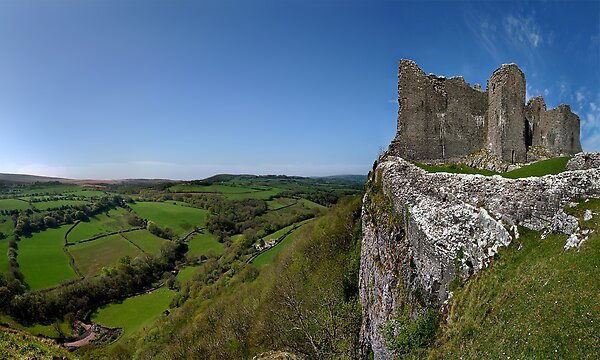
Carreg Cennen Castle Tap to see my red bubble gallery
“Within the weathered stones of Welsh castles, whispers of ancient magic linger, transporting the imagination to realms of enchantment and wonder.”
Anthony
The earliest castles in Wales date back to the Iron Age, when the Celtic tribes built hillforts and defended settlements across the land. Some of these sites, such as Dinas Emrys and Tre’r Ceiri, are still visible today. The Romans also built forts and walls in Wales, such as Segontium and Caerleon, to protect their province of Britannia from the native Britons and the invading Saxons.
The Norman conquest of England in 1066 brought a new wave of castle building in Wales, as the Normans and their allies sought to extend their control and influence over the Welsh kingdoms. They built motte-and-bailey castles, which consisted of a wooden tower on a raised mound (motte) and a walled courtyard (bailey), often surrounded by a ditch. Some of the most famous examples of these castles are Chepstow, Cardiff, and Pembroke. The Normans also rebuilt and enlarged some of the existing Roman and Welsh fortifications, such as Caerphilly and Caernarfon.
The Welsh princes and lords resisted the Norman invasion and expansion, and built their own castles to defend their territories and assert their authority. These castles were often made of stone, and had distinctive features such as round towers, gatehouses, and curtain walls. Some of the most impressive Welsh castles are Dolwyddelan, Castell y Bere, and Carreg Cennen (photoed). The Welsh castles also reflected the culture and identity of their builders, and often incorporated elements of Welsh art and architecture, such as carvings, sculptures, and inscriptions.
The 13th century saw the rise of King Edward I of England, who launched a series of campaigns to conquer Wales and end the Welsh resistance. He built a ring of massive and sophisticated castles along the north and west coast of Wales, such as Conwy, Beaumaris, Harlech, and Criccieth. These castles were designed to dominate the landscape and intimidate the Welsh population, and were also symbols of royal power and prestige. They were built by master masons and engineers, and had advanced features such as concentric walls, moats, drawbridges, portcullises, and arrow slits. These castles are considered to be some of the finest examples of medieval military architecture in Europe, and are part of the UNESCO World Heritage Site of the Castles and Town Walls of King Edward in Gwynedd.
The 15th century saw the emergence of a Welsh hero, Owain Glyndŵr, who led a rebellion against English rule and proclaimed himself Prince of Wales. He captured and destroyed many of the English and Norman castles, and built his own castles, such as Sycharth and Dolbadarn, to rally his supporters and allies. His rebellion was ultimately unsuccessful, but he inspired generations of Welsh patriots and nationalists.
The 16th century saw the Tudor dynasty come to power in England, which had Welsh origins. The Tudors brought a period of relative peace and stability to Wales, and also enacted the Laws in Wales Acts, which integrated Wales into the English legal and administrative system. The Tudors also patronized and renovated some of the Welsh castles, such as Raglan and Carew, and transformed them into comfortable and elegant residences. The Tudors also adopted the Welsh dragon as part of their heraldry and flag, which is still used today as the national emblem of Wales.
The 17th century saw the outbreak of the English Civil War, which divided the country between the Royalists and the Parliamentarians. Many of the Welsh castles were involved in the conflict, and changed hands several times. Some of the castles were besieged, damaged, or demolished, such as Denbigh, Holt, and Chirk. Some of the castles were also used as prisons, garrisons, or headquarters, such as Caerphilly, Powis, and Ludlow.
The 18th and 19th centuries saw the rise of the Industrial Revolution, which transformed the economy and society of Wales. Many of the Welsh castles were neglected, abandoned, or sold, and some of them were used as quarries, factories, or mines, such as Flint, Kidwelly, and Caldicot. Some of the castles were also restored, preserved, or rebuilt, by wealthy landowners, antiquarians, or architects, such as Penrhyn, Castell Coch, and Penhow. Some of the castles were also donated, leased, or sold to the public, the state, or charitable organizations, such as Tretower, Dinefwr, and Plas Mawr.
The 20th and 21st centuries saw the growth of tourism, education, and conservation in Wales. Many of the Welsh castles are now open to visitors, and are managed by various bodies, such as Cadw, the National Trust, and local authorities. The castles are also used for various events, activities, and exhibitions, such as festivals, concerts, weddings, and re-enactments. The castles are also sources of research, learning, and inspiration, for historians, archaeologists, students, and artists. The castles are also part of the national identity and pride of Wales, and are celebrated in literature, music, and art.
The castles of Wales are a rich and diverse legacy of the past, and a living and vibrant part of the present. They tell the stories of the people, events, and ideas that shaped the history and culture of Wales, and also reflect the changes and challenges that faced the country over the centuries. They are also monuments of beauty, skill, and creativity, and showcase the architectural and engineering achievements of their builders and designers. They are also places of wonder, mystery, and romance, and invite us to explore, discover, and enjoy them. They are, in short, the treasures of Wales.
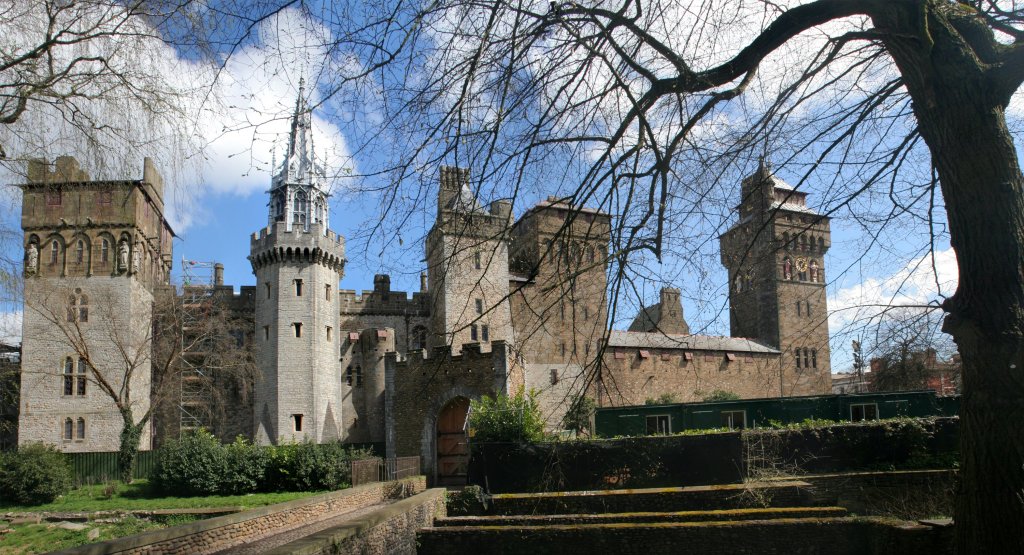
Cardiff Castle is a truly unique and historic property, now available for purchase. (NOT actually for sale! 🙂). This magnificent castle dates back to the 11th century and has been home to many notable figures throughout history, including the Normans, the Tudors, and the Butes.
Tap to view my redbubble gallery.
The castle is set in the heart of Cardiff, just a short walk from the city centre and all of its amenities. It is also conveniently located close to major road and rail links, making it easy to get to and from the city.
The castle itself is a sprawling complex of buildings and grounds, covering over 21 acres. The main castle building is a Norman keep, with thick stone walls and towers. Inside, the castle is decorated in a variety of styles, from mediaeval to Victorian.
The castle grounds are also extensive and include a variety of features, such as a moat, a drawbridge, a courtyard, and gardens. There is also a castle museum, which houses a collection of artefacts and exhibits on the history of the castle and its inhabitants.
Cardiff Castle is a truly unique and special property, and it would be the perfect home for someone who appreciates history, architecture, and luxury.
Not actually for sale
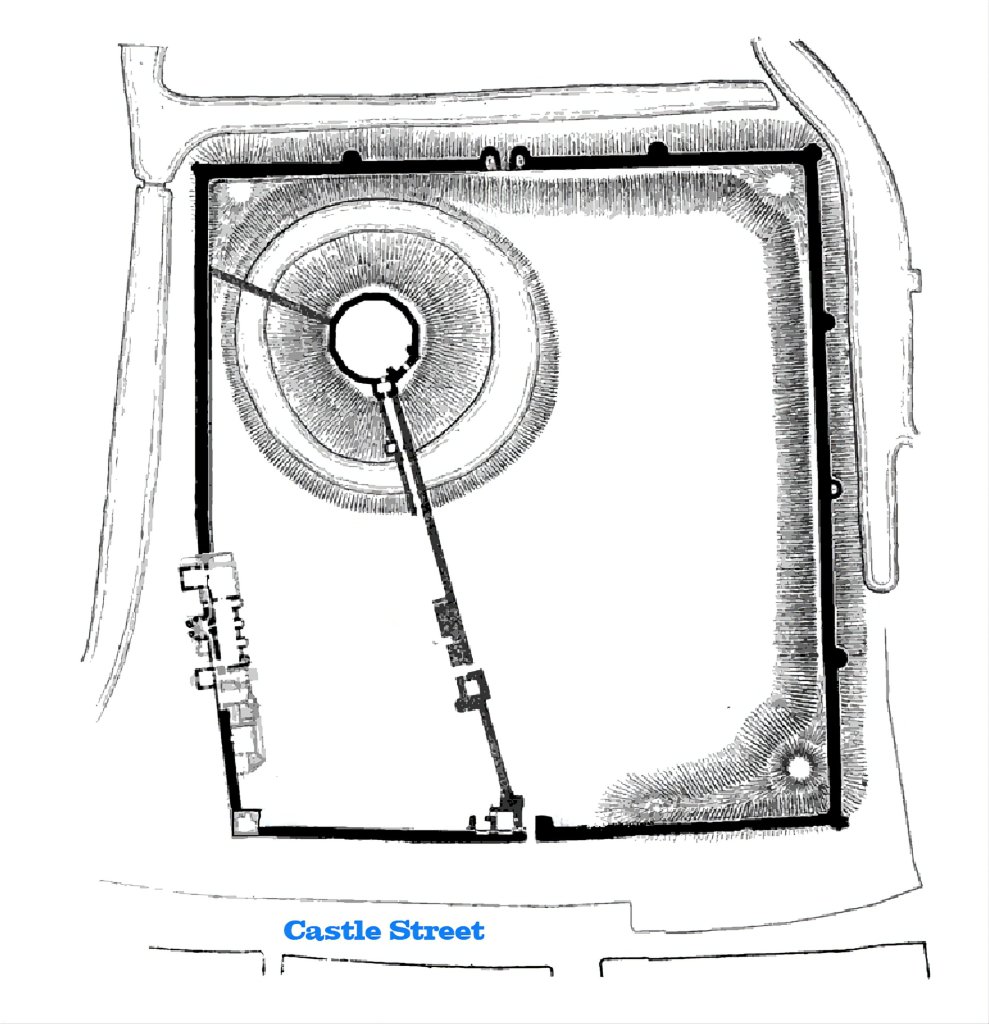
Floor Plan
The main castle building is divided into three floors:
Ground floor: The ground floor houses the castle’s main entrance hall, as well as a number of other staterooms, including the Great Hall, the Dining Room, and the Drawing Room.
First floor: The first floor houses the castle’s private apartments, including the bedrooms, bathrooms, and dressing rooms.
Second floor: The second floor houses the castle’s servants’ quarters, as well as a number of other rooms, such as the library, the chapel, and the ballroom.
Features
Historic Norman keep
Beautifully decorated staterooms
Extensive grounds with moat, drawbridge, courtyard, and gardens
Castle museum housing a collection of artefacts and exhibits
Convenient location in the heart of Cardiff
Price
Cardiff Castle is available for purchase at a guide price of POA. (Not actually for sale! 🙂)
Contact Us
If you are interested in purchasing Cardiff Castle, please contact us today to arrange a viewing. We would be delighted to show you this magnificent property and answer any questions you may have. (Please do not contact anyone! 🙂).
P.S. We are [NOT] offering a special discount to buyers who are willing to pay in bitcoin.
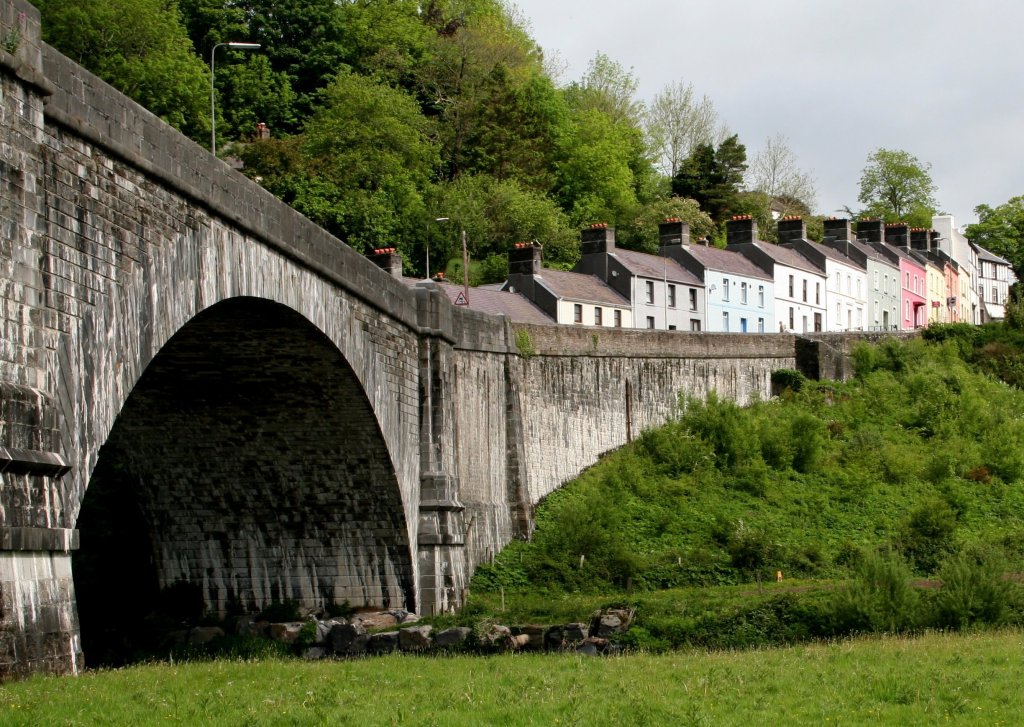
Hello there! Let me tell you about the charming bridge at Llandeilo. It’s a Grade II* listed road bridge that gracefully spans the River Towy in the picturesque town of Llandeilo, nestled in Carmarthenshire, Wales. This bridge is a vital link for the A483 road heading towards Ffairfach.
Tap to view my redbubble gallery.
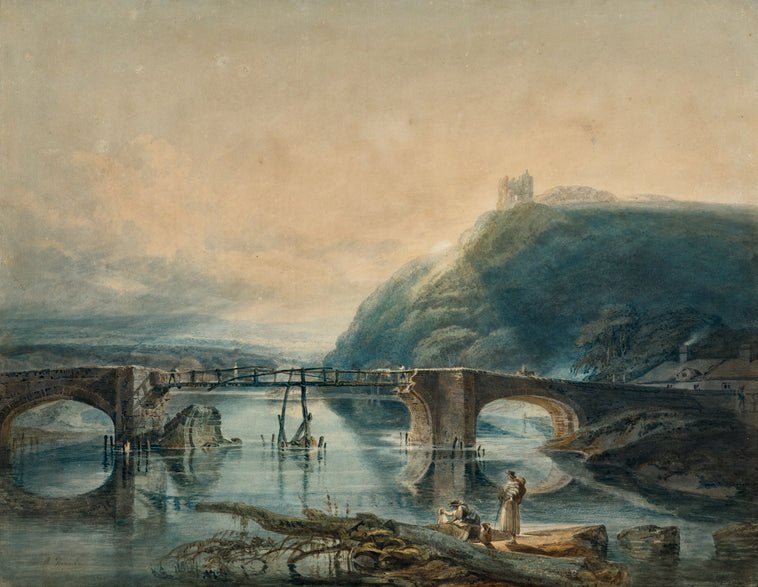
The story behind this bridge is quite fascinating. The brilliant William Williams, Llandeilo’s very own county bridge surveyor, designed this single-arch wonder. Its construction took place between 1843 and 1848, a project that replaced a previous three-arched bridge. This older structure had itself replaced a mediaeval seven-arch bridge that sadly collapsed back in 1795.
J.M.W. Turner painted Llandeilo Bridge and Dinefwr Castle in 1795.
William Williams initially led the project, but the complexities of building on challenging foundations drained the budget entirely, leading to his dismissal. Unfortunately, he passed away before the bridge’s completion. In 1846, Edward Haycock stepped in to finish the job, though the cost had escalated significantly to a staggering £23,000.
The new bridge was a vast improvement over its predecessor, with enough room for a double carriageway. Its single arch impressively stretched 143 feet across the river, rising 35 feet above it, which was quite a feat at the time and made it the third longest single arch bridge in Britain. This height also reduced the road’s gradient towards the town, making it more accessible.
The bridge’s architectural details are a reflection of its craftsmanship. The bridge, arch soffits, parapets, and buttresses are adorned with chisel- or hammer-dressed masonry. The voussoirs of the arch are lengthy and finely finished with ashlar. The bridge is also flanked by substantial stone buttresses at each end of the arch, which extend in both directions to support the lengthy causeways leading to Llandeilo and Ffairfach. It’s not just a bridge; it’s a piece of Llandeilo’s rich history.
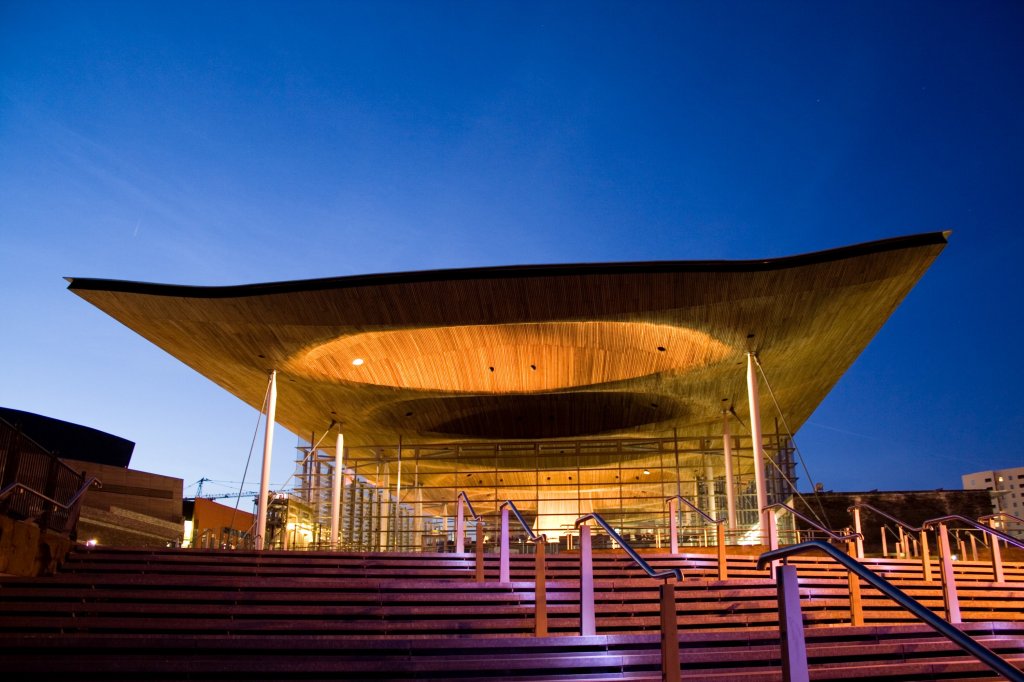
In the heart of Cardiff Bay, nestled alongside the glistening waters, stands a striking building that embodies the aspirations of a nation. The Senedd Cymru, or Welsh Parliament, is a symbol of Wales’ journey towards self-governance, a journey that has been marked by both progress and setbacks.
A photo I took a few years ago. Tap to view my redbubble gallery.
The dragon’s fire From humble beginnings, a flame took hold, Devolution’s embers, burning bold. Through trials and tribulations, it did grow, A beacon of Welsh self-governance’s glow.
My Welsh version. It’s a computer translation but I thought I’d treat you all to some Welsh.
Tân y ddraig O ddechreuadau gostyngedig, cydiodd fflam, Embers datganoli, llosgi beiddgar. Trwy brofedigaethau a gorthrymderau, tyfodd, Ffagl o llewyrch hunanlywodraeth Gymreig.
In 1997, a narrow referendum victory (50.3%) paved the way for the establishment of the Welsh Assembly. Initially possessing limited powers, the Assembly gradually gained more autonomy, culminating in its renaming as the Senedd Cymru in 2020.
Today, the Senedd holds a wide range of powers, including responsibility for education, health, housing, and the environment. It also has the power to set Welsh taxes, such as income tax and landfill tax.
The Senedd is a symbol of Wales’ aspirations for self-governance. Its evolution has been a gradual process, but it now plays a vital role in the governance of the nation.
As the Senedd continues to evolve, it is likely to remain a focal point for Welsh identity and its pursuit of greater autonomy.


 Horse’s steady gazeStrengthful eyes that dare to meetChallenge accepted Courage is the strength to face… Read more: Darkness, Power and Beauty
 Daffodil so brightGolden petals, sunshine’s kissHope blooms anew As I wander through the garden, the… Read more: The Daffodil’s Song: A Lyrical Tribute to the Wonders of Spring
 The Graceful Lines of an Acanthus Leaf. Acanthus is a genus of flowering plants native… Read more: Acanthus: A Versatile Plant with a Rich Cultural Heritage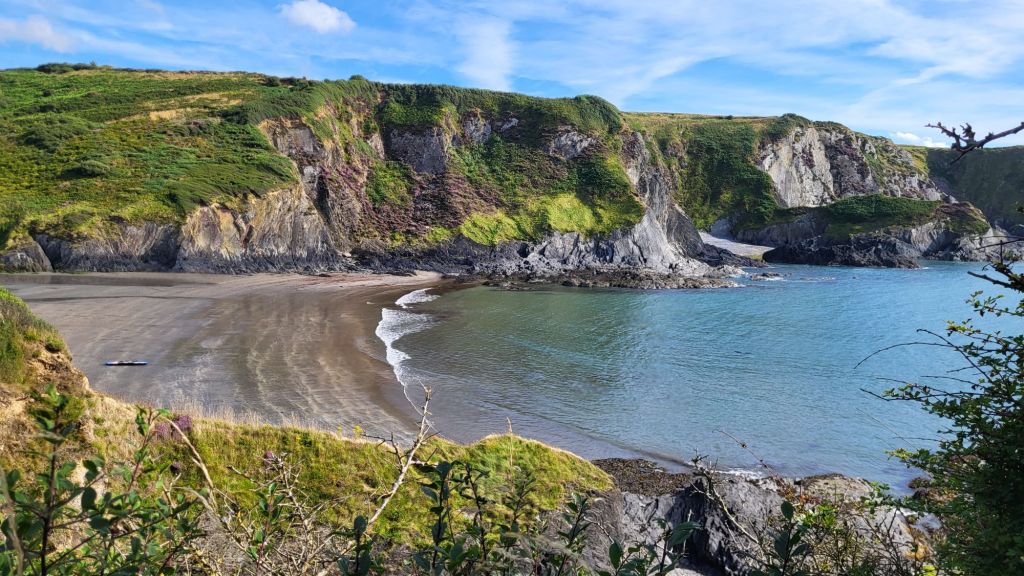
 Anthony's Literary Lens
You must be logged in to post a comment.