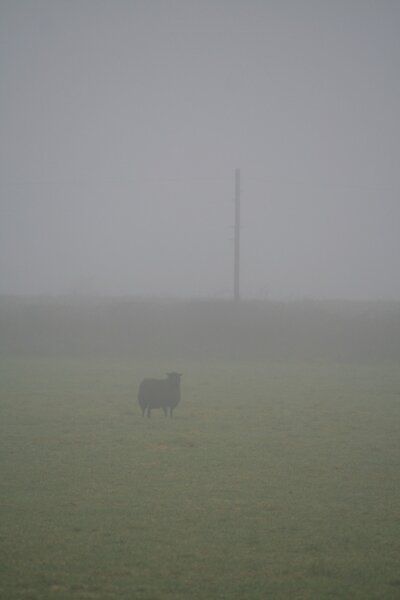
So, Welsh. Yeah, it’s a real language, and no, it’s not just random consonants tossed into a Scrabble bag. It’s one of the oldest languages in Europe, spoken in Wales, where people know their sheep as good as their weather forecast (usually rain). But seriously, it’s a living, breathing language with a rich history and, let’s be honest, a bit of a PR problem. I mean, have you ever tried convincing someone that *Llanfairpwllgwyngyllgogerychwyrndrobwllllantysiliogogogoch* is a legitimate place and not the sound of a cat walking across a keyboard?


Welsh, or ‘Cymraeg’ as the locals call it (pronounced “kum-RAIG,” by the way), is one of the Celtic languages. Think Gaelic, but with more ll’s, which, in case you were wondering, is not just a double “L.” It’s a soft, breathy sound that feels like trying to whisper to someone with a mouthful of marshmallows. It’s oddly satisfying once you get the hang of it.
For Welsh people, the language isn’t just words; it’s identity. It’s how they connect to their ancestors, their culture, and their sense of place in the world. Speaking Welsh is like wearing a badge that says, “I survived centuries of cultural suppression, and all I got was this vowel-deficient language.” But they wear that badge proudly.
Now, let’s talk about how it sounds. Welsh has this sing-song quality that makes everything sound like it should be sung from the top of a windy hill in a BBC period drama. Even the most mundane phrases feel poetic. Take “Sut wyt ti?” which means “How are you?” It’s pronounced something like “Sit OO-ee tea,” and it makes you feel like you should answer with a sonnet instead of a shrug.
Then there’s the word ‘hiraeth’. Oh, hiraeth. It’s one of those untranslatable words that’ll make you feel all philosophical and deep. It roughly means a longing for a home you can’t return to, or maybe one that never really existed. It’s the emotional equivalent of looking at an old photo and feeling like your heart’s been dunked in tea.
But not everything in Welsh is wistful and poetic. Some words are just plain fun to say. Like ‘popty ping’, which is slang for microwave. Yes, ‘popty ping’. How can you not love a language where heating leftovers sounds like a kid naming a spaceship?
Want to impress your friends? Try this: say ‘diolch’ (DEE-olkh). That’s “thank you.” Or ‘iechyd da’ (yeh-CHID dah), which is “cheers.” But watch out for that “ch.” It’s like clearing your throat, but, you know, politely.
Learning Welsh is like joining an exclusive club. Sure, it’s a small club, but it’s mighty. And the members? They’ll welcome you with open arms because every new speaker is a little victory for a language that’s survived against the odds.
So, whether you’re planning a trip to Wales, have Welsh roots, or just want to spice up your life with some extra consonants, give Welsh a shot. You might not master the ‘ll’ sound on day one, but you’ll definitely feel like you’re part of something special. And who knows? You might even find yourself yelling “Cymru am byth!” (“Wales forever!”) at a rugby match one day.
Until then, ‘hwyl fawr’! That’s “goodbye” in Welsh, and it’s pronounced, well… just trust me on this one.

Your support makes a difference in my life and helps me create more of what you like. Thank you!

- Darkness, Power and Beauty
 Horse’s steady gazeStrengthful eyes that dare to meetChallenge accepted Courage is the strength to face… Read more: Darkness, Power and Beauty
 - The Daffodil’s Song: A Lyrical Tribute to the Wonders of Spring
 Daffodil so brightGolden petals, sunshine’s kissHope blooms anew As I wander through the garden, the… Read more: The Daffodil’s Song: A Lyrical Tribute to the Wonders of Spring
 - Acanthus: A Versatile Plant with a Rich Cultural Heritage
 The Graceful Lines of an Acanthus Leaf. Acanthus is a genus of flowering plants native… Read more: Acanthus: A Versatile Plant with a Rich Cultural Heritage


 Anthony's Literary Lens
You must be logged in to post a comment.