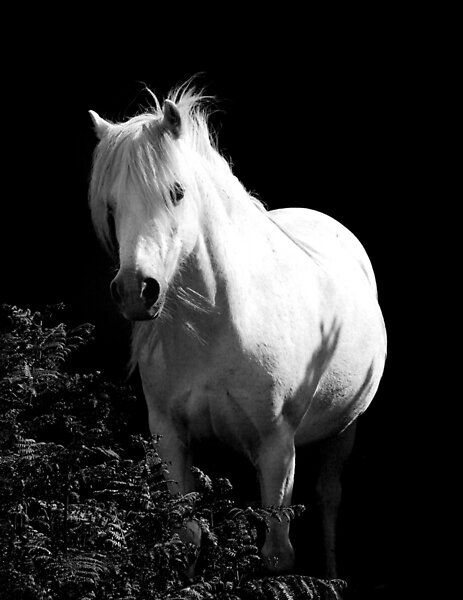
You know, sometimes a photo just grabs you and won’t let go. That’s what happened with this shot of my white horse against the dark background. I’ve taken thousands of horse photos – trust me, my phone’s storage is crying about it – but there’s something about this one that feels different. It’s like catching magic in a moment, if magic wore a mane and had a tendency to sneeze on your camera lens.
I decided to go with black and white for this one, and I’ll tell you why. There’s this gorgeous tension between light and shadow that color sometimes masks – like when you’re wearing a really great outfit but your statement necklace is stealing all the attention. In black and white, you can really see how my horse’s coat practically glows against that velvet-dark background. It’s not just white; it’s this luminous, ethereal kind of white that makes you wonder if maybe, just maybe, unicorns aren’t such a far-fetched idea after all.
And can we talk about that little bit of foliage peeking in? It’s doing the heavy lifting of keeping this photo grounded in reality, like that one sensible friend who reminds you that no, you probably shouldn’t get bangs at 2 AM. Without it, the horse might look like it’s floating in space – which, cool concept, but not what I was going for here.
The contrast between black and white creates this almost theatrical backdrop, like nature decided to set up its own spotlight. My horse didn’t get the memo about being dramatic though – they’re just standing there, being their authentic self, probably thinking about their next snack. But that’s what makes it work, right? That completely unposed, natural moment caught in this stark, artistic frame.
I’ve noticed that some of my favorite photos are the ones that make you lean in a little closer, the ones that play with the line between simplicity and drama. This shot does that for me. It’s like the photographic equivalent of a really good whisper – quiet but impossible to ignore. And while I’d love to say I planned every element of this composition, sometimes the best photos are the ones where you’re just lucky enough to be there with your camera when the light, the moment, and yes, even the cooperative positioning of a horse, all decide to play nice together.
And yes, before you ask, I absolutely have this printed and hanging on my wall. Because some photos just deserve to graduate from the endless scroll of our camera rolls, don’t you think?
If you find this content inspiring and uplifting, consider supporting what I do. Buy me a coffee on Ko-fi. Your support makes a difference in my life and helps me create more of what you like. Thank you!Tap to view my redbubble gallery.
Basil, mint, and thyme— scent of soil and sunlight’s warmth, roots finding their way.
Hands deep in the earth, I feel the quiet pulse of life beat beneath my fingers—a slow, steady rhythm that grounds me in a way few things do. Roots twist below, unseen threads tying me to this moment, reminding me that sometimes the most meaningful connections are the ones you can’t quite see. In the green silence around me, everything slows. I breathe with the soil, the earthy scent filling my lungs as if I’m taking in the very essence of the garden itself.
Sunlight warms my skin, each ray another gentle reminder that life continues, grows, even when no one’s watching. There’s a comfort in the hum of it all: the small, tireless work of nature happening at its own perfect pace. My thoughts start to settle, sinking down into the soil with the roots, each breath drawing me deeper into the present. Here, lost in this quiet rhythm, I feel whole, as if I, too, am planted right where I’m meant to be.
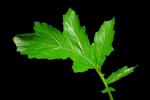
Bare feet touch the grass, the hum of soil grounding me— sunlight warms my skin.
What garden have you got and how does it help you.
If you find this content inspiring and uplifting, consider supporting what I do. Buy me a coffee on Ko-fi. Your support makes a difference in my life and helps me create more of what you like. Thank you!Tap to view my redbubble gallery.
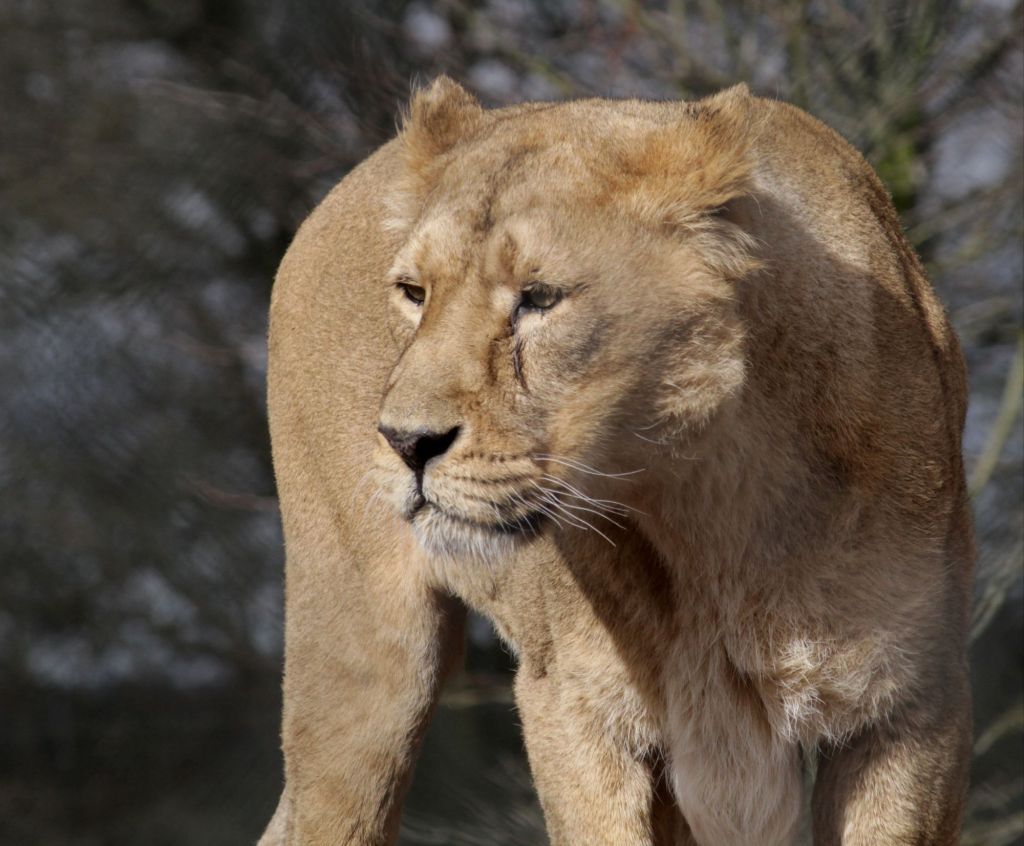
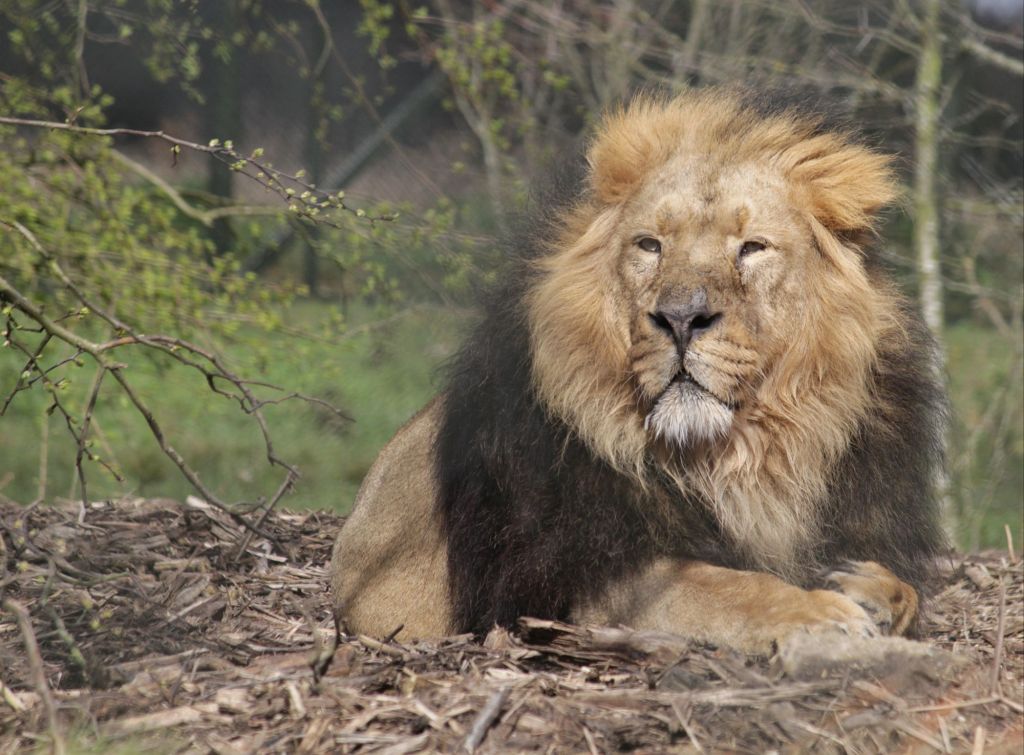
I recently visited Chester Zoo and had the honour of photographing five incredible animals up close: lions, tigers, cheetahs, jaguars, and snow leopards. Inspired by these majestic creatures, I decided to delve into the zoo’s conservation efforts for these species. Accompanied by my photos, here’s the lowdown on Chester Zoo’s work to protect and preserve these amazing big cats!
Asiatic Lion (Panthera leo persica)
Male lionFemale lion
Conservation Status: Critically Endangered (IUCN) Wild Population: ~670 individuals Habitat: Gir Forest, India Threats: Habitat loss, poaching, human-wildlife conflict Breeding Programs: European Endangered Species Programme (EEP) Key Partners: Forest Department of Gujarat, Lion Conservation Trust
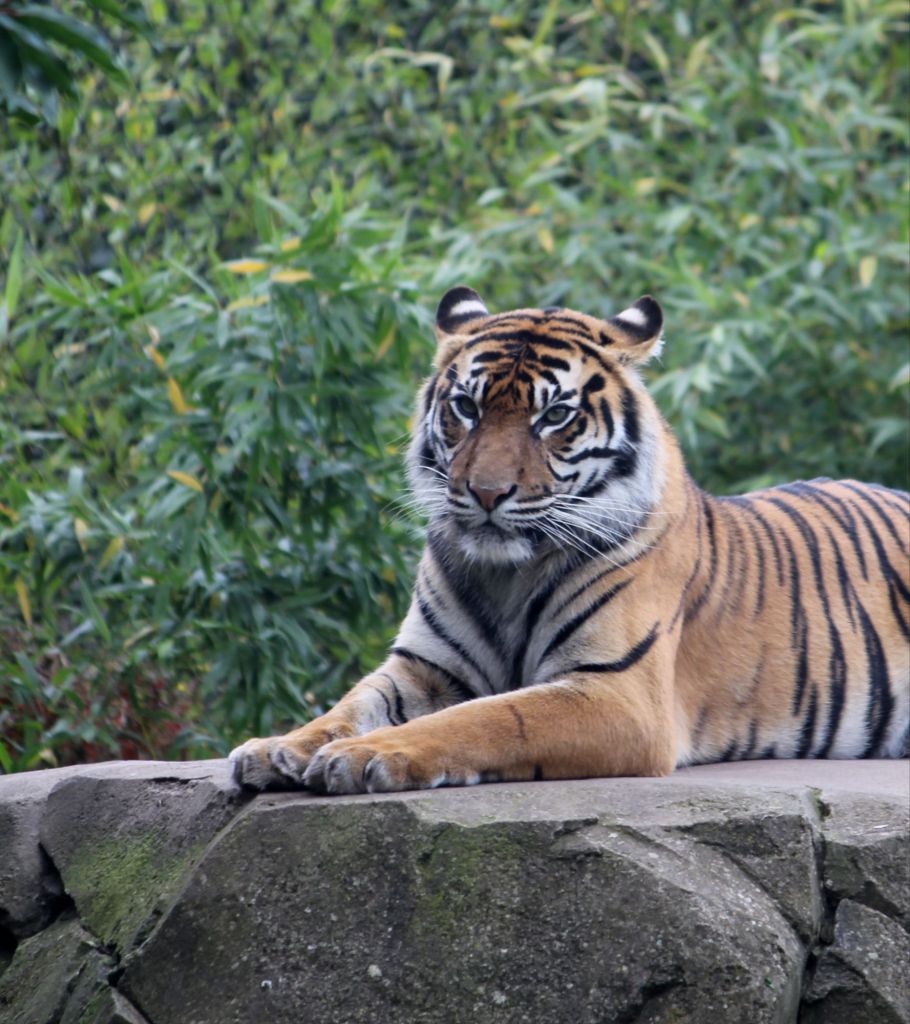
Sumatran Tiger (Panthera tigris sumatrae)
Tiger
Conservation Status: Critically Endangered (IUCN) Wild Population: ~400 individuals Habitat: Rainforests of Sumatra, Indonesia Threats: Deforestation, poaching, illegal wildlife trade Breeding Programs: EEP for Sumatran tigers Key Partners: WWF, Indonesian Ministry of Forestry
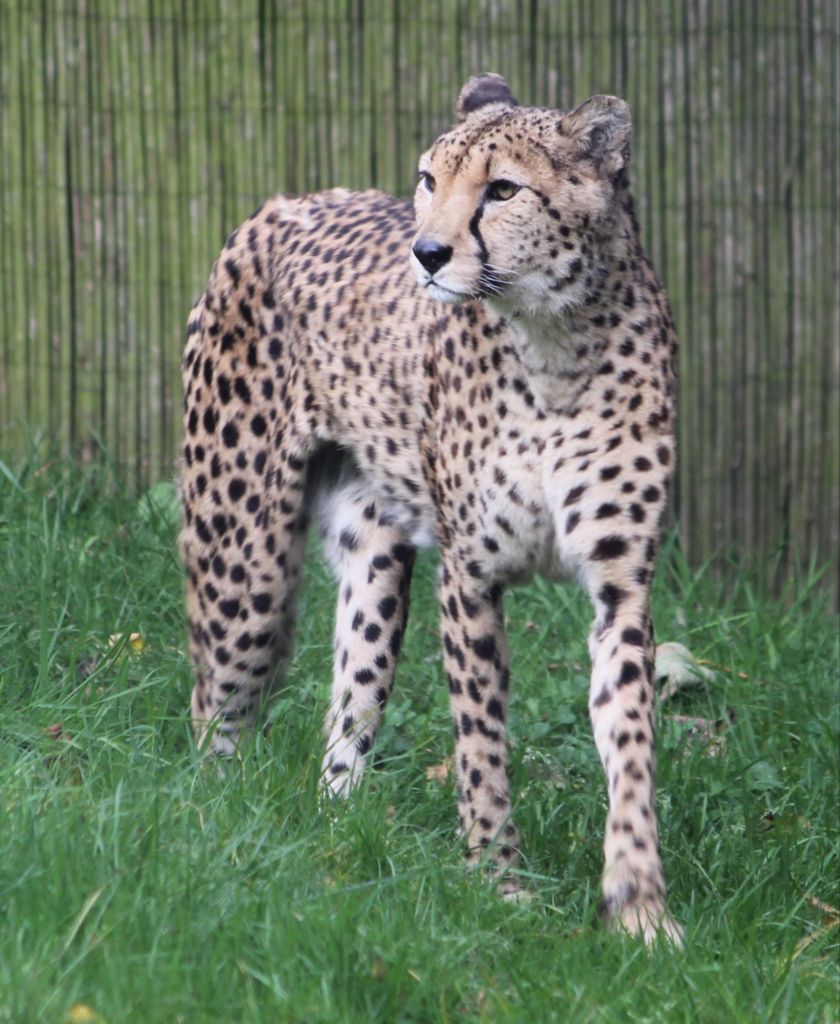
Conservation Status: Critically Endangered (IUCN) Wild Population: ~250 individuals Habitat: Sahara Desert and Sahel regions Threats: Habitat fragmentation, hunting, prey depletion Breeding Programs: EEP for cheetahs Key Partners: Cheetah Conservation Fund, Sahara Conservation Fund
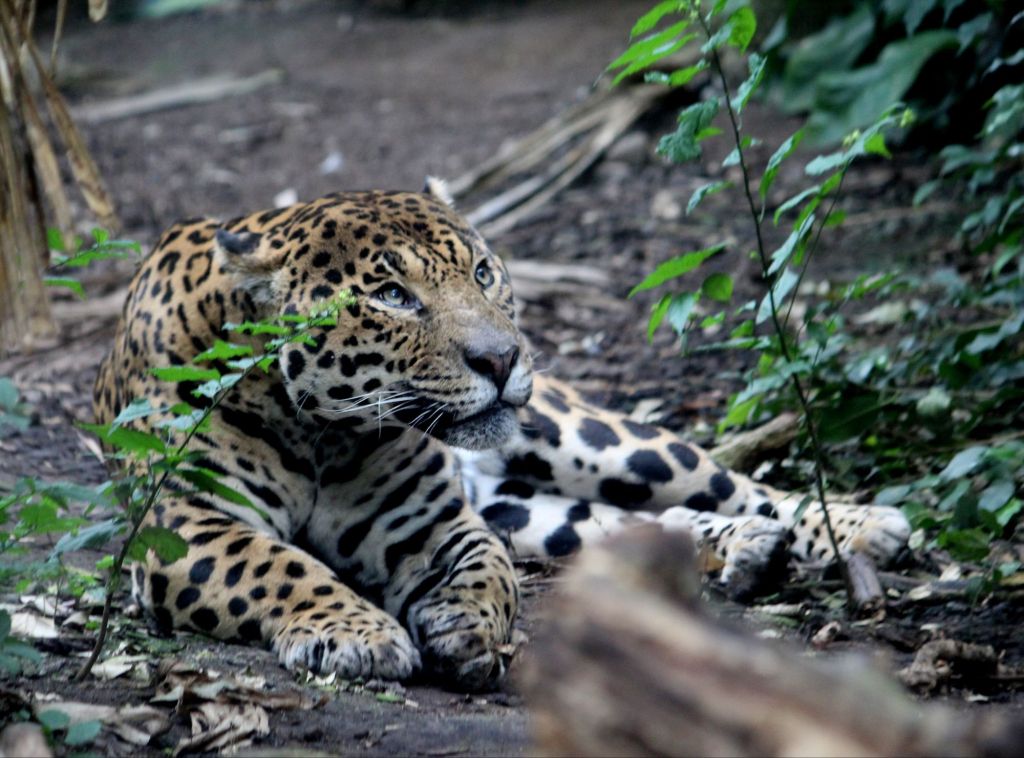
Jaguar (Panthera onca)
Jaguar
Conservation Status: Near Threatened (IUCN) Wild Population: ~15,000 individuals Habitat: Rainforests, savannas, and wetlands of Central and South America Threats: Deforestation, illegal hunting, human-wildlife conflict Breeding Programs: Involvement in EEP and awareness initiatives Key Partners: Panthera, WWF, South American conservation NGOs
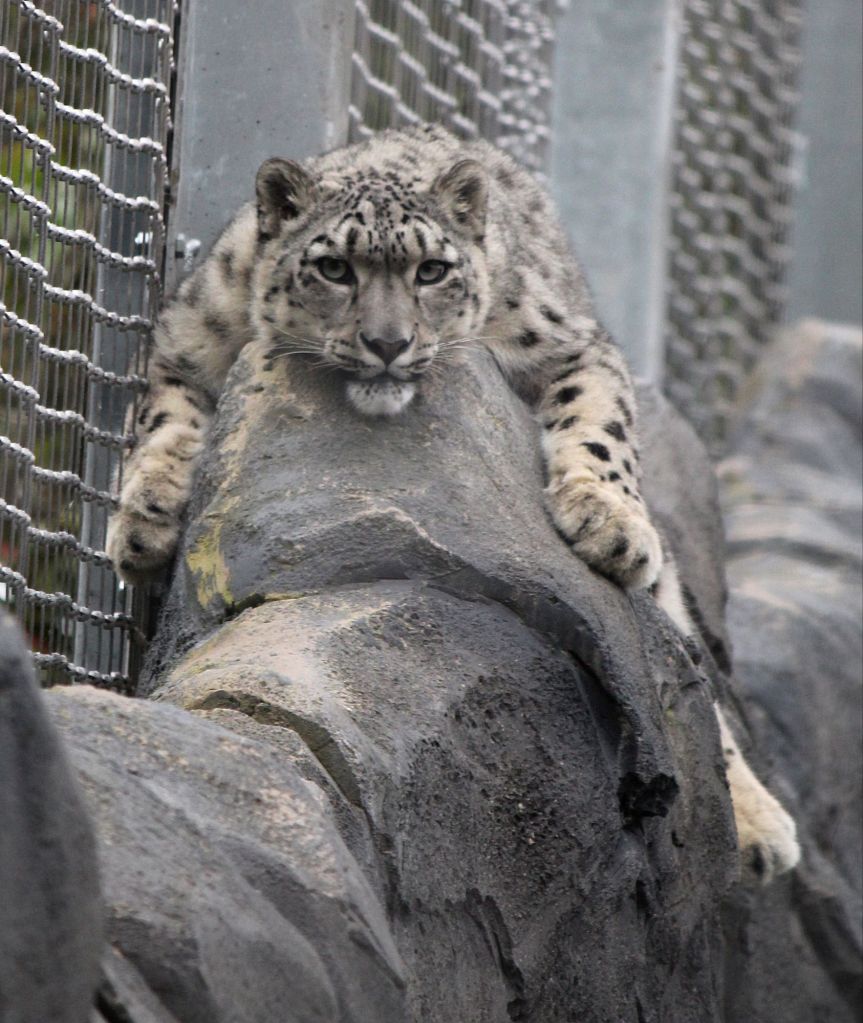
Snow Leopard (Panthera uncia)
Snow leopard
Conservation Status: Vulnerable (IUCN) Wild Population: 4,000-6,500 individuals Habitat: Mountain ranges of Central Asia (Himalayas, Altai, etc.) Threats:Poaching, livestock retaliations, habitat degradation Breeding Programs: EEP participation for snow leopards Key Partners: Snow Leopard Trust, Global Snow Leopard and Ecosystem Protection Program (GSLEP)
I highly recommend a visit to Chester Zoo: its amazing! Even though these animals are in captivity, it’s clear that they are well cared for, and seeing them up close is truly special. Beyond just the experience, visiting the zoo is a great way to support their important conservation efforts, helping protect endangered species like these big cats. So, if you love animals and want to learn more about how to help save them, Chester Zoo is well worth the trip!
If you find this content inspiring and uplifting, consider supporting what I do. Buy me a coffee on Ko-fi. Your support makes a difference in my life and helps me create more of what you like. Thank you!Tap to view my redbubble gallery.
There’s something endlessly fascinating about trying to capture nature in words. It’s not just about describing a mountain, a forest, or the way sunlight hits a river (or a flamingo); it’s about getting to the essence of what those things make us feel. Nature isn’t static—it’s full of life, sound, and motion—and trying to pin that down with language can be both beautiful and frustrating.
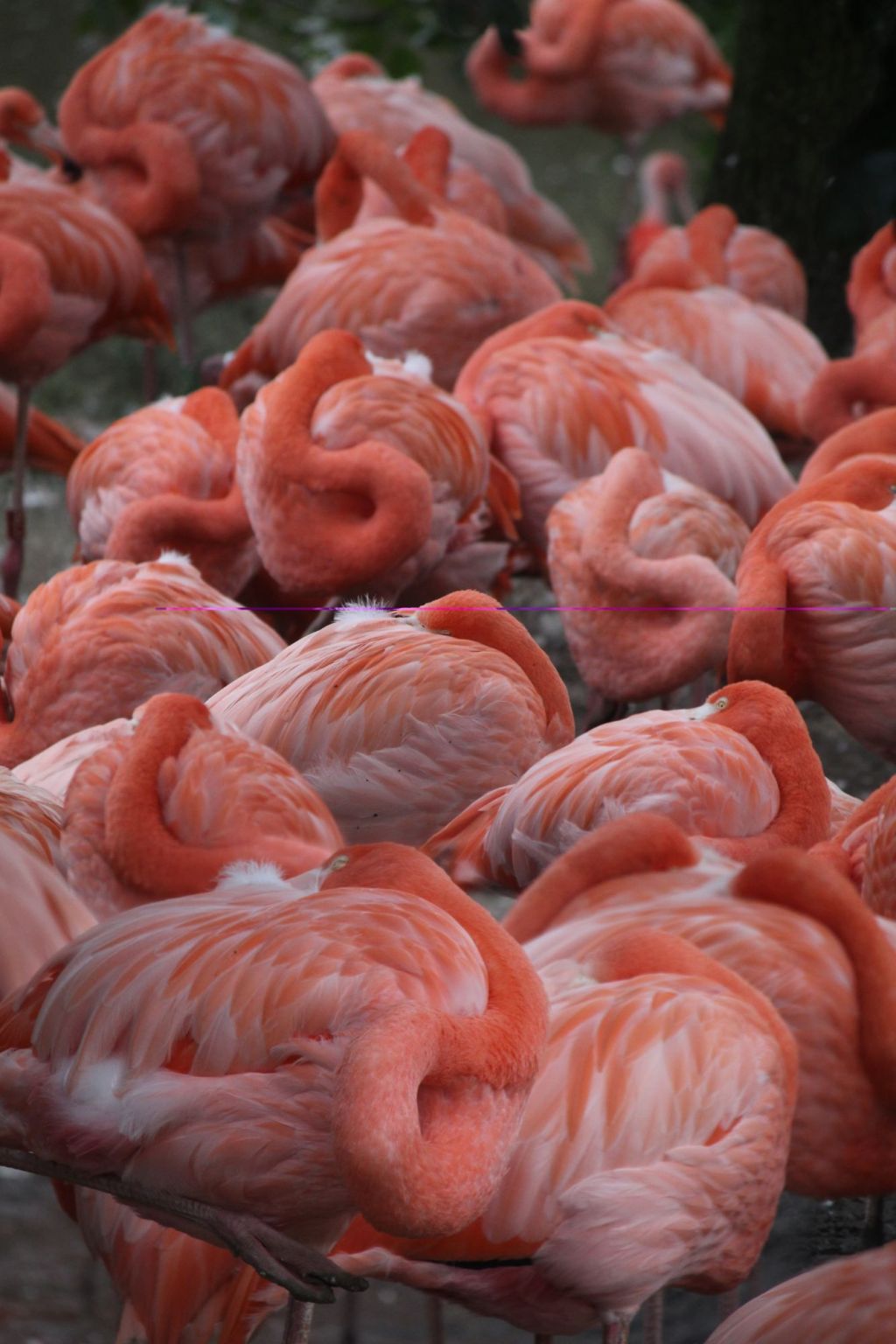
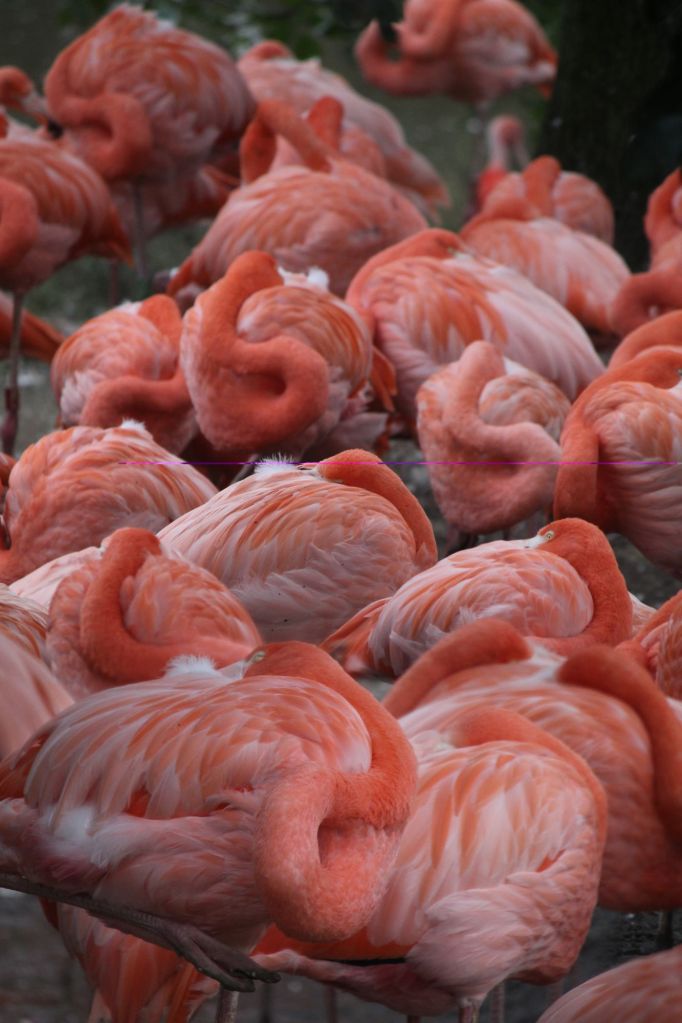
Abstract Flamingos at Chester Zoo
Different writers have tried, each with their unique approach. From the poetic and romantic to the philosophical or even fantastical, nature on the page transforms depending on who’s writing it. Let’s take a look at how some of the greats—Wordsworth, Woolf, Hemingway, Thoreau, and Le Guin—have captured the natural world through their own distinctive lenses. Let’s try to capture it in their words:
William Wordsworth’s Nature: An Ode to Spiritual Connection
The hills rose gentle and vast before me, clad in the golden hue of a setting sun, their slopes a reflection of the ever-turning wheel of the seasons. Softly did the breeze stir the leaves, and in that gentle motion, I felt the spirit of the earth, that same force that moves through every flower and stream, uniting the soul with its Creator.
In Wordsworth’s world, nature is alive with divine significance, a reflection of human emotion and spirit. As he gazes upon the landscape, there is no separation between man and nature—each is a reflection of the other, bound by something eternal and profound. The simple beauty of a daisy, the distant curve of a hill, these are not just parts of the world; they are symbols, carrying meaning far beyond their physical presence. Wordsworth’s nature is a place to reconnect with the divine, a space for meditation and self-discovery.
Virginia Woolf’s Nature: A Flow of Consciousness
The waves lapped rhythmically against the shore, a steady pulse, as though the sea itself were breathing. The sun, dipping below the horizon, cast long shadows that stretched and twisted across the sand. Was it only a moment, or had the light shifted so imperceptibly that time itself seemed to bend, losing its shape, melting into the folds of the evening?
For Woolf, nature isn’t a static scene but a flowing, shifting experience, much like the workings of the mind. The waves aren’t just there; they pulse, breathe, and pull the observer into a contemplation of time, memory, and existence. Her style is often more about the fleeting impressions—the shifting of light, the slight change in air—capturing nature not as an object to be described, but as a feeling that washes over, constantly shifting as the observer’s thoughts and emotions shift.
Ernest Hemingway’s Nature: Stark and Simple Beauty
The river cut through the valley, clear and cold, its surface broken here and there by the silver flash of trout. Pine trees lined the banks, standing straight and still against the blue sky. There was no sound but the water and the occasional snap of a twig underfoot. It was good here, clean, the way things should be.
Hemingway’s approach to nature is stripped down to its essentials. There’s no romanticising, no deep reflection on the meaning of it all—just the straightforward beauty of the world as it is. His nature is rugged, often harsh, but deeply satisfying in its simplicity. It’s a place where a man can be alone, think clearly, and confront life on its own terms. The river, the pine trees, the fish—they are not symbols of anything greater. They just *are*, and that’s enough.
Henry David Thoreau’s Nature: A Manifesto of Wild Freedom
The woods stretched out before me, deep and untrammelled, full of secrets only the wind and the animals knew. Each tree stood like a guardian, each blade of grass a symbol of the freedom that is our birthright, should we only recognize it. In these wild places, I feel my spirit rise, untethered from the confines of society, unburdened by the weight of civilization.
Thoreau’s nature is more than a backdrop; it is a force of liberation. It represents freedom from the constraints of society and the artificial structures that human beings create. For him, being in nature is not just about enjoying its beauty—it’s a form of protest, a way of rejecting the complications and corruptions of civilization. In the woods, one can live deliberately, drawing closer to the truths of existence. Thoreau’s prose often reflects this sense of moral clarity, where every tree and animal is part of a larger, purer world.
Ursula K. Le Guin’s Nature: An Element of Cosmic Wonder
The mountains rose in the distance, their peaks lost in clouds that shimmered with a pale, unearthly light. The air here was different, touched by something ancient, as though the stones themselves remembered a time before humans walked the earth. Strange birds called from the trees, their notes echoing in the strange, purple dusk. It was a place both familiar and otherworldly, a reminder that nature, in all its forms, was not made for human understanding.
Le Guin’s nature is both mystical and scientific, often intertwined with the themes of her speculative worlds. It is not merely the background for human events, but a powerful, autonomous force, shaped by forces beyond human comprehension. In her writing, nature often feels ancient, strange, and vast—a reminder of humanity’s smallness in the face of the cosmos. Her descriptions blend the real and the fantastical, inviting readers to see nature as something both wondrous and alien, as much a mystery as it is a source of beauty.
If you find this content inspiring and uplifting, consider supporting what I do. Buy me a coffee on Ko-fi. Your support makes a difference in my life and helps me create more of what you like. Thank you!Tap to view my redbubble gallery.
*The scene opens in a small, nondescript room. The light is weak, coming through the window in streaks, casting long shadows on the floor. It feels claustrophobic, stagnant. The only sound is a distant murmur, like the hum of a world just out of reach.*
Honeysuckle?
**Director’s Notes:** _”I want you to feel lost, like you’re floating inside your own mind but disconnected from everything around you. The room doesn’t exist to you yet—it’s just a blur. Your movements should be slow, like you’re trying to find your footing but can’t quite feel the ground beneath you. We’re capturing the absence of feeling, of life. You’re here, but not really.”_
—
*The actor stands in the centre of the room, eyes distant, unfocused. They sway slightly, as if the weight of the air around them is too much to bear. Their hands hang loosely by their sides, fingers twitching but not grasping anything. The world is silent to them, void.*
—
**CUT TO: A CLOSE-UP OF THEIR EYES.**
*The camera focuses on the actor’s eyes, wide but unfocused, glazed over as if nothing can penetrate the walls they’ve built around themselves.*
**Director’s Notes:** _”Your eyes should tell us everything, but they won’t just yet. We need to see the absence first, the numbness. You’re searching for something, but you don’t even know what it is yet. Let them feel the emptiness.”_
—
*The actor blinks, slowly. It’s the first real movement, subtle but intentional. As if something, just barely, is reaching them from the outside. They close their eyes, but not to shut the world out. It’s almost a surrender, an invitation.*
—
**CUT TO: THE SOUND OF LEAVES RUSTLING OUTSIDE.**
*The camera lingers on the window, where trees sway in the wind. The sound is faint, but persistent.*
**Director’s Notes:** _”The sound of the leaves is important. It’s the first sign of life, something beyond the noise in your head. It’s soft, gentle. You’re going to hear it, and it will bring you back—just a little. Just enough to remind you that the world is still there, waiting.”_
—
*The actor’s head tilts slightly, catching the sound. Their expression shifts almost imperceptibly, a furrow of the brow. They blink again, as if testing the space between them and the noise. The tension in their shoulders loosens, but only just.*
—
**CLOSE-UP OF THEIR HANDS.**
*Their fingers twitch again, this time with purpose. They reach out, running fingertips along the arm of the chair they’ve been standing beside, feeling its texture for the first time. It’s rough, worn. Real.*
**Director’s Notes:** _”This is the beginning of your reconnection. The chair represents something solid in your life—maybe a memory, maybe a part of yourself you’d forgotten was there. The sensation of touch will ground you, pull you back into your body. Let your fingers move slowly, deliberately. It’s not just the chair you’re feeling; it’s everything you’ve been missing.”_
—
*The actor closes their hand around the arm of the chair, their grip tightening. Their breath catches in their chest, shallow but sharp, like they’ve just remembered how to breathe again. For a moment, their eyes flicker with recognition, but it fades.*
—
**CUT TO: THE SOUND OF FOOTSTEPS IN THE DISTANCE.**
*The room is still, but the actor can hear faint footsteps echoing outside the door. They turn slightly, listening. Their heart rate picks up, their pulse quickening.*
**Director’s Notes:** _”The footsteps represent the outside world—people, responsibilities, life moving on without you. It’s overwhelming at first, but you don’t shy away from it this time. You listen. Let the sound bring both anxiety and a strange sense of relief. You’re waking up, but it’s disorienting.”_
—
*The actor’s body tenses. They take a step toward the door, hesitant but drawn by the sound. Their breathing is uneven, shallow. For a moment, it seems like they might turn away, retreat back into themselves. But they don’t.*
—
**CUT TO: A BOWL OF FRUIT ON THE TABLE.**
*The camera zooms in on a single orange, sitting in the bowl on the table. The vibrant colour contrasts with the drabness of the room, its scent faint but sweet.*
**Director’s Notes:** _”The orange is your next anchor. The colour, the scent, the texture—it represents life, nourishment, something outside of your internal chaos. You’ll reach for it, but slowly, as if you’re afraid of it. The smell will be the first thing to hit you, something real and sharp enough to cut through the fog.”_
—
*The actor approaches the table, their movements still tentative. They hover over the bowl, staring at the orange like it holds some kind of secret. Their hand moves slowly, shaking slightly, before they finally pick it up. They lift it to their nose, inhaling deeply. Their eyes close, and for a moment, they are somewhere else entirely.*
—
**CLOSE-UP OF THEIR FACE.**
*The actor’s lips part slightly, as if they are about to speak, but no words come. They roll the orange between their palms, feeling its weight, its texture. Their fingers sink into the peel, releasing the scent more fully.*
**Director’s Notes:** _”This is a moment of reconnection, but it’s bittersweet. The orange symbolises vitality, but also the realisation of what you’ve been missing. You’re feeling again, but with that comes an ache—an awareness that you’ve been absent from your own life.”_
—
*The actor peels the orange slowly, their fingers sticky with juice. They take a small bite, savouring the taste. A slow smile flickers at the corner of their mouth, but it fades almost as quickly as it appears. They’re not ready to fully embrace the world yet, but they’re closer. The taste reminds them that they’re alive.*
—
**FINAL SHOT: THE WINDOW, FULLY OPEN NOW.**
*The wind blows through the open window, rustling the curtains. The light is warmer, softer. Outside, the trees sway, and the hum of the world feels closer, more tangible.*
**Director’s Notes:** _”The window is open now. You’ve let the world in, but only a little. There’s still distance, but you’re beginning to rejoin life. This moment should feel like the first real breath of fresh air you’ve had in ages. You’re not healed, but you’re healing. It’s tentative, fragile, but it’s there.”_
—
*The actor moves toward the window, standing just at the edge of the sunlight streaming in. They pause, breathing deeply. Their shoulders relax fully for the first time. The sound of the leaves, the wind, the distant life outside—it’s all there, waiting. And for the first time, they’re ready to step back into it.*
—
**Director’s Final Notes:** _”You’re still on the edge, but you’re not lost anymore. The world is starting to make sense again through the sounds, smells, and textures around you. Let this final scene be about hope—quiet, uncertain hope. You’re feeling everything now, but you’re okay with it. You’re starting to trust the world again, piece by piece.”_
—
**FADE TO BLACK.**
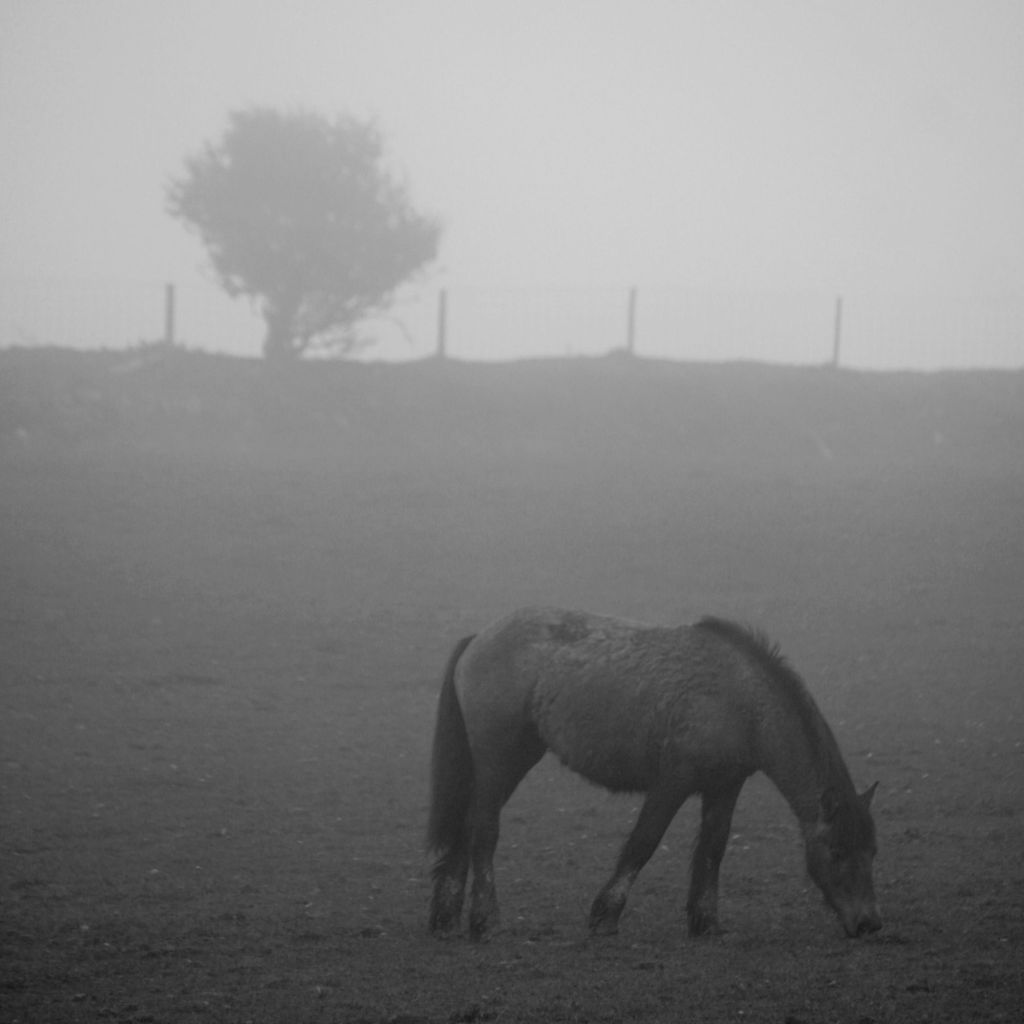
Its a mist-treeIf you find this content inspiring and uplifting, consider supporting what I do. Buy me a coffee on Ko-fi. Your support makes a difference in my life and helps me create more of what you like. Thank you!Tap to view my redbubble gallery.
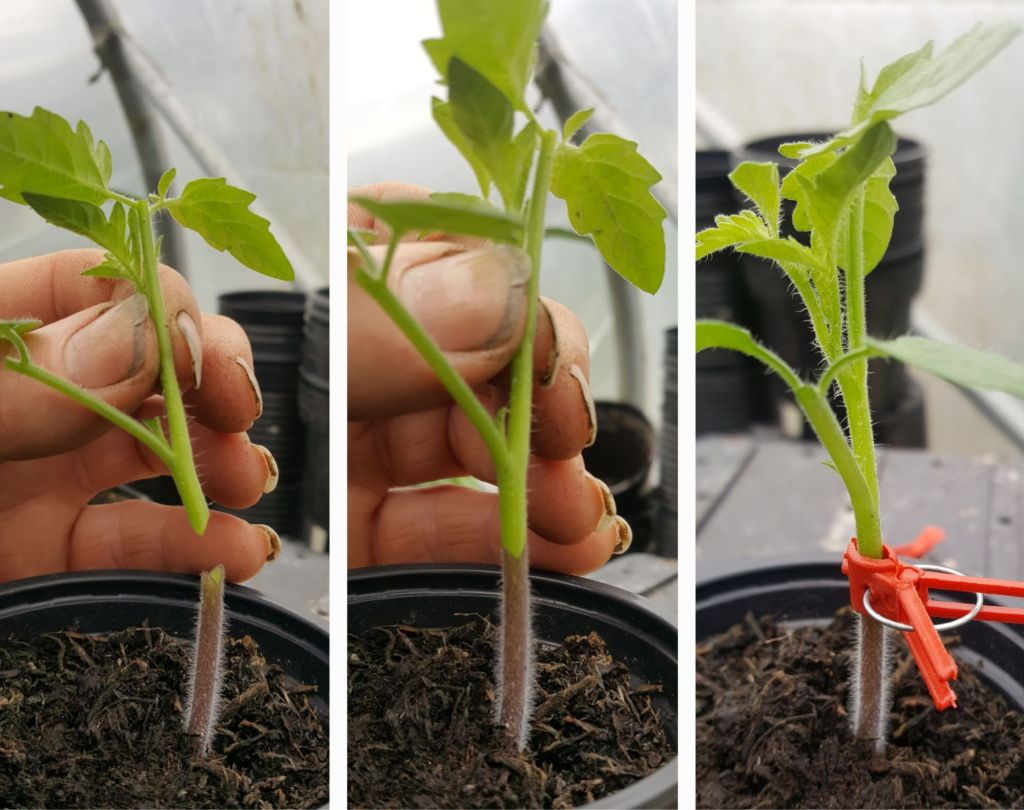
Last year, I decided to dive into the world of grafting tomatoes, eager to blend the best qualities of different varieties. With a passion for gardening and a bit of curiosity, I chose Alicante for its exceptional flavour and Estamino for its sturdy roots. Little did I know that this hands-on experience would not only enhance my garden but also deepen my appreciation for the art of growing tomatoes. Join me as I walk you through what I did.
Visual Steps of the Grafting Process
If you’re looking to elevate your home gardening game, grafting tomatoes is a fantastic technique to explore. Not only does it allow you to combine the best traits of two different varieties, but it also gives you the chance to experiment with flavours and resilience. In this guide, we’ll delve into the essentials of grafting, focusing on the popular Alicante variety for its delicious fruit and Estamino for its sturdy root system.
So, what exactly is grafting? At its core, grafting is a method that involves joining two plants together so they grow as one. The top part of the graft, known as the **scion**, is where the desired fruit variety comes from—in this case, Alicante. The bottom part is the **rootstock**, which provides the roots and is often selected for its hardiness or resistance to diseases. By combining these two, you can create a plant that boasts the fantastic flavour of Alicante tomatoes while benefiting from the robust nature of Estamino roots.
Begin by selecting a strong Estamino plant, about 10 to 15 cm tall. Using your knife, make a clean cut V, about 5 cm above the soil line. This cut should be smooth, as it encourages healing. Next, turn your attention to the Alicante variety. Look for a stem that matches the rootstock’s thickness and cut it at the same angle. Aim for a length of about 5 to 10 cm, ensuring you have a couple of leaf nodes.
With your scion and rootstock prepared, it’s time to join them together. Align the cut surfaces so they’re touching; this is vital for the graft to take. Secure the graft using a grafting clip or tape—make sure it’s tight enough to hold them in place. If you want to give your graft the best chance, consider placing a plastic bag or humidity dome over it to maintain moisture. If you’re doing multiple grafts, don’t forget to label them to avoid confusion later on!
After you’ve set everything up, place your grafted plants in a warm, sheltered spot but keep them out of direct sunlight for a little while. This helps reduce stress on the graft. Within a week or so, check the graft site for signs of new growth. If you see some, congratulations! Your graft has taken. After about two to three weeks, you can gently remove the grafting clips or tape.
Once your grafted plants are looking strong and have a few leaves, they’re ready to be transplanted into larger pots or directly into your garden. Watching them grow and produce delicious Alicante tomatoes, all thanks to the sturdy roots of Estamino, is incredibly rewarding.
As with any gardening technique, a bit of patience and observation goes a long way. Grafting is an art that takes practice, but the rewards—vibrant, healthy tomatoes with fantastic flavour—are well worth the effort. So why not give it a go? Happy grafting, and may your garden thrive
If you find this content inspiring and uplifting, consider supporting what I do. Buy me a coffee on Ko-fi. Your support makes a difference in my life and helps me create more of what you like. Thank you!Tap to view my redbubble gallery.
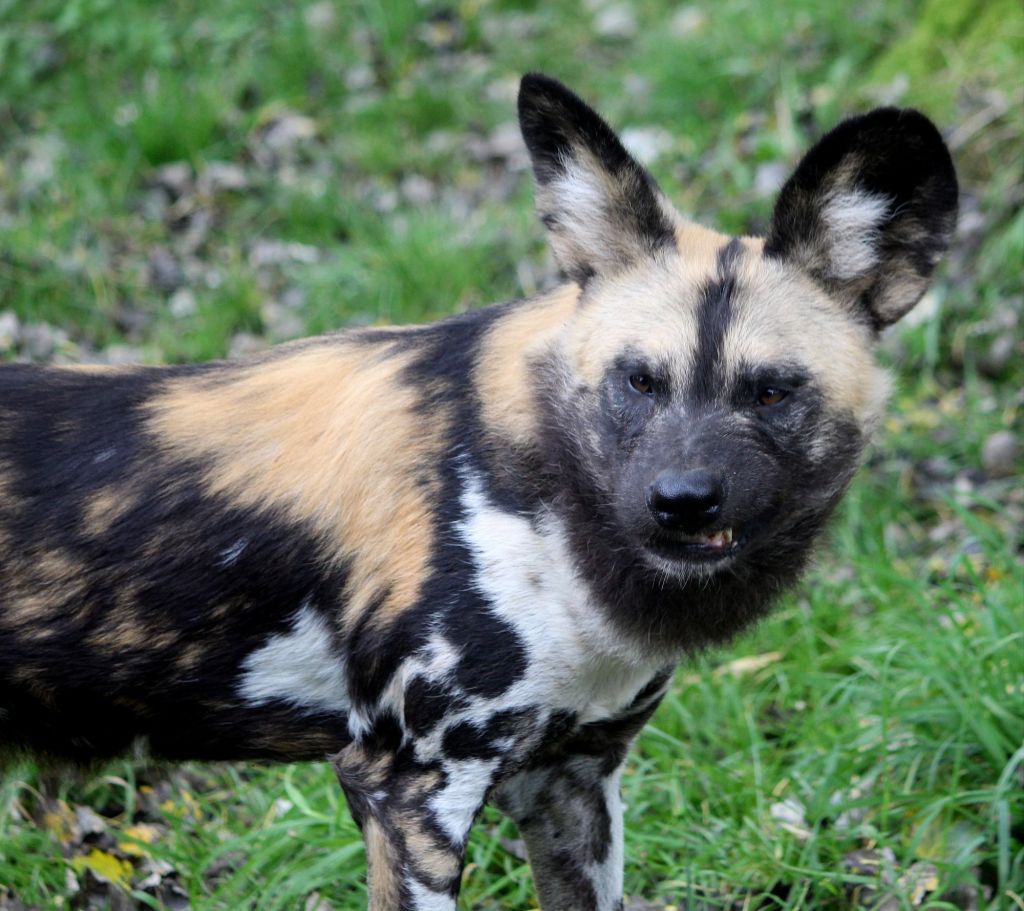
“Adventurous spirit seeking same! I’m an African Painted Dog from the savannas of Africa, with a coat as unique as my personality. Love being part of a pack? So do I. We’ll howl, bark, and whine our way through life’s adventures together. Ready to run wild? Join me.”
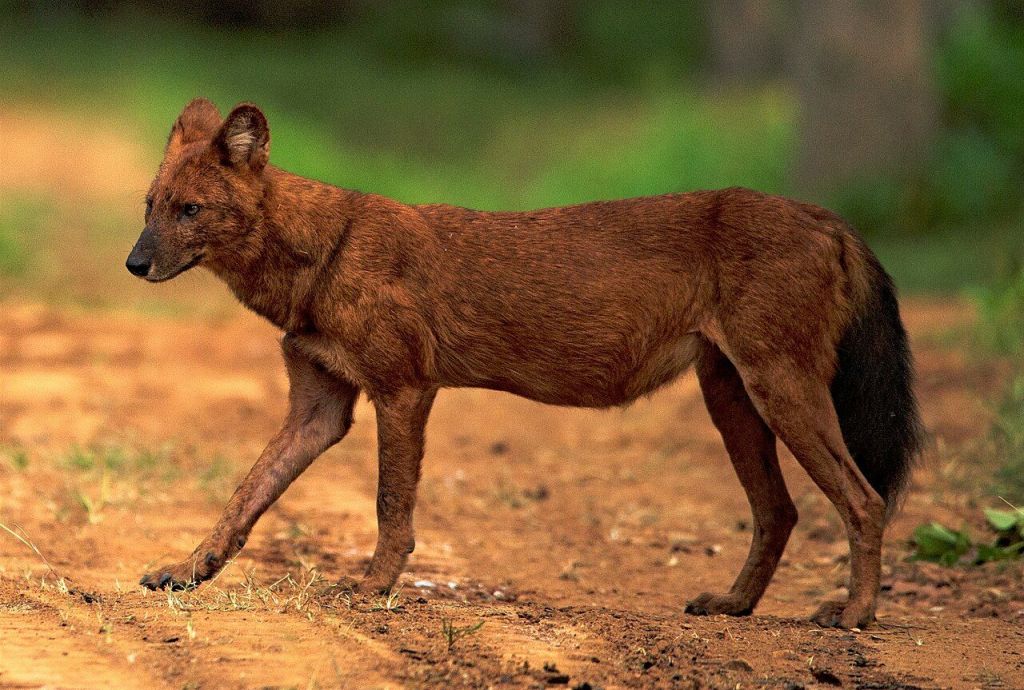
**Dhole**
Dynamic Dhole
“Dedicated partner wanted for thrilling adventures. As a Dhole hailing from the forests and grasslands of Asia, I thrive in a tight-knit pack, working together to bring down large prey. My red coat and bushy tail add a dash of charm. Ready to join a loyal family? Let’s embark on this journey together.”
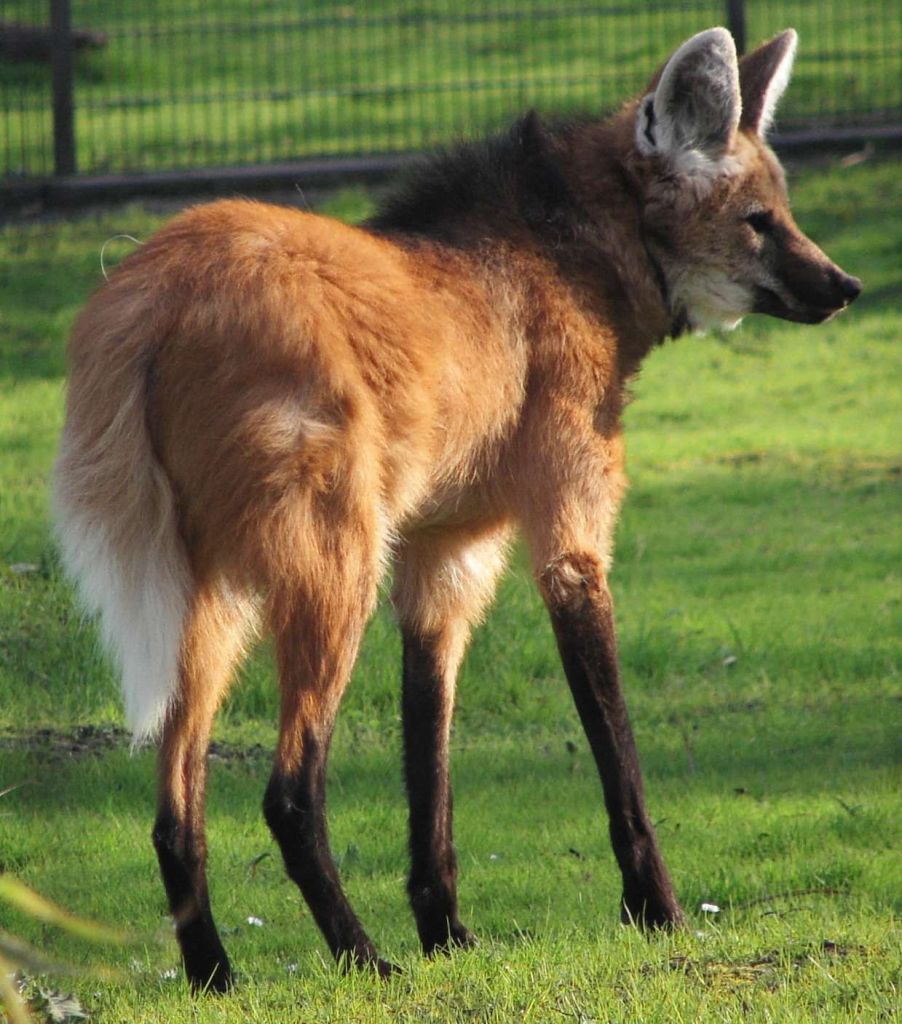
**Maned Wolf**
Majestically Maned
“Seeking unique and independent soul. I’m a Maned Wolf, the largest wild canid in South America, with my long legs and reddish-brown coat. I’m a hunter with a great sense of smell. Value independence? Let’s explore the wild together.”
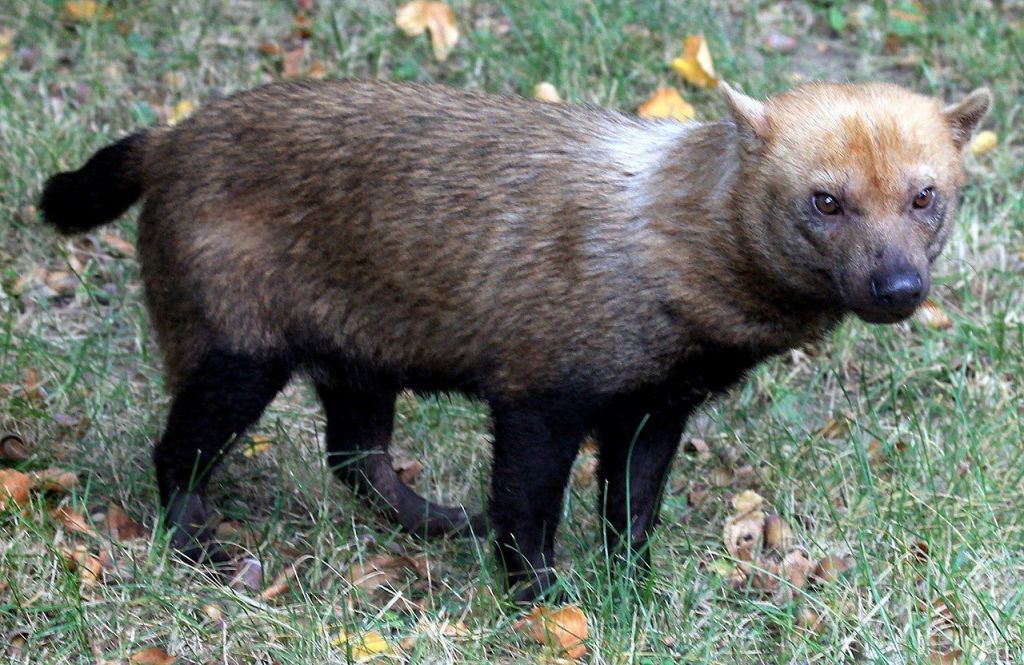
**Bush Dog**
Bush Dog Bliss
“Fun-loving partner sought for water adventures. I’m a Bush Dog from the tropical forests of Central and South America, with a distinctive black and white coat and a love for swimming. My pack and I play in the water and hunt together. Looking for adventure? Dive in with me.”
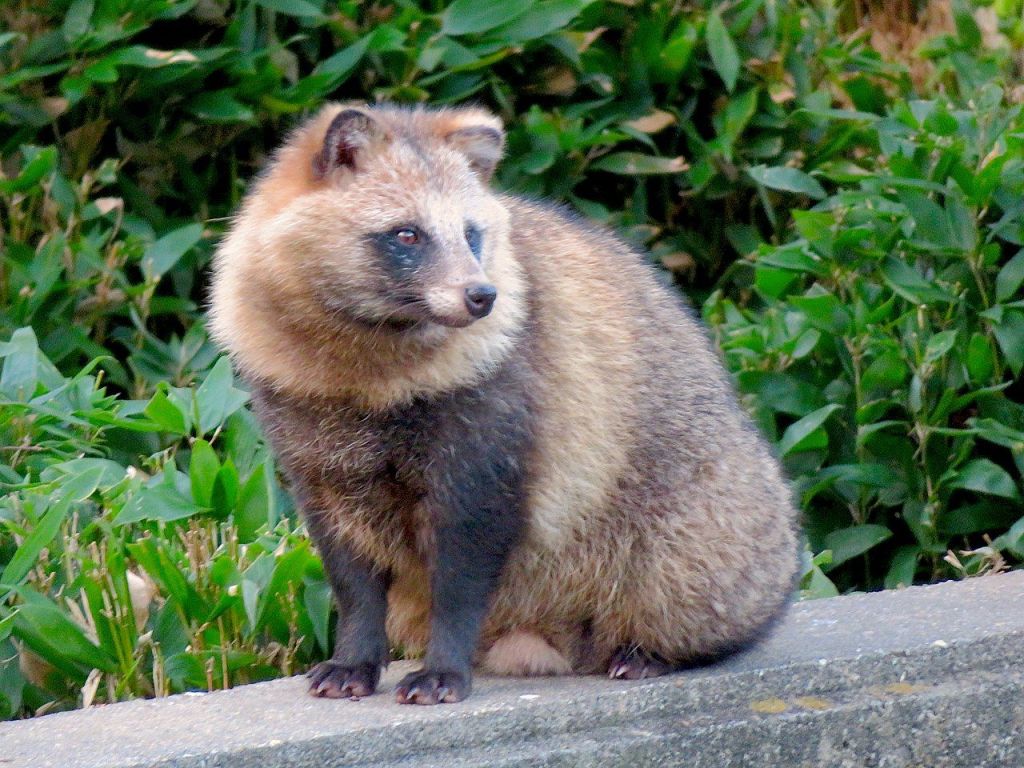
**Raccoon Dog**
Am I a raccoon? Am I a dog? I’m a raccoon dog
“Night owl seeking quirky companion. I’m a Raccoon Dog from the forests of East Asia, a nocturnal explorer with a distinctive black and white mask and bushy tail. Excellent at hunting and scavenging, I bring a unique touch to every adventure. Fascinated by the unusual? Let’s explore together.”
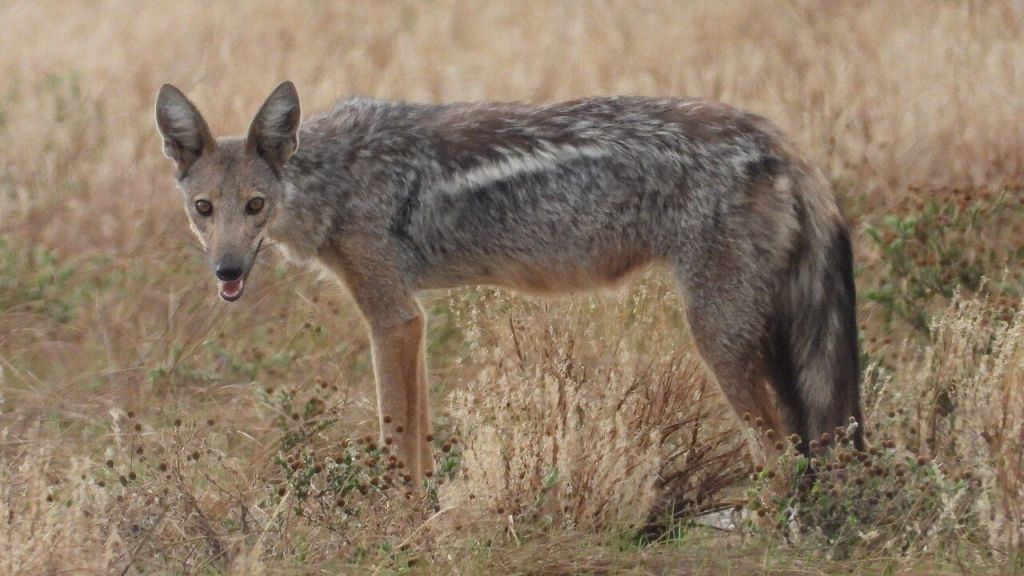
**Side-striped Jackal**
Jackal Joy
“Loyal, adaptable partner seeking same. I’m a Side-striped Jackal from the woodlands and savannas of Africa, living in small groups and thriving in various habitats. With my black and white stripes and bushy tail, I’m both a hunter and a scavenger. Ready for versatile adventures? Join me.”
Ready to run with the pack? 🐾💫
If you find this content inspiring and uplifting, consider supporting what I do. Buy me a coffee on Ko-fi. Your support makes a difference in my life and helps me create more of what you like. Thank you!Tap to view my redbubble gallery.
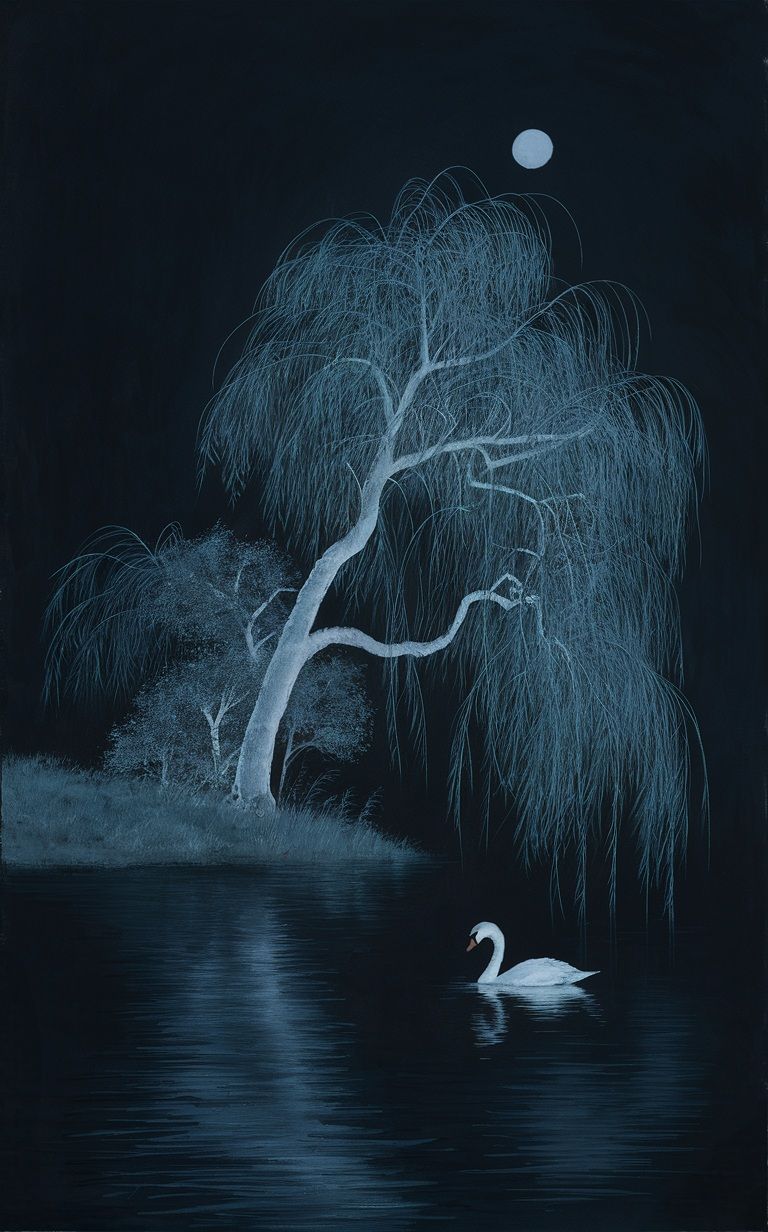
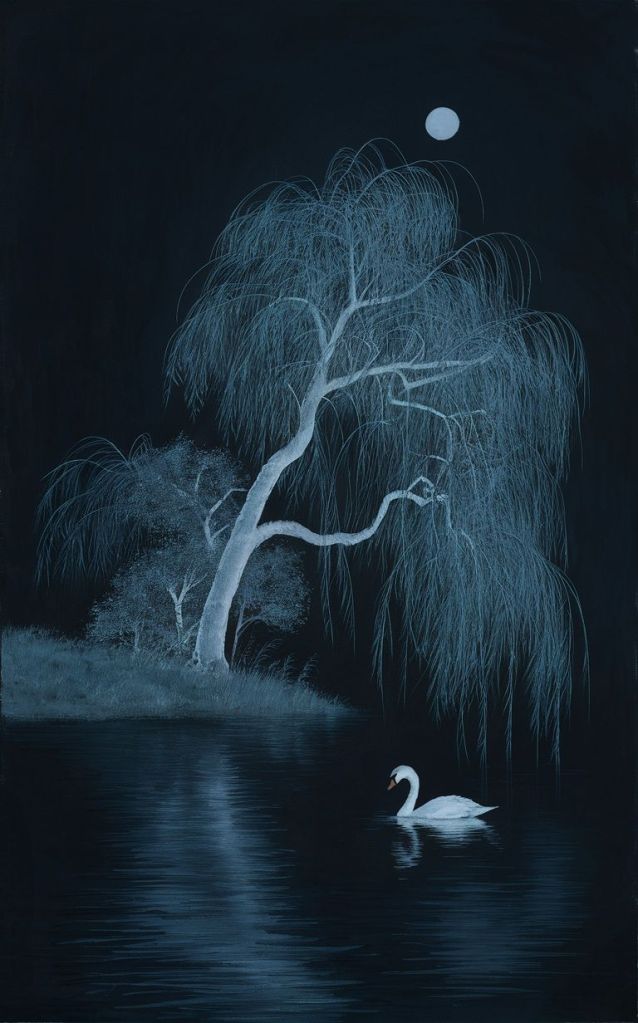
In moonlit silence, A swan glides on still waters— Peace found, then it fades.
Chasing fleeting dreams, A willow weeps by the lake— Life’s truths left unshared.
For as long as anyone could remember, Thomas had been searching for the perfect image. He had wandered through cities and across open fields, scaling mountains and drifting through forests, camera in hand, eyes ever searching. It wasn’t fame or fortune he sought, nor was it even artistic acclaim. He simply wanted to capture something that spoke to the deepest part of himself—a vision so complete it would silence the restless hum in his soul.
Decades passed, and Thomas’s pursuit became an obsession. He had taken thousands of photos: sweeping landscapes, crumbling ruins, the faces of strangers who carried entire lifetimes in their expressions. Yet none of it stilled the ache. The perfect image remained elusive, a dream slipping just out of reach. With every new shot, the feeling that something was missing gnawed at him.
He was nearing the end of his life. His once-strong hands had begun to tremble, and his eyes, once so sharp and clear, had grown tired. Still, the search went on. One evening, while wandering a quiet countryside, Thomas stumbled upon a hidden lake. The air was cool and damp, the world around him bathed in a soft silver light. A gentle breeze rustled the leaves of a willow tree that stood by the water’s edge, its branches cascading toward the lake like a weeping figure. And then, as if conjured by his longing, he saw it—the swan.
The bird glided across the still water, pure and graceful, as if composed of moonlight, its reflection rippling beneath the willow’s branches swayed gently, framing the moment as if it had been waiting just for him.
Thomas stood frozen, his breath caught in his throat. This was it. This was the image he had been searching for his entire life. His heart raced, but he did not reach for his camera. He knew that no lens could capture the perfection of what lay before him. The stillness of the night, the way the swan moved, the timeless serenity of it all—it was beyond what words or pictures could convey. It was something that could only be felt.
For the first time in years, Thomas felt whole. The relentless urge that had driven him for so long fell silent, replaced by an overwhelming sense of peace. He smiled, tears welling in his eyes as he watched the swan disappear into the shadows, its light slowly dissolving into the encroaching darkness. In that moment, he was complete.
But just as he sat in the embrace of the weeping willow, breathing out a sigh of contentment, his body betrayed him. As the swan’s light faded, so did his strength and energy, his eyes still fixed on the shimmering water, on the memory of the swan. His world grew dimmer, the edges of his vision fading to darkness, but he did not feel fear. Thomas closed his eyes, knowing that he had finally found what he had been looking for.
And then, he was gone.
In the end, perhaps the meaning of life is a truth so deeply personal that it eludes expression. It is a fleeting moment of beauty, a profound realisation, or an experience that resonates within us, yet remains impossible to convey. Thomas had found what he had been searching for, a glimpse of perfection that was his alone, a secret forever held within the quiet of his heart.
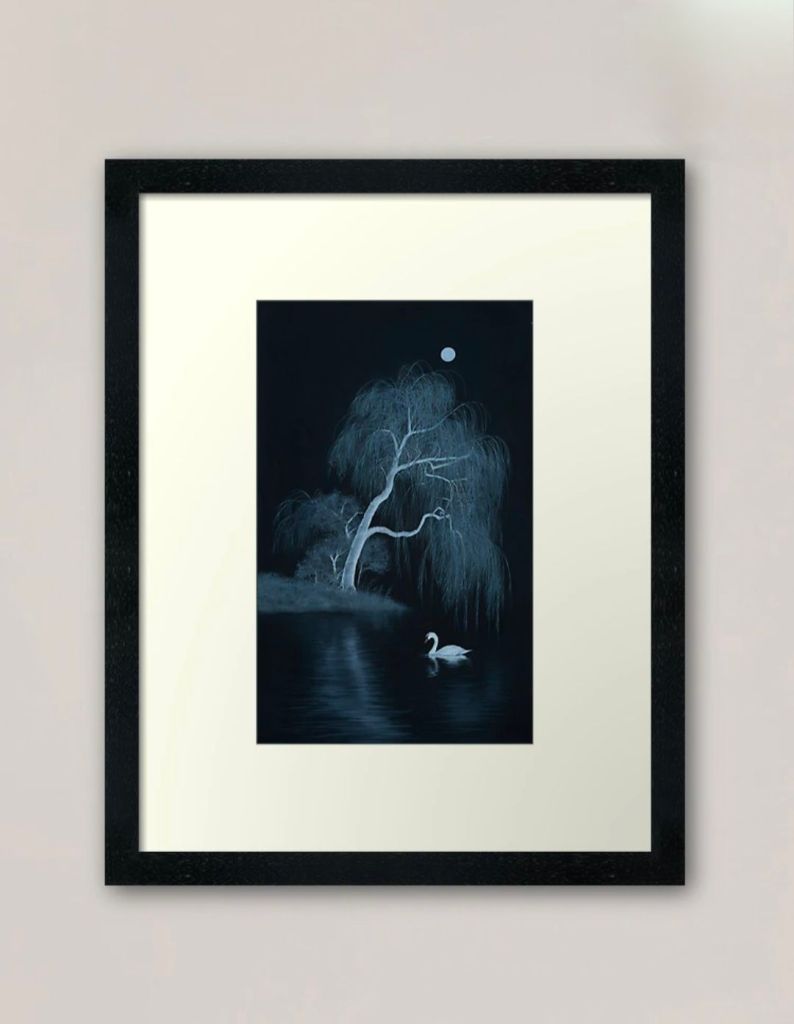
Available framed on RedBubbleIf you find this content inspiring and uplifting, consider supporting what I do. Buy me a coffee on Ko-fi. Your support makes a difference in my life and helps me create more of what you like. Thank you!Tap to view my redbubble gallery.
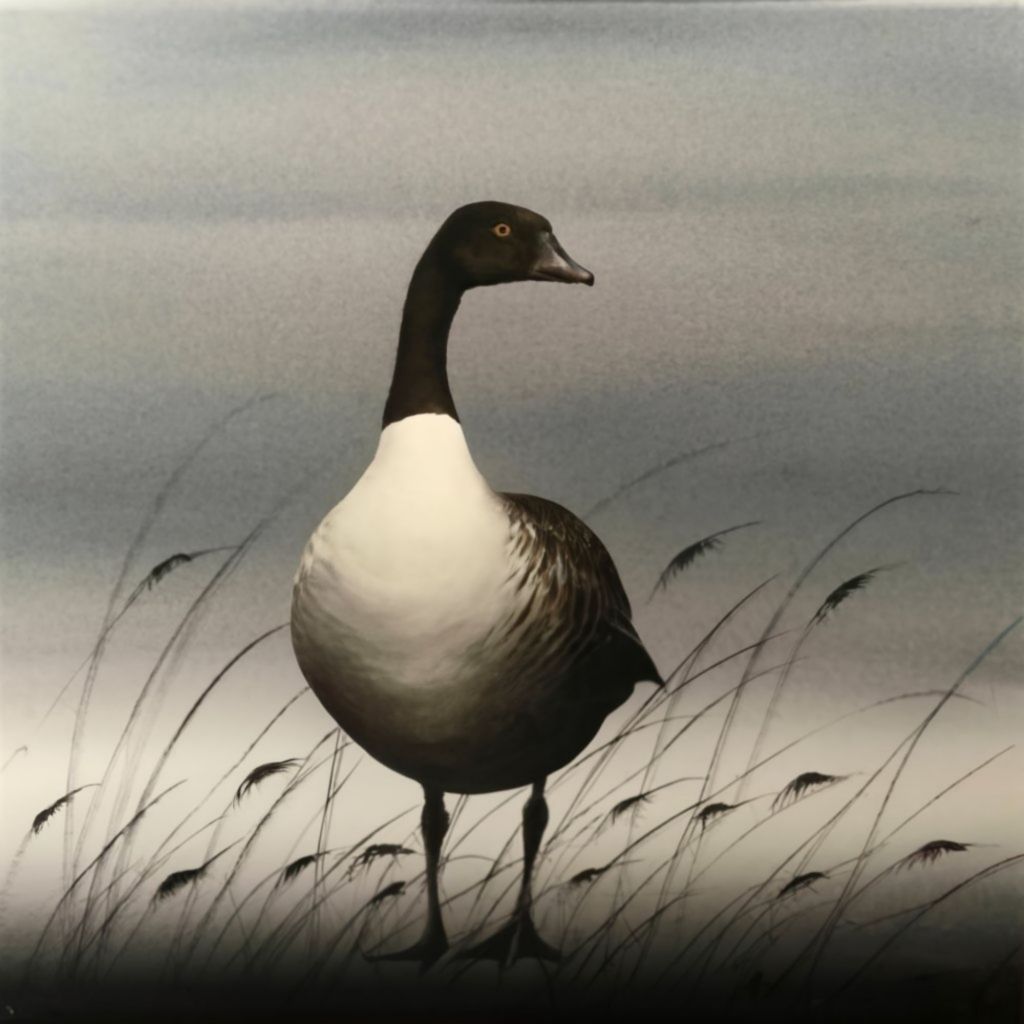
alone, I watch the sky birdsong fades, a mournful cry lost, I stand and wait
The wind whipped through the reeds, carrying with it the mournful cries of my flock. They were long gone, their V-formation etched into the fading light of the sky. I stood alone, an orphan of the skies, in a vast, empty landscape.
I had always been a bit of an outlier, a dreamer who preferred the quiet solitude of the marshes to the boisterous company of my kin. But now, as the chill of autumn crept into the air, I felt a profound sense of loss. The warmth of their companionship, the comforting rhythm of their wings beating in unison, had been a constant in my life. Without them, I felt adrift, a leaf torn from its branch and carried by the currents of fate.
I watched the sun dip below the horizon, casting long, dancing shadows across the water. The sky was ablaze with hues of orange, pink, and purple, but I found no beauty in it. It only served to highlight my isolation, a stark contrast to the vibrant spectacle that unfolded above.
As the night fell, a cold wind began to blow, carrying with it, what sounded like, the distant howl of a lone wolf. I shivered, my feathers ruffled by the icy blast. I longed for the warmth of my flock, their bodies pressed together against the biting cold. But I knew that I was alone now, and that there was no turning back.
I closed my eyes and tried to sleep, but my mind was filled with images of the past. I saw myself as a young gosling, learning to fly under the watchful eye of my mother. I remembered the thrill of soaring through the sky, the wind rushing past my face. I recalled the joy of finding food, the camaraderie of sharing a meal with my flock.
When I finally drifted off to sleep, I dreamed of a world where I was not alone. I dreamed of flying alongside my flock, their honking filling the air with a joyous chorus. But when I woke, the dream was shattered, and I was once again alone in the cold, dark night.
If you find this content inspiring and uplifting, consider supporting what I do. Buy me a coffee on Ko-fi. Your support makes a difference in my life and helps me create more of what you like. Thank you!Tap to view my redbubble gallery.
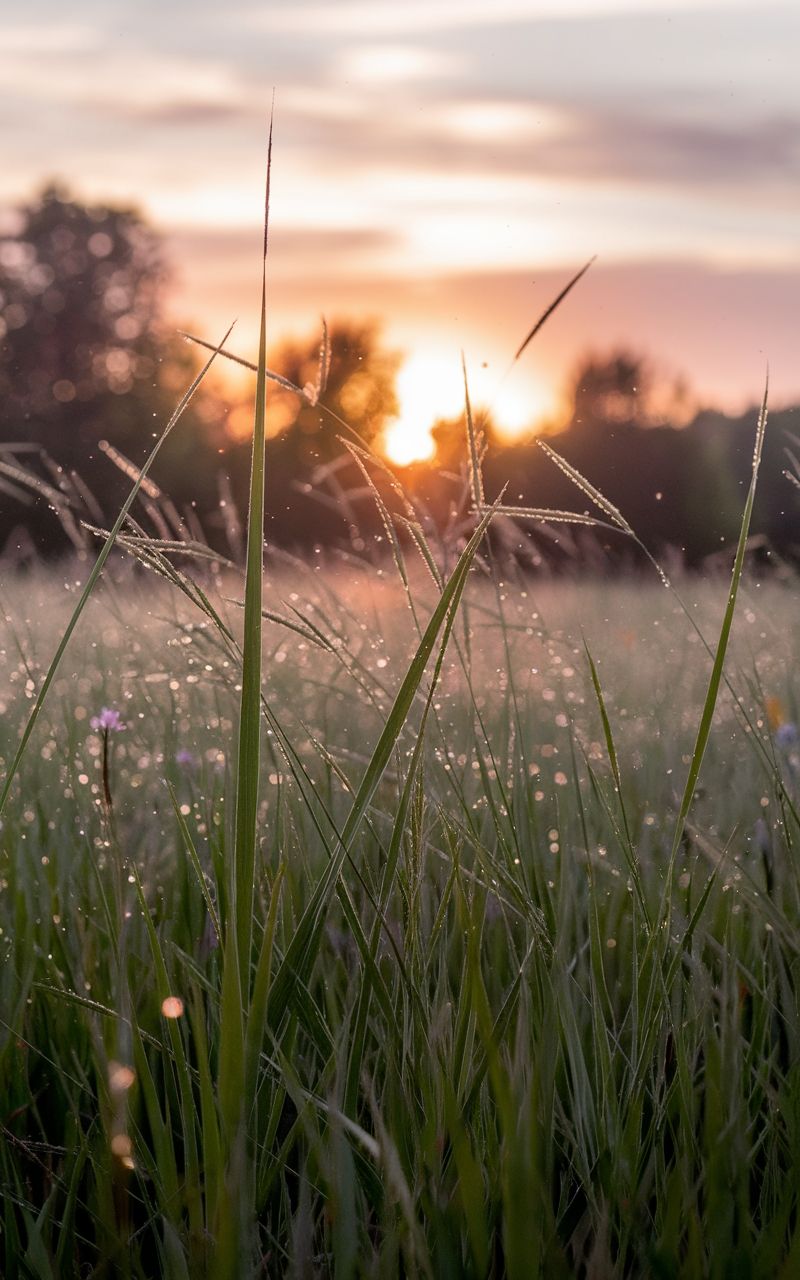
Human heart connects, With nature’s rhythm, a bond, As one, beauty shines.
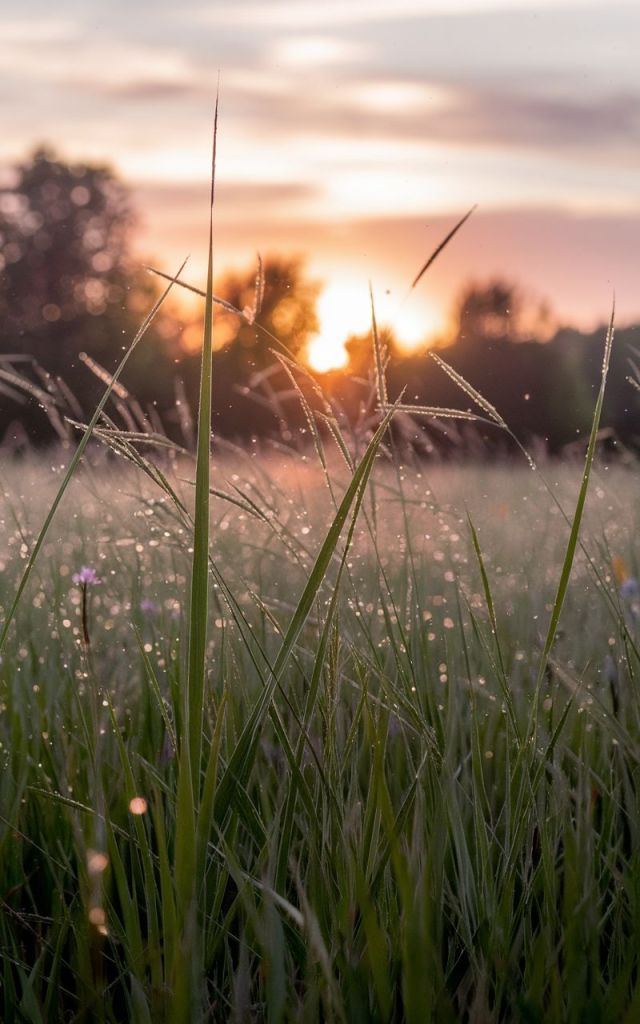
The sun, a golden orb, painted the sky with hues of orange and pink as we strolled through the dew-kissed meadow. Blades of grass, tall and emerald, swayed gently in the morning breeze, their tips shimmering with tiny droplets of water. The air was filled with the sweet scent of wildflowers and the distant chirping of birds.
As we walked, we pondered the complex and often contentious relationship between humans and the natural world. We discussed the ethical implications of our actions, from the exploitation of resources to the destruction of habitats. It was a delicate balance, we agreed, one that required careful consideration and a deep respect for all living things.
Yet, amidst the challenges and complexities, there was a profound beauty to be found in nature. The intricate patterns of a spider’s web, the majestic flight of a hawk, the vibrant colours of a butterfly – each and every aspect of the natural world was a demonstration of the wonder and diversity of life.
We marvelled at the way the sunlight danced upon the blades of grass, creating a mesmerising spectacle of light and shadow. We listened to the symphony of sounds that filled the meadow, from the buzzing of bees to the rustling of leaves. And we felt a sense of peace and tranquillity as we connected with the rhythms of nature.
It was a moment of profound reflection, a time to appreciate the fragility of our planet and the importance of preserving its beauty for future generations. As we continued our walk, we carried with us a renewed sense of wonder and a commitment to living in harmony with the natural world.
If you find this content inspiring and uplifting, consider supporting what I do. Buy me a coffee on Ko-fi. Your support makes a difference in my life and helps me create more of what you like. Thank you!Tap to view my redbubble gallery.


 A Meditation on Finding Peace Where You Are. Sometimes, peace doesn’t arrive like thunder —… Read more: 🐾 *Begin with Purr* 🐾
 Echoes in the dark,A city breathes its last sigh,Ruins hold the past. An eerie silence… Read more: 🏡Charcoal Decay🏡
 As in William Wordsworth’s timeless verse, I found myself wandering through the vast expanse of… Read more: 🌸Take a Moment🌸




 Anthony's Literary Lens
You must be logged in to post a comment.