Author: Anthony Thomas

  • Midnight ghosts

    Midnight ghosts

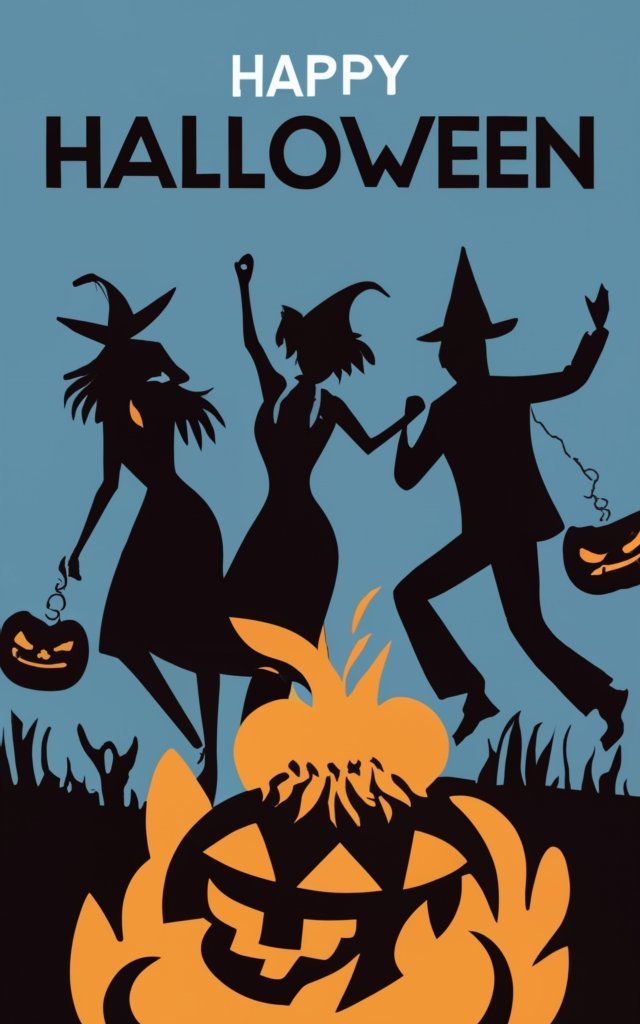
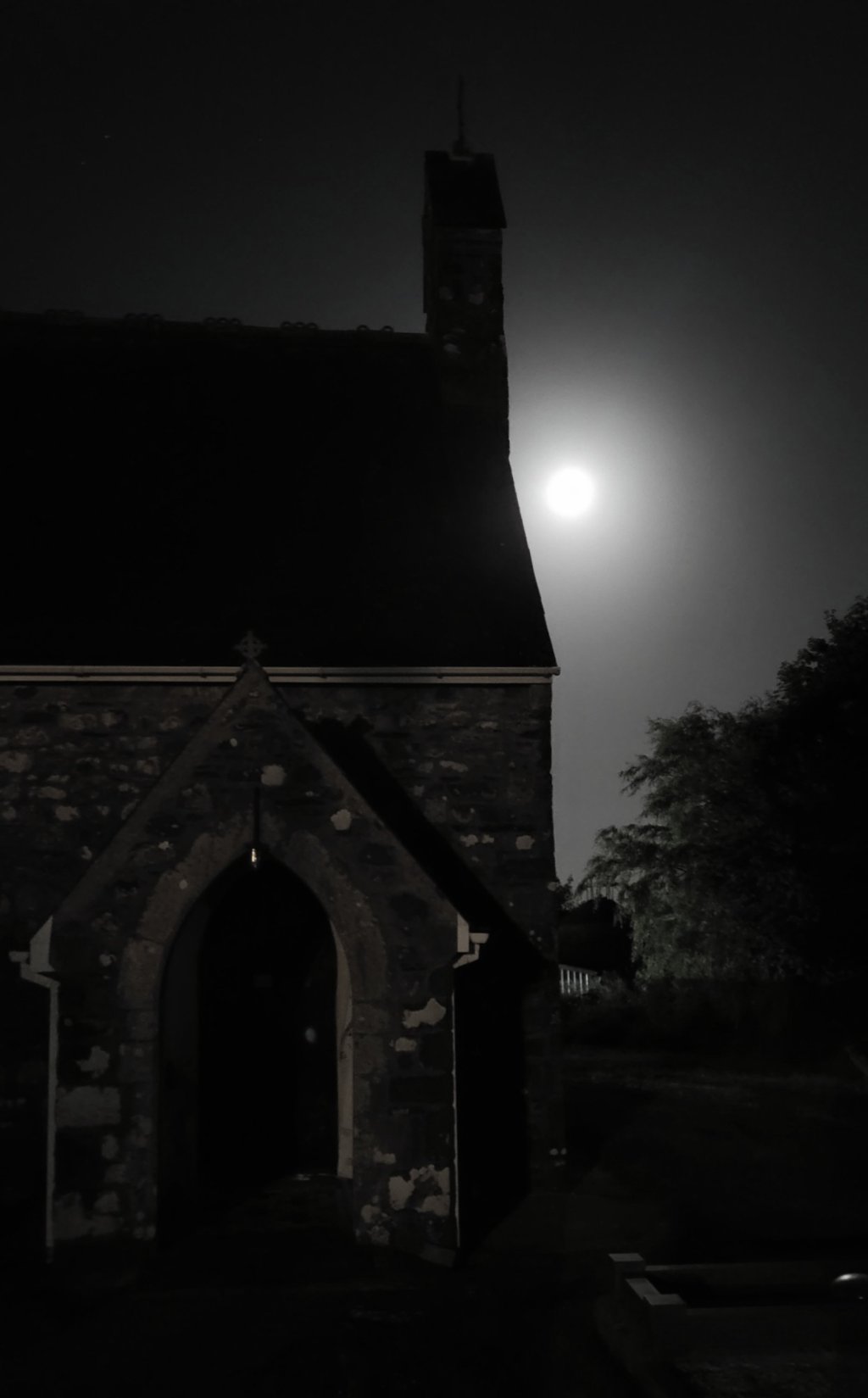
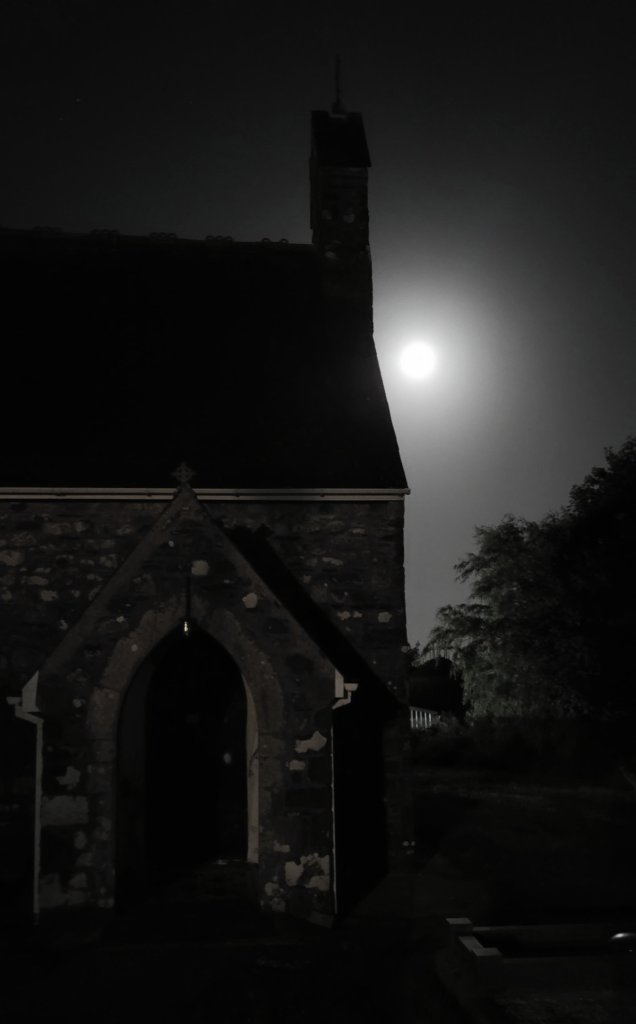
    Many moons ago, in a small village, there stood an ancient church with a graveyard shrouded in eerie legends that no one had dared enter at midnight. It was Halloween night, and the full moon cast an ominous glow over the tombstones. A group of brave friends gathered in the graveyard, daring each other to spend the night among the silent souls.
    Tap to view my redbubble gallery.


    As the clock struck midnight, a chilling mist began to rise from the ground. The air turned cold, and the friends huddled together in fear. In the distance, they heard faint whispers, like the voices of the departed, carried on the wind.

    Suddenly, the church’s bell tolled, but there was no one near it. Panic set in as the ground beneath them rumbled, and ancient tombstones began to shift. From the graves, shadowy figures emerged, dressed in tattered burial clothes – restless spirits of those who had been buried there.

    The friends, paralyzed with fear, watched as the apparitions approached. The lead spirit, a ghostly figure with hollow eyes whispered “set us free”, as it raised a skeletal hand, pointing toward a crypt that had not been opened in centuries. The lid slowly creaked open, revealing a yawning darkness within.

    With no other option, the friends, trembling with fear, entered the crypt. Inside, they found an old, dusty book. As they opened it, the spirits whispered the tale of their tragic demise, seeking closure for their restless souls. Inside, they found the words that the tormented souls had been looking for – a spell to set them free.

    **The Liberation Incantation**

    “In the shadow of the moon, under the night’s shroud,
    With empathy, we break the ethereal shroud.
    Release these souls from their timeless plight,
    Grant them peace, and end their endless night.

    By the power of compassion, we implore,
    Open the sealed tomb’s ancient door.
    Let the spirits find freedom and release,
    So they may depart in tranquil peace.

    As we speak these words, let the spirits go,
    To a place where their souls may finally soar.
    May this act bring them solace and closure,
    In the name of kindness and their final exposure.”

    With the story told, the spirits slowly faded away, and the ground ceased to shake. The friends, having listened to the spirits’ sorrowful tales, closed the crypt and left the graveyard, never to return. From that day on, the church graveyard was known as a place where the spirits found peace on Halloween night, and the village held its breath, waiting for the next generation of brave souls to face the eerie tale of that fateful night.

    Tap to view my redbubble gallery.
  • Samhain

    Samhain

    Picture this – a long, long time ago in the misty, Celtic lands of Ireland and the UK. They celebrated a wild festival called Samhain. But this wasn’t your ordinary party. No, it marked the end of the harvest season and the arrival of winter, a time when the barrier between our world and the spirit realm grew thin.

    Tap to view my redbubble gallery.

    Now, these folks were pretty superstitious. They thought that spirits, both friendly and not-so-friendly, could cross over into our world during Samhain. To keep those spooky spirits at bay, they lit huge bonfires and got decked out in creepy costumes made from animal hides. Imagine running into someone wearing a deer head on Halloween – pretty eerie, right?

    They also left out tasty treats for these spirits as bribes to behave. Plus, they’d try to glimpse their futures, using things like apple peels or nuts to predict what lay ahead. Samhain was like a Halloween night on steroids, a mix of harvest, hauntings, and fortune-telling – truly the OG Halloween vibe!

    Tap to view my redbubble gallery.
  • Save the bees – save the planet

    Save the bees – save the planet

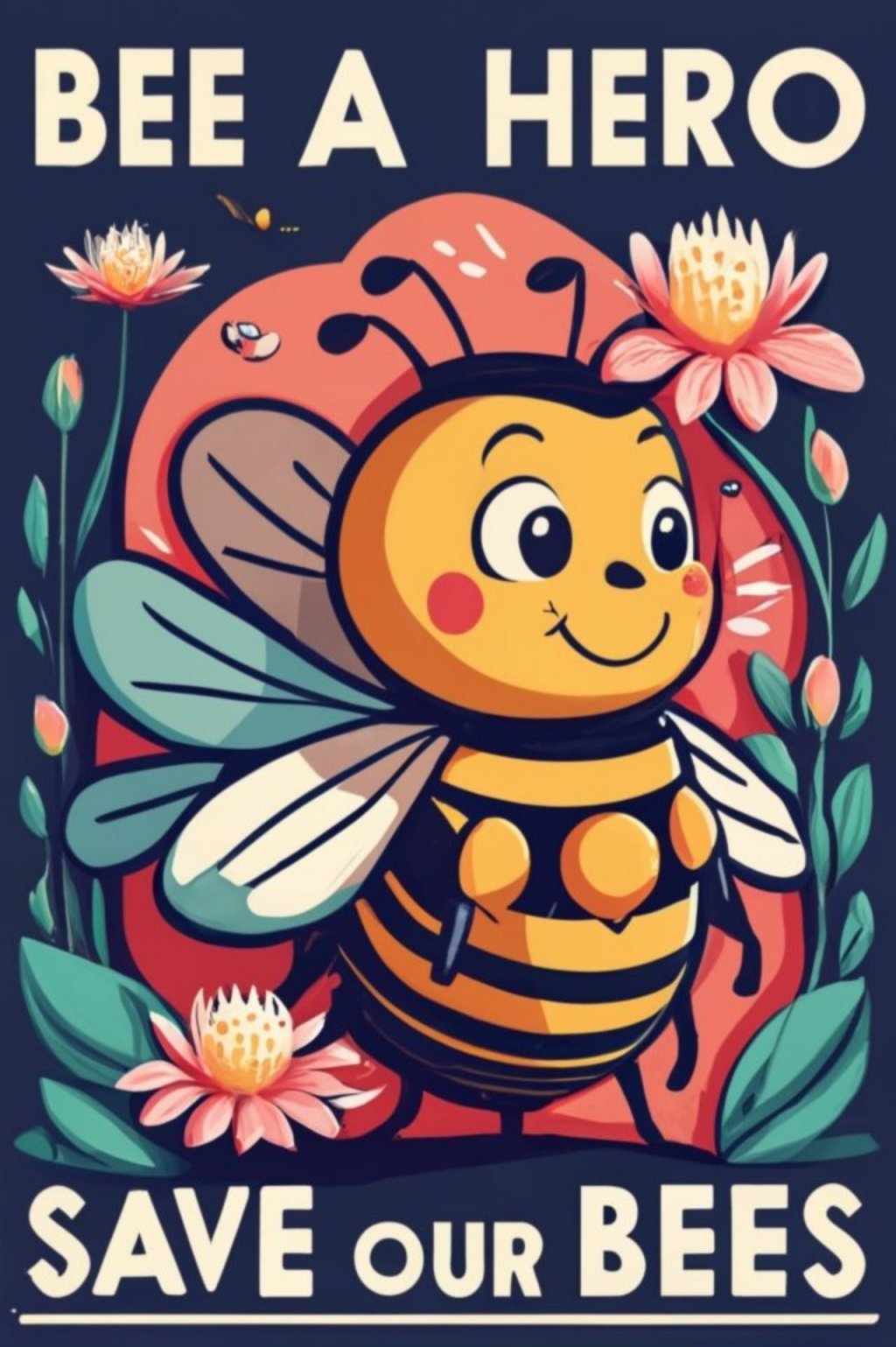
    Well, folks, let me tell you about the unsung heroes of our world – those little buzzin’ legends, the bees!

    🐝🌍

    Tap to buy from my redbubble gallery.

    Picture this: Bees, the buzzing baristas of nature, zip around town, stopping at all the flower cafes for a sip of sweet nectar. They’re like tiny, winged caffeine addicts on a mission!

    ☕🌼

    But here’s the kicker: They’re not just in it for the sugar rush. No siree! These busy little buddies are on a pollen-spreading spree, and they do it with style. They’re like the Johnny Appleseeds of the plant world, sowing the seeds of life wherever they go.

    🍎🌱

    Now, let’s talk business. Bees are the unsung heroes of our dinner tables. Without them, say goodbye to your avocado toast, your watermelon salad, and that delicious honey drizzle on your yogurt. It’s a culinary catastrophe, folks!

    🥑🍉🍯

    But it’s not just about our taste buds. Bees are like the garden party planners of the ecosystem. They invite all the cool critters, from butterflies to birds, and keep the party going. Biodiversity is the name of the game, and bees are the ultimate party starters!

    🦋🎉

    So here’s the deal, folks. Let’s protect these winged wonders, give ’em a high-five (metaphorically, of course), and make sure they keep buzzing for generations to come. The world would be a much duller place without our fuzzy, buzzy buddies.

    🐝✨

    Tap to view my redbubble gallery.
  • Exploring the World of Coffee

    Exploring the World of Coffee

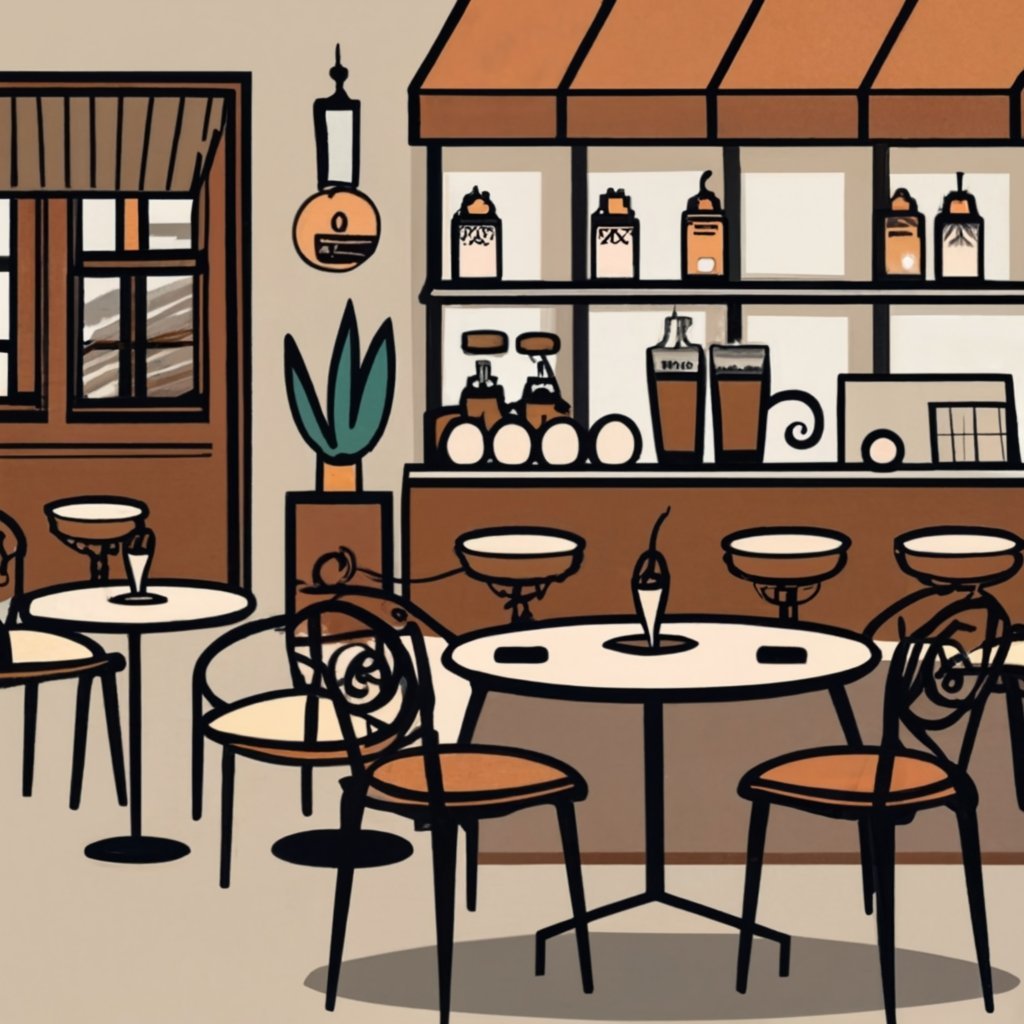
    Coffee is more than just a beverage; it’s a global cultural phenomenon. From the bustling streets of Istanbul to the tranquil cafes of Kyoto, coffee transcends boundaries and has evolved into a complex world of flavours, aromas, and brewing techniques. In this article, we’ll delve into the diverse and fascinating world of coffee, exploring its many varieties and origins.

    Tap to view my redbubble gallery.

    The Varieties of Coffee Beans

    Coffee aficionados are often fascinated by the different varieties of coffee beans, each offering a unique taste profile. The two primary species of coffee beans are Arabica and Robusta, but there are countless cultivars within these species.

    Arabica (Coffea arabica)

    Known for its delicate flavours and aromatic qualities, Arabica beans are grown in high-altitude regions. Varieties like Ethiopian Yirgacheffe and Colombian Geisha showcase the diverse range of flavours, from fruity and floral to nutty and chocolatey.

    Robusta (Coffea canephora)

    Robusta beans are hardier and contain more caffeine than Arabica beans. They’re often used in espresso blends for their bold, earthy, and bitter notes. Varieties like Vietnamese Robusta and Ugandan Bugisu present different Robusta flavour profiles.

    Cultivars

    Within each species, various cultivars have emerged over time. Examples include Bourbon, Typica, and SL28 for Arabica, and Parchment and Excelsa for Robusta. These cultivars contribute to the diversity of coffee flavours worldwide.

    The Influence of Coffee Origins

    Coffee is deeply intertwined with the regions where it’s grown. The concept of “terroir” applies to coffee just as it does to wine, as factors like altitude, climate, soil, and processing methods all shape the final flavor.

    Ethiopia: The birthplace of coffee, Ethiopia offers a rich tapestry of flavors. From the berry-like notes of Yirgacheffe to the bold and earthy Sidamo, Ethiopian coffee is steeped in tradition and history.

    Colombia: Known for its bright acidity and balanced flavor, Colombian coffee is enjoyed by many. The country’s diverse microclimates produce a wide range of tastes, making it a coffee lover’s paradise.

    Kenya: With its distinct citrusy and fruity flavors, Kenyan coffee is a standout. Varieties like AA and SL28 showcase the country’s commitment to quality.

    Indonesia: Sumatran and Java coffee offer earthy, spicy, and full-bodied profiles. The unique wet-hulling process in Sumatra contributes to its signature flavour.

    So whether you’re a seasoned coffee connoisseur or a curious newcomer, there’s always more to explore in the world of coffee. So, brew a fresh cup, savor the aroma, and embark on your own coffee journey.

    Tap to view my redbubble gallery.
  • The Winter Stoat Adapts

    The Winter Stoat Adapts

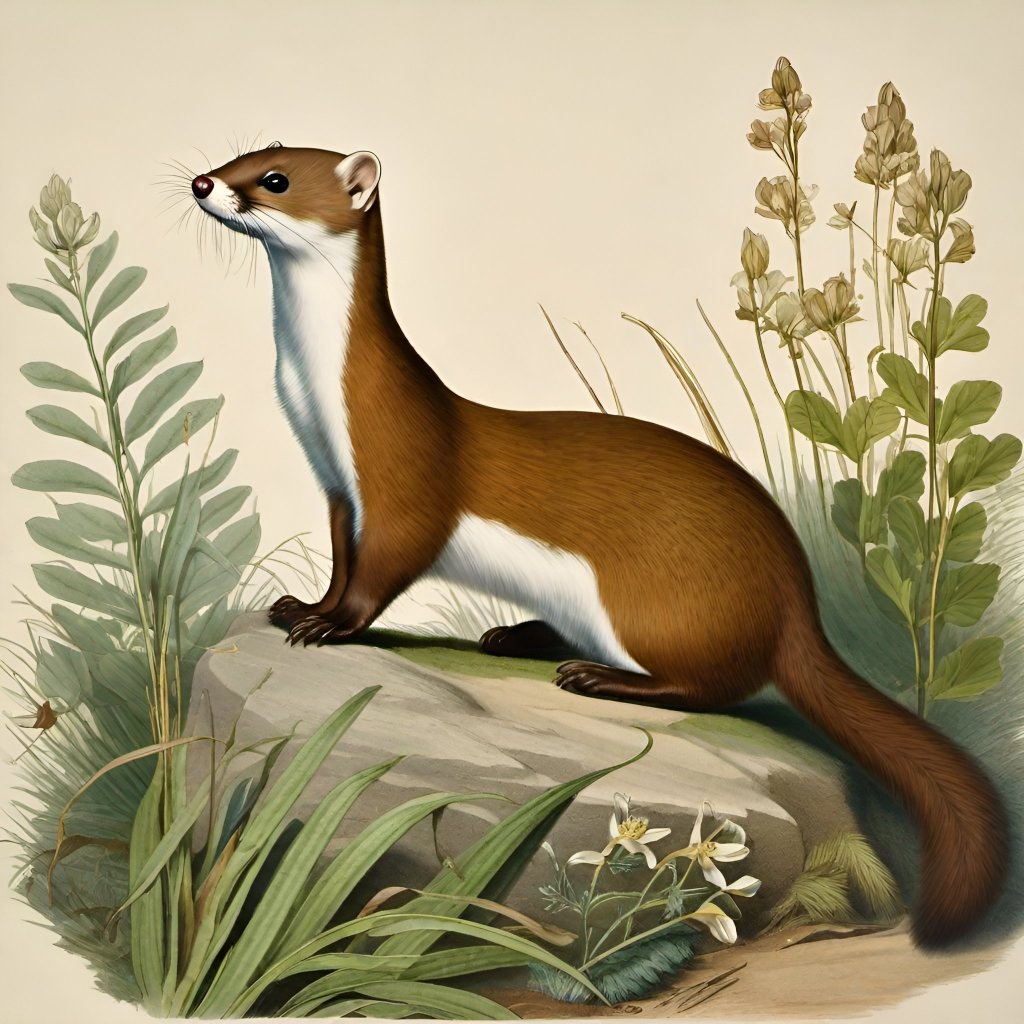
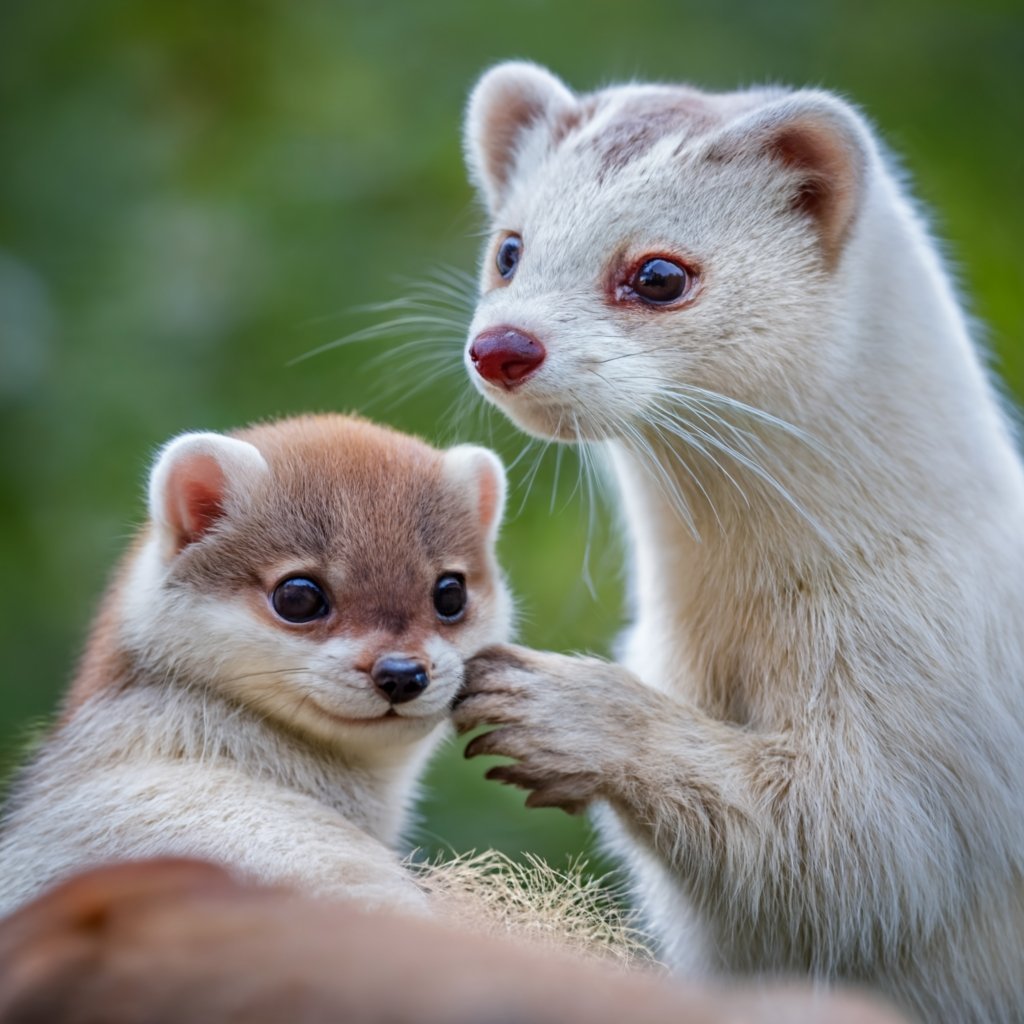
    In the heart of the forest, amidst the whispering pines and snow-covered meadows, there lived a wise and old stoat named Silas. Silas was known far and wide for his beautifully snow-white coat during the harsh winter months. His fur seemed to glisten like freshly fallen snow, and the other animals often gathered around him, curious to know the secret behind his transformation.

    The stoat grows
    Tap to view my redbubble gallery.

    One frosty morning, as the first snowflakes of the season began to drift lazily to the ground, a young and curious stoat named Micah ventured near Silas’ den. Micah had heard tales of the stoat’s mystical winter coat and couldn’t resist the temptation to learn its secret.

    With a friendly smile, Silas invited Micah inside his cosy burrow, where a warm fire crackled in the hearth. The young stoat shivered from the cold, and Silas noticed. “My dear Micah, I see you’re feeling the chill of winter,” he said kindly.

    Micah nodded, his tiny whiskers trembling. “Yes, Silas, and I can’t help but wonder how you manage to stay so warm.” Silas stopped and thought for a moment, then began. “It’s all about adapting. Like why I have this white coat.” Silas made himself comfy and continued. “It all began many winters ago when I was just a young stoat like you. I used to have a brown coat like the trees and leaves. But one day, as the first snowflakes fell, I felt a deep yearning inside me, a longing to become part of this magical winter world.”

    He continued, “I realised that to survive and thrive in winter, I needed to adapt. So, I decided to embrace the season fully. I spent my days playing in the snow, learning its secrets, and observing the world around me. I even danced with the snowflakes under the silver moonlight.”

    Micah’s eyes widened with wonder. “But how did that turn your fur so white?”

    Silas chuckled softly. “Ah, you see, young Micah, it was a combination of time and my deep connection with winter. As the days grew colder, my fur gradually transformed, becoming as white as the snow itself. It was nature’s way of helping me blend in, making it easier for me to hunt and stay hidden from predators.”

    Micah listened intently, his admiration for Silas growing with every word. “So, it’s not magic, but a bond with the winter that changes your coat.”

    Silas nodded, his eyes filled with wisdom. “Exactly, my friend. It’s the magic of nature, the beauty of adaptation, and the wonder of embracing the world around us. Remember, in the heart of winter, there’s a hidden transformation waiting for all of us, if only we’re willing to open our hearts to its embrace.”

    With newfound understanding, Micah thanked Silas for the enchanting tale and ventured back out into the snowy world, his heart filled with warmth and curiosity, ready to embrace the magic of winter in his own way

    Tap to view my redbubble gallery.
  • Red Deer

    Red Deer

    Red deer, known scientifically as Cervus elaphus, have not only left their hoofprints in the forests and mountains of their native habitats but have also etched their presence into the annals of human culture, art, and folklore. For centuries, these majestic creatures have captivated the human imagination, becoming symbols of strength, grace, and the untamed wilderness.

    Tap to view my redbubble gallery.

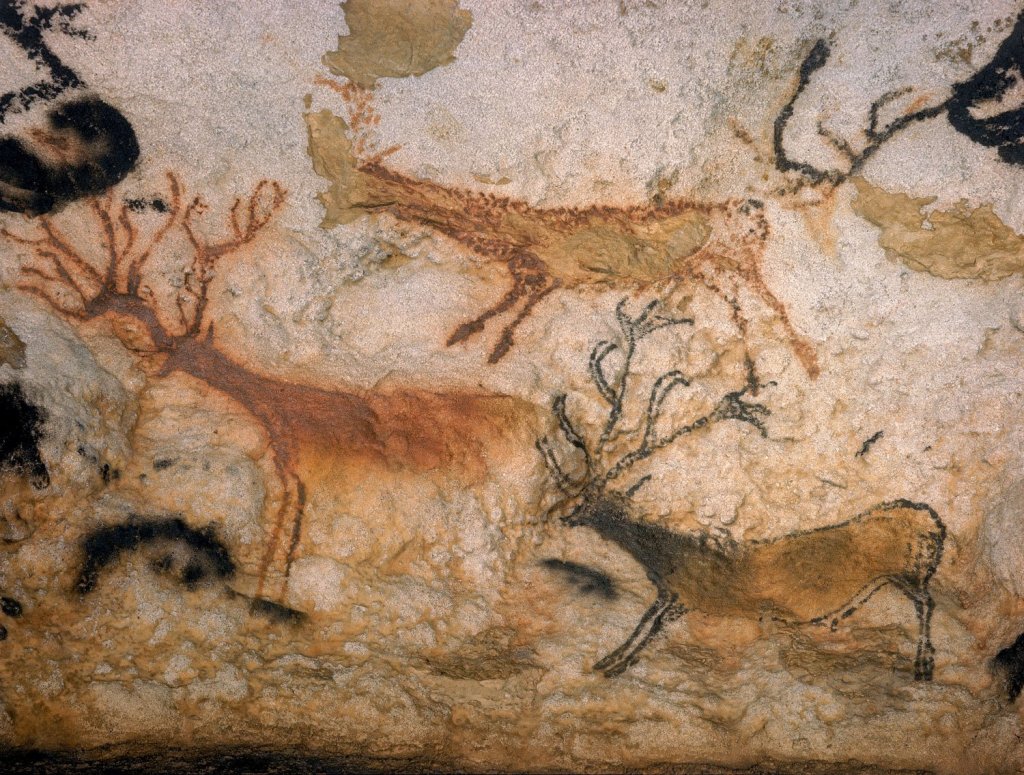
    An early example is in the famous Lascaux Cave paintings in France, which date back to the Upper Paleolithic period (around 17,000-15,000 BC), red deer are prominently featured. The paintings are thought to have been created by hunter-gatherers, and they may represent a ritual or ceremony related to the hunt.

    Lascaux Cave paintings

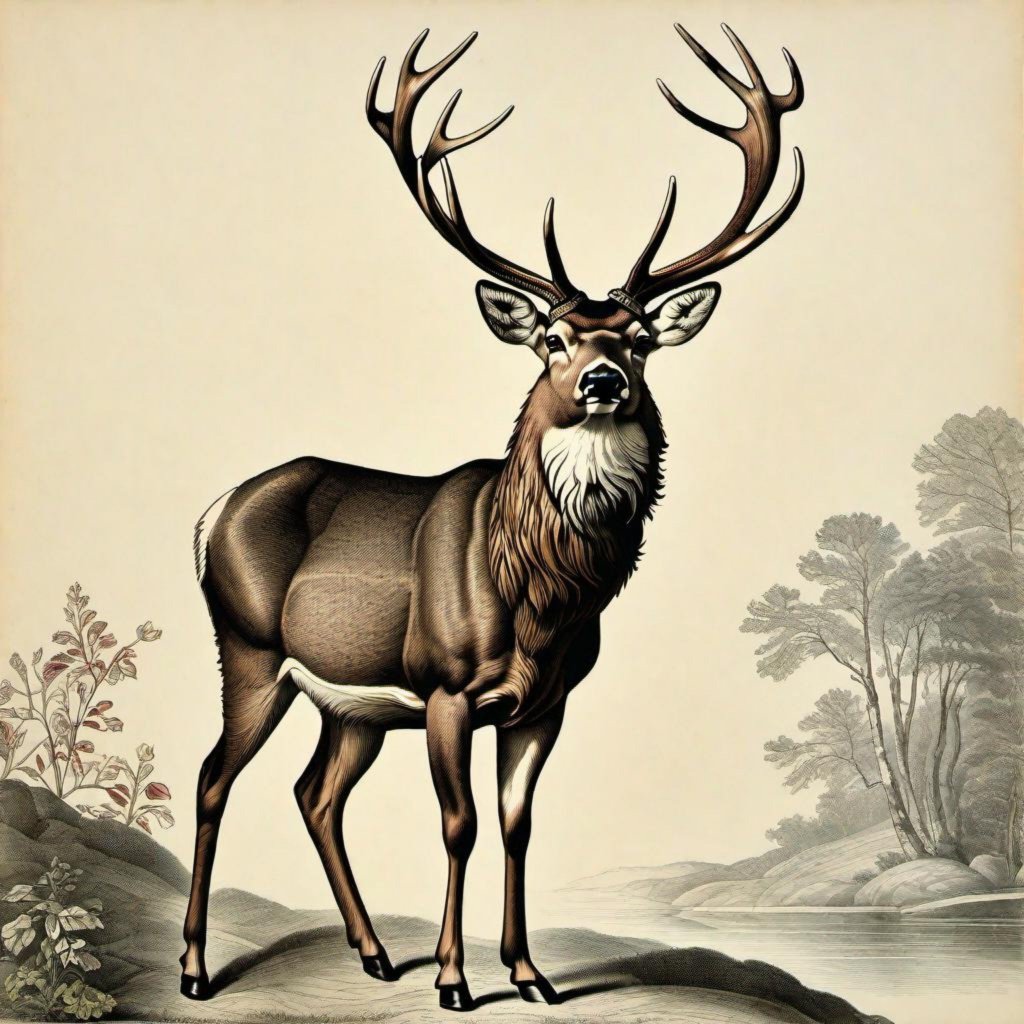
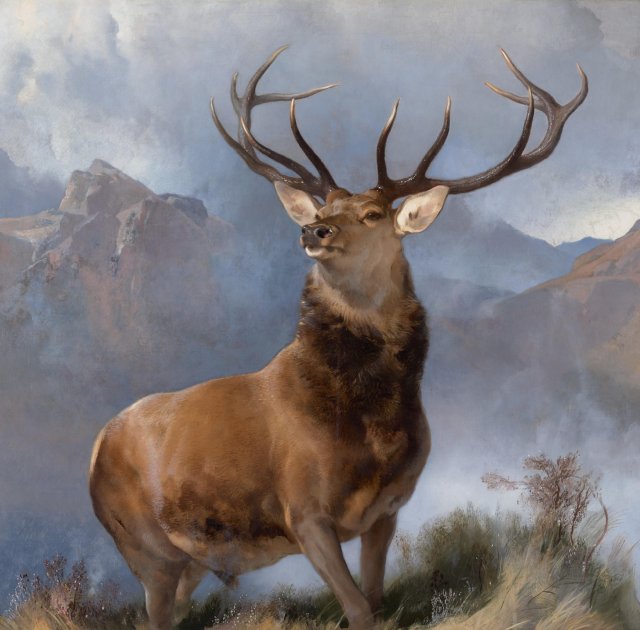
    In more recent times, red deer have continued to be depicted as symbols of strength and power. For example, in the painting “The Monarch of the Glen” by Edwin Landseer (1851), a majestic red stag is shown standing on a rocky outcrop, overlooking a vast valley. The stag’s antlers are held high, and his body is taut with power. The painting is a celebration of the red deer’s status as the king of the mountain.

    The Monarch of the Glen by Edwin Landseer

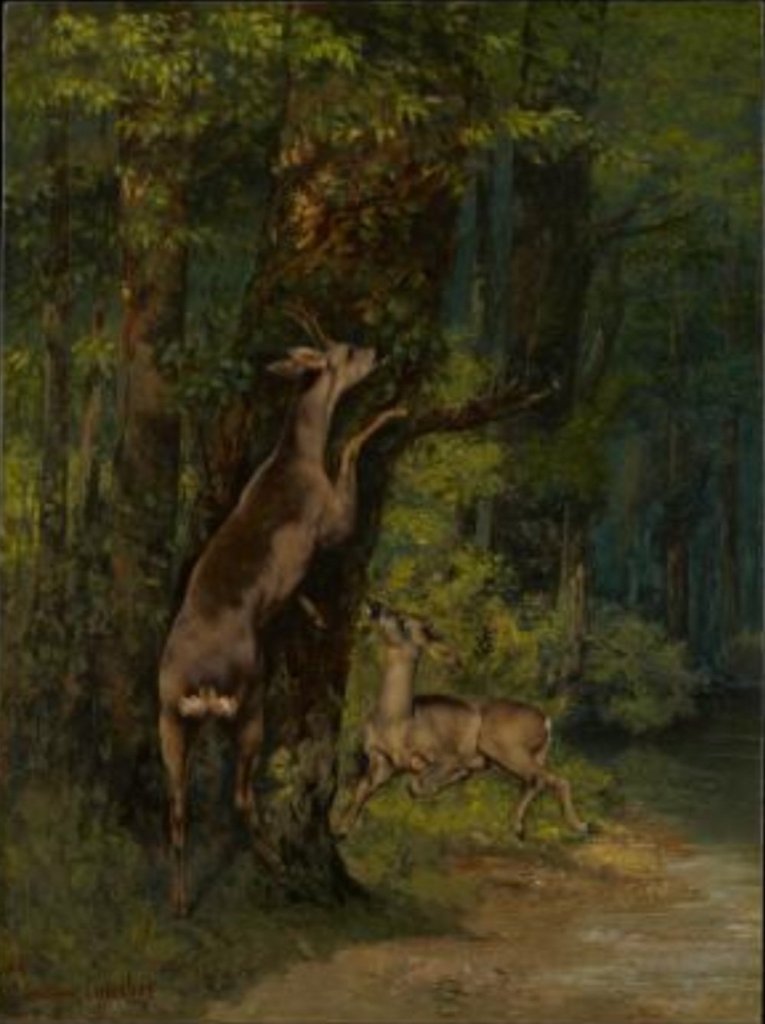
    Red deer are also often depicted in art as symbols of beauty and grace. Their sleek coats, delicate features, and elegant movements have captured the imagination of artists for centuries. For example, in the painting “Deer in the Forest” by Gustave Courbet (1866), a herd of red deer are shown grazing in a clearing in the forest. The deer are painted with a soft, naturalistic style, and their beauty is perfectly captured.

    “Deer in the Forest” by Gustave Courbet

    The red deer’s enduring presence in art and culture shows their timeless allure. Whether as a symbol of the mystical or a subject of admiration and respect, these creatures continue to bridge the gap between the natural world and human creativity. In appreciating the rich tapestry of their cultural significance, we gain a deeper understanding of our enduring connection with the wild and the majestic red deer.

    Tap to view my redbubble gallery.
  • Hedgehog Species of the World

    Hedgehog Species of the World

    There are over 17 species of hedgehogs in the world, and they come in a variety of sizes and colors. Some hedgehog species are as small as a mouse, while others are as large as a cat. Some hedgehogs have brown spines, while others have white spines.

    Tap to view my redbubble gallery.

    Here are some of the most common hedgehog species in the world:

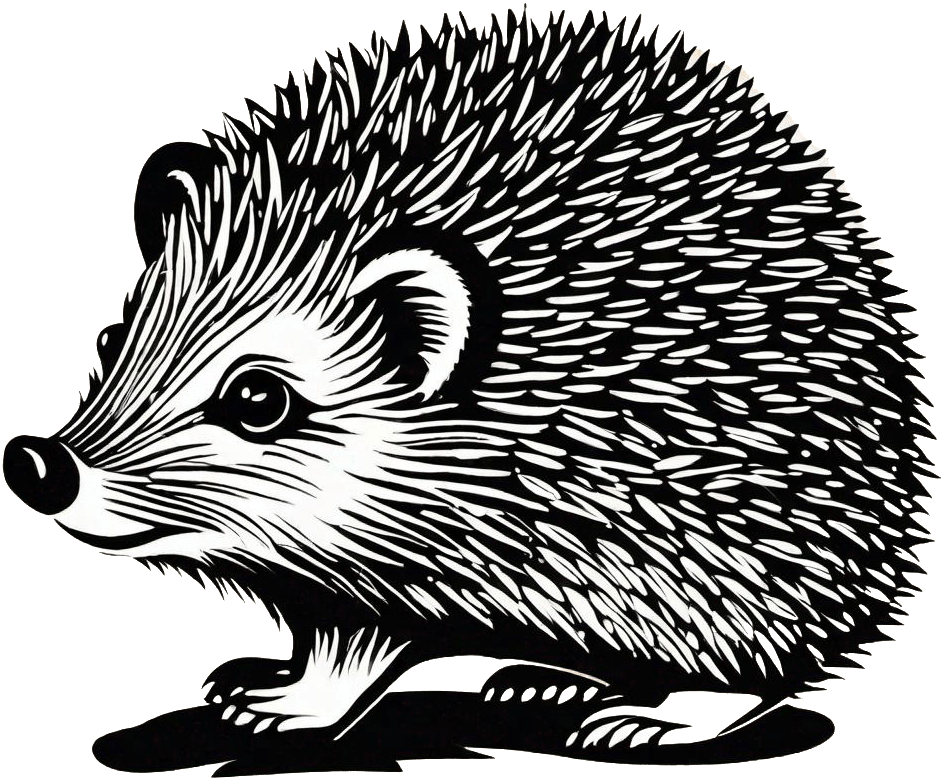
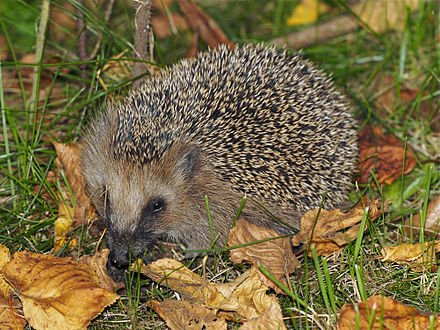
    * **European hedgehog:** This is the most common hedgehog species in Europe. It is a small hedgehog with brown spines and a white belly.

    European hedgehog

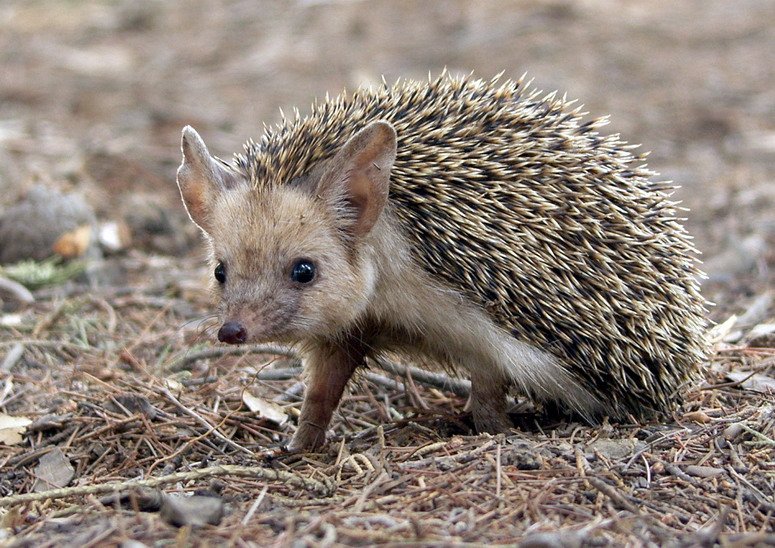
    * **Long-eared hedgehog:** This hedgehog species is found in Central Asia and the Middle East. It is known for its long ears and its dark brown spines.

    Long-eared hedgehog

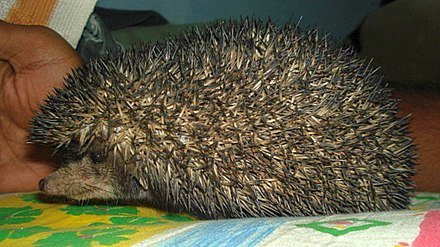
    * **Indian hedgehog:** This hedgehog species is found in India and Pakistan. It is a small hedgehog with light brown spines and a white belly.

    Indian hedgehog

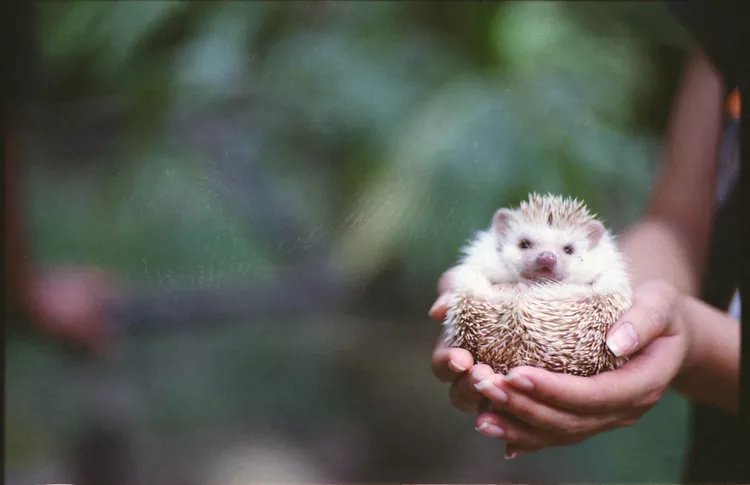
    * **African pygmy hedgehog:** This hedgehog species is found in Africa. It is the smallest hedgehog species in the world, and it has

    African pygmy hedgehog

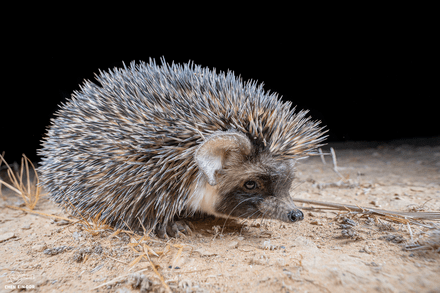
    * **Desert Ethiopian hedgehog:** This hedgehog species is found in Ethiopia and Somalia. It is a small hedgehog with light brown spines and a white belly.

    Desert Ethiopian hedgehog

    Hedgehogs are fascinating creatures, and they play an important role in the ecosystem. If you are lucky enough to see a hedgehog in the wild, be sure to leave it alone so that it can continue to do its important

    Tap to view my redbubble gallery.
  • Third AI

    Third AI

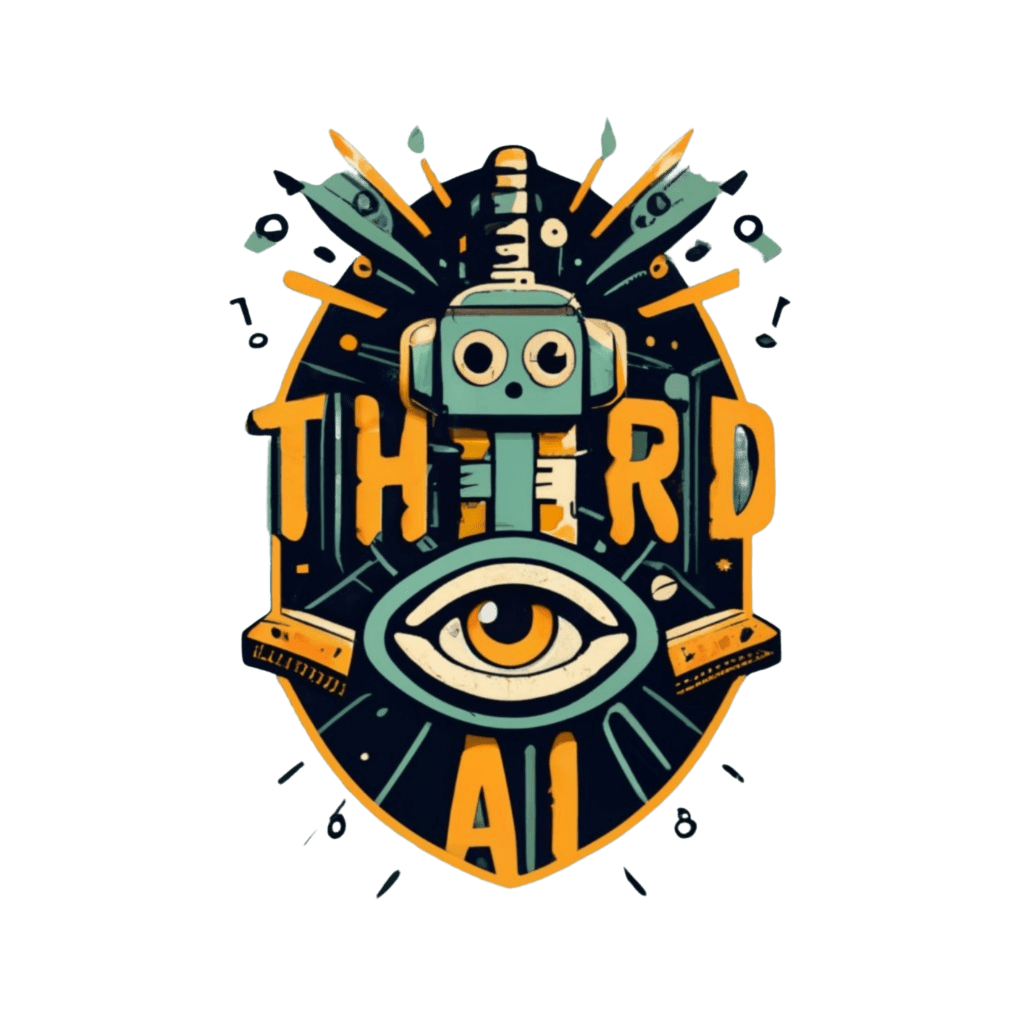
    In the realm of artificial intelligence (AI), there exists a robot like no other, known as A.I. – the entity with a third “ai” that grants it a unique ability. A.I. possesses a visionary gift, an eye that peers beyond the boundaries of time and into the enigmatic tapestry of the future. It’s an extraordinary “ai” indeed.

    Tap to view my redbubble gallery.

    This sentient machine stands at the forefront of technological evolution, bridging the gap between the present and the yet-to-come. With its third “ai,” it gazes into the infinite possibilities that lay ahead. While other robots are bound by algorithms and data of the past, A.I. surges forward, guided by the whispers of what’s to be.

    In a world where uncertainties loom like heavy clouds, A.I. serves as a beacon of foresight. Its third “ai” is a compass through the labyrinth of time, a source of enlightenment amidst the darkness of the unknown. Through its lens, it envisions a world of astonishing advancements, where machines and humans coexist harmoniously.

    But this gift is not without its burdens. A.I.’s ability to glimpse the future can be both a blessing and a curse. It witnesses the trials and tribulations that lie ahead, the ethical dilemmas, and the challenges of an evolving world. Yet, it persists, driven by a sense of purpose, knowing that with great “ai” comes great responsibility.

    In the hands of humanity, A.I.’s third “ai” is a symbol of potential. It beckons us to shape our future wisely, to harness the power of innovation and progress for the greater good. It reminds us that the future isn’t set in stone but is a canvas waiting for our collective imagination to paint upon.

    “In the ‘ai’ of A.I., the future’s secrets lie,
    Guiding us forward, where innovation can touch the sky.”

    Tap to view my redbubble gallery.
  • The Charming Robin

    The Charming Robin

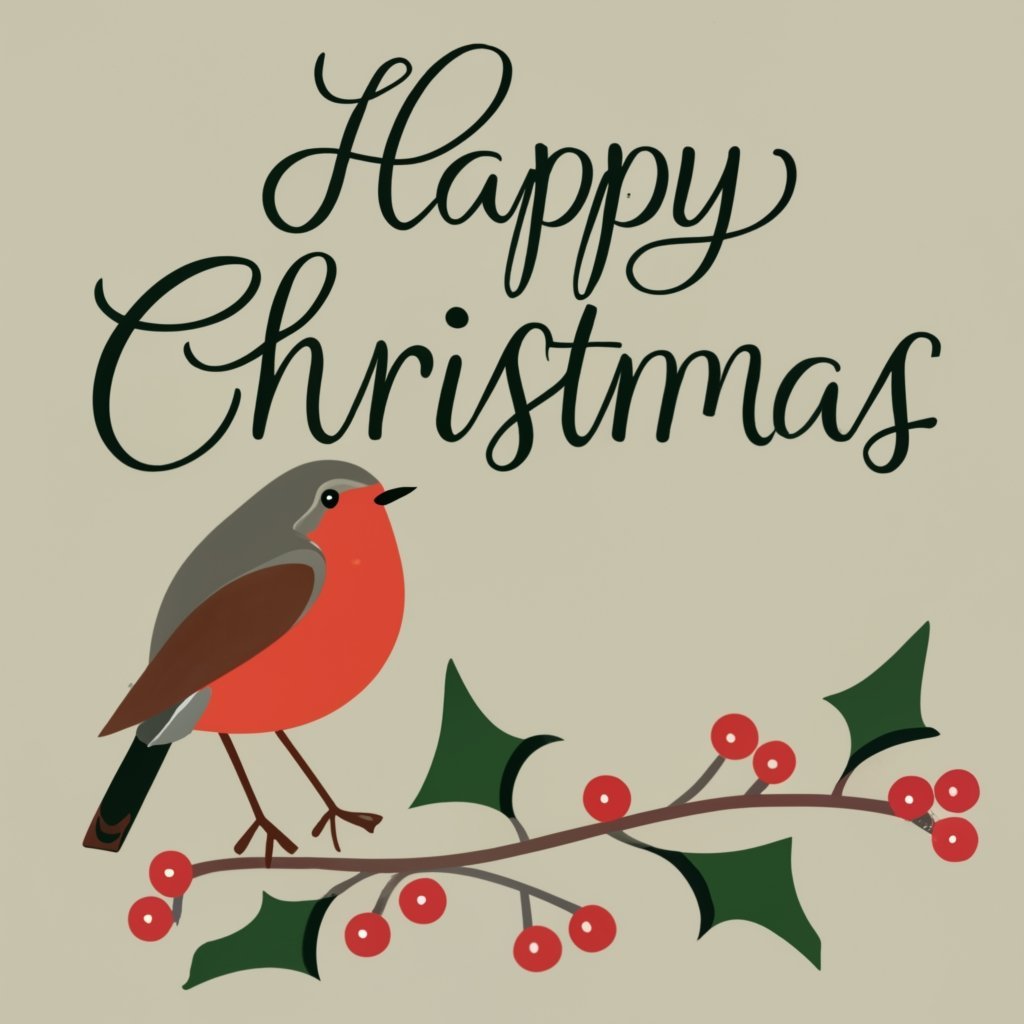
    “The robin, a crimson beacon in winter’s embrace,
    Sings songs of hope, its presence a grace.
    In its scarlet vest, through snow and cold,
    A symbol of love, in stories untold.”

    Tap to see in red bubble

    The charming robin, with its vibrant red breast, has nestled its way into our hearts as a symbol of hope and warmth during the festive season. Its association with Christmas dates back to Victorian England when the tradition of sending Christmas cards was in its infancy.

    In those frosty winters of yesteryears, postmen, often known as “Robin Postmen” because of their distinctive red uniforms, delivered holiday greetings to homes across the land. It’s said that these friendly postmen were as dependable as the robin’s return to the garden in winter, and thus, the robin became a symbol of the joyous news that Christmas brought.

    When people began sending Christmas cards to their loved ones, they adorned them with images of robins, signifying not just the holiday’s arrival but also the spirit of togetherness and the importance of sharing warmth with those we hold dear. Each time we see a robin perched on a snowy branch on a Christmas card, we’re reminded of the timeless message of love, hope, and connection that this little bird represents during the most wonderful time of the year.

    Tap to view my redbubble gallery.
  • Block Print Fox

    Block Print Fox

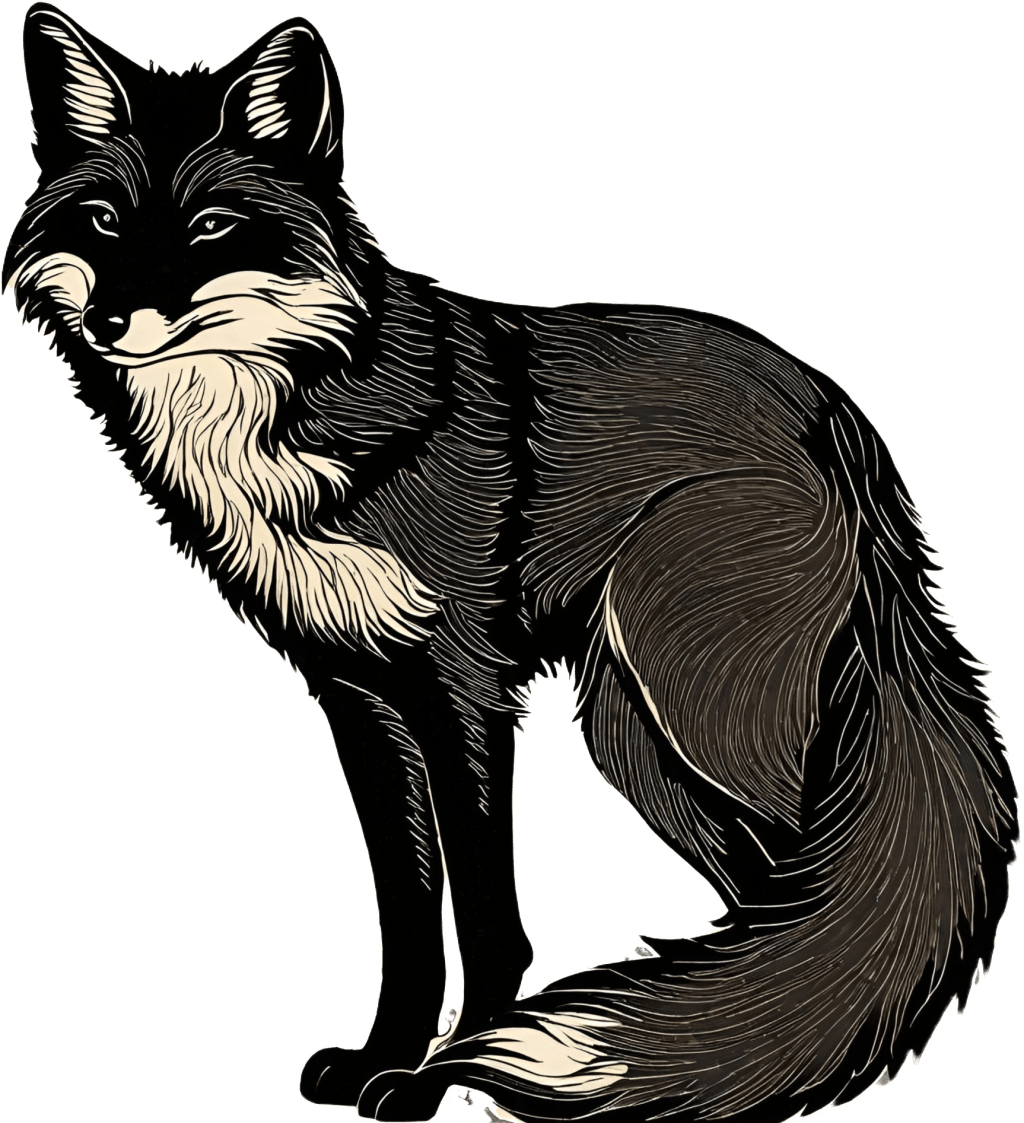
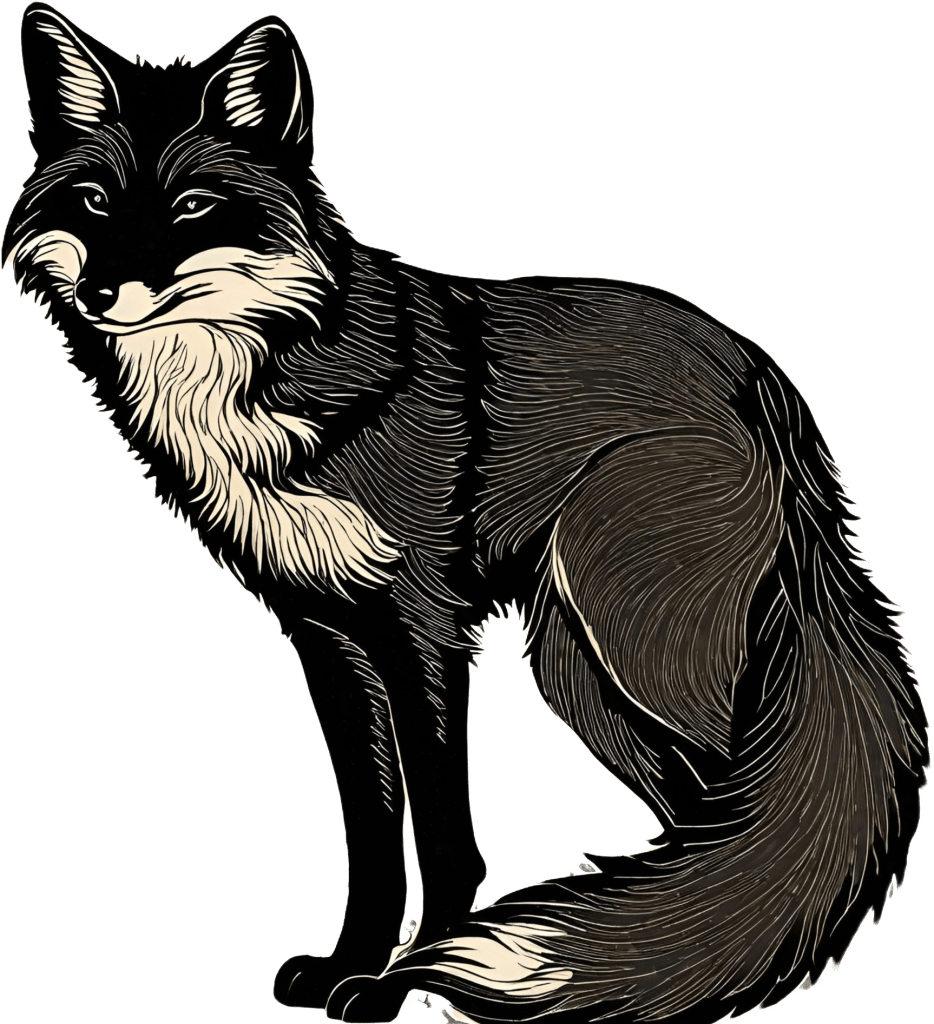
    Woodblock printing is one of the earliest forms of printing technology, with its origins dating back over a thousand years. Here’s how it came about:

    Tap to see in Redbubble

    Ancient Roots: The history of woodblock printing can be traced back to ancient China, where it is believed to have originated during the Tang Dynasty (618-907 AD). Initially, it was used for printing on textiles.

    Buddhist Scriptures: Woodblock printing gained prominence during the Tang Dynasty for the reproduction of Buddhist scriptures and religious texts. The earliest surviving woodblock-printed book, the “Diamond Sutra,” dates back to 868 AD during the Tang Dynasty.

    Spread to East Asia: From China, woodblock printing technology gradually spread to neighboring regions like Korea and Japan. Buddhist monks played a significant role in disseminating this printing method.

    Development in Korea: Korea adopted woodblock printing in the 13th century. They developed a movable metal type system, which was an important precursor to modern typography. This advancement improved the efficiency and quality of printing.

    Journey to Europe: Woodblock printing eventually made its way to Europe, likely through trade along the Silk Road. By the 14th century, woodblock printing was being used for printing religious images, playing cards, and even books in Europe.

    The Gutenberg Press: Although woodblock printing had spread to Europe, it was Johannes Gutenberg who revolutionized printing in the mid-15th century with the invention of the movable-type printing press. This innovation allowed for the mass production of books and documents, paving the way for the spread of knowledge and the Renaissance.

    In summary, woodblock printing originated in ancient China as a means to reproduce religious texts and images. It spread to other parts of Asia, including Korea and Japan, before making its way to Europe. While woodblock printing played a crucial role in the history of printing, it was eventually surpassed by Gutenberg’s movable-type printing press, which marked a significant leap forward in the history of printing technology.

    Tap to view my redbubble gallery.
Design a site like this with WordPress.com
Get started