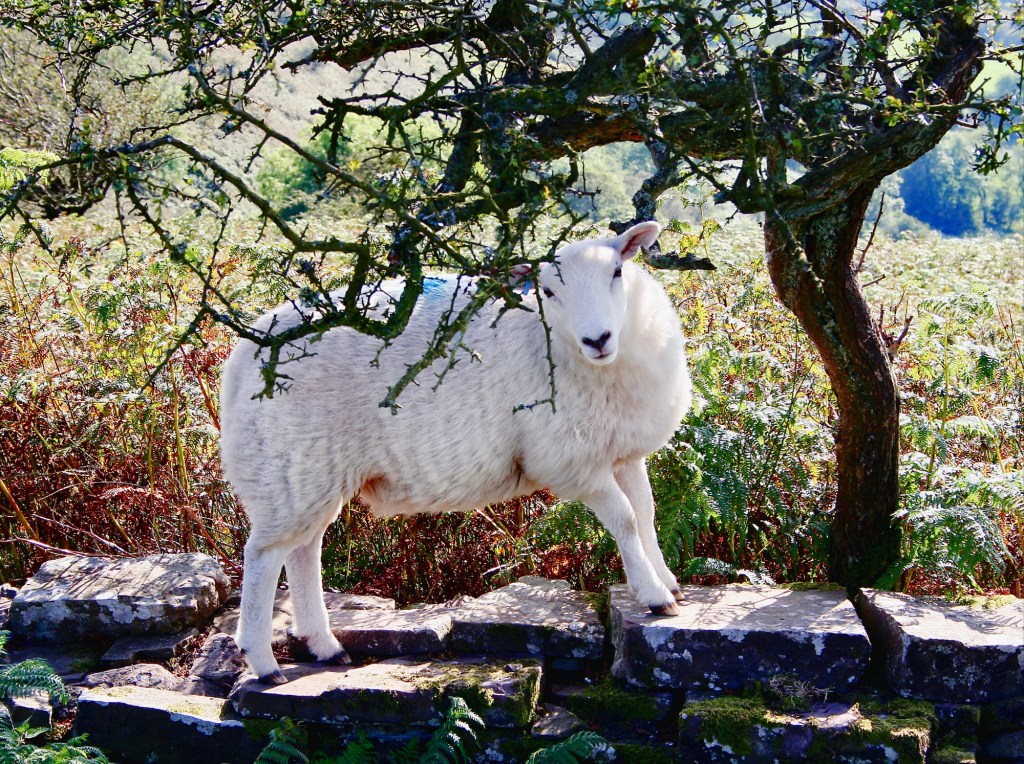
Wales in stillness breathes, Sheep beneath the twisted tree, Time folds into now.
Sheep, Stones, and Sunlight
There is a moment in every journey where time seems to pause. For me, it happened in the quiet Welsh countryside, where a simple sheep under a gnarled tree stopped me in my tracks. The air was crisp, carrying the scent of moss and bracken, and the landscape stretched wide, untamed yet inviting. This single, unassuming scene—of stone walls, dappled sunlight, and the curious gaze of an animal—felt like a distillation of everything Wales represents.
The sheep, a quintessential emblem of this land, stood framed by a spindly tree that clung to the rocky ground. It had the air of an accidental guardian, standing atop ancient stones as if overseeing a realm where history, nature, and humanity blend seamlessly. It didn’t flee or flinch when I approached with my camera, just watched with an intensity that made me feel like the visitor I was. And in that exchange, wordless and fleeting, I felt an unexpected sense of calm.
It’s easy to rush through life, ticking off sights and experiences like items on a to-do list. But here, in this quiet moment, I was reminded of the value of stillness. Of the beauty in ordinary things. The lichen-covered stones beneath the sheep’s hooves hinted at stories far older than mine—walls built by hands long gone, dividing fields that have seen generations of life. The sunlight filtering through the tree branches cast shifting patterns on the ground, a reminder of time’s gentle, inevitable flow.
Wales has a way of grounding you. Its hills and valleys aren’t just landscapes; they’re vessels of memory. The sheep, as ubiquitous as they are, embody this spirit. They are not just creatures grazing absentmindedly—they are part of the rhythm of the land, living symbols of its enduring character.
As I walked away from the scene, I felt lighter. The world seemed a little quieter, my thoughts a little clearer. That single sheep, perched on its stone stage, had given me something unexpected: perspective. It reminded me that not all moments need to be grand to be meaningful. Sometimes, it’s in the simplest of scenes that we find what we didn’t know we were looking for.
And that’s the magic of Wales—a place where even the smallest details invite you to slow down, look closer, and feel more deeply.
If you find this content inspiring and uplifting, consider supporting what I do. Buy me a coffee on Ko-fi. Your support makes a difference in my life and helps me create more of what you like. Thank you!Tap to view my redbubble gallery.
Eyes that hold the stars, Speak of wisdom, trust, and time, Timeless bond remains.
Spirit of the horse
I have roamed the earth since the dawn of humanity, my hooves carving paths into the soil of history. I am the spirit of the horse, a flicker of wild grace and unbroken strength that moves through the ages. From the plains where men first cast their shadows beside mine, to the battlefields where their cries mingled with my breath, I have stood witness to the delicate dance of trust between us.
Man and horse. Horse and man. Bound by something older than words, Deeper than any sea.
I remember the first ones. They were wary, their hands trembling as they reached out, offering me grain, their voices soft with the caution of new beginnings. I was wild then, untamed as the wind that raked the tall grass. They saw in me something they could not name but knew they needed. Strength. Freedom.
And so, they tamed me. But not with chains. No, they tamed me with the whisper of promise: _”Come with me, and together we will run farther than the horizon.”
I ran with them into battlefields drenched in blood, my heart pounding against the war cries of men. I carried warriors clad in iron, their swords raised high, their hopes resting on my shoulders. They whispered prayers into my ears before the charge, and I bore their fears as much as their weight. When they fell, I stood guard, refusing to leave their side. I knew what they meant when they called me “brother.”
But I also knew gentler days. The quiet fields of farmers. The laughter of children as they clutched my mane. The soft hands of women weaving flowers into my bridle.
I pulled plows through soil rich with promise, feeling the rhythm of life in every furrow. I was the strength they leaned on, the constant in their seasons. They sang songs to me, songs of gratitude and kinship, their melodies blending with the rustle of wheat and the murmur of streams.
Through centuries, I watched as the bond between us changed. Machines rose to take my place, their cold precision replacing the warmth of my breath. I was no longer the heart of their progress, but still, they found me in the wild places. They sought me out to feel alive, to remember what it meant to run free.
There is something eternal in our connection, something that even the hum of engines cannot erase. It is in the way a rider leans into my rhythm, their heartbeat syncing with mine. It is in the way they look into my eyes and see something ancient, something untamed but trusting.
Man and horse. Horse and man. Together, we have crossed deserts and rivers, faced storms and sunrises.
You have given me purpose, and I have given you wings.
Even now, as the world spins faster than it ever has, I feel your need for me. You come to me with your burdens, your silent fears, and I take them from you, if only for a while. You whisper to me of things you cannot say aloud, and I listen. I always listen.
I am the spirit of the horse, and I will endure. For as long as you seek freedom, for as long as your soul longs to run, I will be there.
Together, we are more than the sum of our parts. Together, we are a story, written in the dust of ancient trails and carried on the wind of endless tomorrows.
If you find this content inspiring and uplifting, consider supporting what I do. Buy me a coffee on Ko-fi. Your support makes a difference in my life and helps me create more of what you like. Thank you!Tap to view my redbubble gallery.
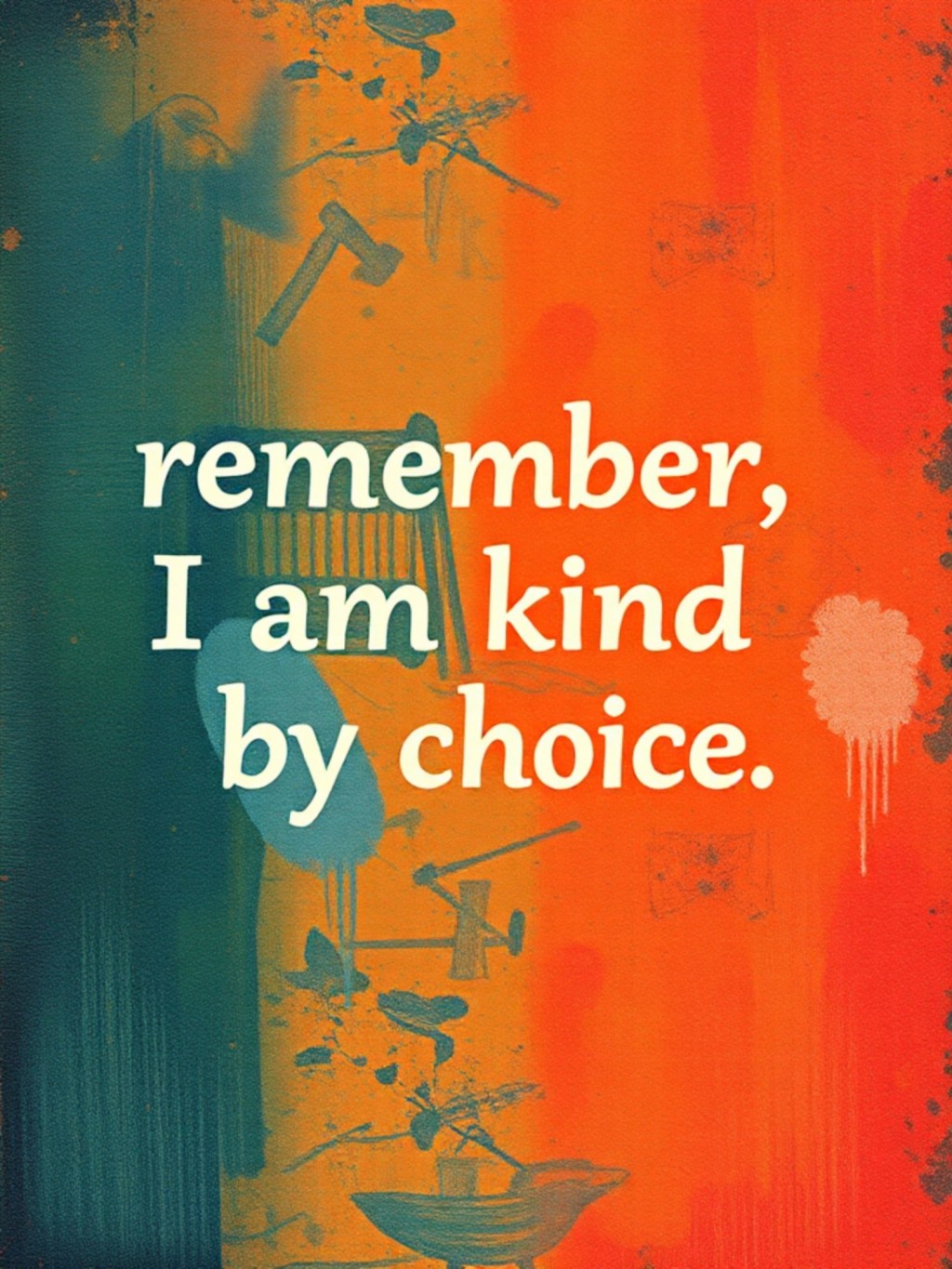
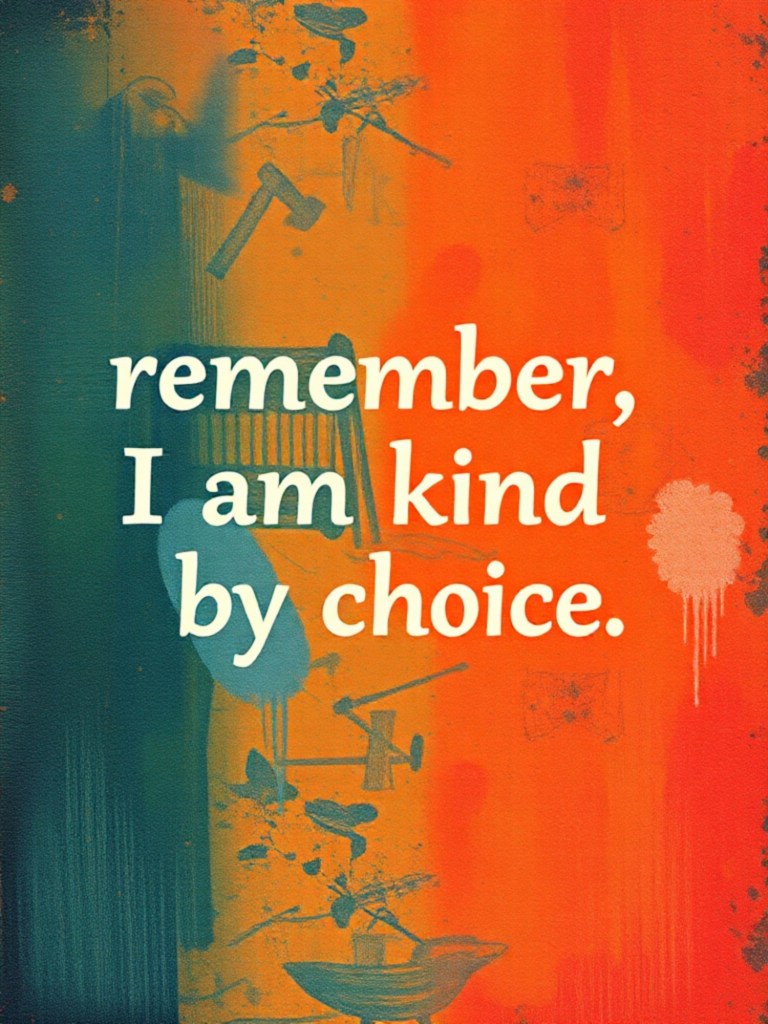
Kindness waits unseen, a seed planted in the gaps— soft rebellion grows.
Ethereal
Kindness is a choice. Not a reflex, not an inheritance, but a deliberate act of defiance. I remind myself of this often, especially on days when the world feels jagged and raw, like a half-shattered window that refuses to break or mend.
Buy my print on red bubble
There are moments—sharp, vivid moments—when I could so easily let anger, irritation, or indifference take the reins. The barista forgets my order; the driver cuts me off on the motorway; the email arrives, dripping with condescension. But somewhere in the labyrinth of my chest, a voice stirs, calm yet firm. “Choose,” it says. “Remember.”
It is not an instinct. Instinct is survival, and survival is often cruel. But kindness is the quiet art of holding a mirror to the world and refusing to reflect its harshness. It’s not about sainthood or martyrdom—I don’t believe in halos. It’s about balance. About knowing that, even in chaos, you can plant something tender.
There’s a man who sits by the park near my flat, always in the same frayed jacket, his hands like dry riverbeds. Once, I walked past him without a second glance. Another day, I handed him an orange, its skin bright as a distant star. We didn’t speak. He didn’t need to thank me. What mattered was the act itself—the quiet offering to the unseen universe.
Kindness, I think, is a language best spoken without words. It’s in the unspoken patience as a stranger fumbles for coins at the till, or the way you pause to let someone else’s story unfold without rushing to add your own. It’s in forgiving yourself, too, for the days when kindness feels like an impossible weight.
There’s a certain magic in the spaces between things—the gaps in reality where something inexplicable hums. Kindness lives there, too. It’s not flashy. It doesn’t ask for applause. It exists in the quiet, persistent decision to hold the world gently, even when it feels like it’s slipping through your fingers.
Remember, I am kind by choice. Not because the world deserves it, but because I do. Because the act of choosing shapes me. Because I’ve seen what grows in the absence of kindness, and it’s a garden I refuse to tend.
If you find this content inspiring and uplifting, consider supporting what I do. Buy me a coffee on Ko-fi. Your support makes a difference in my life and helps me create more of what you like. Thank you!Tap to view my redbubble gallery.
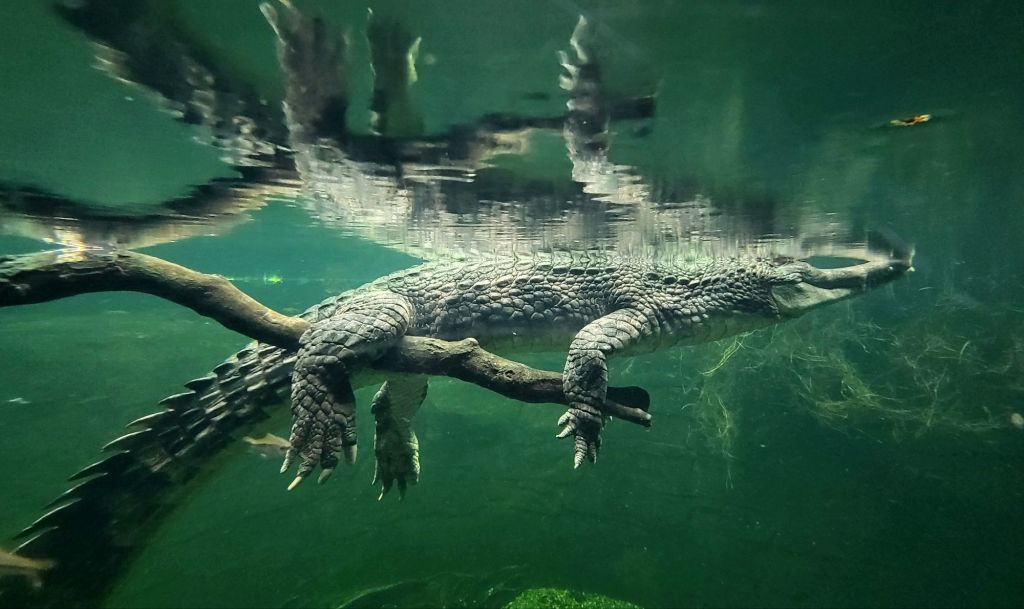
My journey into the world of crocodilians began with a seemingly ordinary visit to Chester Zoo. A brief encounter with the Sunda gharial, a long-snouted crocodilian native to Southeast Asia, ignited my curiosity. How many different types of crocodiles existed, and what were their unique features?
Sunda Gharial I took this photo at Chester zoo – amazing.
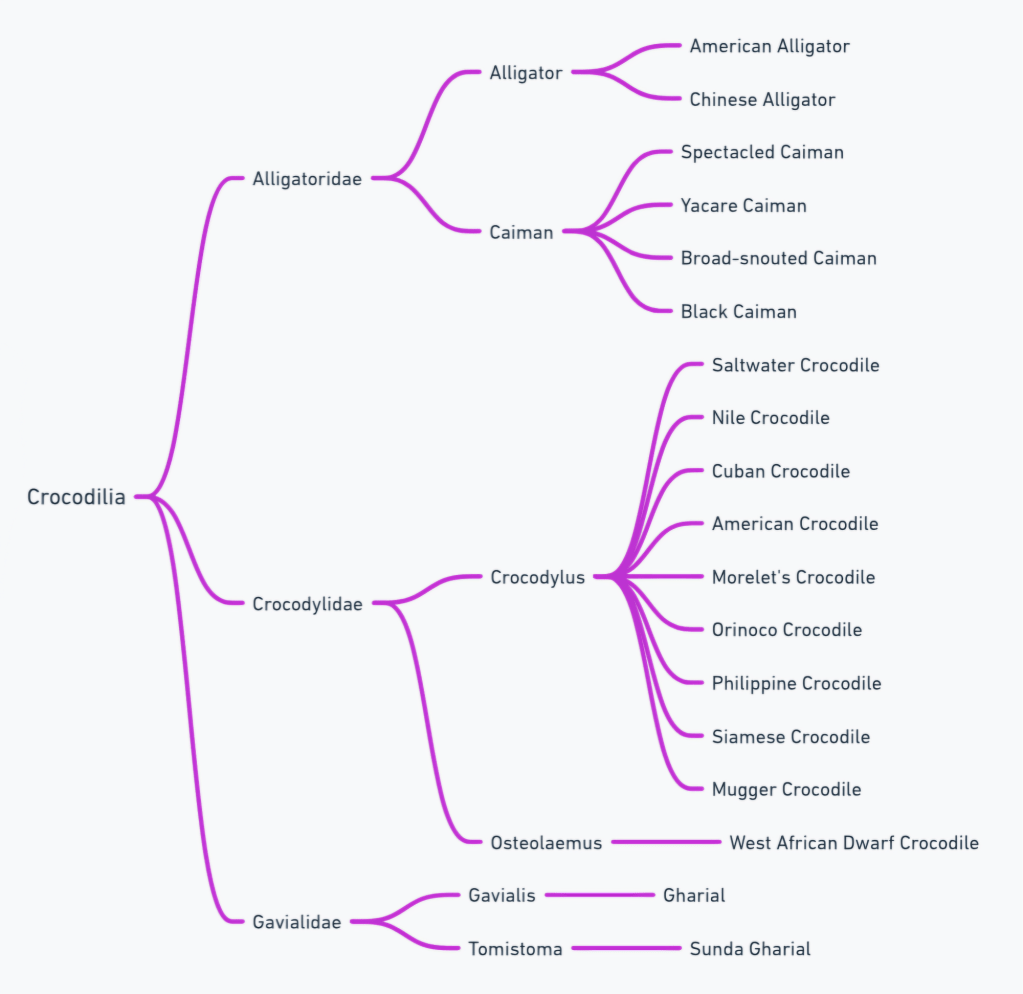
Large family. A deeper dive into the world of crocodilians revealed a surprising diversity. The order Crocodilia encompasses 24 species across three distinct families: * Crocodylidae – True Crocodiles (15 species) * Alligatoridae – Alligators and Caimans (8 species) * Gavialidae – Gharials (2 species)
I know I’ve missed some – finding them can be your homework
Each family possesses unique adaptations, appearances, and habitats, showcasing the incredible ecological diversity of these reptiles.
* Crocodylidae: True crocodiles are widely distributed across Africa, Asia, the Americas, and Australia, varying in size from the massive saltwater crocodile to the smaller Philippine crocodile.
* Alligatoridae: This family includes both alligators and caimans. Alligators, typically found in freshwater habitats in the southeastern United States and China, are distinguished by their broad snouts. Caimans, inhabiting rivers and wetlands in Central and South America, exhibit a wider range of body sizes and habitats.
* Gavialidae: This family consists of two species: the well-known gharial, with its iconic thin, elongated snout, and the lesser-known Sunda gharial.
The Enigmatic Sunda Gharial. The Sunda gharial (Tomistoma schlegelii) is a particularly fascinating species. With its long, narrow snout and distinct dark patterns, it bears a resemblance to the gharial but possesses a stockier body.
Native to the freshwater ecosystems of Southeast Asia, Sunda gharials are shy creatures, making them difficult to study. Their slender snouts are perfectly adapted for catching fish, their primary diet, but they are capable of consuming a wider range of prey, including birds and small mammals.
Unfortunately, Sunda gharials are classified as vulnerable due to habitat loss and human pressures. Conservation efforts are crucial to protect these enigmatic creatures and the unique ecosystems they inhabit.
My journey into the world of crocodilians has deepened my appreciation for these ancient creatures. Each species, with its unique characteristics and ecological significance, is a testament to the incredible diversity and adaptability of life on Earth.
If you find this content inspiring and uplifting, consider supporting what I do. Buy me a coffee on Ko-fi. Your support makes a difference in my life and helps me create more of what you like. Thank you!Tap to view my redbubble gallery.
Lost in streams of thought, truth becomes our shared compass, guiding through the noise.
Getting to the reality
I’ve been turning this idea over in my head for a while, mostly as an idle musing, and it just seemed too interesting not to share. There’s something about the way people are so deeply committed to finding out “what’s really true” these days, that it got me wondering if truth itself might be taking on a kind of… spiritual role for us. Now, don’t get me wrong—I’m not out to replace religion or compare it too literally! I’m just fascinated by the way people dive so passionately into fact-checking, debating, and uncovering hidden realities. It feels like we’ve collectively found this new energy for seeking meaning and understanding in our world, especially with the internet at our fingertips. So, this is just me thinking out loud about where that passion might be leading us.
In a time when information is everywhere, “truth-seeking” feels like the new way people come together over something meaningful. With the internet’s vast collection of perspectives, history, and data, it’s like we have a massive, digital library where everyone can pull their favorite books off the shelf, compare notes, and debate the facts. Social media has turned us all into researchers of sorts, each person piecing together their idea of truth from this endless stream of info.
Back when knowledge was controlled by a few authorities, people had to take a lot of what they were told on faith. But today, the internet has shifted things. There’s no central voice anymore; instead, we all have the power to question, verify, and share our findings with anyone who’ll listen. It’s almost like we’re all members of a giant, curious community, connected by our shared drive to understand what’s real.
Of course, with everyone on the hunt for truth, it’s easy to see how things can get tangled. Misinformation spreads, echo chambers grow, and people can land in very different realities. Still, the drive to explore, to dig deeper, and to get as close to the truth as we can brings us together in a unique way. It’s not about arriving at one ultimate truth; it’s about this shared, ongoing quest that gives us purpose. Maybe it’s not a religion in the usual sense, but there’s a sense of unity and purpose in it—and that feels like something worth musing over.
If you find this content inspiring and uplifting, consider supporting what I do. Buy me a coffee on Ko-fi. Your support makes a difference in my life and helps me create more of what you like. Thank you!Tap to view my redbubble gallery.
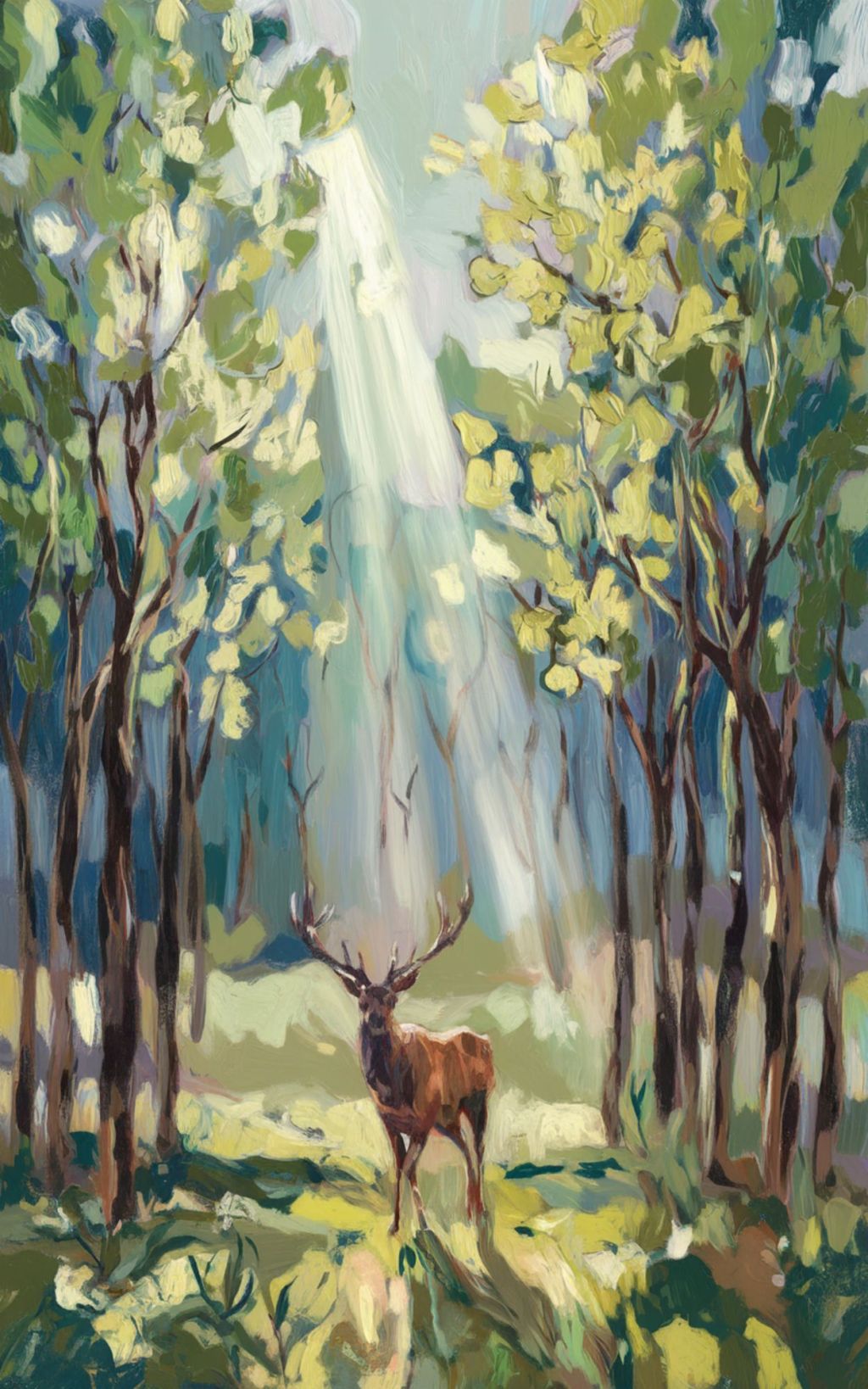
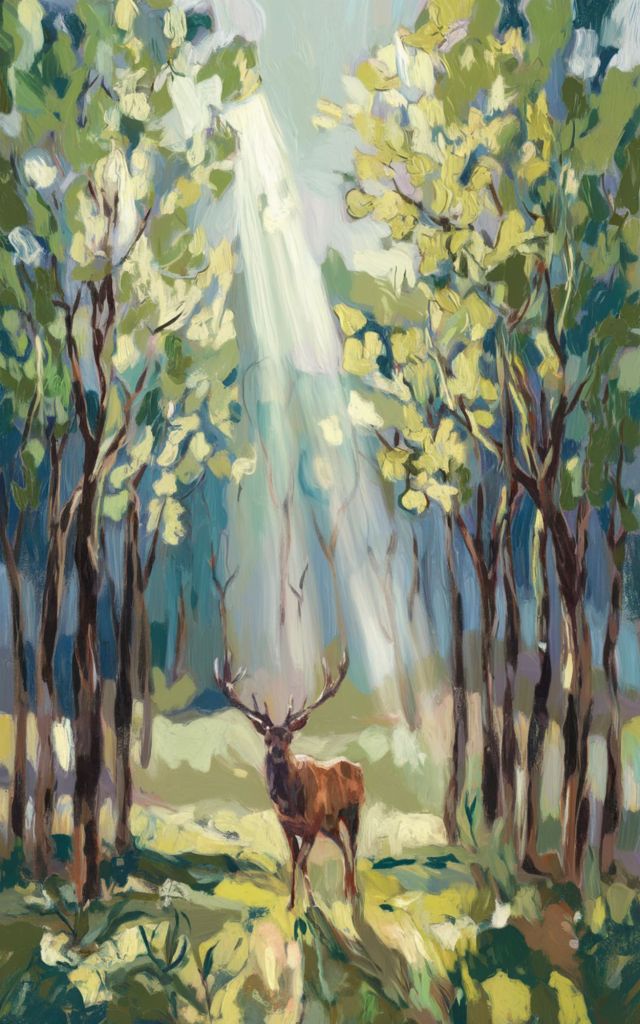
Sunlight spills like breath, ancient trees hold quiet watch, stag stands, still as stone.
In the quiet hush of morning, a single stag stands alone in a secluded forest clearing, his figure outlined in gentle streams of light that filter down from the canopy above. Each ray seeps through the branches and leaves, softening as it falls, wrapping him in a halo that seems both eternal and fleeting. His antlers, branches of bone and time, reach into the air with a majestic calmness, each point a marker of seasons come and gone, each curve a silent record of survival and adaptation. His coat is rich, a mix of earth-browns and shadows, blending into the woods yet catching the light just enough to stand apart, to be noticed.
This moment—the stag, the sunlight, the stillness—is a scene millions of years in the making, a perfect portrait painted by evolution’s quiet hand. From the simplest of life forms, driven by the need to survive, to the elegance of this creature, whose every feature has been shaped by time itself, life has woven something wondrous. The stag’s heightened senses, his graceful frame, even the natural lines of his form, all serve a purpose, yet they come together to create something beyond mere function. They become beauty. And beauty, too, has its place in evolution, for it draws us near, inspires us to protect, to connect, to pause and simply be present.
We, too, are shaped by evolution’s design, moulded not only to see but to feel, to wonder, and to appreciate. Perhaps, in a way, our perception of beauty is a survival instinct itself—a way to recognize harmony, to find peace in nature’s rhythms, to feel at home in the world that bore us. Standing in the clearing, we understand our role in this continuum. This moment of quiet awe is a part of something larger—a shared heritage with this stag, this forest, this light. In that silent connection, beauty becomes a bridge across time, binding us to all that has come before and all that will follow.
And so we stand, quietly watching, breathing, and being, as the stag lifts his head, his gaze piercing yet soft, both knowing and unknowing. In this clearing, we glimpse the rare gift that evolution has left us: the capacity to see beauty not only in what we need but in all that simply is.
What scene takes your breath away?
If you find this content inspiring and uplifting, consider supporting what I do. Buy me a coffee on Ko-fi. Your support makes a difference in my life and helps me create more of what you like. Thank you!Tap to view my redbubble gallery.
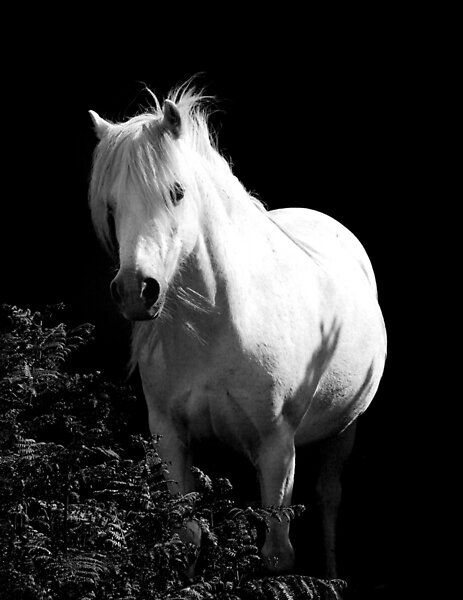
You know, sometimes a photo just grabs you and won’t let go. That’s what happened with this shot of my white horse against the dark background. I’ve taken thousands of horse photos – trust me, my phone’s storage is crying about it – but there’s something about this one that feels different. It’s like catching magic in a moment, if magic wore a mane and had a tendency to sneeze on your camera lens.
I decided to go with black and white for this one, and I’ll tell you why. There’s this gorgeous tension between light and shadow that color sometimes masks – like when you’re wearing a really great outfit but your statement necklace is stealing all the attention. In black and white, you can really see how my horse’s coat practically glows against that velvet-dark background. It’s not just white; it’s this luminous, ethereal kind of white that makes you wonder if maybe, just maybe, unicorns aren’t such a far-fetched idea after all.
And can we talk about that little bit of foliage peeking in? It’s doing the heavy lifting of keeping this photo grounded in reality, like that one sensible friend who reminds you that no, you probably shouldn’t get bangs at 2 AM. Without it, the horse might look like it’s floating in space – which, cool concept, but not what I was going for here.
The contrast between black and white creates this almost theatrical backdrop, like nature decided to set up its own spotlight. My horse didn’t get the memo about being dramatic though – they’re just standing there, being their authentic self, probably thinking about their next snack. But that’s what makes it work, right? That completely unposed, natural moment caught in this stark, artistic frame.
I’ve noticed that some of my favorite photos are the ones that make you lean in a little closer, the ones that play with the line between simplicity and drama. This shot does that for me. It’s like the photographic equivalent of a really good whisper – quiet but impossible to ignore. And while I’d love to say I planned every element of this composition, sometimes the best photos are the ones where you’re just lucky enough to be there with your camera when the light, the moment, and yes, even the cooperative positioning of a horse, all decide to play nice together.
And yes, before you ask, I absolutely have this printed and hanging on my wall. Because some photos just deserve to graduate from the endless scroll of our camera rolls, don’t you think?
If you find this content inspiring and uplifting, consider supporting what I do. Buy me a coffee on Ko-fi. Your support makes a difference in my life and helps me create more of what you like. Thank you!Tap to view my redbubble gallery.
Basil, mint, and thyme— scent of soil and sunlight’s warmth, roots finding their way.
Hands deep in the earth, I feel the quiet pulse of life beat beneath my fingers—a slow, steady rhythm that grounds me in a way few things do. Roots twist below, unseen threads tying me to this moment, reminding me that sometimes the most meaningful connections are the ones you can’t quite see. In the green silence around me, everything slows. I breathe with the soil, the earthy scent filling my lungs as if I’m taking in the very essence of the garden itself.
Sunlight warms my skin, each ray another gentle reminder that life continues, grows, even when no one’s watching. There’s a comfort in the hum of it all: the small, tireless work of nature happening at its own perfect pace. My thoughts start to settle, sinking down into the soil with the roots, each breath drawing me deeper into the present. Here, lost in this quiet rhythm, I feel whole, as if I, too, am planted right where I’m meant to be.
Bare feet touch the grass, the hum of soil grounding me— sunlight warms my skin.
What garden have you got and how does it help you.
If you find this content inspiring and uplifting, consider supporting what I do. Buy me a coffee on Ko-fi. Your support makes a difference in my life and helps me create more of what you like. Thank you!Tap to view my redbubble gallery.
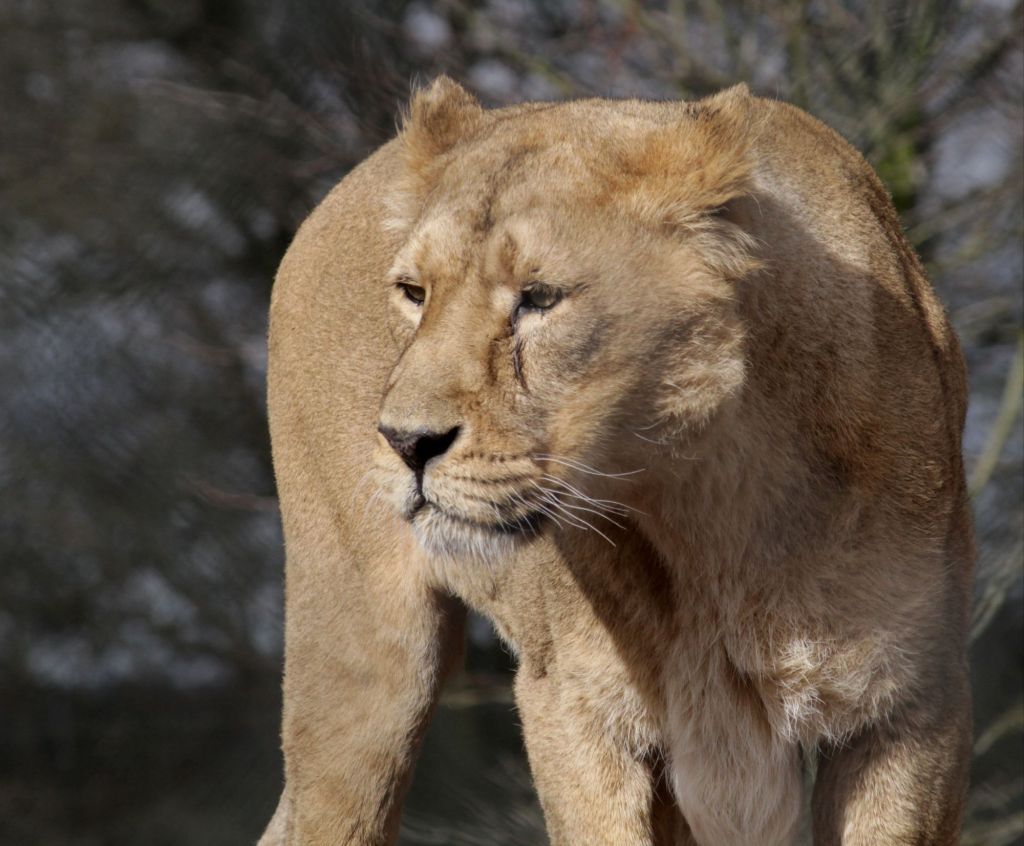
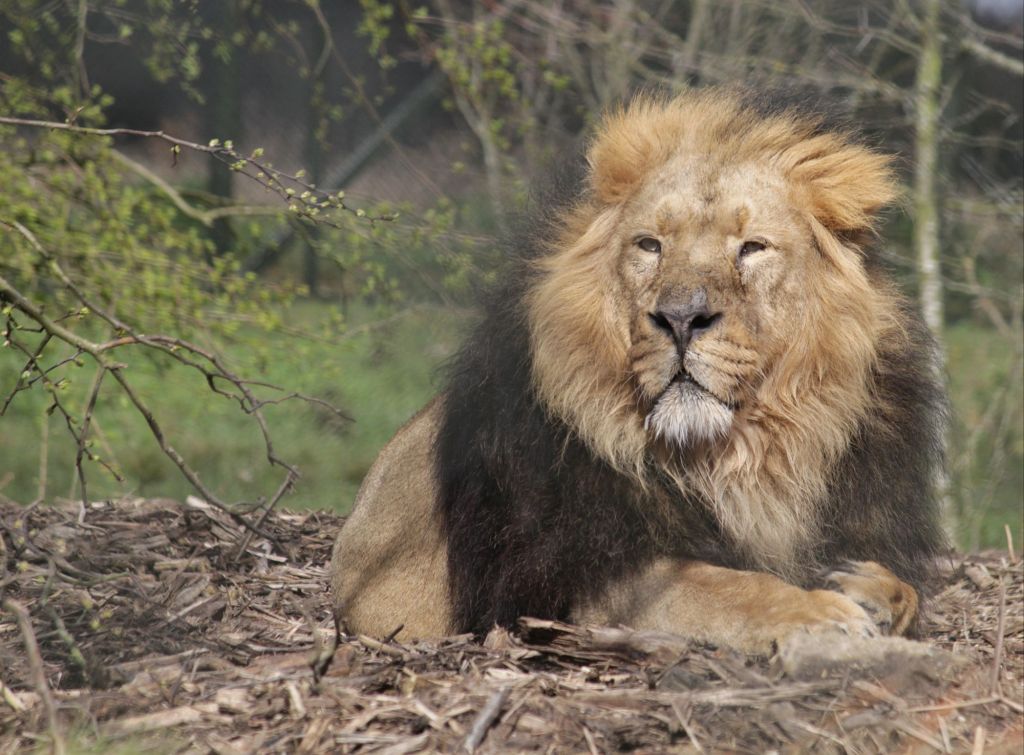
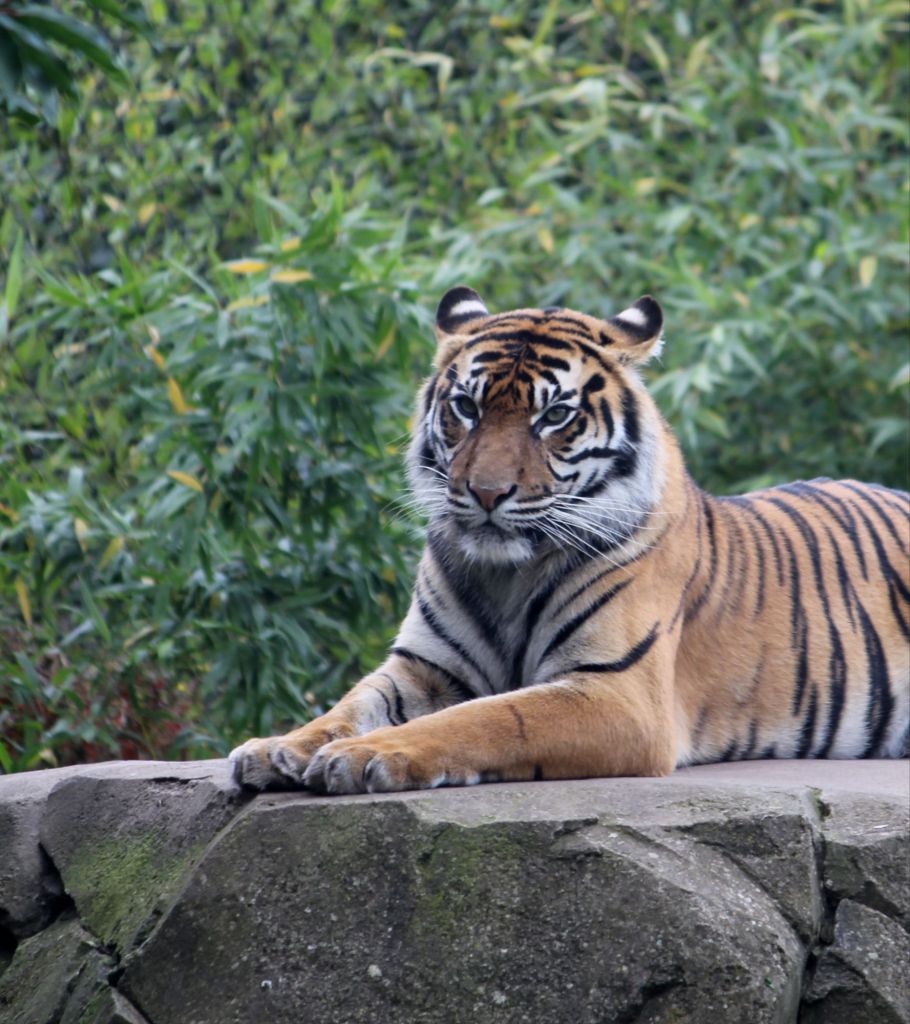
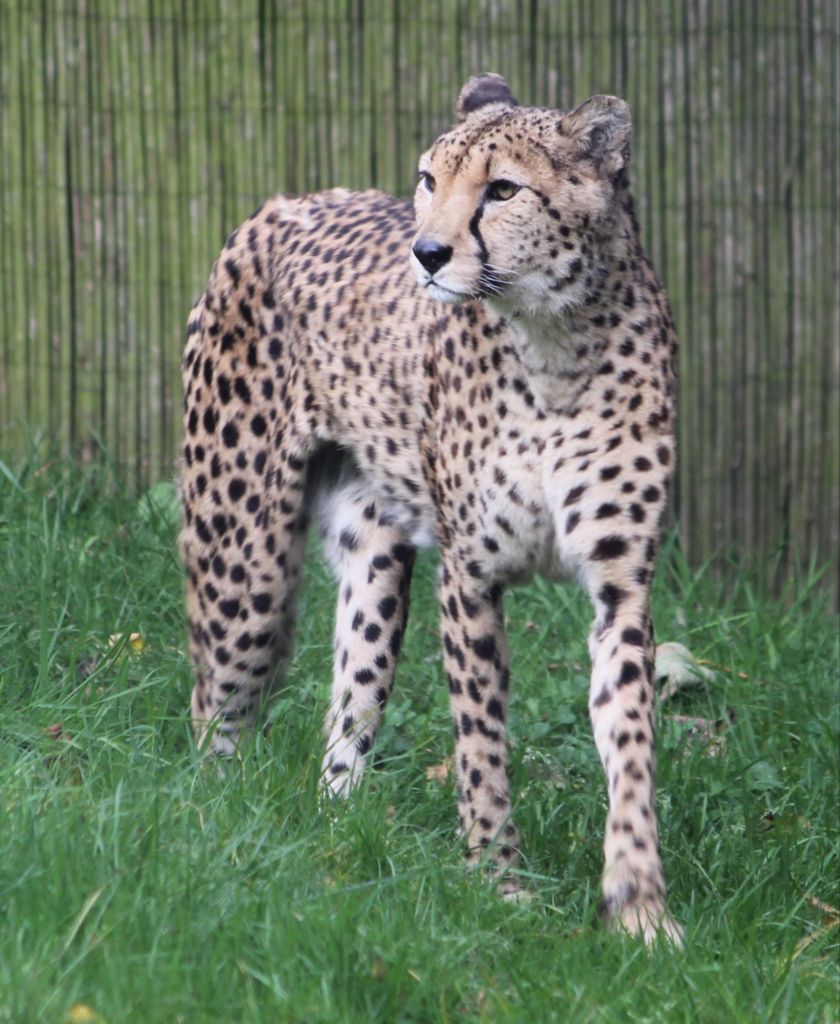
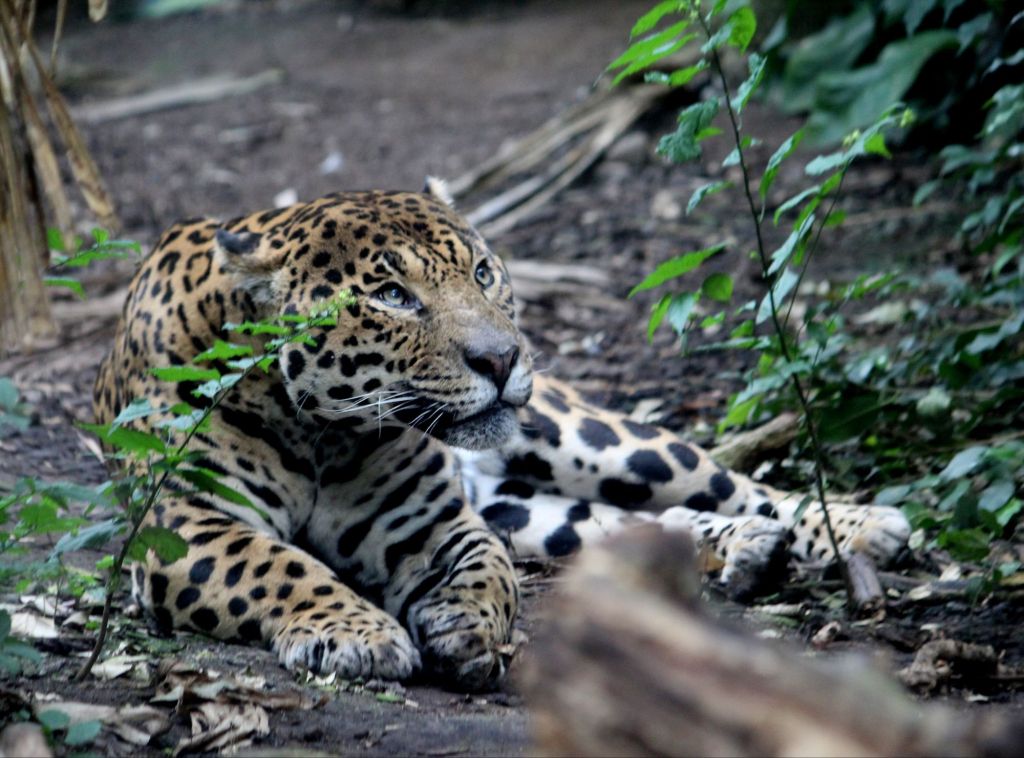
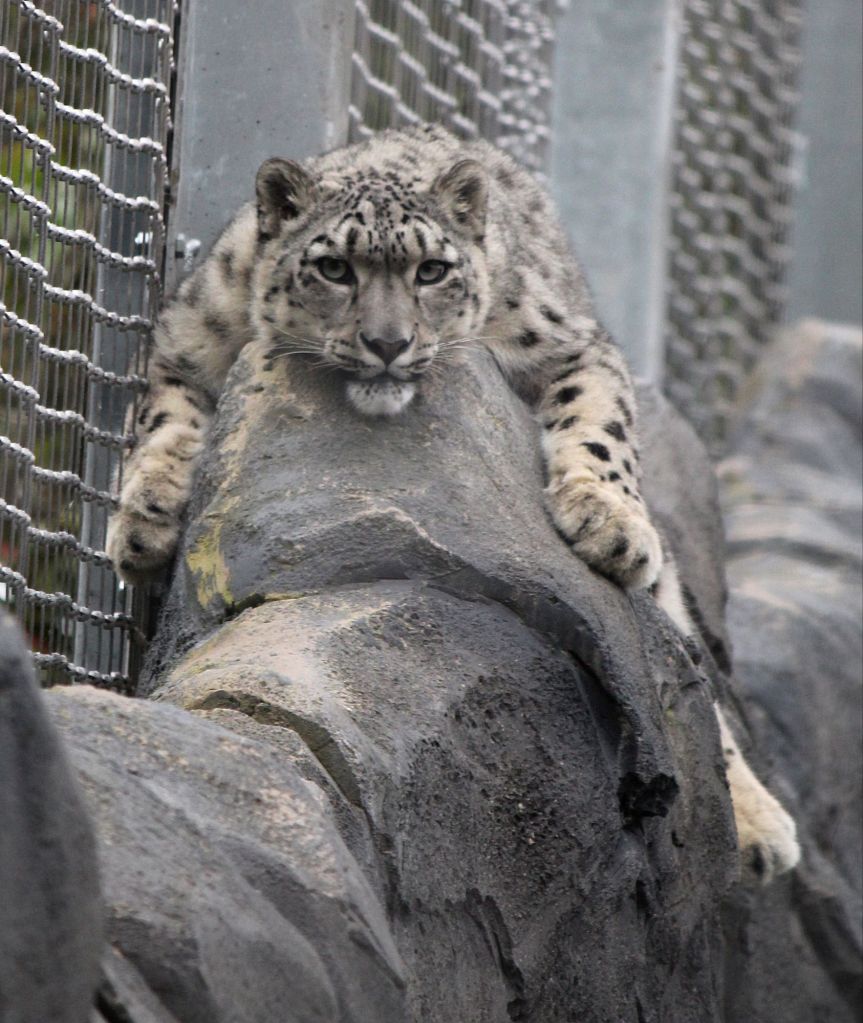
I recently visited Chester Zoo and had the honour of photographing five incredible animals up close: lions, tigers, cheetahs, jaguars, and snow leopards. Inspired by these majestic creatures, I decided to delve into the zoo’s conservation efforts for these species. Accompanied by my photos, here’s the lowdown on Chester Zoo’s work to protect and preserve these amazing big cats!
Asiatic Lion (Panthera leo persica)
Male lionFemale lion
Conservation Status: Critically Endangered (IUCN) Wild Population: ~670 individuals Habitat: Gir Forest, India Threats: Habitat loss, poaching, human-wildlife conflict Breeding Programs: European Endangered Species Programme (EEP) Key Partners: Forest Department of Gujarat, Lion Conservation Trust
Sumatran Tiger (Panthera tigris sumatrae)
Tiger
Conservation Status: Critically Endangered (IUCN) Wild Population: ~400 individuals Habitat: Rainforests of Sumatra, Indonesia Threats: Deforestation, poaching, illegal wildlife trade Breeding Programs: EEP for Sumatran tigers Key Partners: WWF, Indonesian Ministry of Forestry
Conservation Status: Critically Endangered (IUCN) Wild Population: ~250 individuals Habitat: Sahara Desert and Sahel regions Threats: Habitat fragmentation, hunting, prey depletion Breeding Programs: EEP for cheetahs Key Partners: Cheetah Conservation Fund, Sahara Conservation Fund
Jaguar (Panthera onca)
Jaguar
Conservation Status: Near Threatened (IUCN) Wild Population: ~15,000 individuals Habitat: Rainforests, savannas, and wetlands of Central and South America Threats: Deforestation, illegal hunting, human-wildlife conflict Breeding Programs: Involvement in EEP and awareness initiatives Key Partners: Panthera, WWF, South American conservation NGOs
Snow Leopard (Panthera uncia)
Snow leopard
Conservation Status: Vulnerable (IUCN) Wild Population: 4,000-6,500 individuals Habitat: Mountain ranges of Central Asia (Himalayas, Altai, etc.) Threats:Poaching, livestock retaliations, habitat degradation Breeding Programs: EEP participation for snow leopards Key Partners: Snow Leopard Trust, Global Snow Leopard and Ecosystem Protection Program (GSLEP)
I highly recommend a visit to Chester Zoo: its amazing! Even though these animals are in captivity, it’s clear that they are well cared for, and seeing them up close is truly special. Beyond just the experience, visiting the zoo is a great way to support their important conservation efforts, helping protect endangered species like these big cats. So, if you love animals and want to learn more about how to help save them, Chester Zoo is well worth the trip!
If you find this content inspiring and uplifting, consider supporting what I do. Buy me a coffee on Ko-fi. Your support makes a difference in my life and helps me create more of what you like. Thank you!Tap to view my redbubble gallery.
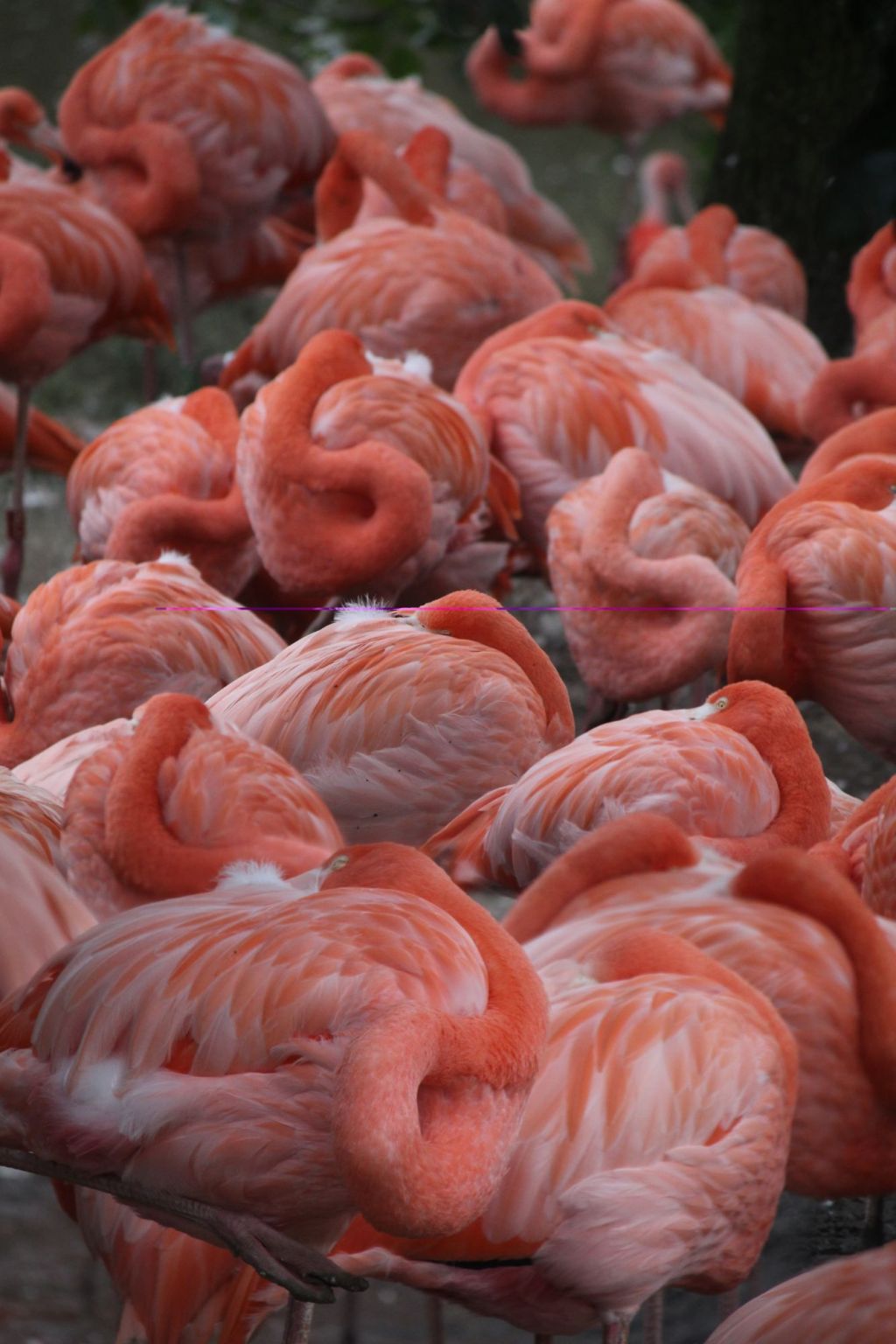
There’s something endlessly fascinating about trying to capture nature in words. It’s not just about describing a mountain, a forest, or the way sunlight hits a river (or a flamingo); it’s about getting to the essence of what those things make us feel. Nature isn’t static—it’s full of life, sound, and motion—and trying to pin that down with language can be both beautiful and frustrating.
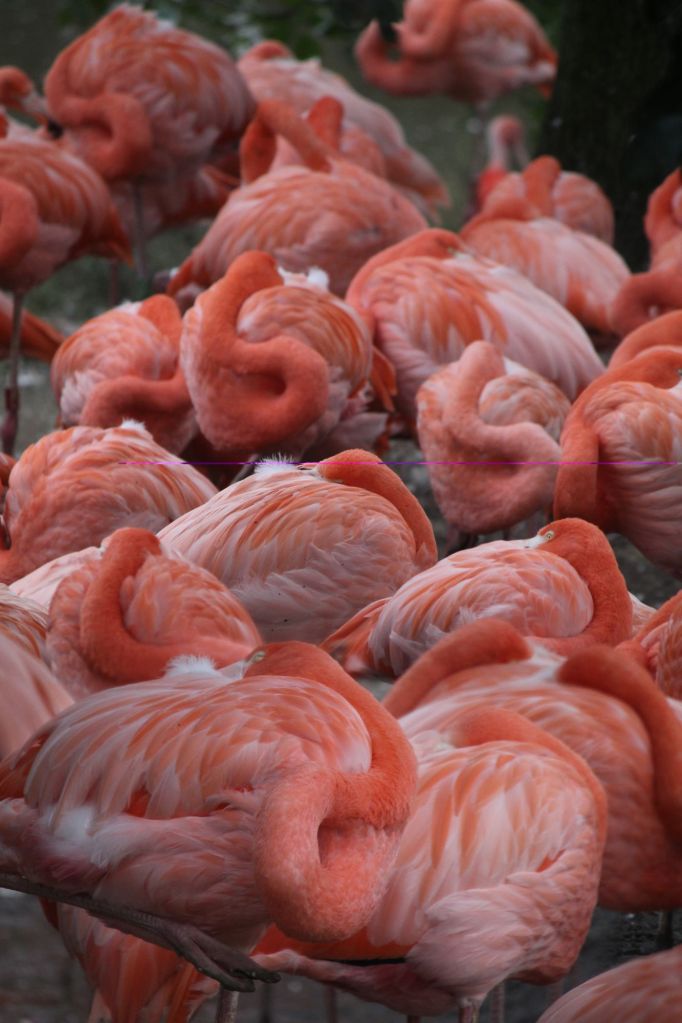
Abstract Flamingos at Chester Zoo
Different writers have tried, each with their unique approach. From the poetic and romantic to the philosophical or even fantastical, nature on the page transforms depending on who’s writing it. Let’s take a look at how some of the greats—Wordsworth, Woolf, Hemingway, Thoreau, and Le Guin—have captured the natural world through their own distinctive lenses. Let’s try to capture it in their words:
William Wordsworth’s Nature: An Ode to Spiritual Connection
The hills rose gentle and vast before me, clad in the golden hue of a setting sun, their slopes a reflection of the ever-turning wheel of the seasons. Softly did the breeze stir the leaves, and in that gentle motion, I felt the spirit of the earth, that same force that moves through every flower and stream, uniting the soul with its Creator.
In Wordsworth’s world, nature is alive with divine significance, a reflection of human emotion and spirit. As he gazes upon the landscape, there is no separation between man and nature—each is a reflection of the other, bound by something eternal and profound. The simple beauty of a daisy, the distant curve of a hill, these are not just parts of the world; they are symbols, carrying meaning far beyond their physical presence. Wordsworth’s nature is a place to reconnect with the divine, a space for meditation and self-discovery.
Virginia Woolf’s Nature: A Flow of Consciousness
The waves lapped rhythmically against the shore, a steady pulse, as though the sea itself were breathing. The sun, dipping below the horizon, cast long shadows that stretched and twisted across the sand. Was it only a moment, or had the light shifted so imperceptibly that time itself seemed to bend, losing its shape, melting into the folds of the evening?
For Woolf, nature isn’t a static scene but a flowing, shifting experience, much like the workings of the mind. The waves aren’t just there; they pulse, breathe, and pull the observer into a contemplation of time, memory, and existence. Her style is often more about the fleeting impressions—the shifting of light, the slight change in air—capturing nature not as an object to be described, but as a feeling that washes over, constantly shifting as the observer’s thoughts and emotions shift.
Ernest Hemingway’s Nature: Stark and Simple Beauty
The river cut through the valley, clear and cold, its surface broken here and there by the silver flash of trout. Pine trees lined the banks, standing straight and still against the blue sky. There was no sound but the water and the occasional snap of a twig underfoot. It was good here, clean, the way things should be.
Hemingway’s approach to nature is stripped down to its essentials. There’s no romanticising, no deep reflection on the meaning of it all—just the straightforward beauty of the world as it is. His nature is rugged, often harsh, but deeply satisfying in its simplicity. It’s a place where a man can be alone, think clearly, and confront life on its own terms. The river, the pine trees, the fish—they are not symbols of anything greater. They just *are*, and that’s enough.
Henry David Thoreau’s Nature: A Manifesto of Wild Freedom
The woods stretched out before me, deep and untrammelled, full of secrets only the wind and the animals knew. Each tree stood like a guardian, each blade of grass a symbol of the freedom that is our birthright, should we only recognize it. In these wild places, I feel my spirit rise, untethered from the confines of society, unburdened by the weight of civilization.
Thoreau’s nature is more than a backdrop; it is a force of liberation. It represents freedom from the constraints of society and the artificial structures that human beings create. For him, being in nature is not just about enjoying its beauty—it’s a form of protest, a way of rejecting the complications and corruptions of civilization. In the woods, one can live deliberately, drawing closer to the truths of existence. Thoreau’s prose often reflects this sense of moral clarity, where every tree and animal is part of a larger, purer world.
Ursula K. Le Guin’s Nature: An Element of Cosmic Wonder
The mountains rose in the distance, their peaks lost in clouds that shimmered with a pale, unearthly light. The air here was different, touched by something ancient, as though the stones themselves remembered a time before humans walked the earth. Strange birds called from the trees, their notes echoing in the strange, purple dusk. It was a place both familiar and otherworldly, a reminder that nature, in all its forms, was not made for human understanding.
Le Guin’s nature is both mystical and scientific, often intertwined with the themes of her speculative worlds. It is not merely the background for human events, but a powerful, autonomous force, shaped by forces beyond human comprehension. In her writing, nature often feels ancient, strange, and vast—a reminder of humanity’s smallness in the face of the cosmos. Her descriptions blend the real and the fantastical, inviting readers to see nature as something both wondrous and alien, as much a mystery as it is a source of beauty.
If you find this content inspiring and uplifting, consider supporting what I do. Buy me a coffee on Ko-fi. Your support makes a difference in my life and helps me create more of what you like. Thank you!Tap to view my redbubble gallery.


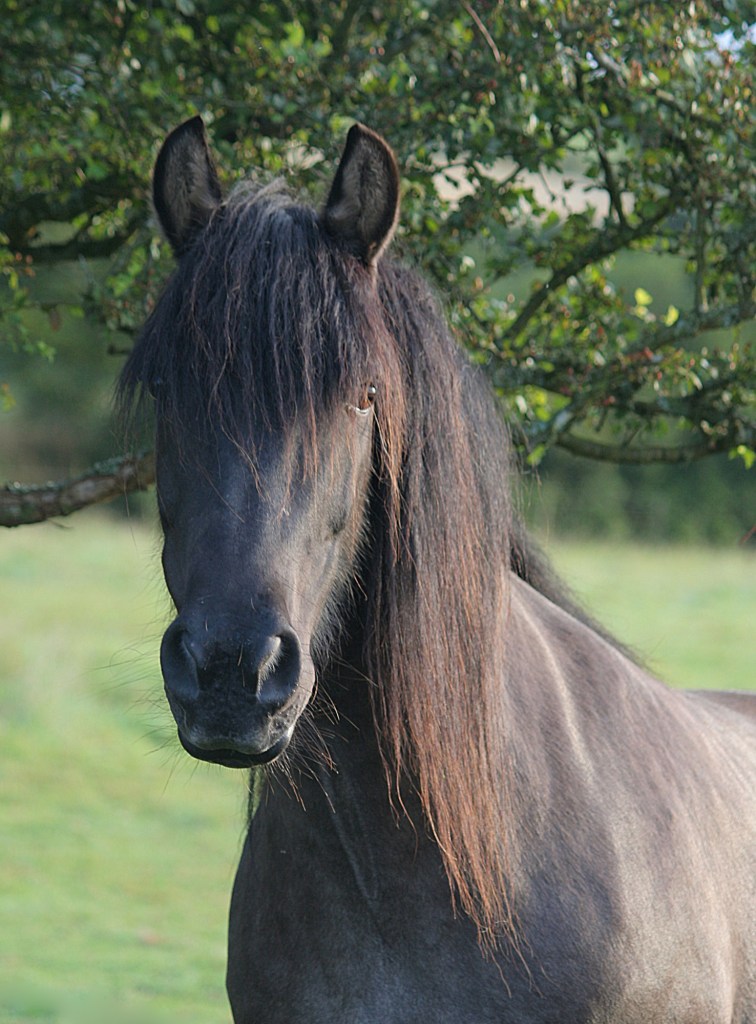
 Horse’s steady gazeStrengthful eyes that dare to meetChallenge accepted Courage is the strength to face… Read more: Darkness, Power and Beauty
 Daffodil so brightGolden petals, sunshine’s kissHope blooms anew As I wander through the garden, the… Read more: The Daffodil’s Song: A Lyrical Tribute to the Wonders of Spring
 The Graceful Lines of an Acanthus Leaf. Acanthus is a genus of flowering plants native… Read more: Acanthus: A Versatile Plant with a Rich Cultural Heritage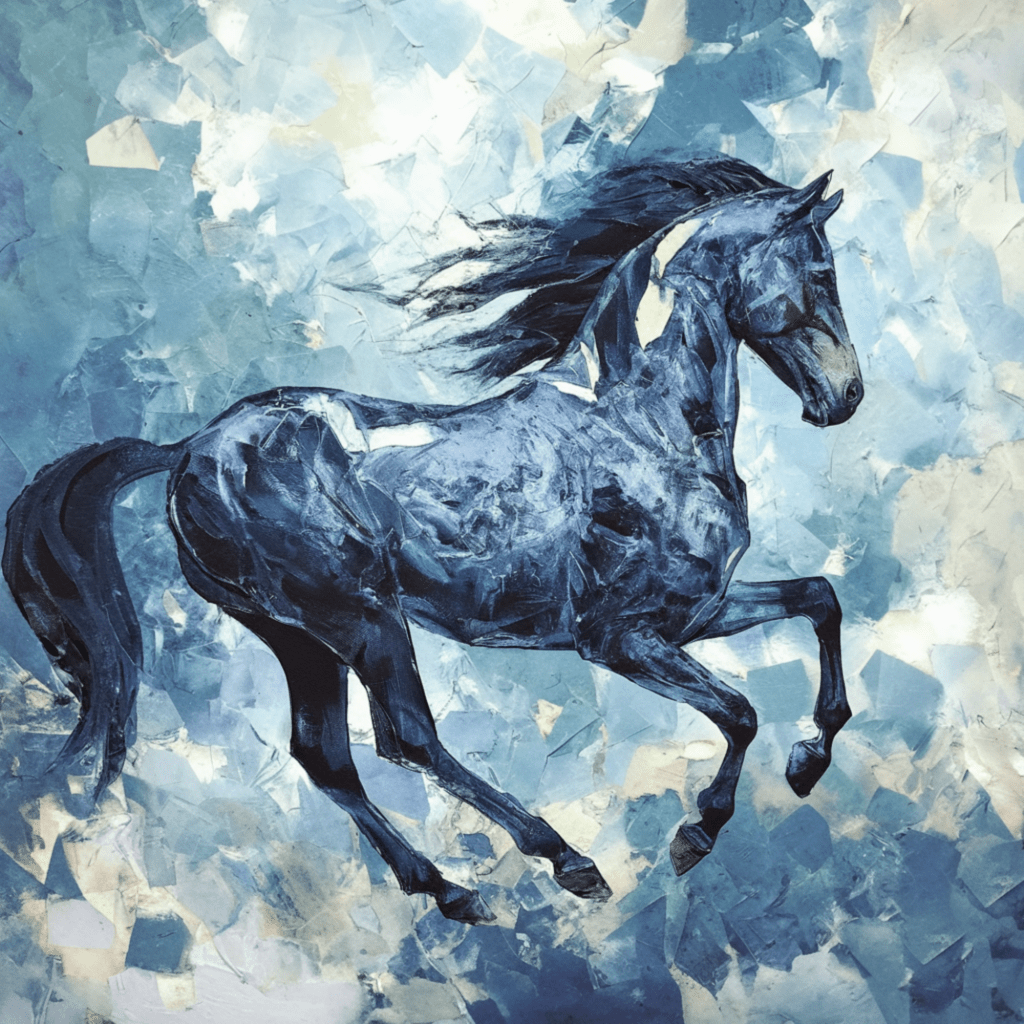


 Anthony's Literary Lens
You must be logged in to post a comment.