Category: plants

  • My Elusive Dream

    My Elusive Dream

    Through ancient paths, seekers stray,
    Amidst the woods, where my dreams lay.
    With every step, anticipation looms,
    Lost in wonder, pure magic blooms.

    Anthony
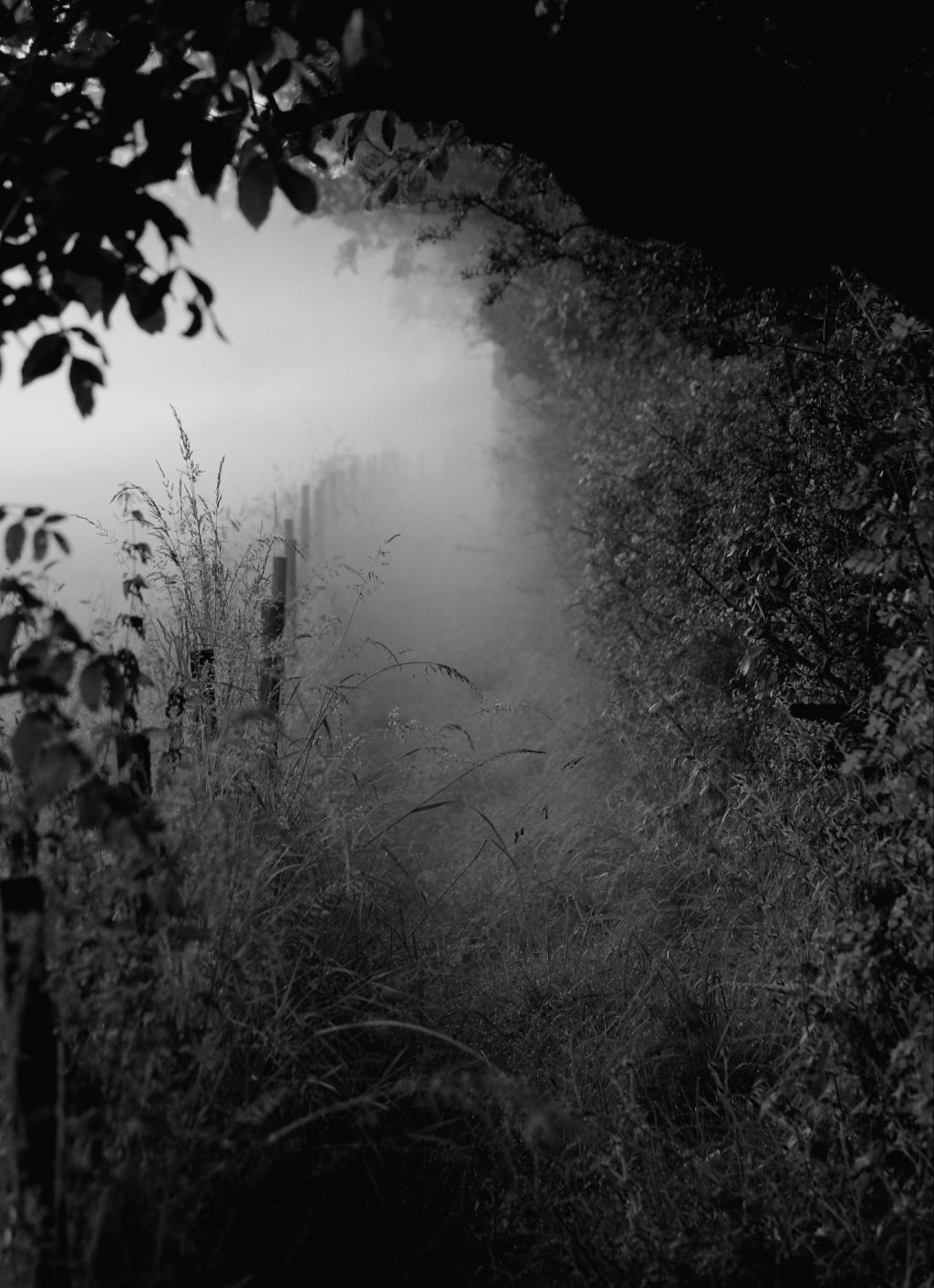
    Bluebells and ferns

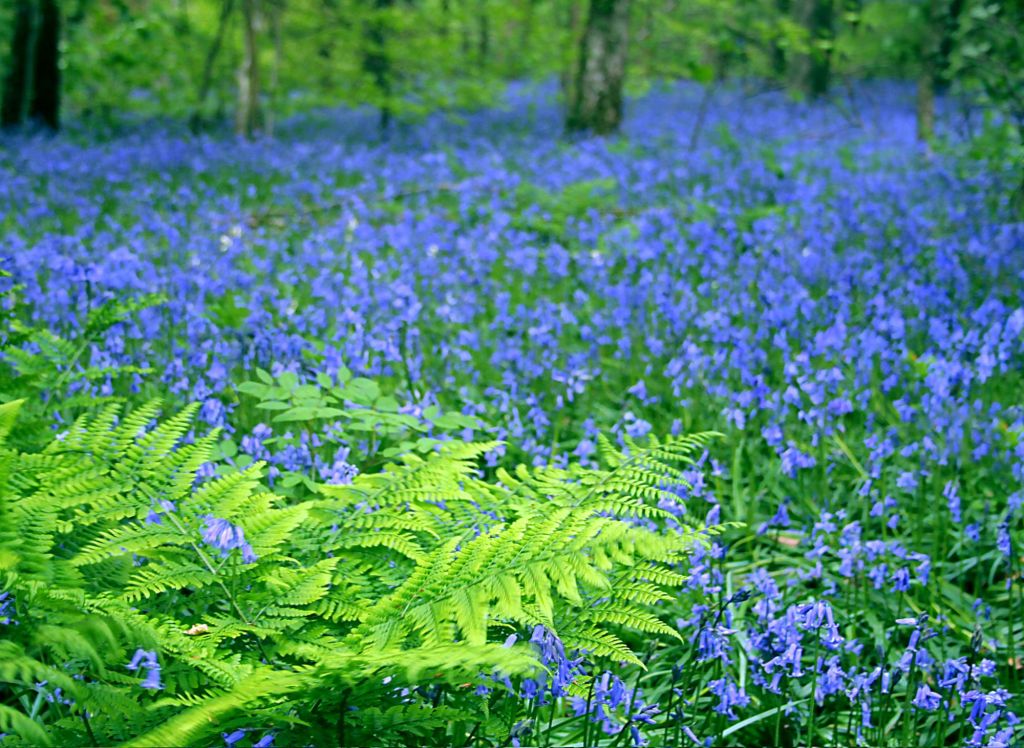
    For weeks, I’d been on the hunt. The elusive bluebell woods, whispered about in hushed tones by fellow nature enthusiasts, had become my personal grail. Everywhere I turned, the internet boasted photos of these magical glades, carpeted in a mesmerising sea of blue. The dream? To capture that scene myself, a vision of sapphire and emerald.

    The hunt, however, proved frustrating. One lead sent me down an old muddy farm track where I met a grumpy old muddy farmer. The fleeting window of the bluebell bloom was narrowing, and a sliver of worry began to gnaw at my resolve. Each failed expedition chipped away at my optimism, leaving me with nothing but wellies caked in mud and a knapsack full of disappointment.

    Then, on a whim, I decided to explore a barely-there track on the edge of a sleepy village. The rusty gate, its paint peeling like sunburnt skin, its ancient latch, which yielded with a satisfying groan, marked the entrance. Anticipation intensified, the air itself held the sweet promise of spring.

    Sunlight, which filtered through the ancient beech tree canopy, dappled the path ahead. Decomposing leaves crunched underfoot, their earthy scent mingling with the fresh, green perfume of emerging life. Primroses peeked out shyly, tendrils of ivy, like scrawny fingers, reached out from the gnarled trunks, and jewel-toned flies buzzed lazily past, their iridescent wings catching the fragmented light.

    The first hint of blue came not from a flower, but a flash of a blue tit flitting amongst the branches. It was a prelude, a tease of the main act.

    And then, there it was.

    Bluebells and beeches

    A gasp escaped my lips. The woodland floor wasn’t carpeted, it was engulfed in a breathtaking sea of bluebells. Their delicate, bell-shaped blooms swayed gently in the afternoon breeze, the blue contrasting effortlessly with the verdant young beech leaves. In that moment, my world seemed to shrink to this small glade, all my worries and anxieties melting away.

    Beside this breathtaking display, another patch of magic unfolded. Lush green ferns, unfurling their delicate fronds, created a textural contrast with the smooth bluebells. This wasn’t just a carpet of colour, it was a living, breathing artwork, a masterwork of nature.

    My frustrations melted away entirely, replaced by a profound sense of wonder. Here, in this hidden haven, I had found not just a breathtaking scene to capture, but a moment of pure, unadulterated joy. I suppose the photographs were a reason to search, but being here is what I really wanted. The elusive bluebells had revealed their secret, they had gifted me a memory that would forever be etched in my heart.

    Tap to view my redbubble gallery.
  • A Moment of Rest

    A Moment of Rest

    Sun warms downy chest,
    Spring whispers on the breeze,
    Nest yet to be built.

    Anthony
    Spring is on its way

    Ah, that breeze feels glorious on my feathers! Just a tiny rest, that’s all I need. (Fluffs feathers) See? Much better. Though, gotta keep an eye out for those pesky hawks.

    Spring! Can you believe it? The days are getting longer, the sun a little warmer. Soon these branches will be bursting with leaves, and the best darn buffet of bugs a bird could ask for will be back in action. Gotta get that nest ready though, prime location by the old oak, perfect for morning sun. But wait, the feeder by the window, that family just refills it constantly, tempting… maybe a two-nest strategy?

    Then there’s the courting! Gotta find a mate with the flashiest tail feathers, strong enough to help gather twigs. Oh, and the perfect chirping tune, can’t forget that! Maybe I should practise that new whistle now… wait, what was I thinking? Nest building first, then wooing! Priorities, priorities! (I do like a bit of wooing though.)

    (Takes a deep breath) Okay, okay, calm down. One thing at a time. But seriously, gotta get started soon, don’t want to be late for the wormfest! Maybe a quick nap after all… just a short one, I promise!

    Buy this – or prints or a mug – at redbubble
    Tap to view my redbubble gallery.
  • From Blog to Bloom: My Escallonia’s Unexpected Root Party.

    From Blog to Bloom: My Escallonia’s Unexpected Root Party.

    Hey everyone,
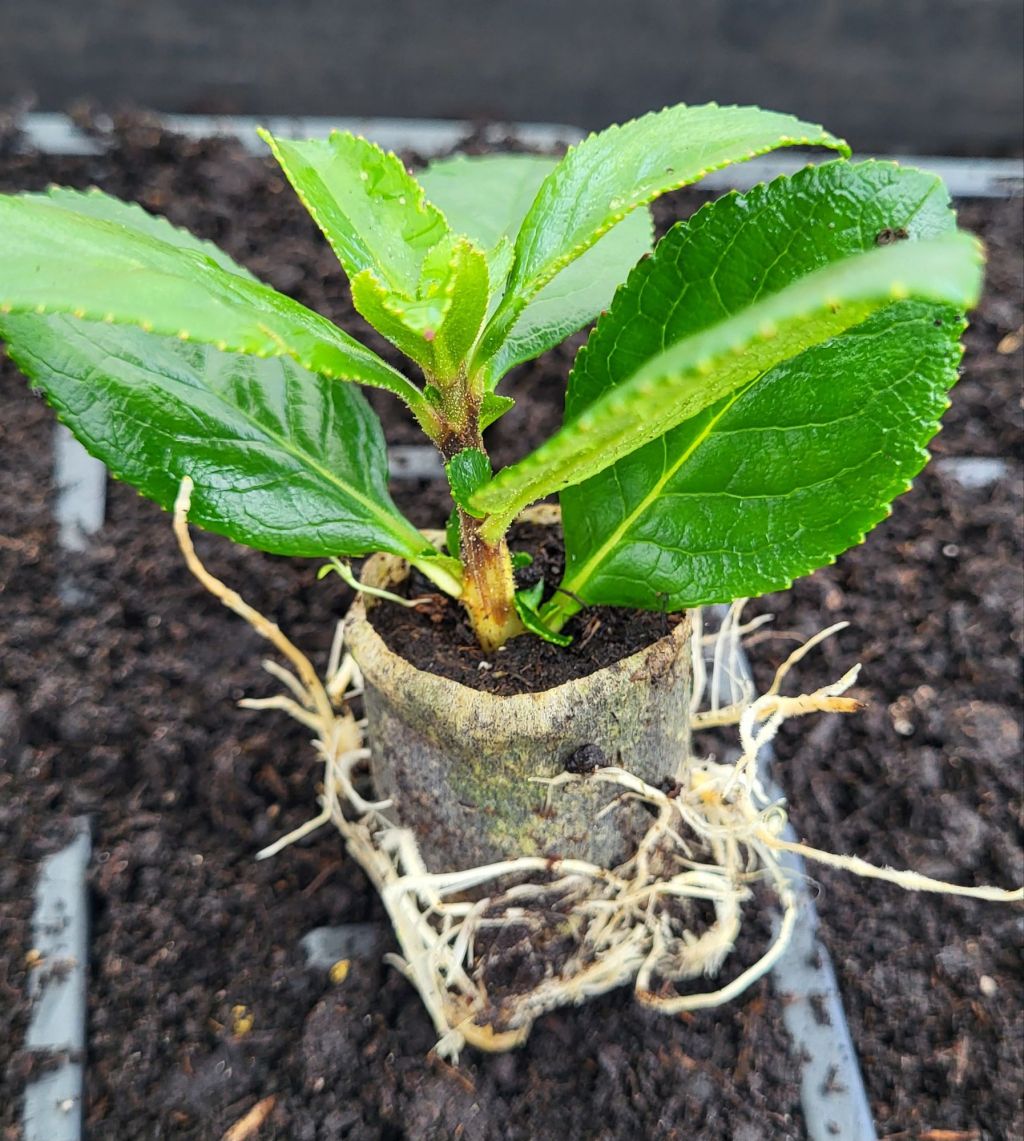
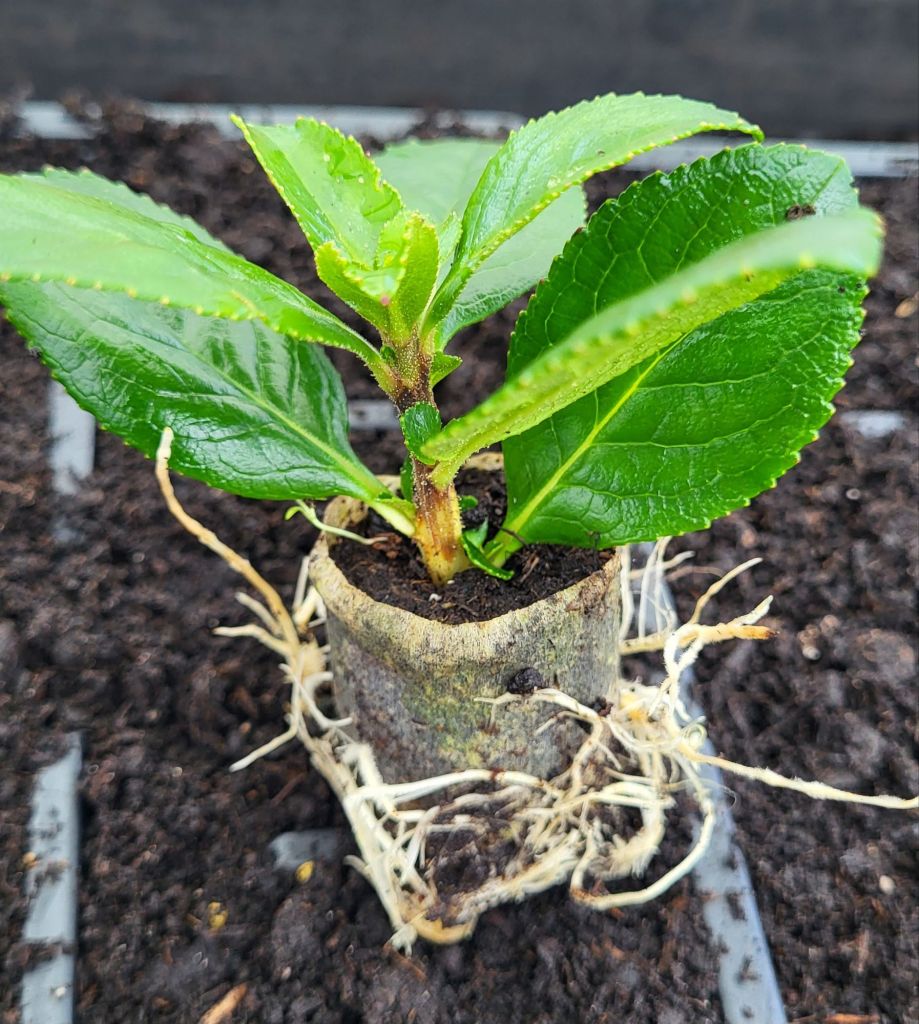
    You might be used to seeing artistic flower photos and pensive poems on this blog, but today, I’m taking a detour into the world of dirt (literally!). As a plant whisperer by trade, I couldn’t resist sharing the surprising success story of my recent escallonia cuttings – as you can see in this photo.

    Roots Galore!

    Back in October, while tidying up the garden, I decided to give propagation a go. I snipped off a few healthy-looking escallonia shoots, each about 3 inches long. Now, some might scoff at taking cuttings this late in the season, but hey, a gardener never gives up hope!

    Using trays of plugs, I nestled the cuttings on a bed of damp sand, placed on top of a heated cable. This little setup mimicked a mini greenhouse, providing gentle warmth for the soon-to-be roots.

    Fast forward to today, a cool March morning, and guess what? I unearthed a root explosion! Those 3-inch cuttings boast a network of impressive roots – it always surprises me how tough plants are. It’s truly amazing to see such vigorous growth in just five months, even with a late-season start.

    This unexpected success story reminds me of the constant surprises nature throws our way. Even when the odds seem stacked against them, plants have a remarkable ability to adapt and flourish. It’s a lesson I carry with me, both in the garden and in life.

    While my blog might usually showcase the beauty of blooms and the written word, this little experiment serves as a reminder of the quiet magic that happens beneath the surface. Who knows, maybe next time I’ll share a post on the fascinating world of plant root systems – there’s always more to learn!

    In the meantime, stay tuned for the next chapter of my escallonia cuttings’ journey. As they continue to grow, I’ll be sure to document their progress and share tips on transplanting them into their forever homes.

    Happy gardening!

    Tap to view my redbubble gallery.
  • Midnight Performance: Video of cactus flower opening

    Midnight Performance: Video of cactus flower opening

    I’m so pleased with how this turned out.
    Tap to watch the video

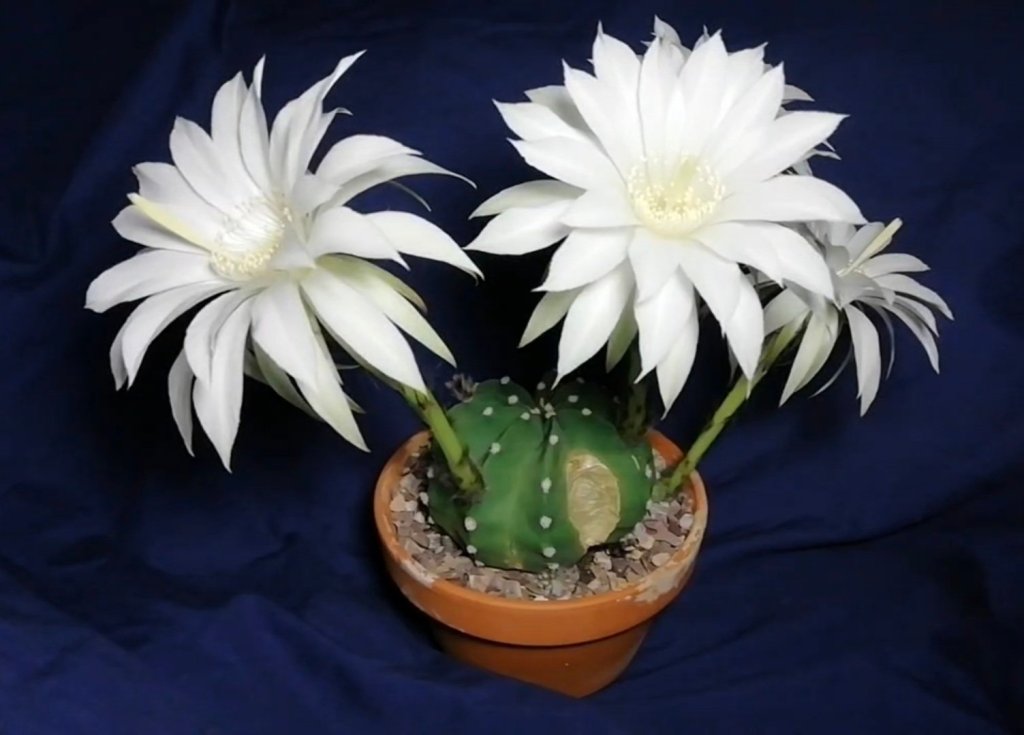
    So, I’ve been growing cactus (or is it cacti?) for a while now, and I’ve always been fascinated by their unique blooms. One of my favourite cacti to grow is the Echinopsis subdenudata, also known as the Easter Lily cactus. This cactus produces large (up to 4in or 11 cm across), white flowers with a beautiful scent that usually open at midnight and are fading by midday.

    Echinopsis subdenudata.

    I was determined to capture the magical moment when one of mine opened. I decided to use my phone to record the process using the app Stop Motion Studio.

    The night before, I saw the flower was bursting to open.I set up my phone on a tripod and positioned it right next to the cactus. I then opened the Stop Motion Studio app and set it to take photos of the flower every few seconds. I left the phone on all night, so I could capture the flower as it slowly unfurled.

    The next morning, I was excited to check my footage. I was amazed to see how clearly the app had captured the entire process of the flower opening. The video is only 11 seconds long, and, as you can see, it shows the flower unfolding its petals until it is fully open.

    I was so happy with the results of my experiment. I was able to capture a beautiful and unique natural phenomenon that I could share with others. If you’re interested in trying this yourself, I highly recommend it.

    The Echinopsis subdenudata is a large, barrel-shaped cactus that is native to the Andes Mountains of South America. It can grow up to 3 feet tall and produces large, white flowers. These blooms open at night, attracting nocturnal pollinators such as hawkmoths and sphinx moths. The flowers have a beautiful scent that is similar to jasmine (they fill my greenhouse when they open).

    Echinopsis subdenudata is a popular houseplant because it is relatively easy to care for. It can be grown in a pot or container with well-draining soil. It should be watered infrequently, and it should be given plenty of sunlight. I think the secret of making it flower is not to water it at all through the winter.

    If you’re looking for a cactus that will reward you with beautiful flowers, the Echinopsis subdenudata is a great choice.

    Tap to view my redbubble gallery.
  • Ginkgo Biloba: A Symbol of Hope

    Ginkgo Biloba: A Symbol of Hope

    Autumn’s golden gift
    Ginkgo’s fan-shaped leaves descend
    Cycles never end

    Anthony
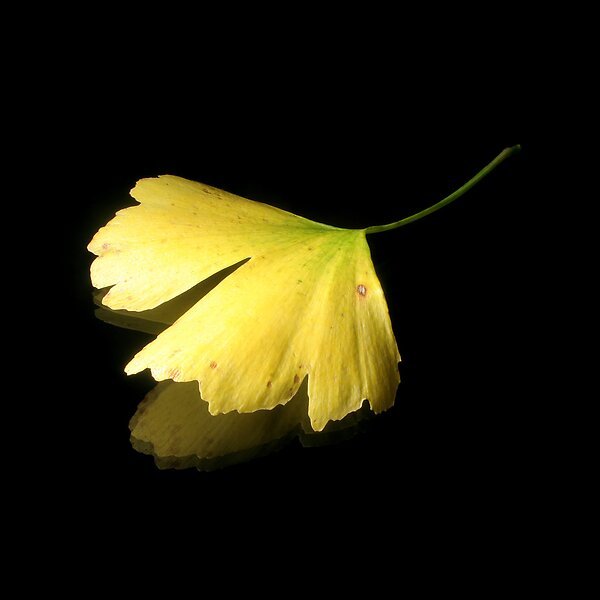
    A single leaf.
    Tap to view in my red bubble gallery

    Deeper roots. In the heart of Japanese landscapes, the Ginkgo biloba tree, known as “icho,” stands as a representation of endurance, resilience, and a deep-rooted connection to history. This ancient tree, with its distinctive fan-shaped leaves, not only graces the surroundings with its unique beauty but also carries profound cultural significance in Japan.

    Resilience Amidst Adversity. The Ginkgo biloba tree has earned its place in Japanese culture as a symbol of resilience. Planted near temples and shrines, these trees have weathered the tests of time, standing tall even in the face of environmental challenges. One notable example is the Ginkgo at the Anrakuji
    Temple, a living witness to the atomic bomb’s devastation in 1945. Despite the destruction, this Ginkgo tree not only survived but continues to grow, becoming a powerful symbol of hope and the indomitable spirit of life.

    The Spirit of Endurance. The Ginkgo is a dioecious tree, existing in male and female forms. The female trees, although producing seeds with a distinctive, somewhat pungent odour, symbolise fertility and the cycle of life. However, it’s the male trees that are often preferred for landscaping due to their cleaner appearance and the absence of seeds.

    Connecting Past and Present. Beyond its physical endurance, the Ginkgo biloba is a living fossil, dating back around 270 million years. Its presence in gardens and landscapes serves as a bridge between the past and the present, emphasising the importance of preserving history and the natural world. The Ginkgo’s longevity echoes the cultural values of tradition and the interconnectedness of all living things.

    Medicinal and Cultural Significance. In addition to its cultural symbolism, the Ginkgo biloba holds medicinal significance in traditional Japanese medicine. Extracts from its leaves are believed to enhance cognitive function, although scientific consensus on its efficacy remains varied. This dual role as a cultural icon and a potential source of healing adds layers to the Ginkgo’s importance in Japanese society.

    On to the future. As the Ginkgo biloba graces the landscapes of Japan, its symbolism goes beyond mere aesthetics. It embodies the resilience of a nation, the endurance of nature, and the hope for a harmonious future. In the shadows of temples, amidst the bustling urban centres, the Ginkgo stands as a silent but powerful reminder of the intertwined threads of history, culture, and the indomitable spirit of life.

    Tap to view my redbubble gallery.
  • Nature’s Whisper Amidst Ruins

    Nature’s Whisper Amidst Ruins

    “In the crevices of despair, nature composes a ballad of renewal, each leaf a lyric in the unwritten song of life’s enduring melody.”

    Anthony
    Took this photo in the Welsh hills. I love how nature reclaims man’s constructions.
    Tap to view my redbubble gallery

    In the gloomy recesses of our fractured existence, where the shadows of despair lengthen and the echoes of discord reverberate, there exists a profound truth—nature, that eternal force, ceaselessly endeavours to reclaim dominion over the desolation we’ve wrought. Through the fractures and crevices of our broken world, it weaves its resilient tendrils, a manifestation of the indomitable spirit of life.

    Oh, the lamentable tale of our folly, where progress has become the architect of its own undoing. The ceaseless march of industry, the relentless pursuit of mastery over the elements, has left our once-vibrant world battered and bruised. Yet, in the midst of this man-made labyrinth, nature persists, an undaunted force that refuses to be silenced.

    Behold the tenacity of the weed, that humble interloper pushing through the unforgiving concrete. A symbol of defiance against the cold hand of human order. Through the cracks in the pavement, nature extends a green rebellion, reclaiming its birthright inch by persistent inch. It is as if the earth itself, wearied by our excesses, whispers a quiet protest, reminding us that it, too, has a voice—a voice echoing through the crevices of our misguided endeavours.

    In the murk of our industrialization, nature’s resilience becomes a beacon of hope, a reminder that despite our ceaseless march towards progress, there exists a sublime balance we dare not disrupt. The wind through the shattered windows, the wildflowers in the neglected corners, each a chorus singing the hymn of an untamed world seeking to endure.

    And so, as we stand amidst the ruins of our own creation, let us not forget that nature, in its quiet rebellion, persists—a testimony to a world that always finds a way to push back against the encroaching darkness, through the cracks and crevices of our broken existence.

    Tap to view my redbubble gallery.
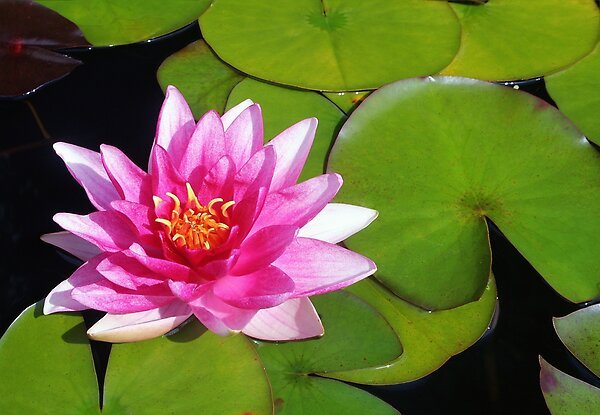
  • Lily Pads: Nature’s Art

    Lily Pads: Nature’s Art

    “Canvas of stillness
    Water lily’s quiet dance,
    Monet’s brush whispers”

    Anthony
    Took this photo at the botanical garden Wales.
    Tap to see my redbubble gallery

    Monet’s Musings

    Monet: Ah, my dear water lily, you seem to have mastered the art of silent reflection. Your petals, a palette of nature’s finest hues.

    Water Lily: Thank you, Monsieur Monet. Your artistry has captured my essence, immortalising the dance of light upon the water.

    Monet: Your presence transforms the pond into a living masterpiece. How do you maintain such serenity amidst the ripples of life?

    Water Lily: It is in stillness that I find my strength. Embracing the water’s surface, I learn to dance with both the sunlight and the shadows.

    Monet: A dance indeed, and with every ripple, a new verse is written. Tell me, do you converse with the frogs and dragonflies?

    Water Lily: In whispers, Monsieur. The frogs share their tales of the land, and dragonflies speak of the breeze’s adventures. We form an opus of nature’s secrets.

    Monet: Nature’s symphony, a melody only few can hear. Your petals, a delicate crescendo in this harmonious composition.

    Water Lily: And your brush, Monsieur, orchestrates the colours of our aquatic ballet. Each stroke a note of our shared existence.

    Monet: Together, we create a timeless duet – you, the muse of stillness, and I, the humble composer of your liquid stage.

    Water Lily: A duet that echoes through ponds and galleries alike, uniting the realms of art and nature.

    Monet: Merci, my dear water lily, for gracing my palette with your quiet elegance. Together, we paint the poetry of a tranquil pond.

    Tap to view my redbubble gallery.
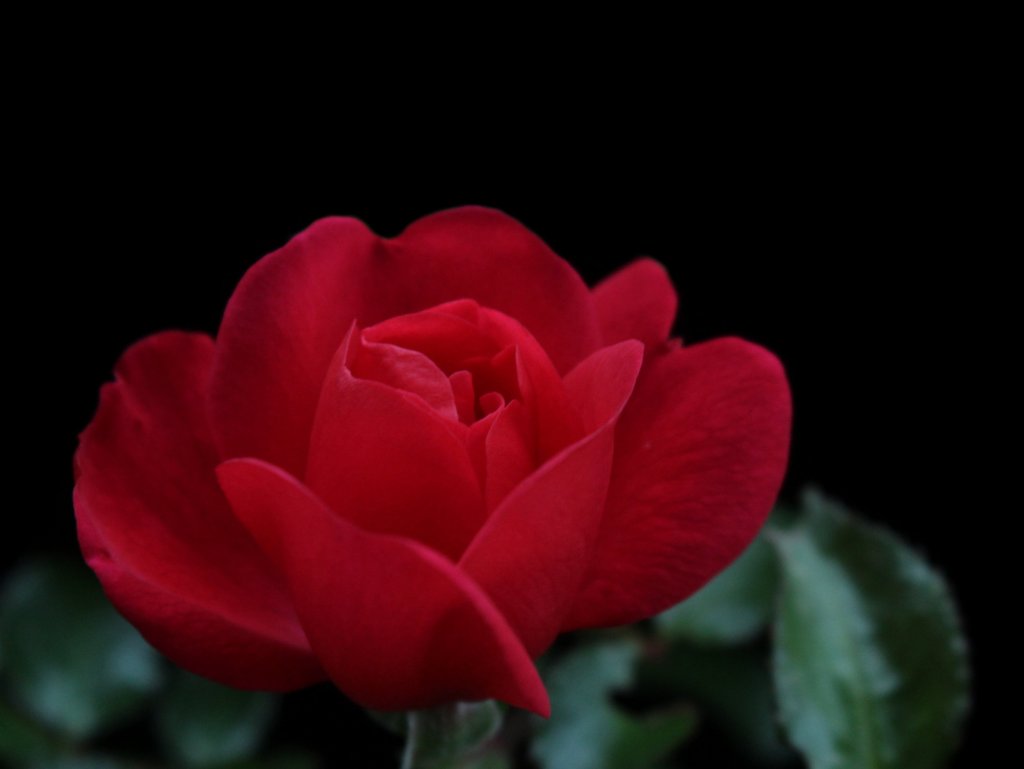
  • Crimson Tears

    Crimson Tears

    The scent of lost love,
    Dull roses and thorns remain,
    Dreams float on the wind.

    Anthony Thomas
    I took this photo this afternoon. (It’s in my polytunnel which is why it’s flowering so late)
    Tap to view my redbubble gallery.

    In a garden of memories, red roses stand silent witness to a lost love. Their beauty, once a source of joy, now stirs bittersweet feelings. Each crimson petal carries the weight of a love that unfolded and withered, leaving behind a garden of faded colour and thorns that now prick at the edges of my heart. In their fragrance lingers the ghost of shared dreams. Amidst the sorrow, these roses become a sanctuary and a painful memory that some loves, like petals in the wind, are meant to drift away.

    Tap to view my redbubble gallery.
  • Silent Battlefield: Poppies Bloom

    Silent Battlefield: Poppies Bloom

    Amidst the silent aftermath of battle, nature’s tears emerge as crimson poppies.

    Anthony
    Taken near Ledbury a few years ago.
    Tap to view my redbubble gallery.

    Amidst the desolation of the battlefield, a lone soldier stood, weary and worn. The deafening crescendo of guns and bombs had finally, like many of his comerades, fallen silent, leaving behind an eerie calm. He gazed across the scarred landscape, where once a sea of mud and destruction reigned.

    As the soldier’s breath hung heavy in the cold, damp air, he noticed a peculiar sight. From the very ground that had soaked up the blood of countless fallen comrades, tiny red poppies began to emerge, like fragile whispers of the departed. They unfurled, their petals delicate yet vibrant, as if nature itself was paying tribute to the sacrifice of so many.

    In the midst of the crimson blooms, the soldier could almost hear the echoes of voices long gone, comrades who had shared their laughter, their fears, and their dreams. The poppies danced in the soft breeze, like the spirits of the fallen, reminding him of the price paid for the fleeting tranquillity that now enveloped the battlefield.

    He reached down to touch one of the poppies, its fragility contrasting with the brutal memories that haunted him. In that simple gesture, he felt a connection to those who had stood beside him, a connection that transcended the horrors of war. The soldier whispered a quiet thank you to the earth for cradling the memories of his fallen comrades, and to the poppies for their silent tribute.

    With tears in his eyes, he knew that the battle of the Somme had left an indelible mark on his soul, a mark that the red poppies would forever represent. And as he walked away from the battlefield, he carried with him the weight of their sacrifice and the hope for a world where the guns and bombs would remain forever silent.

    Tap to view my redbubble gallery.
  • Japanese Maples: A Cultural and Horticultural Treasure

    Japanese Maples: A Cultural and Horticultural Treasure

    The Japanese maple, known as “Acer palmatum” in botanical terms, has a long and rich history in Japan. It is native to Japan, Korea, and China, and its cultivation and appreciation in Japan can be traced back for centuries.

    This tree is looking lovely in my garden at the moment.
    Tap to view my redbubble gallery.

    Momiji’s embrace,
    A season’s fiery farewell,
    Maple leaves ablaze.

    Anthony
    [Momiji (紅葉) – The changing colors of autumn leaves]
    Not the easiest photograph to take – a proper black background.
    Tap to view my redbubble gallery.
    • Ancient Roots: Japanese maple trees have been cultivated in Japan for over a thousand years. They are believed to have been introduced to Japan from China or Korea during the early Heian period (794-1185).
    • Symbolism: In Japanese culture, the Japanese maple has symbolic significance. It is often associated with tranquillity, beauty, and change, which are important themes in Japanese aesthetics. The changing colours of the leaves during the fall have been a source of inspiration for many forms of art, including painting and poetry.
    • Bonsai and Niwaki: Japanese maple trees are commonly used in bonsai and niwaki (a form of ornamental pruning). Their small leaves and graceful branches make them well-suited for these artistic practices. This tradition has been passed down through generations.
    • Modern Appreciation: Japanese maples continue to be highly regarded in Japan and around the world. They are commonly used in landscaping and gardening for their ornamental value, and their stunning foliage is admired in both public and private gardens.
    • Varieties: There are numerous cultivars of Japanese maple, each with its own characteristics. Some popular varieties include the “Acer palmatum dissectum” with finely dissected leaves and the “Acer palmatum atropurpureum” with deep purple leaves.

    The Japanese maple’s long history in Japan reflects its enduring cultural significance and aesthetic value in the country. Today, it remains a beloved and iconic tree in Japanese gardens and landscapes.

    Higan’s gentle light,
    Maple leaves drift to the earth,
    Ancestor’s embrace.

    Anthony
    [Higan (彼岸) – autumn equinox]
    Tap to view my redbubble gallery.
Design a site like this with WordPress.com
Get started