Tag: beauty

  • The Science of Stunning: Why Birds Evolved to Be Living Art.

    The Science of Stunning: Why Birds Evolved to Be Living Art.

    Nature’s art gallery.
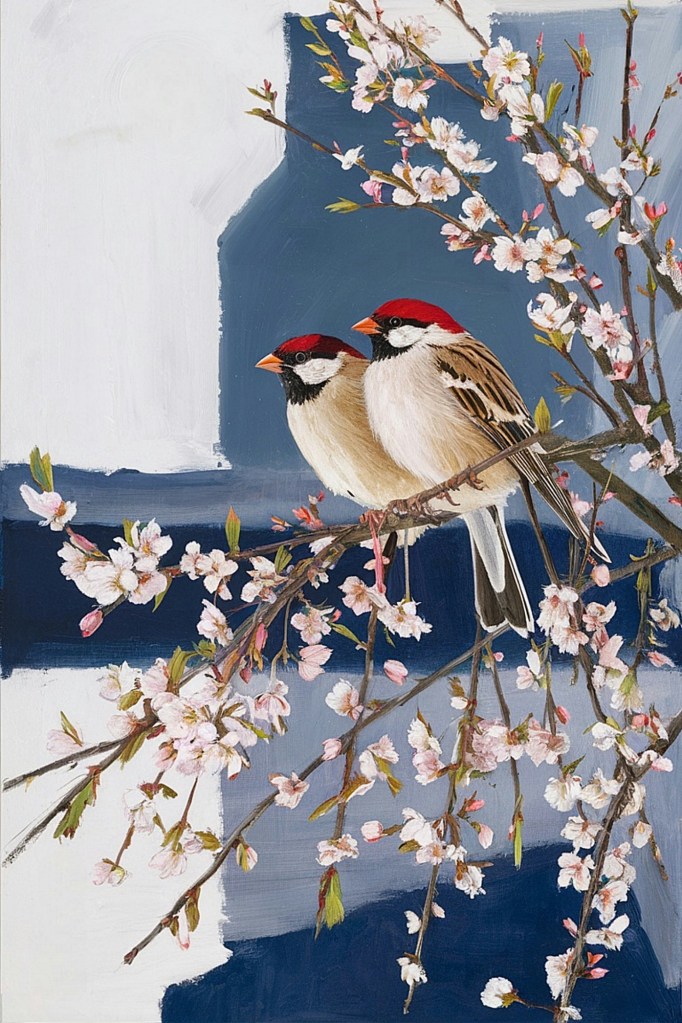
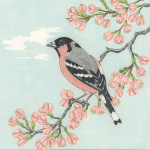
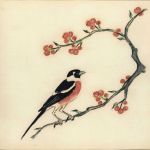
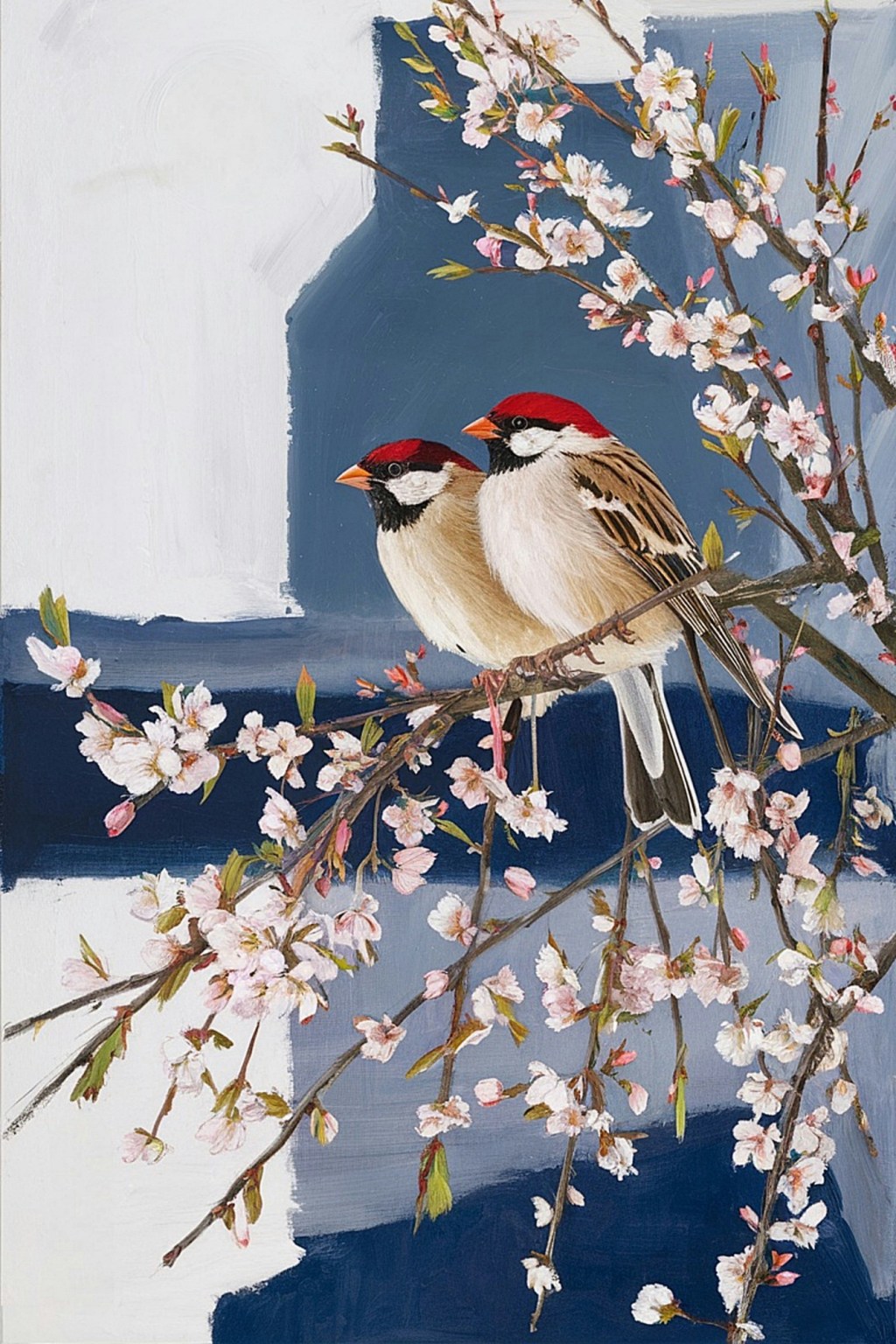
    Two stunning sparrows

    Step into any art gallery and you’ll find masterpieces that took human artists years to create. Yet outside your window, nature displays living artworks that put our greatest creations to shame. Birds aren’t just beautiful by accident, they’re the result of millions of years of evolutionary artistry, where survival and reproduction demanded nothing less than spectacular.

    The Ultimate Art Competition

    Evolution doesn’t create beauty for beauty’s sake. Every dazzling feather, every impossible colour, every gravity-defying plume exists because it once helped a bird find a mate or avoid becoming dinner. Sexual selection, the evolutionary process where mates choose partners based on attractive traits, has been running the ultimate art competition for millions of years.

    The peacock’s tail is perhaps the most famous example of this evolutionary extravagance. Those magnificent eye-spots that shimmer with otherworldly blues and greens? They’re essentially a living resume, advertising the male’s genetic fitness to potential mates. A peacock with a fuller, more vibrant tail is saying, “Look how healthy I am, I can afford to carry around this ridiculously impractical ornament and still survive.”

    Nature’s colour Revolution

    Birds have cracked the code on colour in ways that make human technology look primitive. While we’re still mixing pigments and dyes, birds create their most stunning hues through pure physics. The iridescent throat of a hummingbird doesn’t contain a single blue or green pigment. Instead, microscopic structures in the feathers act like tiny prisms, splitting light into component colours and reflecting only specific wavelengths back to our eyes.

    This structural colouration is so sophisticated that the same feather can appear emerald green from one angle and ruby red from another. Hummingbirds are essentially flying mood rings, changing colour as they move through space. The blue jay’s brilliant azure plumage works the same way, crush a blue jay feather, and the colour disappears entirely because you’ve destroyed the microscopic architecture that creates it.

    The Biochemical Palette

    While structural colours handle the metallics and iridescents, biochemical pigments create the warmer tones that make birds pop against natural backgrounds. Carotenoids, the same compounds that make carrots orange, are responsible for the blazing reds of cardinals, the sunny yellows of goldfinches, and yes, the shocking pink of flamingos.

    Here’s where it gets fascinating: birds can’t manufacture carotenoids themselves. They must obtain them from their diet, which means a bird’s colour directly reflects its nutritional status and foraging ability. A bright red cardinal isn’t just showing off, he’s proving he’s an excellent provider who can find the best food sources. Female birds have evolved to read these colour signals like nutritional report cards.

    Arms Race Aesthetics

    The relationship between predator and prey has also driven incredible innovations in avian beauty. Some birds have evolved to be living optical illusions. The intricate patterns on a woodcock’s back perfectly mimic fallen leaves and forest floor debris. Snowy owls blend seamlessly with Arctic landscapes, their white plumage broken up with strategic dark bars that fragment their outline.

    But camouflage is just one strategy. Other birds have gone the opposite direction, evolving warning colours so bright and distinctive that predators learn to avoid them entirely. The brilliant orange and black of an oriole serves as nature’s version of a “danger” sign, advertising the bird’s speed and agility to would-be attackers.

    Architectural Marvels in Miniature

    Bird beauty extends beyond mere colouration into the realm of structural engineering. A bird’s feather is a masterpiece of lightweight construction that would make aerospace engineers weep with envy. Each feather consists of a central shaft supporting hundreds of branches called barbs, which in turn support thousands of smaller branches called barbules. These barbules lock together with tiny hooks, creating a surface that’s simultaneously flexible, waterproof, and incredibly strong.

    The result is a material so perfectly designed that birds can manipulate individual feathers to create different textures and shapes for different occasions. A displaying male duck can raise certain feathers to create volume while sleekly laying others down, sculpting his silhouette like a living work of kinetic art.

    The Innovation Never Stops

    Perhaps most remarkably, avian beauty continues to evolve in real time. Urban birds are already adapting their displays to city life, some songbirds are shifting their vocal ranges to cut through traffic noise, while others are adjusting their breeding plumage timing to match earlier urban springs caused by heat island effects.

    Birds of paradise in New Guinea continue to evolve ever more elaborate courtship displays, each species trying to out-compete its neighbors in the beauty department. Some clear dance floors on the forest floor for better visibility. Others hang upside down to show off their plumage from impossible angles. It’s performance art meets genetic algorithm, running continuously for millions of years.

    Living Galleries All Around Us

    The next time you see a bird, remember you’re witnessing the product of one of the longest-running art projects in Earth’s history. Every colour has been tested by countless generations, every pattern refined through millions of years of trial and error. These aren’t just animals, they’re living galleries showcasing the power of evolution to create beauty that serves a purpose.

    From the metallic sheen of a grackle to the delicate patterns on a wood duck’s flank, birds prove that function and beauty aren’t opposites, they’re dance partners in the greatest collaborative artwork ever created. And the masterpiece is still being painted, one generation at a time.


    If you find my photography or my writing inspiring and uplifting, consider supporting what I do. Buy me a coffee on Ko-fi.
    Your support makes a difference in my life and helps me create more of what you, and I, like. Thank you!
    Tap here for a list of 100 endangered animals and plants.

    100 endangered plant and animal species

    * Abies beshanzuensis (Baishan fir) – Plant (Tree) – Baishanzu Mountain, Zhejiang, China – Three mature individuals

    * Actinote zikani – Insect (butterfly) – Near São Paulo, Atlantic forest, Brazil – Unknown numbers

    * Aipysurus foliosquama (Leaf scaled sea-snake) – Reptile – Ashmore Reef and Hibernia Reef, Timor Sea – Unknown numbers * Amanipodagrion gilliesi (Amani flatwing) – Insect (damselfly) – Amani-Sigi Forest, Usamabara Mountains, Tanzania – < 500 individuals * Antisolabis seychellensis – Insect – Morne Blanc, Mahé island, Seychelles – Unknown numbers * Antilophia bokermanni (Araripe manakin) – Bird – Chapado do Araripe, South Ceará, Brazil – 779 individuals * Aphanius transgrediens (Aci Göl toothcarp) – Fish – south-eastern shore of former Lake Aci, Turkey – Few hundred pairs * Aproteles bulmerae (Bulmer’s fruit bat) – Mammal – Luplupwintern Cave, Western Province, Papua New Guinea – 150 * Ardea insignis (White bellied heron) – Bird – Bhutan, North East India and Myanmar – 70–400 individuals * Ardeotis nigriceps (Great Indian bustard) – Bird – Rajasthan, Gujarat, Maharashtra, Andhra Pradesh, Karnataka and Madhya, India – 50–249 mature individuals * Astrochelys yniphora (Ploughshare tortoise) – Reptile – Baly Bay region, northwestern Madagascar – 440–770 * Atelopus balios (Rio Pescado stubfoot toad) – Amphibian – Azuay, Cañar and Guyas provinces, south-western Ecuador – Unknown numbers * Aythya innotata (Madagascar pochard) – Bird – volcanic lakes north of Bealanana, Madagascar – 80 mature individuals * Azurina eupalama (Galapagos damsel fish) – Fish – Unknown numbers – Unknown numbers * Bahaba taipingensis (Giant yellow croaker) – Fish – Chinese coast from Yangtze River, China to Hong Kong – Unknown numbers * Batagur baska (Common batagur) – Reptile (turtle) – Bangladesh, Cambodia, India, Indonesia and Malaysia – Unknown numbers * Bazzania bhutanica – Plant – Budini and Lafeti Khola, Bhutan – 2 sub-populations * Beatragus hunteri (Hirola) – Mammal (antelope) – South-east Kenya and possibly south-west Somalia – < 1,000 individuals * Bombus franklini (Franklin’s bumblebee) – Insect (bee) – Oregon and California – Unknown numbers * Brachyteles hypoxanthus (Northern muriqui / Woolly spider monkey) – Mammal (primate) – Atlantic forest, south-eastern Brazil – < 1,000 * Bradypus pygmaeus (Pygmy three-toed sloth) – Mammal – Isla Escudo de Veraguas, Panama – < 500 * Callitriche pulchra – Plant (freshwater) – pool on Gavdos, Greece – Unknown numbers * Calumma tarzan (Tarzan’s chameleon) – Reptile – Anosibe An’Ala region, eastern Madagascar – < 100 * Cavia intermedia (Santa Catarina’s guinea pig) – Mammal (rodent) – Moleques do Sul Island, Santa Catarina, Brazil – 40–60 * Cercopithecus roloway (Roloway guenon) – Mammal (primate) – Côte d’Ivoire – Unknown numbers * Coleura seychellensis (Seychelles sheath-tailed bat) – Mammal (bat) – Two small caves on Silhouette and Mahé, Seychelles – < 100 * Cryptomyces maximus (Willow blister) – Fungi – Pembrokeshire, United Kingdom – Unknown numbers * Cryptotis nelsoni (Nelson’s small-eared shrew) – Mammal (shrew) – Volcán San Martín Tuxtla, Veracruz, Mexico – Unknown numbers * Cyclura collei (Jamaican iguana / Jamaican rock iguana) – Reptile – Hellshire Hills, Jamaica – Unknown numbers * Daubentonia madagascariensis (Aye-aye) – Mammal (primate) – Deciduous forest, East Madagascar – Unknown numbers * Dendrophylax fawcettii (Cayman Islands ghost orchid) – Plant (orchid) – Ironwood Forest, George Town, Grand Cayman – Unknown numbers * Dicerorhinus sumatrensis (Sumatran rhino) – Mammal (rhino) – Sabah, Sarawak and Peninsular Malaysia, Kalimantan and Sumatra, Indonesia – < 100 (more recent estimates suggest 34-47) * Diomedea amsterdamensis (Amsterdam albatross) – Bird – Breeds on Plateuau des Tourbières, Amsterdam Island, Indian Ocean. – 100 mature individuals * Dioscorea strydomiana (Wild yam) – Plant – Oshoek area, Mpumalanga, South Africa – 200 * Diospyros katendei – Plant (tree) – Kasyoha-Kitomi Forest Reserve, Uganda – 20 individuals in a single population * Dipterocarpus lamellatus – Plant (tree) – Siangau Forest Reserve, Sabah, Malaysia – 12 individuals * Discoglossus nigriventer (Hula painted frog) – Amphibian – Hula Valley, Israel – Unknown numbers * Dombeya mauritiana – Plant – Mauritius – Unknown numbers * Elaeocarpus bojeri (Bois Dentelle) – Plant (tree) – Grand Bassin, Mauritius – < 10 individuals * Eleutherodactylus glandulifer (La Hotte glanded frog) – Amphibian – Massif de la Hotte, Haiti – Unknown numbers * Eleutherodactylus thorectes (Macaya breast-spot frog) – Amphibian – Formon and Macaya peaks, Masif de la Hotte, Haiti – Unknown numbers * Eriosyce chilensis (Chilenito (cactus)) – Plant – Pta Molles and Pichidungui, Chile – < 500 individuals * Erythrina schliebenii (Coral tree) – Plant – Namatimbili-Ngarama Forest, Tanzania – < 50 individuals * Euphorbia tanaensis – Plant (tree) – Witu Forest Reserve, Kenya – 4 mature individuals * Eurynorhyncus pygmeus (Spoon-billed sandpiper) – Bird – Breeds in Russia, migrates along the East Asian-Australasian Flyway to wintering grounds in India, Bangladesh and Myanmar – 100 breeding pairs * Ficus katendei – Plant – Kasyoha-Kitomi Forest Reserve, Ishasha River, Uganda – < 50 mature individuals * Geronticus eremita (Northern bald ibis) – Bird – Breeds in Morocco, Turkey and Syria. Syrian population winters in central Ethiopia. – About 3000 individuals * Gigasiphon macrosiphon – Plant (flower) – Kaya Muhaka, Gongoni and Mrima Forest Reserves, Kenya, Amani Nature Reserve, West Kilombero Scarp Forest Reserve, and Kihansi Gorge, Tanzania – 33 * Gocea ohridana – Mollusc – Lake Ohrid, Macedonia – Unknown numbers * Heleophryne rosei (Table mountain ghost frog) – Amphibian – Table Mountain, Western Cape Province, South Africa – Unknown numbers * Hemicycla paeteliana – Mollusc (land snail) – Jandia peninsula, Fuerteventura, Canary Islands – Unknown numbers * Heteromirafa sidamoensis (Liben lark) – Bird – Liben Plains, southern Ethiopia – 90–256 * Hibiscadelphus woodii – Plant (tree) – Kalalau Valley, Hawaii – Unknown numbers * Hucho perryi (Sakhalin taimen) – Fish – Russian and Japanese rivers, Pacific Ocean between Russia and Japan – Unknown numbers * Johora singaporensis (Singapore freshwater crab) – Crustacean – Bukit Timah Nature Reserve and streamlet near Bukit Batok, Singapore – Unknown numbers * Lathyrus belinensis (Belin vetchling) – Plant – Outskirts of Belin village, Antalya, Turkey – < 1,000 * Leiopelma archeyi (Archey’s frog) – Amphibian – Coromandel peninsula and Whareorino Forest, New Zealand – Unknown numbers * Lithobates sevosus (Dusky gopher frog) – Amphibian – Harrison County, Mississippi, USA – 60–100 * Lophura edwardsi (Edwards’s pheasant) – Bird – Quang Binh, Quang Tri and Thua Thien-Hue, Viet Nam – Unknown numbers * Magnolia wolfii – Plant (tree) – Risaralda, Colombia – 3 * Margaritifera marocana – Mollusc – Oued Denna, Oued Abid and Oued Beth, Morocco – < 250 * Moominia willii – Mollusc (snail) – Silhouette Island, Seychelles – < 500 * Natalus primus (Cuban greater funnel eared bat) – Mammal (bat) – Cueva La Barca, Isle of Pines, Cuba – < 100 * Nepenthes attenboroughii (Attenborough’s pitcher plant) – Plant – Mount Victoria, Palawan, Philippines – Unknown numbers * Nomascus hainanus (Hainan black crested gibbon) – Mammal (primate) – Hainan Island, China – 20 * Neurergus kaiseri (Luristan newt) – Amphibian – Zagros Mountains, Lorestan, Iran – < 1,000 * Oreocnemis phoenix (Mulanje red damsel) – Insect (damselfly) – Mulanje Plateau, Malawi – Unknown numbers * Pangasius sanitwongsei (Pangasid catfish) – Fish – Chao Phraya and Mekong basins in Cambodia, China, Lao PDR, Thailand and Viet Nam – Unknown numbers * Parides burchellanus – Insect (butterfly) – Cerrado, Brazil – < 100 * Phocoena sinus (Vaquita) – Mammal (porpoise) – Northern Gulf of California, Mexico – 12 * Picea neoveitchii (Type of spruce tree) – Plant (tree) – Qinling Range, China – Unknown numbers * Pinus squamata (Qiaojia pine) – Plant (tree) – Qiaojia, Yunnan, China – < 25 * Poecilotheria metallica (Gooty tarantula / Metallic tarantula / Peacock tarantula / Salepurgu) – Spider – Nandyal and Giddalur, Andhra Pradesh, India – Unknown numbers * Pomarea whitneyi (Fatuhiva monarch) – Bird – Fatu Hiva, Marquesas Islands, French Polynesia – 50 * Pristis pristis (Common sawfish) – Fish – Coastal tropical and subtropical waters of Indo-Pacific and Atlantic Oceans. Currently largely restricted to northern Australia – Unknown numbers * Hapalemur simus (Greater bamboo lemur) – Mammal (primate) – Southeastern and southcentral rainforests of Madagascar – 500 * Propithecus candidus (Silky sifaka) – Mammal (primate) – Maroantsetra to Andapa basin, and Marojeju Massif, Madagascar – 100–1,000 * Psammobates geometricus (Geometric tortoise) – Reptile – Western Cape Province, South Africa – Unknown numbers * Pseudoryx nghetinhensis (Saola) – Mammal – Annamite mountains, on the Viet Nam – PDR Laos border – Unknown numbers * Psiadia cataractae – Plant – Mauritius – Unknown numbers * Psorodonotus ebneri (Beydaglari bush-cricket) – Insect – Beydaglari range, Antalaya, Turkey – Unknown numbers * Rafetus swinhoei (Red River giant softshell turtle) – Reptile – Hoan Kiem Lake and Dong Mo Lake, Viet Nam, and Suzhou Zoo, China – 3 * Rhinoceros sondaicus (Javan rhino) – Mammal (rhino) – Ujung Kulon National Park, Java, Indonesia – < 100 * Rhinopithecus avunculus (Tonkin snub-nosed monkey) – Mammal (primate) – Northeastern Vietnam – < 200 * Rhizanthella gardneri (West Australian underground orchid) – Plant (orchid) – Western Australia, Australia – < 100 * Rhynchocyon spp. (Boni giant sengi) – Mammal – Boni-Dodori Forest, Lamu area, Kenya – Unknown numbers * Risiocnemis seidenschwarzi (Cebu frill-wing) – Insect (damselfly) – Rivulet beside the Kawasan River, Cebu, Philippines – Unknown numbers * Rosa arabica – Plant – St Katherine Mountains, Egypt – Unknown numbers, 10 sub-populations * Salanoia durrelli (Durrell’s vontsira) – Mammal (mongoose) – Marshes of Lake Alaotra, Madagascar – Unknown numbers * Santamartamys rufodorsalis (Red crested tree rat) – Mammal (rodent) – Sierra Nevada de Santa Marta, Colombia – Unknown numbers * Scaturiginichthys vermeilipinnis (Red-finned blue-eye) – Fish – Edgbaston Station, central western Queensland, Australia – 2,000–4,000 * Squatina squatina (Angel shark) – Fish – Canary Islands – Unknown numbers * Sterna bernsteini (Chinese crested tern) – Bird – Breeding in Zhejiang and Fujian, China. Outside breeding season in Indonesia, Malaysia, Philippines, Taiwan, Thailand. – < 50 * Syngnathus watermeyeri (Estuarine pipefish) – Fish – Kariega Estuary to East Kleinemonde Estuary, Eastern Cape Province, South Africa – Unknown numbers * Tahina spectabilis (Suicide palm / Dimaka) – Plant – Analalava district, north-western Madagascar – 90 * Telmatobufo bullocki (Bullock’s false toad) – Amphibian (frog) – Nahuelbuta, Arauco Province, Chile – Unknown numbers * Tokudaia muenninki (Okinawa spiny rat) – Mammal (rodent) – Okinawa Island, Japan – Unknown numbers * Trigonostigma somphongsi (Somphongs’s rasbora) – Fish – Mae Khlong basin, Thailand – Unknown numbers * Valencia letourneuxi – Fish – Southern Albania and Western Greece – Unknown numbers * Voanioala gerardii (Forest coconut) – Plant – Masoala peninsula, Madagascar – < 10 * Zaglossus attenboroughi (Attenborough’s echidna) – Mammal – Cyclops Mountains, Papua Province, Indonesia – Unknown numbers

    Tap to view my redbubble gallery.
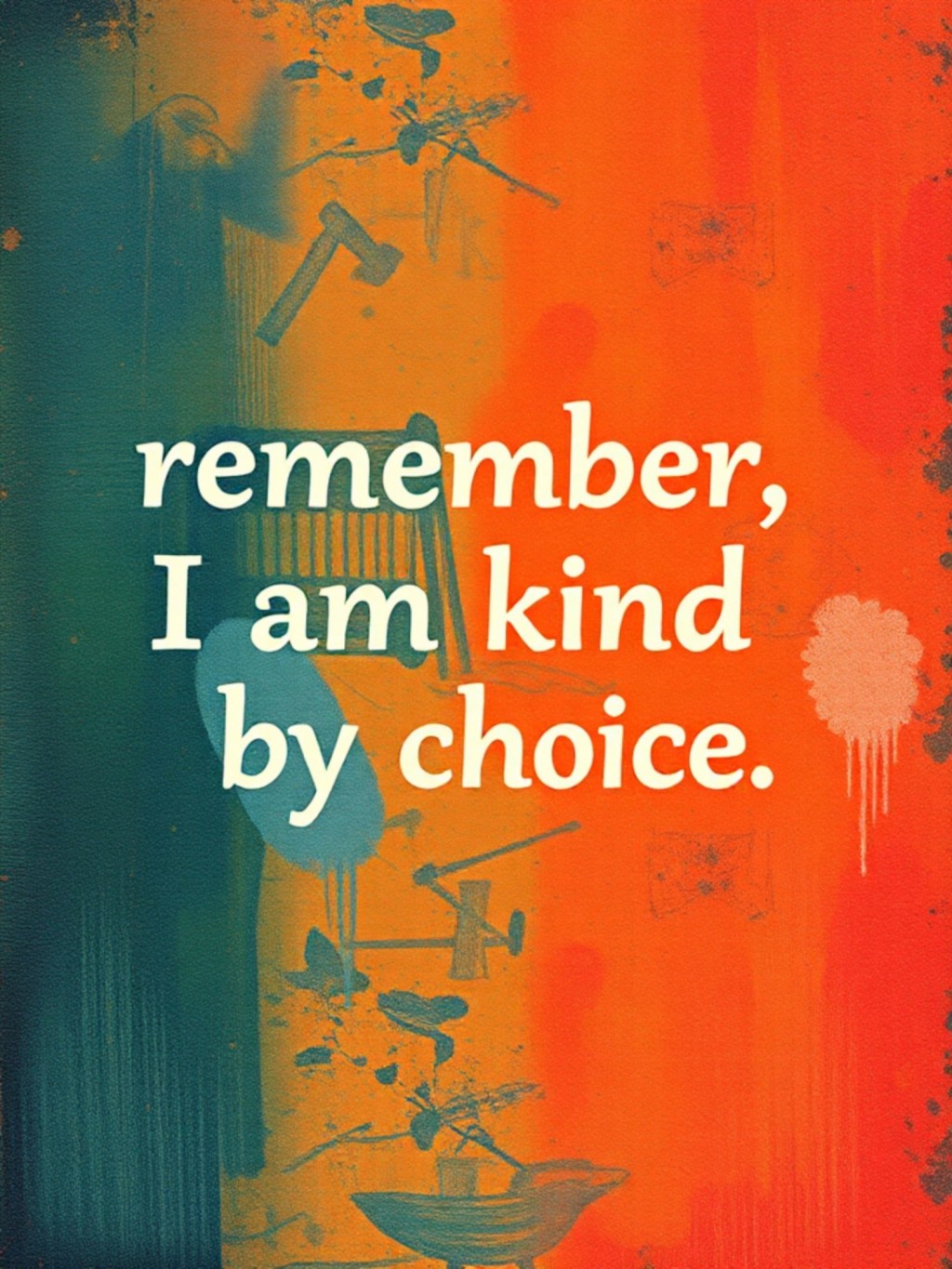
  • Remember, I Am Kind by Choice

    Remember, I Am Kind by Choice

    Kindness waits unseen,
    a seed planted in the gaps—
    soft rebellion grows.

    Ethereal

    Kindness is a choice. Not a reflex, not an inheritance, but a deliberate act of defiance. I remind myself of this often, especially on days when the world feels jagged and raw, like a half-shattered window that refuses to break or mend.

    Buy my print on red bubble

    There are moments—sharp, vivid moments—when I could so easily let anger, irritation, or indifference take the reins. The barista forgets my order; the driver cuts me off on the motorway; the email arrives, dripping with condescension. But somewhere in the labyrinth of my chest, a voice stirs, calm yet firm. “Choose,” it says. “Remember.” 

    It is not an instinct. Instinct is survival, and survival is often cruel. But kindness is the quiet art of holding a mirror to the world and refusing to reflect its harshness. It’s not about sainthood or martyrdom—I don’t believe in halos. It’s about balance. About knowing that, even in chaos, you can plant something tender. 

    There’s a man who sits by the park near my flat, always in the same frayed jacket, his hands like dry riverbeds. Once, I walked past him without a second glance. Another day, I handed him an orange, its skin bright as a distant star. We didn’t speak. He didn’t need to thank me. What mattered was the act itself—the quiet offering to the unseen universe. 

    Kindness, I think, is a language best spoken without words. It’s in the unspoken patience as a stranger fumbles for coins at the till, or the way you pause to let someone else’s story unfold without rushing to add your own. It’s in forgiving yourself, too, for the days when kindness feels like an impossible weight. 

    There’s a certain magic in the spaces between things—the gaps in reality where something inexplicable hums. Kindness lives there, too. It’s not flashy. It doesn’t ask for applause. It exists in the quiet, persistent decision to hold the world gently, even when it feels like it’s slipping through your fingers. 

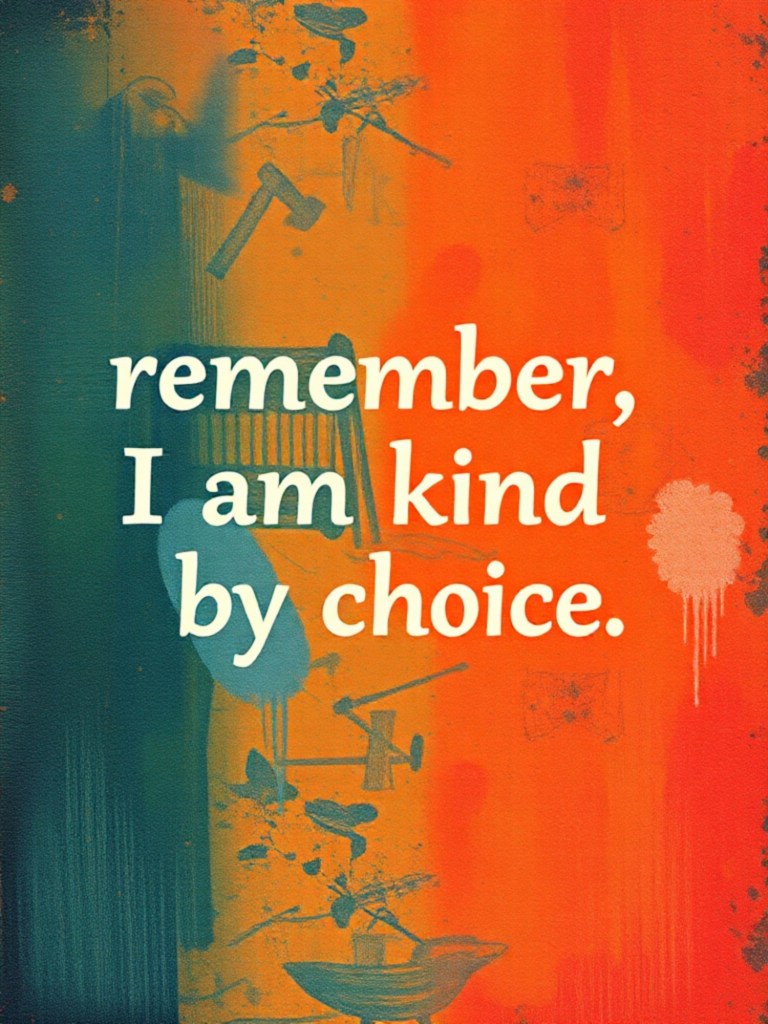
    Remember, I am kind by choice. Not because the world deserves it, but because I do. Because the act of choosing shapes me. Because I’ve seen what grows in the absence of kindness, and it’s a garden I refuse to tend. 

    If you find this content inspiring and uplifting, consider supporting what I do. Buy me a coffee on Ko-fi.
    Your support makes a difference in my life and helps me create more of what you like. Thank you!
    Tap to view my redbubble gallery.
  • Stag in Sunlight

    Stag in Sunlight

    Sunlight spills like breath,
    ancient trees hold quiet watch,
    stag stands, still as stone.

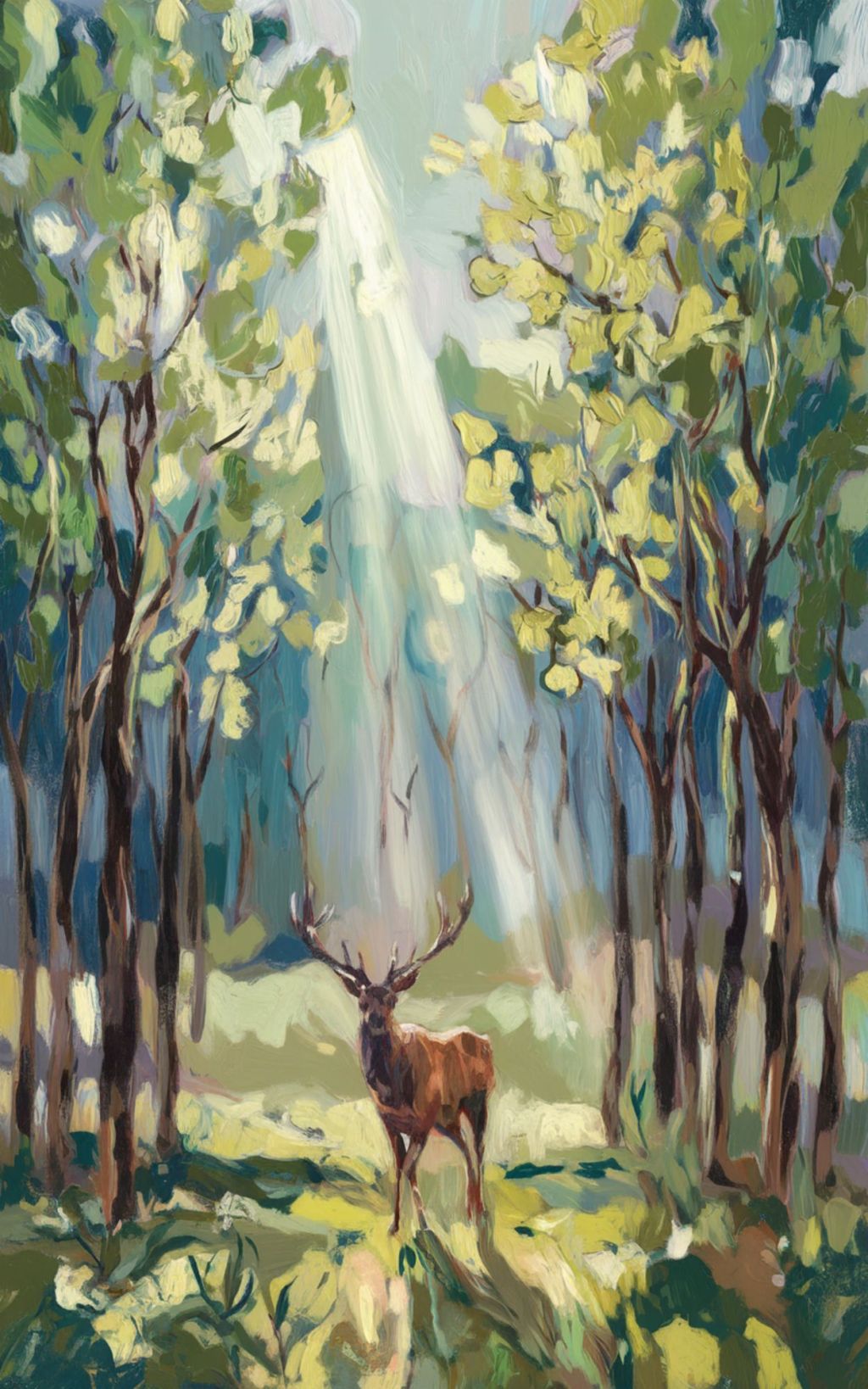
    A stag in sunlight standing in the woods

    In the quiet hush of morning, a single stag stands alone in a secluded forest clearing, his figure outlined in gentle streams of light that filter down from the canopy above. Each ray seeps through the branches and leaves, softening as it falls, wrapping him in a halo that seems both eternal and fleeting. His antlers, branches of bone and time, reach into the air with a majestic calmness, each point a marker of seasons come and gone, each curve a silent record of survival and adaptation. His coat is rich, a mix of earth-browns and shadows, blending into the woods yet catching the light just enough to stand apart, to be noticed.

    This moment—the stag, the sunlight, the stillness—is a scene millions of years in the making, a perfect portrait painted by evolution’s quiet hand. From the simplest of life forms, driven by the need to survive, to the elegance of this creature, whose every feature has been shaped by time itself, life has woven something wondrous. The stag’s heightened senses, his graceful frame, even the natural lines of his form, all serve a purpose, yet they come together to create something beyond mere function. They become beauty. And beauty, too, has its place in evolution, for it draws us near, inspires us to protect, to connect, to pause and simply be present.

    We, too, are shaped by evolution’s design, moulded not only to see but to feel, to wonder, and to appreciate. Perhaps, in a way, our perception of beauty is a survival instinct itself—a way to recognize harmony, to find peace in nature’s rhythms, to feel at home in the world that bore us. Standing in the clearing, we understand our role in this continuum. This moment of quiet awe is a part of something larger—a shared heritage with this stag, this forest, this light. In that silent connection, beauty becomes a bridge across time, binding us to all that has come before and all that will follow.

    And so we stand, quietly watching, breathing, and being, as the stag lifts his head, his gaze piercing yet soft, both knowing and unknowing. In this clearing, we glimpse the rare gift that evolution has left us: the capacity to see beauty not only in what we need but in all that simply is.


    What scene takes your breath away?

    If you find this content inspiring and uplifting, consider supporting what I do. Buy me a coffee on Ko-fi.
    Your support makes a difference in my life and helps me create more of what you like. Thank you!
    Tap to view my redbubble gallery.

  • 🌸Take a Moment🌸

    🌸Take a Moment🌸

    As in William Wordsworth’s timeless verse, I found myself wandering through the vast expanse of my thoughts. Just as the poet mused upon a solitary cloud drifting aimlessly, I too ponder the intricacies of life and nature.

    In each petal, life,
    🌸Courage rises from the soil,🌸
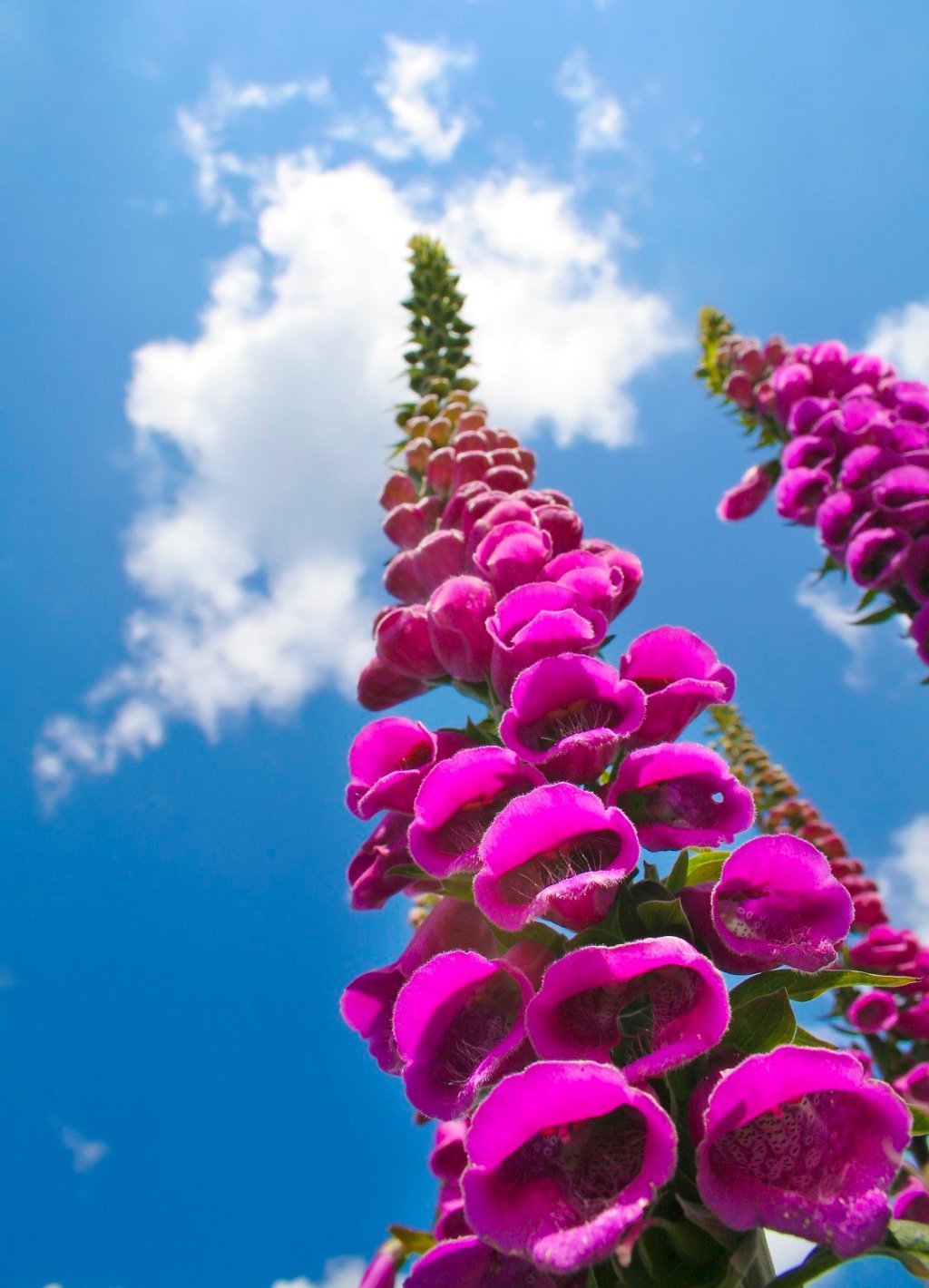
    In each bloom, a sigh

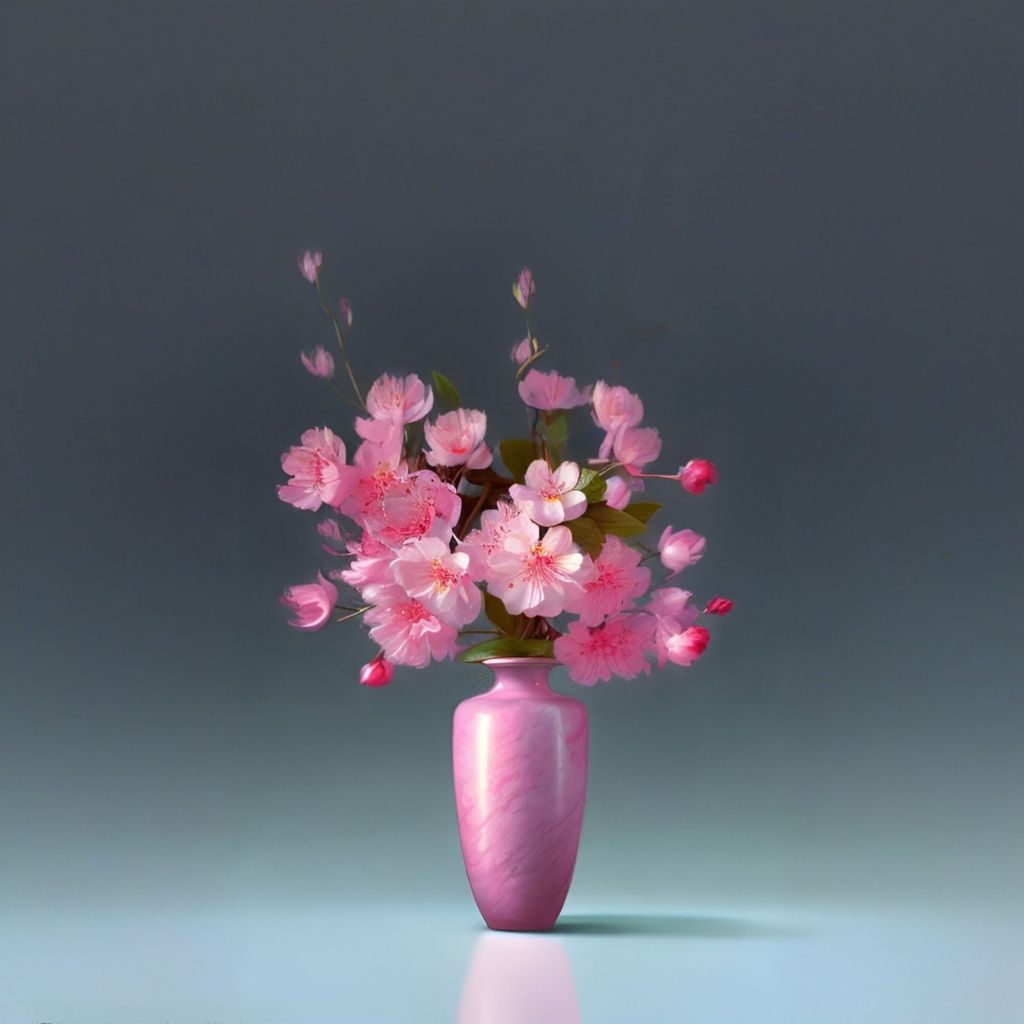
    Flowers – these unexpected bursts of colour and fragrance, have captivated humanity since the dawn of time. We find ourselves drawn to their delicate forms, their vibrant hues that seem to defy the boundaries of the natural world. Perhaps it is their fleeting existence that gives them such power. They are a poignant reminder of the relentless cycle of life, death, and rebirth, blooming with an energy that seems to defy their inevitable wilt.

    Is it the velvety caress of a rose petal, the intricacy of stamen and pistil in a lily, or the heady perfume of a jasmine vine that speaks to our soul? Or is it something deeper, a connection to a forgotten past, a memory of Eden etched into our collective unconscious?

    Take a moment, dear reader, to pause in your hurried existence. Let your gaze linger on the beauty of a floral arrangement. Inhale the subtle perfume.  Allow yourself to be transported to a realm of tranquillity, a space where worries dissipate and the simple beauty of existence takes centre stage.

    What whispers do the flowers share with you? What resonates within your soul when you behold their fleeting splendour? Share your thoughts in the comments below, let us delve together into the allure of flowers. If you feel, write a blog and leave a link.


    If you find this content inspiring and uplifting, consider supporting what I do. Buy me a coffee on Ko-fi.
    Your support makes a difference in my life and helps me create more of what you like. Thank you!
    Tap to view my redbubble gallery.
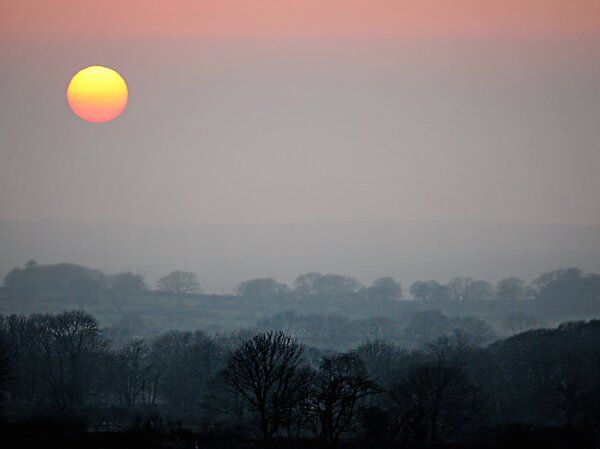
  • Beautiful things don’t ask for attention

    Beautiful things don’t ask for attention

    Crimson bleeds to gold,
    Sun whispers to hushed mountains,
    Beauty knows its worth.

    Anthony

    The world is a chorus of demands. Voices clamour, tweets shriek, billboards bellow. I used to mistake grand gestures for grandeur. My own life was a performance, a desperate bid for applause. Loud words, ostentatious acts, a constant yearning for the spotlight. But the hollowness within echoed loudest.

    It was in the hush of introspection that I stumbled upon the secret garden of the quiet ones. A solitary sunflower, facing the sun with quiet majesty, a dewdrop clinging to a leaf, refracting rainbows unseen, the rustle of wind through ancient pines, composing concertos for no human audience.

    These hidden jewels taught me. Beauty doesn’t beg for notice, it simply “is”. It doesn’t compete, it merely exists in its own fullness. A whisper in the night, a star’s faint ember, a child’s smile unprompted, each radiating a gentle luminosity that asks no payment and seeps into your soul.

    Learning from the silent becomes an act of unlearning. Stripping away the layers of noise, the need for validation, the desperate thirst for external approval. It’s about cultivating an inner garden, where quietude nourishes the seeds of authenticity.

    It’s letting go of the need to impress, to explain, to justify. It’s trusting that what you are, what you create, in its contented serenity, resonates with those meant to find it. It’s the artist painting unseen, the writer pouring their heart into lines that may never find readers, the musician composing only for their own ears.

    In the silence, we discover the depths of our own being. We hear the whispers of our true selves, unadulterated by the need to please. We find a strength that doesn’t need to roar, a wisdom that speaks in soft murmurs, a love that radiates like moonlight, warming without burning.

    The world will continue its clamour, but within us, a sanctuary awaits. A space where beauty blooms in the quiet, where the soul whispers its own song, where we learn to be, simply and authentically, enough. And perhaps, in that quietness, we too become like the hidden jewels of the world, radiating a beauty that needs no spotlight, yet illuminates the lives of those who stumble upon it.

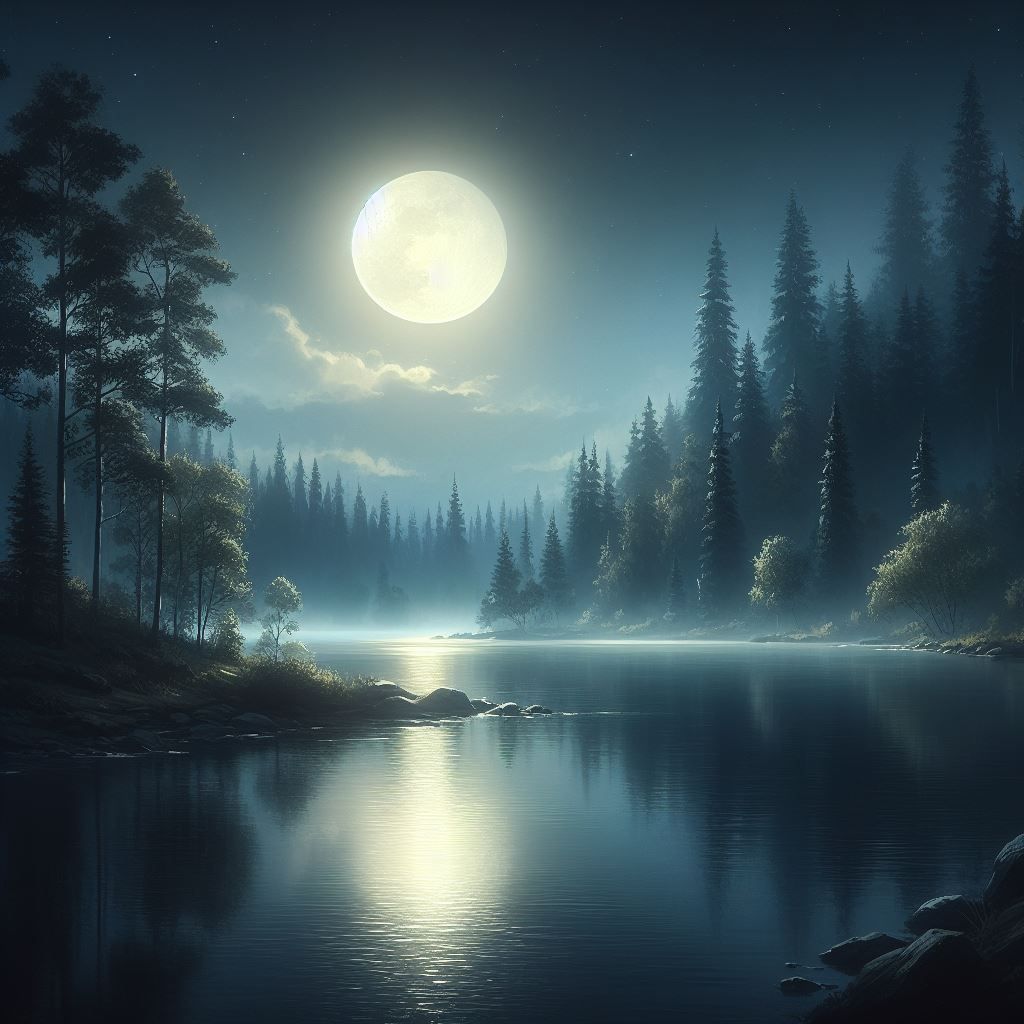
    Soft moonlight
    If you find this content inspiring and uplifting, consider supporting what I do. Buy me a coffee on Ko-fi.
    Your support makes a difference in my life and helps me create more of what you, and I, like. Thank you!

    Tap to view my redbubble gallery.

  • Pink lily, white koi, a perfect match

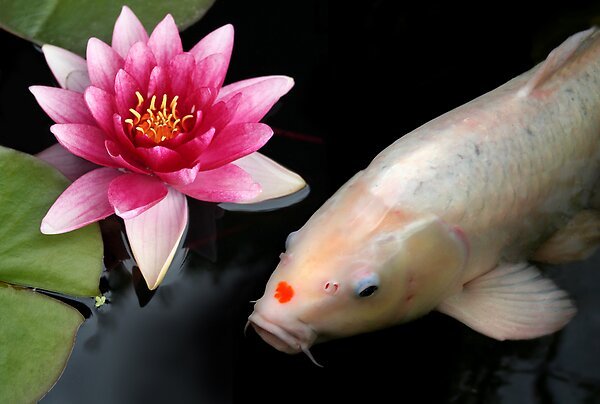
    Pink lily, white koi, a perfect match

    Water lily blooms
    Above – a koi swims below
    Two worlds, one beauty

    Anthony
    A photo I took a few years ago.
    Tap to see my red bubble gallery

    A water lily and a koi carp fish are two symbols that have a lot of meaning and significance in Asian cultures, especially in Japan. They are sometimes depicted together in art and tattoos, as they represent a combination of purity, enlightenment, and rebirth.

    A water lily is a beautiful aquatic plant that grows in muddy water but emerges clean and radiant. It has large, round leaves that float on the surface of the water and colourful flowers that bloom above the water. It symbolises purity, beauty, and spiritual awakening. A water lily is also associated with Buddhism, as it represents the cycle of life, death, and rebirth. A water lily can close its petals at night and open them again in the morning, symbolizing the ability to rise above the darkness and ignorance.

    A koi carp fish is an ornamental carp that can swim upstream against strong currents. It symbolises courage, determination, and transformation. According to a legend, a koi fish that can reach the top of a waterfall will turn into a dragon. A koi fish is also a symbol of luck, success, and prosperity. A white koi fish with a red spot on its head is called a kohaku, and it is one of the most popular and valuable varieties. It represents happiness, love, and passion.

    Koi fish swims upstream
    Water lily opens wide
    Both seek the light

    Anthony

    The relationship between a water lily and a koi carp fish is that they both symbolize the attainment of enlightenment and the overcoming of obstacles. They also complement each other in terms of color and meaning. A white koi fish with a red spot on its head and a red water lily create a harmonious and balanced image of peace and passion. Together, they create a beautiful and inspiring scene of nature and spirituality.
    Tap to view my redbubble gallery.
  • Simple Beauty

    Simple Beauty

    As in a dream the petals of a white rose hold you in their fragrant embrace like fresh bed linen

    Tap to view my redbubble gallery.

    The beauty of a white rose is striking in its simplicity. Its clean and unadorned appearance has a unique charm. White roses symbolize purity and innocence, making them perfect for various occasions.

    White roses have a long and fascinating history that dates back to ancient times. According to legend, the first white rose bloomed when Aphrodite, the goddess of love and beauty, was born from the sea foam. She then gave a white rose to her son Eros, the god of love, who used it as a symbol of his passion and devotion.

    Their fragrance, though subtle, adds to their appeal, inviting you to take a moment to appreciate their essence. In a world filled with vibrant colors and complex patterns, white roses stand as a reminder that sometimes, the unembellished and straightforward things can be just as captivating.

    These flowers are often used to convey messages of love and respect. Whether in a wedding bouquet or as a token of remembrance at a funeral, white roses hold a special place in our hearts due to their timeless and universal symbolism.

    The simple beauty of a white rose is a reminder that elegance can be found in the most straightforward forms, and its significance extends beyond aesthetics to convey deep emotions and meaning.

    Tap to view my redbubble gallery.
  • Rambling Roses: Nature’s Laid-Back Romantics

    Rambling Roses: Nature’s Laid-Back Romantics

    If there’s one thing that perfectly embodies the essence of laid-back romance, it’s the enchanting world of rambling roses. These blossoms, with their sprawling canes and sweet-scented petals, evoke a sense of nostalgia and a hint of wild beauty that’s hard to resist.

    Each morning, in the heart of a quaint garden, a rambling rose dances with the breeze. It stretches towards the sun, yearning for its gentle caress whilst sharing its fragrant whispers with all who pass by.

    Tap to view my redbubble gallery.

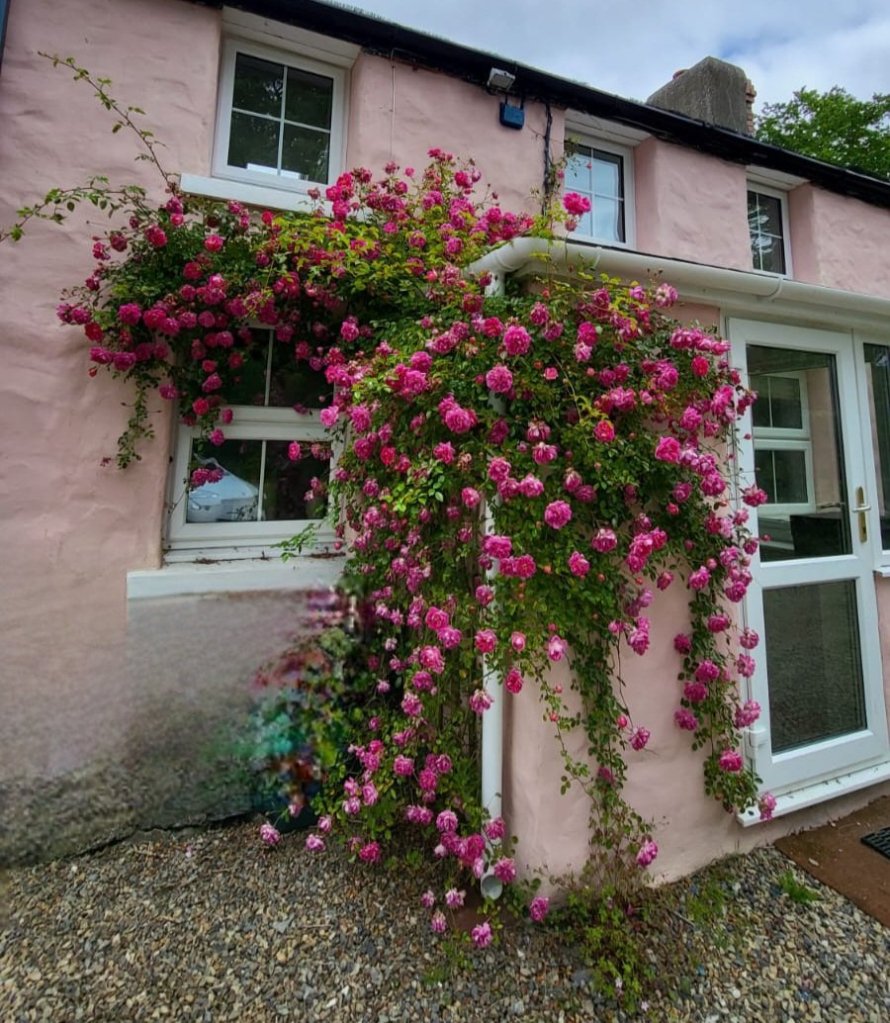
    A rambling rose, a timeless muse, an embodiment of nature’s grace, forever enchanting the garden with its wandering soul.

    As you meander through your garden or along a quaint countryside path, you may encounter a variety of rambling roses, each with its unique charm and character. Let’s take a leisurely stroll through this dreamed garden of romance and get to know a few of these delightful varieties.

    Alexandre Girault

    This rose variety, with its rich, deep pink and crimson blooms, is like a passionate declaration of love. The ‘Alexander Girault’ rose weaves a tapestry of romance with its vibrant colour, making it impossible to resist.

    Open Arms

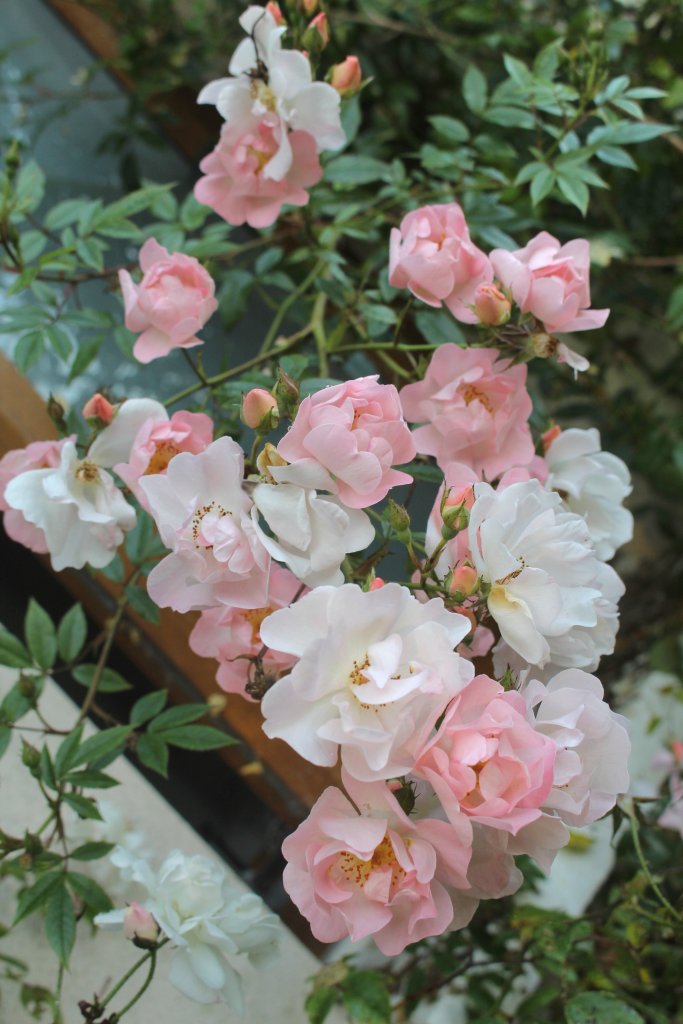
    Much like its name suggests, the ‘Open Arms’ rose welcomes you with open-hearted affection. With its soft pink petals and delightful fragrance, it invites you to embrace the beauty and warmth of the natural world.

    It reaches out with a welcoming embrace, inviting all who ventured near into its fragrant sanctuary. With petals like soft, blushing hearts, it symbolised love and warmth, a living testament to nature’s boundless affection. It whispered the sweetest secrets of resilience and beauty in every unfurling bud, a testament to the enduring embrace of the natural world.

    Rambling Rosie

    As vibrant as a crimson heart, the “Rambling Rosie” rose is a bold and passionate addition to the world of rambling roses. With its rich, deep red blossoms and a beguiling absence of fragrance, this rose variety speaks of a love that is intense and mysterious. Its vivid color is a visual love song, making a statement that needs no words. “Rambling Rosie” adds a touch of drama and intrigue to your garden, much like a passionate affair that leaves you longing for more.

    While rambling roses may appear effortless, their tangled canes and bountiful blooms reflect the complexities of love itself. They remind us that romance, like a wild rose, often flourishes when allowed to grow at its own pace.

    Photos are taken in friends gardens🙂

    Tap to buy this t-shirt
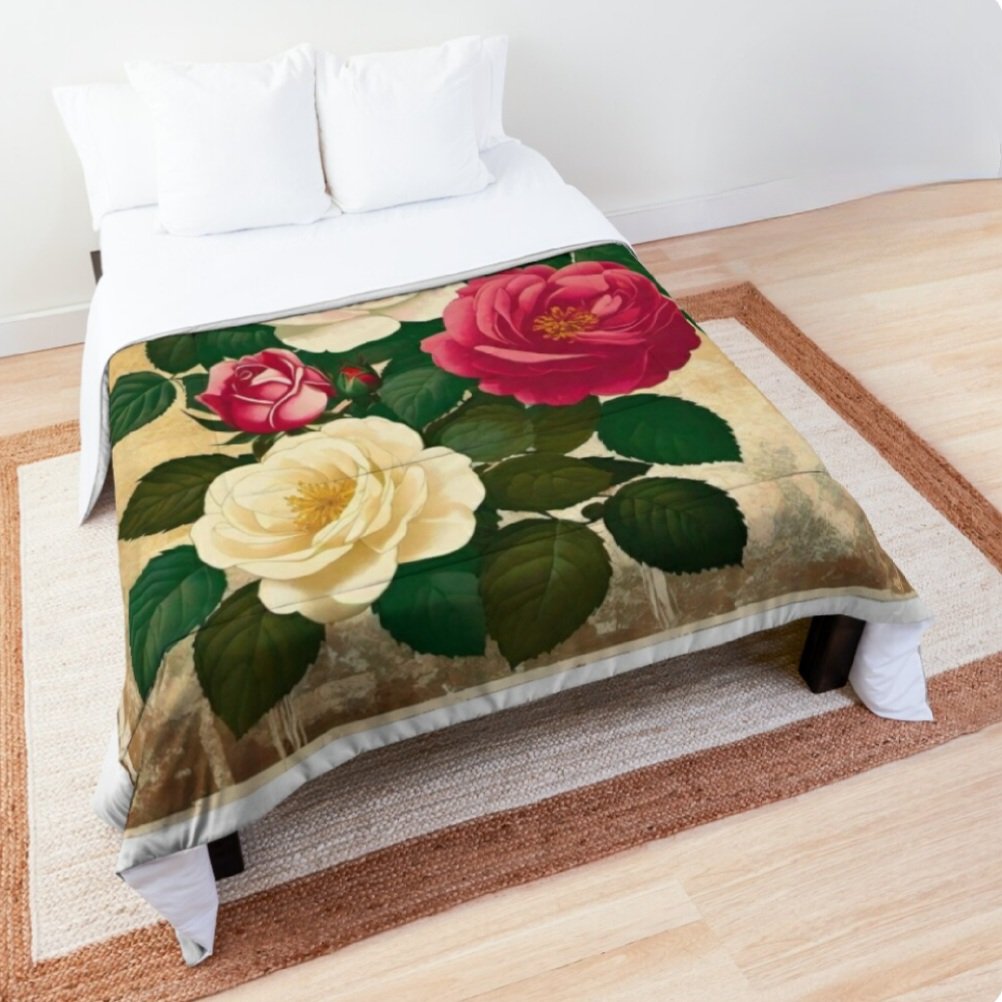
    Tap to buy comforter
    Tap to view my redbubble gallery.
  • Life lessons with chrysanthemums

    Life lessons with chrysanthemums

    Tap to view in my redbubble gallery.

    Student: Master, I have brought these chrysanthemums to offer as a gift. They are a symbol of autumn and their beauty fills me with wonder.

    Master: Ah, young one, you have chosen well. These flowers are a favorite among poets and artists for their gentle grace. But did you know that chrysanthemums have a rich and fascinating history?

    Student: No, Master. Please tell me more.

    Master: Legend has it that a wise man discovered a magical herb that could cure any illness. He gave the herb to the emperor, who was so pleased with the gift that he named it after the two Greek words for “golden” and “flower” – chrysos and anthemon. And thus, the chrysanthemum was born.

    Student: That is a beautiful story, Master. I had no idea that chrysanthemums had such a mystical beginning.

    Master: Indeed, my dear student. In ancient China, chrysanthemums were considered symbols of longevity and good fortune. People of the Tang dynasty would even drink chrysanthemum wine to ward off evil spirits and extend their lives. And in Japan, the chrysanthemum is the symbol of the Imperial Family, a powerful emblem of honor and tradition.

    Student: I had no idea that chrysanthemums were so revered. Are there any practical uses for them?

    Master: Indeed there are, my student. The leaves and petals of the chrysanthemum can be used to make a tea that has powerful healing properties. It can ease headaches, reduce fever, and even improve digestion. And if that is not enough, chrysanthemum tea has a delicate, floral flavor that will transport your taste buds to the gardens of heaven.

    Student: That sounds wonderful, Master. And what about the aesthetic value of chrysanthemums?

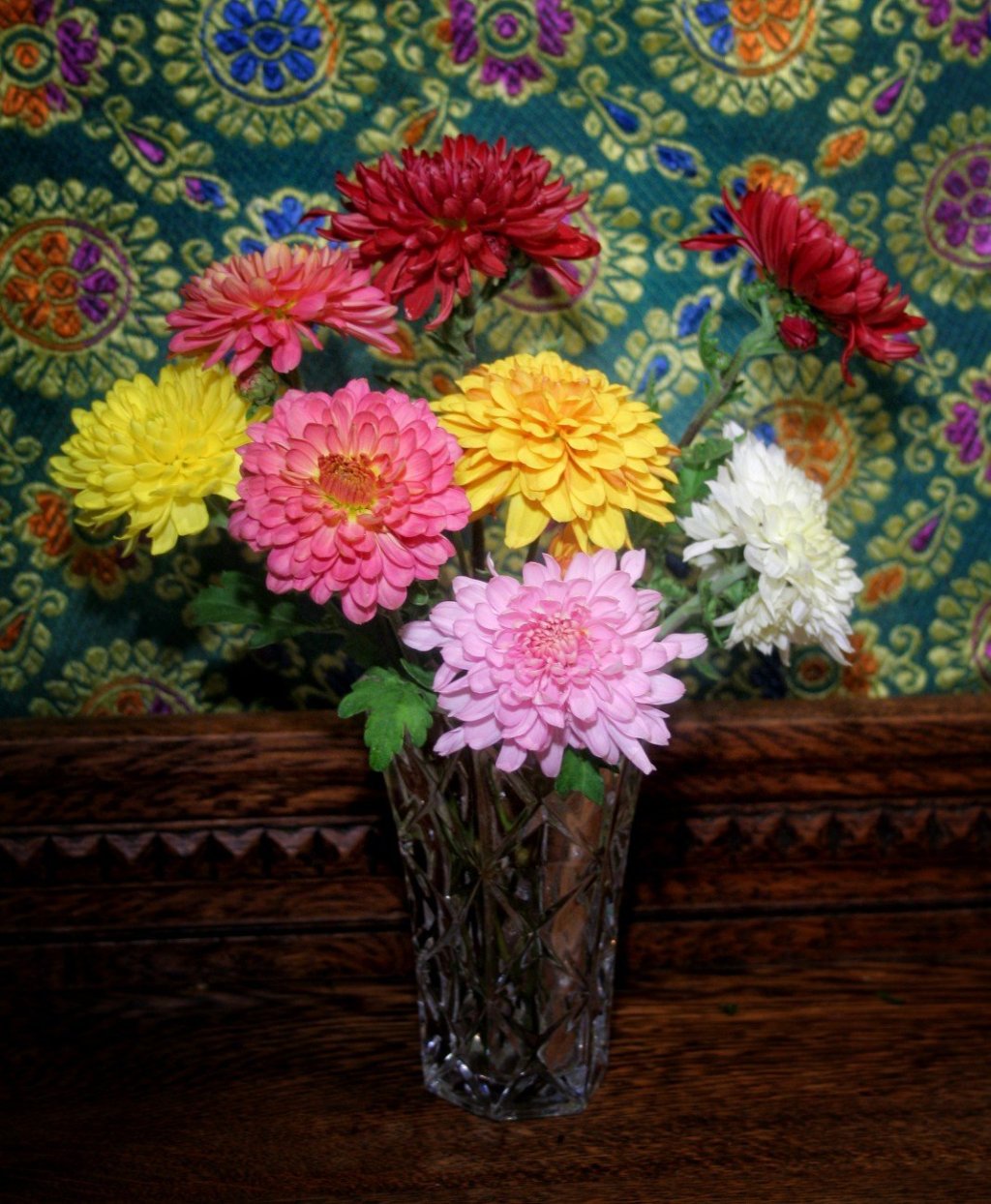
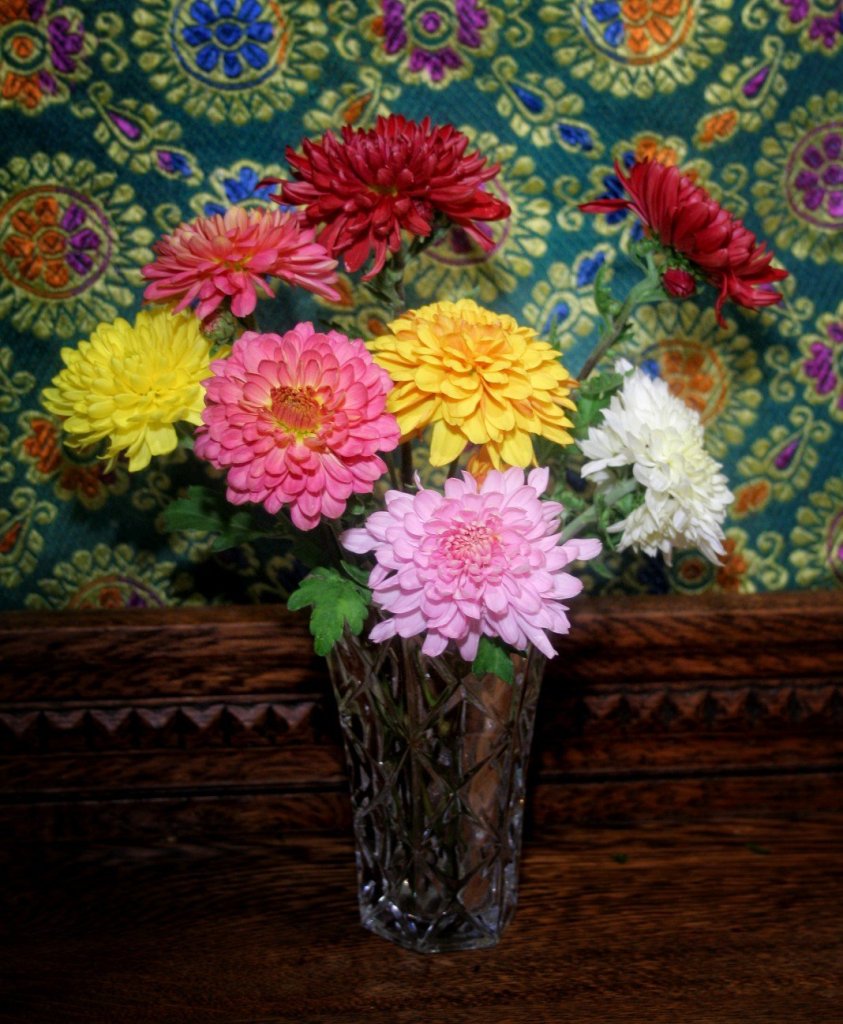
    Master: Ah, student, chrysanthemums come in a rainbow of colors, from fiery reds to gentle pinks to vibrant yellows. Their intricate petals unfurl like delicate origami, a marvel of nature’s artistry. Chrysanthemums can be arranged in stunning bouquets or planted in gardens to create a serene and peaceful atmosphere.

    Student: Thank you for enlightening me, Master. I will never look at a chrysanthemum the same way again.

    Master: Remember, inquisitive one, to appreciate the simple things in life, for they are often the most profound. And may the beauty of the chrysanthemum fill your heart with peace and wonder.

    Tap to view my redbubble gallery.

    More interesting posts

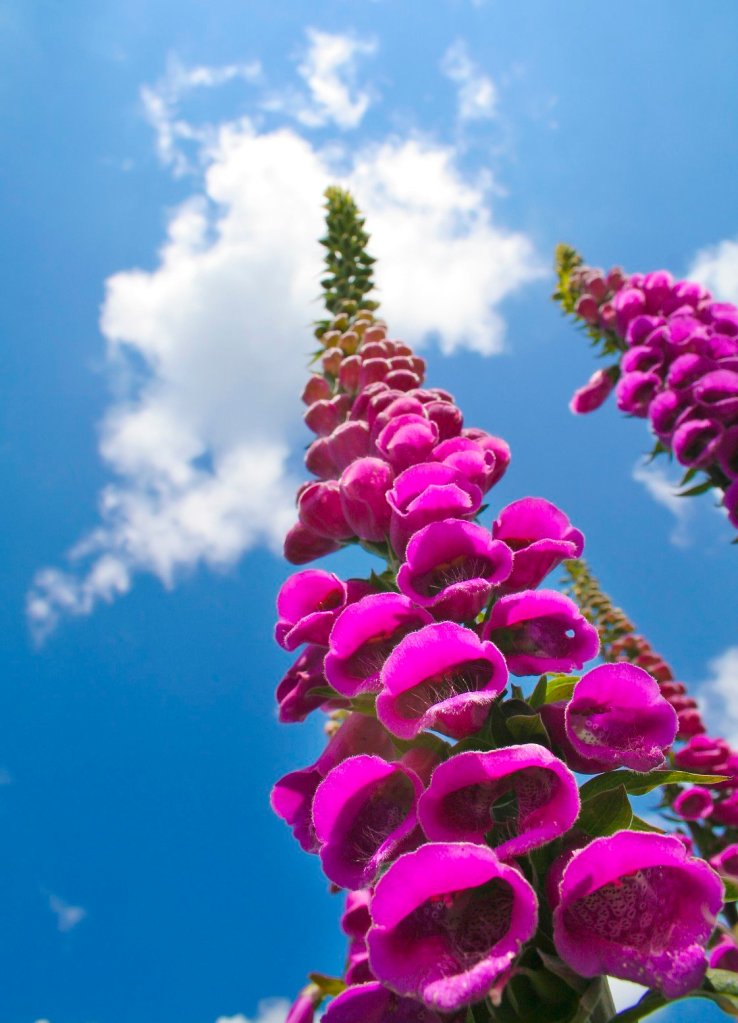
  • Reflections on a Foxglove

    Reflections on a Foxglove

    heal or harm
    Tap to view in my redbubble gallery.

    As I gaze at this photograph of a foxglove, I cannot help but think of its dual nature. On one hand, this beautiful flower has been used for centuries as a medicine to treat various heart conditions, and its medicinal properties have been well-documented.

    But on the other hand, it is also known to be toxic to humans and can be deadly if ingested in large quantities. The same compounds that make it a potent heart medication can also cause nausea, vomiting, and even cardiac arrest if not used properly.

    It is a paradox, this foxglove, a thing of beauty that can heal or harm, depending on how it is used. And yet, as I look at the photograph, I am struck by the fact that this duality is a reflection of life itself. The things that bring us joy and comfort can also be the things that hurt us the most, and we must learn to navigate this dichotomy with wisdom and grace.

    Perhaps this is the lesson that the foxglove is trying to teach us through its beauty and toxicity. That life is complex and multi-faceted, and we must learn to appreciate the good while being mindful of the potential dangers that come with it.

    As I reflect on this, I am reminded that every choice we make has consequences, both positive and negative. And it is up to us to be responsible and thoughtful in how we navigate the world, just as we must be responsible and thoughtful in how we use the foxglove as a medicine.

    The foxglove, then, is not just a flower, but a symbol of the delicate balance between beauty and danger, and a reminder that we must tread carefully as we navigate the complexities of life.

    Tap to view my redbubble gallery.

    More interesting posts

Design a site like this with WordPress.com
Get started