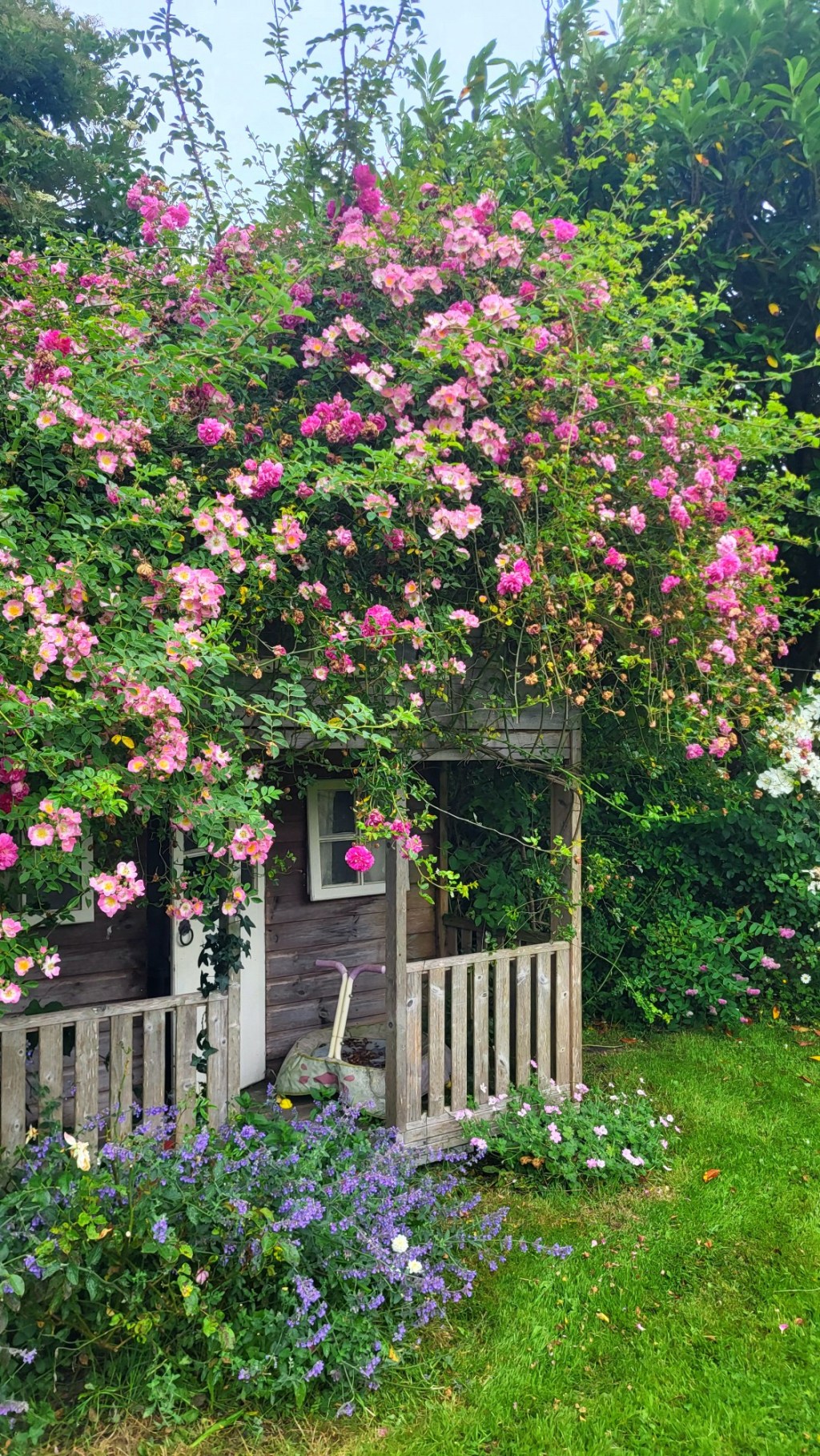
In the small hours of morning, when the dew still holds court with the grass and the world hasn’t yet remembered its hurry, there are those who tend to roses. They move through their gardens like priests through cathedrals, understanding something the rest of us have forgotten in our great rush toward whatever it is we think we’re rushing toward.
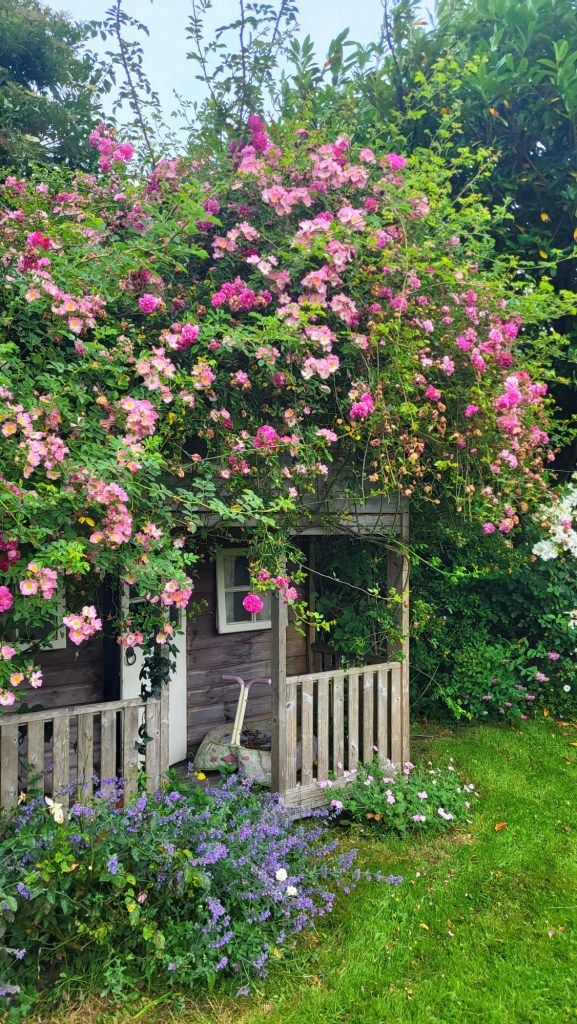
The rose, you see, is civilization’s truest achievement. Not the atom bomb, not the smartphone that buzzes in your pocket like an angry wasp, not even the airplane that carries us above the clouds where we can pretend, for a moment, that we are gods. No—the rose. The rose with its impossible geometry of petals, its thorns that teach us that beauty and pain are lovers who never sleep apart, its fragrance that makes the air worth breathing.
Listen: In Tokyo, there is a man who grows roses on his apartment balcony. Seven floors up, surrounded by concrete and the electric hum of a city that never sleeps, he has created a small pocket of peace. Each morning, before the trains begin their metallic hum, he waters his roses and speaks to them in a voice softer than rain. His neighbours think he is mad. His neighbours are wrong. He is sane. The rest of us have lost our minds.
But what do we do instead? We fight. Oh, how we fight. Over oil, over borders, over who said what to whom and when and why. We send our young men and women to die in deserts and forests and cities whose names we cannot pronounce, all for the sake of being right, all for the terrible luxury of being angry. We build walls higher than our dreams and missiles that can turn roses into ash in the space between heartbeats.
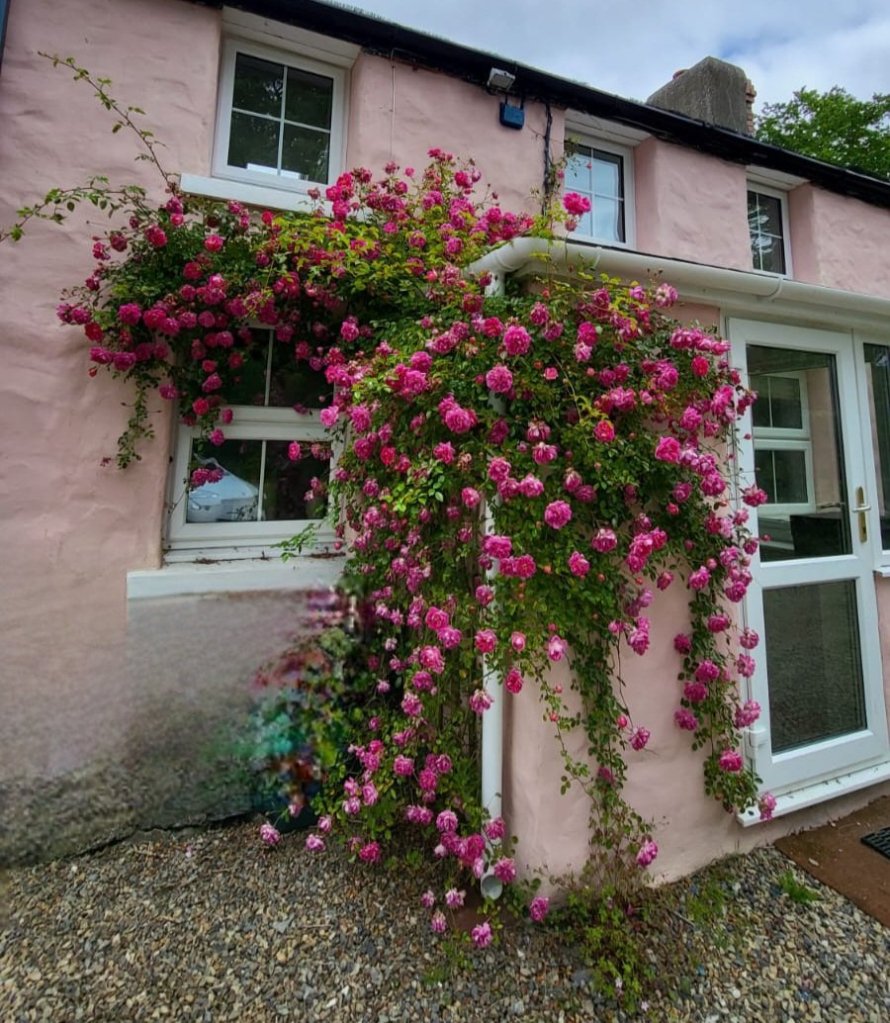
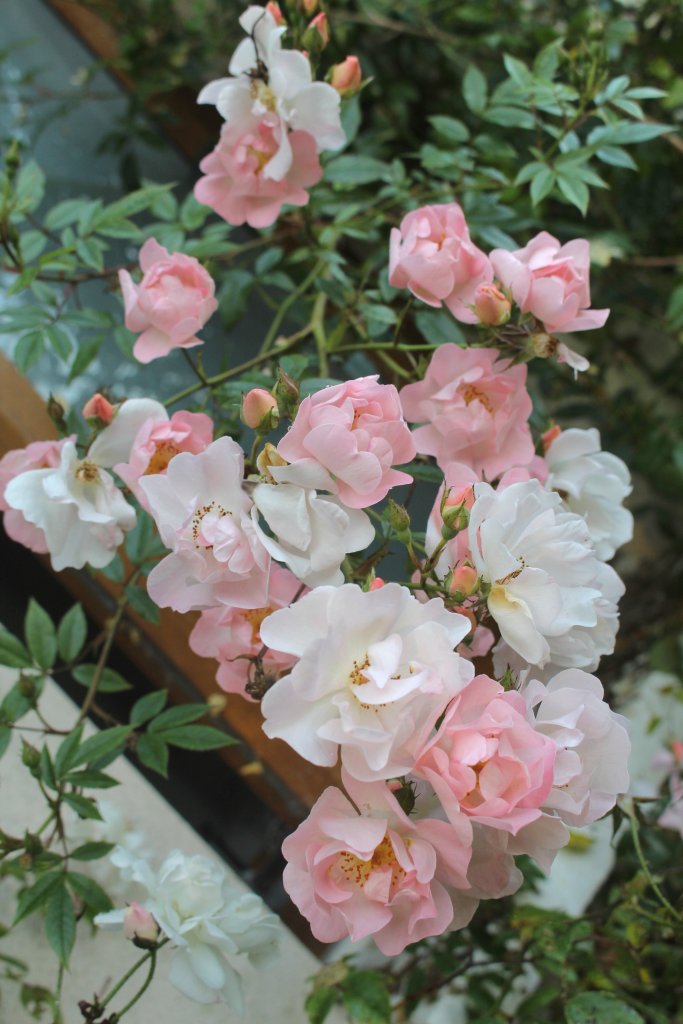
In my small Welsh town, where the hills roll like green memories and the sheep dot the landscape like quotation marks in God’s own story, there lived an old woman named Mrs. Pritchard. Every day of her eighty-seven years, she tended her rose garden with the devotion of a saint. Hybrid teas and climbers, floribundas that bloomed like captured sunsets, old roses that remembered the breath of centuries. When the young men from the village went off to war, she sent them each a pressed rose petal in a letter. When they came home changed, or when they didn’t come home at all, they remembered her and the simple beauty of the rose petal, or didn’t. She planted new roses in remembrance of the ones that couldn’t remember.
“A rose,” her hands dark with honest dirt, “doesn’t care about your politics or your pride. It only cares about being present. That’s enough. That should be enough for all of us.”
But it isn’t enough for us, is it? We are too clever for roses. Too important. Too busy conquering each other to notice that the conquering is killing the very thing we desire. We are all generals in armies of one, fighting wars that exist in the fever dreams of our own making.
We try to find our ‘raison d’être’—the reason for being. I think the rose growers have found theirs. They understand what the warriors and the politicians and the urgent, angry people of the world have forgotten: that to create beauty is to pray without words, to tend something fragile in a world that mistakes hardness for strength.
There is a parallel universe, I am certain, where human beings never learned to make weapons, only grow tend and enjoy roses. Where the great leaders of history are remembered not for the lands they conquered but for the gardens they planted. Where children learn the names of flowers before they learn the names of enemies. Where the evening news reports on the blooming of a particularly spectacular Peace rose instead of the latest bombing of peace itself.
In this world, in this strange and savage world where we find ourselves, the rose growers are the resistance. They are the ones who remember that civilization is not about who can build the biggest bomb or shout the loudest or accumulate the most zeros in their bank accounts. Civilization is about the careful caring for small, beautiful things. It is about the patience to wait for buds to open. It is about understanding that some victories take seasons, not seconds.
Listen: Tomorrow morning, somewhere in the world, an old man will wake before dawn to water his roses. He will not check his phone first or turn on the news to see what fresh hell has sprouted overnight. He will simply put on his boots and walk outside, where the roses wait for him like prayers he has already had answered.
And in that moment, in that simple, revolutionary act of care, he will be more civilized than all the armies and all the politicians and all the urgent, angry people combined.
The roses know this. The roses have always known this.
Perhaps it’s time we listened.

Your support makes a difference in my life and helps me create more of what you, and I, like. Thank you!

- Darkness, Power and Beauty
 Horse’s steady gazeStrengthful eyes that dare to meetChallenge accepted Courage is the strength to face… Read more: Darkness, Power and Beauty
 - The Daffodil’s Song: A Lyrical Tribute to the Wonders of Spring
 Daffodil so brightGolden petals, sunshine’s kissHope blooms anew As I wander through the garden, the… Read more: The Daffodil’s Song: A Lyrical Tribute to the Wonders of Spring
 - Acanthus: A Versatile Plant with a Rich Cultural Heritage
 The Graceful Lines of an Acanthus Leaf. Acanthus is a genus of flowering plants native… Read more: Acanthus: A Versatile Plant with a Rich Cultural Heritage
















 Anthony's Literary Lens
You must be logged in to post a comment.