Author: Anthony Thomas

  • Photographer’s Reflective Journey

    Photographer’s Reflective Journey

    The Art of Seeing
    Tap to view in my redbubble gallery.

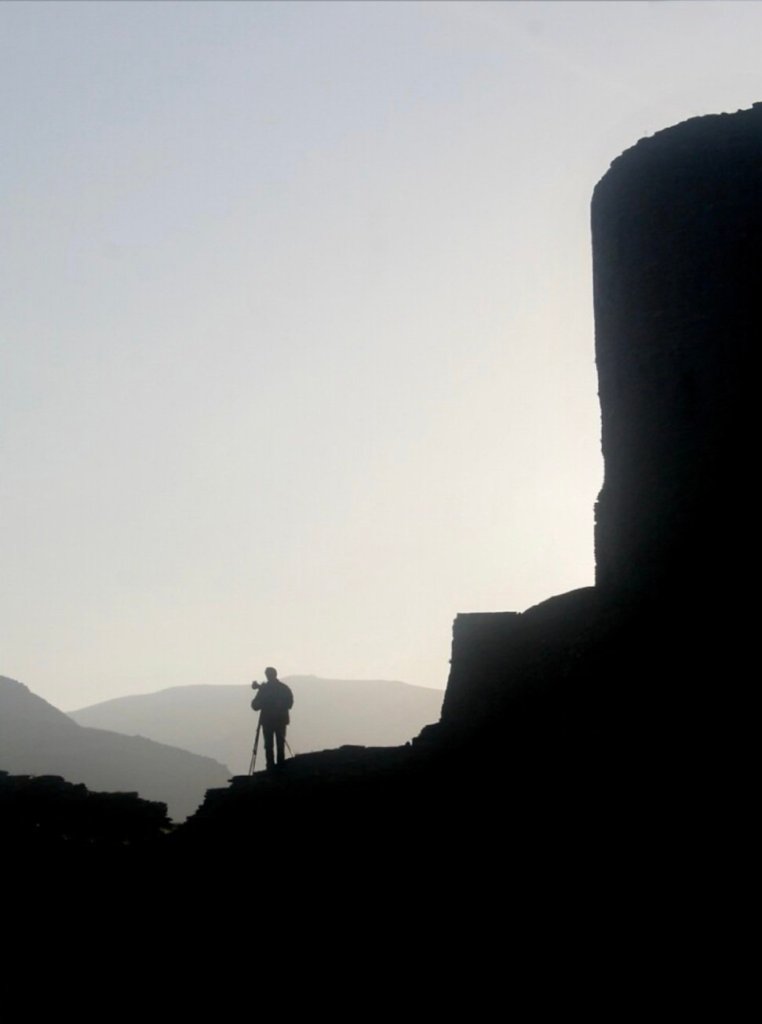
    As a photographer, looking at a photograph of myself silhouetted against the majestic mountains is a humbling experience. It serves as a reminder of the beauty and power of nature, and the smallness of our own existence in comparison.

    The photograph captures a moment in time, freezing a memory that I will always treasure. It is a reminder of the journey I undertook to reach that vantage point, and the effort and dedication it took to capture the perfect shot. The mountains in the background are a symbol of the challenges and obstacles I have overcome in my career as a photographer, and the silhouette of myself represents my own determination and perseverance.
    But the photograph is also a reminder of the fragility of life and the fleeting nature of our experiences. The mountains will always be there, but that moment, captured in the photograph, is gone forever. It serves as a reminder to appreciate and cherish each moment, and to make the most of the time we have


    As a photographer, I am constantly seeking out new and unique perspectives, and this photograph reminds me to never stop searching for new ways to capture the world around us. It also reminds me to always strive to improve my craft, to push myself to new heights, and to never settle for mediocrity.

    In conclusion, a photograph of myself silhouetted against the mountains is more than just a picture, it is a reminder of the beauty and power of nature, the fragility of life, and the dedication and perseverance required to be a photographer. It inspires me to continue to capture and create beautiful images that can be shared and enjoyed by others.

    Tap to view my redbubble gallery.

    More interesting posts

  • The Ferns Gift Story

    The Ferns Gift Story

    Nature – our teacher
    Tap to view my redbubble gallery.

    In a dense and ancient forest, there lived a small fern named Frond. Frond was known throughout the forest as a plant of great healing power, and many creatures came to her for help when they were ill or injured.

    One day, a young deer named Daisy came to Frond, seeking help for a terrible wound on her leg. Frond was happy to help, and she gave Daisy a gift of her healing spores. Daisy’s wound healed quickly, and she was so grateful that she promised to always come to Frond for help whenever she needed it.

    As the years passed, more and more creatures came to Frond for help, and she gave her healing spores to all of them. But as the demand for her gift grew, Frond began to feel tired and weak. She realised that she was giving too much of herself to others, and that she needed to take some time to rest and renew.

    So, Frond decided to stop giving her spores to anyone who came to her for help. This made many creatures in the forest very upset, as they had come to rely on Frond’s gift for their well-being. But Frond knew that it was the only way to ensure her own survival, and she stood firm in her decision.

    Over time, the creatures in the forest learned to take care of themselves and to find other ways to heal. They realised that Frond’s gift was not something that could be taken for granted, and that it was important to respect and care for the natural resources of the forest. And as for Frond, she slowly regained her strength and became a powerful and vibrant plant once again.

    The moral of the story is that everything in nature has its limits, giving too much of yourself can cause harm to yourself, and it is important to respect and care for the natural resources.

    The moral of the story is that everything in nature has its limits, giving too much of yourself can cause harm to yourself, and it is important to respect and care for the natural resources. Similarly, as humans we must learn to know our limits and maintain our mental health, physical well-being, and emotional balance, as well as being mindful of the impact our actions have on the environment and natural resources around us.

    Tap to view my redbubble gallery.

    More interesting posts

  • Dog Rose Lore

    Dog Rose Lore

    Delicate protection
    Tap to view my redbubble gallery.

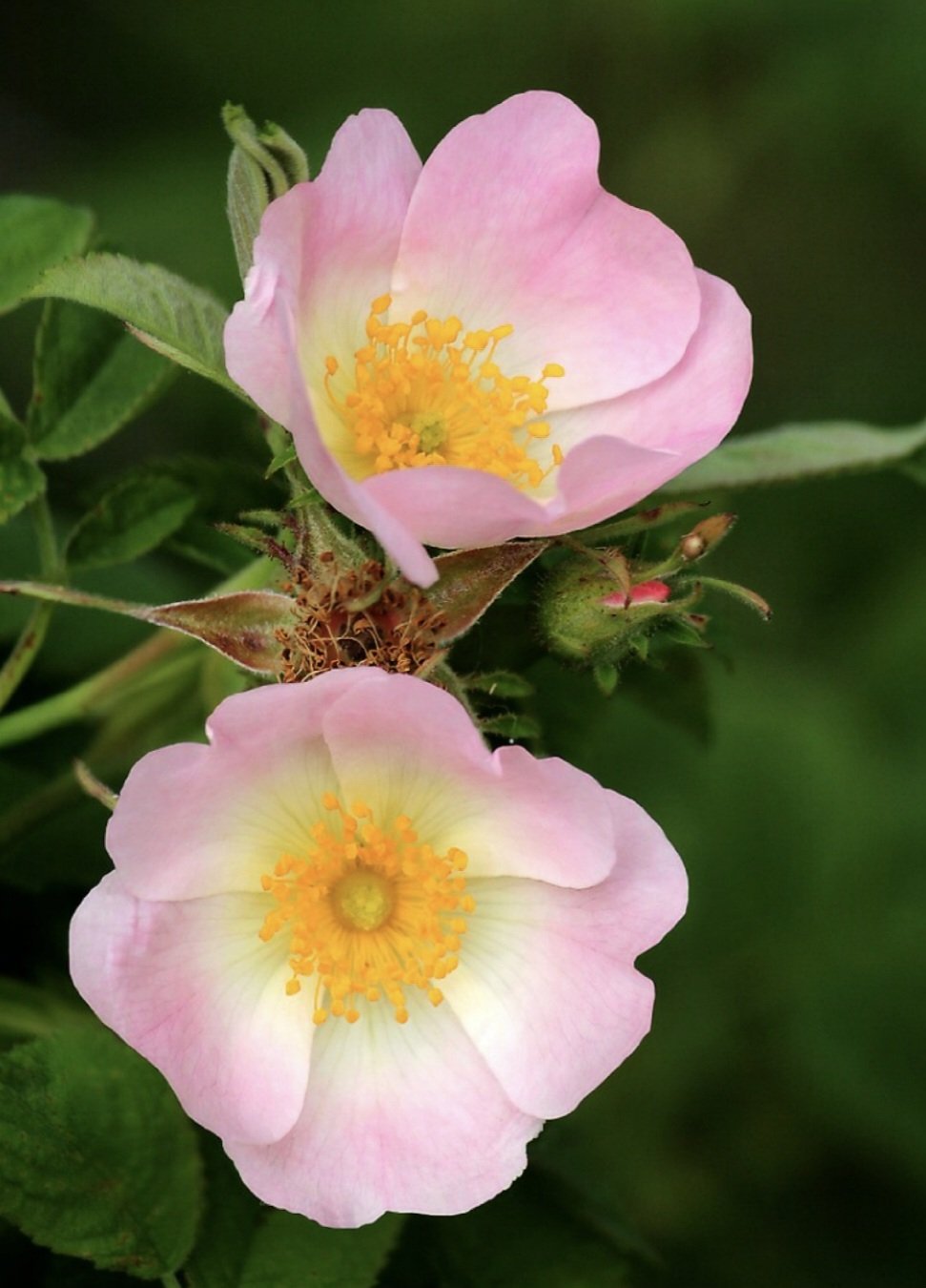
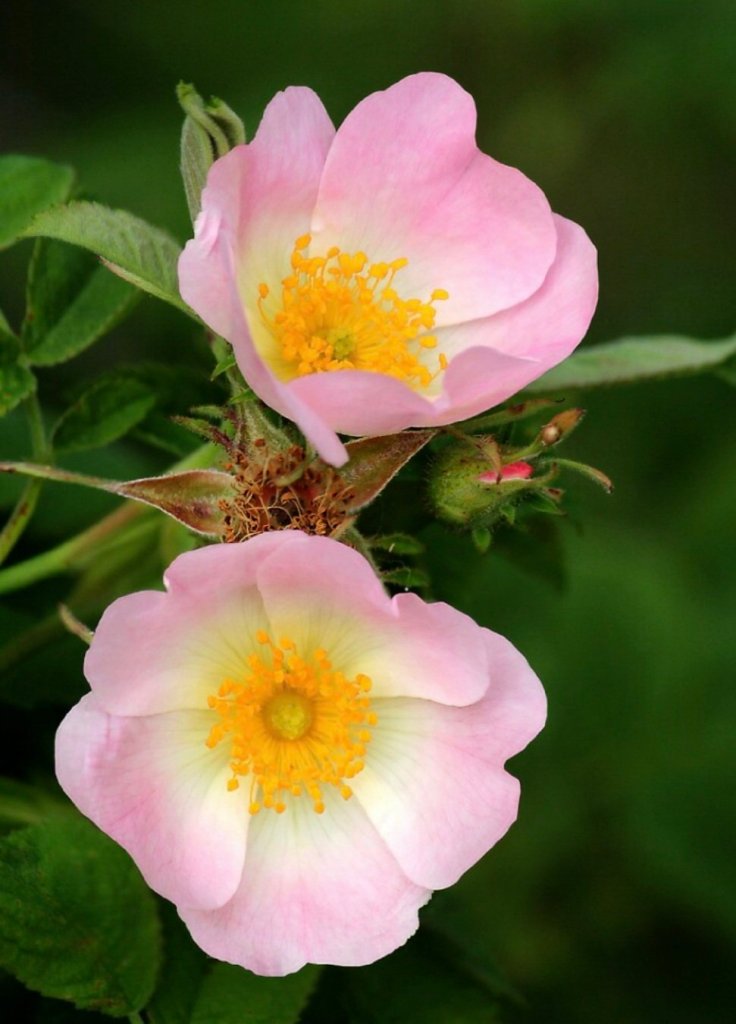
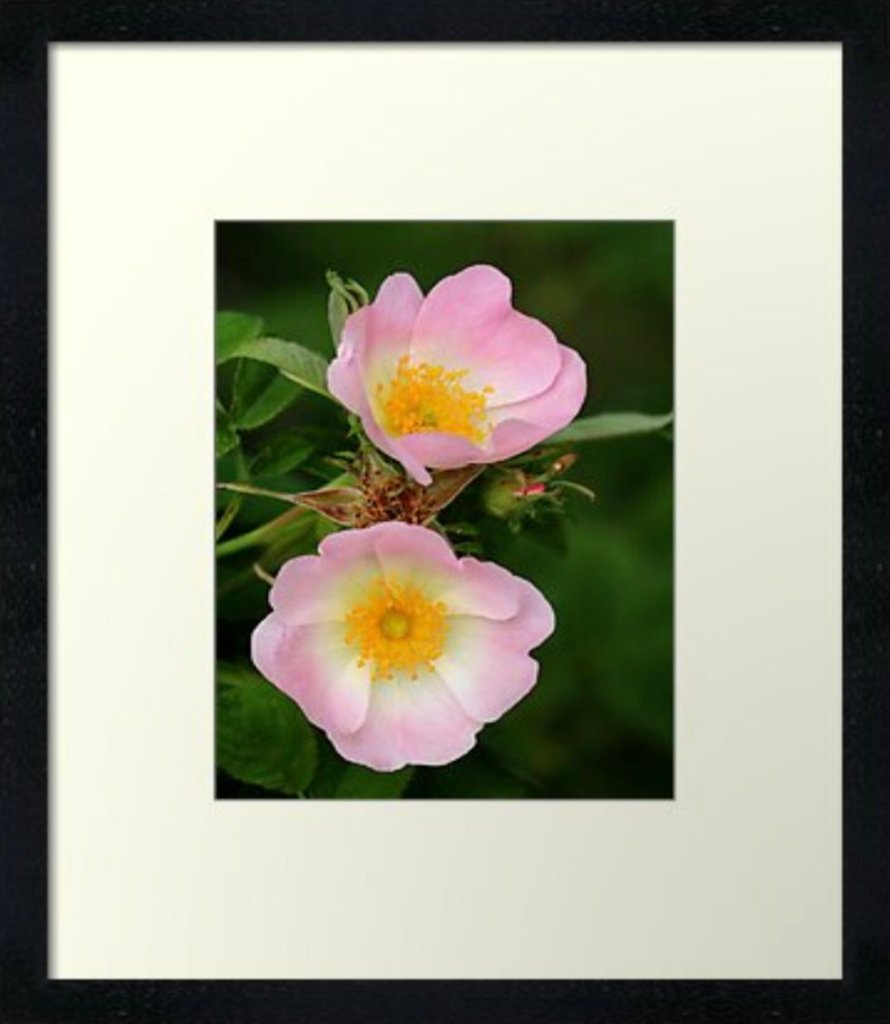
    Once upon a time, in a small village, there lived a young woman named Rose. She was heartbroken after her true love, Jack, had disappeared without trace. Jack was a young man who was known for his kind heart and adventurous spirit, he loved to explore the forest and was always fascinated by the Dog Rose. He would often bring Rose a Dog Rose as a token of his love.

    Rose, unable to come to terms with her loss, not knowing why he had left her and what had become of him, spent her days wandering the countryside, lost in grief. One day, she came across a beautiful Dog Rose bush and felt a strange sensation in her heart. She knew that it was Jack’s favourite flower and it gave her hope. She picked a flower and placed it in her hair.

    As she walked back to the village, she felt a sense of protection and safety that she had not felt in a long time. When she returned, she was greeted with a surprise. Jack was there, alive and well. He had been lost in the forest and had been guided back to her by the Dog Rose.

    The Dog Rose had brought them together once again, and they lived happily ever after. The villagers heard about their story and so the tradition of hanging a Dog Rose twig over their doorways to ward off evil spirits began.

    More interesting posts

  • Life’s Winding Road

    Life’s Winding Road

    Embracing the Unknown
    Tap to view in my redbubble gallery.

    Life can often feel like a long and winding road. It’s full of twists and turns, ups and downs, and sometimes it can feel like we’re going in circles. We all have moments when we feel lost and unsure of where we’re headed. It can be easy to get caught up in the daily grind and lose sight of the bigger picture.

    But as we journey along this road, we learn and grow. We discover new things about ourselves and the world around us. We make mistakes and learn from them. We meet new people and form meaningful relationships. We experience joy and happiness, as well as sadness and disappointment.

    It’s important to remember that the road of life is not always easy, but it’s worth the journey. We may encounter obstacles and roadblocks along the way, but we can always find a way to overcome them. Life is a journey, not a destination. It’s about the experiences we have and the lessons we learn along the way.

    One of the most important things we can do is to be present in the moment. We can’t change the past, and we can’t predict the future, but we can make the most of the present. We should try to enjoy the journey and appreciate the little things in life. The beauty of nature, the laughter of a child, the warmth of a hug from a loved one, these are the things that make life worth living.

    Life may be a long and winding road, but it’s also a beautiful one. It’s a journey that is filled with opportunities to learn, grow, and experience the world around us. We should embrace the journey, and have the courage to face whatever challenges come our way. With a positive attitude, perseverance, and a sense of adventure, we can navigate the long and winding road of life with grace and optimism.

    In the end, no matter how long and winding the road of life may be, it’s important to remember that we are not alone on this journey. We have friends, family, and loved ones who are there to support us. We are all in this together, and by working together, we can make the long and winding road of life a little bit easier to navigate, and a little more beautiful.

    Tap to view my redbubble gallery.

    More interesting posts

  • The Water Lily in Myth and Legend

    The Water Lily in Myth and Legend

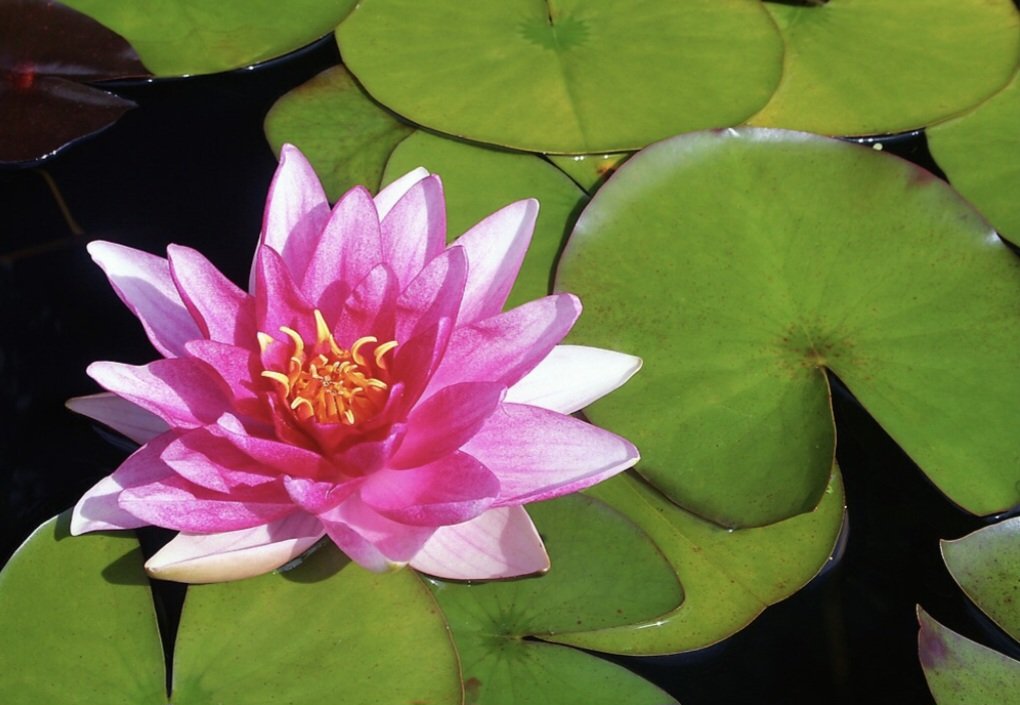
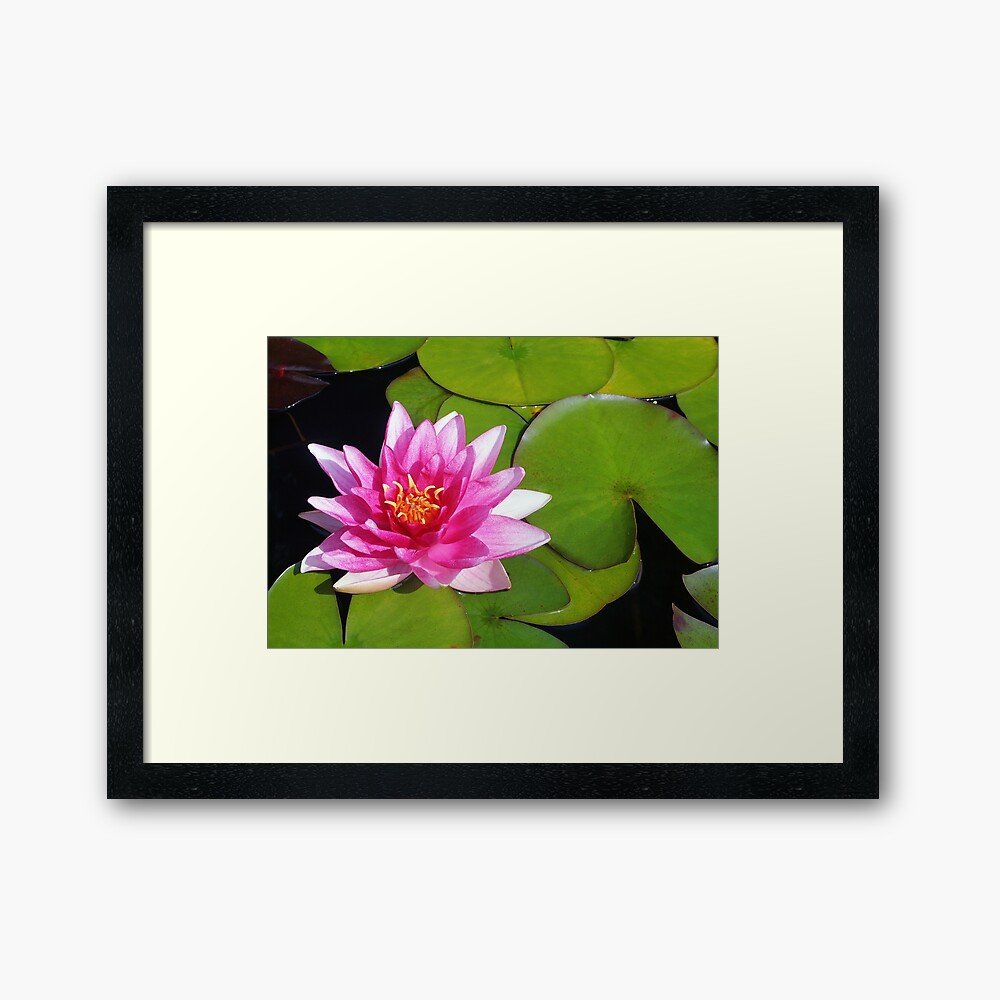
    A touch of pink: The Water Lily
    Tap to view in my redbubble gallery.

    Water lilies have been a part of many cultures’ folklore and mythology for centuries.

    In ancient Egyptian mythology, the water lily was associated with the goddess Nefertem, who was known as the “lotus flower of the sun”. It was believed that the water lily was the first flower to emerge from the primordial waters of creation and that it symbolized the emergence of the sun and the dawn of a new day.

    In Hindu mythology, the water lily is associated with the god Vishnu. It is believed that when Vishnu sleeps, he rests on a bed of water lilies. This symbolizes the idea of the god’s dream state as the source of all creation.

    In Chinese folklore, the water lily is associated with purity and beauty. It was said that a young woman who picked a water lily from a pond would become more beautiful, and that the flowers could be used to ward off evil spirits.

    In Greek mythology, the water lily was associated with the goddess Aphrodite, who is often depicted holding a water lily in her hand. The lily was said to be a symbol of love and beauty, and was associated with the goddess’ beauty and power.

    In Native American folklore, the water lily is associated with creation and renewal. Many tribes have stories about a water lily that emerged from the depths of a pond, bringing life and fertility to the surrounding land.

    In African cultures, the water lily is associated with various meanings, depending on the tribe or culture. For some, it symbolizes beauty, purity, and motherhood. For others, it symbolizes the connection between the living and the dead, or the balance between light and darkness.

    Tap to view my redbubble gallery.

    More interesting posts

  • The Robin’s Lullaby of Love

    The Robin’s Lullaby of Love

    Spreading cheer
    Tap to view in redbubble

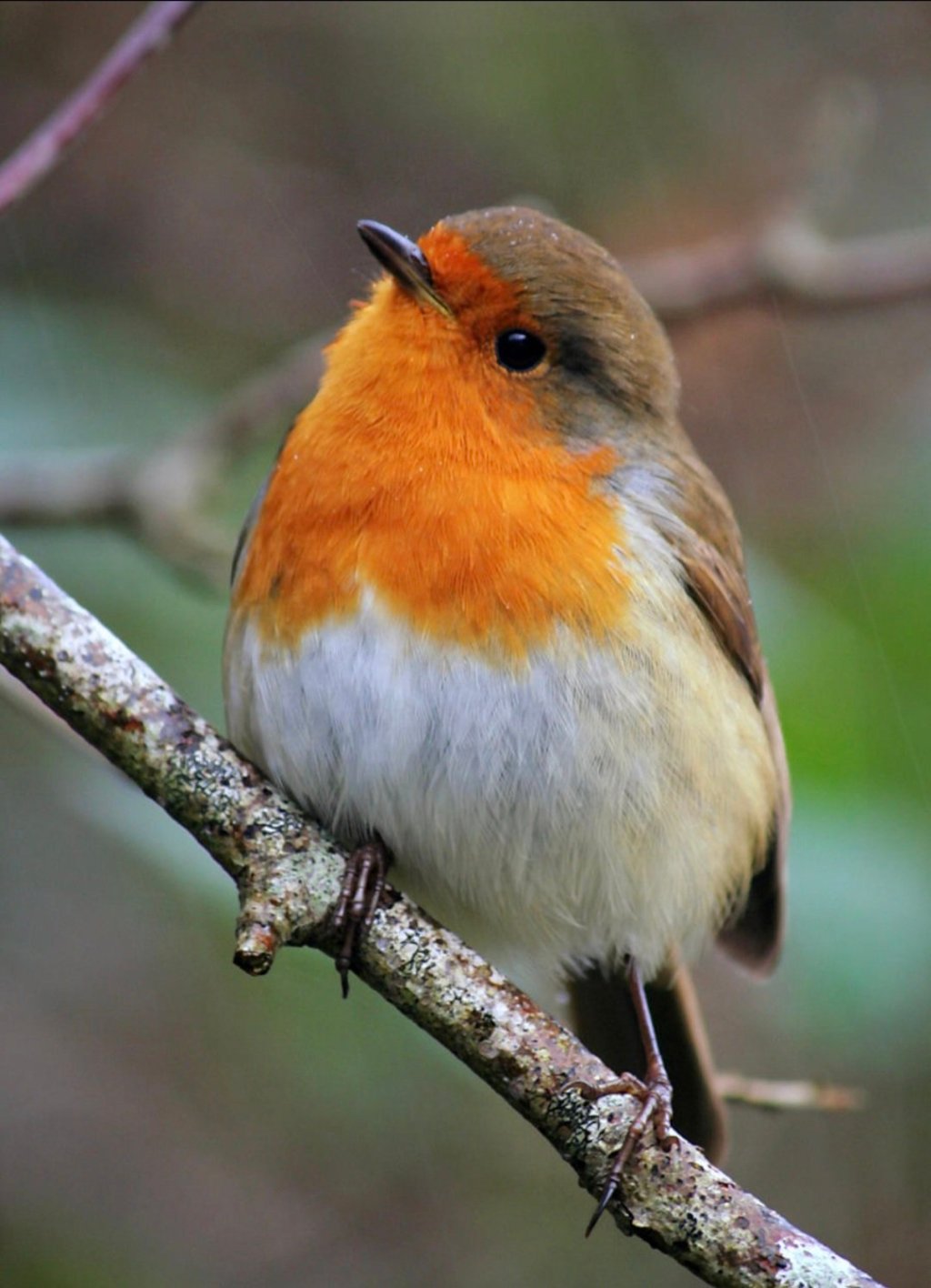
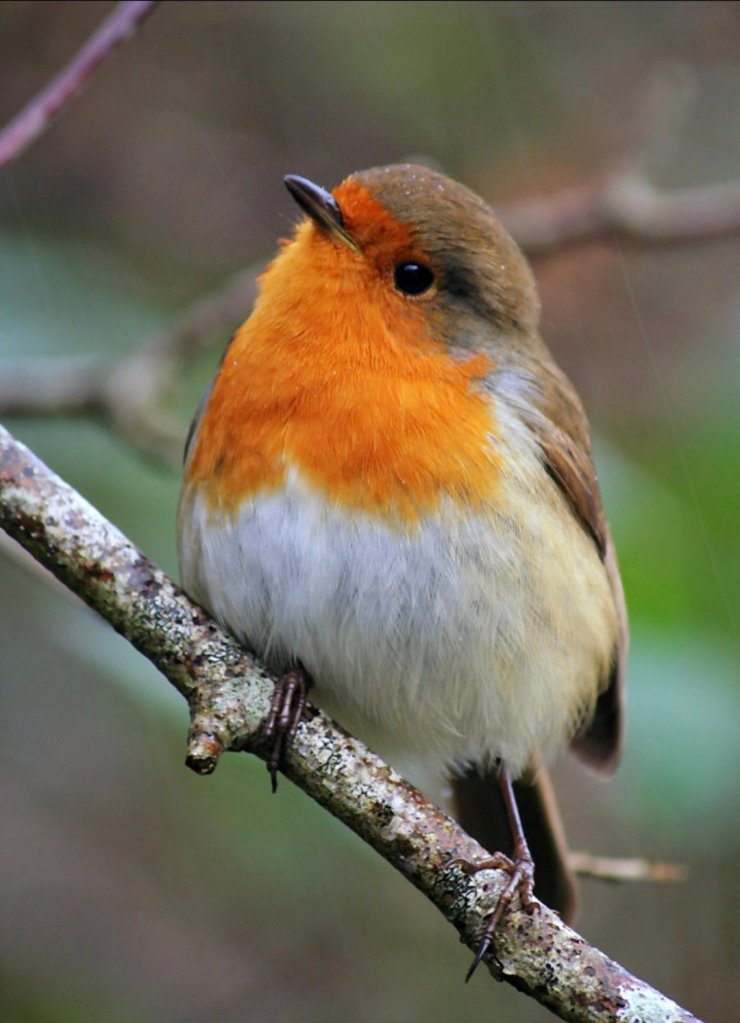
    Once, there lived a robin who sang the most beautiful and soothing lullaby. Villagers would often hear the robin singing at night, and soon they discovered that the robin’s lullaby had the power to bring peace and comfort to the hearts of anyone who heard it.

    One night, a young couple in the village was going through a difficult time in their relationship. They were on the brink of breaking up and could not find a way to reconcile their differences. As they lay in bed, feeling hopeless and alone, they heard the robin’s lullaby outside their window.

    The lullaby was so soothing and calming that it helped them to relax and let go of their anger and resentment towards each other. They started to remember why they fell in love in the first place and how they could make things right between them.

    The couple got up from their beds and went outside to look for the robin. They found the robin sitting on a branch, singing its beautiful lullaby. They approached the robin and thanked it for its gift of peace and comfort. The robin looked at them with its kind eyes and sang a few more notes before flying away.

    From that night on, the couple’s relationship was stronger than ever. They would often hear the robin’s lullaby at night, and it would remind them of the love they shared and the importance of forgiveness and understanding.

    The villagers soon heard of the couple’s story and started to believe that the robin’s lullaby had the power to mend broken hearts. From then on, whenever someone in the village was going through a difficult time in their relationship, they would go out and listen to the robin’s lullaby. And more often than not, the lullaby would bring peace and comfort to their hearts, helping them to reconcile and find love again.

    And so, the robin’s lullaby of love became a cherished tradition in the village, passed down from generation to generation, a reminder of the power of love and the importance of forgiveness and understanding

    Tap to view my redbubble gallery.

    More interesting posts

  • Winging it

    Winging it

    Daisy the dove, she wrote a guide,
    But her own flying skills, she couldn’t
    abide.
    So she practiced each day,
    And soon soared away,
    Leaving all her doubters behind.

    A Dove’s Guide to Life
    Tap to view my deviantart gallery

    Once upon a time, in a peaceful forest, there was a young dove named Daisy. Daisy was a curious bird, always eager to explore and learn new things. However, she had one major flaw – she was terrible at flying.

    Despite her lack of flying skills, Daisy was determined to make a name for herself in the forest. So, she decided to write a guidebook for all the other birds, entitled “Winging it: A Dove’s Guide to Life.”

    The book was a huge success, with birds of all types flocking to buy a copy. Daisy was thrilled and quickly became a respected and admired figure in the forest.

    But as the days went on, Daisy realized that she had made a grave mistake. She had written a guidebook on how to fly, but she couldn’t even fly herself!

    Feeling embarrassed and humiliated, Daisy decided to confront her fear of flying head-on. She spent every waking moment practicing and honing her flying skills.

    Finally, the day came when Daisy felt ready to put her newfound skills to the test. With a deep breath, she spread her wings and took off into the sky.

    To her surprise and delight, she soared higher and higher, leaving all her doubters behind. She was flying!

    Daisy flew back to the forest, where all her feathered friends were waiting to welcome her home. They were amazed by her transformation and couldn’t believe that the dove who couldn’t fly had become a master of the skies.

    From that day on, Daisy was known as the “flying dove,” and her guidebook, “Winging it: A Dove’s Guide to Life,” became a bestseller among birds everywhere.

    And Daisy lived happily ever after, proving that with determination and hard work, anyone can achieve their dreams, even if they’re not very good at winging it at first.


    More interesting blogs

  • Aqua Myths

    Aqua Myths

    Water, Water Everywhere
    Tap to view my redbubble gallery.

    Ancient stories and folklore surrounding water are rich and varied across different cultures and civilizations. Here are a few examples:

    In Greek mythology, the god of the sea, Poseidon, was said to wield a trident that could control the waves and earthquakes. He was also known for his tempestuous nature and was often depicted as a powerful and fearsome figure.

    In many Native American cultures, water is seen as a sacred and powerful element, with many stories and legends that describe its importance in daily life. For example, the Hopi tribe of Arizona believe that water is the source of all life, and that it must be treated with respect and gratitude.

    In Chinese folklore, the dragon is often associated with water, and is said to have the power to control the rain and rivers. The dragon is also seen as a symbol of power and good luck.

    In the Hindu religion, the Ganges river is considered holy and is said to have the power to purify the soul. Many Hindu rituals involve bathing in the Ganges as a way to cleanse the body and mind.

    In African cultures, water is often seen as a symbol of fertility and life. Many traditional stories and myths feature water as an important element, and many rituals involve the use of water. In the mythology of the Zulu people of South Africa, the god of water is called Nomkhubulwane. She is a goddess of fertility and agriculture, and is said to be responsible for the growth of crops and the well-being of the people. Nomkhubulwane is often associated with the rainbow and is said to bring rain and good luck.

    Tap to view my redbubble gallery.

    More interesting posts

  • Unleashing the Charm

    Unleashing the Charm

    The Hairless Wonder

    The Chinese crested dog is a small, unique breed that is known for its hairless body and fluffy head and tail. These dogs are affectionate and playful, making them great companions for both families and individuals.

    One of the most striking features of the Chinese crested dog is their hairlessness. While some dogs of this breed may have hair on their paws, head, and tail, many are completely hairless. This makes them a great choice for people with allergies, as they produce less dander than other breeds.

    Despite their small size, Chinese crested dogs have a lot of energy and love to play. They make great companions for children and are often described as being “big dogs in a small package.” They are also known to be affectionate and loyal to their owners, making them great pets for those looking for a loyal companion.

    While Chinese crested dogs are generally healthy, they do have a few potential health concerns to be aware of. Some may be prone to certain skin conditions, and they may also have dental issues. It is important to keep your Chinese crested dog’s skin clean and moisturized, and to provide regular dental care to prevent problems.

    Overall, the Chinese crested dog is a unique and loving breed that makes a great companion for those looking for a small, affectionate pet. With proper care and attention, these dogs can live happy, healthy lives. If you’re interested in getting a Chinese crested dog, be sure to research reputable breeders and make sure you are prepared to provide the care and attention that this special breed needs.

    Tap to view my redbubble gallery.
  • Ikebana

    Ikebana

    The Art of Balance
    Tap to view my redbubble gallery.

    Ikebana is the Japanese art of flower arrangement that has been around for centuries. It is an aesthetic expression of nature and the seasons, and involves the arrangement of flowers, branches, stems, leaves, and other materials. There are many different styles of Ikebana, and each can be used to create unique and beautiful works of art.

    The history of Ikebana dates back to the sixth century when it was introduced in Japan by Chinese Buddhist missionaries. It was initially used as a ritual to offer flowers to the Buddha, and was often practised by Japanese generals who believed it allowed them to make the proper decisions on the battlefield. Over time, Ikebana evolved and was adopted by the Japanese as a secular art form.

    The first school of Ikebana, Ikenobo, was founded in the 15th century. This school taught a style of flower arrangement known as Rikka, which involves seven or nine core elements, including tree branches and flowers. This style is still practised today and is known for its complex shapes and angles. Other schools of Ikebana include Sogetsu, Ohara, and Ichiyo, all of which have developed over time and have their own distinct styles and techniques.

    When creating an Ikebana arrangement, the most important thing to consider is the form and structure of the arrangement. The form of an Ikebana arrangement can be simple or complex, depending on the style and the materials used. The structure of the arrangement is also important, as it helps to create balance and harmony. It is important to consider the colours, textures, and shapes of the materials used, as well as the season in which you are creating the arrangement.

    When it comes to materials and tools, there are a few basics that are necessary for Ikebana. These include a shallow container, such as a bowl or vase, a kenzan (also known as a flower frog), and scissors or shears. Other materials that can be used include flowers, branches, leaves, and other natural materials. The materials should be selected carefully, as they will affect the shape and overall look of the arrangement.

    Once you have the materials and tools, you can begin to create your Ikebana arrangement. Before you begin, take some time to look at the materials and find inspiration. Think about the colours, shapes, and textures of the materials, and how they can be used. Ikebana takes practice, and there are no right or wrong answers.

    Tap to view my redbubble gallery.
Design a site like this with WordPress.com
Get started