“The robin, a crimson beacon in winter’s embrace, Sings songs of hope, its presence a grace. In its scarlet vest, through snow and cold, A symbol of love, in stories untold.”
Tap to see in red bubble
The charming robin, with its vibrant red breast, has nestled its way into our hearts as a symbol of hope and warmth during the festive season. Its association with Christmas dates back to Victorian England when the tradition of sending Christmas cards was in its infancy.
In those frosty winters of yesteryears, postmen, often known as “Robin Postmen” because of their distinctive red uniforms, delivered holiday greetings to homes across the land. It’s said that these friendly postmen were as dependable as the robin’s return to the garden in winter, and thus, the robin became a symbol of the joyous news that Christmas brought.
When people began sending Christmas cards to their loved ones, they adorned them with images of robins, signifying not just the holiday’s arrival but also the spirit of togetherness and the importance of sharing warmth with those we hold dear. Each time we see a robin perched on a snowy branch on a Christmas card, we’re reminded of the timeless message of love, hope, and connection that this little bird represents during the most wonderful time of the year.
Ancient Roots: The history of woodblock printing can be traced back to ancient China, where it is believed to have originated during the Tang Dynasty (618-907 AD). Initially, it was used for printing on textiles.
Buddhist Scriptures: Woodblock printing gained prominence during the Tang Dynasty for the reproduction of Buddhist scriptures and religious texts. The earliest surviving woodblock-printed book, the “Diamond Sutra,” dates back to 868 AD during the Tang Dynasty.
Spread to East Asia: From China, woodblock printing technology gradually spread to neighboring regions like Korea and Japan. Buddhist monks played a significant role in disseminating this printing method.
Development in Korea: Korea adopted woodblock printing in the 13th century. They developed a movable metal type system, which was an important precursor to modern typography. This advancement improved the efficiency and quality of printing.
Journey to Europe: Woodblock printing eventually made its way to Europe, likely through trade along the Silk Road. By the 14th century, woodblock printing was being used for printing religious images, playing cards, and even books in Europe.
The Gutenberg Press: Although woodblock printing had spread to Europe, it was Johannes Gutenberg who revolutionized printing in the mid-15th century with the invention of the movable-type printing press. This innovation allowed for the mass production of books and documents, paving the way for the spread of knowledge and the Renaissance.
In summary, woodblock printing originated in ancient China as a means to reproduce religious texts and images. It spread to other parts of Asia, including Korea and Japan, before making its way to Europe. While woodblock printing played a crucial role in the history of printing, it was eventually surpassed by Gutenberg’s movable-type printing press, which marked a significant leap forward in the history of printing technology.
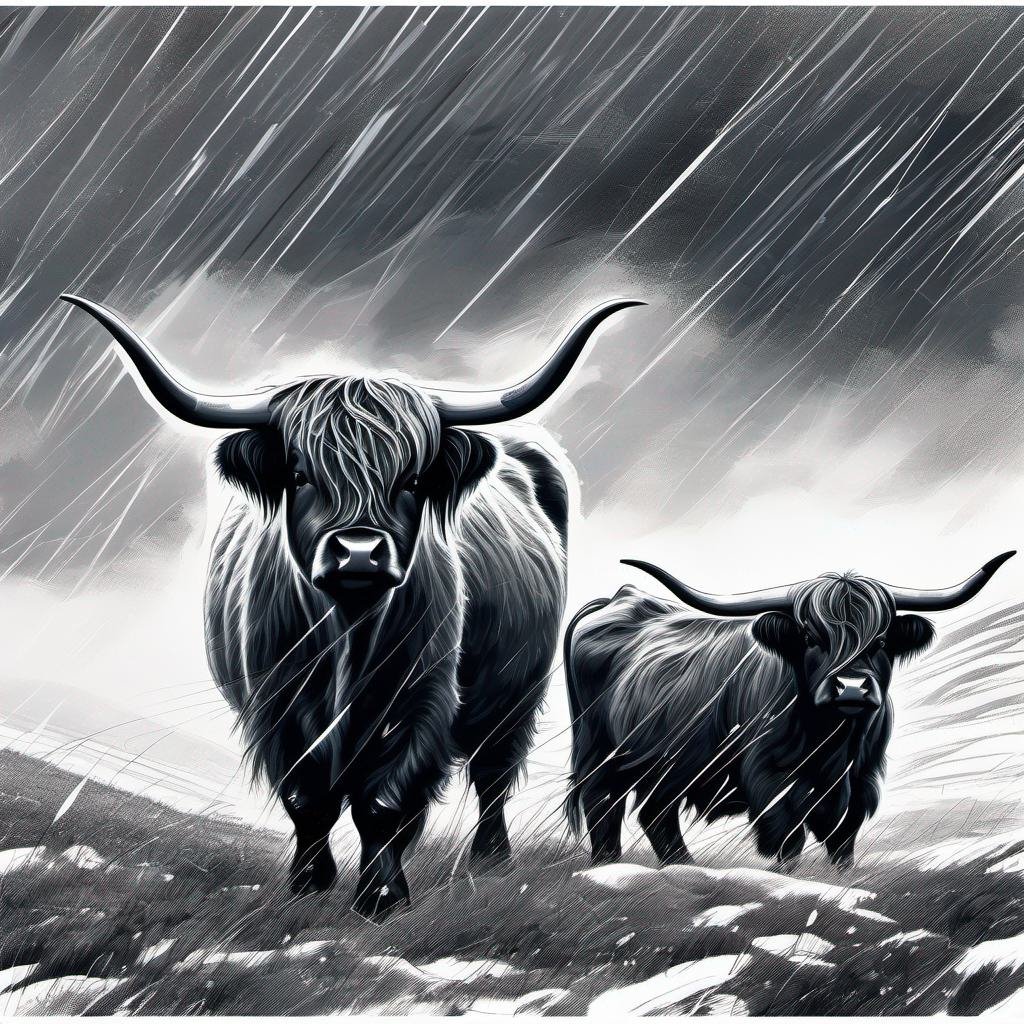
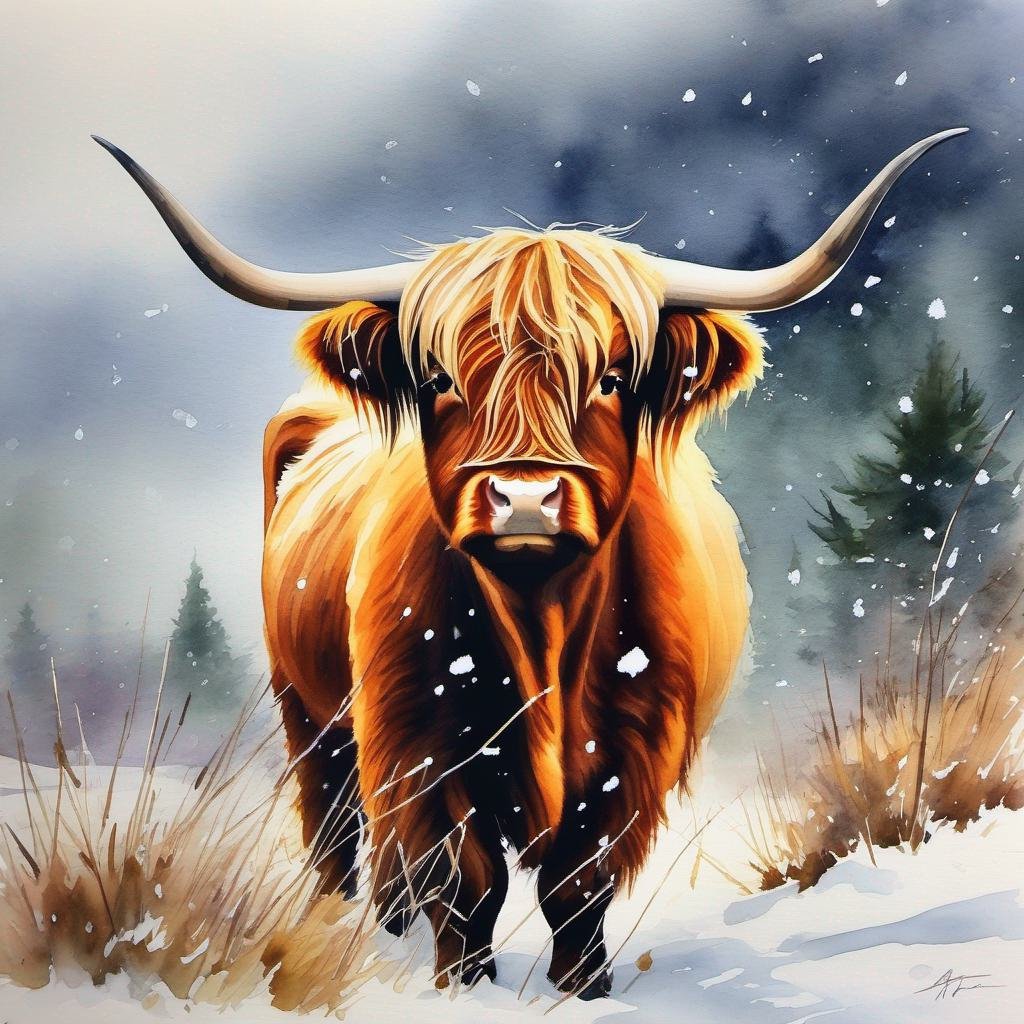
In the rugged and unforgiving landscapes of the Scottish Highlands, a remarkable tale unfolds—a story of symbiosis and wisdom that has stood the test of time. Highland cattle, a breed as ancient as the hills they call home, have long epitomised the essence of using the right tool for the challenge at hand. As we delve into the profound wisdom of these magnificent creatures, we uncover valuable lessons that resonate beyond the pastures.
Step into the Highlands, and you’ll find yourself amidst a captivating dance of nature and resilience. Highland cattle, affectionately known as “coos” in local parlance, have roamed these lands for centuries, adapted to endure the harshest of conditions. Their signature shaggy double coat serves as a natural insulator, protecting them from the biting winds and bone-chilling rains that blanket the region.
The saga of the Highland cattle is more than just an awe-inspiring display of nature’s mastery. It embodies the art of suitable selection – a philosophy that we, too, can apply to every aspect of our lives. In a world teeming with choices, it’s easy to be enticed by the allure of novelty and the promise of new innovations. Yet, the tale of the Highland cattle urges us to pause and consider the wisdom of selecting what is most suited to a particular task.
Just as the Highland cattle are perfectly tailored for the challenging Highlands environment, we too can benefit from identifying the right fit in our daily endeavours. Whether it’s selecting the appropriate tools for a trade, hiring the right talent for a team, or choosing the most suitable approach to tackle a problem, the Highland cattle remind us to align our choices with the unique demands of the situation.
As the Highland cattle have proven time and again, resilience can often outshine mere novelty. The ability to adapt and persevere, just like the coos do in the face of storms, can lead to lasting success. The world may be full of shiny distractions, but the Highland cattle’s story serves as a gentle nudge to value tried-and-true solutions and enduring strengths.
As we reflect on the remarkable journey of the Highland cattle, we are reminded that nature has a way of weaving wisdom into every fibre of existence. The principle of using the right tool for the job is a timeless guide to navigating life’s challenges. Just as the Highland cattle have found their place of excellence in the Highlands, let us seek out and nurture our own areas of brilliance, aligning our choices with the natural course of life.
As we walk alongside the ancient coos in the Scottish Highlands, let us take a moment to appreciate the wisdom in their presence and the inspiration they offer. By choosing the right fit, embracing resilience and cherishing the timeless strength of nature’s architects, we, too, can craft a life of purpose and prosperity.
Horse’s steady gazeStrengthful eyes that dare to meetChallenge accepted Courage is the strength to face our fears,… Read more: Darkness, Power and Beauty
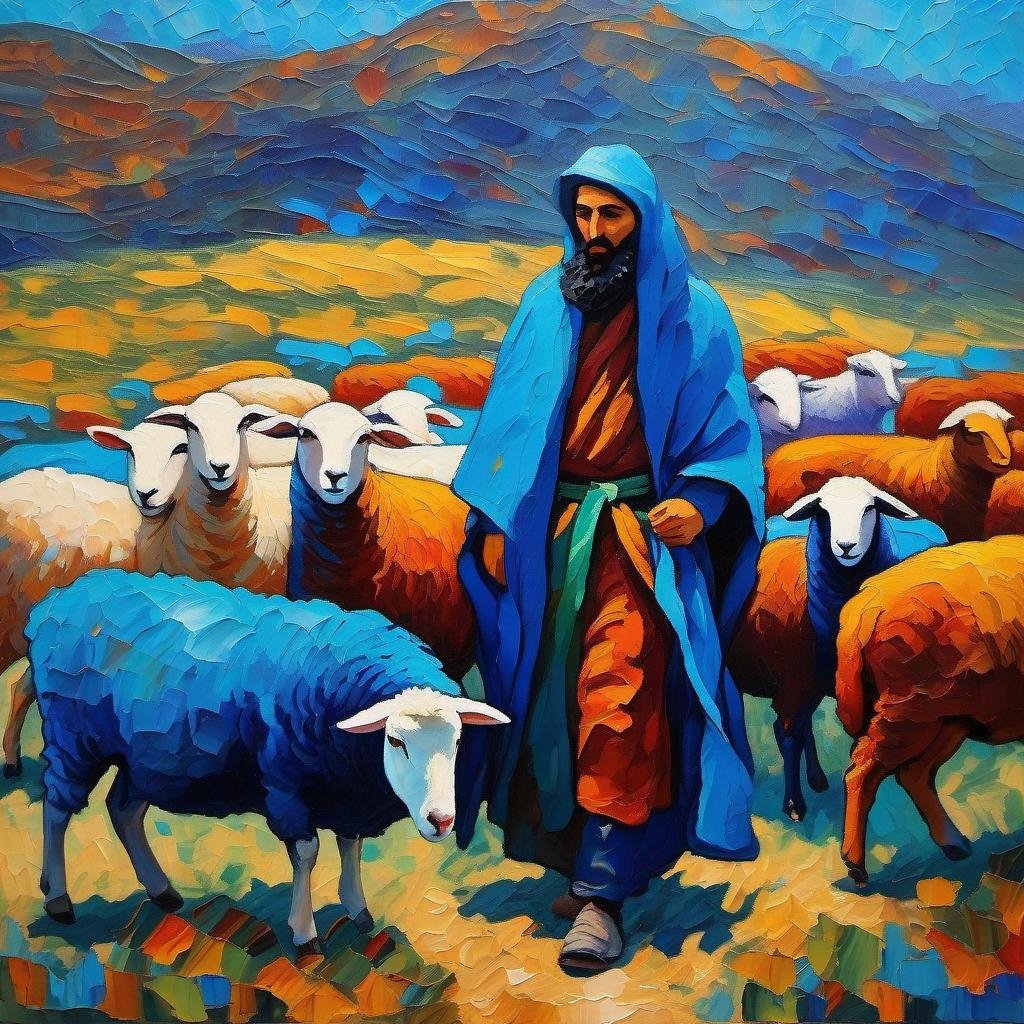
Once upon a time, in the ancient land of Judea, there lived a humble shepherd named Samuel. He tended to a flock of sheep, and among them, there was a very special one – a sheep with a rare and beautiful blue fleece
The blue sheep stood out from the rest, its fleece shimmering like the evening sky adorned with stars. Samuel believed that this sheep was a gift from the heavens, and he named it “Azul,” which meant blue in his native tongue.
As the days passed, Azul’s unique appearance drew the attention of many villagers. They marveled at the sight of the blue sheep, believing it to be a sign from the divine. Samuel cherished Azul and treated it with great care, always making sure it grazed in the lushest pastures and drank from the purest streams.
One night, as Samuel tended his flock under the starry heavens, a group of bandits appeared on the horizon. The shepherd knew that his flock was in danger, and he stood firm, vowing to protect them with his life. But the bandits had heard of the mythical blue sheep, and they desired to possess it for themselves, believing it would bring them immense wealth and power.
As the bandits approached, Samuel prayed for guidance, clutching his staff tightly. Suddenly, a bright light filled the night sky, and a soothing voice echoed in his mind, “Fear not, for I am with you.”
With newfound courage, Samuel stood tall before the menacing bandits, his eyes ablaze with unwavering determination. The cool night air seemed to hum with a divine energy as he took a deep breath and began to speak, his voice carrying the weight of his unshakable faith. He recounted the countless nights he had spent under the starlit skies, feeling the presence of God in the gentle rustling of leaves and the soothing whispers of the wind. With passion and eloquence, he shared the sacred bond he had formed with Azul, the blue sheep, a bond that transcended mere ownership and became a testament to the boundless love and grace of the Almighty.
Samuel painted a vivid picture of Azul’s divine fleece, its blue hue shimmering like the very essence of heaven itself, reminding the bandits that this sheep was no ordinary creature, but a living manifestation of God’s creativity and divine touch. The shepherd’s words resonated in the hearts of the bandits, penetrating the fortress of their greed and selfish desires. Tears welled up in their eyes as they began to grasp the depth of Samuel’s conviction and the sanctity of his relationship with Azul.
In that transformative moment, the bandits felt a stirring in their souls, a profound realization that there was more to life than material wealth. They recognized the darkness that had clouded their hearts and the emptiness that their ill intentions had brought upon them. As they listened to Samuel’s fervent testimony, they felt a spark of hope ignite within, leading them towards redemption.
The once merciless bandits dropped to their knees, their hardened expressions softened by remorse and regret. They vowed to abandon their wicked ways and seek a path of righteousness instead. With trembling hands, they returned the stolen goods they had collected from their ruthless exploits, seeking to undo the harm they had caused to innocent lives.
Samuel’s unwavering faith and his ability to see the divine in all beings had not only saved his beloved Azul but had also kindled a fire of transformation in the hearts of those who had sought to harm them. From that night onward, the bandits vowed to use their skills for good, protecting the weak and standing up against injustice. Their lives became a testament to the profound impact that faith and compassion can have on even the most hardened souls.
As the sun rose on a new day, Samuel and Azul returned to their peaceful existence, surrounded not only by their flock but also by the warmth of changed hearts and renewed spirits. The tale of the shepherd and his blue sheep echoed far beyond the hills of Judea, inspiring countless others to look beyond the surface and find the divine spark in all living beings, embracing a path of love, grace, and compassion.
Samuel’s life took a divine turn, and he became not just a shepherd but a wise spiritual guide. He used Azul’s presence as a teaching tool, reminding people of the beauty and uniqueness of God’s creations. Many found solace in the shepherd’s words and found a deeper connection with their own faith.
As the years passed, Azul’s legacy lived on, and the blue sheep’s fleece became a symbol of hope and inspiration for generations to come. Samuel’s devotion to his flock, especially Azul, left an indelible mark on the hearts of those who heard his tale, reminding them of the power of faith and the significance of finding beauty in the simplest of things.
The moral of the story is to value and appreciate the uniqueness of God’s creations and to have faith in times of adversity. Through Samuel’s devotion to his special blue sheep, Azul, he exemplifies the importance of treating all living beings with care and respect. The tale emphasizes that beauty can be found in the simplest of things and that sometimes, what sets us apart can also be a source of inspiration and hope for others. Furthermore, the story teaches the power of faith and how it can guide us through challenging times, providing courage and strength to face difficulties. It encourages us to stay true to our principles, even in the face of greed and temptation, and to believe in the presence of a higher power that can guide and protect us.
Horse’s steady gazeStrengthful eyes that dare to meetChallenge accepted Courage is the strength to face our fears,… Read more: Darkness, Power and Beauty
Jellyfish, with their ethereal beauty and mysterious nature, have long captured the imaginations of humans. These enigmatic creatures have inspired numerous myths and legends, passed down through generations, each adding to the allure and wonder that surrounds them. Embark with us on a journey to explore the myths surrounding jellyfish and unveil the truths that lie beneath the surface.
Immortality and Rebirth: One of the most enduring myths about jellyfish is their supposed immortality. Legend has it that these gelatinous beings possess the ability to defy death and rejuvenate themselves. The source of this myth stems from the jellyfish’s extraordinary life cycle, which includes a unique process called “transdifferentiation.” Under certain conditions, an adult jellyfish can revert back to its polyp stage, effectively resetting its biological clock. While this process is fascinating, it’s essential to clarify that jellyfish are not immortal in the traditional sense, as they can still be susceptible to disease, predation, and environmental changes.
Celestial Origins: Ancient civilizations often looked to the stars and celestial bodies to explain natural phenomena, and jellyfish were no exception. Some cultures believed that jellyfish were gifts from the heavens, sent down to Earth by benevolent gods. They were seen as celestial beings, descending from the skies to bless the oceans with their otherworldly presence. Although we now know the scientific basis of jellyfish existence, the notion of these creatures descending from the cosmos continues to inspire awe and wonder.
Luminous Enchantment: Many jellyfish species are bioluminescent, capable of emitting a soft, mesmerising glow. Sailors of old recounted tales of the sea, describing these glowing creatures as the souls of lost sailors or lost cities beneath the waves. The eerie glow of jellyfish drifting in the dark depths of the ocean seemed to them like flickering lanterns leading the way to unknown territories. This myth created a mix of fear and fascination, fueling the belief that the sea held secrets beyond human comprehension.
Vengeful Spirits: Jellyfish stings can cause pain and discomfort, and in ancient times, this natural defence mechanism led to beliefs that they were vengeful spirits or guardians of the sea, seeking retribution for those who dared to disturb the waters. These tales often served as cautionary warnings, reminding people to respect the vastness and power of the ocean.
Love and Transformation: In some cultures, jellyfish have been associated with love and transformation. Tales of star-crossed lovers transformed into jellyfish and forever separated by the sea have been woven into folklore. Such myths symbolise the impermanence of love and the ever-changing nature of life.
While these myths and legends are captivating, it’s important to remember that jellyfish are remarkable creatures deserving of our admiration and protection for their ecological importance in marine ecosystems. As we uncover the truths behind these myths, we come to appreciate the beauty and complexity of jellyfish in a new light.
In conclusion, the myths surrounding jellyfish are an integral part of human history and culture. They provide insight into our ancestors’ attempts to make sense of the world and its wonders. Today, science allows us to understand more about these fascinating creatures, but the mystique of jellyfish continues to inspire awe and curiosity, reminding us of the profound mysteries that still lie within the depths of the ocean.
Horse’s steady gazeStrengthful eyes that dare to meetChallenge accepted Courage is the strength to face our fears,… Read more: Darkness, Power and Beauty
Within conversation, subtle tones refers to the nuances and variations in the way we speak, including the pitch, volume, and emphasis on certain words or phrases. These tones can convey a range of emotions, attitudes, and intentions, often beyond the literal meaning of the words we use.
For example, imagine someone saying “I’m fine” in a low, monotone voice, versus saying it with a bright smile and a lilt in their voice. The difference in tone can suggest very different emotions or meanings, such as apathy versus enthusiasm.
Similarly, when we engage in conversation, our tone can convey various social cues, such as friendliness, dominance, or hostility. These cues can shape how others perceive us and how they respond to us.
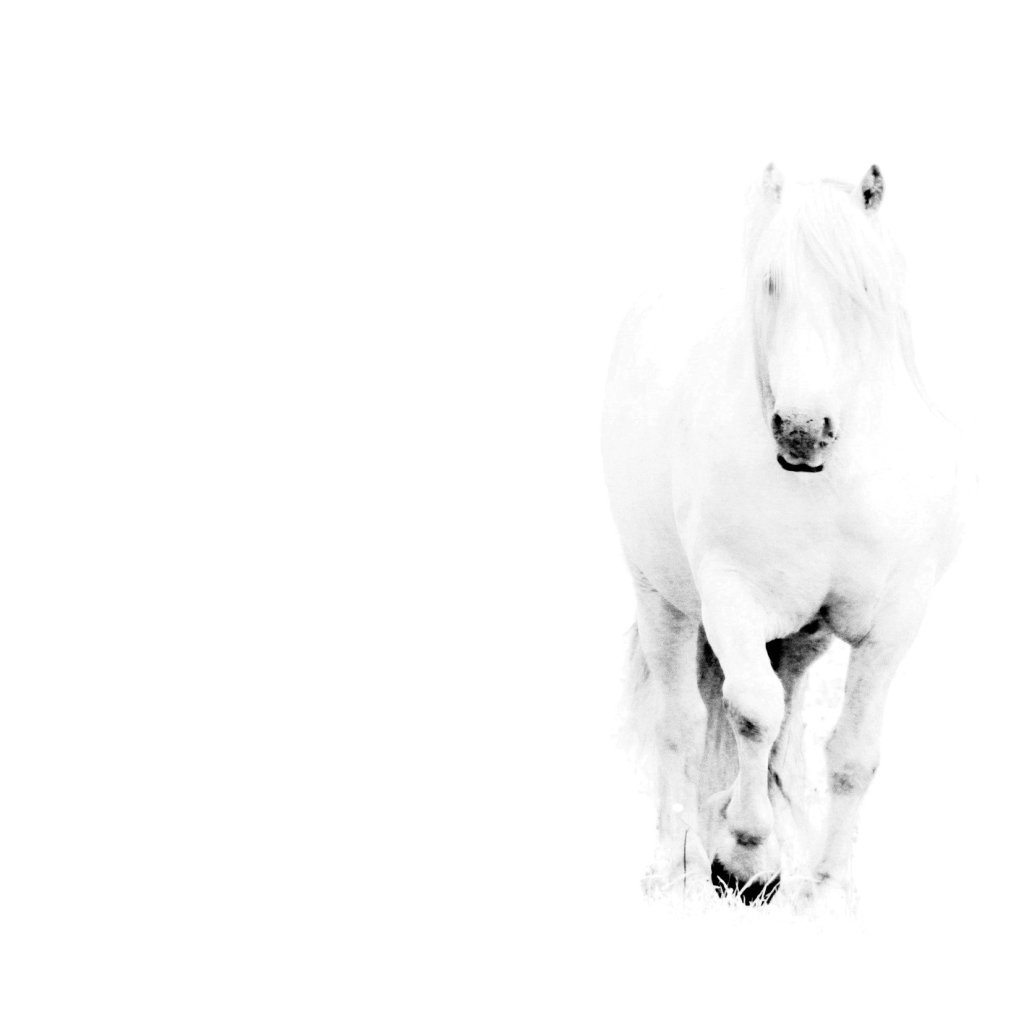
Now, let’s compare this with the monochrome photo. At first glance, the image may seem simple and straightforward. However, upon closer inspection, we can see subtle differences in the tones and shades of white, which create depth and texture within the image.
For instance, the white of the horse’s coat appears slightly brighter or darker than the white of the background. This difference in tone creates a sense of contrast and dimensionality, making the horse stand out more.
Likewise, in conversation, subtle changes in tone can create a sense of contrast and depth, highlighting certain words or ideas and making them have greater impact.
Moreover, just as the white horse on a white background can be challenging to photograph, subtle tones in conversation can be difficult to detect and interpret accurately. Our own biases, assumptions, and emotional states can influence how we perceive and respond to these subtle cues.
Therefore, it’s important to be mindful of these subtleties within our own speech and the speech of others. By paying attention to these nuances, we can develop a deeper understanding of ourselves and those around us, and communicate more effectively and empathetically.
Initially, ideas which seem unconnected, subtle tones within conversation and a photo of a white horse, share similarities in terms of the subtle nuances and variations that create depth, texture, and contrast. By being aware of these subtleties, we can become better communicators and better appreciate the beauty and complexity of the world around us.
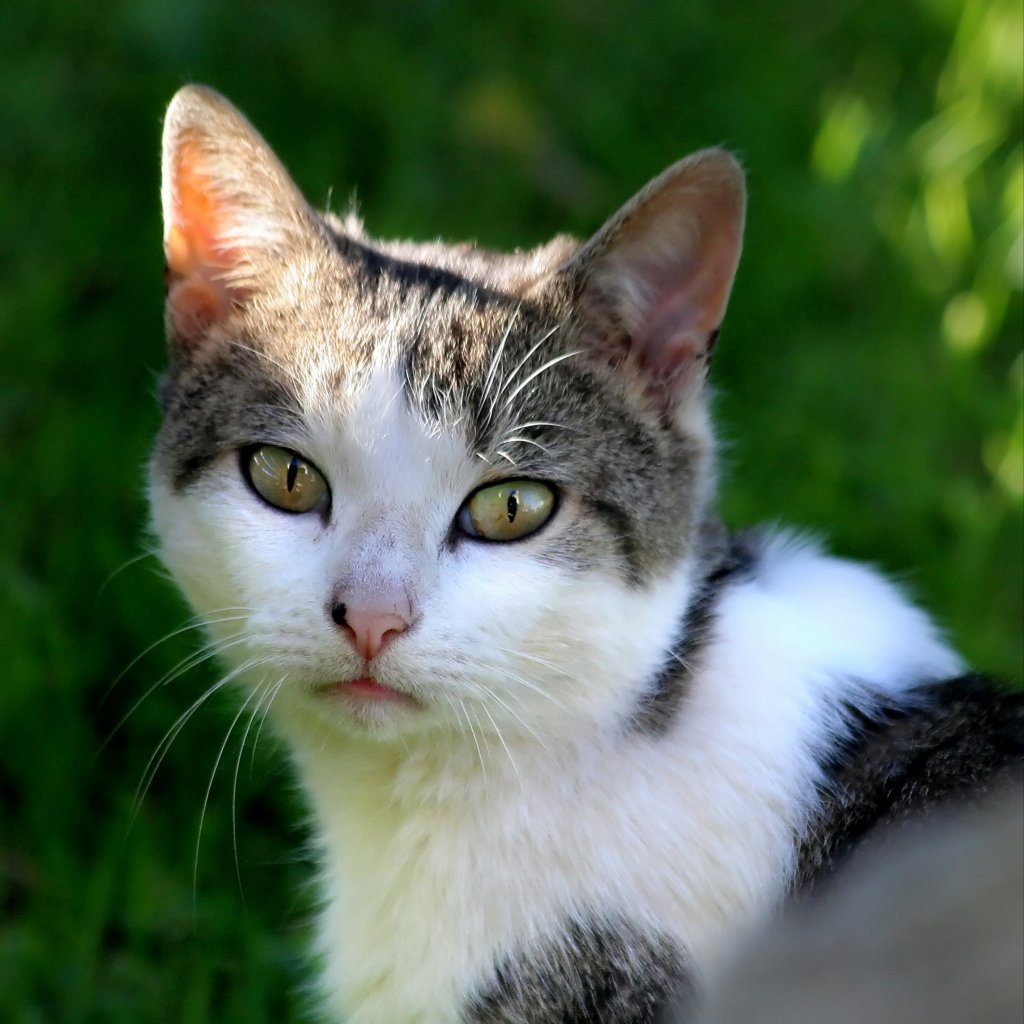
When you’re feeling down and blue, A kitty’s cuddle can see you through, Their warmth and love your heart will heal And make you all the better feel.
Tap to view in my redbubble gallery.
O hai frens! Me wanna talk bout kittehs, y’all! Kittehs bein’ kittehs, dey do whateva dey want, but we luv dem anywayz. Dey climb trees, run super fast, and always be cleanin’ demselves. If yoo know kittehs, yoo know dey can jus sit in one spot for hourz and stare at yoo like yoo crazy.
OMG, frens, kittehs make such great pets! Dey jus sit by ya side and purr, and rub on ya legs. Dat make us so happy and we feel loved. And dey can catch all da icky pests like rats and stuff dat we don’t want in our houses.
Can haz cheezburger, I do plea, Make it tasty, just for me, I’ll purr and rub and be so nice, For it is as good as a mice.
But sometimes, kittehs can be difficult too. Dey might jus decide dey don’t wanna listen to ya and jus stare at yoo like yoo silly. Dey might even refuse to eat da food yoo give dem. But we still luv dem, cuz dey make us laugh and feel happy.
If yoo wanna keep a kitteh as a pet, yoo gotta feed dem what dey like. Dey don’t eat anything like doggies do. Dey like fish, chicken, and all dat good meaty stuff. Oh, and a little bit of milk will make dem feel like dey in kitteh heaven.
So, kittehs are da best pets ever, as long as yoo take care of dem right. Dey might stare at yoo like yoo nutz, but dat don’t mean dey don’t love yoo. Just give dem some good noms, and dey’ll be happy to do all kinda silly things for yoo. So, frens, if yoo never had a kitteh as a pet, yoo gotta try it! It’s so much fun! Meow!
If you find this content inspiring and uplifting, consider supporting what I do. Buy me a coffee on Ko-fi. Your support makes a difference in my life and helps me create more of what you like. Thank you!Tap to view my redbubble gallery.
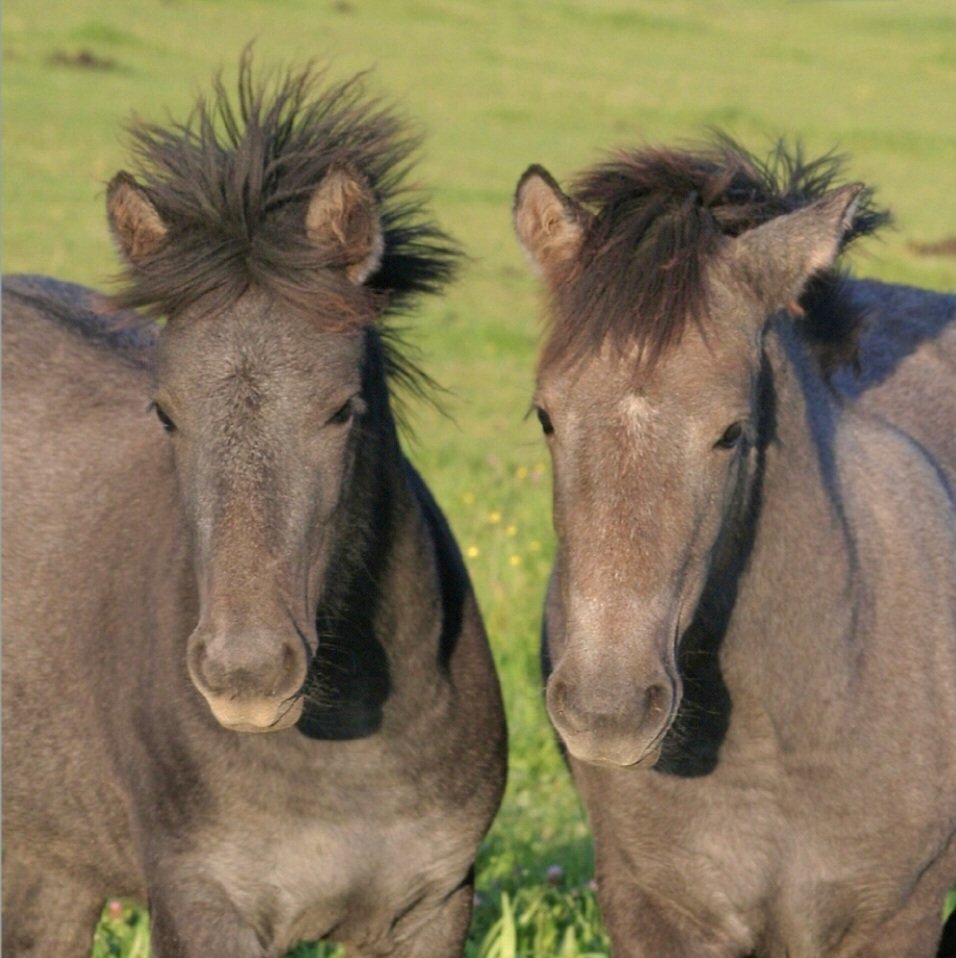
Espresso: “You know, conversation is really an art form.”
Coco: “Absolutely, it requires skill and practice to carry it out successfully.”
Espresso: “What do you think are some important elements of a good conversation?”
Coco: “Well, first of all, active listening is key. You need to pay attention to what the other horse is saying, and respond thoughtfully and respectfully.”
Espresso: “Yes, and I think it’s also important to have a good sense of… timing. Knowing when to speak, when to pause, and when to ask questions can really make a conversation flooooow smoothly.”
Coco: “Definitely. And I would add that having a wide range of topics to draw from is also important. You don’t want to always talk about the same thing.”
Espresso: “Yes, variety is important. And it’s also important to be open-minded and willing to consider different perspectives. Even if you disagree with someone, you can still have a productive conversation if you listen respectfully and try to understand where they’re coming from.”
Coco: “Exactly. And I think that’s what separates a good conversationalist from a bad one. It’s not just about being able to talk, but about being able to really engage with others and build meaningful connections.”
Espresso: “Well said, my friend. It’s a skill we should all strive to improve, both for our own sake and for the sake of our herd.”
Celestial poetsNightingales and blossoms danceIn nocturnal light Anthony Amidst the moonlit embrace of silken night, the nightingales… Read more: Verse of the Night
I am the king of the skies, a magnificent seagull soaring high above the clouds. With my wings spread wide, I glide effortlessly through the air, feeling the wind rush past me as I survey the world below.
Soaring High Tap to view in my redbubble gallery.
From up here, I see everything. The endless expanse of the ocean, the rolling hills and mountains, the bustling cities and towns. It’s all so small and insignificant compared to the freedom I feel as I soar through the sky.
I am not bound by the constraints of the earth, by the limitations of gravity. I am free to go wherever I wish, to follow the winds and currents of the sky. I am in control of my own destiny, and I revel in the sense of power and strength that comes with that freedom.
And yet, there are moments when I look down and see the beauty of the world below, and I am humbled by the majesty of it all. The colors and patterns of the earth, the endless patterns of nature and life, all working together in a harmonious dance.
It is in these moments that I am truly grateful for my life as a seagull. To be able to soar high in the sky, to see the world in all its splendor, to feel the wind beneath my wings… these are the things that bring me joy and fulfillment.
So I will continue to soar, to glide, to fly, and to be free. For as long as I live, I will be the king of the skies, a seagull soaring high above it all.
Horse’s steady gazeStrengthful eyes that dare to meetChallenge accepted Courage is the strength to face our fears, determination… Read more: Darkness, Power and Beauty
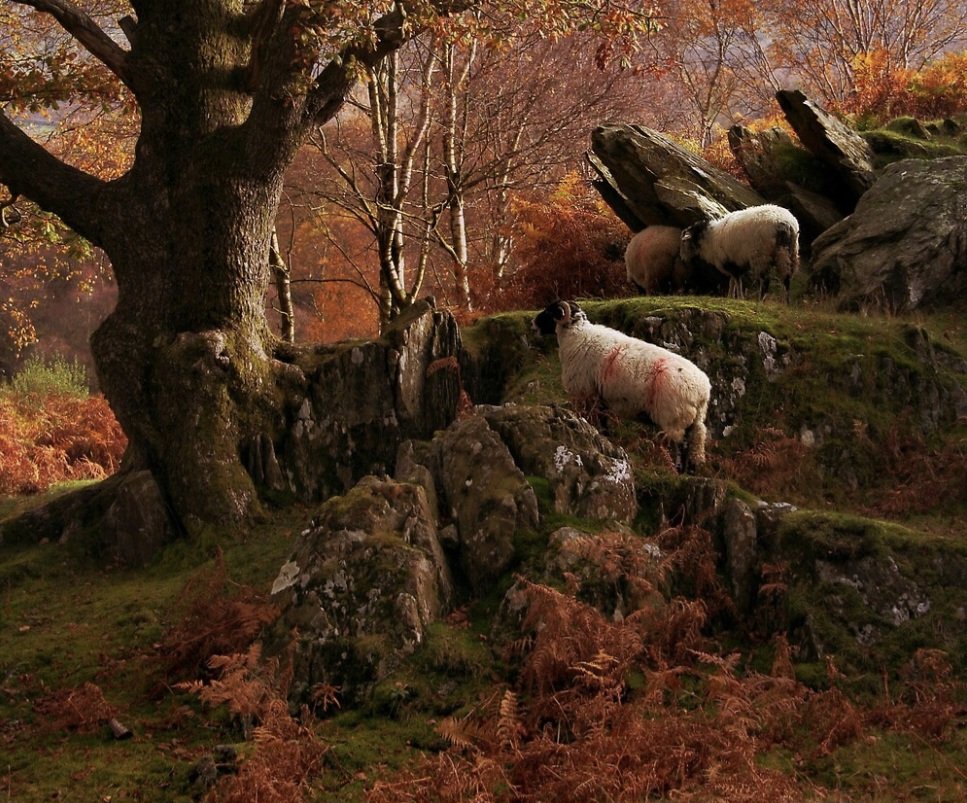
Minutes for the Meeting of the Union of Sheep (US)
Tap to view in my redbubble gallery.
Location: Under the ancient Oak.
Attendance: All members of the US, excluding those who wandered off or were still taking their afternoon nap.
Agenda: I. Election of the new leader of the US. II. Ways to improve grass-grazing efficiency. III. Complaints and suggestions from members. IV. Planning for the Annual Talent Show.
I. Election of the New Leader of the US. The outgoing leader, Baaa-rack Obama, informed the members that it was time for him to step down and pass on the mantle of leadership to a new sheep. The members agreed and held an election to choose the new leader.
After a heated debate and a round of “baa-ing” from the members, the winner was announced as Wooly McSheepface. Wooly McSheepface is known for her exceptional wool-growing skills and her ability to lead the flock to greener pastures.
II. Ways to Improve Grass-Grazing Efficiency. The members discussed various ways to improve the efficiency of grass-grazing. A few suggestions were made, including:
a. Grazing in a straight line to minimise the number of steps taken b. Taking turns to graze in the same spot to ensure all members get an equal share of the grass c. Using a systematic pattern while grazing to cover all areas and prevent overgrazing The members agreed to try out these suggestions and report back at the next annual meeting.
III. Complaints and Suggestions from Members. A few members raised concerns about the presence of wolves in the area and the need for better security measures. The new leader, Wooly McSheepface, assured the members that steps would be taken to ensure their safety.
IV. Planning for the Annual Talent Show. The members were excited about the idea of a talent show and suggested various categories for the competition, including:
Best Wool-Growing Most Graceful Jumper Best Herder Most Creative Baa-ing Best Impressionist Most Photogenic
The members also agreed to provide prizes for the winners, such as a personalised wool blanket and special recognition at the next annual meeting. The talent show was scheduled for after the hay had been collected from the meadow.
Adjournment: The meeting was adjourned at 4:00 PM with a round of “baa-ing” from all members.
Rust-red coat dulled— streetlight bleeds sodium gold.Fox: smoke, not ghost. The fox moves through the alley like smoke round… Read more: The Concrete Den


 “No man ever steps in the same river twice, for it’s not the same river… Read more: You Never Read the Same Book Twice
 Lemon verbena tea is a herbal tea made from the leaves of the lemon verbena… Read more: You deserve a Lemon Verbena tea
 It was the start of a new year, and I was so excited for what… Read more: Year of the Rabbit

























































 Anthony's Literary Lens
You must be logged in to post a comment.