Category: buildings

  • Hereford Cathedral

    Hereford Cathedral

    Centuries in the making
    Tap to view in my redbubble gallery.

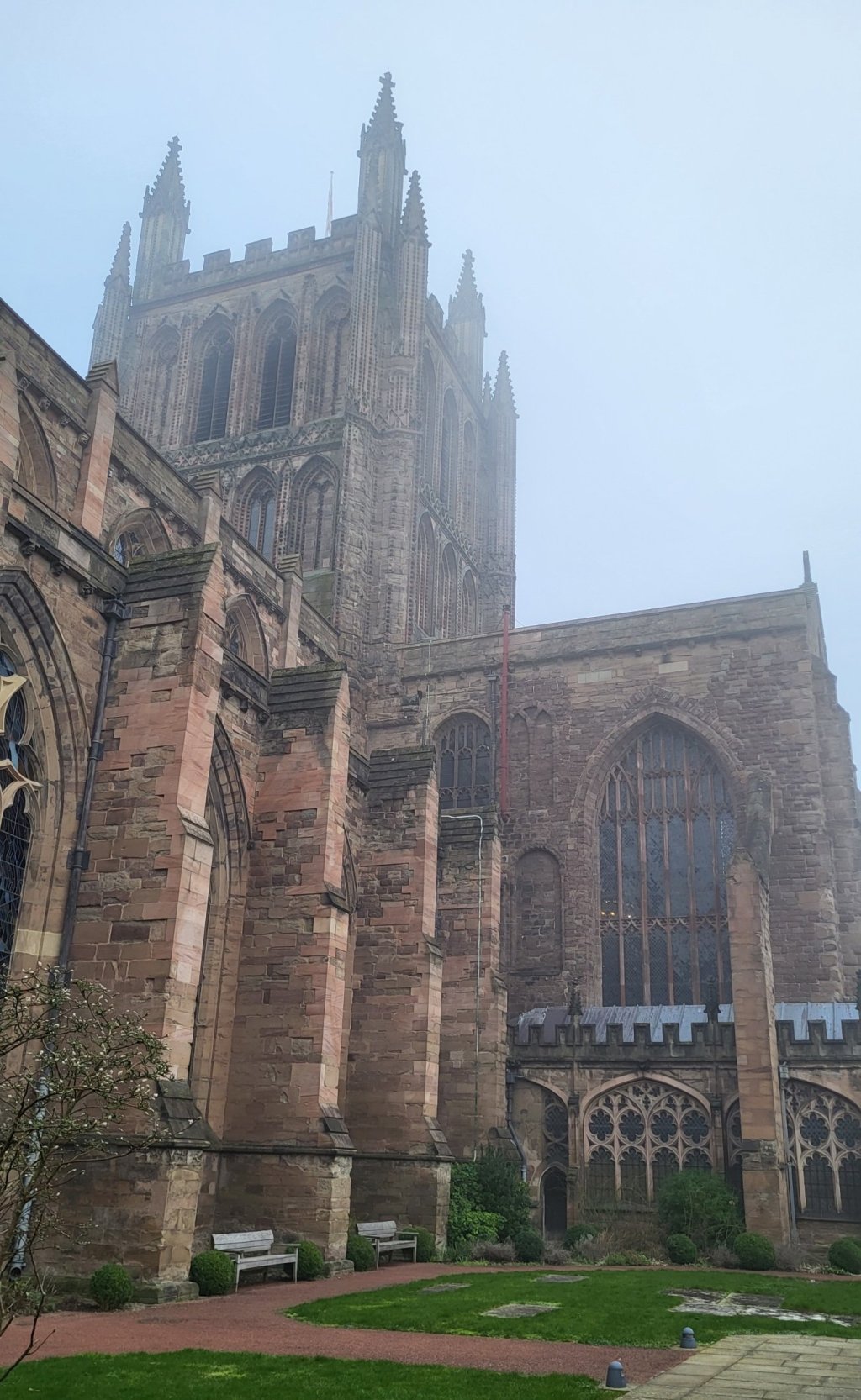
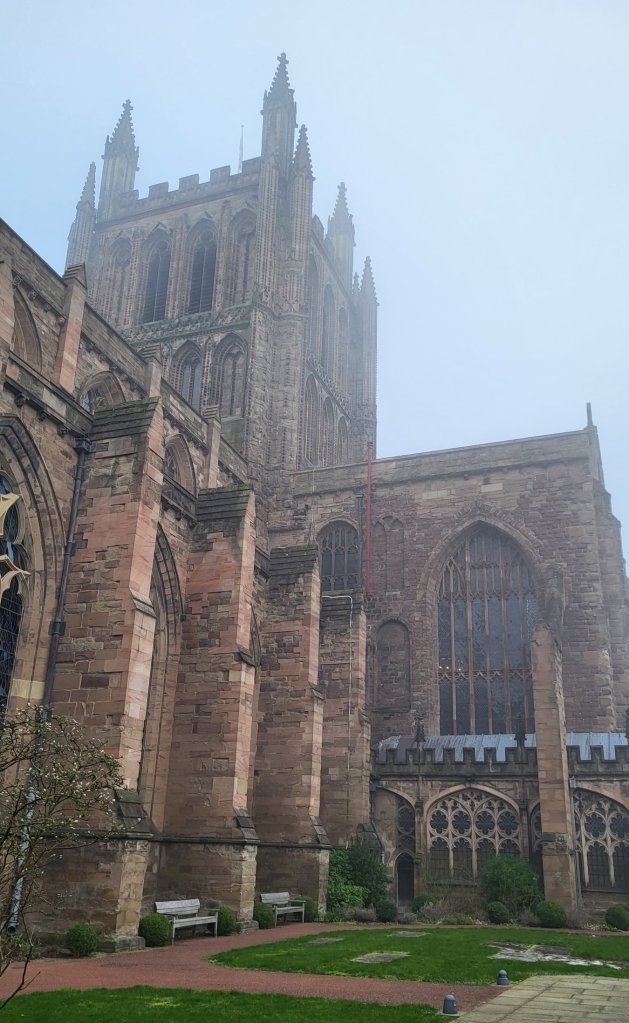
    Hereford Cathedral is a beautiful and historic building located in the city of Hereford, England. The cathedral dates back to the 7th century, with the current building having been built in the 11th and 12th centuries. It is surrounded by lush green gardens and ancient trees and the river Wye is nearby which is beautiful to walk along.

    One of the most striking features of the cathedral is its central tower, which rises to a height of nearly 200 feet. The tower is adorned with intricate carvings and sculptures, and is a prominent feature of the city’s skyline. As can be seen in this photo, the cathedral is particularly beautiful in mist, when the ancient stones seem to glow in the soft light.

    Hereford Cathedral is home to several important and unique artifacts that are worth seeing. The most notable is the Mappa Mundi, a mediaeval map of the world that is considered one of the greatest treasures of the cathedral. The map is made on vellum and dates back to the 13th century. It is a large circular map, measuring 1.58 metres in diameter, and it is considered one of the finest examples of mediaeval cartography in the world. The Mappa Mundi is a unique representation of the mediaeval worldview and it is richly illustrated with illustrations of people, animals, and monsters from around the world.

    Amongst the renowned mediaeval chained library is the Hereford Gospels, which is a 10th-century illuminated manuscript of the Gospels of Matthew, Mark, Luke, and John. The manuscript is considered to be one of the finest examples of Anglo-Saxon calligraphy and illustration.

    The cathedral also has a significant collection of medieval stained glass windows, many of which have been restored and are on display. The windows depict scenes from the Bible and from the lives of the saints.

    Additionally, there are several tombs and monuments that are worth seeing, including the tomb of St. Thomas de Cantilupe, who was the Bishop of Hereford in the 13th century and was canonized in 1320. The tomb is made of alabaster and is considered to be one of the finest examples of medieval sculpture in England.

    Hereford Cathedral is a must-see destination for anyone interested in history, art, and architecture. It is a beautiful and peaceful place to visit and is open to the public year-round.

    Tap to view my redbubble gallery.

    More interesting posts

  • Discovering Gloucester Cathedral

    Discovering Gloucester Cathedral

    The Timeless Wonders of Gloucester Cathedral
    Tap to view in my redbubble gallery.

    Architectural Wondes
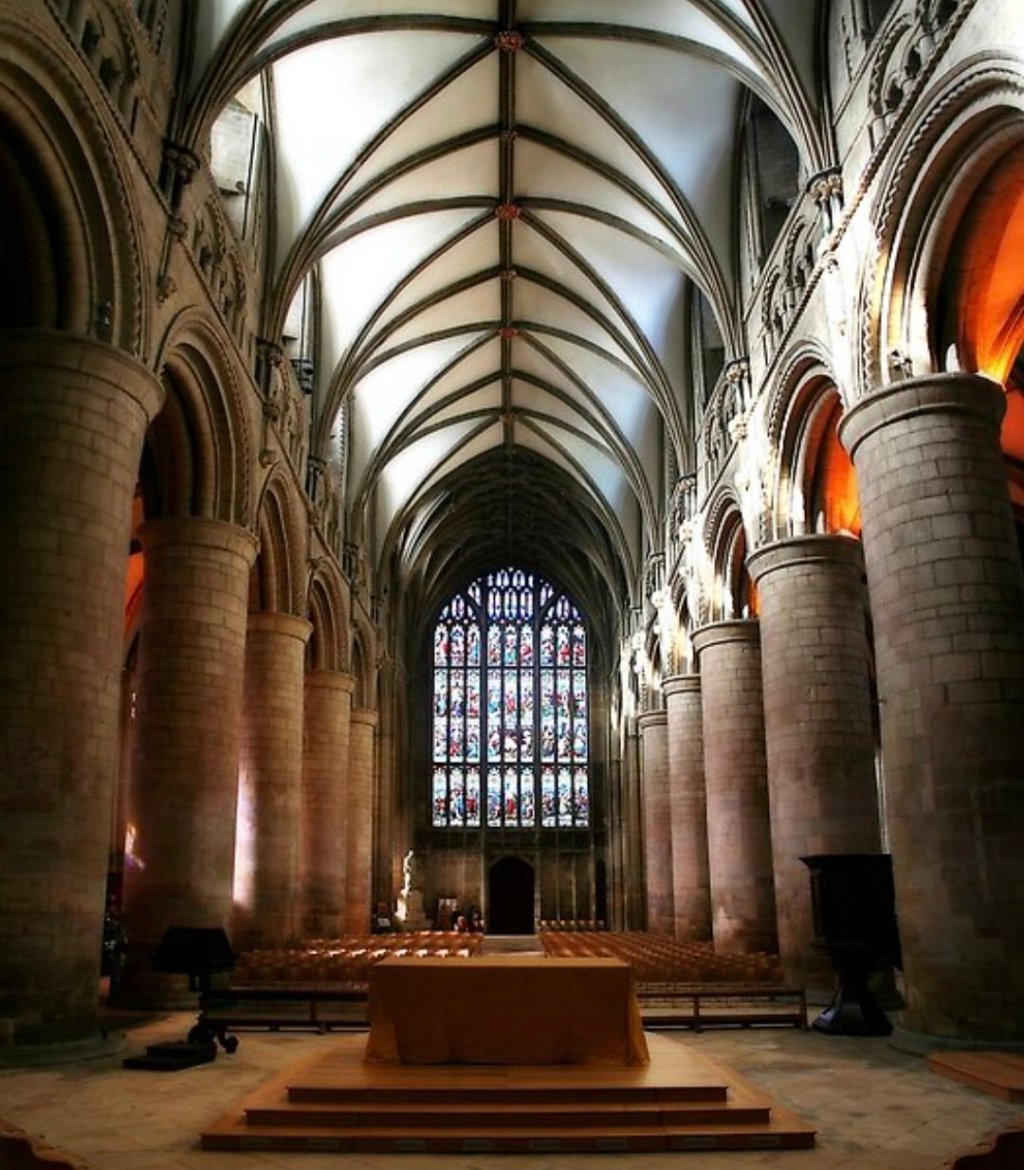
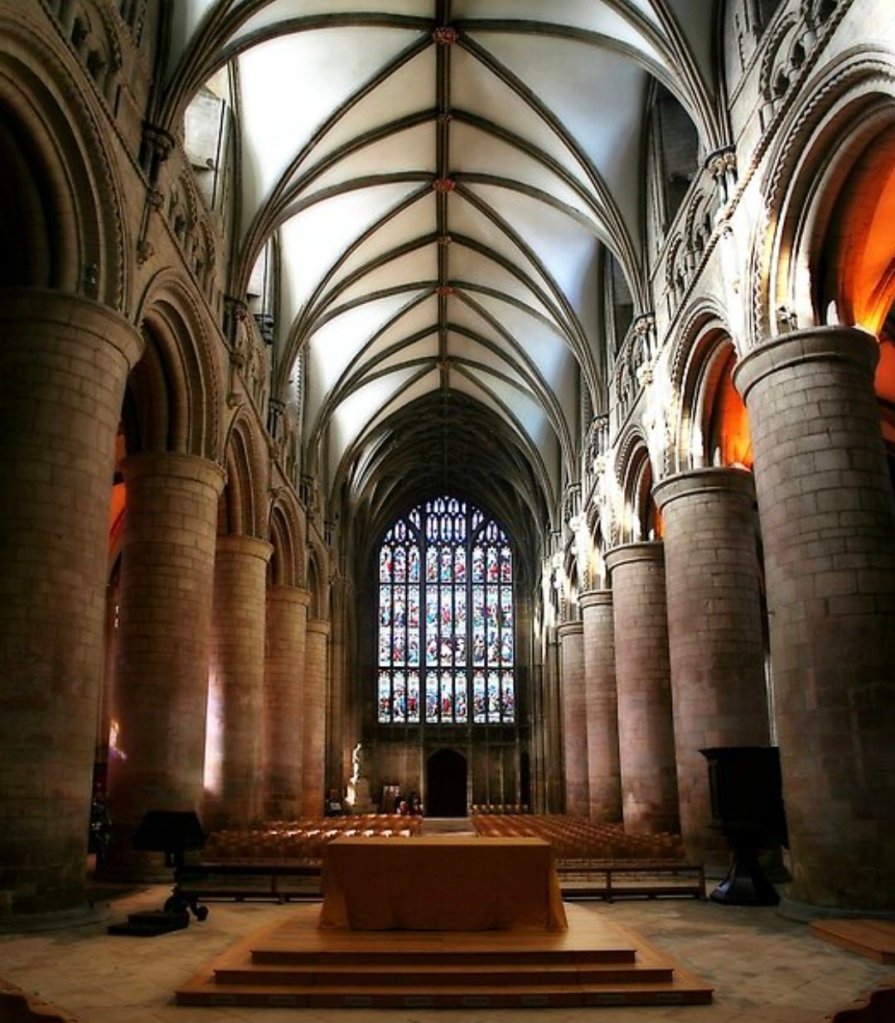
    Located in the heart of Gloucester, England, the Cathedral Church of St. Peter and the Holy and Indivisible Trinity, better known as Gloucester Cathedral, is a stunning example of medieval architecture. With a history dating back to the 11th century, the cathedral has stood the test of time, surviving wars, fires, and the test of time. In this article, we will take a tour through the architectural wonders of this magnificent building.

    From Roman Times to the Present
    The history of Gloucester Cathedral dates back to the Roman era, when a temple dedicated to the god Nodens stood on the site. The temple was later replaced by a Saxon church, which was then rebuilt in the 11th century as a Norman cathedral. Over the centuries, the cathedral has undergone many changes, including the addition of chapels, cloisters, and a magnificent stained glass window. The most significant addition, however, was the construction of the Eastern Lady Chapel in the 14th century, which is considered one of the finest examples of Perpendicular Gothic architecture in England.

    The Beauty of the Stained Glass Windows
    One of the most striking features of Gloucester Cathedral is its collection of stained glass windows. The earliest of these date back to the 13th century, and they depict scenes from the Bible, as well as images of saints and other religious figures. The most famous of these windows is the Great East Window, which was completed in the 14th century. It is the largest medieval stained glass window in England and depicts the Last Judgement. The window is a masterpiece of medieval art and is considered one of the most important examples of medieval stained glass in the world.

    The Tomb of King Edward II: A Hidden Gem
    Gloucester Cathedral is home to many interesting and significant tombs, but one of the most interesting is that of King Edward II. He was the son of King Edward I and was King of England from 1307 until he was deposed in 1327. He was later murdered in Berkeley Castle, and his body was brought to Gloucester Cathedral for burial. His tomb is located in the sanctuary of the cathedral and is a simple stone slab with a brass plate that bears his name.

    The Role of Gloucester Cathedral in Medieval England
    During the Middle Ages, Gloucester Cathedral played a significant role in the religious and political life of England. The cathedral was a center of pilgrimage and was home to a community of monks who played an important role in the community. In addition, the cathedral was an important site for royal ceremonies, including the coronation of King Henry III in 1216. The cathedral also served as a sanctuary for people seeking refuge from persecution or injustice.

    Secrets of the Cloisters
    The cloisters of Gloucester Cathedral are a peaceful and serene place to explore. These covered walkways were originally built in the 14th century as a place for the monks to meditate and pray. Today, they provide a peaceful retreat from the hustle and bustle of the city. The cloisters are home to many interesting carvings and sculptures, including a

    The Organ: A Musical Treasure
    One of the most impressive features of Gloucester Cathedral is its organ. It is considered one of the finest examples of a medieval organ in England and is still in use today. The organ was built in the 14th century and has undergone several renovations throughout its history. It is renowned for its beautiful tone and is considered a musical treasure. Visitors can hear the organ being played during services or during special organ recitals.

    The Monastic Life: A Look into the Past
    The monastic life played a significant role in the history of Gloucester Cathedral. The cathedral was home to a community of monks, who lived and worked within the walls of the cathedral. They were responsible for the daily worship, the maintenance of the cathedral, and the education of the local people. Visitors can still see the remains of the monastic living quarters, including the dormitory, refectory, and chapter house. These spaces provide a fascinating glimpse into the daily life of the monks who once called Gloucester Cathedral home.

    Preserving the Legacy: Conservation Challenges
    Gloucester Cathedral has stood the test of time for over 900 years, and it is important that its legacy is preserved for future generations. The cathedral is a Grade I listed building, which means that it is of exceptional architectural or historic interest. The cathedral’s conservation team works tirelessly to ensure that the building is in the best possible condition. This includes regular maintenance, cleaning, and restoration work. However, preserving such an ancient building is not without its challenges. The team must balance the need for preservation with the need for accessibility, and they must also find ways to fund the ongoing conservation work. It is a true testament to the skill and dedication of the people who built and continue to care for this historic site.

    Tap to view my redbubble gallery.

    More interesting posts

  • Bull by the old house in Hereford

    Bull by the old house in Hereford

    The Hereford Bull
    Tap to view in my redbubble gallery.

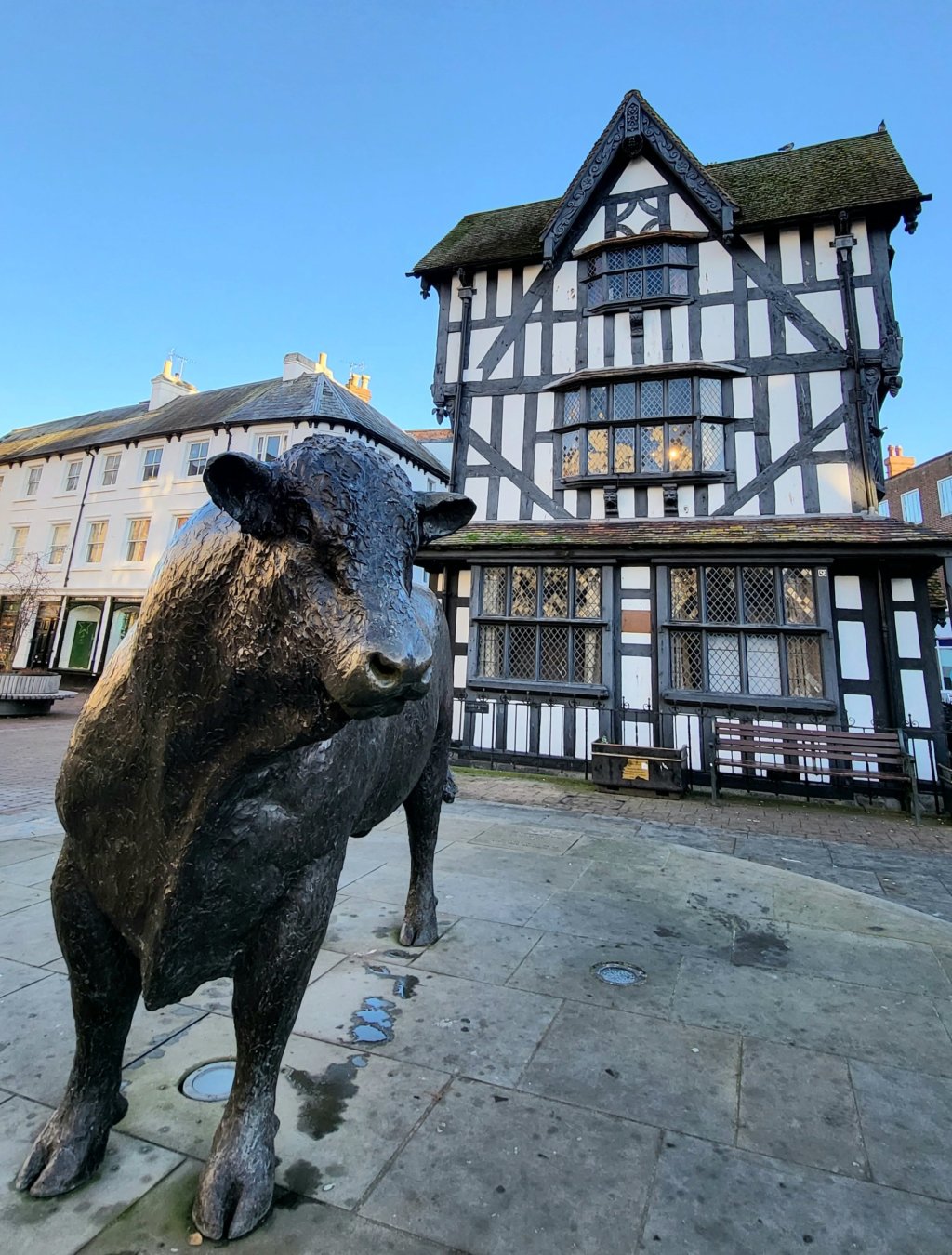
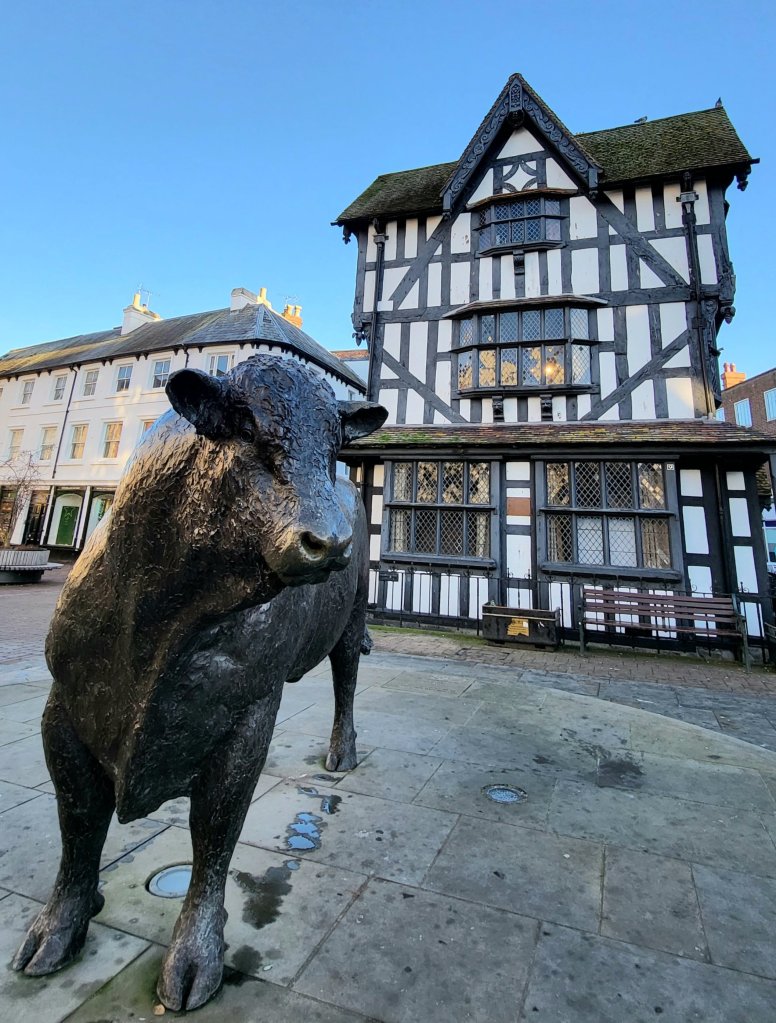
    The Hereford Bull Statue and the Old House in Hereford are two of the most iconic sights in the city. The Hereford Bull Statue is a life-sized bronze statue of a Hereford bull that was donated to the city in 2012 by Clive Richards and designed by the architect Brian Alabaster. The statue stands in front of the Old House, a timber-framed Black and White House Museum at the eastern end of High Town. The statue, which stands 1.6m high, has become a popular spot for tourists to visit and take photos.

    The Old House is a Grade I listed building and is believed to be the oldest surviving timber-framed house in England. It was originally built during the 15th-century and was once the family home of the influential Chandos family. Starting life as a butcher’s home and shop and finishing its commercial life in the hands of Lloyds Bank in the late 1920s.

    The house has been carefully restored and since 1929 it has been a fascinating museum giving an insight into daily life in Jacobean times. It is furnished in period style with an internationally important collection of English oak furniture and there are interesting pieces in every. It is filled with historic artefacts and displays that tell the story of the city, its people and its culture.

    Both the Hereford Bull Statue and the Old House are important symbols of the city’s heritage. They both serve as reminders of the city’s rich past and its unique character, making Hereford a truly special place to visit.

    Tap to view my redbubble gallery.

    More interesting posts

  • Secret in the Woods

    Secret in the Woods

    Hidden Cottage
    Tap to view my redbubble gallery.

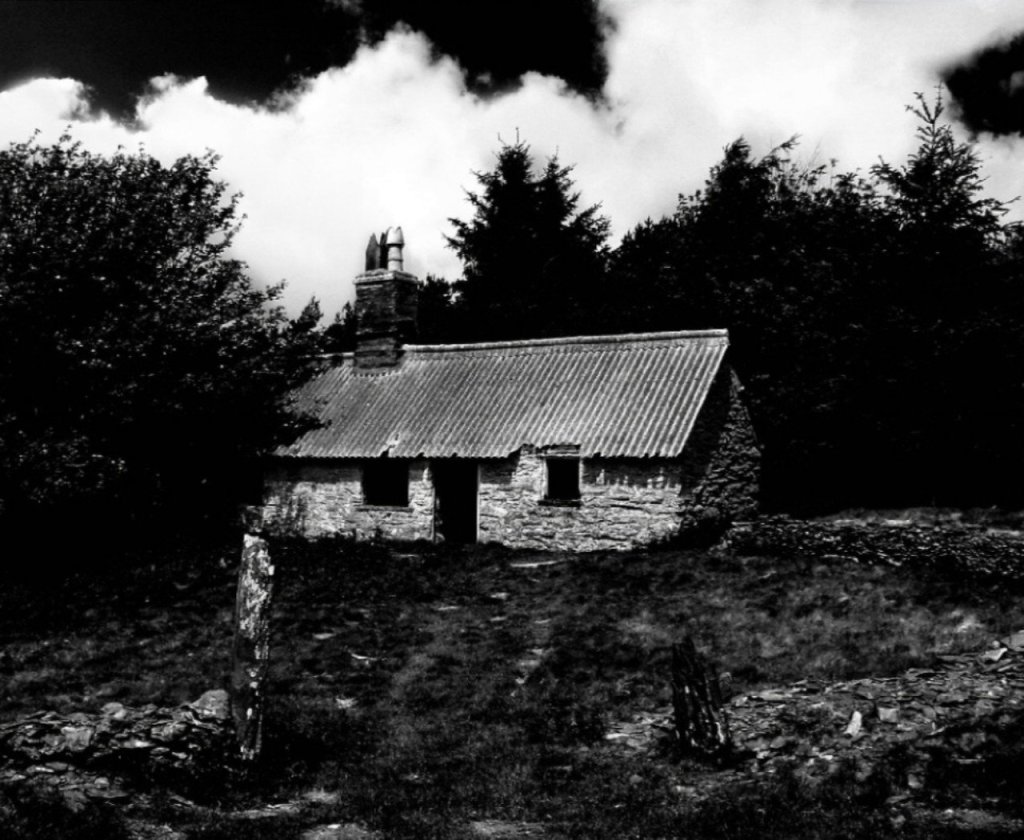
    Long long ago, deep in the heart of a dark and mysterious forest, there stood a small and lonely cottage. The cottage had been built many years ago by a kind and gentle old man who had always dreamed of living in the midst of nature. He had chosen this spot specifically because of its isolation and seclusion, as he had always found solace in the quiet and peaceful surroundings of the forest.

    As the years went by, the old man lived a simple and contented life in his cottage, surrounded by the beauty and tranquility of the forest. He spent his days tending to his garden, fishing in the nearby streams, and exploring the many paths and trails that wound their way through the woods.

    But as the old man grew older and more frail, he began to feel increasingly alone and isolated in his cottage. He had no family or friends to keep him company, and the few travelers who ventured into the forest rarely passed by his cottage.

    One dark and stormy night, as the wind howled through the trees and the rain beat against the windows, the old man lay on his deathbed, feeling more alone than ever before. But as he closed his eyes for the final time, he felt a sense of peace and contentment wash over him, knowing that he had lived a full and meaningful life in the heart of the forest that he had always loved.

    After the old man’s death, the cottage stood empty for many years, a silent and forlorn testament to the man who had built it and lived in it for so long. But eventually, a young couple came to the forest in search of a place to call their own, and they stumbled upon the old cottage. They too, like the old man, were drawn to its secluded and peaceful location, and they decided to make it their home.

    And so the cottage came to life once again, as the young couple filled it with laughter and love. They spent their days tending to the garden and exploring the forest, just as the old man had done before them. And they knew that they had found a special and magical place where they would always be content and happy.

    The cottage in the dark woods still stand, now a place of happy memories, quiet seclusion and an oasis of peace.

    Tap to view my redbubble gallery.
  • The Legend of St Non’s Chapel

    The Legend of St Non’s Chapel

    A Shrine to Wales’ Patron Saint
    Tap to view in redbubble

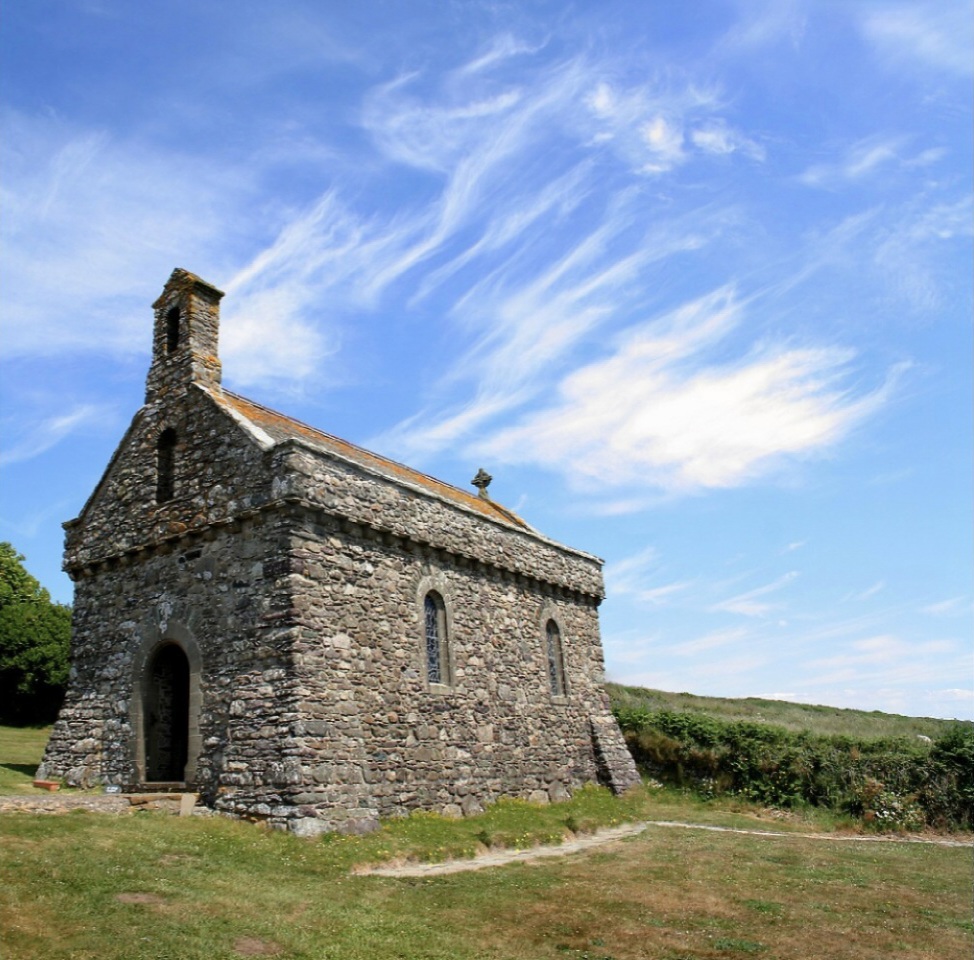
    St Non’s Chapel is a small and charming chapel located in Pembrokeshire, Wales. Unusual in that it is aligned north–south rather than the usual east–west, is situated on the coast with views of the Irish Sea, this chapel is surrounded by stunning countryside. In addition to the chapel, there is also a holy well nearby that is said to grant wishes to those who make a wish in it. Legend has it that St Non’s Chapel was built on the spot where St Non, the mother of St David (the patron saint of Wales), gave birth to him in the 5th century (in a raging storm). The chapel has undergone many renovations and restorations over the years, but has managed to retain its ancient character.

    Inside, visitors can see a 12th century stone font, a stone altar, and stained glass windows, as well as various ancient artifacts and religious relics. The chapel is close to walking trails through the surrounding countryside. St David’s City, a beautiful and historic city, is not far away either. In short, St Non’s Chapel is a must-see destination for those visiting Pembrokeshire, with its rich history, holy well, and beautiful surroundings.

    Tap to view my redbubble gallery.
  • A Pilgrimage to St. David’s: A Journey to Wales’ Most Sacred Place

    A Pilgrimage to St. David’s: A Journey to Wales’ Most Sacred Place

    Welsh Wonder
    Tap to view in redbubble.

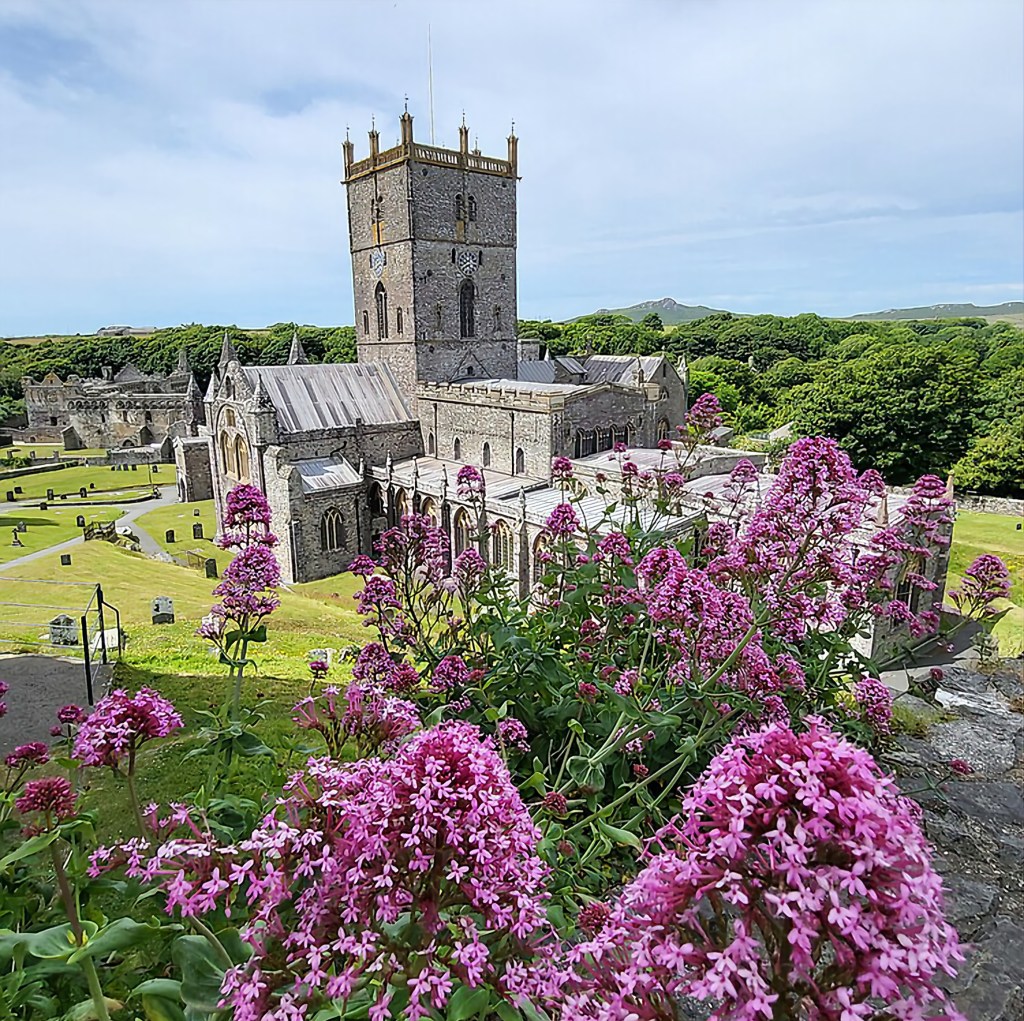
    St. David’s Cathedral is a beautiful and historic place of worship located in the city of St. David’s, Pembrokeshire, Wales. The cathedral is named after St. David, the patron saint of Wales, and has a long and fascinating history dating back to the 6th century.

    The current cathedral building was constructed in the 12th and 13th centuries and is an excellent example of Norman architecture. It is built from local sandstone and boasts a distinctive tower, which can be seen from miles around. The cathedral is also home to several important artworks, including a 14th-century altarpiece and a 15th-century clock.

    One of the most striking features of the cathedral is its elaborate interior. The nave is adorned with intricate carvings and stained glass windows, which depict various scenes from the Bible. The cathedral also has a beautiful choir, which is used for regular services and special events.

    St. David’s Cathedral is an important place of pilgrimage for many people in Wales and beyond. Every year, thousands of visitors come to the cathedral to pay their respects to St. David and to experience the beauty and peace of this sacred place.

    The cathedral is also an important cultural and educational hub, hosting concerts, lectures, and other events throughout the year. It is a place where people of all ages and backgrounds can come to learn, to pray, and to find inspiration.

    In conclusion, St. David’s Cathedral is a beautiful and historic place of worship that has played a central role in the life of the community for centuries. It is a must-see destination for anyone visiting the city of St. David’s or the surrounding area.

    Tap to view my redbubble gallery.

    More interesting posts

  • Discovering the Charm of Mwnt Church in Pembrokeshire

    Discovering the Charm of Mwnt Church in Pembrokeshire

    Mwnt Magic


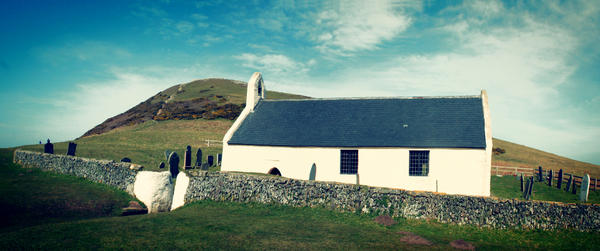
    Mwnt Church is a small, charming chapel located in the Pembrokeshire Coast National Park in Wales. The church, which is dedicated to St. Caron, is a Grade II listed building and is believed to date back to the early 16th century.

    The church is located in the village of Mwnt, which is situated on a hill overlooking the Irish Sea. The church sits atop the hill, surrounded by beautiful countryside, making it a popular spot for visitors looking to enjoy the stunning views of the Pembrokeshire coast.

    Inside the church, you will find a simple yet charming interior. The nave is adorned with whitewashed walls and a wooden ceiling, and there are several stained glass windows which add a touch of color to the space. The altar is simple, with a wooden cross and a few flowers.

    One of the most notable features of Mwnt Church is its location. The church sits atop a hill overlooking the sea, and the views from the churchyard are breathtaking. On a clear day, you can see for miles in every direction, taking in the rugged beauty of the Pembrokeshire coast.

    Mwnt Church is a popular spot for visitors to the Pembrokeshire Coast National Park, and it is not uncommon to see people walking up the hill to visit the church and enjoy the views. The church is also a popular spot for wedding ceremonies, and many couples choose to exchange their vows in this beautiful setting.

    Overall, Mwnt Church is a charming and peaceful spot that is well worth a visit if you are in the Pembrokeshire area. Whether you are looking to enjoy the views, take a peaceful walk, or simply spend some time in a beautiful and historic building, Mwnt Church is sure to delight.

    My Redbubble Page

    Welcome to My Redbubble Page

    Check out my products on Redbubble:


    My Redbubble

Design a site like this with WordPress.com
Get started