Tap to view my redbubble gallery.
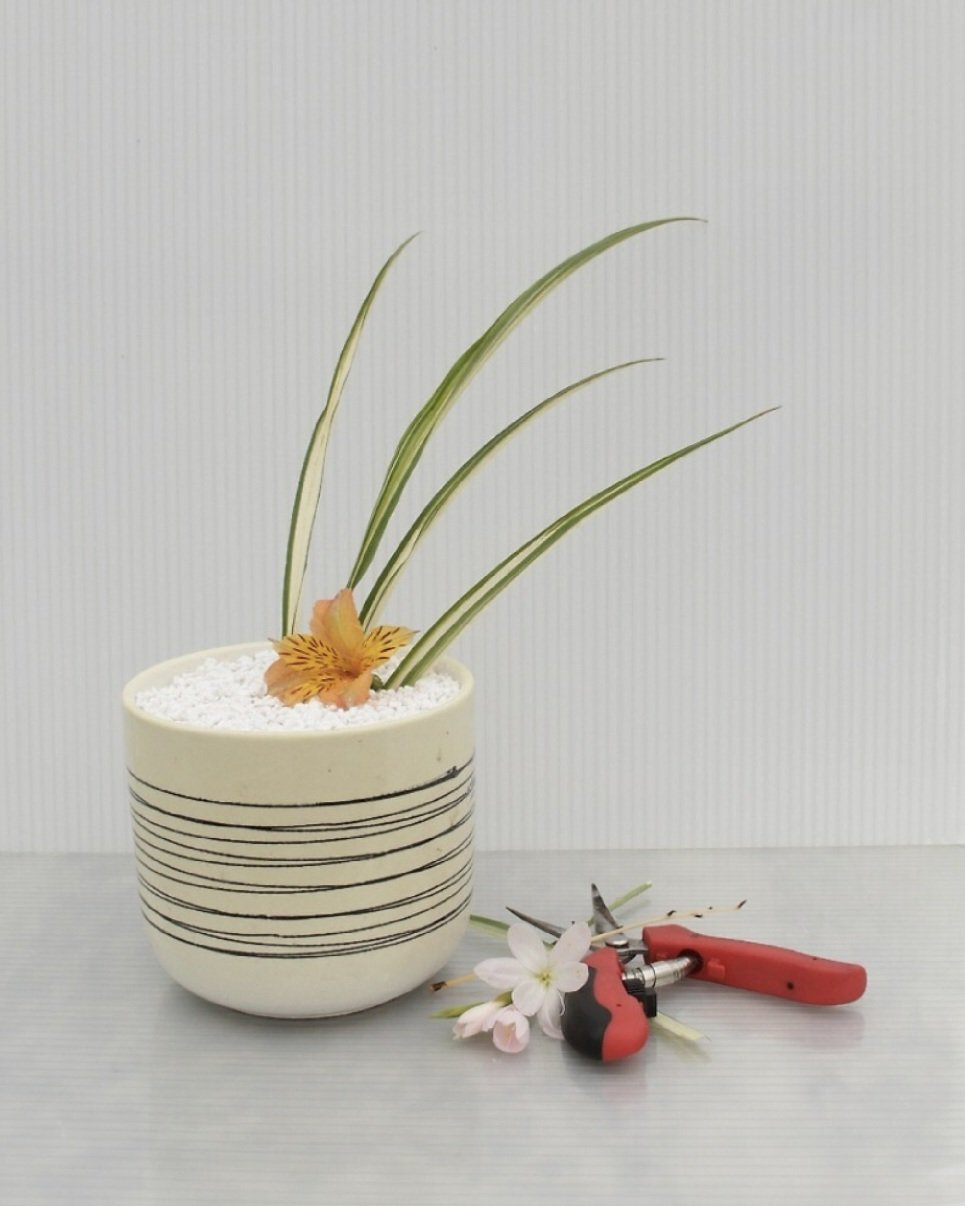
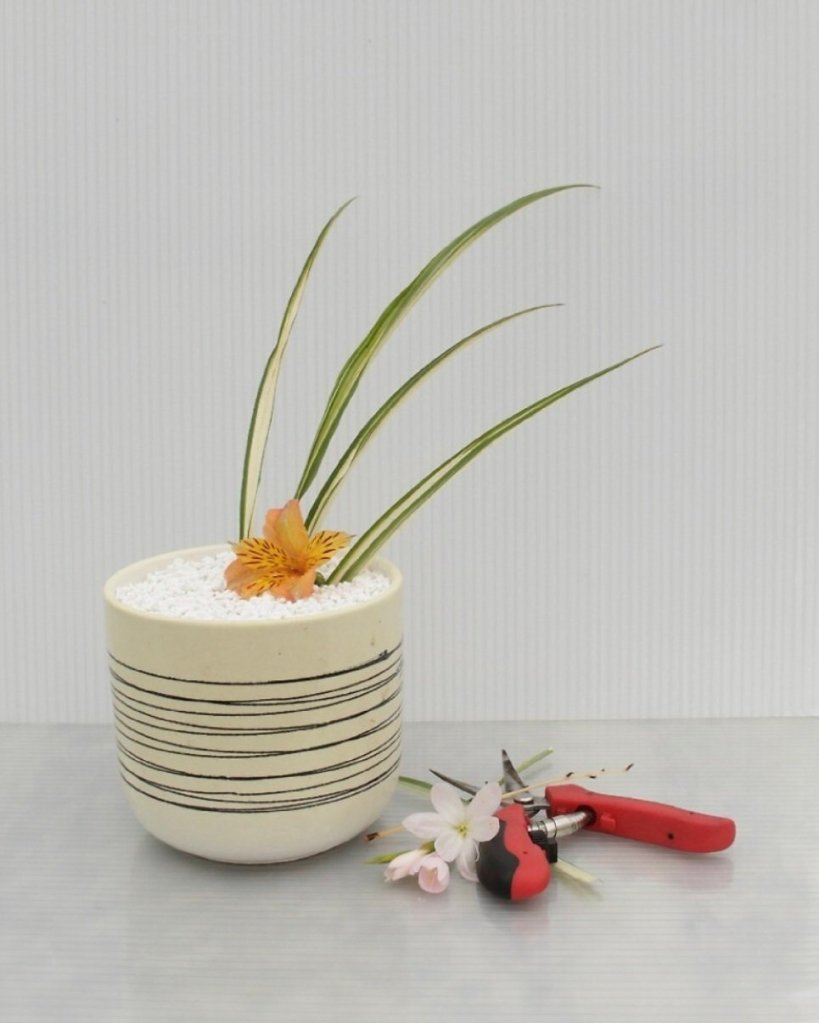
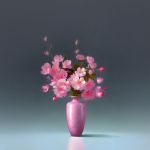
Ikebana is the Japanese art of flower arrangement that has been around for centuries. It is an aesthetic expression of nature and the seasons, and involves the arrangement of flowers, branches, stems, leaves, and other materials. There are many different styles of Ikebana, and each can be used to create unique and beautiful works of art.
The history of Ikebana dates back to the sixth century when it was introduced in Japan by Chinese Buddhist missionaries. It was initially used as a ritual to offer flowers to the Buddha, and was often practised by Japanese generals who believed it allowed them to make the proper decisions on the battlefield. Over time, Ikebana evolved and was adopted by the Japanese as a secular art form.
The first school of Ikebana, Ikenobo, was founded in the 15th century. This school taught a style of flower arrangement known as Rikka, which involves seven or nine core elements, including tree branches and flowers. This style is still practised today and is known for its complex shapes and angles. Other schools of Ikebana include Sogetsu, Ohara, and Ichiyo, all of which have developed over time and have their own distinct styles and techniques.
When creating an Ikebana arrangement, the most important thing to consider is the form and structure of the arrangement. The form of an Ikebana arrangement can be simple or complex, depending on the style and the materials used. The structure of the arrangement is also important, as it helps to create balance and harmony. It is important to consider the colours, textures, and shapes of the materials used, as well as the season in which you are creating the arrangement.
When it comes to materials and tools, there are a few basics that are necessary for Ikebana. These include a shallow container, such as a bowl or vase, a kenzan (also known as a flower frog), and scissors or shears. Other materials that can be used include flowers, branches, leaves, and other natural materials. The materials should be selected carefully, as they will affect the shape and overall look of the arrangement.
Once you have the materials and tools, you can begin to create your Ikebana arrangement. Before you begin, take some time to look at the materials and find inspiration. Think about the colours, shapes, and textures of the materials, and how they can be used. Ikebana takes practice, and there are no right or wrong answers.

- You Never Read the Same Book Twice
 “No man ever steps in the same river twice, for it’s not the same… Read more: You Never Read the Same Book Twice
 - You deserve a Lemon Verbena tea
 Lemon verbena tea is a herbal tea made from the leaves of the lemon… Read more: You deserve a Lemon Verbena tea
 - Year of the Rabbit
 It was the start of a new year, and I was so excited for… Read more: Year of the Rabbit
 - Wren ‘n’ Web
 “Oh my, what a busy little wren I am, dashing about here and there,… Read more: Wren ‘n’ Web
 - Wonderful Whiskers
 Dear fellow feline enthusiasts and curious cat lovers, have you ever pondered the marvellous… Read more: Wonderful Whiskers









 Anthony's Literary Lens
You must be logged in to post a comment.