-
Oreo: a tale of two eyes

In the quiet hamlet nestled ‘neath the shroud of time, there dwelt a colossal Great Dane, christened Oreo in the tongue of the townsfolk. His fur, a patchwork quilt of ebony and alabaster, concealed a secret known to those who dared peer into the windows of his soul.
Tap to view my red bubble gallery Oreo, a creature of the night and the day, bore witness to the celestial dance in his very gaze. One eye, an obsidian pool, cradled the secrets whispered by the moon in the stillness of midnight. Its velvety depths held the mysteries of nocturnal realms, casting an otherworldly allure upon all who chanced upon its depths.
Contrasted against this cosmic canvas, his second eye, a sapphire jewel, mirrored the tender caress of the sun’s golden fingers. Bathed in daylight’s warmth, it spoke of sunlit meadows and endless azure skies, a portal to the day’s vibrancy.
In the shadowy corners of the town, rumours brewed like the evening mist – tales of a canine blessed by the lunar and solar embrace. The storytellers, their voices trembling with the weight of folklore, spun yarns of Oreo’s eyes as conduits to realms unseen. Whispers echoed through cobblestone streets and shadowed alleys, engraving a narrative of ethereal enchantment into the town’s history.
Clara, the matronly keeper of Oreo’s heart, cradled these murmurs with a knowing smile. Her weathered hands, etched with the passage of countless sunrises and moonlit vigils, stroked Oreo’s majestic frame. She understood that his gaze transcended the mundane, a communion with celestial forces sown into the very fabric of his existence.
And so, under the watchful eyes of moon and sun, Oreo and Clara sauntered through the chronicles of their days. Their tale, a lyrical dance in the moonlight and a serenade beneath the golden dawn, etched itself into the annals of the hamlet’s collective memory. Oreo, the spectral guardian of celestial secrets, and Clara, the earthly custodian of a bond forged in the crucible of night and day.
Tap to view my redbubble gallery. - Darkness, Power and Beauty
 Horse’s steady gazeStrengthful eyes that dare to meetChallenge accepted Courage is the strength to face… Read more: Darkness, Power and Beauty
 - The Daffodil’s Song: A Lyrical Tribute to the Wonders of Spring
 Daffodil so brightGolden petals, sunshine’s kissHope blooms anew As I wander through the garden, the… Read more: The Daffodil’s Song: A Lyrical Tribute to the Wonders of Spring
 - Acanthus: A Versatile Plant with a Rich Cultural Heritage
 The Graceful Lines of an Acanthus Leaf. Acanthus is a genus of flowering plants native… Read more: Acanthus: A Versatile Plant with a Rich Cultural Heritage
-
First Welsh Photo

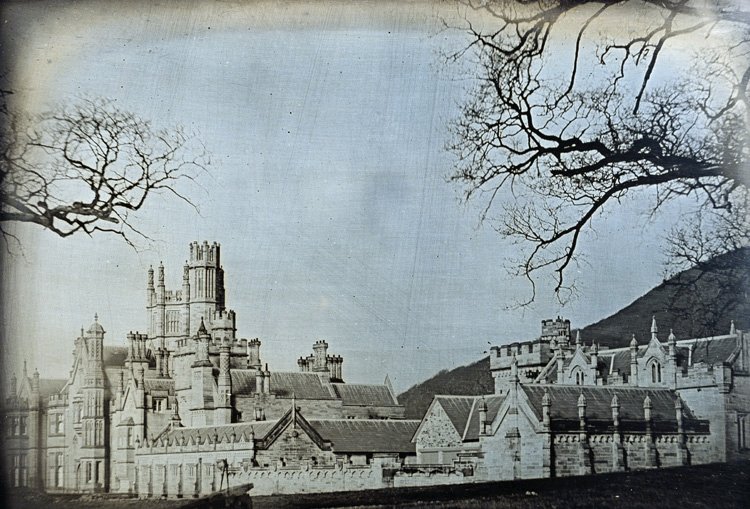
The first photo to be taken in Wales at Margam park, Port Talbot It’s interesting to be taking photos here as very few people know Margam Park was the location of the earliest known Welsh photograph. It was a daguerreotype of the castle taken on 9 March 1841 by the Reverend Calvert Richard Jones. A daguerreotype is an early type of photograph that was produced on a silver-plated copper sheet. The Reverend Jones was a pioneer of photography and a friend of William Henry Fox Talbot, who was also a frequent visitor to Margam Park and experimented with his own photographic methods. The Margam daguerreotype is now kept at the National Library of Wales and is considered a valuable historical document.
Took this photo of Margam Park a few years ago.
Tap to see my red bubble galleryIn the early 19th century, the estate passed to the Talbot family, who built “Margam Castle”c a neo-Gothic country house that was designed by Thomas Hopper and completed in 1840. The castle was the seat of the Talbot family until the end of the Second World War, when it was used by the army and suffered from neglect and vandalism.
In 1973, the Margam Estate was acquired by Glamorgan County Council, and in 1977, the park was opened to the public. Since then, the park has been restored and enhanced, offering a variety of attractions and activities for visitors, such as a sculpture park, a farm trail, a narrow gauge railway, a fairytale village, and a discovery centre.
Margam Park is a place of exceptional historic and scenic value, and has some of the country’s finest architectural treasures in its magnificent setting. It is a rare and valuable learning resource and a heritage attraction of considerable distinction.
I hope you enjoyed learning about its history. 😊Tap to view my redbubble gallery. - Darkness, Power and BeautyHorse’s steady gazeStrengthful eyes that dare to meetChallenge accepted Courage is the strength to face… Read more: Darkness, Power and Beauty
- The Daffodil’s Song: A Lyrical Tribute to the Wonders of SpringDaffodil so brightGolden petals, sunshine’s kissHope blooms anew As I wander through the garden, the… Read more: The Daffodil’s Song: A Lyrical Tribute to the Wonders of Spring
- Acanthus: A Versatile Plant with a Rich Cultural HeritageThe Graceful Lines of an Acanthus Leaf. Acanthus is a genus of flowering plants native… Read more: Acanthus: A Versatile Plant with a Rich Cultural Heritage
-
Foxy Fox

“Red fur coat gleams bright
Anthony
Fox wears virtue and deceit
Nature’s dual sprite“Tap to view my red bubble gallery. Ai pic The fox is a fascinating animal that has been featured in many stories and cultures. The character of a fox is often portrayed as clever, cunning, and adaptable. Foxes can use their intelligence and charm to get out of tricky situations or to achieve their goals. However, they can also be seen as tricksters, deceivers, or troublemakers. Foxes may use their skills for good or evil, depending on the context and the perspective.
In Native American culture, the fox is a symbol of wisdom, creativity, and nobility. Some tribes consider them as a clan animal or a spirit guide. Foxes can teach people how to survive, how to use their talents, and how to respect nature.
In Japanese culture, the fox is called kitsune, which means spirit fox. It is a messenger of the gods and a symbol of divine intervention. The fox can shape-shift into human form and has magical powers. They can be benevolent or malevolent, depending on the situation and the type of fox.
In Chinese culture, the fox is a symbol of fertility and longevity. They can also transform into a human and has supernatural abilities. They can be a friend or a foe, depending on the intention and it’s morality. The fox can also represent the balance between yin and yang, the feminine and the masculine forces.
In European culture, the fox is a symbol of cunning, slyness, and trickery. It is often depicted as a clever animal that can outsmart or outwit its enemies or rivals. They can also be a symbol of mischief, curiosity, or playfulness, being a hero or a villain, depending on the story and the moral lesson.Tap to view my redbubble gallery. - Darkness, Power and BeautyHorse’s steady gazeStrengthful eyes that dare to meetChallenge accepted Courage is the strength to face… Read more: Darkness, Power and Beauty
- The Daffodil’s Song: A Lyrical Tribute to the Wonders of SpringDaffodil so brightGolden petals, sunshine’s kissHope blooms anew As I wander through the garden, the… Read more: The Daffodil’s Song: A Lyrical Tribute to the Wonders of Spring
- Acanthus: A Versatile Plant with a Rich Cultural HeritageThe Graceful Lines of an Acanthus Leaf. Acanthus is a genus of flowering plants native… Read more: Acanthus: A Versatile Plant with a Rich Cultural Heritage
-
Ginkgo Biloba: A Symbol of Hope
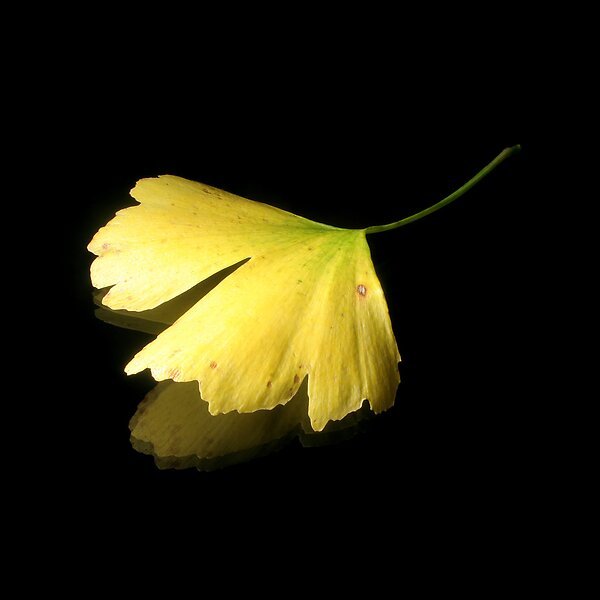
Autumn’s golden gift
Anthony
Ginkgo’s fan-shaped leaves descend
Cycles never endA single leaf.
Tap to view in my red bubble galleryDeeper roots. In the heart of Japanese landscapes, the Ginkgo biloba tree, known as “icho,” stands as a representation of endurance, resilience, and a deep-rooted connection to history. This ancient tree, with its distinctive fan-shaped leaves, not only graces the surroundings with its unique beauty but also carries profound cultural significance in Japan.
Resilience Amidst Adversity. The Ginkgo biloba tree has earned its place in Japanese culture as a symbol of resilience. Planted near temples and shrines, these trees have weathered the tests of time, standing tall even in the face of environmental challenges. One notable example is the Ginkgo at the Anrakuji
Temple, a living witness to the atomic bomb’s devastation in 1945. Despite the destruction, this Ginkgo tree not only survived but continues to grow, becoming a powerful symbol of hope and the indomitable spirit of life.
The Spirit of Endurance. The Ginkgo is a dioecious tree, existing in male and female forms. The female trees, although producing seeds with a distinctive, somewhat pungent odour, symbolise fertility and the cycle of life. However, it’s the male trees that are often preferred for landscaping due to their cleaner appearance and the absence of seeds.
Connecting Past and Present. Beyond its physical endurance, the Ginkgo biloba is a living fossil, dating back around 270 million years. Its presence in gardens and landscapes serves as a bridge between the past and the present, emphasising the importance of preserving history and the natural world. The Ginkgo’s longevity echoes the cultural values of tradition and the interconnectedness of all living things.
Medicinal and Cultural Significance. In addition to its cultural symbolism, the Ginkgo biloba holds medicinal significance in traditional Japanese medicine. Extracts from its leaves are believed to enhance cognitive function, although scientific consensus on its efficacy remains varied. This dual role as a cultural icon and a potential source of healing adds layers to the Ginkgo’s importance in Japanese society.
On to the future. As the Ginkgo biloba graces the landscapes of Japan, its symbolism goes beyond mere aesthetics. It embodies the resilience of a nation, the endurance of nature, and the hope for a harmonious future. In the shadows of temples, amidst the bustling urban centres, the Ginkgo stands as a silent but powerful reminder of the intertwined threads of history, culture, and the indomitable spirit of life.Tap to view my redbubble gallery. - Darkness, Power and BeautyHorse’s steady gazeStrengthful eyes that dare to meetChallenge accepted Courage is the strength to face… Read more: Darkness, Power and Beauty
- The Daffodil’s Song: A Lyrical Tribute to the Wonders of SpringDaffodil so brightGolden petals, sunshine’s kissHope blooms anew As I wander through the garden, the… Read more: The Daffodil’s Song: A Lyrical Tribute to the Wonders of Spring
- Acanthus: A Versatile Plant with a Rich Cultural HeritageThe Graceful Lines of an Acanthus Leaf. Acanthus is a genus of flowering plants native… Read more: Acanthus: A Versatile Plant with a Rich Cultural Heritage
-
Insights into the Water Rabbit Year
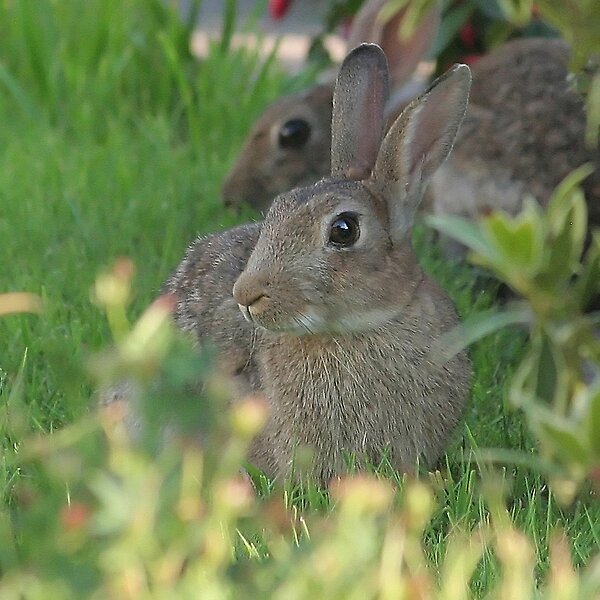
“In the Year of the Rabbit, gentleness conquers where force fails, and fortune favours the heart at peace.”
AnthonyManaged to get this photo when I was working in somebody’s garden.
Tap to see my redbubble galleryThe Year of the Rabbit in the Chinese zodiac is characterised by the gentle and graceful nature of the rabbit, combined with the influence of the element water in 2023. People born in this year are believed to possess qualities such as kindness, tact, and artistic sensibilities.
The Rabbit is often seen as a symbol of good fortune and is associated with longevity in Chinese culture. Those born in the Year of the Rabbit are thought to lead a life of tranquility and charm. They are believed to be diplomatic individuals, capable of navigating social situations with ease due to their innate tact and grace.
The element of Water further enhances these characteristics, adding a touch of adaptability and intuition to individuals born in 2023. Water is associated with fluidity and emotional depth, and it is believed to bring a sense of balance and harmony to the Rabbit’s inherent elegance.
In Chinese folklore, the Rabbit is also associated with the Moon, contributing to its connection with creativity and artistic pursuits. People born in the Year of the Water Rabbit may find themselves drawn to creative endeavors, whether in the arts, literature, or other expressive outlets.
Overall, the Year of the Water Rabbit is seen as a time when individuals may find success through a harmonious blend of sensitivity, diplomacy, and creative expression. It’s a year that encourages adaptability and the pursuit of artistic passions, all under the auspicious influence of the gentle and fortunate Rabbit.Tap to view my redbubble gallery. - Darkness, Power and BeautyHorse’s steady gazeStrengthful eyes that dare to meetChallenge accepted Courage is the strength to face… Read more: Darkness, Power and Beauty
- The Daffodil’s Song: A Lyrical Tribute to the Wonders of SpringDaffodil so brightGolden petals, sunshine’s kissHope blooms anew As I wander through the garden, the… Read more: The Daffodil’s Song: A Lyrical Tribute to the Wonders of Spring
- Acanthus: A Versatile Plant with a Rich Cultural HeritageThe Graceful Lines of an Acanthus Leaf. Acanthus is a genus of flowering plants native… Read more: Acanthus: A Versatile Plant with a Rich Cultural Heritage
-
Nature’s Whisper Amidst Ruins

“In the crevices of despair, nature composes a ballad of renewal, each leaf a lyric in the unwritten song of life’s enduring melody.”
AnthonyTook this photo in the Welsh hills. I love how nature reclaims man’s constructions.
Tap to view my redbubble galleryIn the gloomy recesses of our fractured existence, where the shadows of despair lengthen and the echoes of discord reverberate, there exists a profound truth—nature, that eternal force, ceaselessly endeavours to reclaim dominion over the desolation we’ve wrought. Through the fractures and crevices of our broken world, it weaves its resilient tendrils, a manifestation of the indomitable spirit of life.
Oh, the lamentable tale of our folly, where progress has become the architect of its own undoing. The ceaseless march of industry, the relentless pursuit of mastery over the elements, has left our once-vibrant world battered and bruised. Yet, in the midst of this man-made labyrinth, nature persists, an undaunted force that refuses to be silenced.
Behold the tenacity of the weed, that humble interloper pushing through the unforgiving concrete. A symbol of defiance against the cold hand of human order. Through the cracks in the pavement, nature extends a green rebellion, reclaiming its birthright inch by persistent inch. It is as if the earth itself, wearied by our excesses, whispers a quiet protest, reminding us that it, too, has a voice—a voice echoing through the crevices of our misguided endeavours.
In the murk of our industrialization, nature’s resilience becomes a beacon of hope, a reminder that despite our ceaseless march towards progress, there exists a sublime balance we dare not disrupt. The wind through the shattered windows, the wildflowers in the neglected corners, each a chorus singing the hymn of an untamed world seeking to endure.
And so, as we stand amidst the ruins of our own creation, let us not forget that nature, in its quiet rebellion, persists—a testimony to a world that always finds a way to push back against the encroaching darkness, through the cracks and crevices of our broken existence.Tap to view my redbubble gallery. - Darkness, Power and BeautyHorse’s steady gazeStrengthful eyes that dare to meetChallenge accepted Courage is the strength to face… Read more: Darkness, Power and Beauty
- The Daffodil’s Song: A Lyrical Tribute to the Wonders of SpringDaffodil so brightGolden petals, sunshine’s kissHope blooms anew As I wander through the garden, the… Read more: The Daffodil’s Song: A Lyrical Tribute to the Wonders of Spring
- Acanthus: A Versatile Plant with a Rich Cultural HeritageThe Graceful Lines of an Acanthus Leaf. Acanthus is a genus of flowering plants native… Read more: Acanthus: A Versatile Plant with a Rich Cultural Heritage
-
Lily Pads: Nature’s Art
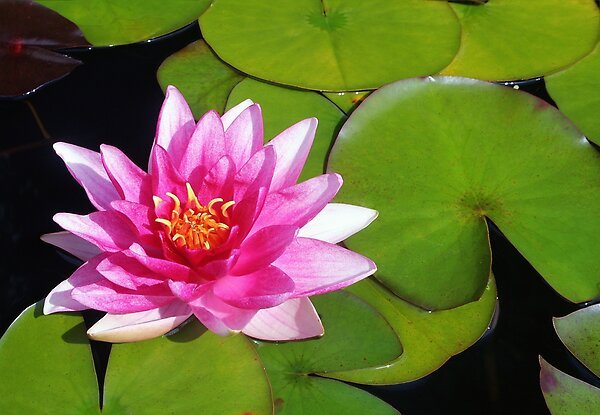
“Canvas of stillness
Anthony
Water lily’s quiet dance,
Monet’s brush whispers”Took this photo at the botanical garden Wales.
Tap to see my redbubble galleryMonet’s Musings
Monet: Ah, my dear water lily, you seem to have mastered the art of silent reflection. Your petals, a palette of nature’s finest hues.
Water Lily: Thank you, Monsieur Monet. Your artistry has captured my essence, immortalising the dance of light upon the water.
Monet: Your presence transforms the pond into a living masterpiece. How do you maintain such serenity amidst the ripples of life?
Water Lily: It is in stillness that I find my strength. Embracing the water’s surface, I learn to dance with both the sunlight and the shadows.
Monet: A dance indeed, and with every ripple, a new verse is written. Tell me, do you converse with the frogs and dragonflies?
Water Lily: In whispers, Monsieur. The frogs share their tales of the land, and dragonflies speak of the breeze’s adventures. We form an opus of nature’s secrets.
Monet: Nature’s symphony, a melody only few can hear. Your petals, a delicate crescendo in this harmonious composition.
Water Lily: And your brush, Monsieur, orchestrates the colours of our aquatic ballet. Each stroke a note of our shared existence.
Monet: Together, we create a timeless duet – you, the muse of stillness, and I, the humble composer of your liquid stage.
Water Lily: A duet that echoes through ponds and galleries alike, uniting the realms of art and nature.
Monet: Merci, my dear water lily, for gracing my palette with your quiet elegance. Together, we paint the poetry of a tranquil pond.Tap to view my redbubble gallery. - The Chrysanthemum: the Weight of Empire
 Petals in the cup,Bitter tea for falling kings,Beauty outlasts all. In the autumn of my… Read more: The Chrysanthemum: the Weight of Empire
 - Vintage Fisherman & Wooden Boat
 Straw hat shades his brow,Between green shore and blue sky,Peace rides on the tide. A… Read more: Vintage Fisherman & Wooden Boat
 - The Rise and Fall of Cardigan Quay
 A Tale of Tides and Fortunes Standing on the banks of the Teifi today, looking… Read more: The Rise and Fall of Cardigan Quay
-
Sipping Sunshine
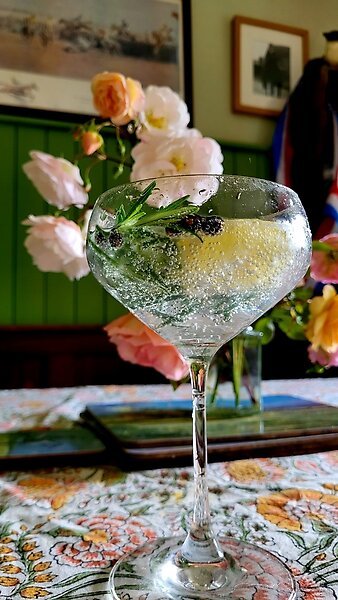
“The fading warmth lingers in memories, a bittersweet echo of carefree moments that danced with the breeze.”
AnthonySummer breeze. Took this photo in the summer.
Tap to view my red bubble galleryQuench yourself with the taste of summer in every sip! This non-alcoholic delight combines the floral notes of elderflower cordial, a zesty twist of lemon, and the aromatic essence of juniper berries, topped off with a fragrant sprig of rosemary. As the sun sets on summer, let each drop transport you back to those sunny memories. Embrace the refreshing concoction of flavours – it’s not just a drink, it’s a celebration of summer’s farewell. Indulge – taste the essence of sunshine in a glass! 🌞🍹
Tap to view my redbubble gallery. - Darkness, Power and BeautyHorse’s steady gazeStrengthful eyes that dare to meetChallenge accepted Courage is the strength to face… Read more: Darkness, Power and Beauty
- The Daffodil’s Song: A Lyrical Tribute to the Wonders of SpringDaffodil so brightGolden petals, sunshine’s kissHope blooms anew As I wander through the garden, the… Read more: The Daffodil’s Song: A Lyrical Tribute to the Wonders of Spring
- Acanthus: A Versatile Plant with a Rich Cultural HeritageThe Graceful Lines of an Acanthus Leaf. Acanthus is a genus of flowering plants native… Read more: Acanthus: A Versatile Plant with a Rich Cultural Heritage
-
Millennium stadium Cardiff Wales

I thought that give some different facts about the millennium stadium that usually go under the radar.
“In the heart of Cardiff, where hawks dance in the sky, and bells ring tales of friendship, the Millennium Stadium stands as a modern ode to sport and spectacle—a stage for the chorus of cheers echoing through time.”
AnthonyManaged to get the perfect day for this photo.
Tap to see my red bubble galleryGuardian of the Stadium. The stadium has a resident hawk named Darcy, who is trained to scare away pigeons and other birds that might damage the pitch or the roof. Darcy is a Harris hawk, a species native to North and South America, and she has been working at the stadium since 2000. She flies around the stadium before and after events, and sometimes during breaks.
Secret Tunnel. The stadium has a hidden tunnel that connects it to the nearby Cardiff Castle. The tunnel was originally built in the 19th century as part of the castle’s defence system, and it was later used as a shelter during World War II. The tunnel is now used by VIP guests and performers who want to avoid the crowds and enter the stadium discreetly.
The Bell of Friendship. The stadium has a special bell that is rung before every rugby match. The bell was donated by the Llanelli Rugby Club in 1999, as a gesture of goodwill and friendship. The bell is made of bronze and weighs 107 kilograms (236 pounds). It is inscribed with the words “Cofiwch Dryweryn”, which means “Remember Tryweryn” in Welsh. This is a reference to the flooding of a Welsh village in 1965 to create a reservoir for Liverpool.
Historic Cricket Match. The stadium hosted the first ever indoor cricket match in 2002, when England played India in a one-day international. The match was played under the closed roof due to bad weather, and England won by 31 runs. The roof also helped to amplify the noise of the crowd, creating a unique atmosphere.
Harmony in Voices. The stadium was the venue for the world’s largest ever choir performance in 2007, when 10,000 singers from 220 choirs gathered to sing in the Festival of Voice. The event was organised by the Welsh Music Foundation and featured songs in Welsh, English, and other languages. The singers performed in front of a packed audience of 60,000 people.
I hope you enjoyed these facts.🙂Tap to view my redbubble gallery. - Darkness, Power and BeautyHorse’s steady gazeStrengthful eyes that dare to meetChallenge accepted Courage is the strength to face… Read more: Darkness, Power and Beauty
- The Daffodil’s Song: A Lyrical Tribute to the Wonders of SpringDaffodil so brightGolden petals, sunshine’s kissHope blooms anew As I wander through the garden, the… Read more: The Daffodil’s Song: A Lyrical Tribute to the Wonders of Spring
- Acanthus: A Versatile Plant with a Rich Cultural HeritageThe Graceful Lines of an Acanthus Leaf. Acanthus is a genus of flowering plants native… Read more: Acanthus: A Versatile Plant with a Rich Cultural Heritage
-
Daffodils: More Than Just a Pretty Flower
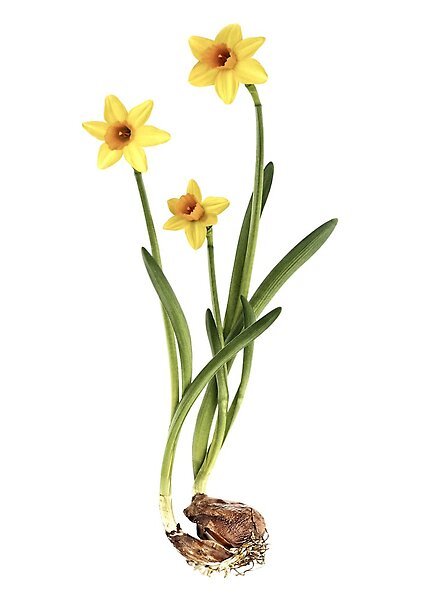
Daffodils are one of the most popular spring flowers, with their cheerful yellow petals and sweet fragrance. But did you know that daffodils also have a long history of medicinal uses? Ley’s explore some of the fascinating facts and benefits of these beautiful blooms.
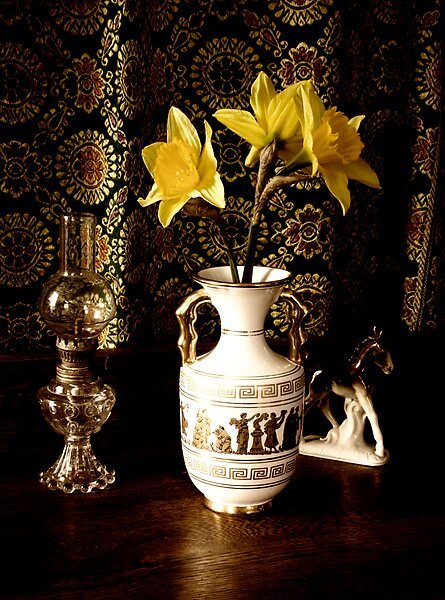
Collected a few trinkets to show off my daffodils. Tap to see my red bubble gallery Daffodils belong to the genus Narcissus, which includes about 50 species and thousands of cultivars. They are native to Europe, North Africa, and Asia, and have been cultivated for centuries. The name Narcissus comes from the Greek myth of a handsome youth who fell in love with his own reflection in a pool of water, fell in, and drowned. The gods turned him into a flower that bears his name. I guess this is where the word narcissist comes from.
I found this daffodil bulb down the back of my potting table and thought it was very interesting. I photographed it on a sheet of white paper. Daffodils have been used regularly in folk and traditional medicine, for in addition to the well-documented sickness-inducing properties, extracts can produce numbness, hallucinations, convulsions and cardiac effects, as well as being used for centuries in cancer treatments. The Greek physician Hippocrates, known as the father of medicine, recommended daffodil oil for uterine tumours. Roman Pliny the Elder suggested topical use of the oil. The bulbs have also been used to treat tumours in North Africa, in Central America, in Arabian medicine, and in Chinese medicine during the Middle Ages. Traditional Japanese medicine uses the root to treat wounds.
The reason why daffodils have such potent effects is because they contain various alkaloids, which are nitrogen-containing organic compounds that have a range of biological activities. Some of the alkaloids found in daffodils are lycorine, galantamine, haemanthamine, and narciclasine. These alkaloids have different effects on the body, such as inducing vomiting, inhibiting acetylcholinesterase, disrupting microtubules, and inducing apoptosis.
One of the most promising alkaloids in daffodils is galantamine, which has been shown to improve cognitive function and slow down the progression of Alzheimer’s disease. Galantamine works by inhibiting acetylcholinesterase, an enzyme that breaks down acetylcholine, a neurotransmitter that is involved in memory and learning. By increasing the levels of acetylcholine in the brain, galantamine can enhance cognitive performance and reduce the symptoms of dementia.
Another alkaloid that has potential anti-cancer properties is narciclasine, which has been found to inhibit the growth and invasion of various types of cancer cells, such as glioblastoma, breast, lung, colon, and prostate cancer. Narciclasine works by disrupting the microtubules, which are structures that help the cells divide and move. By interfering with the microtubules, narciclasine can induce cell death and prevent tumour formation.
However, before you rush to your garden and start eating daffodils, be warned that they are not safe for consumption. All parts of the plant are poisonous, and can cause severe skin irritation, nausea, vomiting, diarrhoea, and abdominal pain. In larger doses, they can cause more serious side effects, such as hallucinations, convulsions, cardiac arrhythmias, and even death. There have been numerous cases of people who have mistaken the bulbs for onions or garlic, or the stems and leaves for chives, and have become seriously ill or died after eating them. Therefore, it is best to consult a healthcare provider before using any products that contain daffodil extracts.
Daffodils are more than just pretty flowers. They are also a source of powerful compounds that have a range of medicinal uses. However, they are also very toxic and should be handled with care.
I hope you enjoyed this blog and learned something new. Thank you for reading! 😊Tap to view my redbubble gallery. - You Never Read the Same Book Twice
 “No man ever steps in the same river twice, for it’s not the same river… Read more: You Never Read the Same Book Twice
 - You deserve a Lemon Verbena tea
 Lemon verbena tea is a herbal tea made from the leaves of the lemon verbena… Read more: You deserve a Lemon Verbena tea
 - Year of the Rabbit
 It was the start of a new year, and I was so excited for what… Read more: Year of the Rabbit
 - Wren ‘n’ Web
 “Oh my, what a busy little wren I am, dashing about here and there, always… Read more: Wren ‘n’ Web
 - Wonderful Whiskers
 Dear fellow feline enthusiasts and curious cat lovers, have you ever pondered the marvellous mystery… Read more: Wonderful Whiskers
 Anthony's Literary Lens
You must be logged in to post a comment.