I thought that give some different facts about the millennium stadium that usually go under the radar.
“In the heart of Cardiff, where hawks dance in the sky, and bells ring tales of friendship, the Millennium Stadium stands as a modern ode to sport and spectacle—a stage for the chorus of cheers echoing through time.”
Anthony
Managed to get the perfect day for this photo. Tap to see my red bubble gallery
Guardian of the Stadium. The stadium has a resident hawk named Darcy, who is trained to scare away pigeons and other birds that might damage the pitch or the roof. Darcy is a Harris hawk, a species native to North and South America, and she has been working at the stadium since 2000. She flies around the stadium before and after events, and sometimes during breaks.
Secret Tunnel. The stadium has a hidden tunnel that connects it to the nearby Cardiff Castle. The tunnel was originally built in the 19th century as part of the castle’s defence system, and it was later used as a shelter during World War II. The tunnel is now used by VIP guests and performers who want to avoid the crowds and enter the stadium discreetly.
The Bell of Friendship. The stadium has a special bell that is rung before every rugby match. The bell was donated by the Llanelli Rugby Club in 1999, as a gesture of goodwill and friendship. The bell is made of bronze and weighs 107 kilograms (236 pounds). It is inscribed with the words “Cofiwch Dryweryn”, which means “Remember Tryweryn” in Welsh. This is a reference to the flooding of a Welsh village in 1965 to create a reservoir for Liverpool.
Historic Cricket Match. The stadium hosted the first ever indoor cricket match in 2002, when England played India in a one-day international. The match was played under the closed roof due to bad weather, and England won by 31 runs. The roof also helped to amplify the noise of the crowd, creating a unique atmosphere.
Harmony in Voices. The stadium was the venue for the world’s largest ever choir performance in 2007, when 10,000 singers from 220 choirs gathered to sing in the Festival of Voice. The event was organised by the Welsh Music Foundation and featured songs in Welsh, English, and other languages. The singers performed in front of a packed audience of 60,000 people.
Daffodils are one of the most popular spring flowers, with their cheerful yellow petals and sweet fragrance. But did you know that daffodils also have a long history of medicinal uses? Ley’s explore some of the fascinating facts and benefits of these beautiful blooms.
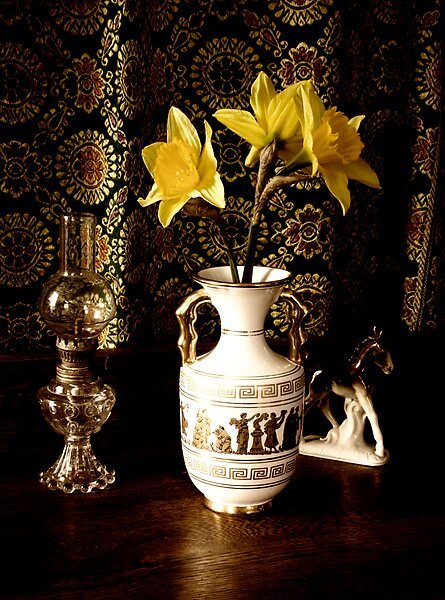
Collected a few trinkets to show off my daffodils. Tap to see my red bubble gallery
Daffodils belong to the genus Narcissus, which includes about 50 species and thousands of cultivars. They are native to Europe, North Africa, and Asia, and have been cultivated for centuries. The name Narcissus comes from the Greek myth of a handsome youth who fell in love with his own reflection in a pool of water, fell in, and drowned. The gods turned him into a flower that bears his name. I guess this is where the word narcissist comes from.
I found this daffodil bulb down the back of my potting table and thought it was very interesting. I photographed it on a sheet of white paper.
Daffodils have been used regularly in folk and traditional medicine, for in addition to the well-documented sickness-inducing properties, extracts can produce numbness, hallucinations, convulsions and cardiac effects, as well as being used for centuries in cancer treatments. The Greek physician Hippocrates, known as the father of medicine, recommended daffodil oil for uterine tumours. Roman Pliny the Elder suggested topical use of the oil. The bulbs have also been used to treat tumours in North Africa, in Central America, in Arabian medicine, and in Chinese medicine during the Middle Ages. Traditional Japanese medicine uses the root to treat wounds.
The reason why daffodils have such potent effects is because they contain various alkaloids, which are nitrogen-containing organic compounds that have a range of biological activities. Some of the alkaloids found in daffodils are lycorine, galantamine, haemanthamine, and narciclasine. These alkaloids have different effects on the body, such as inducing vomiting, inhibiting acetylcholinesterase, disrupting microtubules, and inducing apoptosis.
One of the most promising alkaloids in daffodils is galantamine, which has been shown to improve cognitive function and slow down the progression of Alzheimer’s disease. Galantamine works by inhibiting acetylcholinesterase, an enzyme that breaks down acetylcholine, a neurotransmitter that is involved in memory and learning. By increasing the levels of acetylcholine in the brain, galantamine can enhance cognitive performance and reduce the symptoms of dementia.
Another alkaloid that has potential anti-cancer properties is narciclasine, which has been found to inhibit the growth and invasion of various types of cancer cells, such as glioblastoma, breast, lung, colon, and prostate cancer. Narciclasine works by disrupting the microtubules, which are structures that help the cells divide and move. By interfering with the microtubules, narciclasine can induce cell death and prevent tumour formation.
However, before you rush to your garden and start eating daffodils, be warned that they are not safe for consumption. All parts of the plant are poisonous, and can cause severe skin irritation, nausea, vomiting, diarrhoea, and abdominal pain. In larger doses, they can cause more serious side effects, such as hallucinations, convulsions, cardiac arrhythmias, and even death. There have been numerous cases of people who have mistaken the bulbs for onions or garlic, or the stems and leaves for chives, and have become seriously ill or died after eating them. Therefore, it is best to consult a healthcare provider before using any products that contain daffodil extracts.
Daffodils are more than just pretty flowers. They are also a source of powerful compounds that have a range of medicinal uses. However, they are also very toxic and should be handled with care.
I hope you enjoyed this blog and learned something new. Thank you for reading! 😊
Wales is often called the “land of castles” – and for a good reason. There are over 400 castles in this small country, ranging from ancient earthworks and stone ruins to magnificent fortresses and stately homes. In this blog post, I will explore some of the history and features of these castles, and why they are such an important part of Welsh culture and heritage.
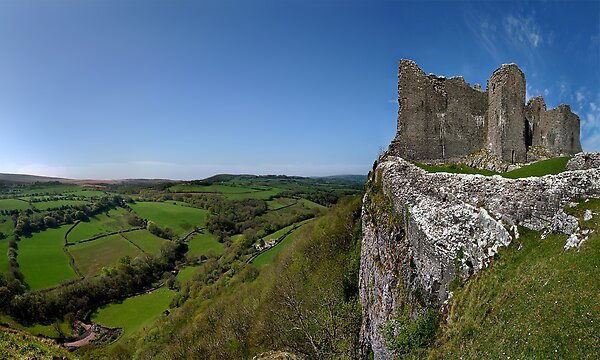
Carreg Cennen Castle Tap to see my red bubble gallery
“Within the weathered stones of Welsh castles, whispers of ancient magic linger, transporting the imagination to realms of enchantment and wonder.”
Anthony
The earliest castles in Wales date back to the Iron Age, when the Celtic tribes built hillforts and defended settlements across the land. Some of these sites, such as Dinas Emrys and Tre’r Ceiri, are still visible today. The Romans also built forts and walls in Wales, such as Segontium and Caerleon, to protect their province of Britannia from the native Britons and the invading Saxons.
The Norman conquest of England in 1066 brought a new wave of castle building in Wales, as the Normans and their allies sought to extend their control and influence over the Welsh kingdoms. They built motte-and-bailey castles, which consisted of a wooden tower on a raised mound (motte) and a walled courtyard (bailey), often surrounded by a ditch. Some of the most famous examples of these castles are Chepstow, Cardiff, and Pembroke. The Normans also rebuilt and enlarged some of the existing Roman and Welsh fortifications, such as Caerphilly and Caernarfon.
The Welsh princes and lords resisted the Norman invasion and expansion, and built their own castles to defend their territories and assert their authority. These castles were often made of stone, and had distinctive features such as round towers, gatehouses, and curtain walls. Some of the most impressive Welsh castles are Dolwyddelan, Castell y Bere, and Carreg Cennen (photoed). The Welsh castles also reflected the culture and identity of their builders, and often incorporated elements of Welsh art and architecture, such as carvings, sculptures, and inscriptions.
The 13th century saw the rise of King Edward I of England, who launched a series of campaigns to conquer Wales and end the Welsh resistance. He built a ring of massive and sophisticated castles along the north and west coast of Wales, such as Conwy, Beaumaris, Harlech, and Criccieth. These castles were designed to dominate the landscape and intimidate the Welsh population, and were also symbols of royal power and prestige. They were built by master masons and engineers, and had advanced features such as concentric walls, moats, drawbridges, portcullises, and arrow slits. These castles are considered to be some of the finest examples of medieval military architecture in Europe, and are part of the UNESCO World Heritage Site of the Castles and Town Walls of King Edward in Gwynedd.
The 15th century saw the emergence of a Welsh hero, Owain Glyndŵr, who led a rebellion against English rule and proclaimed himself Prince of Wales. He captured and destroyed many of the English and Norman castles, and built his own castles, such as Sycharth and Dolbadarn, to rally his supporters and allies. His rebellion was ultimately unsuccessful, but he inspired generations of Welsh patriots and nationalists.
The 16th century saw the Tudor dynasty come to power in England, which had Welsh origins. The Tudors brought a period of relative peace and stability to Wales, and also enacted the Laws in Wales Acts, which integrated Wales into the English legal and administrative system. The Tudors also patronized and renovated some of the Welsh castles, such as Raglan and Carew, and transformed them into comfortable and elegant residences. The Tudors also adopted the Welsh dragon as part of their heraldry and flag, which is still used today as the national emblem of Wales.
The 17th century saw the outbreak of the English Civil War, which divided the country between the Royalists and the Parliamentarians. Many of the Welsh castles were involved in the conflict, and changed hands several times. Some of the castles were besieged, damaged, or demolished, such as Denbigh, Holt, and Chirk. Some of the castles were also used as prisons, garrisons, or headquarters, such as Caerphilly, Powis, and Ludlow.
The 18th and 19th centuries saw the rise of the Industrial Revolution, which transformed the economy and society of Wales. Many of the Welsh castles were neglected, abandoned, or sold, and some of them were used as quarries, factories, or mines, such as Flint, Kidwelly, and Caldicot. Some of the castles were also restored, preserved, or rebuilt, by wealthy landowners, antiquarians, or architects, such as Penrhyn, Castell Coch, and Penhow. Some of the castles were also donated, leased, or sold to the public, the state, or charitable organizations, such as Tretower, Dinefwr, and Plas Mawr.
The 20th and 21st centuries saw the growth of tourism, education, and conservation in Wales. Many of the Welsh castles are now open to visitors, and are managed by various bodies, such as Cadw, the National Trust, and local authorities. The castles are also used for various events, activities, and exhibitions, such as festivals, concerts, weddings, and re-enactments. The castles are also sources of research, learning, and inspiration, for historians, archaeologists, students, and artists. The castles are also part of the national identity and pride of Wales, and are celebrated in literature, music, and art.
The castles of Wales are a rich and diverse legacy of the past, and a living and vibrant part of the present. They tell the stories of the people, events, and ideas that shaped the history and culture of Wales, and also reflect the changes and challenges that faced the country over the centuries. They are also monuments of beauty, skill, and creativity, and showcase the architectural and engineering achievements of their builders and designers. They are also places of wonder, mystery, and romance, and invite us to explore, discover, and enjoy them. They are, in short, the treasures of Wales.
Sunflowers are amazing plants that have many fascinating features and uses. Here are some interesting facts about sunflowers that you might not know:
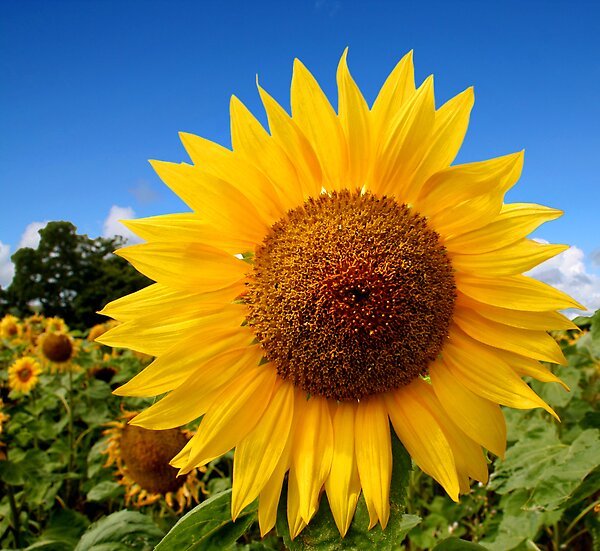
I took this photo a few years ago. Talk to you my red bubble gallery
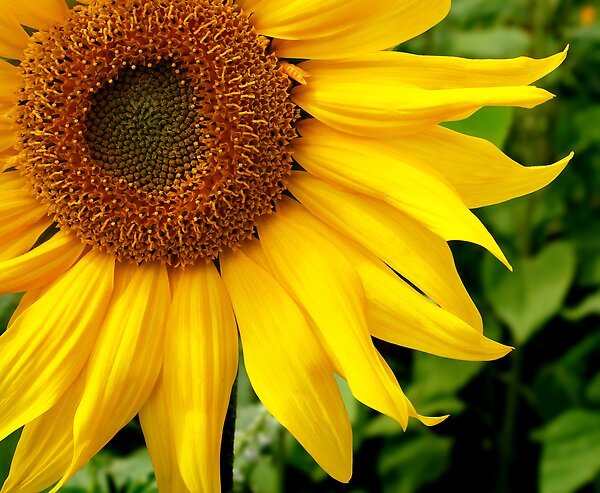
Sunflowers are not just one flower, but many. The large and colourful flower head of a sunflower is actually composed of hundreds of tiny flowers called florets. The outer petals are called ray florets, and the inner ones are called disc florets. The disc florets produce the seeds that we eat or use for oil.
🌻🌻🌻🌻🌻🌻🌻🌻🌻🌻🌻🌻🌻🌻🌻🌻🌻🌻🌻
Sunflowers can follow the sun across the sky. This behaviour is called heliotropism, and it helps the sunflowers get more sunlight and attract more pollinators. Sunflower buds face east in the morning and slowly turn west as the day progresses. However, once the sunflowers are fully bloomed, they stop moving and stay facing east.
Another of my sunny photos. Talk to you my red bubble gallery
Sunflowers have many benefits for humans and animals. Sunflower seeds are rich in vitamin D, vitamin E, phosphorus, magnesium, selenium, copper, and iron. They can be eaten raw, roasted, or turned into butter or oil. Sunflower oil can be used for cooking, hair conditioning, or leather conditioning. Sunflower petals can be used for dyeing or making tea. Sunflower stems can be used for paper or building materials. Sunflower roots can help remove toxins from the soil. Sunflower pollen and nectar can feed bees and other insects.
I hope you enjoyed learning about sunflowers. They are truly remarkable plants that brighten up our day. 😊
“Nature’s architects, fungi lay the silent groundwork, shaping ecosystems from the shadows where their importance silently grows.”
Anthony
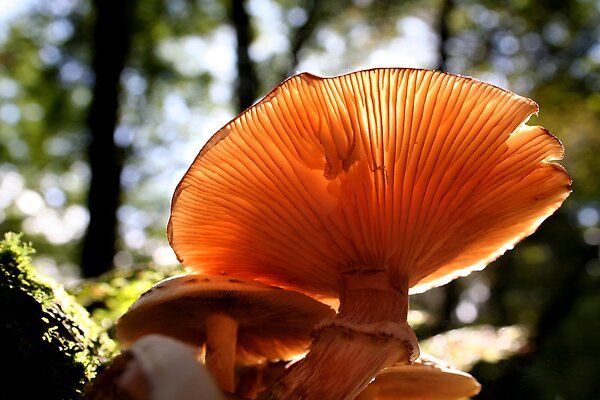
Sunlit fungus. Talk to view my red bubble gallery
While often overlooked, fungi play a crucial role in the intricate web of ecological balance. Despite their seemingly unassuming presence, these organisms serve as the silent architects of life. Beneath the surface, fungi form mycorrhizal networks that forge symbiotic relationships with plants, facilitating nutrient exchange and enhancing their ability to thrive. This intricate dance between fungi and flora underscores the foundation of terrestrial ecosystems, influencing everything from soil health to the vitality of entire ecosystems. In essence, though humble, fungi quietly hold the key to the intricate tapestry of life, their significance extending far beyond their inconspicuous appearance.
Notes dance like memories, orchestrating emotions in the grand concert of life
Anthony Thomas
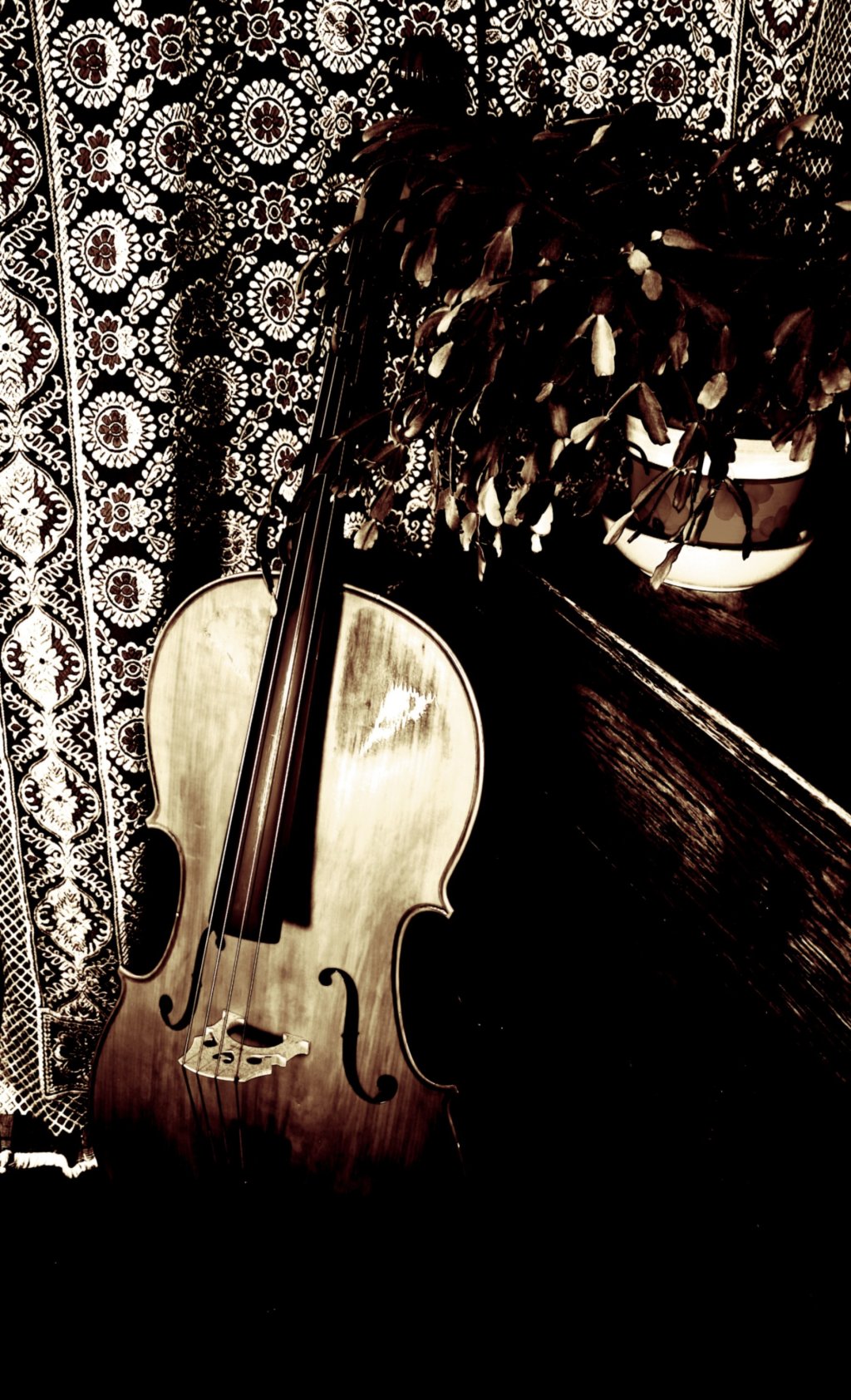
My Cello. Tap to view my redbubble gallery.
This is a photo of my cello, which I have not played for a couple of years. I am not very good at it, but I still love the sound and feel of this instrument, though. It’s such a rich and expressive instrument, and it can be used to create music of almost any genre. I remember listening to recordings of great cellists like Yo-Yo Ma and Pablo Casals, and I would be so amazed by their talent. I would try to emulate their playing, but I never could come close.
I still have my cello, and I’ve been thinking about picking it up again. I know it’s going to be difficult, but I’m determined to give it another try. I’m not sure if I’ll ever be as good as the great cellists I admire, but I don’t think that’s the point; I just want to be able to play music that I enjoy.
I hope that one day I’ll be able to play the cello well enough to share my music with others. But for now, I’m just going to enjoy the process of learning and practising. I’m excited to see where this journey takes me.
A few tips if you wants to learn to play the cello: Find a good teacher. A good teacher can help you develop a solid foundation in the basics of playing the cello. They can also help you to overcome any challenges that you may encounter along the way. Be patient. It takes time and practice to learn to play the cello. Don’t get discouraged if you don’t see results immediately. Just keep practicing and you will eventually reach your goals. Have fun! Playing the cello should be enjoyable. If you’re not having fun, then you’re less likely to stick with it. So find ways to make practising fun and enjoyable.
I hope this blog has inspired you to pick up your own instrument and start playing. Music is a wonderful gift, and it’s never too late to learn to play an instrument.
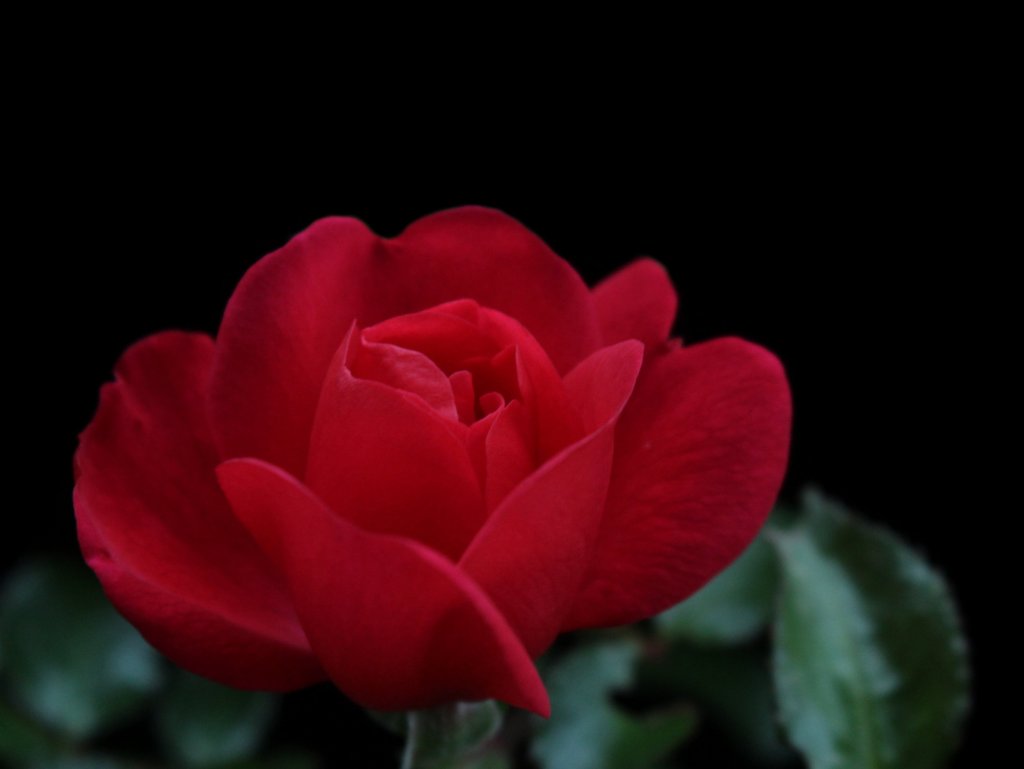
The scent of lost love, Dull roses and thorns remain, Dreams float on the wind.
Anthony Thomas
I took this photo this afternoon. (It’s in my polytunnel which is why it’s flowering so late) Tap to view my redbubble gallery.
In a garden of memories, red roses stand silent witness to a lost love. Their beauty, once a source of joy, now stirs bittersweet feelings. Each crimson petal carries the weight of a love that unfolded and withered, leaving behind a garden of faded colour and thorns that now prick at the edges of my heart. In their fragrance lingers the ghost of shared dreams. Amidst the sorrow, these roses become a sanctuary and a painful memory that some loves, like petals in the wind, are meant to drift away.
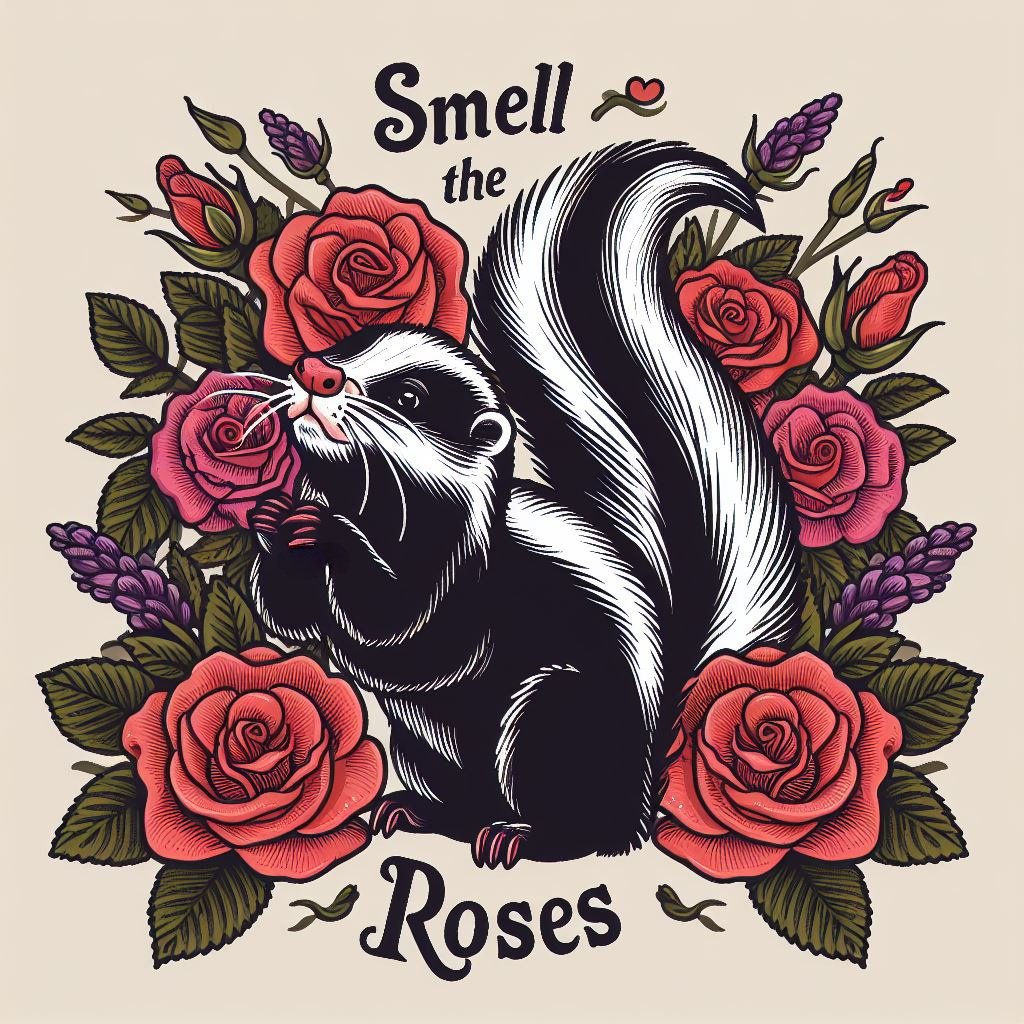
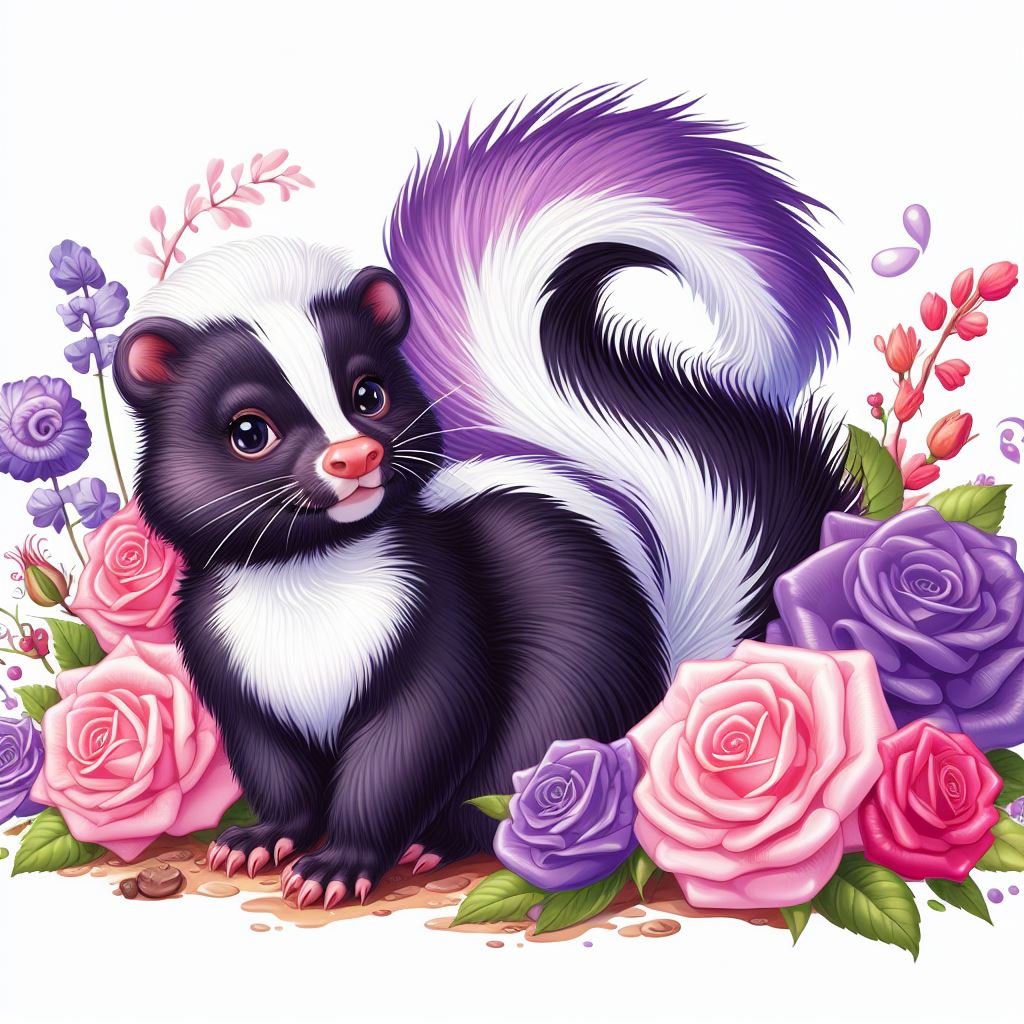
In a forest where everything was black and white, there lived a kind-hearted skunk named Sasha. Unlike her monochromatic friends, Sasha longed to experience the beauty of colours. While her skunk companions were content with their grey surroundings, Sasha had a deep desire to find a world filled with vibrant hues.
Sasha’s friends often teased her, saying, “Why do you want to see colours, Sasha? Everything is just fine in black and white!” But Sasha remained determined. She believed in the magic of colours, and she had a secret that her friends couldn’t understand.
One sunny morning, Sasha decided to embark on a journey deeper into the forest. She had heard whispers about a wondrous place called the Enchanted Rose Garden, rumoured to be hidden far beyond the tallest trees. With hope in her heart and a sparkle in her eyes, Sasha began her quest to find the colours she longed for.
As Sasha ventured further into the forest, she encountered various animals and creatures who cautioned her about the perils of the unknown. “Beware, Sasha,” advised a wise old owl, “The path ahead is full of challenges, but your love for colours will guide you.”
Sasha continued her journey with determination, and as she progressed, she noticed the forest becoming increasingly enchanted. Trees transformed into towering rosebushes, and the air became filled with the sweet scent of roses. At last, she arrived at the legendary Rose Garden.
Tap to view my redbubble gallery.
The garden was an extraordinary sight. Gigantic, colourful roses bloomed in every shade imaginable. Sasha felt like she had stepped into a magical painting. She began to dance among the roses, and as she twirled, something remarkable happened. Colours burst forth, and her world was transformed from black and white to a dazzling rainbow and her tail was transformed into the most beautiful shade of purple!
Sasha realised that her determination to change had brought her the very thing she had always dreamed of. The garden was a place of pure enchantment and joy. Sasha’s friends, who had once teased her, were astounded by her newfound colourful appearance and the magical garden she had found.
From that day on, Sasha was known as the Colourful Queen, and her friends couldn’t get enough of her newfound vibrant beauty. They all joined her in the Enchanted Rose Garden, where they too experienced the wonder of a world filled with colour.
And so, Sasha the Skunk lived happily ever after in her Enchanted Rose Garden, proving that sometimes it’s the things that make us different that lead us to the most extraordinary discoveries. The end.
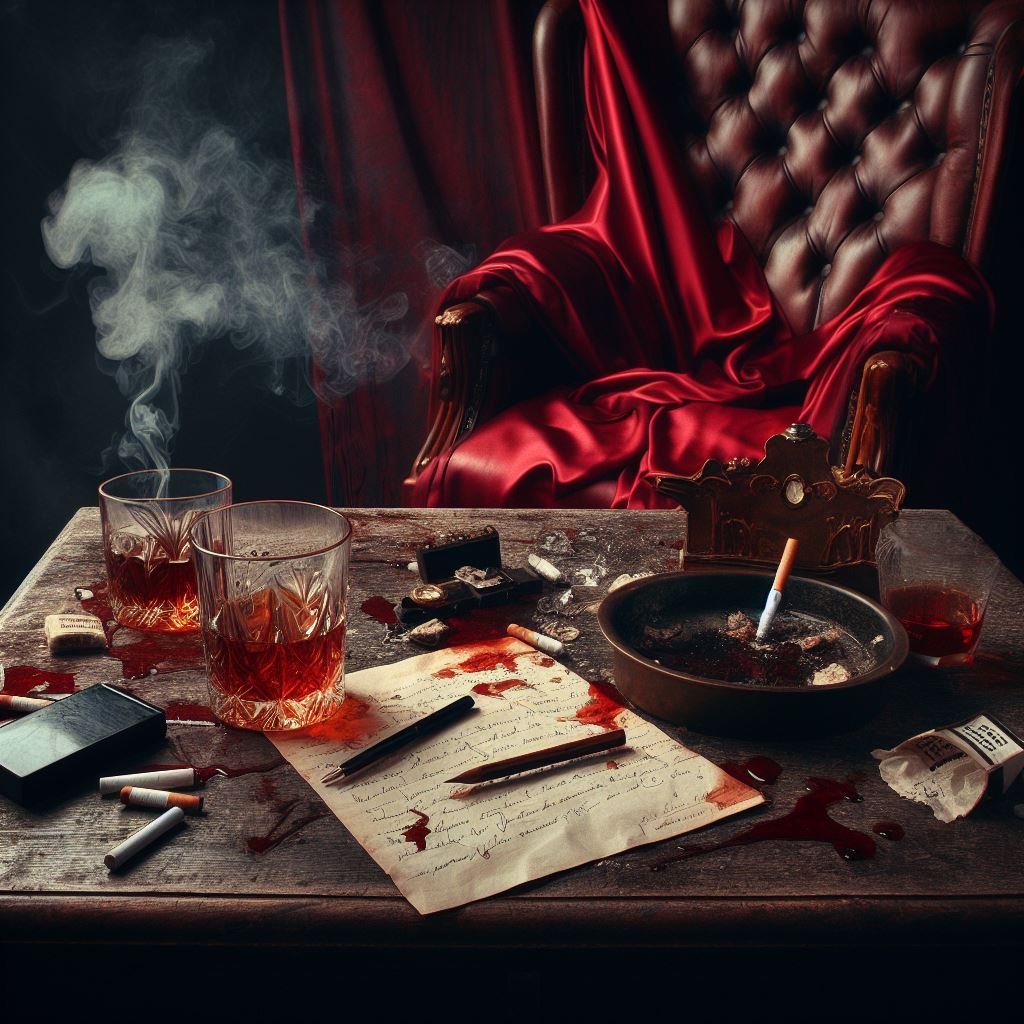
The dimly lit room was suffused with the sultry aura of forbidden secrets, where shadows and whispers danced together in a dark tango. The only source of light was a single table lamp, its feeble glow casting eerie silhouettes on this shabby place. It was in this twilight realm that I first laid eyes on it—a mesmerising image that seemed to hold the key to a thousand mysteries.
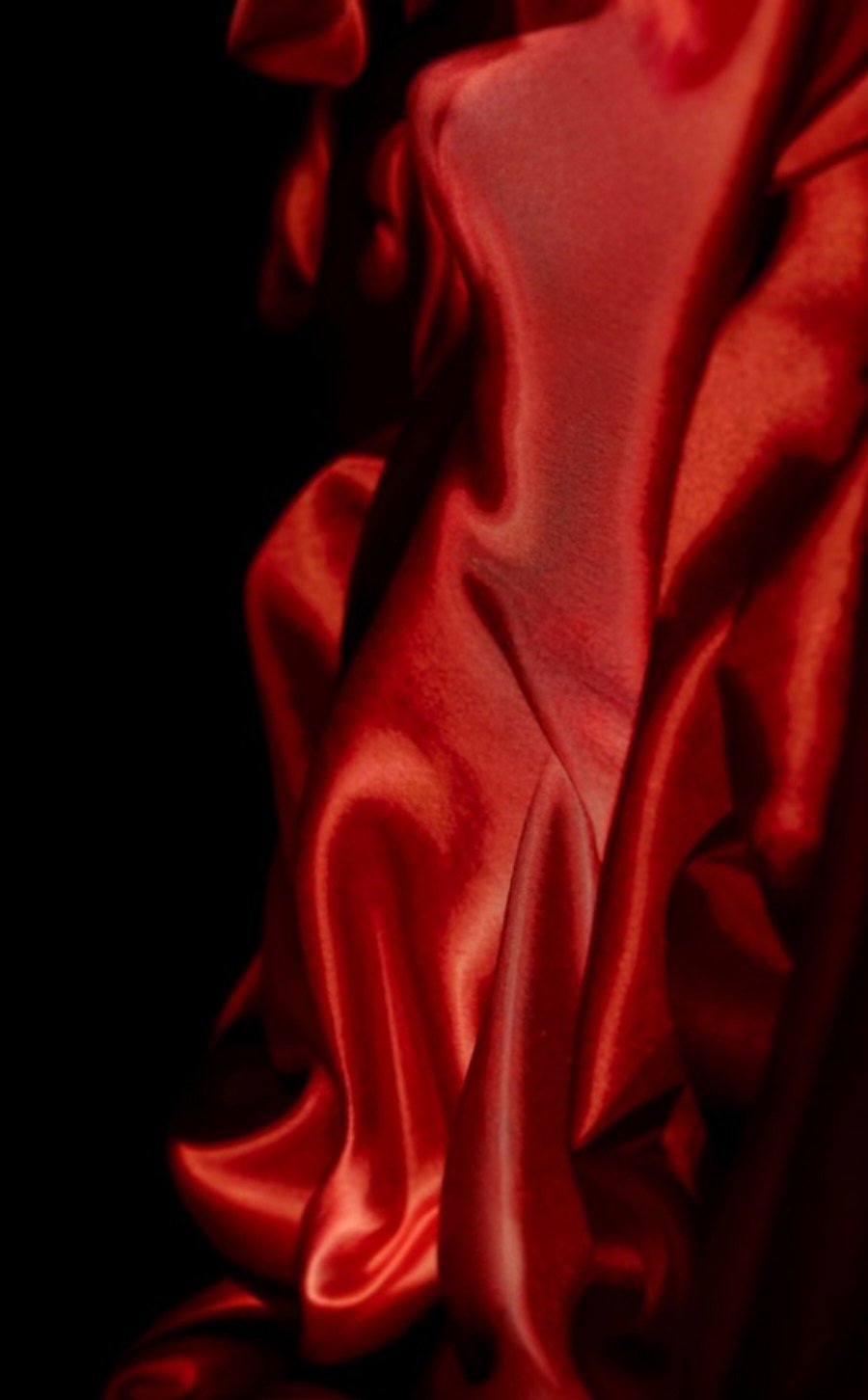
Tap to view my redbubble gallery.
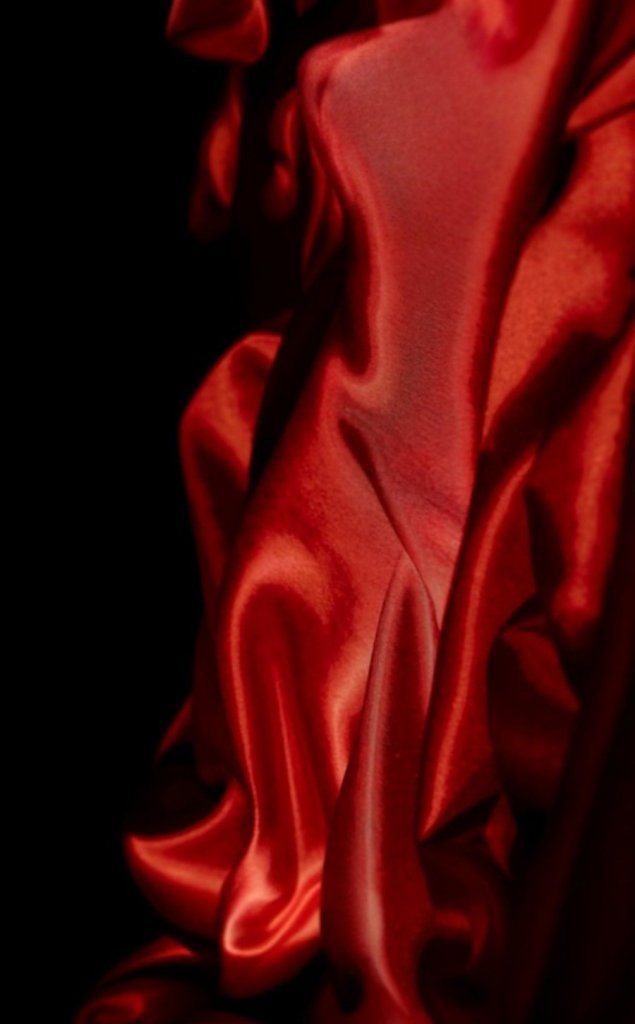
A piece of cloth, carefully draped across the chair, a piece of red satin against a backdrop of obsidian black. The fabric, a deep ruby red, was intensely alluring, like a siren’s song beckoning the lost souls of the night. Its surface shimmered with subtle undulations, as if it concealed a secret known only to those who dared to gaze upon it long enough. Like secrets of liquid passion that would run through your hands if you tried to embrace them. The black expanse around it was like the void of a starless night, an abyss where desires and secrets conspired.
I couldn’t help but be drawn to it, my eyes fixated on the satin’s inviting folds. It held an allure that transcended mere fabric—it was desire incarnate, a symbol of passions. I knew that behind this innocent facade lay a world of intrigue, one I was compelled to uncover.
In front of the chair was a scarred, mahogany desk, surrounded by an assortment of objects that spoke of the room’s absent occupant. An ashtray, filled with half-smoked cigarettes, a tumbler of bourbon, its contents long drained, hinted at a taste for the forbidden. A crumpled letter, bearing cryptic messages in smudged ink, told a story of intrigue and deceit.
As I stood there, a gust of wind rattled the dusty windowpane, as if the night itself conspired to keep its secrets hidden. This ruby and obsidian gem, now my silent confidante, seemed to beckon me deeper into the shadows, daring me to uncover the mysteries it held.
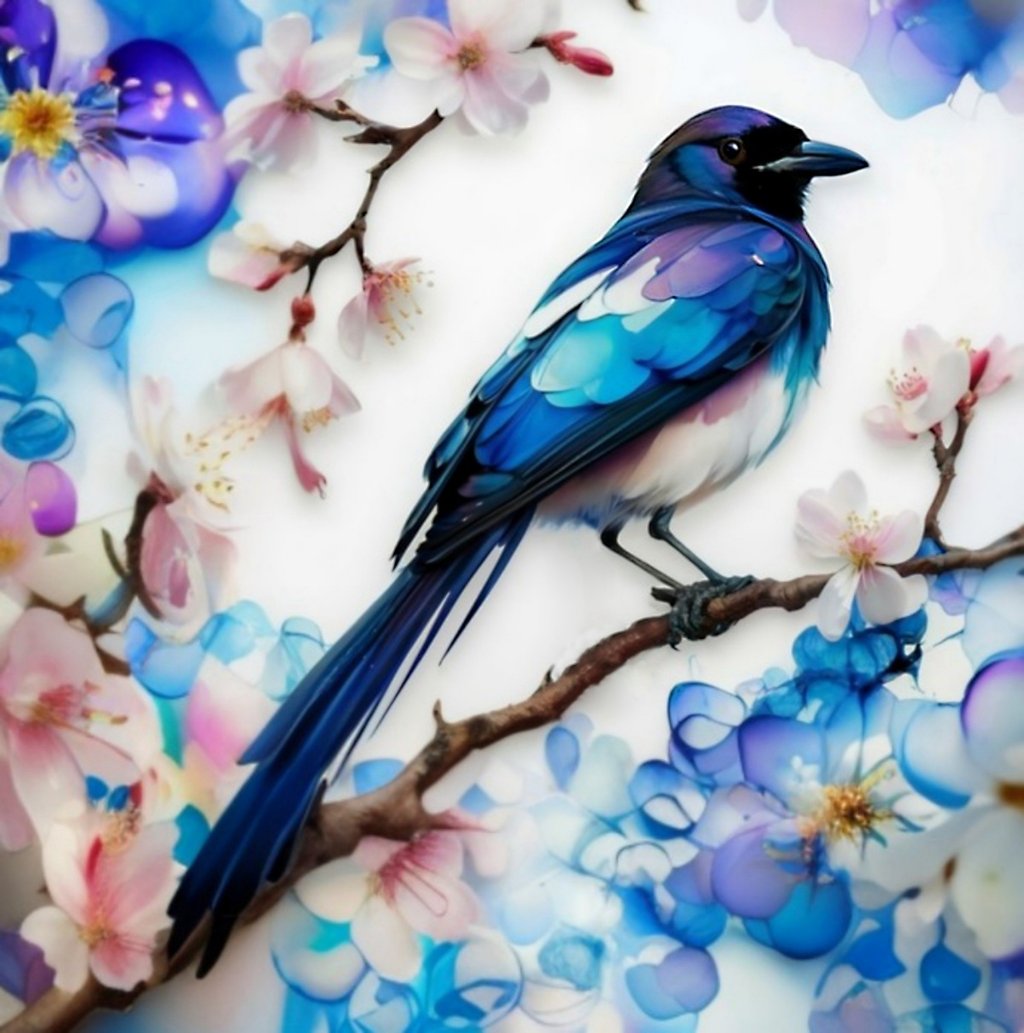
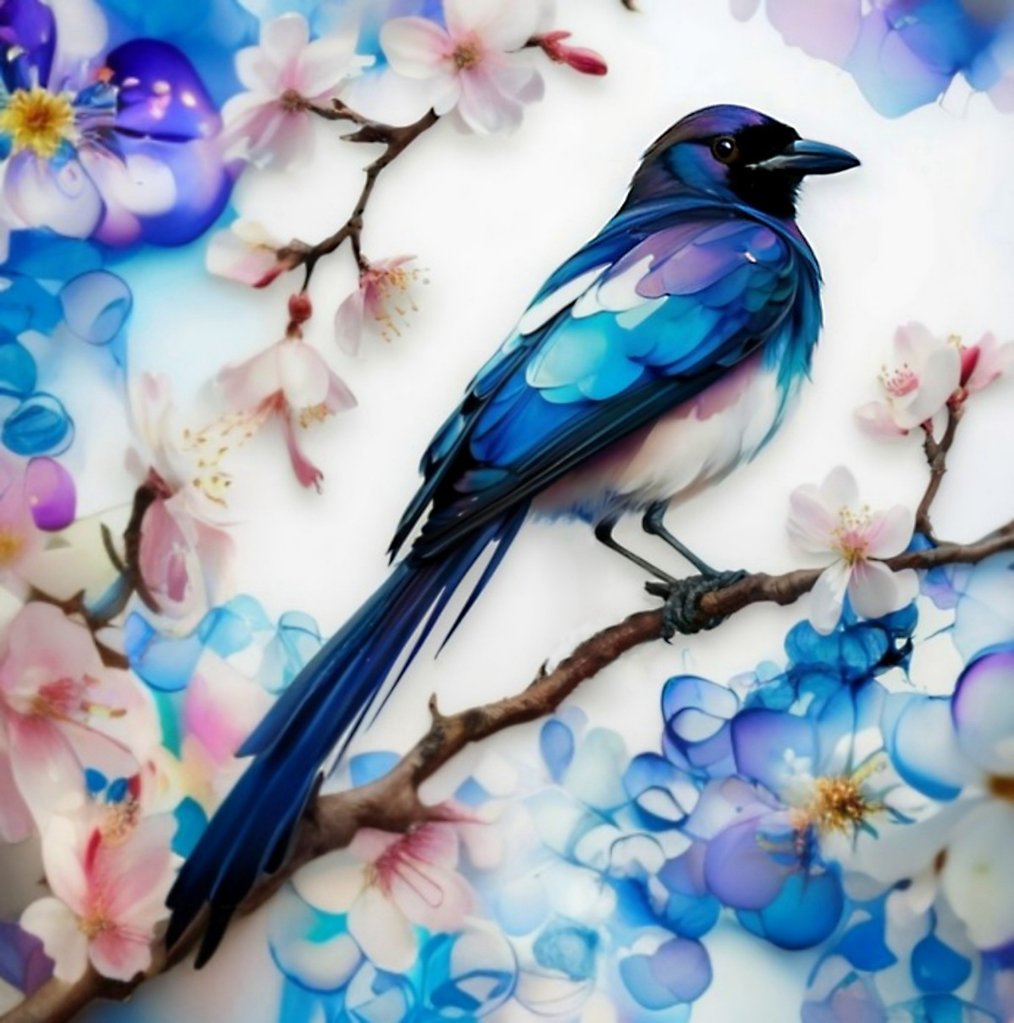
Magpies are fascinating birds that have inspired many myths and legends around the world. Here are some examples of stories about magpies from different cultures:
Tap to view my redbubble gallery.
In China, Korea, and Japan, magpies are considered to be auspicious birds that bring good luck and happiness. They are associated with the Qixi Festival, also known as the Chinese Valentine’s Day, which celebrates the annual meeting of two lovers, Zhinü and Niulang, who are separated by the Milky Way. According to the legend, a flock of magpies forms a bridge across the sky to allow the lovers to reunite once a year.
In Britain, magpies are often seen as omens of bad luck or death, especially if seen alone. There is a well-known rhyme that predicts one’s fortune based on the number of magpies seen: “One for sorrow, two for joy, three for a girl, four for a boy, five for silver, six for gold, seven for a secret never to be told.” Some people believe that greeting a lone magpie or saluting it can ward off the bad luck.
In Celtic lore, the magpie was a bird associated with fairy revels; with the spread of Christianity, however, this changed to a connection with witches and devils. In Scandinavia, magpies were said to be sorcerers flying to unholy gatherings, and yet the nesting magpie was once considered a sign of luck in those countries. In France, magpies were believed to be able to foretell the weather and the future.
In Native American cultures, magpies had various meanings and roles. Some tribes of Native Americans believed that wearing a magpie feather was a sign of fearlessness, while others considered the magpie to be a sacred messenger of the creator, or even a guardian with shamanic abilities. In some legends, the magpie helped the coyote, the trickster, to create the world or to steal fire from the gods.
These are just some of the many stories and beliefs that people have about magpies. Magpies are truly remarkable birds that have captured the imagination of humans for centuries.


 Horse’s steady gazeStrengthful eyes that dare to meetChallenge accepted Courage is the strength to face… Read more: Darkness, Power and Beauty
 Daffodil so brightGolden petals, sunshine’s kissHope blooms anew As I wander through the garden, the… Read more: The Daffodil’s Song: A Lyrical Tribute to the Wonders of Spring
 The Graceful Lines of an Acanthus Leaf. Acanthus is a genus of flowering plants native… Read more: Acanthus: A Versatile Plant with a Rich Cultural Heritage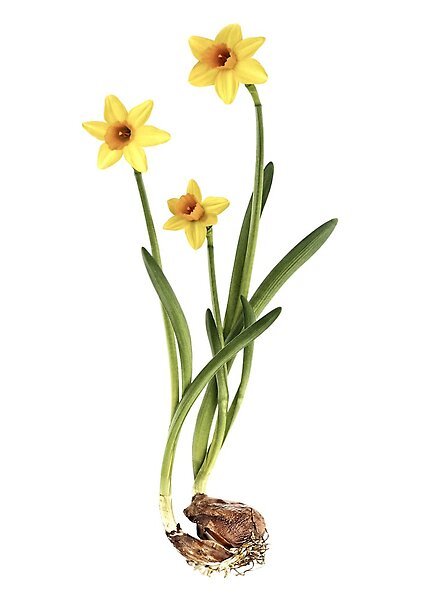










 Anthony's Literary Lens
You must be logged in to post a comment.