Blog

  • Llandeilo’s arching achievement

    Llandeilo’s arching achievement

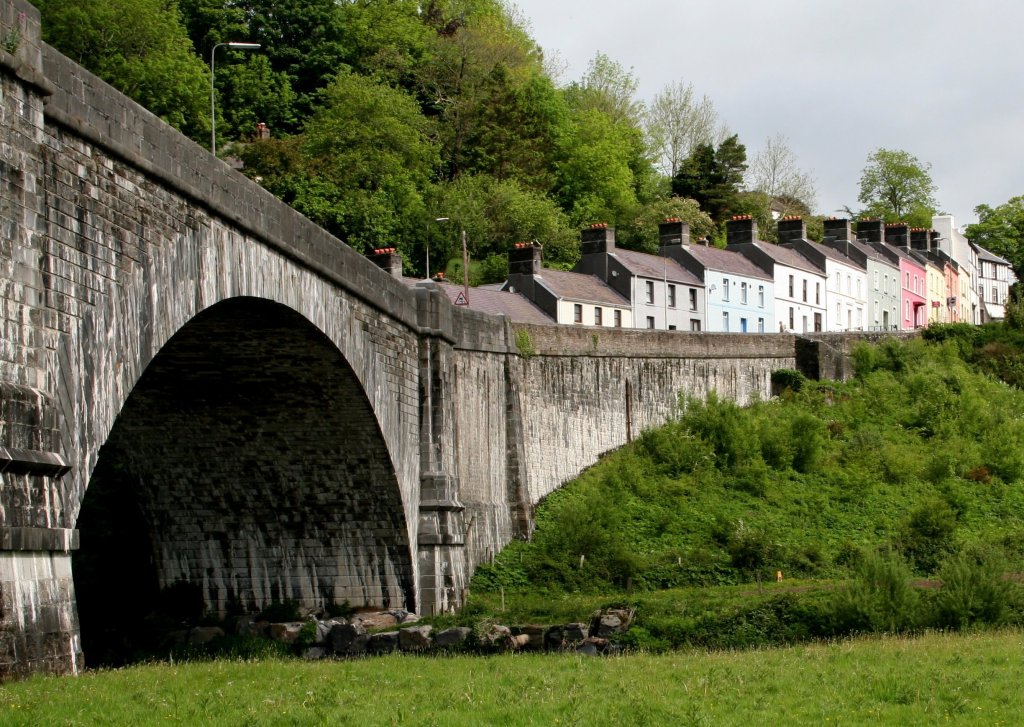
    Hello there! Let me tell you about the charming bridge at Llandeilo. It’s a Grade II* listed road bridge that gracefully spans the River Towy in the picturesque town of Llandeilo, nestled in Carmarthenshire, Wales. This bridge is a vital link for the A483 road heading towards Ffairfach.
    Tap to view my redbubble gallery.

    The story behind this bridge is quite fascinating. The brilliant William Williams, Llandeilo’s very own county bridge surveyor, designed this single-arch wonder. Its construction took place between 1843 and 1848, a project that replaced a previous three-arched bridge. This older structure had itself replaced a mediaeval seven-arch bridge that sadly collapsed back in 1795.
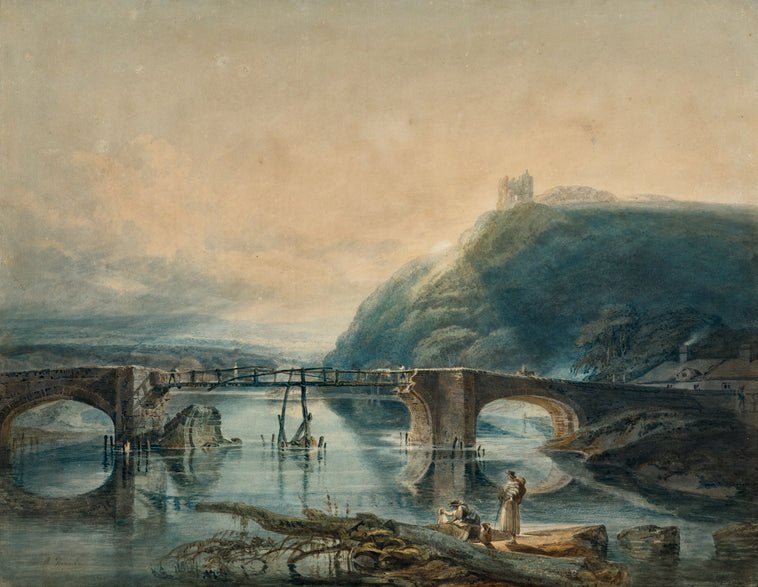
    J.M.W. Turner painted Llandeilo Bridge and Dinefwr Castle in 1795.

    William Williams initially led the project, but the complexities of building on challenging foundations drained the budget entirely, leading to his dismissal. Unfortunately, he passed away before the bridge’s completion. In 1846, Edward Haycock stepped in to finish the job, though the cost had escalated significantly to a staggering £23,000.

    The new bridge was a vast improvement over its predecessor, with enough room for a double carriageway. Its single arch impressively stretched 143 feet across the river, rising 35 feet above it, which was quite a feat at the time and made it the third longest single arch bridge in Britain. This height also reduced the road’s gradient towards the town, making it more accessible.

    The bridge’s architectural details are a reflection of its craftsmanship. The bridge, arch soffits, parapets, and buttresses are adorned with chisel- or hammer-dressed masonry. The voussoirs of the arch are lengthy and finely finished with ashlar. The bridge is also flanked by substantial stone buttresses at each end of the arch, which extend in both directions to support the lengthy causeways leading to Llandeilo and Ffairfach. It’s not just a bridge; it’s a piece of Llandeilo’s rich history.

    Tap to view my redbubble gallery.
  • Flowing through Time

    Flowing through Time

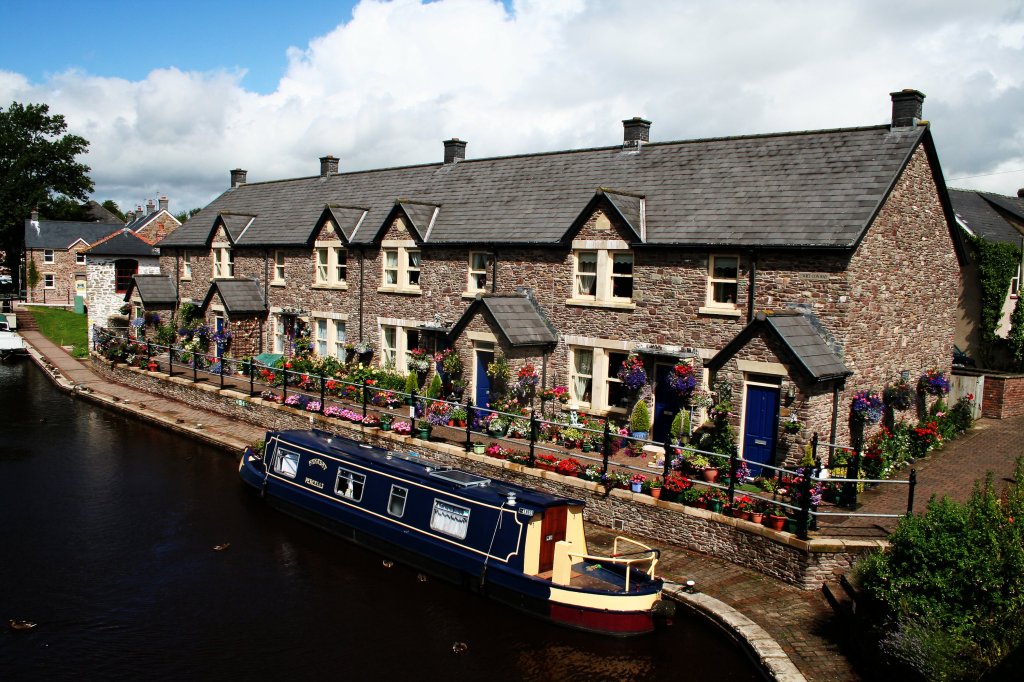
    In the heyday of the Brecon Canal, life as a canal man was a world unto itself. The waterways were the lifeblood of our community, and I was a humble steward of this liquid highway, where tales of toil and camaraderie flowed as freely as the water beneath our narrowboat’s hull.

    Brecon canal
    Tap to view my redbubble gallery.

    Each morning, well before the sun could kiss the Welsh hills, I’d begin my day by stoking the coal stove, its warming glow chasing away the chill. The calloused hands of a canal man were well-acquainted with ropes and capstans, and as the first light broke, I’d cast off, my trusty steed of waterways setting forth on another journey.

    The Brecon Canal wove a serpentine path through stunning countryside, with rolling green hills and quiet villages dotting the landscape. The echoing clip-clop of our horse’s hooves on the towpath, our loyal four-legged companion, was a soothing soundtrack to the day’s work. We were a team, the horse, the boat, and I, moving in harmony with the ebb and flow of life along the water.

    We navigated a complex network of locks, each one a different puzzle to solve. The rhythmic turning of the lock gate winches and the gushing of water was a dance, one that only those who spent their lives on these canals truly understood.

    The real charm of being a canal man lay in the camaraderie with fellow travellers. At the end of the day, we’d moor in a quiet spot, and often a pub was not far off. The tales spun in those dimly lit corners, fueled by pints of ale, were like treasures of the canal. Stories of cargo, mishaps, and chance encounters with colourful characters all found their place in the oral history of the waterway.

    As night descended and the stars painted the sky, I’d lay in my bunk, the gentle rocking of the boat beneath me, and feel a profound sense of peace. Life as a canal man was simple, yet it held the beauty of a bygone era.

    The Brecon Canal in its heyday was more than just a transport route; it was a way of life. I was a humble navigator of those waters, and in return, they revealed to me the quiet majesty of the Welsh countryside and the enduring spirit of those who plied their trade on its tranquil surface.

    Tap to view my redbubble gallery.
  • Through the Shutter’s Eye

    Through the Shutter’s Eye

    Photography, at its core, is a dance with serendipity. It’s an art that thrives on capturing moments of beauty, wonder, and the unexpected. The magic of photography lies in being in the right place at the right time, a concept that couldn’t be more evident than in your two striking images.

    Sun kisses the sea
    Tap to view my redbubble gallery.

    In the first photograph, the sun seems to have carefully settled upon the water’s surface, casting a golden path that glistens like liquid fire. It’s a visual marvel that reminds us of the exquisite alignment of celestial bodies and the fleeting nature of light. To capture this moment required being present at that precise instant when the sun kissed the sea, illuminating both with a warm, ethereal glow. It’s as if nature conspired with the photographer, inviting them into its grand performance for a brief, exquisite encore.

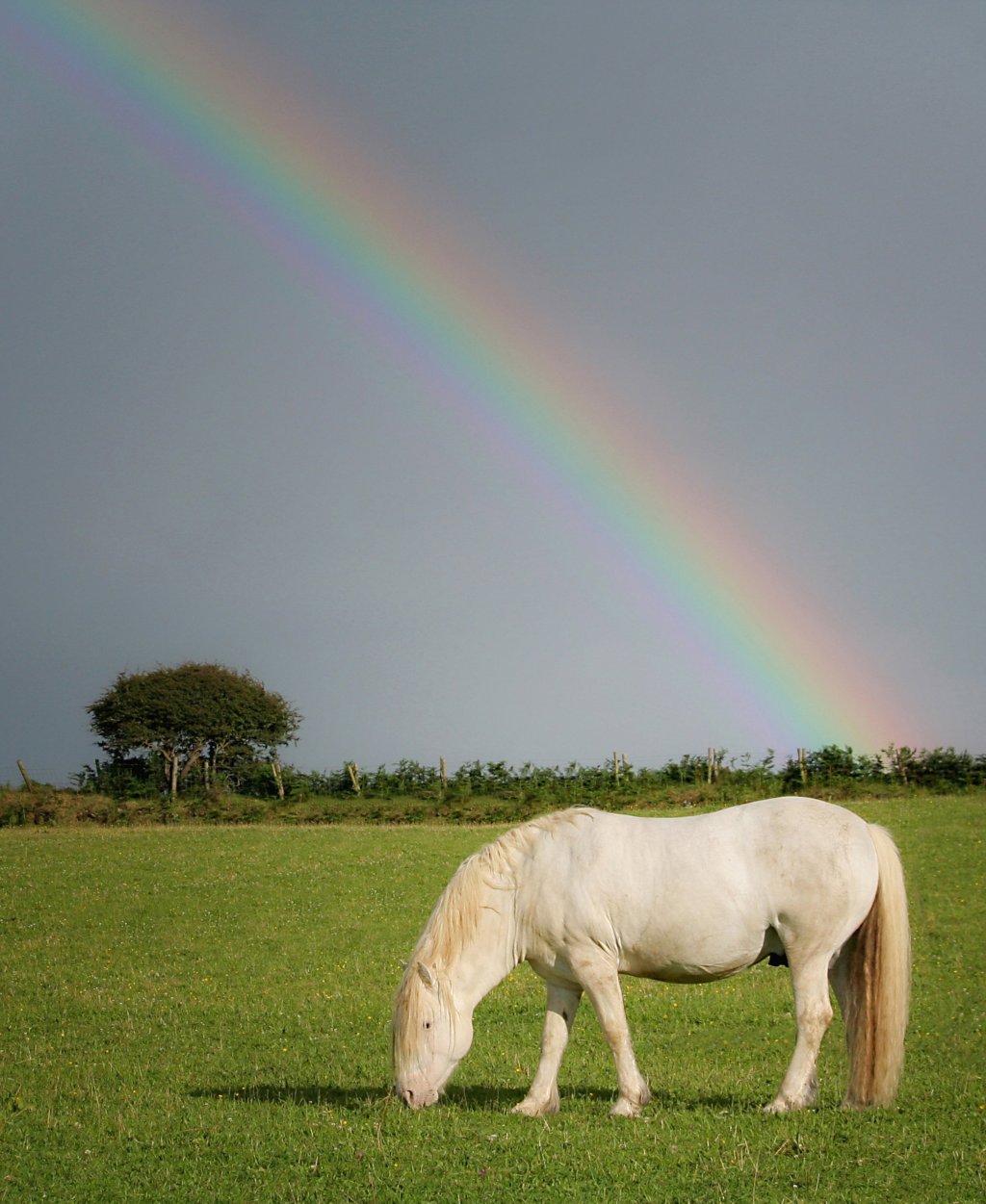
    Lucky White horse
    Tap to view my redbubble gallery.

    The second image, featuring a rainbow emerging behind a white horse, is equally mesmerising. Rainbows have long held a mythical allure, symbolising hope, promise, and the ephemeral nature of beauty. In this instance, the horse, symbolising grace and freedom, stands at the confluence of earth and sky, while the rainbow, a harmonious blending of light, forms a breathtaking arch. To capture such a scene requires more than just photographic skill; it calls for patience and an almost spiritual connection with the world around us.

    In both instances, the photographer found themselves at the intersection of perfect timing and sheer luck. They harnessed the magic of the natural world and transformed it into two timeless images, reminding us that the beauty of our world is ever-present, but often hidden, waiting for us to be in the right place at the right time to reveal itself.

    But being in the right place at the right time is not solely a matter of happenstance. It requires patience and persistence, a willingness to wait for that perfect alignment of elements. It involves understanding that each moment carries its own unique narrative, waiting to be captured. The most captivating photographs often emerge when the photographer embraces the unpredictability of life.

    These photographs are a testament to the enchantment of the universe and the photographer’s gift for seeing the extraordinary in the ordinary. In a world that often moves too fast to notice the subtle wonders around us, they invite us to pause, to appreciate the beauty of happenstance, and to understand that the lens through which we view the world can often be our most powerful tool for capturing the fleeting moments that make life truly extraordinary.

    Tap to view my redbubble gallery.
  • Norwegian Church

    Norwegian Church

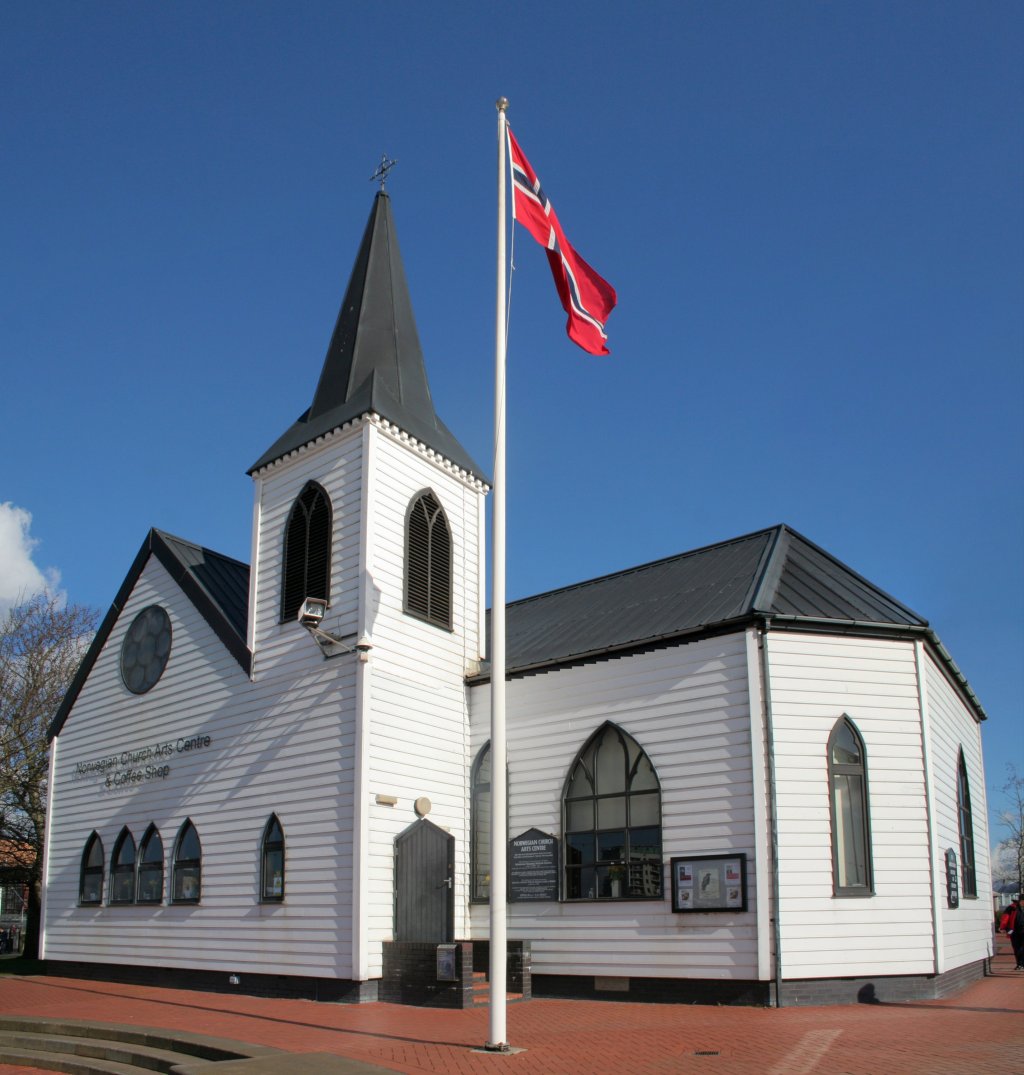
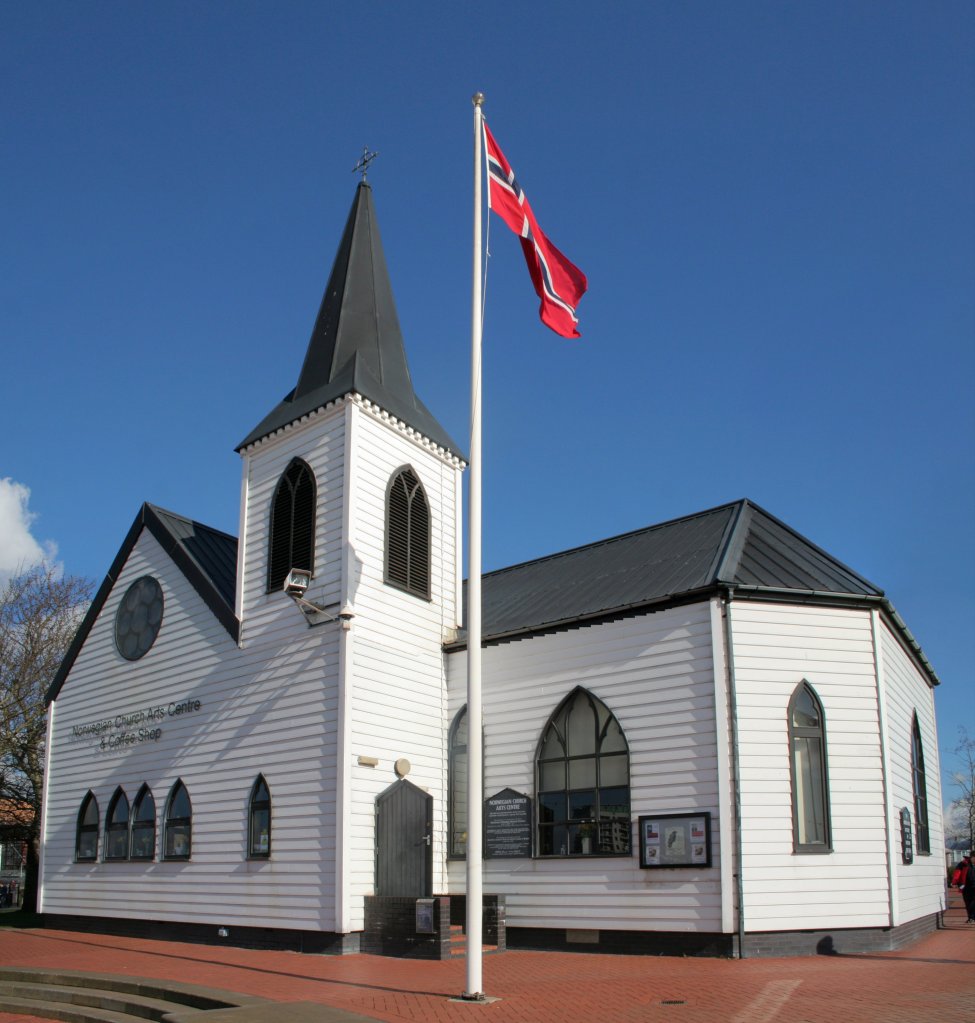
    The Norwegian Church in Cardiff Bay is a historic and cultural landmark in Cardiff, Wales. It was originally built in 1868 to serve the growing Norwegian community in the area, many of whom were involved in the shipping and coal trading industries. The church played a vital role in the community, serving as a place of worship and a social centre for Norwegians living in

    Norwegian Church in Cardiff Bay
    Tap to view my redbubble gallery.

    In the late 20th century, the church fell into disuse, but it was later renovated and reopened as a cultural and arts centre. Interestingly, in 1916, the world-famous author Roald Dahl, who was born in Cardiff and whose parents were Norwegian, was baptised in the Norwegian Church. This historical connection adds to its significance.

    Today, it hosts various events, exhibitions, and performances, making it a hub for cultural and artistic activities in Cardiff. It also has a cafe with beautiful waterfront views. The Norwegian Church is an important part of the cultural heritage of Cardiff and the broader history of the Welsh-Norwegian connection in the city

    Tap to view my redbubble gallery.
  • The Evolution of Welsh Devolution

    The Evolution of Welsh Devolution

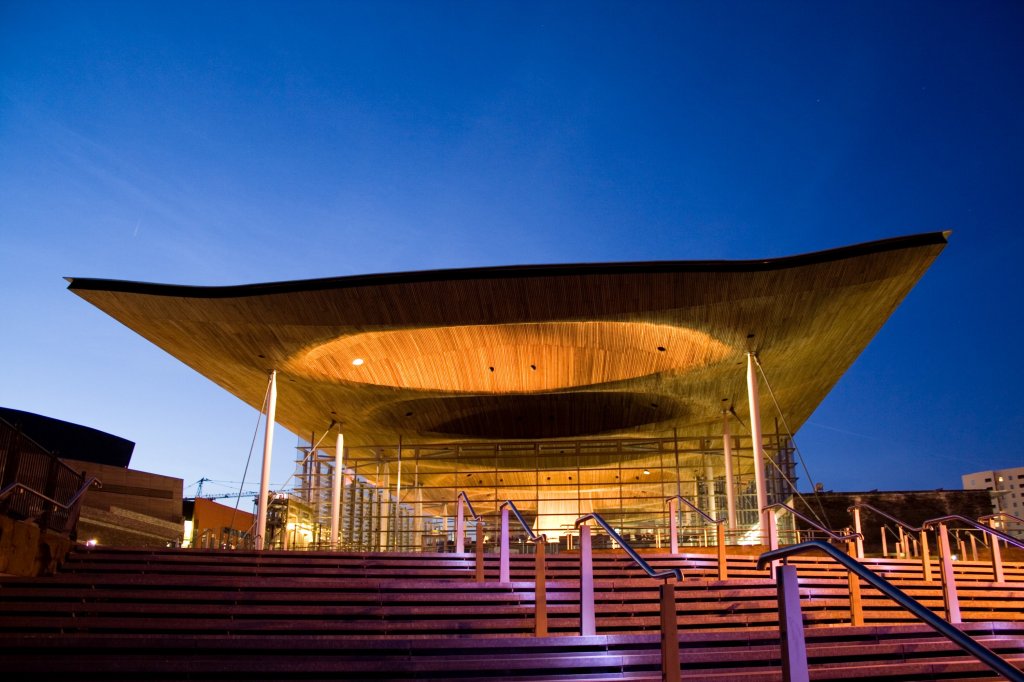
    In the heart of Cardiff Bay, nestled alongside the glistening waters, stands a striking building that embodies the aspirations of a nation. The Senedd Cymru, or Welsh Parliament, is a symbol of Wales’ journey towards self-governance, a journey that has been marked by both progress and setbacks.

    A photo I took a few years ago.
    Tap to view my redbubble gallery.

    The dragon’s fire
    From humble beginnings, a flame took hold,
    Devolution’s embers, burning bold.
    Through trials and tribulations, it did grow,
    A beacon of Welsh self-governance’s glow.

    My Welsh version. It’s a computer translation but I thought I’d treat you all to some Welsh.

    Tân y ddraig
    O ddechreuadau gostyngedig, cydiodd fflam,
    Embers datganoli, llosgi beiddgar.
    Trwy brofedigaethau a gorthrymderau, tyfodd,
    Ffagl o llewyrch hunanlywodraeth Gymreig.

    In 1997, a narrow referendum victory (50.3%) paved the way for the establishment of the Welsh Assembly. Initially possessing limited powers, the Assembly gradually gained more autonomy, culminating in its renaming as the Senedd Cymru in 2020.

    Today, the Senedd holds a wide range of powers, including responsibility for education, health, housing, and the environment. It also has the power to set Welsh taxes, such as income tax and landfill tax.

    The Senedd is a symbol of Wales’ aspirations for self-governance. Its evolution has been a gradual process, but it now plays a vital role in the governance of the nation.

    As the Senedd continues to evolve, it is likely to remain a focal point for Welsh identity and its pursuit of greater autonomy.

    Tap to view my redbubble gallery.
  • The Enchanted Nest

    The Enchanted Nest

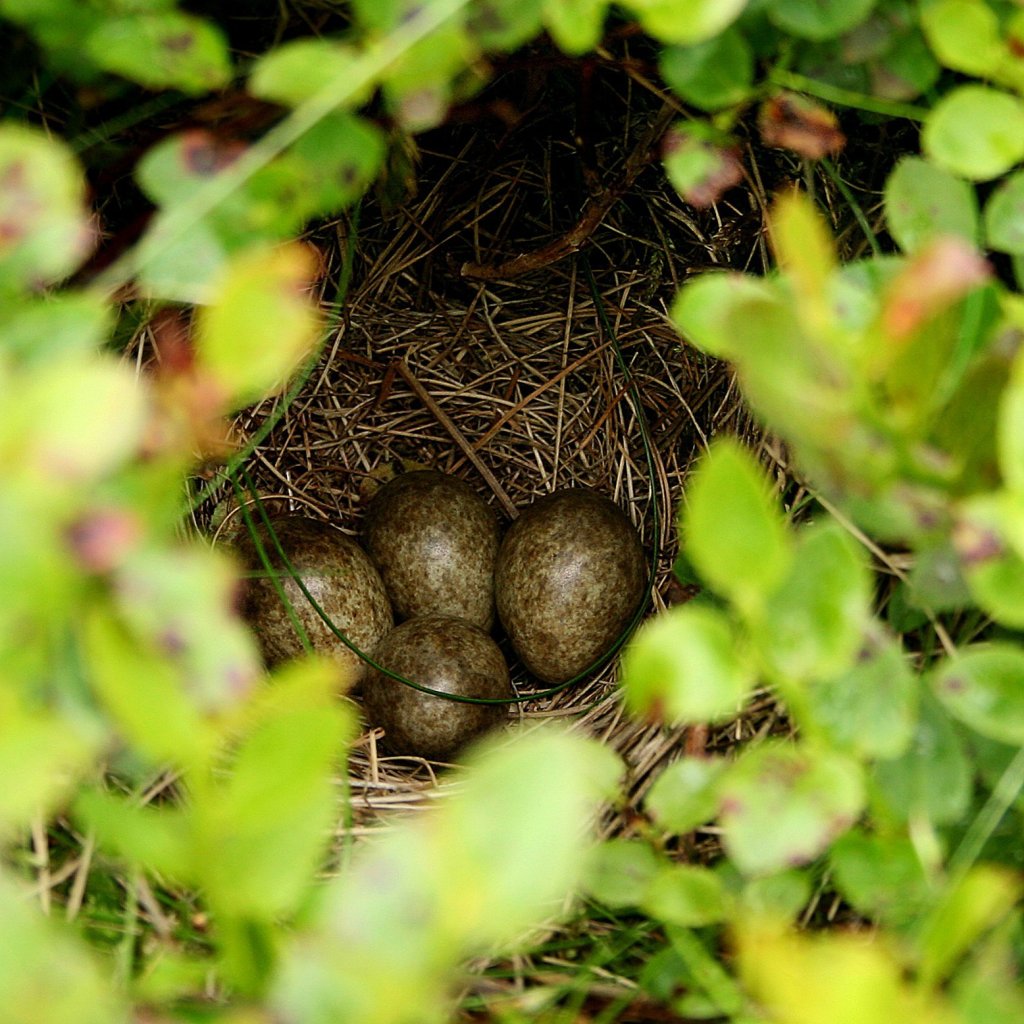
    Nature’s wisdom reveals itself where skylarks find sanctuary amidst bilberries

    Tap to view my redbubble gallery.

    The discovery of a skylark nest nestled amid a patch of bilberries is a fascinating glimpse into the natural world, offering insight into the unique flora and fauna of the environment. The skylark, known for its enchanting and melodious song, often chooses inconspicuous nesting sites, blending into its surroundings. The bilberry, also known as the whortleberry or blaeberry, is a small, blue-black fruit that thrives in upland areas, such as the mountains of Wales.

    The skylark (Alauda arvensis) is a symbol of the open countryside, renowned for its joyful and complex songs that fill the air during their territorial displays. The species has a preference for nesting on the ground, hidden amidst vegetation like bilberries. The choice of bilberries as a nesting location provides both camouflage and a source of food for the skylark. Bilberries are rich in antioxidants and nutrients, making them a valuable dietary resource for local wildlife.

    Bilberries, while resembling blueberries, have distinct characteristics. They typically grow in acidic and nutrient-poor soils, thriving in the uplands of places like Wales. The shrubs are low-growing, adorned with small, deep blue fruits that are enjoyed by various birds, including skylarks, and other wildlife. Bilberries are not only a food source but are also valued for their potential health benefits, as they are believed to have antioxidant properties.

    The synergy between the skylark and the bilberry in this natural setting exemplifies the intricate relationships between flora and fauna. The discovery of the skylark’s nest surrounded by bilberries underscores the importance of preserving such habitats and understanding the interconnectedness of the species that call them home. It’s a reminder of the delicate balance of nature and the wonders to be found in the wild landscapes of Wales.

    A skylark soars, a joyous speck in the boundless blue, singing freedom’s song as it reaches new heights

    Tap to view my redbubble gallery.
  • Raglan Castle: Echoing Through Time

    Raglan Castle: Echoing Through Time

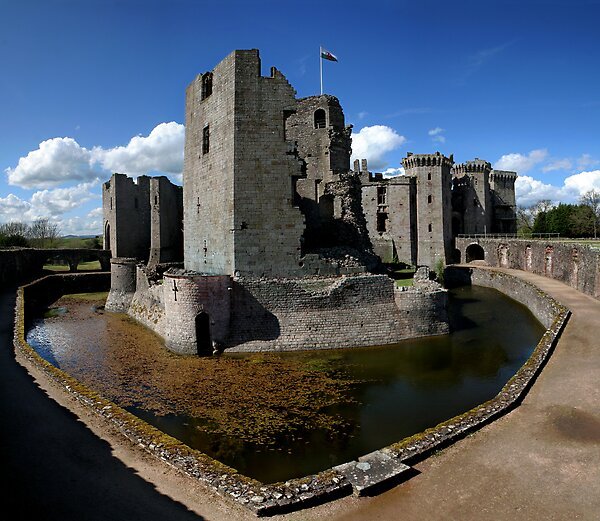
    In the heart of the lush Welsh countryside, there stood a castle unlike any other. Its name was whispered in awe and reverence across the land – Raglan Castle. The castle’s history was a tapestry woven with threads of valour, intrigue, and timeless beauty.

    Tap to view my redbubble gallery.

    The very walls of Raglan Castle seemed to carry echoes of the 12th century, when the earliest stones were laid. As the centuries passed, its destiny was irrevocably entwined with the Herbert family. Sir William ap Thomas, a man of vision and ambition, took it upon himself to transform Raglan into a fortress fit for a noble dynasty.

    The castle’s defining feature, the “Yellow Tower of Gwent,” rose proudly into the sky, its hexagonal shape defying convention and capturing the imagination of all who beheld it. Raglan Castle’s grandeur was further accentuated by its double-towered gatehouse and the shimmering moat that encircled it.

    But Raglan Castle was not merely an architectural marvel. It was a stage upon which history unfolded. The Herberts played their part in the Wars of the Roses, their legacy forever etched in the stone walls of Raglan. As the castle reached its zenith, it was a symbol of power, influence, and unyielding loyalty.

    However, as fate would have it, the English Civil War descended upon the land, casting a shadow of conflict and change. Raglan Castle found itself at the epicentre of a fierce struggle. When the Royalists and Parliamentarians clashed, the castle stood defiant, its spirit unbroken.

    The year was 1646, and the siege was relentless. But the indomitable fortress of Raglan withstood all assaults, a testament to the courage of its defenders. Eventually, the winds of change blew, and the Royalist cause faltered. The castle fell, and its defiance was silenced.

    Now, in the modern age, Raglan Castle stands in picturesque ruin. The echoes of its past resonate in every stone, in the grand tower that still reaches for the heavens, and in the waters of the moat that once protected it. It is a place of wonder and contemplation, a living testament to the enduring spirit of Wales and the castles that define its history.

    Raglan Castle, with its dramatic past and timeless beauty, remains a beacon for those who seek to glimpse the shadows of history and feel the echoes of a bygone era.

    Tap to view my redbubble gallery.
  • Reflecting on mindfulness

    Reflecting on mindfulness

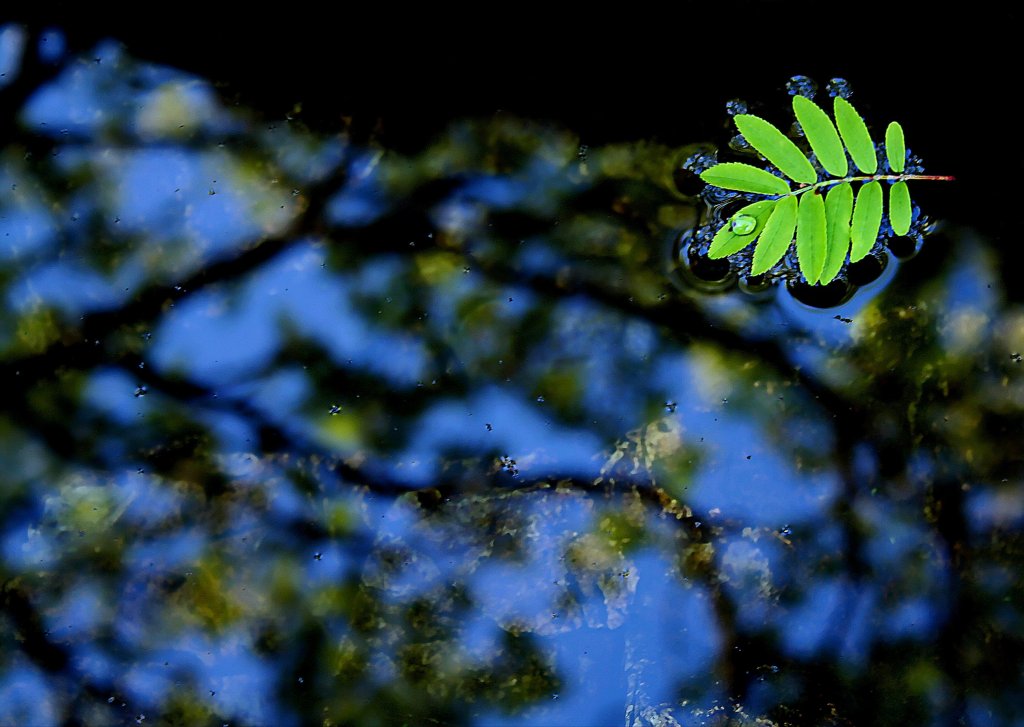
    A delicately balanced leaf floating on water is a beautiful sight. It’s a result of the surface tension on the mirrored surface, making the leaf appear almost weightless as it rests on the water’s surface. This can be a mesmerising sight.

    Tap to view my redbubble gallery.

    As I reflect on this natural spectacle, it encourages me to reflect on the fine balance of our mental health. Just as the leaf delicately stays afloat, our mental well-being often relies on a delicate equilibrium. Various factors like stress, emotions, and external pressures can tip that balance. However, when we take a moment to observe the leaf’s poise, it can remind us of the importance of mindfulness.

    Mindfulness involves being fully present in the moment, much like observing the leaf on the water’s surface. It allows us to appreciate the beauty of the world around us and become aware of our thoughts and emotions without judgement. This practice can help us maintain a healthier mental state.

    The leaf on water serves as a reminder that life’s delicate balance can be both beautiful and calming, and just like it remains afloat despite the water’s gentle currents, our mindfulness can help us navigate the challenges of life while preserving our mental health.

    Tap to view my redbubble gallery.
  • Mary Wollstonecraft – Frankenstein’s grandmother?

    Mary Wollstonecraft – Frankenstein’s grandmother?

    Mary Wollstonecraft (1759-1797) was an English writer, philosopher, and early advocate for women’s rights. She is best known for her groundbreaking work, “A Vindication of the Rights of Woman,” published in 1792. Wollstonecraft’s ideas laid the foundation for modern feminism and the fight for women’s equality.

    I do not wish [women] to have power over men; but over themselves

    Tap to view my redbubble gallery.

    “A Vindication of the Rights of Woman”
    In this influential book, Wollstonecraft argued for the equal education and treatment of women. She believed that women were not naturally inferior to men but were instead constrained by the limited opportunities and education available to them. She advocated for women’s right to be educated and to engage in the same intellectual pursuits as men.

    Mary Wollstonecraft

    Personal Life
    Wollstonecraft’s personal life was marked by her unconventional choices. She had affairs and a child out of wedlock, which were considered scandalous in her time. Her own life experiences, however, fueled her passion for advocating women’s rights and challenging societal norms.

    Legacy
    Mary Wollstonecraft’s ideas had a profound and lasting impact. Her work inspired subsequent generations of feminists and laid the intellectual groundwork for the first wave of feminism in the 19th and early 20th centuries.

    Daughter’s Legacy
    Mary Wollstonecraft’s daughter, Mary Wollstonecraft Shelley, became a famous writer herself and is best known as the author of “Frankenstein.”

    Wollstonecraft’s writings and ideas continue to be celebrated for their pioneering stance on women’s rights and their lasting influence on the fight for gender equality. She remains a respected figure in the history of feminism and women’s rights.

    Tap to view my redbubble gallery.
  • Of Moss and Memories: The Forest Bridge

    Of Moss and Memories: The Forest Bridge

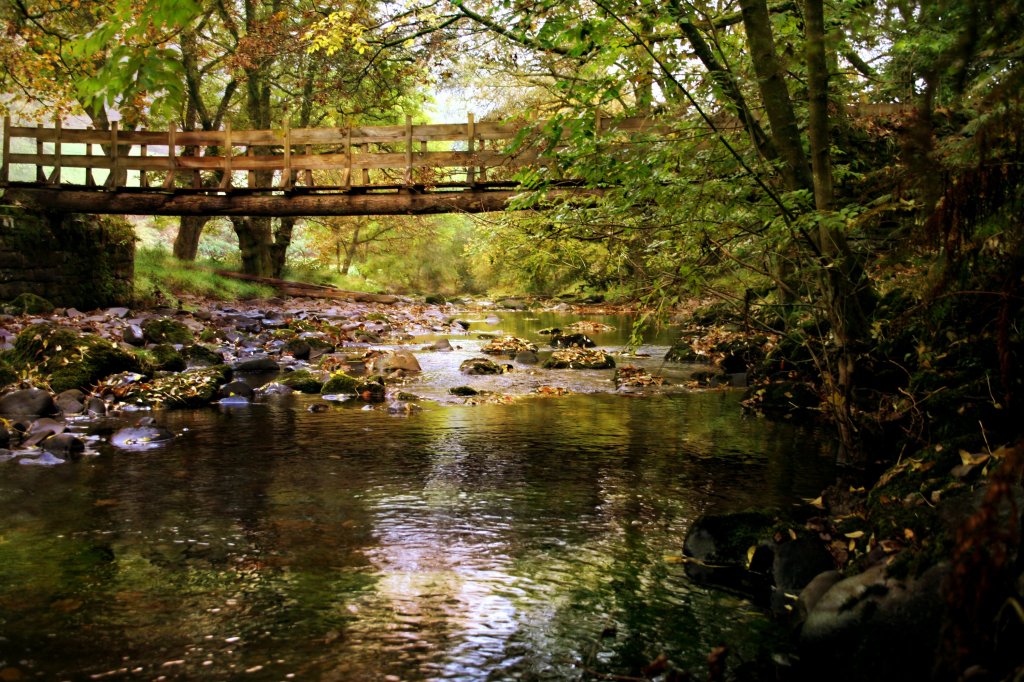
    As I crossed the weathered planks, I discovered the bridge’s secret: it led to inner peace

    Somewhere in Snowdon, Wales
    Tap to view my redbubble gallery.

    Beneath a canopy of ancient oaks and maples, a rustic bridge emerges, its weathered planks worn smooth by countless footsteps. It spans a meandering river, whose waters whisper secrets to the wind-kissed leaves. As you step onto the bridge, the scent of damp earth and moss rises to meet you, a fragrance carried on a gentle breeze. The bridge’s timeworn rails offer a comforting grip, guiding you through the heart of this enchanted forest. In the dappled sunlight, you find solace, where the bridge becomes a silent witness to the stories of the woods, standing strong through seasons and time.

    Tap to view my redbubble gallery.
Design a site like this with WordPress.com
Get started