Tag: animal

  • The Concrete Den

    The Concrete Den

    Rust-red coat dulled— 
    streetlight bleeds sodium gold.
    Fox: smoke, not ghost.
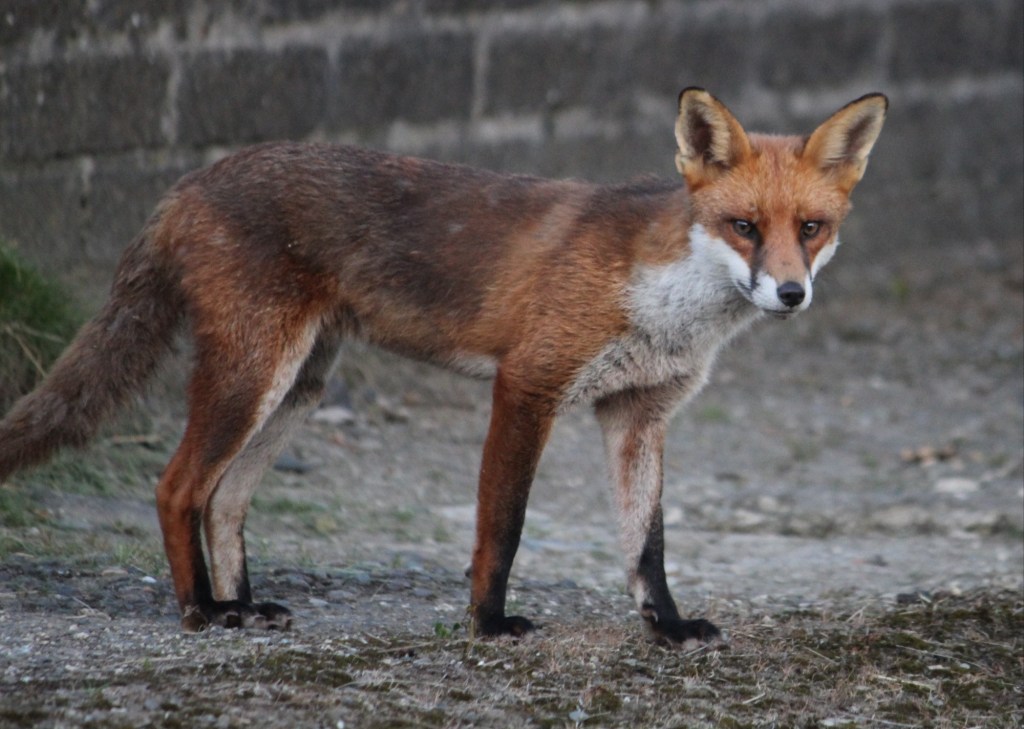
    Urban fox
    Taken outside my house last year

    The fox moves through the alley like smoke round iron bars – low, deliberate, unseen. Her coat, once red as autumn leaves, has dulled to the colour of rust and old blood. The city does that to things. Takes the bright and makes it grey.
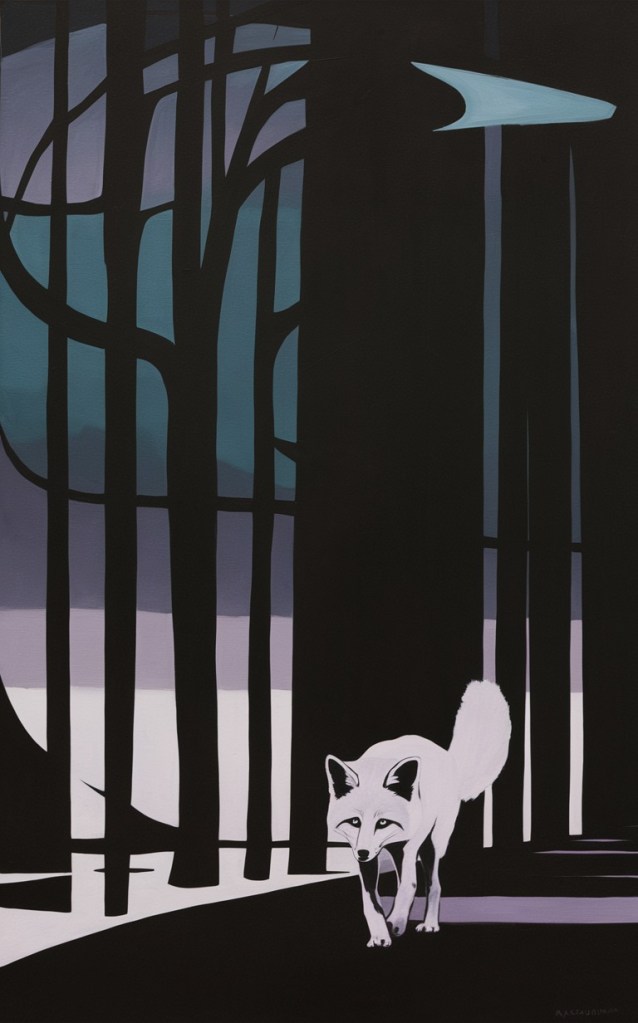
    Abstract urban fox

    She stops at the mouth of the alley where it opens onto Bethnal Green Road, nose testing the wind. Diesel fumes. Rotting produce from the day’s market. Something dead in a skip three blocks over. And underneath it all, the scent of prey – rats moving through the Victorian sewers like criminals through tunnels.
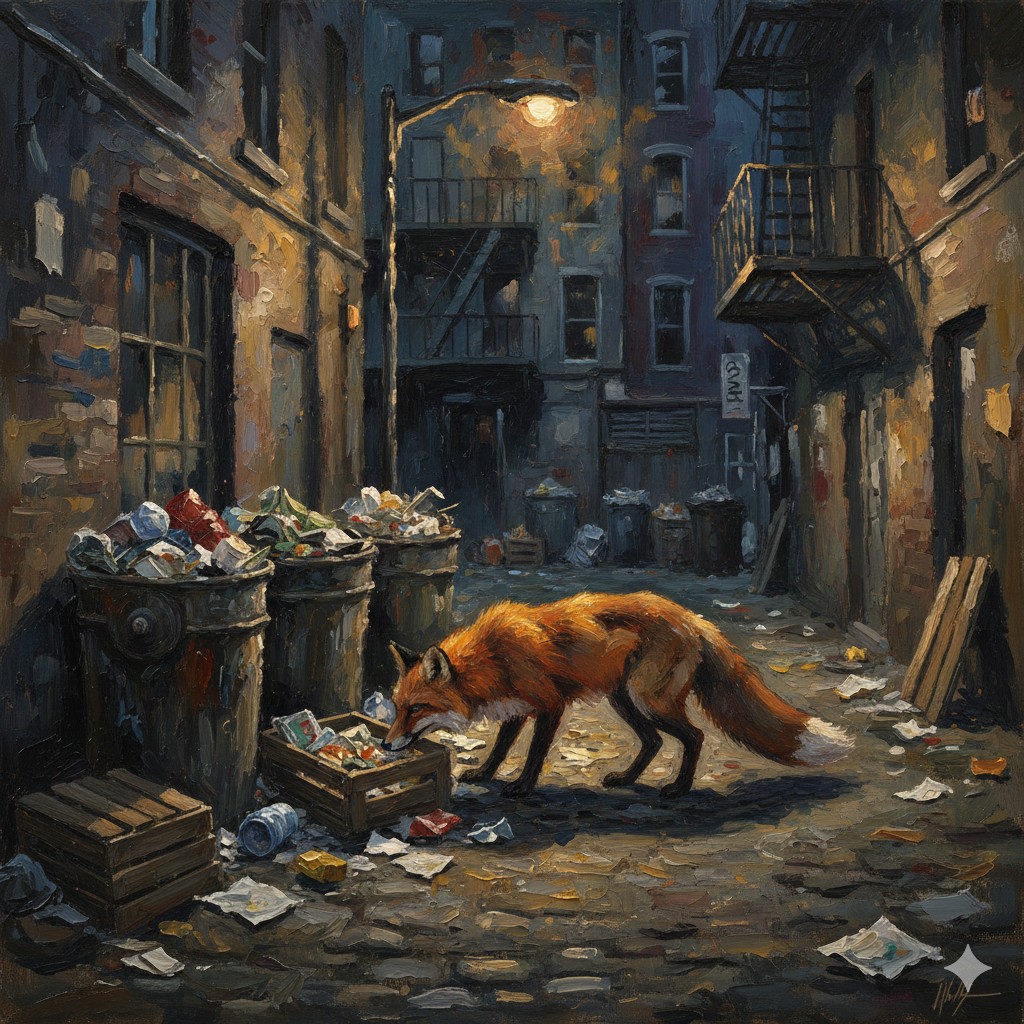
    Urban fox

    The streetlights flicker on, casting everything in sodium orange. She waits. Patience is survival here, just like it was in the countryside before the housing estates came, before her mother’s den became someone’s foundation. The city is just another territory. Meaner. Colder. But still just earth and concrete, and she knows how to read both.

    A drunk stumbles past, muttering to himself. The fox presses herself against the brick, invisible. She’s learnt early that humans are dangerous in their unpredictability – sometimes they throw things, sometimes they feed you, sometimes they just stare like you’re a ghost. She prefers to be the ghost.

    She crosses the street in the space between heartbeats, a shadow amongst shadows. Past the shuttered pawnbroker’s with its cage of forgotten promises. Past the council block where someone is always screaming and someone is always crying and someone is always turning up the telly to drown them both out. Past the church with broken windows like missing teeth.

    The wheelie bin behind the chicken shop is her destination tonight. Tuesday nights they throw out the weekend’s failures. She times it, has learnt it, the way her ancestors learnt the movement of rabbits through meadows. Everything is a pattern if you watch long enough.

    She noses through the bags with practised efficiency. Chicken bones, mostly stripped but with enough meat to matter. Half a container of rice, cold and congealed but calories nonetheless. She eats quickly, always listening, always watching. In the city, you eat like you might never eat again. Because sometimes you don’t.

    A siren wails somewhere towards Hackney. The fox lifts her head, ears swivelling. Not her problem. Not tonight.

    She moves on, through territories marked by other foxes, other survivors. Past the rough sleeper in a cardboard fortress who mumbles blessings at her as she passes. Past the dealer on the corner who sees her every night and has stopped being surprised. Past windows full of people staring at screens, blue light turning their faces into masks.

    At the park – if you can call it a park, this patch of dying grass and one exhausted plane tree – she pauses. This is as close to home that she has. A culvert beneath the footpath, dry in summer, tolerable in winter. Safe. Hidden. Hers.

    She slips inside and curls into herself, tail over nose. Outside, the city growls and hums and never sleeps. Car alarms. Distant arguments. The eternal rumble of traffic on the North Circular, that river of metal and light that never stops flowing.

    She closes her eyes but doesn’t sleep. Not yet. In the city, you sleep light or you don’t wake up.

    Tomorrow night she’ll do it all again. Hunt the same streets, raid the same bins, ghost through the same alleys. The city is a maze with no exit, a trap that feeds you just enough to keep you walking its endless circuits.

    But she’s still here. Still moving. Still breathing.

    In the city, that’s something close to winning.


    If you find my photography or my writing inspiring and uplifting, consider supporting what I do. Buy me a coffee on Ko-fi.
    Your support makes a difference in my life and helps me create more of what you, and I, like. Thank you!
    Tap here for a list of 100 endangered animals and plants.

    100 endangered plant and animal species

    * Abies beshanzuensis (Baishan fir) – Plant (Tree) – Baishanzu Mountain, Zhejiang, China – Three mature individuals

    * Actinote zikani – Insect (butterfly) – Near São Paulo, Atlantic forest, Brazil – Unknown numbers

    * Aipysurus foliosquama (Leaf scaled sea-snake) – Reptile – Ashmore Reef and Hibernia Reef, Timor Sea – Unknown numbers * Amanipodagrion gilliesi (Amani flatwing) – Insect (damselfly) – Amani-Sigi Forest, Usamabara Mountains, Tanzania – < 500 individuals * Antisolabis seychellensis – Insect – Morne Blanc, Mahé island, Seychelles – Unknown numbers * Antilophia bokermanni (Araripe manakin) – Bird – Chapado do Araripe, South Ceará, Brazil – 779 individuals * Aphanius transgrediens (Aci Göl toothcarp) – Fish – south-eastern shore of former Lake Aci, Turkey – Few hundred pairs * Aproteles bulmerae (Bulmer’s fruit bat) – Mammal – Luplupwintern Cave, Western Province, Papua New Guinea – 150 * Ardea insignis (White bellied heron) – Bird – Bhutan, North East India and Myanmar – 70–400 individuals * Ardeotis nigriceps (Great Indian bustard) – Bird – Rajasthan, Gujarat, Maharashtra, Andhra Pradesh, Karnataka and Madhya, India – 50–249 mature individuals * Astrochelys yniphora (Ploughshare tortoise) – Reptile – Baly Bay region, northwestern Madagascar – 440–770 * Atelopus balios (Rio Pescado stubfoot toad) – Amphibian – Azuay, Cañar and Guyas provinces, south-western Ecuador – Unknown numbers * Aythya innotata (Madagascar pochard) – Bird – volcanic lakes north of Bealanana, Madagascar – 80 mature individuals * Azurina eupalama (Galapagos damsel fish) – Fish – Unknown numbers – Unknown numbers * Bahaba taipingensis (Giant yellow croaker) – Fish – Chinese coast from Yangtze River, China to Hong Kong – Unknown numbers * Batagur baska (Common batagur) – Reptile (turtle) – Bangladesh, Cambodia, India, Indonesia and Malaysia – Unknown numbers * Bazzania bhutanica – Plant – Budini and Lafeti Khola, Bhutan – 2 sub-populations * Beatragus hunteri (Hirola) – Mammal (antelope) – South-east Kenya and possibly south-west Somalia – < 1,000 individuals * Bombus franklini (Franklin’s bumblebee) – Insect (bee) – Oregon and California – Unknown numbers * Brachyteles hypoxanthus (Northern muriqui / Woolly spider monkey) – Mammal (primate) – Atlantic forest, south-eastern Brazil – < 1,000 * Bradypus pygmaeus (Pygmy three-toed sloth) – Mammal – Isla Escudo de Veraguas, Panama – < 500 * Callitriche pulchra – Plant (freshwater) – pool on Gavdos, Greece – Unknown numbers * Calumma tarzan (Tarzan’s chameleon) – Reptile – Anosibe An’Ala region, eastern Madagascar – < 100 * Cavia intermedia (Santa Catarina’s guinea pig) – Mammal (rodent) – Moleques do Sul Island, Santa Catarina, Brazil – 40–60 * Cercopithecus roloway (Roloway guenon) – Mammal (primate) – Côte d’Ivoire – Unknown numbers * Coleura seychellensis (Seychelles sheath-tailed bat) – Mammal (bat) – Two small caves on Silhouette and Mahé, Seychelles – < 100 * Cryptomyces maximus (Willow blister) – Fungi – Pembrokeshire, United Kingdom – Unknown numbers * Cryptotis nelsoni (Nelson’s small-eared shrew) – Mammal (shrew) – Volcán San Martín Tuxtla, Veracruz, Mexico – Unknown numbers * Cyclura collei (Jamaican iguana / Jamaican rock iguana) – Reptile – Hellshire Hills, Jamaica – Unknown numbers * Daubentonia madagascariensis (Aye-aye) – Mammal (primate) – Deciduous forest, East Madagascar – Unknown numbers * Dendrophylax fawcettii (Cayman Islands ghost orchid) – Plant (orchid) – Ironwood Forest, George Town, Grand Cayman – Unknown numbers * Dicerorhinus sumatrensis (Sumatran rhino) – Mammal (rhino) – Sabah, Sarawak and Peninsular Malaysia, Kalimantan and Sumatra, Indonesia – < 100 (more recent estimates suggest 34-47) * Diomedea amsterdamensis (Amsterdam albatross) – Bird – Breeds on Plateuau des Tourbières, Amsterdam Island, Indian Ocean. – 100 mature individuals * Dioscorea strydomiana (Wild yam) – Plant – Oshoek area, Mpumalanga, South Africa – 200 * Diospyros katendei – Plant (tree) – Kasyoha-Kitomi Forest Reserve, Uganda – 20 individuals in a single population * Dipterocarpus lamellatus – Plant (tree) – Siangau Forest Reserve, Sabah, Malaysia – 12 individuals * Discoglossus nigriventer (Hula painted frog) – Amphibian – Hula Valley, Israel – Unknown numbers * Dombeya mauritiana – Plant – Mauritius – Unknown numbers * Elaeocarpus bojeri (Bois Dentelle) – Plant (tree) – Grand Bassin, Mauritius – < 10 individuals * Eleutherodactylus glandulifer (La Hotte glanded frog) – Amphibian – Massif de la Hotte, Haiti – Unknown numbers * Eleutherodactylus thorectes (Macaya breast-spot frog) – Amphibian – Formon and Macaya peaks, Masif de la Hotte, Haiti – Unknown numbers * Eriosyce chilensis (Chilenito (cactus)) – Plant – Pta Molles and Pichidungui, Chile – < 500 individuals * Erythrina schliebenii (Coral tree) – Plant – Namatimbili-Ngarama Forest, Tanzania – < 50 individuals * Euphorbia tanaensis – Plant (tree) – Witu Forest Reserve, Kenya – 4 mature individuals * Eurynorhyncus pygmeus (Spoon-billed sandpiper) – Bird – Breeds in Russia, migrates along the East Asian-Australasian Flyway to wintering grounds in India, Bangladesh and Myanmar – 100 breeding pairs * Ficus katendei – Plant – Kasyoha-Kitomi Forest Reserve, Ishasha River, Uganda – < 50 mature individuals * Geronticus eremita (Northern bald ibis) – Bird – Breeds in Morocco, Turkey and Syria. Syrian population winters in central Ethiopia. – About 3000 individuals * Gigasiphon macrosiphon – Plant (flower) – Kaya Muhaka, Gongoni and Mrima Forest Reserves, Kenya, Amani Nature Reserve, West Kilombero Scarp Forest Reserve, and Kihansi Gorge, Tanzania – 33 * Gocea ohridana – Mollusc – Lake Ohrid, Macedonia – Unknown numbers * Heleophryne rosei (Table mountain ghost frog) – Amphibian – Table Mountain, Western Cape Province, South Africa – Unknown numbers * Hemicycla paeteliana – Mollusc (land snail) – Jandia peninsula, Fuerteventura, Canary Islands – Unknown numbers * Heteromirafa sidamoensis (Liben lark) – Bird – Liben Plains, southern Ethiopia – 90–256 * Hibiscadelphus woodii – Plant (tree) – Kalalau Valley, Hawaii – Unknown numbers * Hucho perryi (Sakhalin taimen) – Fish – Russian and Japanese rivers, Pacific Ocean between Russia and Japan – Unknown numbers * Johora singaporensis (Singapore freshwater crab) – Crustacean – Bukit Timah Nature Reserve and streamlet near Bukit Batok, Singapore – Unknown numbers * Lathyrus belinensis (Belin vetchling) – Plant – Outskirts of Belin village, Antalya, Turkey – < 1,000 * Leiopelma archeyi (Archey’s frog) – Amphibian – Coromandel peninsula and Whareorino Forest, New Zealand – Unknown numbers * Lithobates sevosus (Dusky gopher frog) – Amphibian – Harrison County, Mississippi, USA – 60–100 * Lophura edwardsi (Edwards’s pheasant) – Bird – Quang Binh, Quang Tri and Thua Thien-Hue, Viet Nam – Unknown numbers * Magnolia wolfii – Plant (tree) – Risaralda, Colombia – 3 * Margaritifera marocana – Mollusc – Oued Denna, Oued Abid and Oued Beth, Morocco – < 250 * Moominia willii – Mollusc (snail) – Silhouette Island, Seychelles – < 500 * Natalus primus (Cuban greater funnel eared bat) – Mammal (bat) – Cueva La Barca, Isle of Pines, Cuba – < 100 * Nepenthes attenboroughii (Attenborough’s pitcher plant) – Plant – Mount Victoria, Palawan, Philippines – Unknown numbers * Nomascus hainanus (Hainan black crested gibbon) – Mammal (primate) – Hainan Island, China – 20 * Neurergus kaiseri (Luristan newt) – Amphibian – Zagros Mountains, Lorestan, Iran – < 1,000 * Oreocnemis phoenix (Mulanje red damsel) – Insect (damselfly) – Mulanje Plateau, Malawi – Unknown numbers * Pangasius sanitwongsei (Pangasid catfish) – Fish – Chao Phraya and Mekong basins in Cambodia, China, Lao PDR, Thailand and Viet Nam – Unknown numbers * Parides burchellanus – Insect (butterfly) – Cerrado, Brazil – < 100 * Phocoena sinus (Vaquita) – Mammal (porpoise) – Northern Gulf of California, Mexico – 12 * Picea neoveitchii (Type of spruce tree) – Plant (tree) – Qinling Range, China – Unknown numbers * Pinus squamata (Qiaojia pine) – Plant (tree) – Qiaojia, Yunnan, China – < 25 * Poecilotheria metallica (Gooty tarantula / Metallic tarantula / Peacock tarantula / Salepurgu) – Spider – Nandyal and Giddalur, Andhra Pradesh, India – Unknown numbers * Pomarea whitneyi (Fatuhiva monarch) – Bird – Fatu Hiva, Marquesas Islands, French Polynesia – 50 * Pristis pristis (Common sawfish) – Fish – Coastal tropical and subtropical waters of Indo-Pacific and Atlantic Oceans. Currently largely restricted to northern Australia – Unknown numbers * Hapalemur simus (Greater bamboo lemur) – Mammal (primate) – Southeastern and southcentral rainforests of Madagascar – 500 * Propithecus candidus (Silky sifaka) – Mammal (primate) – Maroantsetra to Andapa basin, and Marojeju Massif, Madagascar – 100–1,000 * Psammobates geometricus (Geometric tortoise) – Reptile – Western Cape Province, South Africa – Unknown numbers * Pseudoryx nghetinhensis (Saola) – Mammal – Annamite mountains, on the Viet Nam – PDR Laos border – Unknown numbers * Psiadia cataractae – Plant – Mauritius – Unknown numbers * Psorodonotus ebneri (Beydaglari bush-cricket) – Insect – Beydaglari range, Antalaya, Turkey – Unknown numbers * Rafetus swinhoei (Red River giant softshell turtle) – Reptile – Hoan Kiem Lake and Dong Mo Lake, Viet Nam, and Suzhou Zoo, China – 3 * Rhinoceros sondaicus (Javan rhino) – Mammal (rhino) – Ujung Kulon National Park, Java, Indonesia – < 100 * Rhinopithecus avunculus (Tonkin snub-nosed monkey) – Mammal (primate) – Northeastern Vietnam – < 200 * Rhizanthella gardneri (West Australian underground orchid) – Plant (orchid) – Western Australia, Australia – < 100 * Rhynchocyon spp. (Boni giant sengi) – Mammal – Boni-Dodori Forest, Lamu area, Kenya – Unknown numbers * Risiocnemis seidenschwarzi (Cebu frill-wing) – Insect (damselfly) – Rivulet beside the Kawasan River, Cebu, Philippines – Unknown numbers * Rosa arabica – Plant – St Katherine Mountains, Egypt – Unknown numbers, 10 sub-populations * Salanoia durrelli (Durrell’s vontsira) – Mammal (mongoose) – Marshes of Lake Alaotra, Madagascar – Unknown numbers * Santamartamys rufodorsalis (Red crested tree rat) – Mammal (rodent) – Sierra Nevada de Santa Marta, Colombia – Unknown numbers * Scaturiginichthys vermeilipinnis (Red-finned blue-eye) – Fish – Edgbaston Station, central western Queensland, Australia – 2,000–4,000 * Squatina squatina (Angel shark) – Fish – Canary Islands – Unknown numbers * Sterna bernsteini (Chinese crested tern) – Bird – Breeding in Zhejiang and Fujian, China. Outside breeding season in Indonesia, Malaysia, Philippines, Taiwan, Thailand. – < 50 * Syngnathus watermeyeri (Estuarine pipefish) – Fish – Kariega Estuary to East Kleinemonde Estuary, Eastern Cape Province, South Africa – Unknown numbers * Tahina spectabilis (Suicide palm / Dimaka) – Plant – Analalava district, north-western Madagascar – 90 * Telmatobufo bullocki (Bullock’s false toad) – Amphibian (frog) – Nahuelbuta, Arauco Province, Chile – Unknown numbers * Tokudaia muenninki (Okinawa spiny rat) – Mammal (rodent) – Okinawa Island, Japan – Unknown numbers * Trigonostigma somphongsi (Somphongs’s rasbora) – Fish – Mae Khlong basin, Thailand – Unknown numbers * Valencia letourneuxi – Fish – Southern Albania and Western Greece – Unknown numbers * Voanioala gerardii (Forest coconut) – Plant – Masoala peninsula, Madagascar – < 10 * Zaglossus attenboroughi (Attenborough’s echidna) – Mammal – Cyclops Mountains, Papua Province, Indonesia – Unknown numbers

    Tap to view my redbubble gallery.
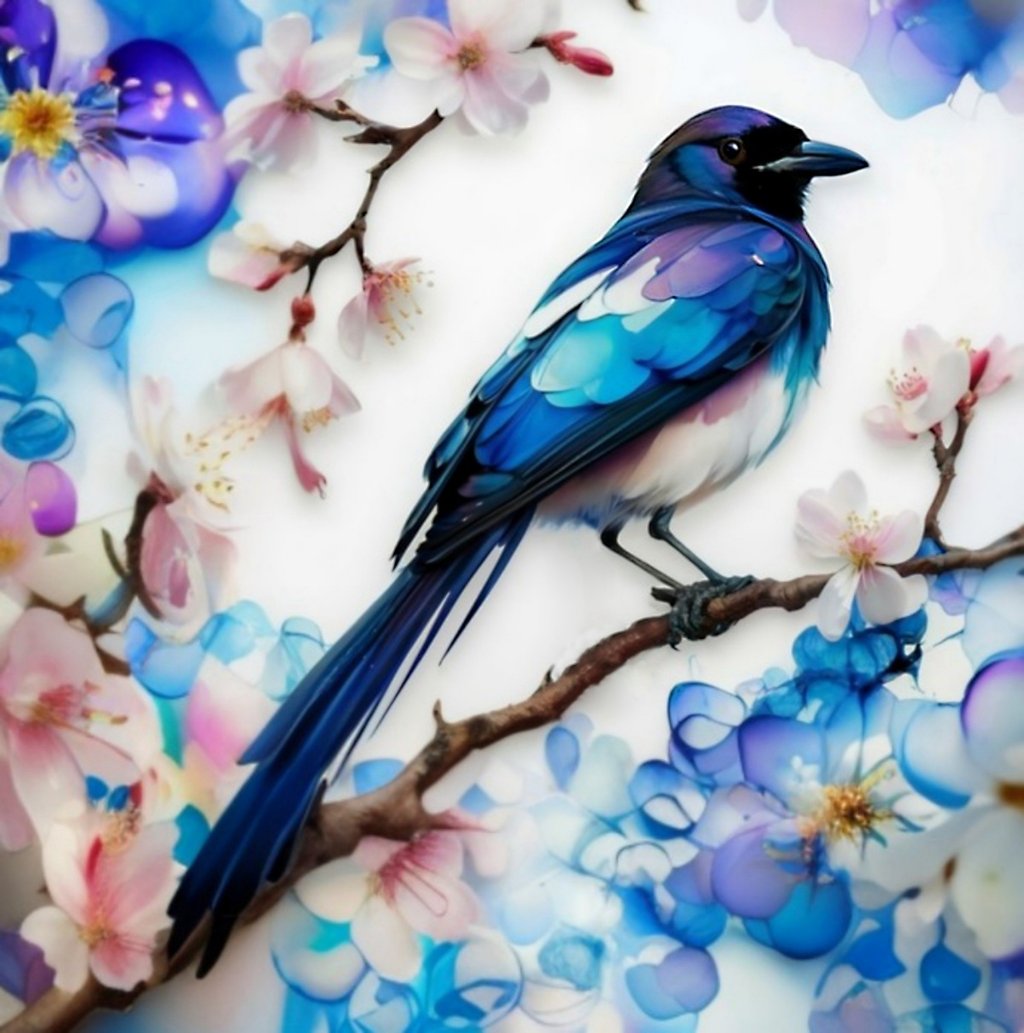
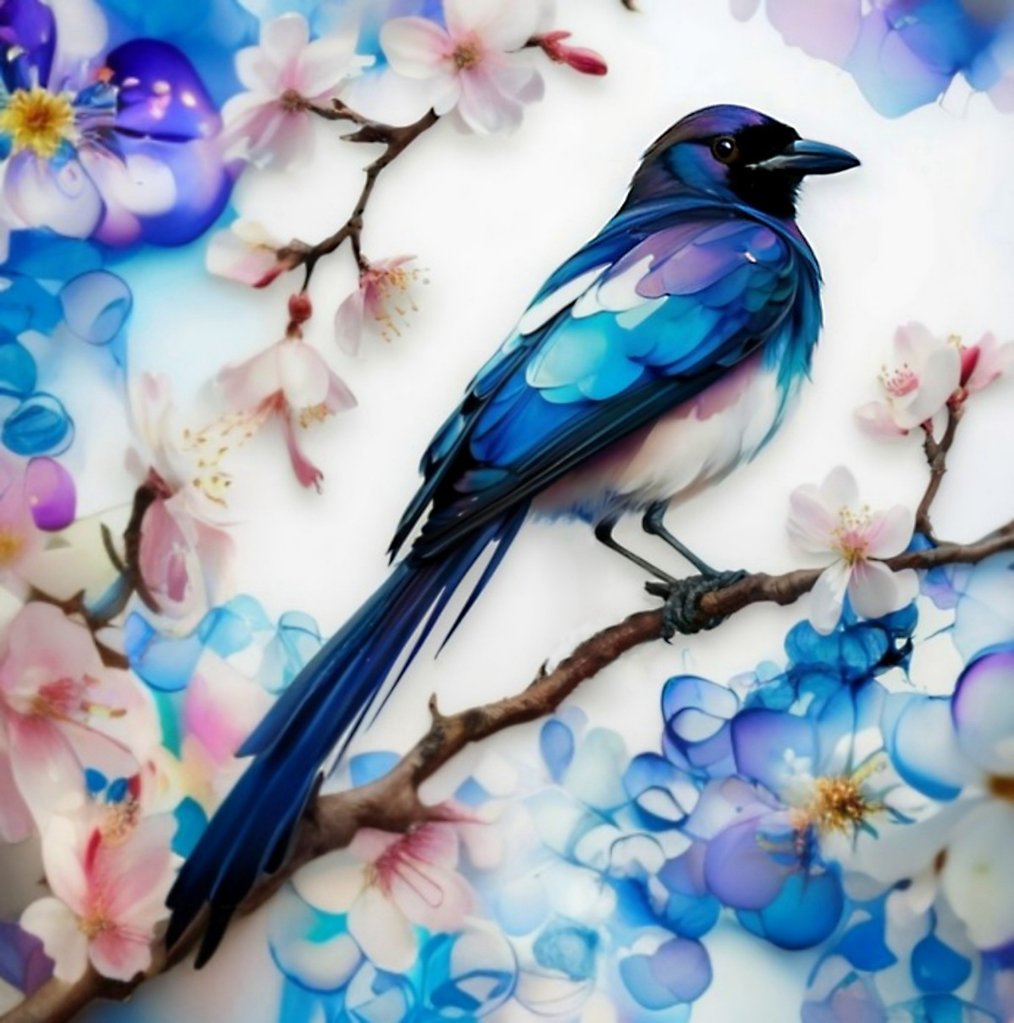
  • Magpies. The Bird of Many Meanings

    Magpies. The Bird of Many Meanings

    Magpies are fascinating birds that have inspired many myths and legends around the world. Here are some examples of stories about magpies from different cultures:

    Tap to view my redbubble gallery.

    In China, Korea, and Japan, magpies are considered to be auspicious birds that bring good luck and happiness. They are associated with the Qixi Festival, also known as the Chinese Valentine’s Day, which celebrates the annual meeting of two lovers, Zhinü and Niulang, who are separated by the Milky Way. According to the legend, a flock of magpies forms a bridge across the sky to allow the lovers to reunite once a year.

    In Britain, magpies are often seen as omens of bad luck or death, especially if seen alone. There is a well-known rhyme that predicts one’s fortune based on the number of magpies seen: “One for sorrow, two for joy, three for a girl, four for a boy, five for silver, six for gold, seven for a secret never to be told.” Some people believe that greeting a lone magpie or saluting it can ward off the bad luck.

    In Celtic lore, the magpie was a bird associated with fairy revels; with the spread of Christianity, however, this changed to a connection with witches and devils. In Scandinavia, magpies were said to be sorcerers flying to unholy gatherings, and yet the nesting magpie was once considered a sign of luck in those countries. In France, magpies were believed to be able to foretell the weather and the future.

    In Native American cultures, magpies had various meanings and roles. Some tribes of Native Americans believed that wearing a magpie feather was a sign of fearlessness, while others considered the magpie to be a sacred messenger of the creator, or even a guardian with shamanic abilities. In some legends, the magpie helped the coyote, the trickster, to create the world or to steal fire from the gods.

    These are just some of the many stories and beliefs that people have about magpies. Magpies are truly remarkable birds that have captured the imagination of humans for centuries.

    Tap to view my redbubble gallery.
  • Brigid – The Sheep

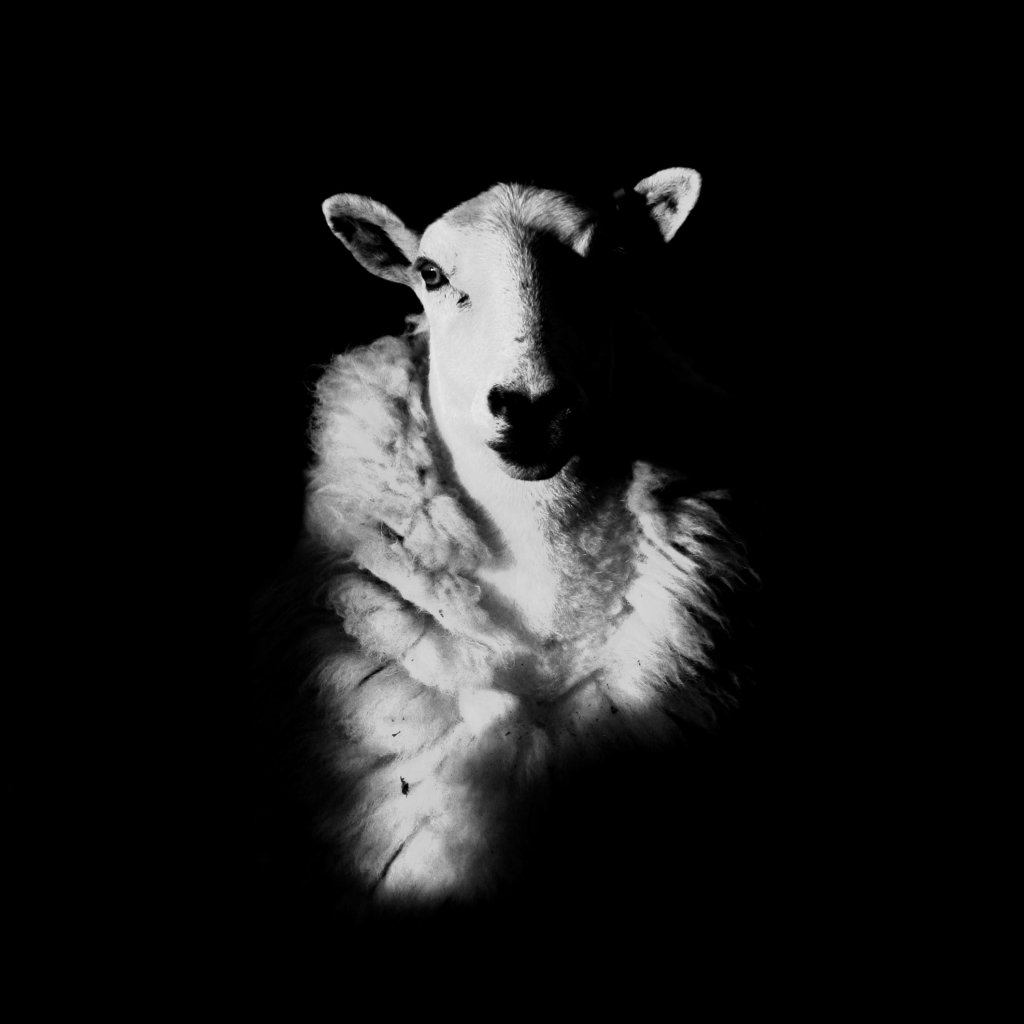
    Brigid – The Sheep

    Brigid – The Goddess
    In the world of nature and mythology, some names carry a mystique that transcends time and culture. Brigid is one such name – the Celtic goddess of fire, poetry, and healing. Let’s explore Brigid’s namesake and the rich tapestry of Celtic mythology that envelops her.

    Tap to view my redbubble gallery.

    Brigid – The Shepherdess of Souls
    In some Celtic tales, Brigid was seen as a shepherdess of souls. Just as a shepherd cares for and guides their flock, Brigid was thought to watch over the souls of the departed. The image of a gentle shepherdess, tending to the souls of the deceased, reinforces the connection between Brigid and sheep.

    Brigid’s hearth, a beacon in the night,
    Her flames bring warmth, banish fright.
    In the darkest hours, her light does gleam,
    Guiding lost souls in a gentle, loving dream.

    Brigid – The Celtic Flame
    Brigid, also known as Brigit or Bride, is a beloved figure in Celtic mythology. She is often associated with the Triple Goddess archetype, embodying three distinct aspects: fire, poetry, and healing. Each facet of her character is deeply intertwined with the essence of life itself.

    Amidst the shadows, Brigid’s grace,
    She tends our souls, in the darkest place.
    Her gentle hand, a comforting guide,
    In her presence, our fears subside.

    Brigid – The Fire Goddess
    At the heart of Brigid’s mythology is the element of fire. She is the guardian of the sacred hearth, providing warmth and sustenance to her people. This role is deeply symbolic, as fire represents both physical warmth and the inner flame of inspiration. Brigid’s presence in the home ensures not only the survival of the body but also the nourishment of the spirit.

    From the hearth, her radiance spreads,
    Illuminating the path where darkness treads.
    Brigid’s care, a soothing embrace,
    Guiding us through life’s mysteries with grace.

    Brigid – The Poetess
    Another facet of Brigid’s multifaceted character is her role as a patron of poets and bards. In Celtic tradition, storytelling and poetry held a revered place, and Brigid’s influence in this realm is a testament to her power to inspire. She stirs the creative fires within those who seek to capture the essence of life in verse and prose.

    Brigid – The Healer
    As a healer, Brigid symbolises the restorative power of nature. Her touch brings forth the greenery of spring and the blossoming of life. Her ability to mend wounds, both physical and spiritual, is a reminder of the interconnectedness of all living things. Brigid’s healing presence resonates in the gentle graze of her woolly coat, offering solace and comfort to those who find shelter beneath it.

    Tap to view my redbubble gallery.
  • The Winter Stoat Adapts

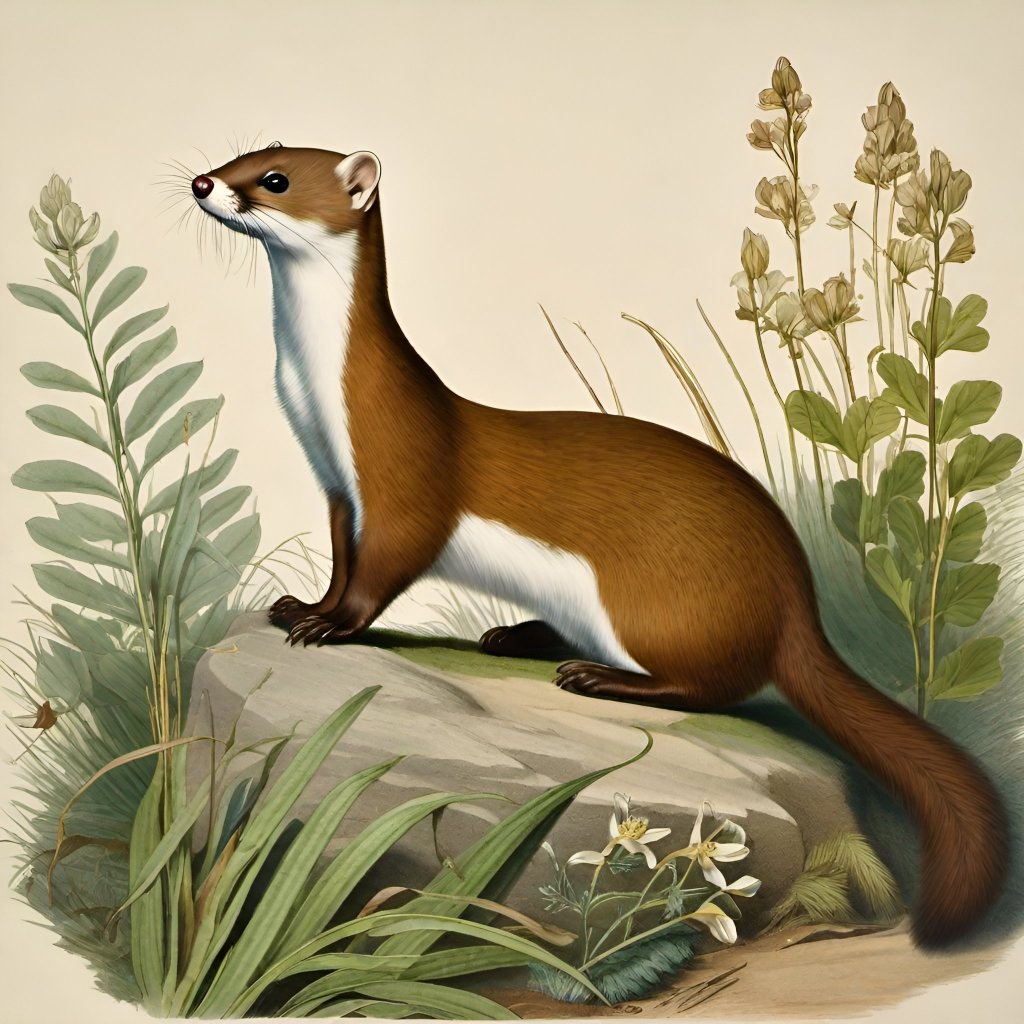
    The Winter Stoat Adapts

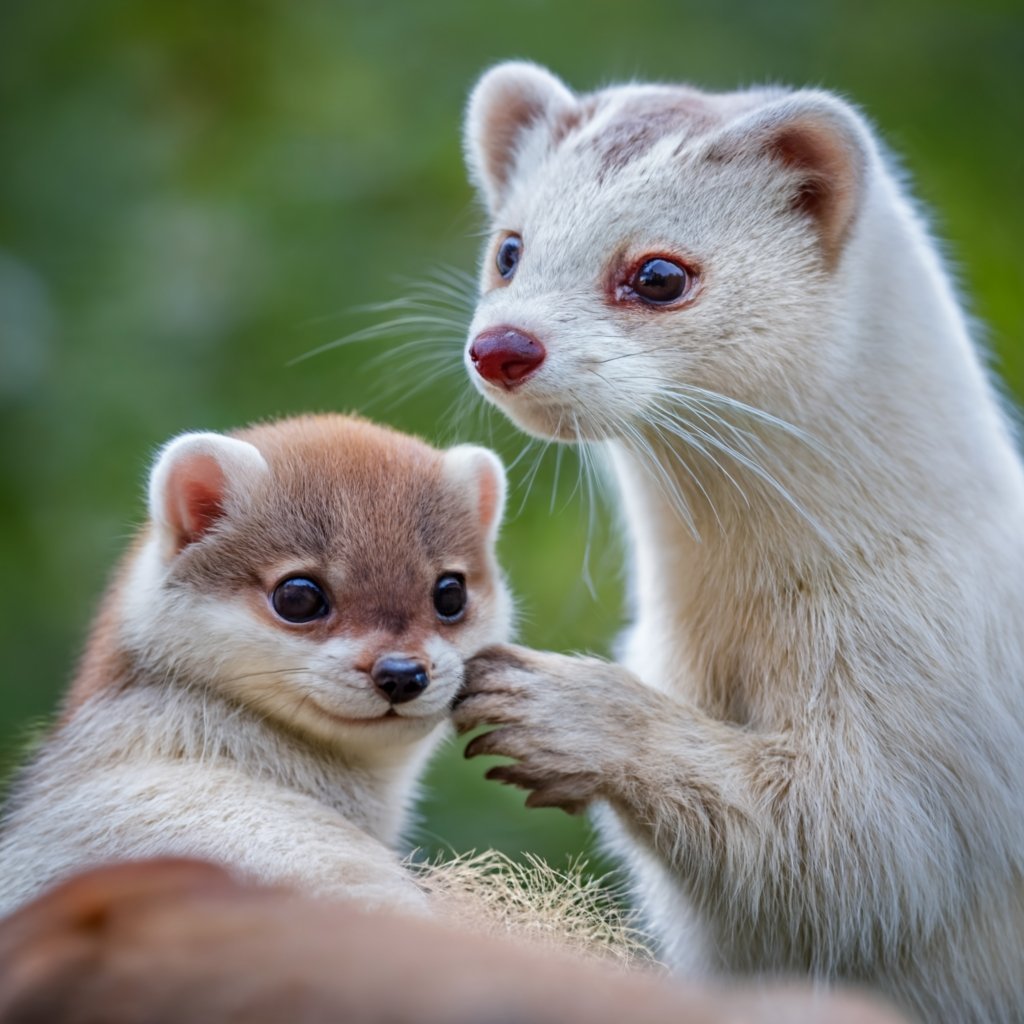
    In the heart of the forest, amidst the whispering pines and snow-covered meadows, there lived a wise and old stoat named Silas. Silas was known far and wide for his beautifully snow-white coat during the harsh winter months. His fur seemed to glisten like freshly fallen snow, and the other animals often gathered around him, curious to know the secret behind his transformation.

    The stoat grows
    Tap to view my redbubble gallery.

    One frosty morning, as the first snowflakes of the season began to drift lazily to the ground, a young and curious stoat named Micah ventured near Silas’ den. Micah had heard tales of the stoat’s mystical winter coat and couldn’t resist the temptation to learn its secret.

    With a friendly smile, Silas invited Micah inside his cosy burrow, where a warm fire crackled in the hearth. The young stoat shivered from the cold, and Silas noticed. “My dear Micah, I see you’re feeling the chill of winter,” he said kindly.

    Micah nodded, his tiny whiskers trembling. “Yes, Silas, and I can’t help but wonder how you manage to stay so warm.” Silas stopped and thought for a moment, then began. “It’s all about adapting. Like why I have this white coat.” Silas made himself comfy and continued. “It all began many winters ago when I was just a young stoat like you. I used to have a brown coat like the trees and leaves. But one day, as the first snowflakes fell, I felt a deep yearning inside me, a longing to become part of this magical winter world.”

    He continued, “I realised that to survive and thrive in winter, I needed to adapt. So, I decided to embrace the season fully. I spent my days playing in the snow, learning its secrets, and observing the world around me. I even danced with the snowflakes under the silver moonlight.”

    Micah’s eyes widened with wonder. “But how did that turn your fur so white?”

    Silas chuckled softly. “Ah, you see, young Micah, it was a combination of time and my deep connection with winter. As the days grew colder, my fur gradually transformed, becoming as white as the snow itself. It was nature’s way of helping me blend in, making it easier for me to hunt and stay hidden from predators.”

    Micah listened intently, his admiration for Silas growing with every word. “So, it’s not magic, but a bond with the winter that changes your coat.”

    Silas nodded, his eyes filled with wisdom. “Exactly, my friend. It’s the magic of nature, the beauty of adaptation, and the wonder of embracing the world around us. Remember, in the heart of winter, there’s a hidden transformation waiting for all of us, if only we’re willing to open our hearts to its embrace.”

    With newfound understanding, Micah thanked Silas for the enchanting tale and ventured back out into the snowy world, his heart filled with warmth and curiosity, ready to embrace the magic of winter in his own way

    Tap to view my redbubble gallery.
  • Red Deer

    Red Deer

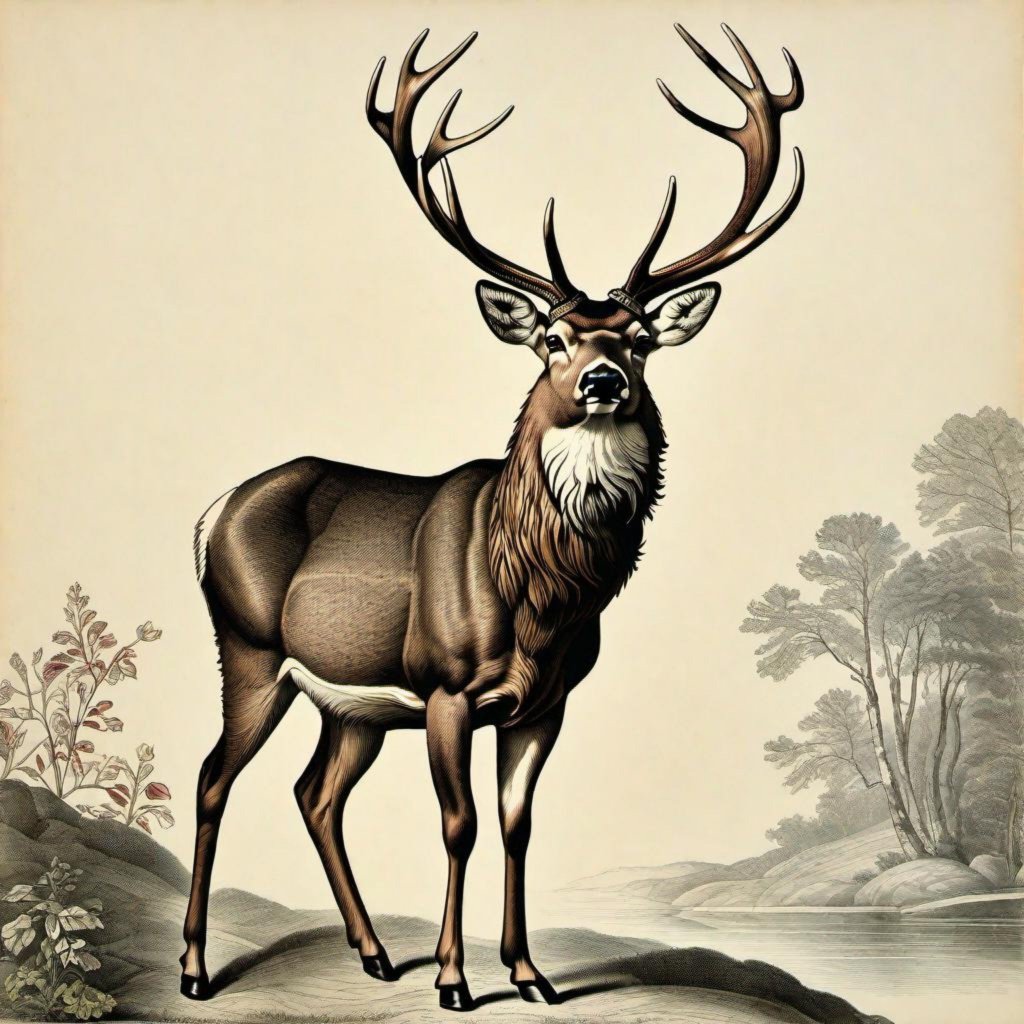
    Red deer, known scientifically as Cervus elaphus, have not only left their hoofprints in the forests and mountains of their native habitats but have also etched their presence into the annals of human culture, art, and folklore. For centuries, these majestic creatures have captivated the human imagination, becoming symbols of strength, grace, and the untamed wilderness.

    Tap to view my redbubble gallery.

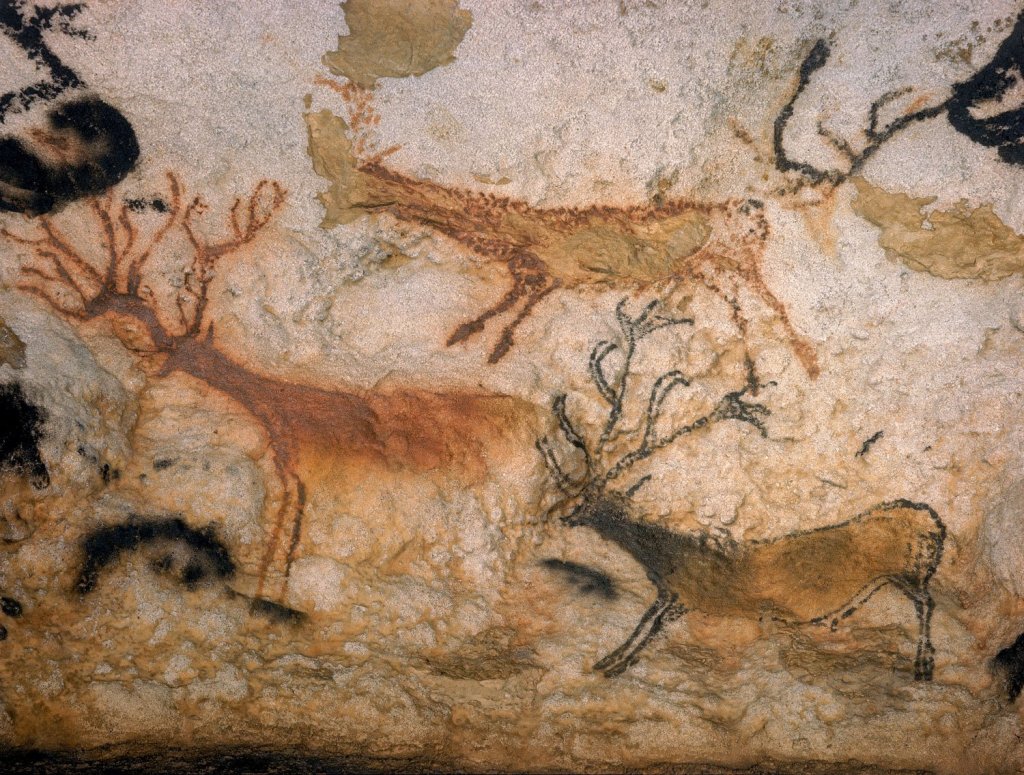
    An early example is in the famous Lascaux Cave paintings in France, which date back to the Upper Paleolithic period (around 17,000-15,000 BC), red deer are prominently featured. The paintings are thought to have been created by hunter-gatherers, and they may represent a ritual or ceremony related to the hunt.

    Lascaux Cave paintings

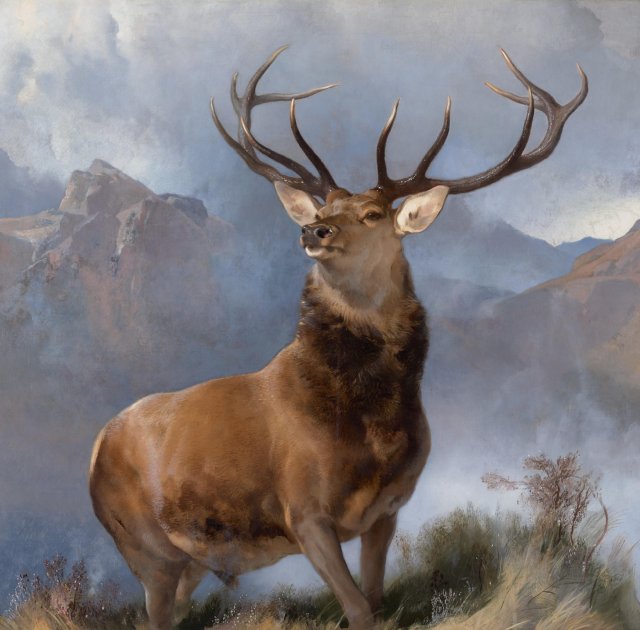
    In more recent times, red deer have continued to be depicted as symbols of strength and power. For example, in the painting “The Monarch of the Glen” by Edwin Landseer (1851), a majestic red stag is shown standing on a rocky outcrop, overlooking a vast valley. The stag’s antlers are held high, and his body is taut with power. The painting is a celebration of the red deer’s status as the king of the mountain.

    The Monarch of the Glen by Edwin Landseer

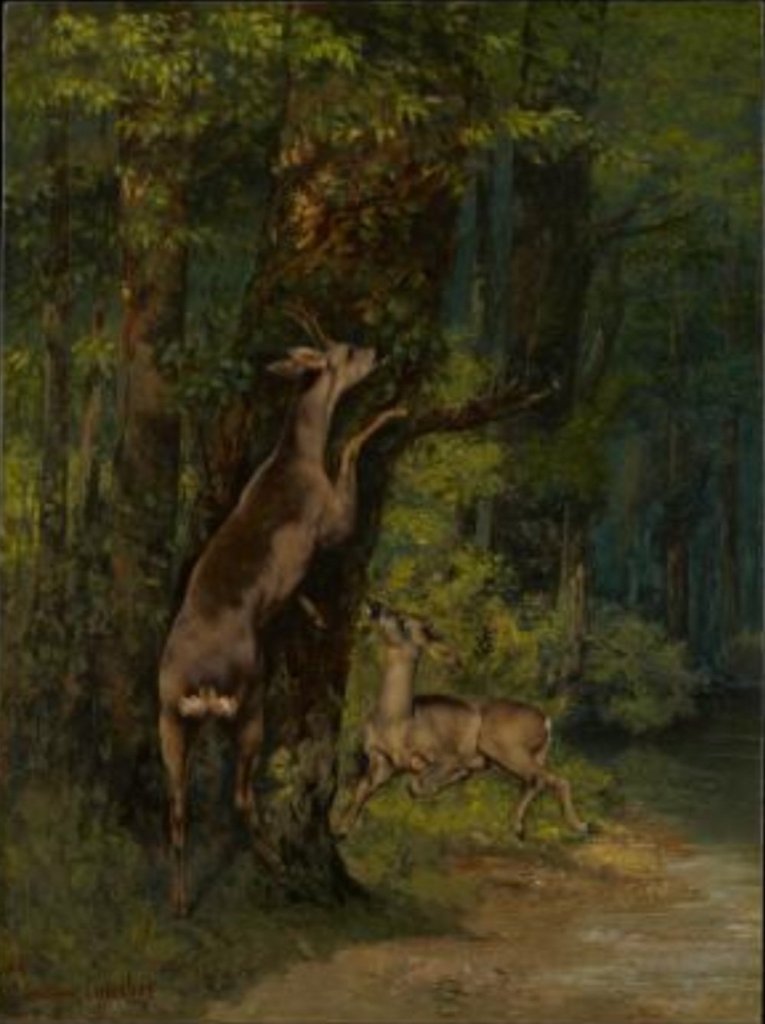
    Red deer are also often depicted in art as symbols of beauty and grace. Their sleek coats, delicate features, and elegant movements have captured the imagination of artists for centuries. For example, in the painting “Deer in the Forest” by Gustave Courbet (1866), a herd of red deer are shown grazing in a clearing in the forest. The deer are painted with a soft, naturalistic style, and their beauty is perfectly captured.

    “Deer in the Forest” by Gustave Courbet

    The red deer’s enduring presence in art and culture shows their timeless allure. Whether as a symbol of the mystical or a subject of admiration and respect, these creatures continue to bridge the gap between the natural world and human creativity. In appreciating the rich tapestry of their cultural significance, we gain a deeper understanding of our enduring connection with the wild and the majestic red deer.

    Tap to view my redbubble gallery.
  • Hedgehog Species of the World

    Hedgehog Species of the World

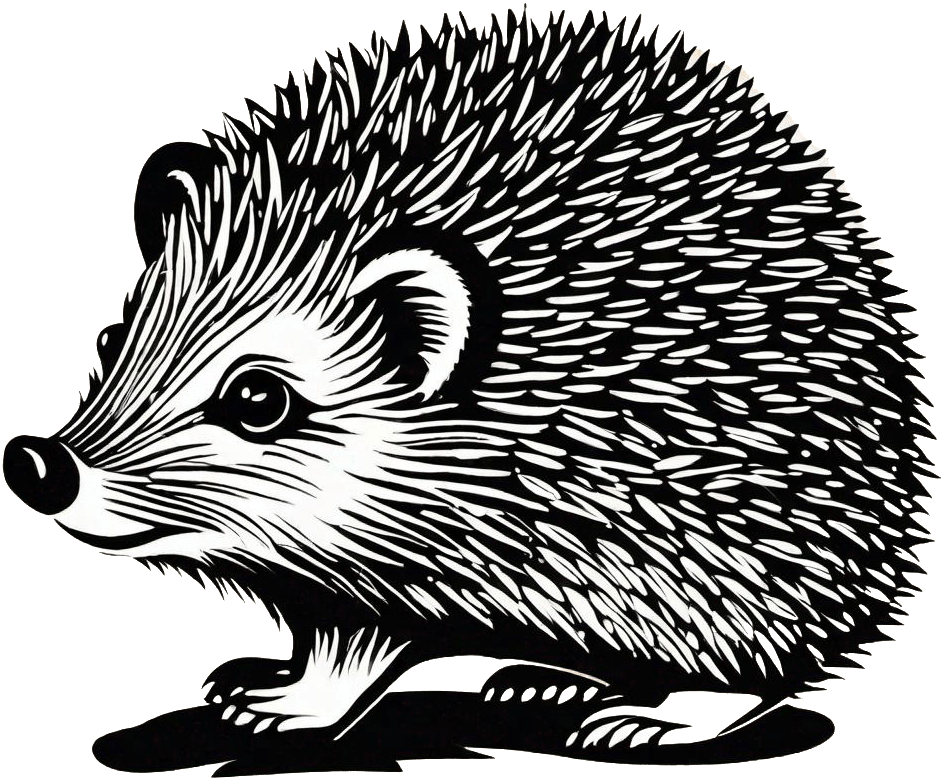
    There are over 17 species of hedgehogs in the world, and they come in a variety of sizes and colors. Some hedgehog species are as small as a mouse, while others are as large as a cat. Some hedgehogs have brown spines, while others have white spines.

    Tap to view my redbubble gallery.

    Here are some of the most common hedgehog species in the world:

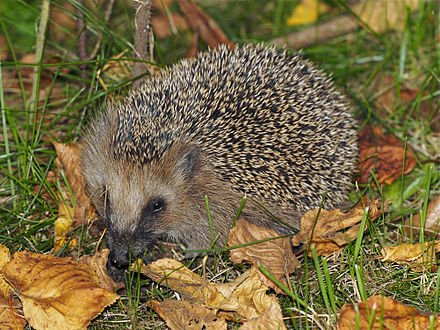
    * **European hedgehog:** This is the most common hedgehog species in Europe. It is a small hedgehog with brown spines and a white belly.

    European hedgehog

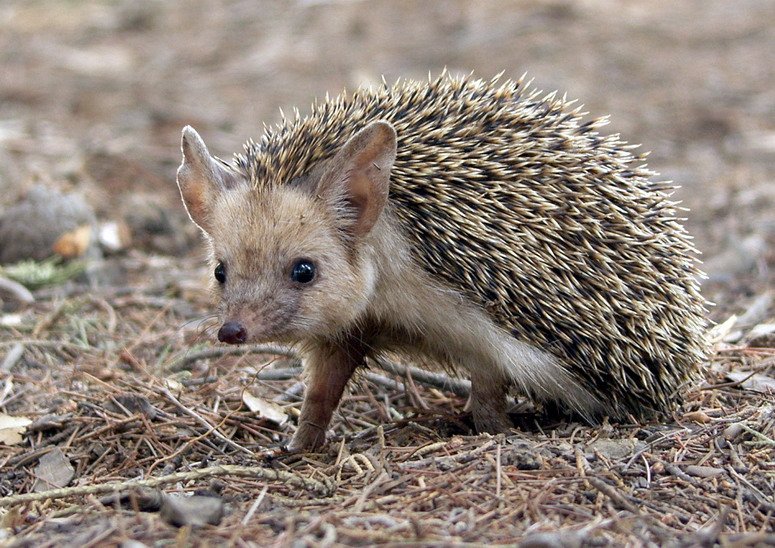
    * **Long-eared hedgehog:** This hedgehog species is found in Central Asia and the Middle East. It is known for its long ears and its dark brown spines.

    Long-eared hedgehog

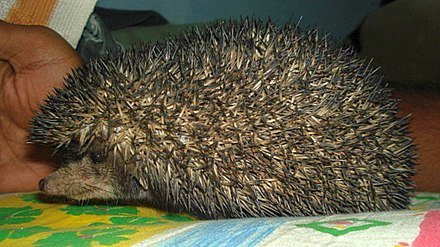
    * **Indian hedgehog:** This hedgehog species is found in India and Pakistan. It is a small hedgehog with light brown spines and a white belly.

    Indian hedgehog

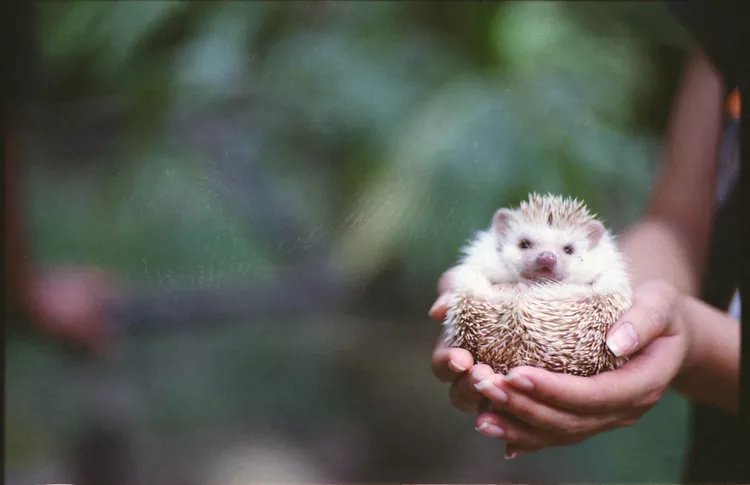
    * **African pygmy hedgehog:** This hedgehog species is found in Africa. It is the smallest hedgehog species in the world, and it has

    African pygmy hedgehog

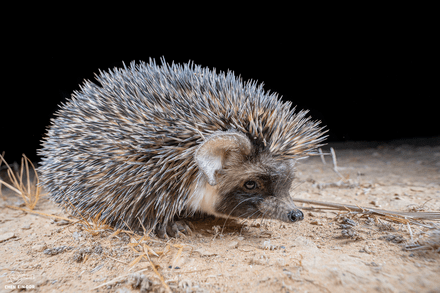
    * **Desert Ethiopian hedgehog:** This hedgehog species is found in Ethiopia and Somalia. It is a small hedgehog with light brown spines and a white belly.

    Desert Ethiopian hedgehog

    Hedgehogs are fascinating creatures, and they play an important role in the ecosystem. If you are lucky enough to see a hedgehog in the wild, be sure to leave it alone so that it can continue to do its important

    Tap to view my redbubble gallery.
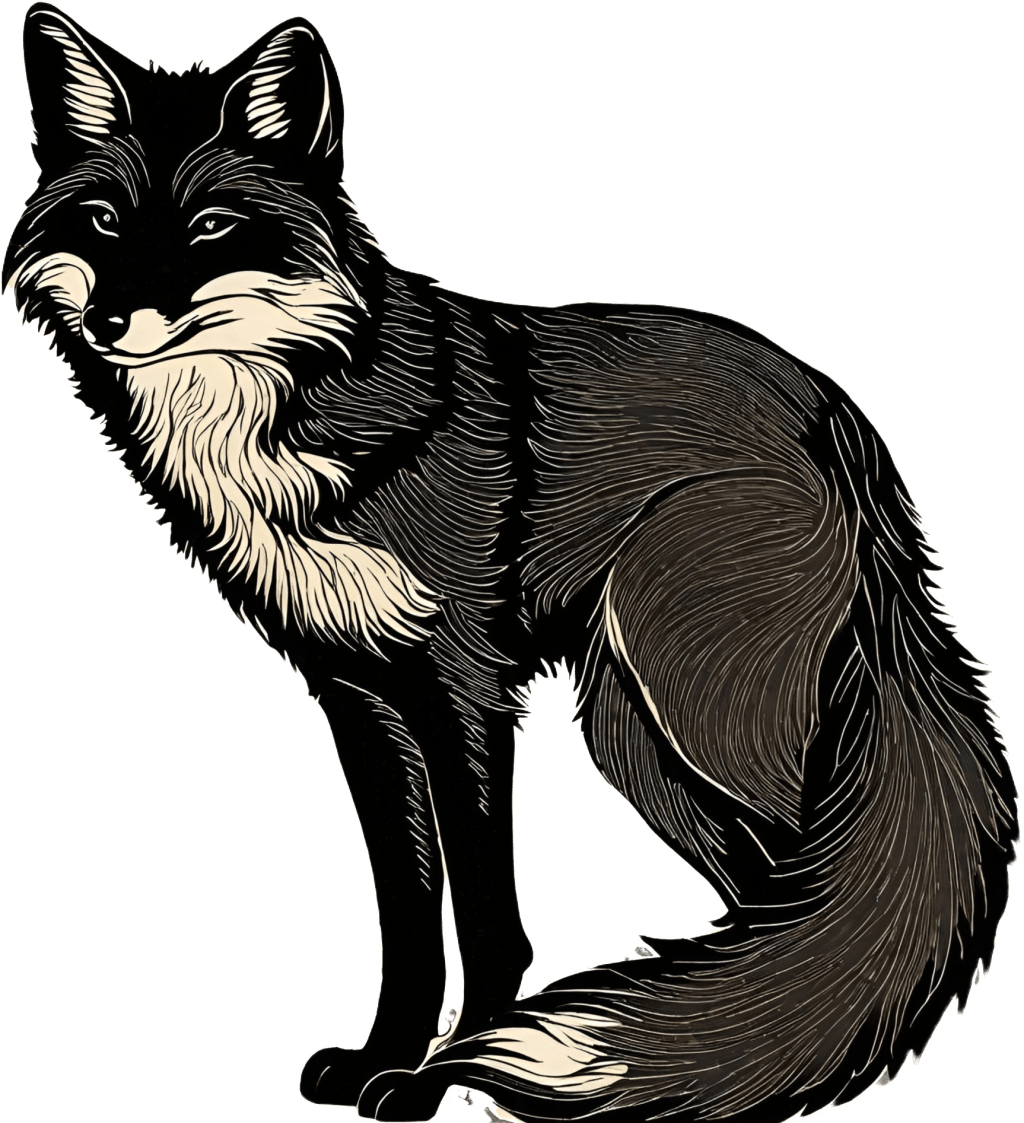
  • Block Print Fox

    Block Print Fox

    Woodblock printing is one of the earliest forms of printing technology, with its origins dating back over a thousand years. Here’s how it came about:

    Tap to see in Redbubble

    Ancient Roots: The history of woodblock printing can be traced back to ancient China, where it is believed to have originated during the Tang Dynasty (618-907 AD). Initially, it was used for printing on textiles.

    Buddhist Scriptures: Woodblock printing gained prominence during the Tang Dynasty for the reproduction of Buddhist scriptures and religious texts. The earliest surviving woodblock-printed book, the “Diamond Sutra,” dates back to 868 AD during the Tang Dynasty.

    Spread to East Asia: From China, woodblock printing technology gradually spread to neighboring regions like Korea and Japan. Buddhist monks played a significant role in disseminating this printing method.

    Development in Korea: Korea adopted woodblock printing in the 13th century. They developed a movable metal type system, which was an important precursor to modern typography. This advancement improved the efficiency and quality of printing.

    Journey to Europe: Woodblock printing eventually made its way to Europe, likely through trade along the Silk Road. By the 14th century, woodblock printing was being used for printing religious images, playing cards, and even books in Europe.

    The Gutenberg Press: Although woodblock printing had spread to Europe, it was Johannes Gutenberg who revolutionized printing in the mid-15th century with the invention of the movable-type printing press. This innovation allowed for the mass production of books and documents, paving the way for the spread of knowledge and the Renaissance.

    In summary, woodblock printing originated in ancient China as a means to reproduce religious texts and images. It spread to other parts of Asia, including Korea and Japan, before making its way to Europe. While woodblock printing played a crucial role in the history of printing, it was eventually surpassed by Gutenberg’s movable-type printing press, which marked a significant leap forward in the history of printing technology.

    Tap to view my redbubble gallery.
  • Horsing Around with Words

    Horsing Around with Words

    Tap to view in my redbubble gallery.

    From Neigh to Yay:

    How to Make Conversations Come Alive

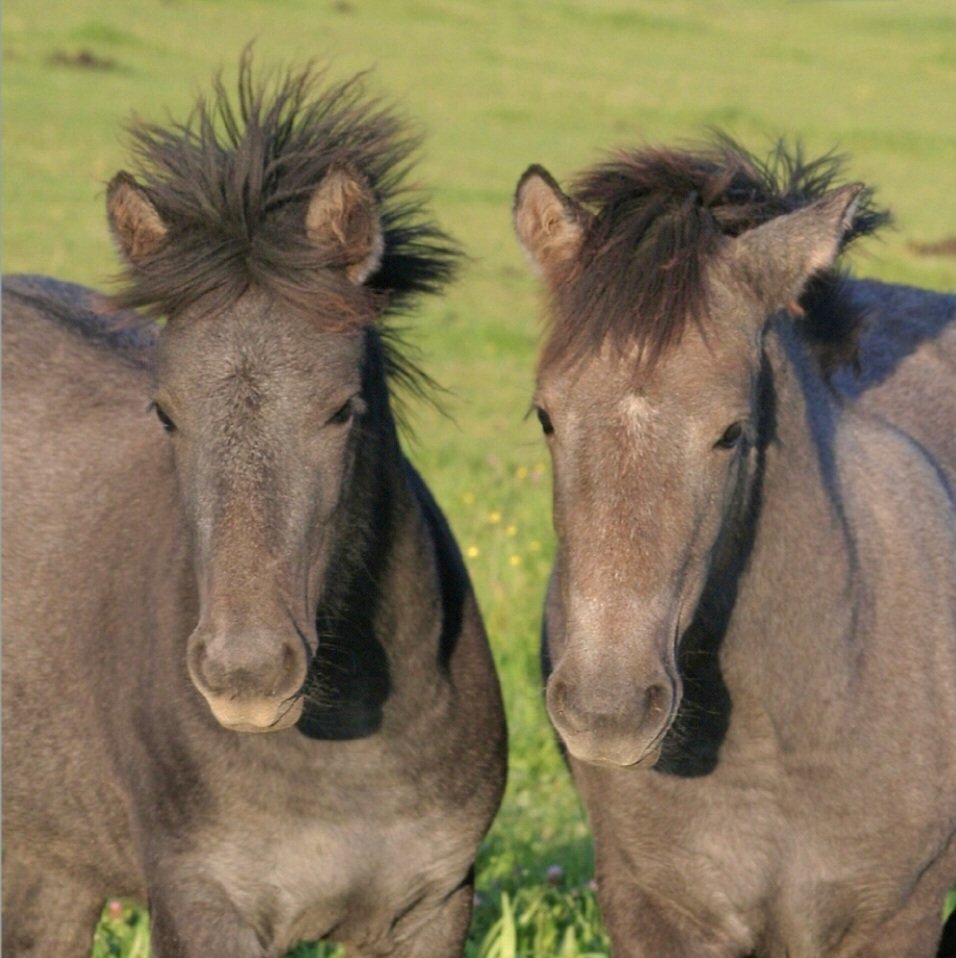
    Espresso: “You know, conversation is really an art form.”

    Coco: “Absolutely, it requires skill and practice to carry it out successfully.”

    Espresso: “What do you think are some important elements of a good conversation?”

    Coco: “Well, first of all, active listening is key. You need to pay attention to what the other horse is saying, and respond thoughtfully and respectfully.”

    Espresso: “Yes, and I think it’s also important to have a good sense of… timing. Knowing when to speak, when to pause, and when to ask questions can really make a conversation flooooow smoothly.”

    Coco: “Definitely. And I would add that having a wide range of topics to draw from is also important. You don’t want to always talk about the same thing.”

    Espresso: “Yes, variety is important. And it’s also important to be open-minded and willing to consider different perspectives. Even if you disagree with someone, you can still have a productive conversation if you listen respectfully and try to understand where they’re coming from.”

    Coco: “Exactly. And I think that’s what separates a good conversationalist from a bad one. It’s not just about being able to talk, but about being able to really engage with others and build meaningful connections.”

    Espresso: “Well said, my friend. It’s a skill we should all strive to improve, both for our own sake and for the sake of our herd.”

    Tap to view my redbubble gallery.

    More interesting posts

  • Unleashing the Charm

    Unleashing the Charm

    The Hairless Wonder

    The Chinese crested dog is a small, unique breed that is known for its hairless body and fluffy head and tail. These dogs are affectionate and playful, making them great companions for both families and individuals.

    One of the most striking features of the Chinese crested dog is their hairlessness. While some dogs of this breed may have hair on their paws, head, and tail, many are completely hairless. This makes them a great choice for people with allergies, as they produce less dander than other breeds.

    Despite their small size, Chinese crested dogs have a lot of energy and love to play. They make great companions for children and are often described as being “big dogs in a small package.” They are also known to be affectionate and loyal to their owners, making them great pets for those looking for a loyal companion.

    While Chinese crested dogs are generally healthy, they do have a few potential health concerns to be aware of. Some may be prone to certain skin conditions, and they may also have dental issues. It is important to keep your Chinese crested dog’s skin clean and moisturized, and to provide regular dental care to prevent problems.

    Overall, the Chinese crested dog is a unique and loving breed that makes a great companion for those looking for a small, affectionate pet. With proper care and attention, these dogs can live happy, healthy lives. If you’re interested in getting a Chinese crested dog, be sure to research reputable breeders and make sure you are prepared to provide the care and attention that this special breed needs.

    Tap to view my redbubble gallery.
  • Close Encounter with a Viviparous Lizard

    Close Encounter with a Viviparous Lizard

    Tap to view in redbubble
    Sun-Baked Lizard

    It’s a beautiful day in the countryside, and as I’m out for a walk, I spot something basking in the sun on a nearby rock. As I get closer, I realise it’s a common lizard, a species native to the UK and one of the most commonly seen reptiles in the country.

    The common lizard is a small and slender species, reaching only about 15 cm in length when fully grown. They are a greenish-brown color, with darker crossbands running down their backs and tails. Their scales are smooth and shiny, and they have long, thin legs and a pointed tail.

    Also known as the viviparous lizard (Zootoca vivipara), is a species of reptile native to Eurasia. It is known for being able to survive in the northernmost regions of any non-marine reptile and for its unique reproductive process. Unlike other reptiles, which lay eggs, the common lizard is viviparous, meaning it gives birth to live young. The scientific names “Zootoca” and “vivipara” both refer to this ability, with “Zootoca” coming from the Greek word for “live birth” and “vivipara” coming from the Latin word for the same. Prior to 2007, the it was classified in the genus Lacerta, but a study by Arnold, Arribas, and Carranza split the genus into nine separate genera, resulting in the common lizard being reclassified as Zootoca vivipara.

    “The common lizard, not often seen
    But those who find it, a lucky being
    It blends in well, a master of disguise
    But its beauty, if found, will surely surprise”

    Anthony

    As I watch, the lizard seems to be enjoying the warm sun on its back. It’s a common behaviour for reptiles, who rely on external heat sources to regulate their body temperature. This is known as thermoregulation, and it’s important for lizards (and other reptiles) to be able to do it effectively in order to survive.

    I can see the lizard’s sides slowly rising and falling as it breathes, and every so often it flicks its tongue out to taste the air. It’s a peaceful scene, and I feel lucky to have stumbled upon it.

    These lizards are fascinating creatures, and seeing one sunning itself on a rock is a special treat. They are an important part of the UK’s biodiversity, and it’s important that we do our part to protect them and their habitats. If you’re out for a walk in the countryside and you see a common lizard, take a moment to appreciate it and then let it be on its way. They are a joy to watch, and we should all do our part to help them thrive

    Tap to view my redbubble gallery.
Design a site like this with WordPress.com
Get started