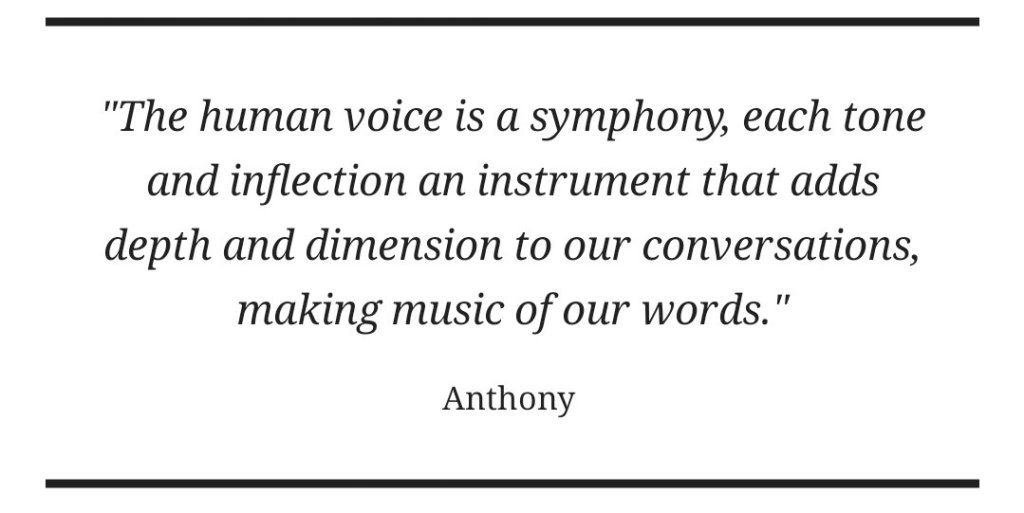
Within conversation, subtle tones refers to the nuances and variations in the way we speak, including the pitch, volume, and emphasis on certain words or phrases. These tones can convey a range of emotions, attitudes, and intentions, often beyond the literal meaning of the words we use.
For example, imagine someone saying “I’m fine” in a low, monotone voice, versus saying it with a bright smile and a lilt in their voice. The difference in tone can suggest very different emotions or meanings, such as apathy versus enthusiasm.
Similarly, when we engage in conversation, our tone can convey various social cues, such as friendliness, dominance, or hostility. These cues can shape how others perceive us and how they respond to us.
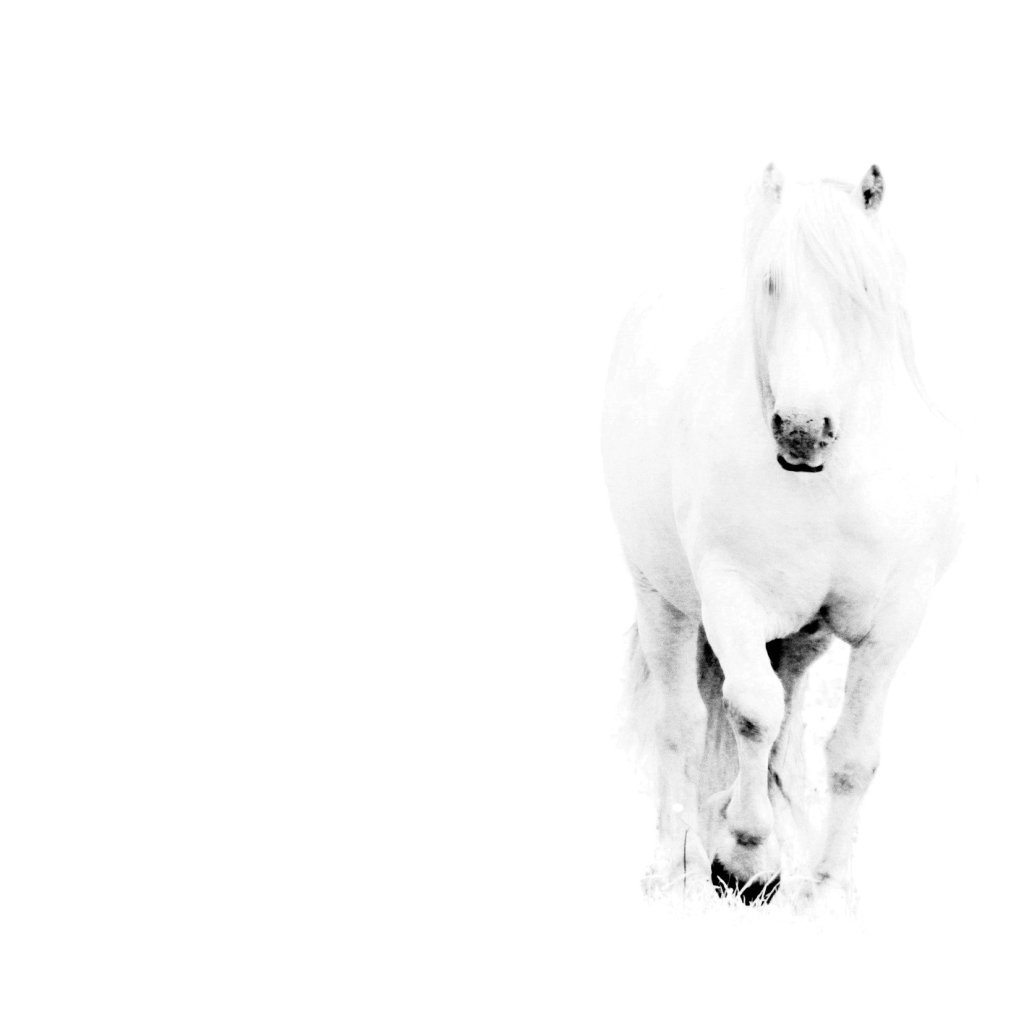
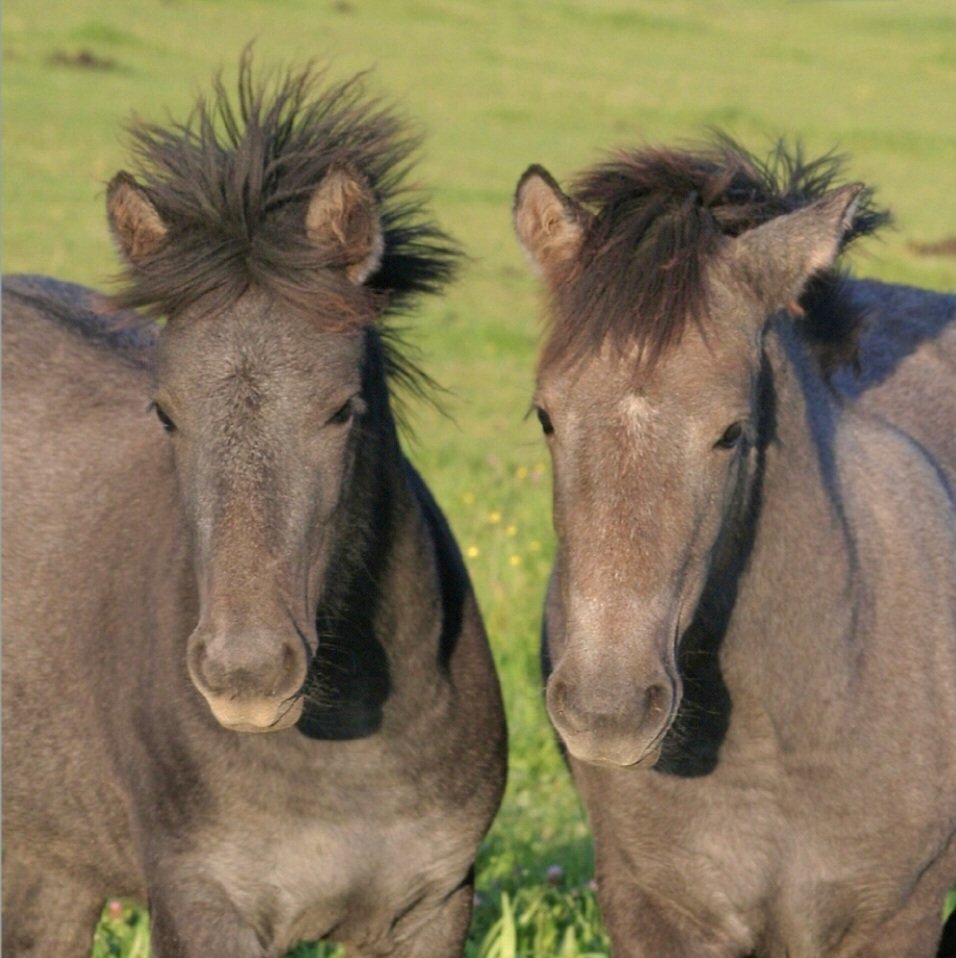
Now, let’s compare this with the monochrome photo. At first glance, the image may seem simple and straightforward. However, upon closer inspection, we can see subtle differences in the tones and shades of white, which create depth and texture within the image.
For instance, the white of the horse’s coat appears slightly brighter or darker than the white of the background. This difference in tone creates a sense of contrast and dimensionality, making the horse stand out more.
Likewise, in conversation, subtle changes in tone can create a sense of contrast and depth, highlighting certain words or ideas and making them have greater impact.
Moreover, just as the white horse on a white background can be challenging to photograph, subtle tones in conversation can be difficult to detect and interpret accurately. Our own biases, assumptions, and emotional states can influence how we perceive and respond to these subtle cues.
Therefore, it’s important to be mindful of these subtleties within our own speech and the speech of others. By paying attention to these nuances, we can develop a deeper understanding of ourselves and those around us, and communicate more effectively and empathetically.
Initially, ideas which seem unconnected, subtle tones within conversation and a photo of a white horse, share similarities in terms of the subtle nuances and variations that create depth, texture, and contrast. By being aware of these subtleties, we can become better communicators and better appreciate the beauty and complexity of the world around us.

More interesting posts
- You Never Read the Same Book Twice
 “No man ever steps in the same river twice, for… Read more: You Never Read the Same Book Twice
 - You deserve a Lemon Verbena tea
 Lemon verbena tea is a herbal tea made from the… Read more: You deserve a Lemon Verbena tea
 - Year of the Rabbit
 It was the start of a new year, and I… Read more: Year of the Rabbit
 - Wren ‘n’ Web
 “Oh my, what a busy little wren I am, dashing… Read more: Wren ‘n’ Web
 - Wonderful Whiskers
 Dear fellow feline enthusiasts and curious cat lovers, have you… Read more: Wonderful Whiskers













 Anthony's Literary Lens
You must be logged in to post a comment.