Daffodils are one of the most popular spring flowers, with their cheerful yellow petals and sweet fragrance. But did you know that daffodils also have a long history of medicinal uses? Ley’s explore some of the fascinating facts and benefits of these beautiful blooms.
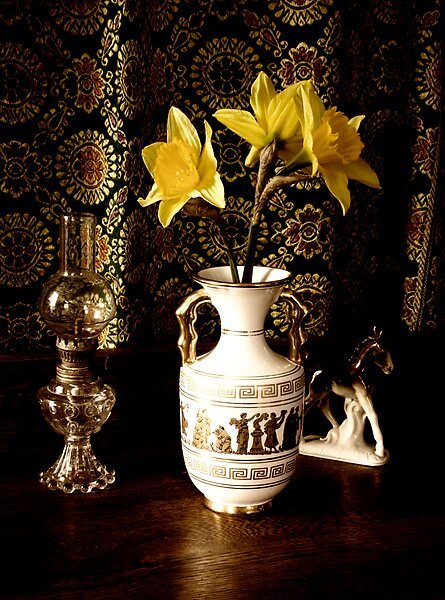
Daffodils belong to the genus Narcissus, which includes about 50 species and thousands of cultivars. They are native to Europe, North Africa, and Asia, and have been cultivated for centuries. The name Narcissus comes from the Greek myth of a handsome youth who fell in love with his own reflection in a pool of water, fell in, and drowned. The gods turned him into a flower that bears his name. I guess this is where the word narcissist comes from.
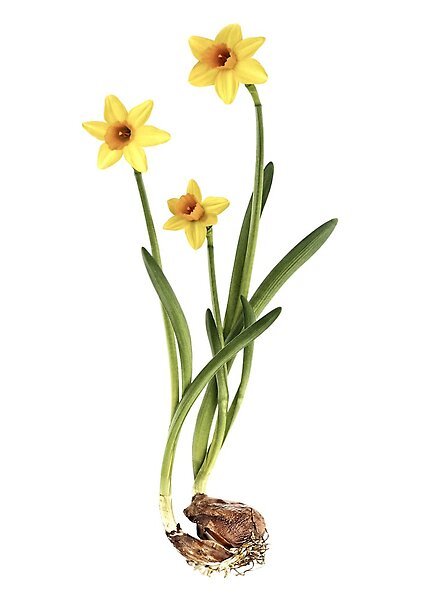
Daffodils have been used regularly in folk and traditional medicine, for in addition to the well-documented sickness-inducing properties, extracts can produce numbness, hallucinations, convulsions and cardiac effects, as well as being used for centuries in cancer treatments. The Greek physician Hippocrates, known as the father of medicine, recommended daffodil oil for uterine tumours. Roman Pliny the Elder suggested topical use of the oil. The bulbs have also been used to treat tumours in North Africa, in Central America, in Arabian medicine, and in Chinese medicine during the Middle Ages. Traditional Japanese medicine uses the root to treat wounds.
The reason why daffodils have such potent effects is because they contain various alkaloids, which are nitrogen-containing organic compounds that have a range of biological activities. Some of the alkaloids found in daffodils are lycorine, galantamine, haemanthamine, and narciclasine. These alkaloids have different effects on the body, such as inducing vomiting, inhibiting acetylcholinesterase, disrupting microtubules, and inducing apoptosis.
One of the most promising alkaloids in daffodils is galantamine, which has been shown to improve cognitive function and slow down the progression of Alzheimer’s disease. Galantamine works by inhibiting acetylcholinesterase, an enzyme that breaks down acetylcholine, a neurotransmitter that is involved in memory and learning. By increasing the levels of acetylcholine in the brain, galantamine can enhance cognitive performance and reduce the symptoms of dementia.
Another alkaloid that has potential anti-cancer properties is narciclasine, which has been found to inhibit the growth and invasion of various types of cancer cells, such as glioblastoma, breast, lung, colon, and prostate cancer. Narciclasine works by disrupting the microtubules, which are structures that help the cells divide and move. By interfering with the microtubules, narciclasine can induce cell death and prevent tumour formation.
However, before you rush to your garden and start eating daffodils, be warned that they are not safe for consumption. All parts of the plant are poisonous, and can cause severe skin irritation, nausea, vomiting, diarrhoea, and abdominal pain. In larger doses, they can cause more serious side effects, such as hallucinations, convulsions, cardiac arrhythmias, and even death. There have been numerous cases of people who have mistaken the bulbs for onions or garlic, or the stems and leaves for chives, and have become seriously ill or died after eating them. Therefore, it is best to consult a healthcare provider before using any products that contain daffodil extracts.
Daffodils are more than just pretty flowers. They are also a source of powerful compounds that have a range of medicinal uses. However, they are also very toxic and should be handled with care.
I hope you enjoyed this blog and learned something new. Thank you for reading! 😊

- You Never Read the Same Book Twice
 “No man ever steps in the same river twice, for it’s not the same river… Read more: You Never Read the Same Book Twice
 - You deserve a Lemon Verbena tea
 Lemon verbena tea is a herbal tea made from the leaves of the lemon verbena… Read more: You deserve a Lemon Verbena tea
 - Year of the Rabbit
 It was the start of a new year, and I was so excited for what… Read more: Year of the Rabbit
 - Wren ‘n’ Web
 “Oh my, what a busy little wren I am, dashing about here and there, always… Read more: Wren ‘n’ Web
 - Wonderful Whiskers
 Dear fellow feline enthusiasts and curious cat lovers, have you ever pondered the marvellous mystery… Read more: Wonderful Whiskers
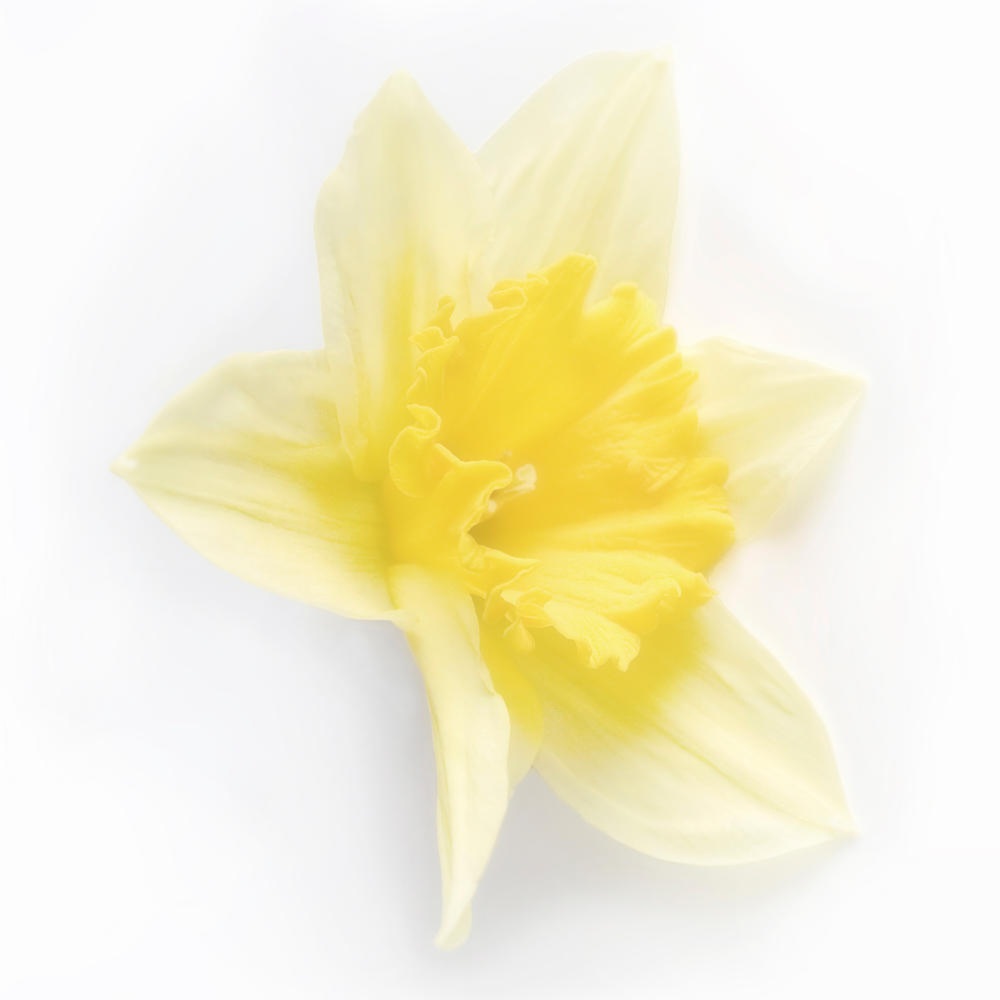




 Anthony's Literary Lens
You must be logged in to post a comment.