Captain’s slow despair,
Starshine tear on a rough palm,
Purpose is reborn.
Tag: hope
-

The Homing Light

Tap to see in RedBubble It is in the night-green, whale-deep hollow of the world, when the sun’s great flame has been drowned like a drunkard’s candle and the stars are but dew on the sleeves of Gods, that The Soul-Sail takes to the water – soft, black velvet. Not a ship of timbers cleaved by man’s saw, mind you, a vessel born of a single, slow sigh from the shore, its hull the pale, polished bone of unbreakable longing.
And the sailor of this bright, lonely craft is the ageless, whispering sprite called Lyra. Born of the dreams and longings of past sailors hoping to cross an eternal horizon, her eyes are pools where extinguished constellations come to rest. Her true cargo never was silk nor spice, but the delicate, thistledown glow of every single, flickering window-flame lit by voyager’s wives and mothers – the crescendo of love’s pure, obstinate promise. These prayers, these hearth-lights, are drawn like silver dust across the sleeping waves, gathering and humming in the canvas of The Soul-Sail, making it blaze with a heat that is less of fire and more of memory’s warm, comforting joys.
For Lyra knows, in the marrow of her mythical bones, that the sea’s deepest wreck is not the snapping of a mast, but the sudden, terrible hush within a man’s own breast when his purpose is mislaid. When the bold, singing core of his dream – the little, shining reason he first slipped his ropes and faced the vast, swallowing dark – is forgotten, traded for the thin, rattling coin of worry and endless, profitless journey.
And so it is that the good ship Hope, which once cut the foam like a proud, golden rumour, now hangs limp and lost, strangled by a fog as thick as cold porridge and Captain Finnigan sits dumb on his deck, his soul’s wick dark, hearing only the hollow clap of the waves against a heart that has become nothing but a dry, rattling gourd.
Then, through the blind-man’s murk, there swims The Soul-Sail, gliding not upon the water but with it, a bright, honeyed halo against the crushing black. Lyra stands serene, a quiet queen of the deep-tide hour, and from the radiant, burning cloth of her sail – that collective, coastal calling – she plucks a single, singing pinch of starshine.
This tear of celestial light floats slow and low to the palm of the broken captain, and at its touch, Finnigan does not see a lighthouse on a distant crag; no, he sees the small, quick flicker of his daughter Lily’s smile, the exact, bright way her eyes squint when she laughs, and he feels the fierce, simple thunder of belonging that is waiting for him beyond the horizon of his sorrow. He sees the path not with his sailor’s eyes, but with the restored, hopeful eye of his own, true heart.
And when the memory is whole, when the purpose is found, and the joy is a strong, steady anchor once more, Lyra simply steers The Soul-Sail into a slow, sweeping turn. The light doesn’t point; it flows, carving an invisible, irresistible tunnel of brilliance through the damp air, showing the captain not the quickest way home, but the only way home – the one aligned with the newly sung, newly remembered music of his soul.
Then, Lyra and her luminous craft dissolve again into the myth-muttering dark, leaving behind only the blessed silence and a sailor whose course is suddenly, magically, and perfectly true.

If you find my photography or my writing inspiring and uplifting, consider supporting what I do. Buy me a coffee on Ko-fi.
Your support makes a difference in my life and helps me create more of what you, and I, like. Thank you!Tap here for a list of 100 endangered animals and plants.
100 endangered plant and animal species
* Abies beshanzuensis (Baishan fir) – Plant (Tree) – Baishanzu Mountain, Zhejiang, China – Three mature individuals
* Actinote zikani – Insect (butterfly) – Near São Paulo, Atlantic forest, Brazil – Unknown numbers
* Aipysurus foliosquama (Leaf scaled sea-snake) – Reptile – Ashmore Reef and Hibernia Reef, Timor Sea – Unknown numbers * Amanipodagrion gilliesi (Amani flatwing) – Insect (damselfly) – Amani-Sigi Forest, Usamabara Mountains, Tanzania – < 500 individuals * Antisolabis seychellensis – Insect – Morne Blanc, Mahé island, Seychelles – Unknown numbers * Antilophia bokermanni (Araripe manakin) – Bird – Chapado do Araripe, South Ceará, Brazil – 779 individuals * Aphanius transgrediens (Aci Göl toothcarp) – Fish – south-eastern shore of former Lake Aci, Turkey – Few hundred pairs * Aproteles bulmerae (Bulmer’s fruit bat) – Mammal – Luplupwintern Cave, Western Province, Papua New Guinea – 150 * Ardea insignis (White bellied heron) – Bird – Bhutan, North East India and Myanmar – 70–400 individuals * Ardeotis nigriceps (Great Indian bustard) – Bird – Rajasthan, Gujarat, Maharashtra, Andhra Pradesh, Karnataka and Madhya, India – 50–249 mature individuals * Astrochelys yniphora (Ploughshare tortoise) – Reptile – Baly Bay region, northwestern Madagascar – 440–770 * Atelopus balios (Rio Pescado stubfoot toad) – Amphibian – Azuay, Cañar and Guyas provinces, south-western Ecuador – Unknown numbers * Aythya innotata (Madagascar pochard) – Bird – volcanic lakes north of Bealanana, Madagascar – 80 mature individuals * Azurina eupalama (Galapagos damsel fish) – Fish – Unknown numbers – Unknown numbers * Bahaba taipingensis (Giant yellow croaker) – Fish – Chinese coast from Yangtze River, China to Hong Kong – Unknown numbers * Batagur baska (Common batagur) – Reptile (turtle) – Bangladesh, Cambodia, India, Indonesia and Malaysia – Unknown numbers * Bazzania bhutanica – Plant – Budini and Lafeti Khola, Bhutan – 2 sub-populations * Beatragus hunteri (Hirola) – Mammal (antelope) – South-east Kenya and possibly south-west Somalia – < 1,000 individuals * Bombus franklini (Franklin’s bumblebee) – Insect (bee) – Oregon and California – Unknown numbers * Brachyteles hypoxanthus (Northern muriqui / Woolly spider monkey) – Mammal (primate) – Atlantic forest, south-eastern Brazil – < 1,000 * Bradypus pygmaeus (Pygmy three-toed sloth) – Mammal – Isla Escudo de Veraguas, Panama – < 500 * Callitriche pulchra – Plant (freshwater) – pool on Gavdos, Greece – Unknown numbers * Calumma tarzan (Tarzan’s chameleon) – Reptile – Anosibe An’Ala region, eastern Madagascar – < 100 * Cavia intermedia (Santa Catarina’s guinea pig) – Mammal (rodent) – Moleques do Sul Island, Santa Catarina, Brazil – 40–60 * Cercopithecus roloway (Roloway guenon) – Mammal (primate) – Côte d’Ivoire – Unknown numbers * Coleura seychellensis (Seychelles sheath-tailed bat) – Mammal (bat) – Two small caves on Silhouette and Mahé, Seychelles – < 100 * Cryptomyces maximus (Willow blister) – Fungi – Pembrokeshire, United Kingdom – Unknown numbers * Cryptotis nelsoni (Nelson’s small-eared shrew) – Mammal (shrew) – Volcán San Martín Tuxtla, Veracruz, Mexico – Unknown numbers * Cyclura collei (Jamaican iguana / Jamaican rock iguana) – Reptile – Hellshire Hills, Jamaica – Unknown numbers * Daubentonia madagascariensis (Aye-aye) – Mammal (primate) – Deciduous forest, East Madagascar – Unknown numbers * Dendrophylax fawcettii (Cayman Islands ghost orchid) – Plant (orchid) – Ironwood Forest, George Town, Grand Cayman – Unknown numbers * Dicerorhinus sumatrensis (Sumatran rhino) – Mammal (rhino) – Sabah, Sarawak and Peninsular Malaysia, Kalimantan and Sumatra, Indonesia – < 100 (more recent estimates suggest 34-47) * Diomedea amsterdamensis (Amsterdam albatross) – Bird – Breeds on Plateuau des Tourbières, Amsterdam Island, Indian Ocean. – 100 mature individuals * Dioscorea strydomiana (Wild yam) – Plant – Oshoek area, Mpumalanga, South Africa – 200 * Diospyros katendei – Plant (tree) – Kasyoha-Kitomi Forest Reserve, Uganda – 20 individuals in a single population * Dipterocarpus lamellatus – Plant (tree) – Siangau Forest Reserve, Sabah, Malaysia – 12 individuals * Discoglossus nigriventer (Hula painted frog) – Amphibian – Hula Valley, Israel – Unknown numbers * Dombeya mauritiana – Plant – Mauritius – Unknown numbers * Elaeocarpus bojeri (Bois Dentelle) – Plant (tree) – Grand Bassin, Mauritius – < 10 individuals * Eleutherodactylus glandulifer (La Hotte glanded frog) – Amphibian – Massif de la Hotte, Haiti – Unknown numbers * Eleutherodactylus thorectes (Macaya breast-spot frog) – Amphibian – Formon and Macaya peaks, Masif de la Hotte, Haiti – Unknown numbers * Eriosyce chilensis (Chilenito (cactus)) – Plant – Pta Molles and Pichidungui, Chile – < 500 individuals * Erythrina schliebenii (Coral tree) – Plant – Namatimbili-Ngarama Forest, Tanzania – < 50 individuals * Euphorbia tanaensis – Plant (tree) – Witu Forest Reserve, Kenya – 4 mature individuals * Eurynorhyncus pygmeus (Spoon-billed sandpiper) – Bird – Breeds in Russia, migrates along the East Asian-Australasian Flyway to wintering grounds in India, Bangladesh and Myanmar – 100 breeding pairs * Ficus katendei – Plant – Kasyoha-Kitomi Forest Reserve, Ishasha River, Uganda – < 50 mature individuals * Geronticus eremita (Northern bald ibis) – Bird – Breeds in Morocco, Turkey and Syria. Syrian population winters in central Ethiopia. – About 3000 individuals * Gigasiphon macrosiphon – Plant (flower) – Kaya Muhaka, Gongoni and Mrima Forest Reserves, Kenya, Amani Nature Reserve, West Kilombero Scarp Forest Reserve, and Kihansi Gorge, Tanzania – 33 * Gocea ohridana – Mollusc – Lake Ohrid, Macedonia – Unknown numbers * Heleophryne rosei (Table mountain ghost frog) – Amphibian – Table Mountain, Western Cape Province, South Africa – Unknown numbers * Hemicycla paeteliana – Mollusc (land snail) – Jandia peninsula, Fuerteventura, Canary Islands – Unknown numbers * Heteromirafa sidamoensis (Liben lark) – Bird – Liben Plains, southern Ethiopia – 90–256 * Hibiscadelphus woodii – Plant (tree) – Kalalau Valley, Hawaii – Unknown numbers * Hucho perryi (Sakhalin taimen) – Fish – Russian and Japanese rivers, Pacific Ocean between Russia and Japan – Unknown numbers * Johora singaporensis (Singapore freshwater crab) – Crustacean – Bukit Timah Nature Reserve and streamlet near Bukit Batok, Singapore – Unknown numbers * Lathyrus belinensis (Belin vetchling) – Plant – Outskirts of Belin village, Antalya, Turkey – < 1,000 * Leiopelma archeyi (Archey’s frog) – Amphibian – Coromandel peninsula and Whareorino Forest, New Zealand – Unknown numbers * Lithobates sevosus (Dusky gopher frog) – Amphibian – Harrison County, Mississippi, USA – 60–100 * Lophura edwardsi (Edwards’s pheasant) – Bird – Quang Binh, Quang Tri and Thua Thien-Hue, Viet Nam – Unknown numbers * Magnolia wolfii – Plant (tree) – Risaralda, Colombia – 3 * Margaritifera marocana – Mollusc – Oued Denna, Oued Abid and Oued Beth, Morocco – < 250 * Moominia willii – Mollusc (snail) – Silhouette Island, Seychelles – < 500 * Natalus primus (Cuban greater funnel eared bat) – Mammal (bat) – Cueva La Barca, Isle of Pines, Cuba – < 100 * Nepenthes attenboroughii (Attenborough’s pitcher plant) – Plant – Mount Victoria, Palawan, Philippines – Unknown numbers * Nomascus hainanus (Hainan black crested gibbon) – Mammal (primate) – Hainan Island, China – 20 * Neurergus kaiseri (Luristan newt) – Amphibian – Zagros Mountains, Lorestan, Iran – < 1,000 * Oreocnemis phoenix (Mulanje red damsel) – Insect (damselfly) – Mulanje Plateau, Malawi – Unknown numbers * Pangasius sanitwongsei (Pangasid catfish) – Fish – Chao Phraya and Mekong basins in Cambodia, China, Lao PDR, Thailand and Viet Nam – Unknown numbers * Parides burchellanus – Insect (butterfly) – Cerrado, Brazil – < 100 * Phocoena sinus (Vaquita) – Mammal (porpoise) – Northern Gulf of California, Mexico – 12 * Picea neoveitchii (Type of spruce tree) – Plant (tree) – Qinling Range, China – Unknown numbers * Pinus squamata (Qiaojia pine) – Plant (tree) – Qiaojia, Yunnan, China – < 25 * Poecilotheria metallica (Gooty tarantula / Metallic tarantula / Peacock tarantula / Salepurgu) – Spider – Nandyal and Giddalur, Andhra Pradesh, India – Unknown numbers * Pomarea whitneyi (Fatuhiva monarch) – Bird – Fatu Hiva, Marquesas Islands, French Polynesia – 50 * Pristis pristis (Common sawfish) – Fish – Coastal tropical and subtropical waters of Indo-Pacific and Atlantic Oceans. Currently largely restricted to northern Australia – Unknown numbers * Hapalemur simus (Greater bamboo lemur) – Mammal (primate) – Southeastern and southcentral rainforests of Madagascar – 500 * Propithecus candidus (Silky sifaka) – Mammal (primate) – Maroantsetra to Andapa basin, and Marojeju Massif, Madagascar – 100–1,000 * Psammobates geometricus (Geometric tortoise) – Reptile – Western Cape Province, South Africa – Unknown numbers * Pseudoryx nghetinhensis (Saola) – Mammal – Annamite mountains, on the Viet Nam – PDR Laos border – Unknown numbers * Psiadia cataractae – Plant – Mauritius – Unknown numbers * Psorodonotus ebneri (Beydaglari bush-cricket) – Insect – Beydaglari range, Antalaya, Turkey – Unknown numbers * Rafetus swinhoei (Red River giant softshell turtle) – Reptile – Hoan Kiem Lake and Dong Mo Lake, Viet Nam, and Suzhou Zoo, China – 3 * Rhinoceros sondaicus (Javan rhino) – Mammal (rhino) – Ujung Kulon National Park, Java, Indonesia – < 100 * Rhinopithecus avunculus (Tonkin snub-nosed monkey) – Mammal (primate) – Northeastern Vietnam – < 200 * Rhizanthella gardneri (West Australian underground orchid) – Plant (orchid) – Western Australia, Australia – < 100 * Rhynchocyon spp. (Boni giant sengi) – Mammal – Boni-Dodori Forest, Lamu area, Kenya – Unknown numbers * Risiocnemis seidenschwarzi (Cebu frill-wing) – Insect (damselfly) – Rivulet beside the Kawasan River, Cebu, Philippines – Unknown numbers * Rosa arabica – Plant – St Katherine Mountains, Egypt – Unknown numbers, 10 sub-populations * Salanoia durrelli (Durrell’s vontsira) – Mammal (mongoose) – Marshes of Lake Alaotra, Madagascar – Unknown numbers * Santamartamys rufodorsalis (Red crested tree rat) – Mammal (rodent) – Sierra Nevada de Santa Marta, Colombia – Unknown numbers * Scaturiginichthys vermeilipinnis (Red-finned blue-eye) – Fish – Edgbaston Station, central western Queensland, Australia – 2,000–4,000 * Squatina squatina (Angel shark) – Fish – Canary Islands – Unknown numbers * Sterna bernsteini (Chinese crested tern) – Bird – Breeding in Zhejiang and Fujian, China. Outside breeding season in Indonesia, Malaysia, Philippines, Taiwan, Thailand. – < 50 * Syngnathus watermeyeri (Estuarine pipefish) – Fish – Kariega Estuary to East Kleinemonde Estuary, Eastern Cape Province, South Africa – Unknown numbers * Tahina spectabilis (Suicide palm / Dimaka) – Plant – Analalava district, north-western Madagascar – 90 * Telmatobufo bullocki (Bullock’s false toad) – Amphibian (frog) – Nahuelbuta, Arauco Province, Chile – Unknown numbers * Tokudaia muenninki (Okinawa spiny rat) – Mammal (rodent) – Okinawa Island, Japan – Unknown numbers * Trigonostigma somphongsi (Somphongs’s rasbora) – Fish – Mae Khlong basin, Thailand – Unknown numbers * Valencia letourneuxi – Fish – Southern Albania and Western Greece – Unknown numbers * Voanioala gerardii (Forest coconut) – Plant – Masoala peninsula, Madagascar – < 10 * Zaglossus attenboroughi (Attenborough’s echidna) – Mammal – Cyclops Mountains, Papua Province, Indonesia – Unknown numbers

Tap to view my redbubble gallery. - Darkness, Power and Beauty
 Horse’s steady gazeStrengthful eyes that dare to meetChallenge accepted Courage is the strength to face… Read more: Darkness, Power and Beauty
 - The Daffodil’s Song: A Lyrical Tribute to the Wonders of Spring
 Daffodil so brightGolden petals, sunshine’s kissHope blooms anew As I wander through the garden, the… Read more: The Daffodil’s Song: A Lyrical Tribute to the Wonders of Spring
 - Acanthus: A Versatile Plant with a Rich Cultural Heritage
 The Graceful Lines of an Acanthus Leaf. Acanthus is a genus of flowering plants native… Read more: Acanthus: A Versatile Plant with a Rich Cultural Heritage
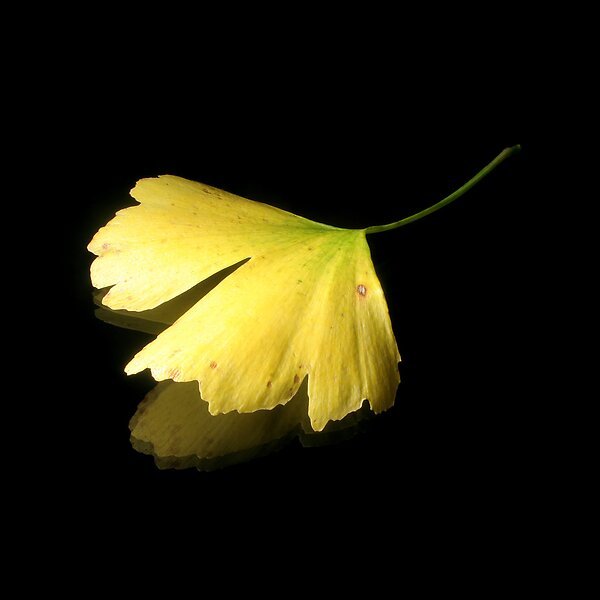
Ginkgo Biloba: A Symbol of Hope
Autumn’s golden gift
Anthony
Ginkgo’s fan-shaped leaves descend
Cycles never end
Tap to view in my red bubble gallery
Deeper roots. In the heart of Japanese landscapes, the Ginkgo biloba tree, known as “icho,” stands as a representation of endurance, resilience, and a deep-rooted connection to history. This ancient tree, with its distinctive fan-shaped leaves, not only graces the surroundings with its unique beauty but also carries profound cultural significance in Japan.
Resilience Amidst Adversity. The Ginkgo biloba tree has earned its place in Japanese culture as a symbol of resilience. Planted near temples and shrines, these trees have weathered the tests of time, standing tall even in the face of environmental challenges. One notable example is the Ginkgo at the Anrakuji
Temple, a living witness to the atomic bomb’s devastation in 1945. Despite the destruction, this Ginkgo tree not only survived but continues to grow, becoming a powerful symbol of hope and the indomitable spirit of life.
The Spirit of Endurance. The Ginkgo is a dioecious tree, existing in male and female forms. The female trees, although producing seeds with a distinctive, somewhat pungent odour, symbolise fertility and the cycle of life. However, it’s the male trees that are often preferred for landscaping due to their cleaner appearance and the absence of seeds.
Connecting Past and Present. Beyond its physical endurance, the Ginkgo biloba is a living fossil, dating back around 270 million years. Its presence in gardens and landscapes serves as a bridge between the past and the present, emphasising the importance of preserving history and the natural world. The Ginkgo’s longevity echoes the cultural values of tradition and the interconnectedness of all living things.
Medicinal and Cultural Significance. In addition to its cultural symbolism, the Ginkgo biloba holds medicinal significance in traditional Japanese medicine. Extracts from its leaves are believed to enhance cognitive function, although scientific consensus on its efficacy remains varied. This dual role as a cultural icon and a potential source of healing adds layers to the Ginkgo’s importance in Japanese society.
On to the future. As the Ginkgo biloba graces the landscapes of Japan, its symbolism goes beyond mere aesthetics. It embodies the resilience of a nation, the endurance of nature, and the hope for a harmonious future. In the shadows of temples, amidst the bustling urban centres, the Ginkgo stands as a silent but powerful reminder of the intertwined threads of history, culture, and the indomitable spirit of life.
- Darkness, Power and BeautyHorse’s steady gazeStrengthful eyes that dare to meetChallenge accepted Courage is the strength to face… Read more: Darkness, Power and Beauty
- The Daffodil’s Song: A Lyrical Tribute to the Wonders of SpringDaffodil so brightGolden petals, sunshine’s kissHope blooms anew As I wander through the garden, the… Read more: The Daffodil’s Song: A Lyrical Tribute to the Wonders of Spring
- Acanthus: A Versatile Plant with a Rich Cultural HeritageThe Graceful Lines of an Acanthus Leaf. Acanthus is a genus of flowering plants native… Read more: Acanthus: A Versatile Plant with a Rich Cultural Heritage
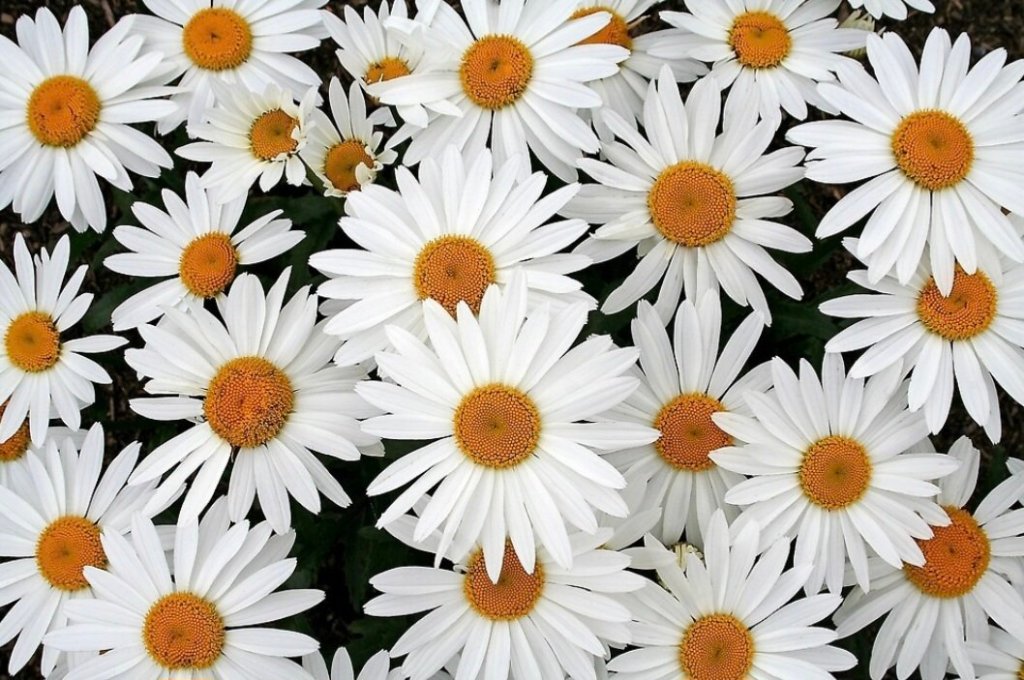
Pick Me, Pick Me!
Tap to view in my redbubble gallery.
Daisy (Bellis perennis) is a well-known and widely distributed herbaceous perennial plant in the family Asteraceae. While thousands of daisies can often be found growing in fields and meadows, one particularly unique individual may feel overlooked and unimportant among the vast number of its peers.
This particular daisy may long to be picked by a passerby or to be placed in a vase as a decorative bouquet. However, its longing may go unfulfilled as it is often overlooked due to its commonality and abundance in its natural habitat.
Despite its unremarkable appearance among the thousands of other daisies, this individual still possesses the same biological characteristics and adaptations as its peers. It has a characteristic yellow disk floret surrounded by white ray florets, and a basal rosette of leaves. The daisy also has the ability to reproduce through both seed dispersal and vegetative reproduction, ensuring the continuation of its species.
It is important to remember that every living organism, regardless of its perceived insignificance, plays a crucial role in its ecosystem. The daisy, like all other plants, plays a vital role in providing food and habitat for a variety of animals, and in contributing to the overall biodiversity of its ecosystem.
In conclusion, the longing of one daisy to be picked among thousands may seem insignificant, but it serves as a reminder of the value and worth of every individual organism in the natural world. Each living being, no matter how small or common, plays a crucial role in maintaining the balance of its ecosystem.
More interesting posts
- Darkness, Power and BeautyHorse’s steady gazeStrengthful eyes that dare to meetChallenge accepted Courage is the strength to… Read more: Darkness, Power and Beauty
- The Daffodil’s Song: A Lyrical Tribute to the Wonders of SpringDaffodil so brightGolden petals, sunshine’s kissHope blooms anew As I wander through the garden,… Read more: The Daffodil’s Song: A Lyrical Tribute to the Wonders of Spring
- Acanthus: A Versatile Plant with a Rich Cultural HeritageThe Graceful Lines of an Acanthus Leaf. Acanthus is a genus of flowering plants… Read more: Acanthus: A Versatile Plant with a Rich Cultural Heritage
- Sailing Through the Haze: A Day on the Water.
 Hazy sun aboveCalm sea, gentle rocking boatPeaceful, tranquil day There’s something magical about being… Read more: Sailing Through the Haze: A Day on the Water.
 - The Case of the Robin and the Gnome
 It was a sunny afternoon in the city, and I, Dock Tracy, was tending… Read more: The Case of the Robin and the Gnome
 - The Golden Sun and the Dewy Grass: A Morning Meditation
 “Dew-kissed grass glistensGolden sun paints a new dayBreathless beauty found“ The morning dew clings… Read more: The Golden Sun and the Dewy Grass: A Morning Meditation
 - The Beauty of the Storm: Huge Waves Crashing Against the Lighthouse
 Waves crash and roarLighthouse stands, a sturdy towerNature’s raw power Huge waves crashing against… Read more: The Beauty of the Storm: Huge Waves Crashing Against the Lighthouse
 - The Magic of Horses in the Early Morning Sun
 Golden coats gleam brightPeaceful morn, a gentle breezeHorses graze with ease There’s something truly… Read more: The Magic of Horses in the Early Morning Sun
 - The Incredible Story of Fossilized Shark Teeth. From Organic Matter to Mineralized Treasures
 Fossilized shark teeth are formed through the process of permineralization, which occurs when minerals… Read more: The Incredible Story of Fossilized Shark Teeth. From Organic Matter to Mineralized Treasures
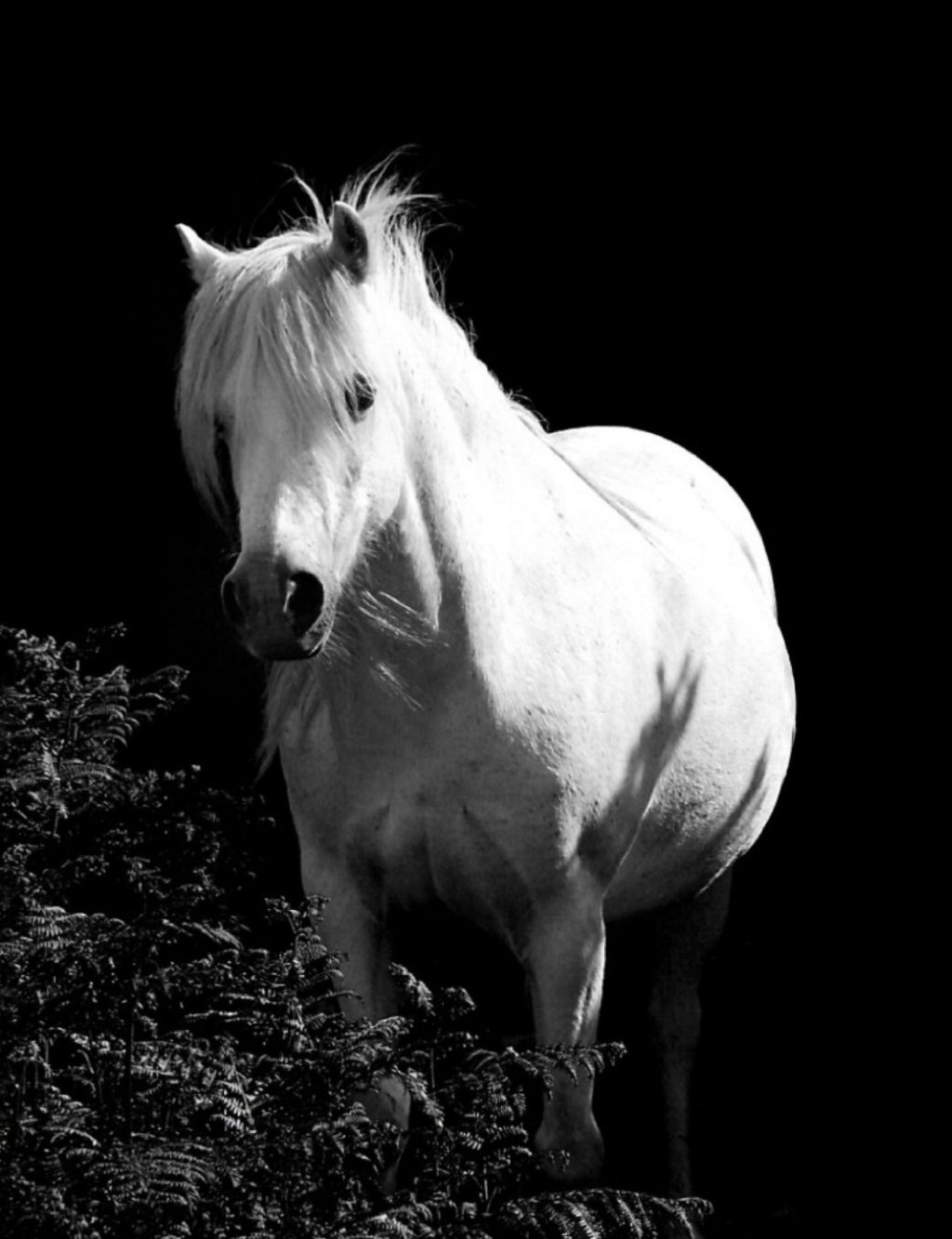
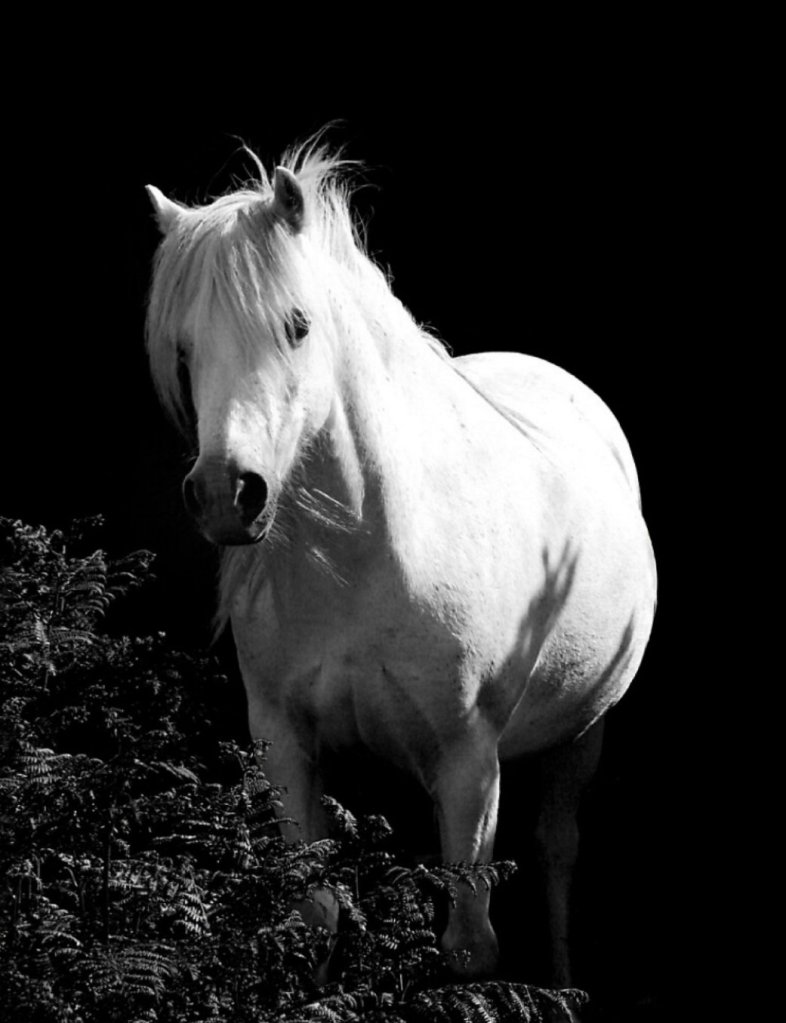
A Pony’s Promise
Tap to view in my redbubble gallery.
I am Snowflake, a pure white pony, and my life changed forever the day I was given to a young girl named Sophia.
At first, I didn’t know what to make of my new home. I was used to living in a field with other horses, but now I was in a stable, surrounded by unfamiliar sights and smells. But then I met Sophia, and everything changed.
She was weak and fragile, but she had a kind and gentle spirit. I could sense that she was hurting, and I knew I had to help her. I nuzzled her and let her brush my coat, and I could see the spark of life return to her eyes
As the days passed, Sophia and I became inseparable. She would come to my stable to visit me, and we would take walks together. She would tell me about her day and her worries, and I would listen and offer her comfort. I could sense that I was helping her in some way, and it made me happy.
I could see that Sophia was getting better, but I also knew that she was still weak. I made sure to be extra gentle with her, and I never strayed too far from her side.
Eventually, Sophia was well enough to go home. I was sad to see her go, but I knew I would see her again. And I was right, because her parents arranged for me to come home with her.
Now, Sophia and I are together all the time. We take care of each other and have fun together. I know that I have helped her to recover both physically and emotionally, and for that, I am proud and grateful.
I am Snowflake, a simple white pony, but I have been able to make a difference in someone’s life, and that is the greatest gift of all.
More interesting posts
- Darkness, Power and BeautyHorse’s steady gazeStrengthful eyes that dare to meetChallenge accepted Courage is the strength to face our fears, determination… Read more: Darkness, Power and Beauty
- The Daffodil’s Song: A Lyrical Tribute to the Wonders of SpringDaffodil so brightGolden petals, sunshine’s kissHope blooms anew As I wander through the garden, the sweet aroma of… Read more: The Daffodil’s Song: A Lyrical Tribute to the Wonders of Spring
- Acanthus: A Versatile Plant with a Rich Cultural HeritageThe Graceful Lines of an Acanthus Leaf. Acanthus is a genus of flowering plants native to the Mediterranean… Read more: Acanthus: A Versatile Plant with a Rich Cultural Heritage
- Sailing Through the Haze: A Day on the Water.Hazy sun aboveCalm sea, gentle rocking boatPeaceful, tranquil day There’s something magical about being out on a sailboat… Read more: Sailing Through the Haze: A Day on the Water.
- The Case of the Robin and the GnomeIt was a sunny afternoon in the city, and I, Dock Tracy, was tending to my garden when… Read more: The Case of the Robin and the Gnome
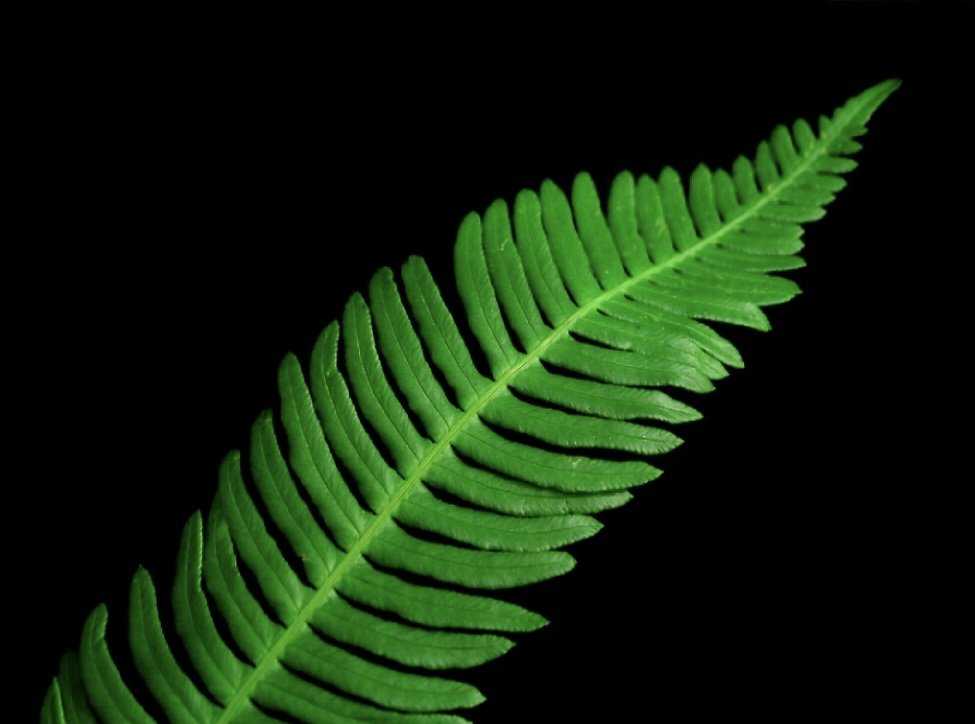
The Ferns Gift Story
Tap to view my redbubble gallery.
In a dense and ancient forest, there lived a small fern named Frond. Frond was known throughout the forest as a plant of great healing power, and many creatures came to her for help when they were ill or injured.
One day, a young deer named Daisy came to Frond, seeking help for a terrible wound on her leg. Frond was happy to help, and she gave Daisy a gift of her healing spores. Daisy’s wound healed quickly, and she was so grateful that she promised to always come to Frond for help whenever she needed it.
As the years passed, more and more creatures came to Frond for help, and she gave her healing spores to all of them. But as the demand for her gift grew, Frond began to feel tired and weak. She realised that she was giving too much of herself to others, and that she needed to take some time to rest and renew.
So, Frond decided to stop giving her spores to anyone who came to her for help. This made many creatures in the forest very upset, as they had come to rely on Frond’s gift for their well-being. But Frond knew that it was the only way to ensure her own survival, and she stood firm in her decision.
Over time, the creatures in the forest learned to take care of themselves and to find other ways to heal. They realised that Frond’s gift was not something that could be taken for granted, and that it was important to respect and care for the natural resources of the forest. And as for Frond, she slowly regained her strength and became a powerful and vibrant plant once again.
The moral of the story is that everything in nature has its limits, giving too much of yourself can cause harm to yourself, and it is important to respect and care for the natural resources.
The moral of the story is that everything in nature has its limits, giving too much of yourself can cause harm to yourself, and it is important to respect and care for the natural resources. Similarly, as humans we must learn to know our limits and maintain our mental health, physical well-being, and emotional balance, as well as being mindful of the impact our actions have on the environment and natural resources around us.
More interesting posts
- Darkness, Power and BeautyHorse’s steady gazeStrengthful eyes that dare to meetChallenge accepted Courage is the strength to face our fears, determination is the… Read more: Darkness, Power and Beauty
- The Daffodil’s Song: A Lyrical Tribute to the Wonders of SpringDaffodil so brightGolden petals, sunshine’s kissHope blooms anew As I wander through the garden, the sweet aroma of spring fills… Read more: The Daffodil’s Song: A Lyrical Tribute to the Wonders of Spring
- Acanthus: A Versatile Plant with a Rich Cultural HeritageThe Graceful Lines of an Acanthus Leaf. Acanthus is a genus of flowering plants native to the Mediterranean region. The… Read more: Acanthus: A Versatile Plant with a Rich Cultural Heritage
- Sailing Through the Haze: A Day on the Water.Hazy sun aboveCalm sea, gentle rocking boatPeaceful, tranquil day There’s something magical about being out on a sailboat on a… Read more: Sailing Through the Haze: A Day on the Water.
- The Case of the Robin and the GnomeIt was a sunny afternoon in the city, and I, Dock Tracy, was tending to my garden when I spied… Read more: The Case of the Robin and the Gnome
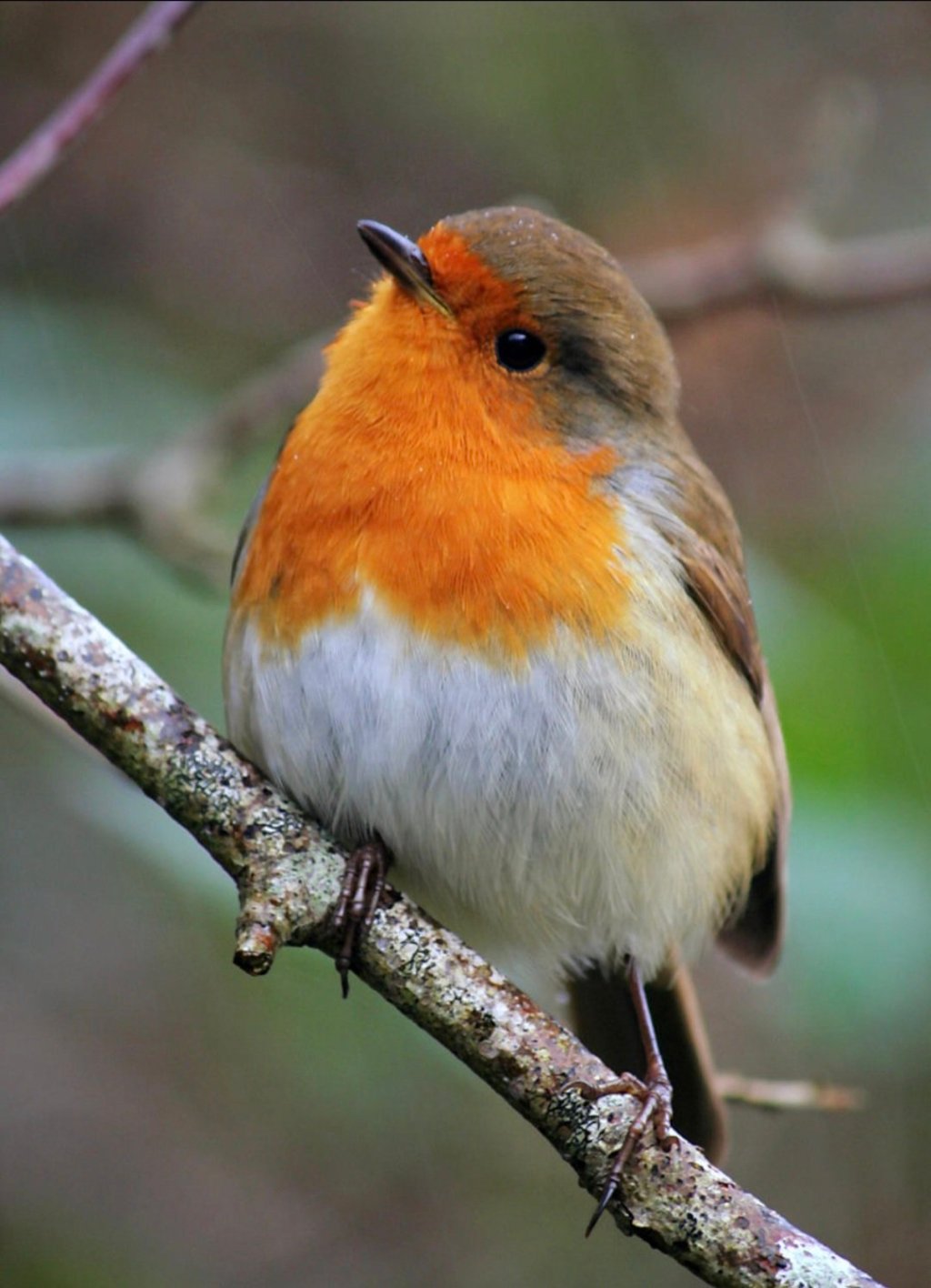
The Robin’s Lullaby of Love
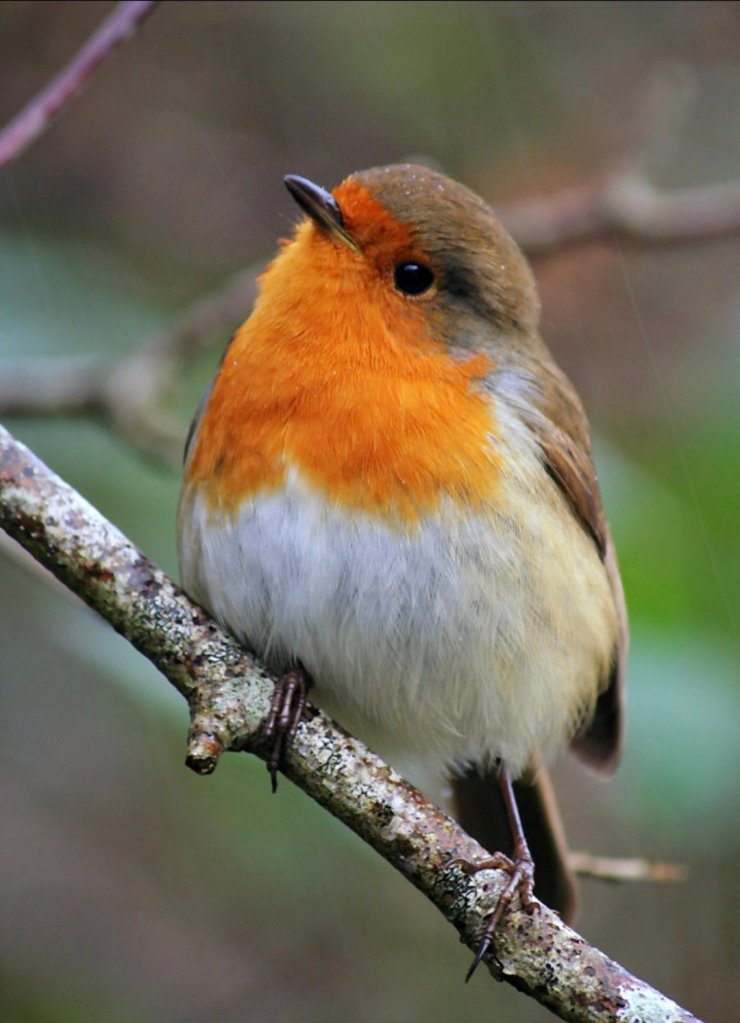
Tap to view in redbubble
Once, there lived a robin who sang the most beautiful and soothing lullaby. Villagers would often hear the robin singing at night, and soon they discovered that the robin’s lullaby had the power to bring peace and comfort to the hearts of anyone who heard it.
One night, a young couple in the village was going through a difficult time in their relationship. They were on the brink of breaking up and could not find a way to reconcile their differences. As they lay in bed, feeling hopeless and alone, they heard the robin’s lullaby outside their window.
The lullaby was so soothing and calming that it helped them to relax and let go of their anger and resentment towards each other. They started to remember why they fell in love in the first place and how they could make things right between them.
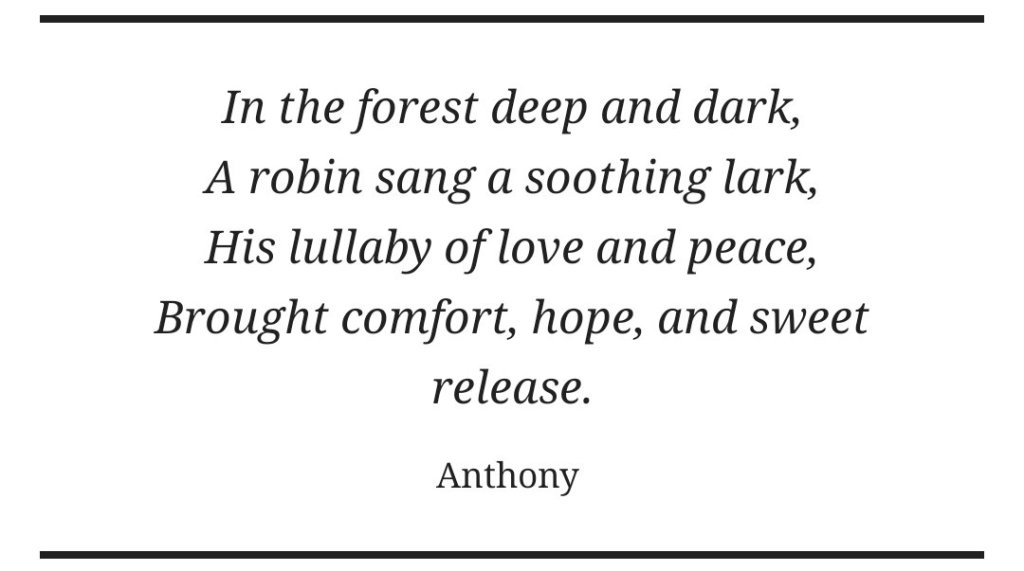
The couple got up from their beds and went outside to look for the robin. They found the robin sitting on a branch, singing its beautiful lullaby. They approached the robin and thanked it for its gift of peace and comfort. The robin looked at them with its kind eyes and sang a few more notes before flying away.
From that night on, the couple’s relationship was stronger than ever. They would often hear the robin’s lullaby at night, and it would remind them of the love they shared and the importance of forgiveness and understanding.
The villagers soon heard of the couple’s story and started to believe that the robin’s lullaby had the power to mend broken hearts. From then on, whenever someone in the village was going through a difficult time in their relationship, they would go out and listen to the robin’s lullaby. And more often than not, the lullaby would bring peace and comfort to their hearts, helping them to reconcile and find love again.
And so, the robin’s lullaby of love became a cherished tradition in the village, passed down from generation to generation, a reminder of the power of love and the importance of forgiveness and understanding
More interesting posts
- You Never Read the Same Book Twice
 “No man ever steps in the same river twice, for it’s not the same river and he’s not the same man.” These are the… Read more: You Never Read the Same Book Twice
 - You deserve a Lemon Verbena tea
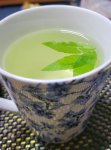 Lemon verbena tea is a herbal tea made from the leaves of the lemon verbena plant (Aloysia citrodora), which is native to South America.… Read more: You deserve a Lemon Verbena tea
 - Year of the Rabbit
 It was the start of a new year, and I was so excited for what was to come. I was the rabbit, and it… Read more: Year of the Rabbit
 - Wren ‘n’ Web
 “Oh my, what a busy little wren I am, dashing about here and there, always on the lookout for a tasty morsel to sink… Read more: Wren ‘n’ Web
 - Wonderful Whiskers
 Dear fellow feline enthusiasts and curious cat lovers, have you ever pondered the marvellous mystery of those long, luxurious whiskers that adorn our beloved… Read more: Wonderful Whiskers
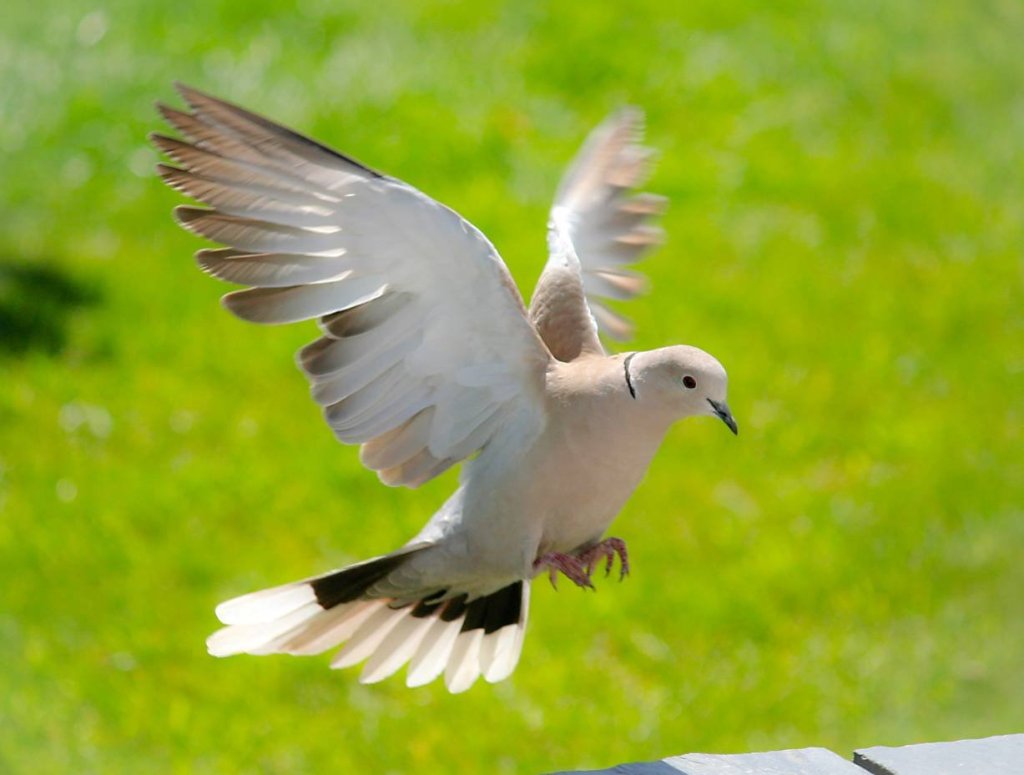
Winging it
Daisy the dove, she wrote a guide,
But her own flying skills, she couldn’t
abide.
So she practiced each day,
And soon soared away,
Leaving all her doubters behind.
Tap to view my deviantart gallery
Once upon a time, in a peaceful forest, there was a young dove named Daisy. Daisy was a curious bird, always eager to explore and learn new things. However, she had one major flaw – she was terrible at flying.
Despite her lack of flying skills, Daisy was determined to make a name for herself in the forest. So, she decided to write a guidebook for all the other birds, entitled “Winging it: A Dove’s Guide to Life.”
The book was a huge success, with birds of all types flocking to buy a copy. Daisy was thrilled and quickly became a respected and admired figure in the forest.
But as the days went on, Daisy realized that she had made a grave mistake. She had written a guidebook on how to fly, but she couldn’t even fly herself!
Feeling embarrassed and humiliated, Daisy decided to confront her fear of flying head-on. She spent every waking moment practicing and honing her flying skills.
Finally, the day came when Daisy felt ready to put her newfound skills to the test. With a deep breath, she spread her wings and took off into the sky.
To her surprise and delight, she soared higher and higher, leaving all her doubters behind. She was flying!
Daisy flew back to the forest, where all her feathered friends were waiting to welcome her home. They were amazed by her transformation and couldn’t believe that the dove who couldn’t fly had become a master of the skies.
From that day on, Daisy was known as the “flying dove,” and her guidebook, “Winging it: A Dove’s Guide to Life,” became a bestseller among birds everywhere.
And Daisy lived happily ever after, proving that with determination and hard work, anyone can achieve their dreams, even if they’re not very good at winging it at first.
More interesting blogs
- 🐾 *Begin with Purr* 🐾
 A Meditation on Finding Peace Where You Are. Sometimes, peace doesn’t arrive like thunder — it hums. Like the sound of a cat curled in a patch of sun, purring not because… Read more: 🐾 *Begin with Purr* 🐾
 - 🏡Charcoal Decay🏡
 Echoes in the dark,A city breathes its last sigh,Ruins hold the past. An eerie silence hangs heavy in the air, a thick, suffocating blanket of stillness. It’s a silence that speaks… Read more: 🏡Charcoal Decay🏡
 - 🌸Take a Moment🌸
 As in William Wordsworth’s timeless verse, I found myself wandering through the vast expanse of my thoughts. Just as the poet mused upon a solitary cloud drifting aimlessly, I too ponder… Read more: 🌸Take a Moment🌸
 - 🌿The Hart’s Tongue Fern: A Garden Gem with a Secret History
 Step into the world of ferns, and you’ll quickly discover a family of plants renowned for their delicate, often feathery fronds. But then, you’ll meet the Hart’s Tongue Fern (Asplenium scolopendrium),… Read more: 🌿The Hart’s Tongue Fern: A Garden Gem with a Secret History
 - A Bird of Exquisite Taste?
 Have you ever seen a sight more captivating than a bullfinch perched amongst a cascade of cherry blossoms? They compliment each other divinely. The delicate blush of the petals, practically translucent… Read more: A Bird of Exquisite Taste?
 - A Charmingly Rustic Cottage Garden in Wales
 A cottage garden in Wales is a true delight, filled with a wide array of flowers, herbs, and vegetables that all work together to create a charming and inviting space. One… Read more: A Charmingly Rustic Cottage Garden in Wales
 - A Field of Dreams
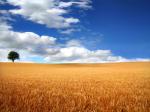 As I wander through the field of golden corn, the sun is high in the sky, casting a warm glow over everything. The air is filled with the sweet smell of… Read more: A Field of Dreams
 Anthony's Literary Lens
You must be logged in to post a comment.