Tag: Wales

  • An Abbey Adventure

    An Abbey Adventure

    Good morning all ye history buffs, and welcome to the wild west of Wales… I mean Neath Abbey! I’ll be your tour guide for today, and we’ll be taking a time machine back to medieval times to check out this ancient ruin.
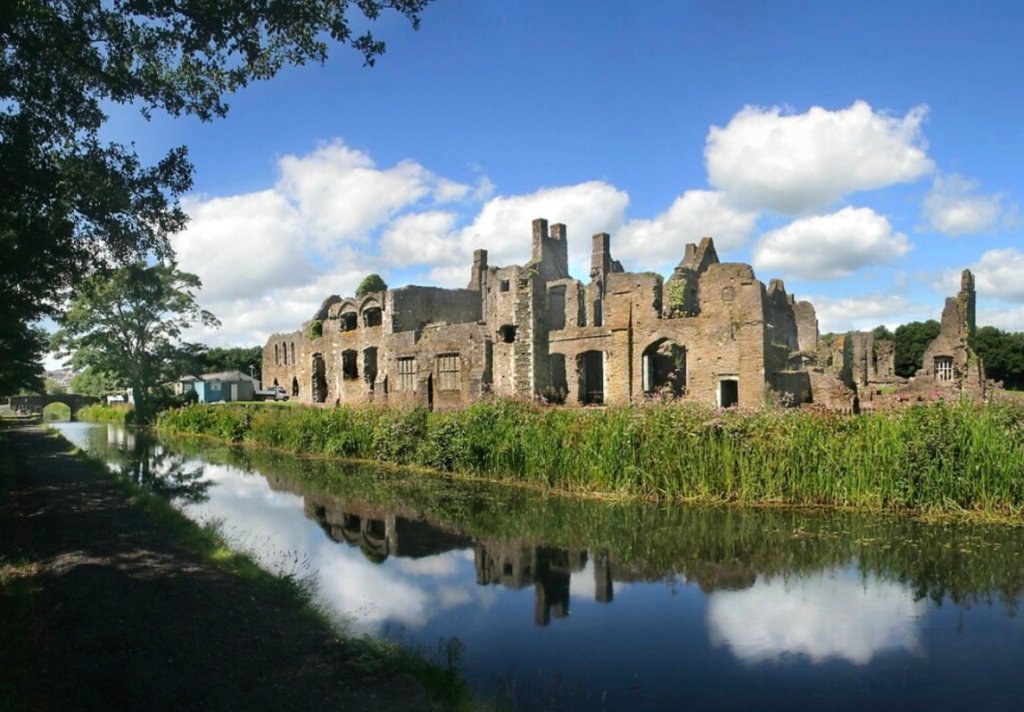
    Ruins, Rulers, and Remains
    Tap to view in my redbubble gallery.

    As we stroll around, I’ll tell you all about Neath Abbey, from when Richard I de Grenville, one of the Twelve Knights of Glamorgan, was feeling generous and gave 8,000 acres of his estate to some Savigniac monks from western Normandy. We’ll explore all the way to the Abbey’s role in the industrial revolution, where it was used as a factory and a quarry.

    Let’s start with the impressive gatehouse, added in the late 14th century. It was like a giant “come at me bro” sign for visitors back in the day. Can you imagine arriving here and being in awe of its grandeur?

    Next, we have the church ruins, once one of the largest in Wales. This was the heart of religious life, where the monks would spend hours in prayer and contemplation… or napping.

    We then have the cloister ruins, where the monks would spend most of their time. A peaceful and secluded area surrounded by gardens and fountains… because who doesn’t love a good fountain?

    And last but not least, we have the refectory remains where the monks would chow down. A large and airy room, with tall windows to let in all the light and fresh air… unless it was raining, then it was just a big, damp mess.

    During the industrial revolution, Neath Abbey played a significant role in the heart of South Wales. By 1730, some of the buildings were being used for copper smelting and in the 18th and 19th centuries, the site was basically used as a quarry, providing stone for the construction of many new factories and workers’ homes.

    Despite all that, much of the abbey still stands today, offering a fascinating glimpse into the past. So, take a moment to imagine what it was like to live and work here hundreds of years ago and let’s continue our journey back in time!

    Tap to view my redbubble gallery.

    More interesting posts

  • Cottongrass in Wales’ Wetlands

    Cottongrass in Wales’ Wetlands

    Beyond the Fluff
    Tap to view in my redbubble gallery.

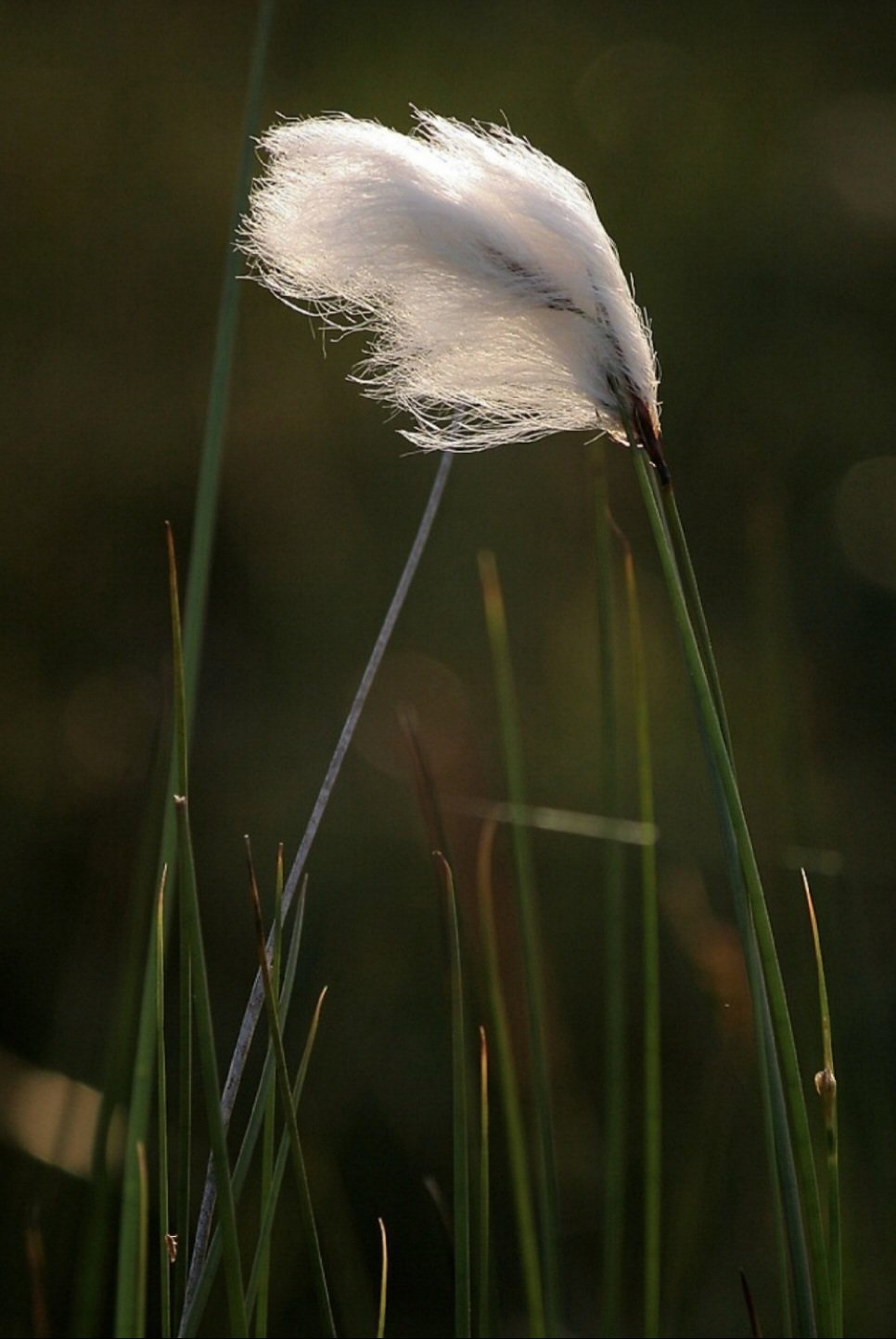
    Wales is known for more than just its fluffy sheep – it’s also home to the fluffy and fabulous Common Cottongrass. This plant, also known as Eriophorum angustifolium, can be found all over Wales’ Wetlands, particularly in Snowdonia and on Cors Caron, the great red bog at Tregaron in the upper reaches of the River Teifi.

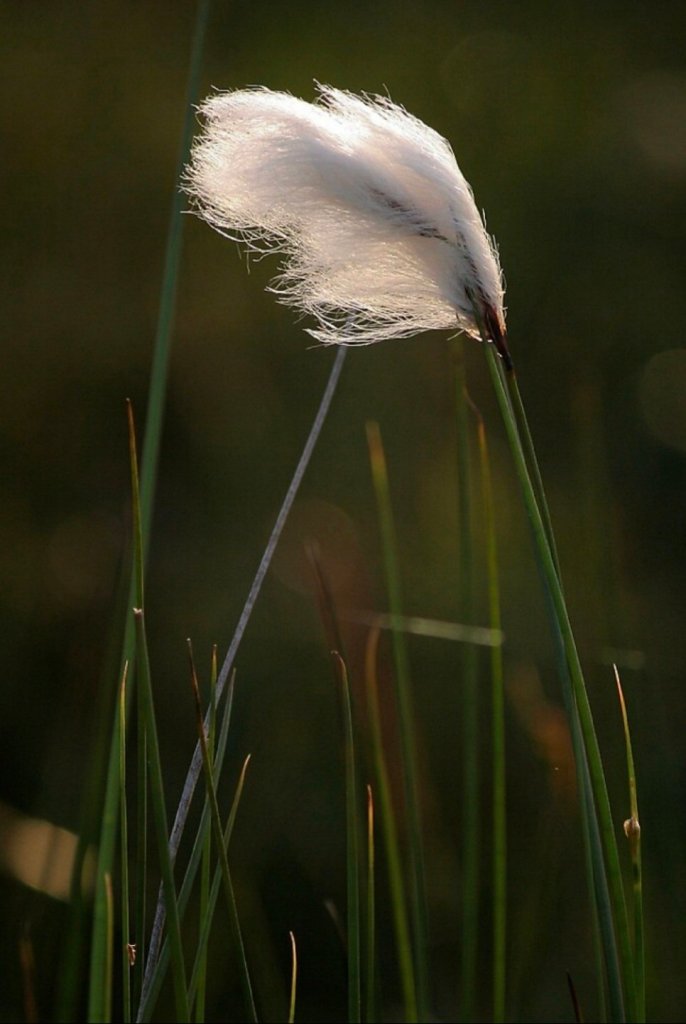
    With its cotton-like seed heads that appear in late summer and autumn, it’s easy to see why it’s called “Common Cottongrass”. The fruits of the Common Cotton Grass plant are what make it so visible. They are dark brown and have white cotton-like hairs resembling cotton wool. These cotton-like heads are what give the plant its name.

    But don’t be fooled by the name; Despite being called a “grass”, Common Cottongrass is actually a sedge. It is wind-pollinated, which is why it is often found in large clusters. The yellow anthers provide a little colour to the spiky clusters of flowers

    And it’s not just a pretty face – this plant plays a vital role in maintaining a healthy ecosystem. With deep roots that allow it to access water and nutrients deep below the surface, it helps to stabilise the soil and prevent erosion. Plus, its seeds are a tasty treat for birds. So next time you’re in Wales, don’t just look out for the sheep – keep an eye out for the fluffy and fabulous Common Cottongrass too!

    Tap to view my redbubble gallery.

    More interesting posts

  • Carreg Cennen Castle

    Carreg Cennen Castle

    A Castle With a View
    Tap to view my redbubble gallery.

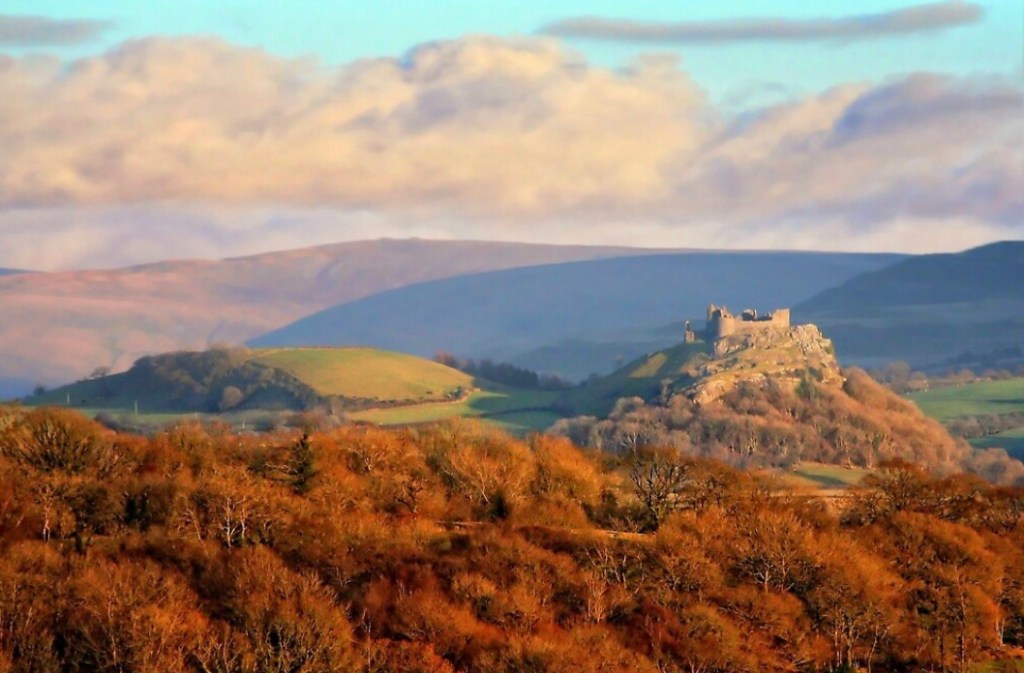
    Carreg Cennen Castle is a mediaeval fortification located in the picturesque village of Trapp, near Llandeilo in Carmarthenshire, Wales. The castle is set on an isolated limestone outcropping overlooking the River Cennen and is considered one of the most spectacularly located castles in Wales.

    The castle was built in the 12th century by the lords of Senghennydd and was later taken over by the Welsh princes of Deheubarth. The castle was then captured by the English in 1277 and was subsequently rebuilt and strengthened in the 14th century.

    One of the most notable features of Carreg Cennen Castle is its impressive curtain wall, which is built on the cliff of 90m(300ft), and stands over 9m (30ft) tall in places. The castle also has a great hall, a chapel, and a number of towers, including the impressive twin-towered gatehouse.

    Despite its formidable defenses, Carreg Cennen Castle fell to the forces of Owain Glyndwr in the 15th century during the Welsh Revolt. After that the Castle was abandoned and left to ruin.

    Today, the castle is in the care of Cadw, the Welsh government’s historic environment service, and is open to the public. Visitors can explore the ruins of the castle and take in the stunning views of the surrounding countryside. The castle is also a popular spot for picnics and walks, and is a great place to learn about Wales’ rich history and culture.

    Tap to view my redbubble gallery.
  • The Rare and Beautiful Welsh Poppy

    The Rare and Beautiful Welsh Poppy

    Welsh Wonder
    Tap to view my redbubble gallery.

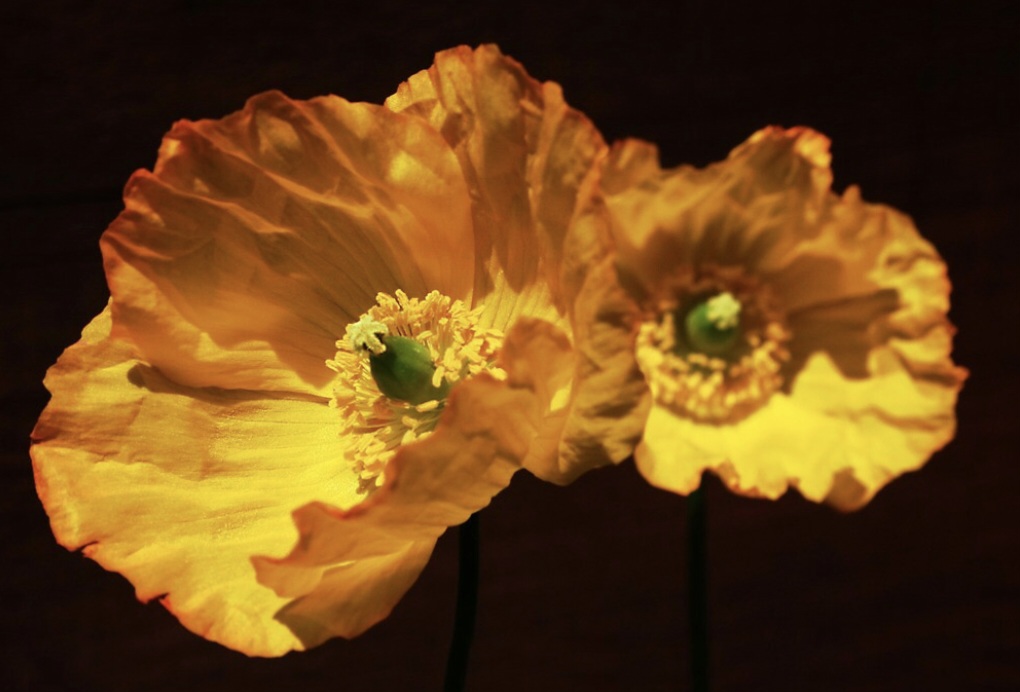
    The Welsh poppy (Meconopsis cambrica) is a stunning and delicate flower native to the mountains of Wales. It is a member of the Papaveraceae family, which also includes the more well-known opium poppy. However, unlike its relative, the Welsh poppy is not used for the production of opium.

    The Welsh poppy is easily recognized by its bright yellow or orange petals and delicate, papery texture. It typically blooms in late spring or early summer, and can be found growing in rocky or grassy areas at high altitudes.

    One of the most interesting things about the Welsh poppy is its rarity. It is classified as an endangered species in the UK, and is protected under the Wildlife and Countryside Act. Habitat destruction, overgrazing, and the spread of invasive species have all contributed to the decline of the Welsh poppy.

    A burst of golden cheer,
    A sight that’s oh so dear,
    The yellow poppy’s petals gleam,
    Bringing joy that’s pure and serene

    Anthony

    Despite its endangered status, the Welsh poppy remains a symbol of hope and resilience for the people of Wales. It has been featured on Welsh stamps and coins.

    If you’re lucky enough to spot a Welsh poppy in the wild, be sure to appreciate its beauty from a distance. It is important to respect the habitat of these delicate flowers and avoid disturbing them

    Tap to view my redbubble gallery.
  • A Charmingly Rustic Cottage Garden in Wales

    A Charmingly Rustic Cottage Garden in Wales

    Cottage Garden Bliss
    Tap to view in my redbubble gallery.

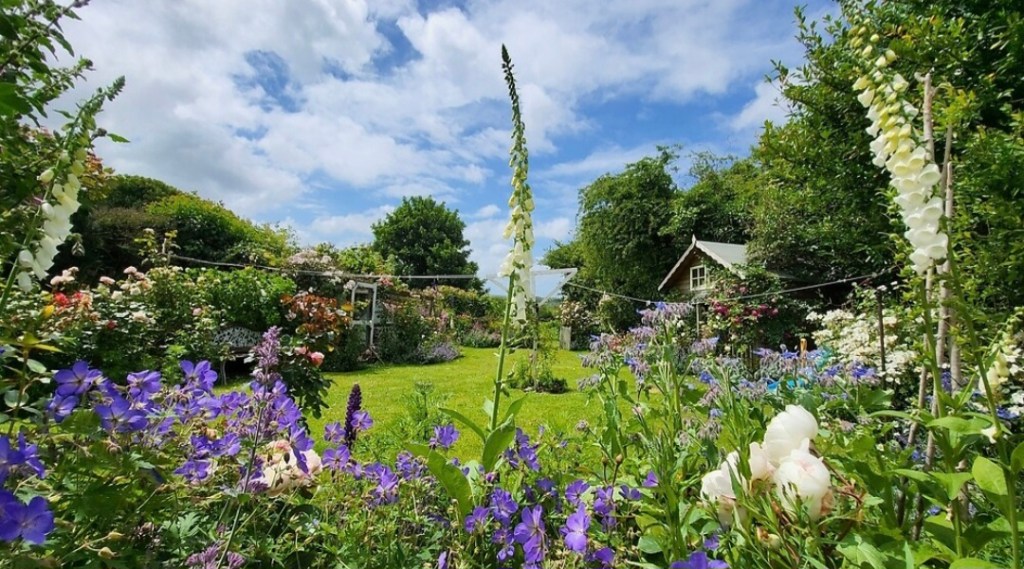
    A cottage garden in Wales is a true delight, filled with a wide array of flowers, herbs, and vegetables that all work together to create a charming and inviting space. One of the standout features of a Welsh cottage garden is the abundance of foxgloves, cranesbill, and roses.

    Foxgloves are tall, slender plants that are native to Wales and are known for their striking, spire-like flowers. They come in a variety of colors, including pink, purple, and white, and bloom from early summer through late autumn. Foxgloves are a popular choice for cottage gardens because they are easy to grow and provide a beautiful vertical element to the garden.

    Cranesbill, also known as geraniums, are another common sight in Welsh cottage gardens. These low-growing, perennial plants have delicate, saucer-shaped flowers that bloom in shades of pink, purple, and white. They are known for their long blooming period and their ability to thrive in a variety of soil types.

    Roses are a classic cottage garden flower and are often featured prominently in cottage gardens. There are many different types of roses to choose from, including climbing roses, shrub roses, and hybrid tea roses. No matter which type you choose, roses are sure to add a touch of elegance and romance to your garden.

    In addition to foxgloves, cranesbill, and roses, a Welsh cottage garden might also include a wide variety of other flowers and plants, such as hollyhocks, delphiniums, and lupins. These gardens are designed to be low maintenance, with plants chosen for their ability to thrive with minimal care.

    Overall, a cottage garden in Wales is a true treasure, filled with a beautiful and diverse array of flowers, herbs, and vegetables. Whether you are a seasoned gardener or a beginner, a Welsh cottage garden is sure to inspire and delight you.

    Tap to view my redbubble gallery.

    More interesting posts

  • A Garden of Wonders: Exploring the National Botanic Garden of Wales

    A Garden of Wonders: Exploring the National Botanic Garden of Wales

    Tropical Wales

    The National Botanic Garden of Wales is a botanical garden located in Carmarthenshire, Wales. It is situated in the countryside of the Towy Valley, and covers an area of over 500 acres.

    The garden was officially opened to the public in 2000, and has since become a popular tourist attraction in Wales. It is home to over 8,000 different plant species, which are organized into a variety of different displays and collections.

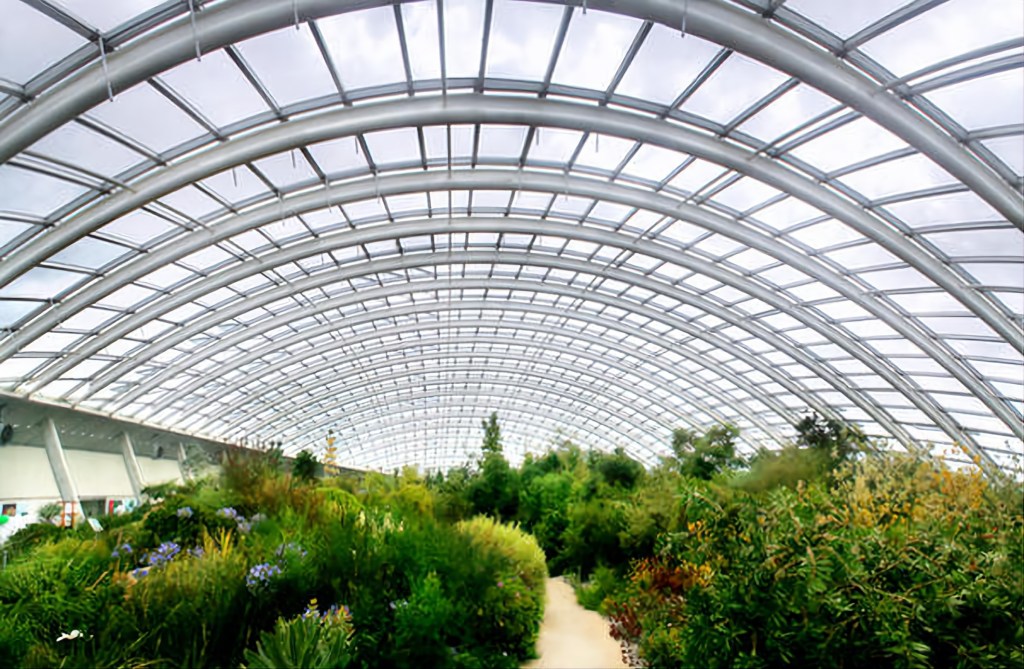
    One of the standout features of the National Botanic Garden of Wales is the Great Glasshouse. This impressive structure is home to a variety of tropical and subtropical plant species, and is designed to mimic the climate of a rainforest. Visitors can walk through the glasshouse and see plants from all over the world, including orchids, ferns, and palms.

    In addition to the Great Glasshouse, the National Botanic Garden of Wales also has a number of other displays and attractions. These include the Welsh Plant Heritage Collection, which features a variety of native Welsh plant species, and the Garden of World Medicine, which is home to a collection of medicinal plants from around the world. The Millennium Seed Bank is a research facility that works to conserve and protect the seeds of plants around the world. The garden is also home to a number of special exhibitions and events throughout the year, including concerts and festivals.

    The National Botanic Garden of Wales is also home to a number of educational and research facilities. These include the Centre for Alternative Land Use, which studies sustainable land management practices, and the Plant Conservation Centre, which works to conserve and protect rare and endangered plant species.

    Overall, the National Botanic Garden of Wales is a beautiful and educational destination for anyone interested in plants and botany. Whether you’re a seasoned botanist or just looking for a relaxing day out in the countryside, the garden has something for everyone.

    Tap to view my redbubble gallery.

    More interesting posts

  • Exploring the Natural Wonders of the Brecon Beacons.

    Exploring the Natural Wonders of the Brecon Beacons.

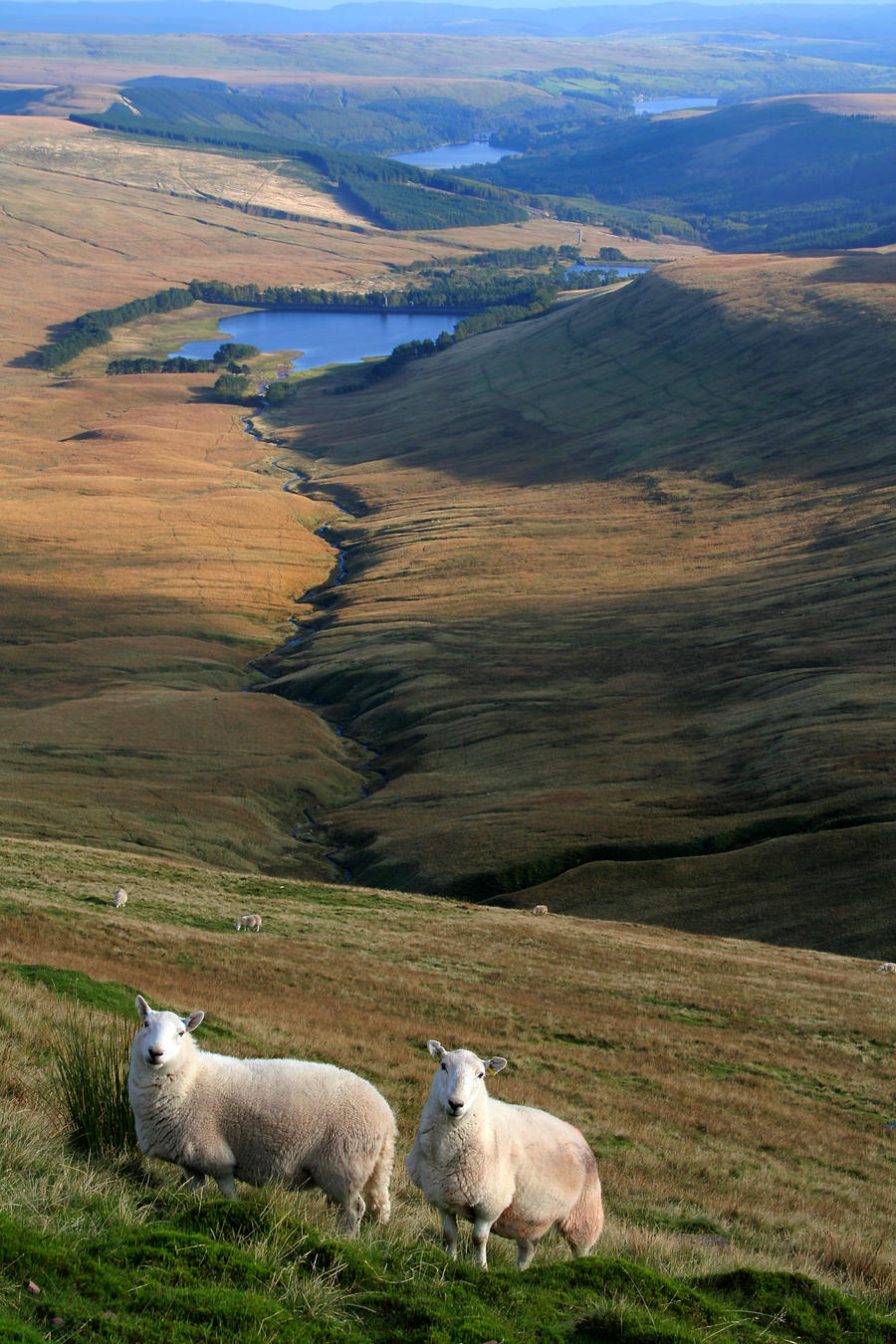
    Rolling green hills
    Ancient stones, a peaceful land
    Nature’s beauty lies

    Wild Welsh Sheep

    The Brecon Beacons National Park is a stunning natural landscape located in South Wales, UK. It covers an area of over 520 square miles and is home to a wide range of flora and fauna, as well as many interesting geological and historical sites.

    The Brecon Beacons are named after the Brecon Beacons mountain range, which forms the centerpiece of the national park. The highest peak in the range is Pen y Fan, which stands at 886 meters (2907 feet) above sea level and offers breathtaking views of the surrounding countryside.

    The national park also includes the Black Mountains and the Fforest Fawr massif, which offer equally impressive vistas and a range of outdoor activities.The Brecon Beacons are known for their rolling hills, picturesque valleys, and stunning waterfalls, making it a popular destination for hikers and nature lovers.

    The national park boasts a number of long-distance walking trails, including the Beacons Way and the Taff Trail, as well as shorter routes that are suitable for all fitness levels. The Brecon Beacons also offer excellent mountain biking, horse riding, and rock climbing opportunities.

    In addition to its natural beauty, the Brecon Beacons are also rich in history and culture. The national park is home to a number of ancient castles, such as Brecon Castle and Hay Castle, as well as historic churches and other landmarks.

    The Brecon Beacons are also home to a number of small villages and towns, each with its own unique character and charm.The Brecon Beacons are a truly special place, offering something for everyone. Whether you’re looking to enjoy the great outdoors, learn about the area’s history and culture, or simply relax and take in the stunning natural beauty, the Brecon Beacons are sure to have something for you.

    Tap to view my redbubble gallery.

    More interesting posts

Design a site like this with WordPress.com
Get started