Tag: writing

  • Capturing Nature in Words

    Capturing Nature in Words

    There’s something endlessly fascinating about trying to capture nature in words. It’s not just about describing a mountain, a forest, or the way sunlight hits a river (or a flamingo); it’s about getting to the essence of what those things make us feel. Nature isn’t static—it’s full of life, sound, and motion—and trying to pin that down with language can be both beautiful and frustrating.
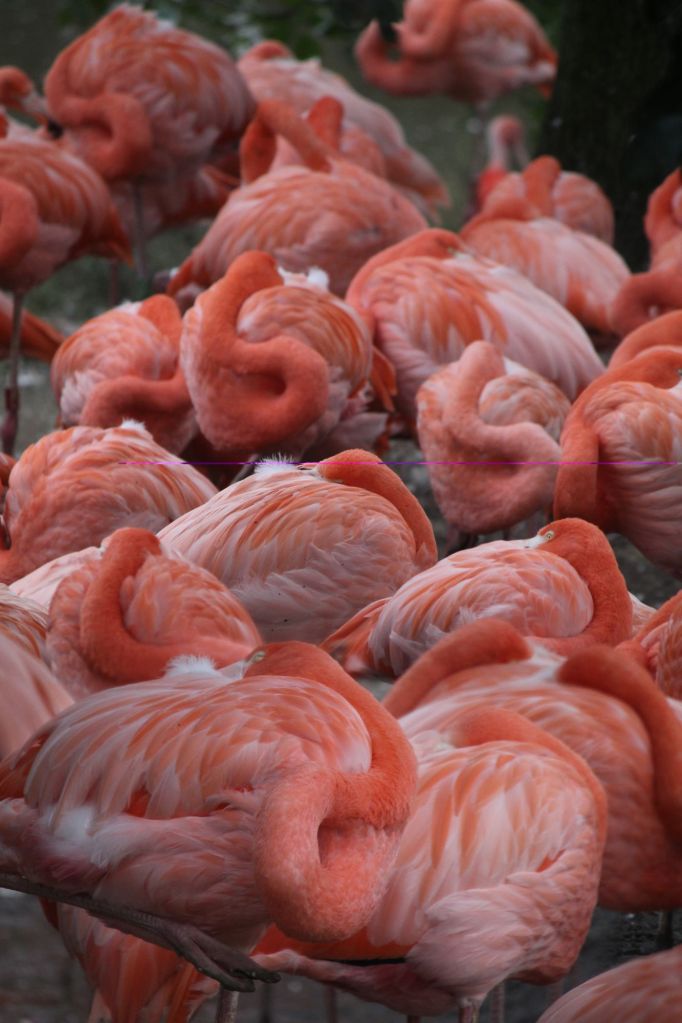
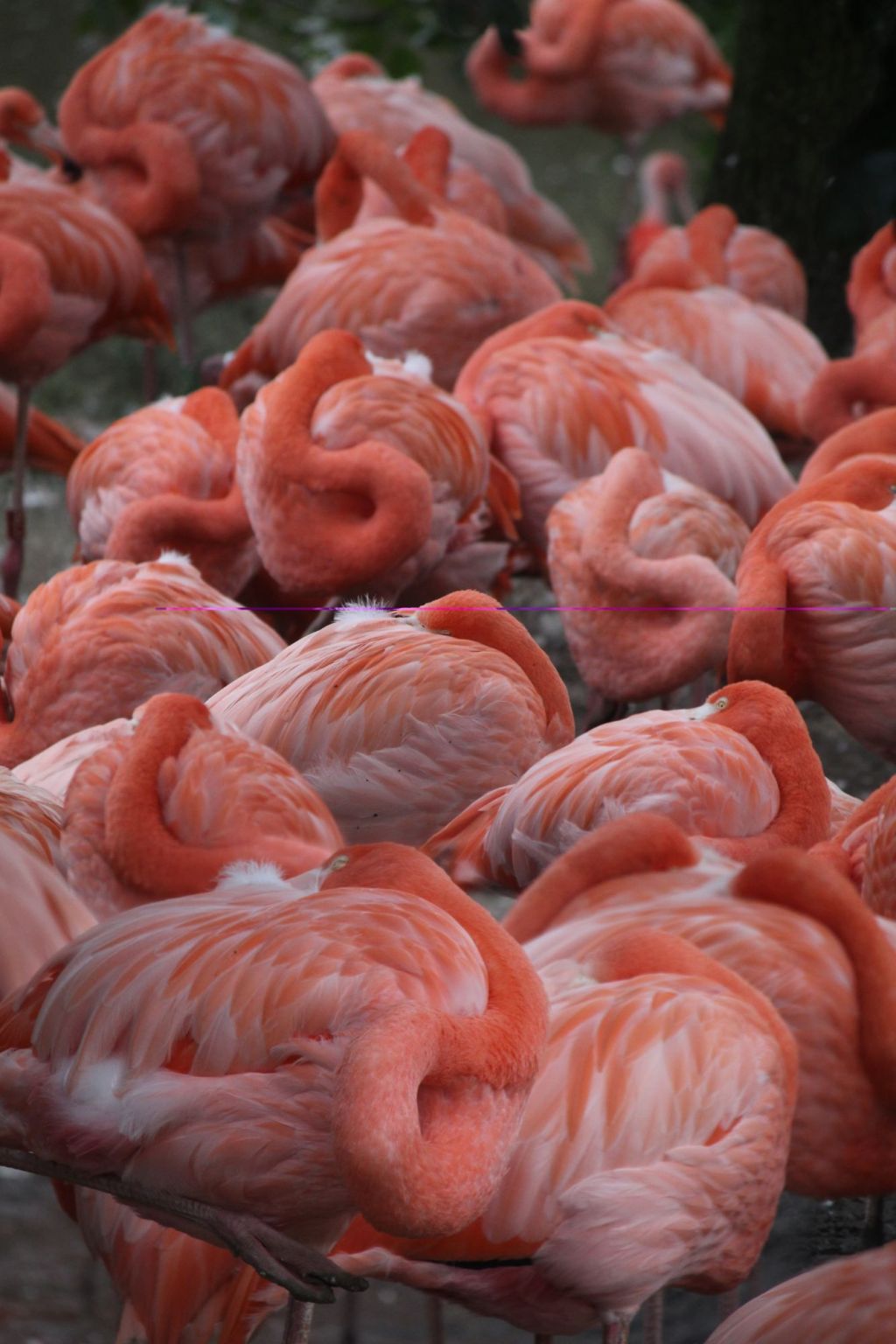
    Flamingo
    Abstract Flamingos at Chester Zoo

    Different writers have tried, each with their unique approach. From the poetic and romantic to the philosophical or even fantastical, nature on the page transforms depending on who’s writing it. Let’s take a look at how some of the greats—Wordsworth, Woolf, Hemingway, Thoreau, and Le Guin—have captured the natural world through their own distinctive lenses. Let’s try to capture it in their words:

    William Wordsworth’s Nature: An Ode to Spiritual Connection

    The hills rose gentle and vast before me, clad in the golden hue of a setting sun, their slopes a reflection of the ever-turning wheel of the seasons. Softly did the breeze stir the leaves, and in that gentle motion, I felt the spirit of the earth, that same force that moves through every flower and stream, uniting the soul with its Creator.

    In Wordsworth’s world, nature is alive with divine significance, a reflection of human emotion and spirit. As he gazes upon the landscape, there is no separation between man and nature—each is a reflection of the other, bound by something eternal and profound. The simple beauty of a daisy, the distant curve of a hill, these are not just parts of the world; they are symbols, carrying meaning far beyond their physical presence. Wordsworth’s nature is a place to reconnect with the divine, a space for meditation and self-discovery.

    Virginia Woolf’s Nature: A Flow of Consciousness

    The waves lapped rhythmically against the shore, a steady pulse, as though the sea itself were breathing. The sun, dipping below the horizon, cast long shadows that stretched and twisted across the sand. Was it only a moment, or had the light shifted so imperceptibly that time itself seemed to bend, losing its shape, melting into the folds of the evening?

    For Woolf, nature isn’t a static scene but a flowing, shifting experience, much like the workings of the mind. The waves aren’t just there; they pulse, breathe, and pull the observer into a contemplation of time, memory, and existence. Her style is often more about the fleeting impressions—the shifting of light, the slight change in air—capturing nature not as an object to be described, but as a feeling that washes over, constantly shifting as the observer’s thoughts and emotions shift.

    Ernest Hemingway’s Nature: Stark and Simple Beauty

    The river cut through the valley, clear and cold, its surface broken here and there by the silver flash of trout. Pine trees lined the banks, standing straight and still against the blue sky. There was no sound but the water and the occasional snap of a twig underfoot. It was good here, clean, the way things should be.

    Hemingway’s approach to nature is stripped down to its essentials. There’s no romanticising, no deep reflection on the meaning of it all—just the straightforward beauty of the world as it is. His nature is rugged, often harsh, but deeply satisfying in its simplicity. It’s a place where a man can be alone, think clearly, and confront life on its own terms. The river, the pine trees, the fish—they are not symbols of anything greater. They just *are*, and that’s enough.

    Henry David Thoreau’s Nature: A Manifesto of Wild Freedom

    The woods stretched out before me, deep and untrammelled, full of secrets only the wind and the animals knew. Each tree stood like a guardian, each blade of grass a symbol of the freedom that is our birthright, should we only recognize it. In these wild places, I feel my spirit rise, untethered from the confines of society, unburdened by the weight of civilization.

    Thoreau’s nature is more than a backdrop; it is a force of liberation. It represents freedom from the constraints of society and the artificial structures that human beings create. For him, being in nature is not just about enjoying its beauty—it’s a form of protest, a way of rejecting the complications and corruptions of civilization. In the woods, one can live deliberately, drawing closer to the truths of existence. Thoreau’s prose often reflects this sense of moral clarity, where every tree and animal is part of a larger, purer world.

    Ursula K. Le Guin’s Nature: An Element of Cosmic Wonder

    The mountains rose in the distance, their peaks lost in clouds that shimmered with a pale, unearthly light. The air here was different, touched by something ancient, as though the stones themselves remembered a time before humans walked the earth. Strange birds called from the trees, their notes echoing in the strange, purple dusk. It was a place both familiar and otherworldly, a reminder that nature, in all its forms, was not made for human understanding.

    Le Guin’s nature is both mystical and scientific, often intertwined with the themes of her speculative worlds. It is not merely the background for human events, but a powerful, autonomous force, shaped by forces beyond human comprehension. In her writing, nature often feels ancient, strange, and vast—a reminder of humanity’s smallness in the face of the cosmos. Her descriptions blend the real and the fantastical, inviting readers to see nature as something both wondrous and alien, as much a mystery as it is a source of beauty.


    If you find this content inspiring and uplifting, consider supporting what I do. Buy me a coffee on Ko-fi.
    Your support makes a difference in my life and helps me create more of what you like. Thank you!

    Tap to view my redbubble gallery.

  • Valley’s Call to Soar

    Valley’s Call to Soar

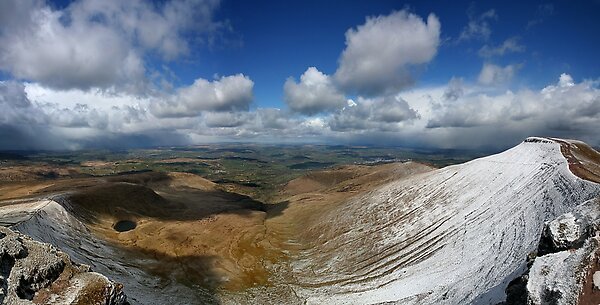
    Upon yonder snow-kissed peak, I stand, a lone voyager, a wanderer in a world dressed in pristine white. The valley below, a cradle of dreams and whispered tales, beckons to my very soul. In this moment, I am possessed by a longing, a fervent desire to defy gravity’s chains, to soar as if I were a feather carried by the winds of eternity.

    Standing atop a snow-covered peak, I’m reminded that nature is the purest form of poetry

    View form Pen-y-fan in the Brecon Beacons, Wales. Tap to view my redbubble gallery.

    The valley, a canvas of undulating shadows and glistening promises, unfolds before my eyes, an expanse of dreamscape and memory. The world, adorned in the icy silence of winter, is a chalice of endless possibility, where the spirits of all that once was, and all that could be, commune in a timeless dance.

    As the sun dips below the horizon, casting long shadows across the valley, my heart quickens with a fierce yearning to leap from this precipice. To become one with the soaring eagles, to taste the air of the gods, and to trace my path across the heavens with wings of dreams.

    But, alas, I am bound by the earthly tether, my feet planted on this frozen throne. Yet, in my mind’s eye, I am unburdened, a phoenix ascending, liberated from gravity’s relentless grip. The valley below whispers secrets of flight, of dreams unfettered, and for a brief moment, I am convinced that I could fly, for I am a poet of the heart, embracing the universal longing to transcend the ordinary and become part of the elemental poetry of the world.

    Tap to view my redbubble gallery.
  • Subtle Tones

    Subtle Tones

    Tap to view in my redbubble gallery.

    Within conversation, subtle tones refers to the nuances and variations in the way we speak, including the pitch, volume, and emphasis on certain words or phrases. These tones can convey a range of emotions, attitudes, and intentions, often beyond the literal meaning of the words we use.

    For example, imagine someone saying “I’m fine” in a low, monotone voice, versus saying it with a bright smile and a lilt in their voice. The difference in tone can suggest very different emotions or meanings, such as apathy versus enthusiasm.

    Similarly, when we engage in conversation, our tone can convey various social cues, such as friendliness, dominance, or hostility. These cues can shape how others perceive us and how they respond to us.

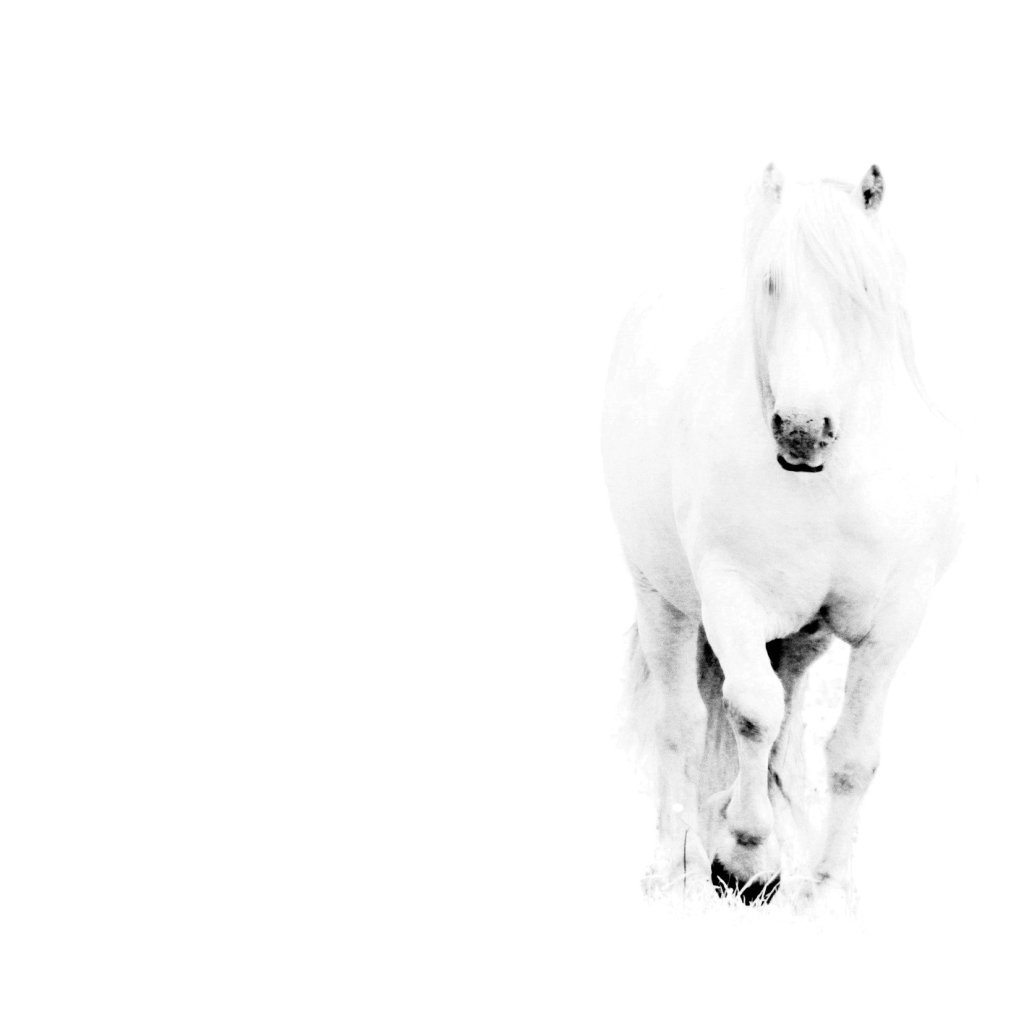
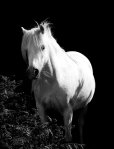
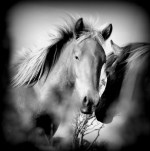
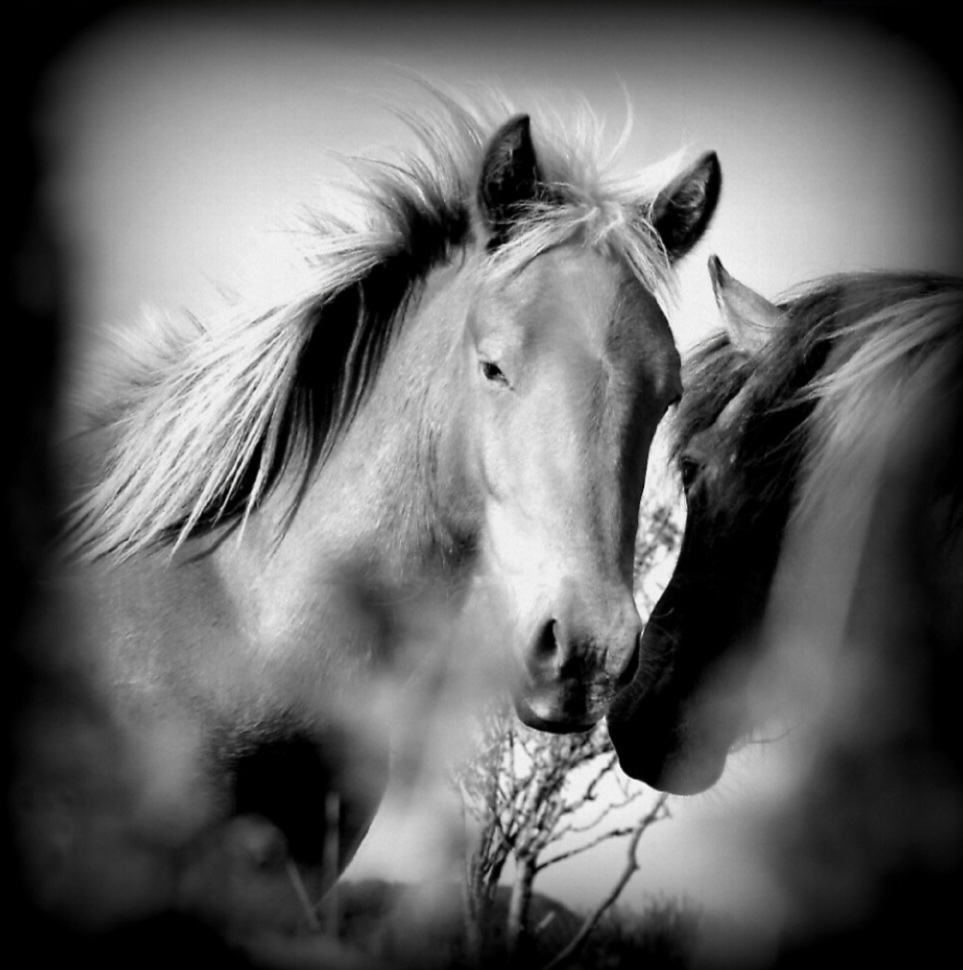
    Now, let’s compare this with the monochrome photo. At first glance, the image may seem simple and straightforward. However, upon closer inspection, we can see subtle differences in the tones and shades of white, which create depth and texture within the image.

    For instance, the white of the horse’s coat appears slightly brighter or darker than the white of the background. This difference in tone creates a sense of contrast and dimensionality, making the horse stand out more.

    Likewise, in conversation, subtle changes in tone can create a sense of contrast and depth, highlighting certain words or ideas and making them have greater impact.

    Moreover, just as the white horse on a white background can be challenging to photograph, subtle tones in conversation can be difficult to detect and interpret accurately. Our own biases, assumptions, and emotional states can influence how we perceive and respond to these subtle cues.

    Therefore, it’s important to be mindful of these subtleties within our own speech and the speech of others. By paying attention to these nuances, we can develop a deeper understanding of ourselves and those around us, and communicate more effectively and empathetically.

    Initially, ideas which seem unconnected, subtle tones within conversation and a photo of a white horse, share similarities in terms of the subtle nuances and variations that create depth, texture, and contrast. By being aware of these subtleties, we can become better communicators and better appreciate the beauty and complexity of the world around us.

    Tap to view my redbubble gallery.

    More interesting posts

  • The Sweet Sweet Chestnut

    The Sweet Sweet Chestnut

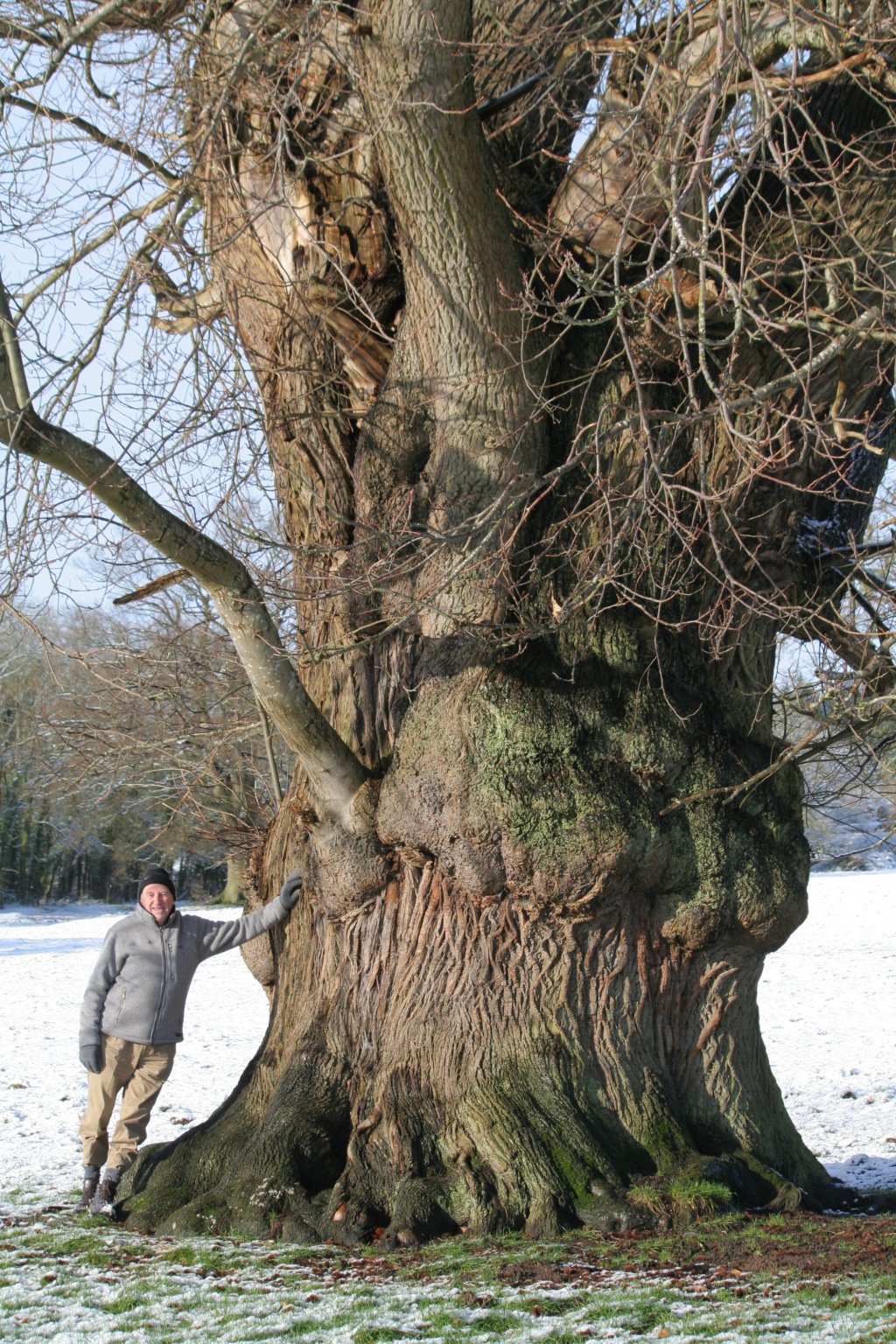
    Big Tree!
    Tap to view in my redbubble gallery.

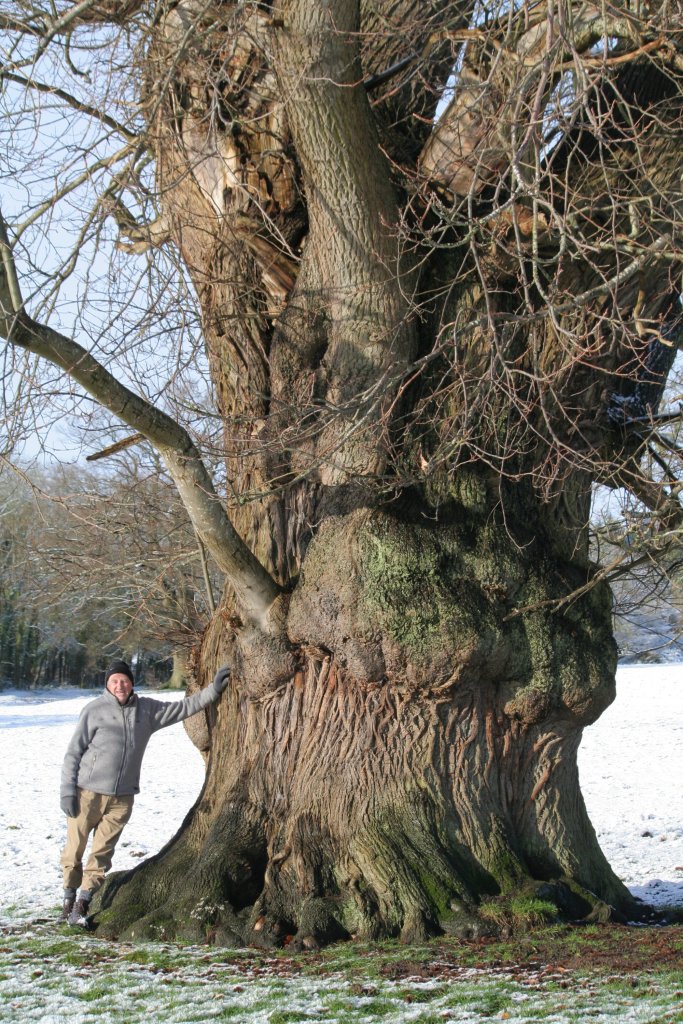
    In the midst of all the historical events that took place 1000 years ago, a small but significant act occurred: a seed was planted in the ground, the beginning of what would eventually grow into a towering tree that has stood the test of time. This 1000-year-old tree, with its roots firmly planted in the earth set me thinking: it has watched as empires rose and fell, as cultures and societies evolved and changed.

    The Byzantine Empire was at war with the Bulgarian Empire, with both sides fighting for control over the Balkans.

    The Holy Roman Emperor Henry II, also known as Saint Henry the Exuberant, was consolidating his power in Germany, and was beginning to expand his influence into Italy.

    The Fatimid Caliphate was in control of Egypt and parts of North Africa, and was at odds with the Abbasid Caliphate in Baghdad.

    The Song Dynasty was in power in China, and was beginning to establish itself as a major force in East Asia.

    In the Americas, the Mayan civilization was still thriving in Central America, while the Ancestral Puebloans were building impressive structures in what is now the southwestern United States.

    The Vikings were raiding and trading throughout Europe, with many of them settling in areas such as Ireland and Scotland

    History is a complex tapestry of events and people that have shaped our world into what it is today. Throughout the ages, civilizations have risen and fallen, empires have come and gone, and technologies have advanced at an incredible pace. Despite all of these changes, however, there are certain fundamental aspects of human experience that remain constant. Love, grief, greed, joy, and loss are just a few examples of the universal emotions that have always been a part of the human experience, and that will continue to be so in the future. The physical world may change, but the essence of what it means to be human remains the same, and it is this common thread that ties us to the past, present, and future.

    Tap to view my redbubble gallery.

    More interesting posts

  • Reflections on a Foxglove

    Reflections on a Foxglove

    heal or harm
    Tap to view in my redbubble gallery.

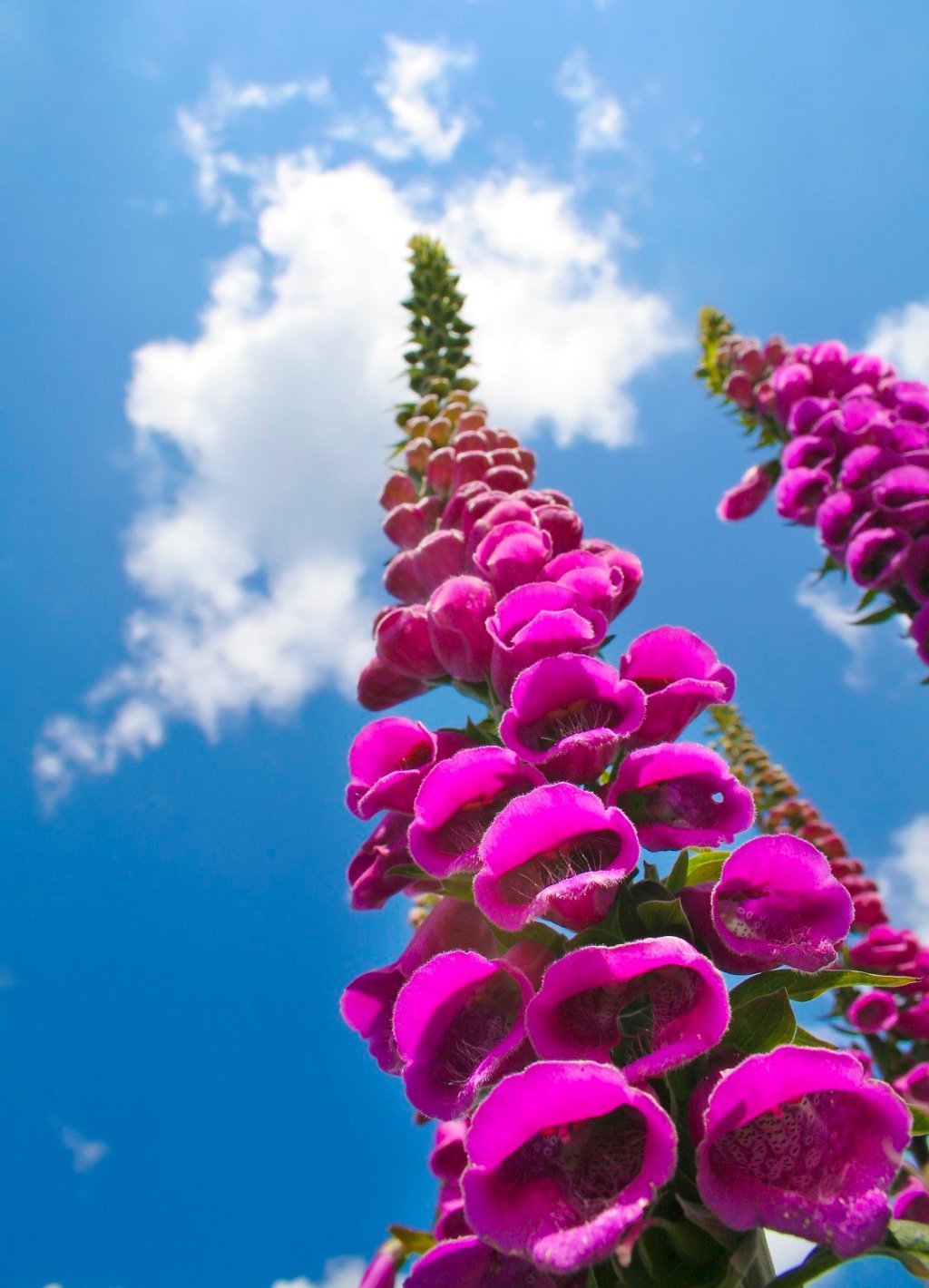
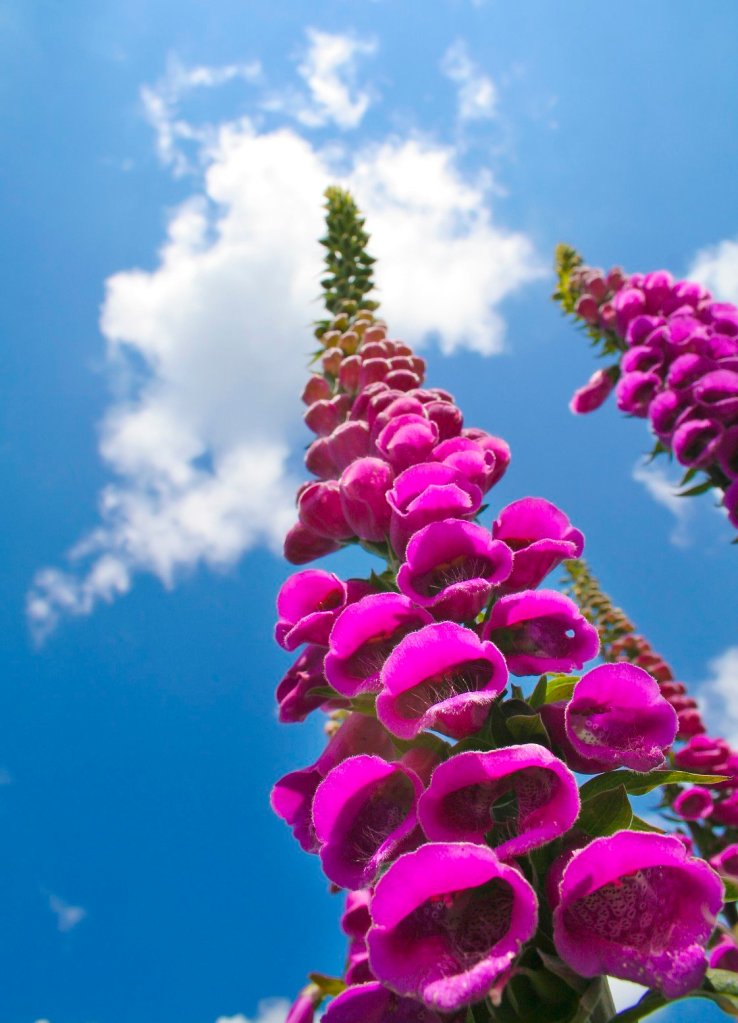
    As I gaze at this photograph of a foxglove, I cannot help but think of its dual nature. On one hand, this beautiful flower has been used for centuries as a medicine to treat various heart conditions, and its medicinal properties have been well-documented.

    But on the other hand, it is also known to be toxic to humans and can be deadly if ingested in large quantities. The same compounds that make it a potent heart medication can also cause nausea, vomiting, and even cardiac arrest if not used properly.

    It is a paradox, this foxglove, a thing of beauty that can heal or harm, depending on how it is used. And yet, as I look at the photograph, I am struck by the fact that this duality is a reflection of life itself. The things that bring us joy and comfort can also be the things that hurt us the most, and we must learn to navigate this dichotomy with wisdom and grace.

    Perhaps this is the lesson that the foxglove is trying to teach us through its beauty and toxicity. That life is complex and multi-faceted, and we must learn to appreciate the good while being mindful of the potential dangers that come with it.

    As I reflect on this, I am reminded that every choice we make has consequences, both positive and negative. And it is up to us to be responsible and thoughtful in how we navigate the world, just as we must be responsible and thoughtful in how we use the foxglove as a medicine.

    The foxglove, then, is not just a flower, but a symbol of the delicate balance between beauty and danger, and a reminder that we must tread carefully as we navigate the complexities of life.

    Tap to view my redbubble gallery.

    More interesting posts

  • The Bullies and the Brave

    The Bullies and the Brave

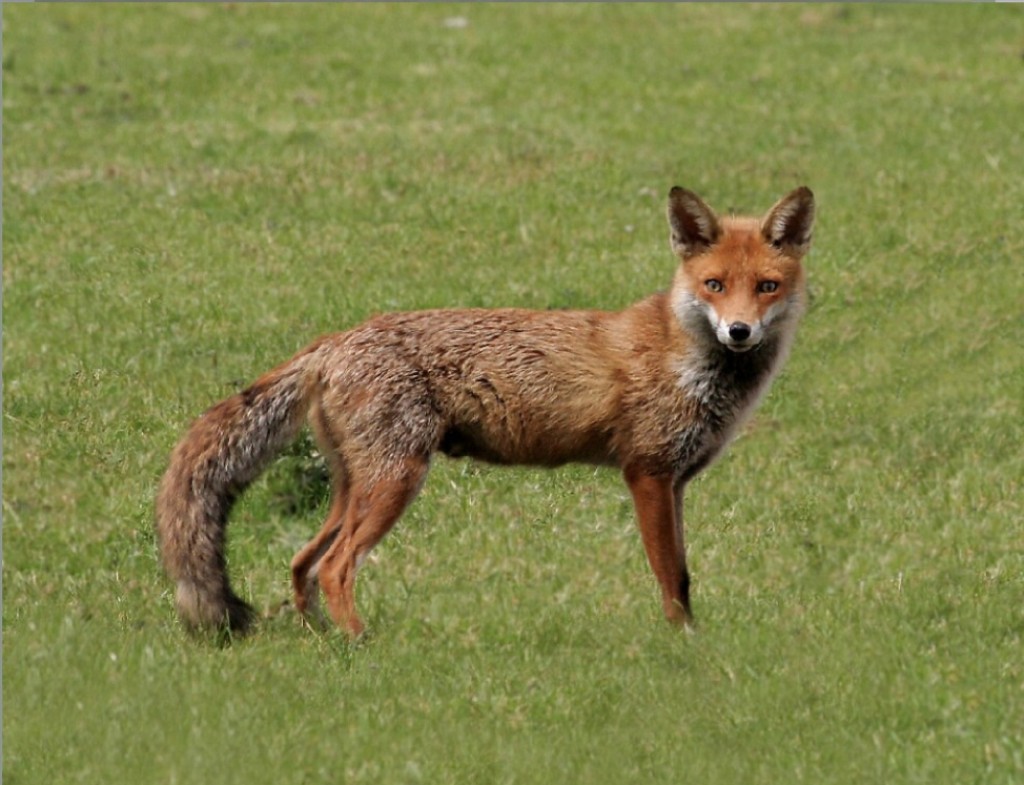
    A fox’s tail
    Tap to view in redbubble

    It was a beautiful spring day when the fox first met the farm boy. The boy was out collecting eggs from the chicken coop when he noticed a flash of red out of the corner of his eye. He turned to see a fox, its fur shimmering in the sunlight, staring at him with piercing green eyes.

    The boy was a bit scared at first, but the fox seemed friendly enough. It cocked its head to the side and let out a small, curious chirp. The boy hesitated for a moment, but then reached out and tentatively petted the fox’s head. To his surprise, the fox leaned into his touch and let out a contented purr.

    From that day on, the fox and the boy were inseparable. They spent their days exploring the farm and the surrounding woods, playing games and having all sorts of adventures. The boy, whose name was Billy, had never had a friend like this before. All the other kids in the village bullied him and made fun of him because he was small and shy. But the fox didn’t seem to care about any of that. She liked Billy just the way he was

    As the weeks went by, Billy grew more confident and self-assured. He started standing up for himself when the other kids tried to bully him, and he even made a few friends of his own. The fox was always there by his side, offering support and encouragement.

    One day, the village bullies decided they had had enough of Billy and the fox. They ambushed them in the woods and tried to hurt the fox. But they didn’t realize that the fox was a lot tougher and smarter than they gave her credit for. She fought them off with her sharp teeth and claws, and even chased them all the way back to the village.

    After that, the bullies left Billy and the fox alone. They were too afraid to mess with them again. And Billy and the fox were free to continue their adventures, safe in the knowledge that they had each other’s backs.

    Tap to view my redbubble gallery.

    More interesting blogs

  • A Tale of Two Horses

    A Tale of Two Horses

    Secret meeting
    Tap to view in redbubble

    It was a dark and stormy night in the small town of Willowdale. The streets were empty and quiet, except for the sound of rain pitter-pattering against the pavement.

    In a secluded field on the outskirts of town, two horses stood huddled together beneath a large oak tree. They were both sleek and well-groomed, with coats shining in the dim light.

    The first horse, a chestnut mare with a white diamond on her forehead, whispered to the second horse, a handsome black stallion. “We have to be careful, Shadow. If anyone finds out about our meetings, we’ll be in big trouble.”

    Shadow nodded his head in agreement. “I know, Diamond. But I can’t stay away from you. You’re the only one who understands me.”

    Diamond nuzzled against Shadow’s neck, her eyes filled with love and longing. “I feel the same way, Shadow. But we have to be careful. Our owners would never allow us to be together.”

    Shadow sighed and looked out at the rain-soaked field. “I know. But it’s worth the risk to be with you, Diamond. You mean everything to me.”

    Diamond smiled and pressed her lips against Shadow’s. “I love you, Shadow. And I’ll do whatever it takes to be with you.”

    And so, the two horses continued to meet in secret, their love for each other burning bright even in the darkest of nights.

    A Shining Light in the Dark

    Beneath the oak tree’s spreading branches,
    Two hearts beat as one, unafraid,
    Their love a force that knows no bounds,
    Diamond and Shadow’s secret found.

    Through stormy nights and darkened skies,
    Their love persists, a burning flame,
    Defying all that tries to tear,
    This bond that no one else can share.

    Together they stand, a shining light,
    In a world that tries to keep them apart,
    But nothing can extinguish the fire,
    That burns within Diamond and Shadow’s heart

    Anthony

    Tap to view my redbubble gallery.
  • Close Encounter with a Viviparous Lizard

    Close Encounter with a Viviparous Lizard

    Tap to view in redbubble
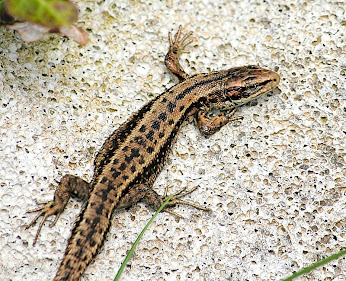
    Sun-Baked Lizard

    It’s a beautiful day in the countryside, and as I’m out for a walk, I spot something basking in the sun on a nearby rock. As I get closer, I realise it’s a common lizard, a species native to the UK and one of the most commonly seen reptiles in the country.

    The common lizard is a small and slender species, reaching only about 15 cm in length when fully grown. They are a greenish-brown color, with darker crossbands running down their backs and tails. Their scales are smooth and shiny, and they have long, thin legs and a pointed tail.

    Also known as the viviparous lizard (Zootoca vivipara), is a species of reptile native to Eurasia. It is known for being able to survive in the northernmost regions of any non-marine reptile and for its unique reproductive process. Unlike other reptiles, which lay eggs, the common lizard is viviparous, meaning it gives birth to live young. The scientific names “Zootoca” and “vivipara” both refer to this ability, with “Zootoca” coming from the Greek word for “live birth” and “vivipara” coming from the Latin word for the same. Prior to 2007, the it was classified in the genus Lacerta, but a study by Arnold, Arribas, and Carranza split the genus into nine separate genera, resulting in the common lizard being reclassified as Zootoca vivipara.

    “The common lizard, not often seen
    But those who find it, a lucky being
    It blends in well, a master of disguise
    But its beauty, if found, will surely surprise”

    Anthony

    As I watch, the lizard seems to be enjoying the warm sun on its back. It’s a common behaviour for reptiles, who rely on external heat sources to regulate their body temperature. This is known as thermoregulation, and it’s important for lizards (and other reptiles) to be able to do it effectively in order to survive.

    I can see the lizard’s sides slowly rising and falling as it breathes, and every so often it flicks its tongue out to taste the air. It’s a peaceful scene, and I feel lucky to have stumbled upon it.

    These lizards are fascinating creatures, and seeing one sunning itself on a rock is a special treat. They are an important part of the UK’s biodiversity, and it’s important that we do our part to protect them and their habitats. If you’re out for a walk in the countryside and you see a common lizard, take a moment to appreciate it and then let it be on its way. They are a joy to watch, and we should all do our part to help them thrive

    Tap to view my redbubble gallery.
  • Dolly and the Thrill Seekers

    Dolly and the Thrill Seekers

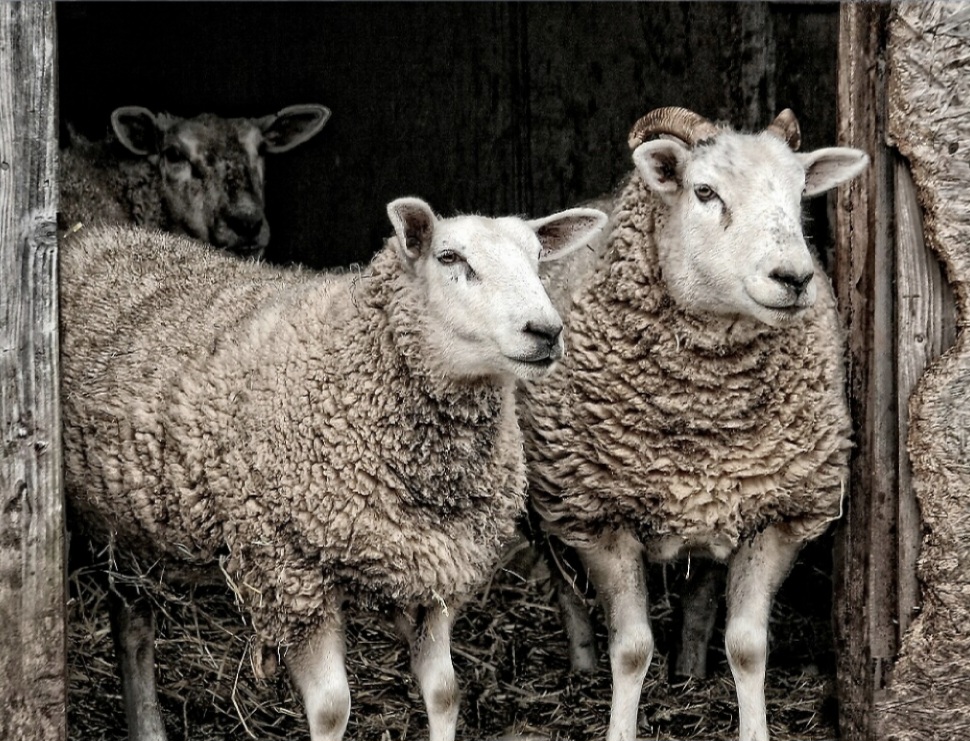
    Dolly bleats-a-lot (left), Woolly Bully (right) and Count Fluffula (lurking in the dark)

    Tap photo to view in redbubble.

    Once upon a time, in a small village, there lived three sheep. Their names were Dolly bleats-a-lot, Count Fluffula, and Woolly Bully. These sheep were quite ordinary, just like any other sheep you might encounter on a farm.

    One day, the three sheep decided they were tired of their mundane lives, and they wanted to do something exciting. So, they set out on an adventure.

    First, they went to the top of a nearby hill. It was a bit windy up there, but they managed to make it to the top without incident. From the top of the hill, they could see the entire village below. It was a rather unremarkable view, but they took a few pictures with their phones just to document the occasion.

    Next, they decided to visit the local amusement park. They had heard that there were lots of fun rides and games there. When they arrived, however, they were disappointed to find that the amusement park was closed for renovations.

    Undeterred, the sheep decided to try something else. They went to the beach, hoping to catch some waves on their surfboards. Unfortunately, the ocean was quite choppy that day, and the sheep were tossed about by the waves. They ended up getting a bit wet, but they had a good time despite the rough conditions.

    In the end, the sheep returned home, feeling a bit disappointed that their adventure had not been more exciting. However, they were grateful for the opportunity to try new things and have a change of scenery. And who knows, perhaps they will have another exciting adventure in the future. The end.

    Tap to view my redbubble gallery.

    Other interesting posts

Design a site like this with WordPress.com
Get started