Author: Anthony Thomas

  • Sammy’s Golden Years

    Sammy’s Golden Years

    Growing old but not growing up
    Tap to view in my redbubble gallery.

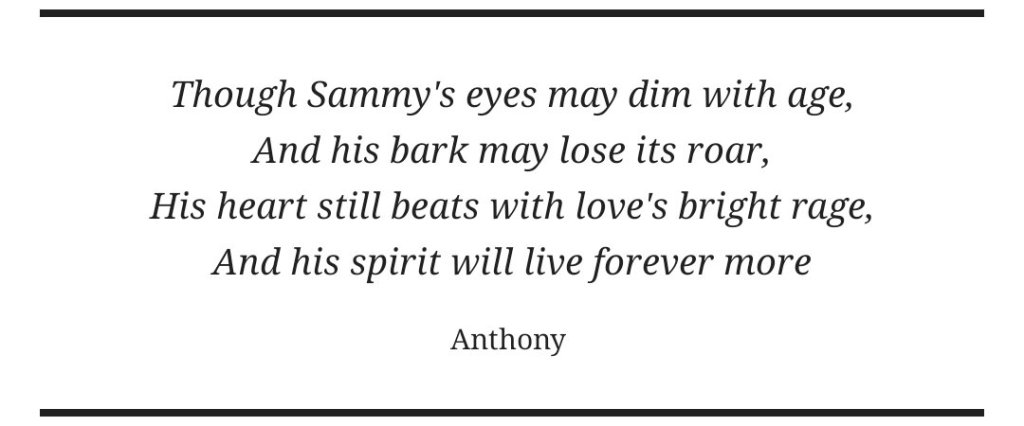
    As I sit here, staring out the window, I can’t help but reflect on the many years that have passed. I am an old Yorkshire Terrier, and my name is Sammy.

    I remember when I was a young pup, full of energy and excitement for the world around me. I would run and play for hours on end, never tiring of the sights and smells of the outdoors. But now, as I approach the end of my days, I find myself resigned to a more sedentary lifestyle.

    My joints ache, and my once shiny coat has grown dull and thin. I no longer have the energy or desire to run and play like I used to. Instead, I spend most of my days lying in the sun, taking it easy and enjoying the simple pleasures in life.

    But even though my body may be old and tired, my mind is still sharp and my heart is still full of love. I am grateful for the many years I have spent with my human family, and I cherish the memories we have made together.

    As I look back on my life, I am content with the knowledge that I have lived a long and happy one. I may be getting old, but I am surrounded by the love and care of my family, and for that, I am truly blessed.

    So, as I lay here, slowly drifting off to sleep, I can’t help but think about all the wonderful experiences I have had and the love I have received. I may be an old Yorkshire terrier, but I am still the same Sammy, who will always be loved by my family.

    Tap to view my redbubble gallery.

    More interesting posts

  • The Pembrokeshire Ghost

    The Pembrokeshire Ghost

    The Lonely Cottage
    Tap to view in my redbubble gallery.

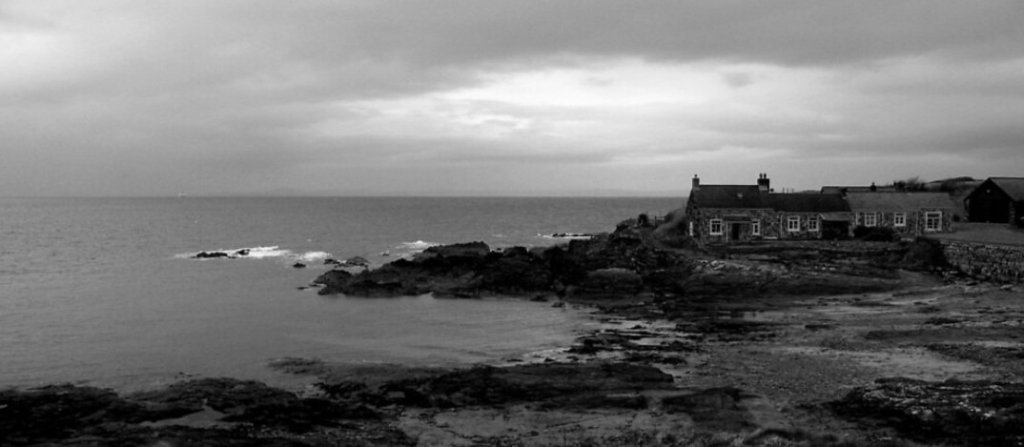
    A small cottage nestled on the lonely Pembrokeshire coast, in an area known as St. Brides Bay. It was said that the bay gets its name from the ancient church that stands near the cliffs, dedicated to the patron saint of young brides.

    The picturesque little cottage had white walls and a thatched roof, surrounded by wildflowers and tall grasses. It had been passed down through generations of a local family, who would often spend their summers there, enjoying the peaceful surroundings and the shoothing sound of the waves crashing against the shore. On winter nights, they would enjoy the open fire’s warmth as the wind howled over the sea.

    However, as the years went by, the cottage began to fall into disrepair. To the villager’s bemusement, the family stopped visiting, and the cottage was left to the elements. The thatch began to rot, the windows cracked, and the walls crumbled. Eventually, the cottage was abandoned, and it became nothing more than a forgotten ruin.

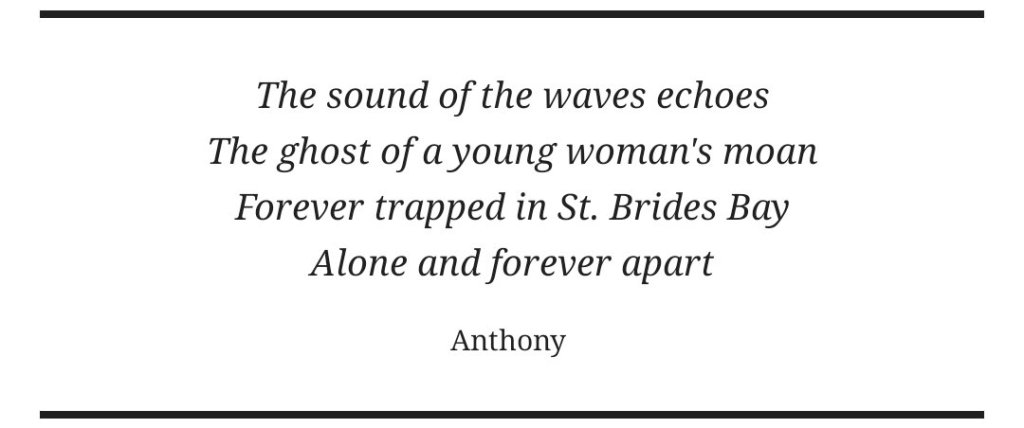
    But the cottage was not truly abandoned. For it was said that the ghost of a young woman still lingered there, wandering the ruins, her long, white dress trailing behind her. She was said to be the ghost of a young woman who had lived in the cottage many years ago. She had been in love with a young man from the village, but their love was forbidden by her family and he was sent to sea to keep them apart. In a fit of despair, she threw herself from the cliffs, her ghost remaining behind to mourn her lost love.

    The villagers avoided the cottage, believing it to be cursed. But one day, a young couple, drawn by the beauty of the coast, decided to buy the cottage and restore it to its former glory. As they began their renovations, they soon discovered that the ghost of the young woman was not the only thing haunting the cottage. There were strange noises in the night and objects would move on their own. The couple became terrified and decided to leave the cottage, never to return.

    Now, the cottage once again stands abandoned, and the ghost of the young woman still wanders the ruins, her love for her lost lover still unfulfilled. It is said that on quiet nights, her ghostly figure can be seen standing on the cliffs, looking out to sea, waiting for the return of her true love.

    The villagers say that the wind whispers her name on stormy nights and, until someone is brave enough to restore the cottage and fill it with laughter and true love, the ghost of the young woman will continue to wander the Pembrokeshire coast, a lonely and sad figure, forever trapped in the past and the present.

    Tap to view my redbubble gallery.

    More interesting posts

  • Mumbles Pier History

    Mumbles Pier History

    A Gem on the Welsh Coast
    Tap to view my redbubble gallery.

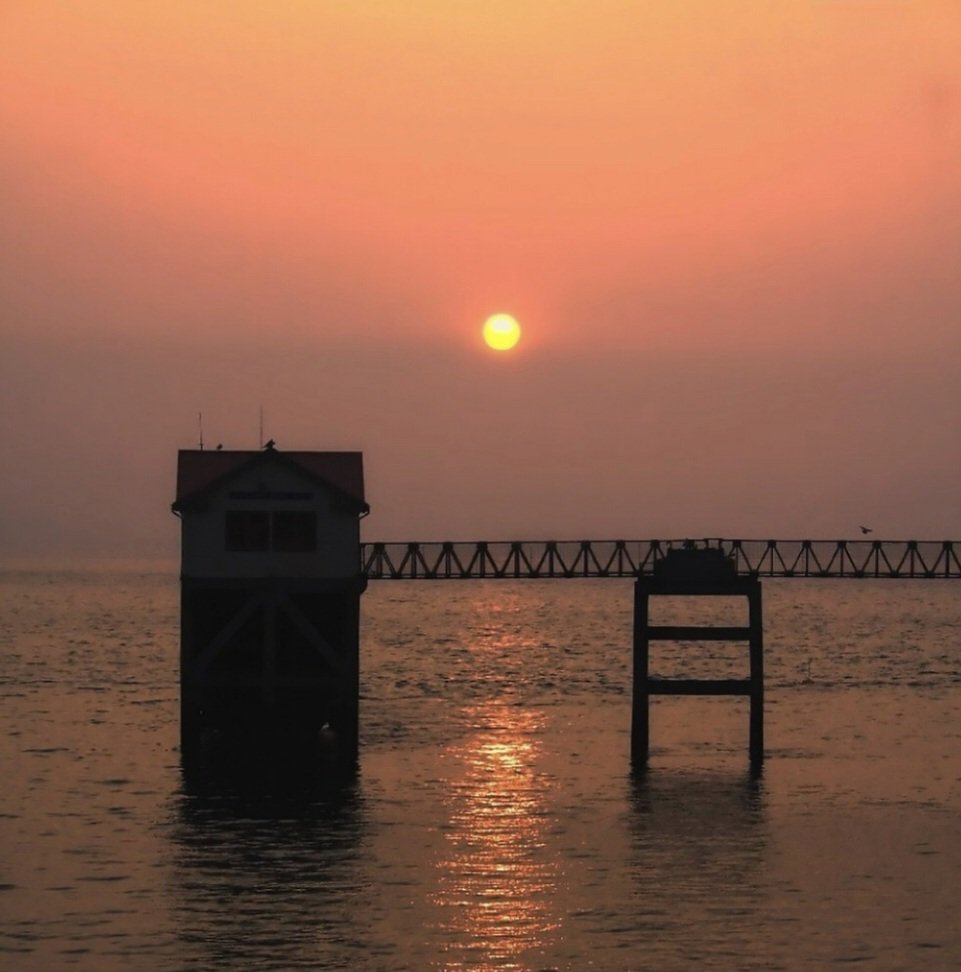
    Mumbles Pier, located in the seaside town of Mumbles in Swansea, Wales, has a rich history dating back to the 19th century. The pier was first built in 1898 as a landing stage for the steamships that transported passengers to and from the town. It was also the destination for passengers of the Swansea and Mumbles Railway, which was the world’s first horse-drawn public passenger train service.

    The pier is also a popular spot for fishing, with several fishing platforms and a bait shop located along its length. It’s also a great place to take a leisurely stroll and admire the views of the sea and the coast.

    Over the years, the pier has undergone several renovations and expansions. In the 1920s, a pavilion and bandstand were added to the pier, becoming a popular spot for live music and entertainment.

    During World War II, the pier was used as a base for the Royal Navy, and it sustained significant damage during bombing raids. In the 1950s, the pier was rebuilt and a new amusement park was added, drawing even more visitors to the town.

    In recent years, Mumbles Pier has undergone a major refurbishment, with new attractions and facilities added, including a children’s play area and a restaurant. The pier remains a popular tourist destination, attracting visitors with its beautiful views of the coast and its rich history.

    Overall, Mumbles Pier is a unique and vibrant part of the local community, with a rich history and a bright future. It continues to be a popular destination for visitors and locals alike, and its unique blend of history and modern amenities make it a must-see attraction for anyone visiting the area.

    Tap to view my redbubble gallery.

    More interesting posts

  • Discovering Gloucester Cathedral

    Discovering Gloucester Cathedral

    The Timeless Wonders of Gloucester Cathedral
    Tap to view in my redbubble gallery.

    Architectural Wondes
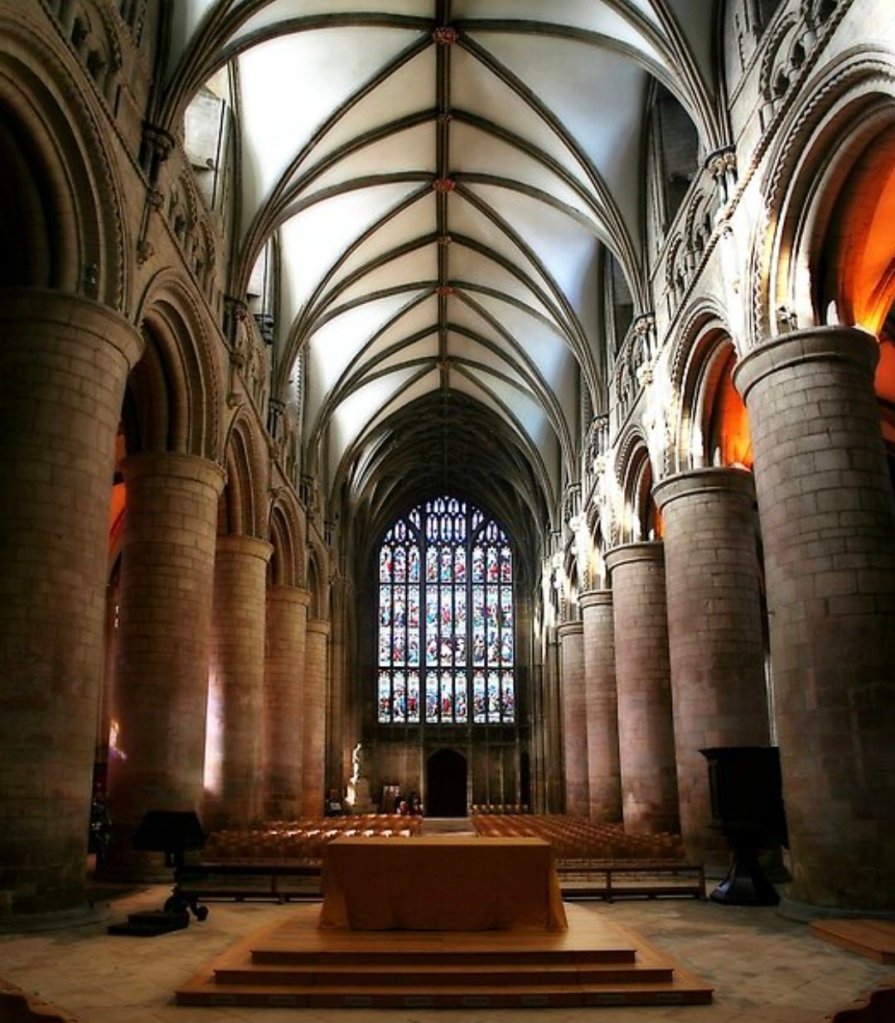
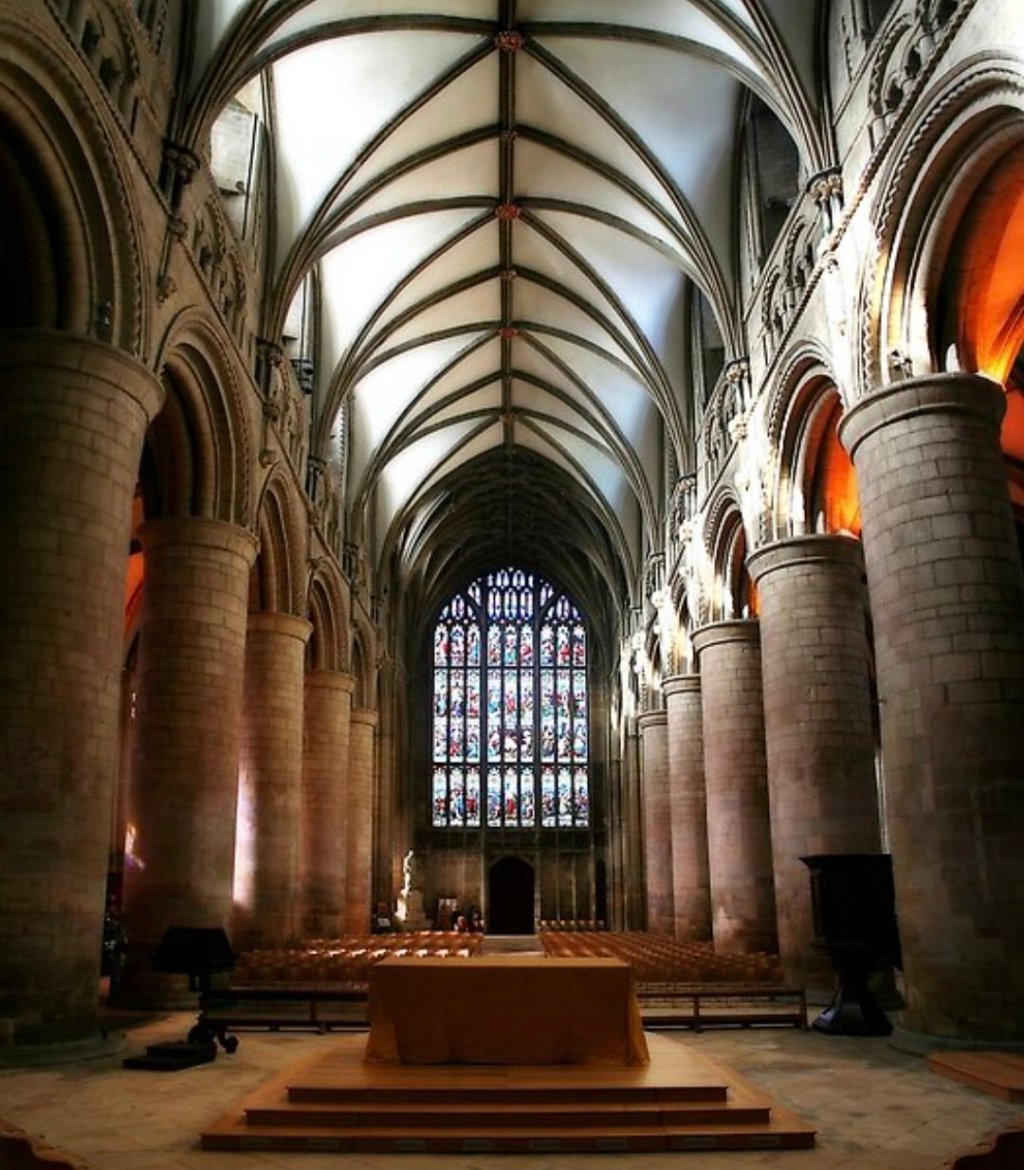
    Located in the heart of Gloucester, England, the Cathedral Church of St. Peter and the Holy and Indivisible Trinity, better known as Gloucester Cathedral, is a stunning example of medieval architecture. With a history dating back to the 11th century, the cathedral has stood the test of time, surviving wars, fires, and the test of time. In this article, we will take a tour through the architectural wonders of this magnificent building.

    From Roman Times to the Present
    The history of Gloucester Cathedral dates back to the Roman era, when a temple dedicated to the god Nodens stood on the site. The temple was later replaced by a Saxon church, which was then rebuilt in the 11th century as a Norman cathedral. Over the centuries, the cathedral has undergone many changes, including the addition of chapels, cloisters, and a magnificent stained glass window. The most significant addition, however, was the construction of the Eastern Lady Chapel in the 14th century, which is considered one of the finest examples of Perpendicular Gothic architecture in England.

    The Beauty of the Stained Glass Windows
    One of the most striking features of Gloucester Cathedral is its collection of stained glass windows. The earliest of these date back to the 13th century, and they depict scenes from the Bible, as well as images of saints and other religious figures. The most famous of these windows is the Great East Window, which was completed in the 14th century. It is the largest medieval stained glass window in England and depicts the Last Judgement. The window is a masterpiece of medieval art and is considered one of the most important examples of medieval stained glass in the world.

    The Tomb of King Edward II: A Hidden Gem
    Gloucester Cathedral is home to many interesting and significant tombs, but one of the most interesting is that of King Edward II. He was the son of King Edward I and was King of England from 1307 until he was deposed in 1327. He was later murdered in Berkeley Castle, and his body was brought to Gloucester Cathedral for burial. His tomb is located in the sanctuary of the cathedral and is a simple stone slab with a brass plate that bears his name.

    The Role of Gloucester Cathedral in Medieval England
    During the Middle Ages, Gloucester Cathedral played a significant role in the religious and political life of England. The cathedral was a center of pilgrimage and was home to a community of monks who played an important role in the community. In addition, the cathedral was an important site for royal ceremonies, including the coronation of King Henry III in 1216. The cathedral also served as a sanctuary for people seeking refuge from persecution or injustice.

    Secrets of the Cloisters
    The cloisters of Gloucester Cathedral are a peaceful and serene place to explore. These covered walkways were originally built in the 14th century as a place for the monks to meditate and pray. Today, they provide a peaceful retreat from the hustle and bustle of the city. The cloisters are home to many interesting carvings and sculptures, including a

    The Organ: A Musical Treasure
    One of the most impressive features of Gloucester Cathedral is its organ. It is considered one of the finest examples of a medieval organ in England and is still in use today. The organ was built in the 14th century and has undergone several renovations throughout its history. It is renowned for its beautiful tone and is considered a musical treasure. Visitors can hear the organ being played during services or during special organ recitals.

    The Monastic Life: A Look into the Past
    The monastic life played a significant role in the history of Gloucester Cathedral. The cathedral was home to a community of monks, who lived and worked within the walls of the cathedral. They were responsible for the daily worship, the maintenance of the cathedral, and the education of the local people. Visitors can still see the remains of the monastic living quarters, including the dormitory, refectory, and chapter house. These spaces provide a fascinating glimpse into the daily life of the monks who once called Gloucester Cathedral home.

    Preserving the Legacy: Conservation Challenges
    Gloucester Cathedral has stood the test of time for over 900 years, and it is important that its legacy is preserved for future generations. The cathedral is a Grade I listed building, which means that it is of exceptional architectural or historic interest. The cathedral’s conservation team works tirelessly to ensure that the building is in the best possible condition. This includes regular maintenance, cleaning, and restoration work. However, preserving such an ancient building is not without its challenges. The team must balance the need for preservation with the need for accessibility, and they must also find ways to fund the ongoing conservation work. It is a true testament to the skill and dedication of the people who built and continue to care for this historic site.

    Tap to view my redbubble gallery.

    More interesting posts

  • Pick Me, Pick Me!

    Pick Me, Pick Me!

    Daisy’s Longing Significance
    Tap to view in my redbubble gallery.

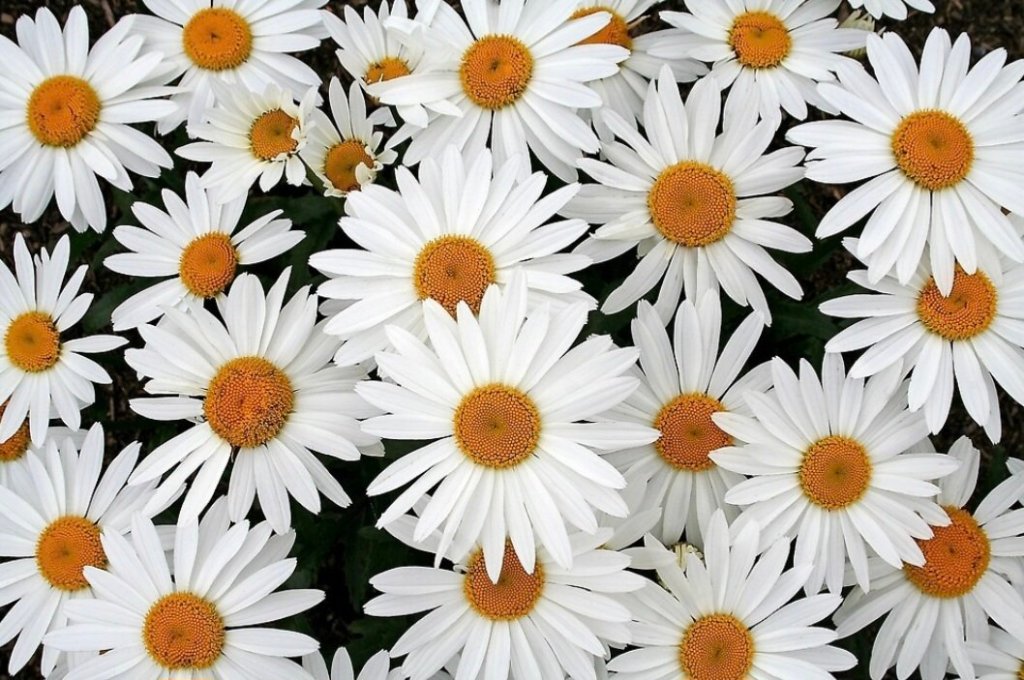
    Daisy (Bellis perennis) is a well-known and widely distributed herbaceous perennial plant in the family Asteraceae. While thousands of daisies can often be found growing in fields and meadows, one particularly unique individual may feel overlooked and unimportant among the vast number of its peers.

    This particular daisy may long to be picked by a passerby or to be placed in a vase as a decorative bouquet. However, its longing may go unfulfilled as it is often overlooked due to its commonality and abundance in its natural habitat.

    Despite its unremarkable appearance among the thousands of other daisies, this individual still possesses the same biological characteristics and adaptations as its peers. It has a characteristic yellow disk floret surrounded by white ray florets, and a basal rosette of leaves. The daisy also has the ability to reproduce through both seed dispersal and vegetative reproduction, ensuring the continuation of its species.

    It is important to remember that every living organism, regardless of its perceived insignificance, plays a crucial role in its ecosystem. The daisy, like all other plants, plays a vital role in providing food and habitat for a variety of animals, and in contributing to the overall biodiversity of its ecosystem.

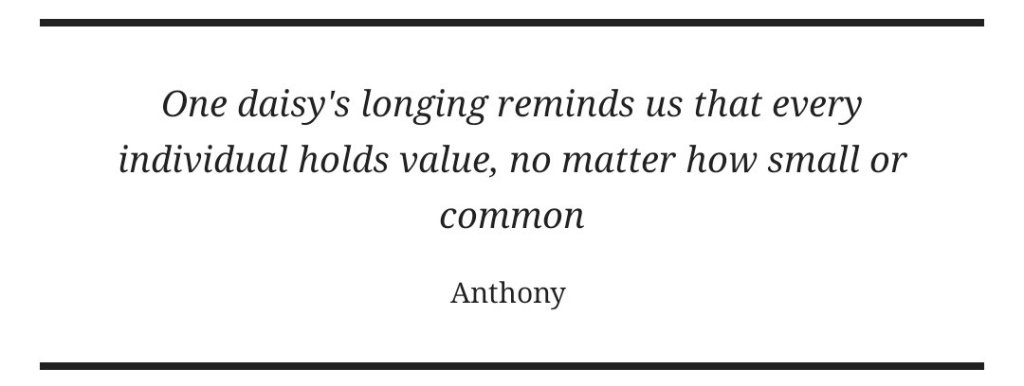
    In conclusion, the longing of one daisy to be picked among thousands may seem insignificant, but it serves as a reminder of the value and worth of every individual organism in the natural world. Each living being, no matter how small or common, plays a crucial role in maintaining the balance of its ecosystem.

    Tap to view my redbubble gallery.

    More interesting posts

  • The Enchanting Lady Falls

    The Enchanting Lady Falls

    Immortal Beauty at Sgwd Gwladys
    Tap to view in my redbubble gallery.

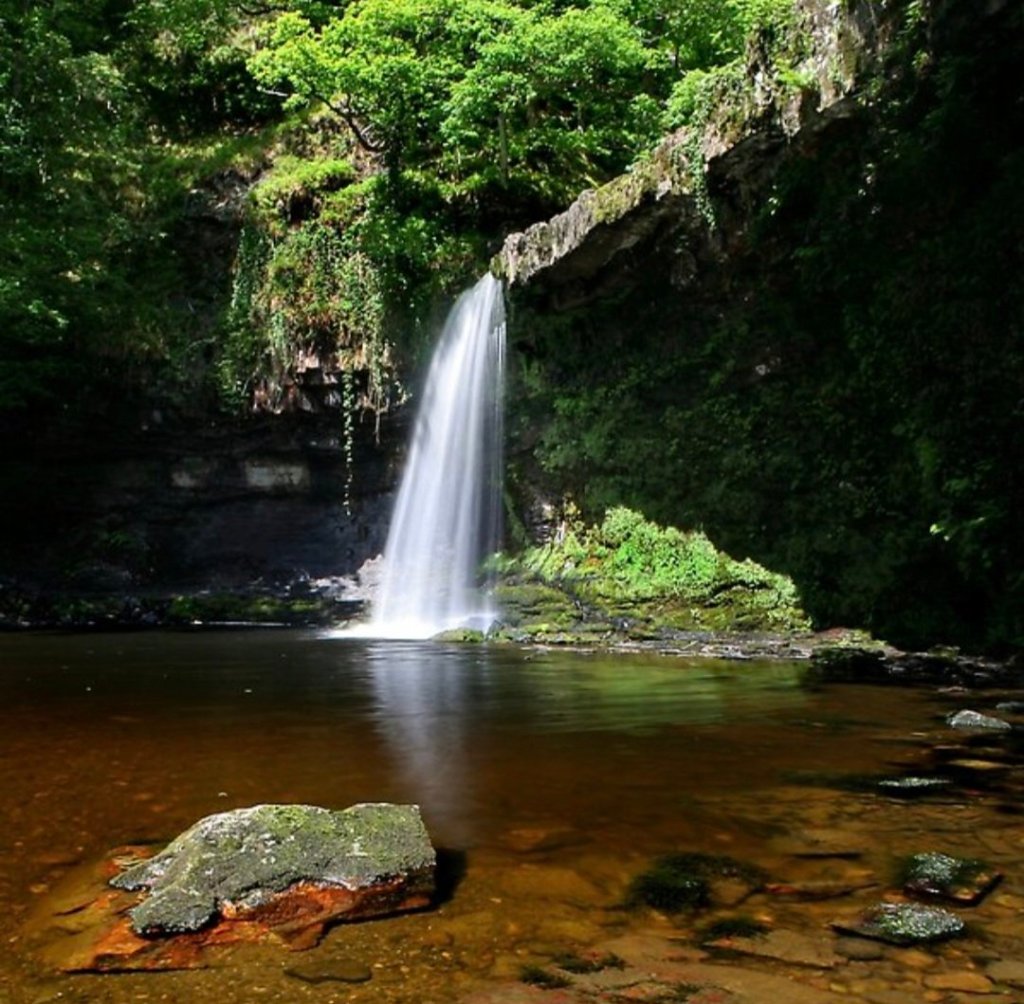
    Sgwd Gwladys, also known as Lady Falls, is a breathtaking waterfall located in the Brecon Beacons National Park in Wales. The falls is named after the Welsh princess Gwladys, who was born around AD 460, and was the daughter of King Brychan of Brycheiniog. Legend has it that she fell in love with a man called Einon, and though she could not be with him in life, she is forever with him on the River Pyrddin as the waterfall Sgwd Einon Gam is located several hundred metres upstream.

    The waterfall is a popular spot for visitors to the national park, and it’s easy to see why. The water cascades down a steep rock face, creating a beautiful curtain of water that sparkles in the sunlight. The sound of the water falling is soothing, and the mist created by the waterfall provides a refreshing coolness on a hot summer’s day. This waterfall is also good for wild swimming.

    The Brecon Beacons is a beautiful area, and Sgwd Gwladys is just one of many natural wonders that visitors can enjoy. The national park is home to a wide range of wildlife, including red kites, buzzards, and peregrine falcons. There are also many walking trails that take visitors through the stunning scenery, including the Waterfall Trail, which takes visitors to Sgwd Gwladys and other nearby waterfalls

    Its natural beauty, peaceful atmosphere, and legendary background make it a perfect spot to relax and take in the stunning scenery. Whether you’re a nature lover or just looking for a peaceful place to unwind, Sgwd Gwladys is sure to impress.

    Tap to view my redbubble gallery.

    More interesting posts

  • A Pony’s Promise

    A Pony’s Promise

    Snowflake’s Gift of Hope
    Tap to view in  my redbubble gallery.

    I am Snowflake, a pure white pony, and my life changed forever the day I was given to a young girl named Sophia.

    At first, I didn’t know what to make of my new home. I was used to living in a field with other horses, but now I was in a stable, surrounded by unfamiliar sights and smells. But then I met Sophia, and everything changed.

    She was weak and fragile, but she had a kind and gentle spirit. I could sense that she was hurting, and I knew I had to help her. I nuzzled her and let her brush my coat, and I could see the spark of life return to her eyes


    As the days passed, Sophia and I became inseparable. She would come to my stable to visit me, and we would take walks together. She would tell me about her day and her worries, and I would listen and offer her comfort. I could sense that I was helping her in some way, and it made me happy.

    I could see that Sophia was getting better, but I also knew that she was still weak. I made sure to be extra gentle with her, and I never strayed too far from her side.

    Eventually, Sophia was well enough to go home. I was sad to see her go, but I knew I would see her again. And I was right, because her parents arranged for me to come home with her.

    Now, Sophia and I are together all the time. We take care of each other and have fun together. I know that I have helped her to recover both physically and emotionally, and for that, I am proud and grateful.

    I am Snowflake, a simple white pony, but I have been able to make a difference in someone’s life, and that is the greatest gift of all.

    Tap to view my redbubble gallery.

    More interesting posts

  • Discovering the Welsh Cob

    Discovering the Welsh Cob

    A Pony with Heart and Soul
    Tap to view in my redbubble gallery.

    The Welsh cob, also known as the Welsh pony of cob type, is a versatile and hardy breed of pony that hails from Wales. These ponies are known for their strong and compact build, as well as their docile and friendly personalities.

    One of the defining characteristics of the Welsh cob is its thick, flowing mane and tail. This, combined with their strong and sturdy build, makes them a popular choice for showing and driving. They are also well-suited for a variety of other activities, such as jumping and dressage, and are often used as a children’s pony due to their calm and patient nature.

    The Welsh cob’s history can be traced back to the 13th century, when they were used by farmers and miners in Wales. They were bred to be strong and sturdy, able to pull heavy loads and work long hours in harsh conditions. Today, the Welsh cob is still used for a variety of purposes, including riding, driving, and as a companion animal.

    The Welsh cob comes in a variety of colours, including black, bay, chestnut, and palomino. They range in height from 12 to 14 hands, and can weigh anywhere from 800 to 1,200 pounds.

    The Welsh cob breed is divided into four classes, each with their own specific characteristics and requirements. The main classes are:

    Section A: This class is for Welsh Mountain Ponies, which are the smallest and most delicate of the Welsh cobs. They stand at a maximum of 12.2 hands and have a refined head and elegant neck.

    Section B: This class is for Welsh Pony of Cob Type, which are slightly larger and heavier than the Section A ponies. They stand at a maximum of 14.2 hands and have a more substantial build and a stronger head.

    Section C: This class is for Welsh Cob, which are the largest and heaviest of the Welsh cobs. They stand at a minimum of 14 hands and have a strong and sturdy build, with a powerful head and neck. They are considered the most versatile of the Welsh cobs and are used for showing, driving, and jumping.

    Section D: This class is for Welsh Cob mares and geldings. They stand at a minimum of 14 hands and have a strong and sturdy build, with a powerful head and neck. They are used for a variety of activities, including showing, driving, and jumping.

    Overall, they are a beautiful and elegant animal that is both functional and versatile.

    Tap to view my redbubble gallery.

    More interesting posts

  • Bull by the old house in Hereford

    Bull by the old house in Hereford

    The Hereford Bull
    Tap to view in my redbubble gallery.

    The Hereford Bull Statue and the Old House in Hereford are two of the most iconic sights in the city. The Hereford Bull Statue is a life-sized bronze statue of a Hereford bull that was donated to the city in 2012 by Clive Richards and designed by the architect Brian Alabaster. The statue stands in front of the Old House, a timber-framed Black and White House Museum at the eastern end of High Town. The statue, which stands 1.6m high, has become a popular spot for tourists to visit and take photos.

    The Old House is a Grade I listed building and is believed to be the oldest surviving timber-framed house in England. It was originally built during the 15th-century and was once the family home of the influential Chandos family. Starting life as a butcher’s home and shop and finishing its commercial life in the hands of Lloyds Bank in the late 1920s.

    The house has been carefully restored and since 1929 it has been a fascinating museum giving an insight into daily life in Jacobean times. It is furnished in period style with an internationally important collection of English oak furniture and there are interesting pieces in every. It is filled with historic artefacts and displays that tell the story of the city, its people and its culture.

    Both the Hereford Bull Statue and the Old House are important symbols of the city’s heritage. They both serve as reminders of the city’s rich past and its unique character, making Hereford a truly special place to visit.

    Tap to view my redbubble gallery.

    More interesting posts

  • Cottongrass in Wales’ Wetlands

    Cottongrass in Wales’ Wetlands

    Beyond the Fluff
    Tap to view in my redbubble gallery.

    Wales is known for more than just its fluffy sheep – it’s also home to the fluffy and fabulous Common Cottongrass. This plant, also known as Eriophorum angustifolium, can be found all over Wales’ Wetlands, particularly in Snowdonia and on Cors Caron, the great red bog at Tregaron in the upper reaches of the River Teifi.
    With its cotton-like seed heads that appear in late summer and autumn, it’s easy to see why it’s called “Common Cottongrass”. The fruits of the Common Cotton Grass plant are what make it so visible. They are dark brown and have white cotton-like hairs resembling cotton wool. These cotton-like heads are what give the plant its name.
    But don’t be fooled by the name; Despite being called a “grass”, Common Cottongrass is actually a sedge. It is wind-pollinated, which is why it is often found in large clusters. The yellow anthers provide a little colour to the spiky clusters of flowers

    And it’s not just a pretty face – this plant plays a vital role in maintaining a healthy ecosystem. With deep roots that allow it to access water and nutrients deep below the surface, it helps to stabilise the soil and prevent erosion. Plus, its seeds are a tasty treat for birds. So next time you’re in Wales, don’t just look out for the sheep – keep an eye out for the fluffy and fabulous Common Cottongrass too!

    Tap to view my redbubble gallery.

    More interesting posts

Design a site like this with WordPress.com
Get started