Celestial poets Nightingales and blossoms dance In nocturnal light
Anthony
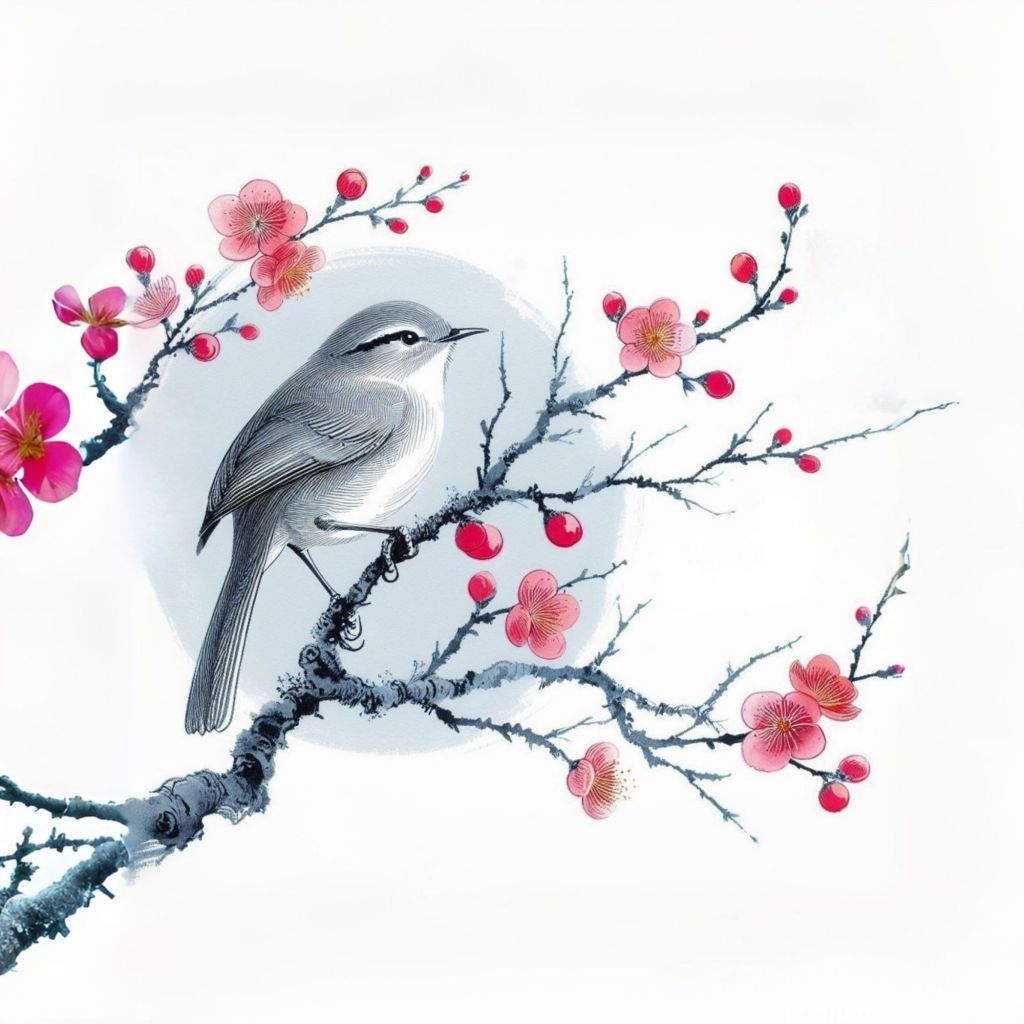
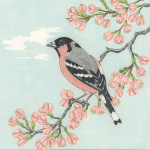
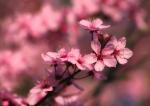
Nightingale and apricot blossom
Amidst the moonlit embrace of silken night, the nightingales awaken, their melodic cadence echoing through the shadows of darkness. Each note, a delicate brushstroke on the void of silence, betraying the secrets of the sleeping world.
Beneath the celestial glow, plum blossoms unfurl their ivory petals, a silent ballet in the moon’s tender spotlight. Their fragrance, a murmured promise of spring, mingles with the nightingales’ song, creating a sensation of timeless enlightenment.
In this nocturnal ballet, the nightingales become poets, and the plum blossoms, muses. Together, they dance in the realm of dreams, where the fragrance of blossoms lingers in the air like verses penned by nature’s hand.
As the nightingale serenades the sleeping earth, the plum blossom nods in silent approval, its delicate branches swaying harmoniously with the celestial melody. A nocturne of nature unfolds, a tale told in trills, warbles and gently whispering petals.
Under the watchful gaze of the moon, the nightingales and plum blossoms become ephemeral poets, crafting verses that only the nocturnal hearts can decipher. In this moonlit reverie, their delicate partnership paints the night with the hues of beauty and quiet resilience.
And so, the nightingales and plum blossoms remain intertwined in the embrace of the night, a celestial dance that unfolds when the world slumbers, leaving behind a poetic enchantment that lingers until the first light of dawn.
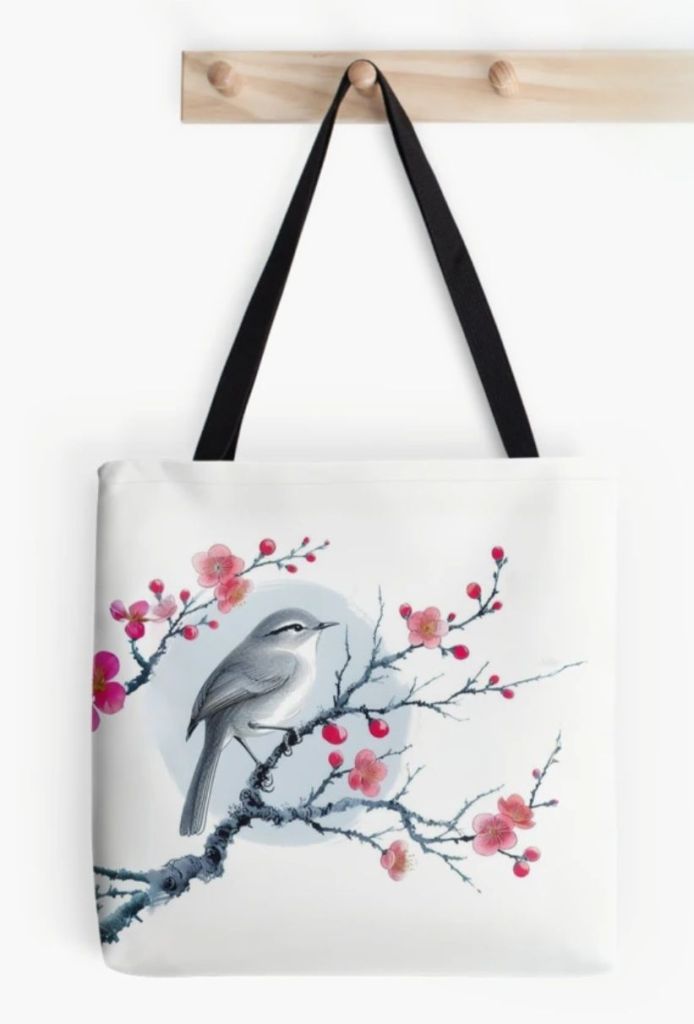
Tap image to buy on redbubble Tap image to buy a tote bag on redbubbleIf you find this content inspiring and uplifting, consider supporting what I do. Buy me a coffee on Ko-fi. Your support makes a difference in my life and helps me create more of what you, and I, like. Thank you!Tap to view my redbubble gallery.
I had been traveling for months, seeking adventure and new experiences. I had seen many wonders and met many people, but I also felt a growing longing for my home. I missed the green hills, the gentle breeze, and the familiar faces of my family and friends. I wondered if they still remembered me, or if I had become a stranger to them.
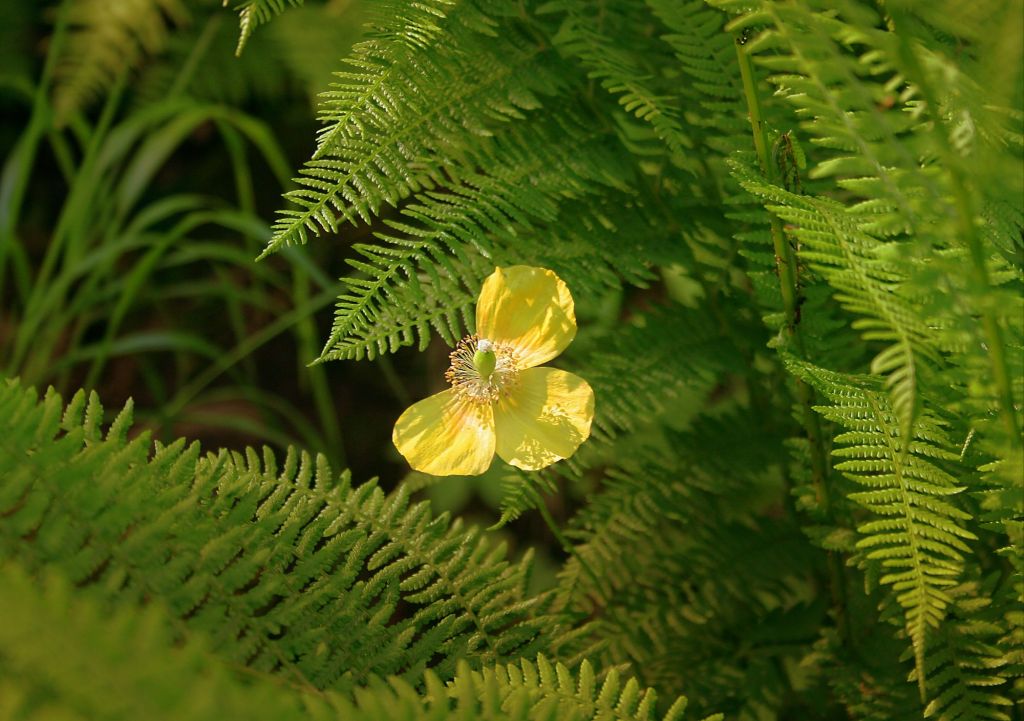
Life among the ferns
Distant sun’s bright call, Dreams bloom in a foreign land, Homeland whispers near.
Anthony
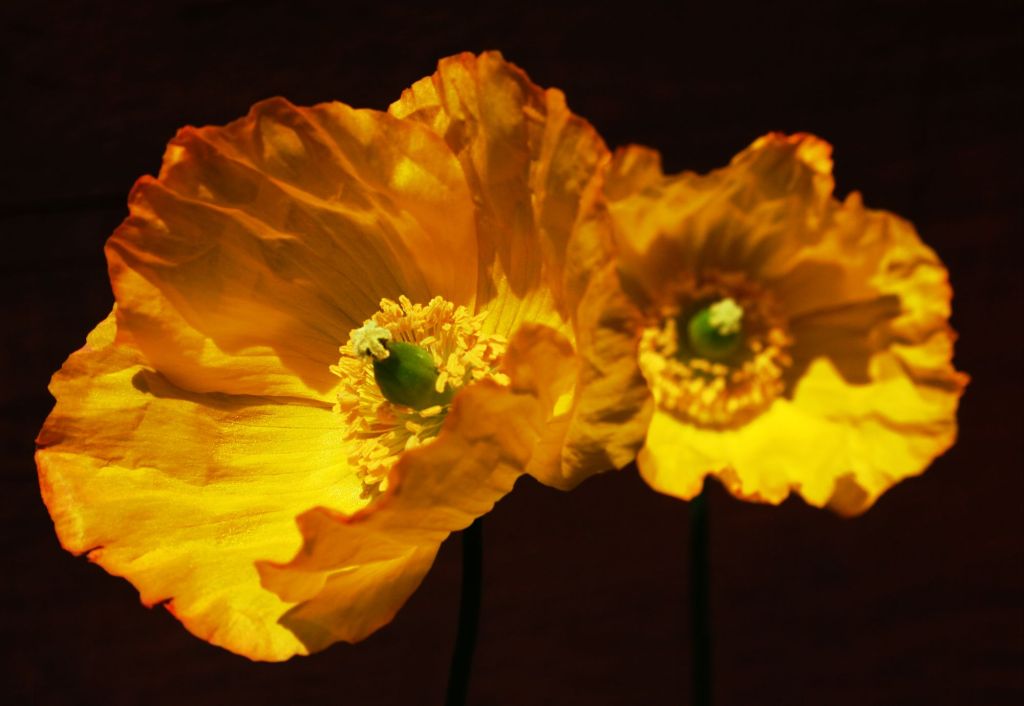
One day, I came across a small market in a foreign town. I browsed through the stalls, looking for something to buy as a souvenir. I saw a bunch of flowers that caught my eye. They were bright yellow, with four petals and a sparkling center. They looked like miniature suns, radiating warmth and joy. I asked the seller what they were called.
“Aye, Welsh poppies those are, like the ones dancin’ wild in the hills back home,” the seller chuckled, his voice warm with a lilt like wind through barley. “Tough little buggers, they are, sproutin’ up anywhere you look. But special, mind you, with a magic all their own. Some say they hold the cure for hiraeth, that ache in your heart for the land you miss. Sleep with one o’ these beauties tucked beside you, and even in the farthest corner of the world, you’ll dream of home, green and sweet and familiar as your mam’s lullaby.”
I felt a surge of emotion. I had not seen a Welsh poppy before, nor had I dreamed of my homeland. I felt a sudden urge to buy one and see if the seller’s words were true. I paid a few coins and took a single flower. I thanked the seller and left the market.
That night, I found a quiet spot to camp. I laid down my sleeping bag and placed the Welsh poppy next to my pillow. I closed my eyes and hoped for a good dream.
Green hills in slumber’s grasp, Ancestors’ warm embrace, Roots rediscovered.
Anthony
I woke up in a meadow. I felt the soft grass under my body and the fresh air in my lungs. I opened my eyes and saw a blue sky above me, dotted with white clouds. I sat up and looked around. I recognized the landscape. I was in my homeland.
I felt a wave of happiness and disbelief. I wondered if I was still dreaming, or if I had somehow been transported here. I got up and walked towards a nearby hill. I saw a familiar sight. A stone cottage, with a thatched roof and a chimney. Smoke was rising from it, and a warm light glowed in the window. Somehow I knew who lived there. My ancestors.
I ran towards the cottage, eager to see them. I knocked on the door and waited. The door opened, and I saw a face I had only seen in old photographs. My great-grandfather, who had died before I was born. He looked just like my father, but older and wiser. He smiled and greeted me.
“Hello, my boy. I’ve been expecting you. Come in, come in. You must be hungry and tired. We have plenty of cawl and a warm hearth for you. You are welcome here. You are one of us.”
Tears welled up in my eyes. I hugged my great-grandfather and thanked him. I entered the cottage and saw more familiar faces. My great-grandmother, my great-uncles and aunts, my cousins. They all welcomed me with open arms and kind words. They made me feel at home.
I spent the day with them, talking, laughing, and sharing stories. I learned about their lives, their struggles, and their joys. I felt a connection with them that I had never felt before. I felt a sense of belonging and purpose. I felt like I had found my roots.
I stayed with them for a while, enjoying their company and their hospitality. I felt happy and peaceful. I did not want to leave. I wished I could stay with them forever.
But this was not my time to stay, I knew I had to go. I had a life of my own, a life I had chosen. I had a world to explore, a world I loved. I had to wake up and continue my journey.
I said goodbye to my ancestors, promising to visit them again. They hugged me and wished me well. They gave me a gift. A Welsh poppy, to remind me of my homeland and my heritage. They told me to keep it close to my heart, and to never forget who I was and where I came from.
I thanked them and left the cottage. I walked back to the meadow, where I had awoken. I lay down on the grass and closed my eyes. I felt the Welsh poppy in my hand, and the warmth of my family in my soul.
I woke up in my sleeping bag. I felt the cold ground under my body and the crisp air in my lungs. I opened my eyes and saw a dark sky above me, sprinkled with stars. I sat up and looked around. I was back in the foreign land, far away from my home.
I felt a mix of emotions. I felt sad and nostalgic, but also grateful and inspired. I had just had the most amazing dream of my life, a dream that had changed me. I had seen my homeland, and met my ancestors. I had learned about my past, and gained a new perspective on my present and future.
I got up and packed my things. I took the Welsh poppy and put it in my pocket. I felt its magic and its meaning. I smiled and continued my journey.
I was a traveller, but I also had a home, and I had a family. I had a dream, and I had a reality. I had a Welsh poppy, and I had a heart.
Hiraeth “Hiraeth” is a beautiful and complex Welsh word that does not have a direct English translation. While sometimes described as “homesickness”, it carries a much deeper and nuanced meaning. Here’s a breakdown:
Not just homesickness: While it has elements of longing for a place, hiraeth encompasses more than just missing somewhere you used to live. It touches on: Nostalgia: A yearning for a past time, often idealised, that may not even have existed. Grief and loss: A melancholic feeling for something irretrievably lost, whether a person, place, or a sense of belonging. Longing for something intangible: A yearning for a connection to something beyond the physical world, like heritage, community, or a sense of belonging. Uniquely Welsh: Hiraeth is deeply rooted in Welsh culture and history, reflecting the complex relationship between the Welsh people and their land. It captures a specific yearning for Wales, its landscapes, and its cultural identity. No perfect translation: Due to its nuanced nature, hiraeth is difficult to translate directly into English. It requires context and understanding of the cultural significance to truly grasp its meaning.
Here are some similar concepts in other languages that capture different aspects of hiraeth:
Saudade (Portuguese): A melancholic longing for something missing, often accompanied by a sense of incompleteness. Sehnsucht (German): A deep yearning for something unattainable, often accompanied by a sense of dissatisfaction with the present. Tizita (Amharic): A complex emotion encompassing longing, nostalgia, and bittersweet joy, often associated with specific cultural experiences.
Hiraeth is a beautiful and evocative word that captures a unique emotional experience. Understanding its full meaning requires appreciating its cultural context and the complex emotions it carries.
Daffodils are one of the most popular spring flowers, with their cheerful yellow petals and sweet fragrance. But did you know that daffodils also have a long history of medicinal uses? Ley’s explore some of the fascinating facts and benefits of these beautiful blooms.
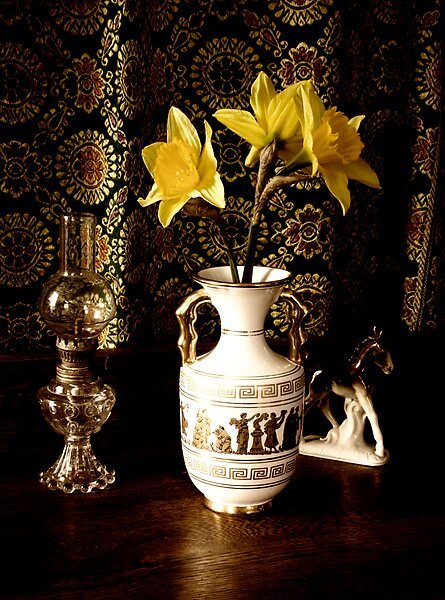
Collected a few trinkets to show off my daffodils. Tap to see my red bubble gallery
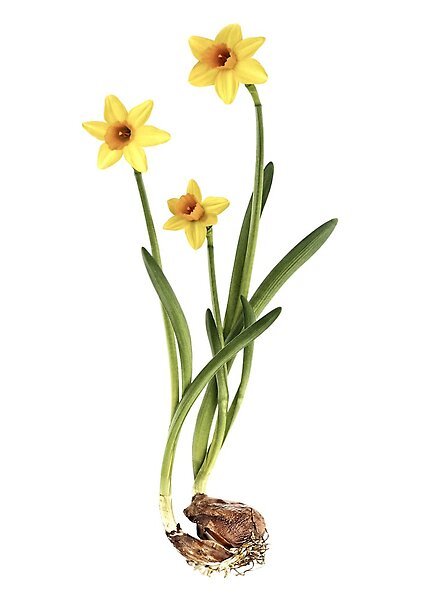
Daffodils belong to the genus Narcissus, which includes about 50 species and thousands of cultivars. They are native to Europe, North Africa, and Asia, and have been cultivated for centuries. The name Narcissus comes from the Greek myth of a handsome youth who fell in love with his own reflection in a pool of water, fell in, and drowned. The gods turned him into a flower that bears his name. I guess this is where the word narcissist comes from.
I found this daffodil bulb down the back of my potting table and thought it was very interesting. I photographed it on a sheet of white paper.
Daffodils have been used regularly in folk and traditional medicine, for in addition to the well-documented sickness-inducing properties, extracts can produce numbness, hallucinations, convulsions and cardiac effects, as well as being used for centuries in cancer treatments. The Greek physician Hippocrates, known as the father of medicine, recommended daffodil oil for uterine tumours. Roman Pliny the Elder suggested topical use of the oil. The bulbs have also been used to treat tumours in North Africa, in Central America, in Arabian medicine, and in Chinese medicine during the Middle Ages. Traditional Japanese medicine uses the root to treat wounds.
The reason why daffodils have such potent effects is because they contain various alkaloids, which are nitrogen-containing organic compounds that have a range of biological activities. Some of the alkaloids found in daffodils are lycorine, galantamine, haemanthamine, and narciclasine. These alkaloids have different effects on the body, such as inducing vomiting, inhibiting acetylcholinesterase, disrupting microtubules, and inducing apoptosis.
One of the most promising alkaloids in daffodils is galantamine, which has been shown to improve cognitive function and slow down the progression of Alzheimer’s disease. Galantamine works by inhibiting acetylcholinesterase, an enzyme that breaks down acetylcholine, a neurotransmitter that is involved in memory and learning. By increasing the levels of acetylcholine in the brain, galantamine can enhance cognitive performance and reduce the symptoms of dementia.
Another alkaloid that has potential anti-cancer properties is narciclasine, which has been found to inhibit the growth and invasion of various types of cancer cells, such as glioblastoma, breast, lung, colon, and prostate cancer. Narciclasine works by disrupting the microtubules, which are structures that help the cells divide and move. By interfering with the microtubules, narciclasine can induce cell death and prevent tumour formation.
However, before you rush to your garden and start eating daffodils, be warned that they are not safe for consumption. All parts of the plant are poisonous, and can cause severe skin irritation, nausea, vomiting, diarrhoea, and abdominal pain. In larger doses, they can cause more serious side effects, such as hallucinations, convulsions, cardiac arrhythmias, and even death. There have been numerous cases of people who have mistaken the bulbs for onions or garlic, or the stems and leaves for chives, and have become seriously ill or died after eating them. Therefore, it is best to consult a healthcare provider before using any products that contain daffodil extracts.
Daffodils are more than just pretty flowers. They are also a source of powerful compounds that have a range of medicinal uses. However, they are also very toxic and should be handled with care.
I hope you enjoyed this blog and learned something new. Thank you for reading! 😊
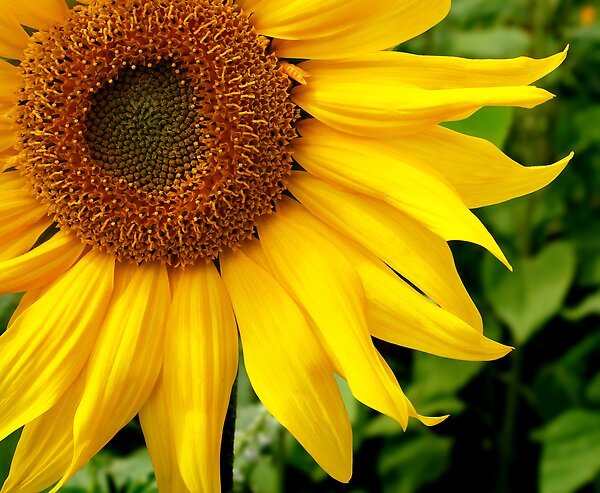
Sunflowers are amazing plants that have many fascinating features and uses. Here are some interesting facts about sunflowers that you might not know:
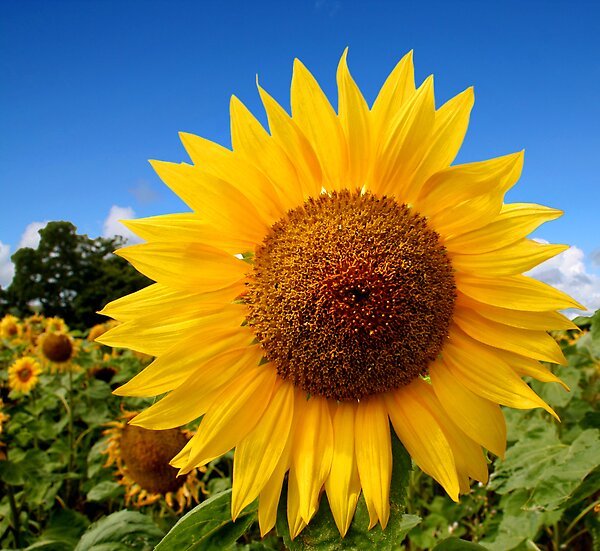
I took this photo a few years ago. Talk to you my red bubble gallery
Sunflowers are not just one flower, but many. The large and colourful flower head of a sunflower is actually composed of hundreds of tiny flowers called florets. The outer petals are called ray florets, and the inner ones are called disc florets. The disc florets produce the seeds that we eat or use for oil.
🌻🌻🌻🌻🌻🌻🌻🌻🌻🌻🌻🌻🌻🌻🌻🌻🌻🌻🌻
Sunflowers can follow the sun across the sky. This behaviour is called heliotropism, and it helps the sunflowers get more sunlight and attract more pollinators. Sunflower buds face east in the morning and slowly turn west as the day progresses. However, once the sunflowers are fully bloomed, they stop moving and stay facing east.
Another of my sunny photos. Talk to you my red bubble gallery
Sunflowers have many benefits for humans and animals. Sunflower seeds are rich in vitamin D, vitamin E, phosphorus, magnesium, selenium, copper, and iron. They can be eaten raw, roasted, or turned into butter or oil. Sunflower oil can be used for cooking, hair conditioning, or leather conditioning. Sunflower petals can be used for dyeing or making tea. Sunflower stems can be used for paper or building materials. Sunflower roots can help remove toxins from the soil. Sunflower pollen and nectar can feed bees and other insects.
I hope you enjoyed learning about sunflowers. They are truly remarkable plants that brighten up our day. 😊
The scent of lost love, Dull roses and thorns remain, Dreams float on the wind.
Anthony Thomas
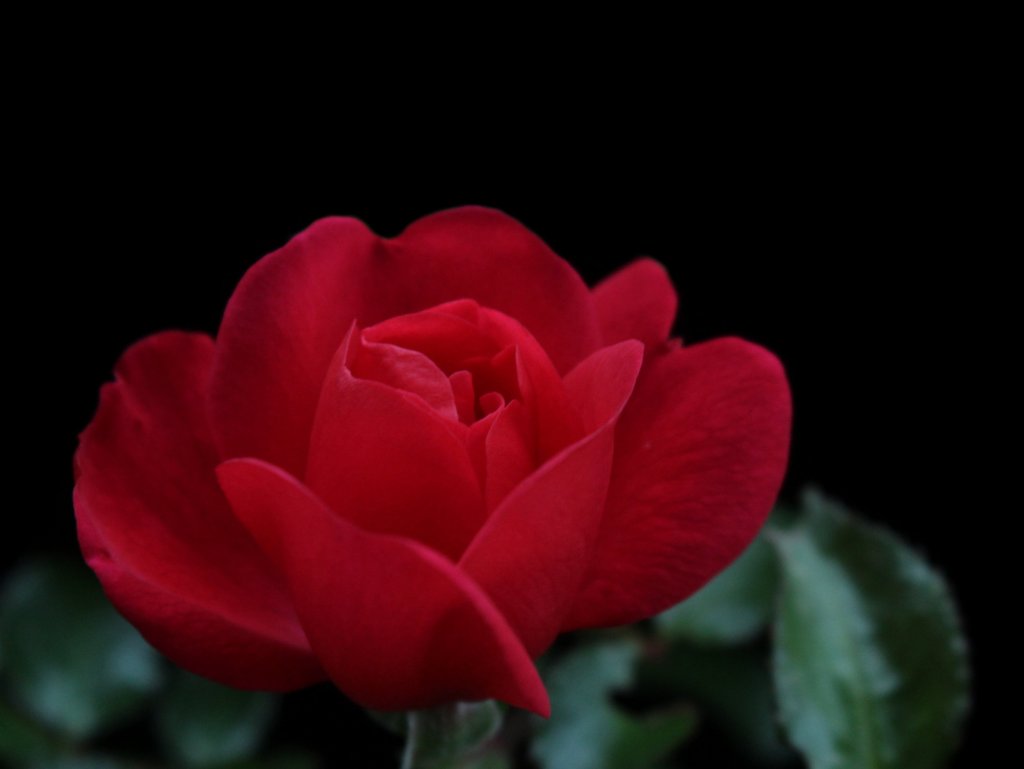
I took this photo this afternoon. (It’s in my polytunnel which is why it’s flowering so late) Tap to view my redbubble gallery.
In a garden of memories, red roses stand silent witness to a lost love. Their beauty, once a source of joy, now stirs bittersweet feelings. Each crimson petal carries the weight of a love that unfolded and withered, leaving behind a garden of faded colour and thorns that now prick at the edges of my heart. In their fragrance lingers the ghost of shared dreams. Amidst the sorrow, these roses become a sanctuary and a painful memory that some loves, like petals in the wind, are meant to drift away.
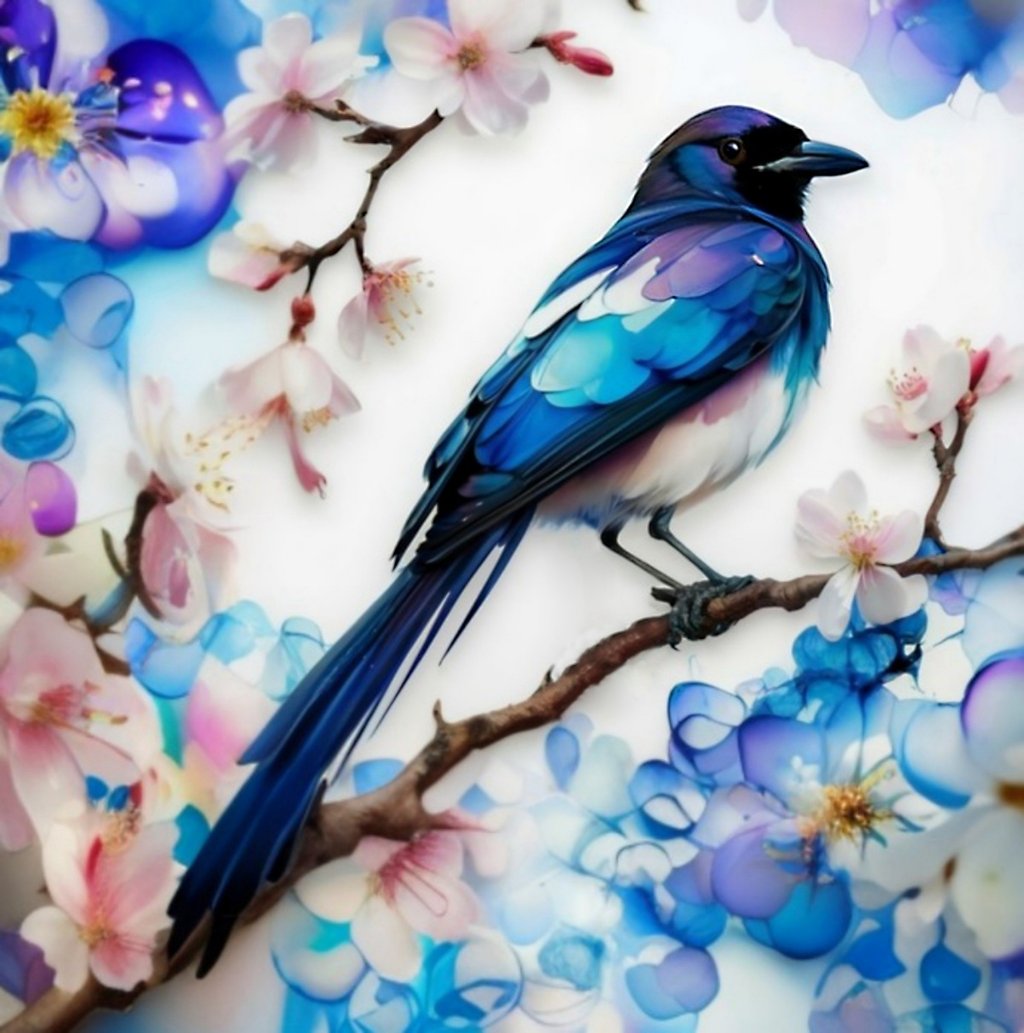
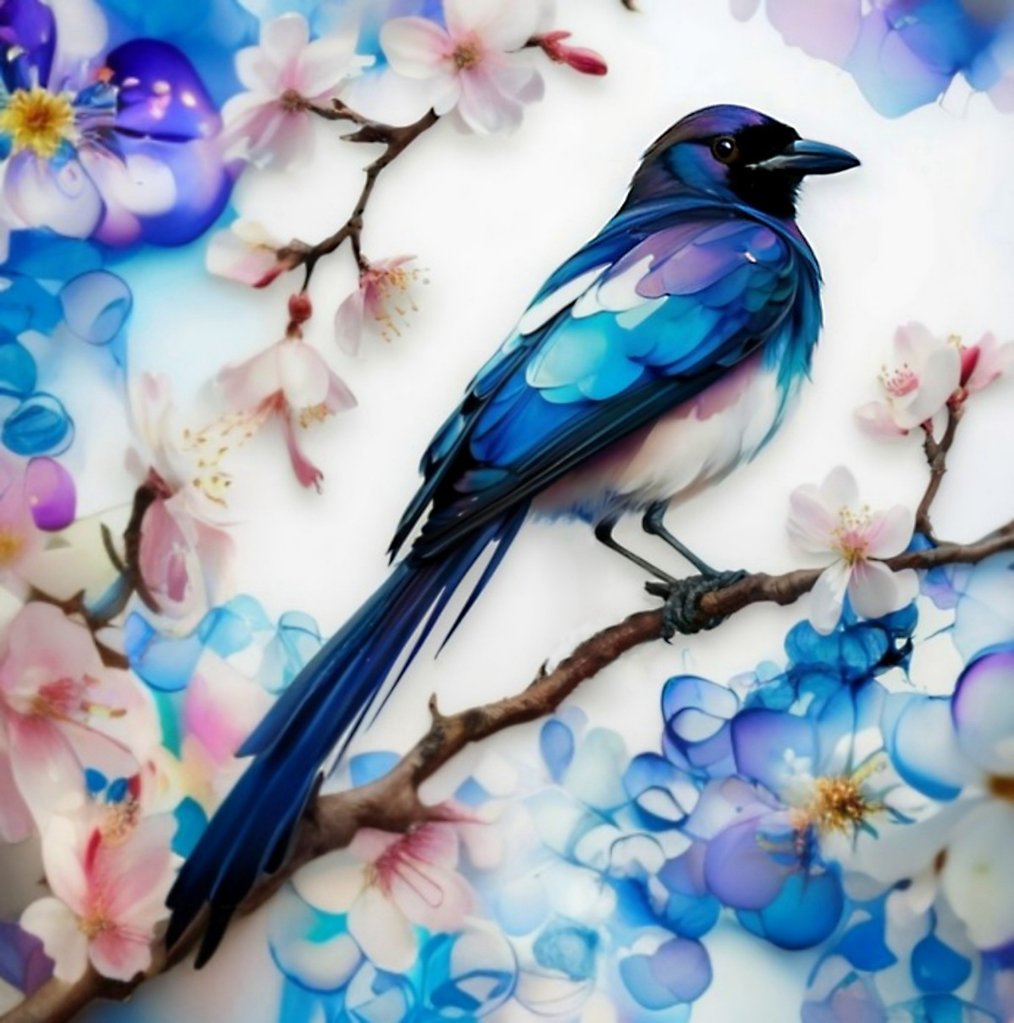
Magpies are fascinating birds that have inspired many myths and legends around the world. Here are some examples of stories about magpies from different cultures:
Tap to view my redbubble gallery.
In China, Korea, and Japan, magpies are considered to be auspicious birds that bring good luck and happiness. They are associated with the Qixi Festival, also known as the Chinese Valentine’s Day, which celebrates the annual meeting of two lovers, Zhinü and Niulang, who are separated by the Milky Way. According to the legend, a flock of magpies forms a bridge across the sky to allow the lovers to reunite once a year.
In Britain, magpies are often seen as omens of bad luck or death, especially if seen alone. There is a well-known rhyme that predicts one’s fortune based on the number of magpies seen: “One for sorrow, two for joy, three for a girl, four for a boy, five for silver, six for gold, seven for a secret never to be told.” Some people believe that greeting a lone magpie or saluting it can ward off the bad luck.
In Celtic lore, the magpie was a bird associated with fairy revels; with the spread of Christianity, however, this changed to a connection with witches and devils. In Scandinavia, magpies were said to be sorcerers flying to unholy gatherings, and yet the nesting magpie was once considered a sign of luck in those countries. In France, magpies were believed to be able to foretell the weather and the future.
In Native American cultures, magpies had various meanings and roles. Some tribes of Native Americans believed that wearing a magpie feather was a sign of fearlessness, while others considered the magpie to be a sacred messenger of the creator, or even a guardian with shamanic abilities. In some legends, the magpie helped the coyote, the trickster, to create the world or to steal fire from the gods.
These are just some of the many stories and beliefs that people have about magpies. Magpies are truly remarkable birds that have captured the imagination of humans for centuries.
As in a dream the petals of a white rose hold you in their fragrant embrace like fresh bed linen
Tap to view my redbubble gallery.
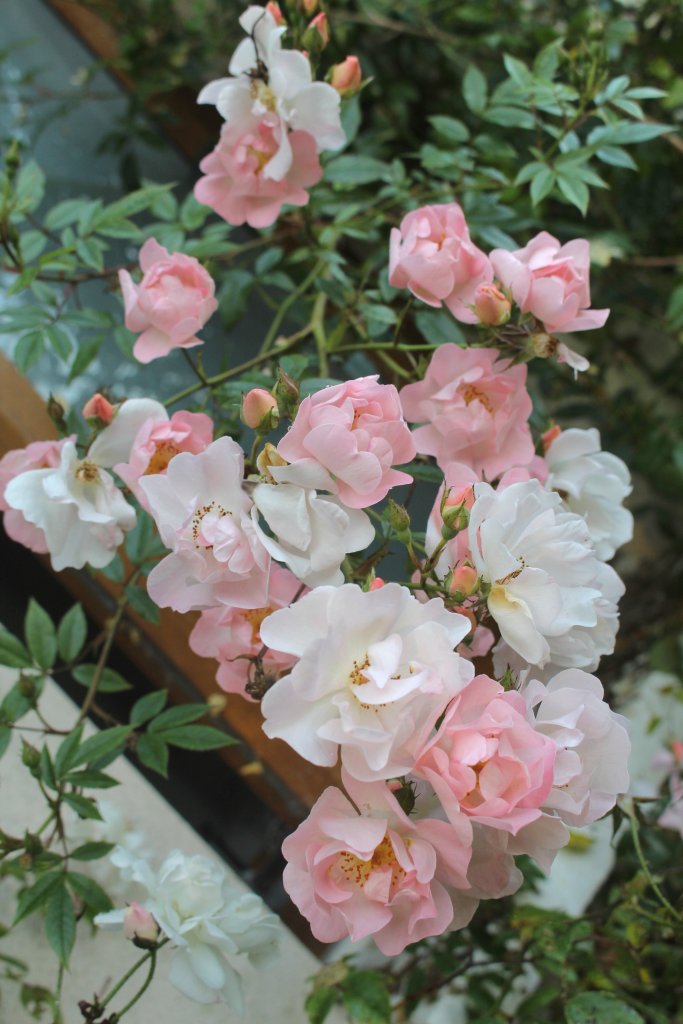
The beauty of a white rose is striking in its simplicity. Its clean and unadorned appearance has a unique charm. White roses symbolize purity and innocence, making them perfect for various occasions.
White roses have a long and fascinating history that dates back to ancient times. According to legend, the first white rose bloomed when Aphrodite, the goddess of love and beauty, was born from the sea foam. She then gave a white rose to her son Eros, the god of love, who used it as a symbol of his passion and devotion.
Their fragrance, though subtle, adds to their appeal, inviting you to take a moment to appreciate their essence. In a world filled with vibrant colors and complex patterns, white roses stand as a reminder that sometimes, the unembellished and straightforward things can be just as captivating.
These flowers are often used to convey messages of love and respect. Whether in a wedding bouquet or as a token of remembrance at a funeral, white roses hold a special place in our hearts due to their timeless and universal symbolism.
The simple beauty of a white rose is a reminder that elegance can be found in the most straightforward forms, and its significance extends beyond aesthetics to convey deep emotions and meaning.
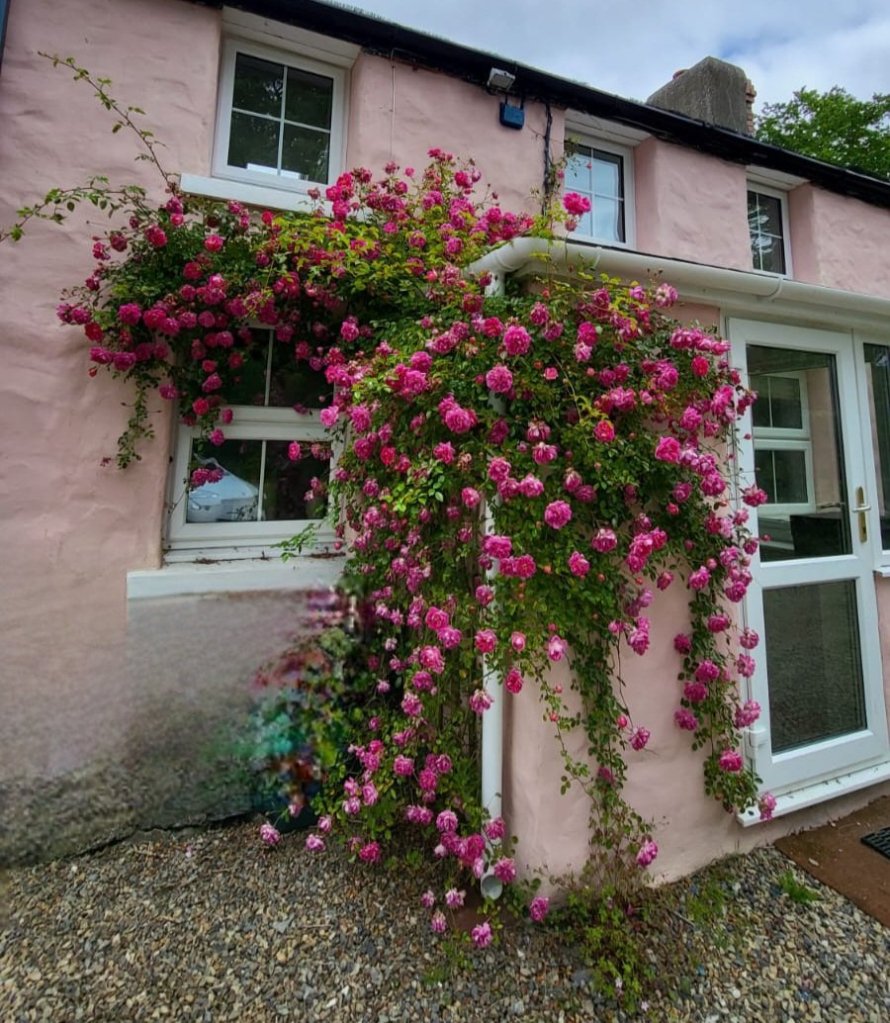
If there’s one thing that perfectly embodies the essence of laid-back romance, it’s the enchanting world of rambling roses. These blossoms, with their sprawling canes and sweet-scented petals, evoke a sense of nostalgia and a hint of wild beauty that’s hard to resist.
Each morning, in the heart of a quaint garden, a rambling rose dances with the breeze. It stretches towards the sun, yearning for its gentle caress whilst sharing its fragrant whispers with all who pass by.
Tap to view my redbubble gallery.
A rambling rose, a timeless muse, an embodiment of nature’s grace, forever enchanting the garden with its wandering soul.
As you meander through your garden or along a quaint countryside path, you may encounter a variety of rambling roses, each with its unique charm and character. Let’s take a leisurely stroll through this dreamed garden of romance and get to know a few of these delightful varieties.
Alexandre Girault
This rose variety, with its rich, deep pink and crimson blooms, is like a passionate declaration of love. The ‘Alexander Girault’ rose weaves a tapestry of romance with its vibrant colour, making it impossible to resist.
Open Arms
Much like its name suggests, the ‘Open Arms’ rose welcomes you with open-hearted affection. With its soft pink petals and delightful fragrance, it invites you to embrace the beauty and warmth of the natural world.
It reaches out with a welcoming embrace, inviting all who ventured near into its fragrant sanctuary. With petals like soft, blushing hearts, it symbolised love and warmth, a living testament to nature’s boundless affection. It whispered the sweetest secrets of resilience and beauty in every unfurling bud, a testament to the enduring embrace of the natural world.
Rambling Rosie
As vibrant as a crimson heart, the “Rambling Rosie” rose is a bold and passionate addition to the world of rambling roses. With its rich, deep red blossoms and a beguiling absence of fragrance, this rose variety speaks of a love that is intense and mysterious. Its vivid color is a visual love song, making a statement that needs no words. “Rambling Rosie” adds a touch of drama and intrigue to your garden, much like a passionate affair that leaves you longing for more.
While rambling roses may appear effortless, their tangled canes and bountiful blooms reflect the complexities of love itself. They remind us that romance, like a wild rose, often flourishes when allowed to grow at its own pace.
Photos are taken in friends gardens🙂
Tap to buy this t-shirtTap to buy comforterTap to view my redbubble gallery.
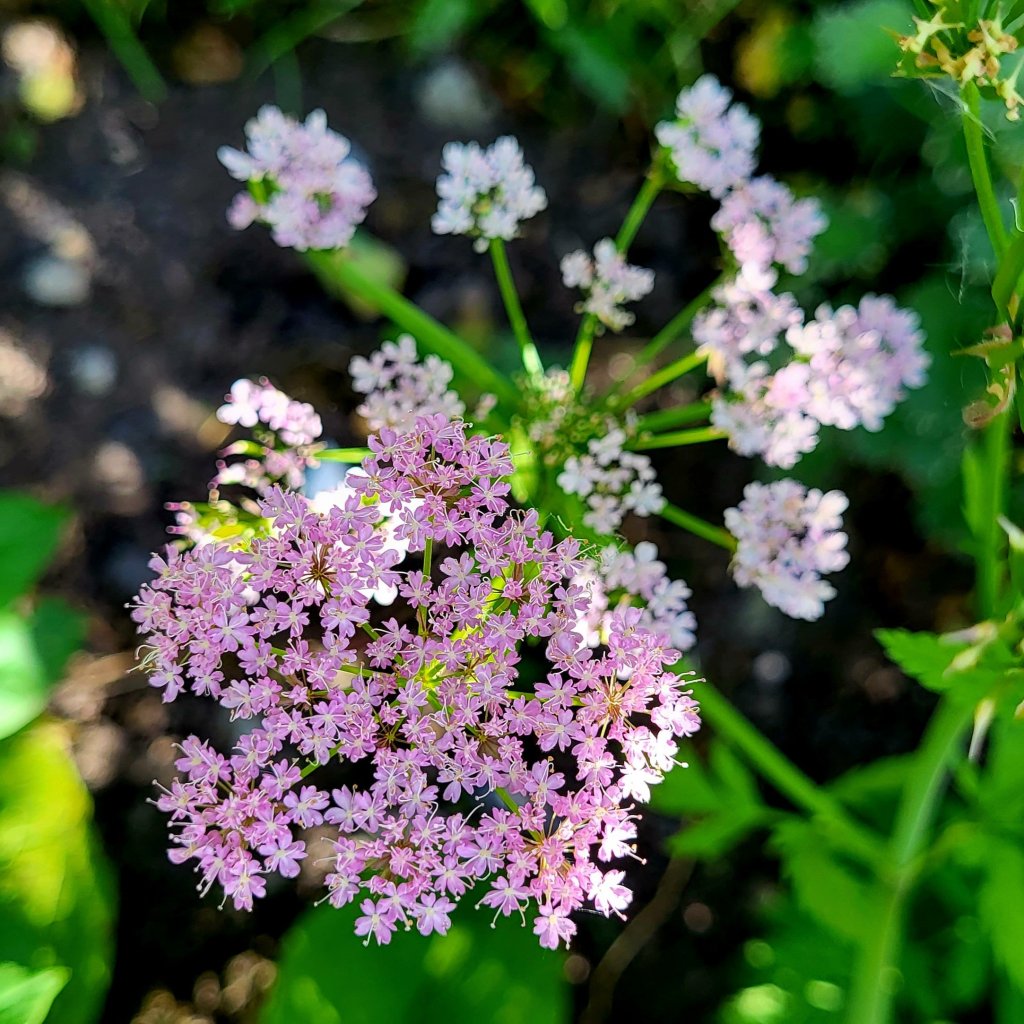
In the annals of botanical history, there lies a plant that embodies both beauty and whimsy, a delightful herbaceous creature known as Chaerophyllum hirsutum ‘Roseum.’ This particular variety of the species Chaerophyllum hirsutum, commonly known as hairy chervil, has an enchanting allure that has captivated botanists and garden enthusiasts alike for centuries
Tap to view in my redbubble gallery.
The tale of Chaerophyllum hirsutum ‘Roseum’ begins in the misty hills of Europe, where it first gained prominence during the Renaissance. It was during this period that horticultural aficionados discovered a remarkable mutation within the ranks of the hairy chervil. As if touched by the hand of a mischievous fairy, certain plants started to produce delicate, rose-coloured flowers instead of the typical white or greenish hues.
Word of this captivating floral anomaly quickly spread throughout the botanical community, and before long, ‘hairy chervil’ became a must-have addition to every nobleman’s garden. Kings and queens marvelled at its unique beauty and requested their royal gardeners to procure these precious plants at any cost.
The popularity of ‘Roseum’ grew exponentially, and soon it found its way into the gardens of the common folk as well. People of all walks of life revelled in the joyous sight of the delicate pink blossoms, which added a touch of whimsy to their landscapes.
Legend has it that Chaerophyllum hirsutum ‘Roseum’ even played a role in a notable historical events. It is said that during the signing of the Treaty of Versailles in 1919, negotiations between world leaders were temporarily halted when they spotted ‘Roseum’ blooms in an arrangement. The delegates were so taken aback by the unexpected beauty of the plant that they paused their discussions to admire its unique flowers (even world leaders can be garden lovers). Some even claim that the sight of the pink blossoms inspired moments of goodwill and compromise among the warring factions.
Over time, the popularity of Chaerophyllum hirsutum ‘Roseum’ waxed and waned. Like many fads, its charm faded as newer and more exotic botanical wonders emerged. Yet, despite being overshadowed by other floral darlings, the ‘Roseum’ variety of hairy chervil continued to grace gardens and bring joy to those lucky enough to encounter its rosy blooms.
So, the next time you stumble upon a patch of Chaerophyllum hirsutum ‘Roseum’ in a hidden corner of a garden or a forgotten field, take a moment to appreciate its historical and amusing journey. For within its delicate petals lies a tale of beauty, enchantment, and the timeless allure of nature’s whimsical wonders.
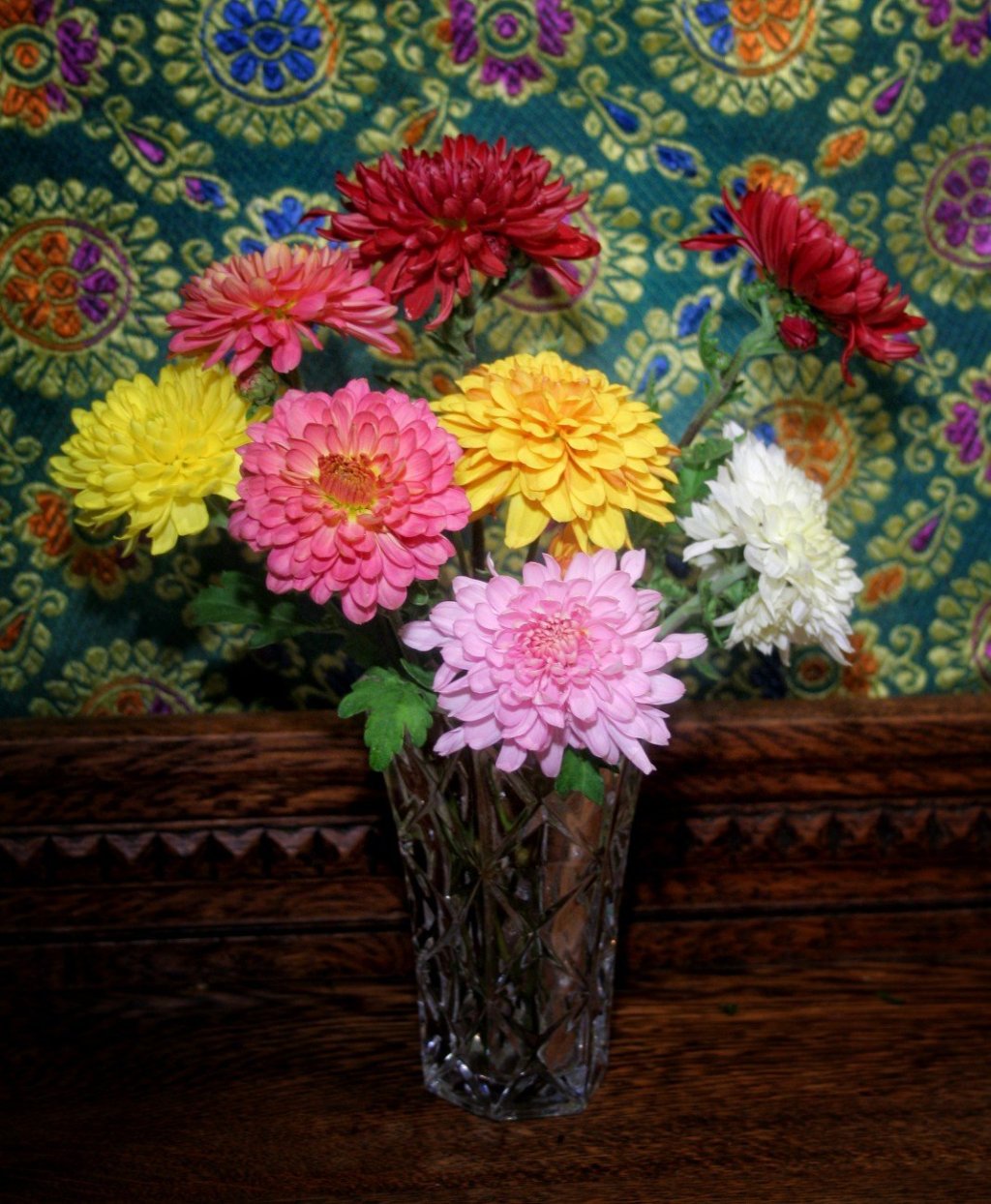
Student: Master, I have brought these chrysanthemums to offer as a gift. They are a symbol of autumn and their beauty fills me with wonder.
Master: Ah, young one, you have chosen well. These flowers are a favorite among poets and artists for their gentle grace. But did you know that chrysanthemums have a rich and fascinating history?
Student: No, Master. Please tell me more.
Master: Legend has it that a wise man discovered a magical herb that could cure any illness. He gave the herb to the emperor, who was so pleased with the gift that he named it after the two Greek words for “golden” and “flower” – chrysos and anthemon. And thus, the chrysanthemum was born.
Student: That is a beautiful story, Master. I had no idea that chrysanthemums had such a mystical beginning.
Master: Indeed, my dear student. In ancient China, chrysanthemums were considered symbols of longevity and good fortune. People of the Tang dynasty would even drink chrysanthemum wine to ward off evil spirits and extend their lives. And in Japan, the chrysanthemum is the symbol of the Imperial Family, a powerful emblem of honor and tradition.
Student: I had no idea that chrysanthemums were so revered. Are there any practical uses for them?
Master: Indeed there are, my student. The leaves and petals of the chrysanthemum can be used to make a tea that has powerful healing properties. It can ease headaches, reduce fever, and even improve digestion. And if that is not enough, chrysanthemum tea has a delicate, floral flavor that will transport your taste buds to the gardens of heaven.
Student: That sounds wonderful, Master. And what about the aesthetic value of chrysanthemums?
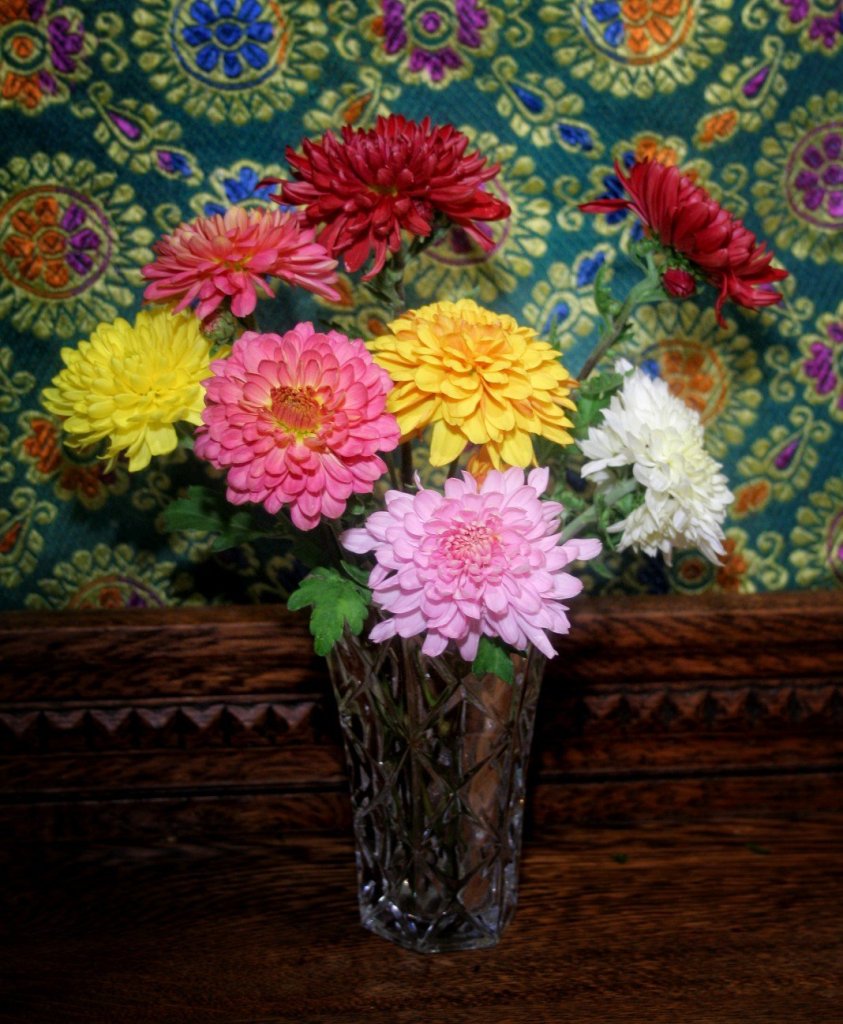
Master: Ah, student, chrysanthemums come in a rainbow of colors, from fiery reds to gentle pinks to vibrant yellows. Their intricate petals unfurl like delicate origami, a marvel of nature’s artistry. Chrysanthemums can be arranged in stunning bouquets or planted in gardens to create a serene and peaceful atmosphere.
Student: Thank you for enlightening me, Master. I will never look at a chrysanthemum the same way again.
Master: Remember, inquisitive one, to appreciate the simple things in life, for they are often the most profound. And may the beauty of the chrysanthemum fill your heart with peace and wonder.




































 Anthony's Literary Lens
You must be logged in to post a comment.